3D Gallery
African Art: The Forms That Changed Europe
Enter gallery
African Art: The Forms That Changed Europe is a 3D virtual gallery on MyGallery3D, a walkable online exhibition of 14 works. Step inside and explore it in your browser: no app, no headset.
Welcome to a 3D virtual gallery you can walk through in your browser, exploring the African art forms that reshaped European modernism.
When Picasso, Matisse, and Braque encountered African sculpture in the early twentieth century, they found forms organized by imagination and spiritual experience rather than appearances. That encounter detonated an explosion of abstraction in Western art. The concept of "African art" itself was born from that European recognition, shaped as much by colonial collection as by the artists who carved it.
Europeans initially dismissed African works as "fetish" objects or evidence of primitivism. Around 1900, scholars like Carl Einstein and Leo Frobenius reframed them as aesthetic achievements. Artists including Modigliani and Derain saw formal sophistication unified with expressive power. Art ceased to be merely decorative. It became, through African example, a territory of emotion and intellectual meaning.
Most African sculpture was carved in wood and organic materials that decayed within centuries. Older works survive only in terracotta and metal. The Nok culture of modern Nigeria produced clay figures as early as 1500 BC. By the tenth century, Igbo Ukwu and Ife produced bronze and brass castings ornamented with ivory and precious stones, sometimes reserved exclusively for royalty.
African art prioritizes a subject's spiritual essence over realistic likeness. Masks of the Bwa people represent invisible forest spirits as pure geometric forms. Senufo masks use half-closed eyes to symbolize patience and self-control. European modernists recognized in these works a formal perfection that freed art from serving appearances, making it a medium for philosophical discourse.
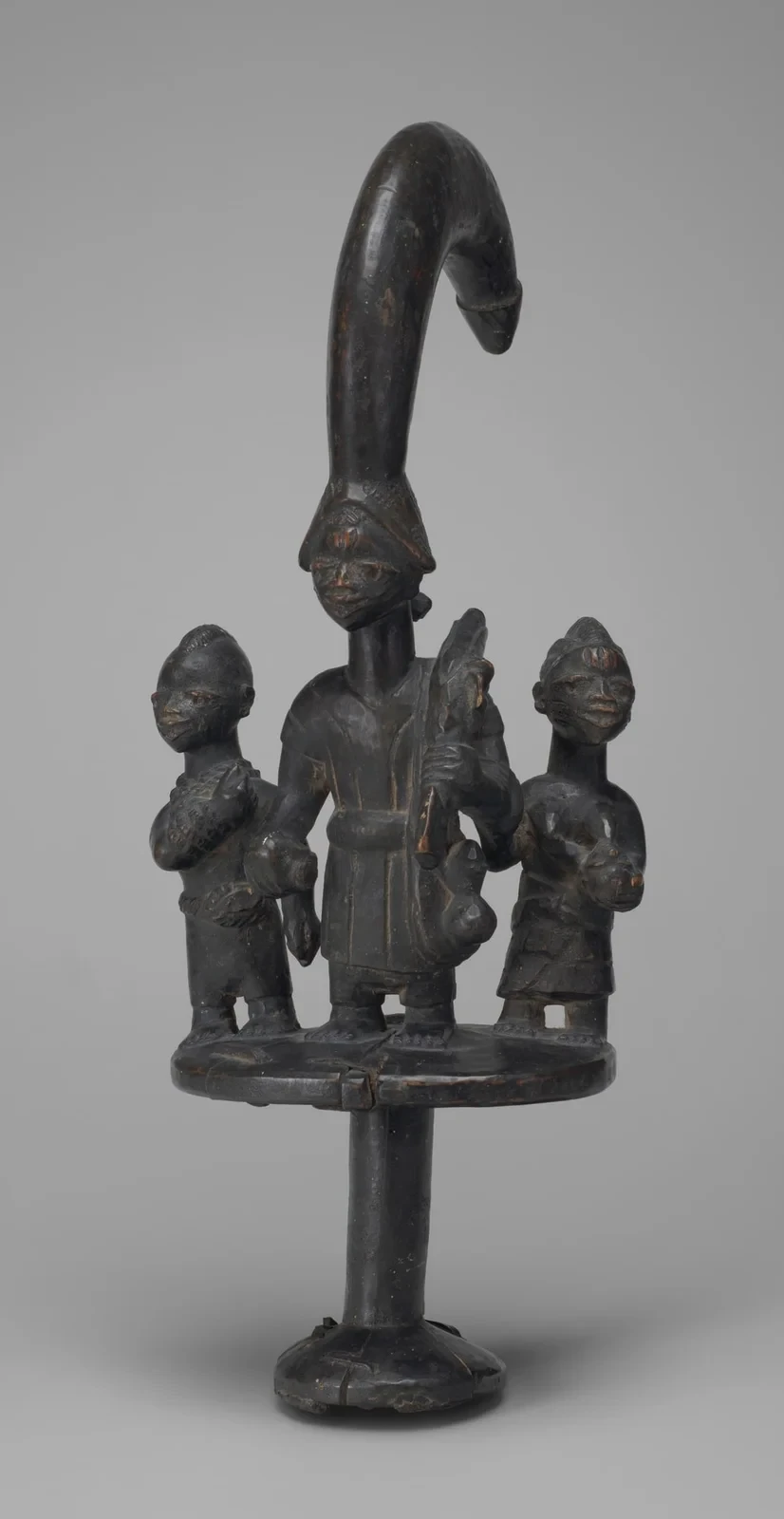
Yoruba, Mid, late 19th century
Wood · Nigeria
Gift of Anne R. Whipple and Jay Whipple in memory of Anne's son, W. Philip McNulty III
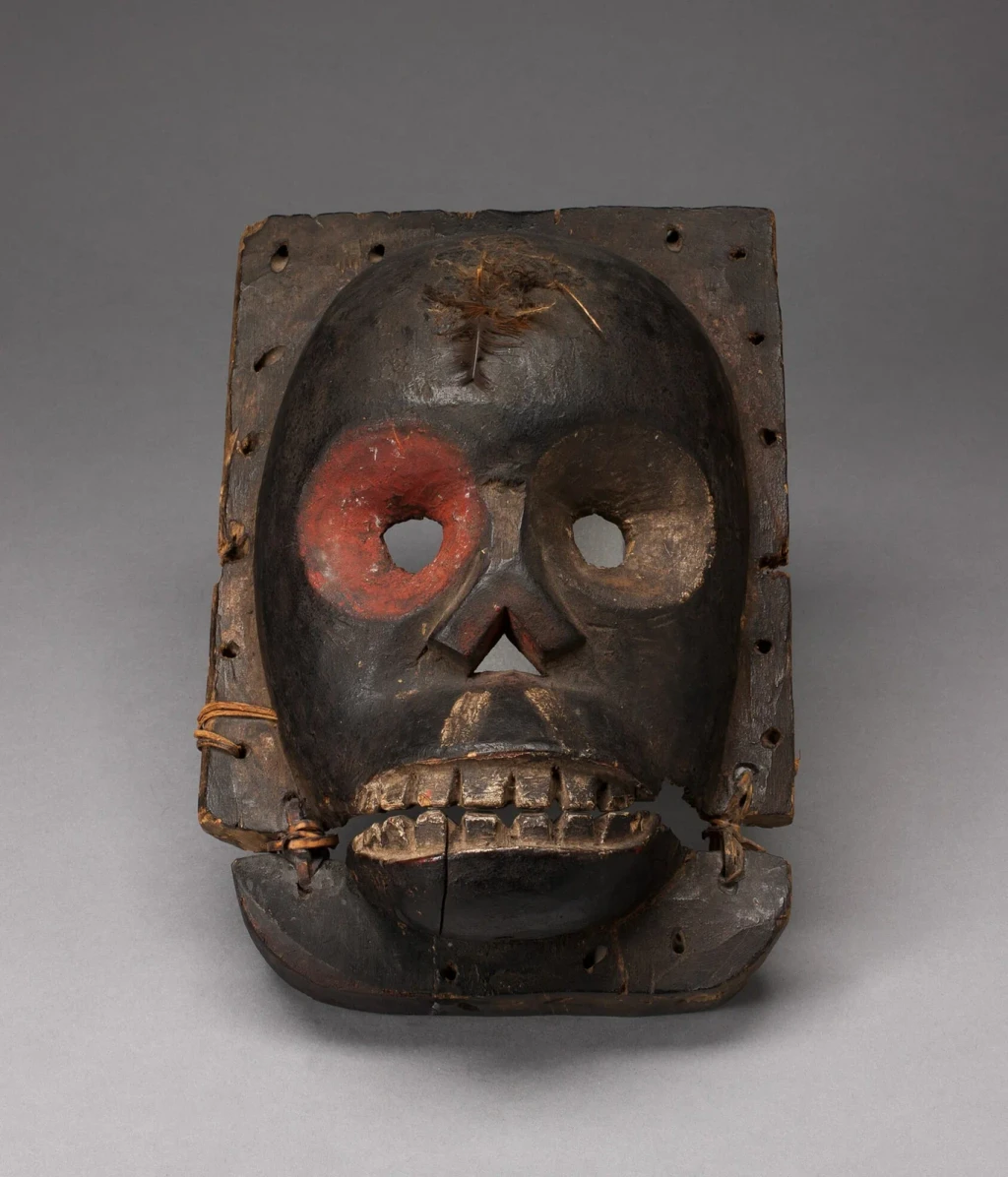
Ibibio, Unknown
Wood · Nigeria
Gift of Mr. and Mrs. Raymond W. Wielgus
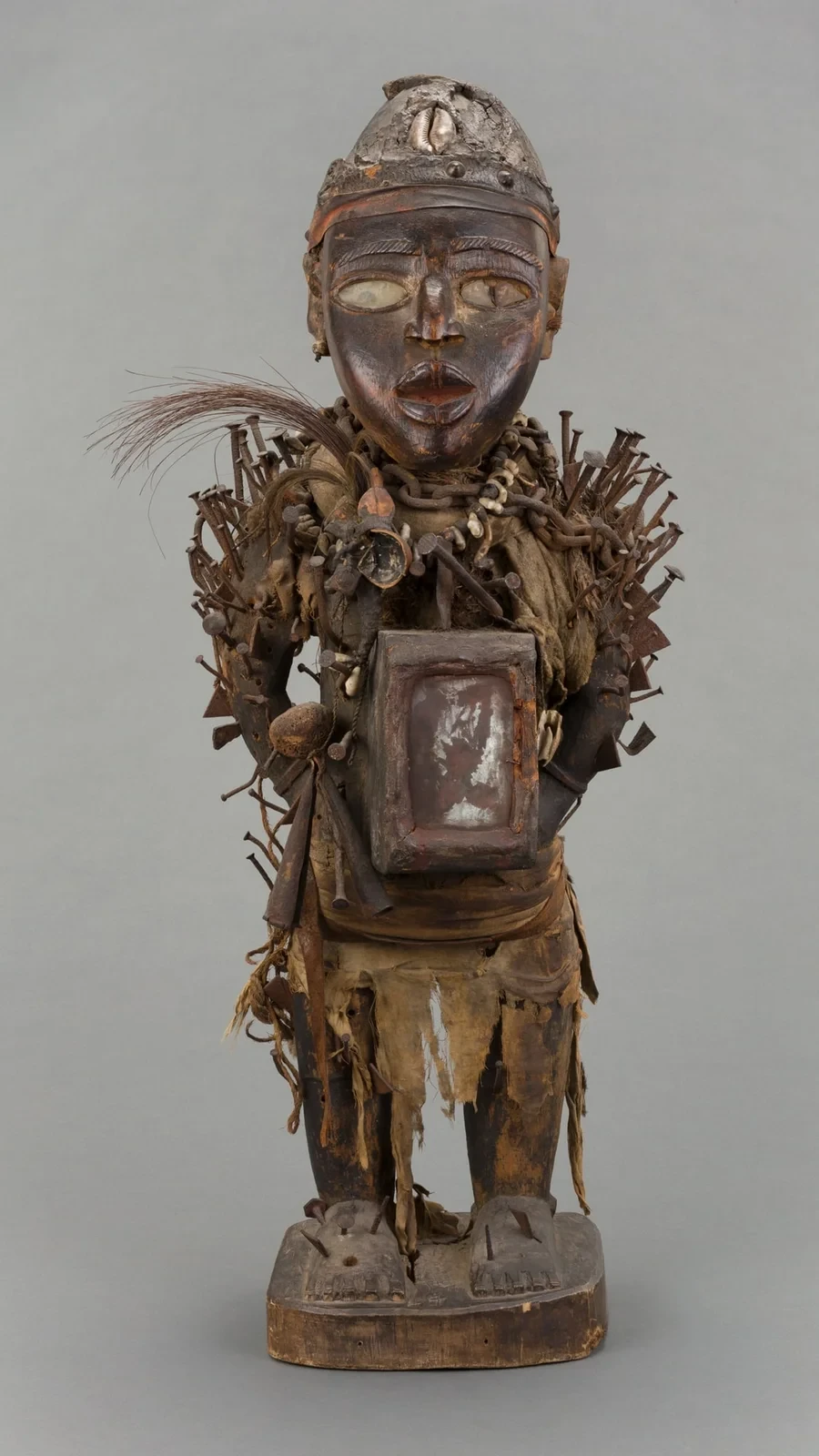
Vili, Probably early to mid-19th century
Wood, metal, glass, fabric, fiber, cowrie shells, bone, leather, gourd, and feathers · Republic of the Congo
Ada Turnbull Hertle Endowment · Vili and Vé on Wikipedia
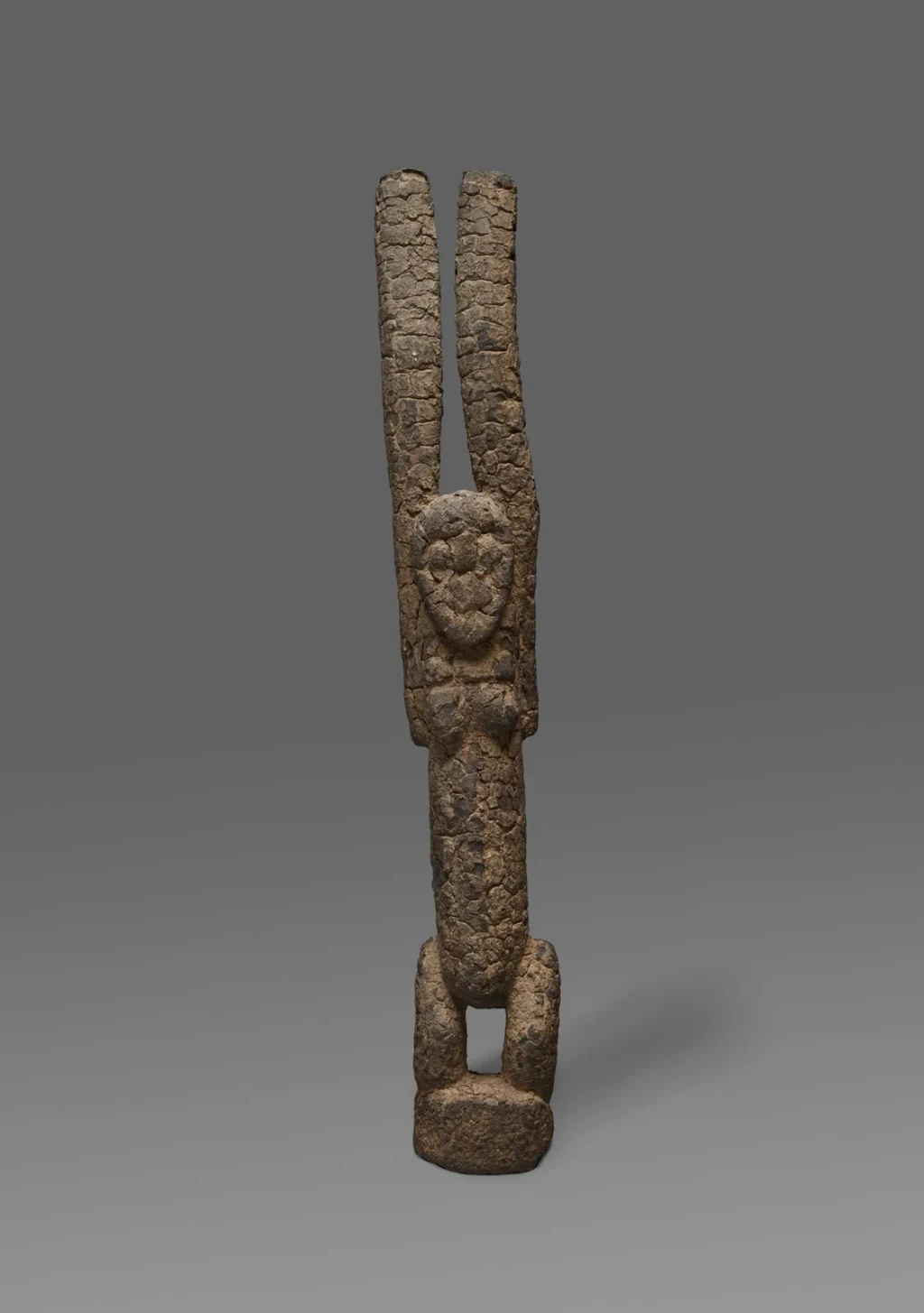
Tellem, 11th-19th century
Wood and sacrificial material · Mali
Gift of Grace Hokin · Tellem on Wikipedia
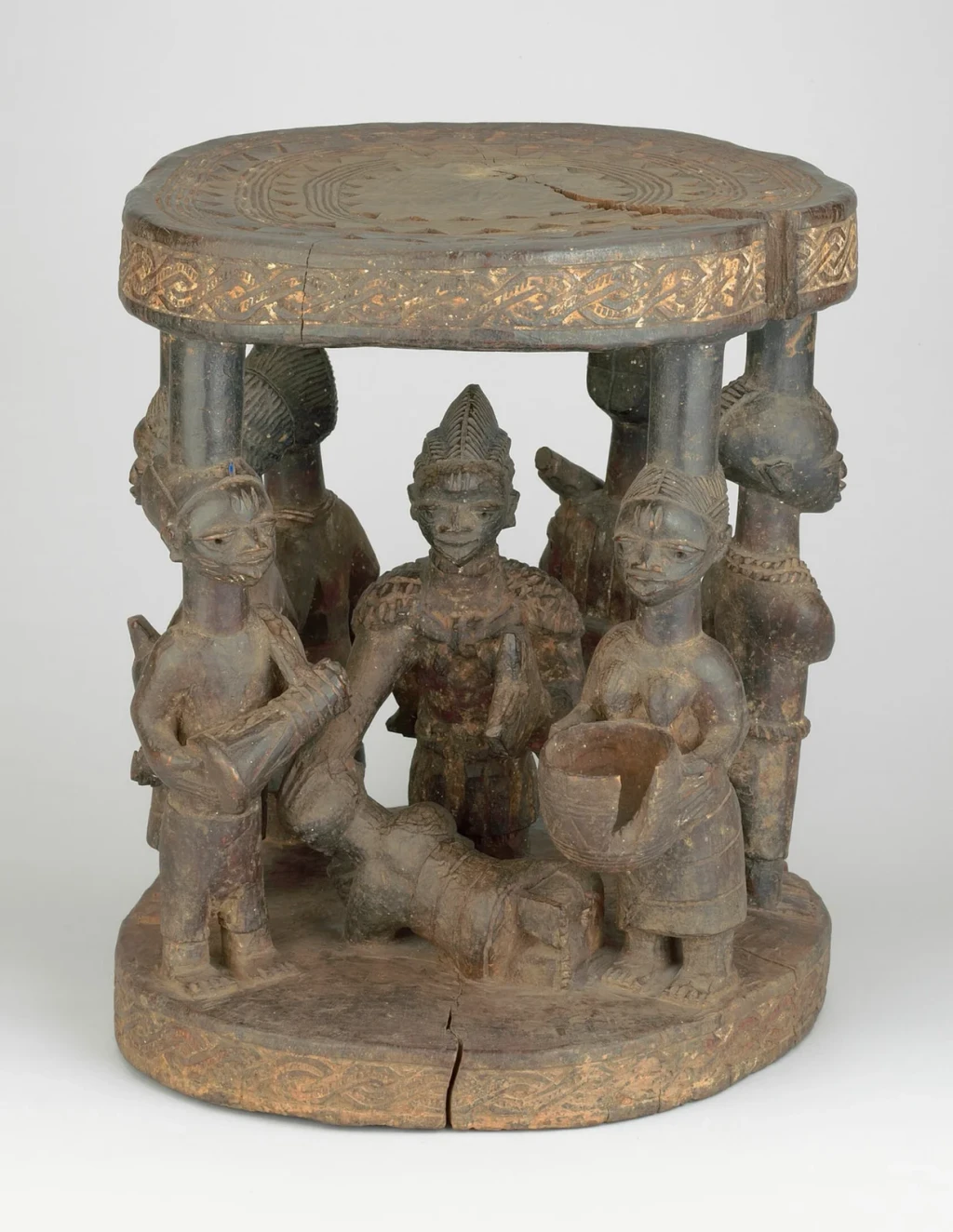
Yoruba, Mid, /late 19th century
Wood and pigment · Nigeria
Purchased with funds provided by Jamee and Marshall Field, and Mrs. Stanley M. Freehling; Laura T. Magnuson Endowment
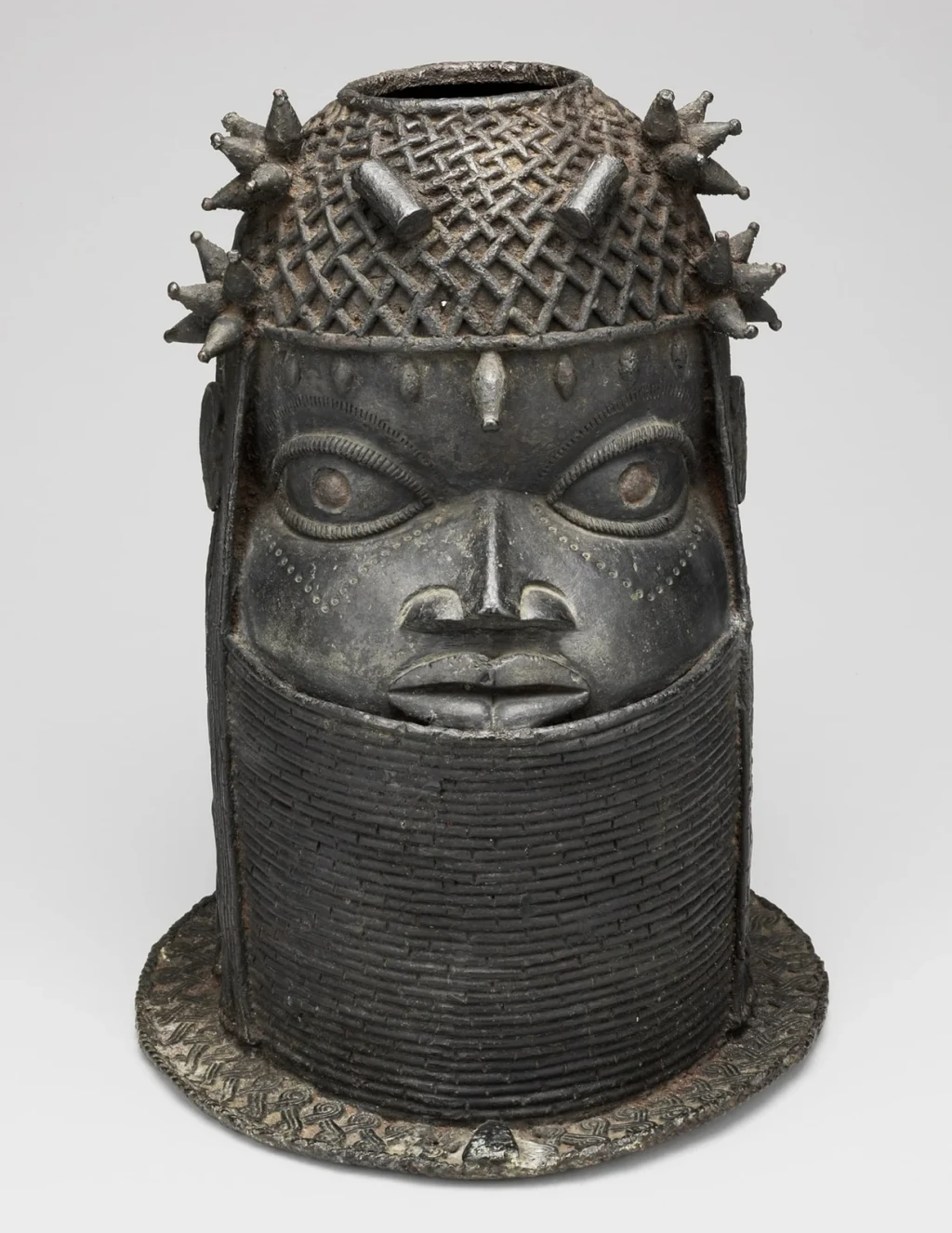
Edo, 18th/early 19th century
Brass · Nigeria
Major Acquisitions Centennial Endowment · Edo on Wikipedia
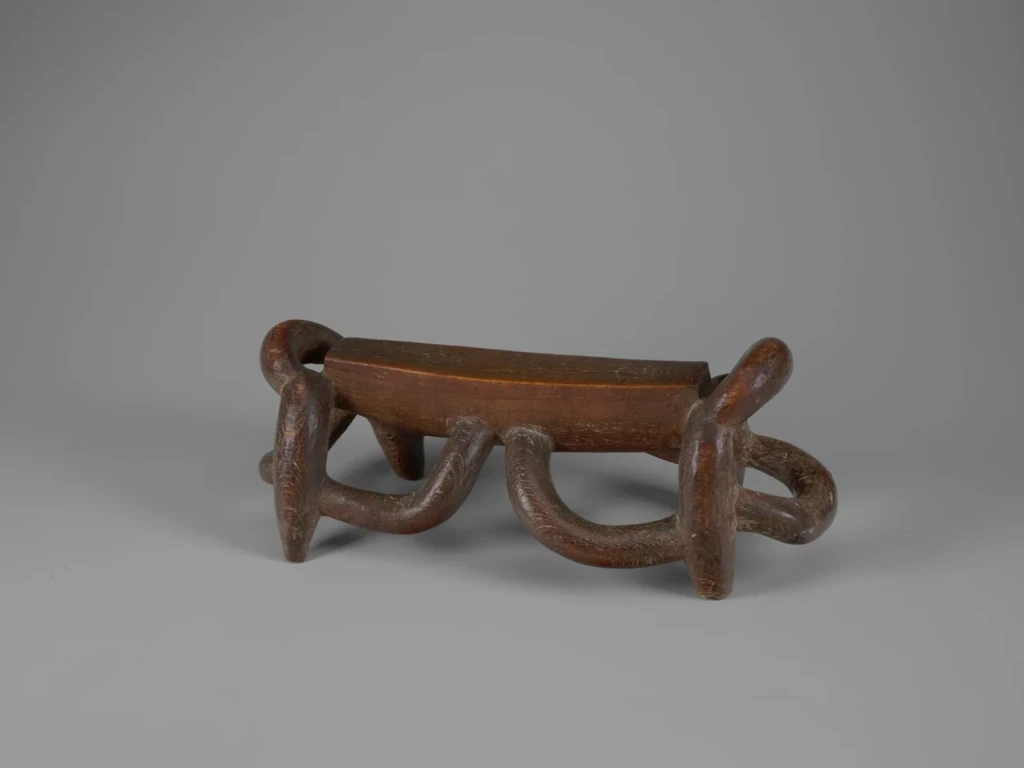
Northern Nguni, 19th century
Wood · South Africa
Edward E. Ayer Endowment in memory of Charles L. Hutchinson
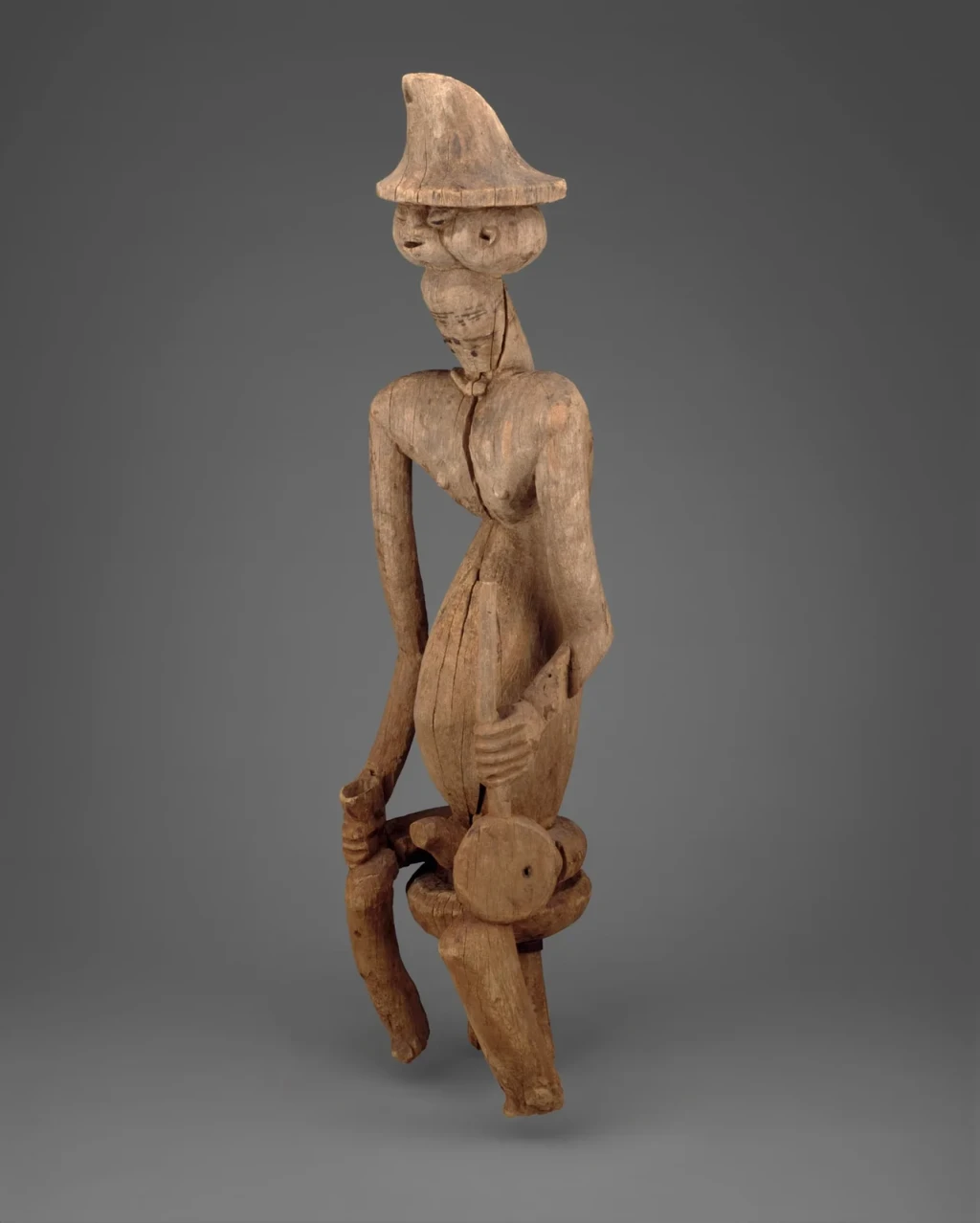
Bamileke, c. 1912-1914
Wood and pigment with traces of chalk and camwood · Cameroon
Major Acquisitions Centennial Endowment · Bamileke people on Wikipedia
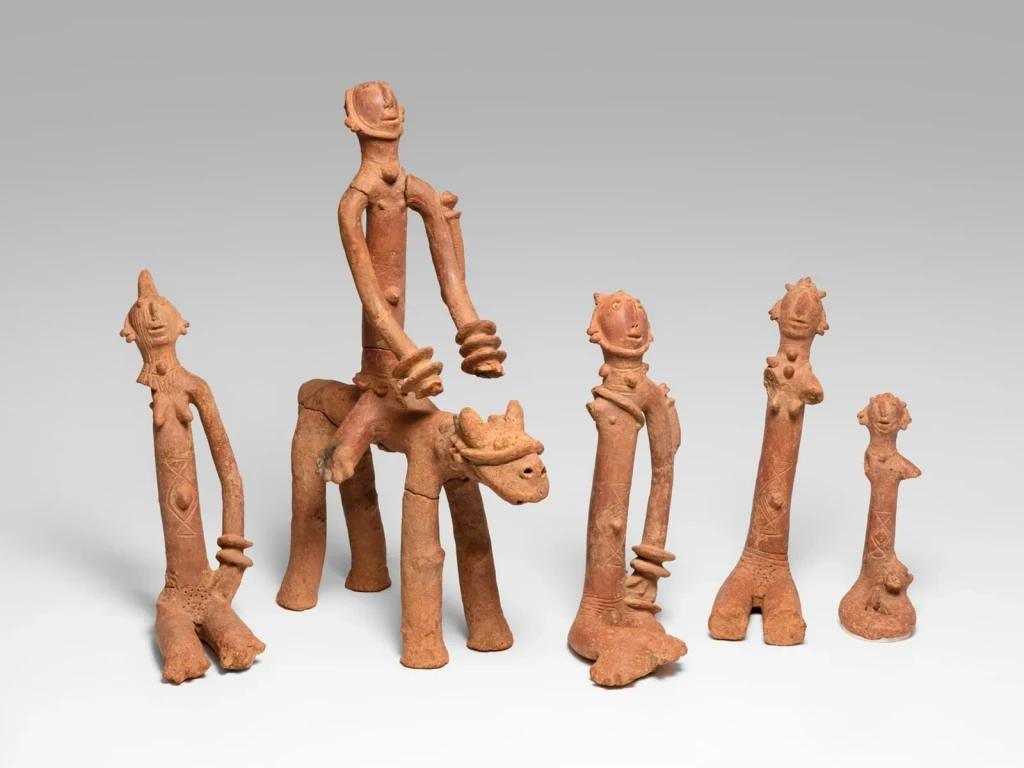
Bankoni, Probably late 12th-15th century
Terracotta · Mali
Ada Turnbull Hertle Endowment
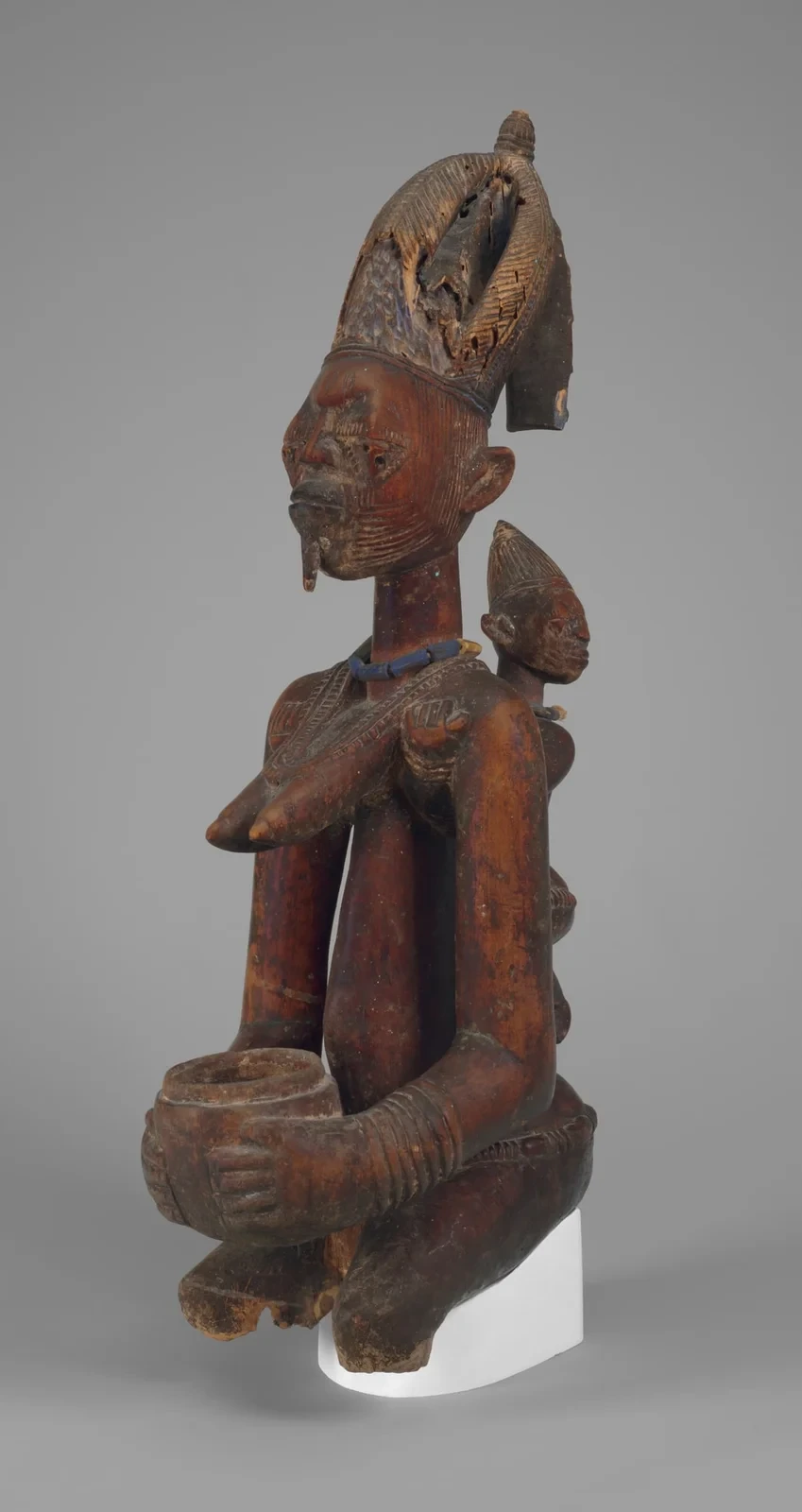
Abogunde of Ede, Late 19th century
Wood, beads, and traces of pigment · Nigeria
Gift of the Alsdorf Foundation, Mr. and Mrs. James W. Alsdorf, and Mr. and Mrs. Joseph P. Antonow; Samuel P. Avery Fund; gift of Herbert Baker and Gwendolyn Miller, the Britt Family Collection, and Gaston T. de Havenon; Ada Turnbull Hertle Fund; gift of Mr. and Mrs. Edwin E. Hokin, Robert Stolper, and Mr. and Mrs. Edward H. Weiss; through prior gift of Mr. and Mrs. Raymond J. Wielgus
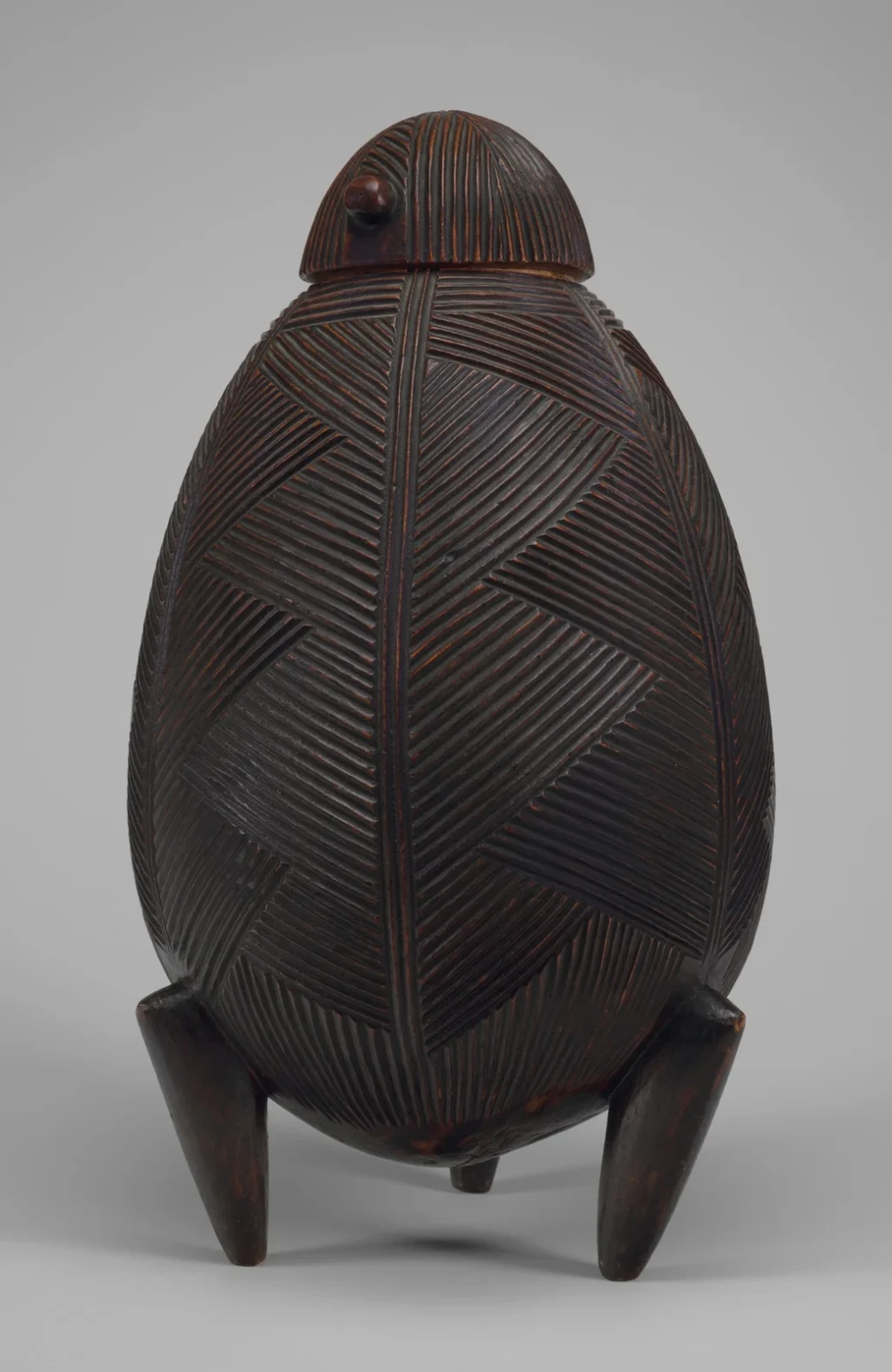
Northern Nguni, Mid, late 19th century
Wood · South Africa
Ada Turnbull Hertle Fund
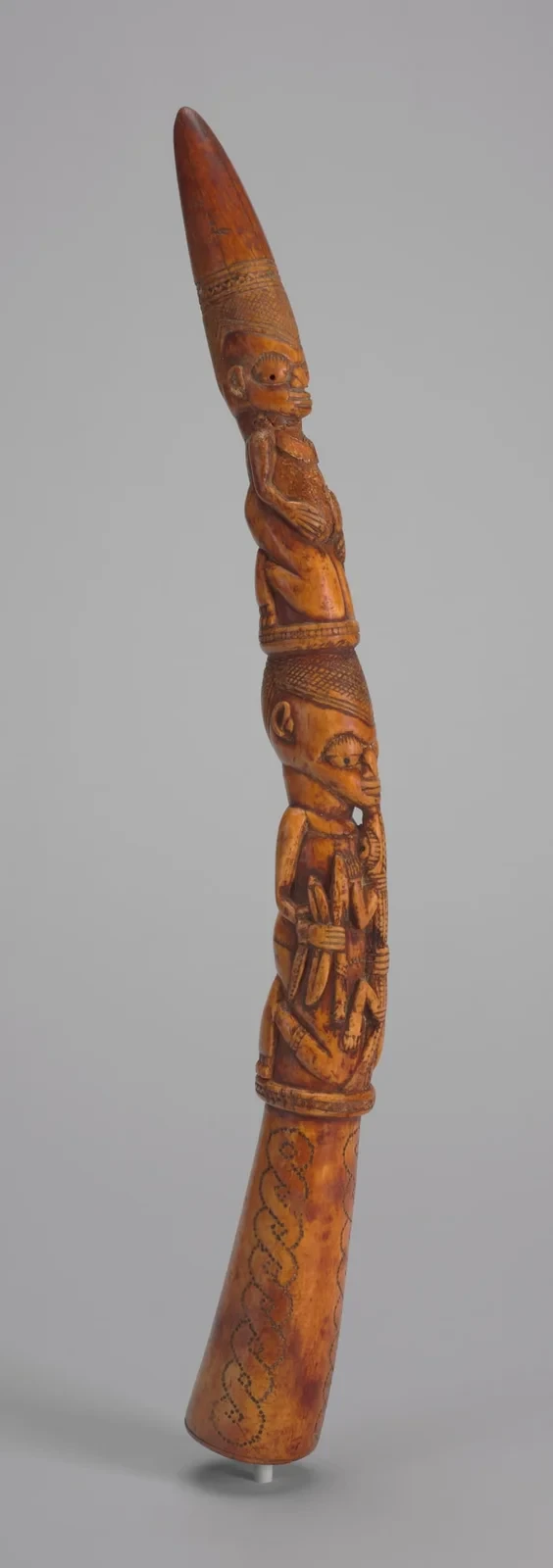
Yoruba, 17th or 18th century
Ivory · Nigeria
Gift of Richard Faletti, the Faletti Family Collection
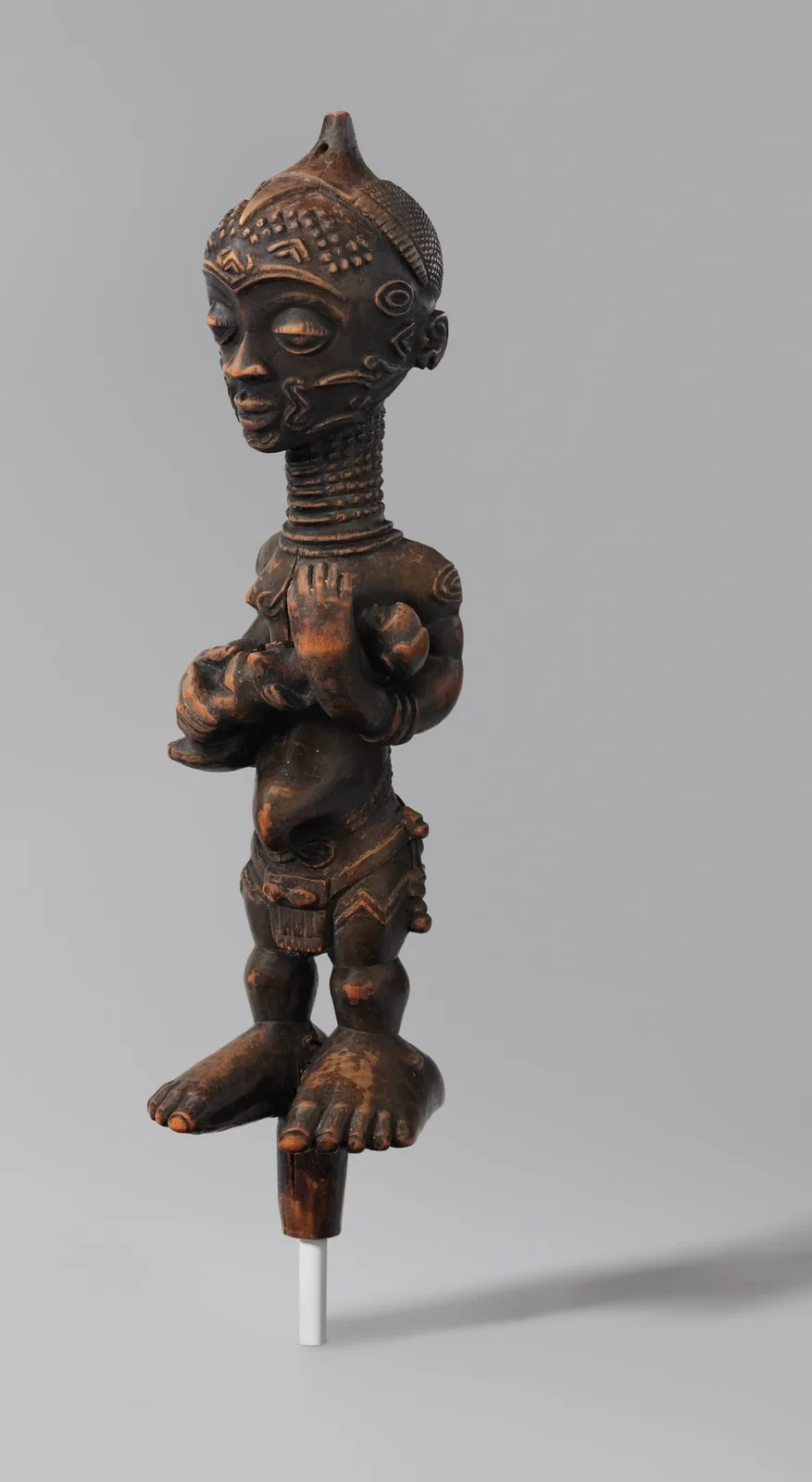
Luluwa, Mid, late 19th century
Wood and pigment · Democratic Republic of the Congo
Wirt D. Walker Fund · Twin sisters of Cain and Abel on Wikipedia
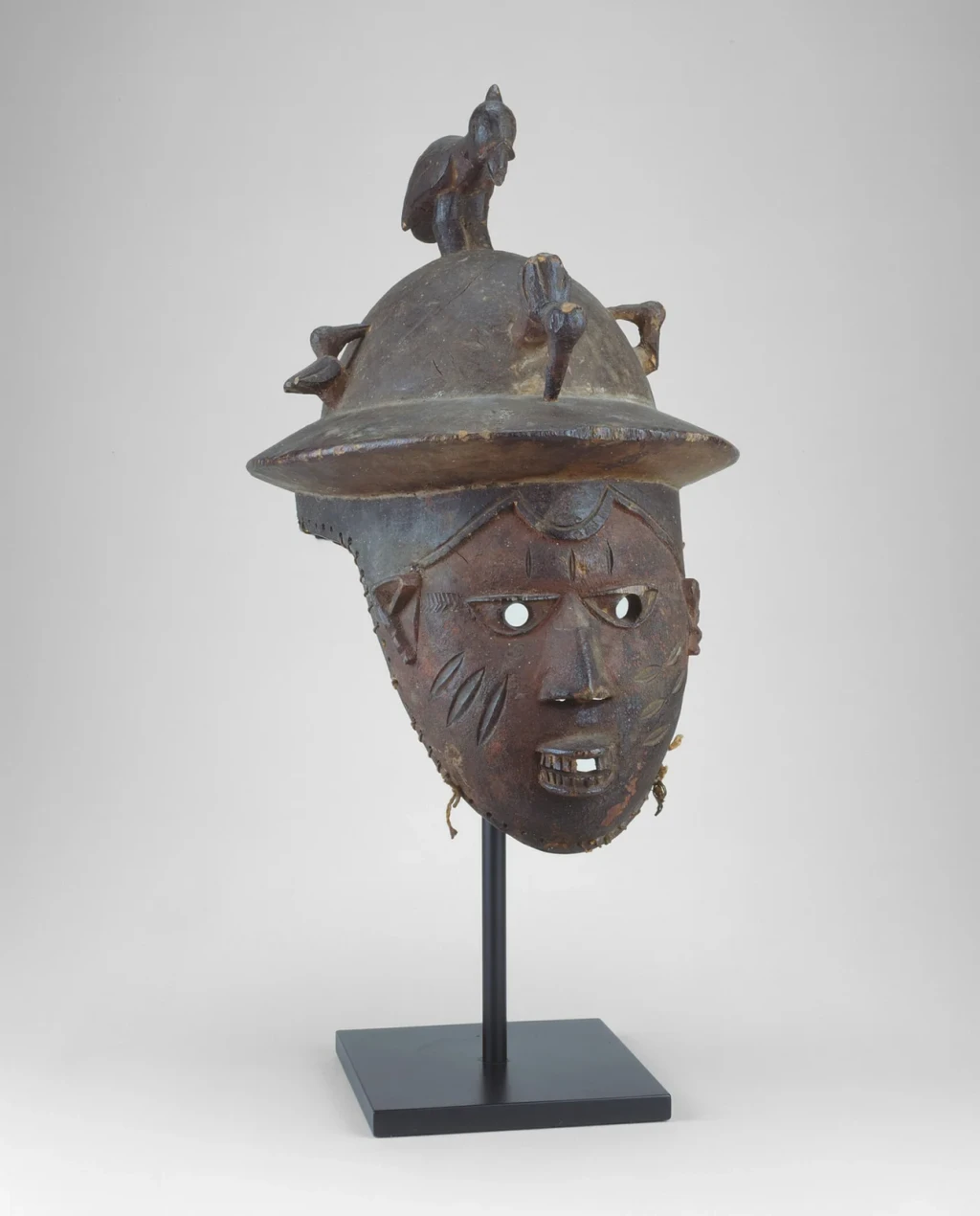
Yoruba, Late 19th century
Wood and pigment · Nigeria
Tillie C. Cohn Endowment Fund
