3D Gallery
Ancient Egypt Made Art for the Dead
Enter gallery
Ancient Egypt Made Art for the Dead is a 3D virtual gallery on MyGallery3D, a walkable online exhibition of 16 works. Step inside and explore it in your browser: no app, no headset.
Welcome to a 3D virtual gallery you can walk through in your browser, exploring how ancient Egyptians made art to outlast death.
The Egyptian language had no word for "art." To render a subject in art was to grant it permanence. Nearly everything that survives, the painted coffins, the golden amulets, the carved false doors, was made not for the living but for the dead. Tombs were filled with grave goods because Egyptians believed the afterlife required furniture, food, weapons, and even servants.
The earliest burials were shallow oval pits with a single pot, probably holding food. By the Early Dynastic period, wealthy Egyptians built mudbrick mastaba tombs with niched palace-facade walls. Old Kingdom kings replaced these with pyramids surrounded by stone mastabas for their officials. The tombs grew grander, but the core idea persisted for three thousand years: the dead required a house and provisions.
Tombs held what the dead would need: food, jewelry, games, weapons, and cosmetic palettes. Shabti figurines were placed inside to labour in the owner's place in the afterlife. Wooden models depicted boats, workshops, and scribes. When real goods were scarce, reliefs carved on walls served as substitutes. Representation alone was enough, because depicting an object in art made it permanent and available forever.
By 3600 BC, Egyptians had begun mummifying the dead, wrapping them in linen bandages with conifer resin and aromatic plant extracts. Canopic jars held internal organs. Mummy masks of cartonnage, linen soaked in plaster, appeared by the end of the Old Kingdom. Over millennia the process grew elaborate, but the purpose never changed: preserving the physical body so the spirit could survive beyond death.
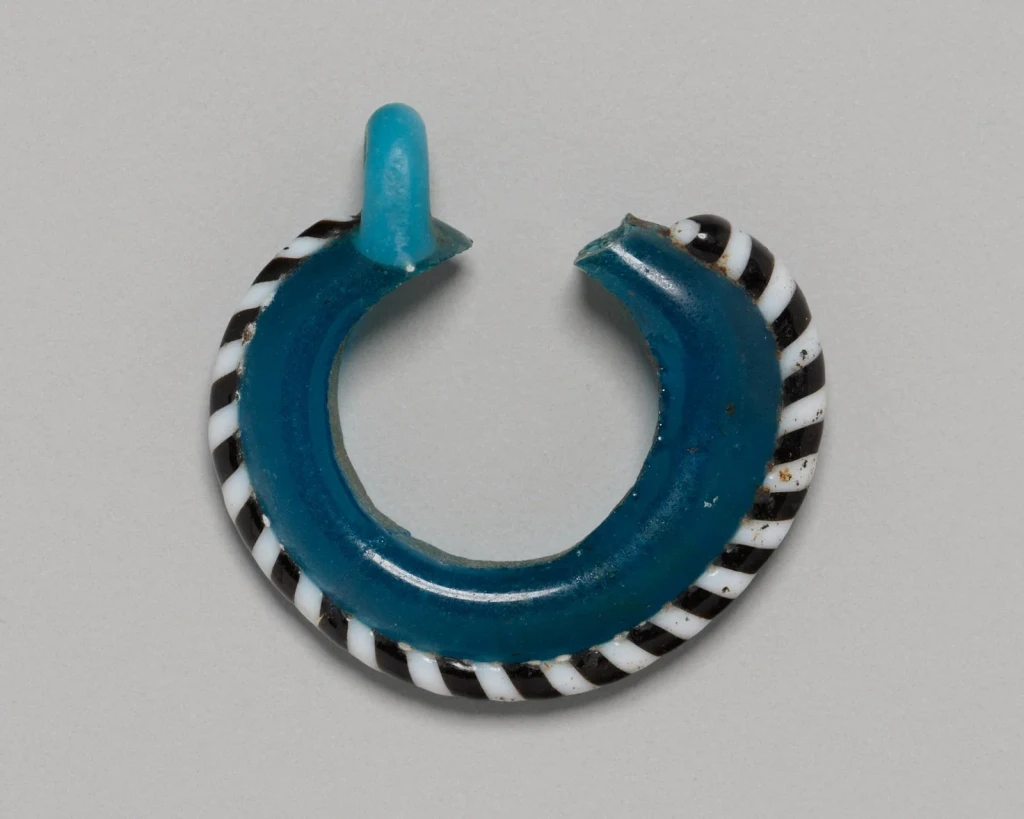
Ancient Egyptian, New Kingdom, mid- to late Dynasty 18, about 1400, 1295 BCE
Glass · Egypt
Gift of Henry H. Getty and Charles L. Hutchinson · Ancient Egypt on Wikipedia
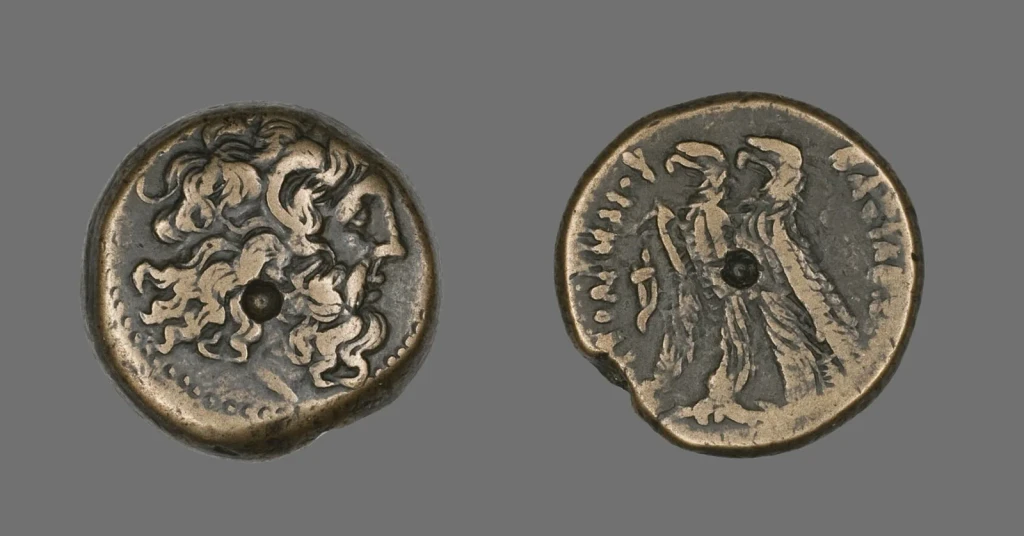
Ancient Egyptian, 117-111 BCE, issued by Ptolemy X (Soter II)
Copper · Egypt
Gift of Mrs. William Nelson Pelouze · Ancient Egypt on Wikipedia
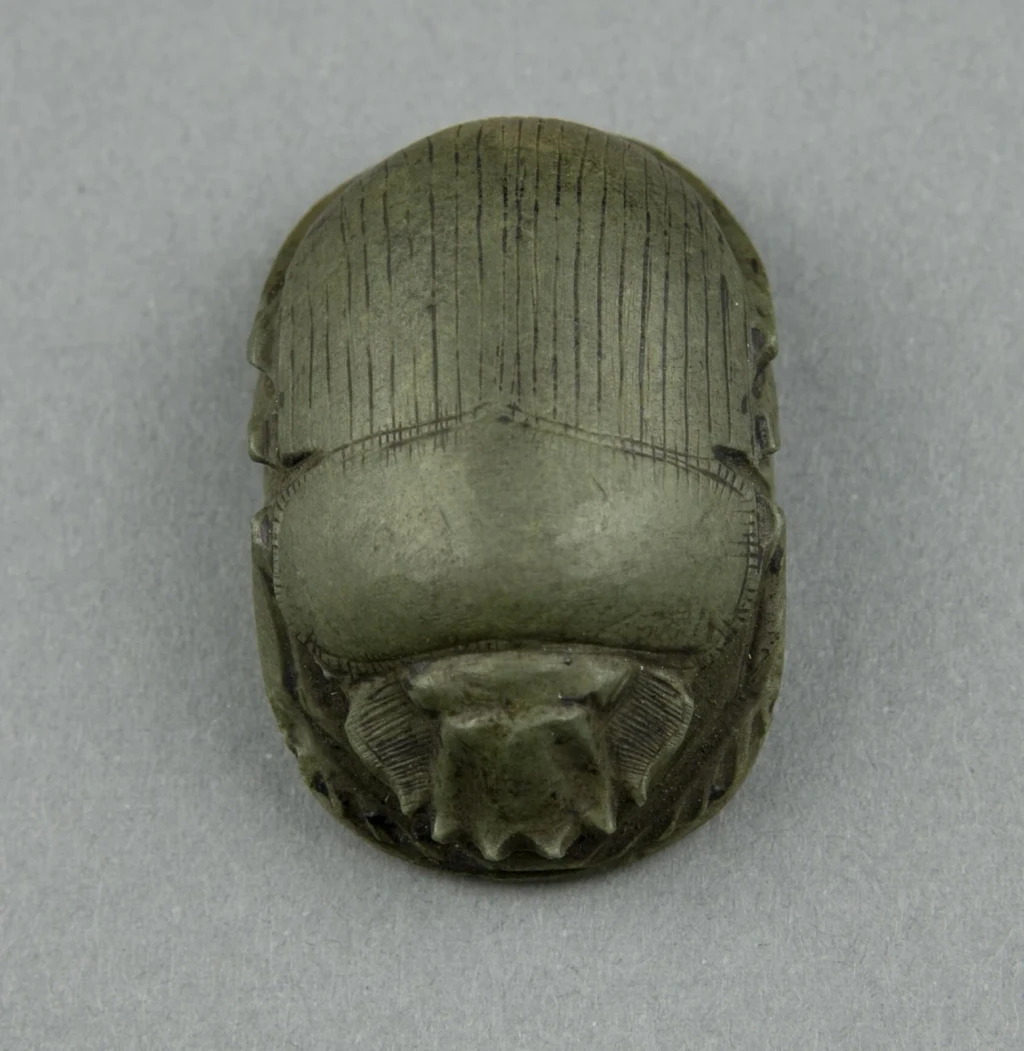
Ancient Egyptian, Third Intermediate, Late Period, Dynasty 21, 26 (about 1069, 664 BCE)
Stone · Egypt
Gift of Henry H. Getty and Charles L. Hutchinson · Ancient Egypt on Wikipedia
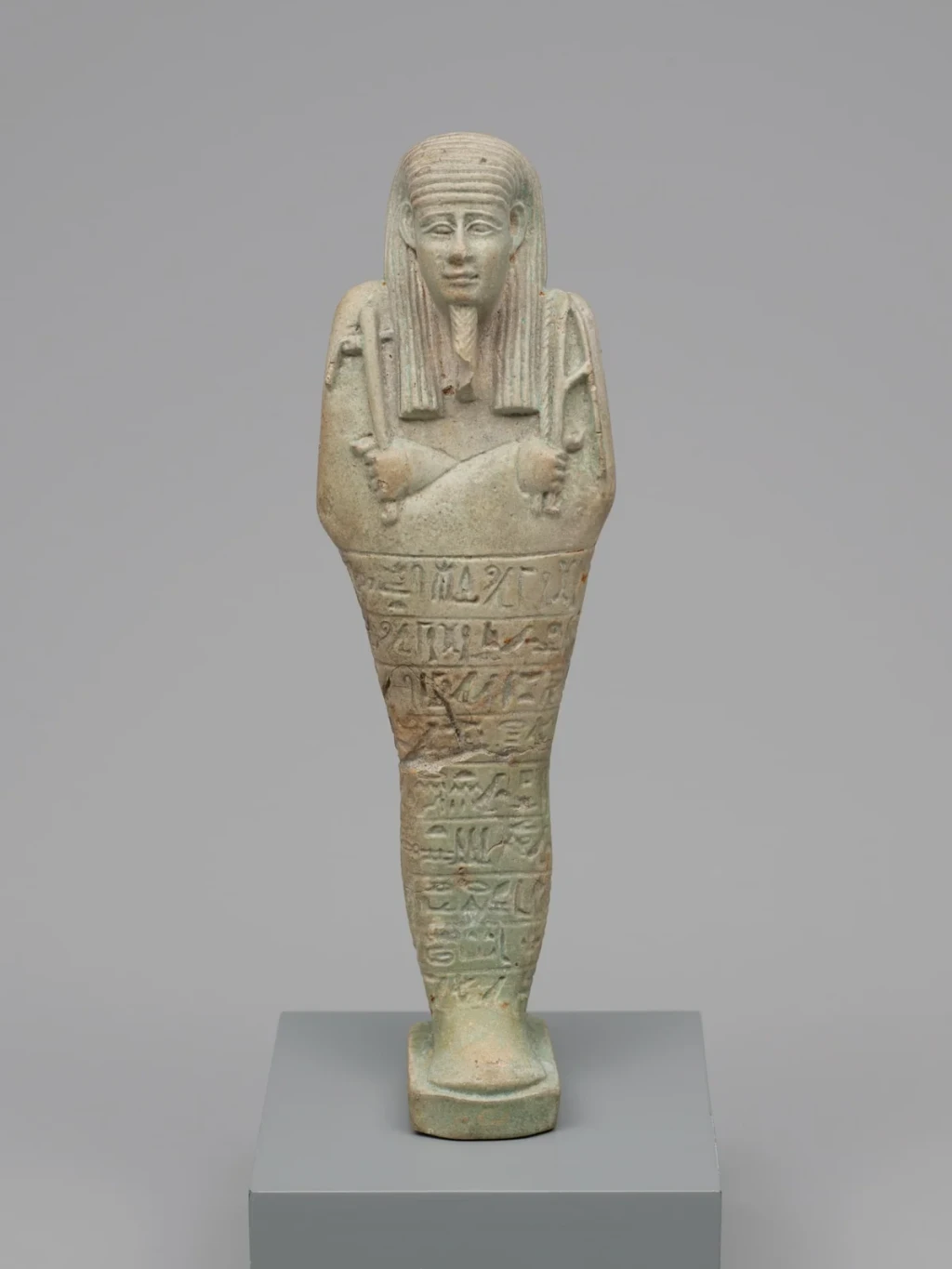
Ancient Egyptian, Late Period, Dynasty 30 (380, 343 BCE)
Faience · Egypt
Gift of Miss Amelia B. Edwards · Ancient Egypt on Wikipedia
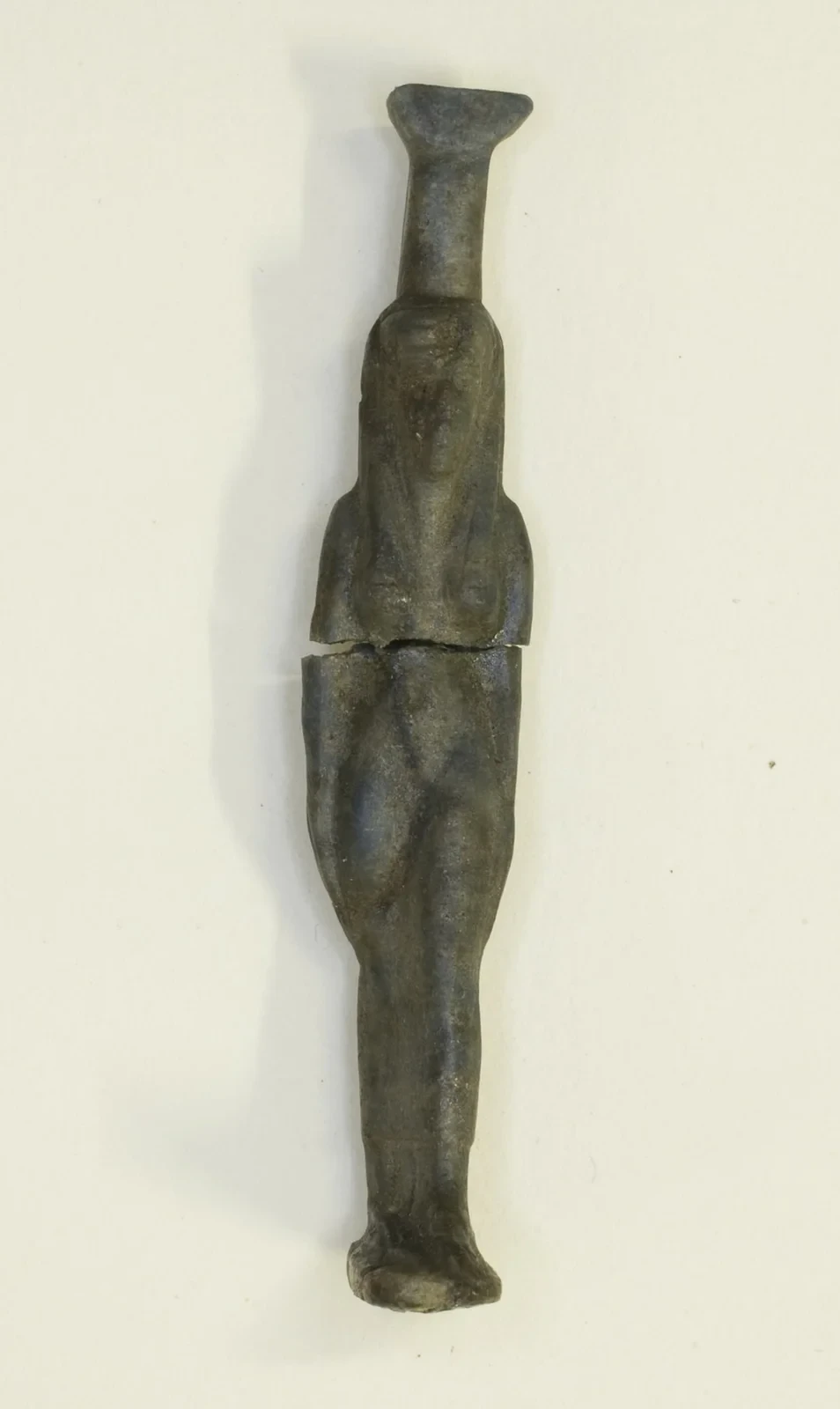
Ancient Egyptian, Third Intermediate Period, Dynasty 21, 25 (1070, 656 BCE)
Stone · Egypt
Gift of Henry H. Getty, Charles L. Hutchinson, and Norman W. Harris · Ancient Egypt on Wikipedia
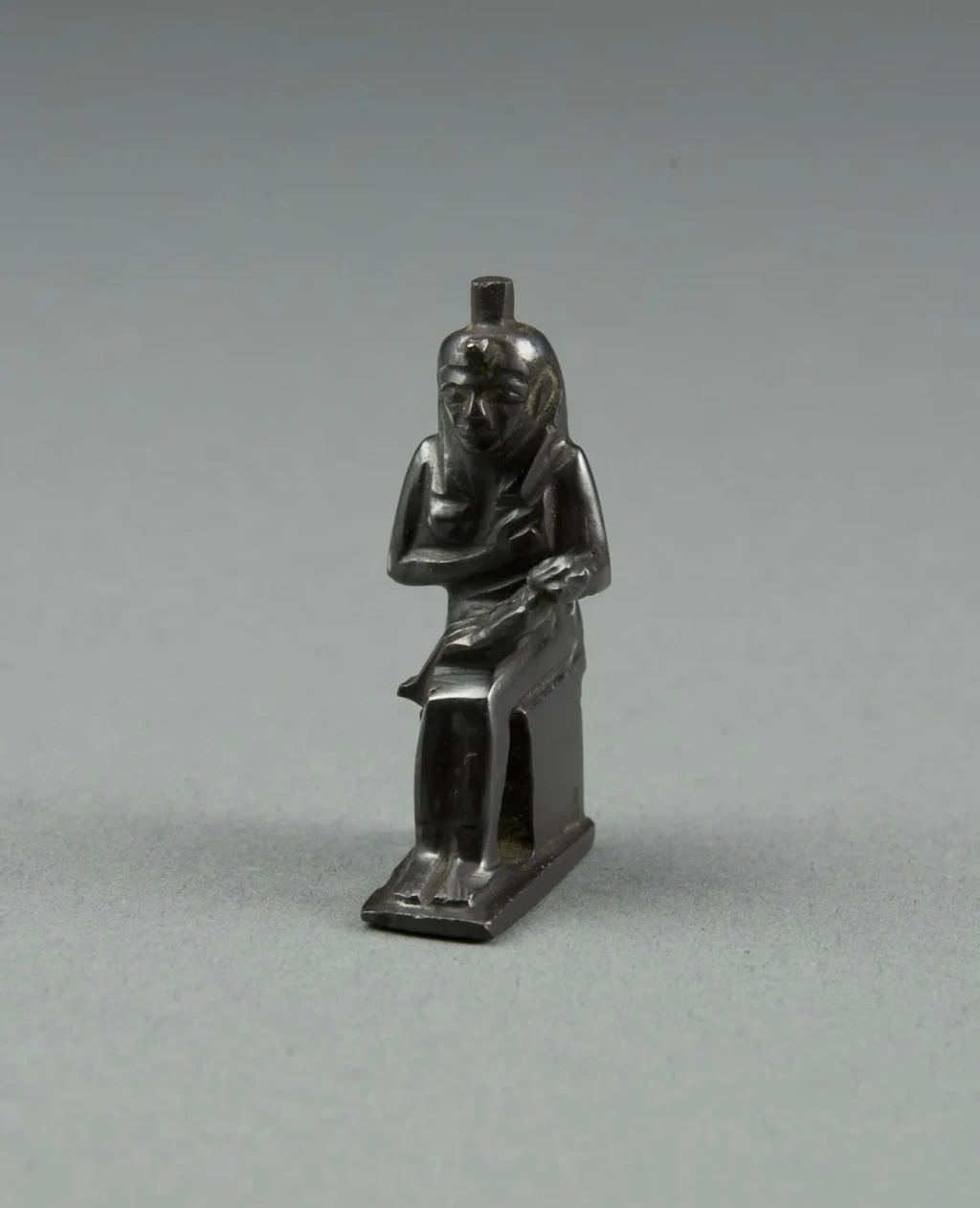
Ancient Egyptian, Third Intermediate Period, Dynasty 25 (about 747, 656 BCE)
Hematite · Egypt
Gift of Charles L. Hutchinson, Henry H. Getty, and Norman W. Harris · Ancient Egypt on Wikipedia
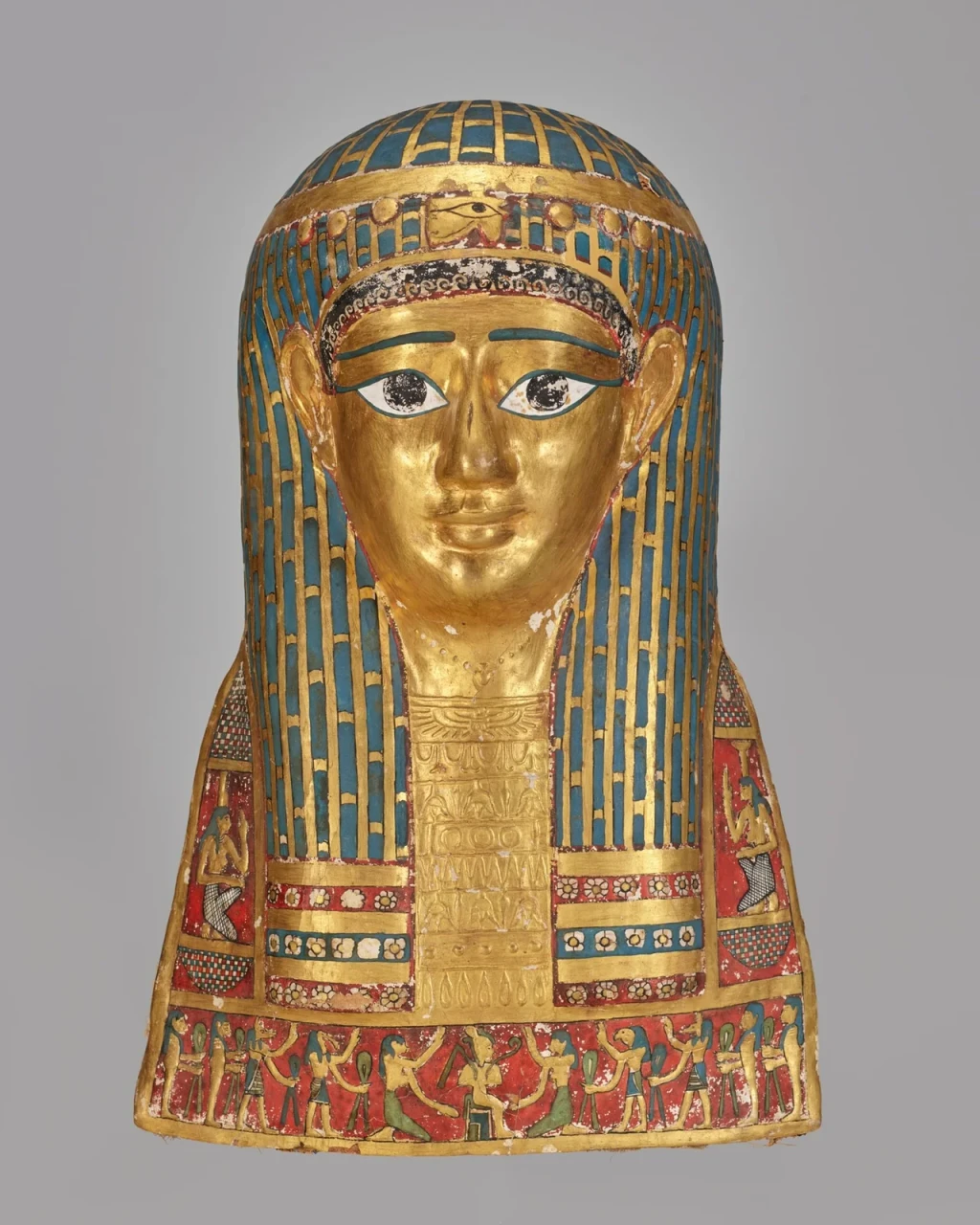
Ancient Egyptian, Late Ptolemaic Period-early Roman Period, 1st century BCE
Cartonnage, gold leaf, and pigment · Egypt
W. Moses Willner Fund · Ancient Egypt on Wikipedia
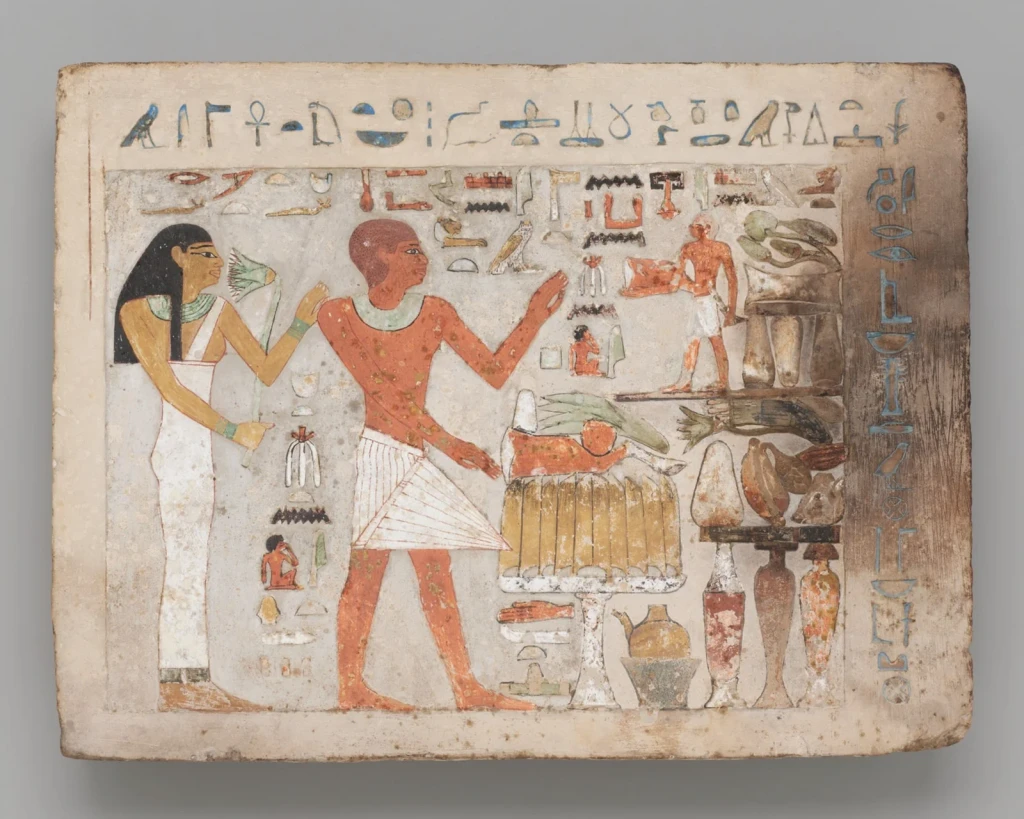
Ancient Egyptian, Middle Kingdom, early Dynasty 12, about 1956, 1877 BCE
Limestone and pigment · Egypt
Museum Purchase Fund · Ancient Egypt on Wikipedia
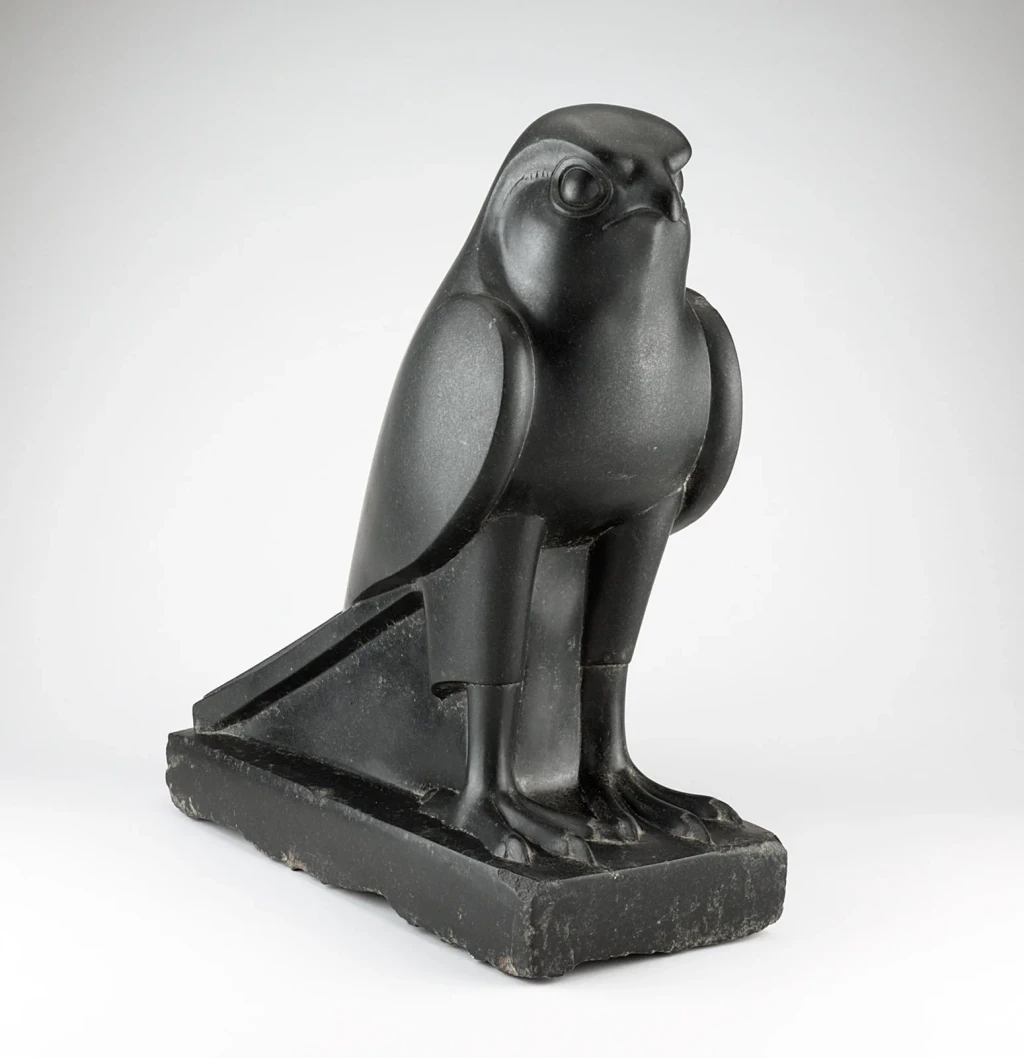
Ancient Egyptian, Ptolemaic Period (332, 30 BCE)
Basalt · Egypt
Gift of the Alsdorf Foundation · Ancient Egypt on Wikipedia
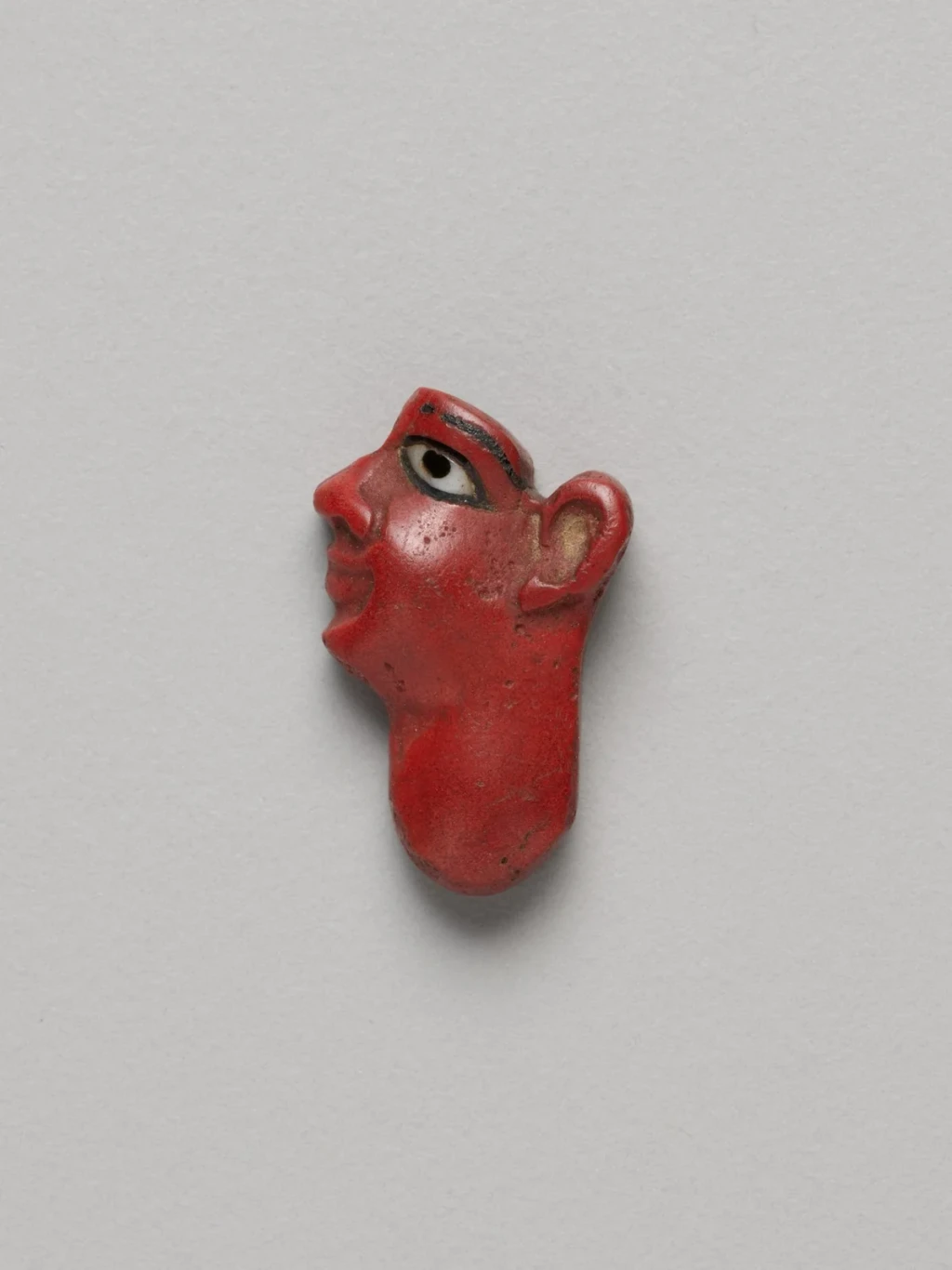
Ancient Egyptian, Ptolemaic Period (332, 30 BCE)
Glass · Egypt
Gift of Henry H. Getty, Charles L. Hutchinson, and Norman W. Harris · Ancient Egypt on Wikipedia
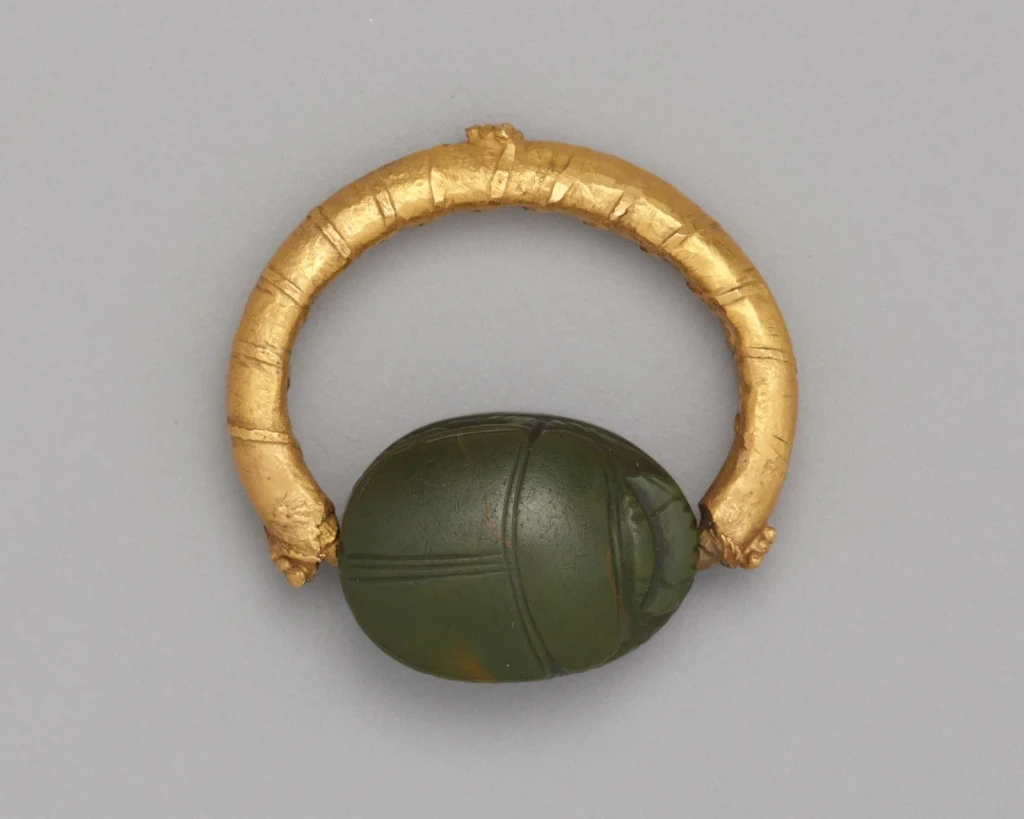
Ancient Egyptian, Second Intermediate Period, Dynasty 15 (about 1650, 1550 BCE)
Gold and green jasper · Egypt
Gift of Charles L. Hutchinson · Ancient Egypt on Wikipedia
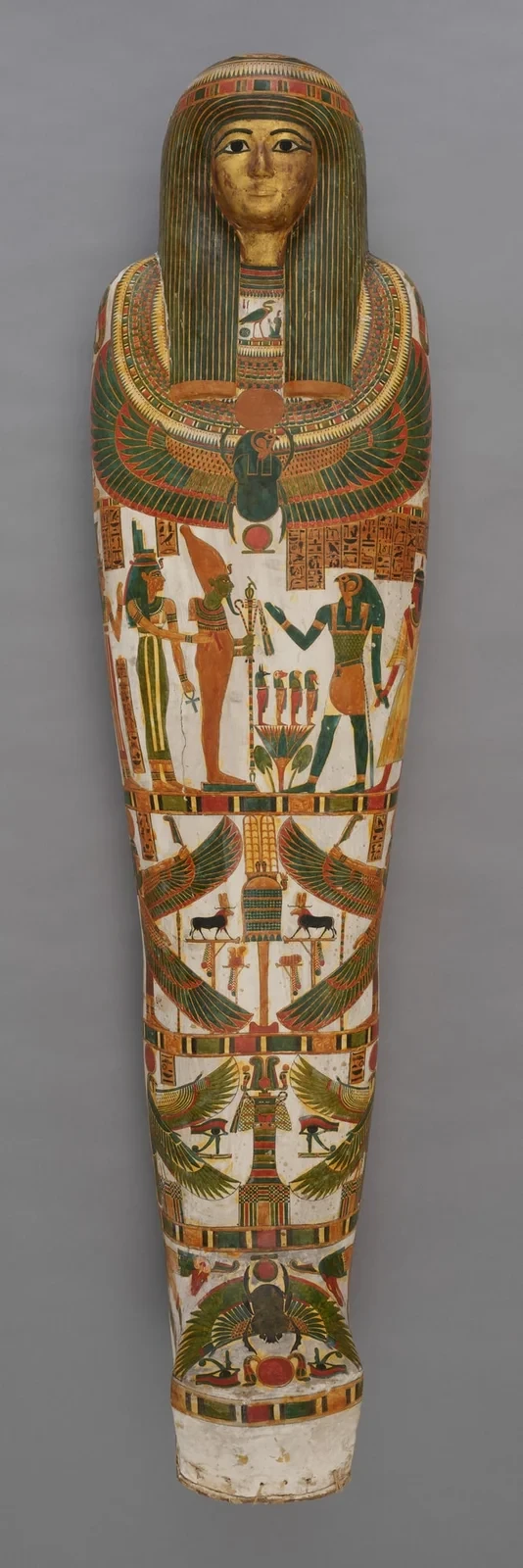
Ancient Egyptian, Third Intermediate Period, Dynasty 22, reign of Osorkon I (about 924, 889 BCE)
Cartonnage, gold leaf, pigment, and mummified human remains · Thebes
W. Moses Willner Fund · Ancient Egypt on Wikipedia
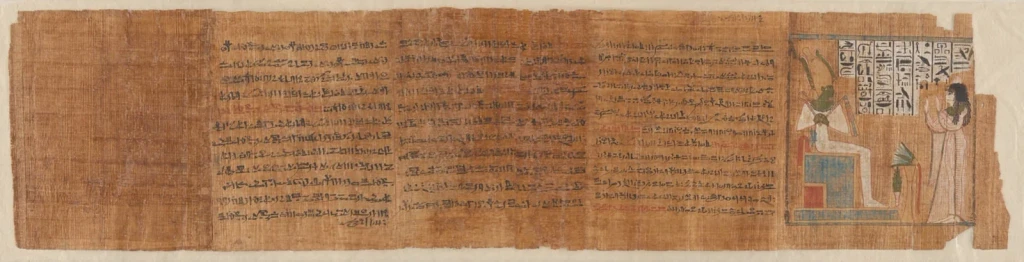
Ancient Egyptian, Third Intermediate Period, probably Dynasty 21 (about 1069-945 BCE)
Papyrus and pigment · Egypt
Gift of Henry H. Getty, Charles L. Hutchinson, Robert H. Fleming, and Norman W. Harris · Ancient Egypt on Wikipedia
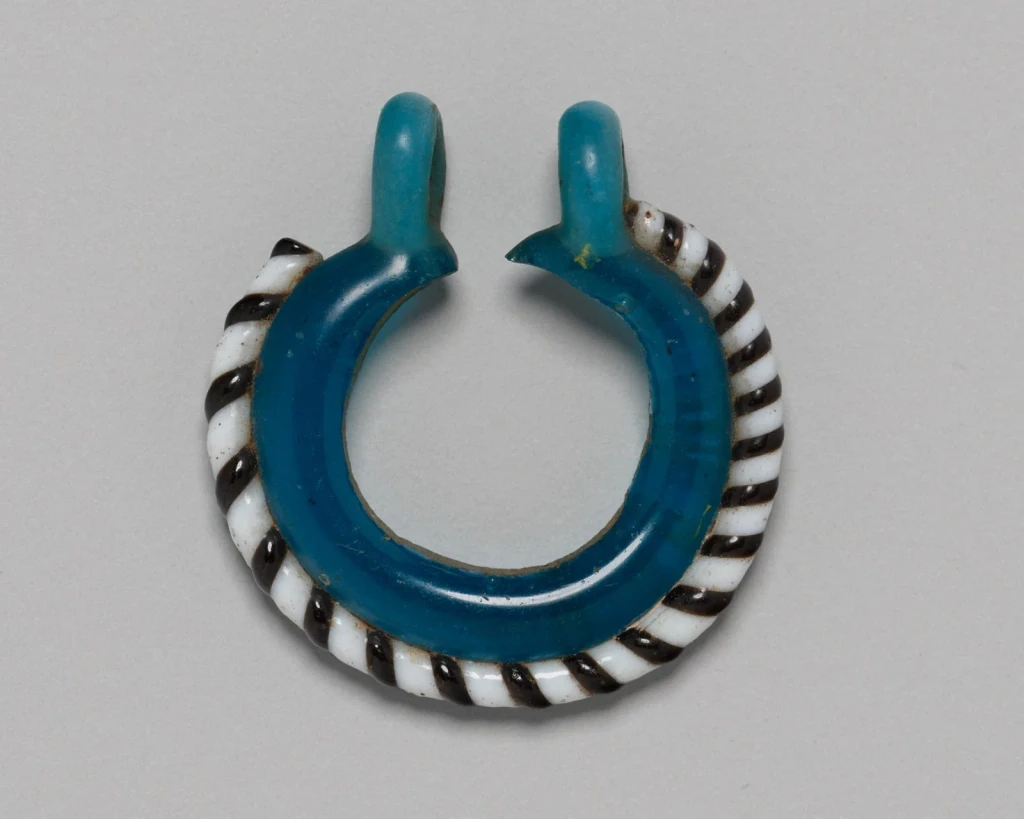
Ancient Egyptian, New Kingdom, mid- to late Dynasty 18, about 1400, 1295 BCE
Glass · Egypt
Gift of Henry H. Getty and Charles L. Hutchinson · Ancient Egypt on Wikipedia
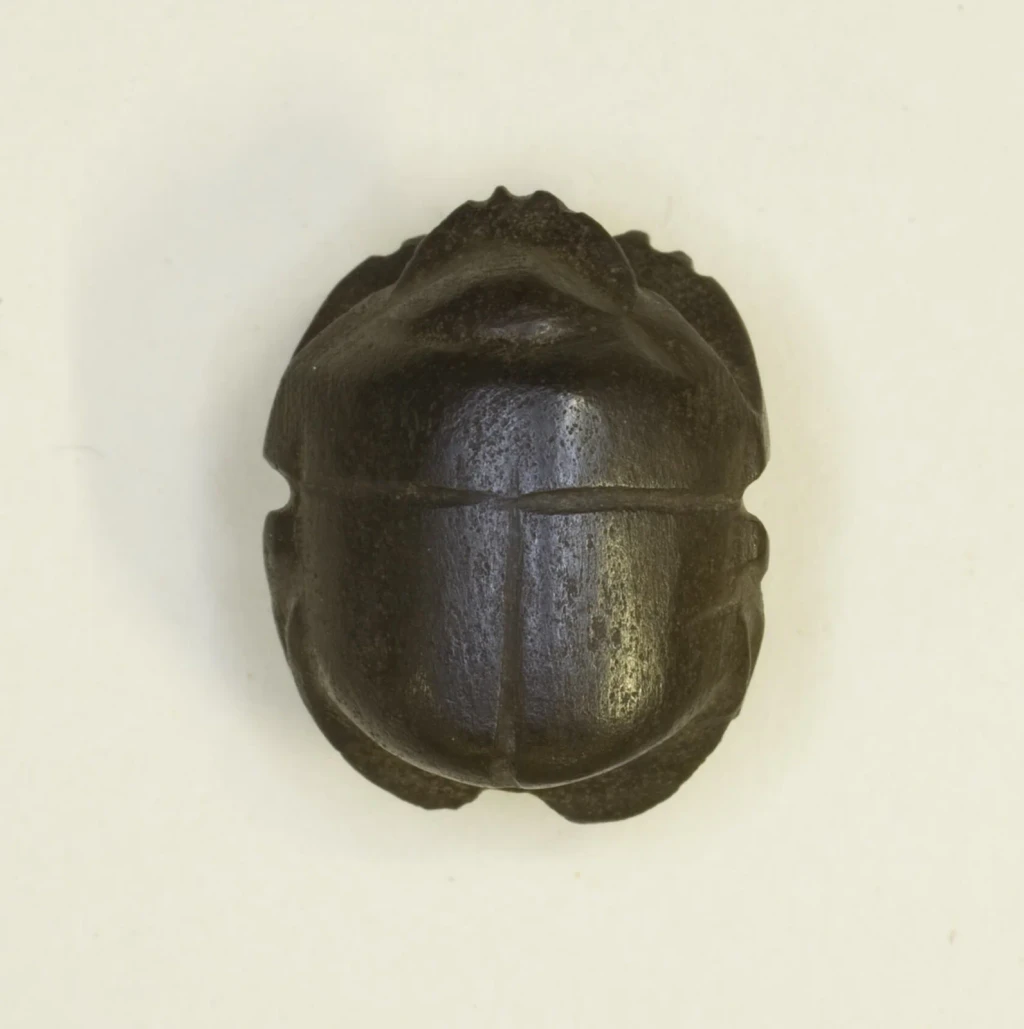
Ancient Egyptian, Late Period, Dynasty 26 (664-525 BCE)
Hematite · Egypt
Gift of Henry H. Getty, Charles L. Hutchinson, and Norman W. Harris · Ancient Egypt on Wikipedia
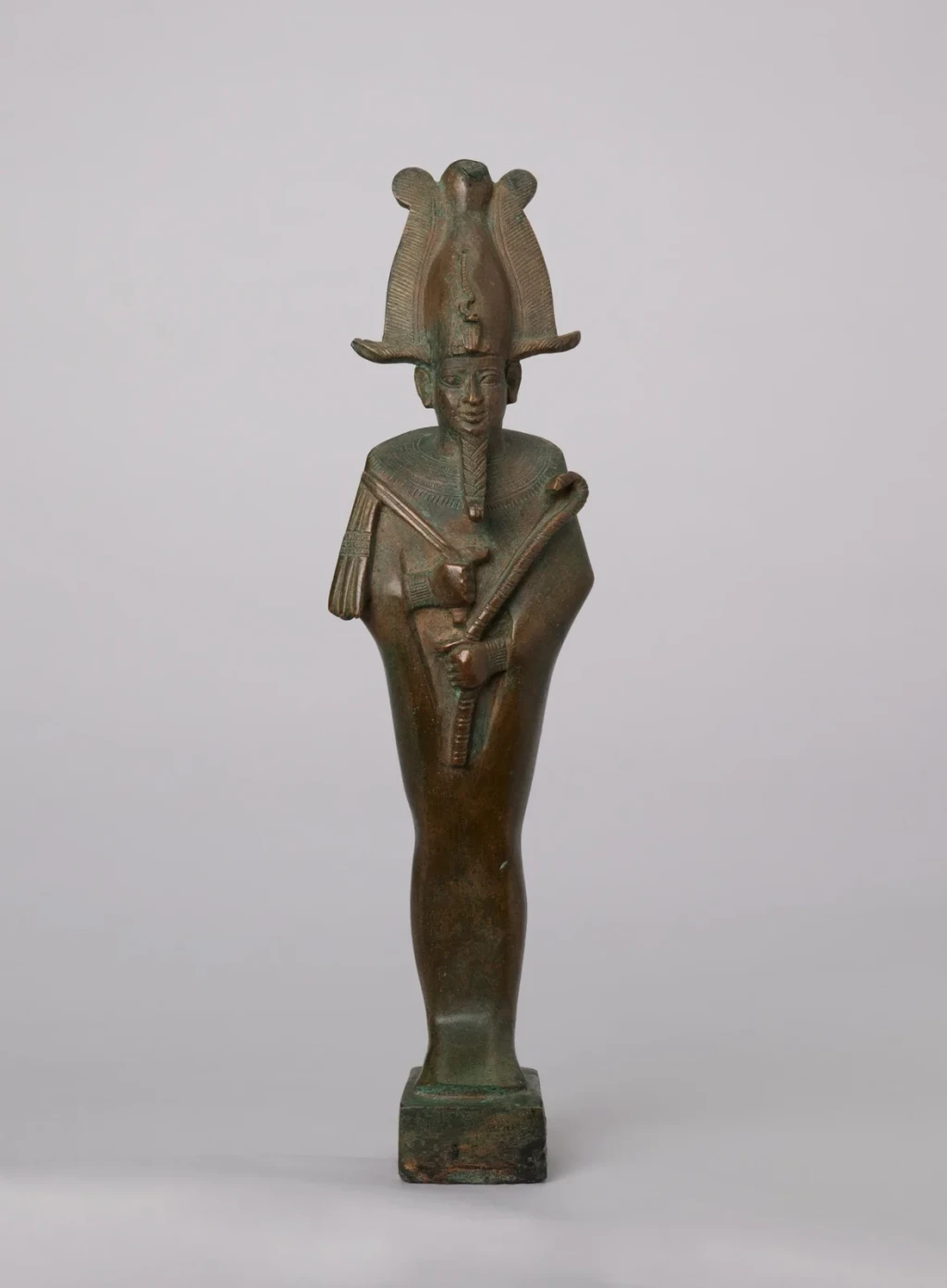
Ancient Egyptian, Late Period, Dynasty 26 or later, 664, 332 BCE
Copper alloy · Egypt
Gift of Henry H. Getty, Charles L. Hutchinson, and Norman W. Harris · Ancient Egypt on Wikipedia
