3D Gallery
Beautiful Armour and the Wars It Served
Enter gallery
Beautiful Armour and the Wars It Served is a 3D virtual gallery on MyGallery3D, a walkable online exhibition of 14 works. Step inside and explore it in your browser: no app, no headset.
Welcome to a 3D virtual gallery you can walk through in your browser, exploring the craft and technology of arms and armour across centuries and continents.
A full suit of plate armour weighed around 15 to 25 kilograms, spread so evenly that a knight could jump and run freely. Yet rather than making armour obsolete, early firearms actually drove its development further. Generals wore full suits into the early 18th century, the only way they could survey a battlefield safely from distant musket fire.
By the 15th century, plate armour was cheaper than mail because it required far less labour, which had grown expensive after the Black Death. Mass-produced munition armour equipped common infantry at a fraction of the cost of fitted harness. Still, a full custom suit remained enormously expensive, restricted to the wealthy committed to soldiering or jousting. Most soldiers wore inconsistent mixtures of pieces.
Crafting plate armour demanded skills close to tailoring. Armourers articulated individual plates called lames so joints could flex, fitting each suit to its wearer. Water-powered trip hammers made plates faster and cheaper to form. Fine armour was embossed, blued, silvered, and gilded. The Milanese armourer Filippo Negroli became the most famous modeller of figurative relief decoration on steel.
The earliest swords date to about 3300 BC, found at Arslantepe, Turkey, made from arsenical bronze. Armour evolved in step. Japanese armourers, after the Portuguese introduced matchlock firearms in 1543, developed tameshi gusoku, bullet-tested plate armour, so soldiers could keep wearing protection despite heavy gunfire. The arms race between weapon and defence never truly ended.
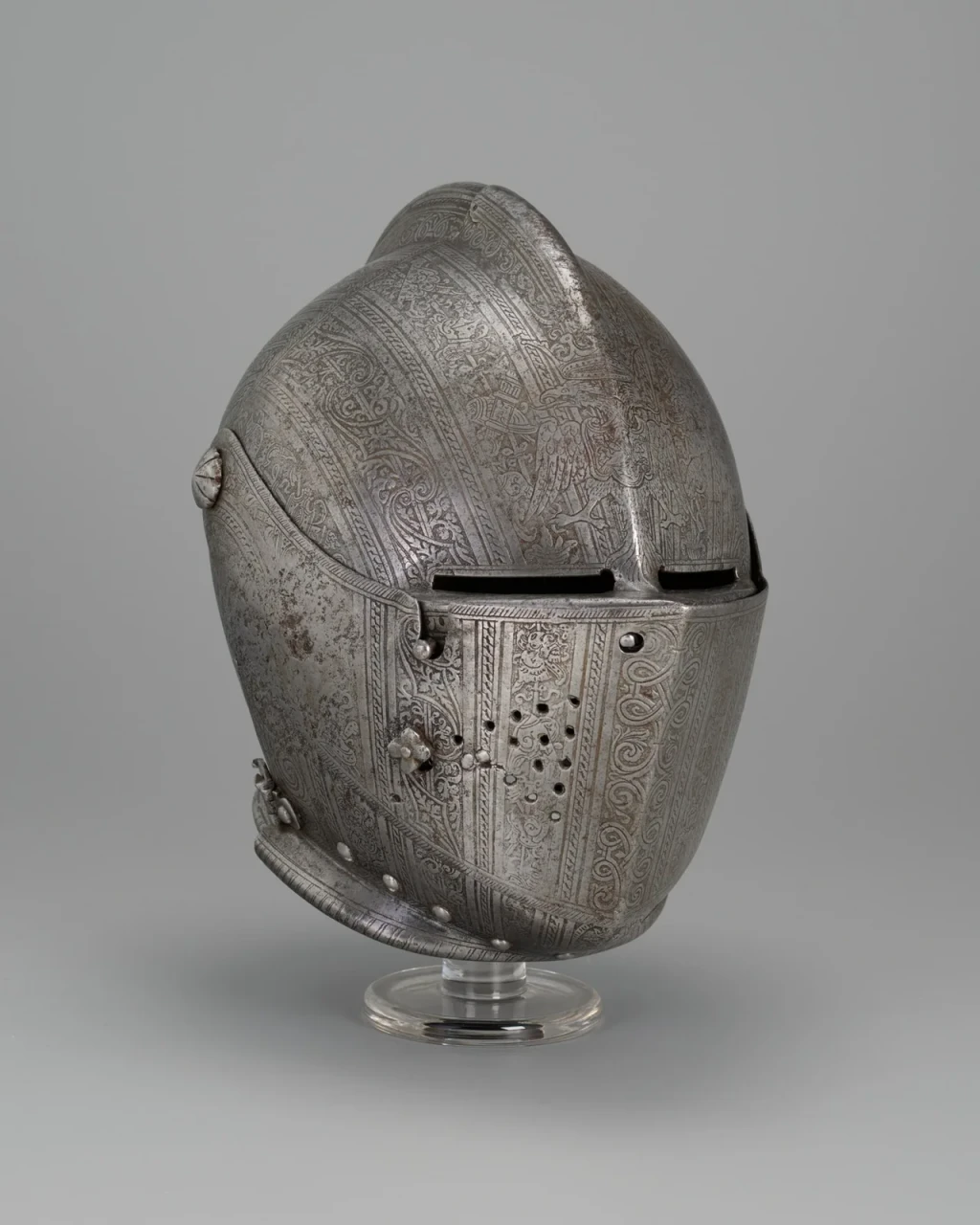
1605-1606
Steel, brass, and traces of gilding · Milan
Purchased with funds provided by John Edwardson; through prior acquisition of the George F. Harding Collection; purchased with funds provided by Paul Carbone; Laird Landmann Arms and Armor Fund; purchased with funds provided by Daniel Manoogian, purchased with funds provided by Michael Haney.
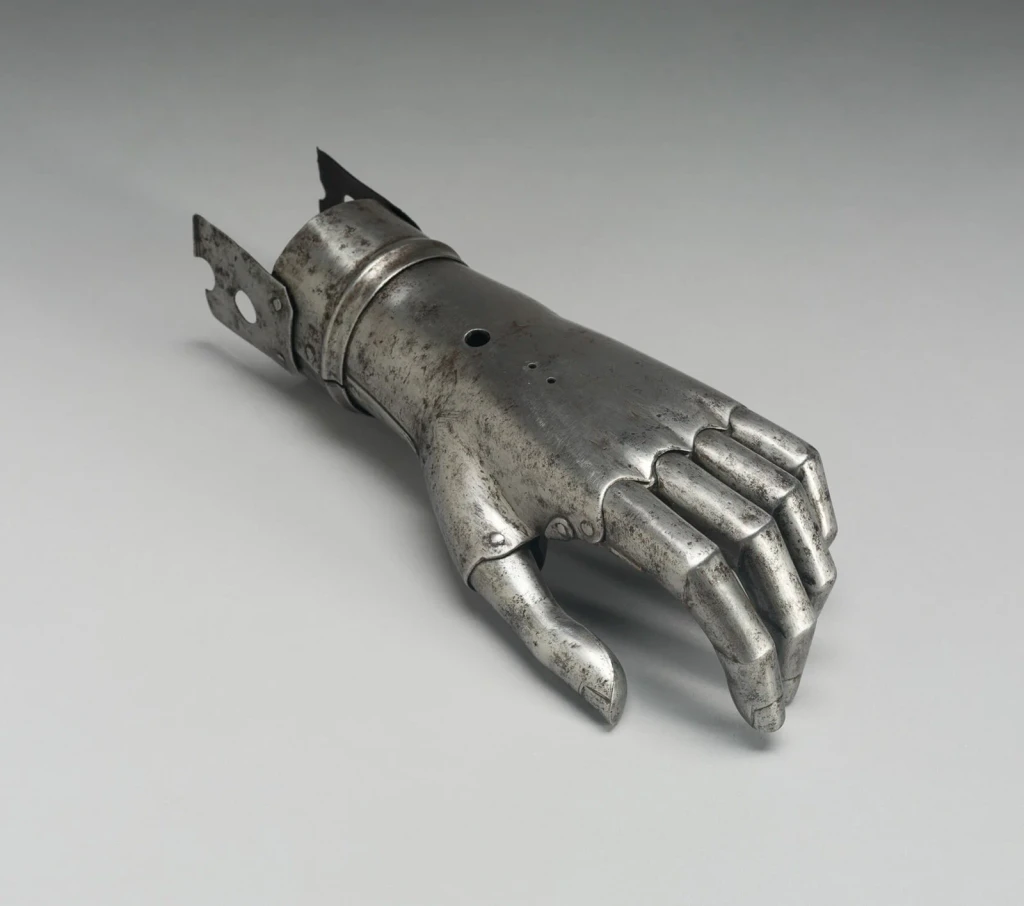
late 16th century
Steel · Europe
George F. Harding Collection
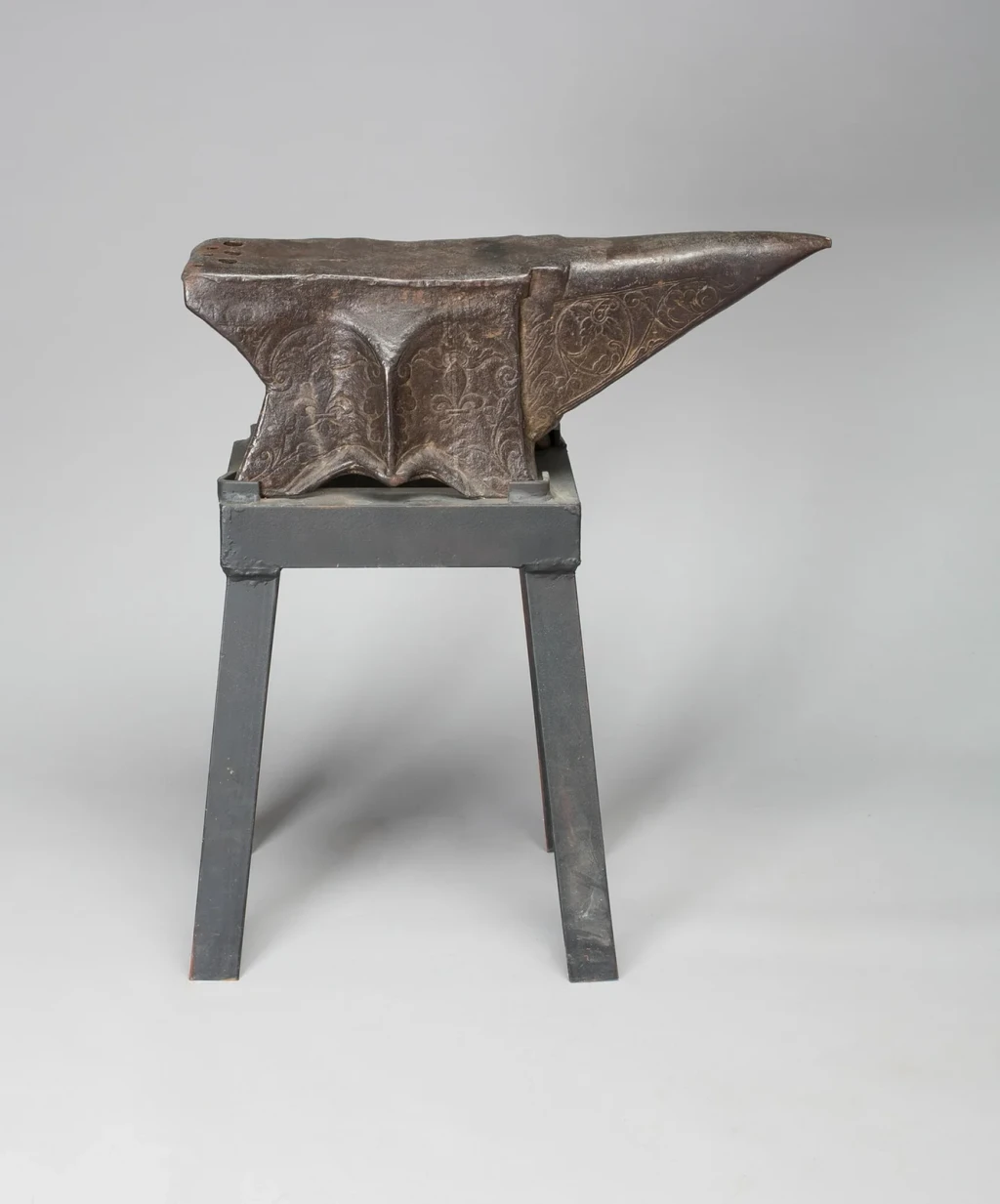
18th century
Iron · Europe
George F. Harding Collection
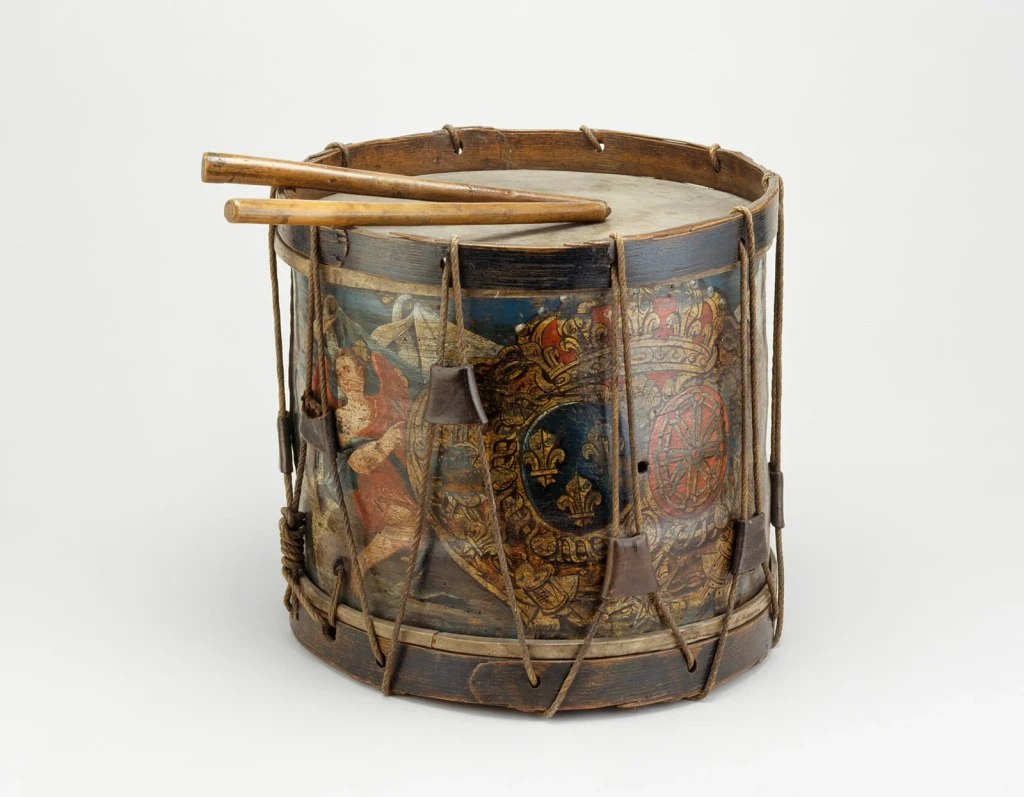
1772
Wood, brass, iron, hide, cord, and paint · France
George F. Harding Collection
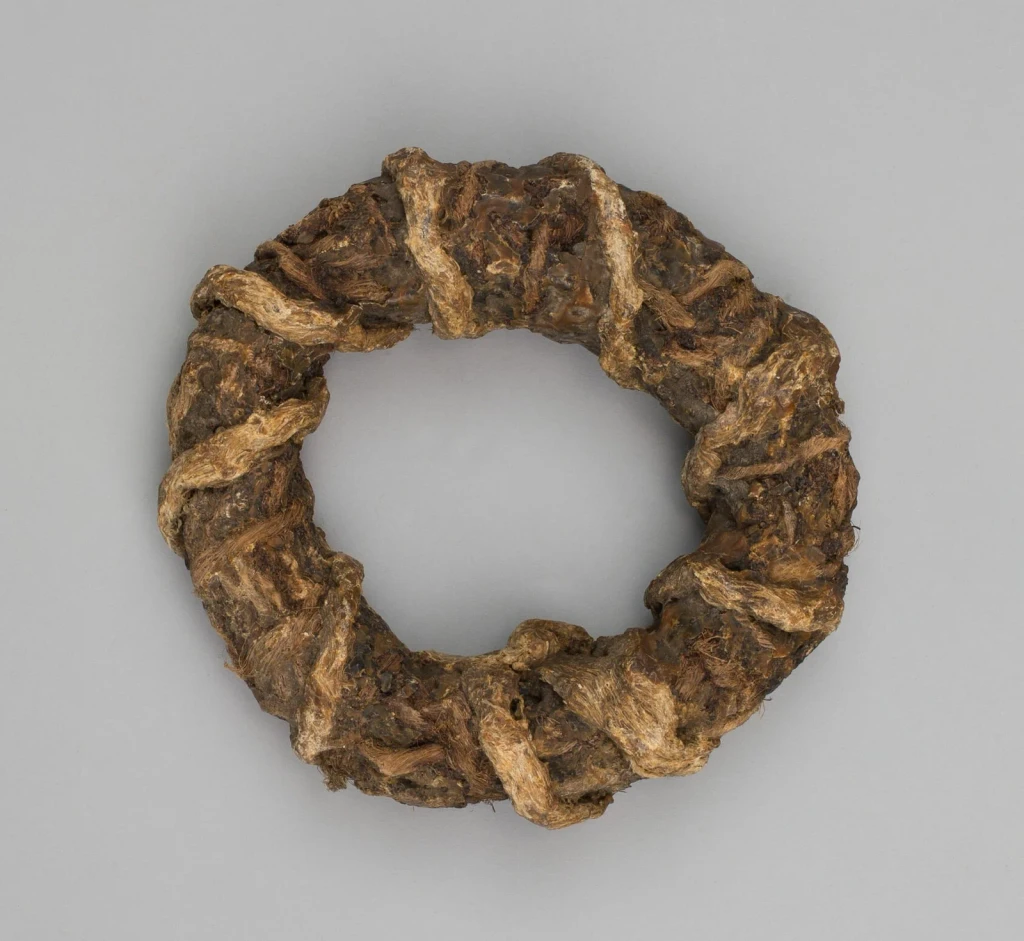
17th Century
Pitch-covered material, match cord · Austria
George F. Harding Collection
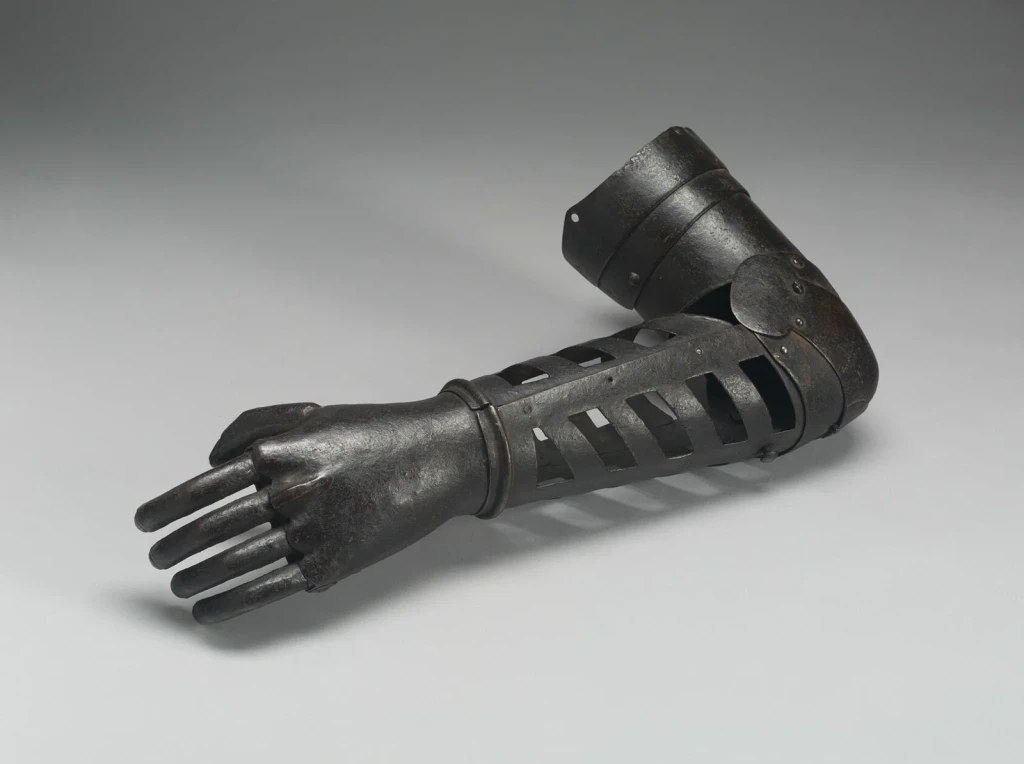
c. 1600/30
Iron · Germany
George F. Harding Collection
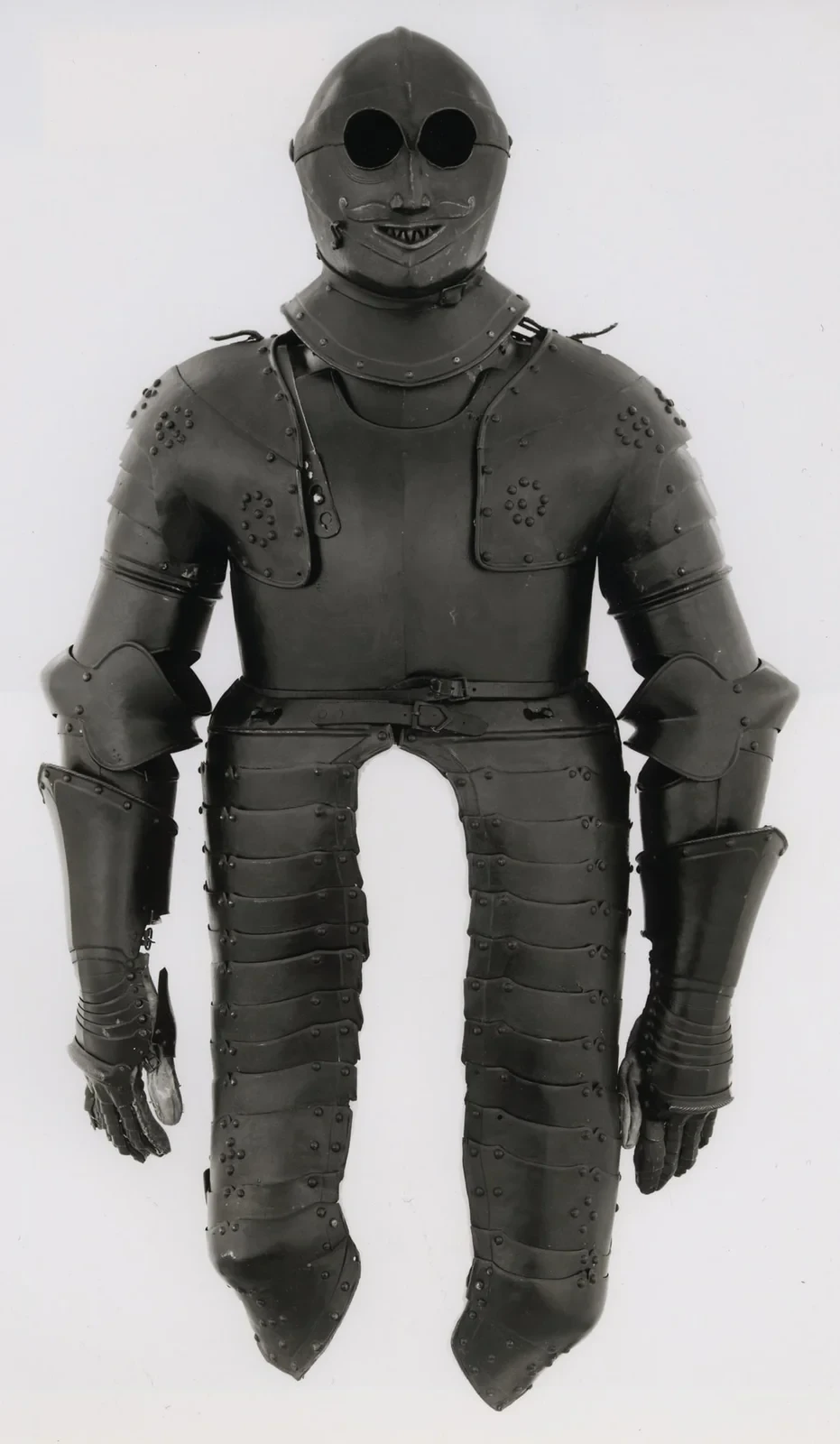
1620-40
Steel, leather, and paint · Nuremberg
George F. Harding Collection
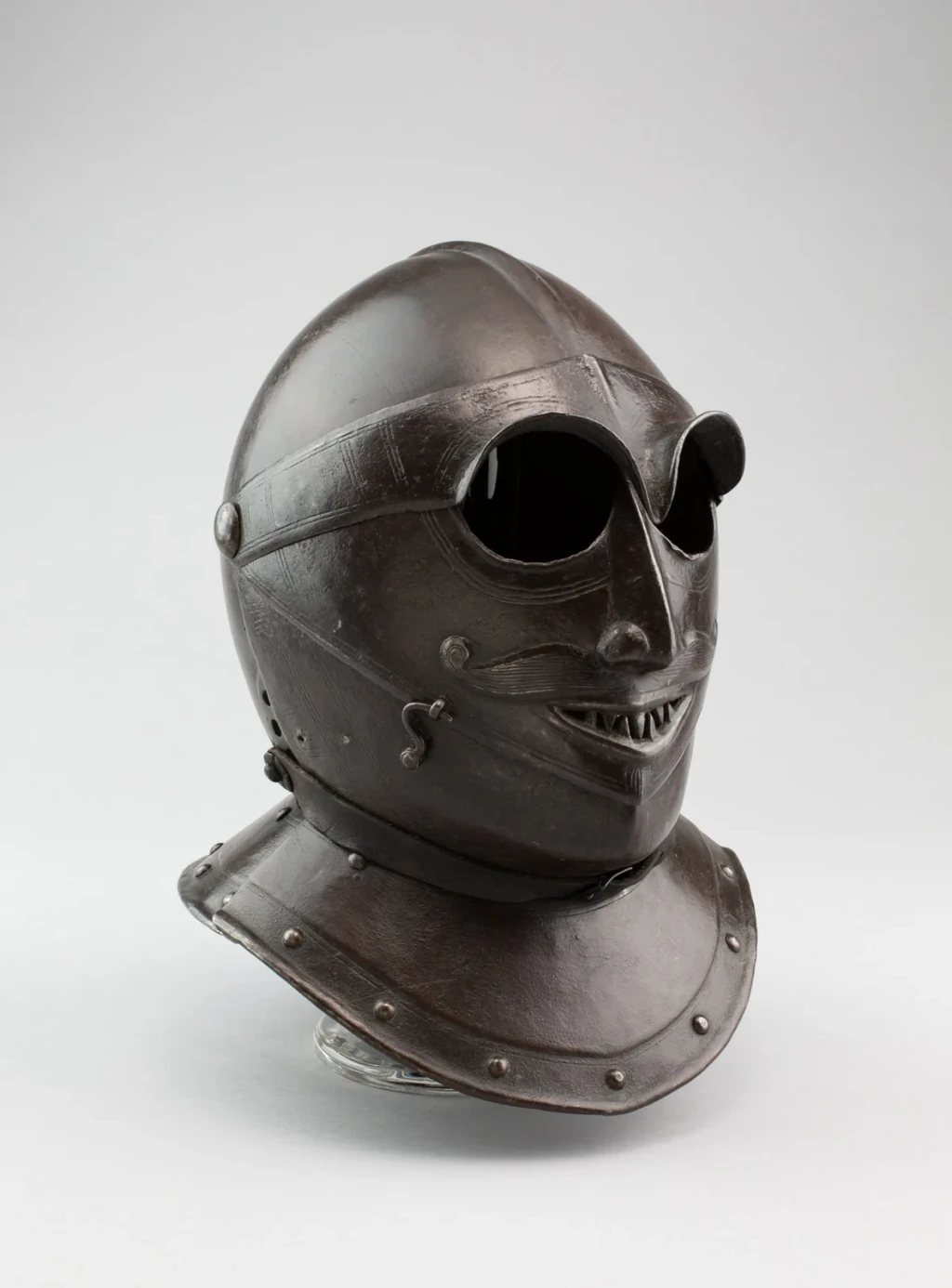
1600/10
Steel and leather
George F. Harding Collection
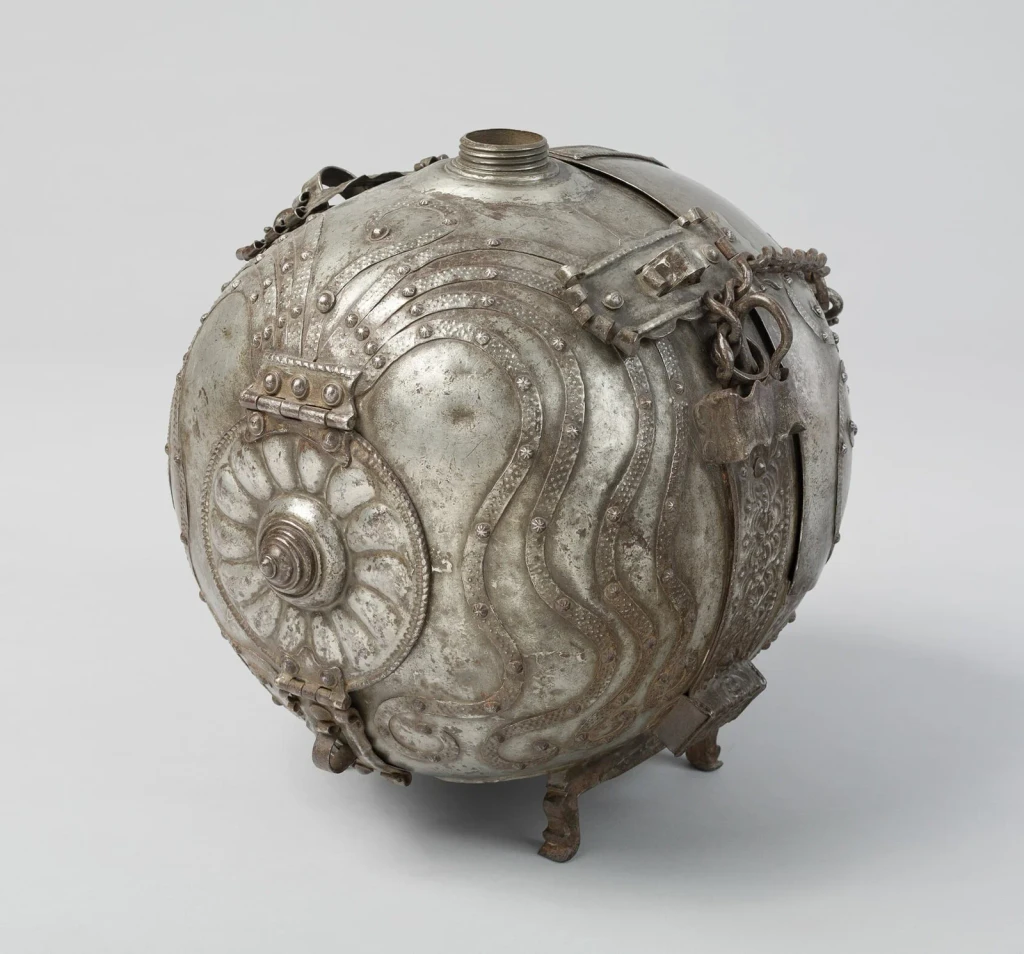
1650/1700
Iron, and tin · Europe
George F. Harding Collection
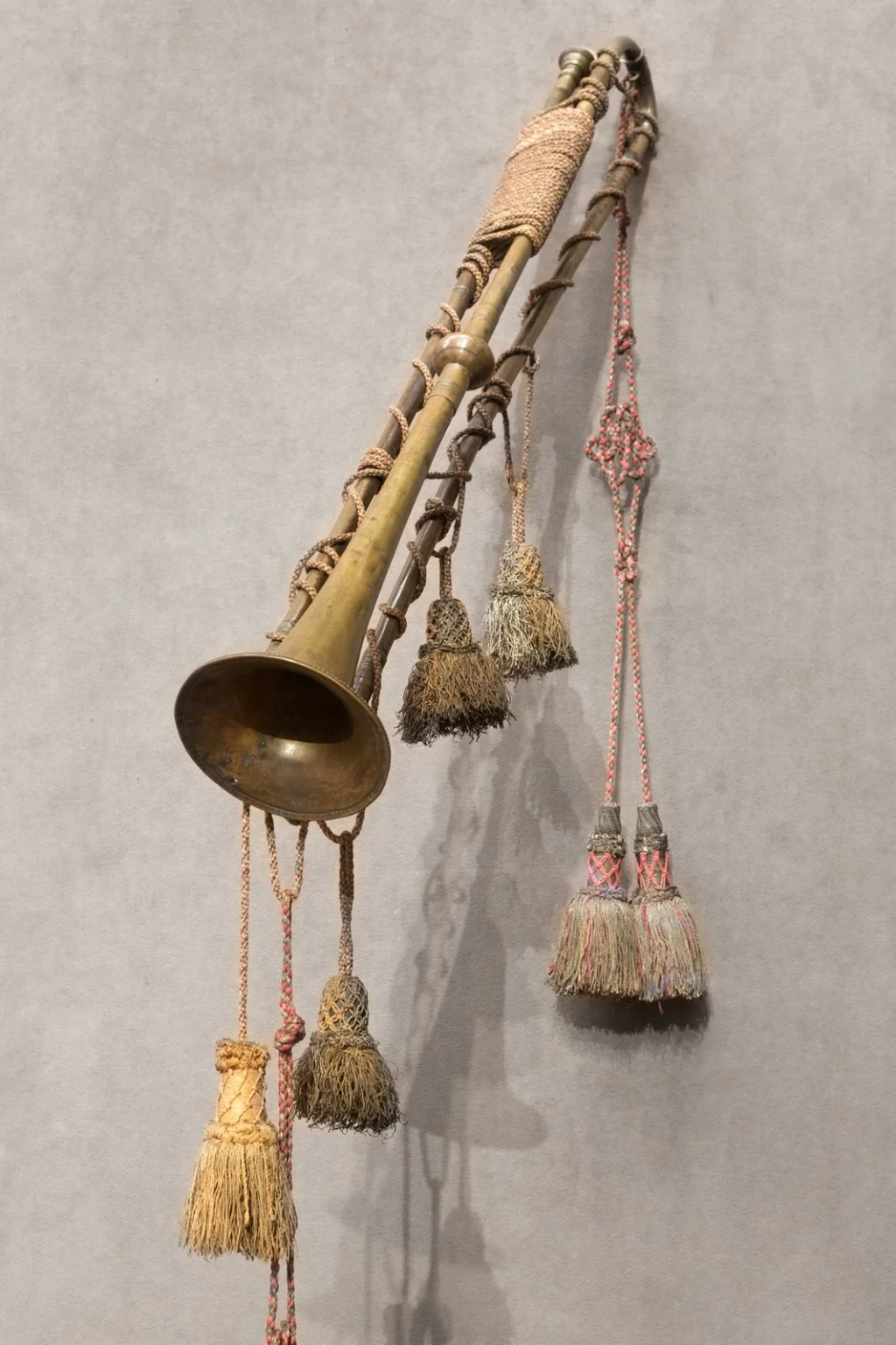
Wilhelm Haas, 1680/1720
Brass, silk and silver gilt cording, and wood · Nuremberg
George F. Harding Collection · Wilhelm Haas on Wikipedia
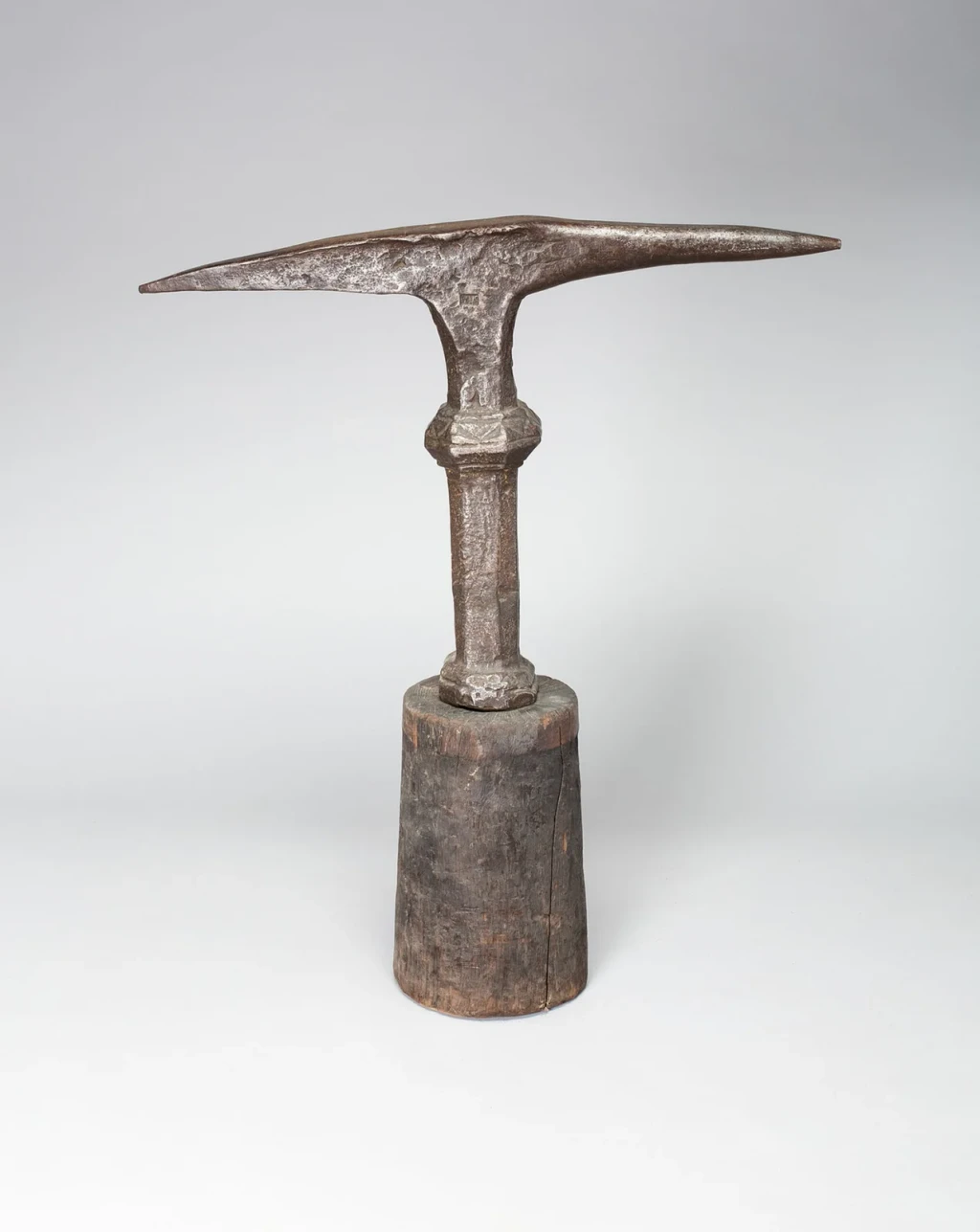
15th century (?)
Iron · Europe
George F. Harding Collection
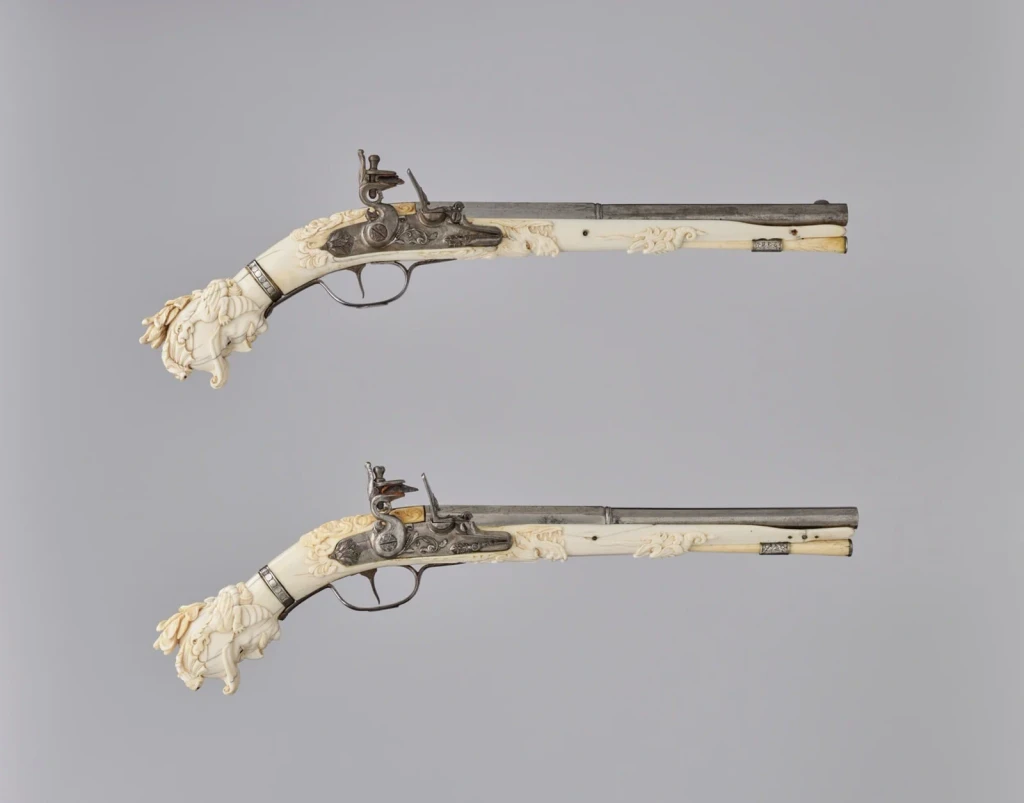
1660, 70
Steel, silver, ivory, ebony, leather, and flint · Maastricht
George F. Harding Collection
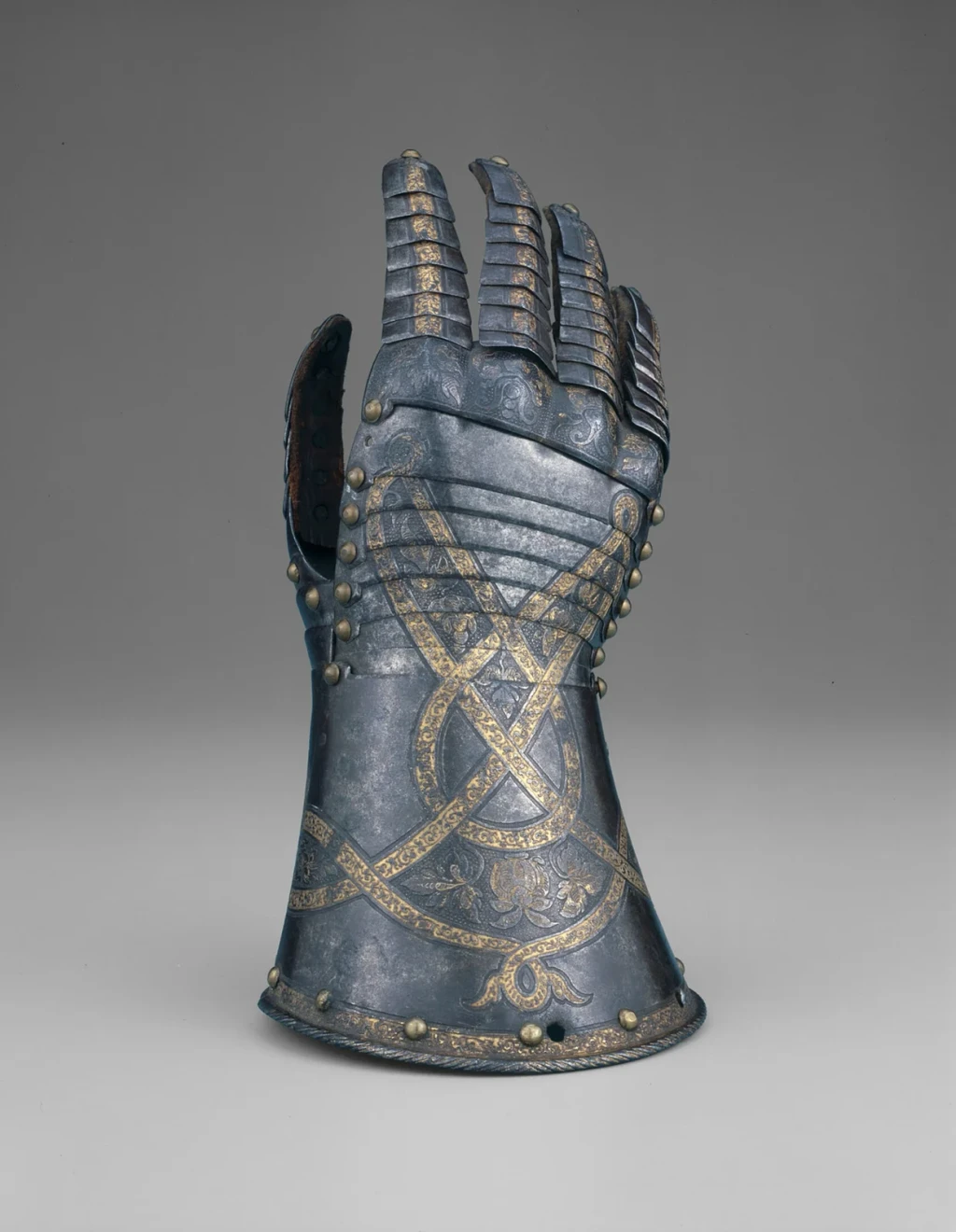
Anton Peffenhauser, 1571
Steel, gilding, brass, and leather · Augsburg
George F. Harding Collection · Anton Peffenhauser on Wikipedia
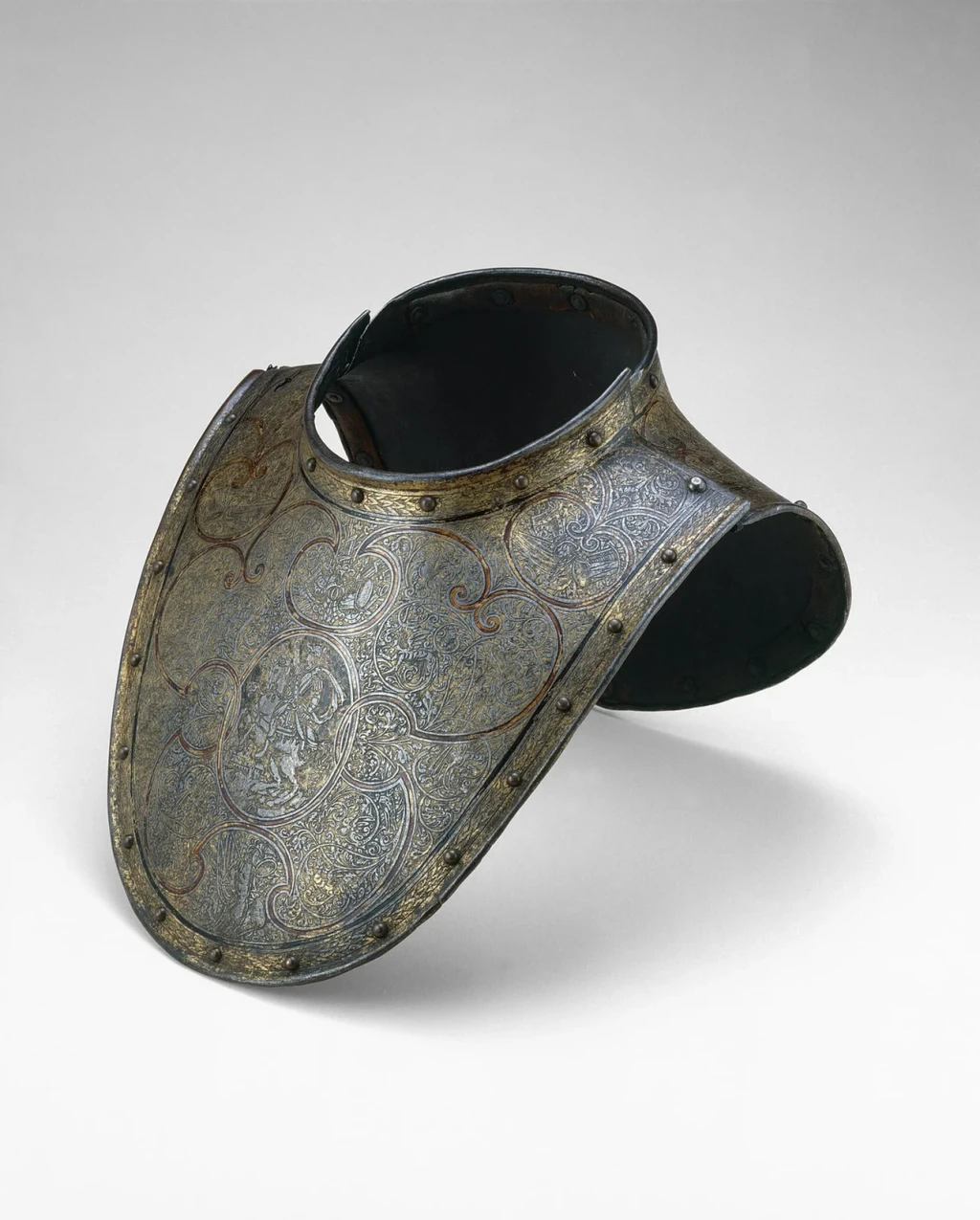
1590/1600
Steel, gilding, brass, translucent enamel, and leather · France
George F. Harding Collection
