3D Gallery
Big Cats on the Edge
Enter gallery
Big Cats on the Edge is a 3D virtual gallery on MyGallery3D, a walkable online exhibition of 14 works. Step inside and explore it in your browser: no app, no headset.
Welcome to a 3D virtual gallery you can walk through in your browser, exploring the world's most powerful cats and the pressures driving their decline.
Since the early 1990s, lion populations across Africa have fallen by about 43%. Tigers have lost at least 93% of their historic range since the early 20th century. Every member of the genus Panthera, the five species that define the term big cat, now has a decreasing population. All are classified as threatened or near threatened.
The IUCN Red List classifies the tiger as Endangered, the lion, leopard, snow leopard and cheetah as Vulnerable, and the jaguar as Near Threatened. In the United States, the Captive Wildlife Safety Act bans interstate sale and transport of big cats. Internationally, some countries prohibit all private ownership. Despite legal frameworks, organisations like the World Wildlife Fund warn that weak enforcement may fuel black markets.
The principal threats are habitat destruction and poaching. Tigers inhabit less than 7% of their historical range. In Africa, big cats are hunted by pastoralists and government officers outside protected areas like the Serengeti and Masai Mara. The illegal trade in tiger body parts for medicinal purposes persists globally. Cheetahs, with an estimated 6,517 individuals in 2021, face additional risk from low genetic diversity and high susceptibility to disease.
The genus Panthera holds five living species: the tiger, lion, jaguar, leopard and snow leopard. All are obligate carnivores and apex predators, topping their food chains with no natural predators. Their native ranges span the Americas, Africa and Asia, extending into Russia. Genetic studies show the snow leopard and tiger are sister species, while the lion, leopard and jaguar form a separate, closely related group.
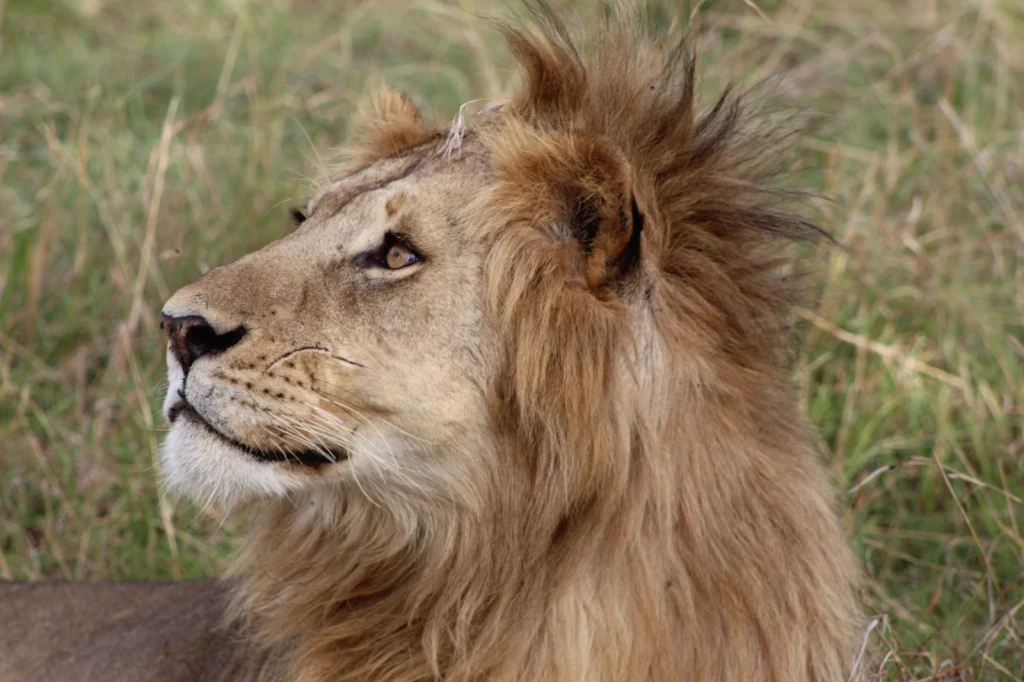
Close-up of a lion's face and mane. The photograph isolates the features that make these predators iconic symbols of power and majesty.
Photograph by Natchalita Kodwong, via Pexels.
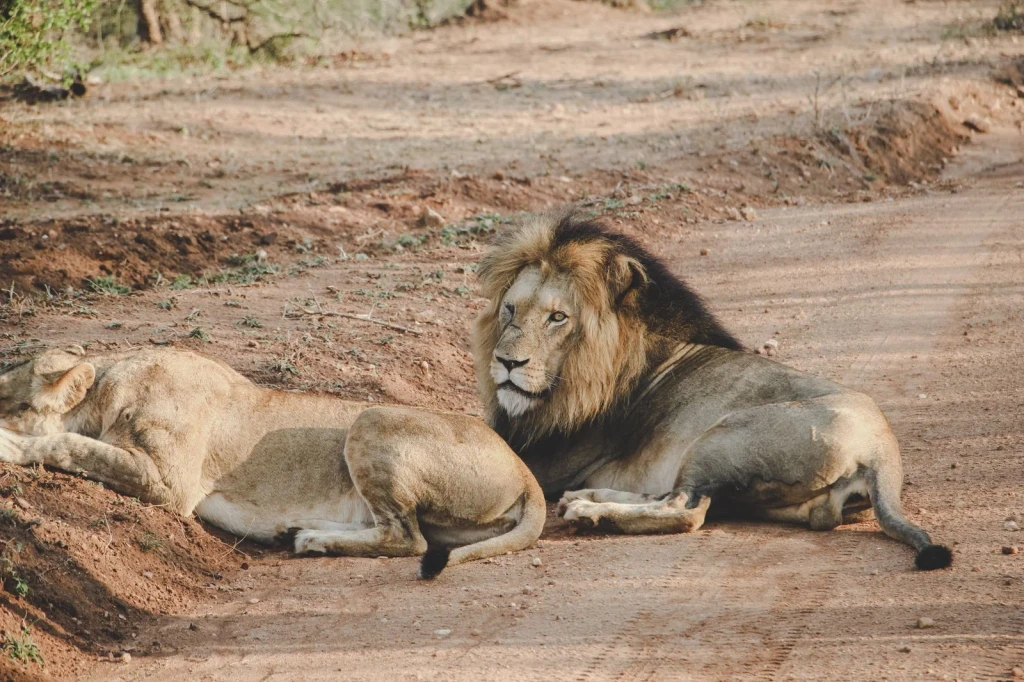
Two lions sharing a dirt road. A quiet glimpse of how these apex predators occupy and move through their environment.
Photograph by Joan Costa, via Pexels.
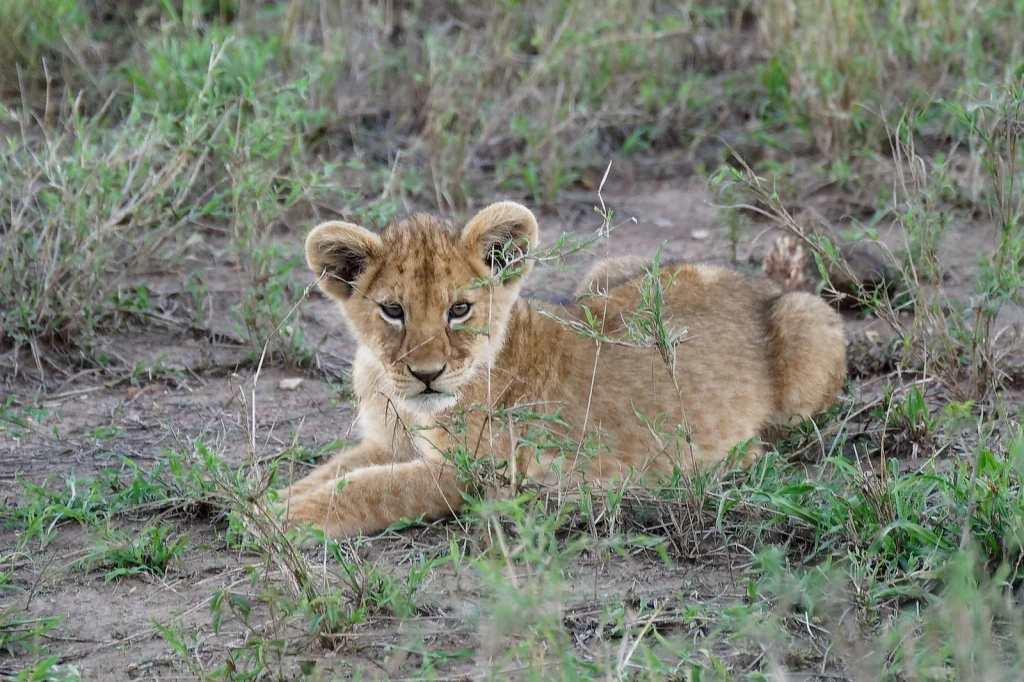
A lion cub lies in the grass. Early life captured in this vulnerable stage of the apex predator.
Photograph by Eastland Adventures, via Pexels.
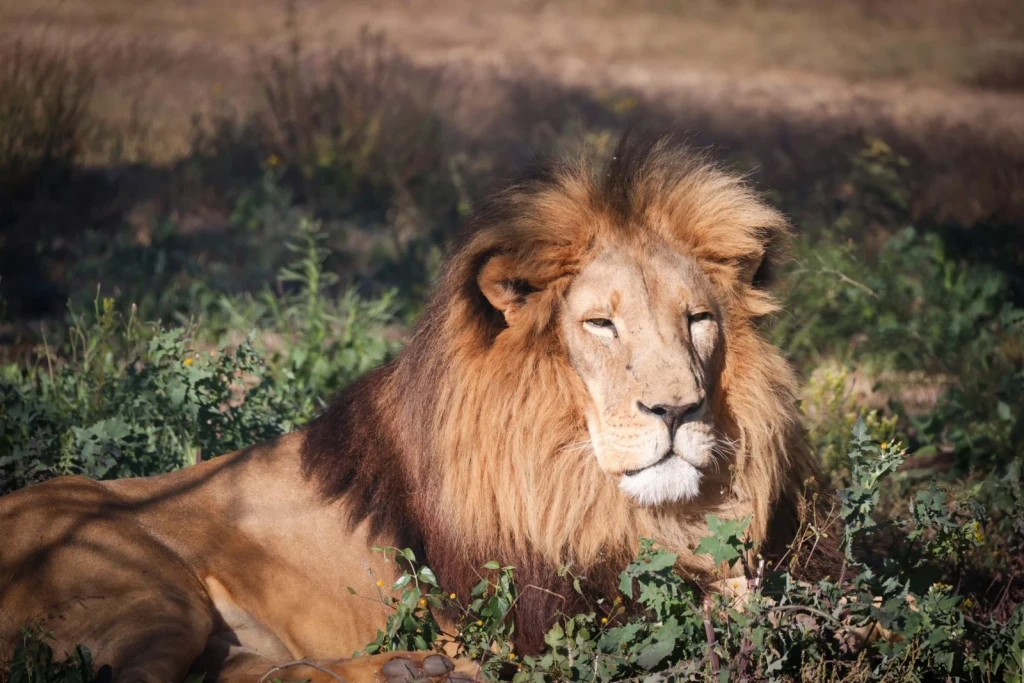
A lion reclines in savannah grassland, its mane on full display. A portrait of natural authority.
Photograph by Magda Ehlers, via Pexels.
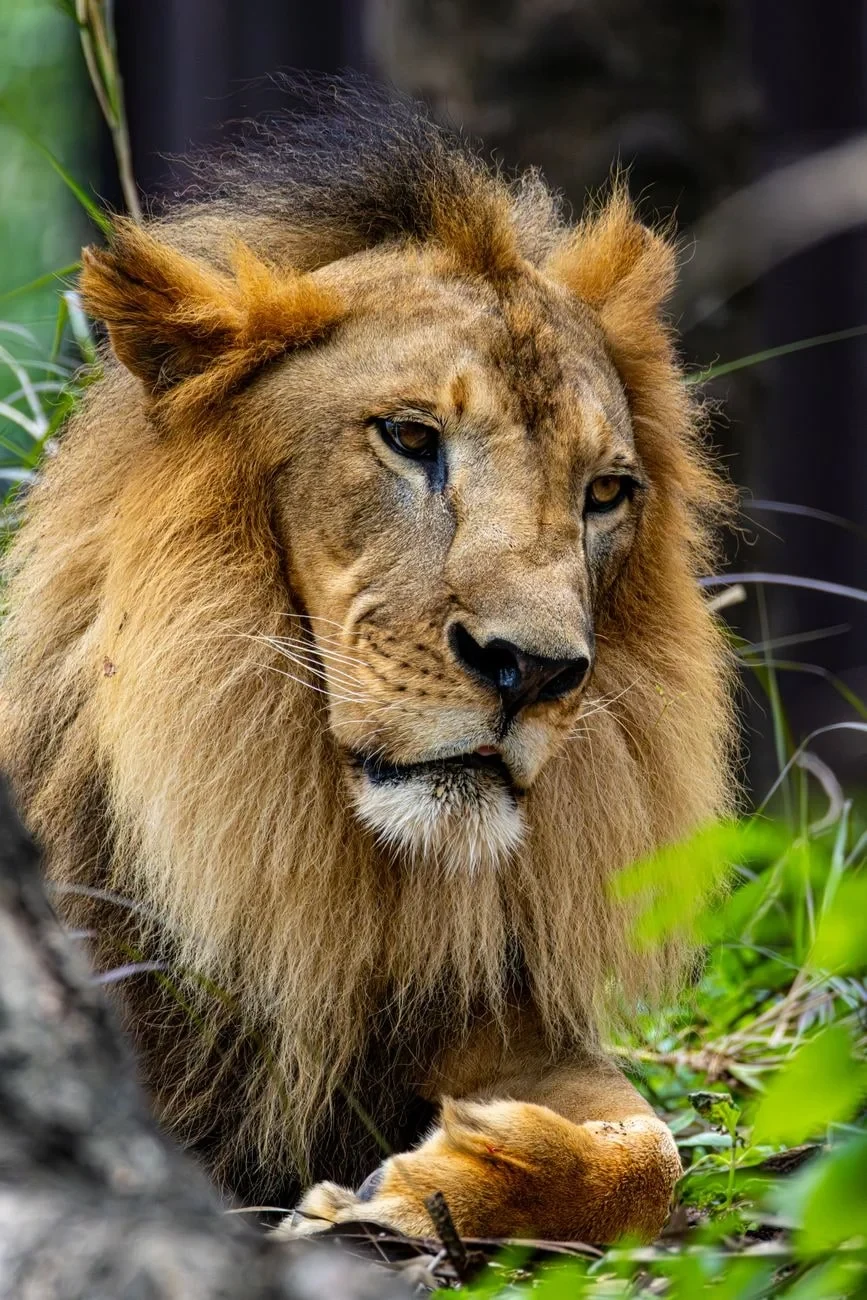
A lion rests among green growth, embodying both power and peace. Strength needs no display.
Photograph by Regan Dsouza, via Pexels.
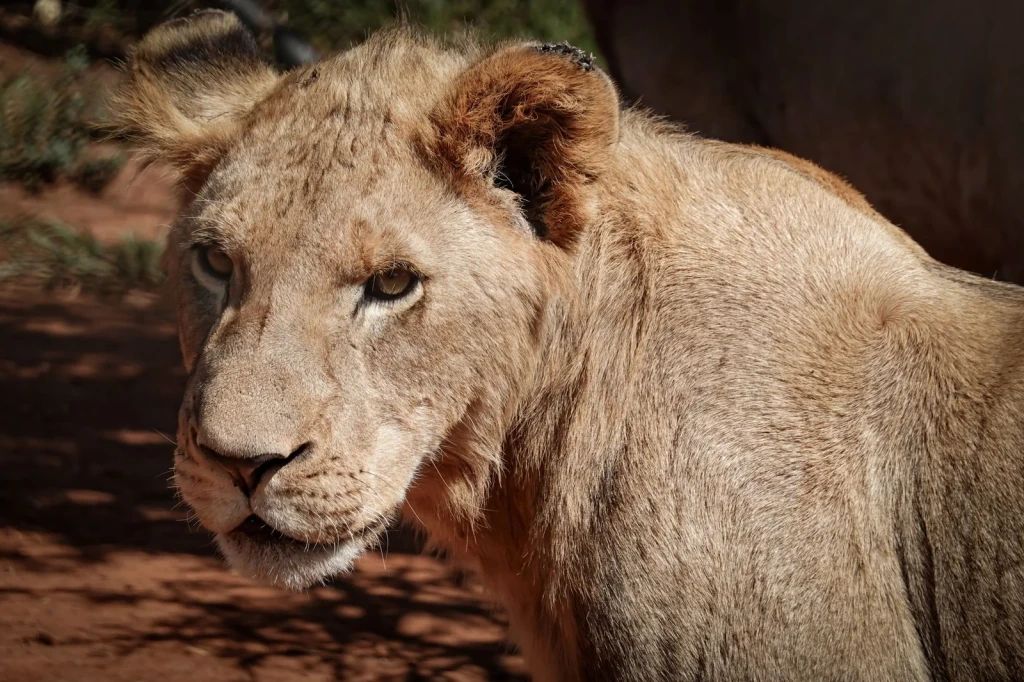
A close study of a lion's majestic features in its natural habitat. The great predator at rest.
Photograph by Magda Ehlers, via Pexels.
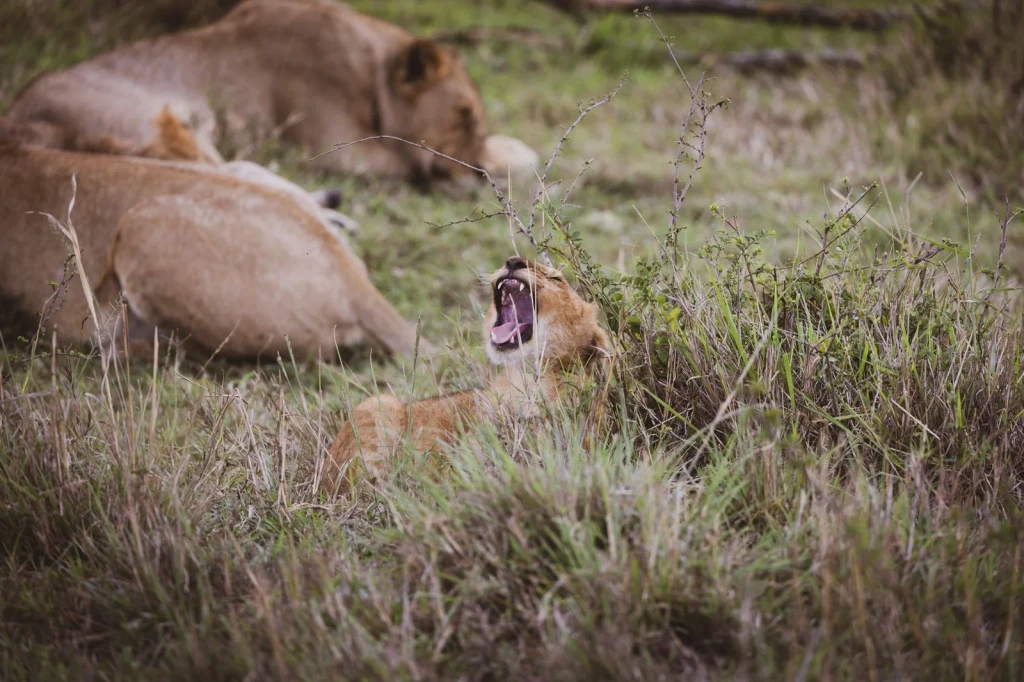
A group of lions in grass, one roaring. A moment of collective wildlife, showing how these predators live and communicate in their natural habitat.
Photograph by Kévin et Laurianne Langlais, via Pexels.
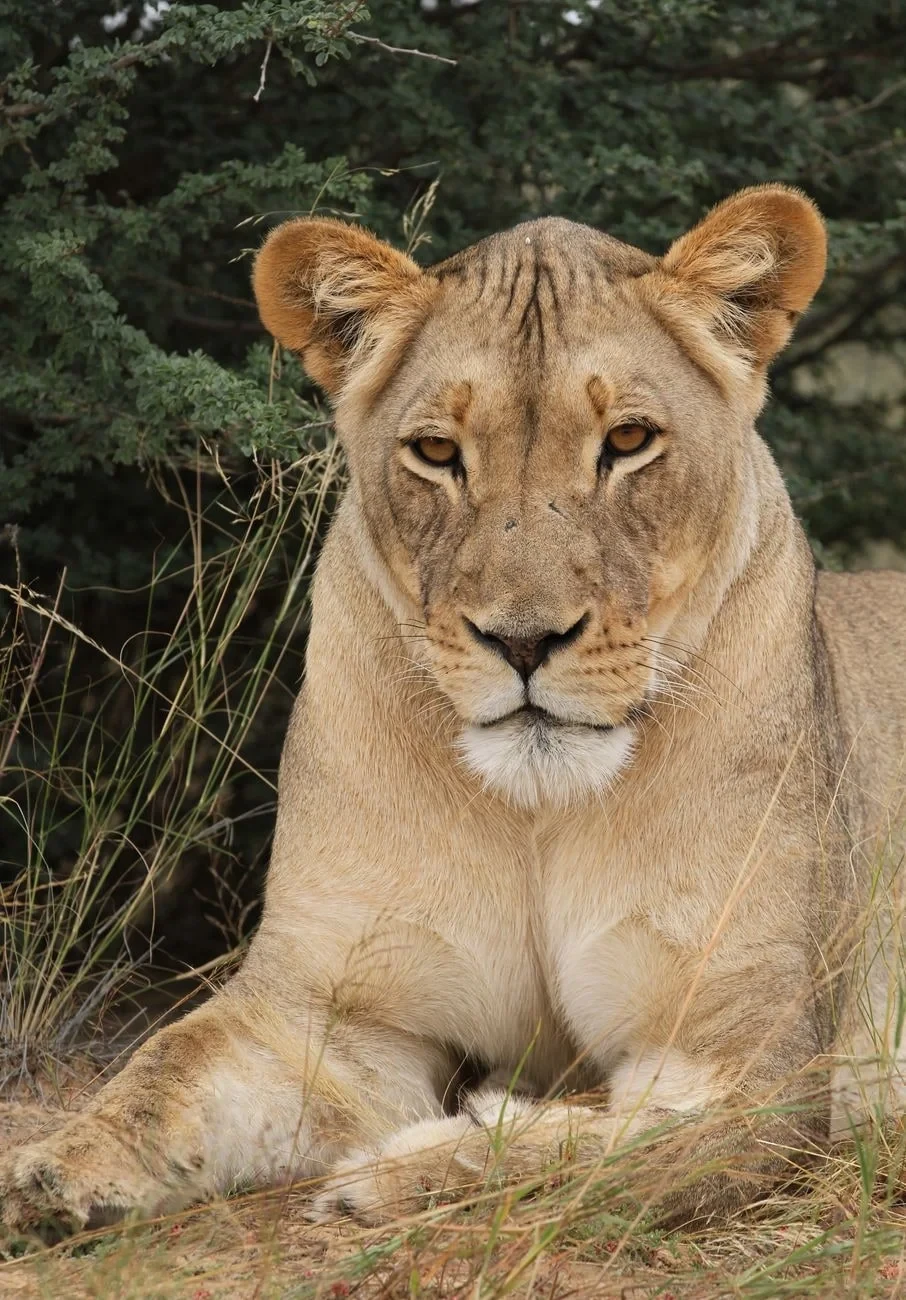
A lion lies relaxed in grassland, finding respite beneath a tree. Even apex predators need stillness.
Photograph by Derek Keats, via Pexels.
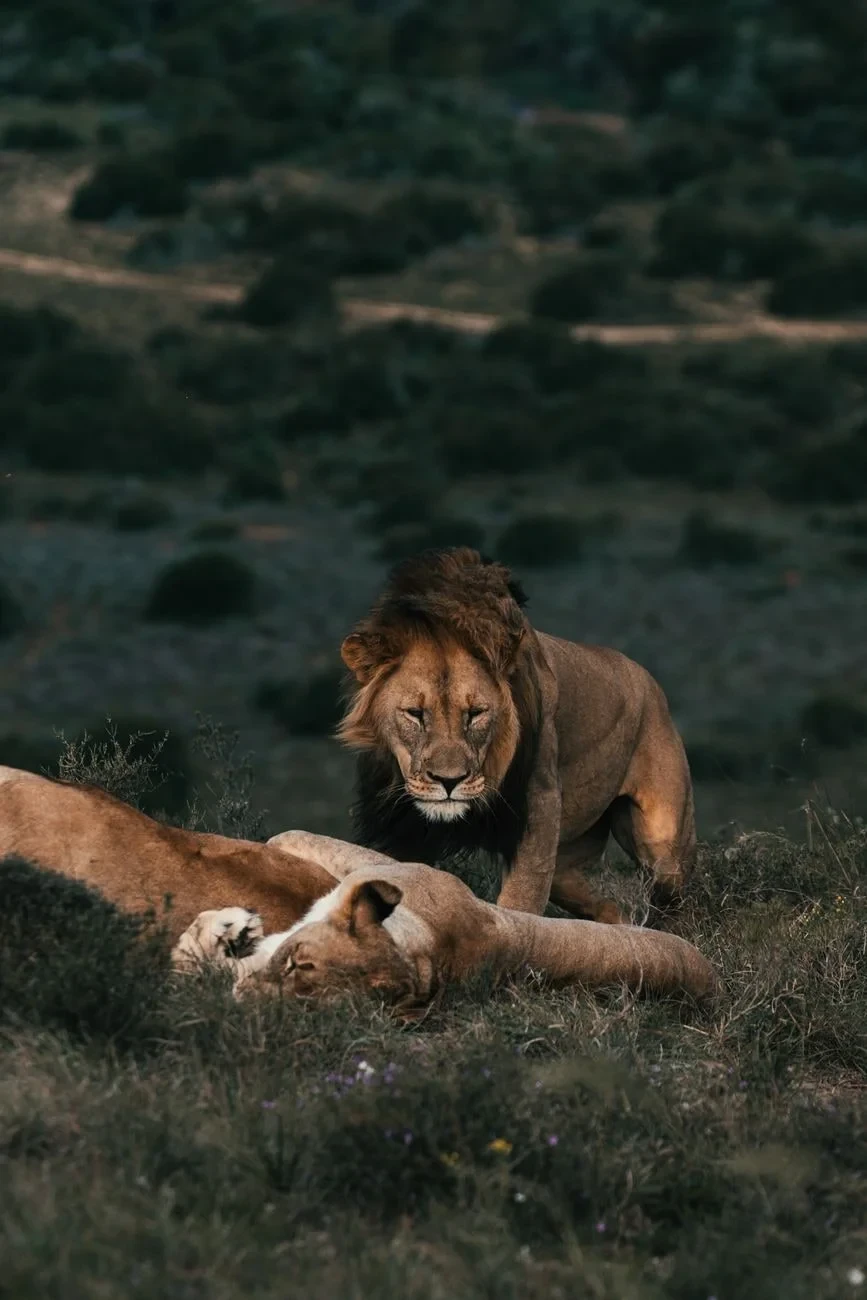
Lionesses and a lion share the grass together. A moment of stillness among these great predators.
Photograph by Rachel Claire, via Pexels.
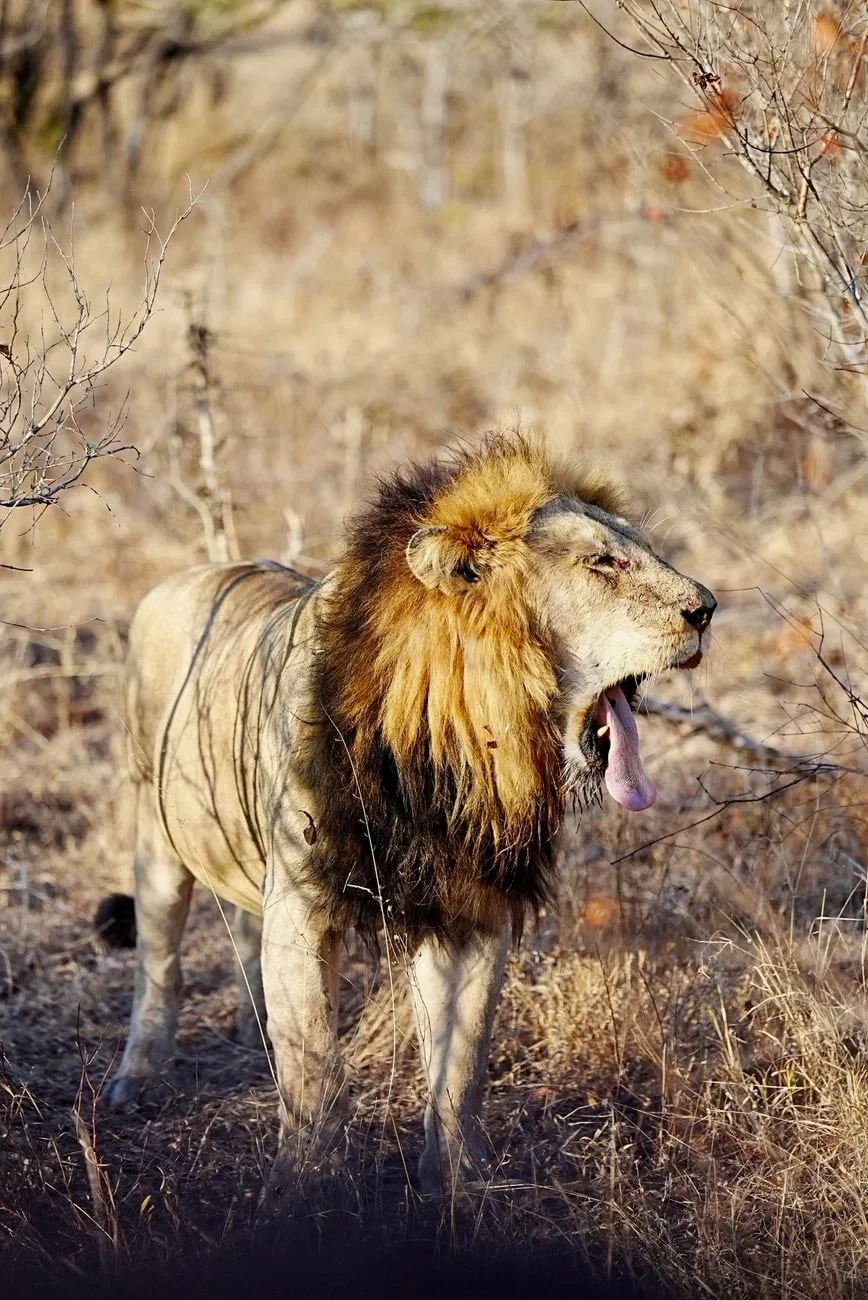
An African lion in mid-roar. The photograph captures the raw intensity that defines these apex predators in the wild.
Photograph by Zhang Thomas, via Pexels.
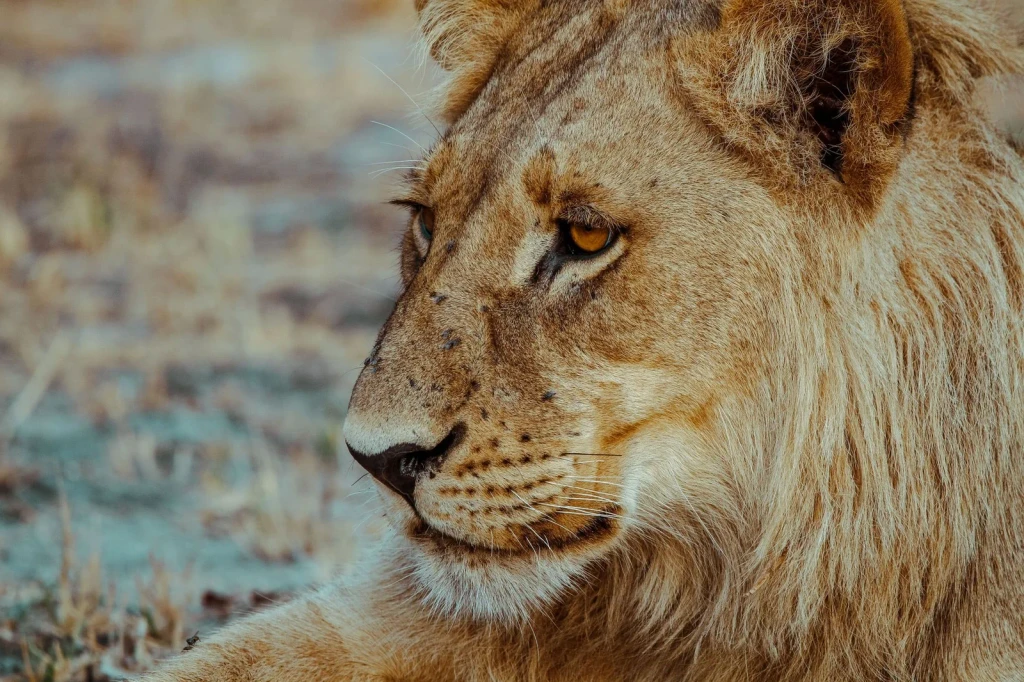
A close-up study of a lion's regal presence. The photograph captures what draws us to these great predators: their commanding bearing in the wild.
Photograph by Kebs Visuals, via Pexels.
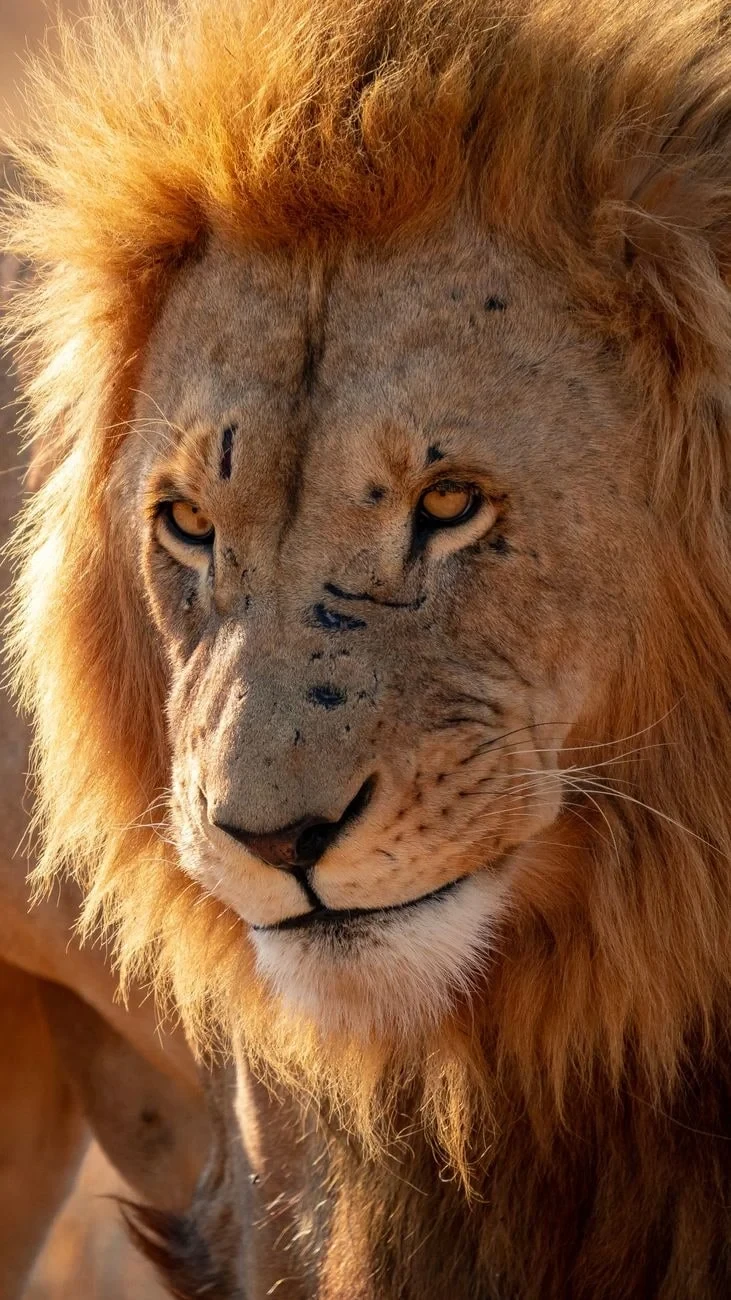
A close portrait of an African lion, its powerful form captured in detail. The predator revealed.
Photograph by Fatih Turan, via Pexels.
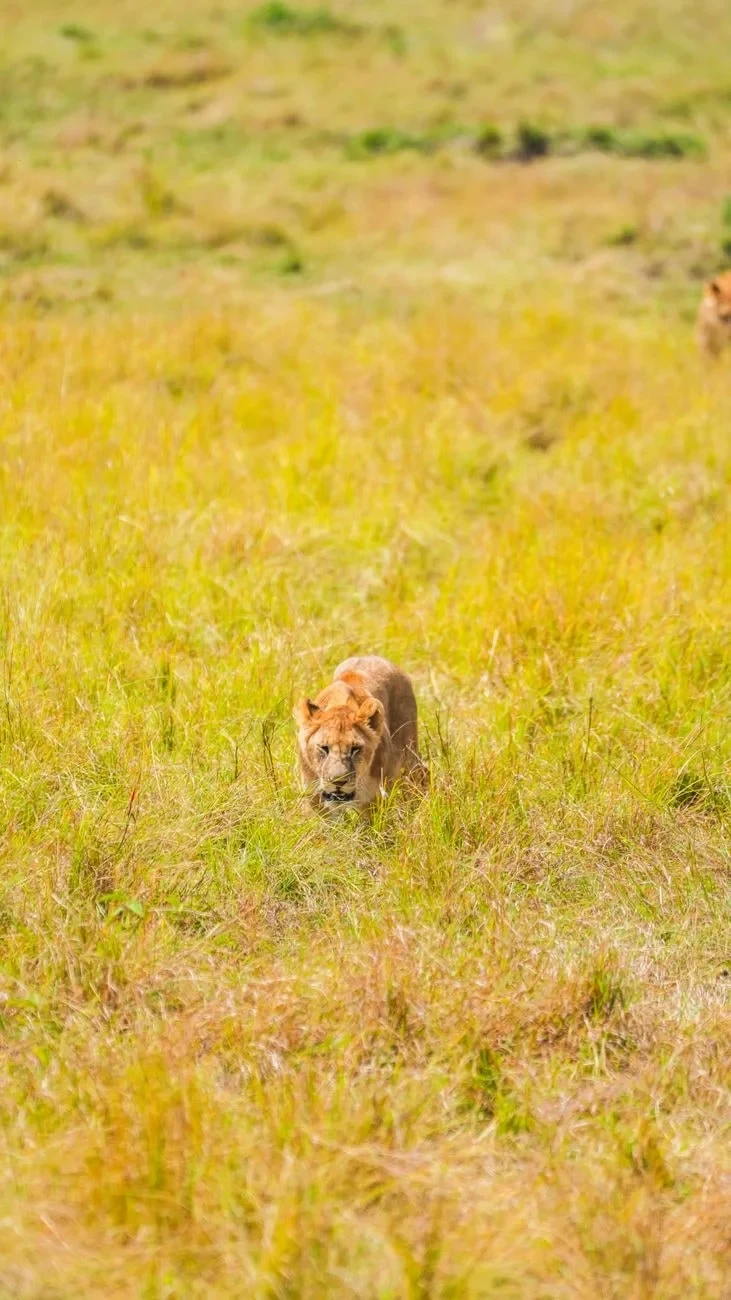
Lions move stealthily through tall grass toward prey. A glimpse of predators in their element.
Photograph by Alex Ning, via Pexels.
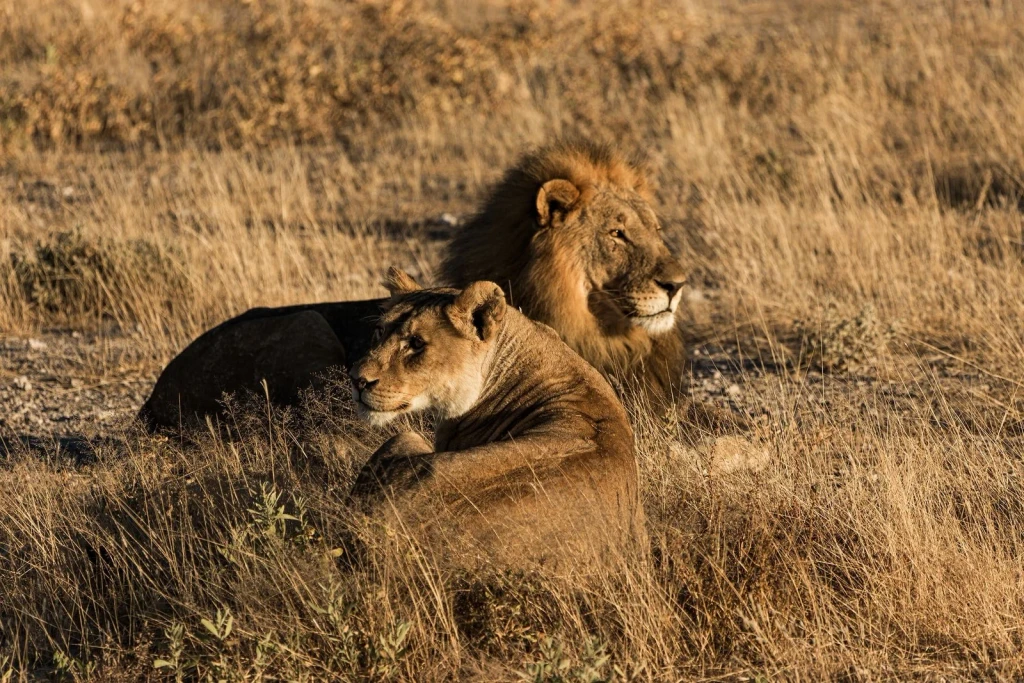
A lion and lioness resting together under the sun. A glimpse of social bonds among these great predators in their natural setting.
Photograph by Bruno Almeida, via Pexels.
