3D Gallery
How Bread Invented Us
Enter gallery
How Bread Invented Us is a 3D virtual gallery on MyGallery3D, a walkable online exhibition of 12 works. Step inside and explore it in your browser: no app, no headset.
Welcome to a 3D virtual gallery you can walk through in your browser, exploring the story of bread, one of the oldest human-made foods.
Starch residue on ancient rocks shows people were pounding plants into primitive flatbread 30,000 years ago, long before farming existed. The oldest evidence of actual bread-making comes from a 14,500-year-old site in Jordan's northeastern desert. Every civilization since has built its culture, its religion, and its daily survival around this single technology.
Bread wheat dominates because its high gluten content gives dough sponginess and elasticity, making it the largest single contributor to the world's food supply of any food. Yet bread is also made from rye, barley, maize, oats, millet, rice, and even almonds or cassava. A University of Hohenheim study found that a four-hour rise breaks down 90% of the FODMAP carbohydrates that cause digestive discomfort.
An early leavened bread was baked by 6000 BC in southern Mesopotamia. The Sumerians added ash to supplement the dough. Egyptians refined the process around 3000 BC, deliberately adding yeast to flour. Ancient Egyptians, Greeks, and Romans all saw bakery refinement as a mark of civilization. In 1961, the Chorleywood bread process replaced long fermentation with intense mechanical mixing, enabling fast, low-cost production worldwide.
Yeast spores are everywhere, including on the surface of cereal grains. Any dough left to rest leavens naturally. Early bakers exploited this. The Gauls and Iberians skimmed foam from beer to lighten their loaves. Winemaking cultures used grape juice and flour paste left to ferment. The most common method was simply saving a piece of yesterday's dough as a sourdough starter, a technique that remained standard until the Middle Ages.
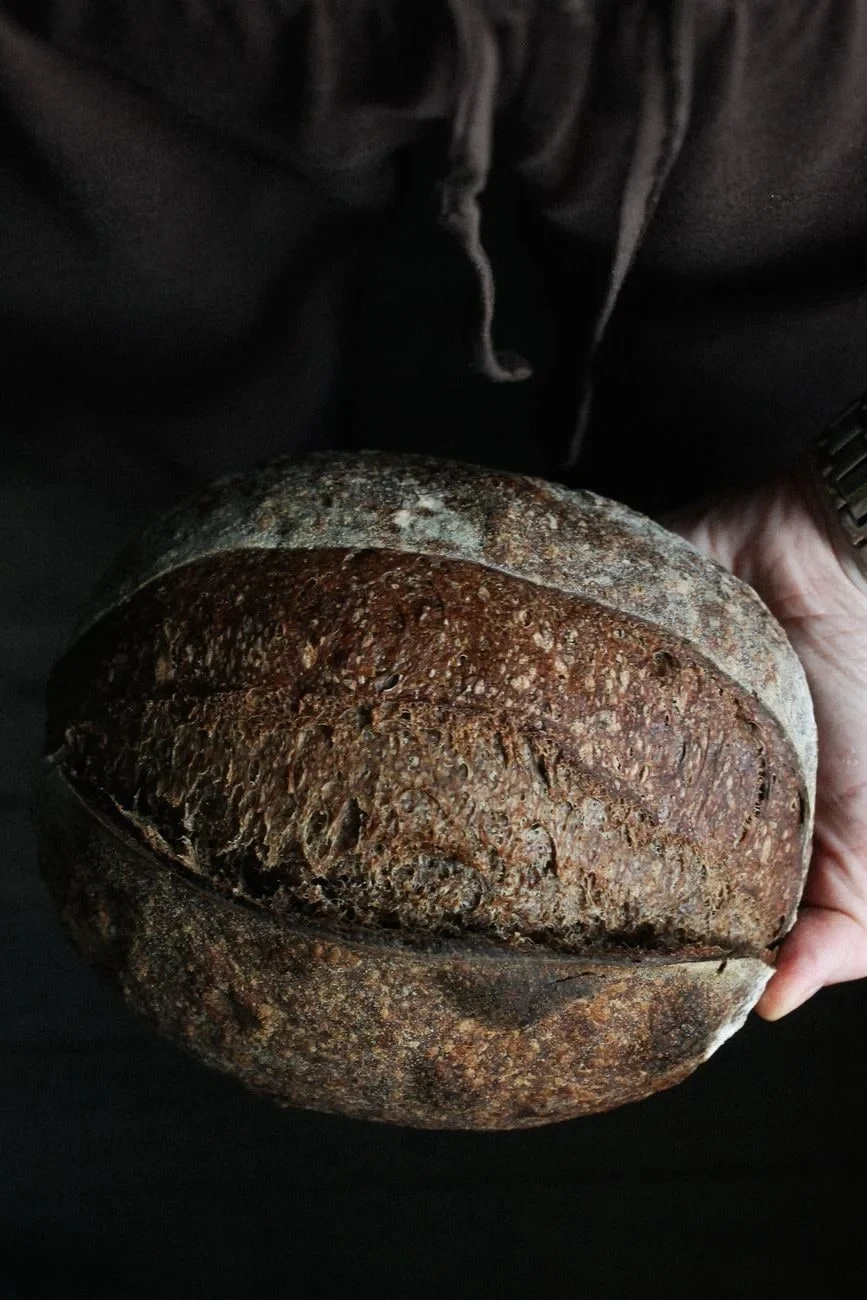
A hand holds the loaf we have been watching. This simple gesture connects baker to bread, reminding us that baking is tactile work made for sharing and eating.
Photograph by LENA KORSIK, via Pexels.
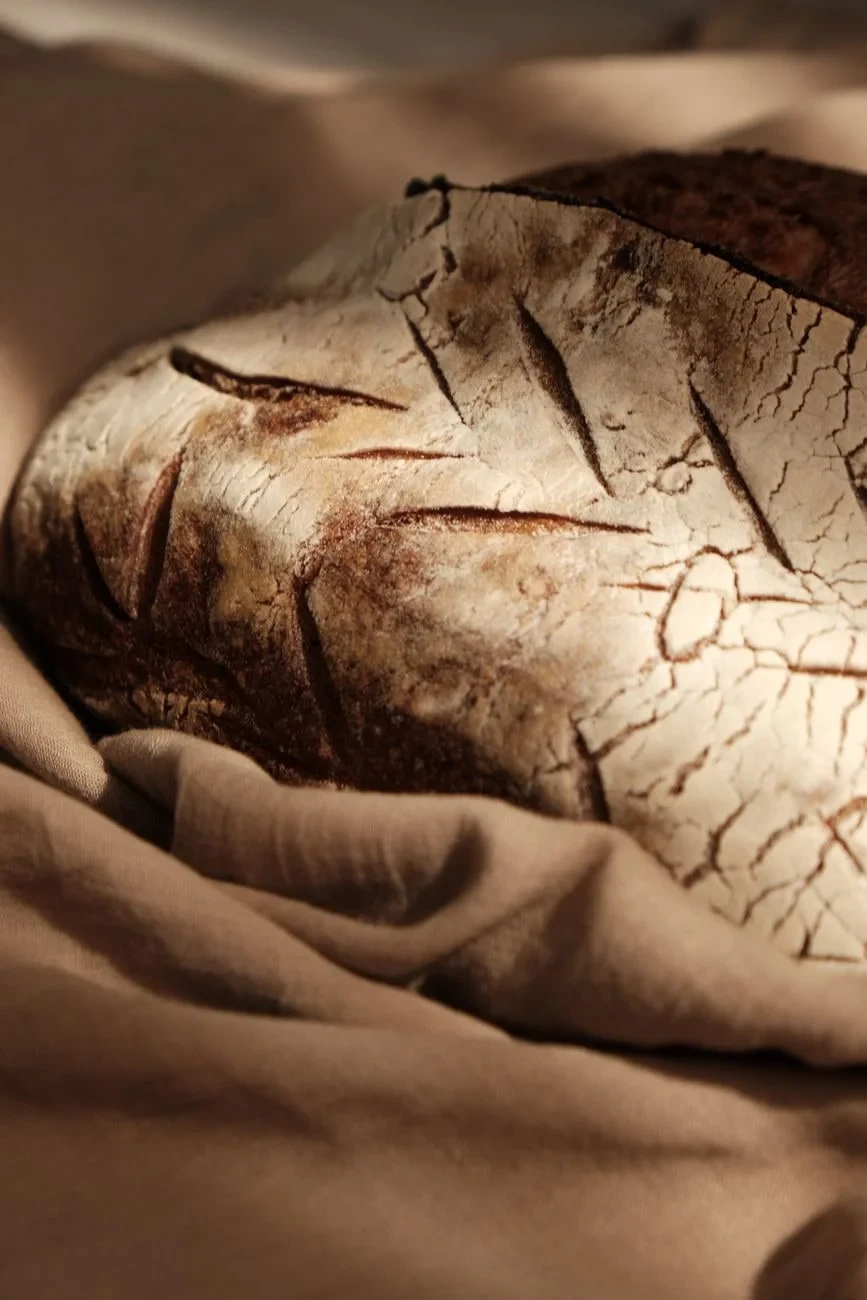
A close-up of artisan bread reveals the texture that comes from traditional baking. The loaf rests on fabric, inviting us to consider bread as craft.
Photograph by Khadijah Karaca, via Pexels.
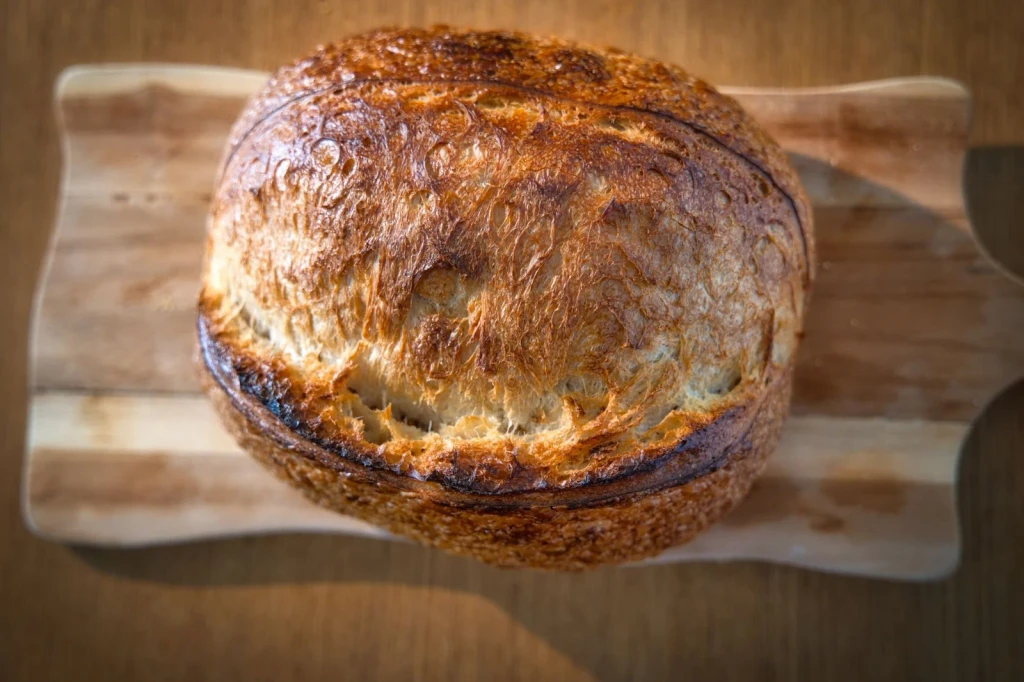
Artisan bread rests on a wooden board, lit naturally. The photograph shows how simple presentation can highlight the baker's work.
Photograph by Travel with Lenses, via Pexels.
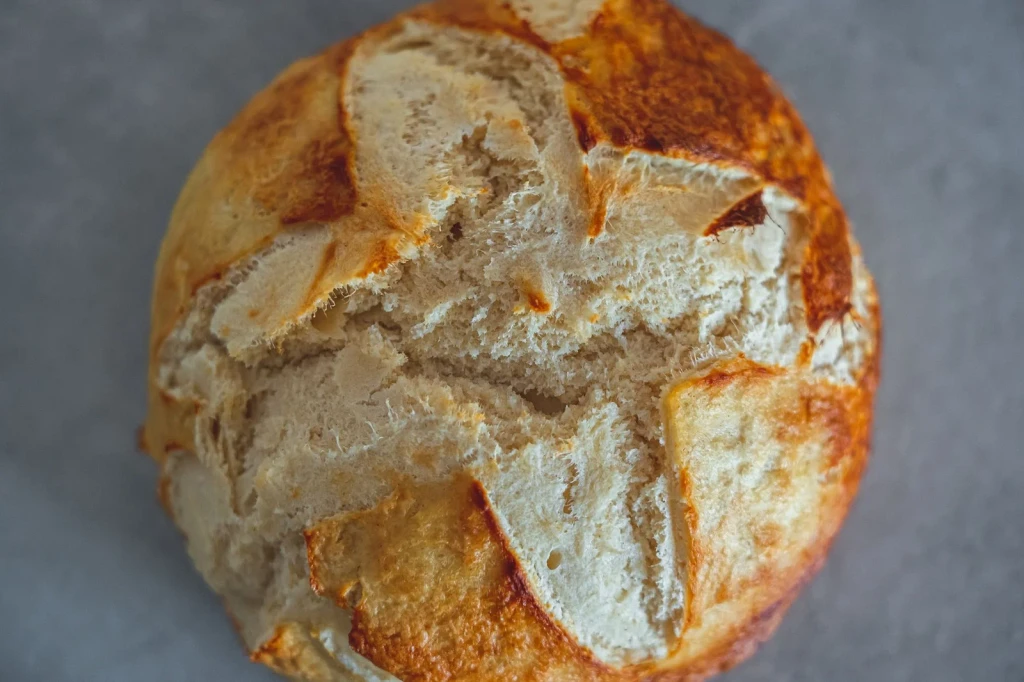
A freshly baked round loaf fills the frame, its crust the subject. The close view emphasizes the detail in everyday bread.
Photograph by Castorly Stock, via Pexels.
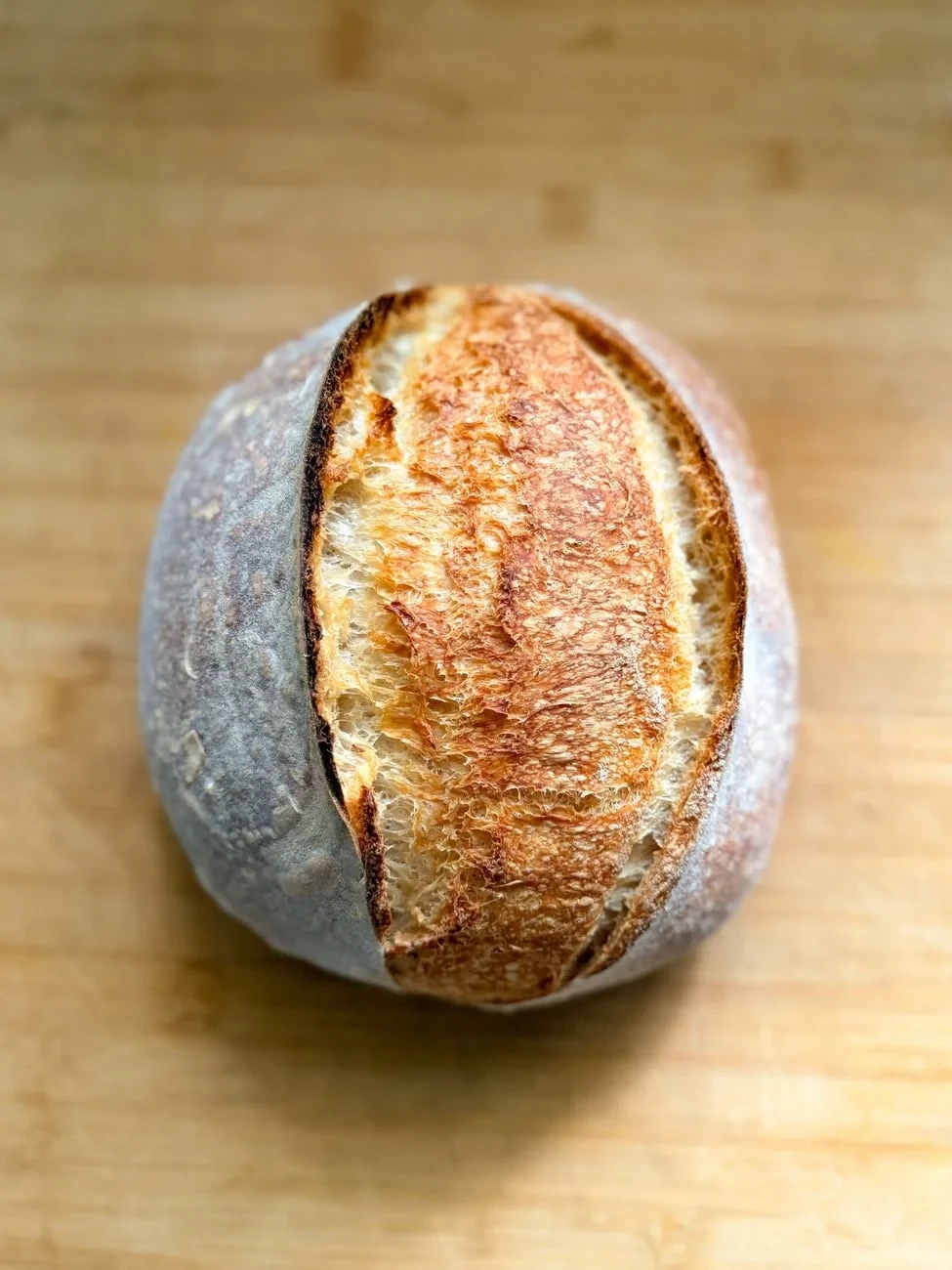
Round and whole, the loaf appears from above on wood. The overhead perspective emphasizes the bread's form and the beauty of a completed bake.
Photograph by Evans Joel, via Pexels.
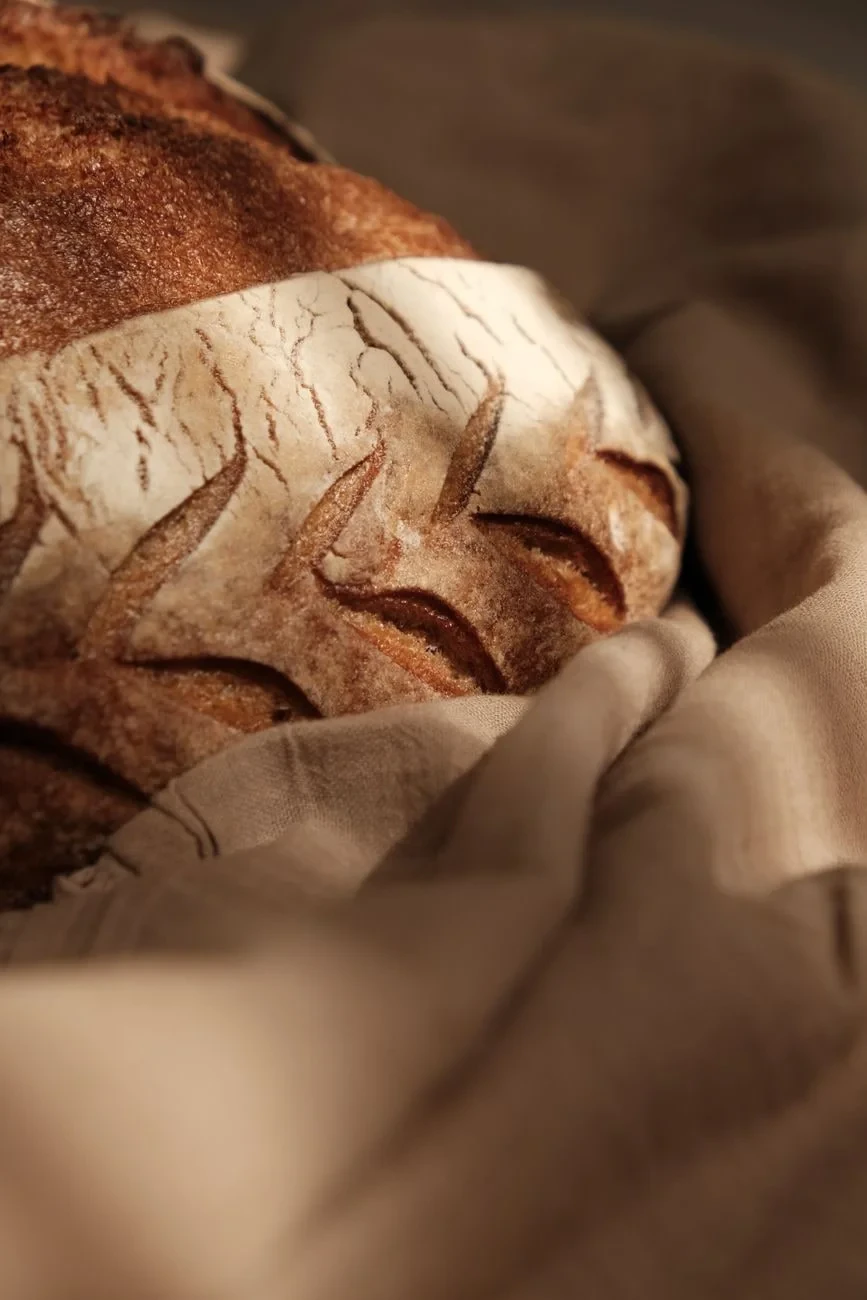
Artisan bread lies on textured fabric in warm light. The image shows the quiet moment between baking and breaking, where the loaf's surface begins to tell its story.
Photograph by Khadijah Karaca, via Pexels.
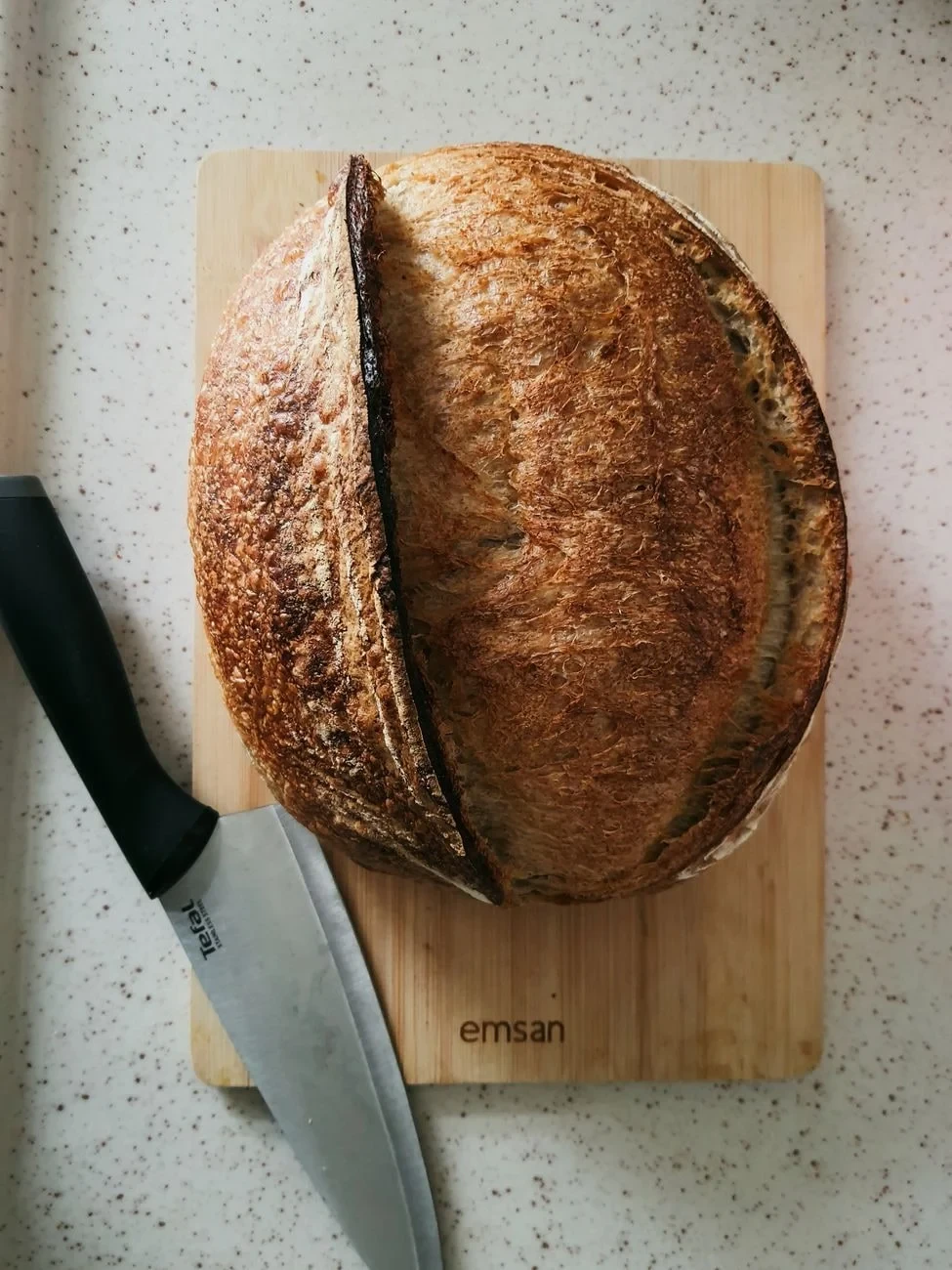
A round sourdough loaf sits on a wooden board with knife nearby. The image captures bread at the moment before it becomes a meal.
Photograph by Ece Ebrar TOYCU, via Pexels.
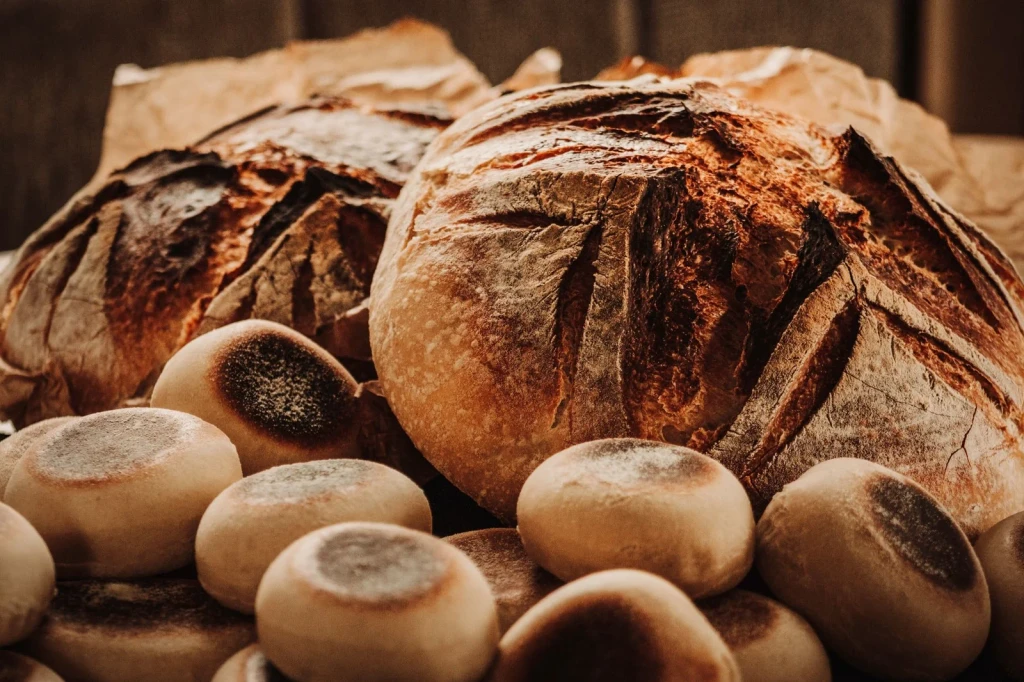
Rustic sourdough loaves and buns appear in a close study of texture and form. The earthy tones speak to traditional baking methods.
Photograph by Lauren Heaton, via Pexels.
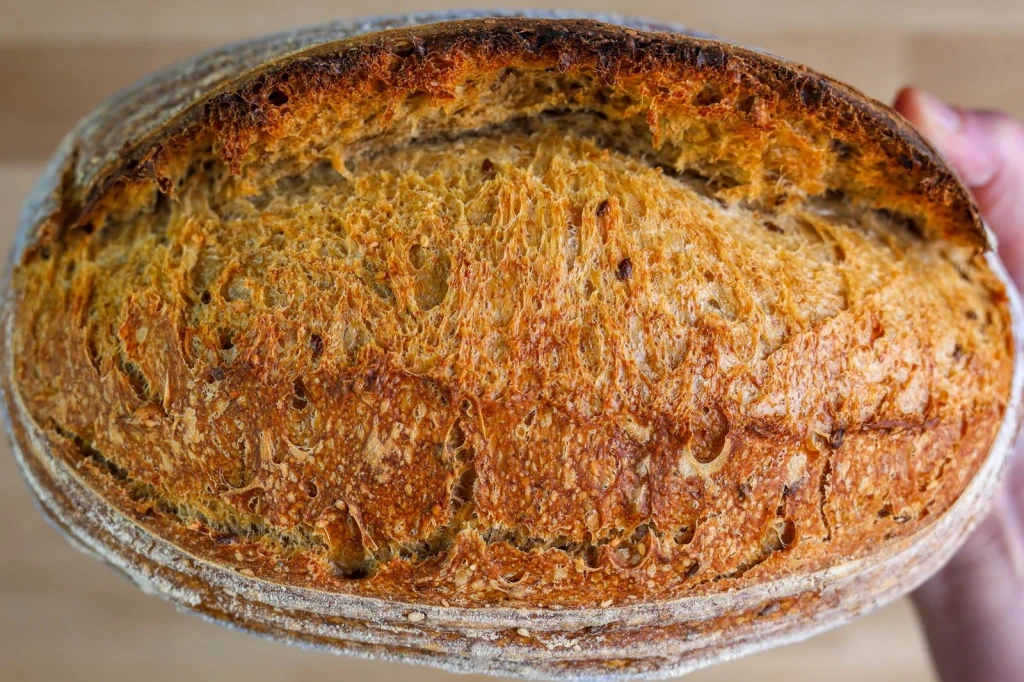
The crust's texture fills the frame in close detail. This photograph concentrates on the skin of bread, where baking heat has worked its visible transformation.
Photograph by Jana Ohajdova, via Pexels.
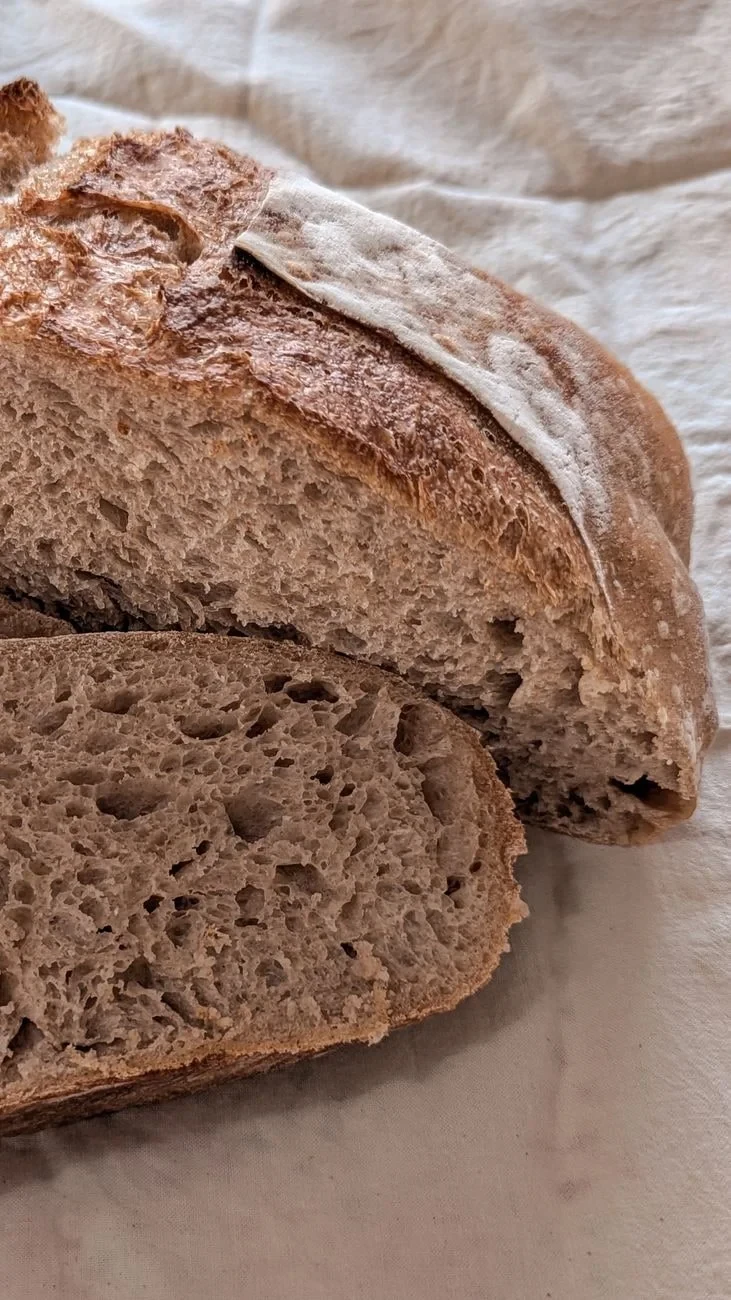
Cut through the middle, this sourdough reveals the interior structure that defines artisan bread. Resting on linen, the loaf becomes a study in texture and craft.
Photograph by Dudubangbang Travel, via Pexels.
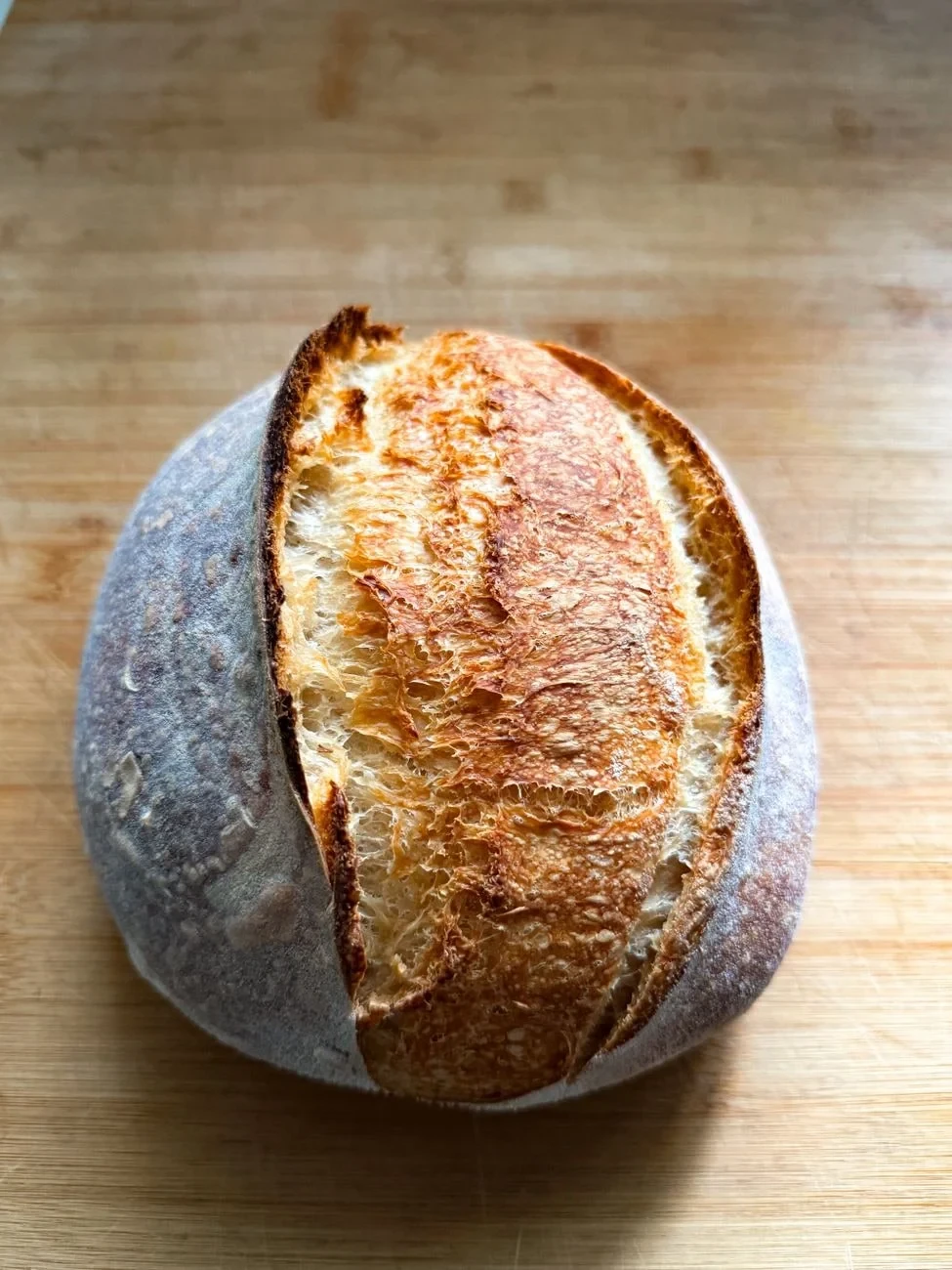
A freshly baked sourdough rests on its wooden board. The photograph captures bread at the moment after baking, inviting us to consider the simplicity of what comes from heat and time.
Photograph by Evans Joel, via Pexels.
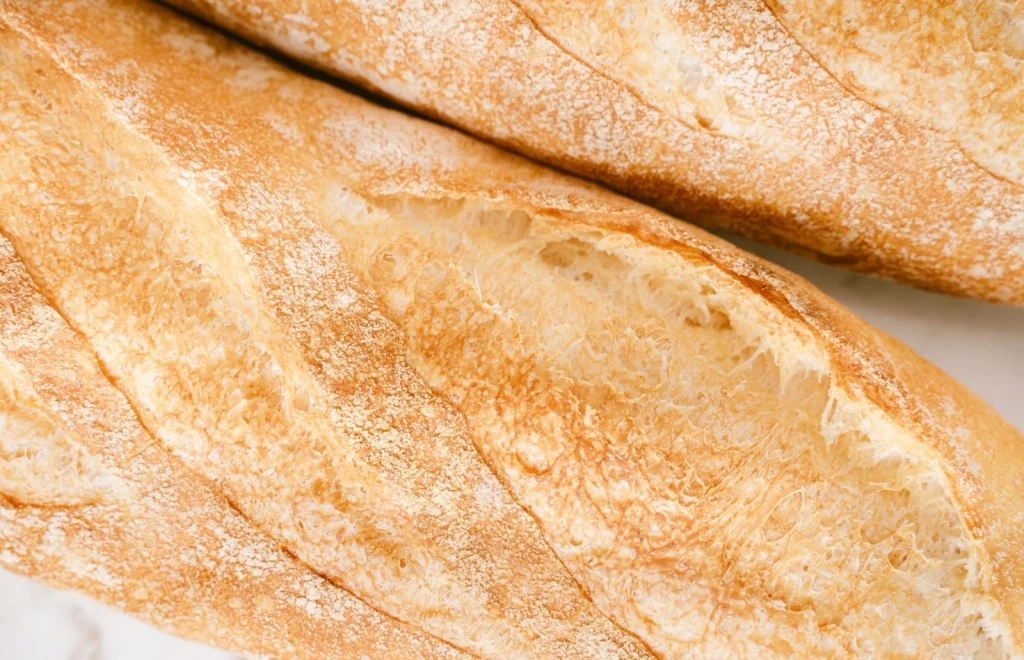
Baguettes are shown in detail, their crispy exterior and fresh interior on display. These images celebrate the results of careful baking.
Photograph by AI25.Studio Studio, via Pexels.
