3D Gallery
Canals: Drawing Water Across the Land
Enter gallery
Canals: Drawing Water Across the Land is a 3D virtual gallery on MyGallery3D, a walkable online exhibition of 15 works. Step inside and explore it in your browser: no app, no headset.
Welcome to a 3D virtual gallery you can walk through in your browser, exploring how canals have shaped civilizations for six thousand years.
The oldest known canals were irrigation channels dug in Mesopotamia around 4000 BC. By the 10th century, Chinese engineers had invented the pound lock, letting boats climb 42 metres up the Grand Canal. That waterway, stretching 1,794 kilometres from Beijing to Hangzhou, remains the longest artificial waterway on earth and is still in heavy use today.
The Panama Canal cuts 82 kilometres across a continental divide, lifting ships 26 metres to an artificial lake through sets of locks. France began construction in 1881 but abandoned the effort after spending $287 million and losing an estimated 22,000 lives to disease and accidents. The United States took over in 1904 and opened the canal in 1914. A single ship transit consumes 200 million litres of fresh water.
Before canals, a mule could carry only 100 kilograms over a long journey. Water transport made bulk cargo practical, moving coal and ore cheaply enough to feed growing industries. Canals fueled urbanization and new economies of scale. But by the 1840s, railways began replacing them in Britain. By the 1880s many canals could not compete and were abandoned, their role taken over by rail and later by motor trucks.
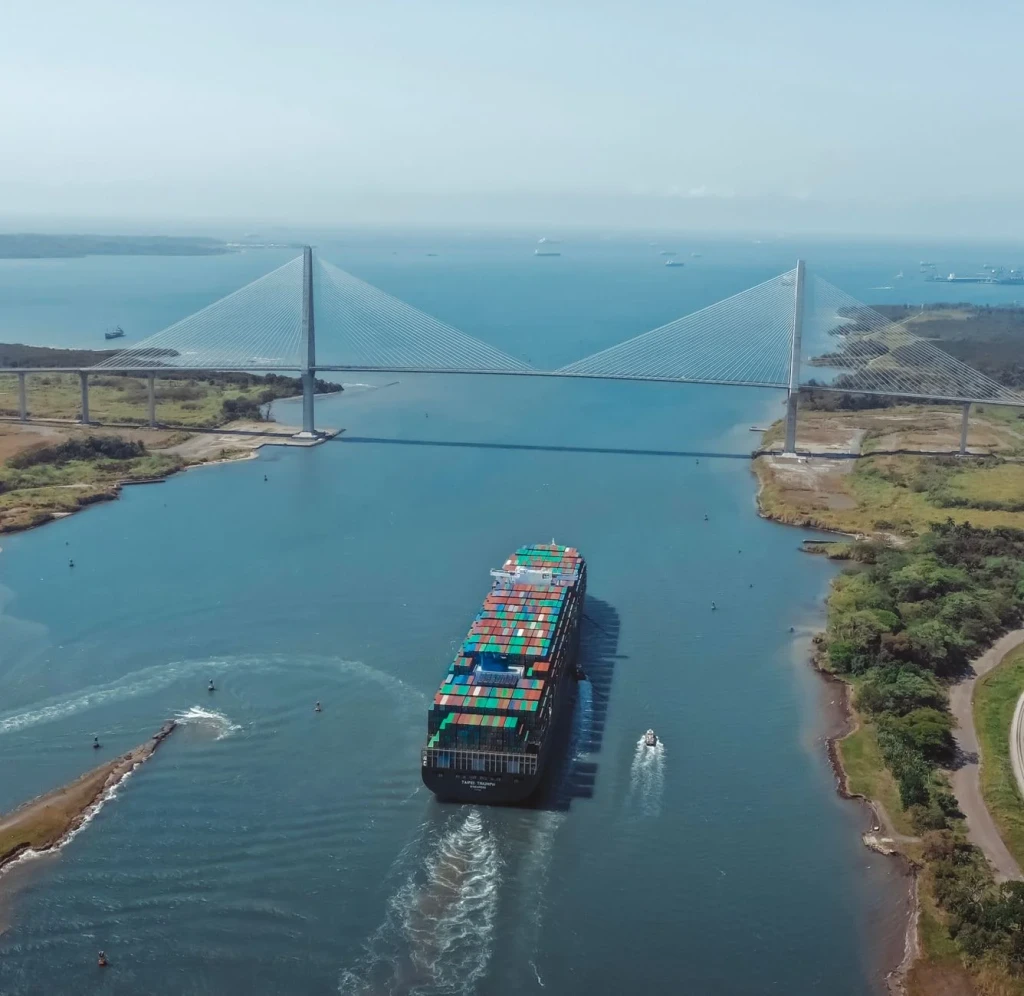
A container ship transits beneath a cable-stayed bridge. The photograph captures infrastructure designed to move goods across water and land simultaneously.
Photograph by Richard Rojas, via Pexels.
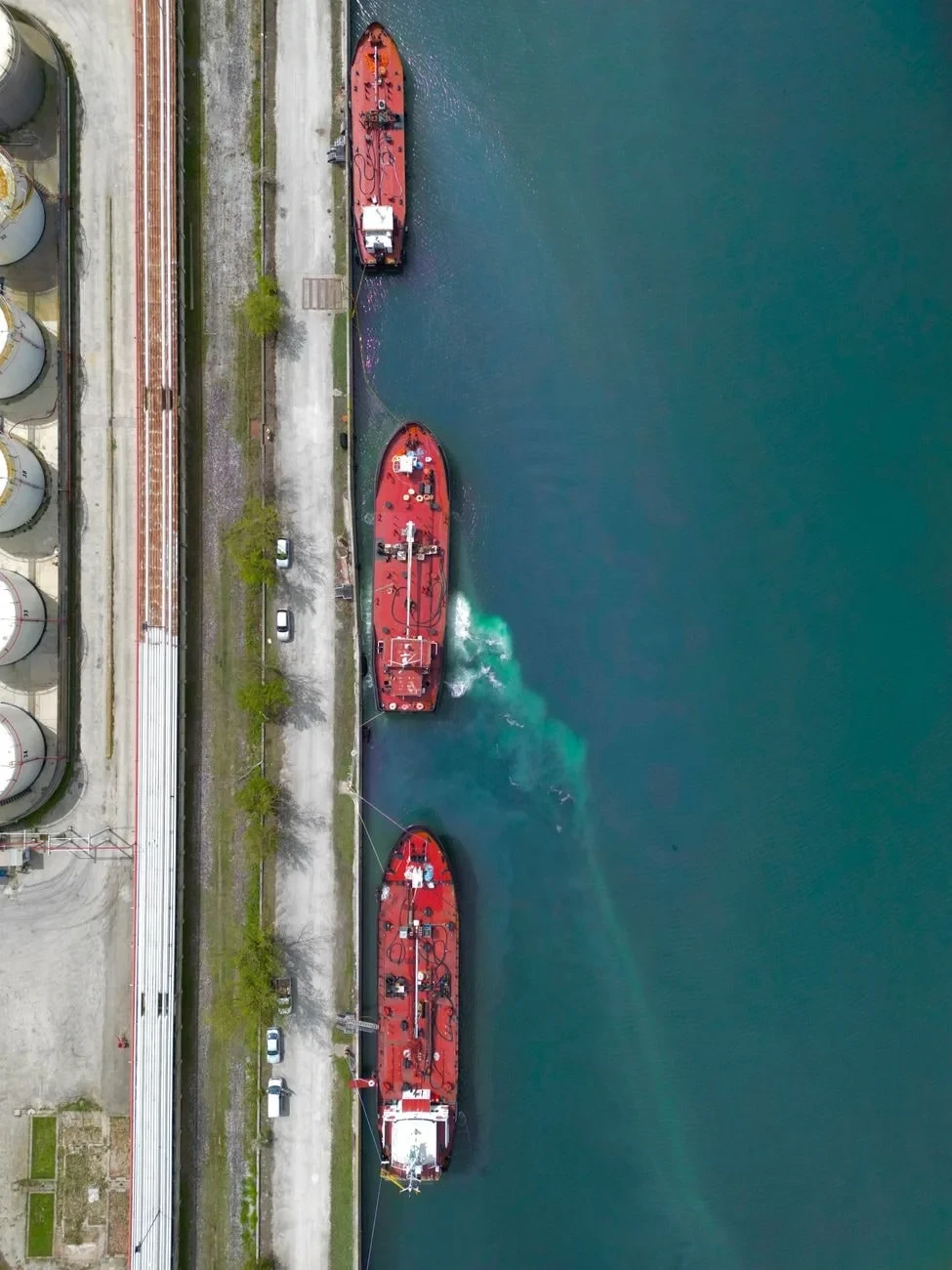
Multiple ships gather at a moored port. The aerial perspective reveals the density of maritime commerce concentrated in a single industrial waterfront.
Photograph by DeLuca G, via Pexels.
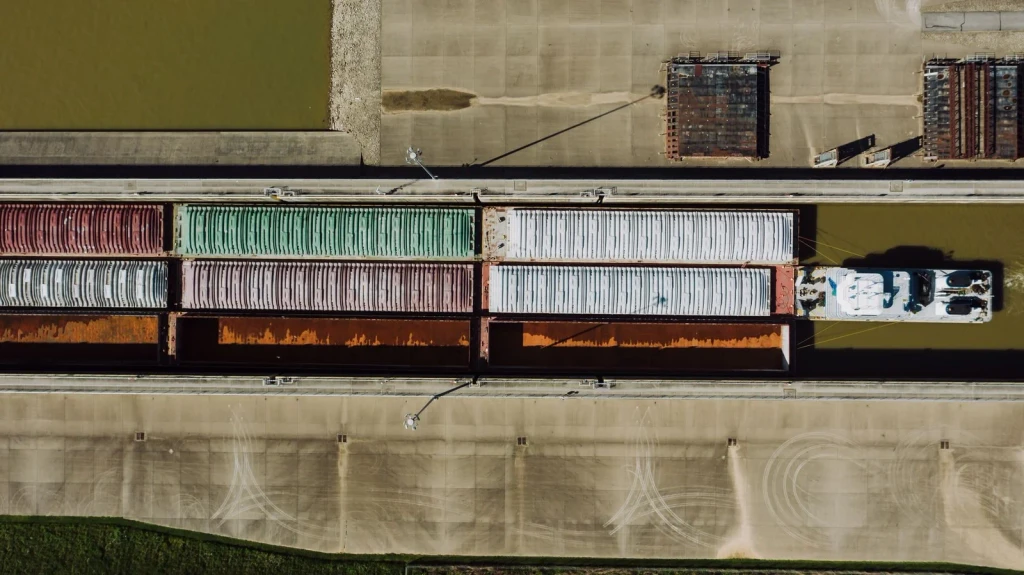
Containers stacked on a barge navigate a city canal. This image shows how waterways function as working infrastructure within built environments.
Photograph by K, via Pexels.
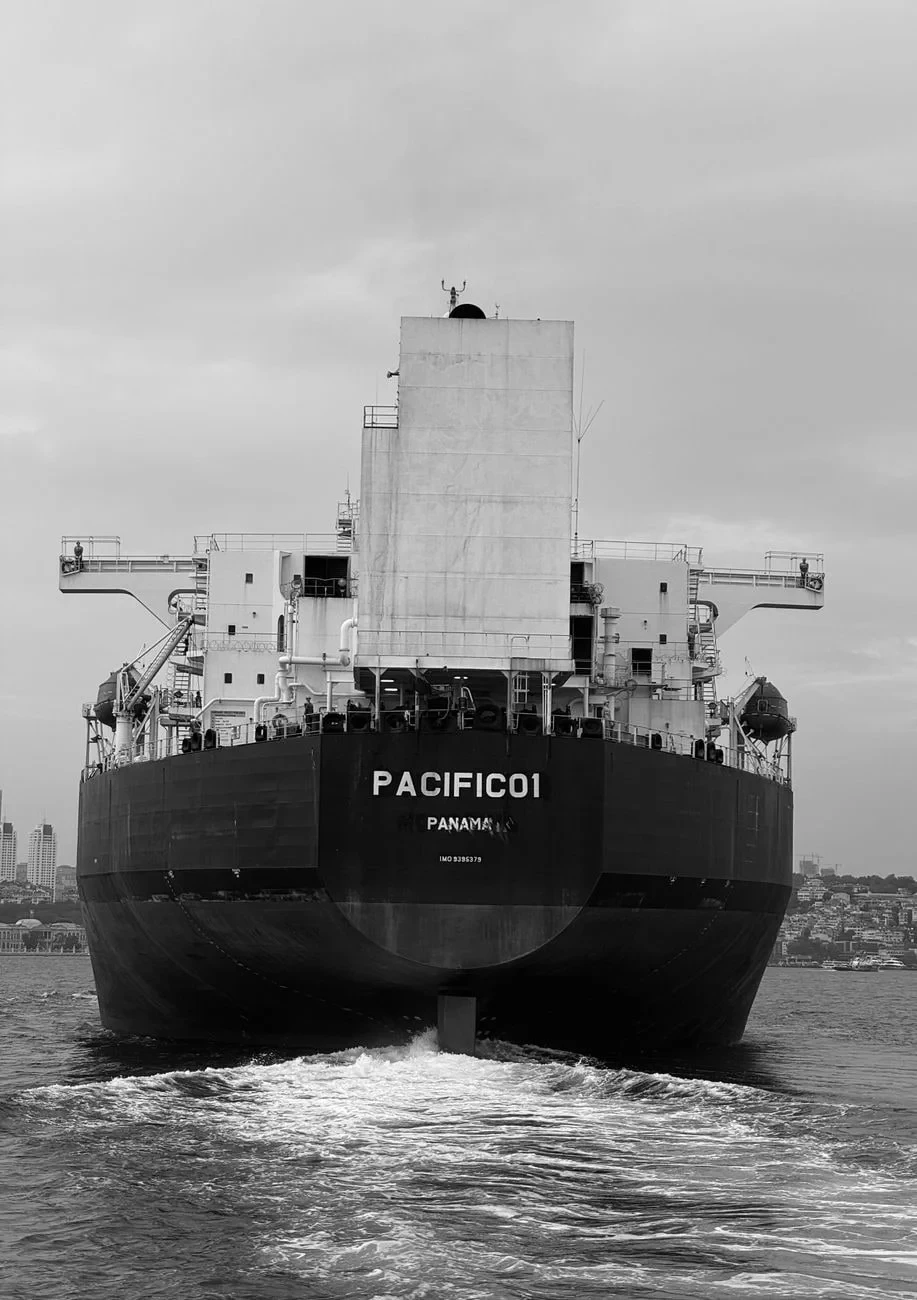
A large cargo vessel moves through city waters in black and white. The image emphasizes how canals weave industrial passage through densely built landscapes.
Photograph by rescriptt rescriptt, via Pexels.
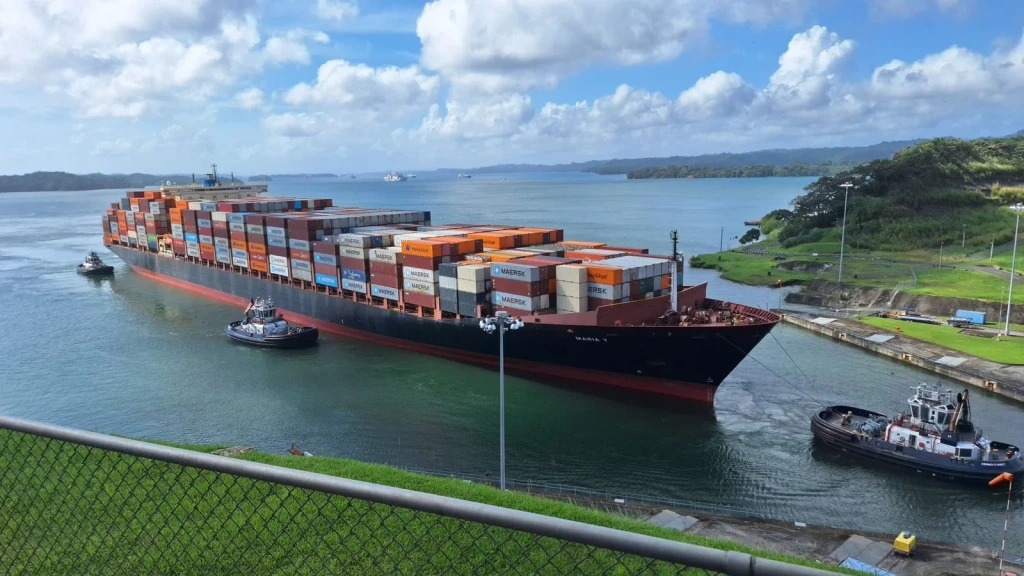
A large container ship is maneuvered through the canal by tugboats under clear skies. The image shows the infrastructure required to navigate such massive vessels through narrow waterways.
Photograph by Edwin Stanley Portillo Rodriguez, via Pexels.
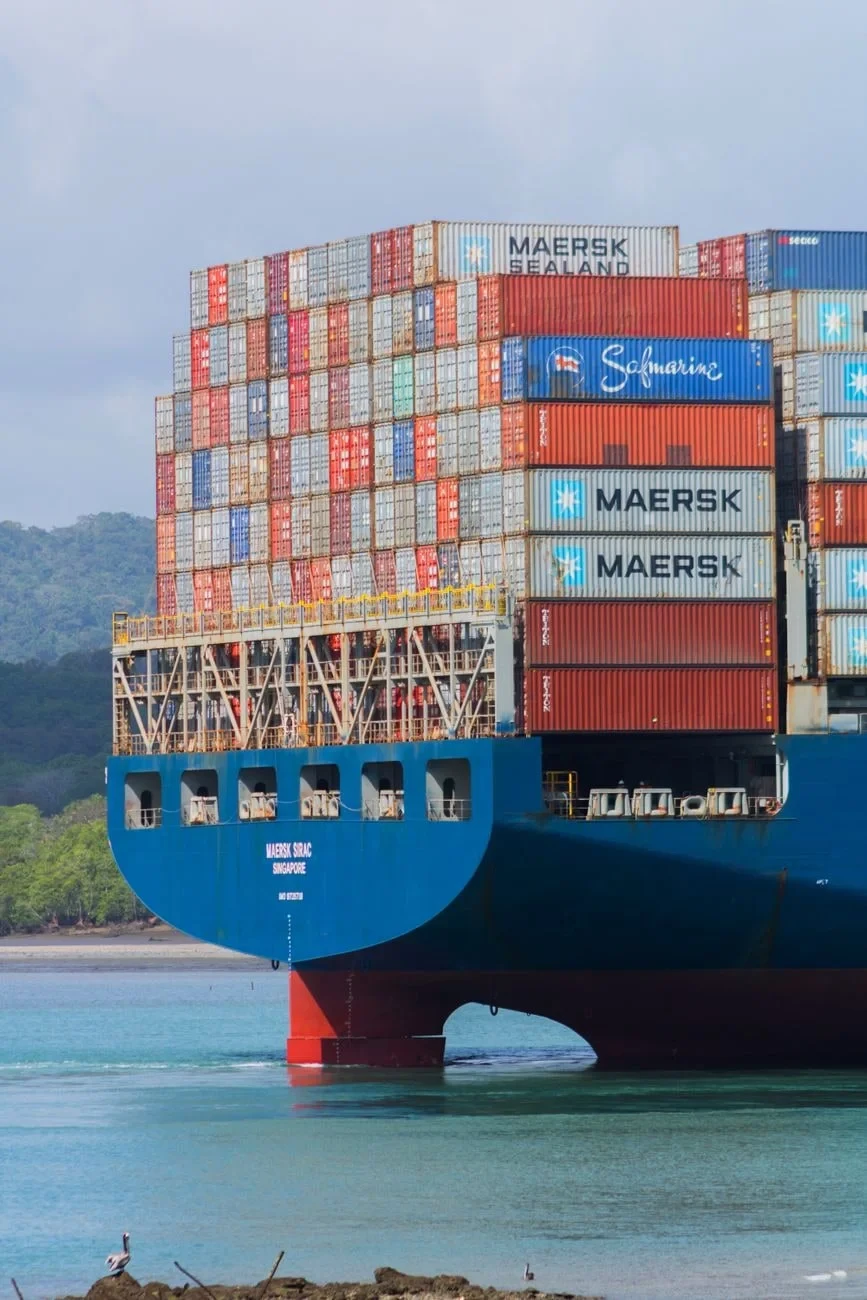
A heavily loaded cargo ship navigates the canal under clear skies. The image shows containers being transported across drawn waterways.
Photograph by JESH ., via Pexels.
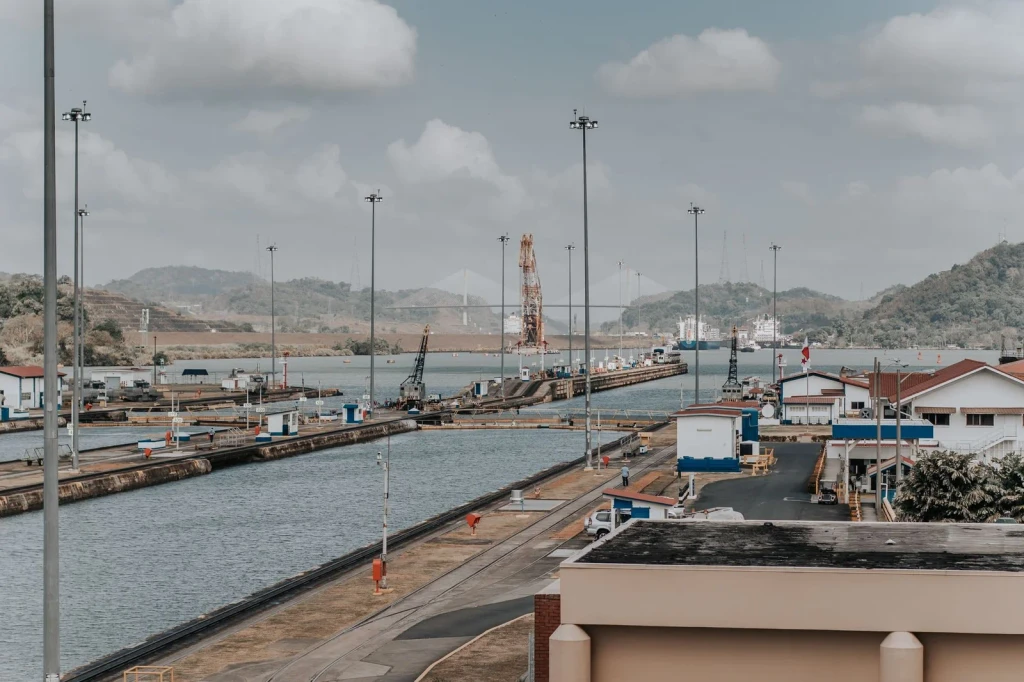
A panoramic view of a major canal's lock chambers and surrounding infrastructure. The image shows the scale of engineering required to raise and lower vessels.
Photograph by Rodolfo Quirós, via Pexels.
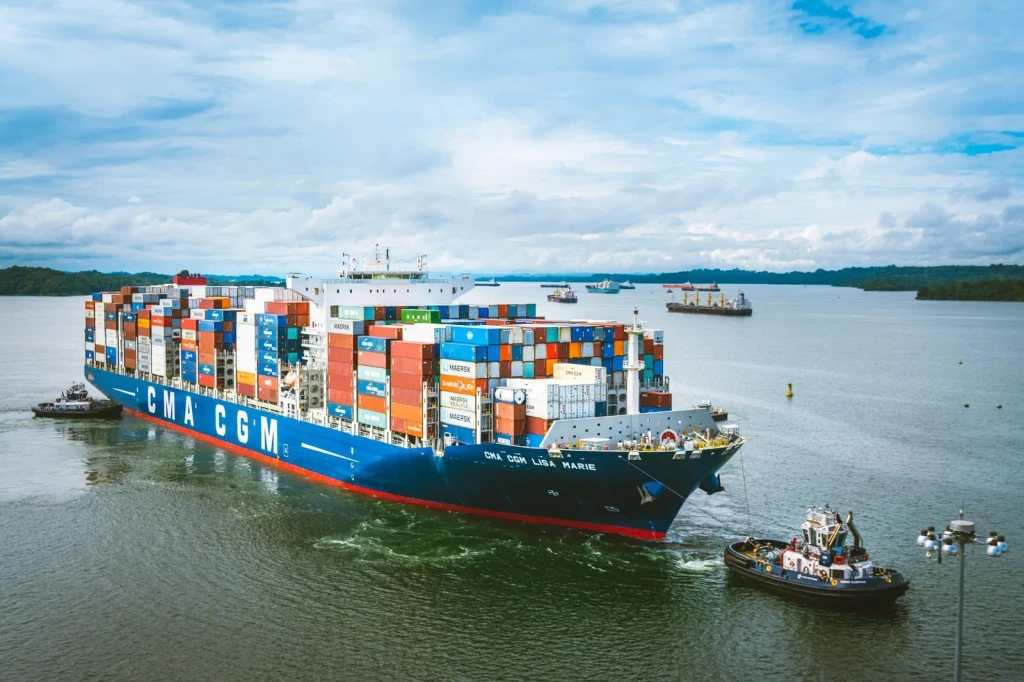
A large cargo ship navigates the canal under clear conditions. The image documents the movement of goods through engineered waterways.
Photograph by Victor Puente, via Pexels.
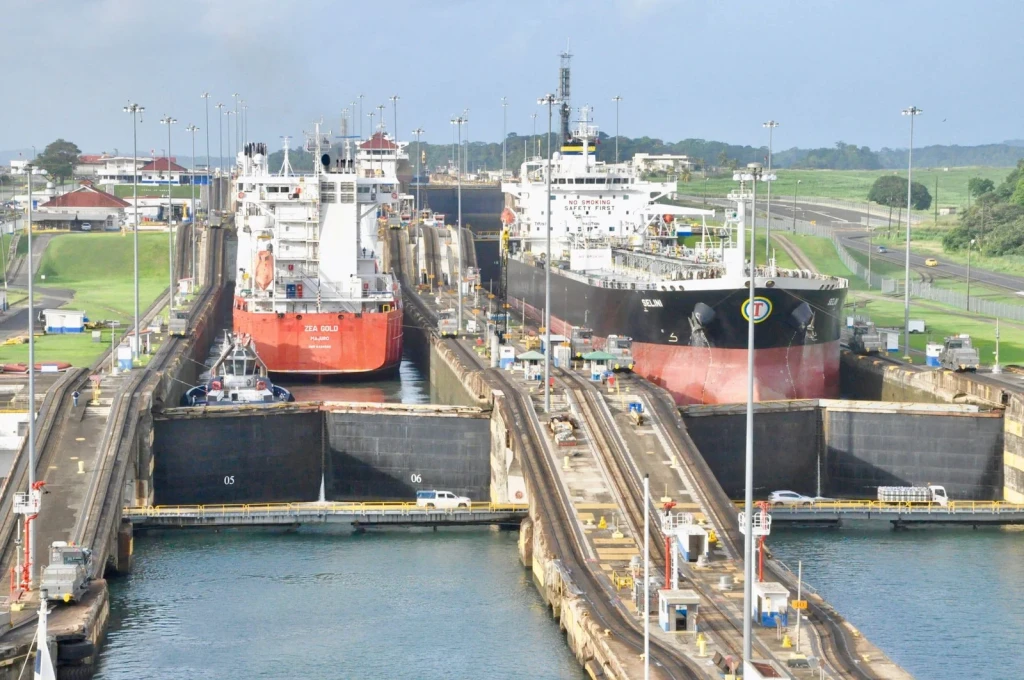
Cargo ships work through the canal locks on a clear day. The photograph captures this bustling hub where multiple vessels coordinate their passage.
Photograph by Michael D. Camphin, via Pexels.
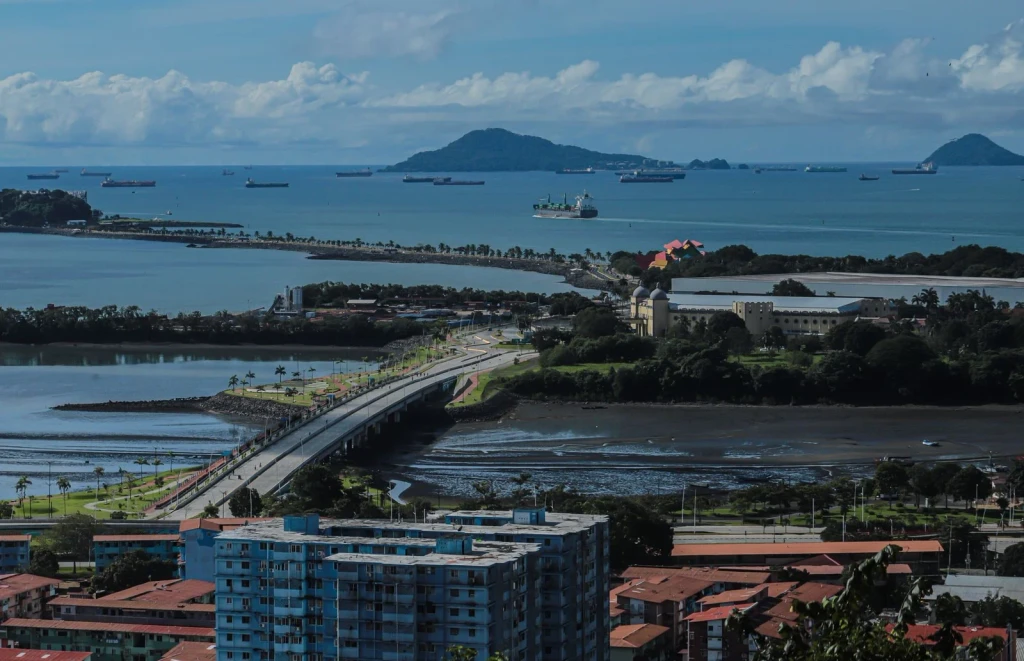
An aerial perspective reveals the layered geography of a busy bay. Water, land, and urban development intersect where ships anchor among islands.
Photograph by Esdras Jaimes, via Pexels.
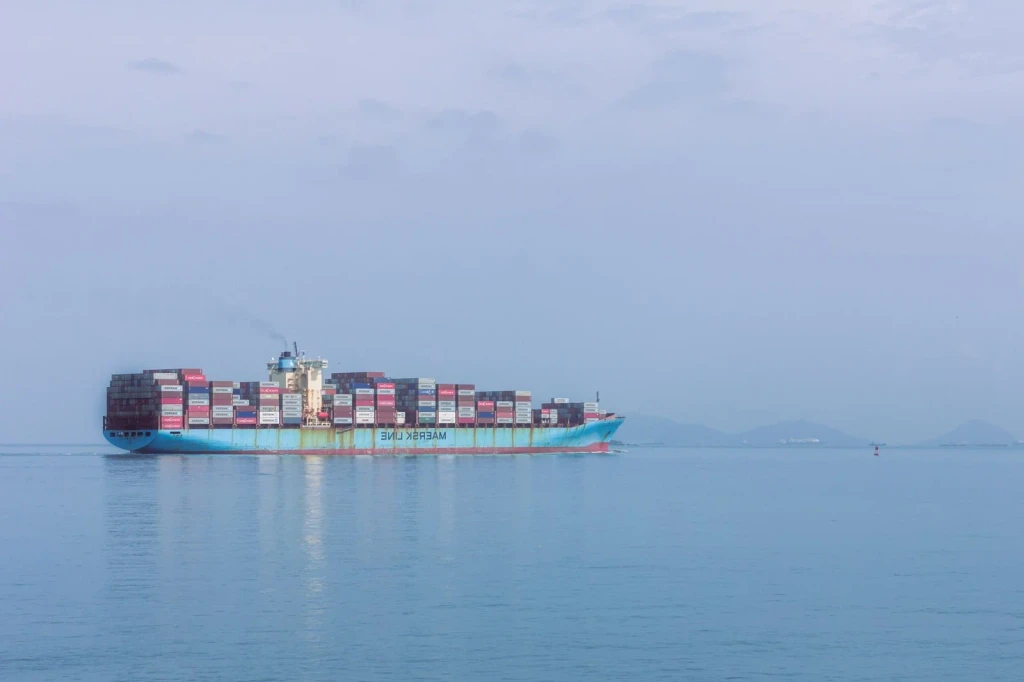
A cargo ship moves across open water. Large vessels like this carry goods across vast distances, connecting distant ports through maritime routes.
Photograph by Neron Photos, via Pexels.
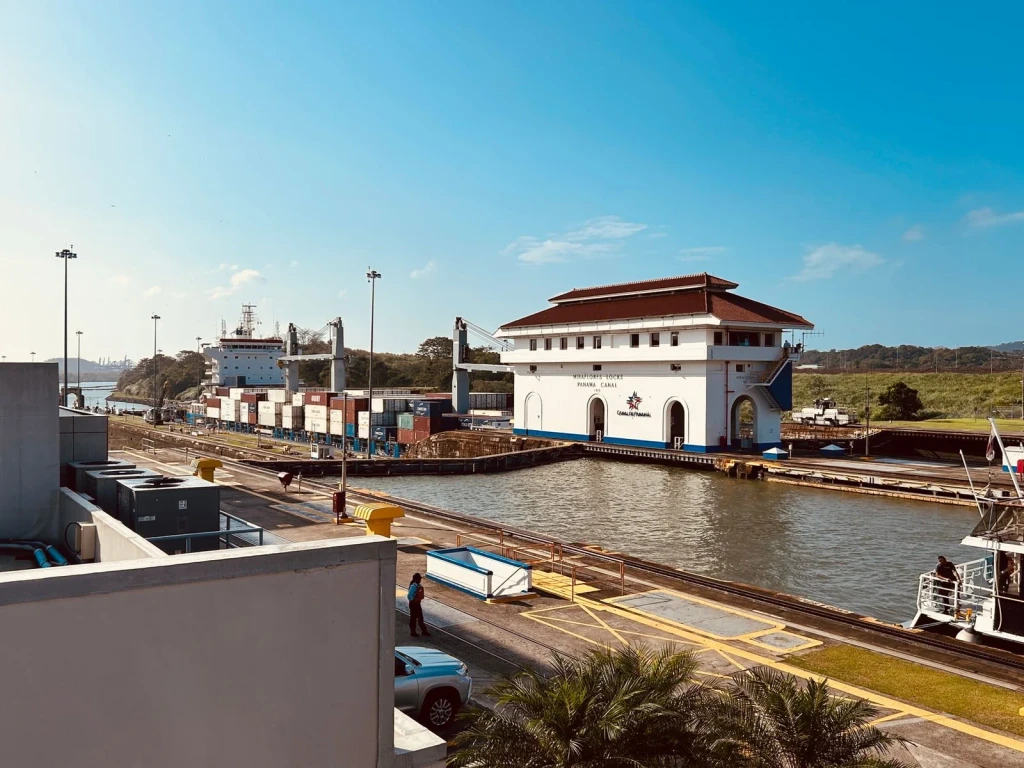
A cargo ship sits in the locks on a clear day. The photograph documents the moment vessels pause within engineered passages designed to cross continents.
Photograph by Kevin Alvarez, via Pexels.
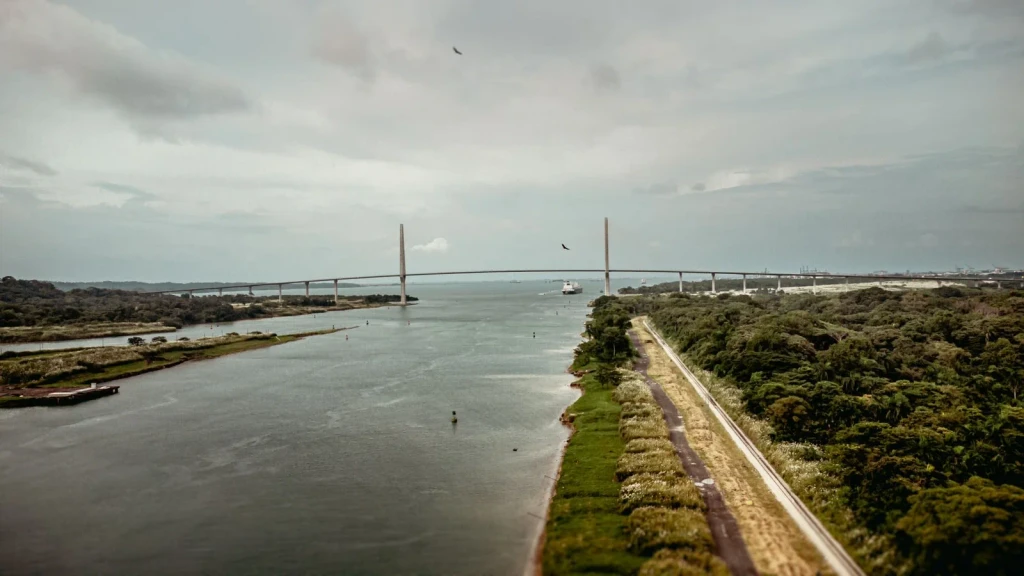
An aerial perspective reveals a bridge spanning a tranquil waterway surrounded by lush vegetation. The photograph emphasizes human infrastructure crossing the landscape's natural waterways.
Photograph by ZaetaFlow Sec, via Pexels.
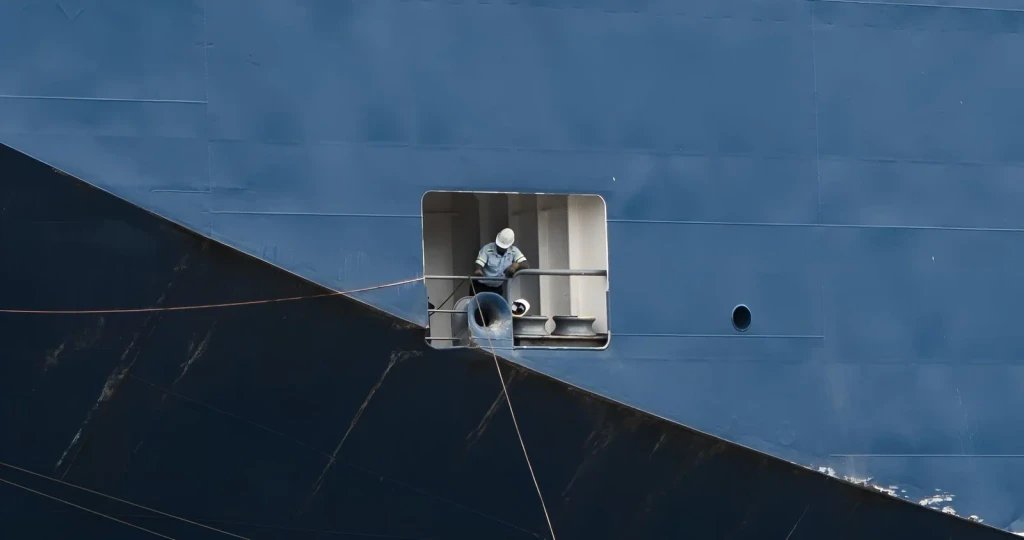
A worker tends to a ship's exterior. The photograph reveals the labor required to keep vessels and waterways functioning.
Photograph by Wilder stiven Cardona lopera, via Pexels.
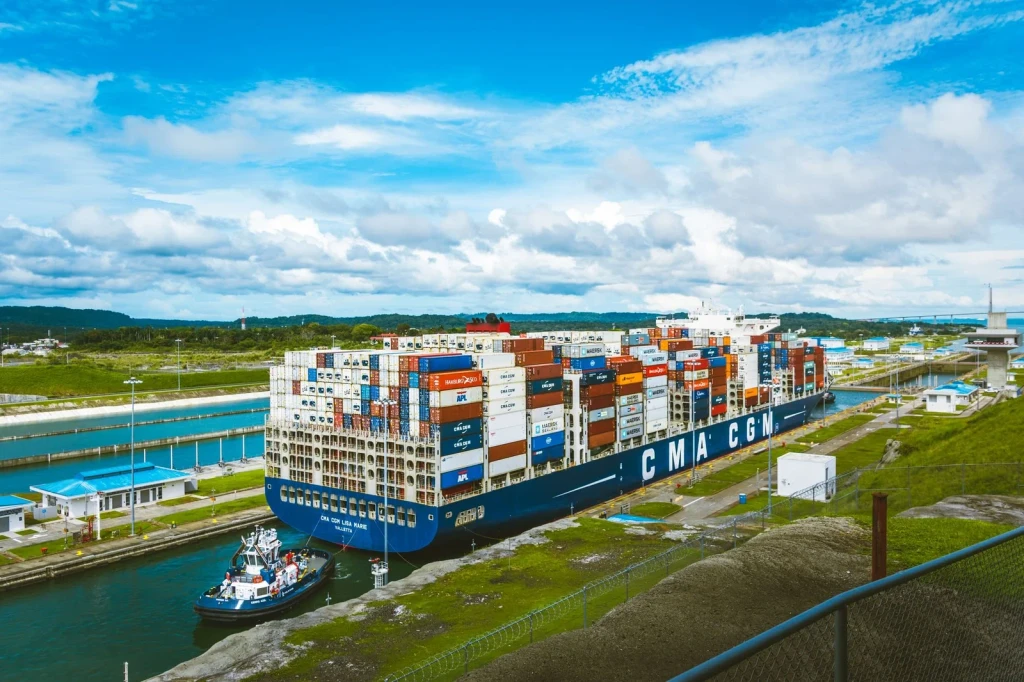
A vast cargo ship transits the canal on a bright day, embodying the global exchange of goods that these waterways enable.
Photograph by Victor Puente, via Pexels.
