3D Gallery
Chinese Art: Ink, Jade and Porcelain
Enter gallery
Chinese Art: Ink, Jade and Porcelain is a 3D virtual gallery on MyGallery3D, a walkable online exhibition of 16 works. Step inside and explore it in your browser: no app, no headset.
Welcome to a 3D virtual gallery you can walk through in your browser, exploring three materials that shaped Chinese civilization: ink, jade and porcelain.
The English word "china" still means porcelain, because China invented it. But centuries before the first porcelain emerged, Neolithic potters were painting funeral urns whose designs recorded the life story of the person buried inside. That impulse, to charge every crafted object with meaning, runs unbroken through thousands of years of art.
Nephrite jade was mined in China as early as 6,000 BC and held a status exceeding gold or silver. The Liangzhu culture produced finely worked ritual objects: Cong cylinders, Bi discs, Yue axes. From the kingdom of Khotan on the Silk Road, yearly tribute of the most precious white jade was sent to the Imperial court. After about 1800, vivid green jadeite from Burma became a favourite of Qing Dynasty aristocracy.
Landscape painting was regarded as the highest form of Chinese painting. Scholar-officials used brush and black ink on silk or paper, prizing individual expression over realistic depiction. During the Song dynasty, northern artists painted towering mountains in strong black lines while southern artists rendered rolling hills with softer, rubbed brushwork. These two approaches became the classical styles. Scholars who accepted payment for their paintings were dismissed as mere professionals, no better than marketplace tinkers.
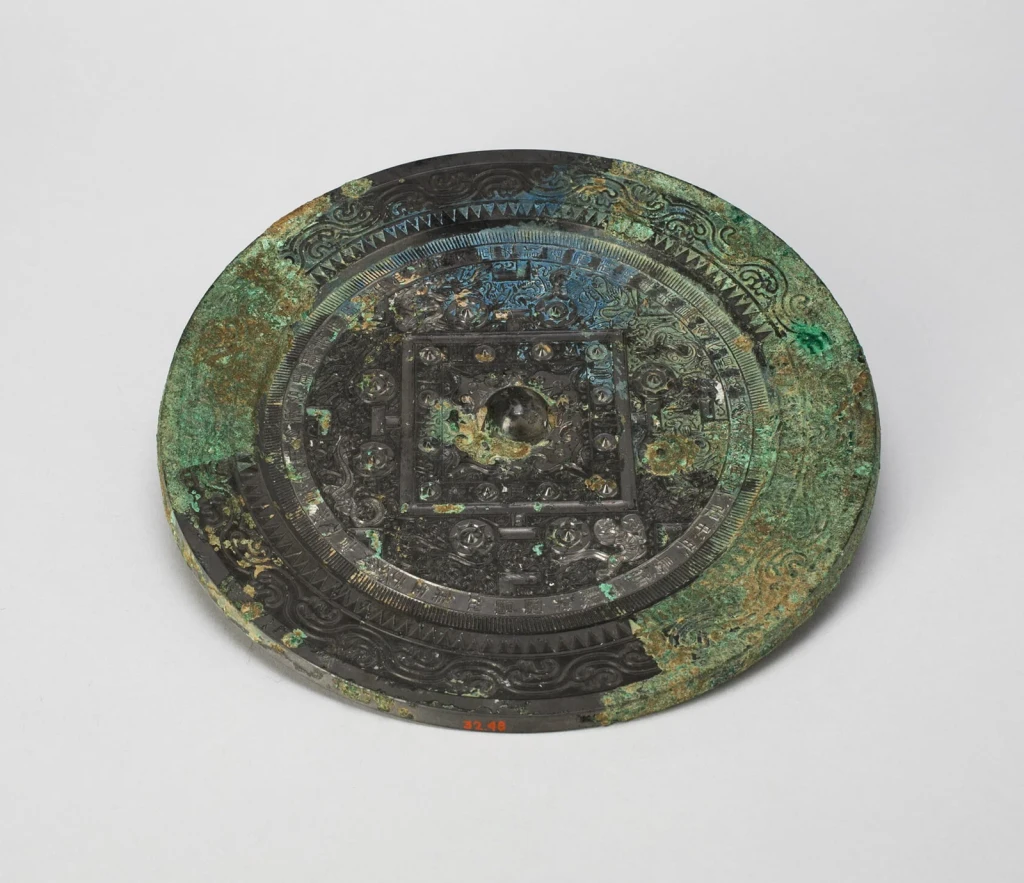
Eastern Han dynasty (25, 220 CE), about 1st century
Bronze · China
Samuel M. Nickerson Endowment
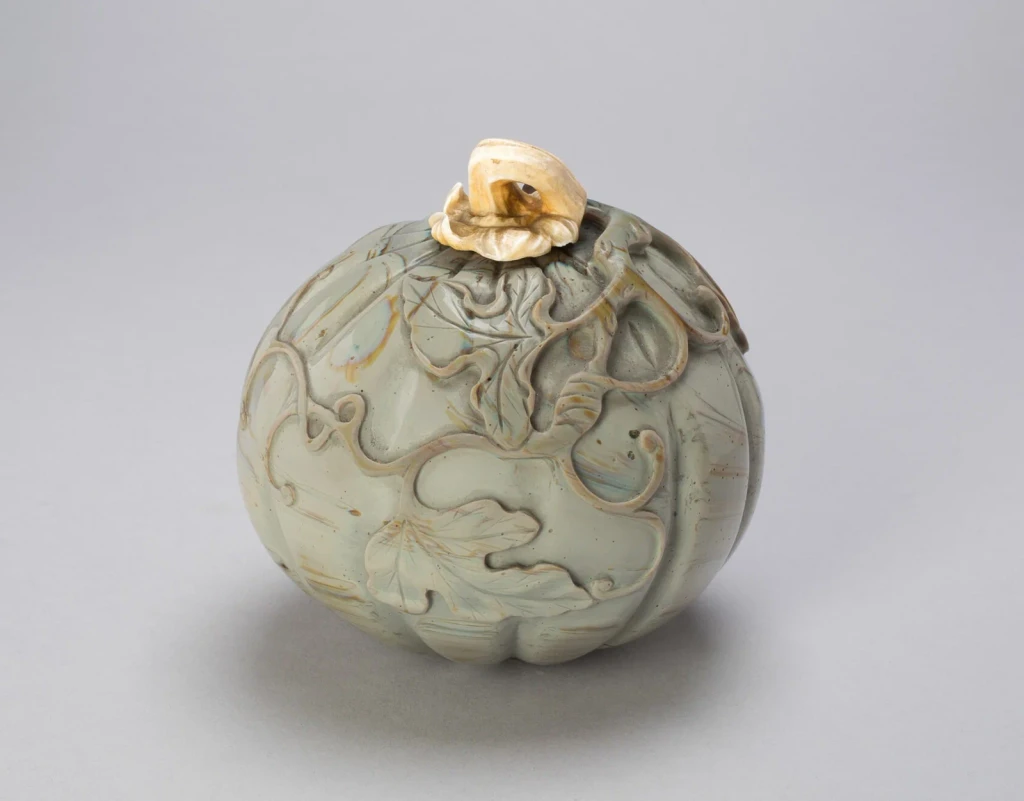
Qing dynasty (1644, 1911), 18th century
Gray opaque glass with ivory lid · China
Lucy Maud Buckingham Collection
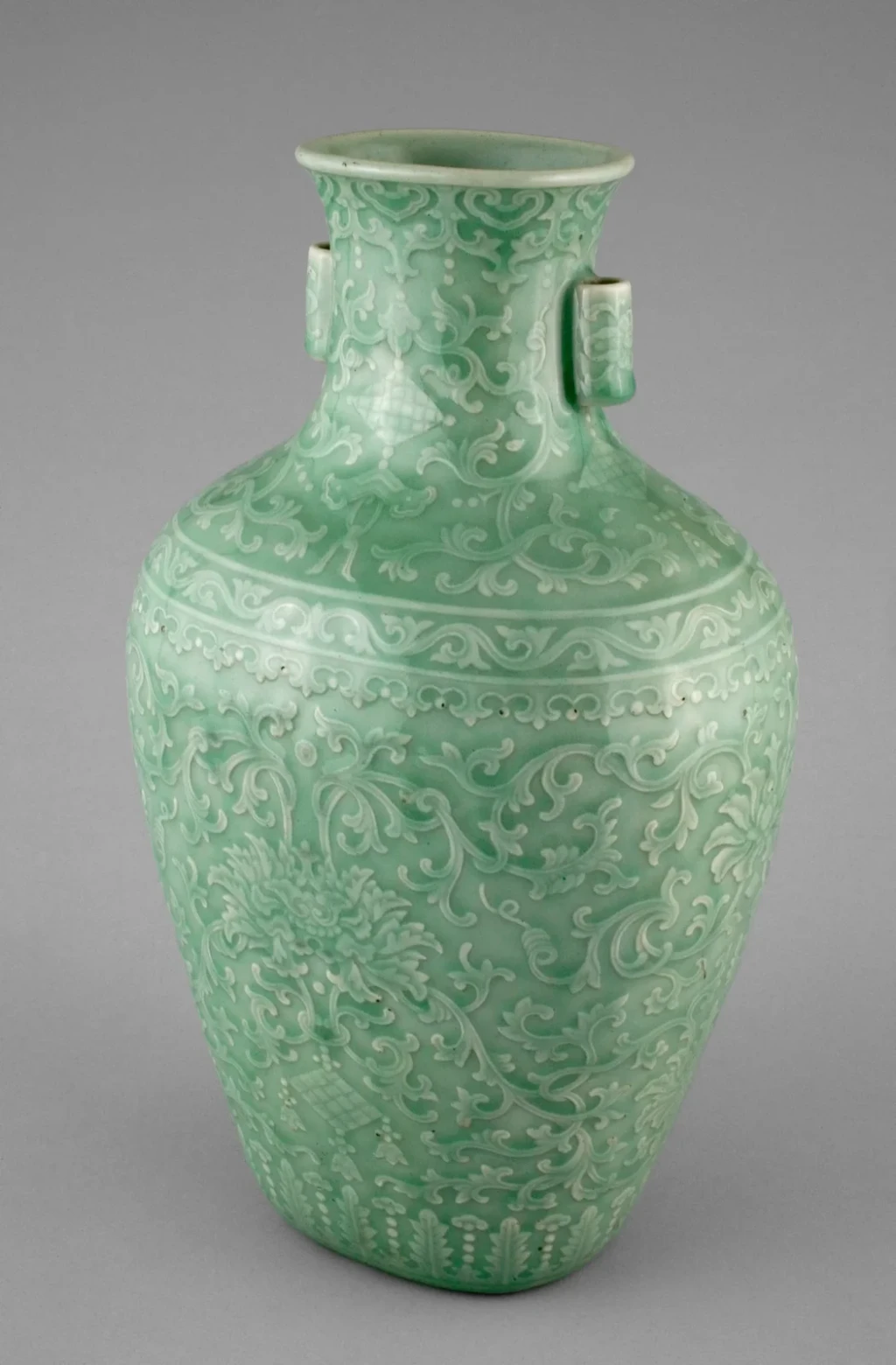
Qing dynasty (1644, 1911), Qianlong reign mark and period (1736, 1795)
Porcelain with underglaze molded decoration · China
Gift of Charles L. Hutchinson and Martin A. Ryerson
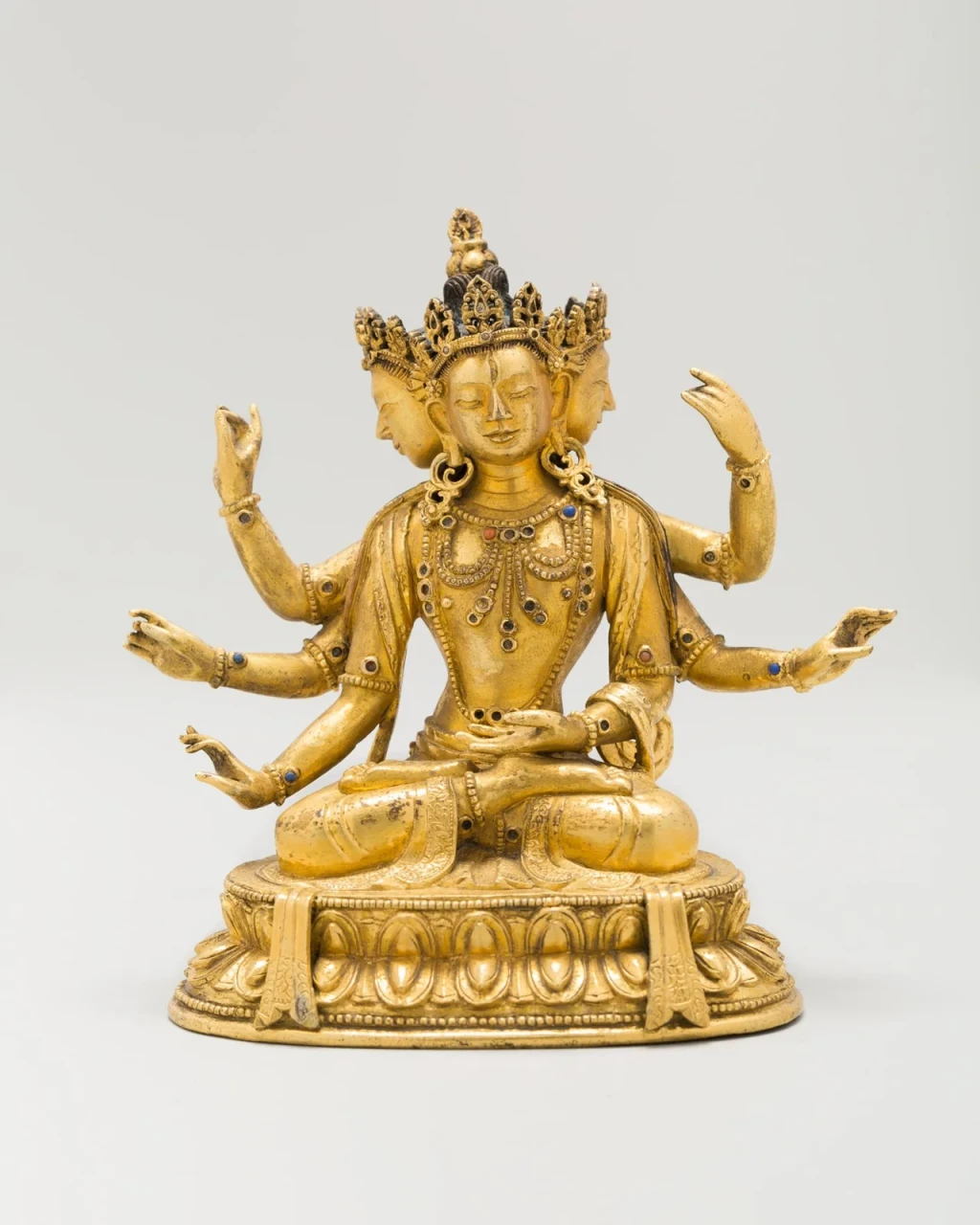
Tibeto-Chinese, Qing dynasty (1644, 1911), 19th century
Gilt copper alloy with lapis, coral and malachite · China
Gift of Guy H. Mitchell · Tibetan art on Wikipedia
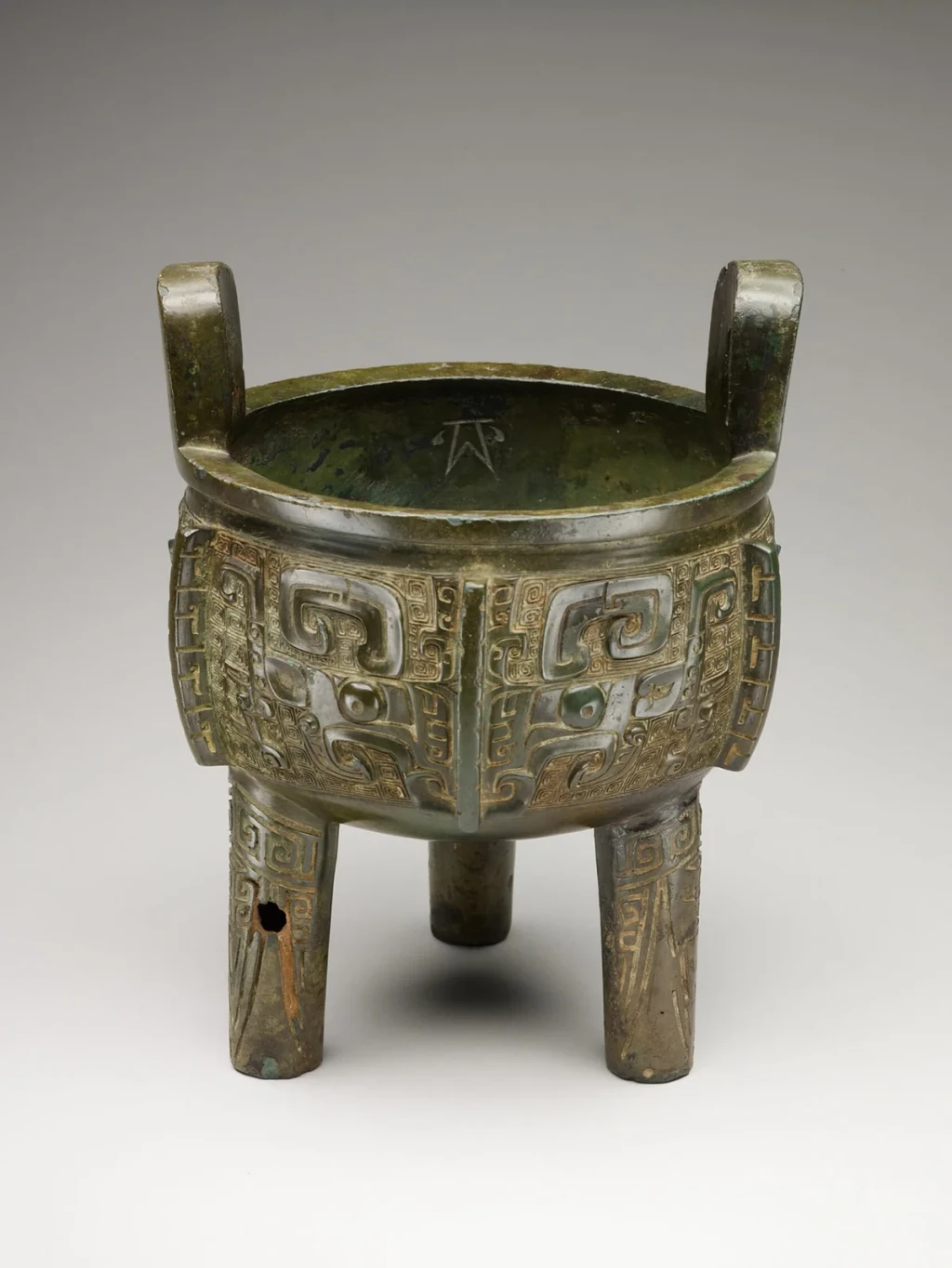
Late Shang dynasty, 13th, 11th century B.C.
Bronze · China
Lucy Maud Buckingham Collection
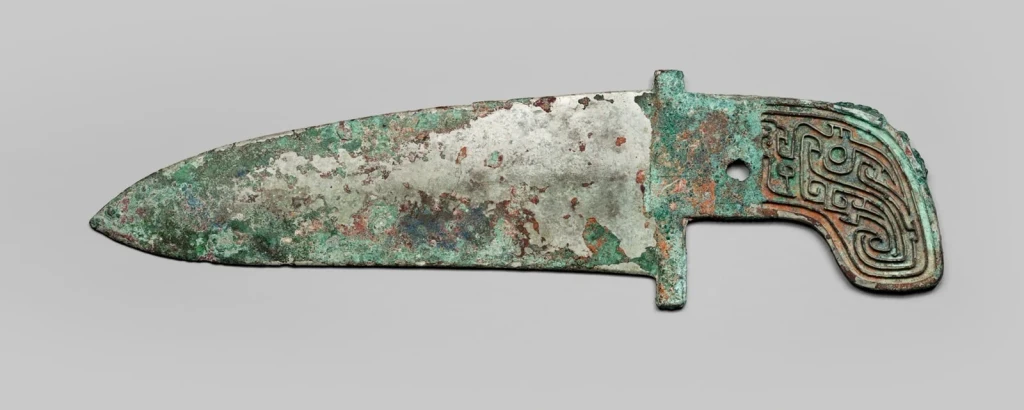
Shang dynasty (1600, 1046 B.C.)
Bronze · China
Samuel M. Nickerson Endowment
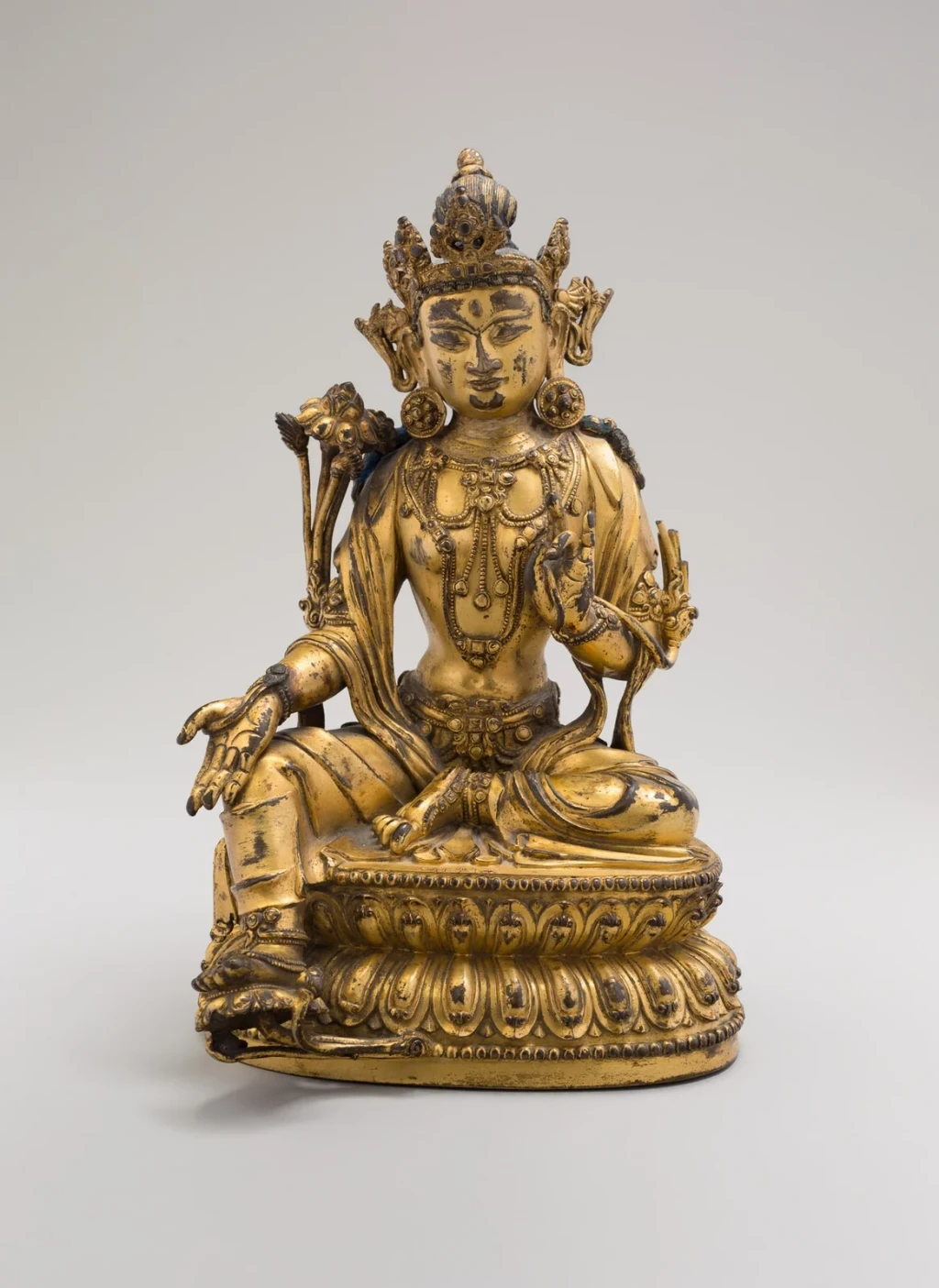
Sino Tibetan, Ming dynasty (1368, 1644), Yongle reign mark and period (1403, 24)
Gilt copper alloy with traces of pigment (lapis lazuli) · China
Gift of Guy H. Mitchell
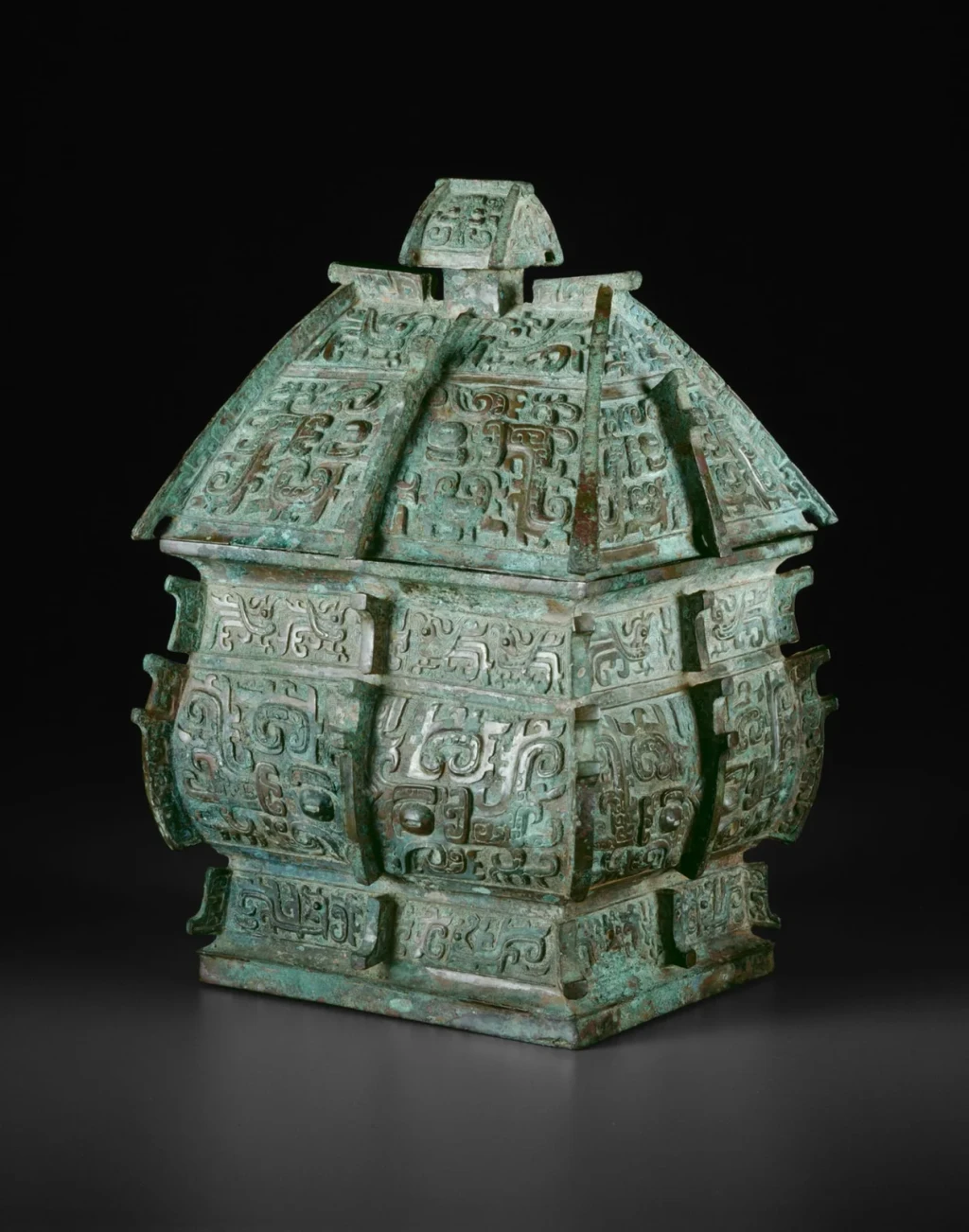
Western Zhou dynasty ( 1046, 771 BC ), late 11th century BC
Bronze · China
Lucy Maud Buckingham Collection
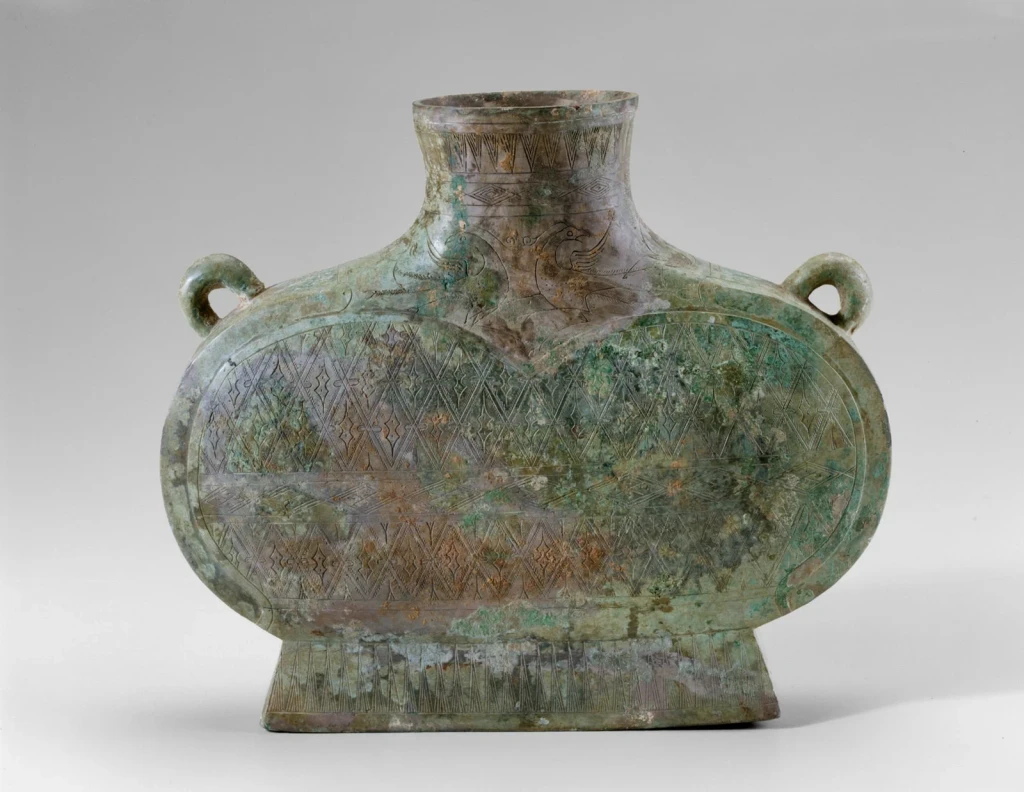
Han dynasty (206 B.C., A.D. 220), 1st century B.C./A.D.
Bronze with incised decoration · China
Lucy Maud Buckingham Collection
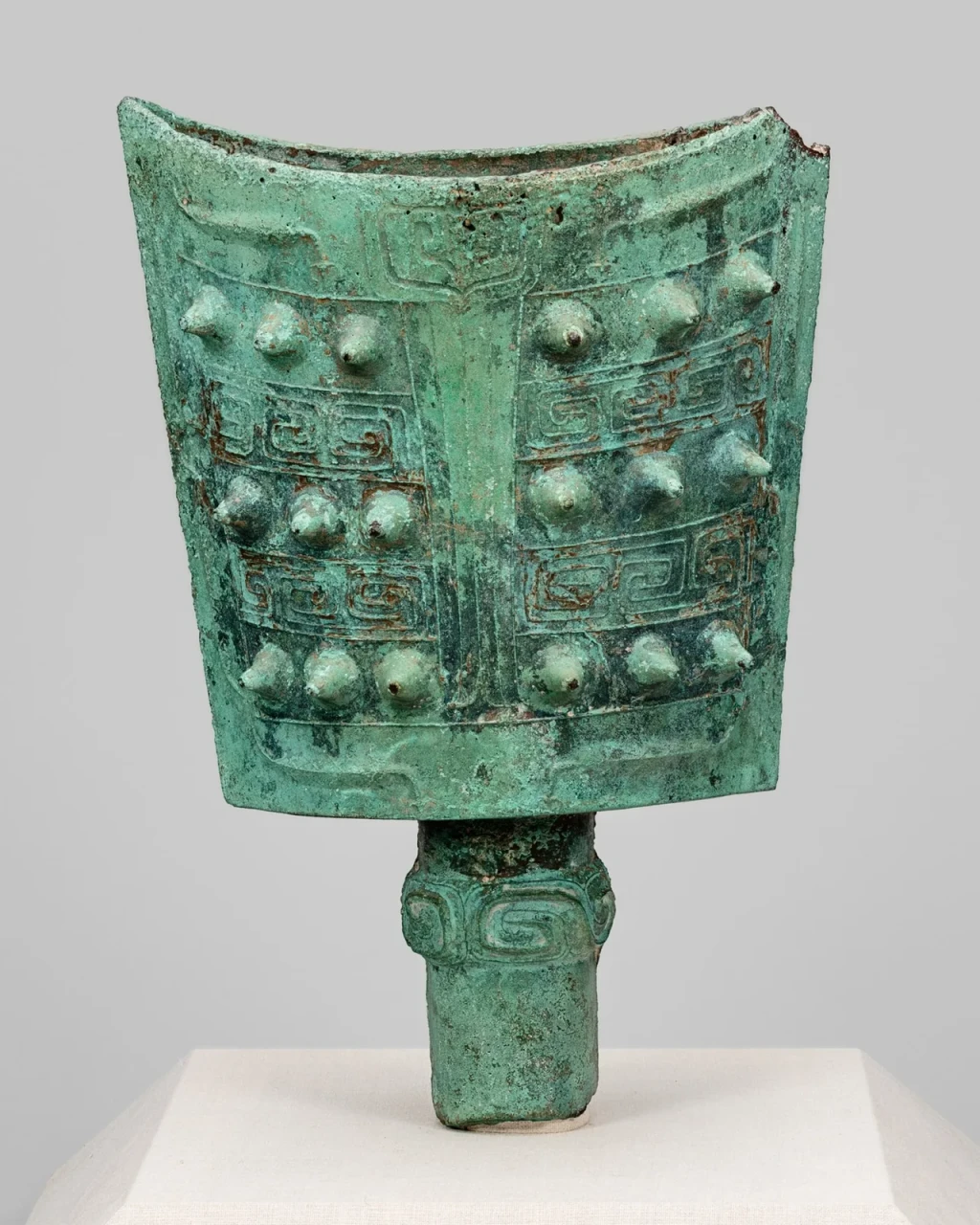
Western Zhou dynasty (1046, 771 B.C.)
Bronze · China
Lucy Maud Buckingham Collection
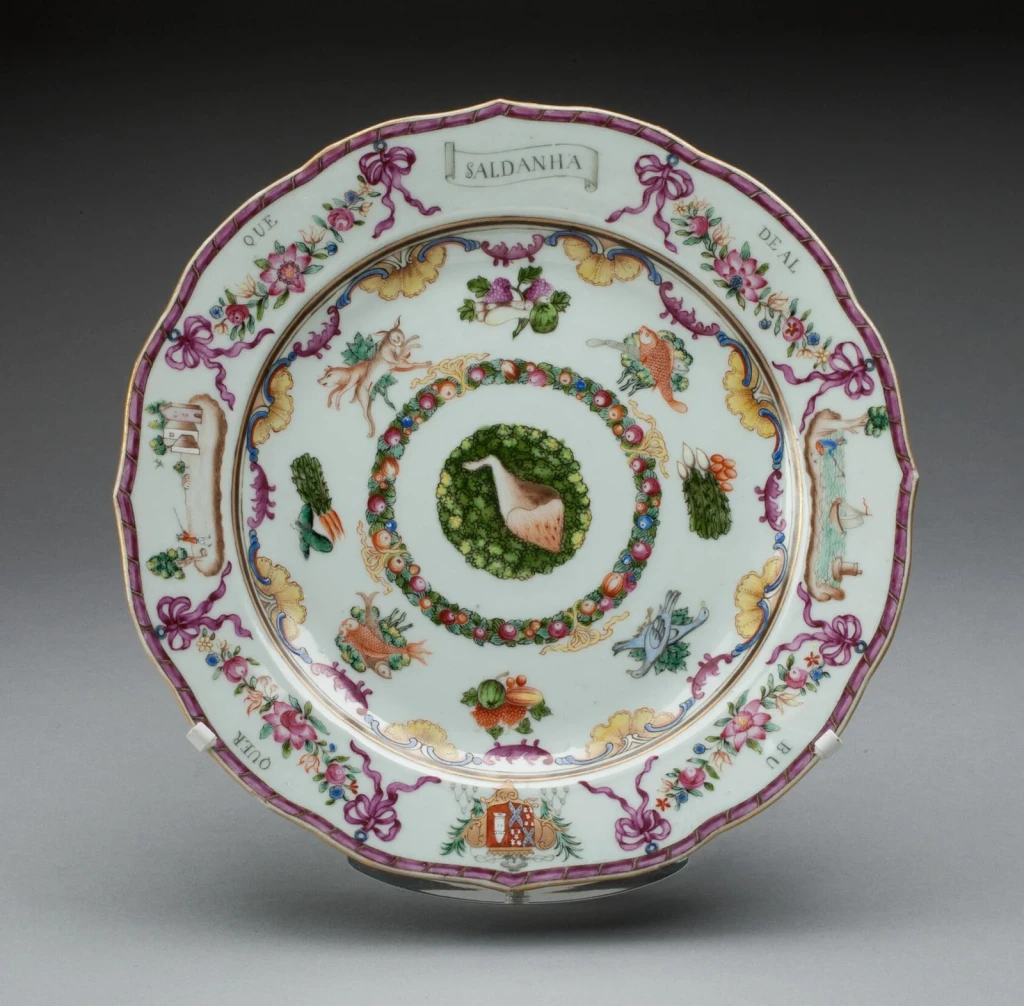
1760/70
Hard-paste porcelain with polychrome enamels and gilding · China
Gift of The Winfield Foundation
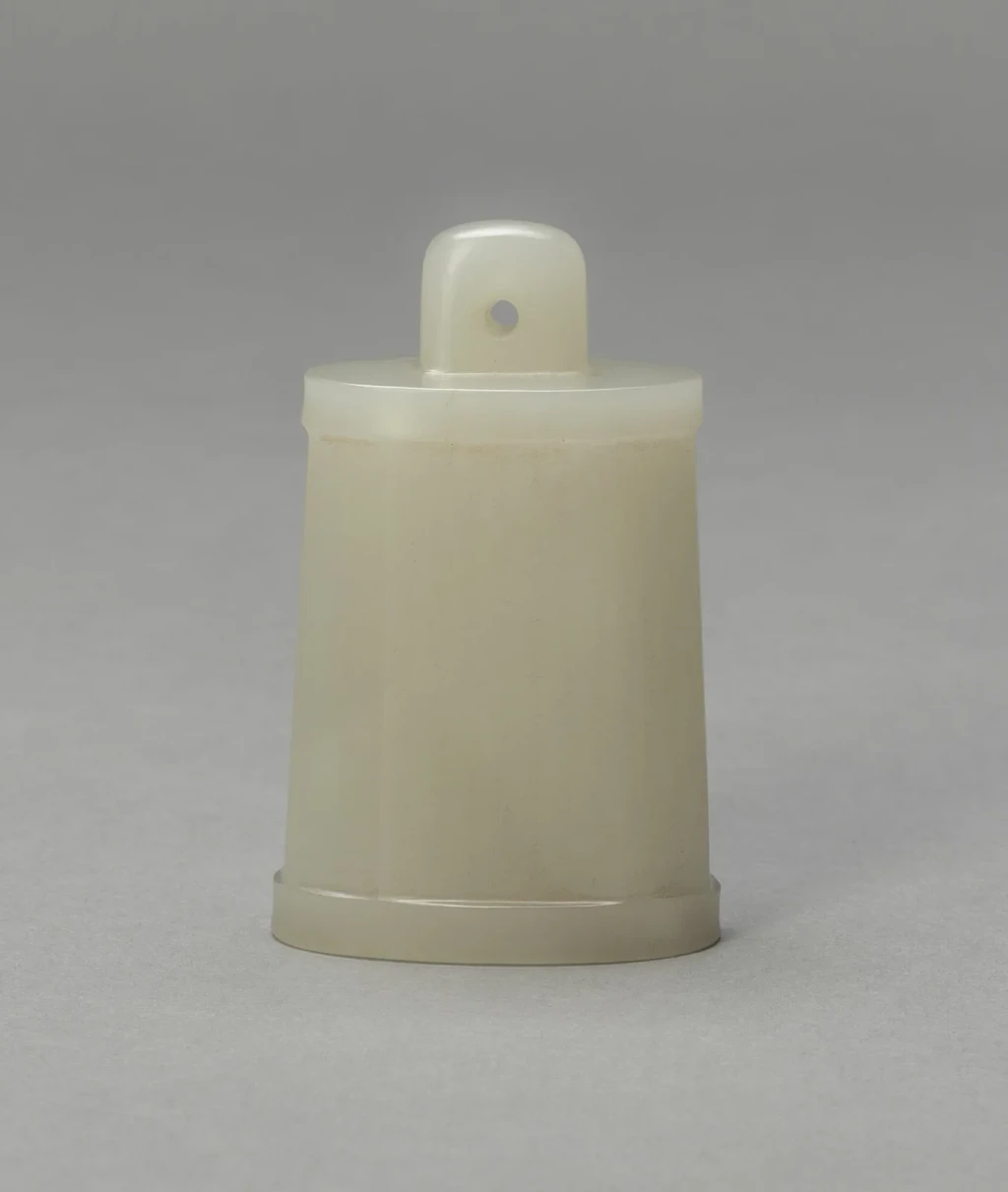
Northern Song dynasty (960, 1127) or later
Jade · China
Gift of Russell Tyson
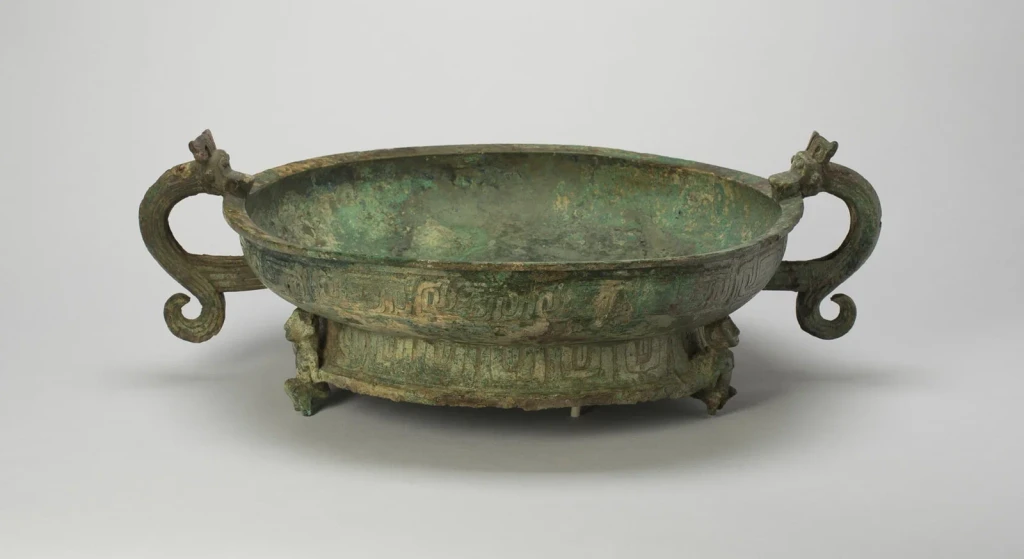
Western Zhou dynasty ( 1046, 771 BC ), 9th/7th century B.C.
Bronze · China
Lucy Maud Buckingham Collection
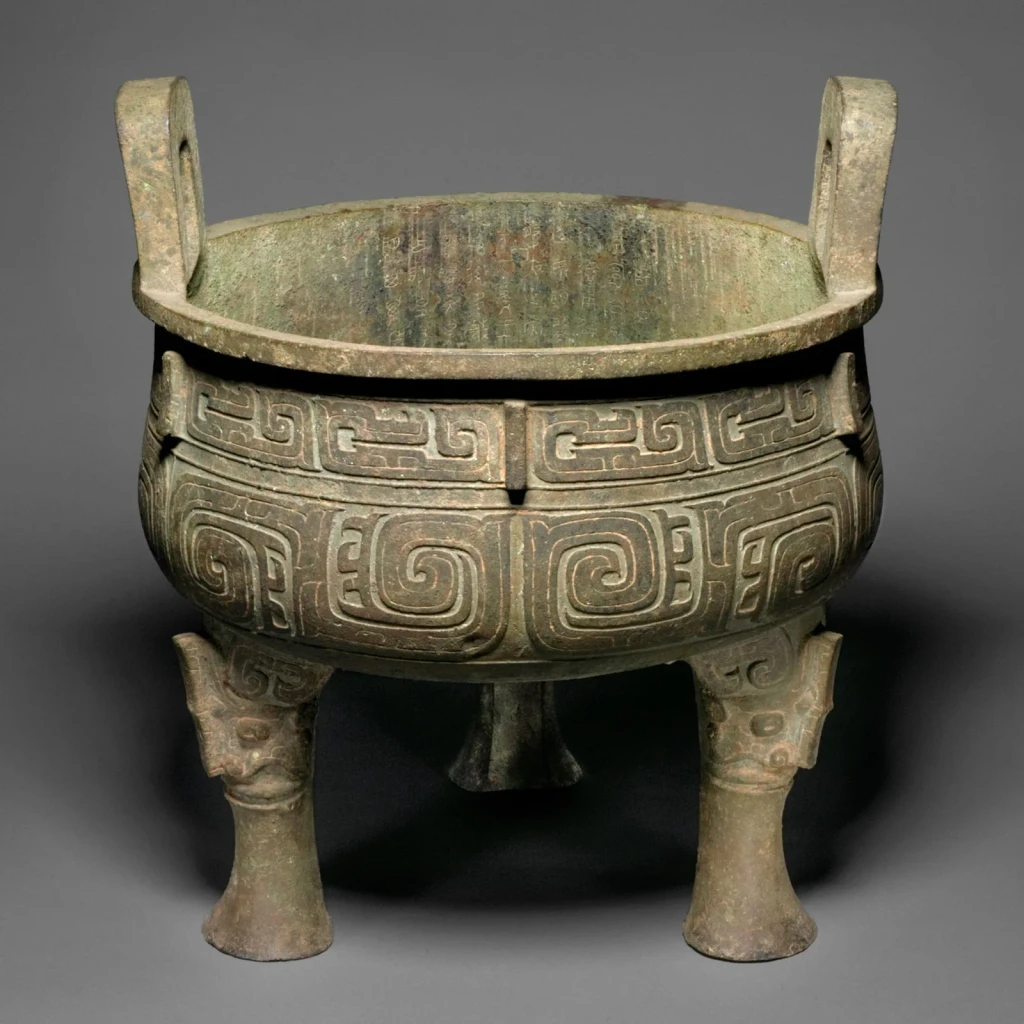
Western Zhou dynasty (1046, 771 BC ), early 9th century BC
Bronze · China
Major Acquisitions Centennial Fund
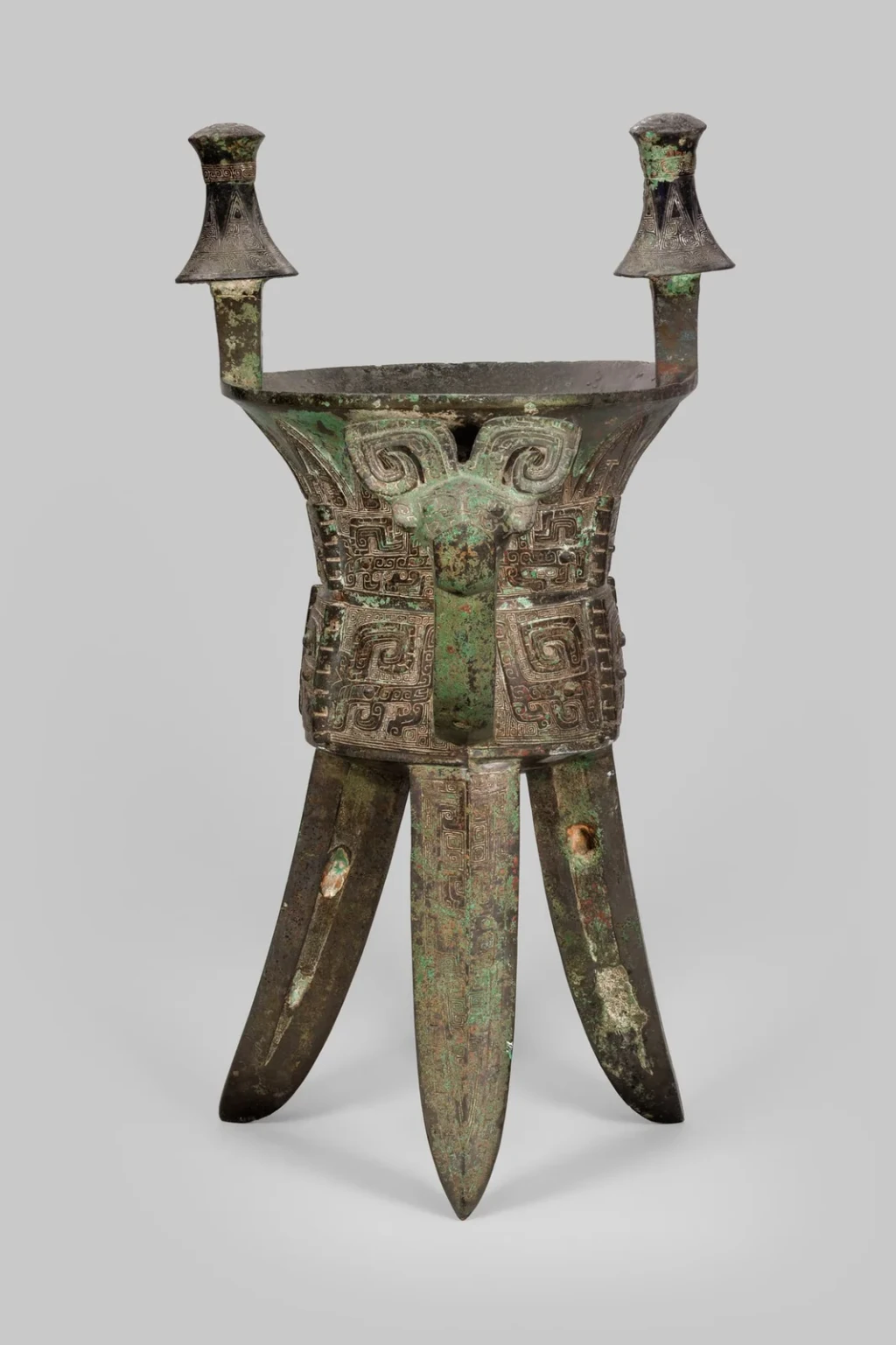
Late Shang dynasty, 13th century, 1046 B.C.
Bronze · China
Lucy Maud Buckingham Collection
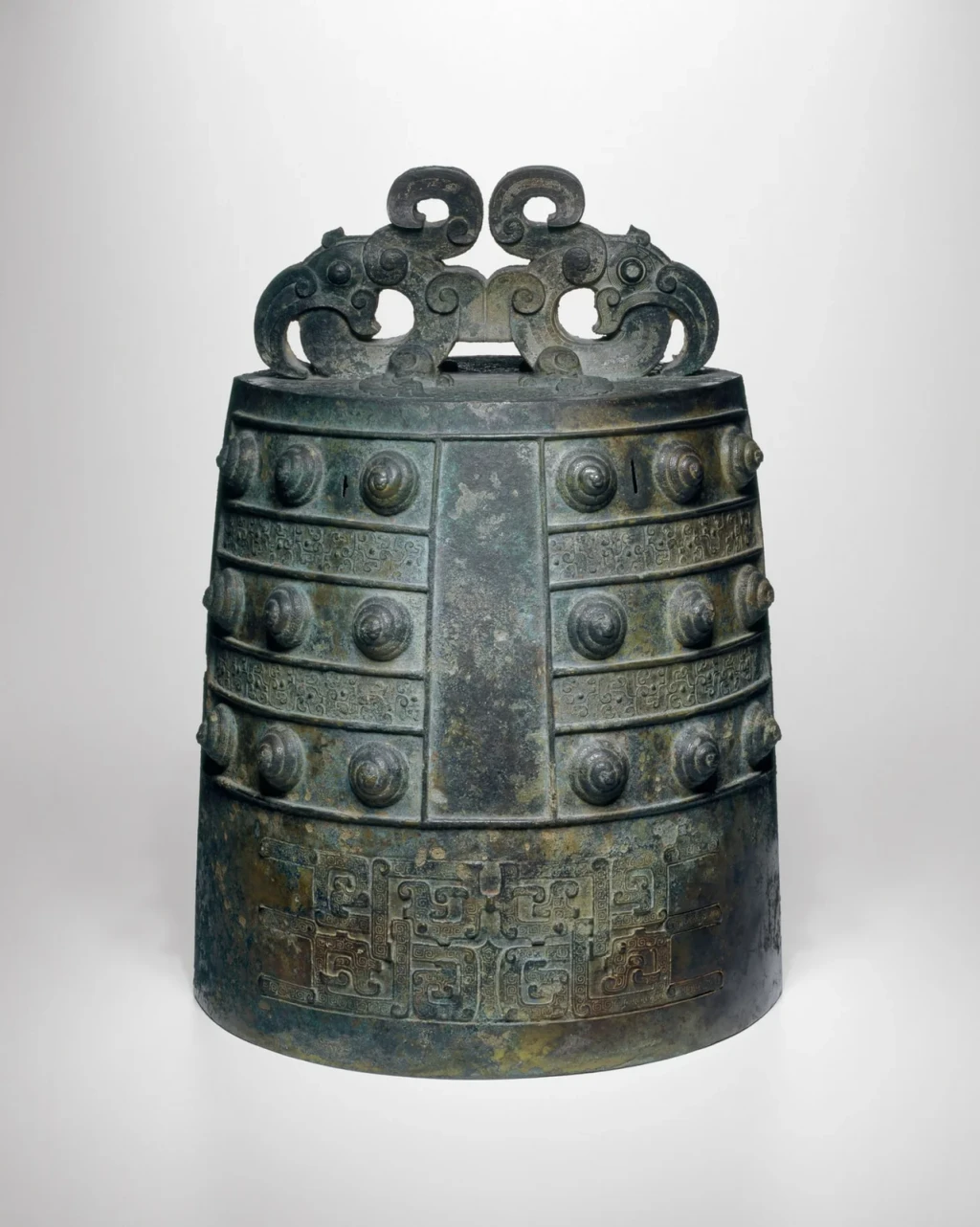
Eastern Zhou dynasty (770, 256 B.C.), first half of 5th century B.C.
Bronze · China
Lucy Maud Buckingham Collection
