3D Gallery
Elephants Never Forget. We Should Not Either.
Enter gallery
Elephants Never Forget. We Should Not Either. is a 3D virtual gallery on MyGallery3D, a walkable online exhibition of 16 works. Step inside and explore it in your browser: no app, no headset.
Welcome to a 3D virtual gallery you can walk through in your browser, exploring the intelligence, social bonds and threatened future of the world's largest land animals.
In 1979, roughly 1.3 million African elephants roamed 37 countries. A decade of poaching for ivory cut that number to 600,000. Around 75,000 were killed each year. Elephants bury their dead under branches, stand guard through the night, and suffer what researchers compare to post-traumatic stress disorder. What we destroy is not just a species. It is a society.
Through the 1980s, about 80% of traded ivory came from illegally killed elephants. CITES banned international ivory trade in January 1990. Prices collapsed and markets closed across Europe and the United States. But the ban's success depended on publicity that made buying ivory socially unacceptable. In parts of East Africa, poaching later cut populations by 62% between 2006 and 2013. African forest elephants are now critically endangered.
An elephant brain holds about 257 billion neurons and a hippocampus larger than that of any human, primate or cetacean. This structure processes spatial memory and emotion. Researchers have documented families trying to lift fallen members, placing food in a dead companion's mouth, and burying bodies under leaves and branches. Herds have been observed standing silently over a corpse for two days. Some groups never recover from losing their matriarch.
Elephant families can only be separated by death or capture. Cows and calves live in groups led by the oldest female, the matriarch, whose knowledge of water and food sources guides the herd. Bulls leave between ages 10 and 19. A 2020 study warned that killing old bulls through trophy hunting or poaching removes essential navigational knowledge. Elephants communicate using infrasound and seismic vibrations across long distances.
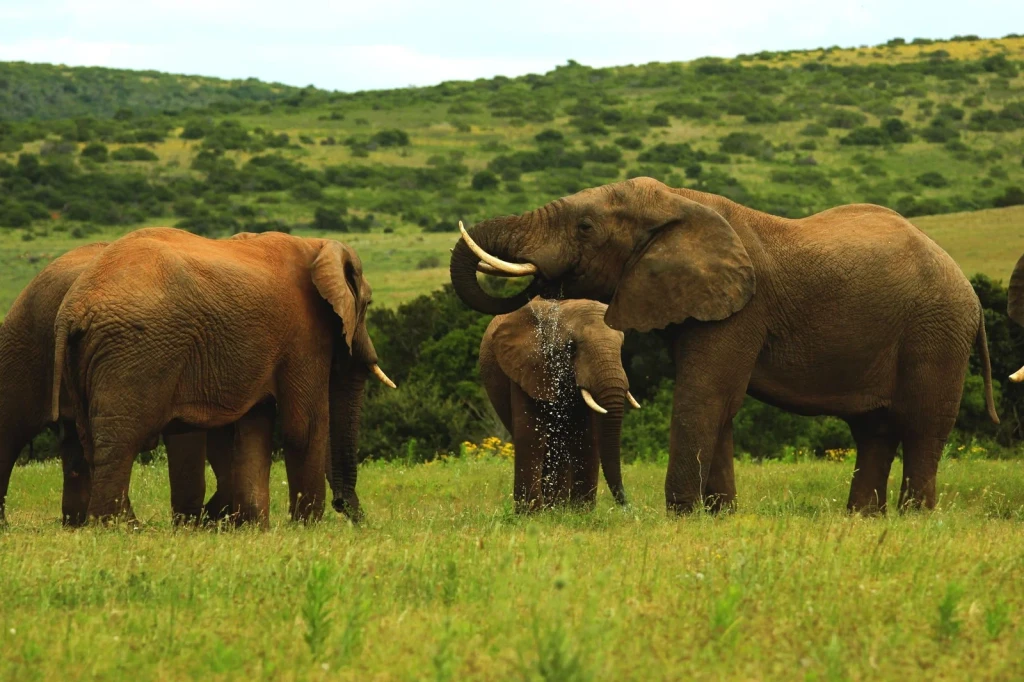
A group of African elephants inhabits lush grasslands. The image shows the social nature of these largest land animals living together.
Photograph by Piet Bakker, via Pexels.
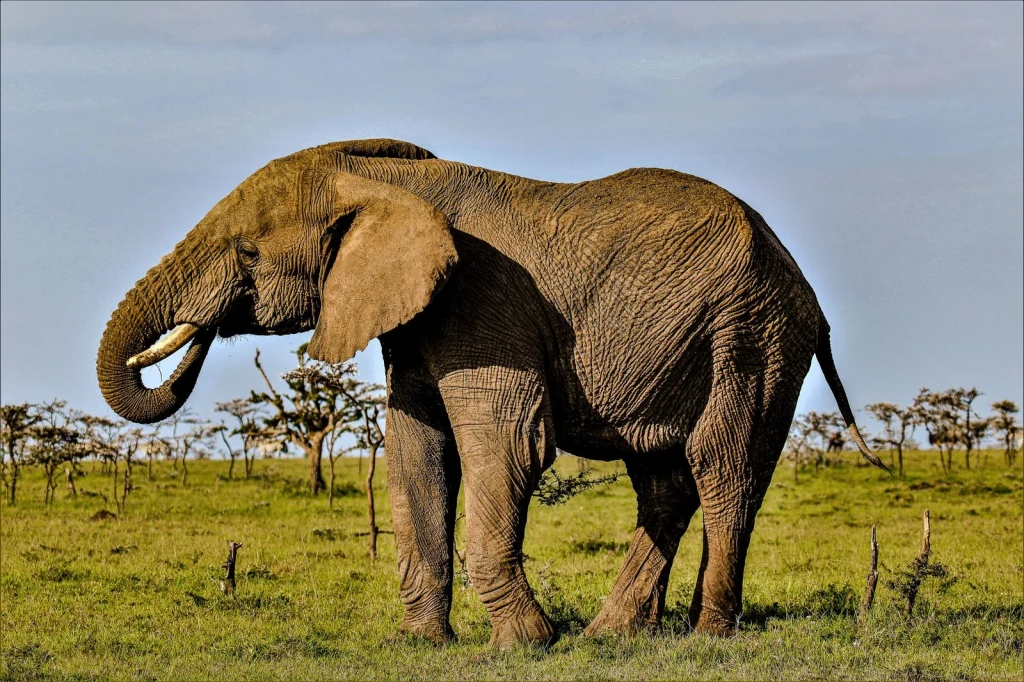
An African elephant feeds in sunny savanna conditions. A simple portrait of this majestic land animal at rest.
Photograph by Mr Sketch, via Pexels.
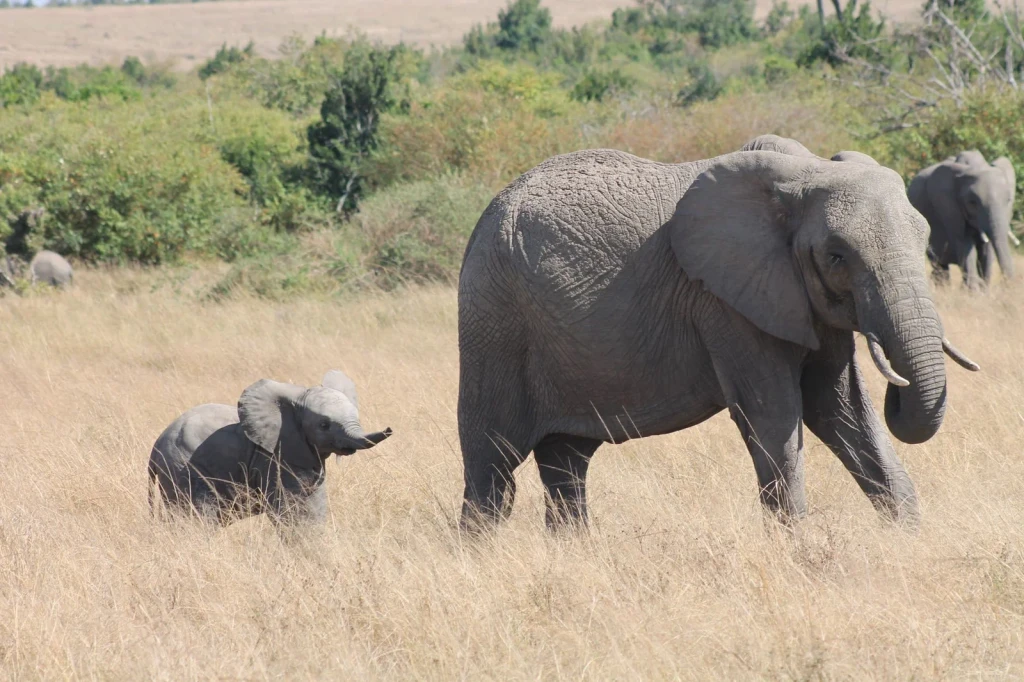
A majestic African elephant stands with her young calf in the wild. The image captures the bond between these largest land animals in their native habitat.
Photograph by DHRUV AMIN, via Pexels.
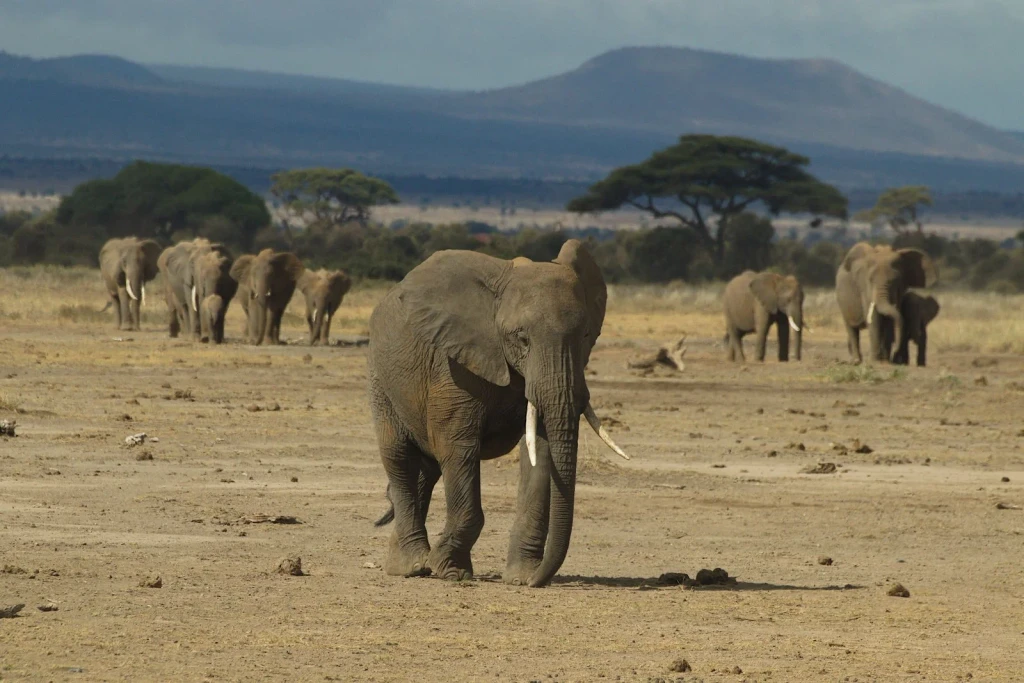
A herd moves through vast savannah with mountains visible beyond. The image shows elephants traversing their expansive natural range.
Photograph by Philipp Schwarz, via Pexels.
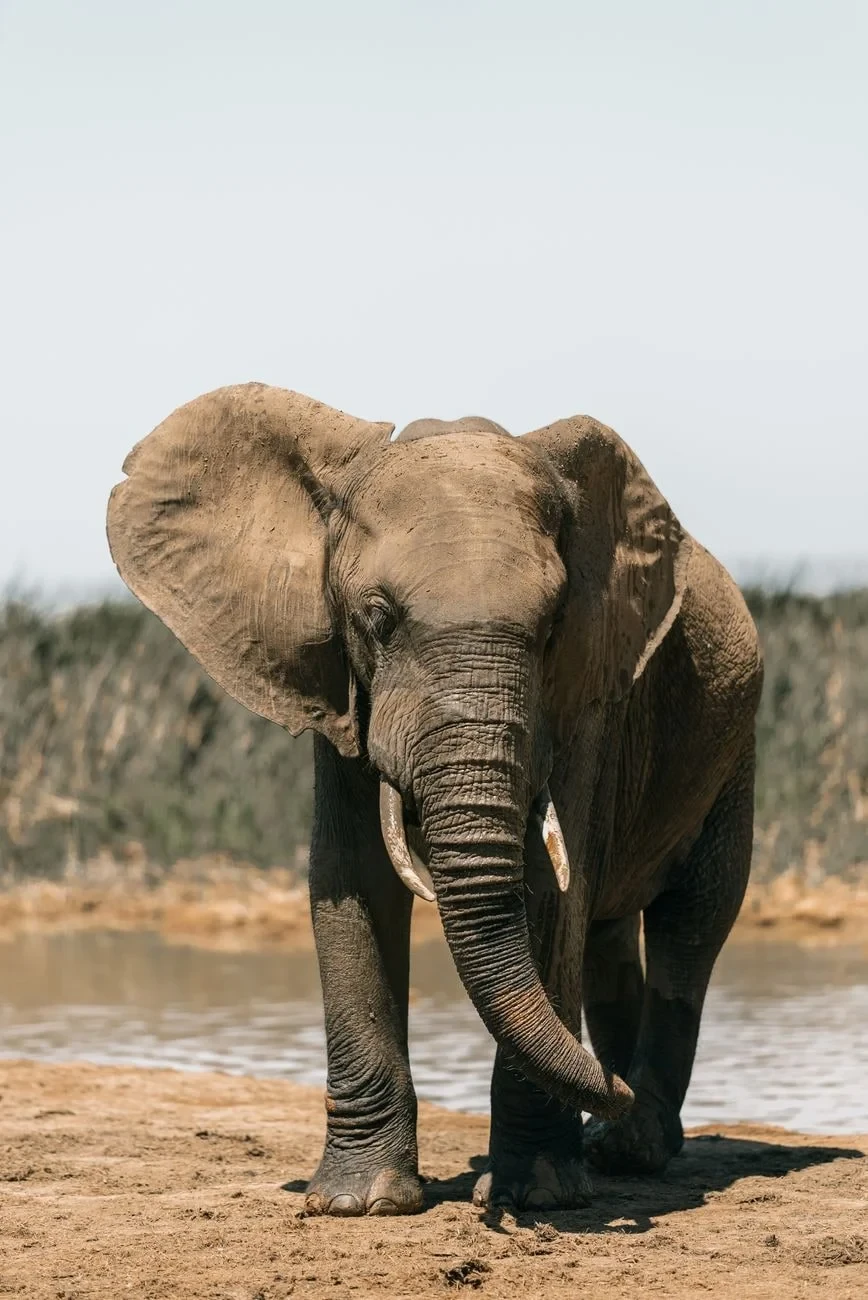
A single African elephant stands near water, displaying the magnificent size that defines these animals. The composition emphasizes the scale of an individual within its environment.
Photograph by Taryn Elliott, via Pexels.
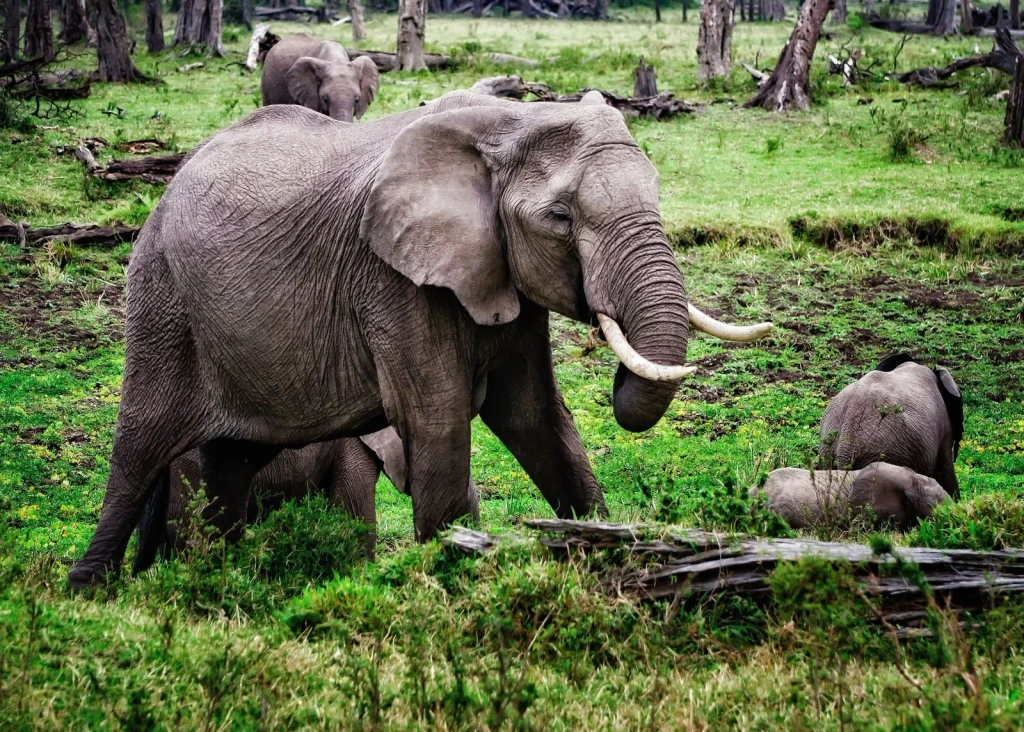
A herd of African elephants traverses lush grassland. The image shows these largest land animals in their social environment.
Photograph by Gamroth Joerg, via Pexels.
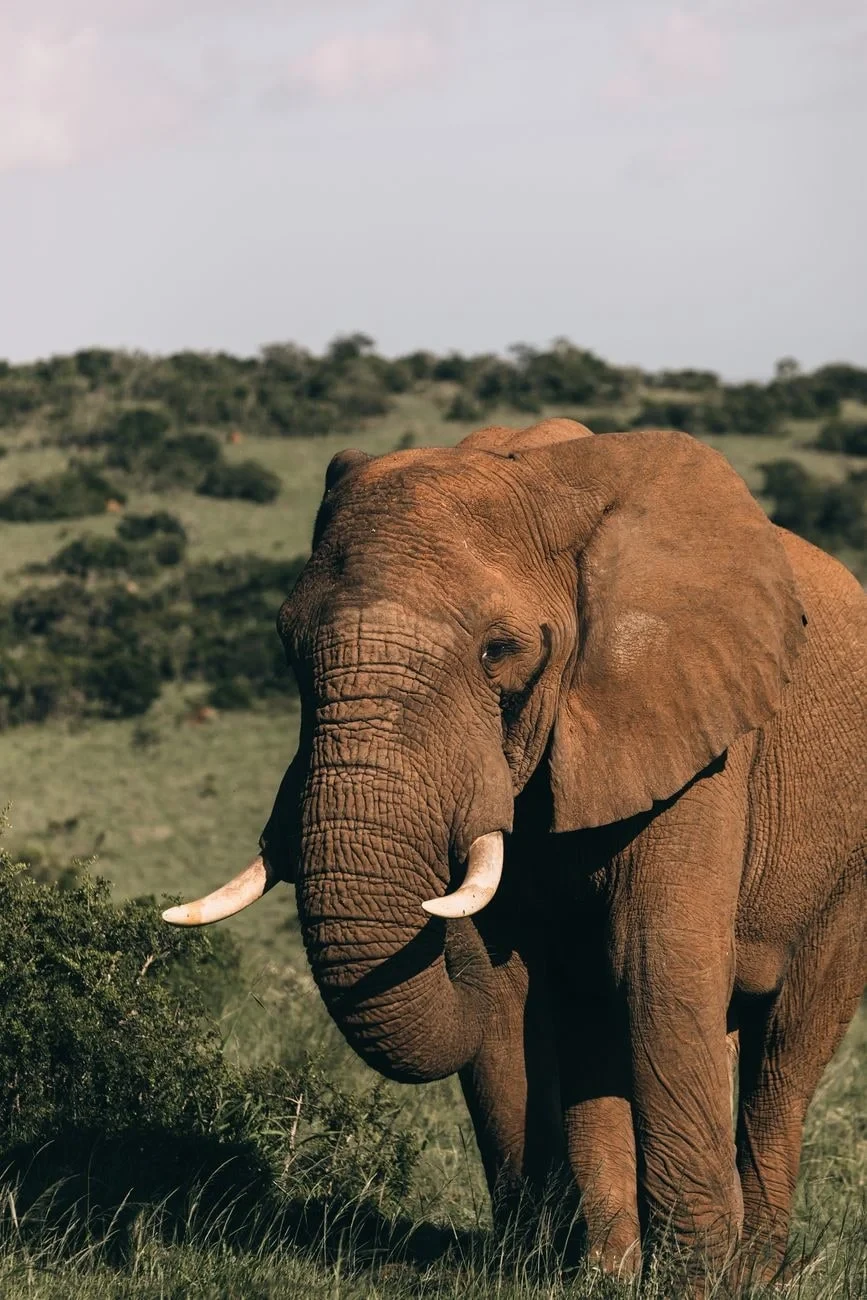
A single elephant stands in soft sunlight, its tusks and strong form clearly visible. An intimate study of this magnificent creature's distinctive features.
Photograph by Rachel Claire, via Pexels.
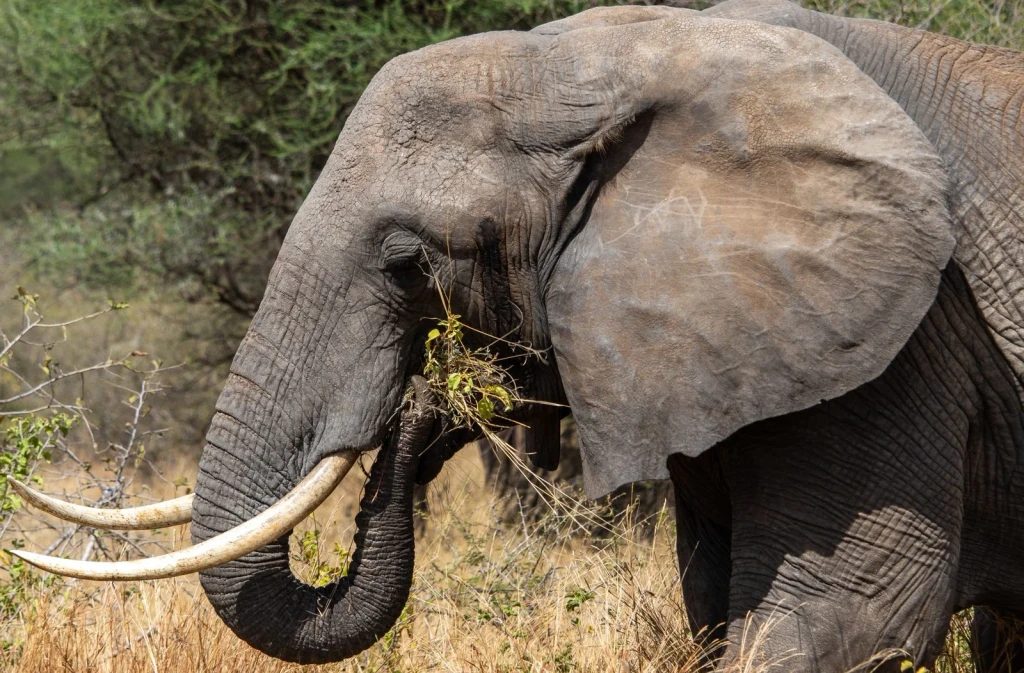
A majestic African elephant feeds in its natural habitat. The photograph captures the animal's scale and presence through intimate proximity.
Photograph by G N, via Pexels.
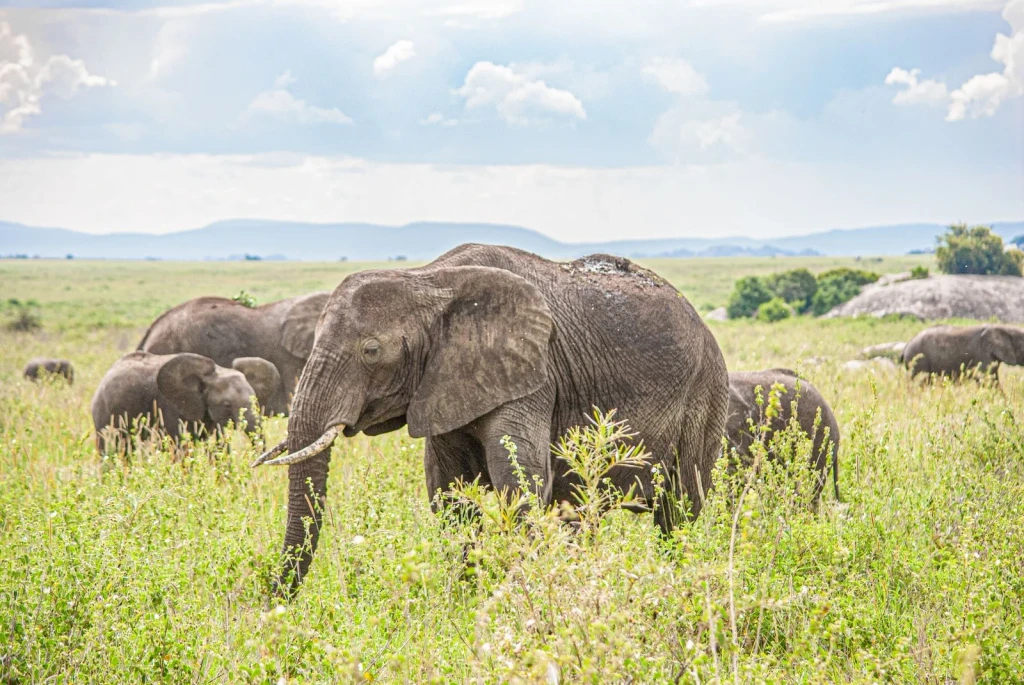
A herd of African elephants feeds across open grassland. The image captures these largest land animals in their natural savannah habitat.
Photograph by Aleksandr Volkov, via Pexels.
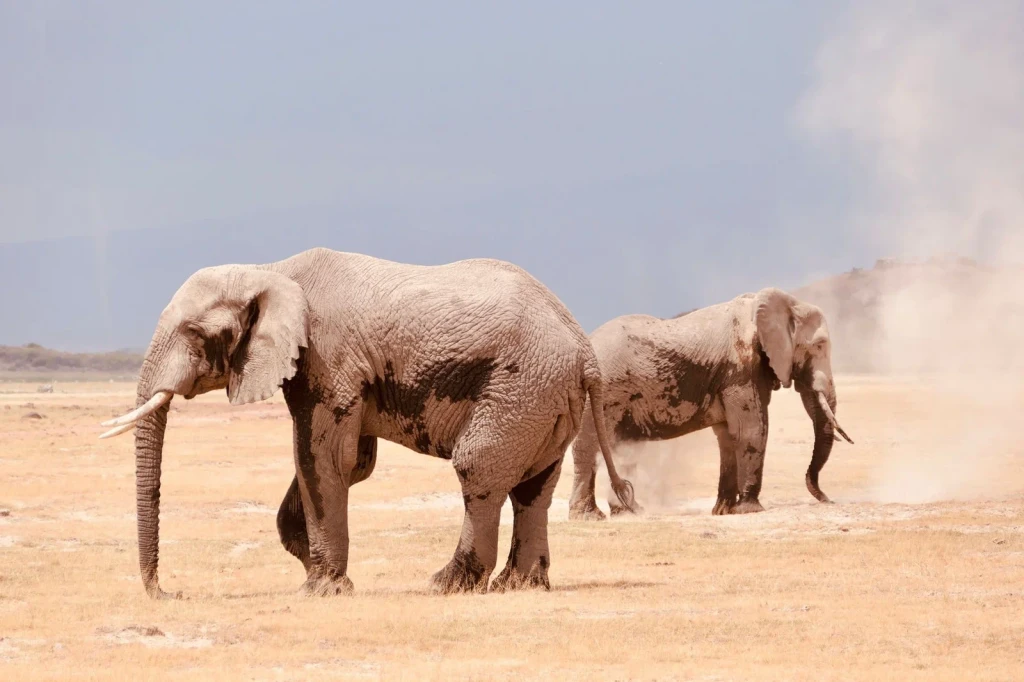
Two elephants traverse the savanna in a serene moment. The photograph captures the quiet movement of these giants across their landscape.
Photograph by silvia lusetti, via Pexels.
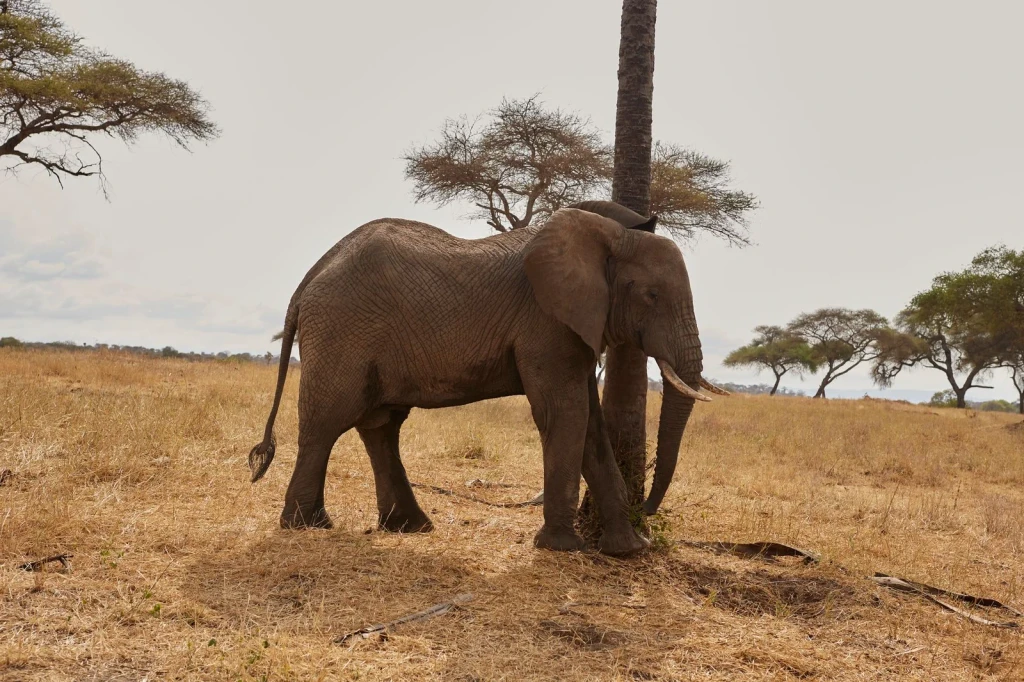
This side view of an African elephant reveals the animal's form against trees and open field. A study in wildlife presence within the savanna landscape.
Photograph by Kureng Workx, via Pexels.
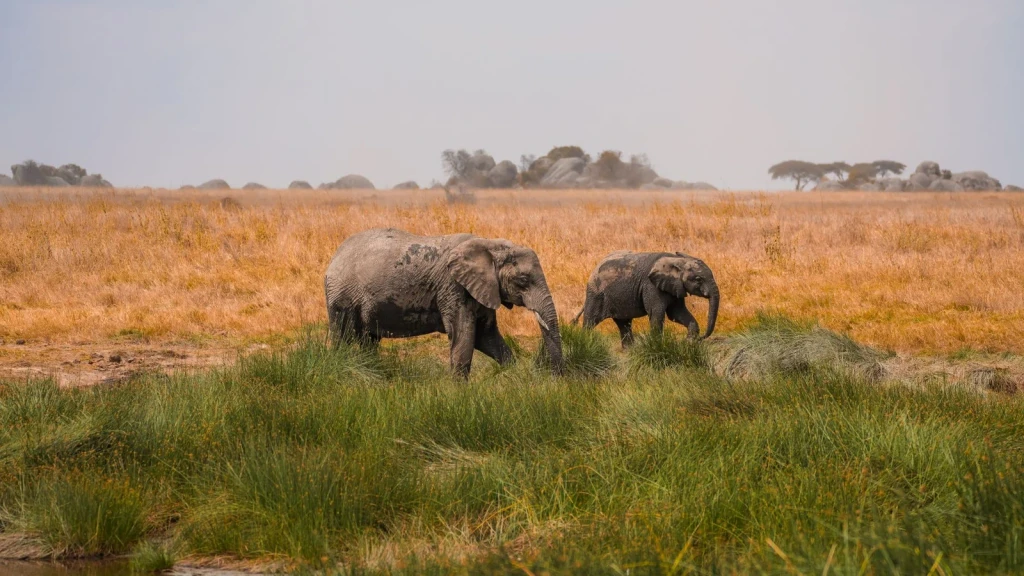
Two African elephants feed together across open plains. A study in companionship among these remarkable creatures.
Photograph by Alex Ning, via Pexels.
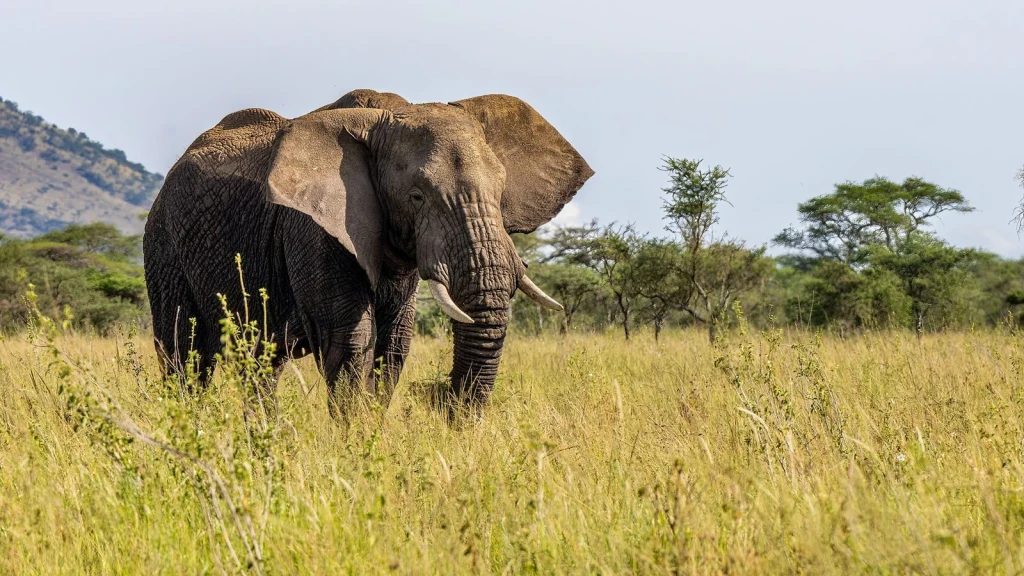
An African elephant stands tall across open savanna. The composition emphasizes the animal's commanding presence in the landscape.
Photograph by chris clark, via Pexels.
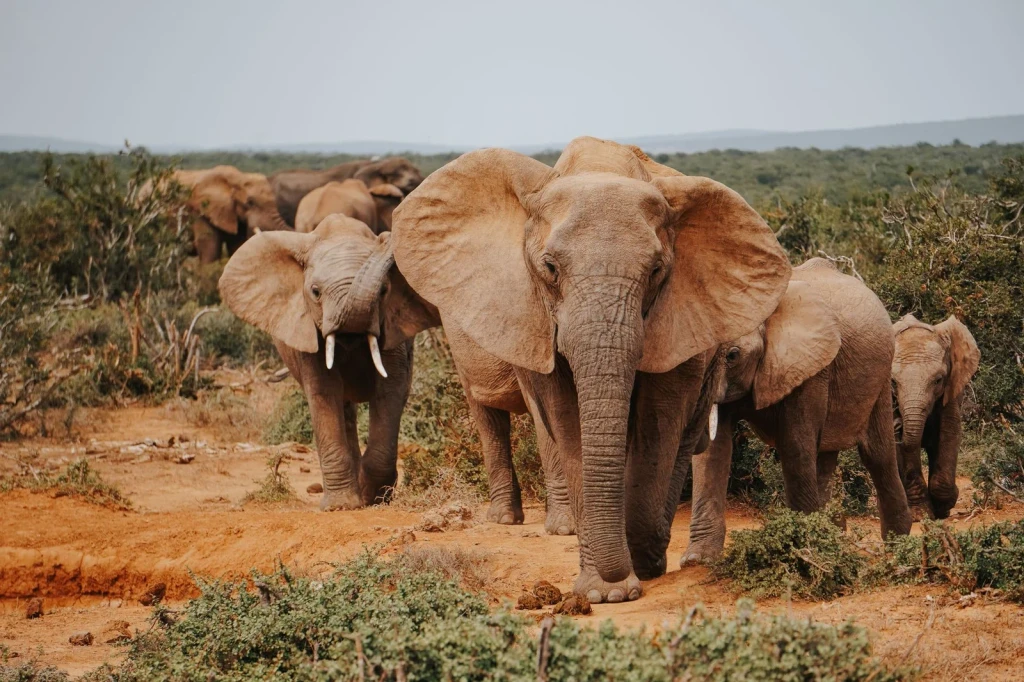
African elephants gather together in savanna landscape. The photograph shows these land animals in their natural social grouping.
Photograph by Willemijn Doelman, via Pexels.
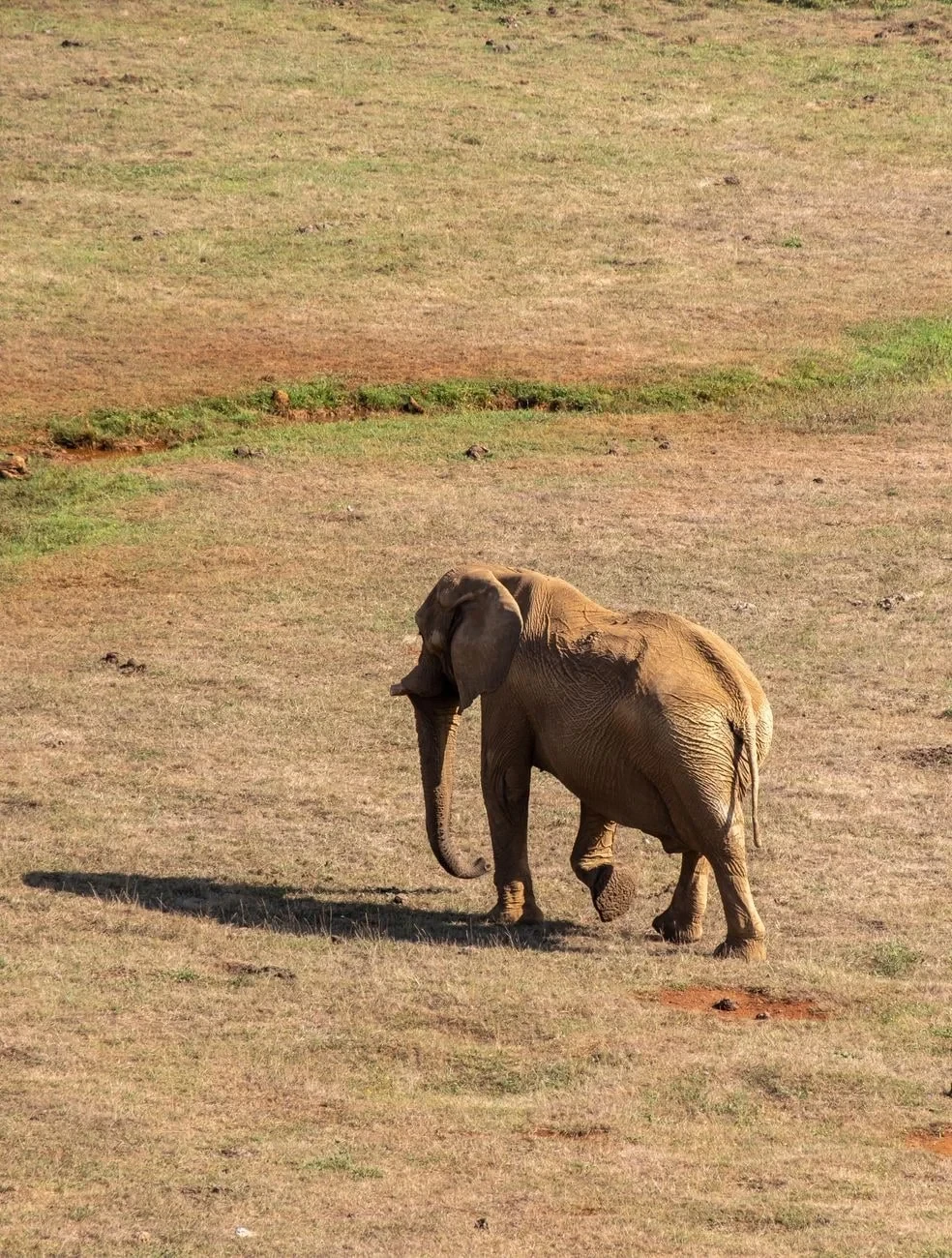
A single African elephant walks across sunlit savanna. The photograph documents the animal's movement through its natural terrain.
Photograph by Joost van Os, via Pexels.
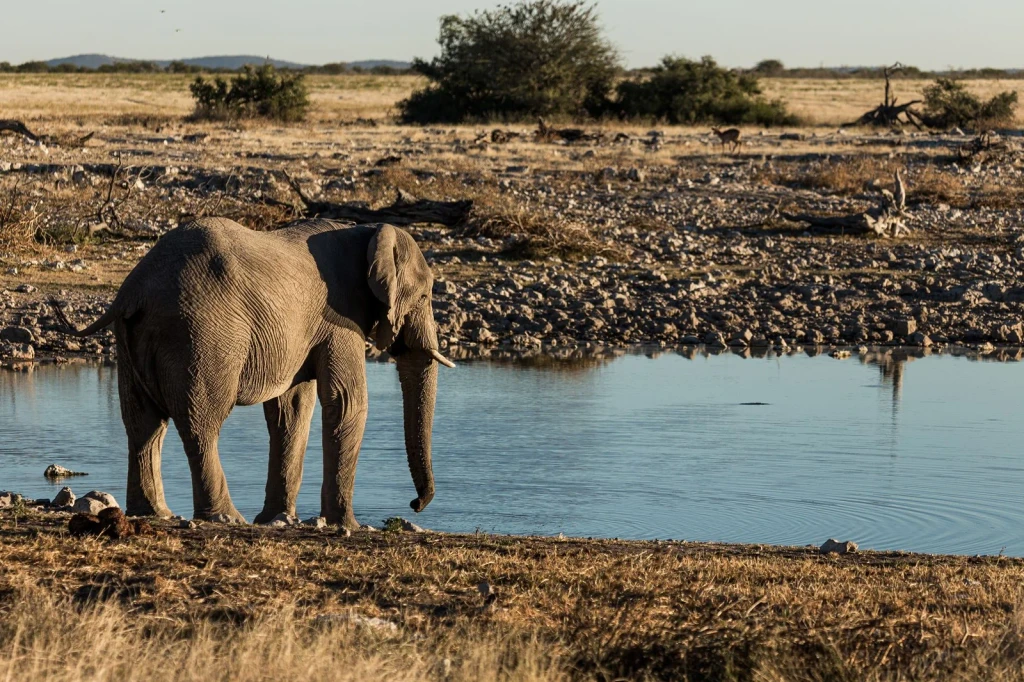
An African elephant stands beside a river in daylight. The image captures the animal in a tranquil moment within a wildlife reserve.
Photograph by Bruno Almeida, via Pexels.
