3D Gallery
Flowers: Advertisements for Insects
Enter gallery
Flowers: Advertisements for Insects is a 3D virtual gallery on MyGallery3D, a walkable online exhibition of 14 works. Step inside and explore it in your browser: no app, no headset.
Welcome to a 3D virtual gallery you can walk through in your browser, exploring how flowers operate as advertisements aimed at insects and other pollinators.
About 80% of flowering plants rely on animals to carry pollen between them. Flowers repay the service with nectar, a sugary bribe produced by specialised glands. Some orchids go further, apparently intoxicating visiting bees for up to 90 minutes. Petals even carry ultraviolet patterns invisible to us but vivid to the insects reading them.
Some flowers trap pollinators to increase effectiveness. Others attach pollen to specific body parts, as many orchids do. In buzz pollination, a bee must vibrate at a precise frequency to release pollen from the anthers. Certain insects practise flower constancy, returning reliably to one species. This benefits both sides: the plant gets accurate pollen delivery, the insect finds familiar, productive food sources.
Flowers pollinated by day tend to be brightly coloured with little scent. Night-blooming flowers reverse the formula: strong aroma, little colour. Bird-pollinated species are typically red with copious nectar. Bat-pollinated flowers are white and open at night. Tube-shaped blooms coevolve with long-tongued insects or hummingbirds, ensuring a physical fit that drives reproductive isolation and the formation of new species.
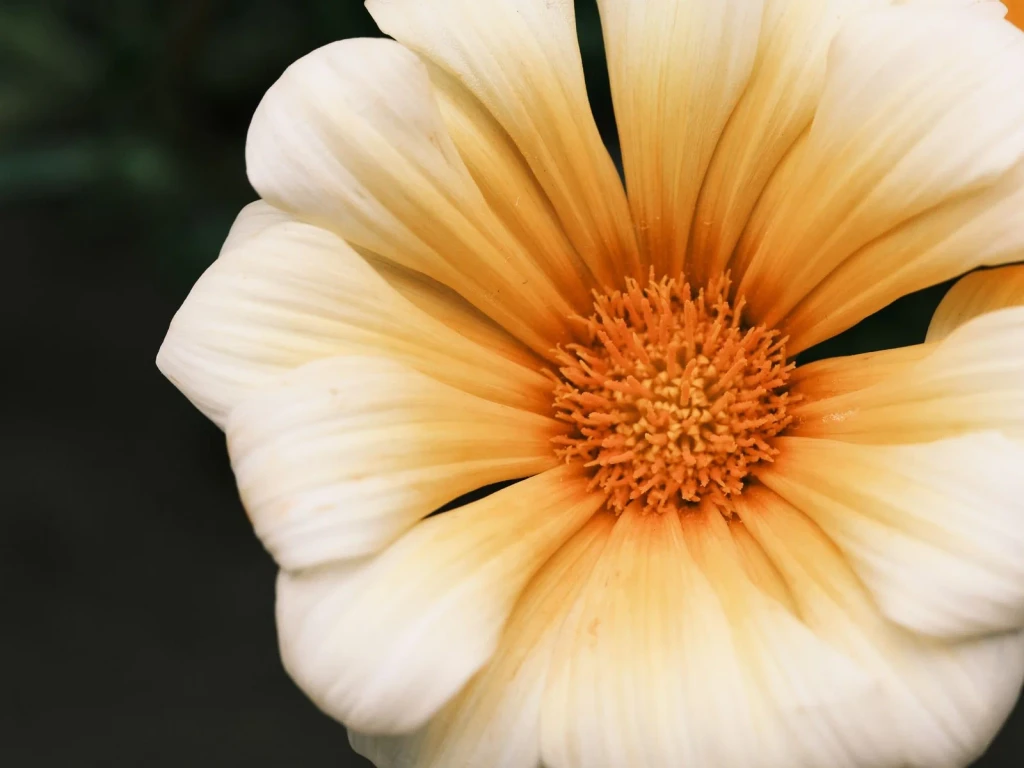
Orange gazania petals display their distinctive petal structure in vivid color. The close view emphasizes the flower's unique architectural design.
Photograph by The Keep Studio, via Pexels.
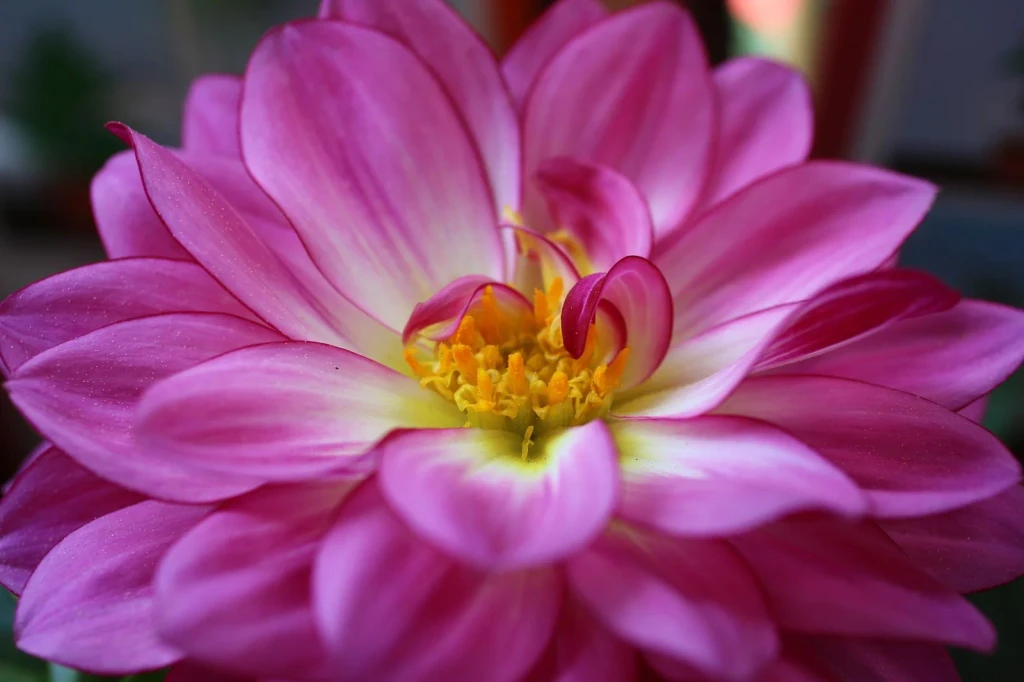
A vibrant pink dahlia opens fully to the camera. The photograph documents the detailed geometry of petals arranged in perfect, natural succession.
Photograph by Floriana Vaccaro, via Pexels.
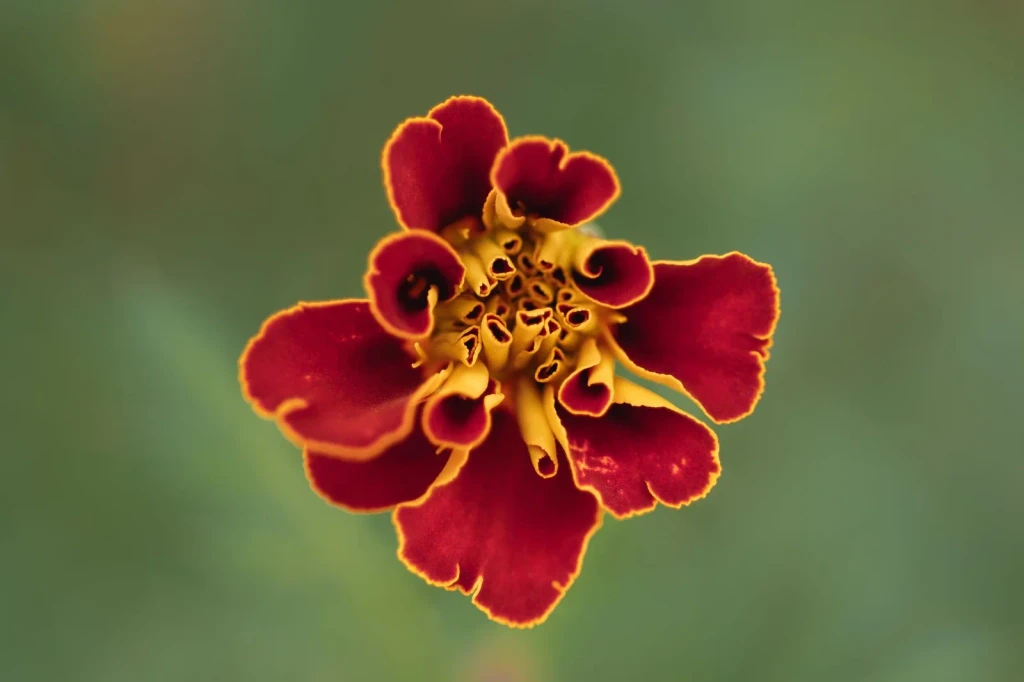
A vibrant marigold displays its layered red and yellow petals at full bloom. The photograph celebrates the flower's bold color combination.
Photograph by Mahmoud Yahyaoui, via Pexels.
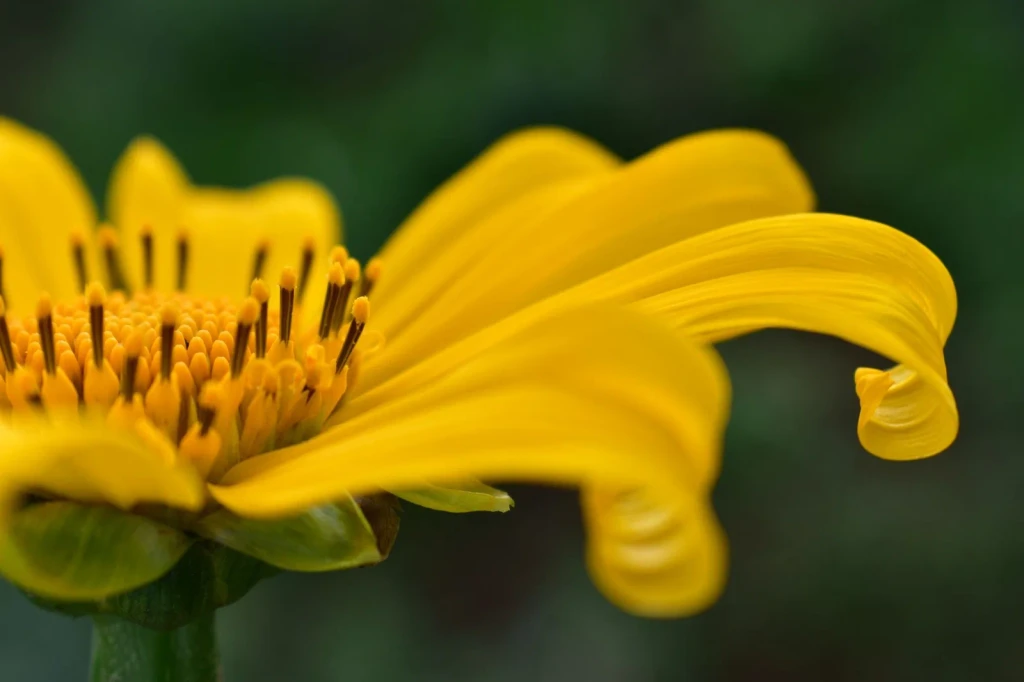
Macro photography brings bright yellow flower petals into sharp focus, exposing the fine textures invisible to the naked eye.
Photograph by hillary amisi, via Pexels.
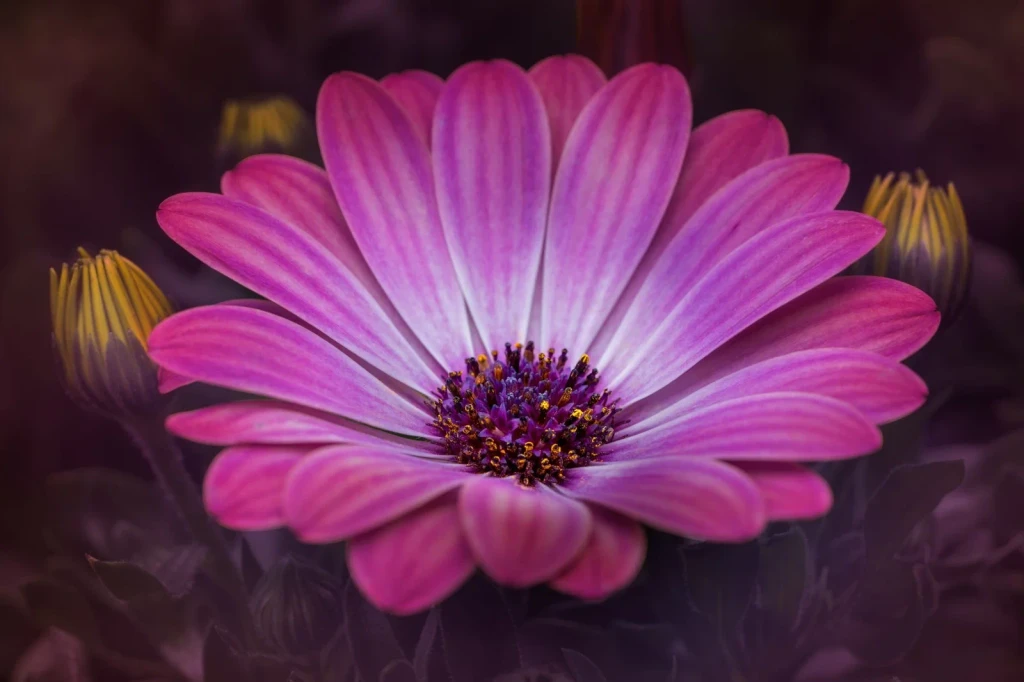
A close-up captures the intricate structure and vibrant pink tones of a daisy in full bloom. The photograph reveals the detailed geometry at the heart of the flower.
Photograph by Skyler Ewing, via Pexels.
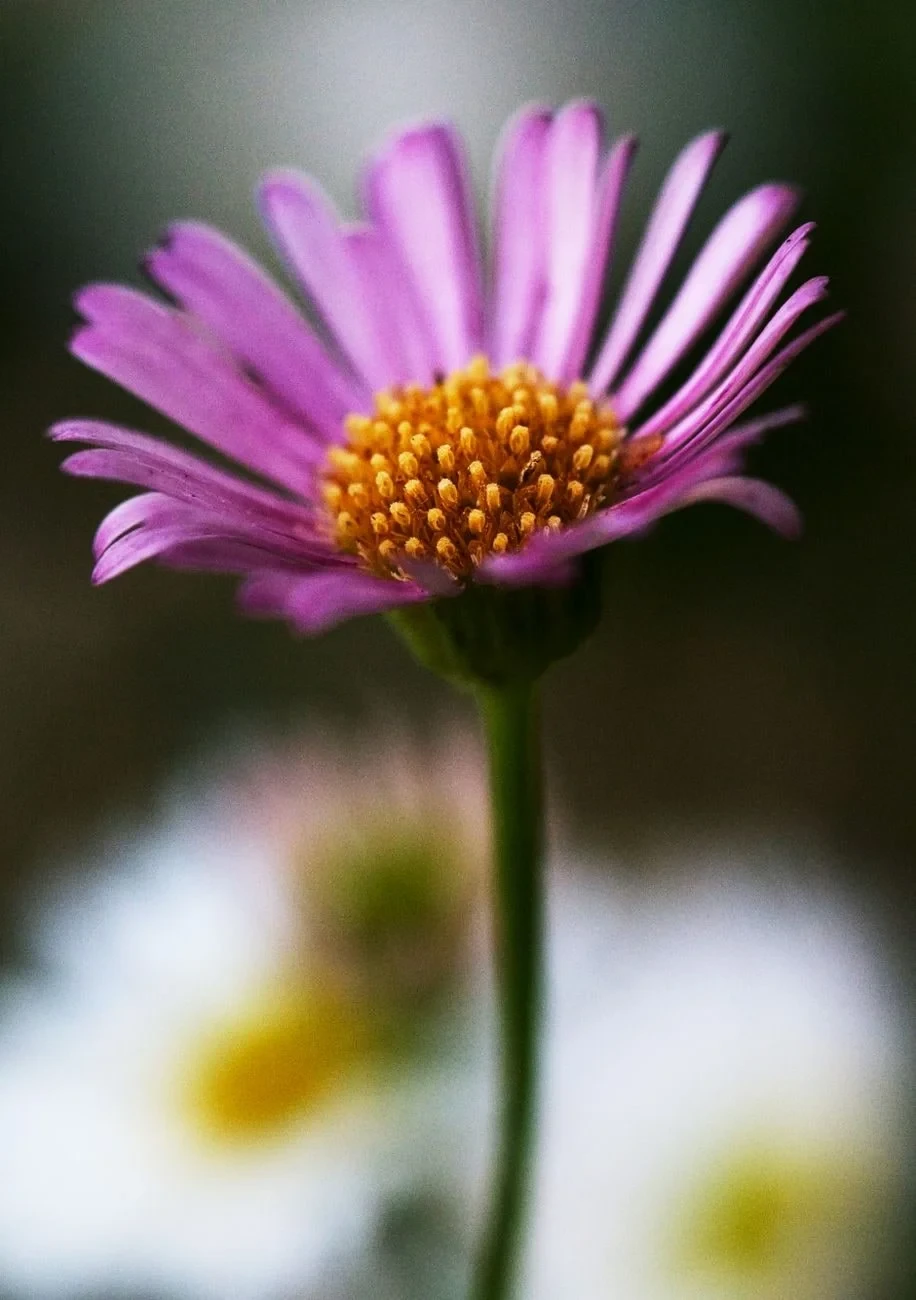
Captured outdoors in high detail, a vibrant pink aster flower shows the complexity of its layered petals.
Photograph by Paul Groom Photography Bristol, via Pexels.
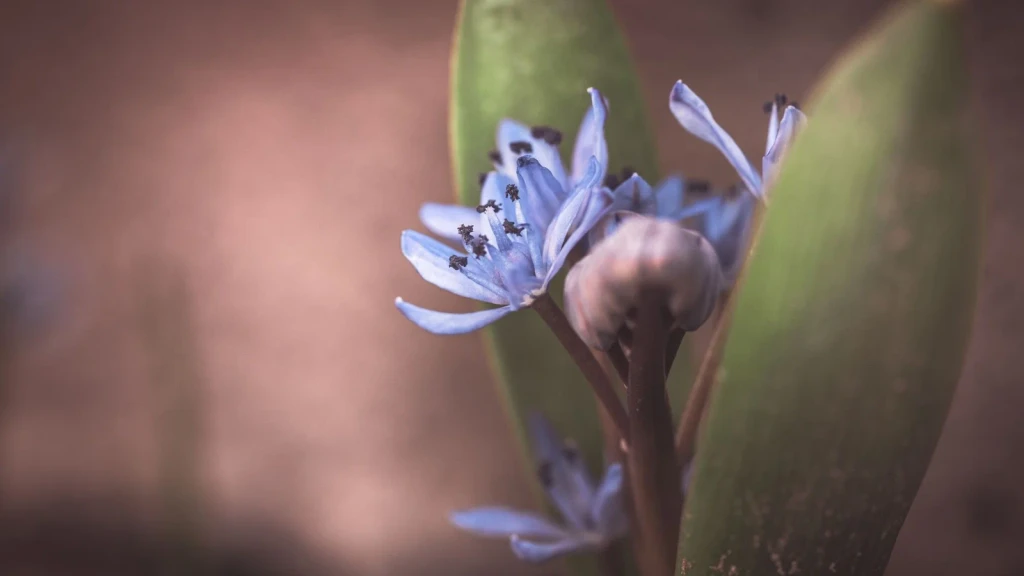
Delicate blue wildflowers bloom in sharp focus while the world around them softens into abstraction. A moment of natural beauty isolated from context.
Photograph by Teodora Spasova, via Pexels.
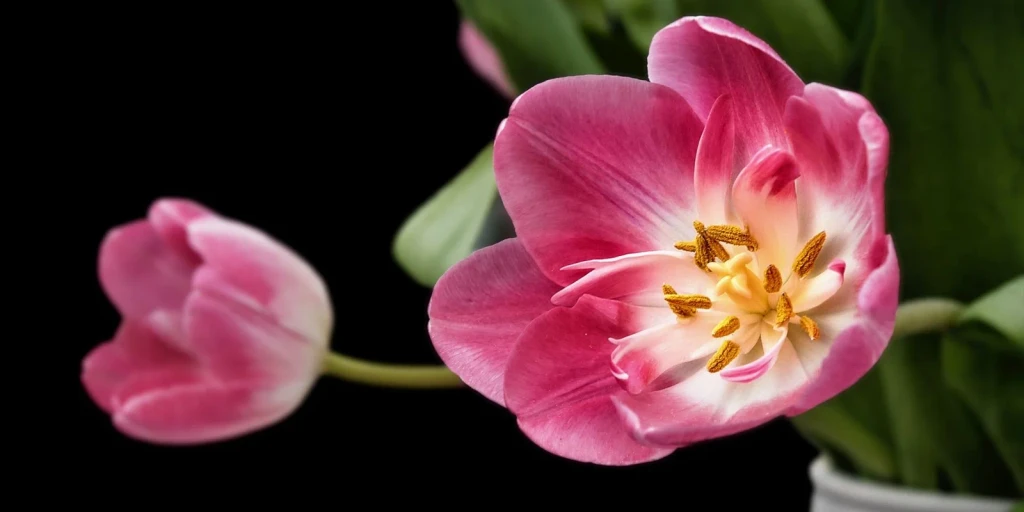
Against a dark background, a pink tulip blossom reveals its stamens in striking detail. The contrast emphasizes the flower's delicate inner structure.
Photograph by Pixabay, via Pexels.
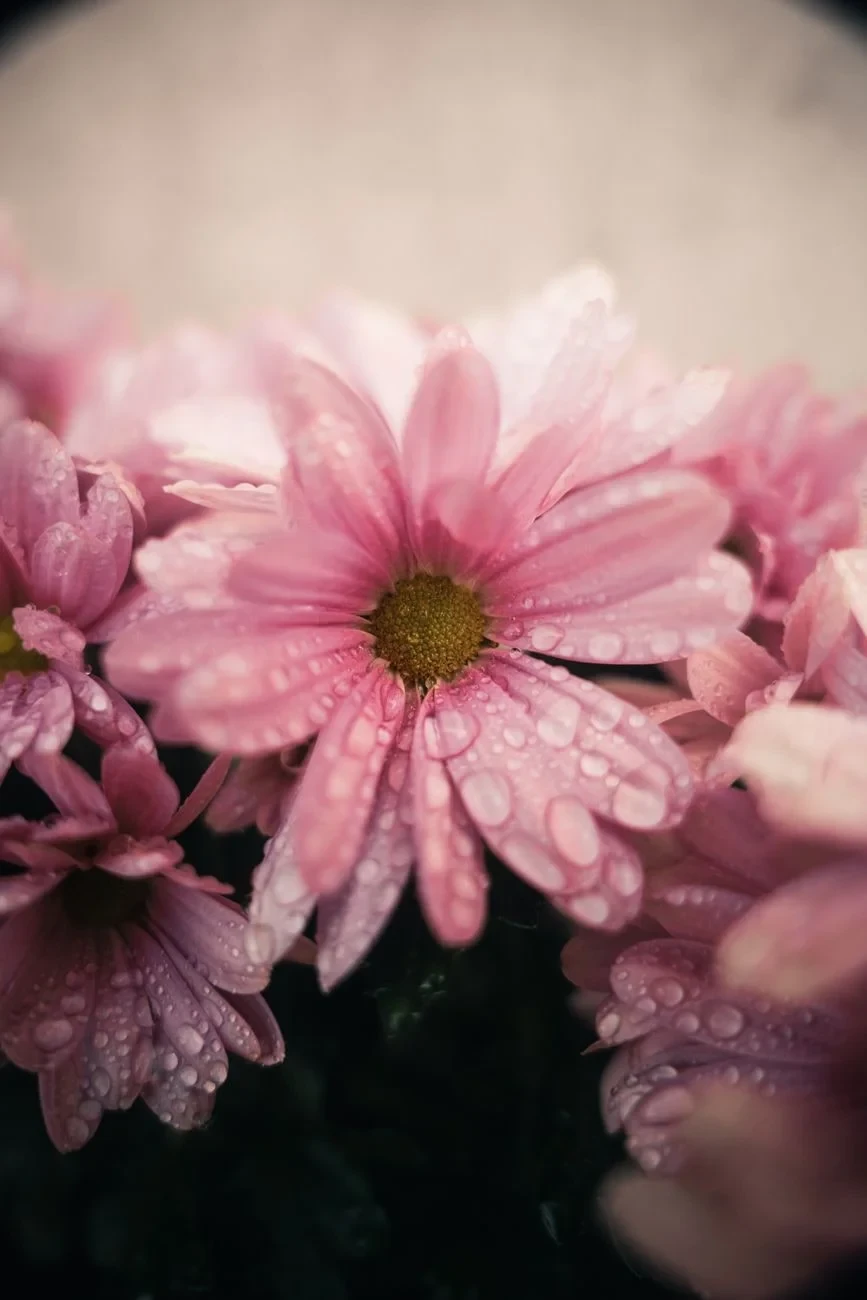
Pink chrysanthemums glisten with dewdrops in this close study. The photograph captures natural moisture clinging to petals, revealing the delicate surfaces we often overlook.
Photograph by Ana Lourenco, via Pexels.
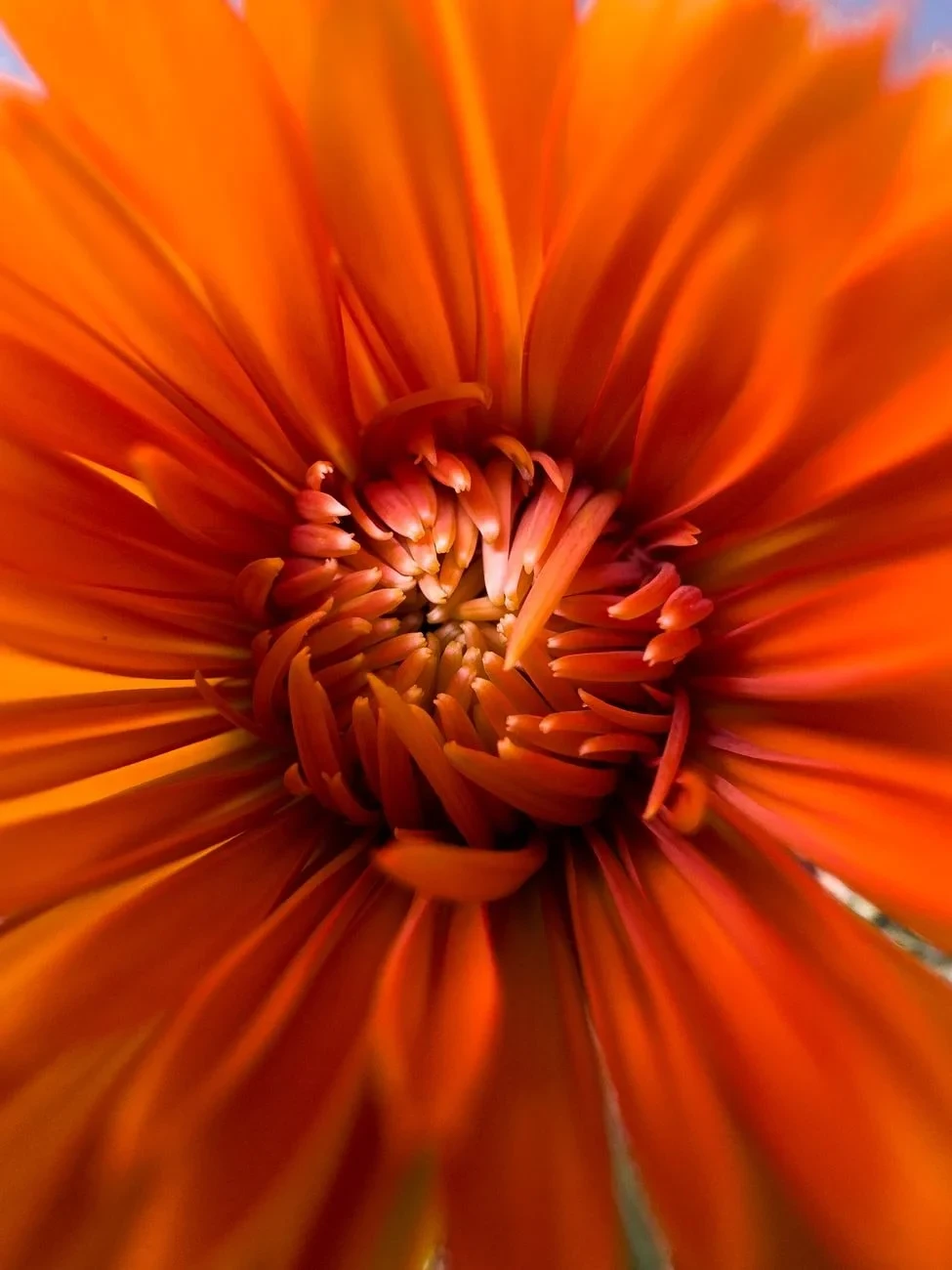
Bright orange petals fill the frame in textured detail. This macro study celebrates the colors and surfaces that define a flower's presence.
Photograph by Ashwin Kp, via Pexels.
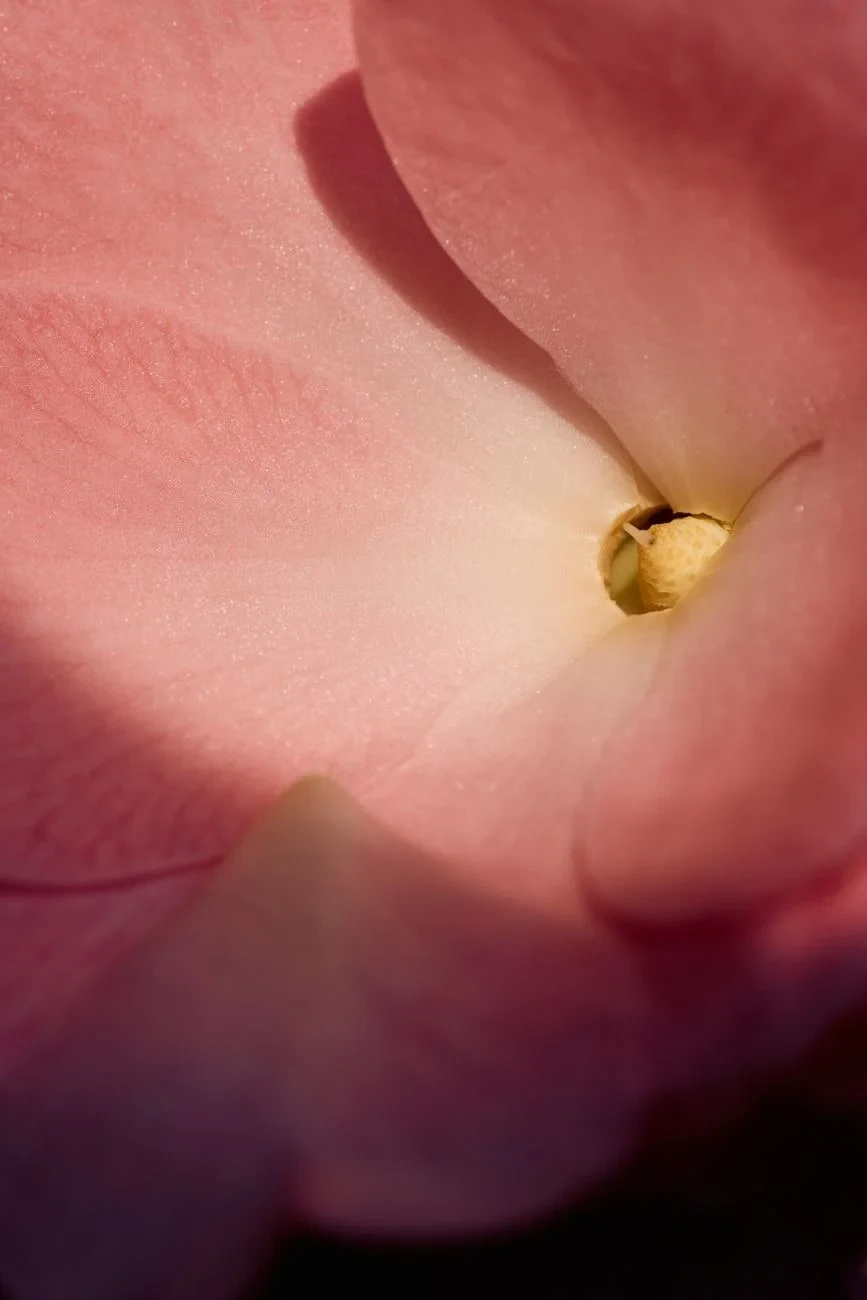
A macro study of delicate pink petals, rendered luminous through soft lighting. The photograph draws us close to examine the flower's intricate structure.
Photograph by Robert Schwarz, via Pexels.
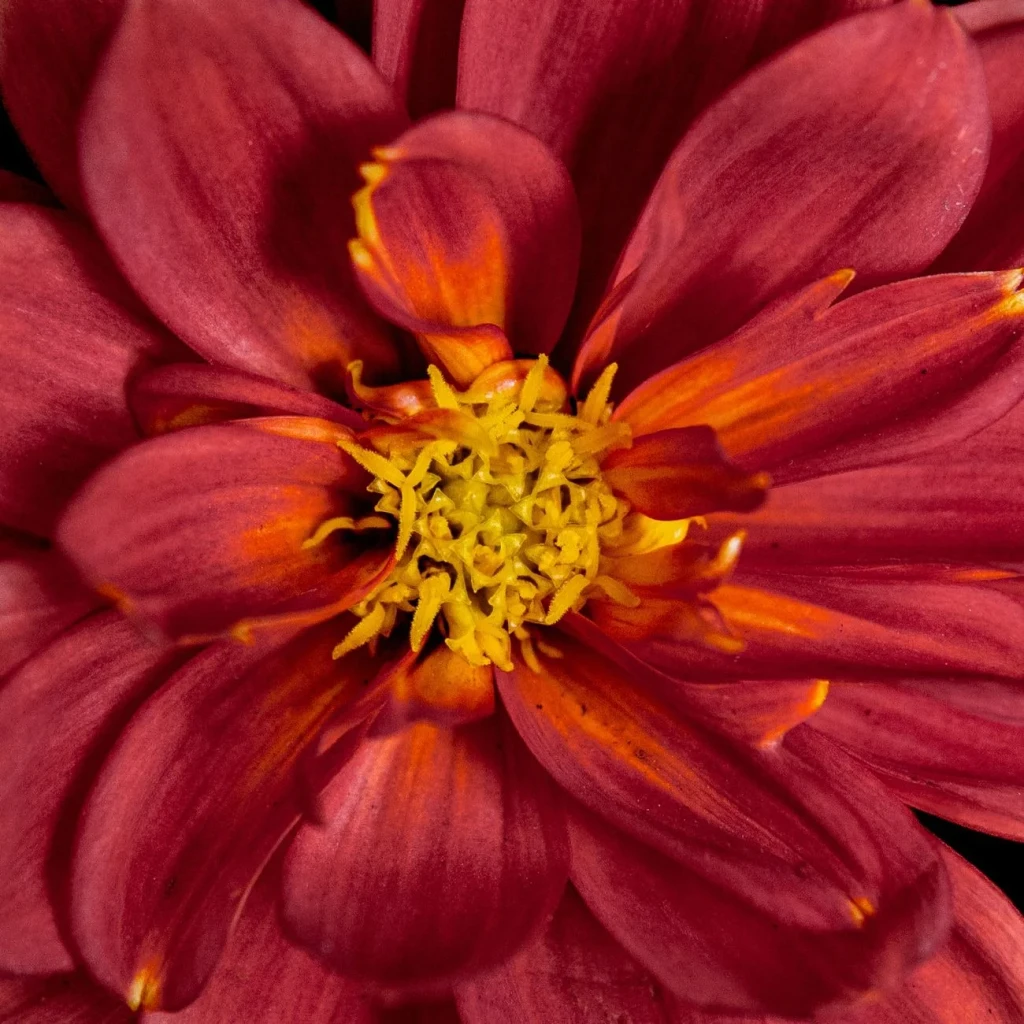
A red dahlia commands attention with its striking yellow center. The photograph highlights the dramatic color contrast within the bloom.
Photograph by Audrey B, via Pexels.
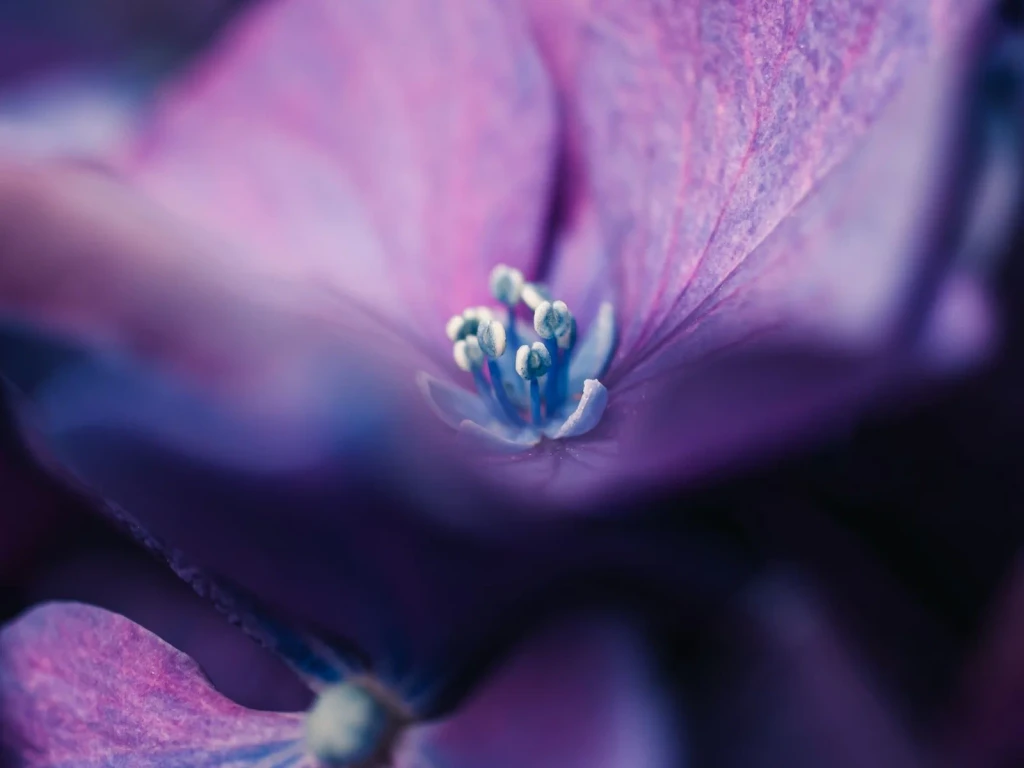
Purple hydrangea petals unfold under magnification. This close-up reveals the intricate textures and layered structure hidden within a familiar bloom.
Photograph by Sonny Sixteen, via Pexels.
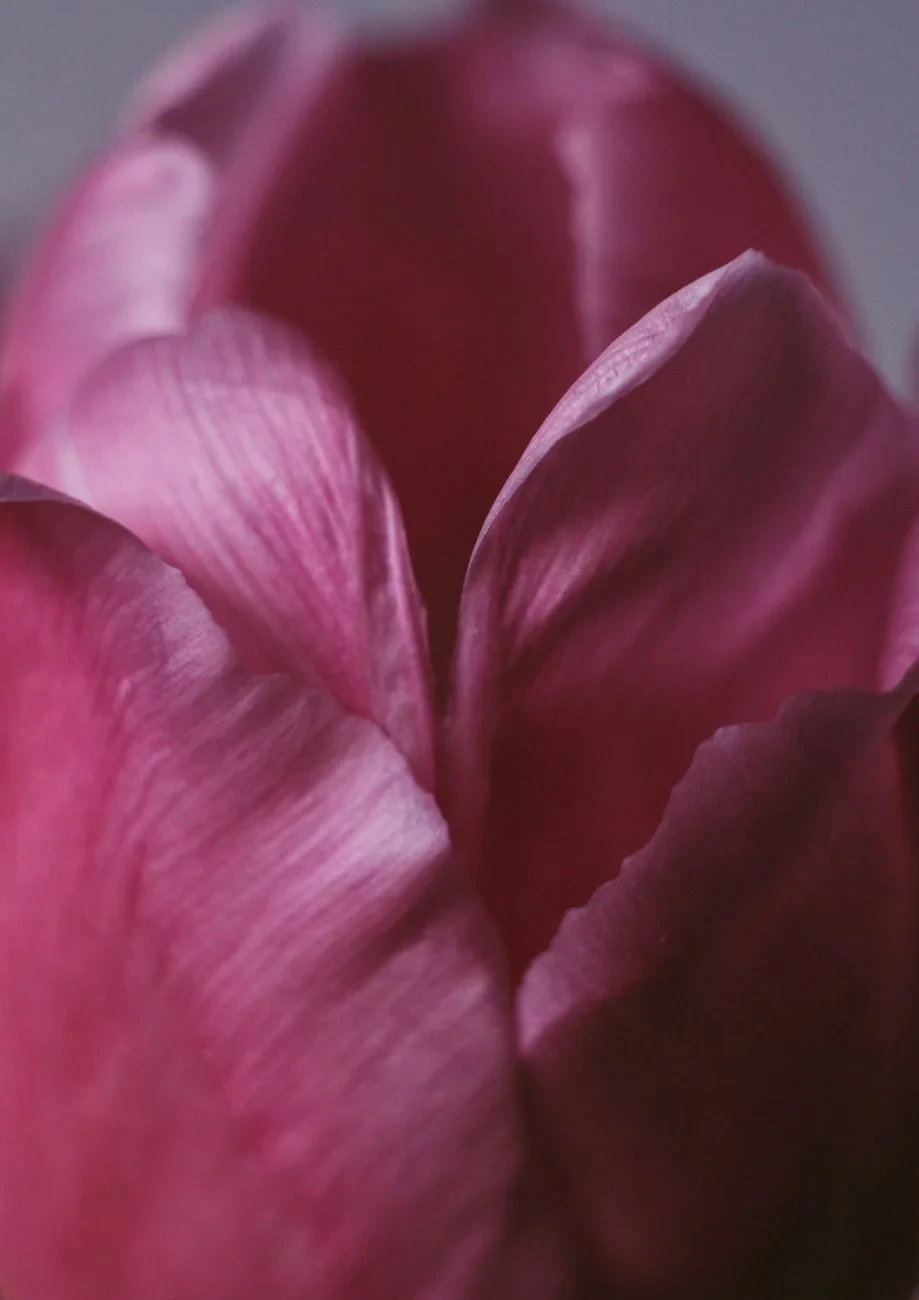
A single tulip presented in intimate detail. The photograph invites us to pause and notice the gentle architecture of a flower's petals.
Photograph by Dina Nasyrova, via Pexels.
