3D Gallery
Follow the Coffee Bean
Enter gallery
Follow the Coffee Bean is a 3D virtual gallery on MyGallery3D, a walkable online exhibition of 12 works. Step inside and explore it in your browser: no app, no headset.
Welcome to a 3D virtual gallery you can walk through in your browser, tracing coffee's journey from fruit to cup.
By 1920, half of all coffee produced on earth was consumed in a single country: the United States. Yet the drink began among Sufi circles in 15th-century Yemen, used to sustain energy during night prayers. Today over 100 million people in developing countries depend on coffee as their primary source of income, and the global industry was worth $495.50 billion in 2023.
Until the end of the 17th century, Yemen was the world's sole gateway for coffee, shipped from the port of Mocha. The Dutch East India Company first imported coffee on a large scale, growing it in Java. In the 1720s, a Frenchman carried a plant to Martinique. By 1852, Brazil was the largest producer on earth and has held that status ever since.
Coffee starts as the red fruit of the Coffea plant, called a coffee cherry. Each cherry holds two seeds. After harvest, the fruit is removed by wet or dry processing. In wet processing, cherries are pulped, fermented, and washed. In dry processing, whole cherries are sun-dried for up to four weeks, then hulled. The method used significantly affects the flavour of the final roasted bean.
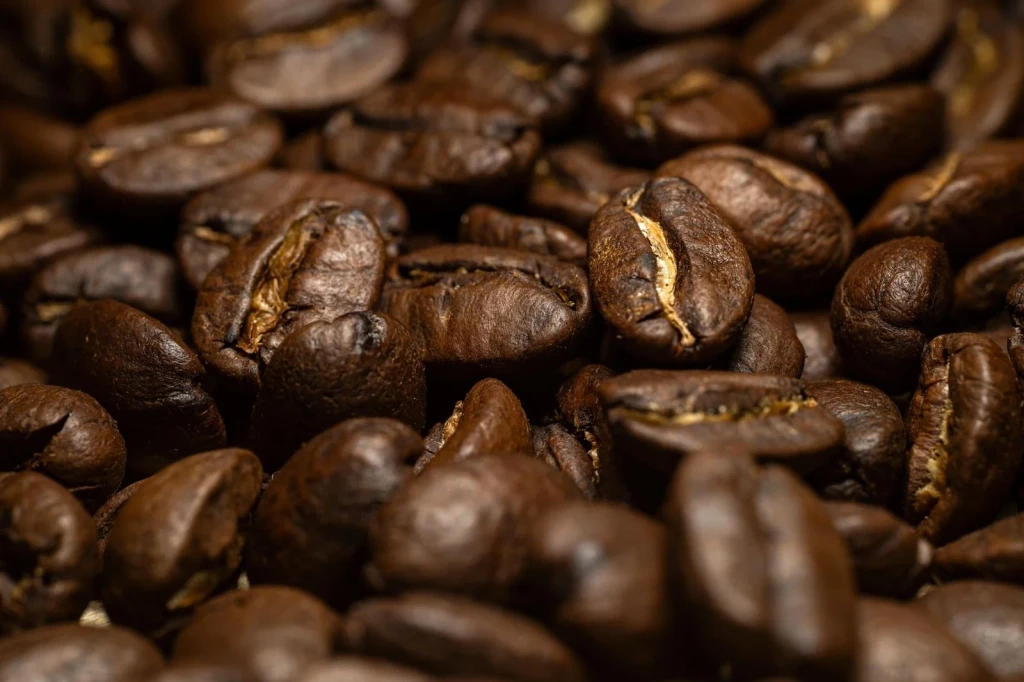
A detailed view of roasted coffee beans emphasizes their aromatic qualities. The photograph invites us to appreciate the beans at their most flavorful moment.
Photograph by Ignacio Vazquez, via Pexels.
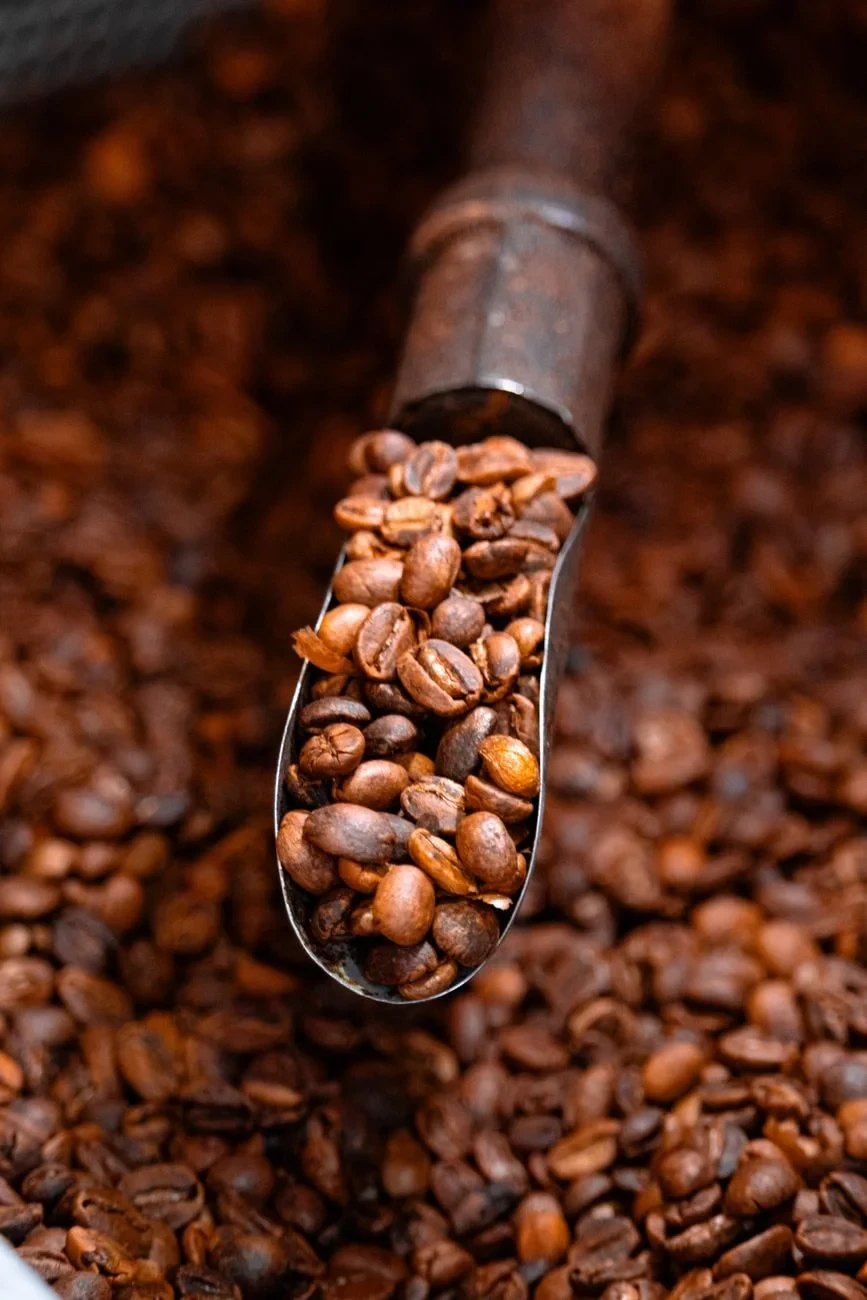
A scoop holds freshly roasted beans, showcasing their rich textures and aromatic character. A simple tool, central to coffee preparation and ritual.
Photograph by Tallita Maynara, via Pexels.
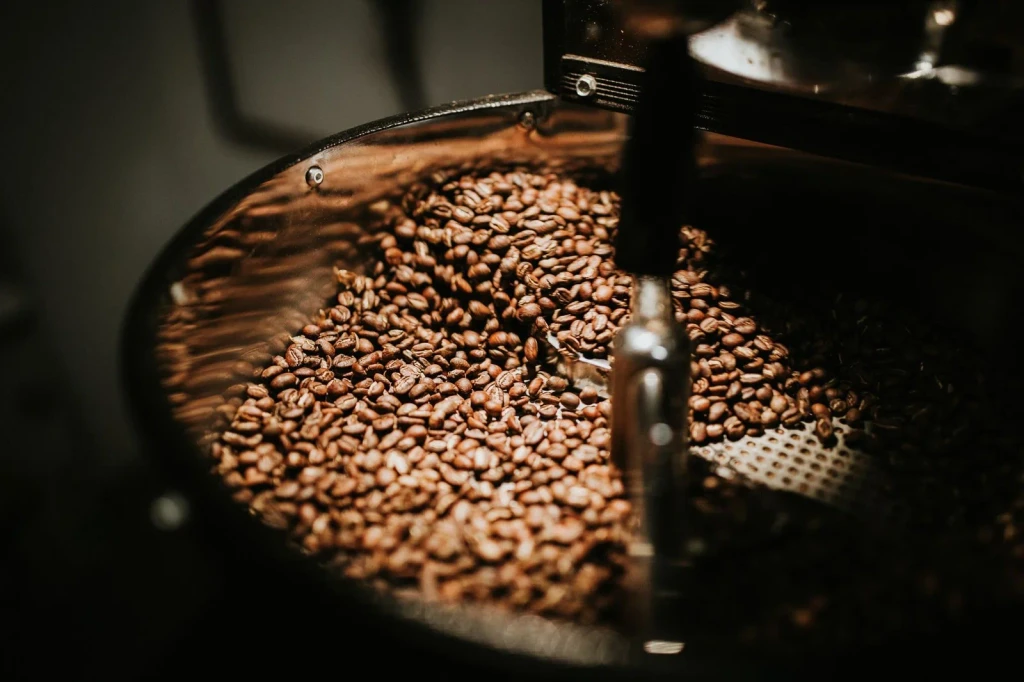
Freshly roasted beans tumble in an industrial roaster. The close-up reveals the rich textures and warm tones that emerge during this crucial stage of coffee's journey.
Photograph by Juan Pablo Serrano, via Pexels.
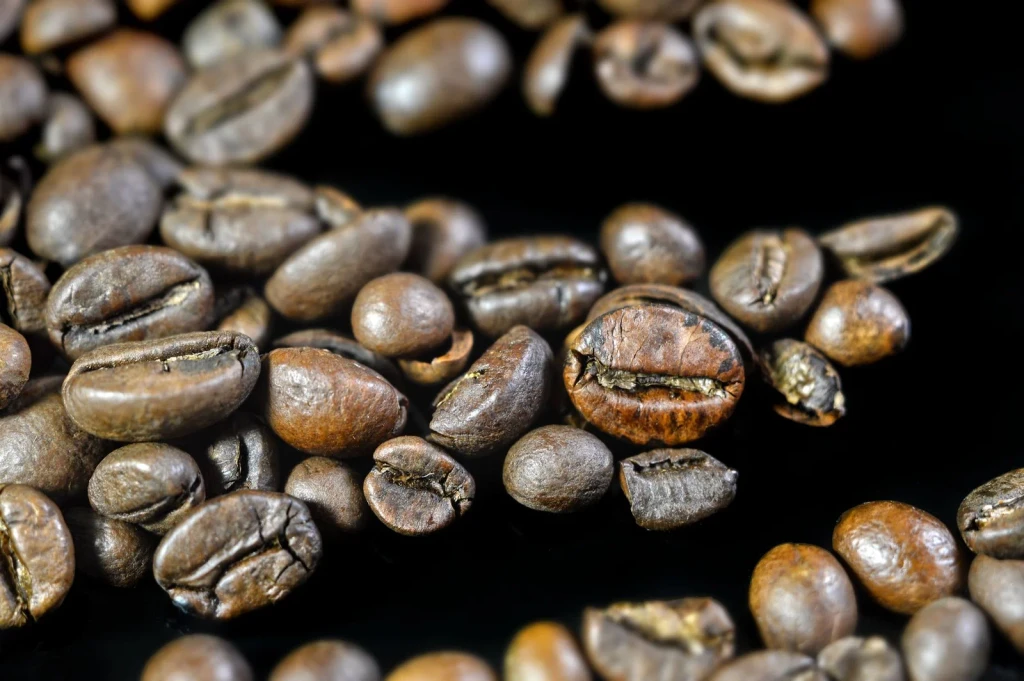
Roasted beans scattered on black create stark contrast. A detailed study of the beans themselves, capturing what makes them visually distinctive at this stage.
Photograph by Moussa Idrissi, via Pexels.
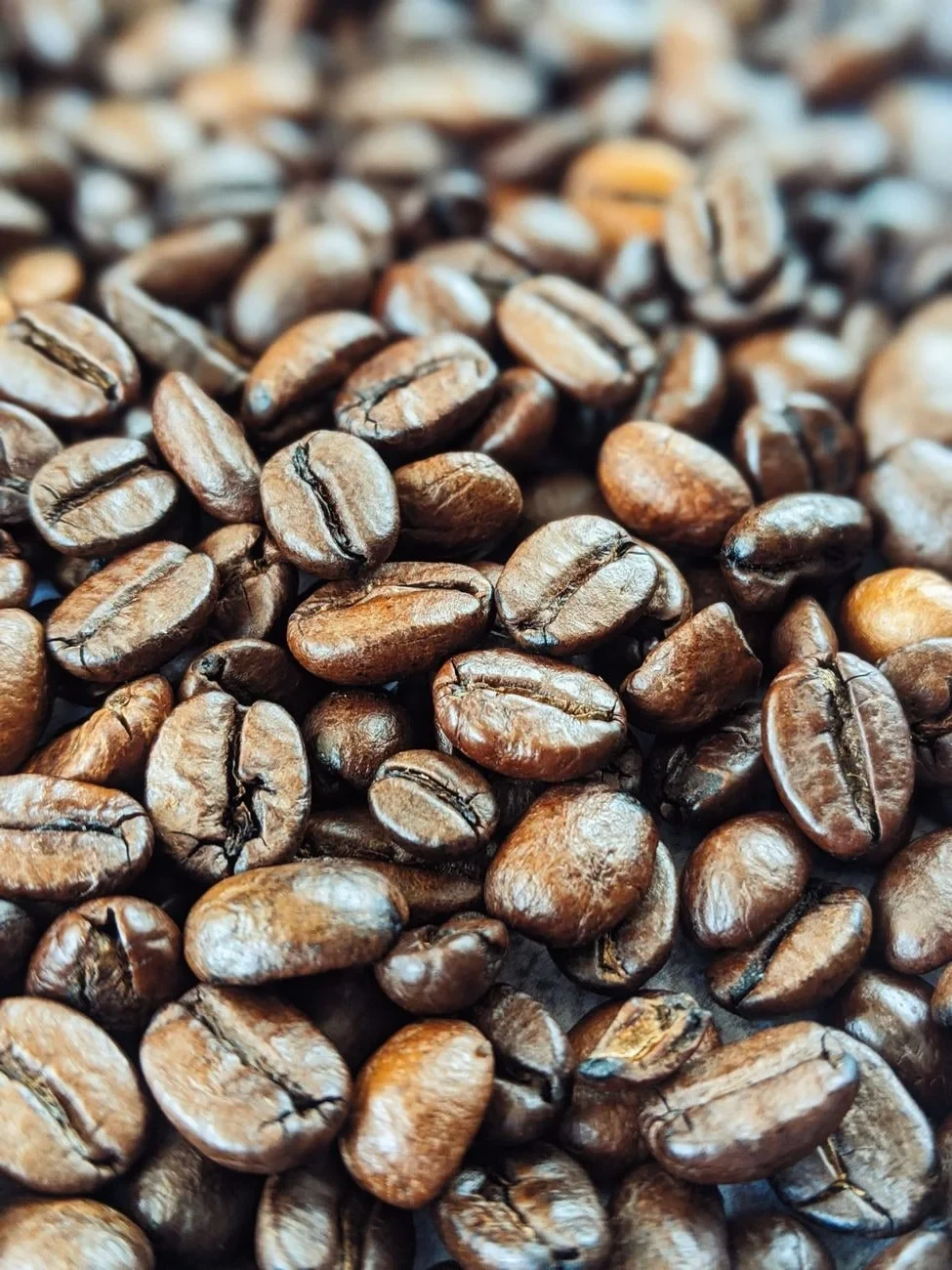
High-quality close-up photography reveals the earthy tones and textural detail of freshly roasted beans. Every surface tells the story of transformation through heat.
Photograph by Alin Luna, via Pexels.
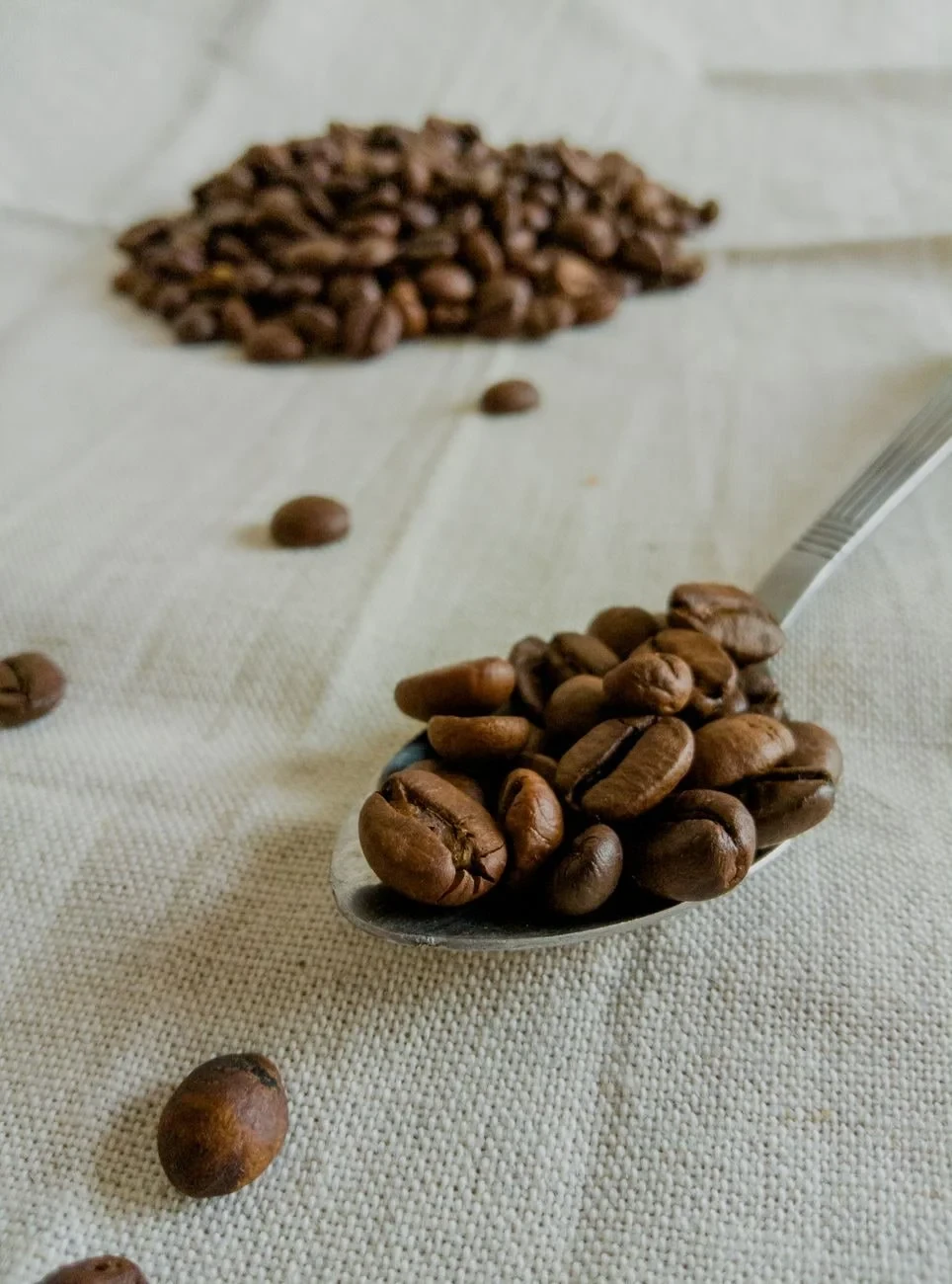
A spoon holds roasted beans against textured fabric. The composition grounds coffee in tactile, domestic space, connecting the finished product to home.
Photograph by Katerina Magit, via Pexels.
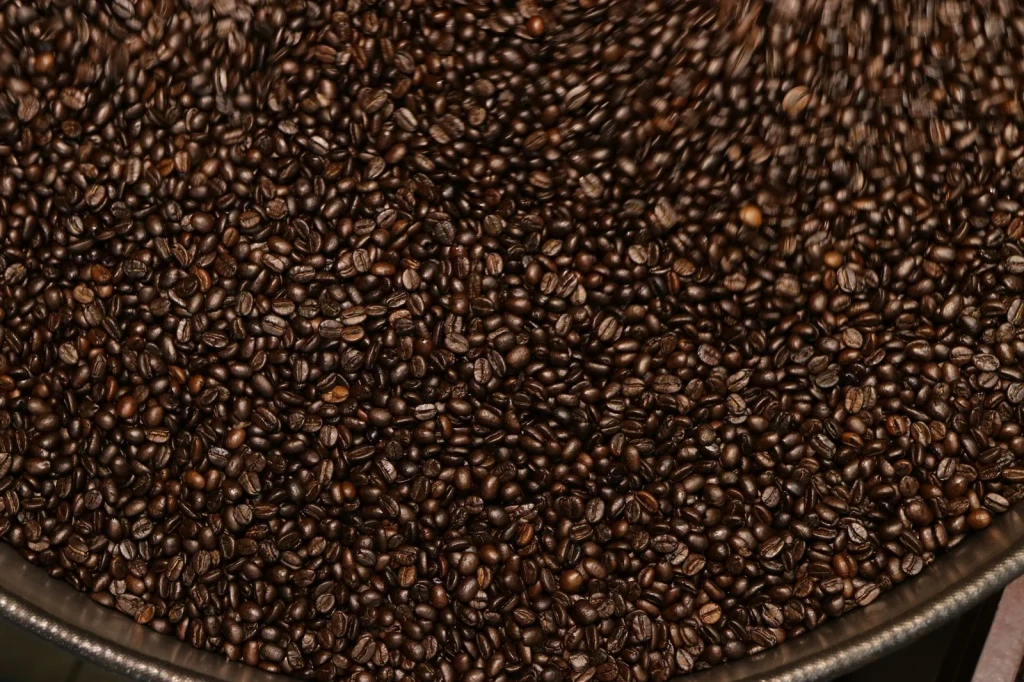
Coffee beans rest in a container just after roasting. The image captures the beans at a crucial point in the journey from raw seed to beverage.
Photograph by Eren Barış Dursun, via Pexels.
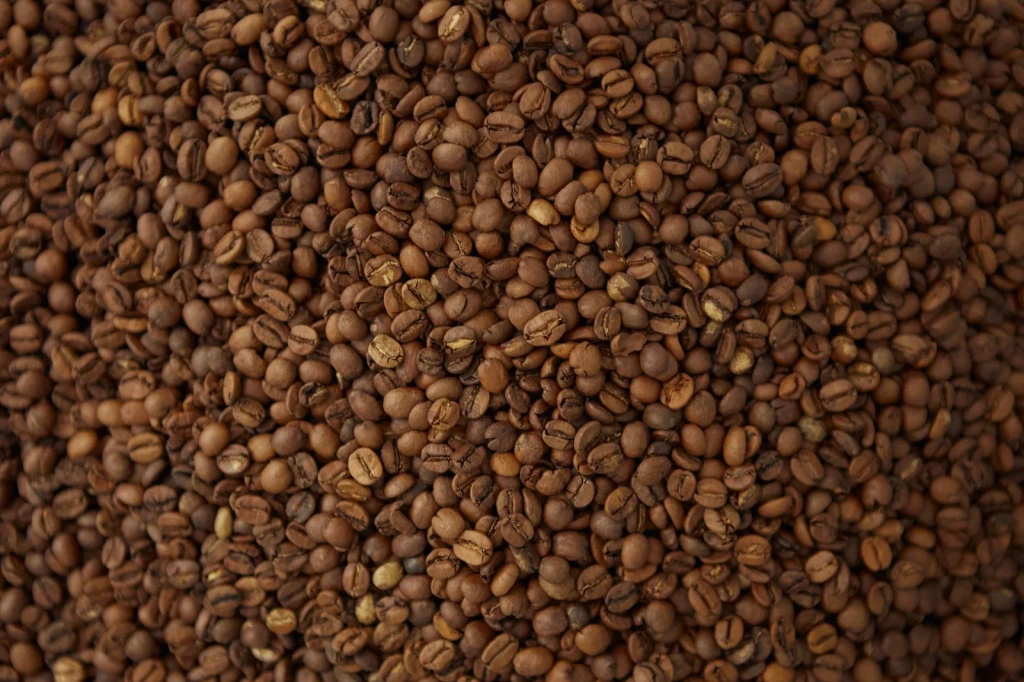
Roasted beans reveal their detailed texture in close-up. The image shows the physical transformation that coffee undergoes before reaching the cup.
Photograph by Raymond Petrik, via Pexels.
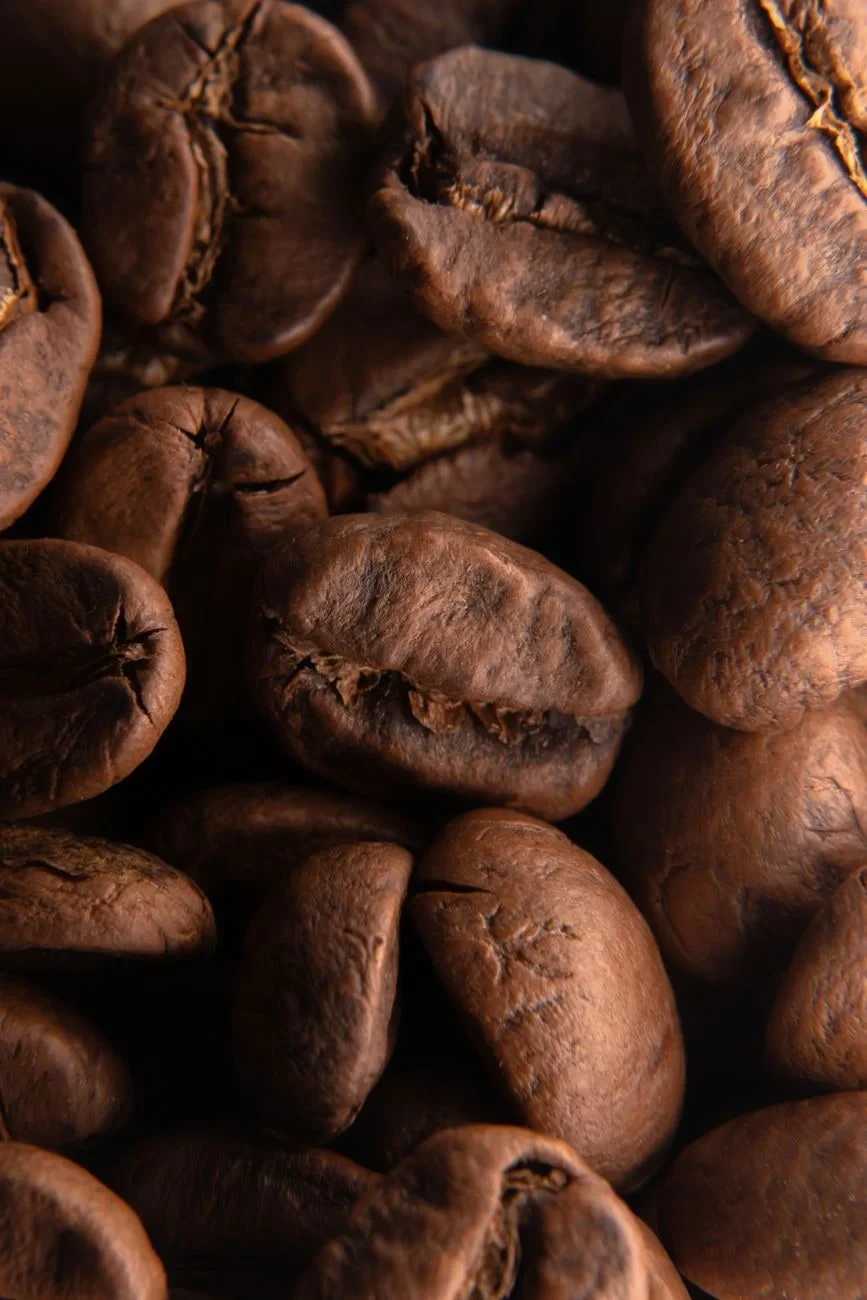
A magnified view of roasted coffee beans. The close perspective invites us to notice the visual complexity often overlooked in our everyday cups.
Photograph by Marcus Echo, via Pexels.
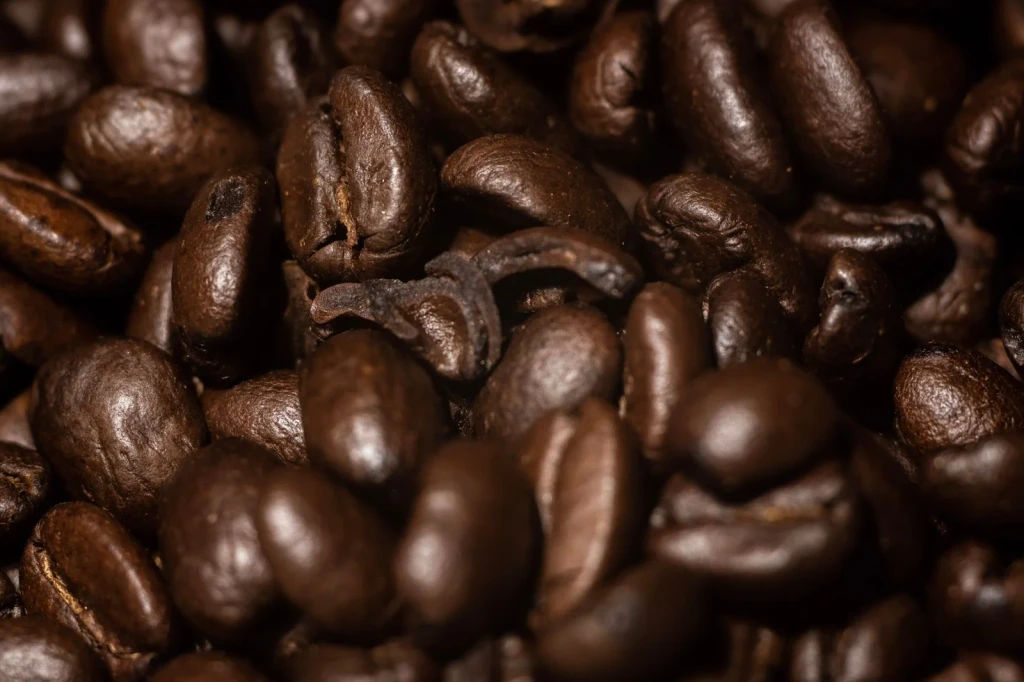
Rich textures and deep brown hues fill the frame. This close study emphasizes the color and surface detail that result from the roasting process.
Photograph by Tolga deniz Aran, via Pexels.
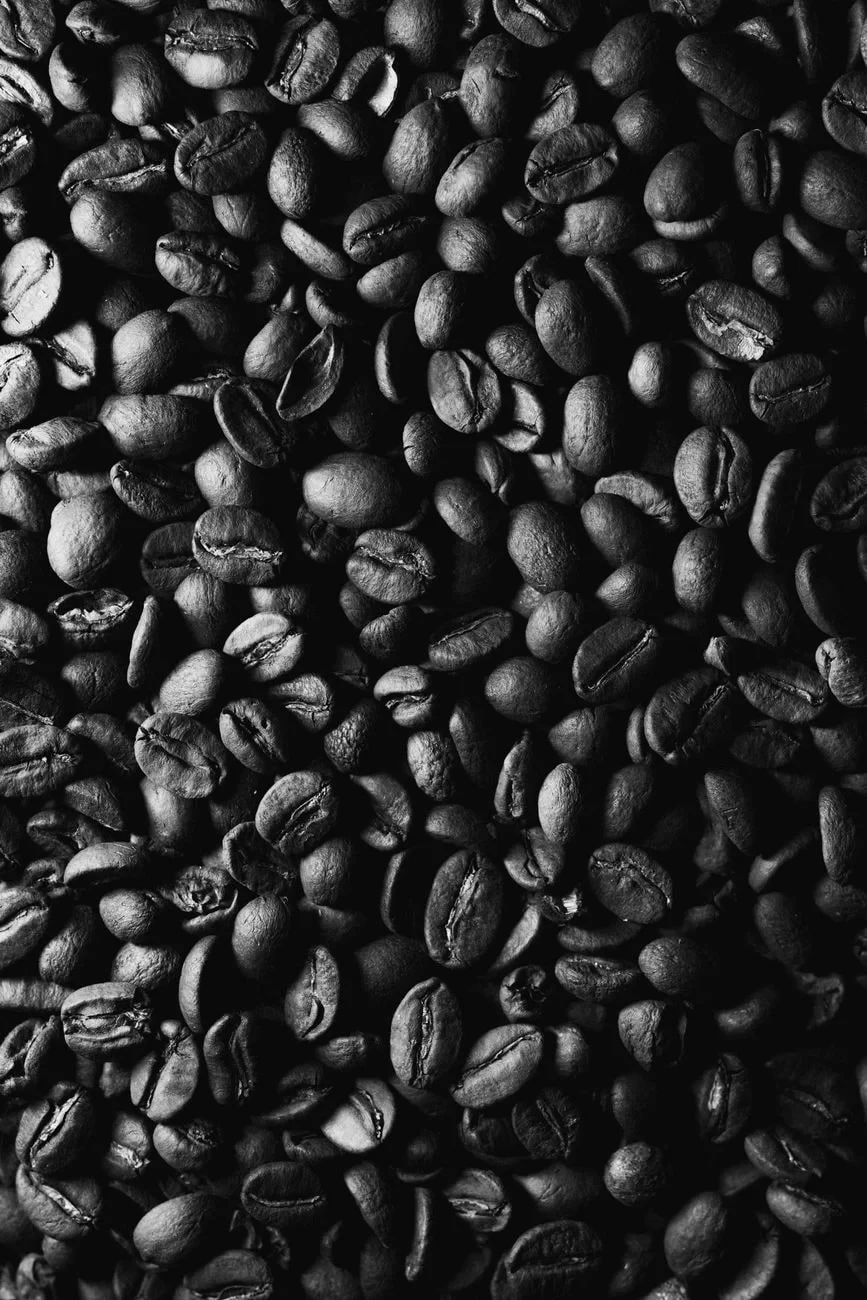
Black and white photography strips away color to focus entirely on the texture of roasted beans. The grain and detail become the subject itself.
Photograph by Jonathan Borba, via Pexels.
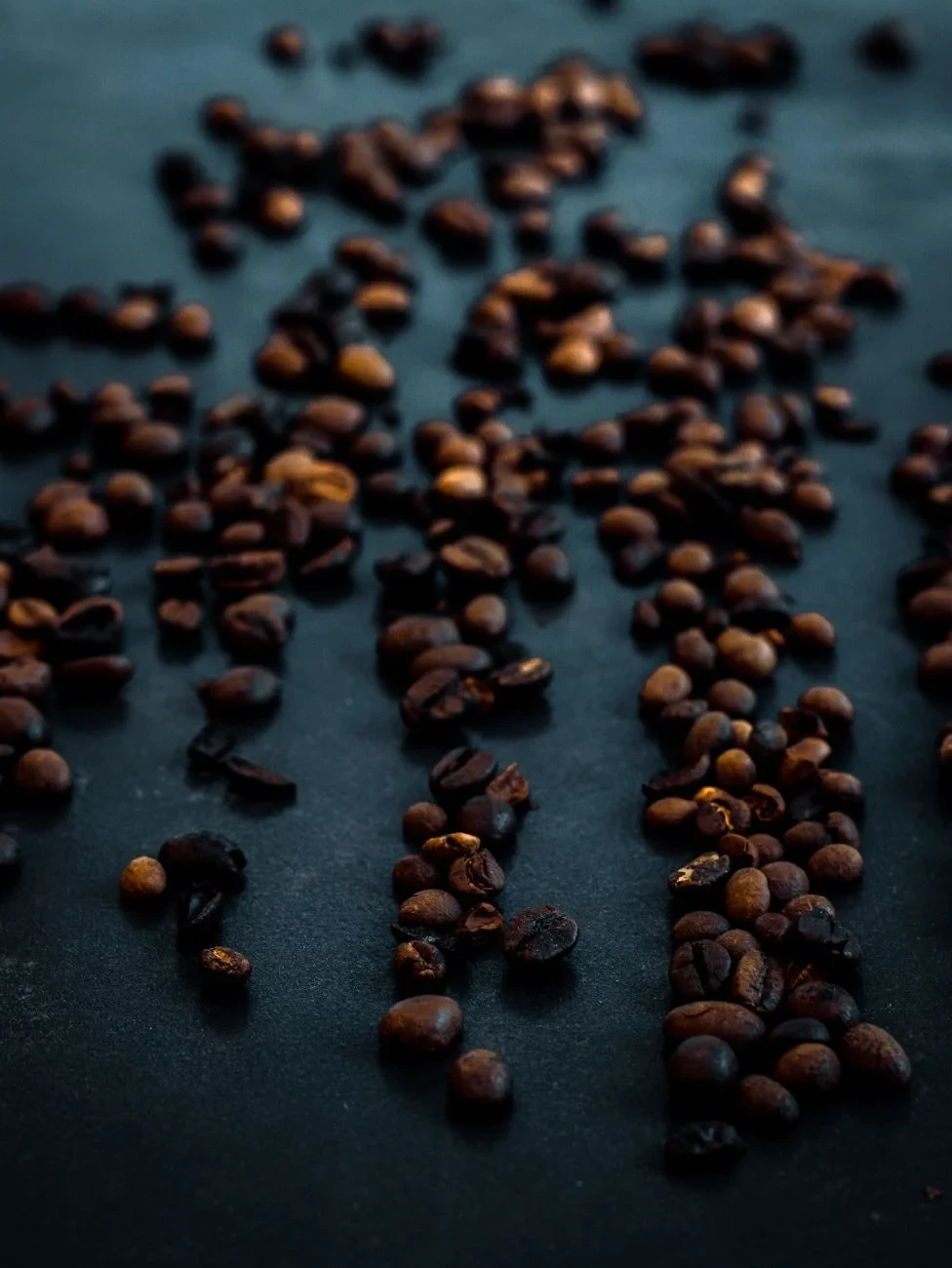
Roasted coffee beans scattered across a dark surface reveal the rich texture and color that develop through roasting. A study in the beans' journey toward the cup.
Photograph by Navid Sohrabi, via Pexels.
