3D Gallery
How Dogs Became Our Oldest Friends
Enter gallery
How Dogs Became Our Oldest Friends is a 3D virtual gallery on MyGallery3D, a walkable online exhibition of 14 works. Step inside and explore it in your browser: no app, no headset.
Welcome to a 3D virtual gallery you can walk through in your browser, exploring thirty thousand years of the bond between humans and dogs.
A puppy buried 14,000 years ago in Bonn-Oberkassel, Germany, had survived canine distemper, a disease it could not have lived through without human nursing. It was too young to have been useful. It was buried sprayed with red pigment alongside a man and a woman, under heavy basalt blocks. Dogs were the first species we ever domesticated, before any crop was planted.
Millennia of coevolution gave dogs abilities no other animal matches. They read human facial expressions, follow pointing gestures, and learn words by inference. One dog, Chaser, associated over 1,000 objects with verbal commands. Faced with an unsolvable task, dogs look to humans for help; socialised wolves do not. Dogs even show empathic concern, approaching crying strangers to nuzzle and lick them rather than turning to their own owners.
Dogs descend not from modern grey wolves but from an ancient, now-extinct wolf population. Genetic divergence occurred 27,000 to 40,000 years ago, during the Last Glacial Maximum. Domestication likely began through a commensal pathway: bolder wolves scavenging human camps gradually became partners. A 2021 review places the origin in Siberia, roughly 23,000 years ago, with dogs later dispersing east into the Americas and west across Eurasia.
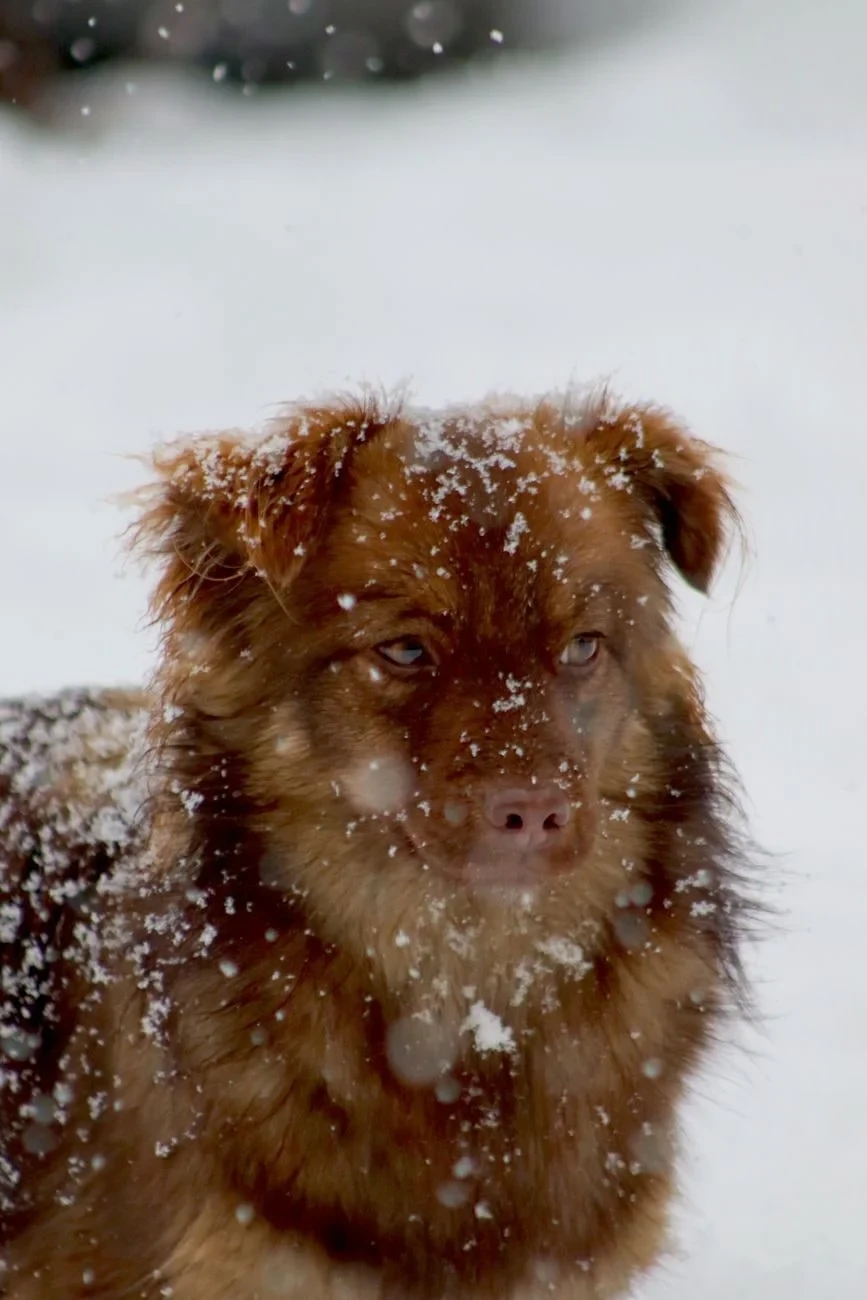
A fluffy brown dog stands in snow, covered in snowflakes. Winter transforms the ordinary into something textured and striking.
Photograph by Kuba Macioszek, via Pexels.
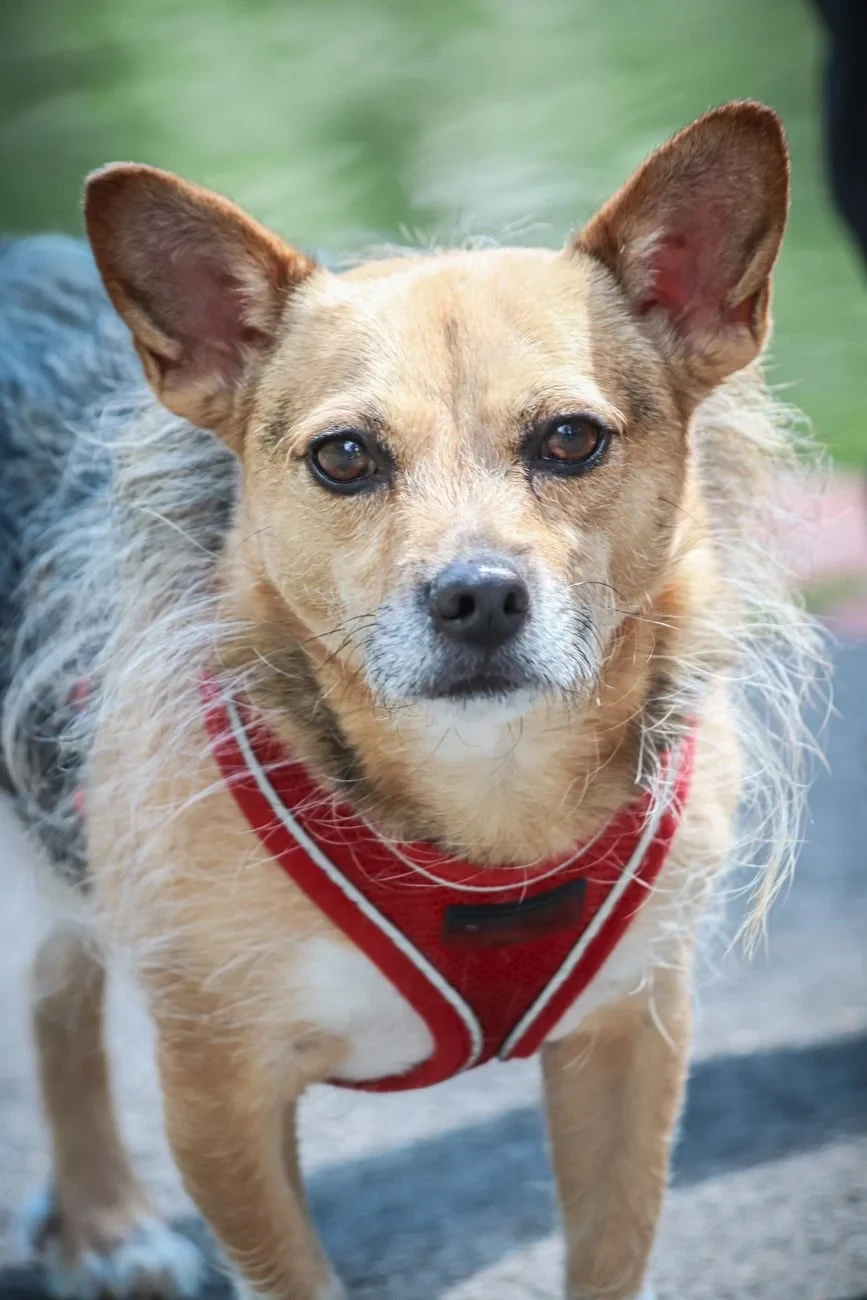
A close-up of a small dog in a red harness outdoors. The image emphasizes the dog's features and the care reflected in its gear.
Photograph by Boys in Bristol Photography, via Pexels.
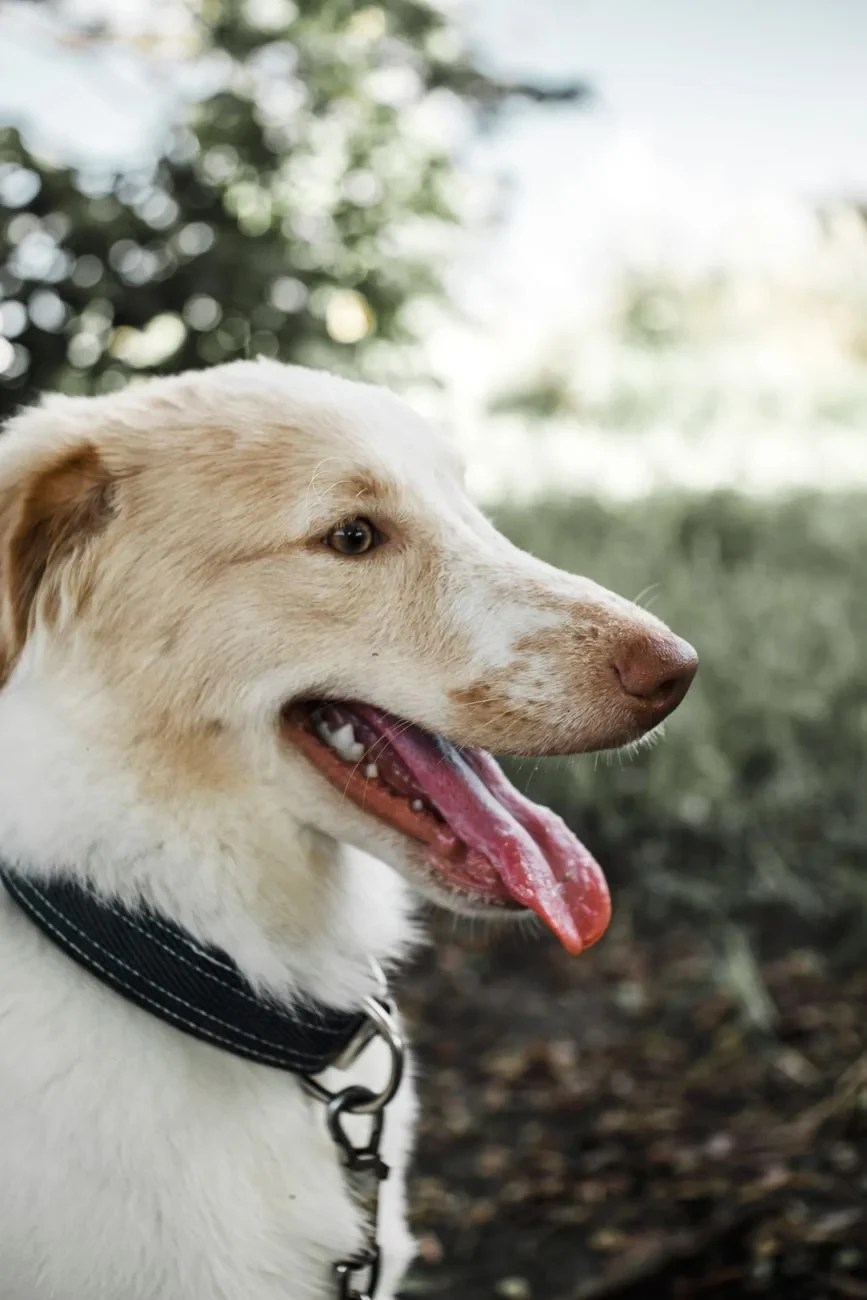
A domestic dog with furry coat and tongue out enjoys the open air. A straightforward image of a dog at play.
Photograph by Nothing Ahead, via Pexels.
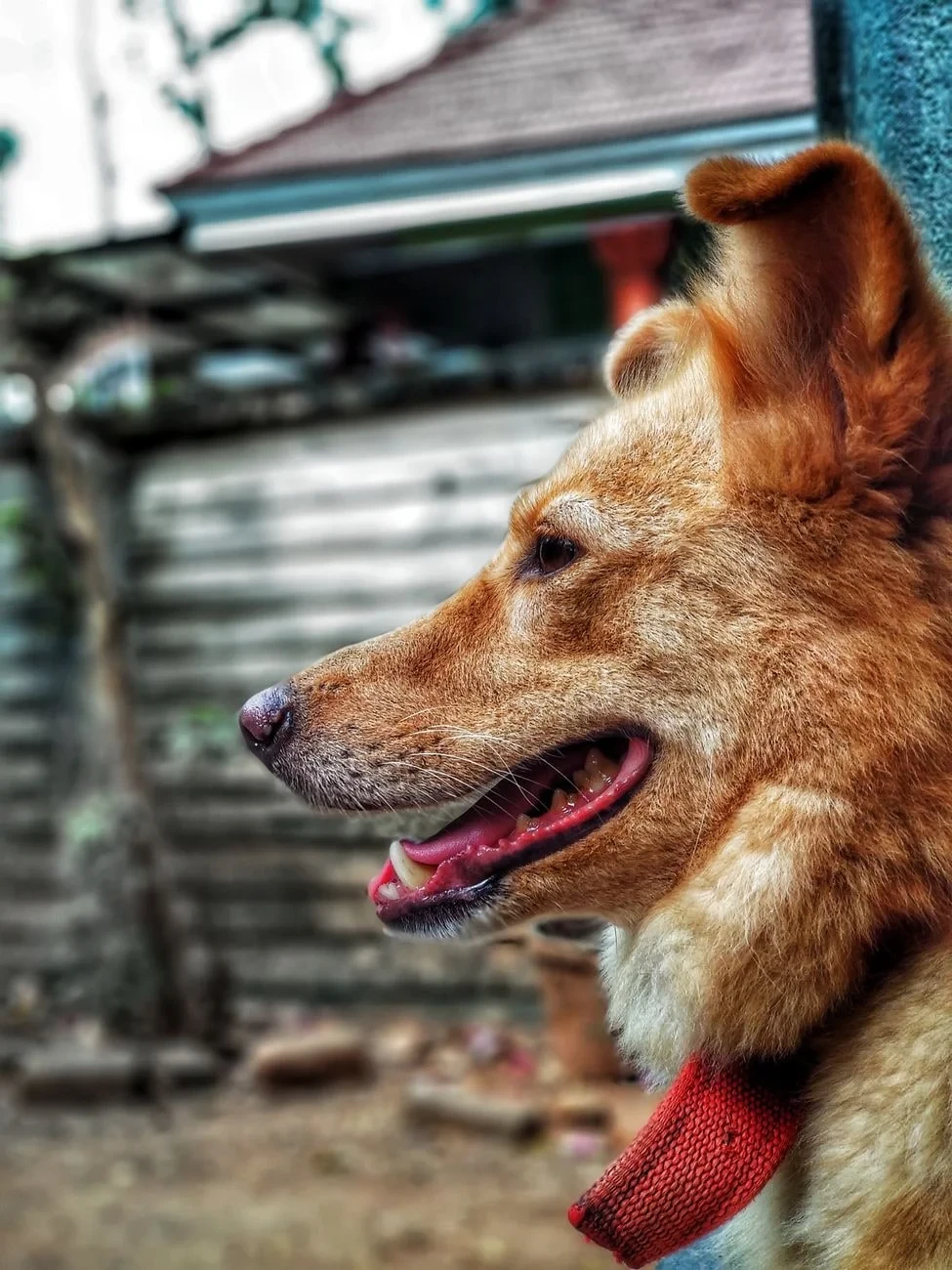
An outdoor portrait showing a happy dog wearing a red collar. The vibrant fur and daylight setting convey a moment of contentment.
Photograph by Arjun Pv, via Pexels.
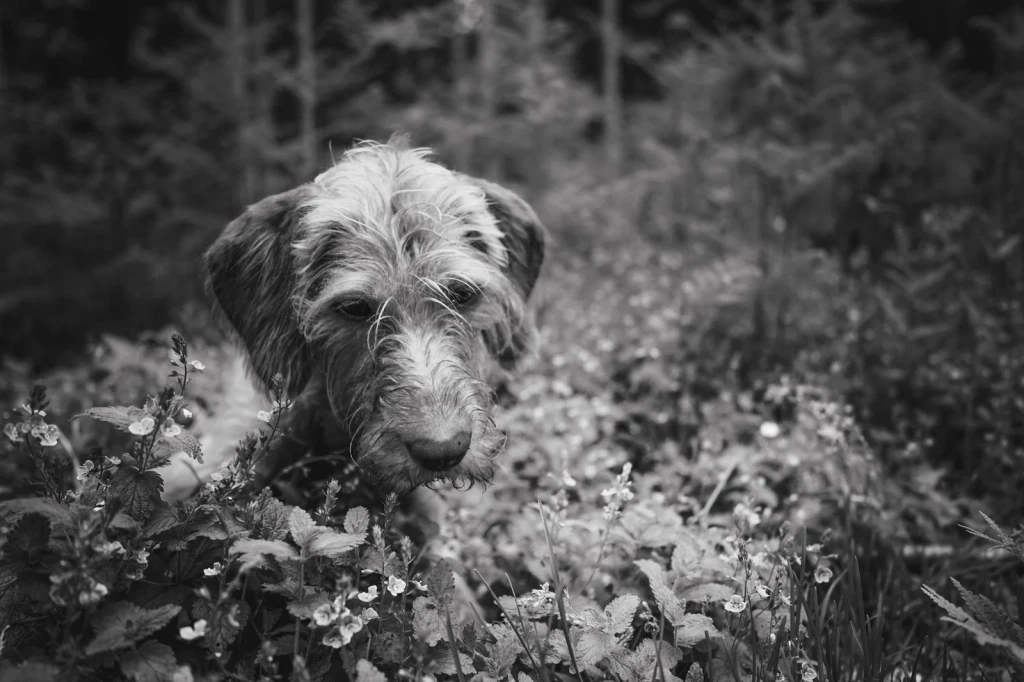
A scruffy dog moves through dense undergrowth in black and white. The photograph finds serenity in a dog's natural, exploratory moment.
Photograph by Andreas Schnabl, via Pexels.
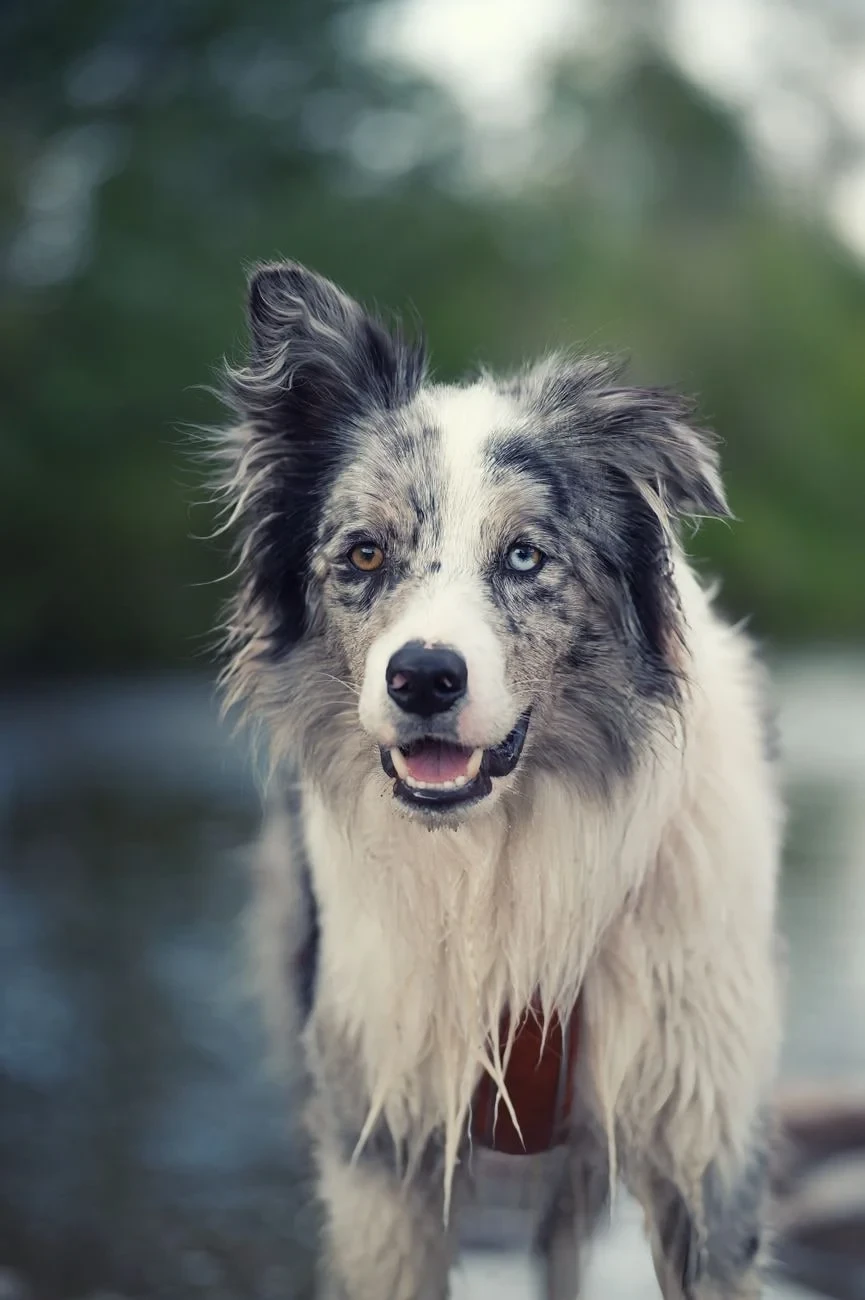
A border collie on a riverside walk. The photograph documents a dog in a natural outdoor setting during what appears to be leisure time.
Photograph by Michal Petráš, via Pexels.
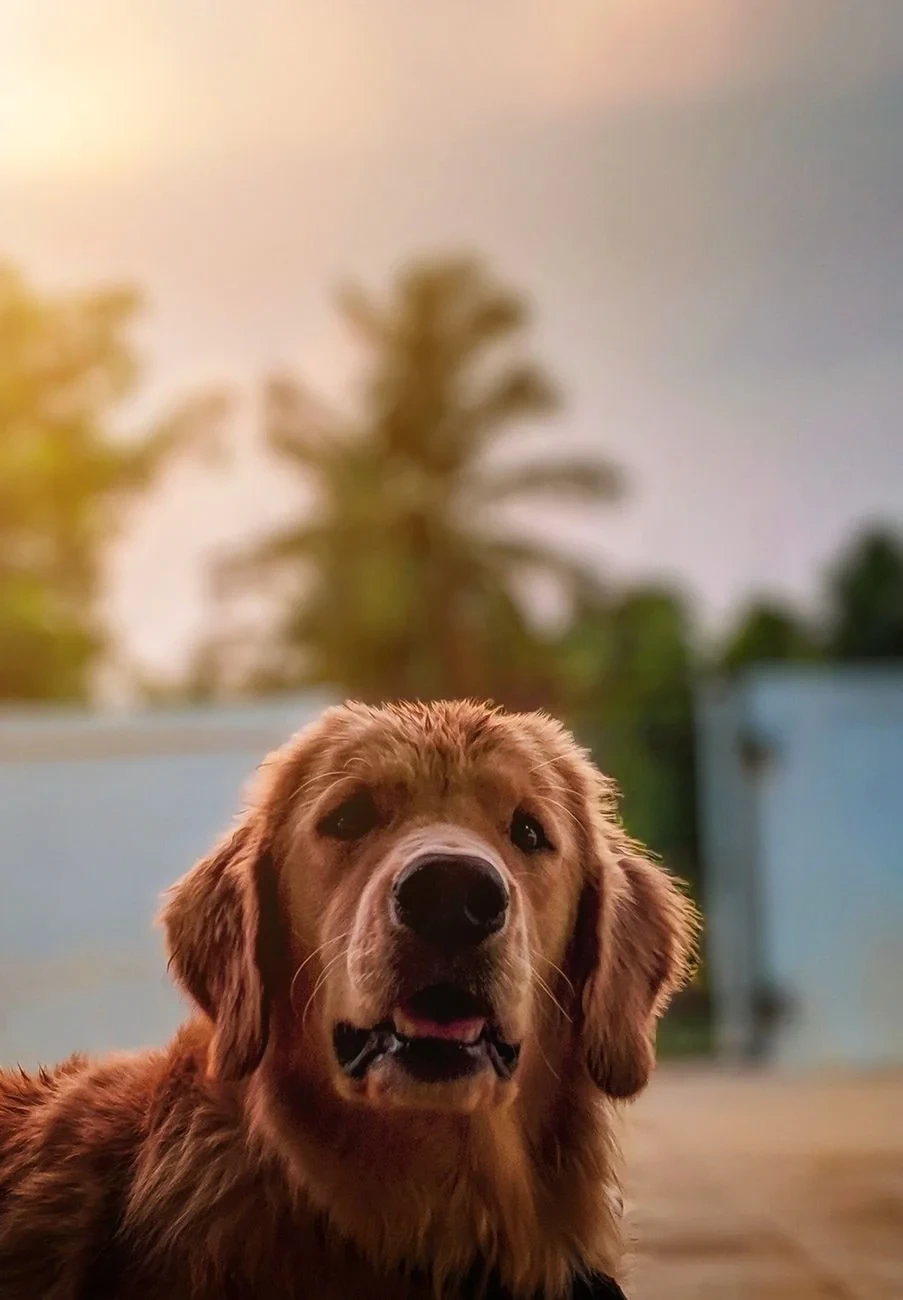
A golden retriever portrait captured outdoors at sunset. The lighting and setting create a warm, naturalistic study of the dog.
Photograph by Mithul Varshan, via Pexels.
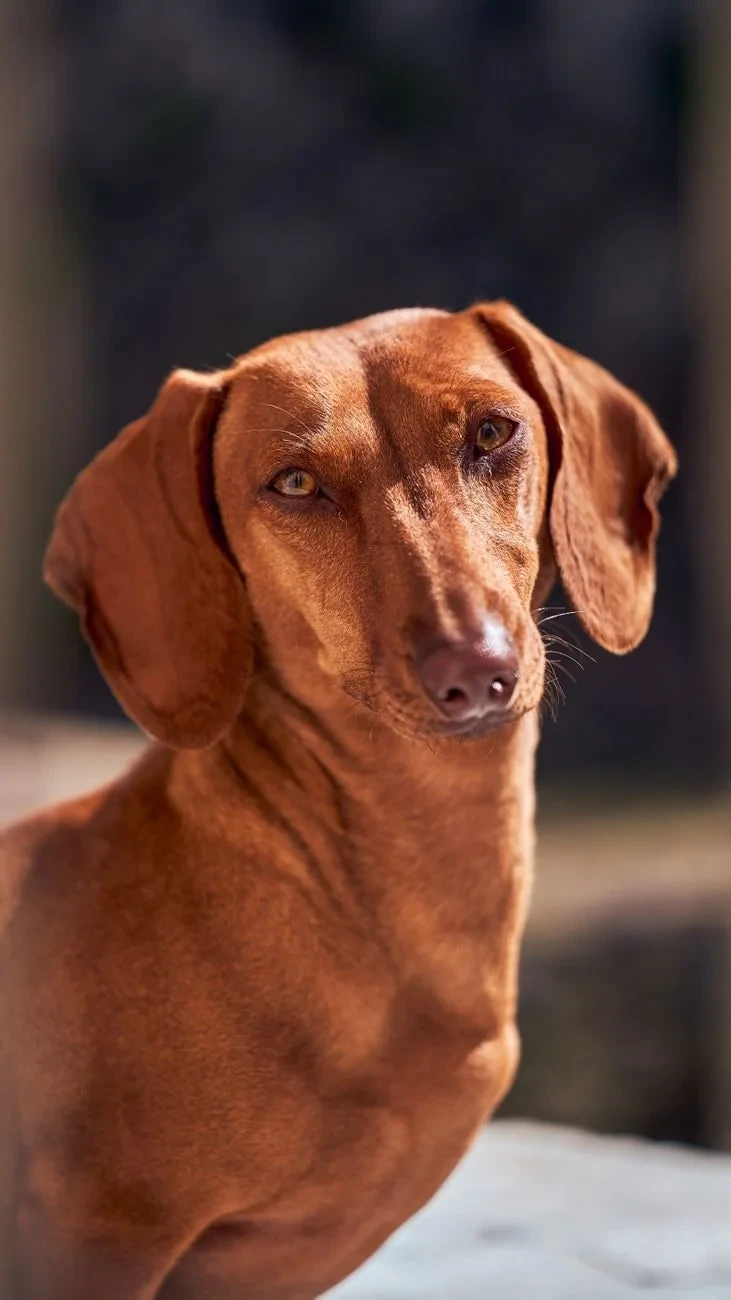
Sunlight catches a brown Dachshund's inquisitive face. The close-up reveals the charm in a dog's simple, direct gaze.
Photograph by Willians Huerta, via Pexels.
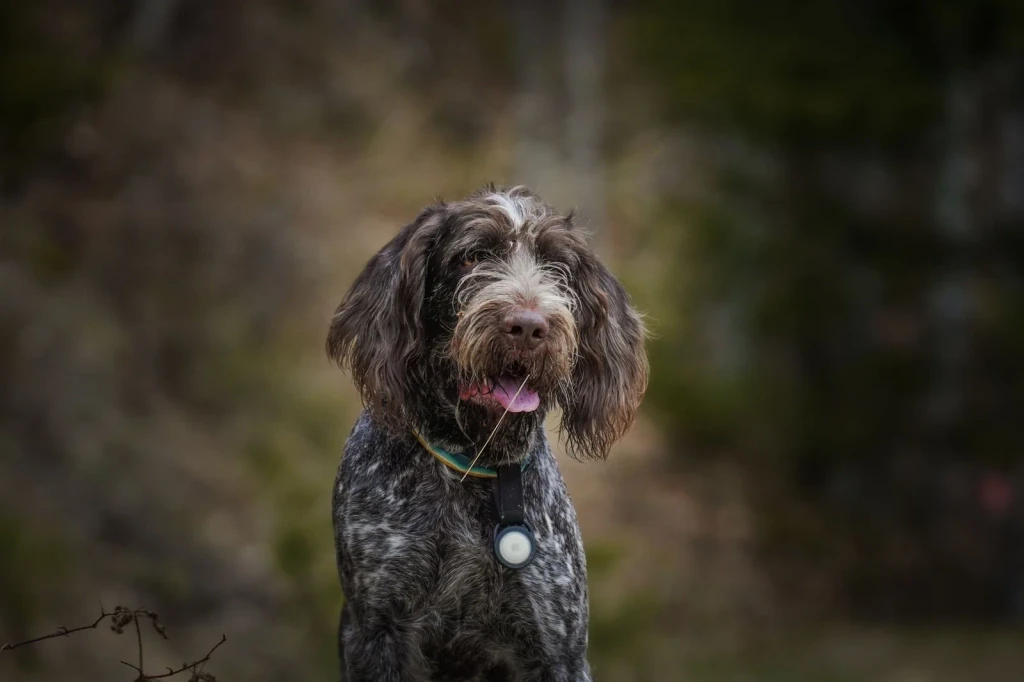
A brown wirehaired dog stands outdoors, slightly out of focus behind. A spare portrait of canine form.
Photograph by Andreas Schnabl, via Pexels.
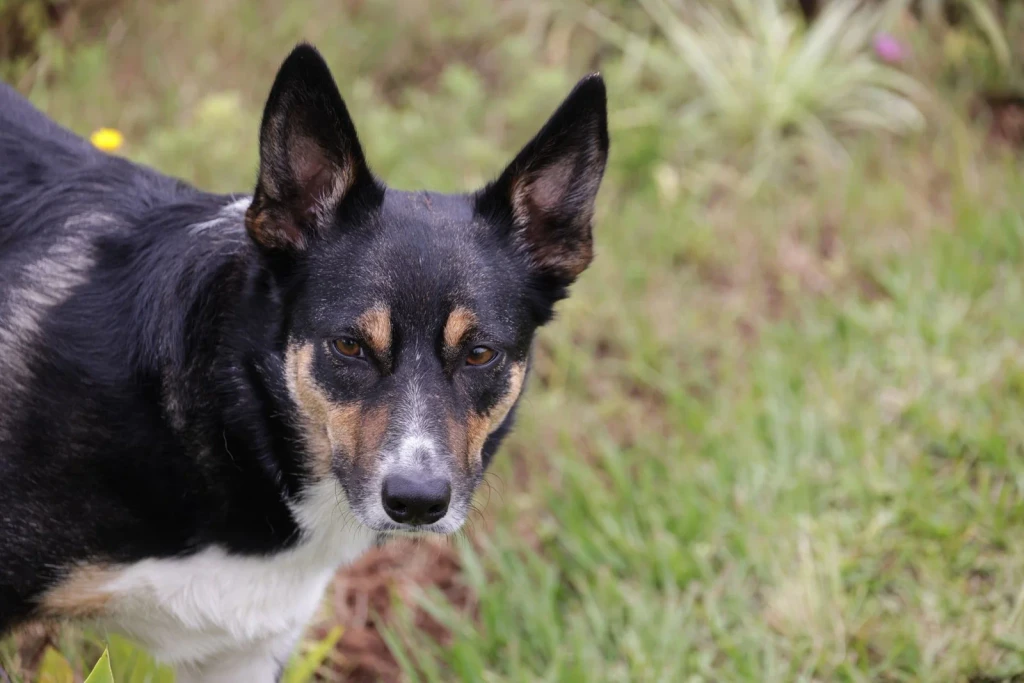
A Border Collie stands watchful on grass. The close-up captures the intensity and focus this breed is known for.
Photograph by Magda Ehlers, via Pexels.
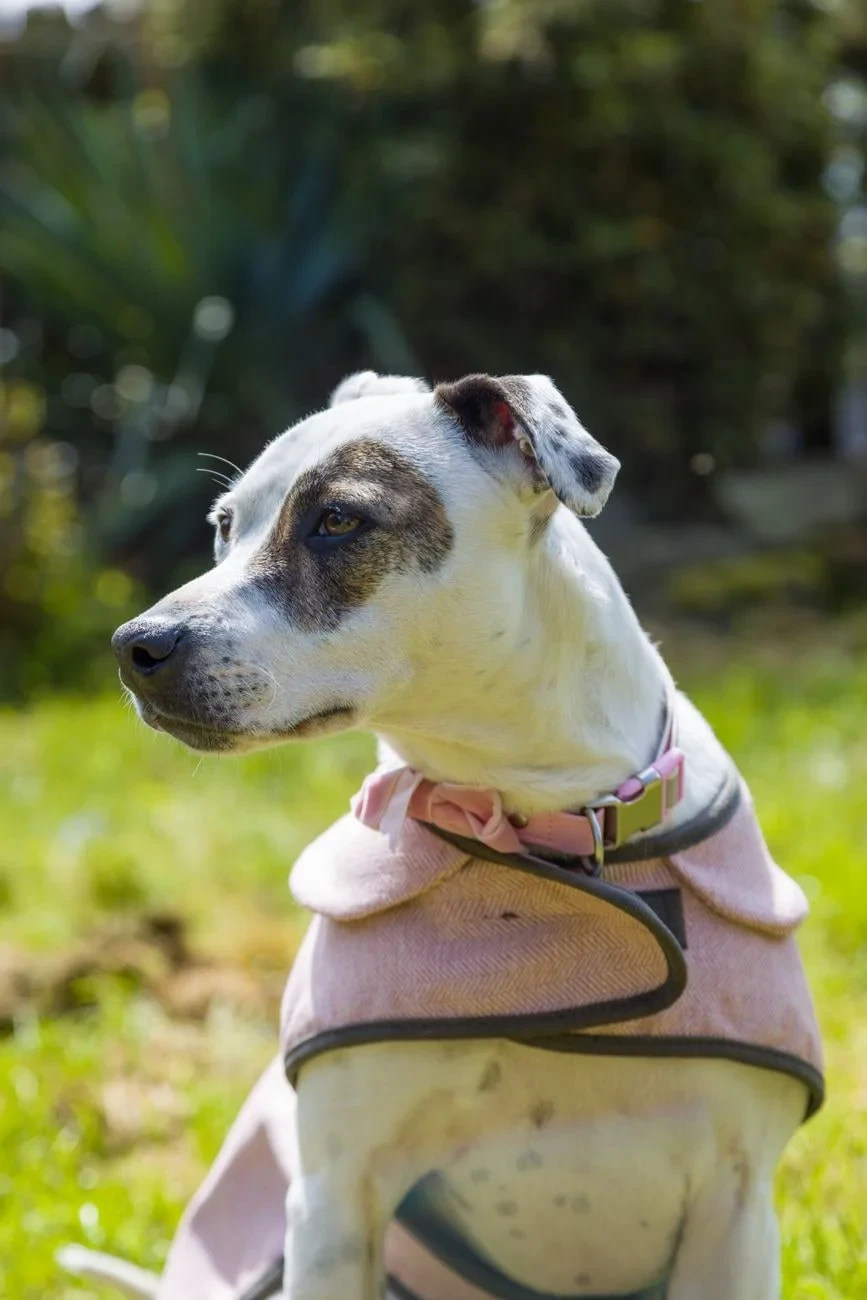
A dog wearing a pink coat sits on grass in a sunny park. The photograph captures a calm moment between dog and environment.
Photograph by William Sutherland, via Pexels.
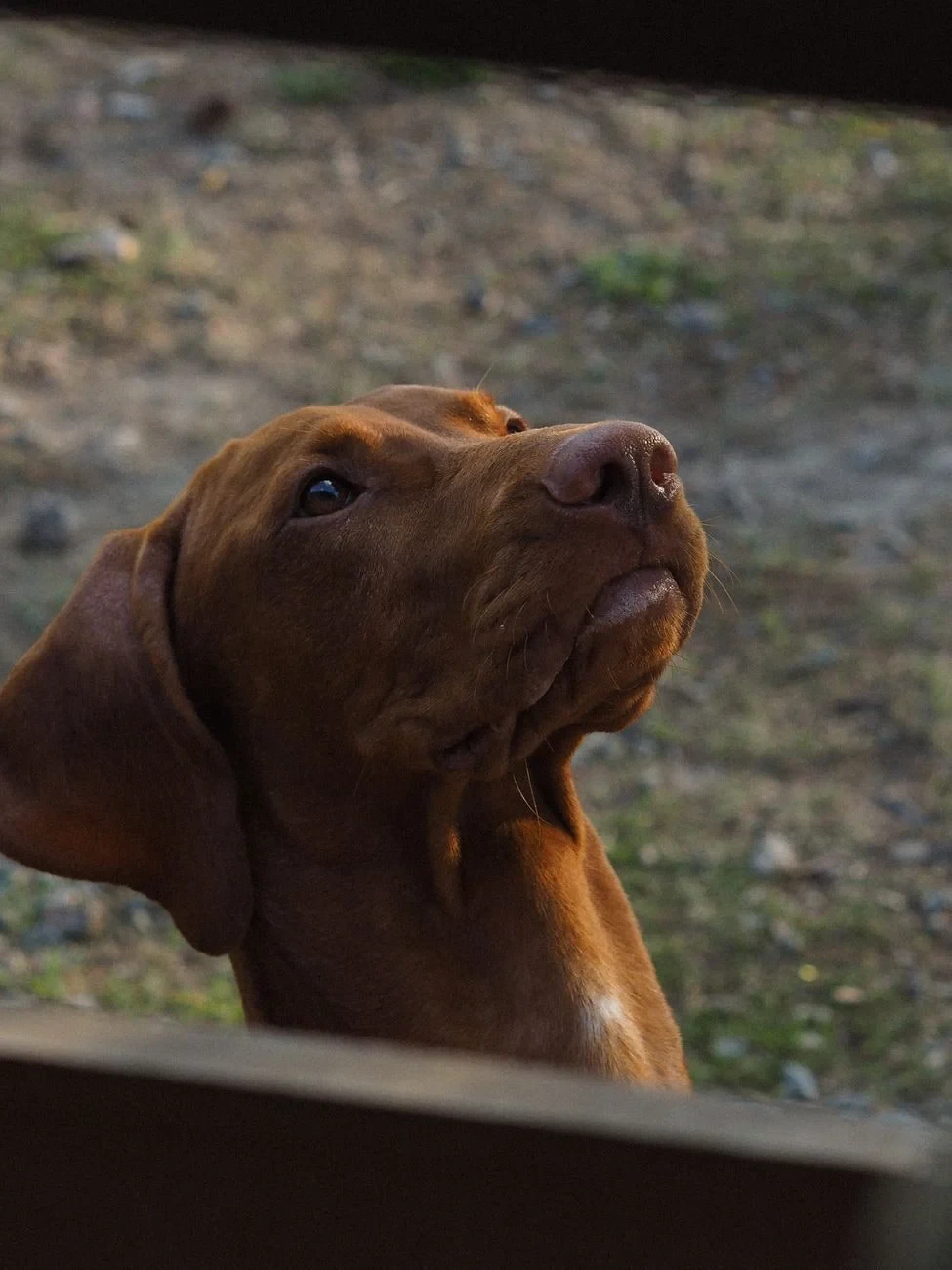
A brown Vizsla looks skyward in this close-up portrait. The dog's attentiveness draws us into a quiet moment of observation.
Photograph by Nadin Sh, via Pexels.
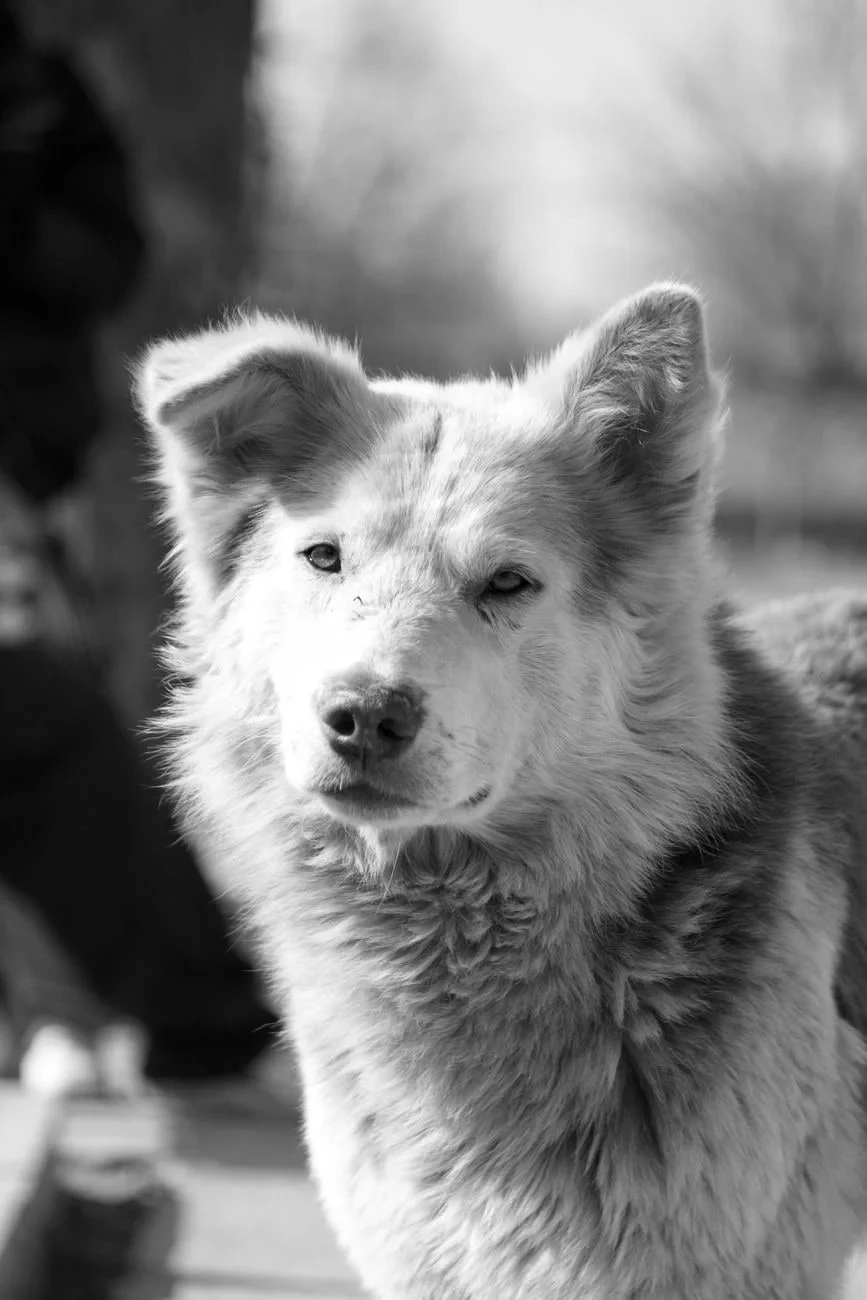
A close-up study of a fluffy dog outdoors. The photograph captures fine detail in black and white, focusing on the subject's features and texture.
Photograph by Vitalina Parpalak, via Pexels.
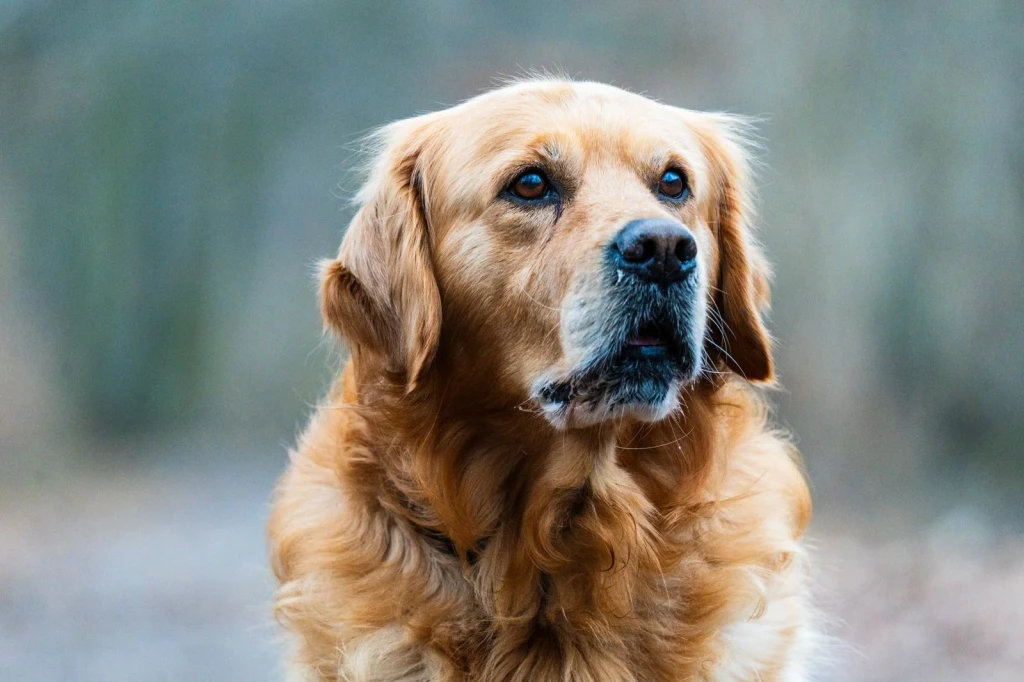
A close-up portrait capturing a dog's focused gaze outdoors. The photograph finds quiet intensity in a moment of attention.
Photograph by Masood Aslami, via Pexels.
