3D Gallery
How Greece and Rome Built an Ideal Body
Enter gallery
How Greece and Rome Built an Ideal Body is a 3D virtual gallery on MyGallery3D, a walkable online exhibition of 16 works. Step inside and explore it in your browser: no app, no headset.
Welcome to a 3D virtual gallery you can walk through in your browser, exploring the art of ancient Greece and Rome. These two civilizations shaped Western visual culture for over a thousand years.
Over 100,000 Greek painted vases survive today, more than almost any other ancient art form. Yet nearly all Greek painting on walls and panels is lost. Most "Greek" sculptures we know are actually Roman marble copies. What we call the classical ideal is largely a reconstruction, pieced together from copies, fragments, and clay.
What survives is an accident of materials. Greek pottery and coins endure in huge quantities. Stone sculpture persists, though most originals are lost. Almost all panel painting, fine metalwork, and wood has vanished. Roman wall paintings survive mainly from Pompeii and Herculaneum, preserved by volcanic ash. The Fayum mummy portraits from Roman Egypt are nearly the only painted portraits to reach us, likely far below the quality of masterworks that once filled temples and palaces.
Greek potters fired their vases only once, manipulating oxygen in the kiln to turn iron-rich clay slip black or red. In black-figure painting, figures were painted in slip against the natural clay. Around 530 BC, Athenian painters reversed this, leaving figures in red against a black ground. This red-figure technique allowed finer detail and slowly replaced its predecessor. By the 5th century BC, pottery had become an industry and painting on vases ceased to be a major art form.
Romans preserved Greek art by copying it on a massive scale, yet Roman art was no mere imitation. It was a creative pastiche drawing on Greek, Etruscan, and Egyptian sources. Rome's own innovations included realistic landscape painting with early perspective techniques, the development of portrait busts, and vast decorative programmes in mosaic and wall painting. Wealthy Romans decorated entire homes with art, making visual culture part of daily life in ways Greek city-states never attempted.
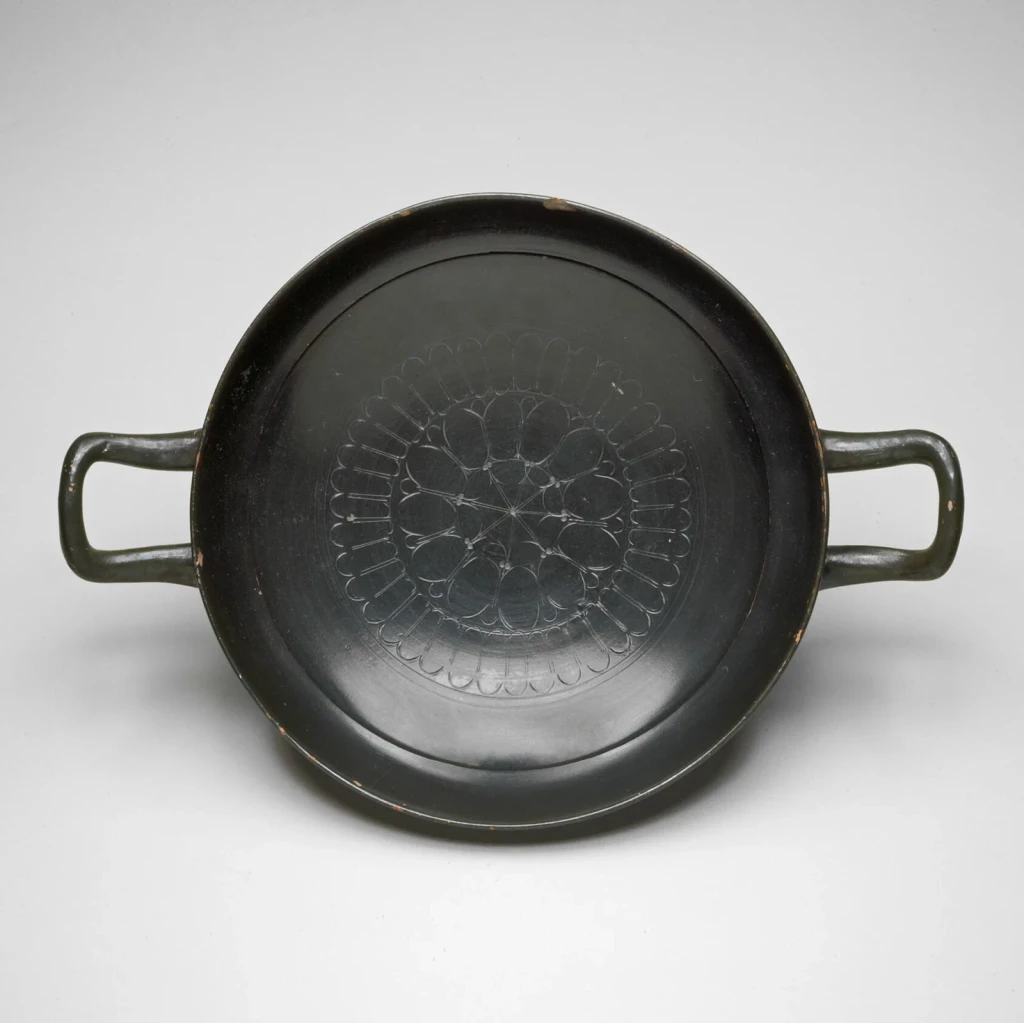
Ancient Greek, 460-450 BCE
terracotta, black-glaze · Cales
Gift of Philip D. Armour and Charles L. Hutchinson · Ancient Greek on Wikipedia
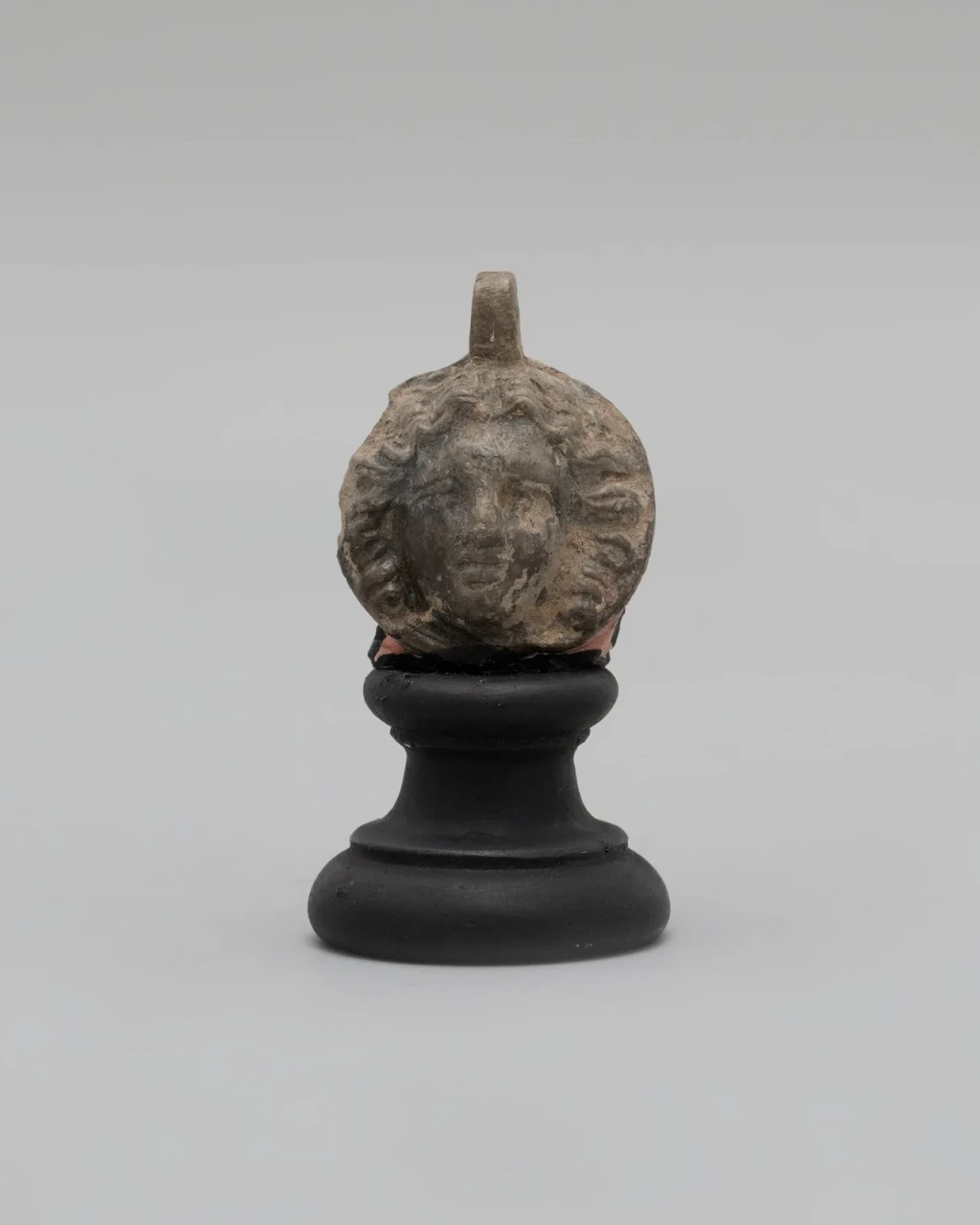
Ancient Greek, 2nd-1st century BCE
terracotta · Greece
Museum Purchase Fund · Ancient Greek on Wikipedia
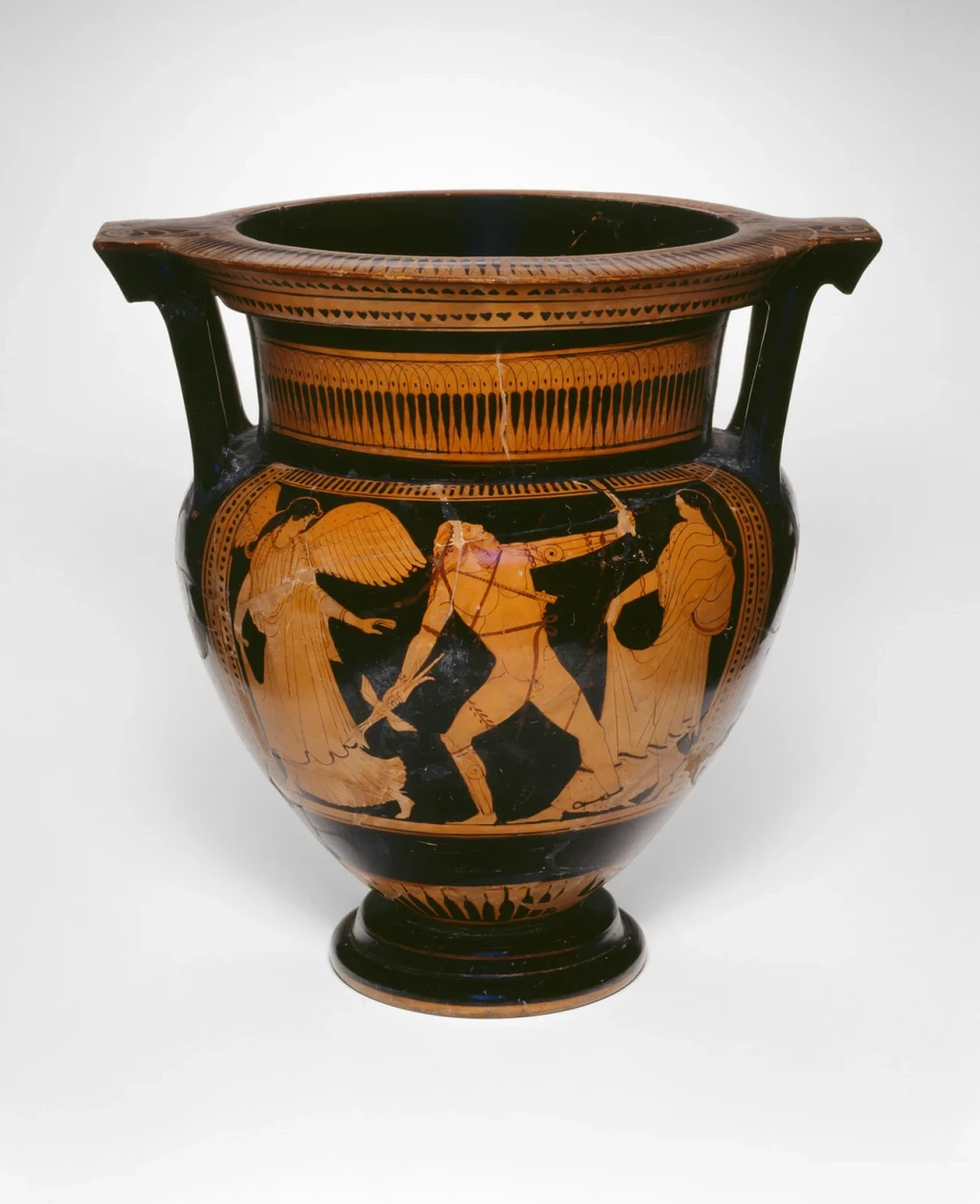
Ancient Greek, about 460 BCE
terracotta, red-figure · Athens
Gift of Philip D. Armour and Charles L. Hutchinson · Ancient Greek on Wikipedia
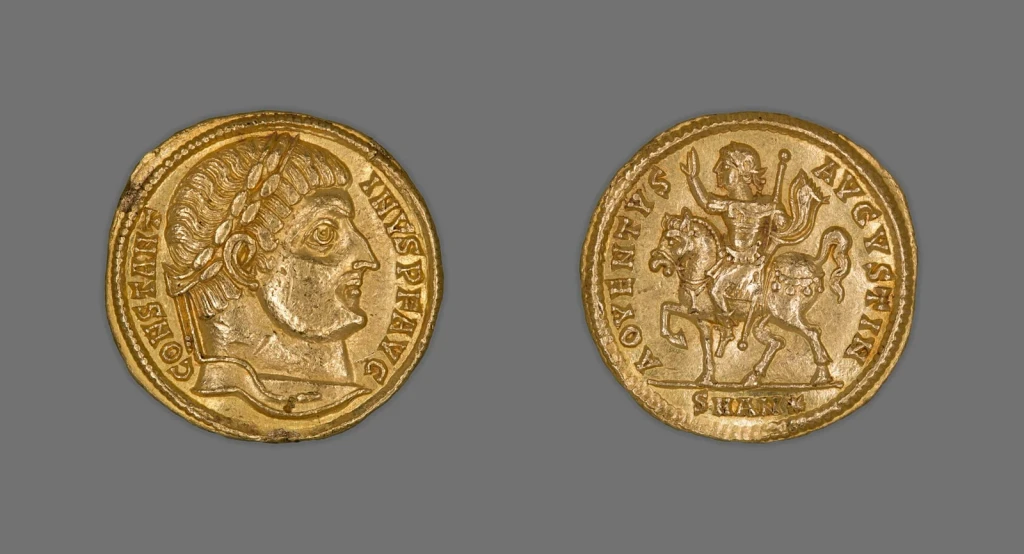
Ancient Roman, Late 324-early 325, issued by Constantine I
Gold · Antioch
Gift of Martin A. Ryerson · Ancient Rome on Wikipedia
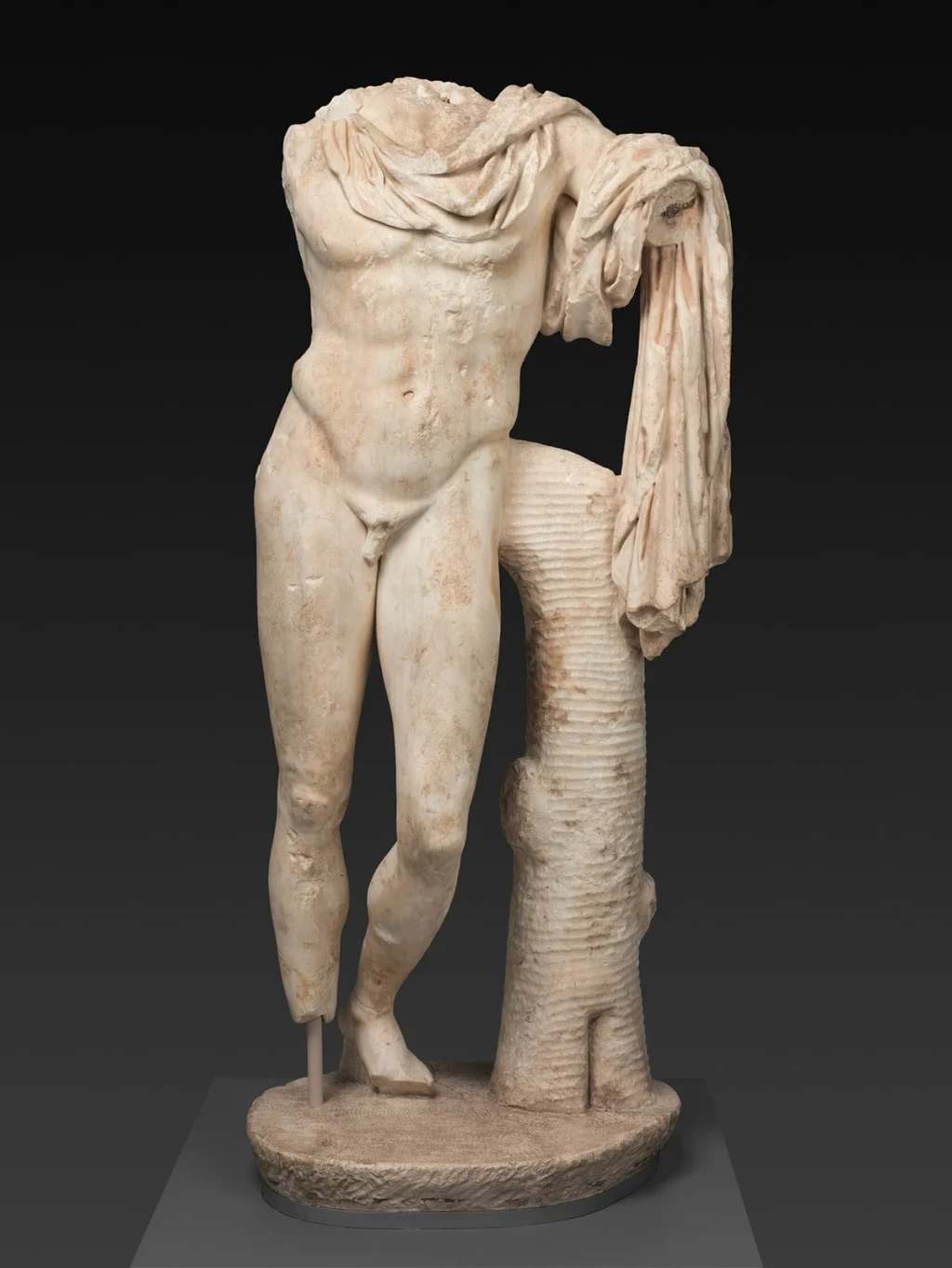
Ancient Roman, 1st-2nd century
Marble · Roman Empire
Gift of Mr. and Mrs. Eugene A. Davidson · Ancient Rome on Wikipedia
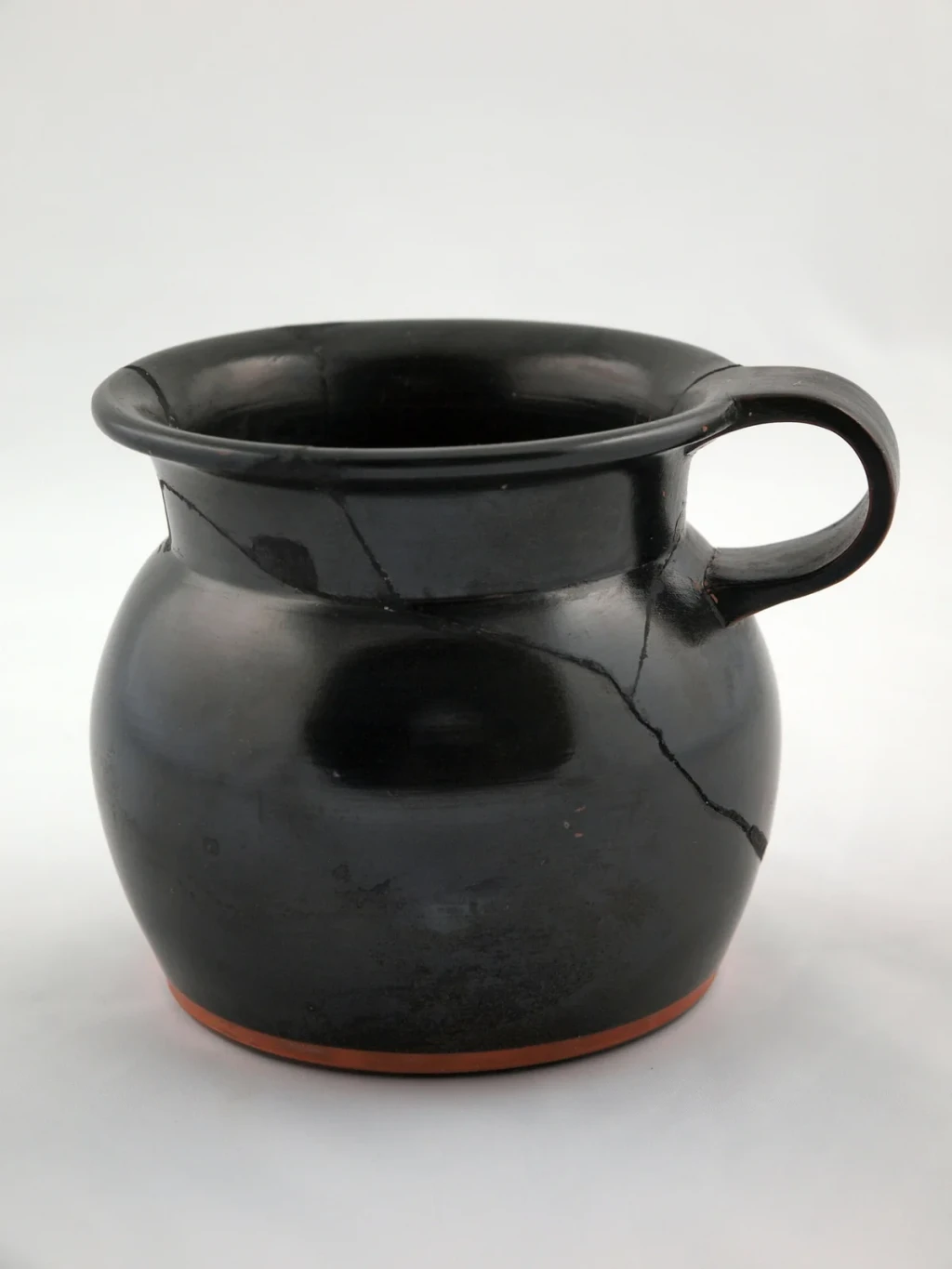
Ancient Greek, about 460 BCE
terracotta, black-glaze · Greece
Gift of Philip D. Armour and Charles L. Hutchinson · Ancient Greek on Wikipedia
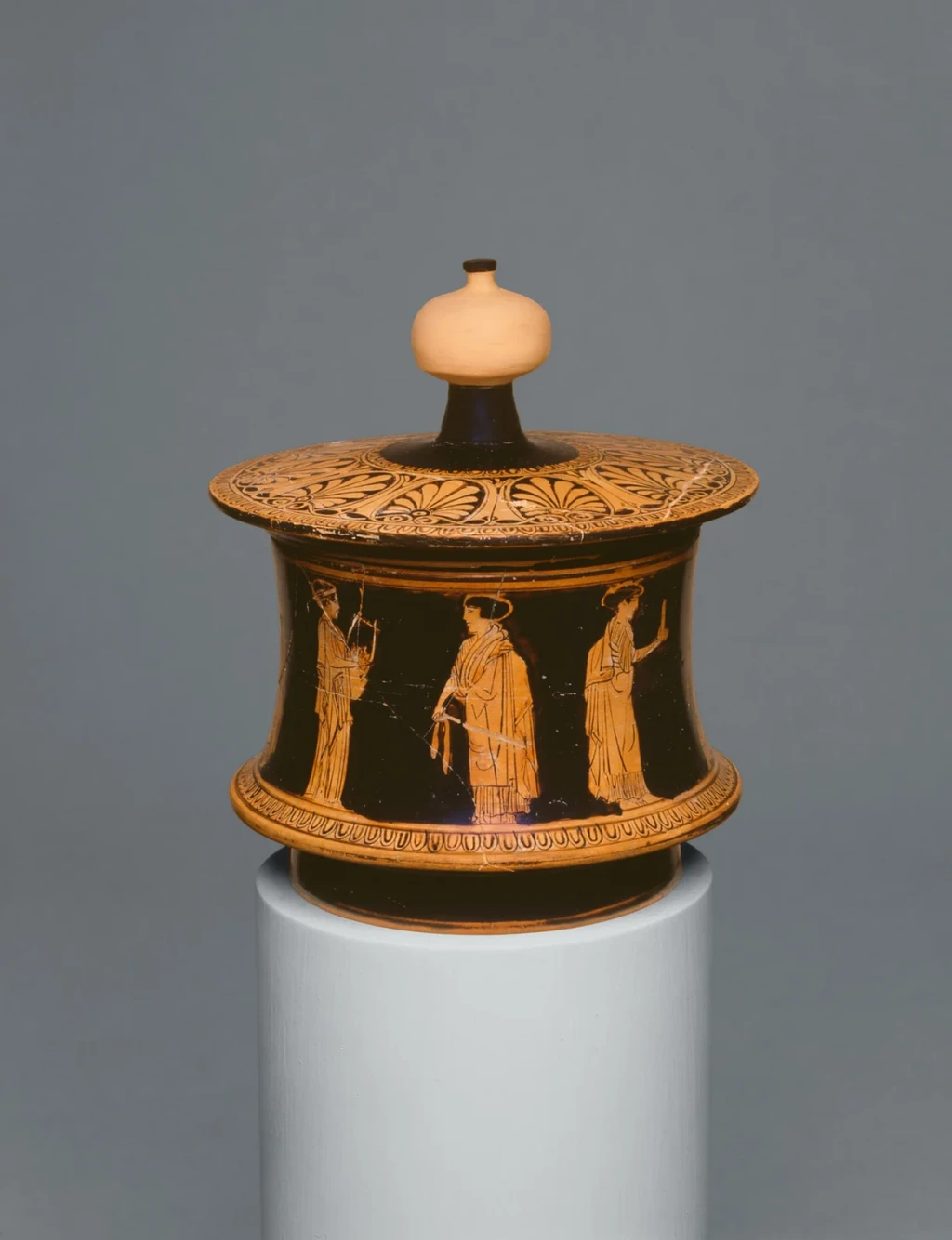
Ancient Greek, 430-420 BCE
terracotta, red-figure · Athens
Gift of Charles L. Hutchinson · Ancient Greek on Wikipedia
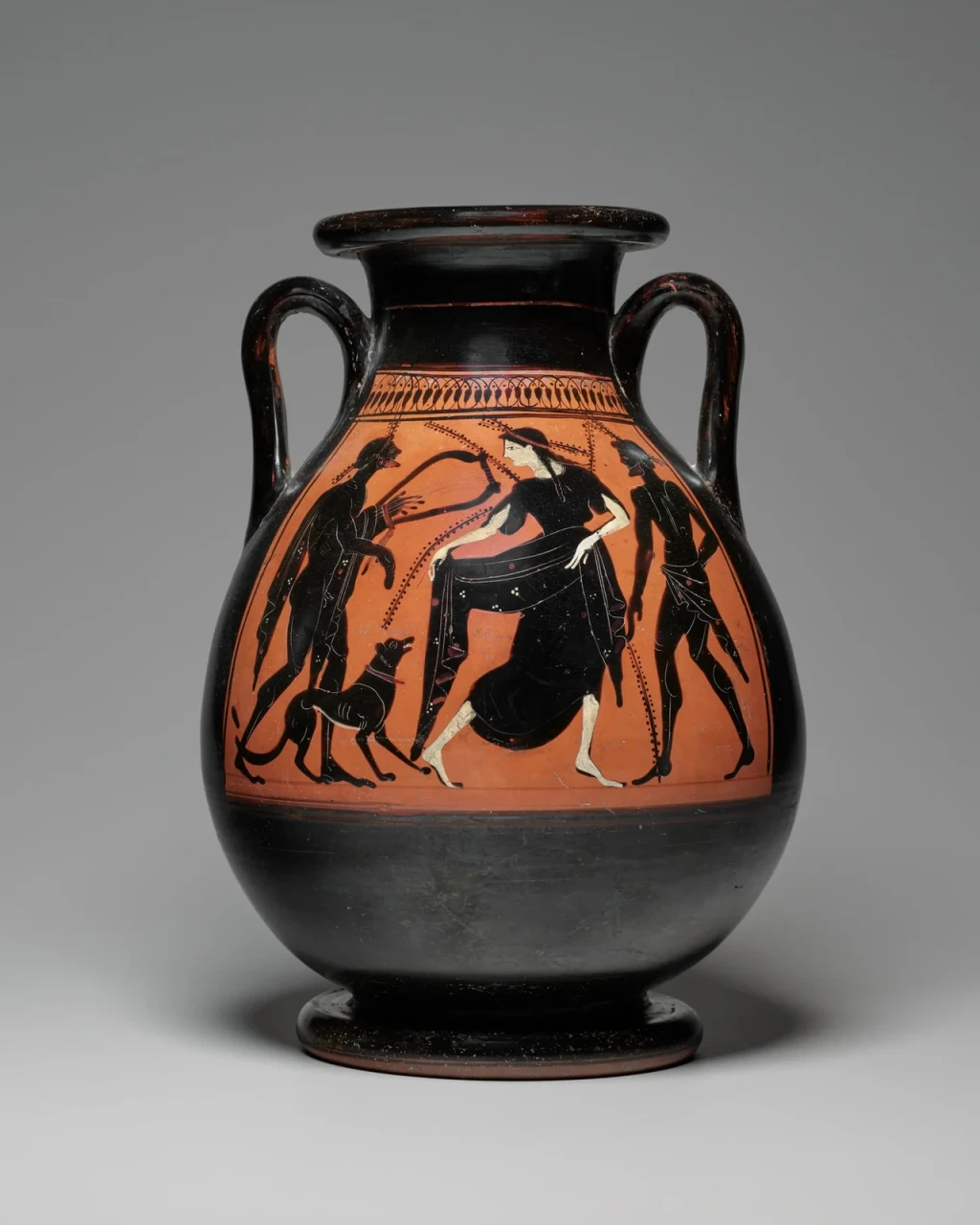
Ancient Greek, about 510-500 BCE
terracotta, black-figure with applied paint · Greece
Gift of Philip D. Armour and Charles L. Hutchinson · Ancient Greek on Wikipedia
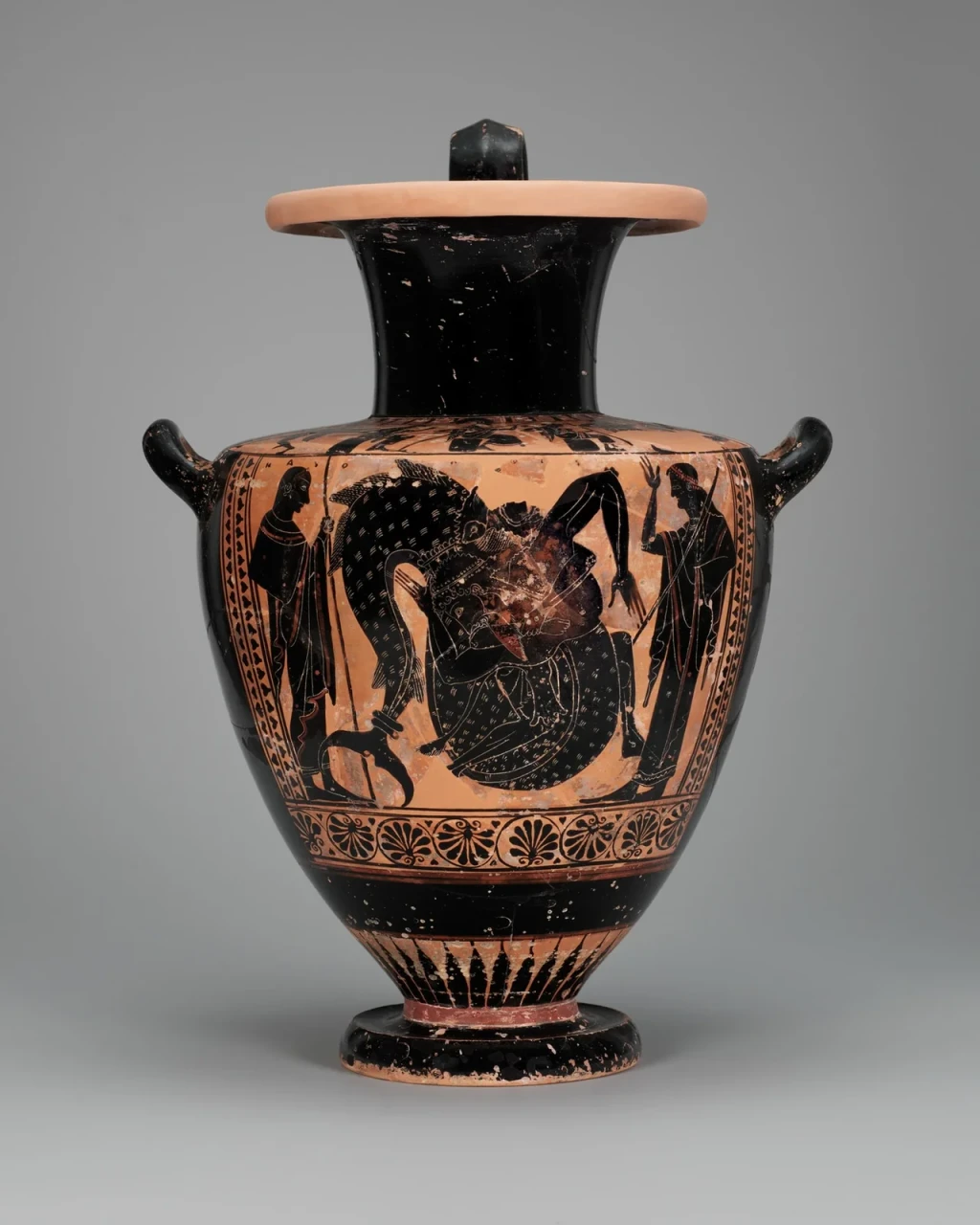
Ancient Greek, about 515-500 BCE
terracotta, black-figure · Athens
Gift of Philip D. Armour and Charles L. Hutchinson · Ancient Greek on Wikipedia
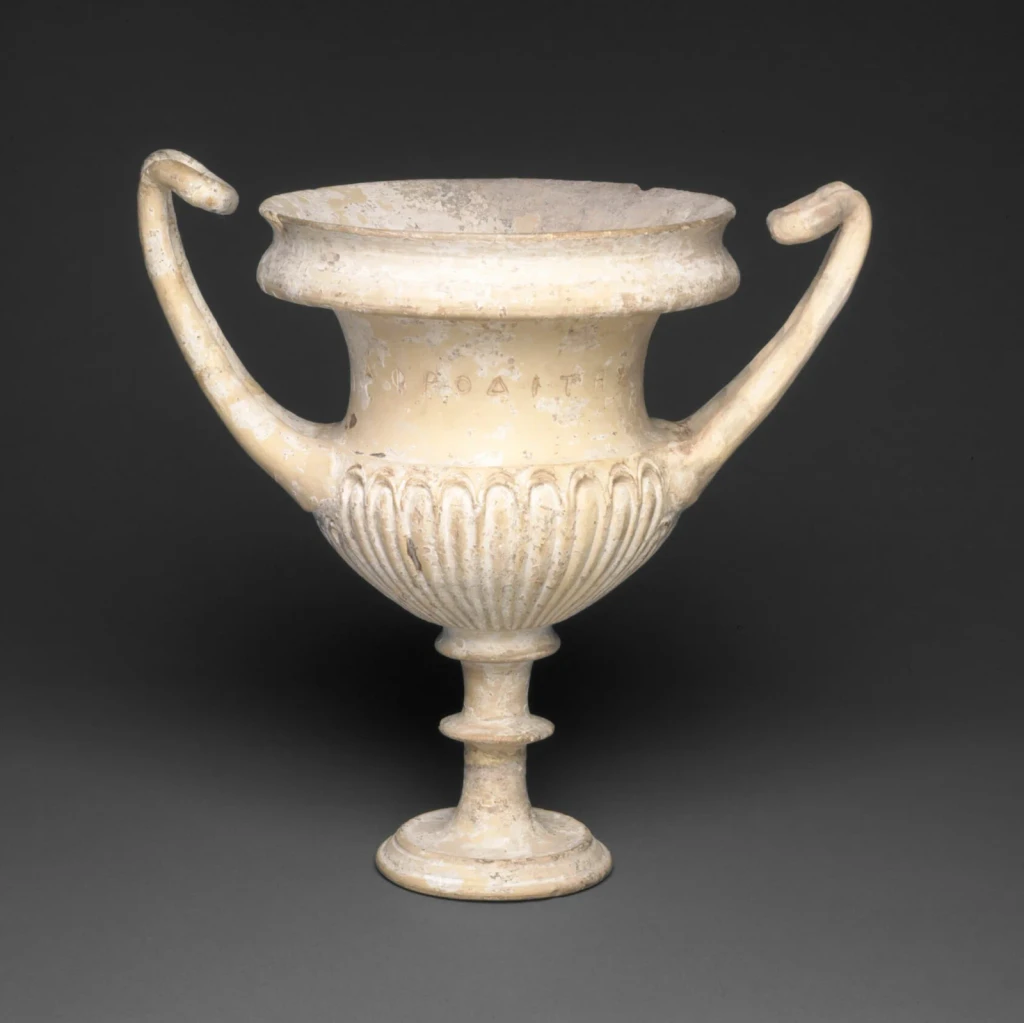
Ancient Greek, 310-280 BCE
Terracotta with traces of gilding · Apulia
Gift of Philip D. Armour and Charles L. Hutchinson · Ancient Greek on Wikipedia
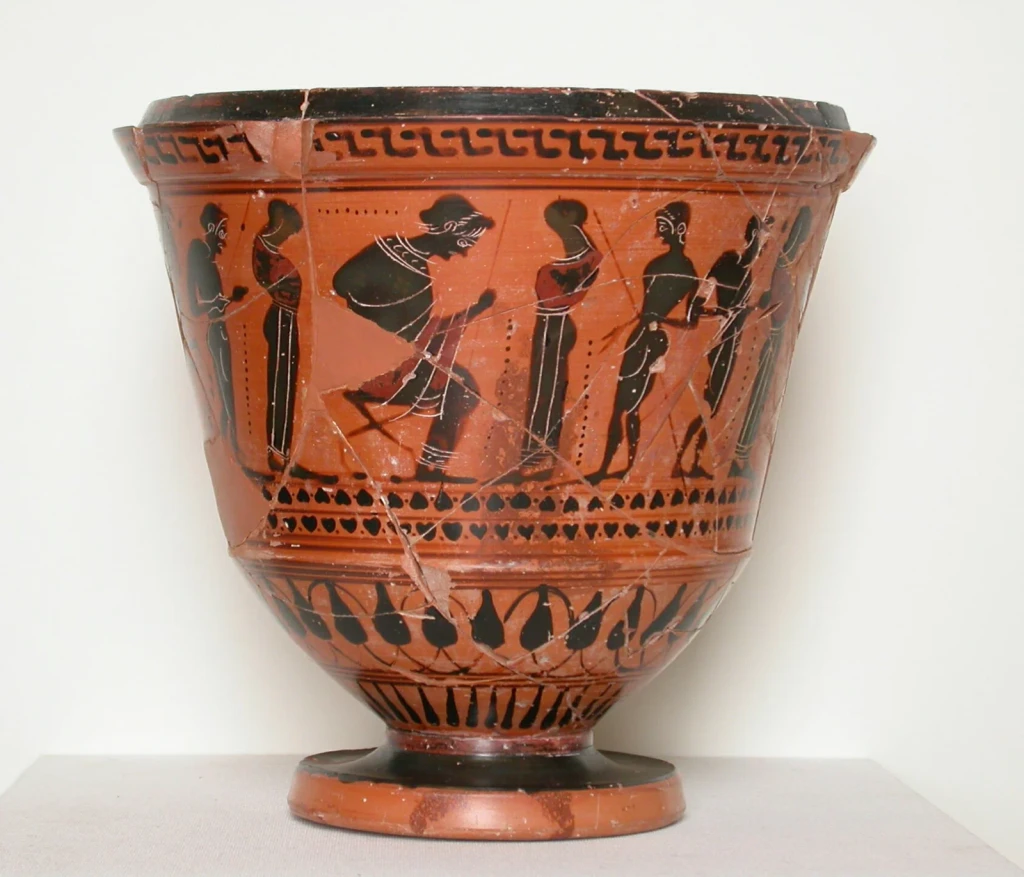
Ancient Greek, late 6th century BCE
terracotta, black-figure · Greece
Gift of Philip D. Armour and Charles L. Hutchinson · Ancient Greek on Wikipedia
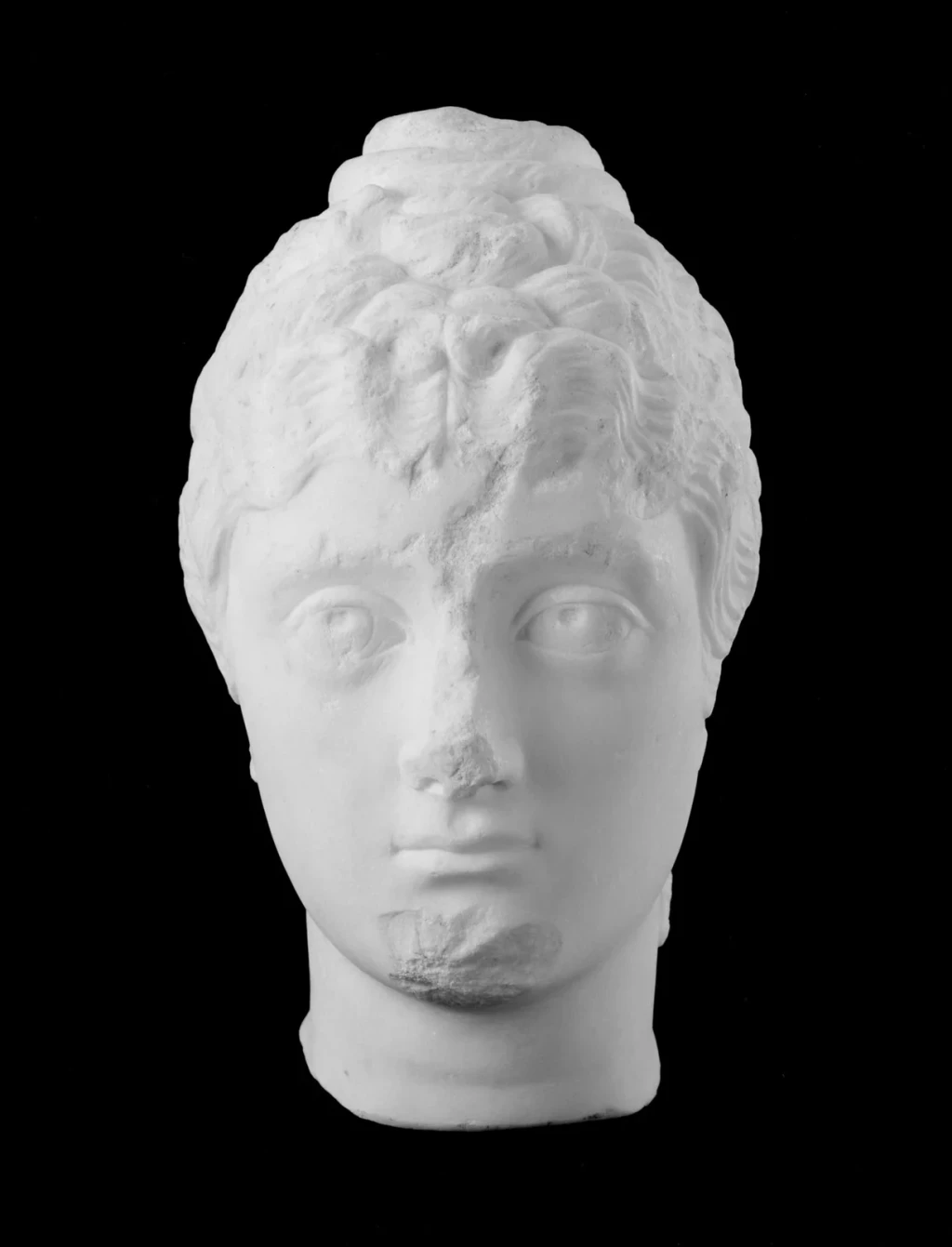
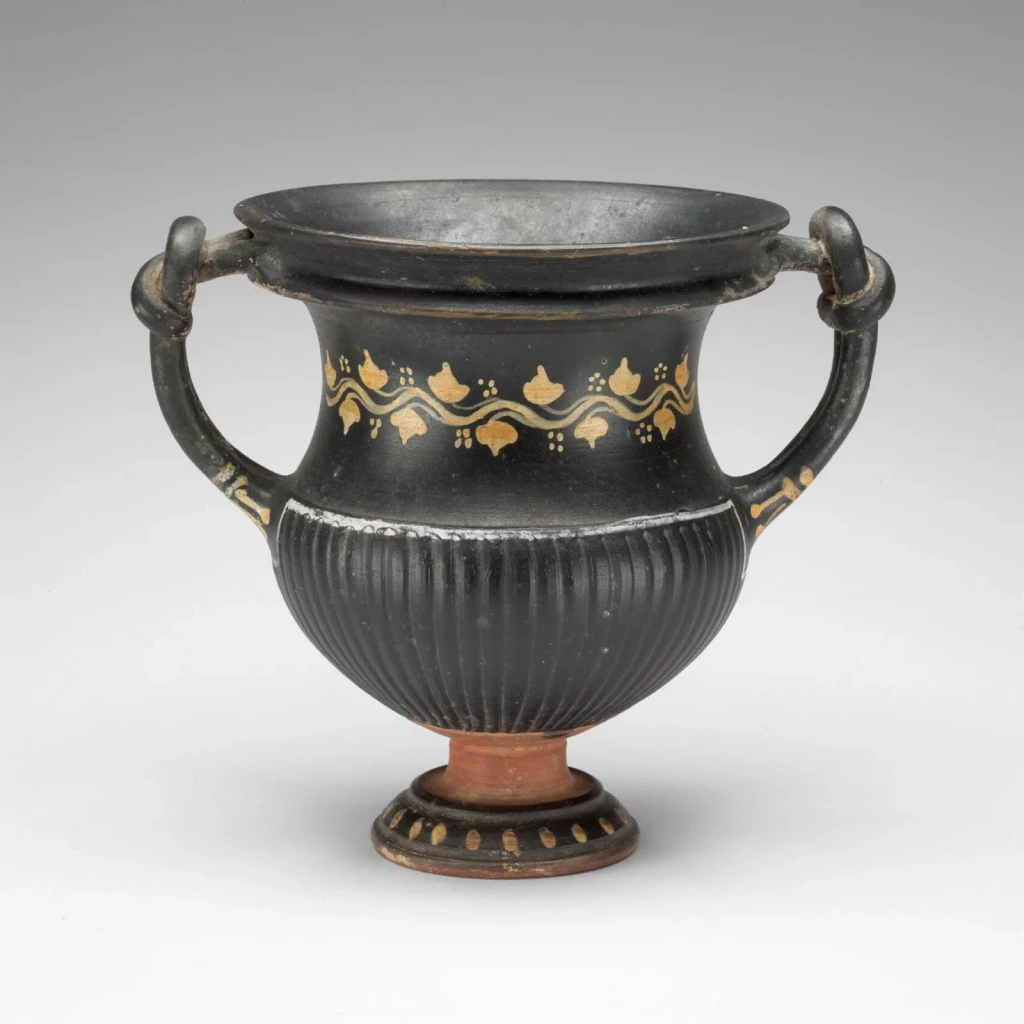
Ancient Greek, 300-275 BCE
terracotta, Late Gnathia ware · Apulia
Gift of Philip D. Armour and Charles L. Hutchinson · Ancient Greek on Wikipedia
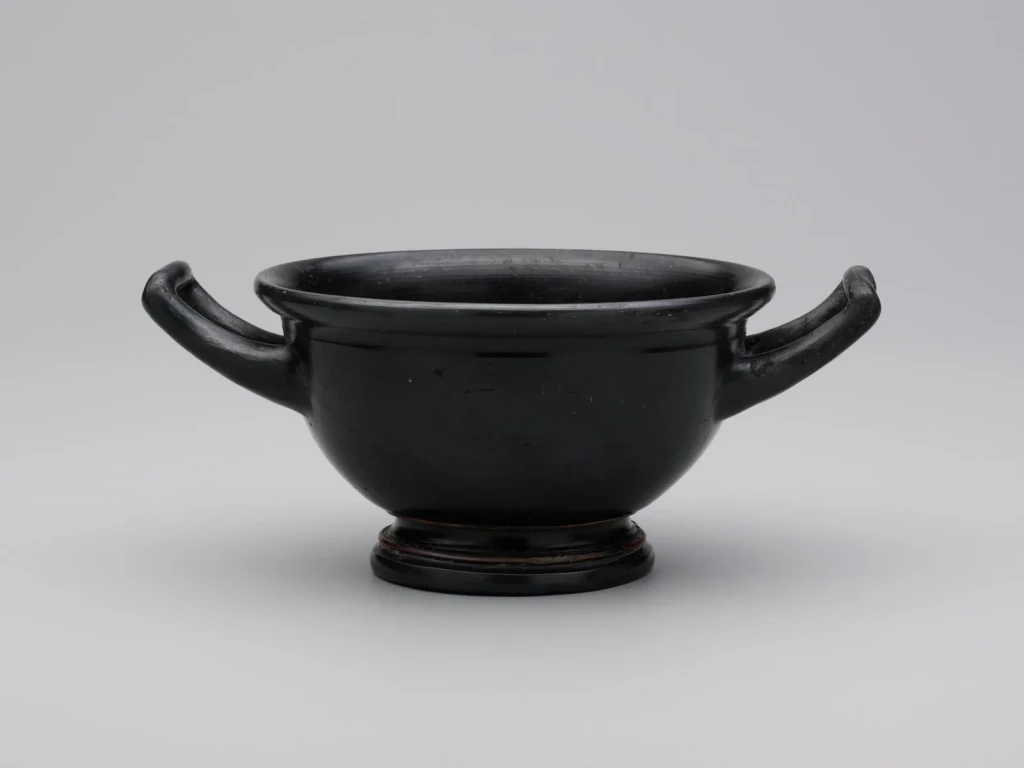
Ancient Greek, 410-400 BCE
terracotta, black-glaze with impressed decoration · Cales
Gift of Philip D. Armour and Charles L. Hutchinson · Ancient Greek on Wikipedia
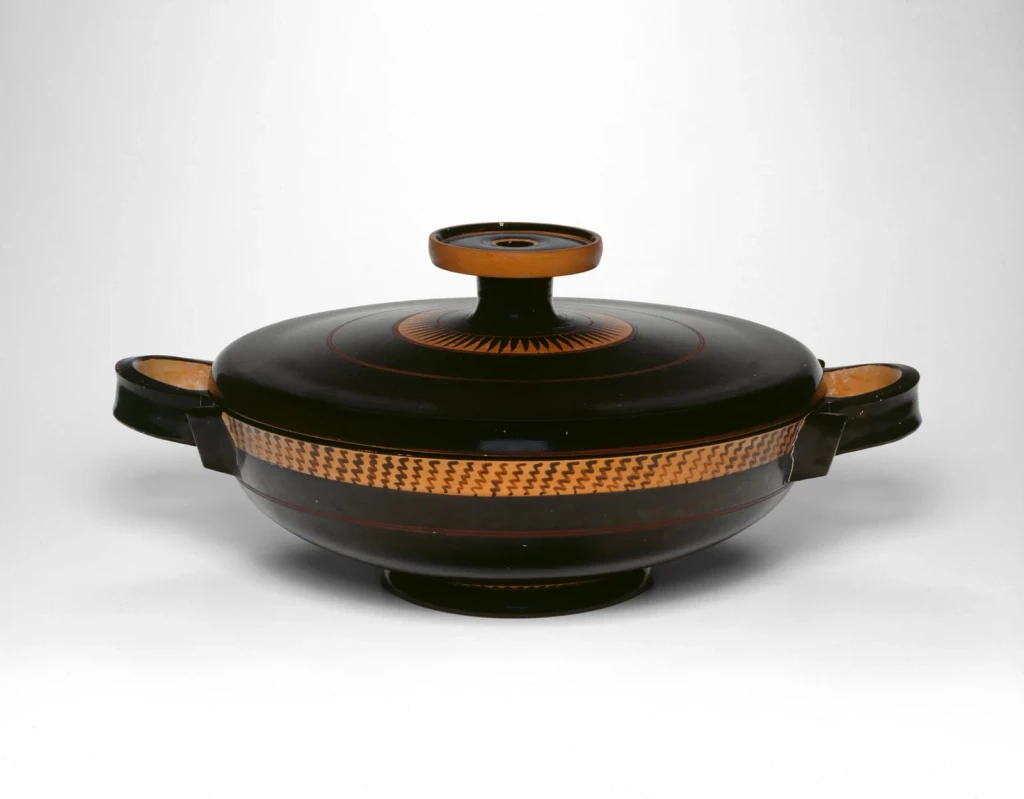
Ancient Greek, 450-430 BCE
terracotta, black-glaze · Greece
Gift of Charles L. Hutchinson · Ancient Greek on Wikipedia
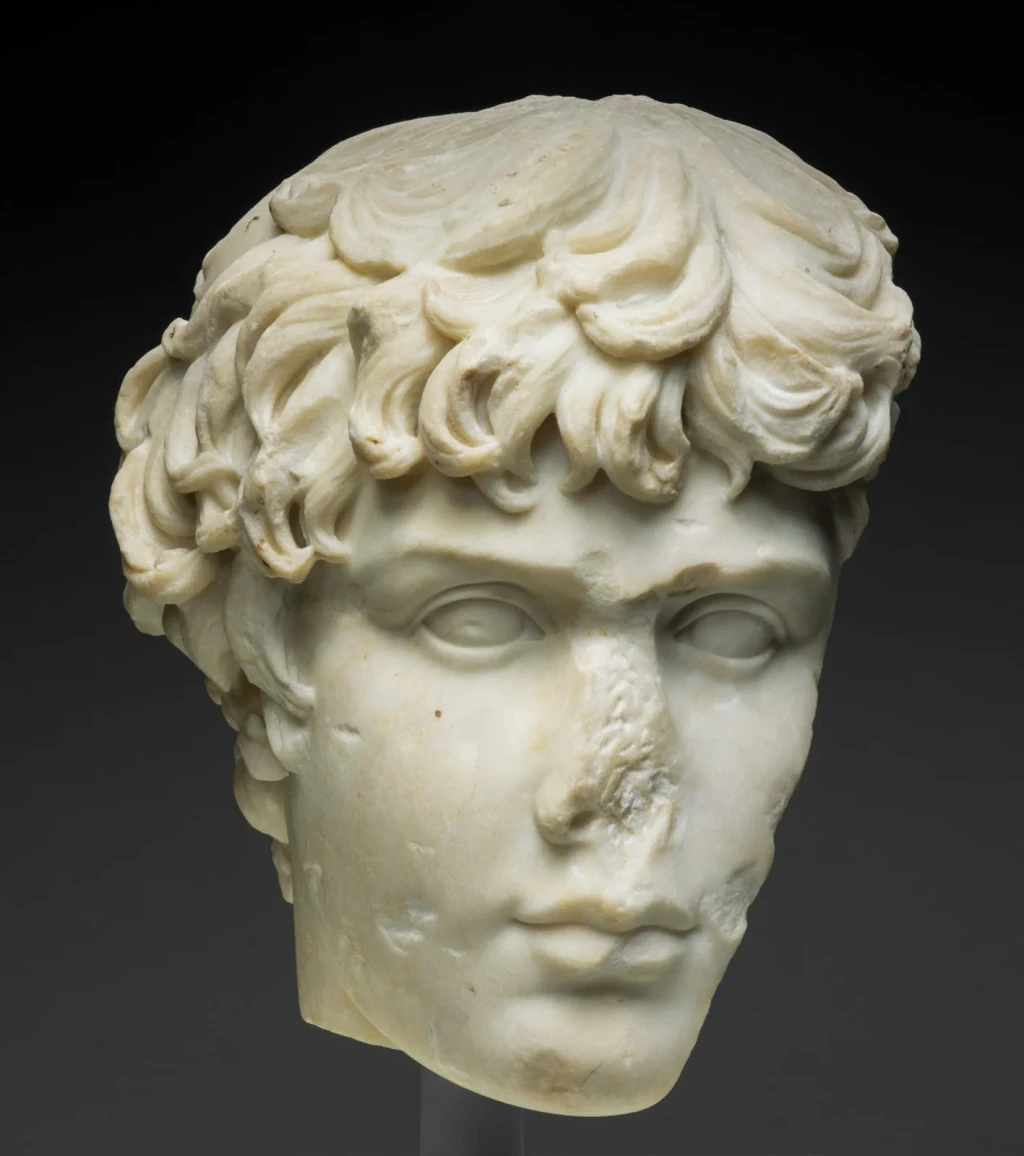
Ancient Roman, about 130-138
Marble · Italy
Gift of Mrs. Charles L. Hutchinson · Ancient Rome on Wikipedia
