3D Gallery
Who Invented the Landscape?
Enter gallery
Who Invented the Landscape? is a 3D virtual gallery on MyGallery3D, a walkable online exhibition of 18 works. Step inside and explore it in your browser: no app, no headset.
Welcome to a 3D virtual gallery you can walk through in your browser, tracing how Western and East Asian artists invented the landscape as a subject worth painting on its own.
The word landscape entered English around 1598, and it meant only one thing: a painting. It took decades before anyone used it to describe actual scenery. The land had to be framed on canvas before people learned to see it with their own eyes.
The Hudson River School made American landscape a spiritual act. Thomas Cole sailed up the Hudson in 1825 and hiked into the Catskills to paint the first landscapes of the area. His followers believed nature was a reflection of God. Thousands later paid admission to see single paintings by Frederic Edwin Church. The Barbizon school in France pushed artists outdoors, directly inspiring the Impressionists.
In the Chinese tradition of shan shui, meaning mountain-water, imaginary landscape was the most prestigious art form, often painted by scholar-amateurs and even emperors. In the West, landscape ranked near the bottom of the hierarchy of genres until the 19th century. Both traditions valued imagination most, but applied that principle to opposite subjects: history painting in Europe, wilderness in East Asia.
For centuries, trees and mountains were backdrops for religious or mythological figures. The earliest pure landscapes with no human figures at all are Minoan frescos from around 1500 BCE. In Europe, landscape only became a genre in the early 15th century, emerging through luxury illuminated manuscripts like the Très Riches Heures. Artists routinely promoted landscapes to higher status by dropping in small biblical figures.
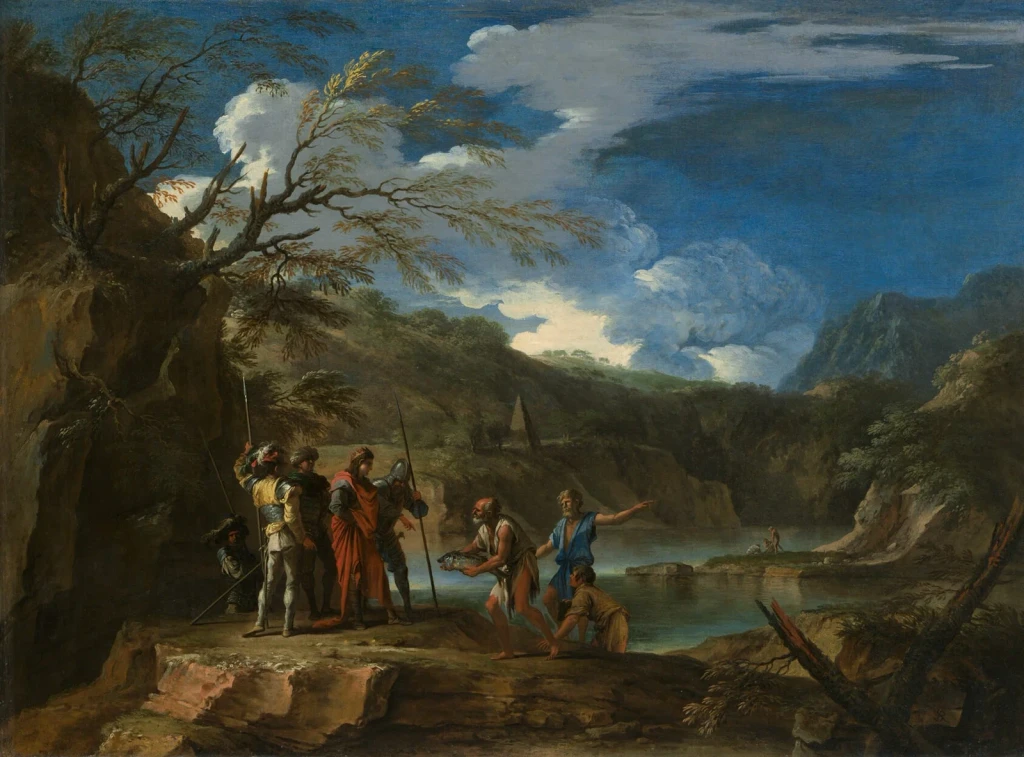
Salvator Rosa, 1664
Oil on canvas · Italy
Wentworth Greene Field Memorial Fund · Salvator Rosa on Wikipedia
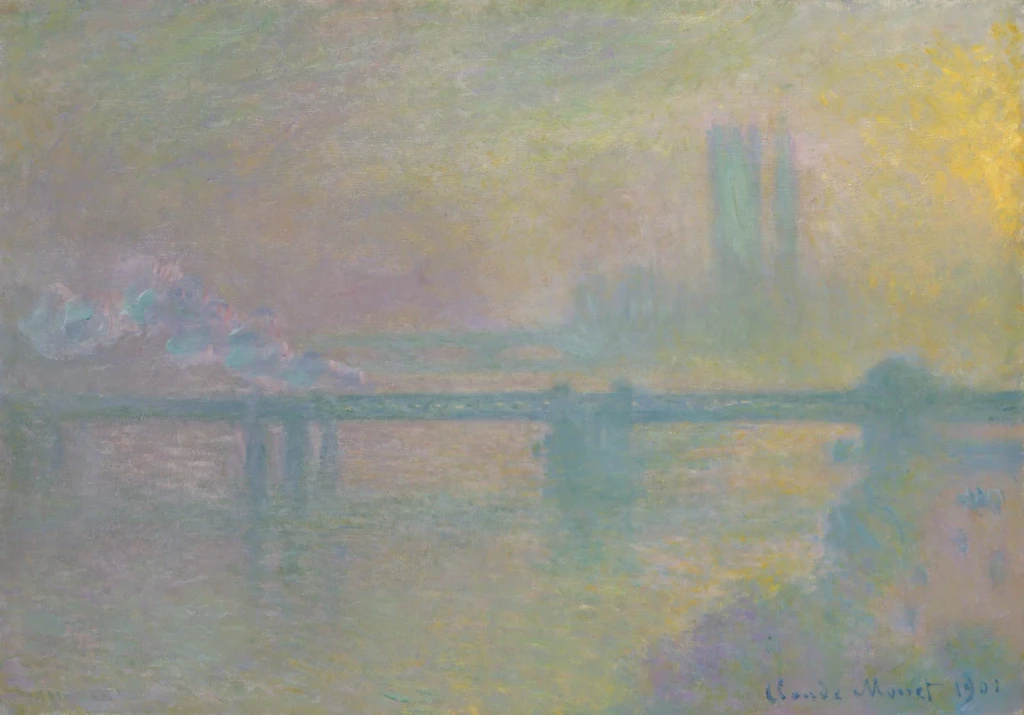
Claude Monet, 1901
Oil on canvas · France
Mr. and Mrs. Martin A. Ryerson Collection · Claude Monet on Wikipedia
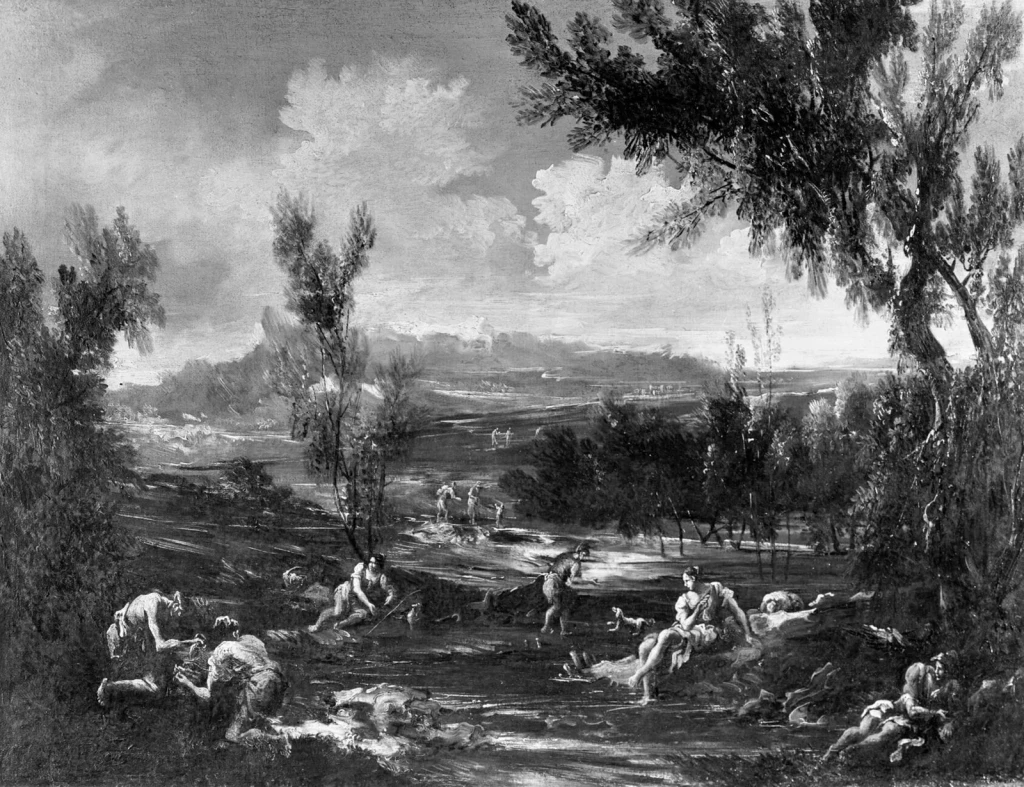
Alessandro Magnasco, c. 1700
Oil on canvas · Italy
Charles H. and Mary F. S. Worcester Collection · Alessandro Magnasco on Wikipedia
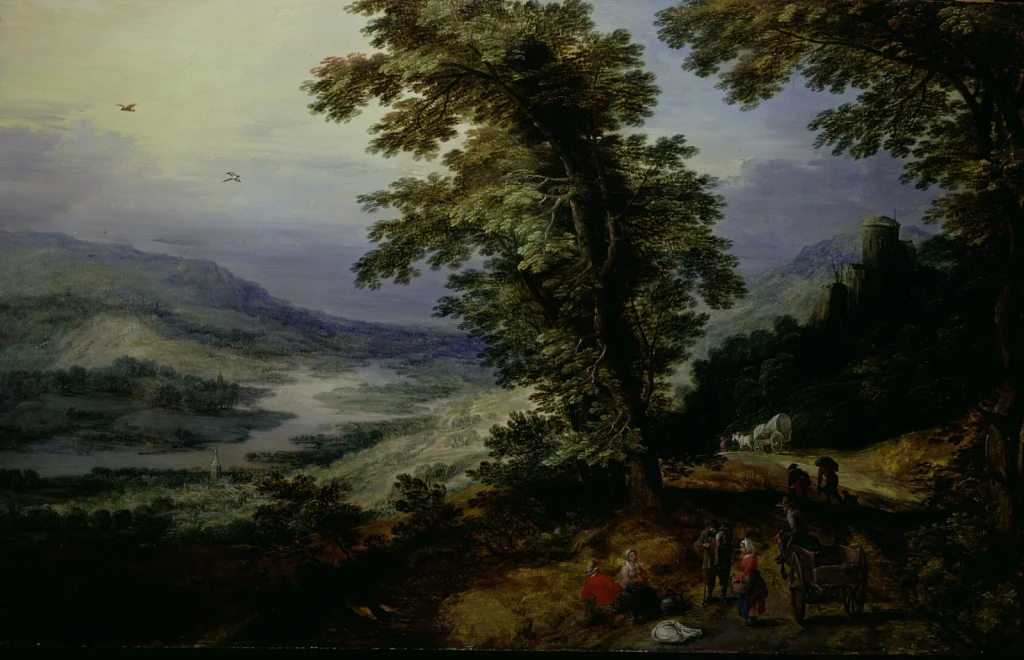
Joos de Momper, II, c. 1615
Oil on cradled panel · Flanders
Mr. and Mrs. Martin A. Ryerson Collection
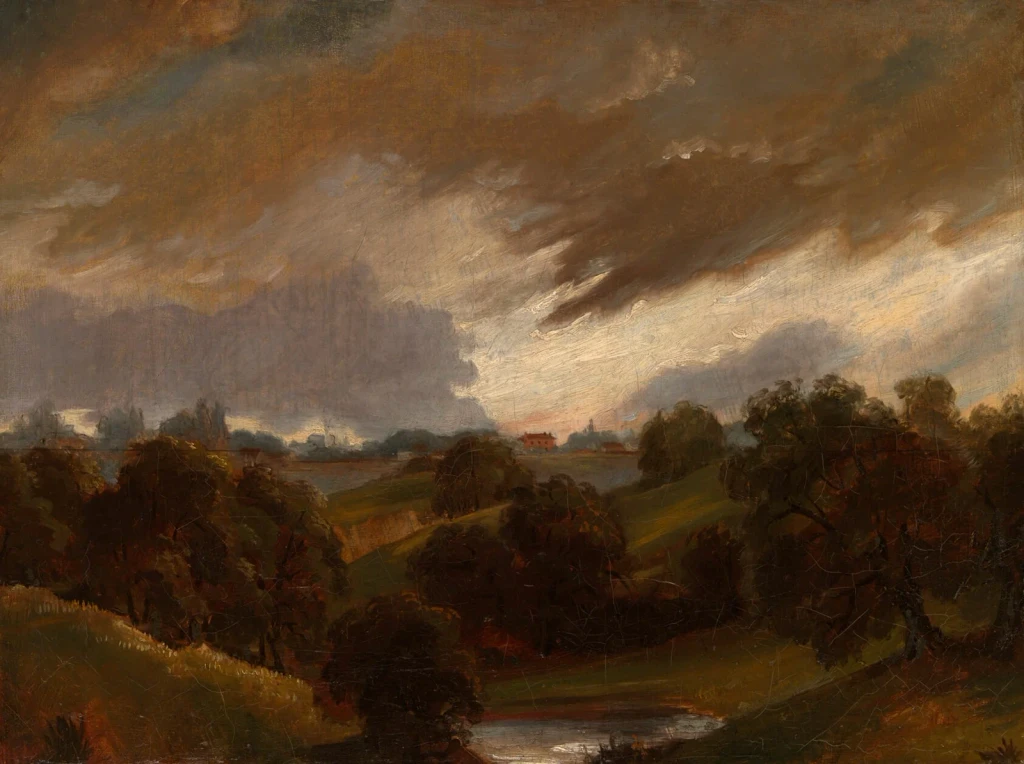
Style of John Constable, 1814
Oil on canvas · England
Gift of Mr. and Mrs. Anthony L. Michel
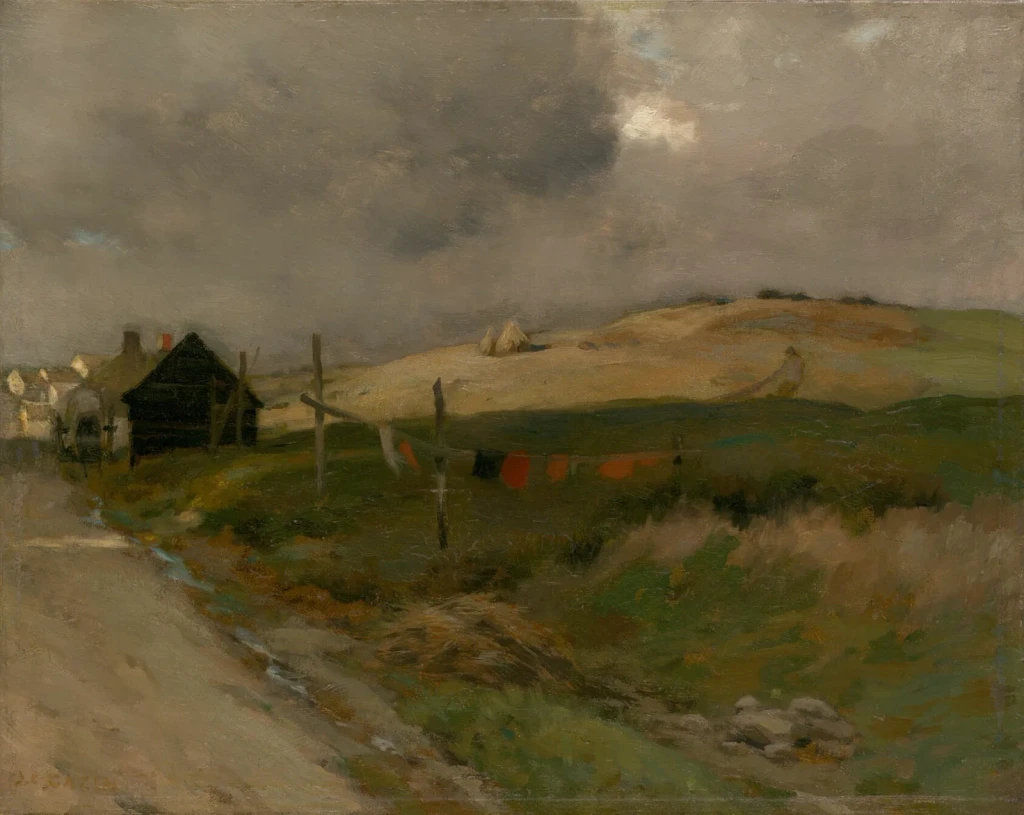
Jean Charles Cazin, c. 1895
Oil on canvas · France
Henry Field Memorial Collection · Jean-Charles Cazin on Wikipedia
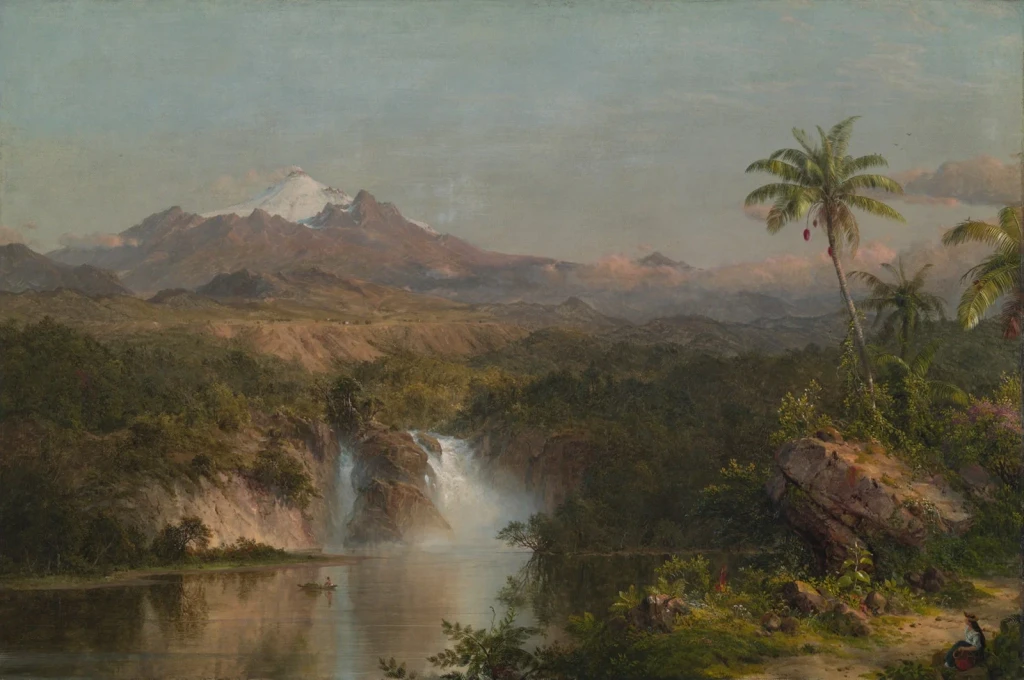
Frederic Edwin Church, 1857
Oil on canvas · United States
Gift of Jennette Hamlin in memory of Mr. and Mrs. Louis Dana Webster · Frederic Edwin Church on Wikipedia
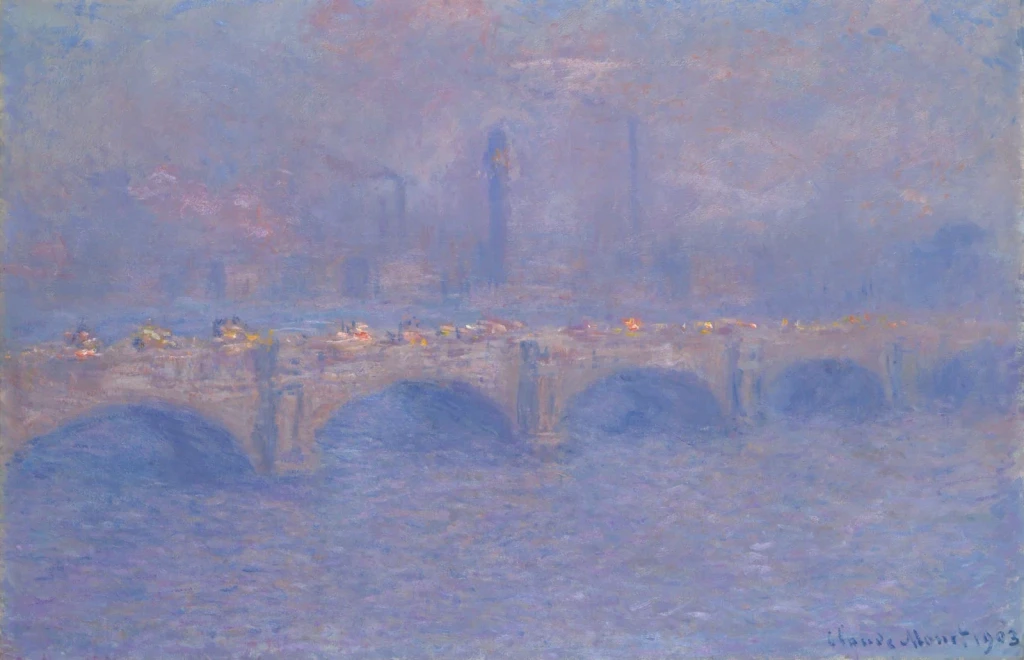
Claude Monet, 1903
Oil on canvas · France
Mr. and Mrs. Martin A. Ryerson Collection · Claude Monet on Wikipedia
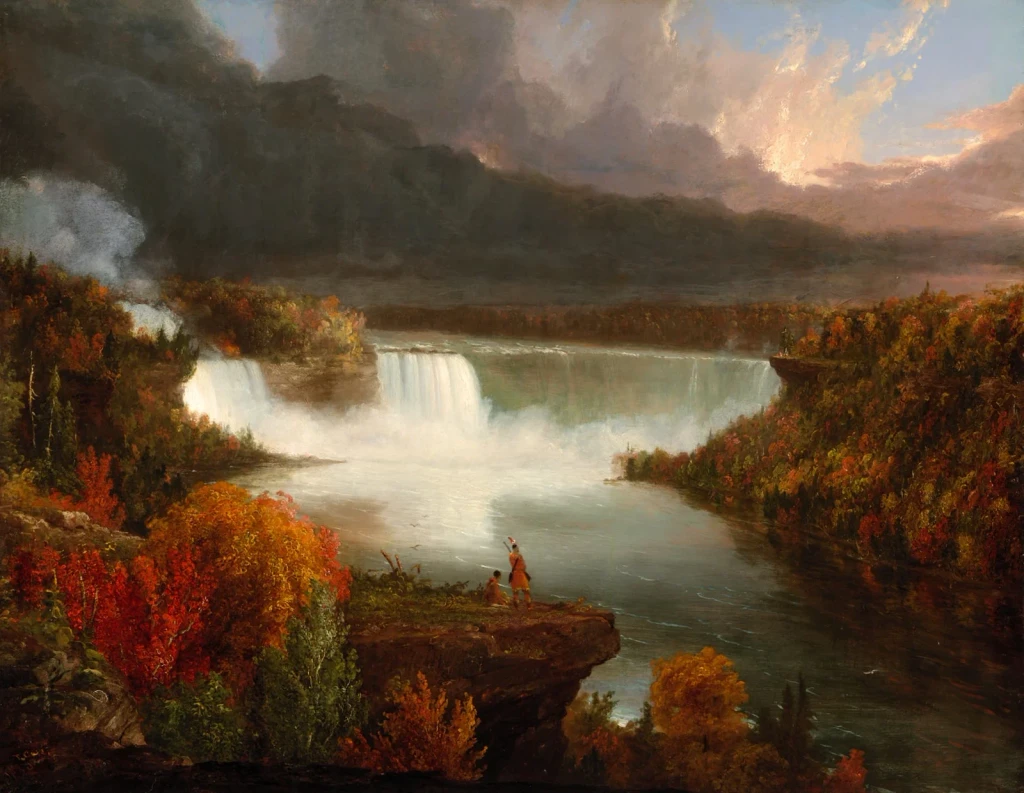
Thomas Cole, 1830
Oil on wood panel · Niagara Falls
Friends of American Art Collection · Thomas Cole on Wikipedia
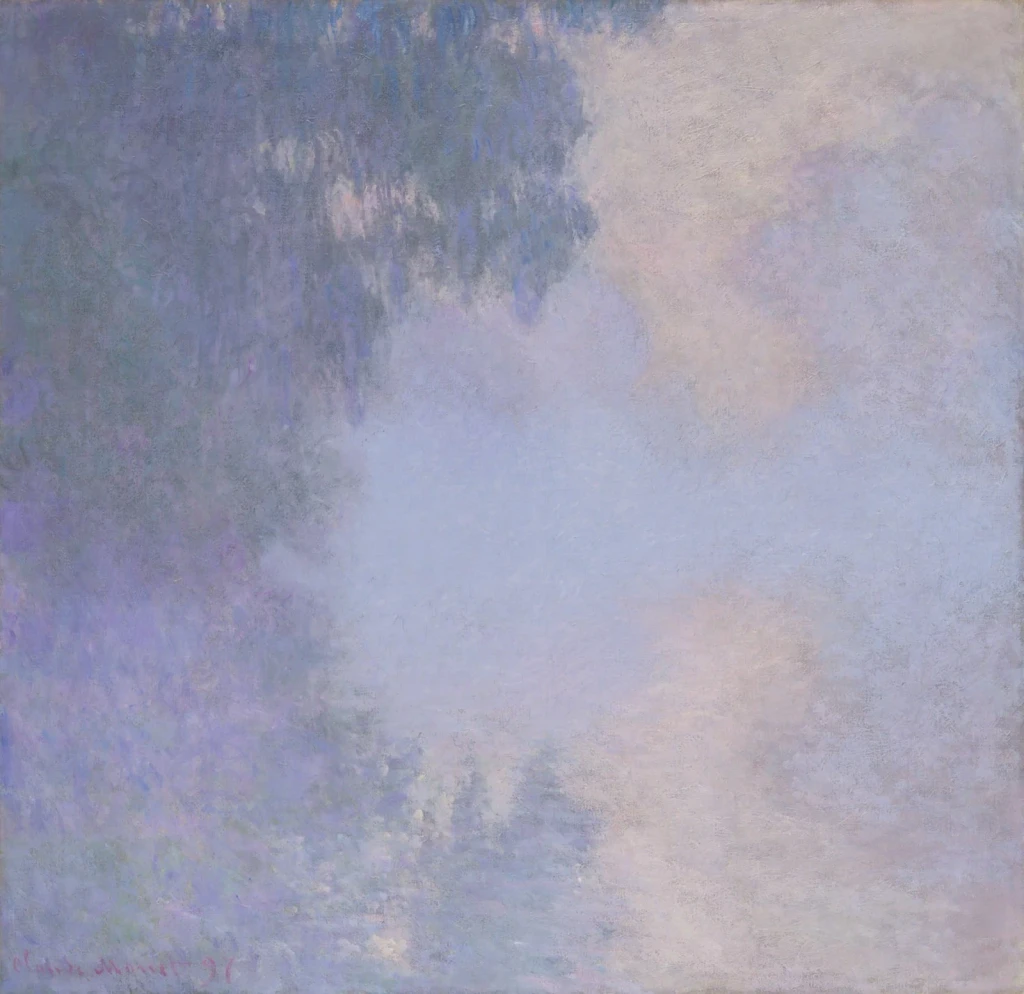
Claude Monet, 1897
Oil on canvas · France
Mr. and Mrs. Martin A. Ryerson Collection · Claude Monet on Wikipedia
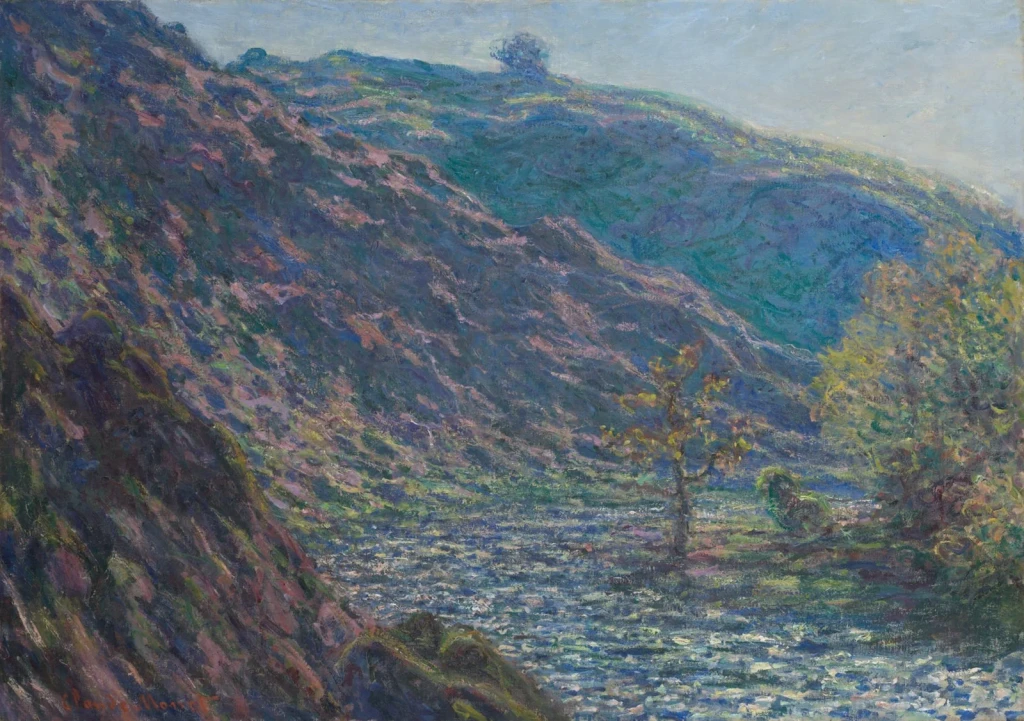
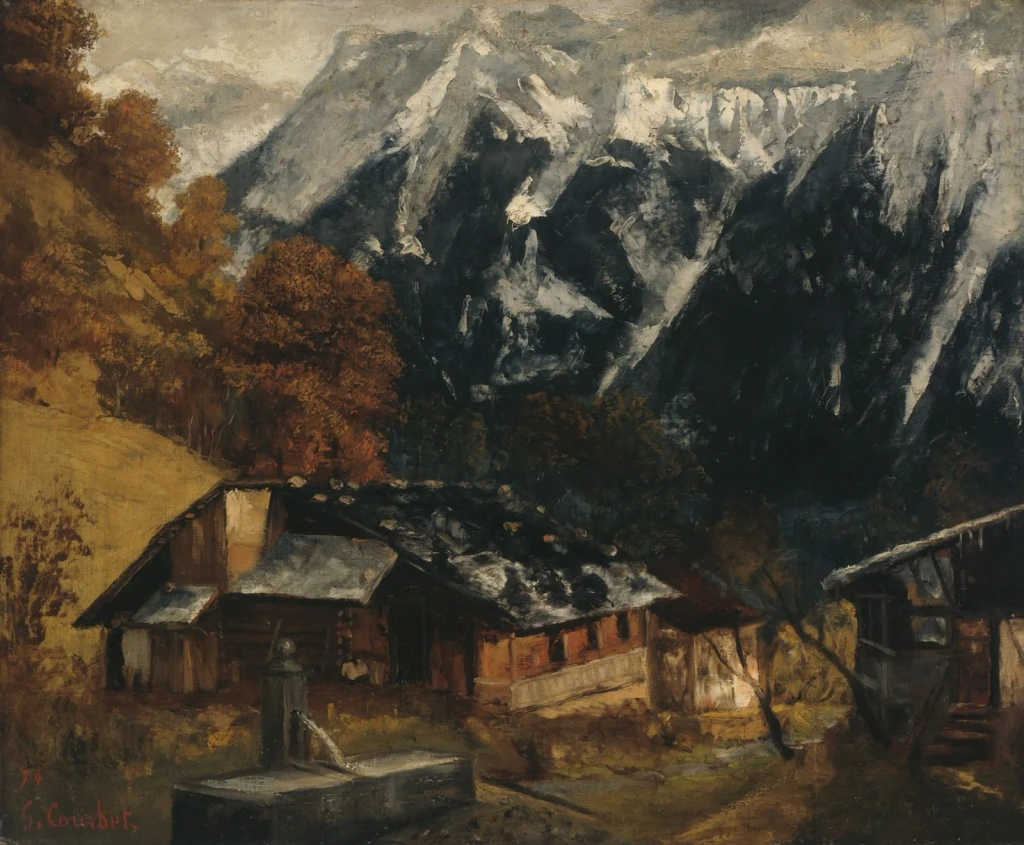
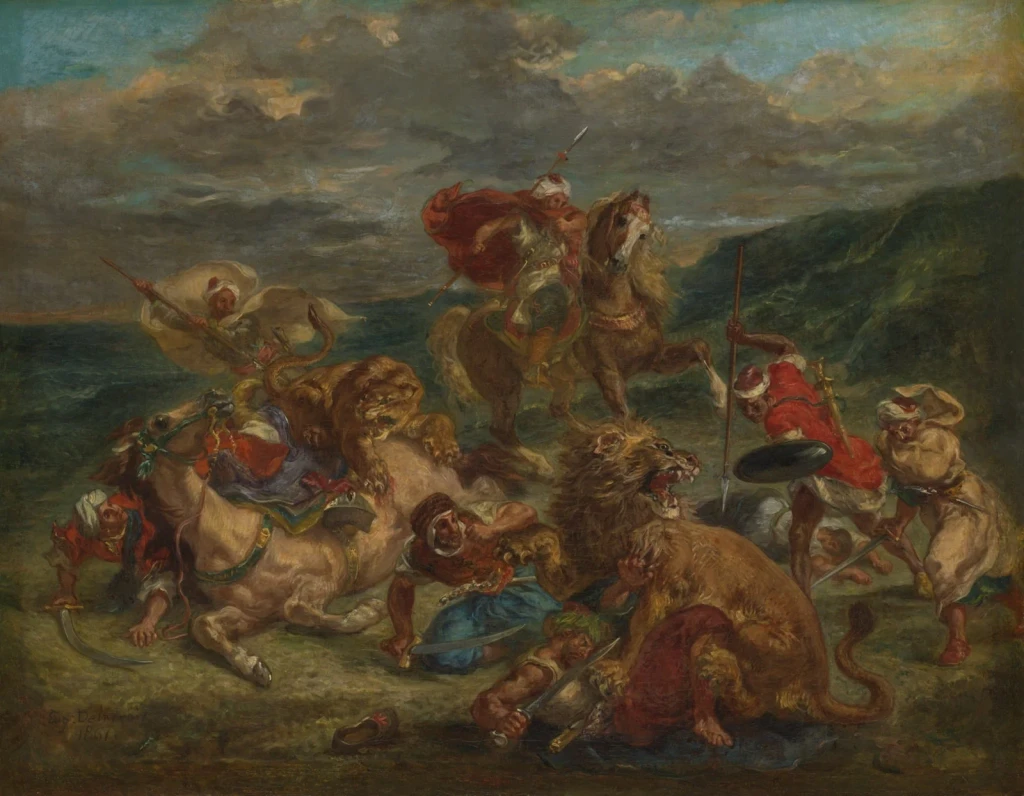
Eugène Delacroix, 1860, 61
Oil on canvas · France
Potter Palmer Collection · Eugène Delacroix on Wikipedia
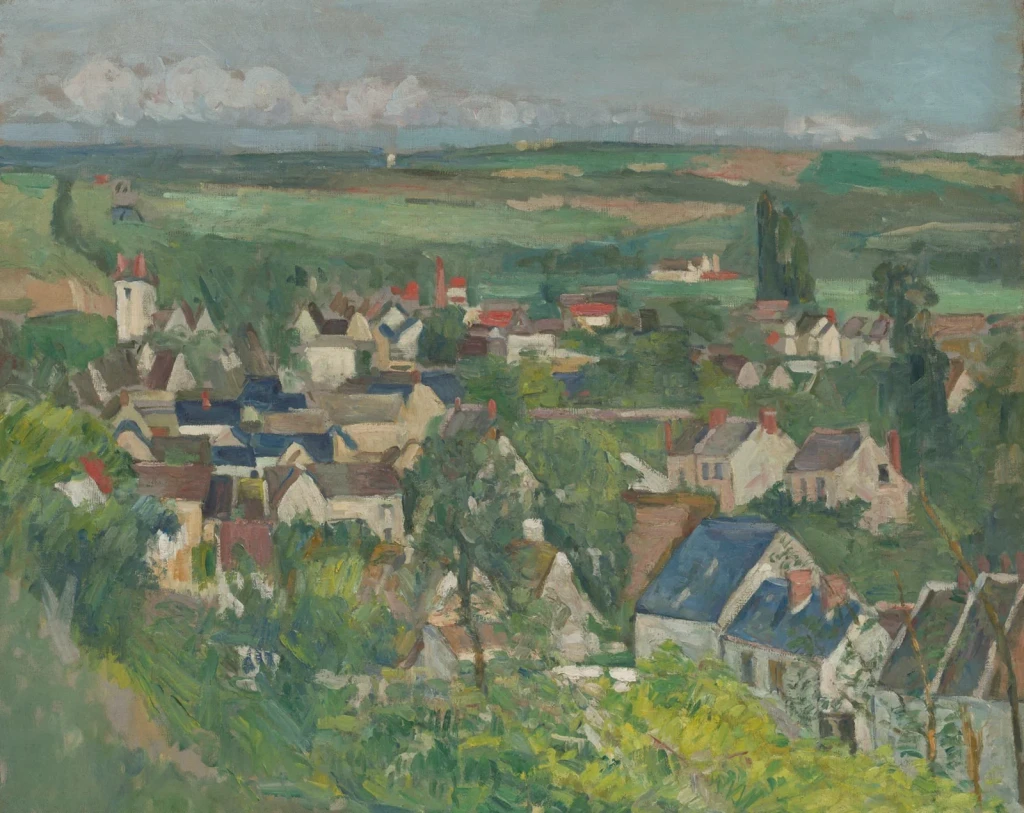
Paul Cezanne, 1873, 75
Oil on canvas · France
Mr. and Mrs. Lewis Larned Coburn Memorial Collection · Paul Cézanne on Wikipedia
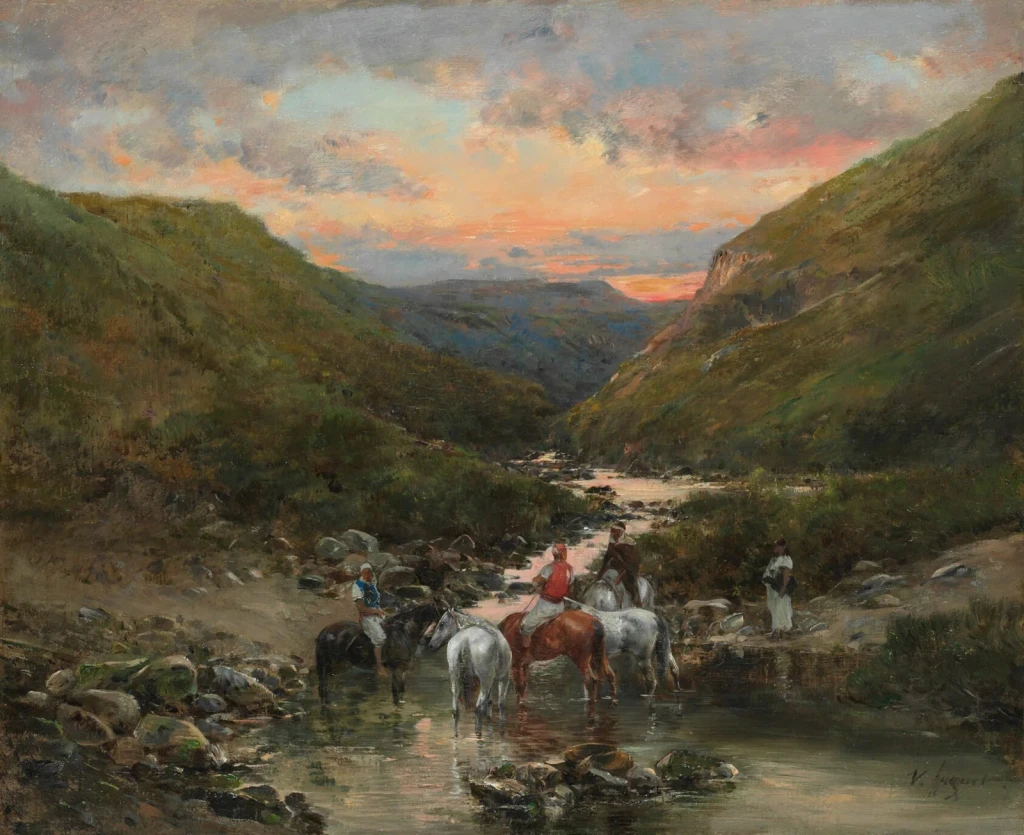
Victor Pierre Huguet, c. 1895
Oil on canvas · France
Mr. and Mrs. Martin A. Ryerson Collection
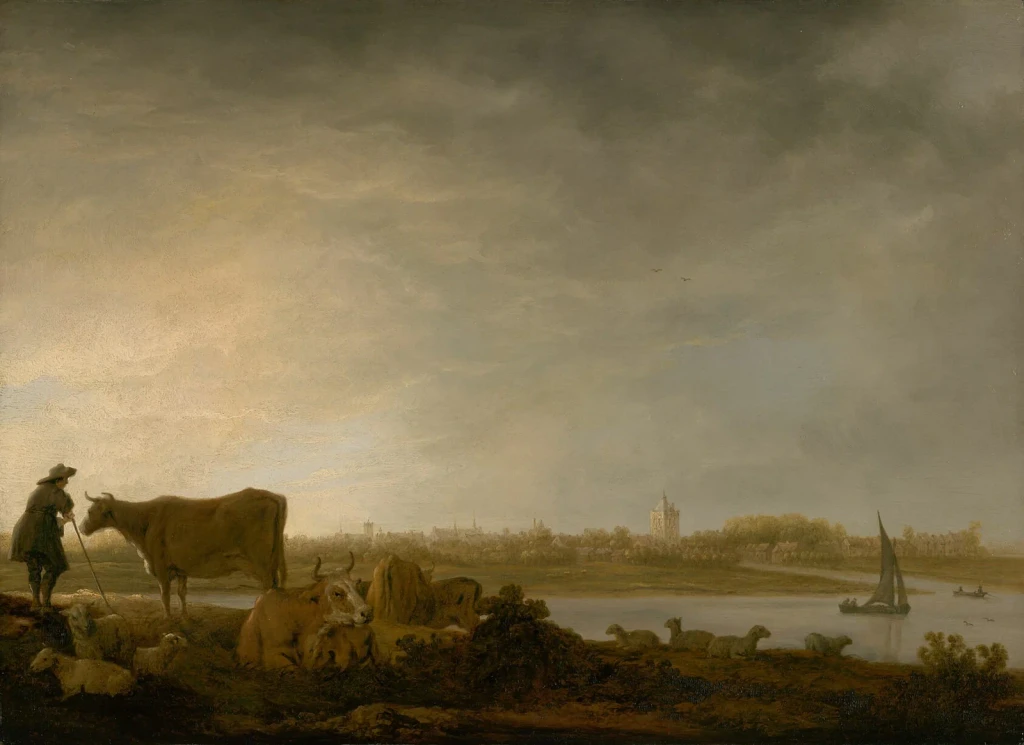
Aelbert Cuyp, c. 1643, c. 1645
Oil on panel · Dordrecht
Charles H. and Mary F. S. Worcester Fund · Aelbert Cuyp on Wikipedia
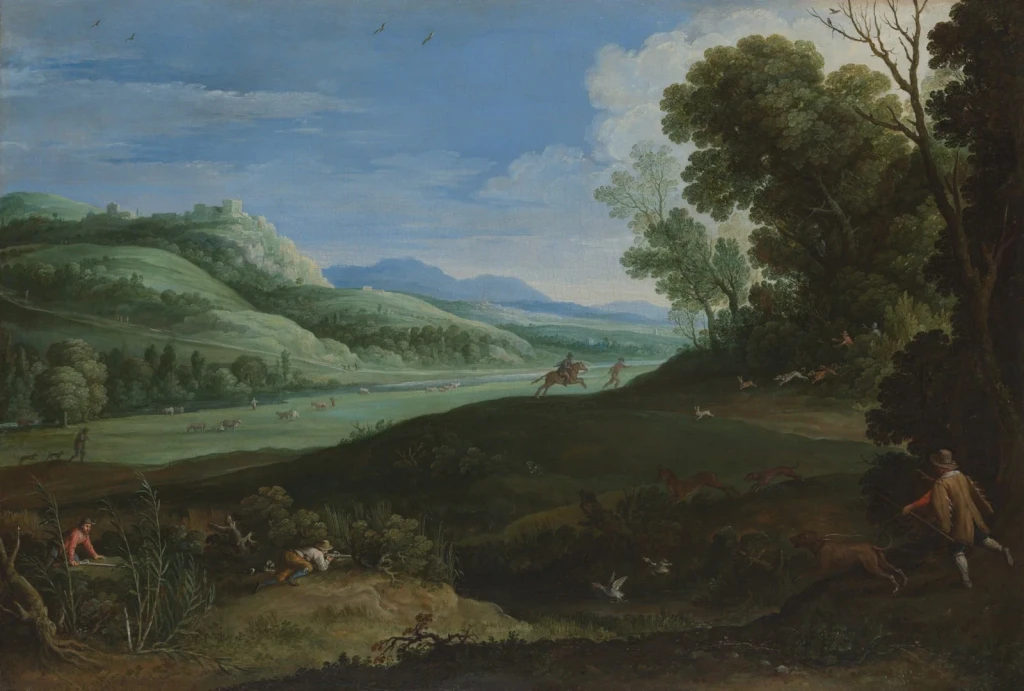
Paul Bril, 1619
Oil on canvas · Flanders
Mr. and Mrs. Louis Larned Coburn Memorial Collection; Alexander A. McKay, Josephine and John I. Louis, and Marilyn H. Quinn funds · Paul Bril on Wikipedia
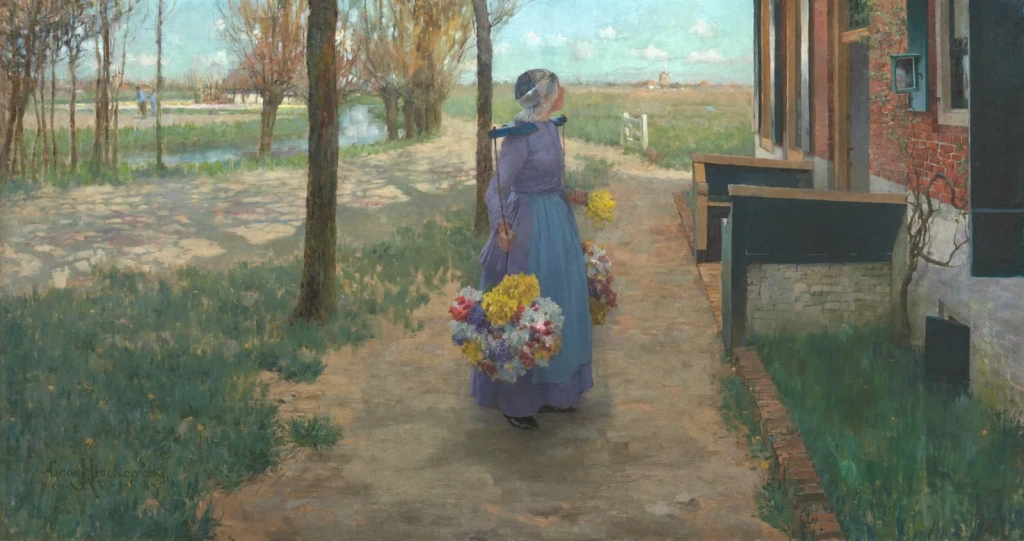
George Hitchcock, 1887
Oil on canvas · Holland
Potter Palmer Collection
