3D Gallery
Minimalism Means Knowing What to Remove
Enter gallery
Minimalism Means Knowing What to Remove is a 3D virtual gallery on MyGallery3D, a walkable online exhibition of 12 works. Step inside and explore it in your browser: no app, no headset.
Welcome to a 3D virtual gallery you can walk through in your browser, exploring the art movement that tried to remove everything but the object itself.
In 1964, Donald Judd showed sculptures at Green Gallery in Manhattan that critic Michael Fried refused to call art. They were, he said, just objects sitting in the desert sun, waiting for a visitor to accept them. Judd agreed. He wanted work that referred to nothing other than itself. The artists in this exhibition made that absence their subject.
Minimalism rose in 1960s New York as a rejection of Abstract Expressionism. Where Action Painting prized intuition and gesture, minimalists stripped art to simple geometric forms, repetition, and industrial materials like aluminum, concrete, and fiberglass. Frank Stella's early pinstripe paintings took their stripe widths from the lumber of the stretcher bars. As Carl Andre wrote: "Art excludes the unnecessary. Frank Stella has found it necessary to paint stripes. There is nothing else in his painting."
Judd called his works "specific objects", neither painting nor sculpture. Made from industrial materials and often fabricated by craftsmen rather than the artist's own hand, they occupied a new territory. Dan Flavin used commercial fluorescent light tubes. Robert Morris made plain geometric solids. Critics like Clement Greenberg saw a misunderstanding of modernism. Minimalists saw a clearing: art reduced until, as Ad Reinhardt put it, "no one can remove anything further."
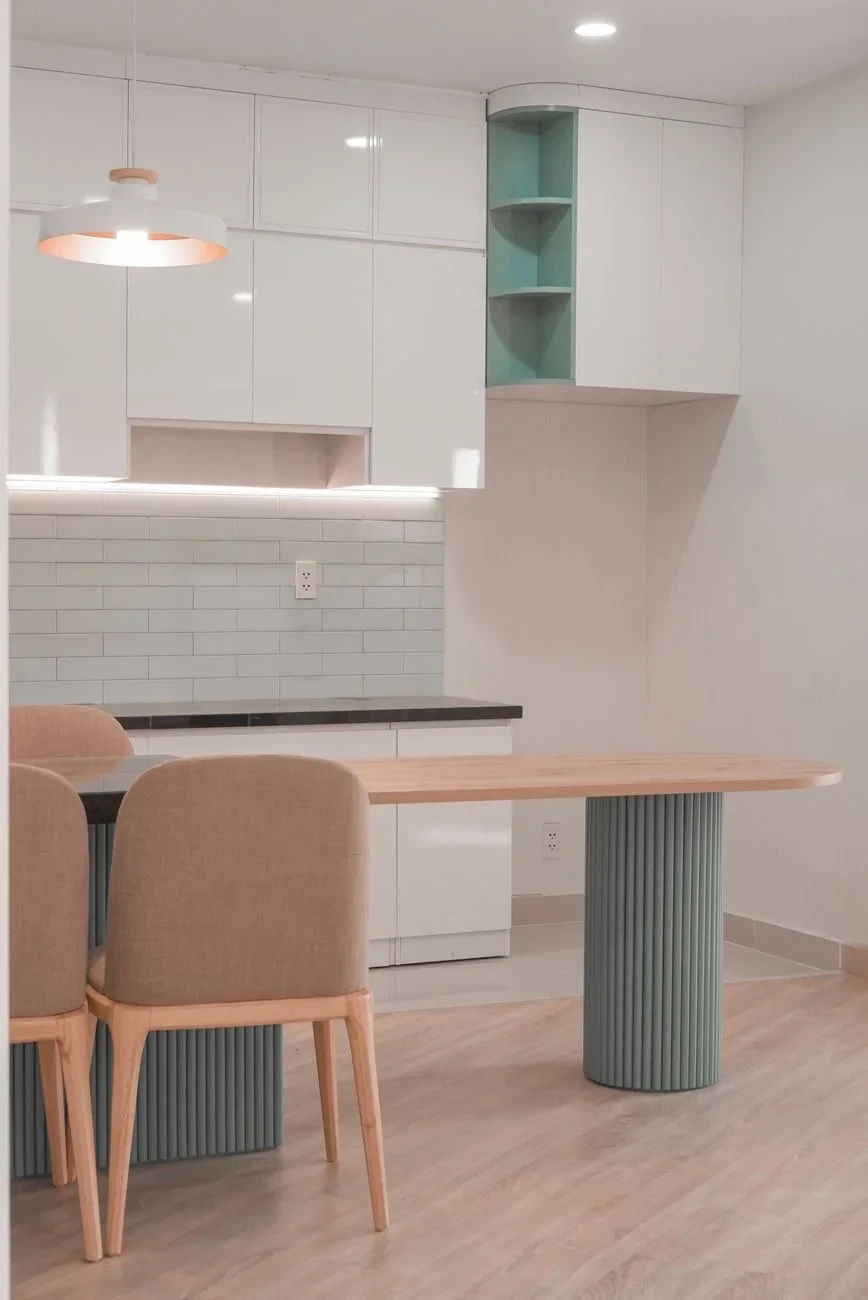
Minimalist design applied to domestic function. Sleek furniture and soft lighting create quiet order in a working space.
Photograph by Thới Nam Cao, via Pexels.
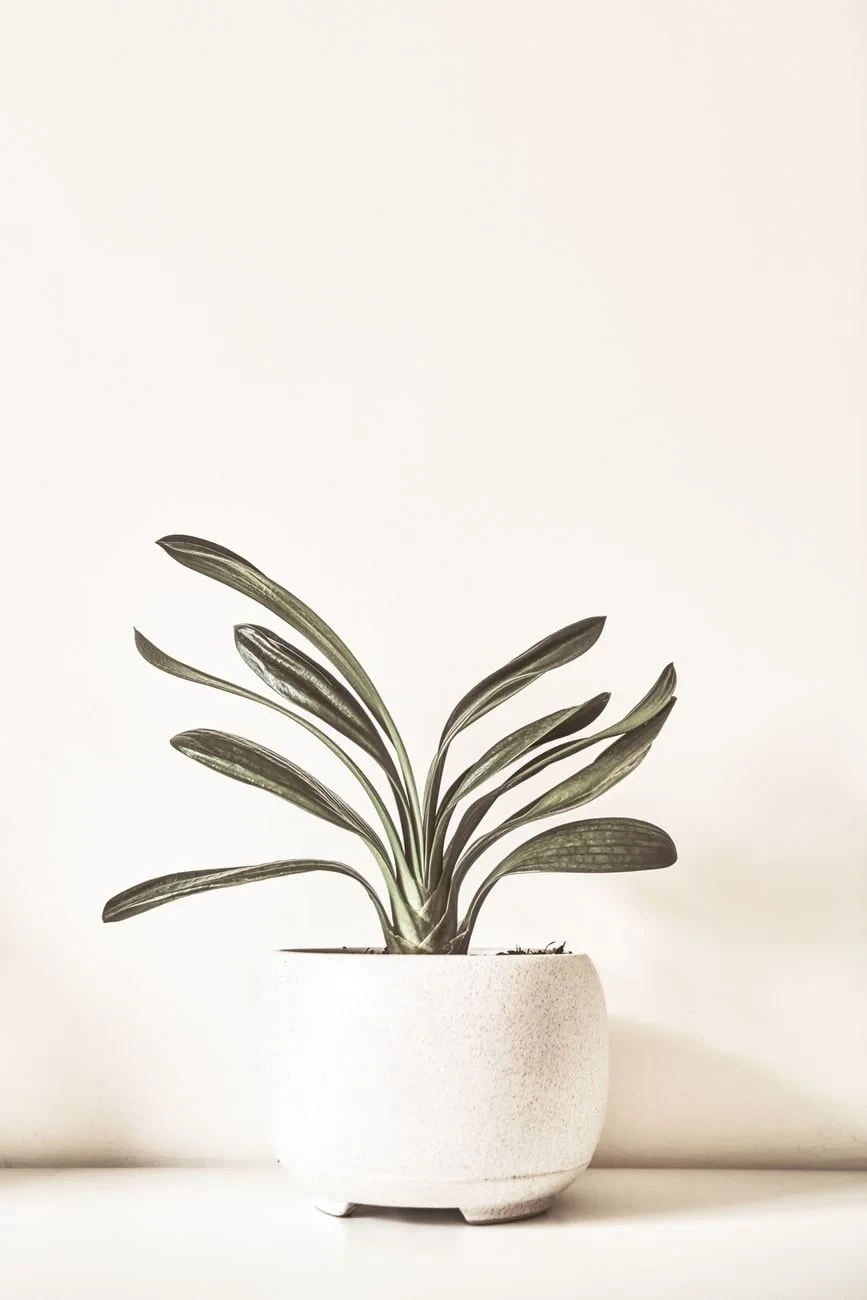
One plant in a white pot against neutral ground. Minimal elements speak clearly about presence and absence.
Photograph by Suki Lee, via Pexels.
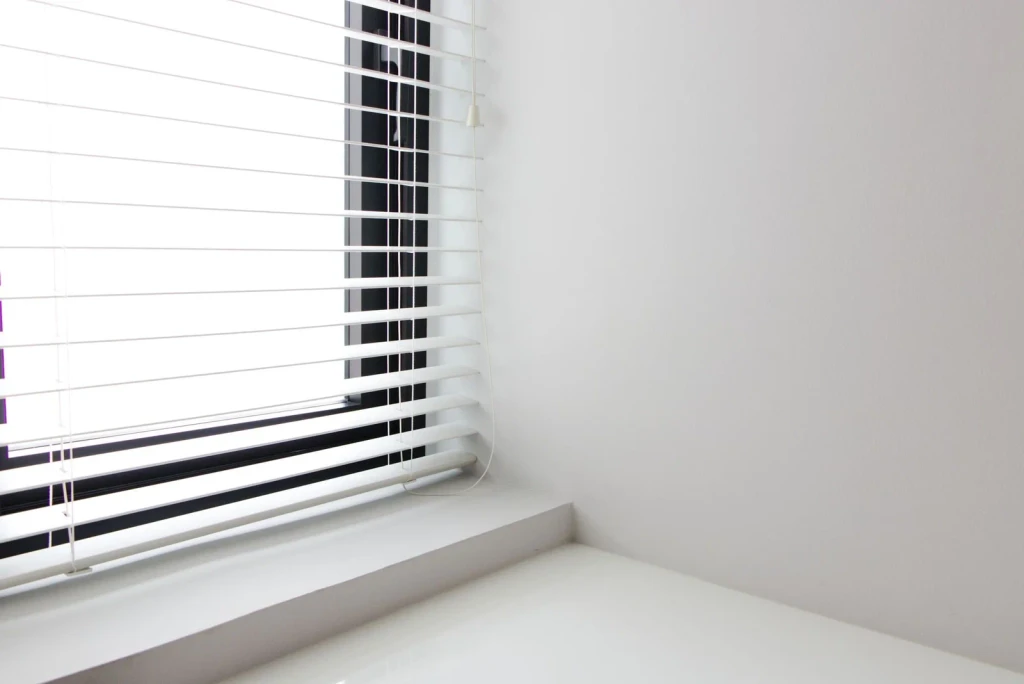
Window blinds cast rhythm across a white wall. Minimalism emerges from the interplay of light and plain surfaces.
Photograph by Srattha Nualsate, via Pexels.
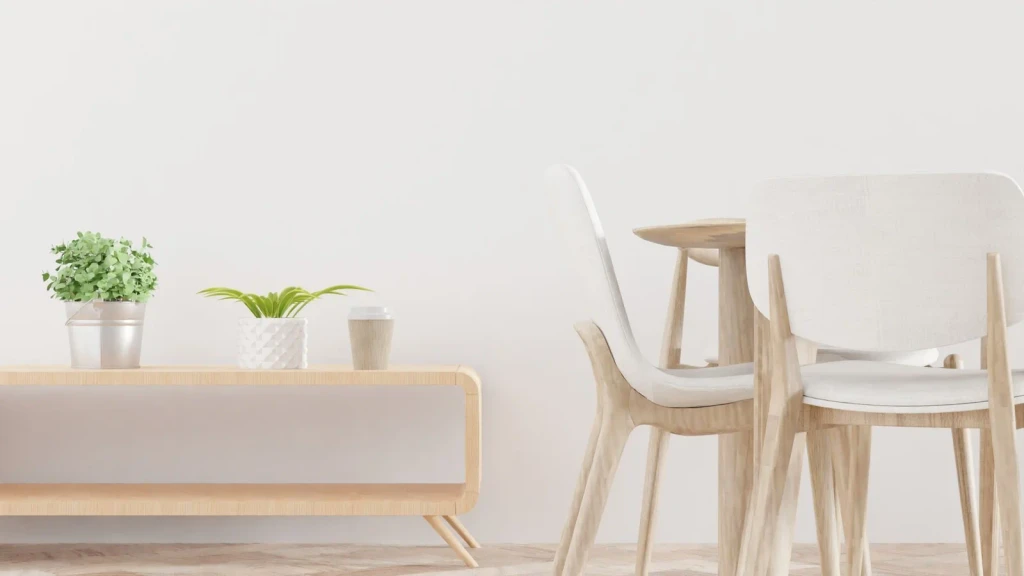
Light wood and living plants establish a modern dining area. Function and nature coexist without clutter.
Photograph by dada _design, via Pexels.
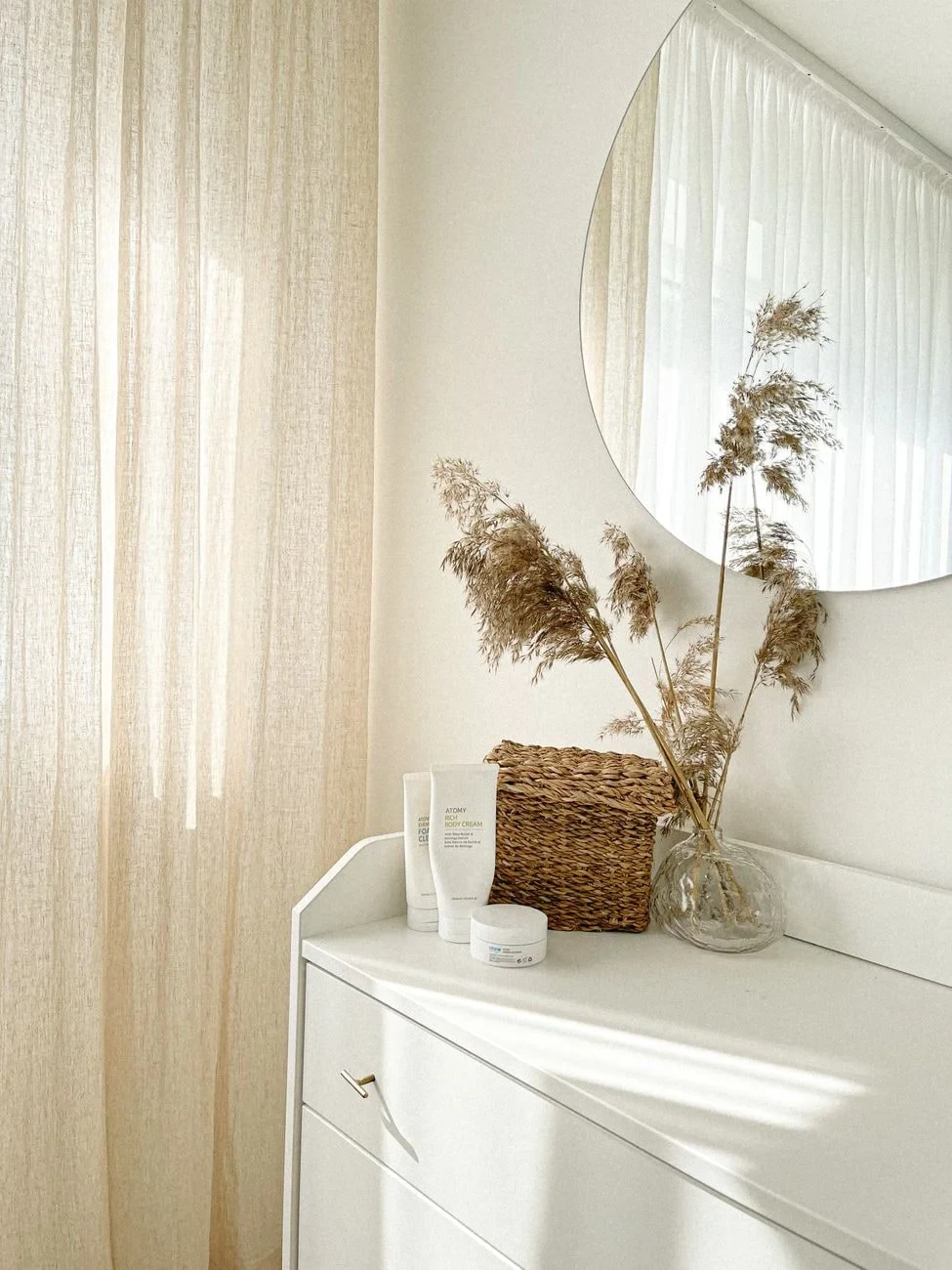
A dresser, mirror, and dried plants share quiet space. Each element is necessary. Nothing more.
Photograph by Aljona Ovtšinnikova, via Pexels.
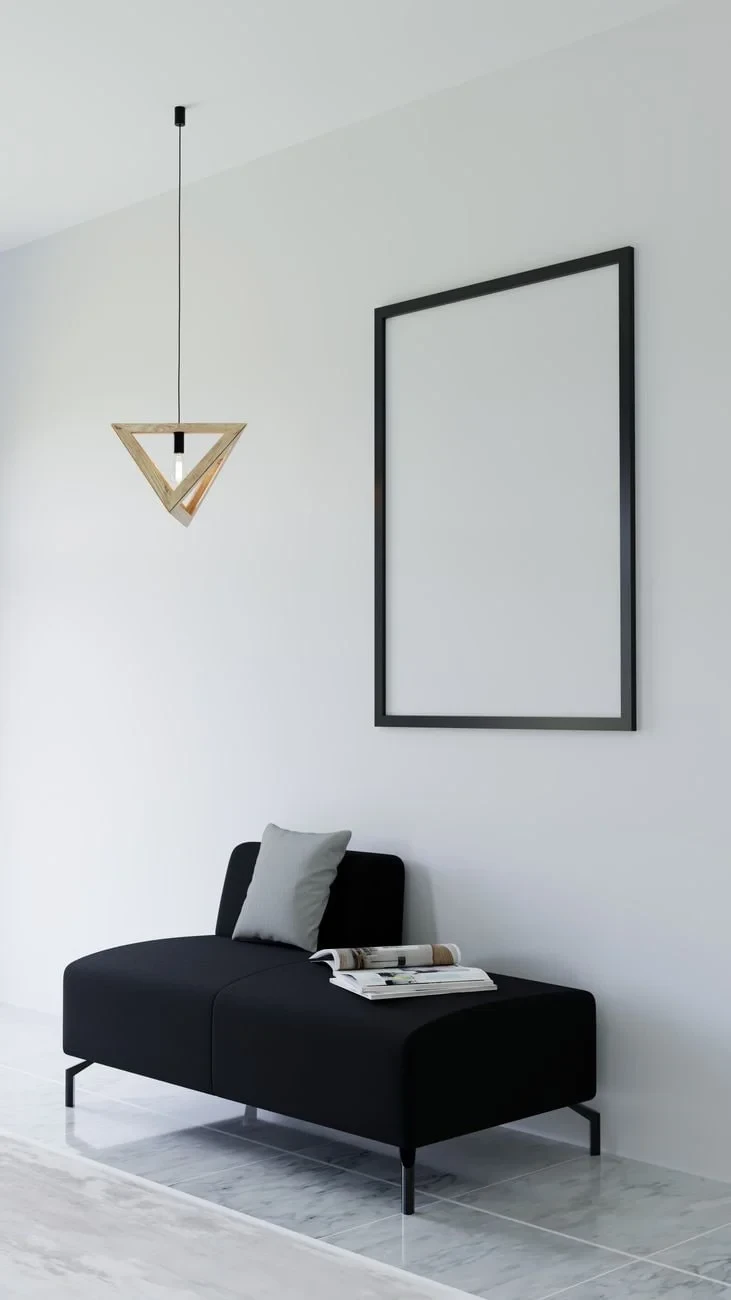
A contemporary space reduced to essentials. The geometric pendant light and black couch anchor a composition where restraint becomes style.
Photograph by Paul Seling, via Pexels.
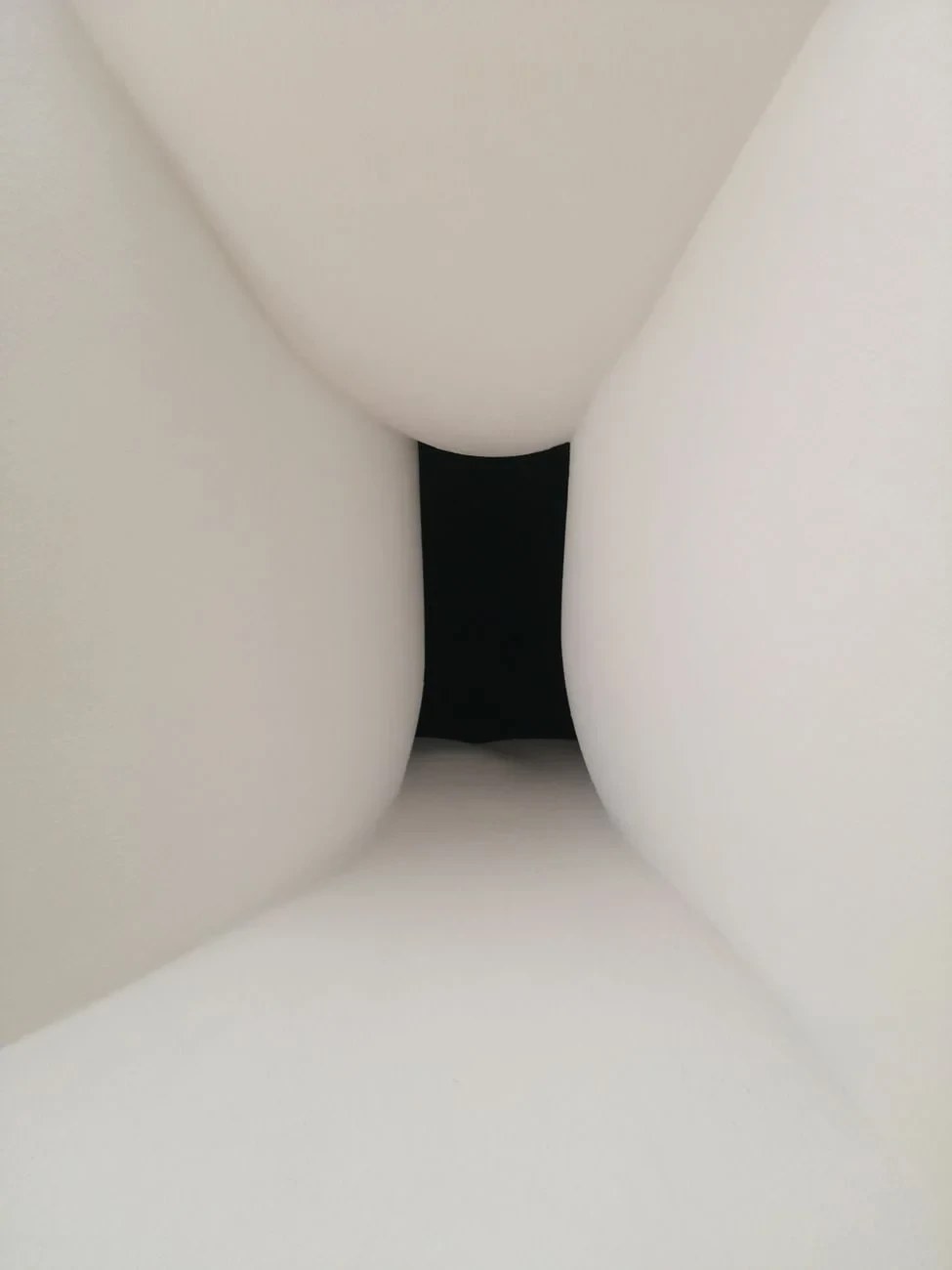
White geometric forms create a frame around emptiness. The photograph distills minimalism to its essentials: contrast between presence and absence.
Photograph by Ksenia I, via Pexels.
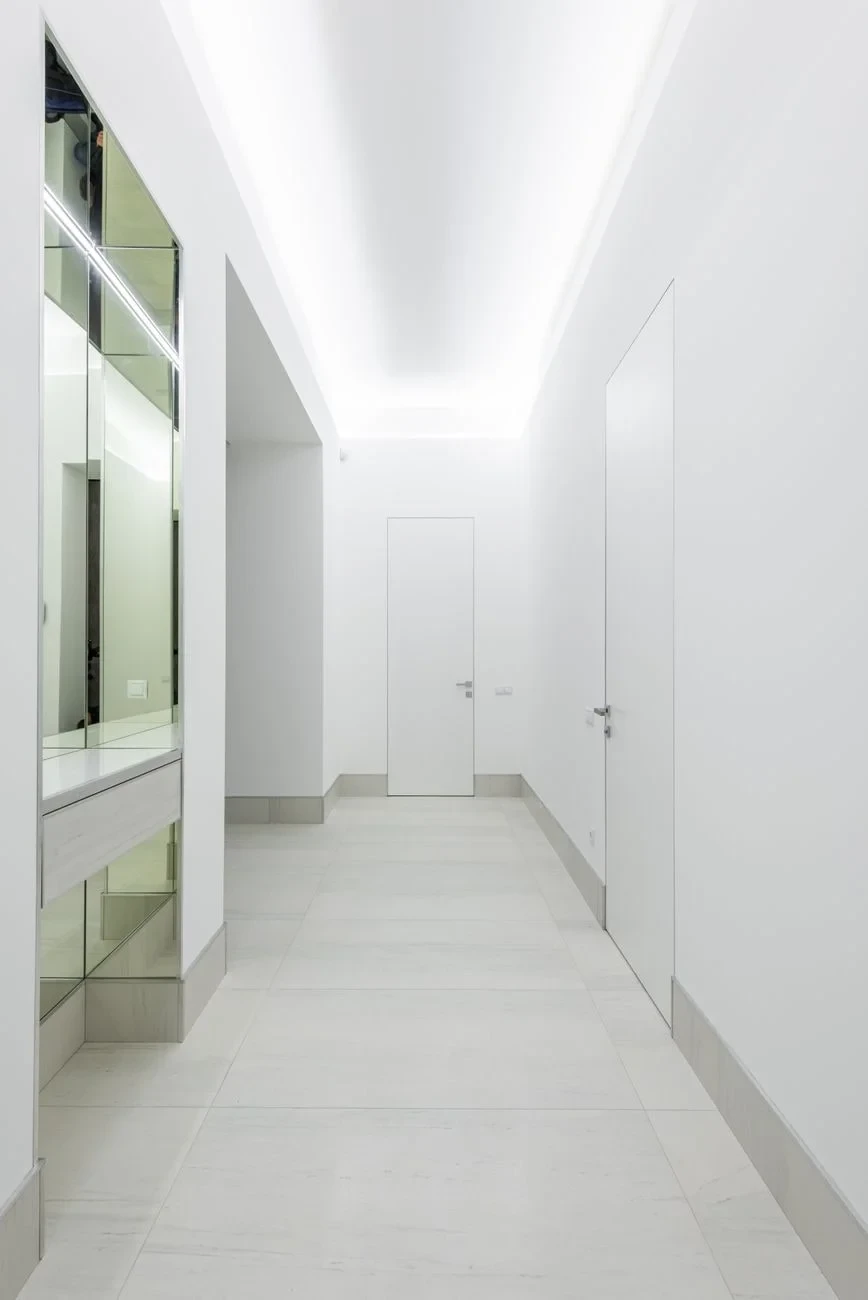
A corridor stretches through clean lines and reflection. The space itself becomes the photograph's subject.
Photograph by Max Vakhtbovych, via Pexels.
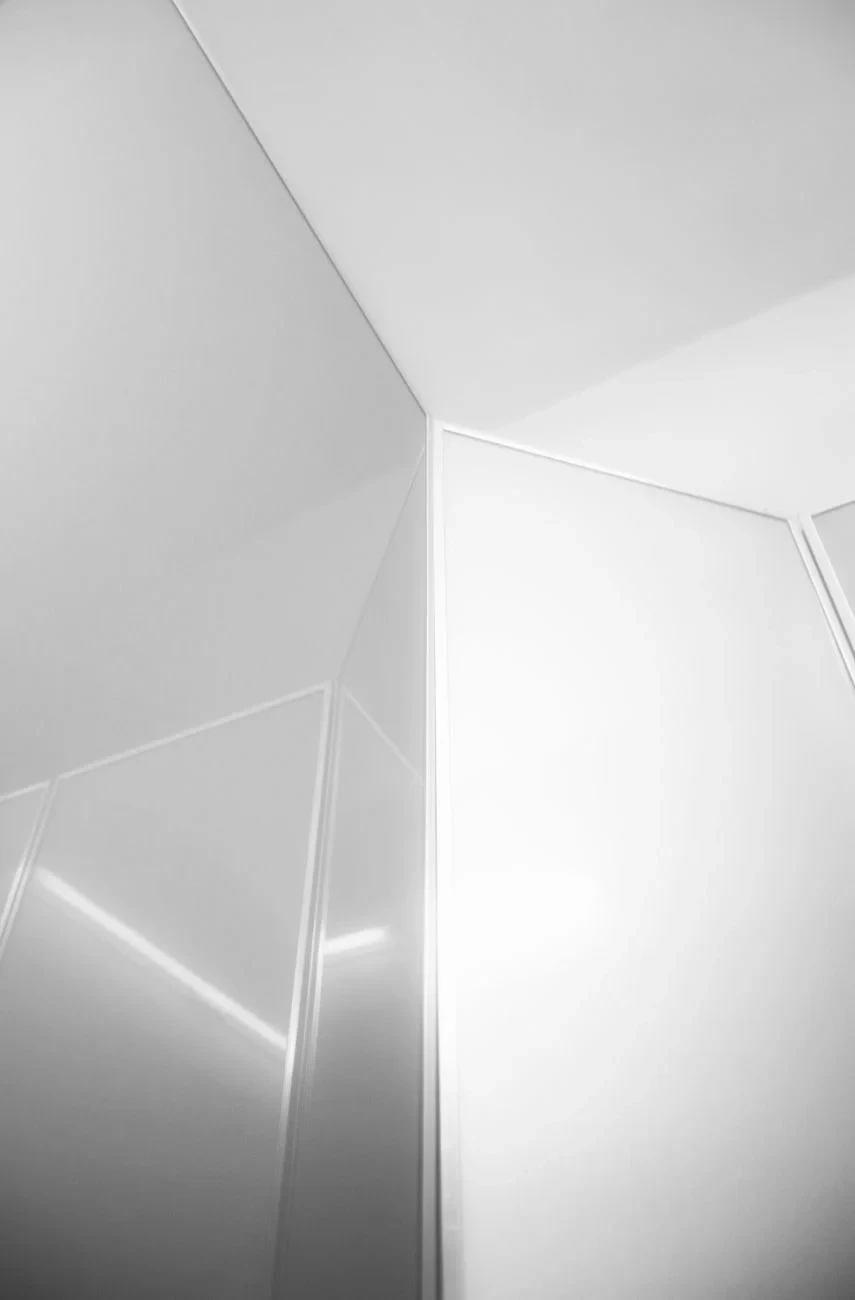
A corner of white space photographed vertically. Abstract design emerges from near-nothing.
Photograph by abshky ., via Pexels.
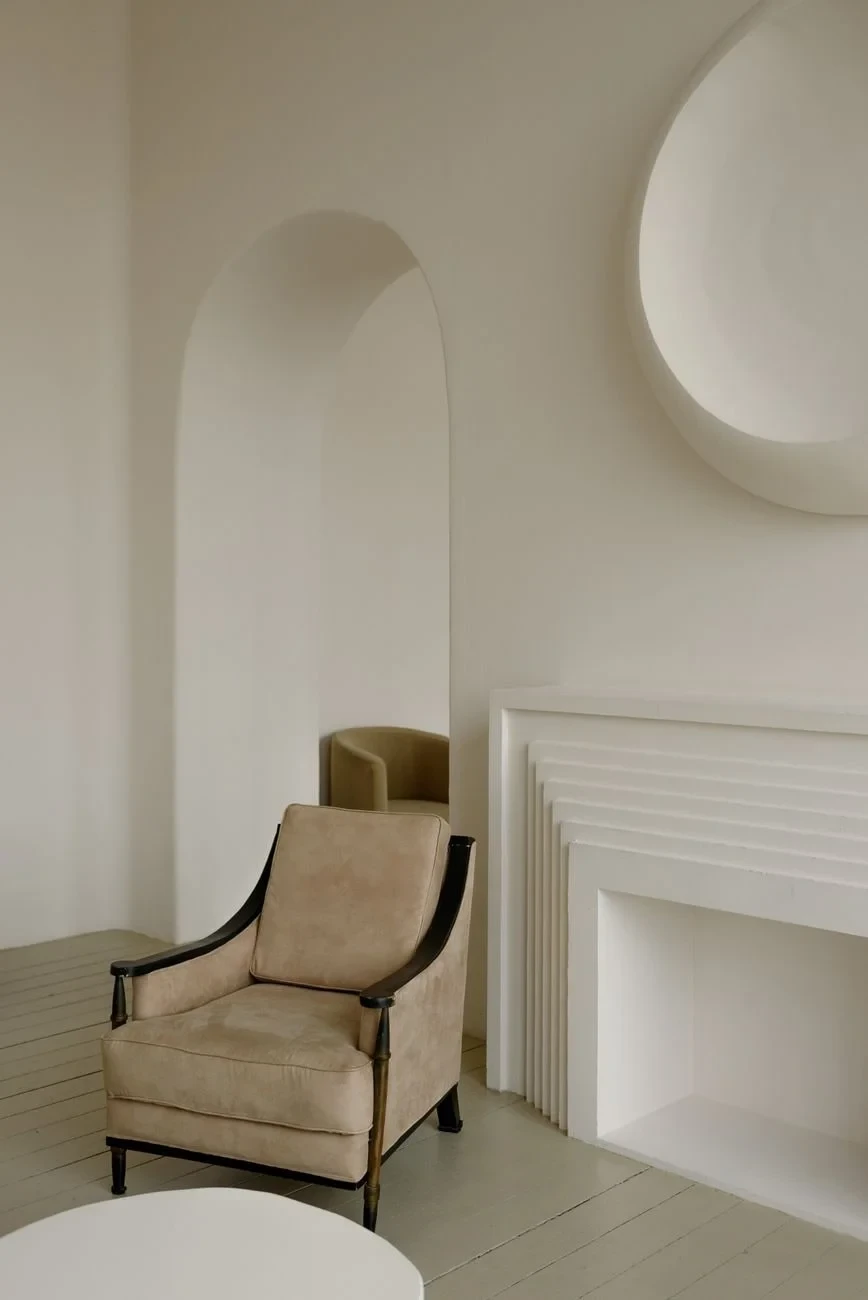
A single beige armchair anchors a sparse room. One piece of furniture becomes an entire composition.
Photograph by Ksenia Chernaya, via Pexels.
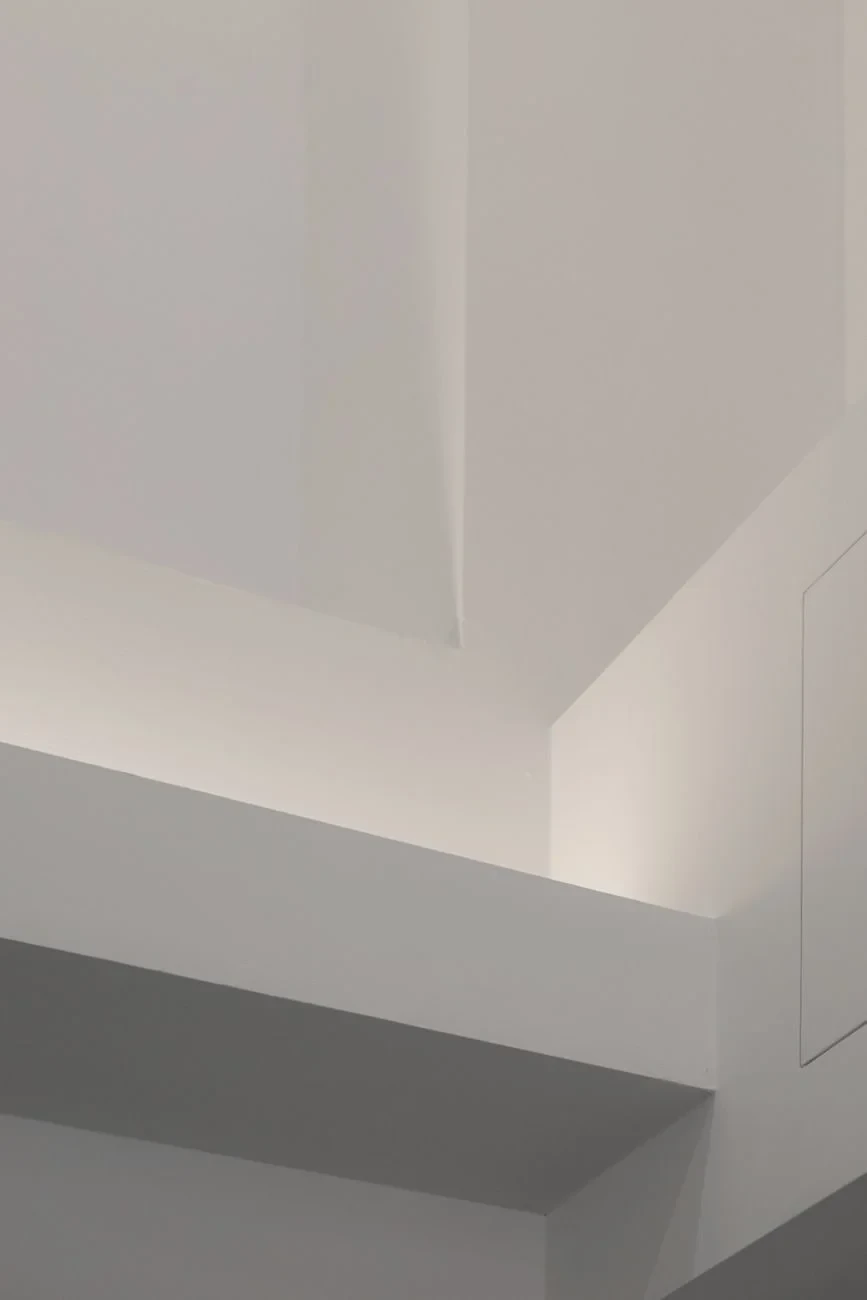
A modern room reduced to lines and shadows. Geometry becomes the subject itself, with each angle carefully considered.
Photograph by 𝗛&𝗖𝗢 , via Pexels.
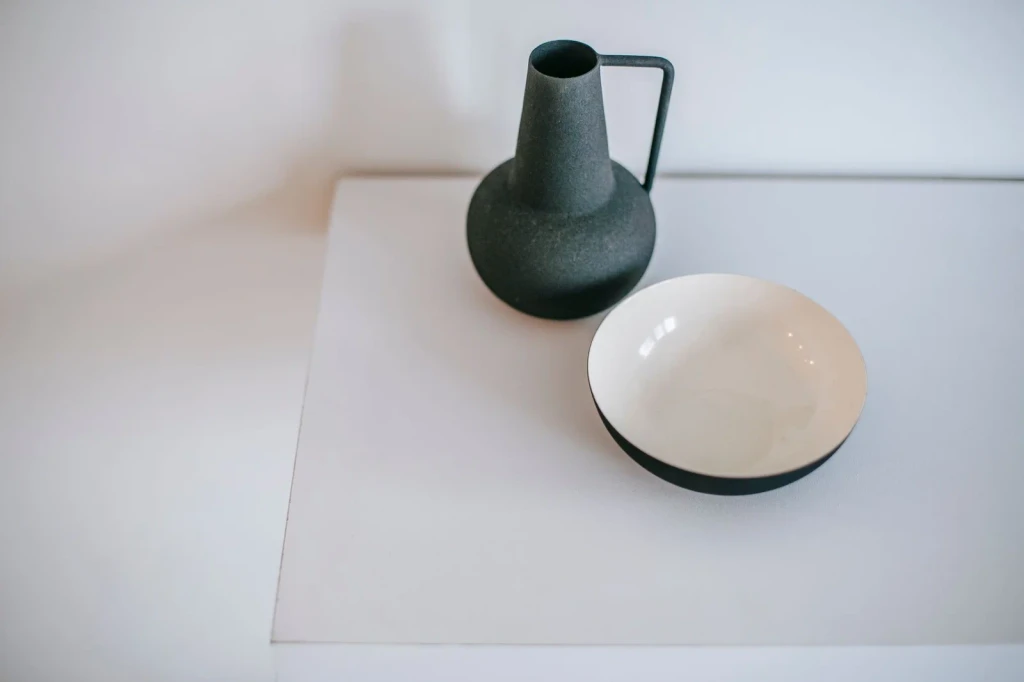
Everyday vessels arranged from above. The empty vase and bowl occupy white space with deliberate calm.
Photograph by Charlotte May, via Pexels.
