3D Gallery
Paper Carried Civilisation
Enter gallery
Paper Carried Civilisation is a 3D virtual gallery on MyGallery3D, a walkable online exhibition of 12 works. Step inside and explore it in your browser: no app, no headset.
Welcome to a 3D virtual gallery you can walk through in your browser, exploring how a thin sheet of matted fibre changed the course of human knowledge.
Before paper, China's documents were written on bamboo so heavy they had to be transported by cart. After Cai Lun refined pulp papermaking around 105 CE, entire books could be carried by hand. By the Tang dynasty, China led the world in book production, and personal libraries grew from a few scrolls to thousands.
Papyrus, made from a Nile Delta sedge, dominated Mediterranean writing for millennia but could not be grown far beyond Egypt. Paper was cheaper, more abundant, and survived damp climates that destroyed papyrus scrolls. By the mid-10th century, paper had replaced papyrus across Asia and Africa. By the 12th century, papyrus had virtually disappeared from Europe as well.
Washi, traditional Japanese handmade paper, uses inner bark fibres of plants like paper mulberry, gampi, and mitsumata. Developed from Chinese methods by around the 9th century, it is tougher than wood pulp paper and can last over 1,000 years. Today the Louvre and Vatican Museums use washi to repair fragile paintings and books. It remains a UNESCO intangible cultural heritage.
For nearly 2,000 years, most paper was rag paper, made from discarded textiles collected by ragpickers. In 1844, Charles Fenerty and Friedrich Gottlob Keller independently developed processes for pulping wood fibres, ending the dependence on rags. This single shift made paper cheap enough for mass newspapers and everyday printing, turning it from a scarce commodity into the modern world's most common material.
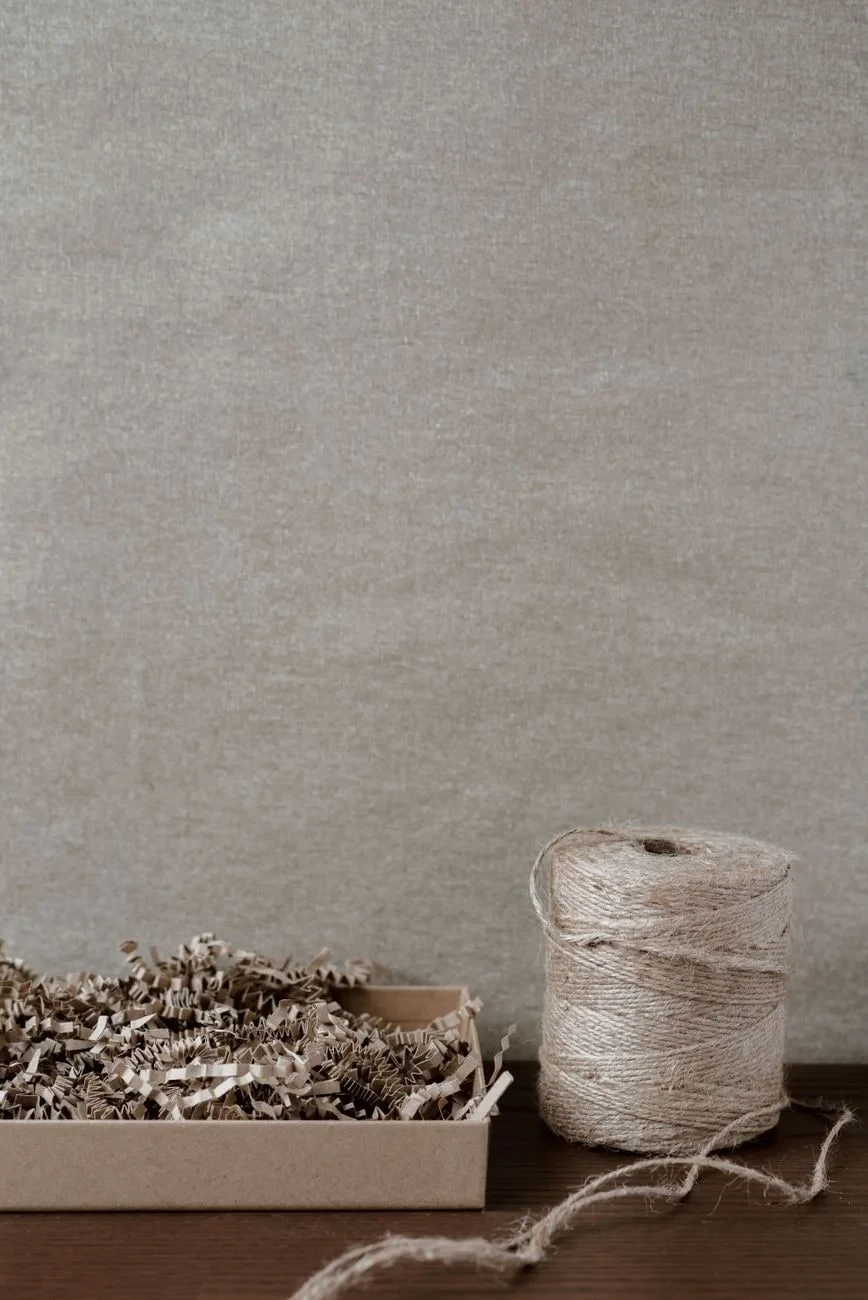
Brown twine and a box lined with shredded paper rest on a desk. Simple materials ready to protect and transport what matters.
Photograph by Anete Lusina, via Pexels.
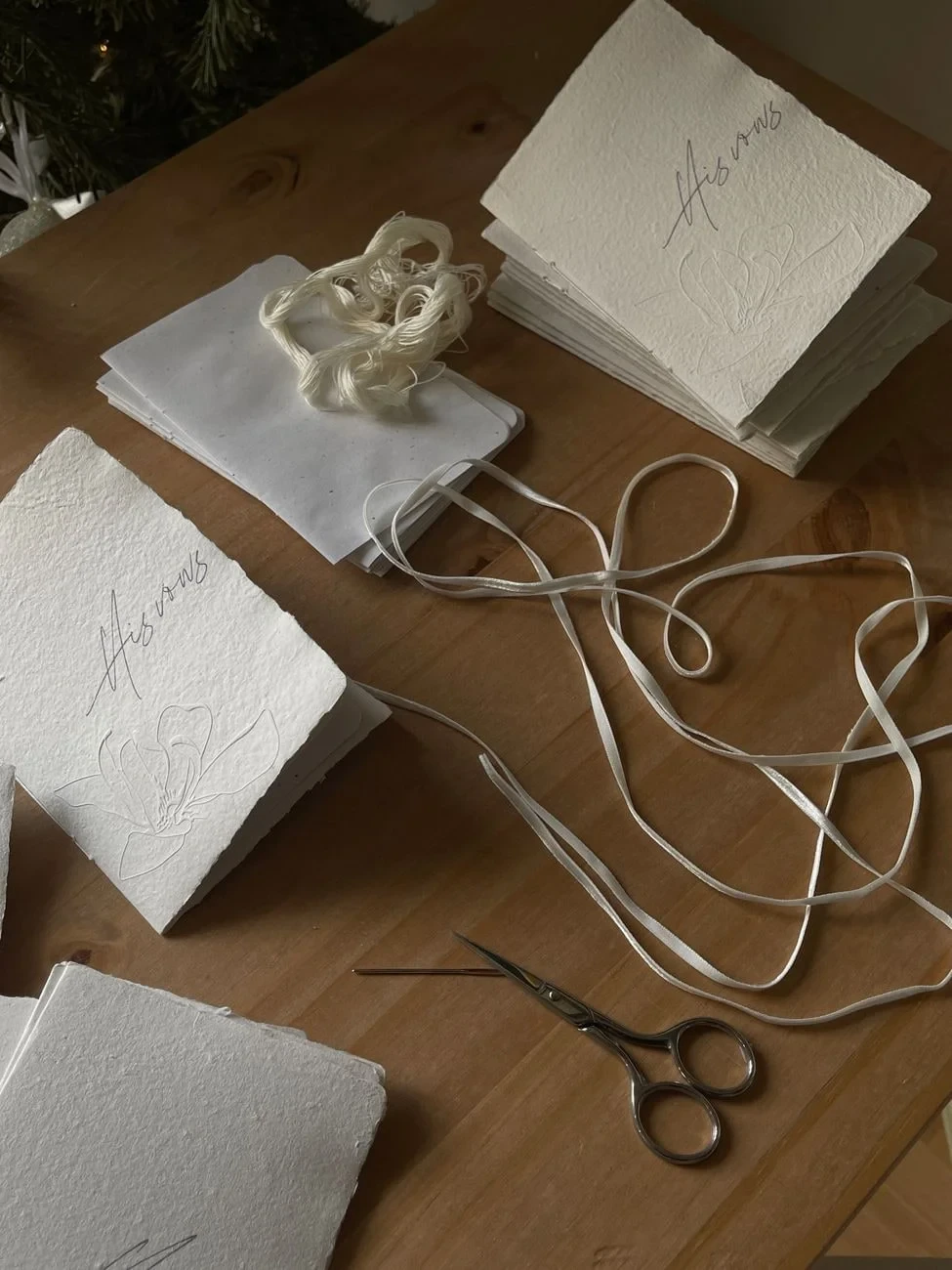
Handcrafted invitation cards rest beside scissors and ribbon. The materials themselves become ceremonial objects. Paper carries intention from hand to hand.
Photograph by Eugenia Remark, via Pexels.
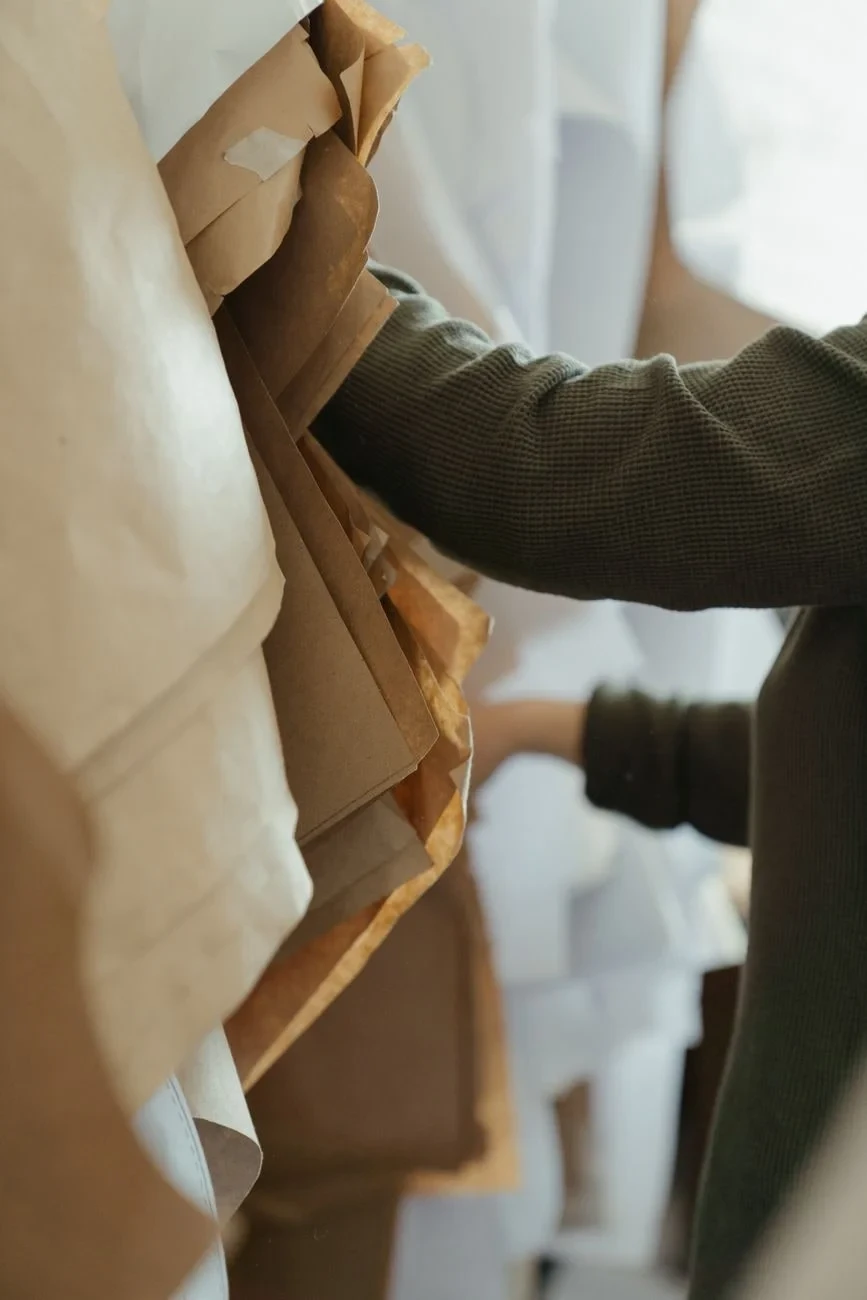
Craft paper patterns are arranged across a wall in a design studio. The act of organizing becomes part of the creative process.
Photograph by cottonbro studio, via Pexels.

A person works in a creative space. The photograph documents the quiet labor behind paper craftsmanship.
Photograph by Nur Demirbaş, via Pexels.
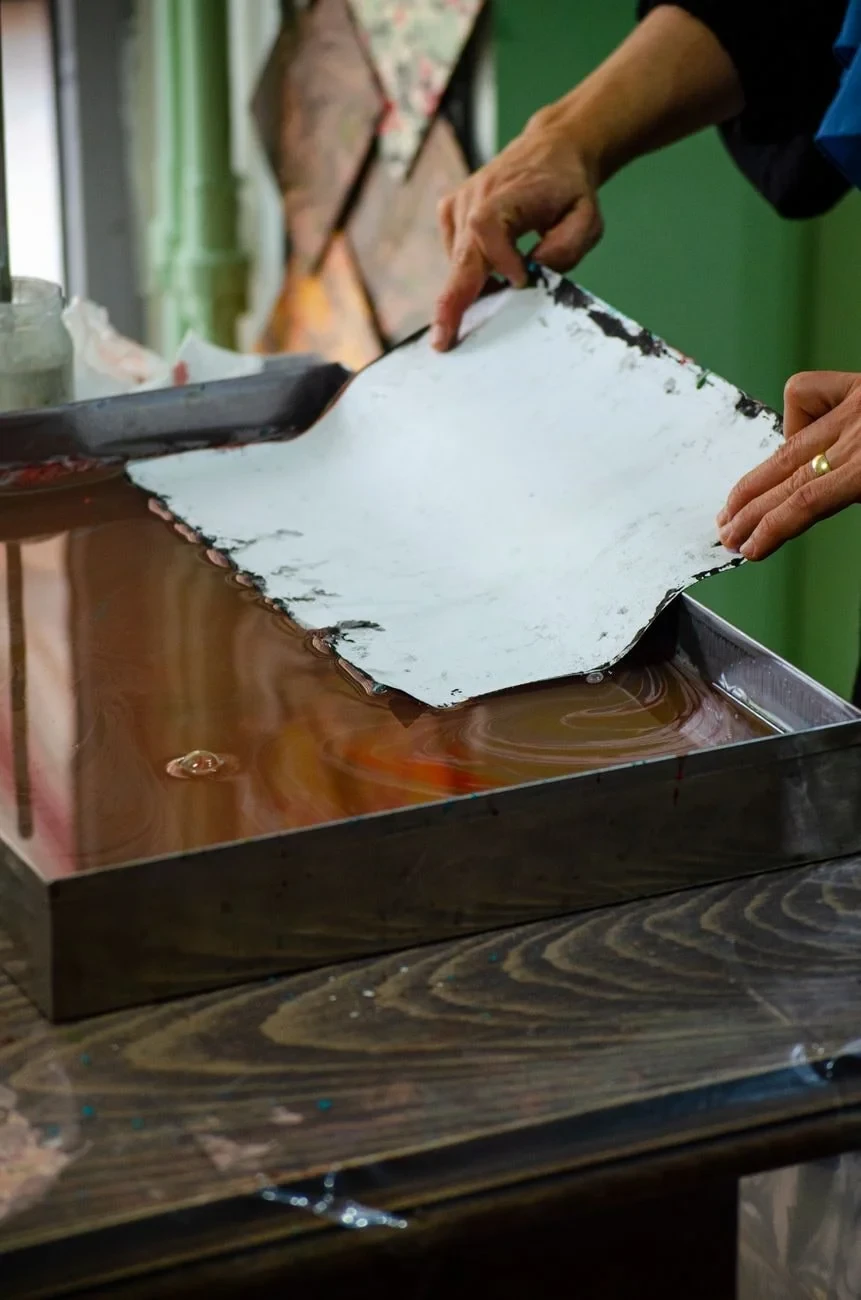
An artisan's hands shape handmade paper. The photograph captures the direct relationship between maker and material that carries civilization forward.
Photograph by Yusuf Çelik, via Pexels.
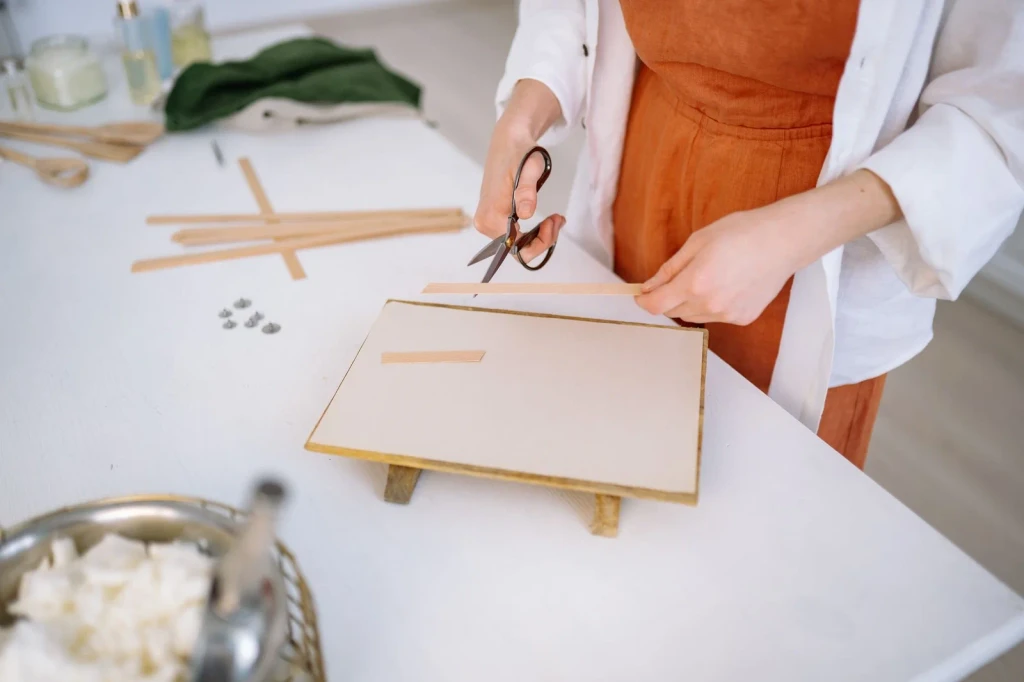
Hands work with scissors in a workshop, focused on exact cuts. The photograph captures a moment where skill meets material.
Photograph by Yan Krukau, via Pexels.
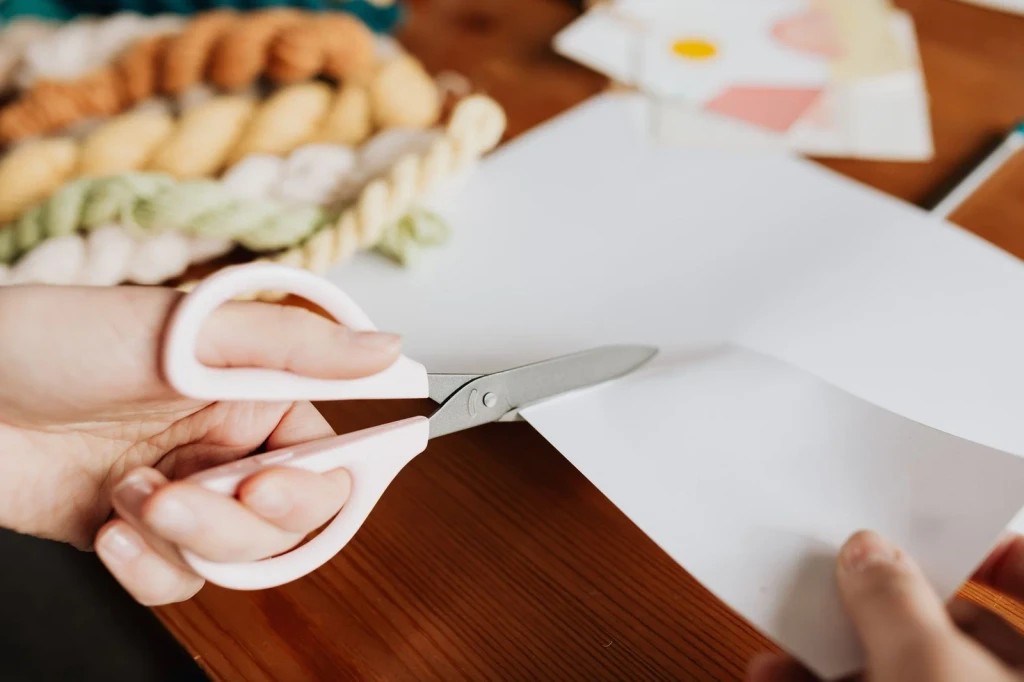
A weaver creates patterns using scissors, yarn, and templates at an old table. The hands demonstrate how paper and thread collaborate in design.
Photograph by www.kaboompics.com, via Pexels.
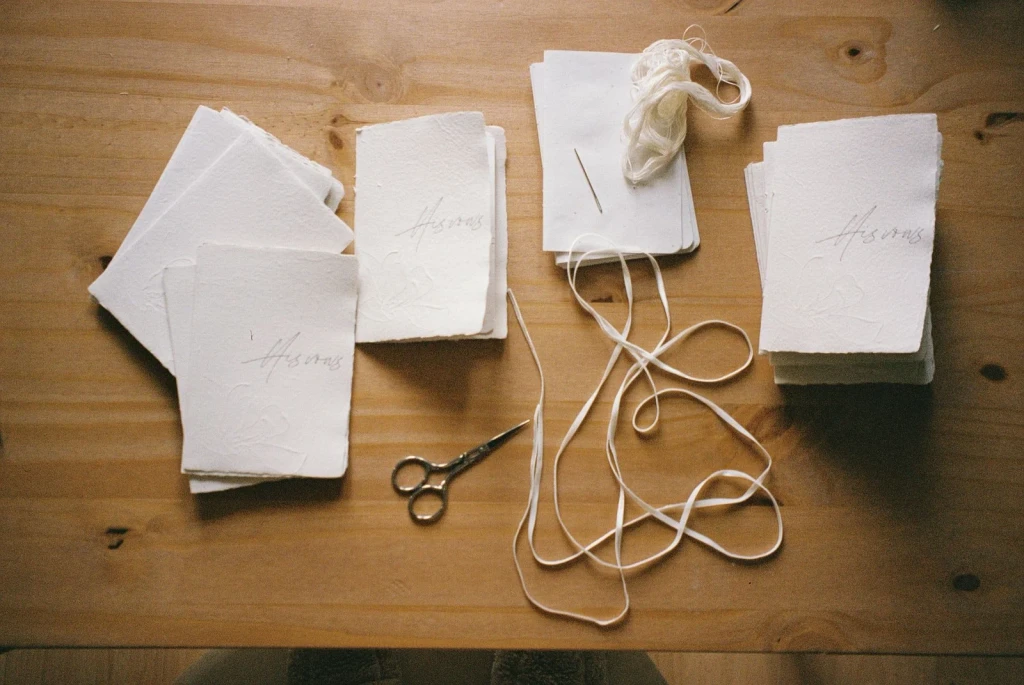
A flat lay gathers handmade paper, scissors, and thread on wood. These humble tools show how civilisation builds itself, supply by supply.
Photograph by Eugenia Remark, via Pexels.
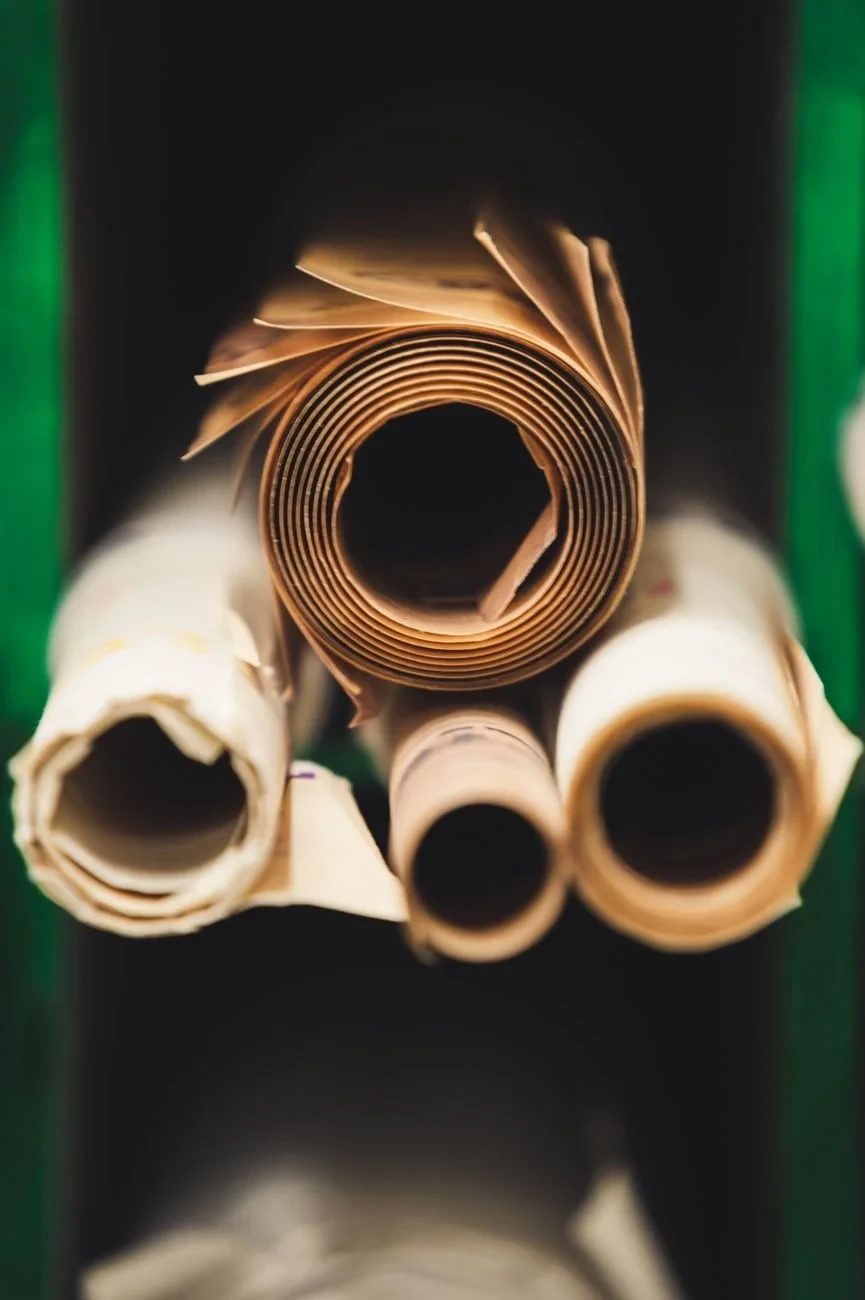
Rolls of yellow parchment sit stacked on a shelf. Paper waits, ready to carry whatever message or creation comes next.
Photograph by Brett Sayles, via Pexels.
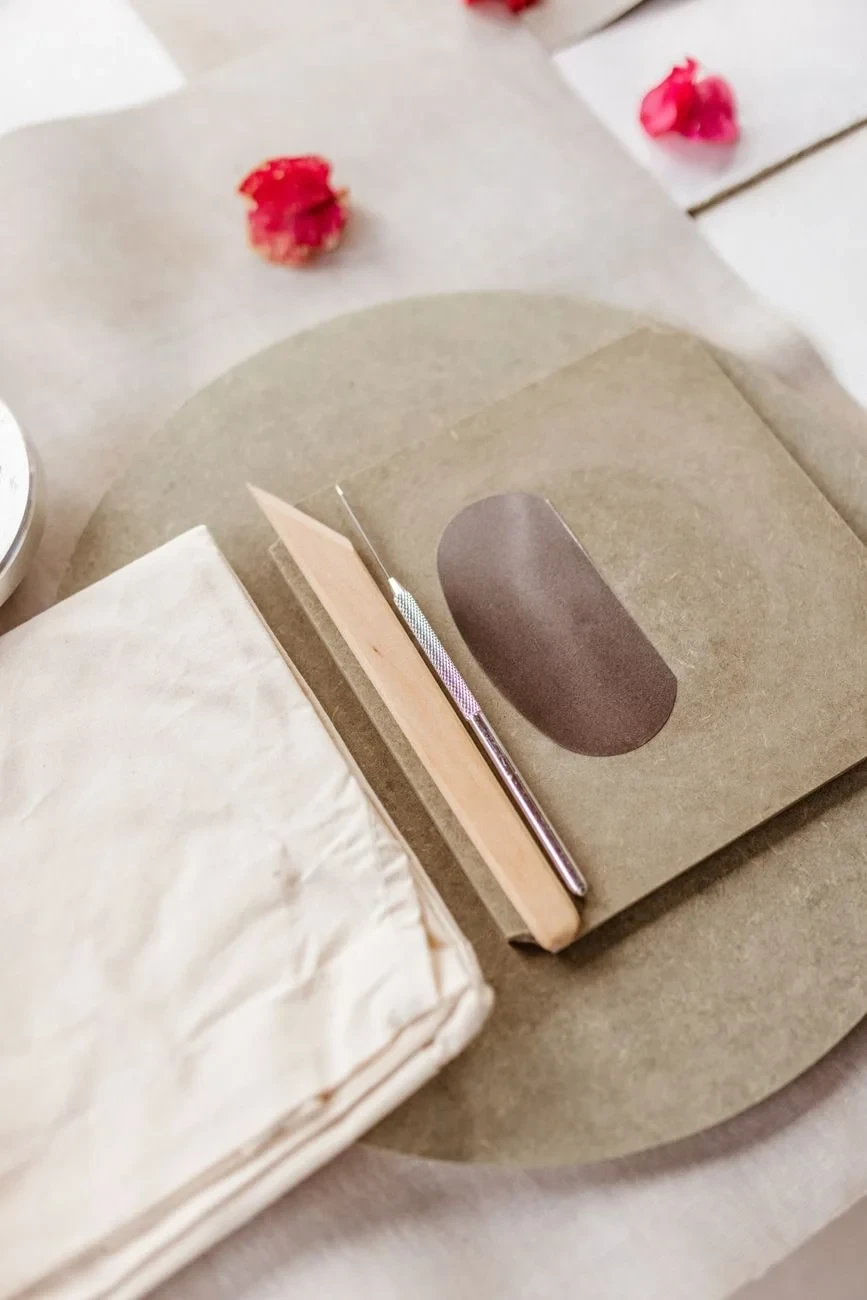
A handmade envelope takes shape among tools and materials. The scattered petals suggest paper's role in marking moments worth preserving.
Photograph by Jonathan Borba, via Pexels.
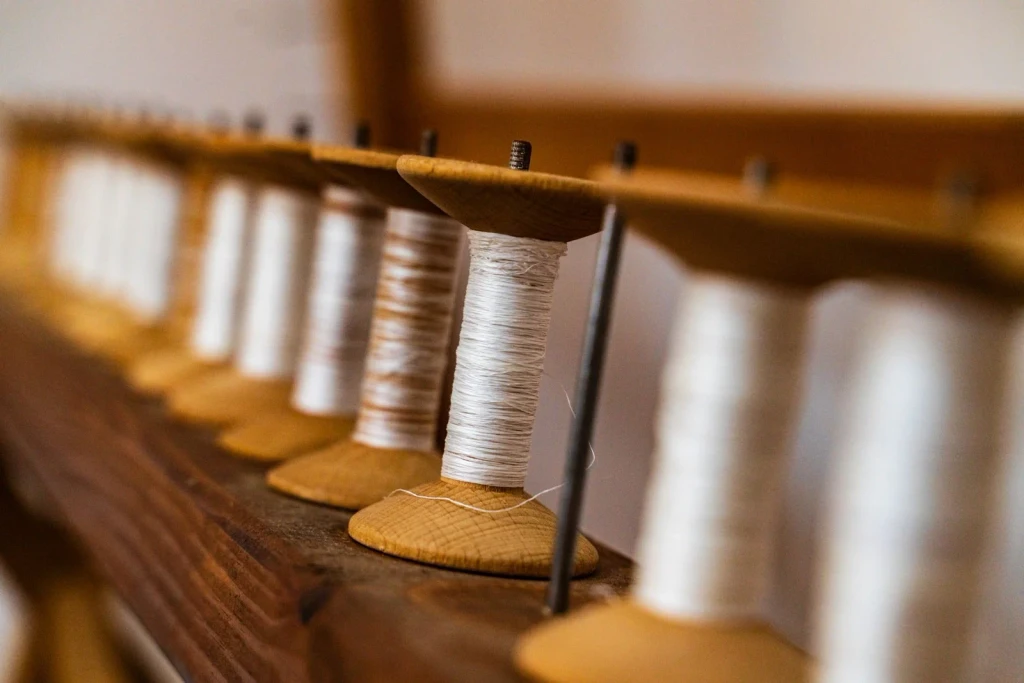
Wooden spools hold cotton thread in neat rows. These traditional tools connect textile craft to the broader history of materials that bind and carry meaning.
Photograph by Pho Tomass, via Pexels.
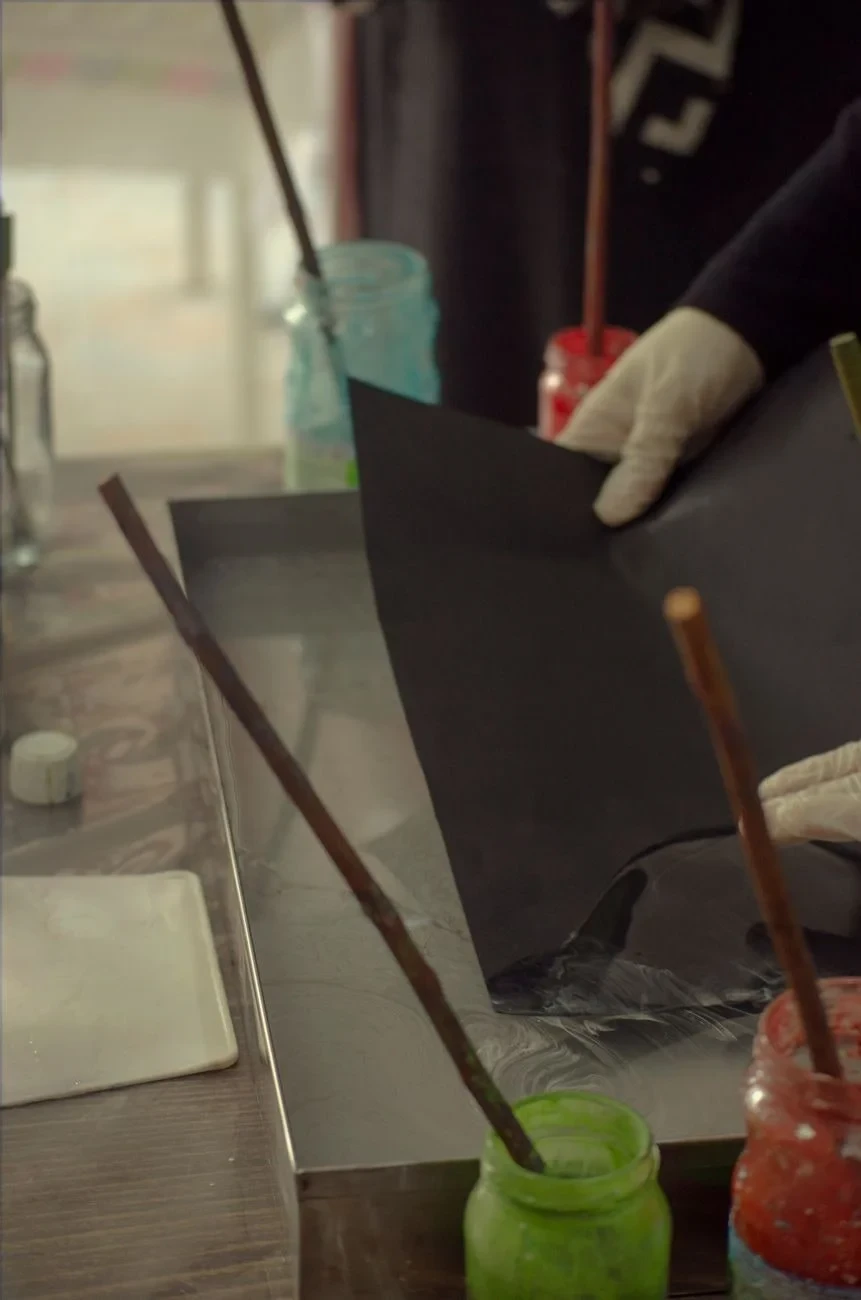
Tools and ink meet paper in marbling, a technique that transforms flat sheets into something patterned and alive. Handcraft makes paper unforgettable.
Photograph by Yusuf Çelik, via Pexels.
