3D Gallery
Portraits: The Business of a Face
Enter gallery
Portraits: The Business of a Face is a 3D virtual gallery on MyGallery3D, a walkable online exhibition of 18 works. Step inside and explore it in your browser: no app, no headset.
Welcome to a 3D virtual gallery you can walk through in your browser, exploring how portrait painting turned the human face into a commodity, a symbol, and a record across millennia.
Gilbert Stuart, faced with a client who hated his wife's portrait, snapped: "You brought me a potato, and you expect a peach!" Behind that retort lies a centuries-old tension. Sitters wanted flattery. Artists wanted truth. Oliver Cromwell demanded his painter show "all these roughnesses, pimples, warts, and everything." The business of a face has always been a negotiation.
Portraits were once reserved for the rich and powerful. Over time, middle-class patrons began commissioning them too. The number of sittings varied wildly. Cézanne insisted on over 100. Goya preferred one long day. The average was about four. In the eighteenth century, delivering a fully completed portrait typically took a month. In the great studios, the master often painted only the head and hands, while apprentices finished clothing and background.
The largest surviving group of ancient painted portraits comes from Egypt's Fayum district: funeral paintings dating from the second to fourth century AD. Painted on wood or ivory using encaustic wax or tempera, they were inserted into mummy wrappings. They are almost the only paintings from the Roman period to survive. Pliny the Elder, writing centuries earlier, already complained that "indolence has destroyed the arts" of portraiture.
Most historical portraits show a serious, closed-lip stare. Anything beyond a slight smile was rare. As Charles Dickens observed, "there are only two styles of portrait painting: the serious and the smirk." With the mouth kept neutral, the eyes carry the meaning. Author Gordon C. Aymar called them "the place one looks for the most complete, reliable, and pertinent information." The eyebrows alone can register wonder, fright, pain, and cynicism.
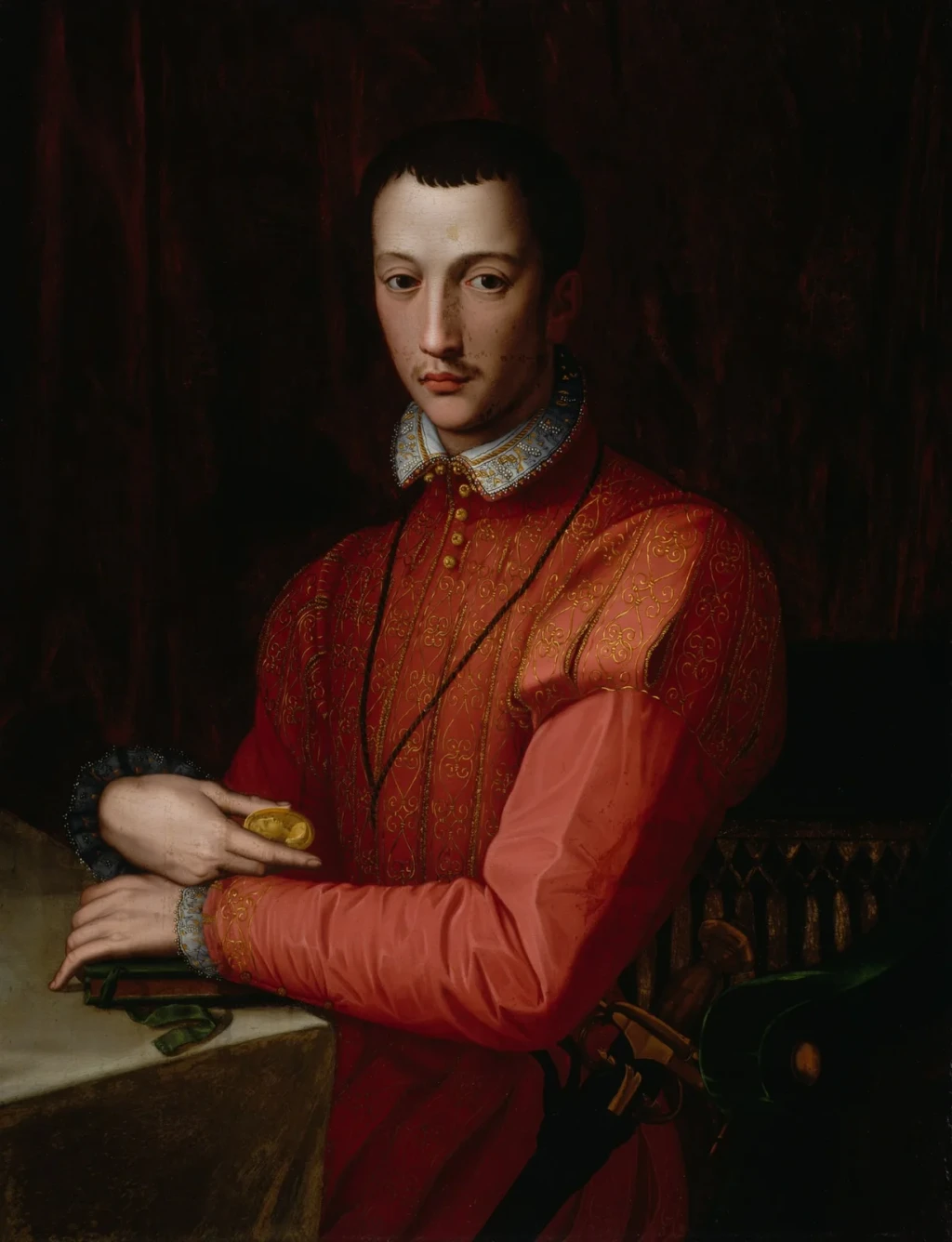
Alessandro Allori, c. 1560
Oil on panel · Italy
Gift of Edgar Kaufmann, Jr. · Alessandro Allori on Wikipedia
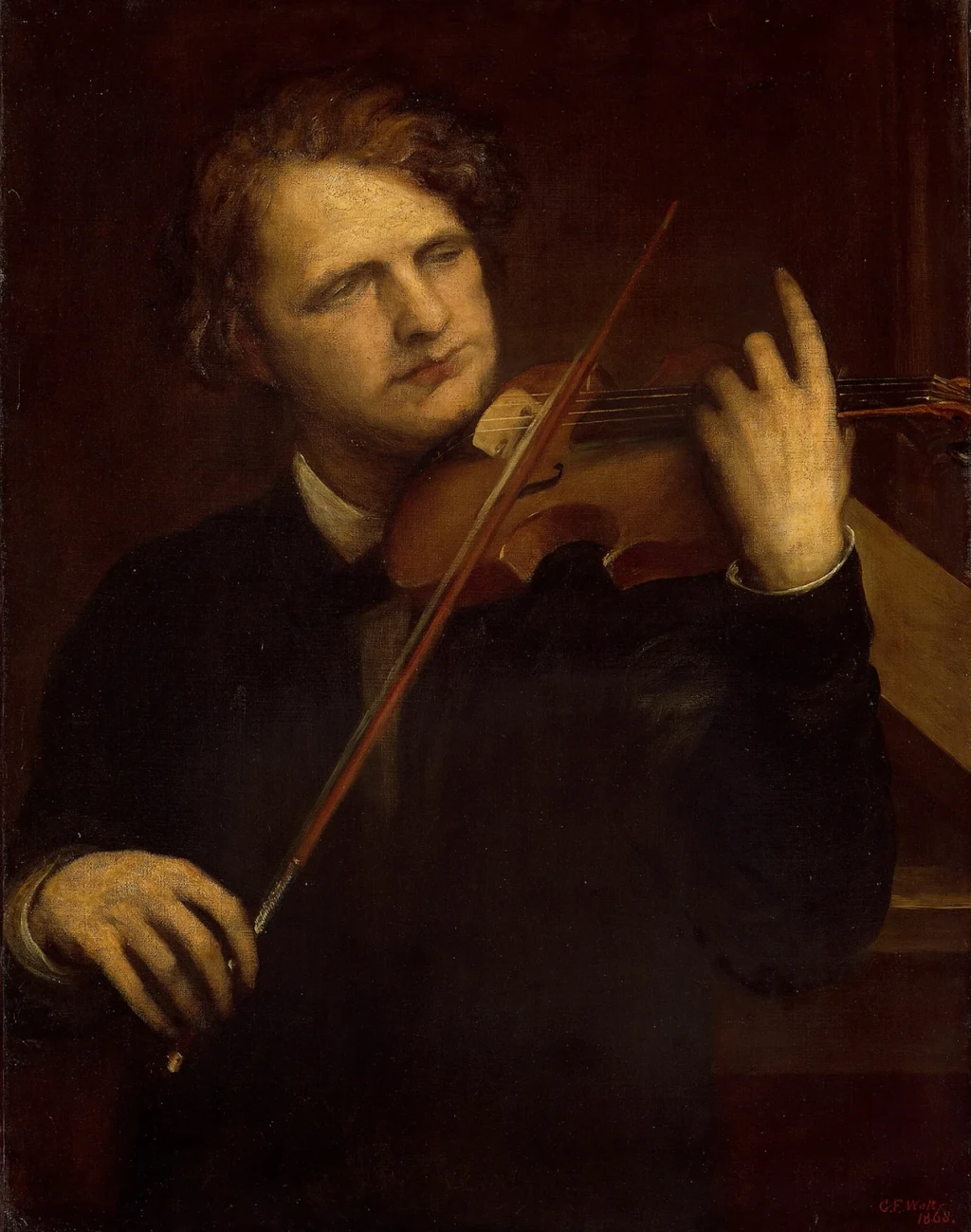
George Frederick Watts, 1868
Oil on canvas · England
Bequest of Charles L. Hutchinson · George Frederic Watts on Wikipedia
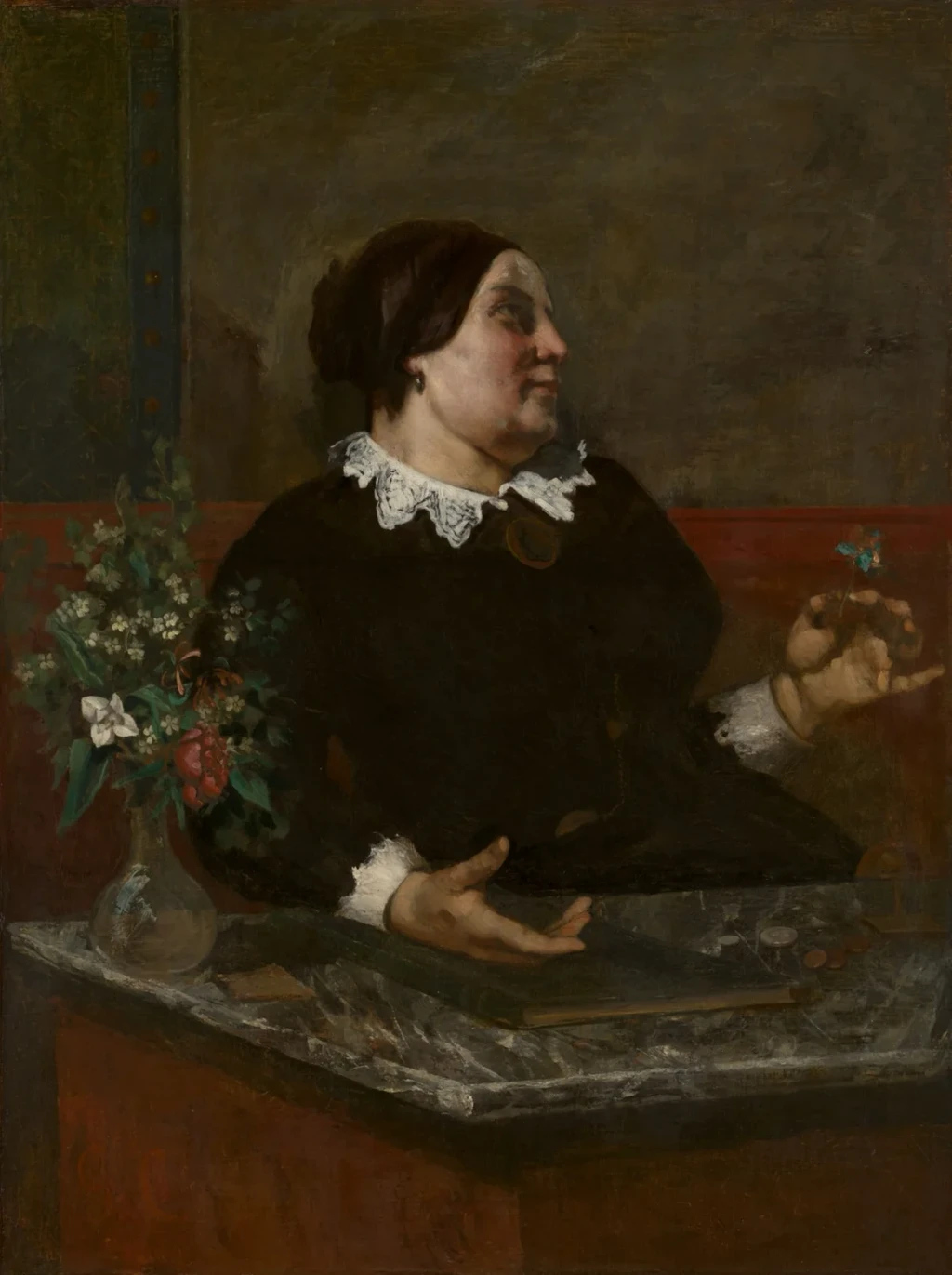
Gustave Courbet, 1855, reworked 1857, 59
Oil on canvas · France
Wilson L. Mead Fund · Gustave Courbet on Wikipedia
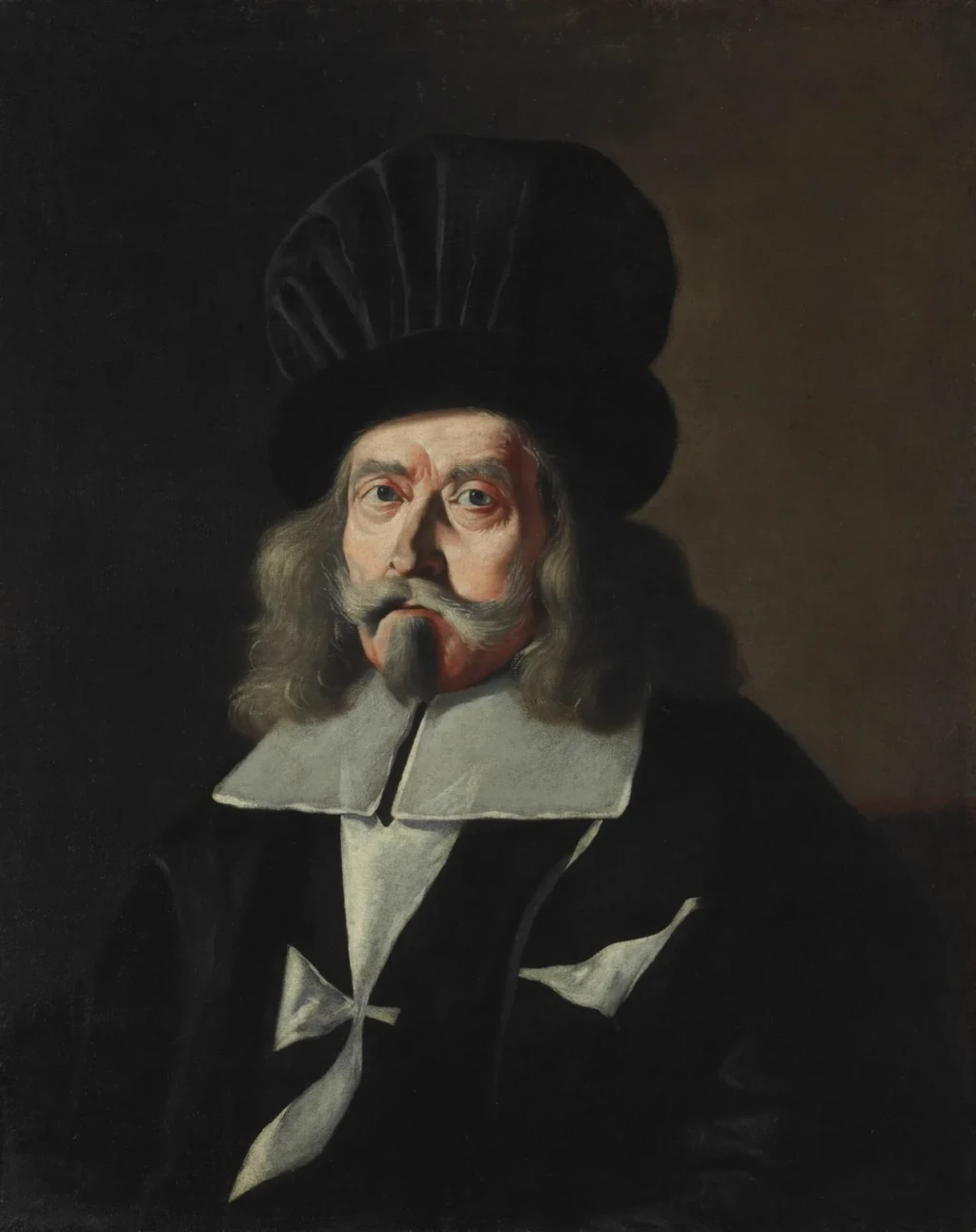
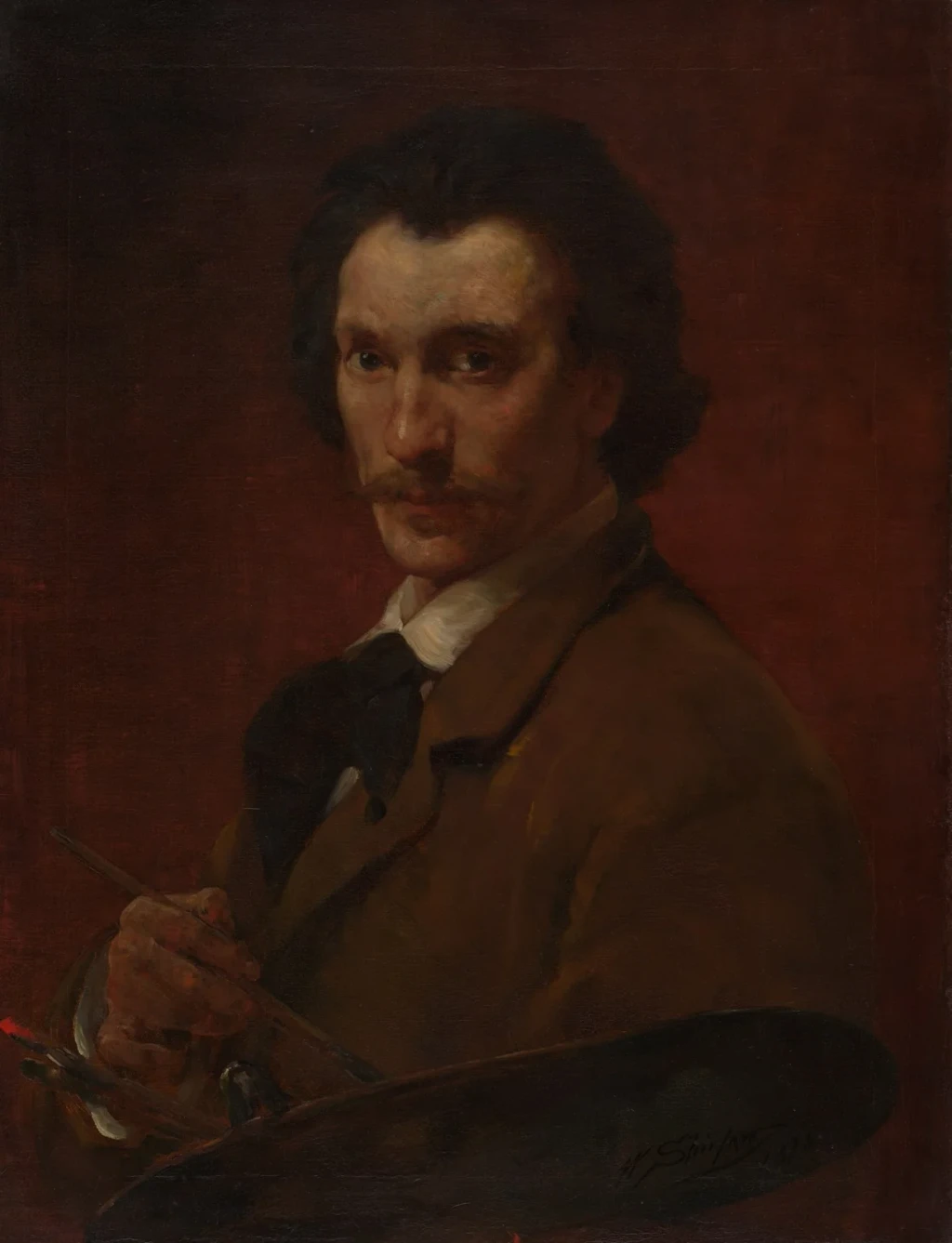
Walter Shirlaw, 1878
Oil on canvas · United States
Gift of Joseph M. Rogers · Walter Shirlaw on Wikipedia
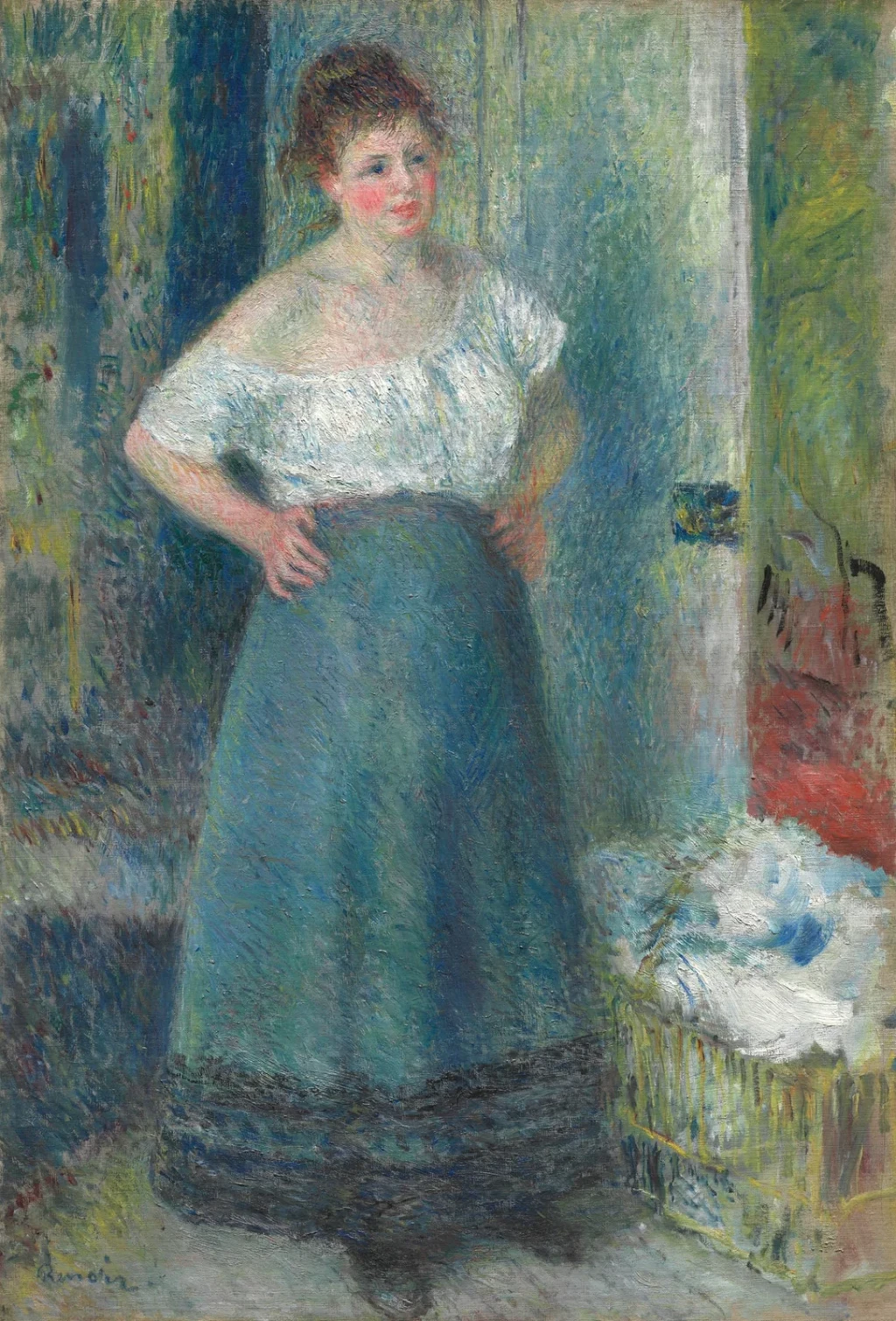
Pierre-Auguste Renoir, 1877, 79
Oil on canvas · France
Charles H. and Mary F. S. Worcester Collection · Pierre-Auguste Renoir on Wikipedia
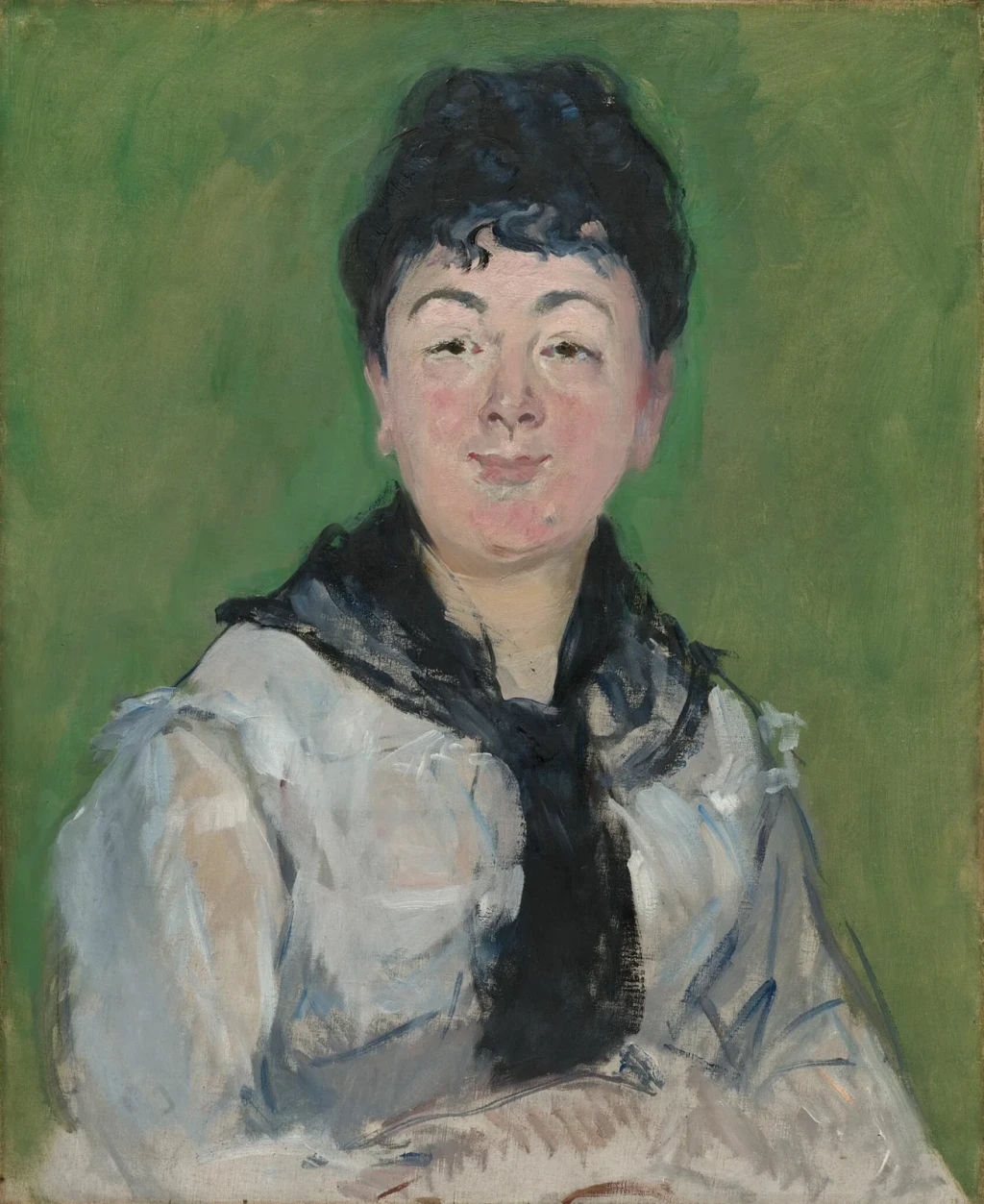
Édouard Manet, c. 1878
Oil on canvas · Paris
Mr. and Mrs. Lewis Larned Coburn Memorial Collection · Édouard Manet on Wikipedia
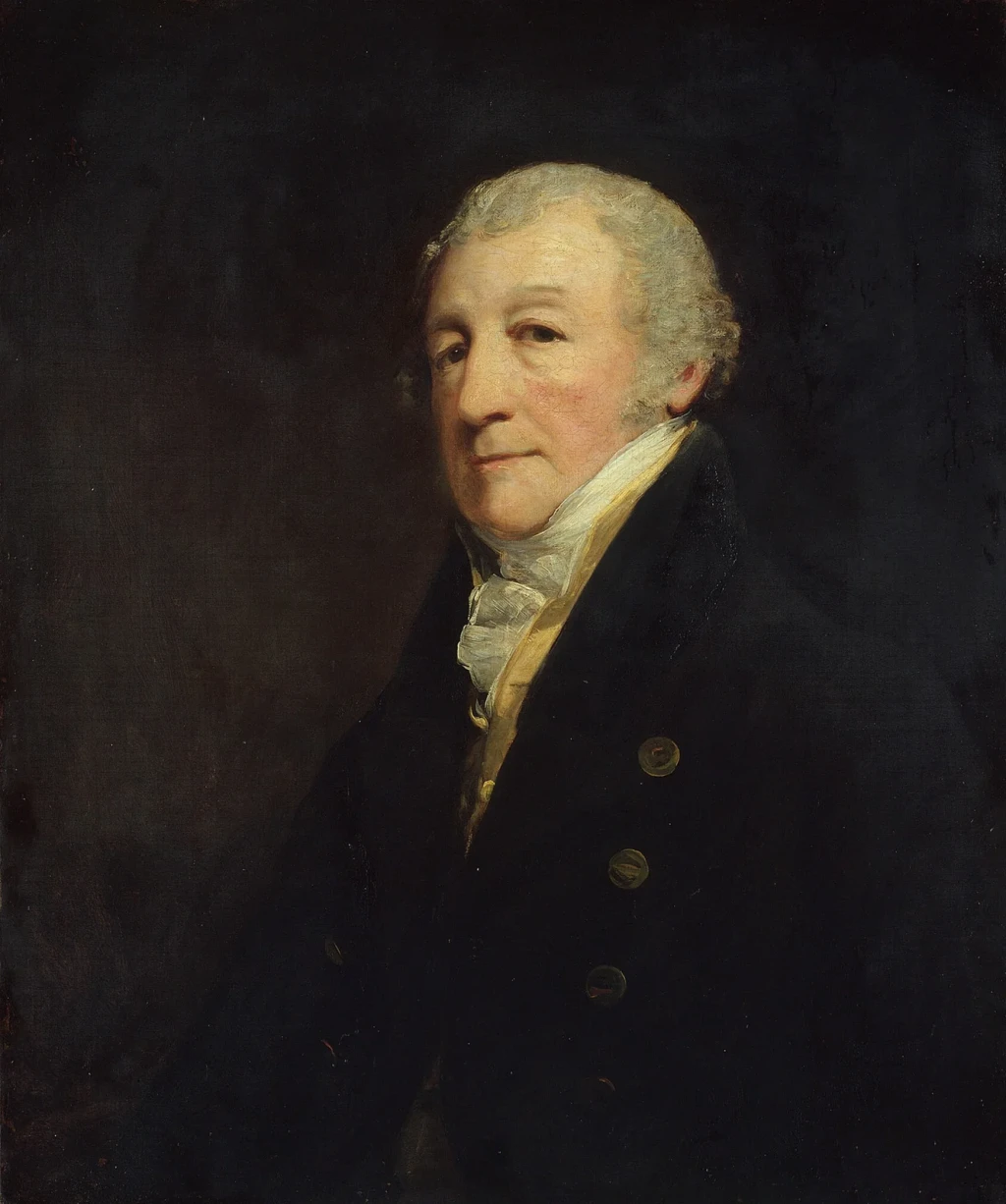
John Jackson, c. 1820, 30
Oil on canvas · England
Gift of Mrs. G.P.A. Healy
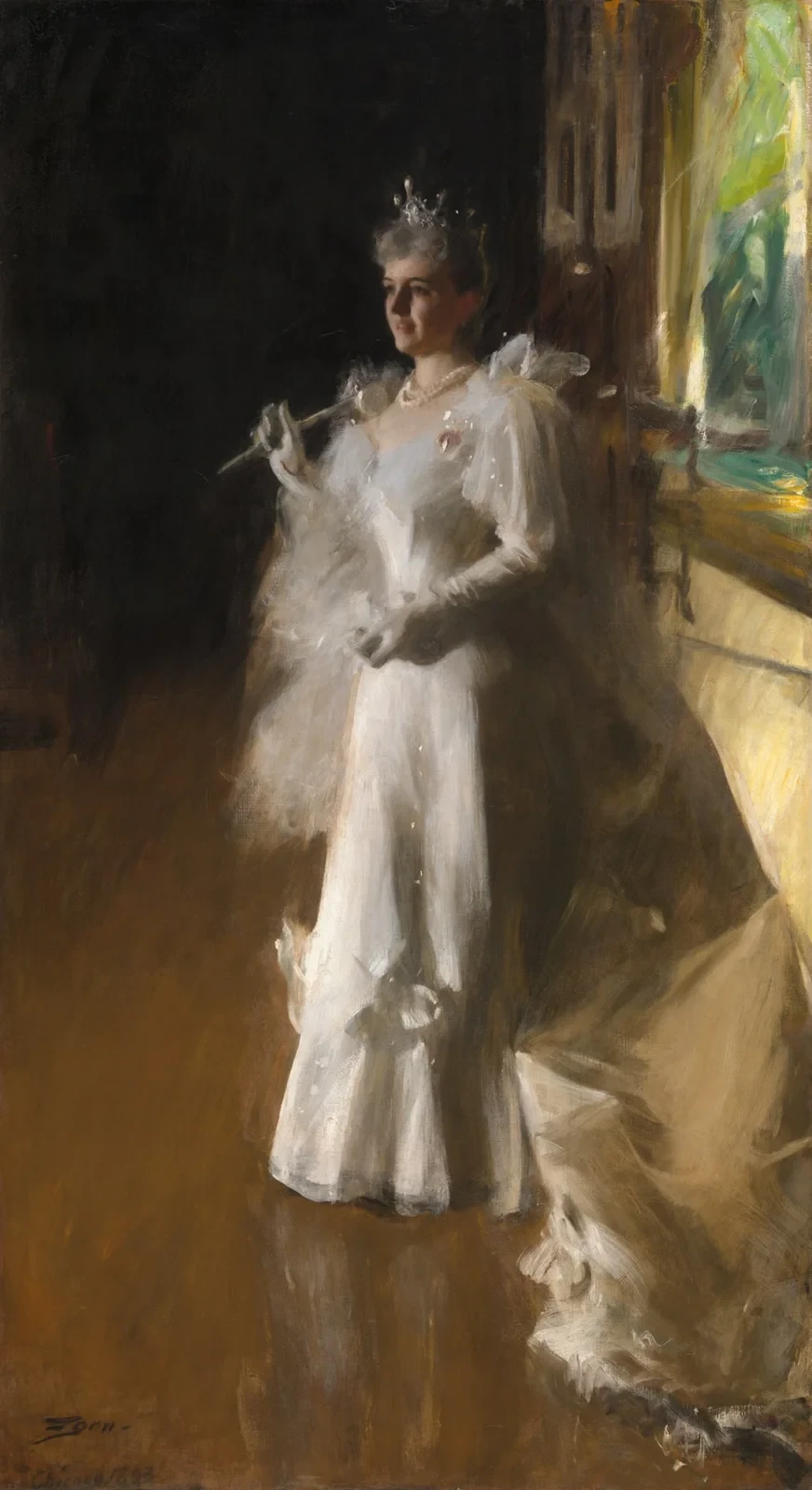
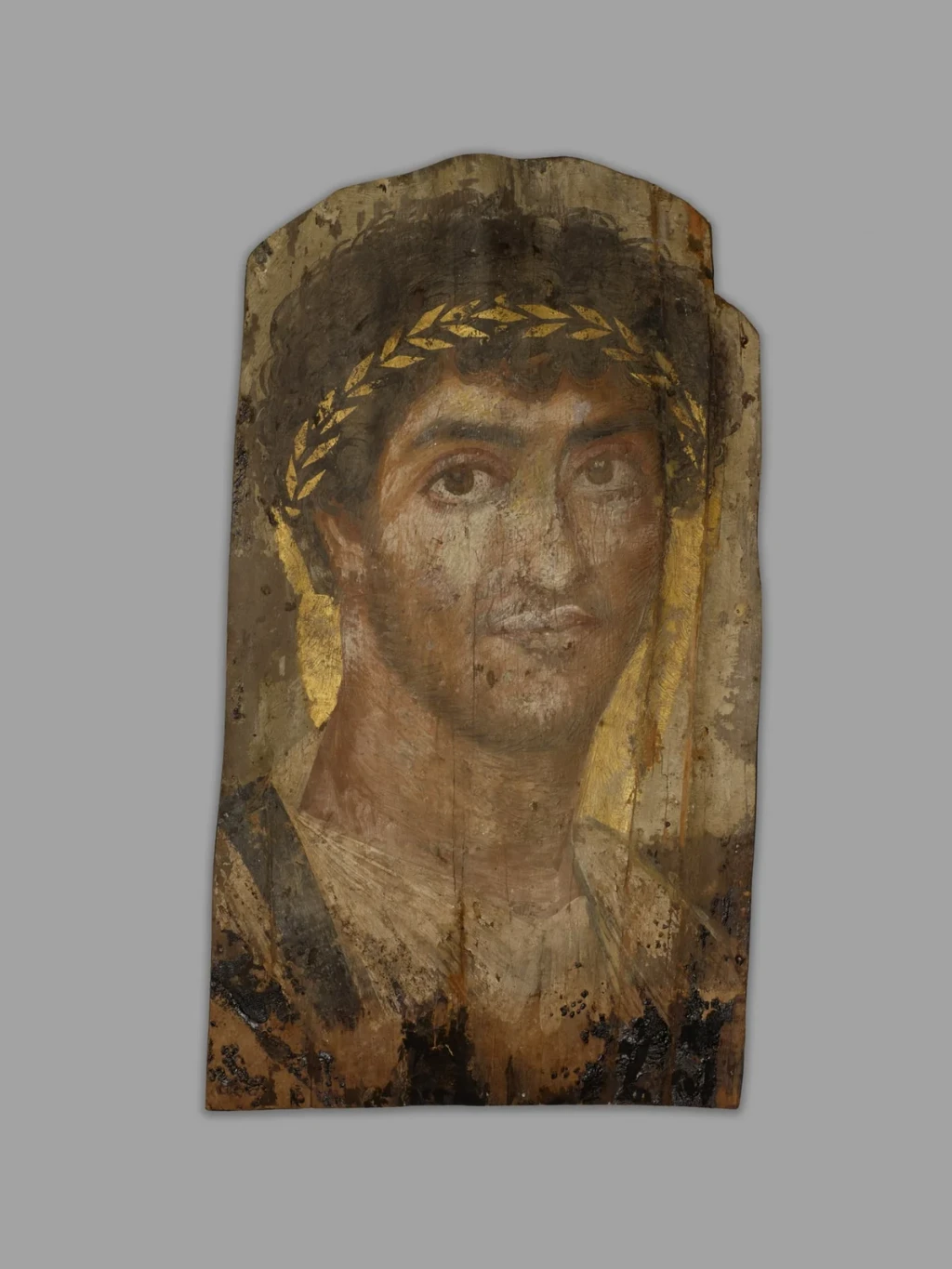
Ancient Egyptian, Roman Period, early to mid, 2nd century
Lime (linden) wood, beeswax, pigments, gold, textile, and natural resin · Al Fayyum
Gift of Emily Crane Chadbourne · Ancient Egypt on Wikipedia
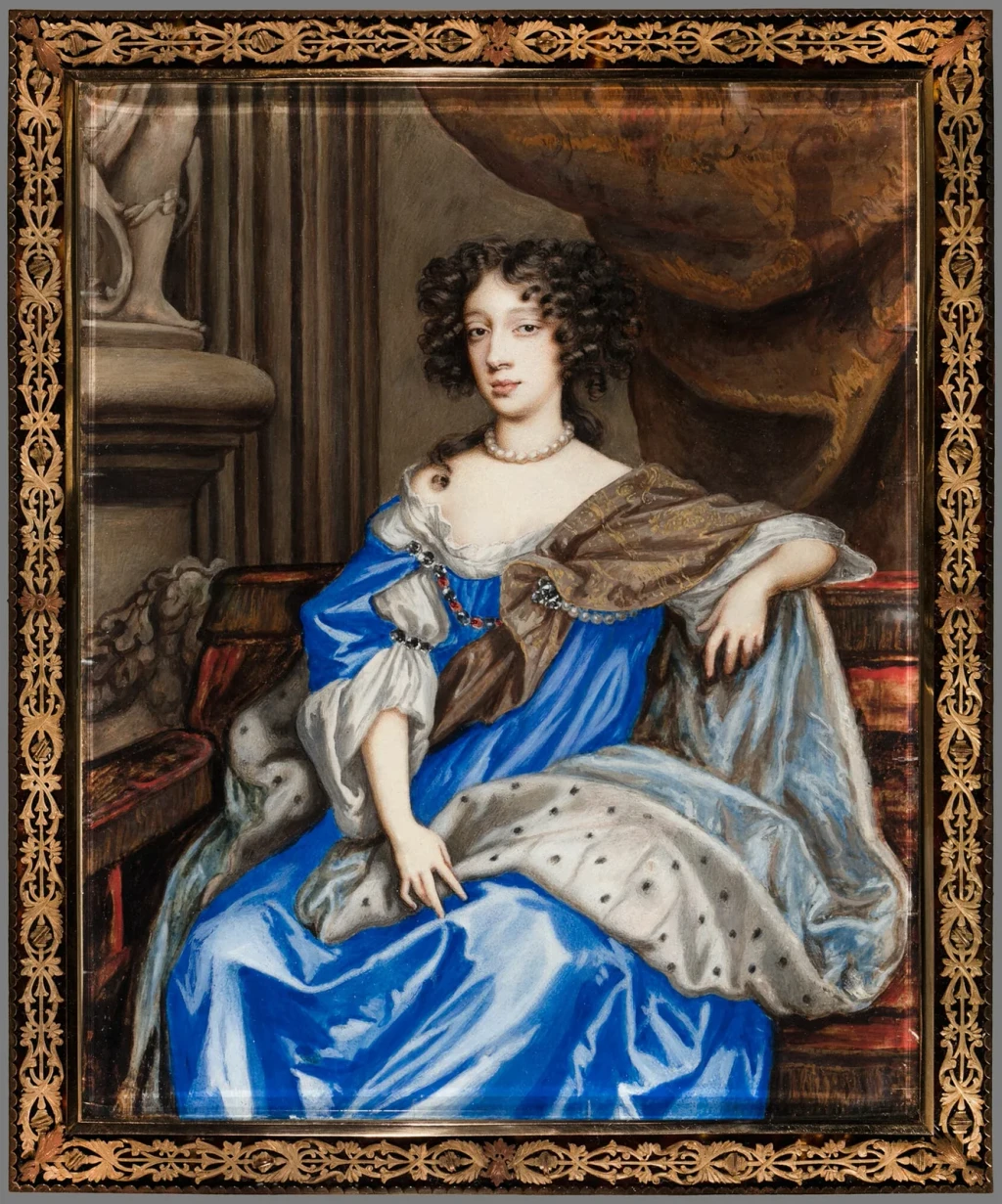
Nicholas Dixon, c. 1673
Watercolor on vellum · England
Colonel Alexander F. and Jeannie C. Stevenson Memorial Collection · Nick Dixon on Wikipedia
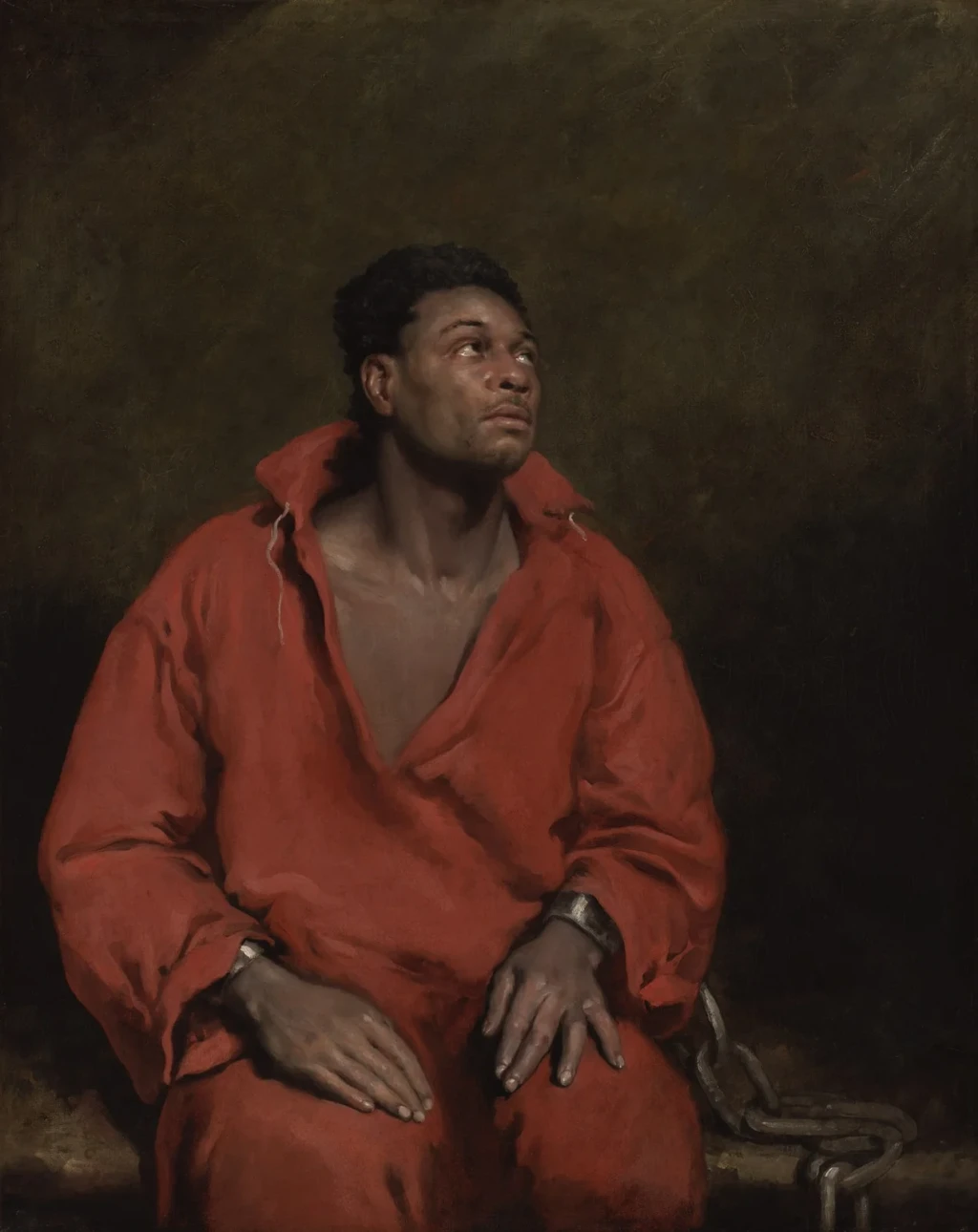
John Philip Simpson, 1827
Oil on canvas · England
Purchased with funds provided by Mary Winton Green, Dan and Sara Green Cohan, Howard and Lisa Green and Jonathan and Brenda Green, in memory of David Green · John Simpson (artist) on Wikipedia
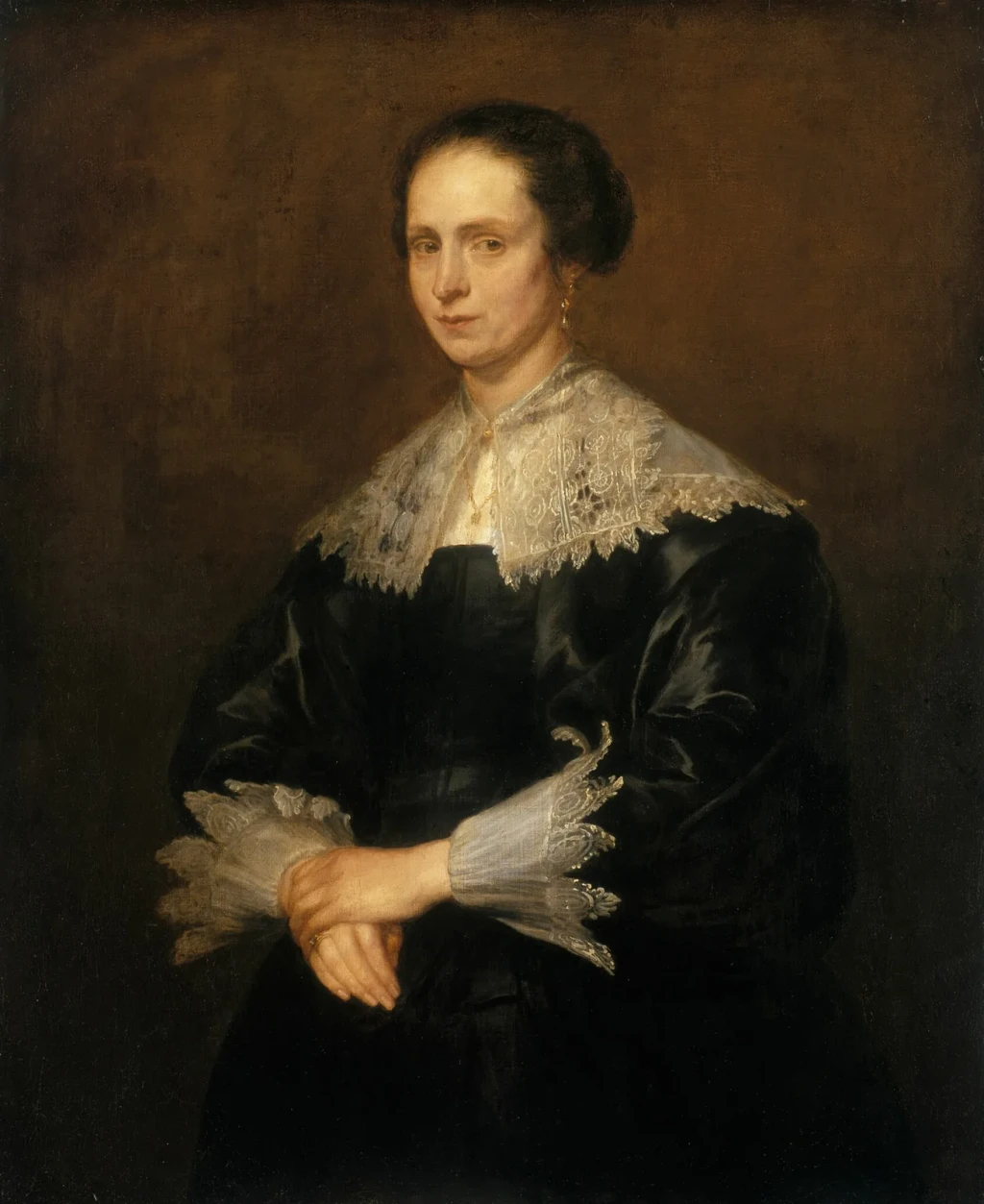
Anthony van Dyck, c. 1631
Oil on canvas · Flanders
Gift of the family of William T. Baker · Anthony van Dyck on Wikipedia
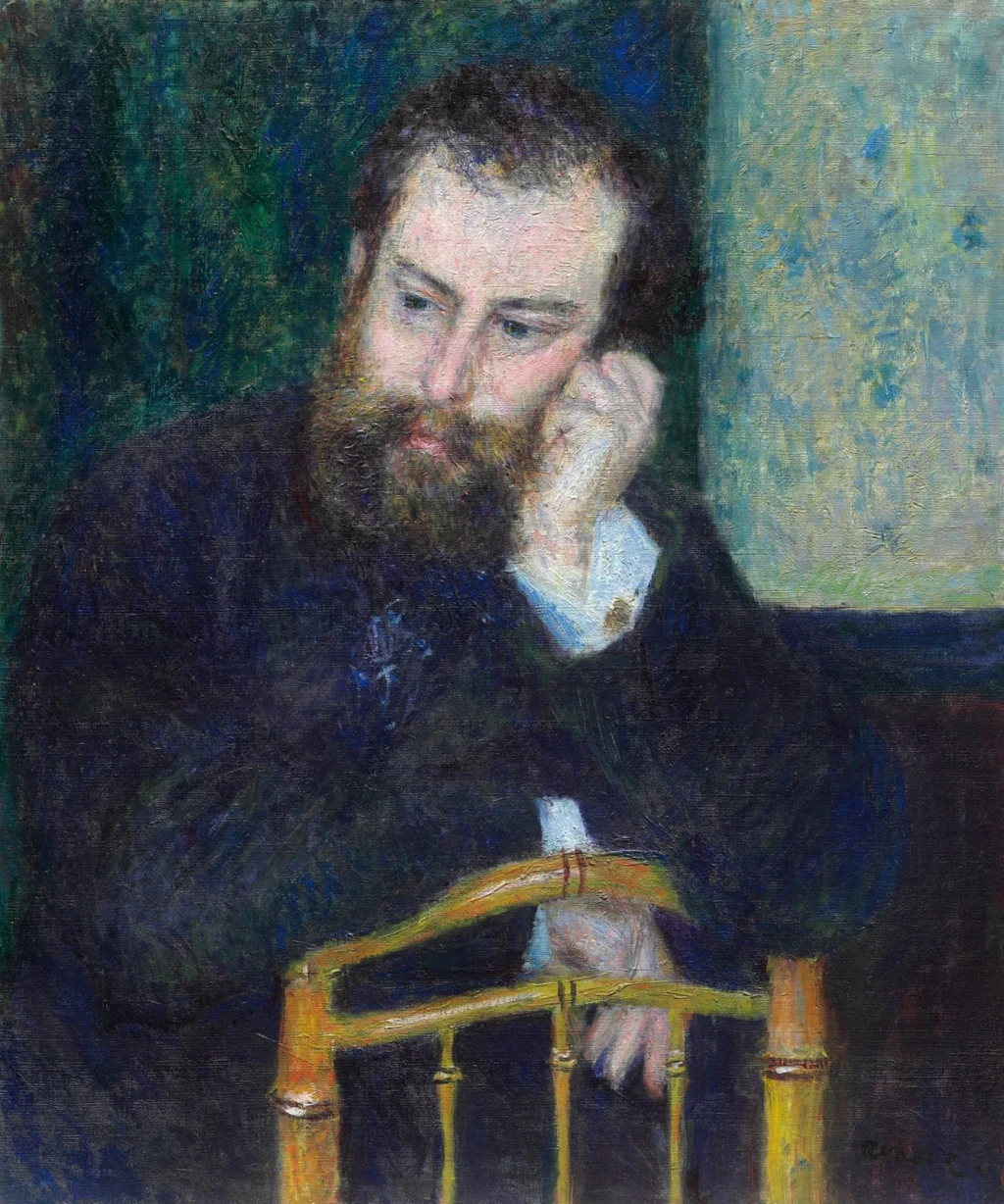
Pierre-Auguste Renoir, 1876
Oil on canvas · France
Mr. and Mrs. Lewis Larned Coburn Memorial Collection · Pierre-Auguste Renoir on Wikipedia
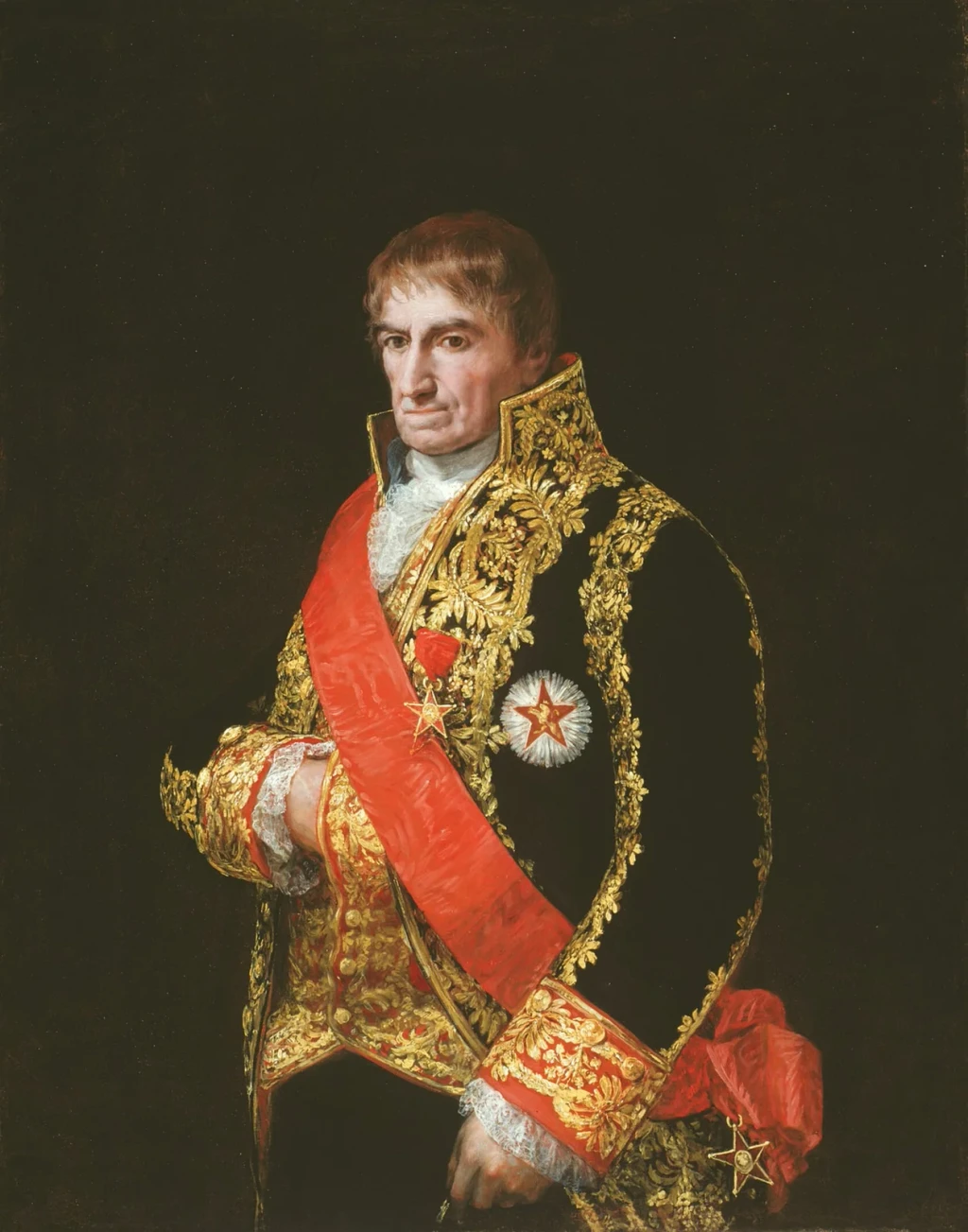
Francisco José de Goya y Lucientes, c. 1810
Oil on canvas · Spain
Gift of Mr. and Mrs. Charles Deering McCormick · Francisco Goya on Wikipedia
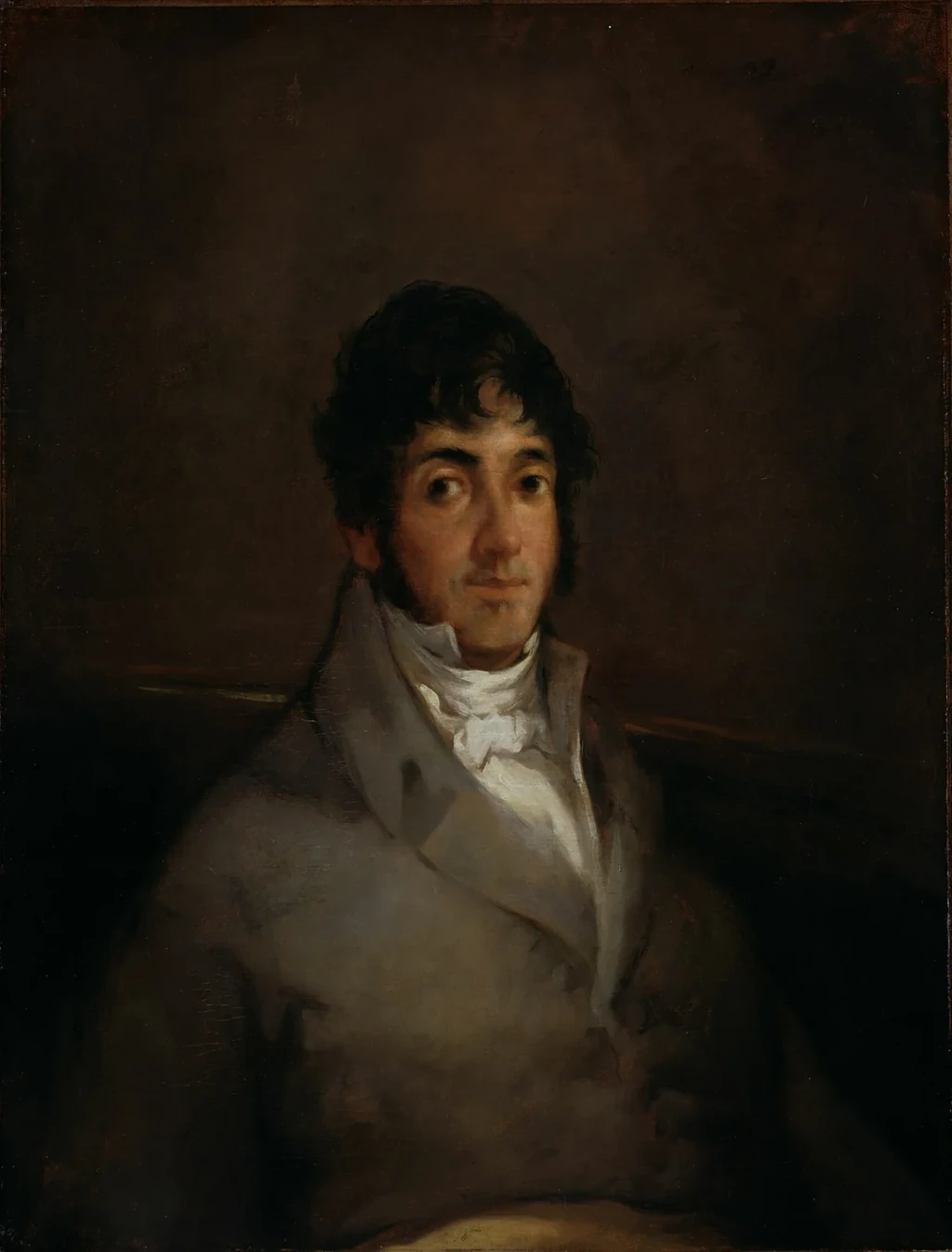
Francisco José de Goya y Lucientes, c. 1807
Oil on canvas · Spain
Mr. and Mrs. Martin A. Ryerson Collection · Francisco Goya on Wikipedia
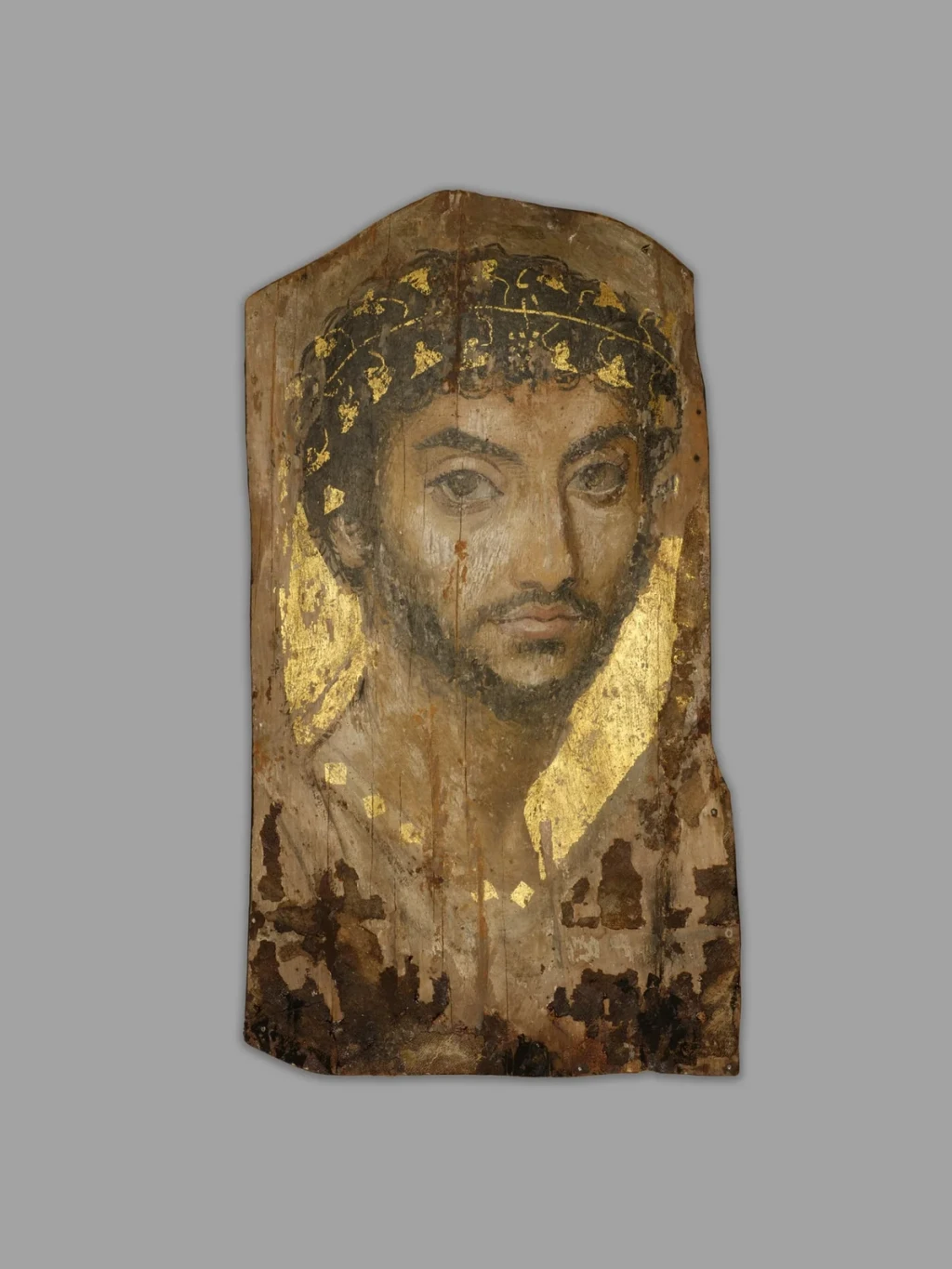
Ancient Egyptian, Roman Period, early to mid, 2nd century
Lime (linden) wood, beeswax, pigments, gold, textile, and natural resin · Al Fayyum
Gift of Emily Crane Chadbourne · Ancient Egypt on Wikipedia
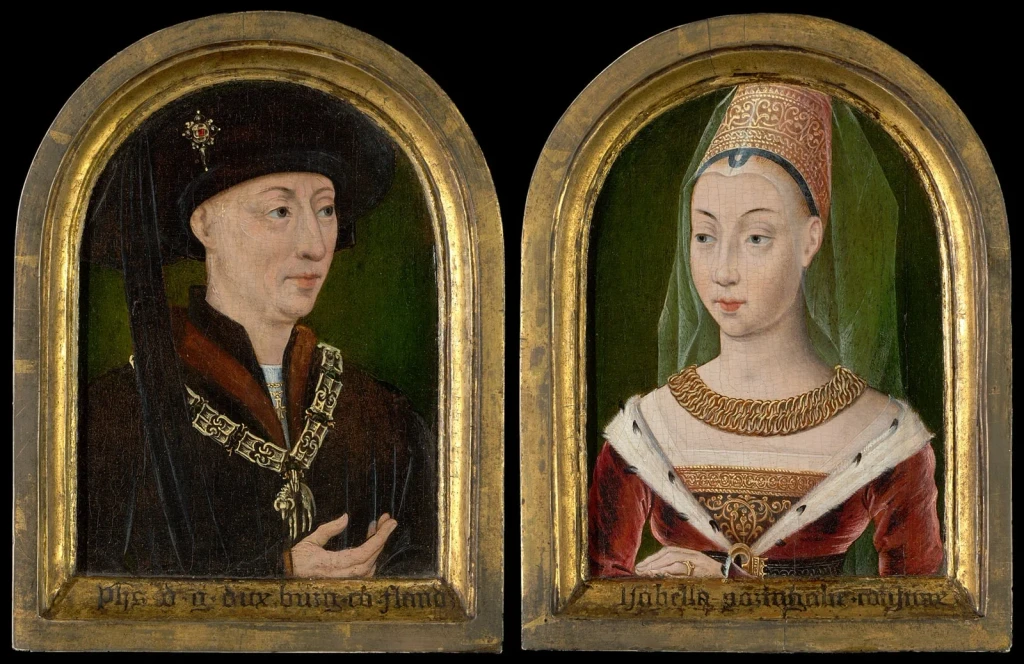
Flemish, 1510, 30
Oil on panel · Flanders
Frederick T. Haskell Collection
