3D Gallery
Post-Impressionism: What Came After Light
Enter gallery
Post-Impressionism: What Came After Light is a 3D virtual gallery on MyGallery3D, a walkable online exhibition of 16 works. Step inside and explore it in your browser: no app, no headset.
Welcome to a 3D virtual gallery you can walk through in your browser, exploring the art that emerged after Impressionism dissolved the world into light. Post-Impressionism was never a unified movement. The term was chosen by critic Roger Fry in 1906 precisely because it was, in his words, "the vaguest and most non-committal" name available.
Its four principal artists, Cézanne, Van Gogh, Seurat and Gauguin, disagreed on nearly everything except that Impressionism had sacrificed structure for shimmer. What they built in its place changed painting permanently.
Seurat devised pointillism: thousands of tiny dots of pure colour that the viewer's eye blends at a distance. He believed painting could be governed by scientific law, the way music obeys harmony. Cézanne wanted to "make of Impressionism something solid and durable, like the art of the museums," reducing objects to basic shapes. Van Gogh used vibrant colour and conspicuous brushstrokes to convey his state of mind. Three incompatible methods, one shared rejection of naturalism.
Cézanne's paintings initially provoked ridicule. Until the late 1890s his buyers were mainly fellow artists like Pissarro and the dealer Ambroise Vollard, who gave him his first solo show in 1895. Recognition arrived late. Both Matisse and Picasso are said to have called Cézanne "the father of us all." His emphasis on underlying structure formed the bridge between Impressionism and early twentieth-century Cubism.
Roger Fry organised the 1910 London exhibition Manet and the Post-Impressionists at the Grafton Galleries. He needed a label. Three weeks earlier, critic Frank Rutter had already used "post-impressionist" in Art News to describe Othon Friesz. Fry later admitted he chose the term because it "merely stated their position in time relatively to the Impressionist movement." The artists themselves never agreed on a shared programme.
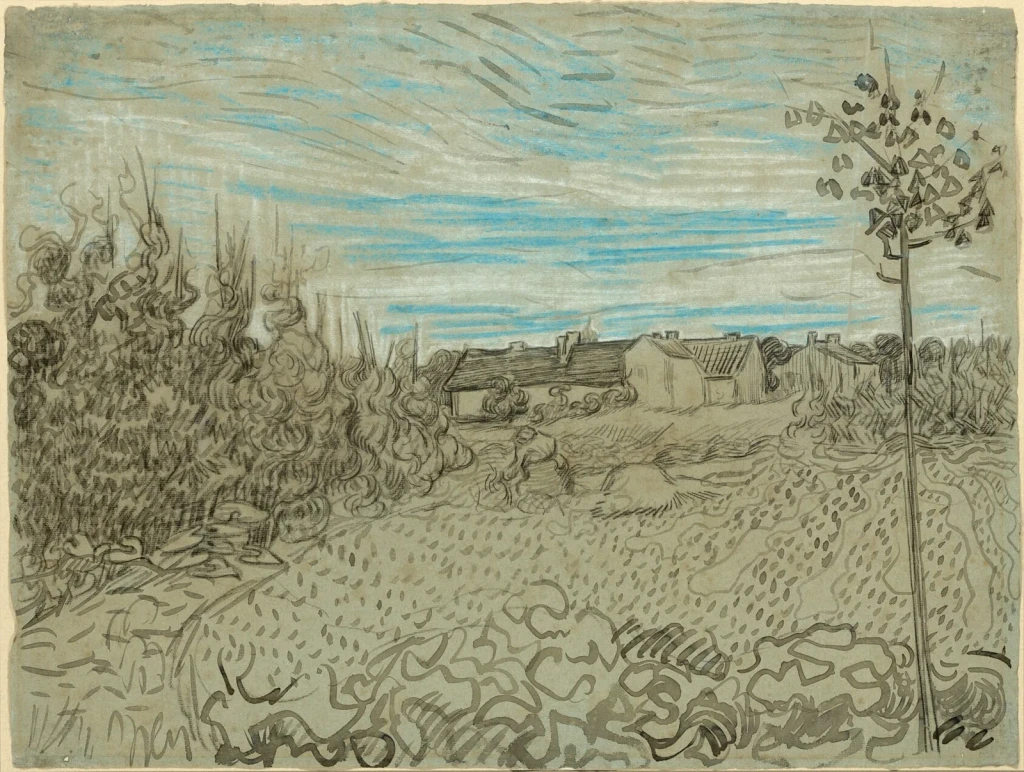
Vincent van Gogh, 1890
Charcoal, reed pen and black ink, blue pastel, and white chalk on blue-gray laid paper · Netherlands
Bequest of Kate L. Brewster · Vincent van Gogh on Wikipedia
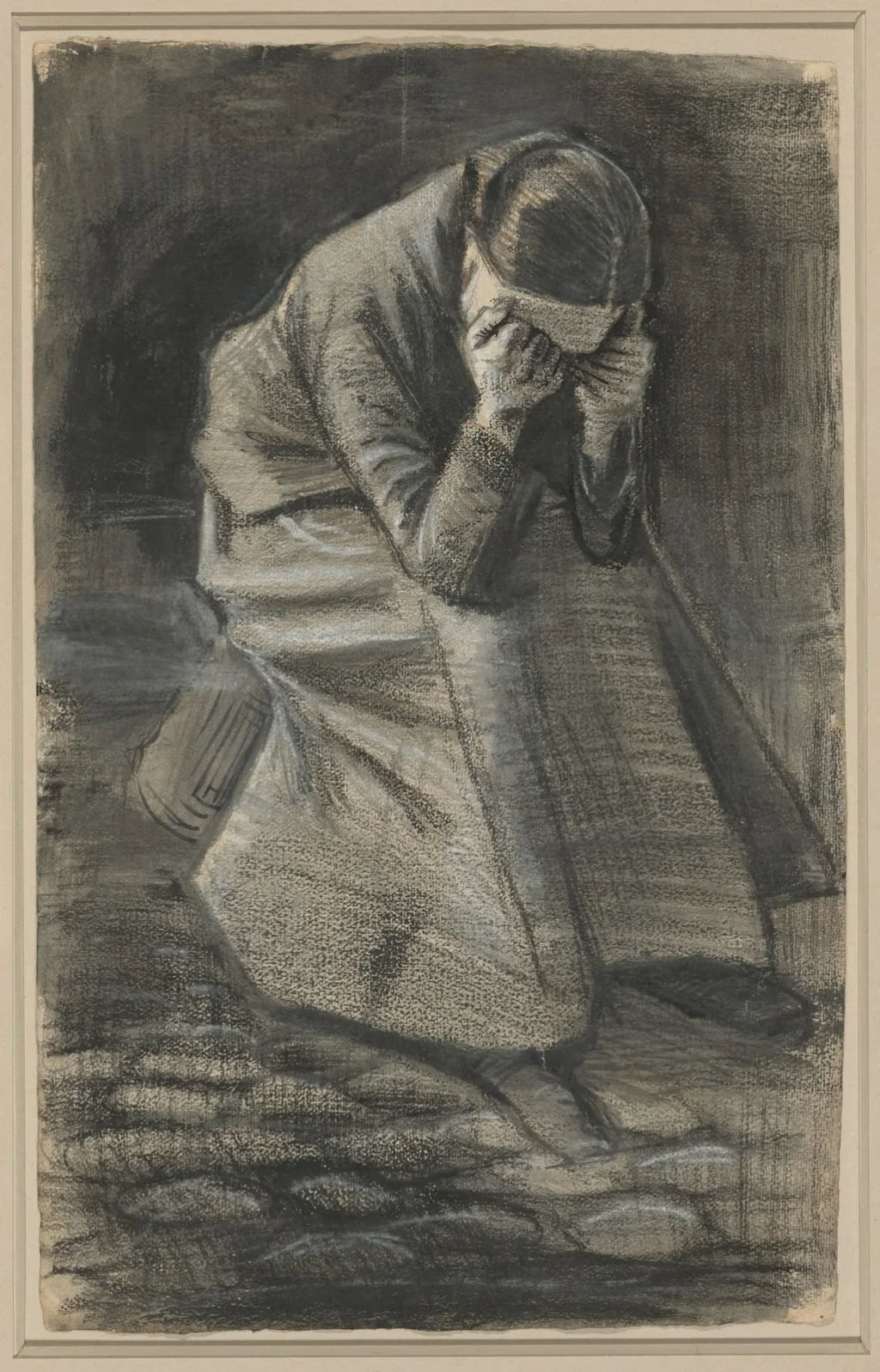
Vincent van Gogh, 1883
Black and white chalk, with brush and stumping, brush and black and gray wash, and traces of graphite, over a brush and brown ink underdrawing on ivory wove paper · Netherlands
Gift of Mrs. G. T. Langhorne and the Mary Kirk Waller Fund in memory of Tiffany Blake and Anonymous Fund · Vincent van Gogh on Wikipedia
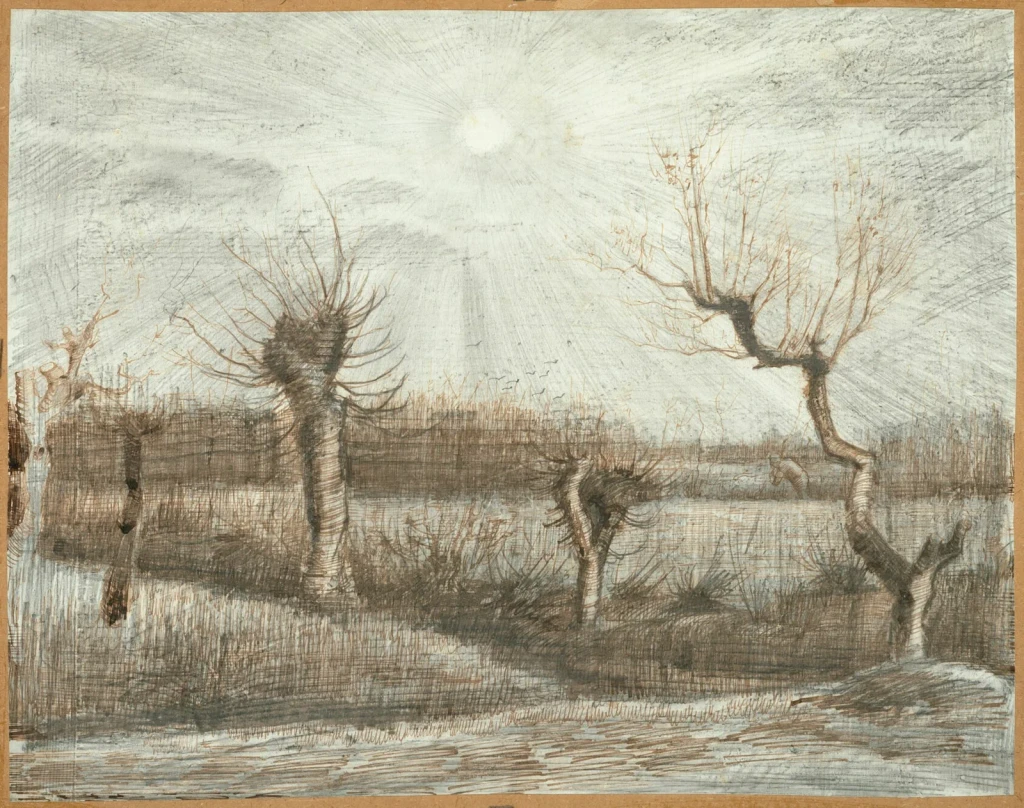
Vincent van Gogh, 1884
Pen and brown ink, with touches of pen and black ink, graphite and graphite frottage, and traces of black chalk, on grayish-white paper laid down on cardboard · Netherlands
Robert Allerton Fund · Vincent van Gogh on Wikipedia
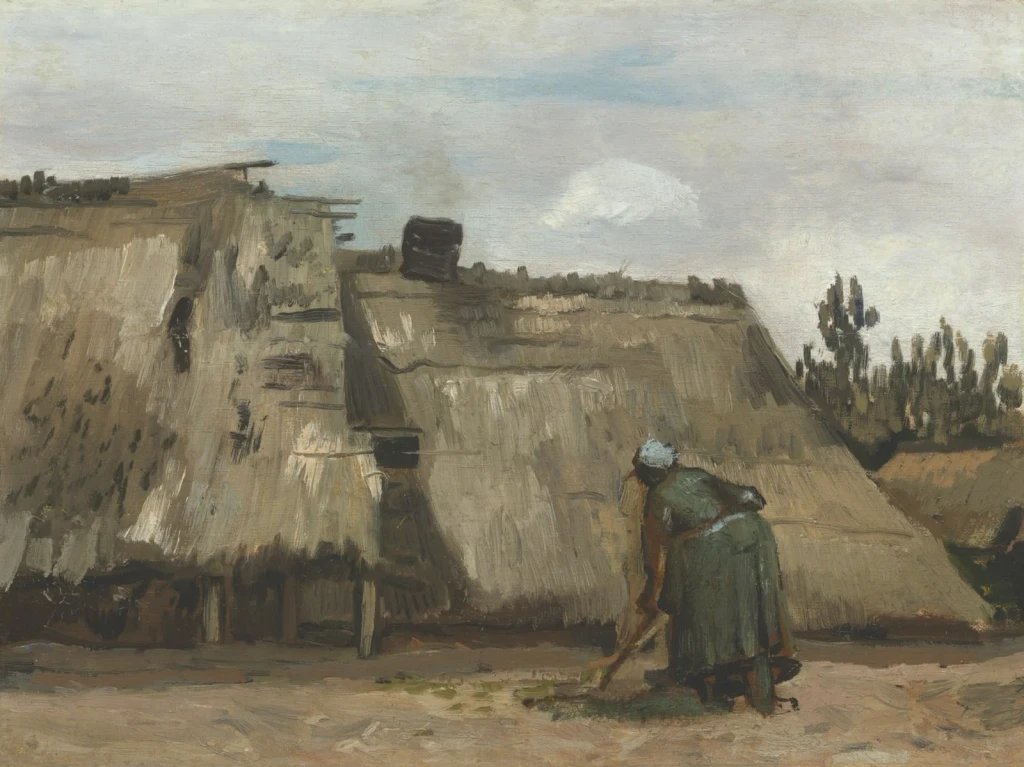
Vincent van Gogh, c. 1885
Oil on canvas · Netherlands
Bequest of Dr. John J. Ireland · Vincent van Gogh on Wikipedia
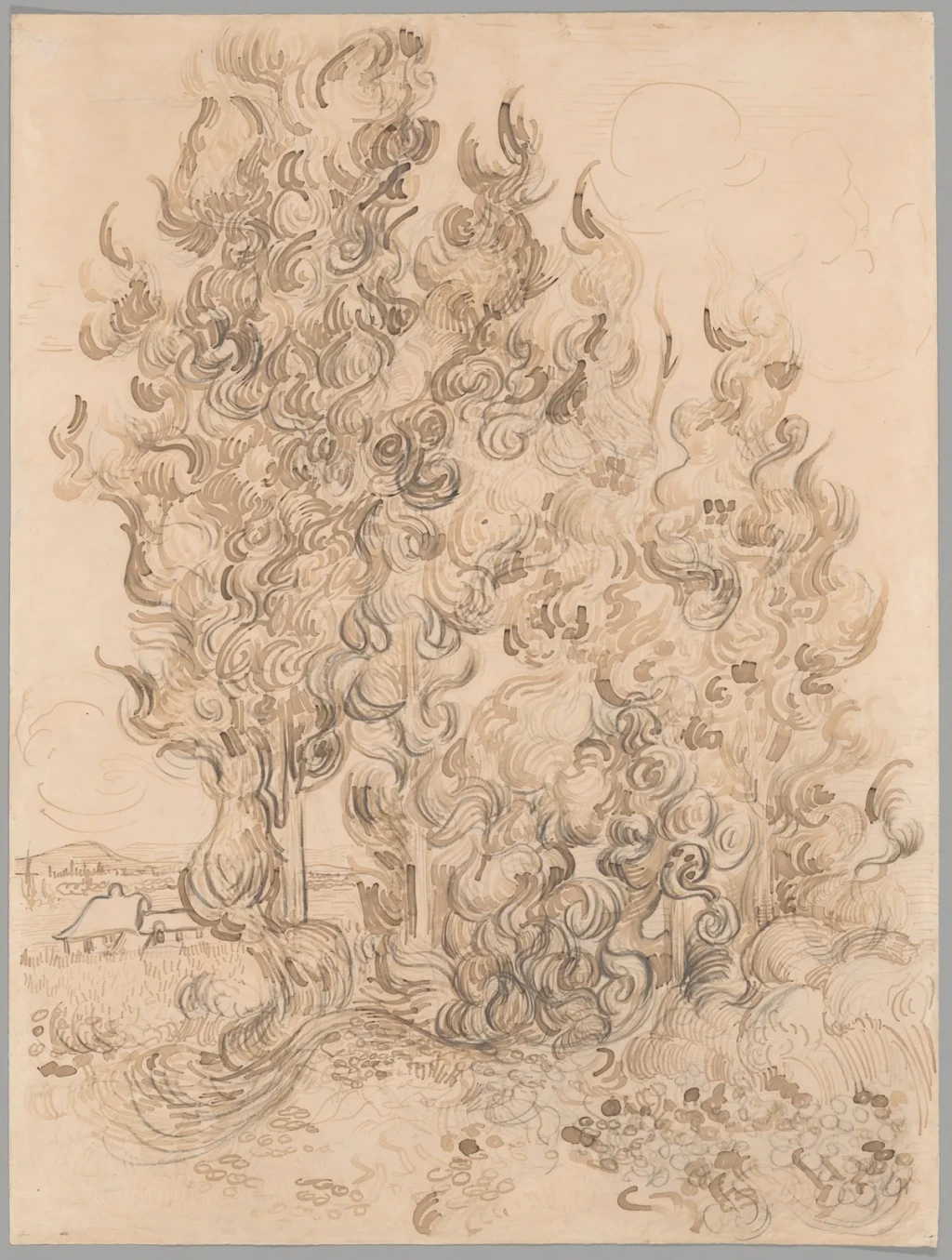
Vincent van Gogh, 1889
Pen and reed pen and brown inks and graphite on cream wove paper · Netherlands
Gift of Robert Allerton · Vincent van Gogh on Wikipedia
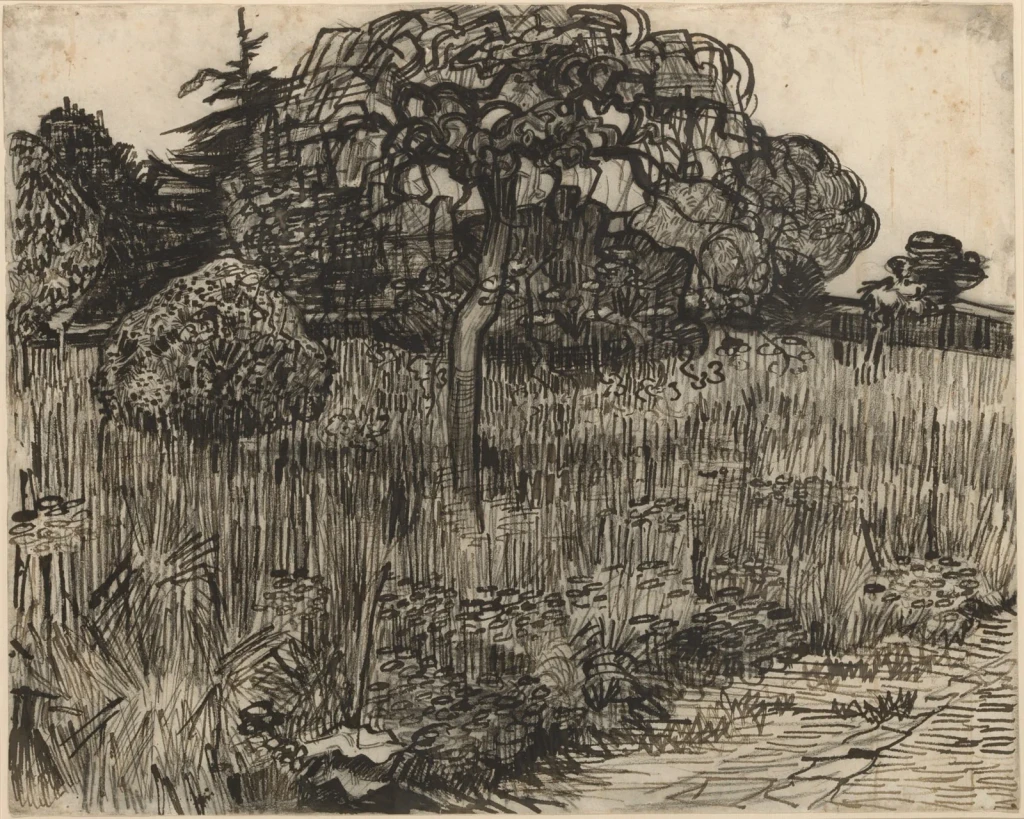
Vincent van Gogh, 1889
Reed pen and black-brown ink, with black chalk on off-white wove paper · Netherlands
Gift of Tiffany and Margaret Blake · Vincent van Gogh on Wikipedia
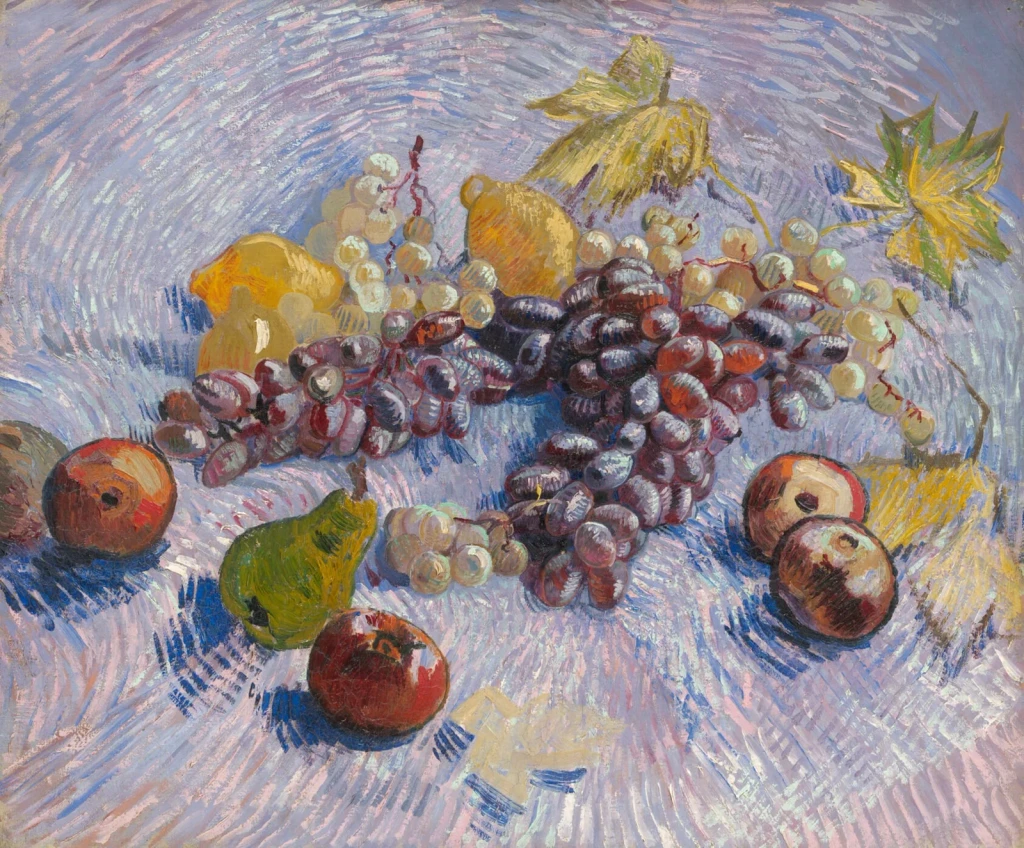
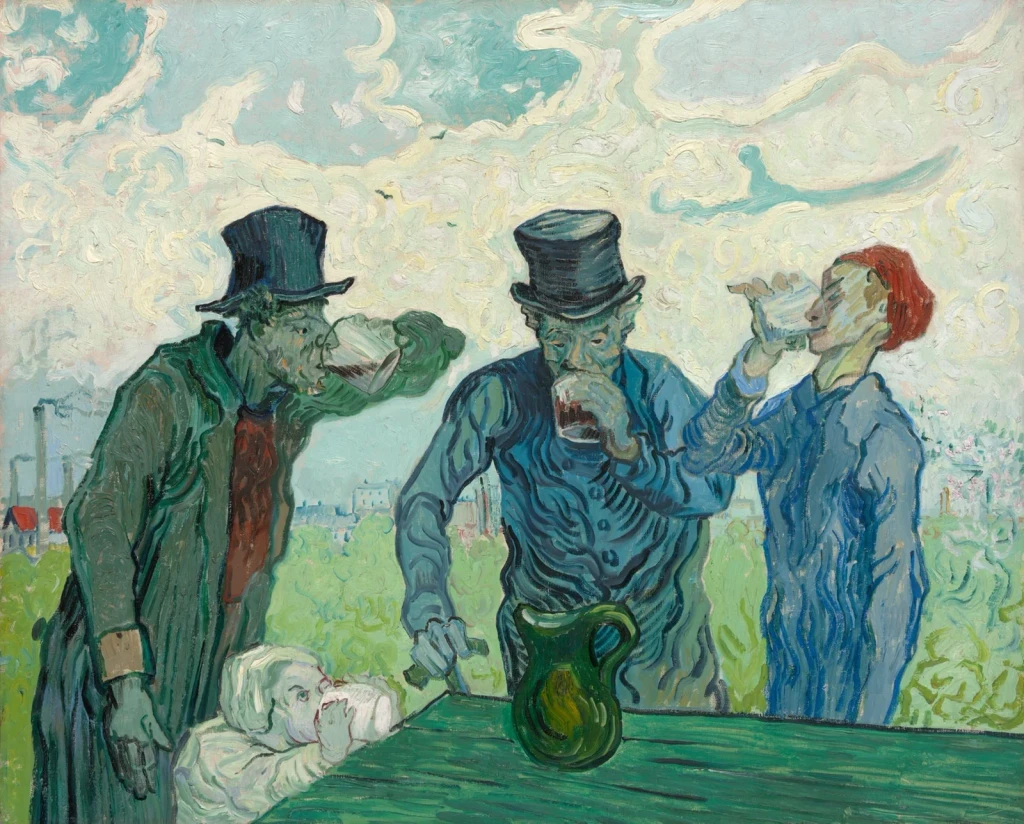
Vincent van Gogh, 1890
Oil on canvas · Netherlands
Joseph Winterbotham Collection · Vincent van Gogh on Wikipedia
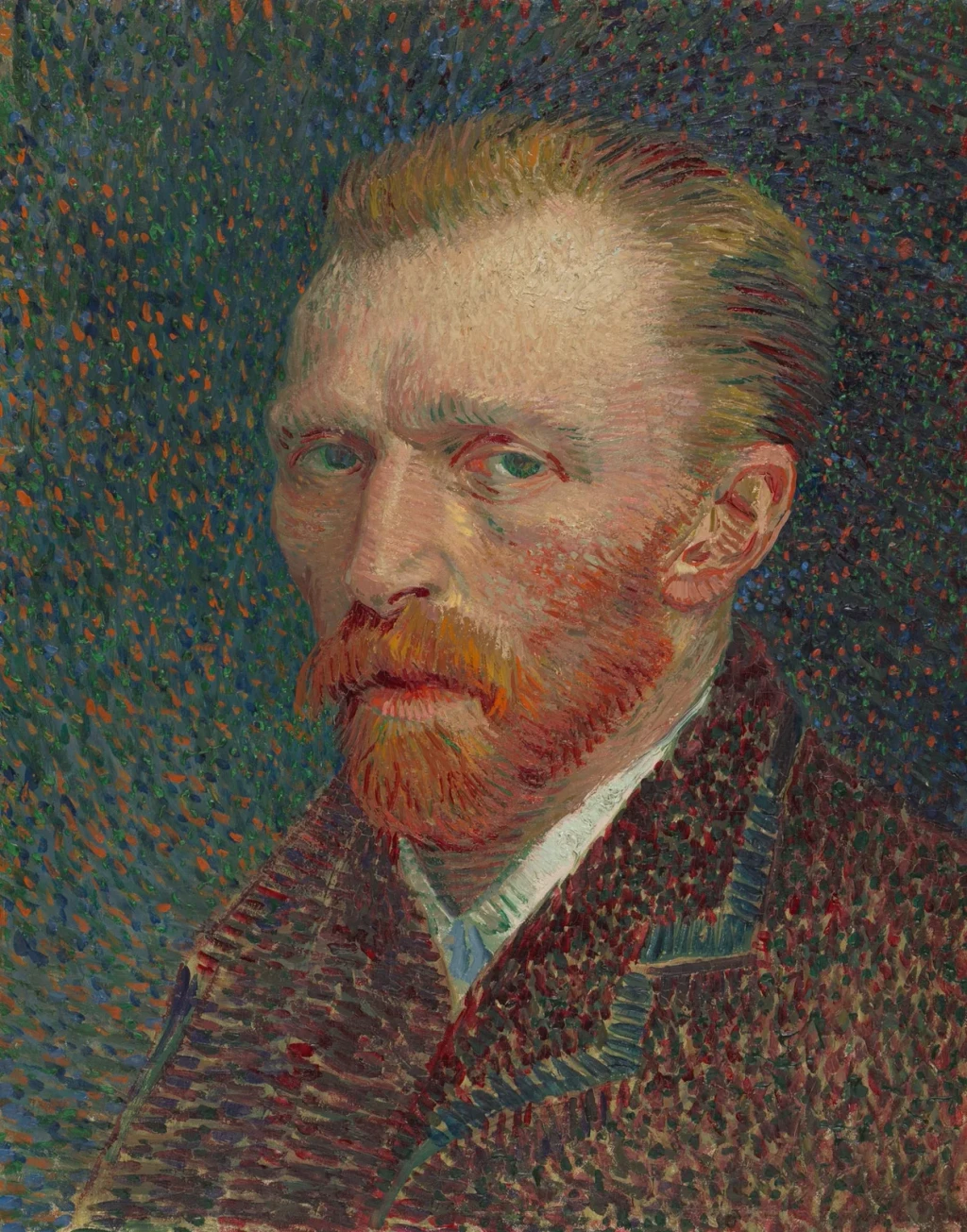
Vincent van Gogh, 1887
Oil on artist's board, mounted on cradled panel · Netherlands
Joseph Winterbotham Collection · Vincent van Gogh on Wikipedia
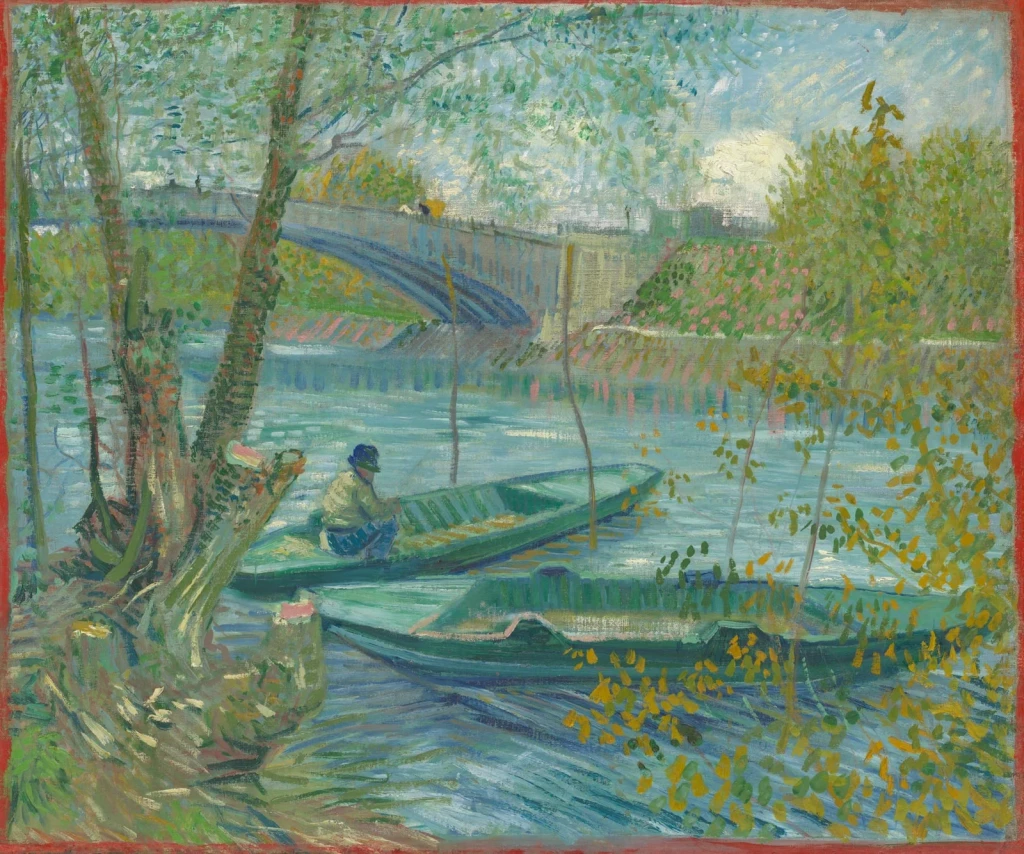
Vincent van Gogh, 1887
Oil on canvas · Netherlands
Gift of Charles Deering McCormick, Brooks McCormick, and Roger McCormick · Vincent van Gogh on Wikipedia
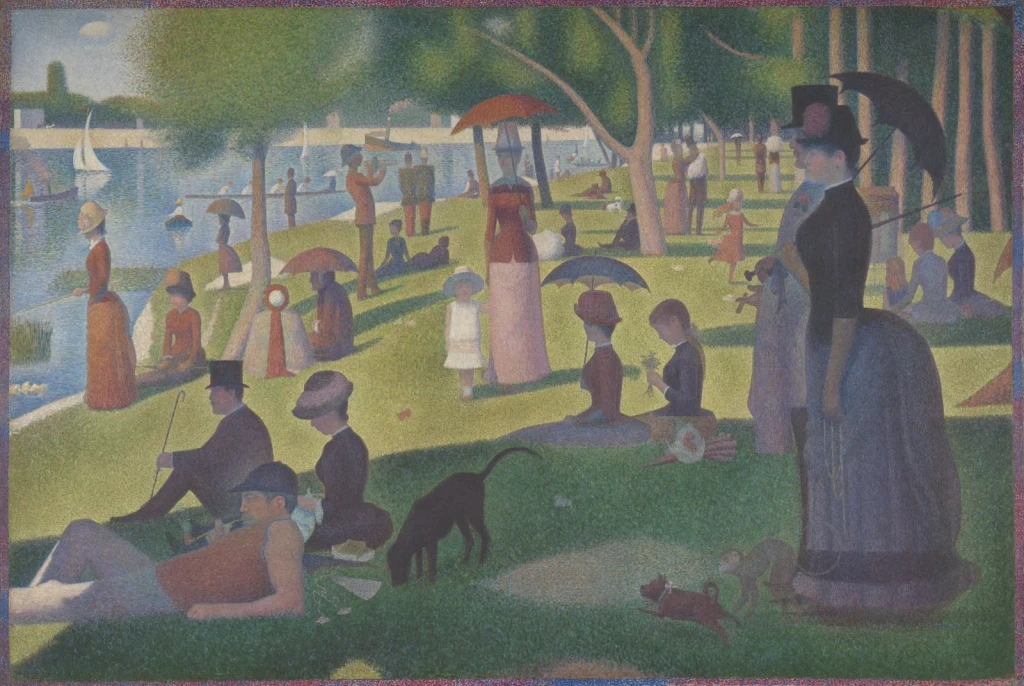
Georges Seurat, 1884, 86, border added 1888, 89
Oil on canvas · France
Helen Birch Bartlett Memorial Collection · Georges Seurat on Wikipedia
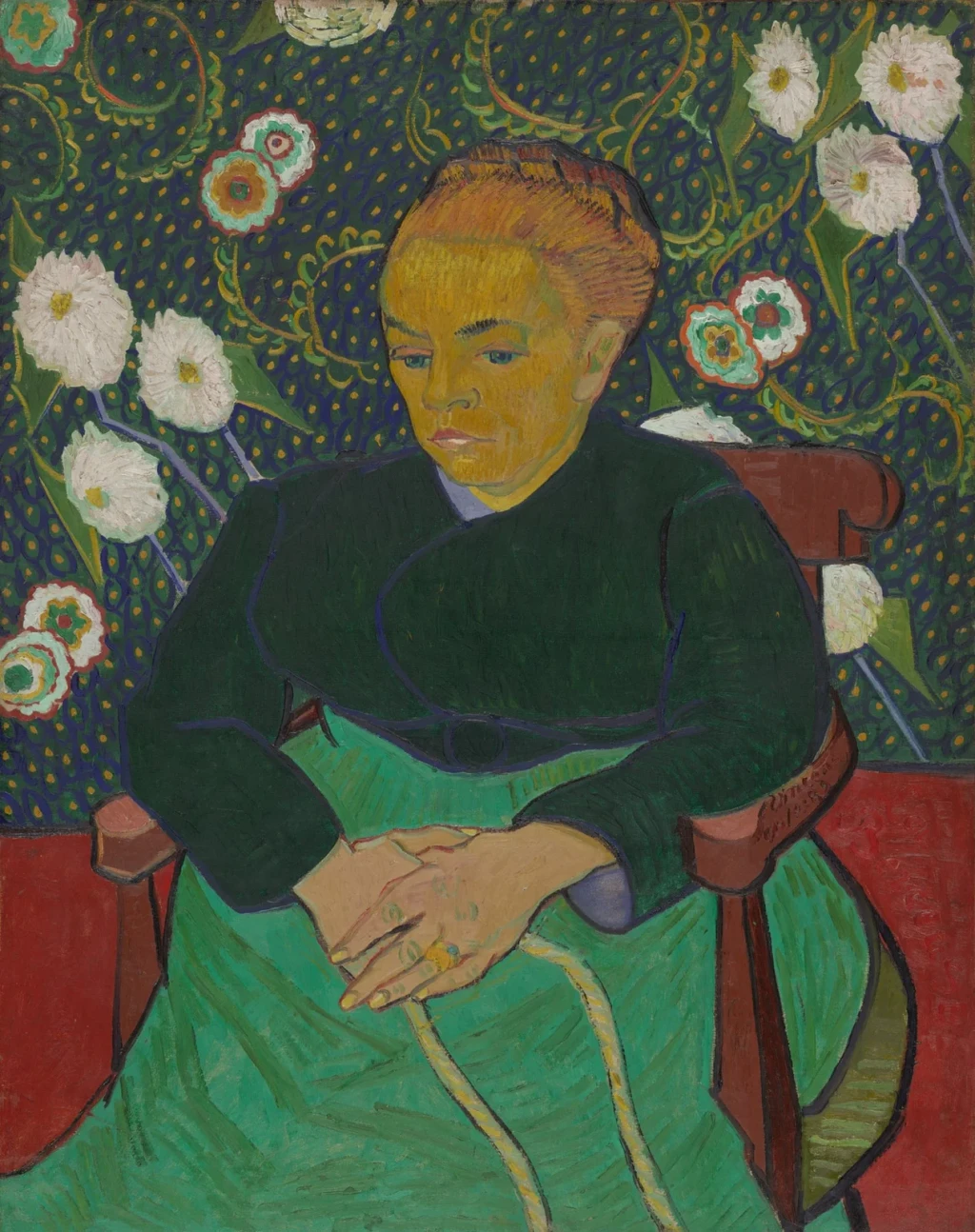
Vincent van Gogh, 1889
Oil on canvas · Netherlands
Helen Birch Bartlett Memorial Collection · Vincent van Gogh on Wikipedia
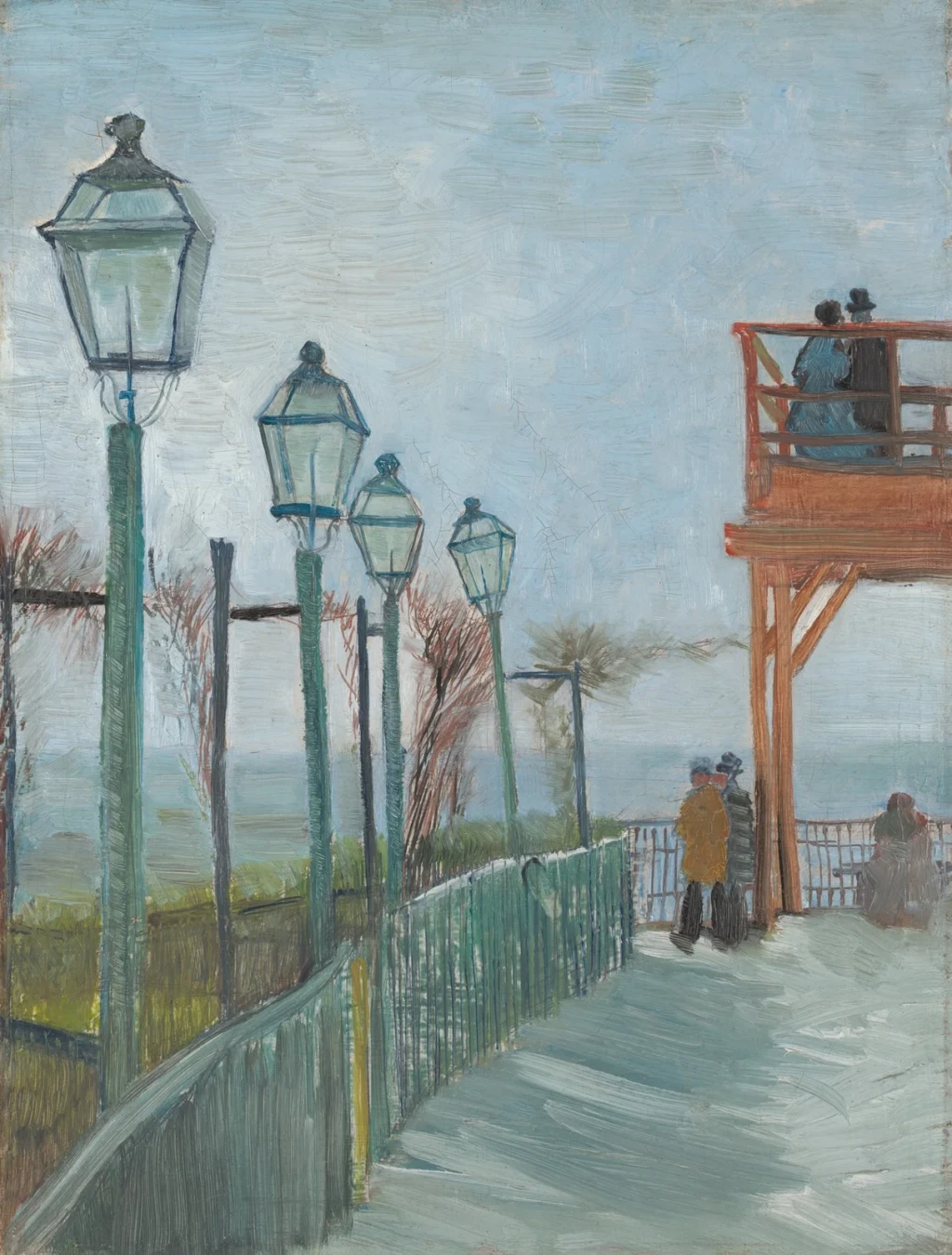
Vincent van Gogh, Early 1887
Oil on canvas, mounted on pressboard · Paris
Helen Birch Bartlett Memorial Collection · Vincent van Gogh on Wikipedia
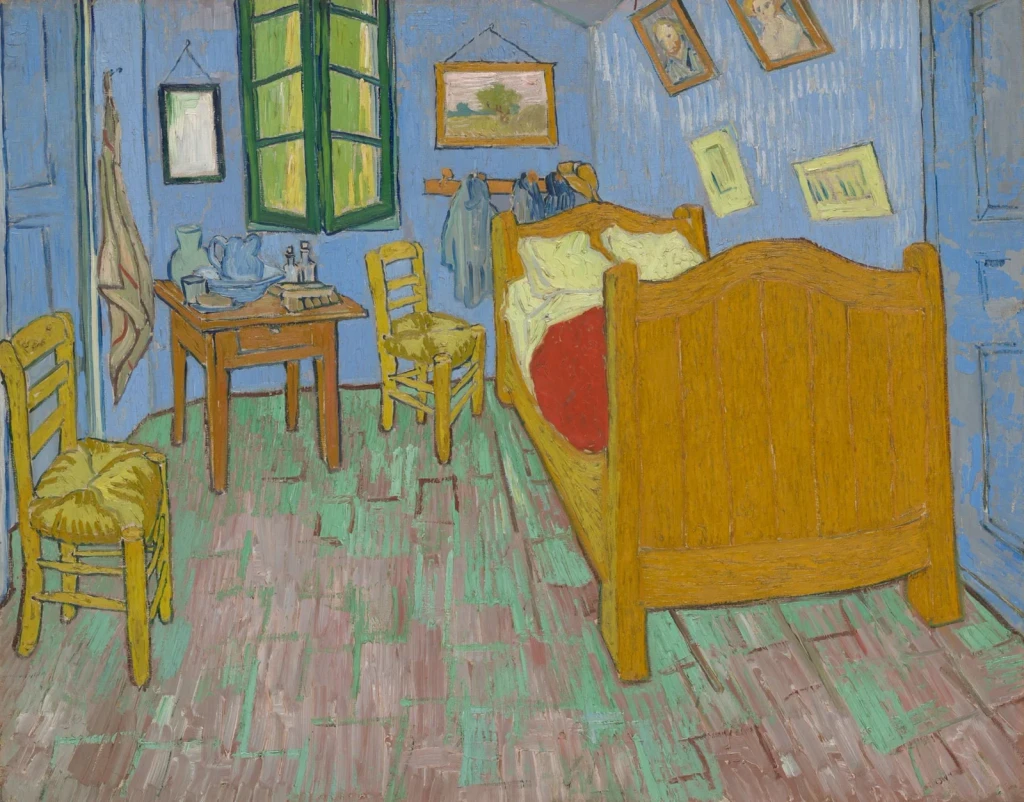
Vincent van Gogh, 1889
Oil on canvas · Saint-Rémy-de-Provence
Helen Birch Bartlett Memorial Collection · Vincent van Gogh on Wikipedia
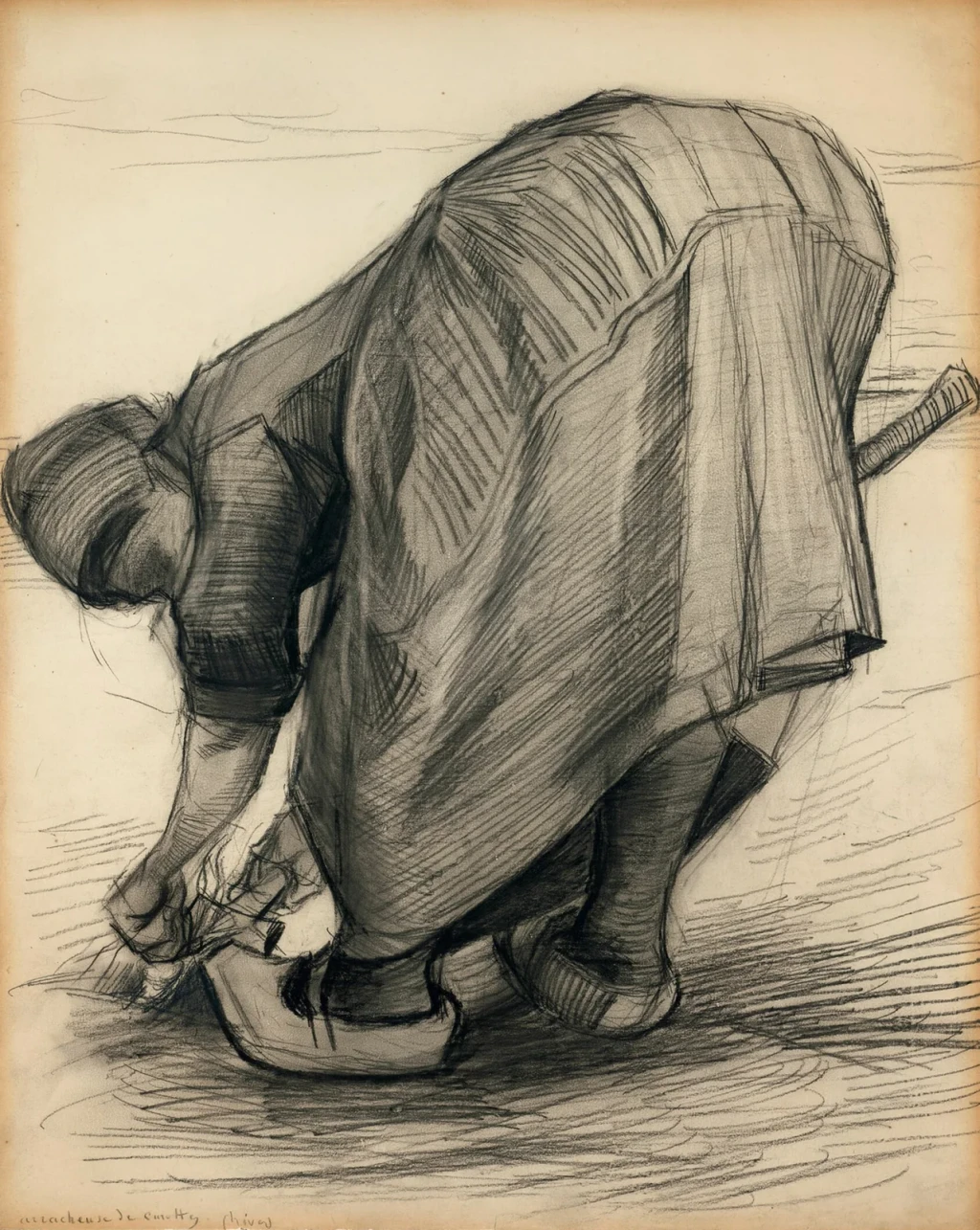
Vincent van Gogh, 1885
Black chalk, with stumping and erasing, on cream wove paper · Netherlands
Gift of Dorothy Braude Edinburg to the Harry B. and Bessie K. Braude Memorial Collection · Vincent van Gogh on Wikipedia
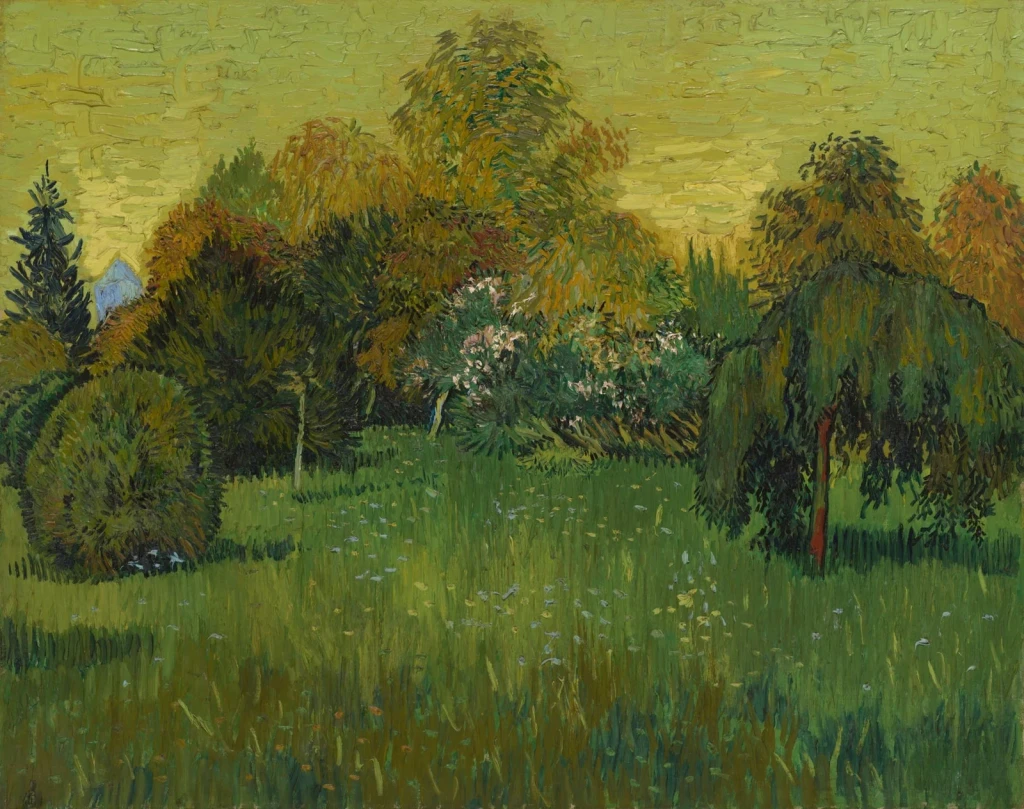
Vincent van Gogh, 1888
Oil on canvas · Netherlands
Mr. and Mrs. Lewis Larned Coburn Memorial Collection · Vincent van Gogh on Wikipedia
