3D Gallery
Follow the Rain
Enter gallery
Follow the Rain is a 3D virtual gallery on MyGallery3D, a walkable online exhibition of 12 works. Step inside and explore it in your browser: no app, no headset.
Welcome to a 3D virtual gallery you can walk through in your browser, exploring rain and the water cycle that drives it.
The ocean supplies 86% of all evaporation on Earth, yet only 3% of the planet's water is fresh. Rain is the mechanism that returns it. Every drop began as invisible vapor, rose, cooled, condensed on a speck of dust or salt, and fell. Approximately 505,000 cubic kilometres of water complete this circuit each year, an amount that has remained roughly constant over geologic time.
Air cools as it rises and expands. At the dew point, water vapor condenses on tiny particles of dust, ice, or salt, forming cloud droplets. These droplets collide and fuse through coalescence, growing heavy enough to fall. A raindrop ranges from 0.1 to 9 mm across. Contrary to popular belief, its shape is not a teardrop. Large drops flatten on the bottom like hamburger buns. The largest ever recorded, over Brazil and the Marshall Islands in 2004, reached 10 mm.
Rain is the chief way fresh water reaches land. It fills rivers, recharges aquifers, and sustains ecosystems from tropical rainforests to savannahs. It powers hydroelectric plants and irrigates crops. Yet its distribution is uneven. Globally averaged precipitation over land is just 715 mm per year. Climate change is shifting these patterns further, bringing wetter conditions to some regions and drought to others, reshaping agriculture and water availability worldwide.
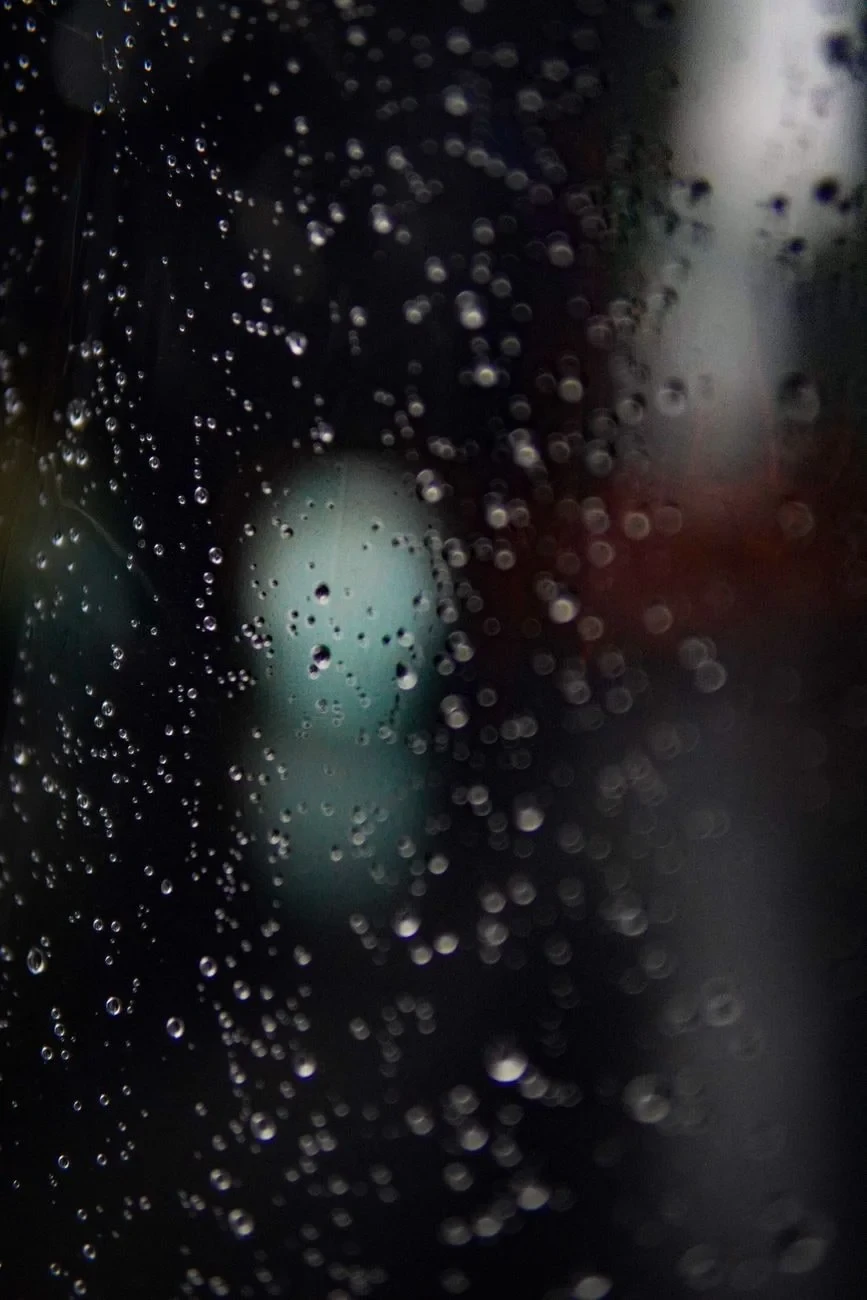
Raindrops sit on glass while the city beyond dissolves into soft focus. The window becomes a filtering layer between the viewer and the urban landscape below.
Photograph by Paul Pulimoottil, via Pexels.
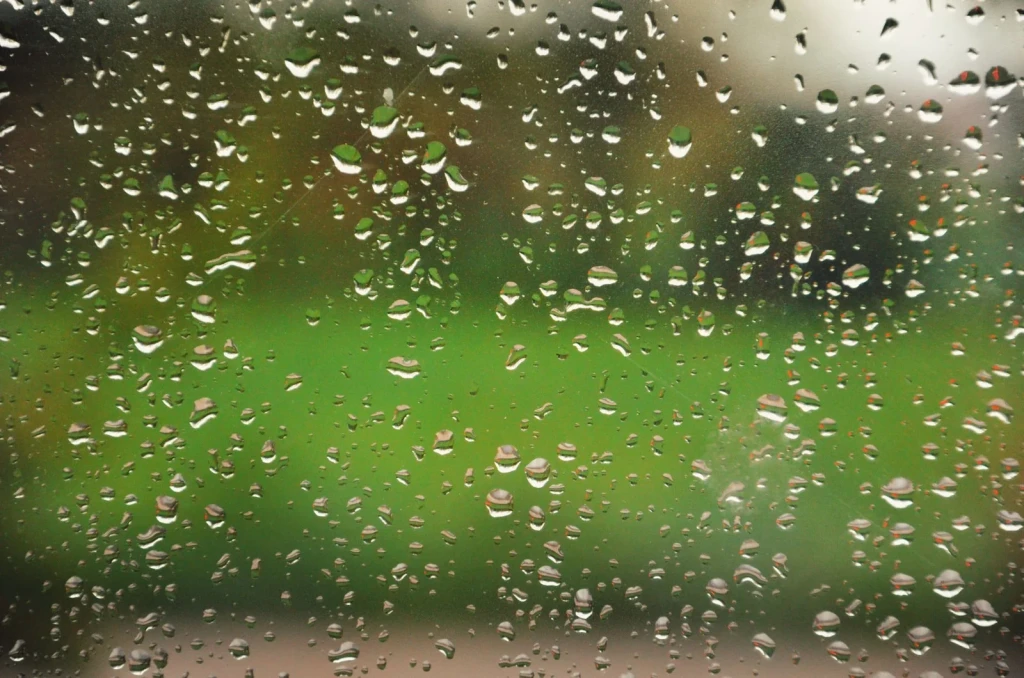
On a rainy day, water forms a serene natural pattern across glass. The photograph emphasizes the orderly, meditative geometry that rain creates on its own.
Photograph by photoGraph, via Pexels.
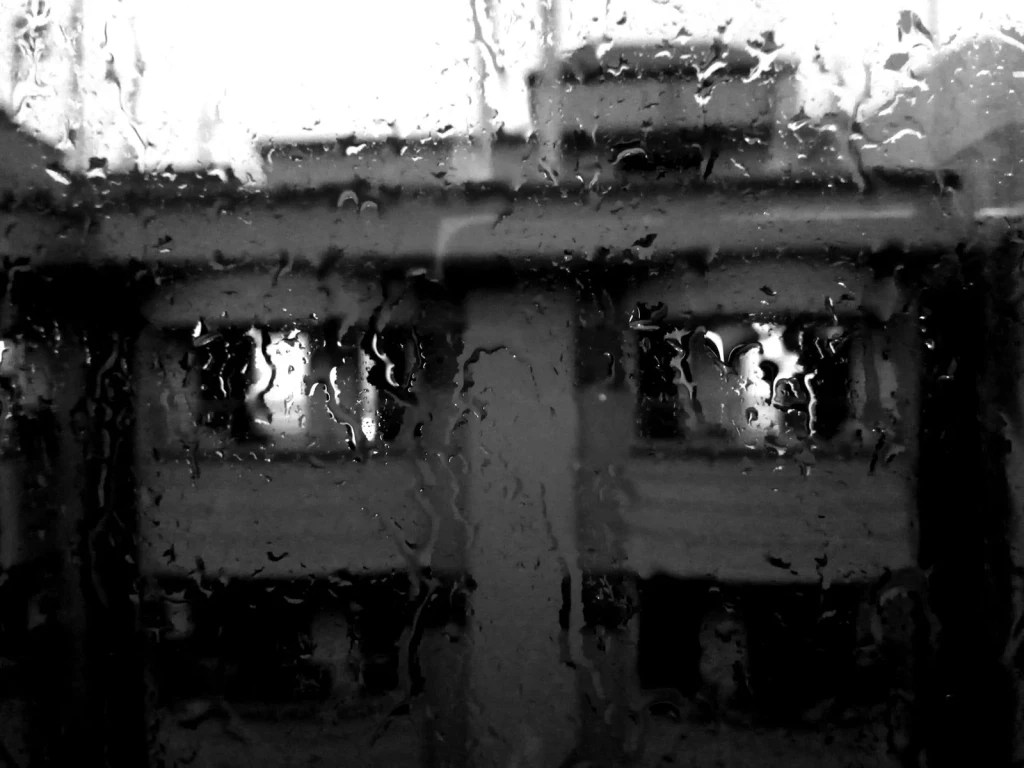
A black and white photograph taken through a rain-covered window in Dhaka. The obscured view transforms the architectural subject into something seen indistinctly, filtered by weather.
Photograph by Hedaetul Islam, via Pexels.

Water droplets cling to teal glass in this intimate close-up. The photographer isolates rain's small geometries, finding beauty in the droplet itself.
Photograph by Pixabay, via Pexels.
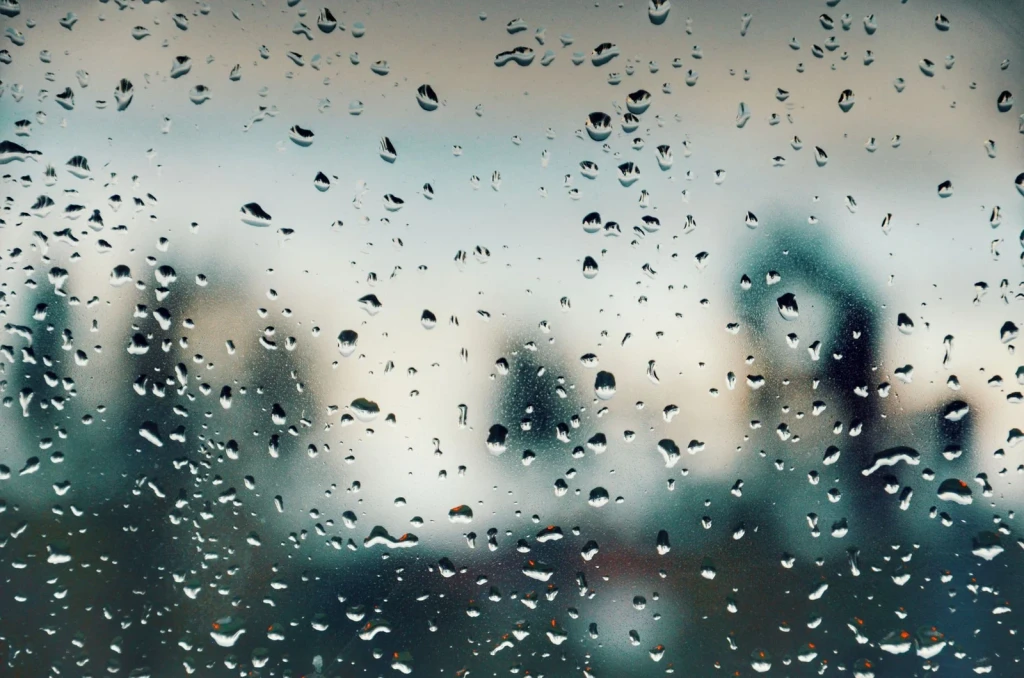
Rain droplets rest on a windowpane. The blurred background frames these small forms against an indistinct world beyond.
Photograph by photoGraph, via Pexels.
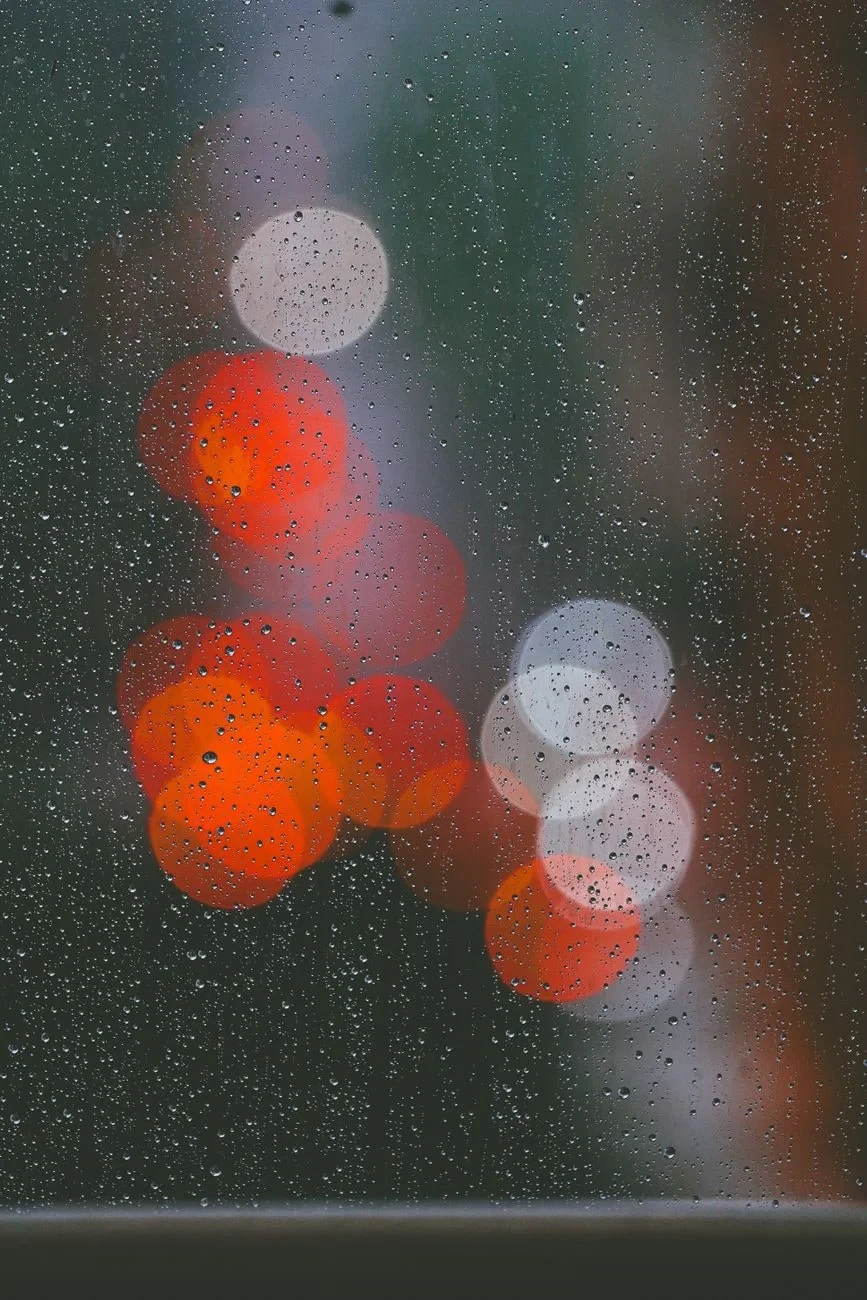
Captured during rain in Jakarta, Indonesia, this image shows droplets on glass with colorful bokeh light behind. Water transforms reflected light into abstract color.
Photograph by el jusuf, via Pexels.
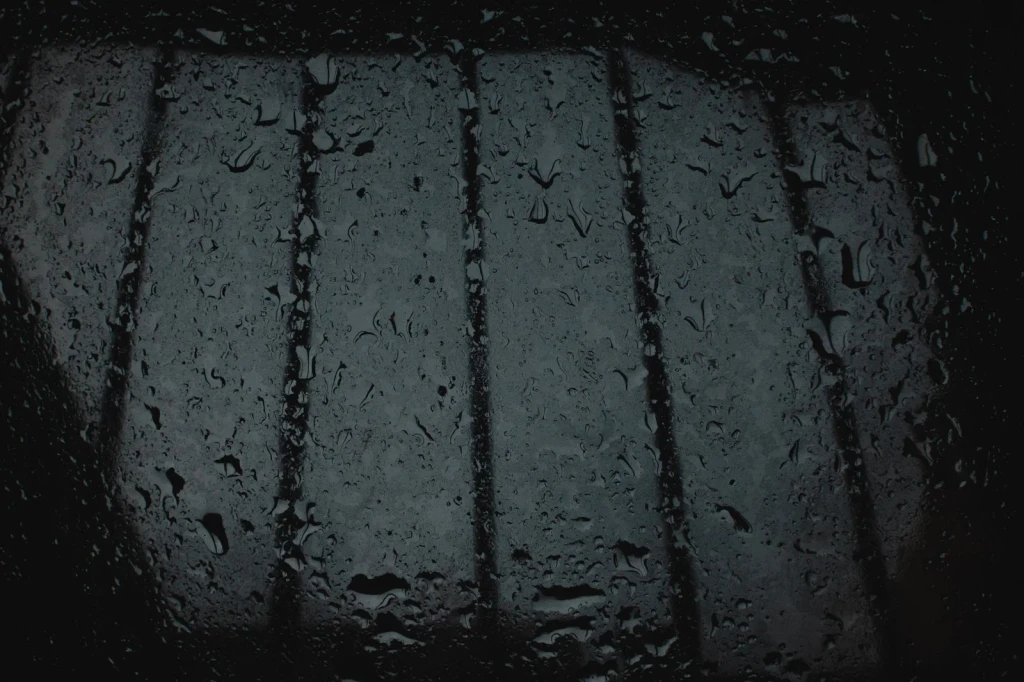
Raindrops cling to glass, creating a moody atmosphere. The close view isolates these water forms from their surroundings.
Photograph by Nothing Ahead, via Pexels.
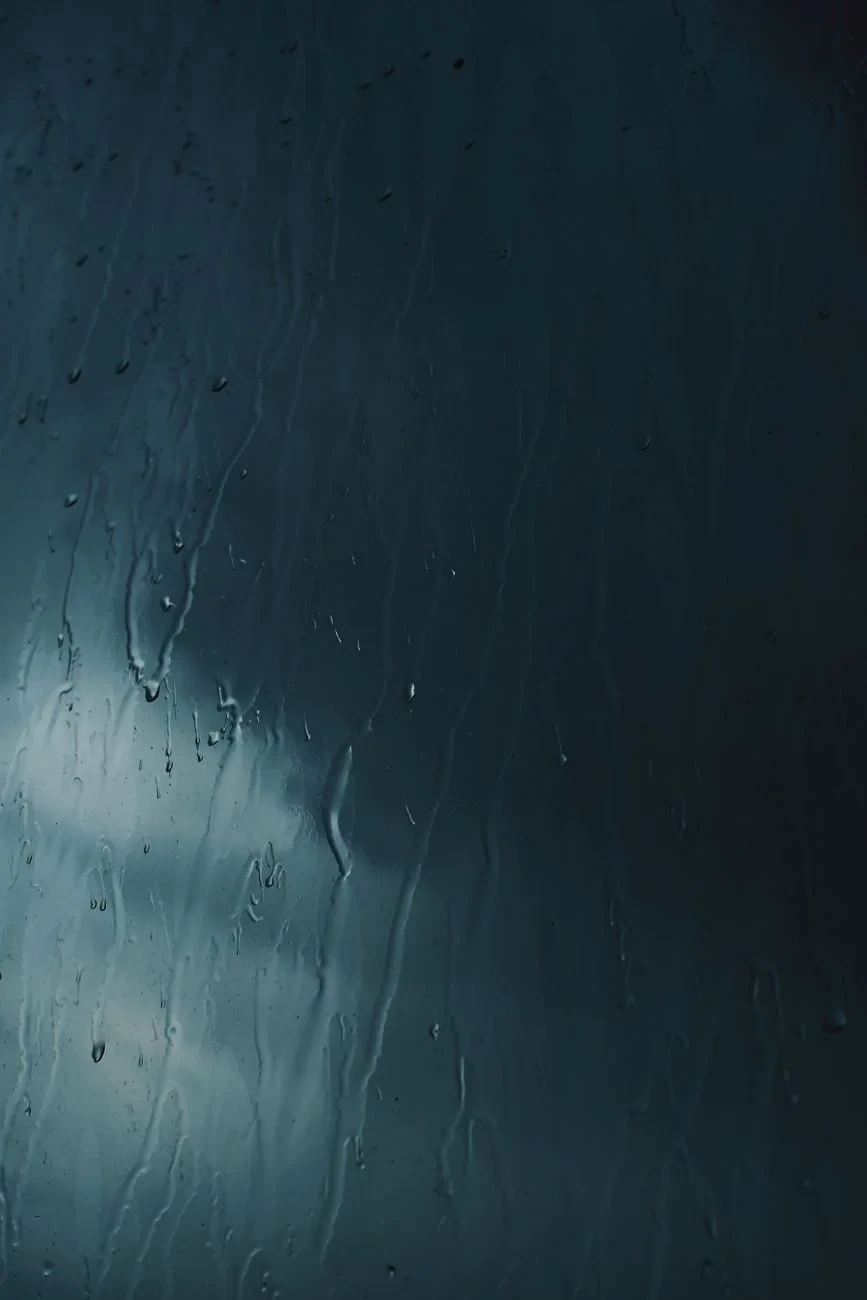
Raindrops streak down a window against a dark, stormy sky. The mood is atmospheric. Weather and glass converge into a single, moody plane.
Photograph by Darya Grey_Owl, via Pexels.
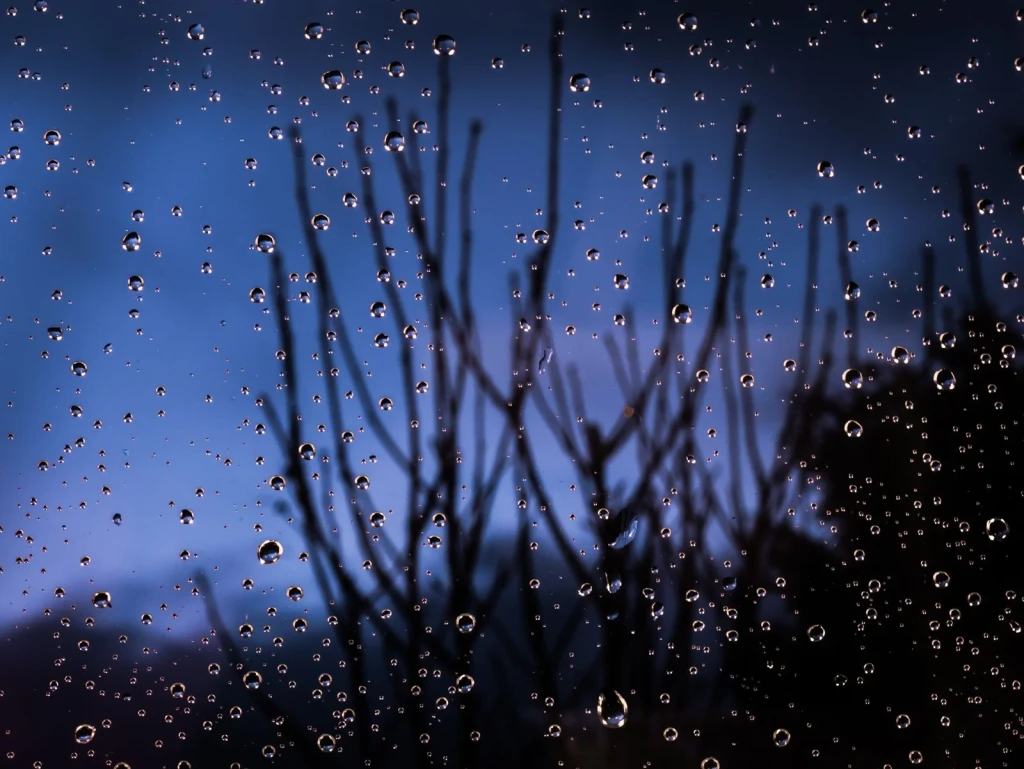
A magnified view of raindrops on glass, with nature softly blurred beyond. Twilight deepens the sense of quiet observation.
Photograph by Maxim Forster, via Pexels.
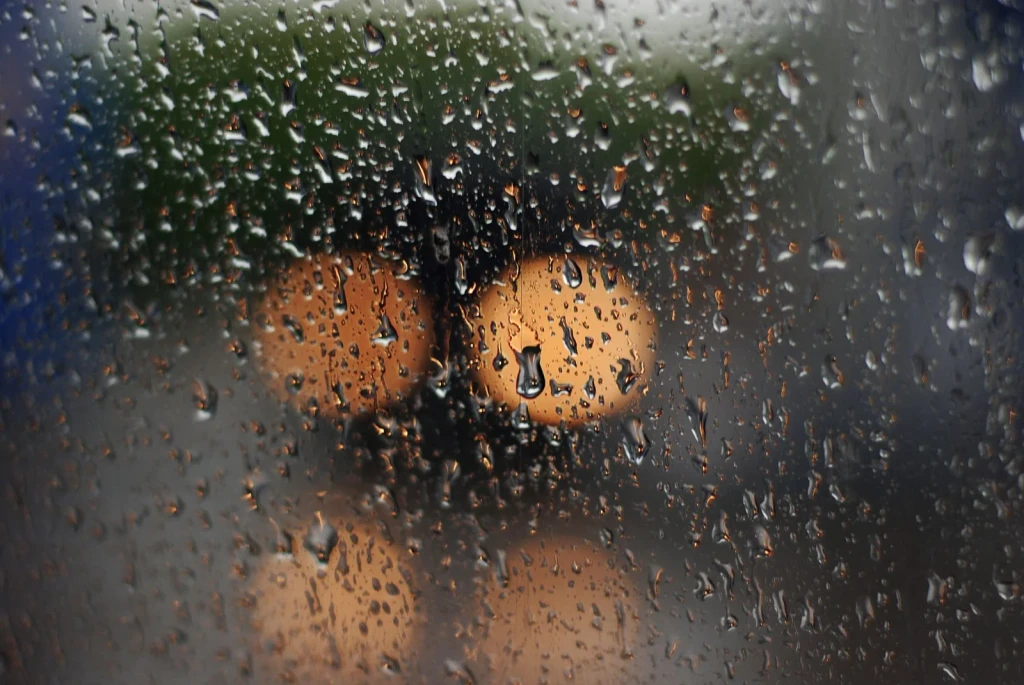
Raindrops on a window catch blurred city lights at night. The droplets transform distant glow into a moody, intimate scene.
Photograph by Olga Kovalski, via Pexels.
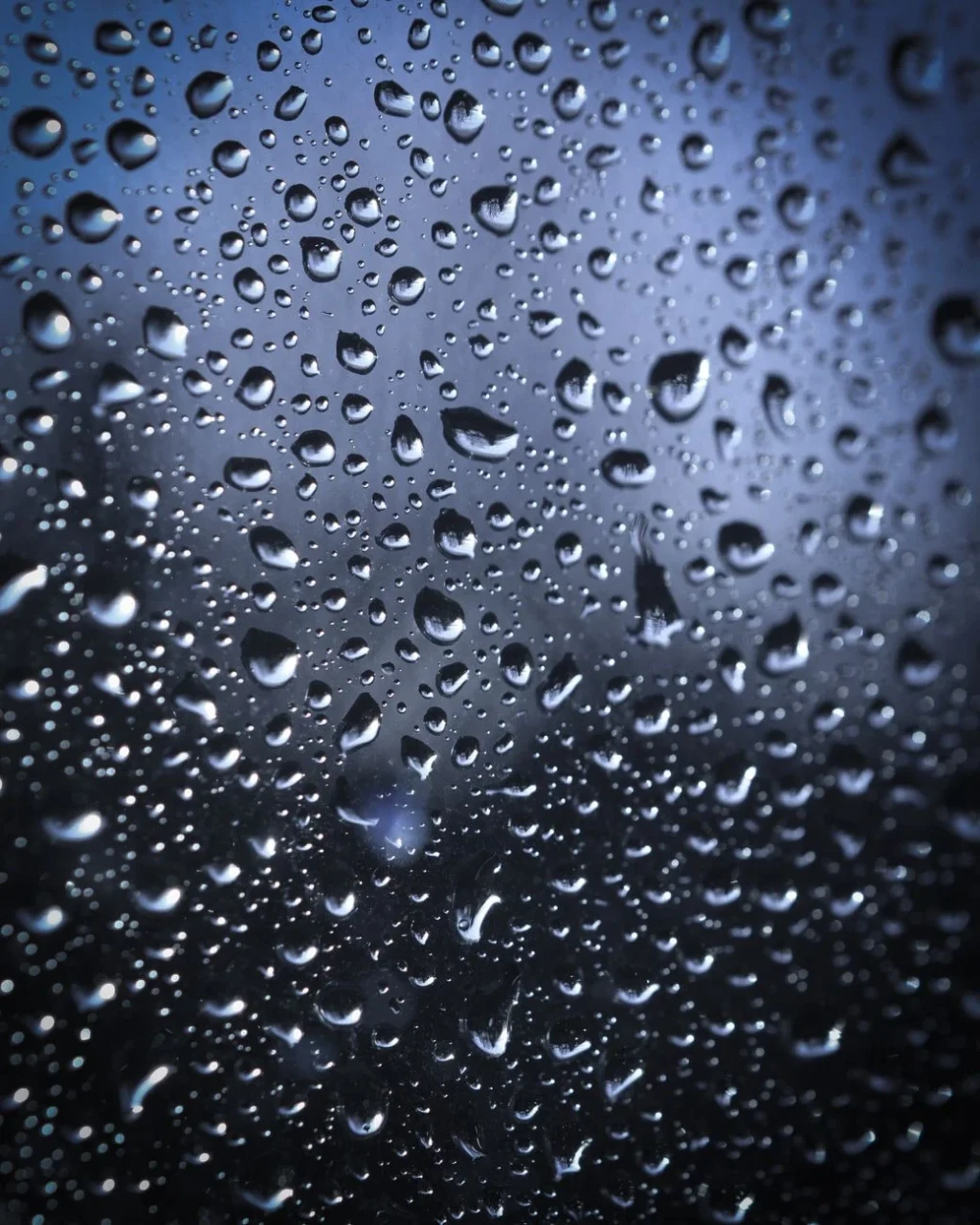
Water droplets create an abstract composition on glass. The cool, moody tones transform a simple surface into a study of light and shadow.
Photograph by Katharina-Charlotte May, via Pexels.
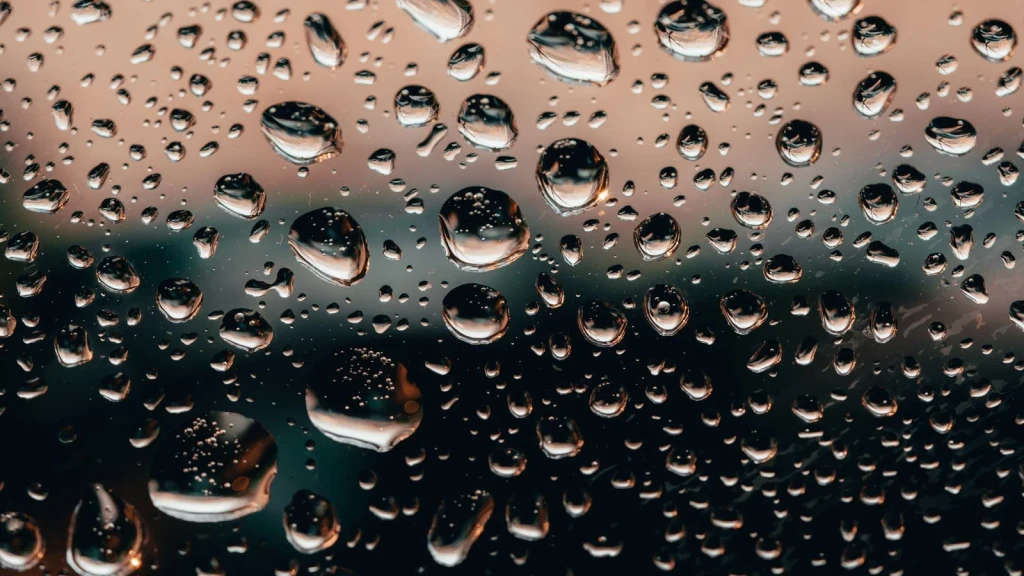
Magnified raindrops on a window frame a colorful, blurred background. The glass becomes a lens for artistic effect.
Photograph by Stanislav Kondratiev, via Pexels.
