3D Gallery
Rockets: The Physics of Leaving
Enter gallery
Rockets: The Physics of Leaving is a 3D virtual gallery on MyGallery3D, a walkable online exhibition of 18 works. Step inside and explore it in your browser: no app, no headset.
Welcome to a 3D virtual gallery you can walk through in your browser, exploring the physics and history of rockets. A rocket carries everything it needs to fly, including its own oxygen, which means it works better in the vacuum of space than in air.
In 1926, Robert Goddard attached a de Laval nozzle to a combustion chamber and raised rocket engine efficiency from 2% to 64%. That single change made spaceflight possible.
The Tsiolkovsky rocket equation shows that the fuel needed to reach a given speed grows exponentially. To reach low Earth orbit, no single stage has ever achieved the necessary ratio of fuelled to empty mass. Every rocket that has delivered a payload to orbit has used staging, dropping spent structure so the remaining engines push less dead weight. The physics leaves no shortcut.
Gunpowder rockets appeared in 13th-century China. By 1804, William Congreve built iron-cased rockets with an effective range of 2,000 yards. In 1944, a German V-2 crossed the Kármán line, becoming the first human-made object in space. Equipment launched by the Saturn V carried humans to the Moon in 1969. The enabling leap was always propulsion: turning chemical energy into directed exhaust at high speed.
A multistage rocket stacks two or more engines and fuel supplies. When a lower stage is spent, it is jettisoned, often by explosive bolts. Each successive stage is smaller and optimised for thinner air. Lower stages trade efficiency for raw thrust. Upper stages, flying near vacuum, use engines with higher specific impulse. Every staging event is a possible failure point, but the mass savings are too large to refuse.
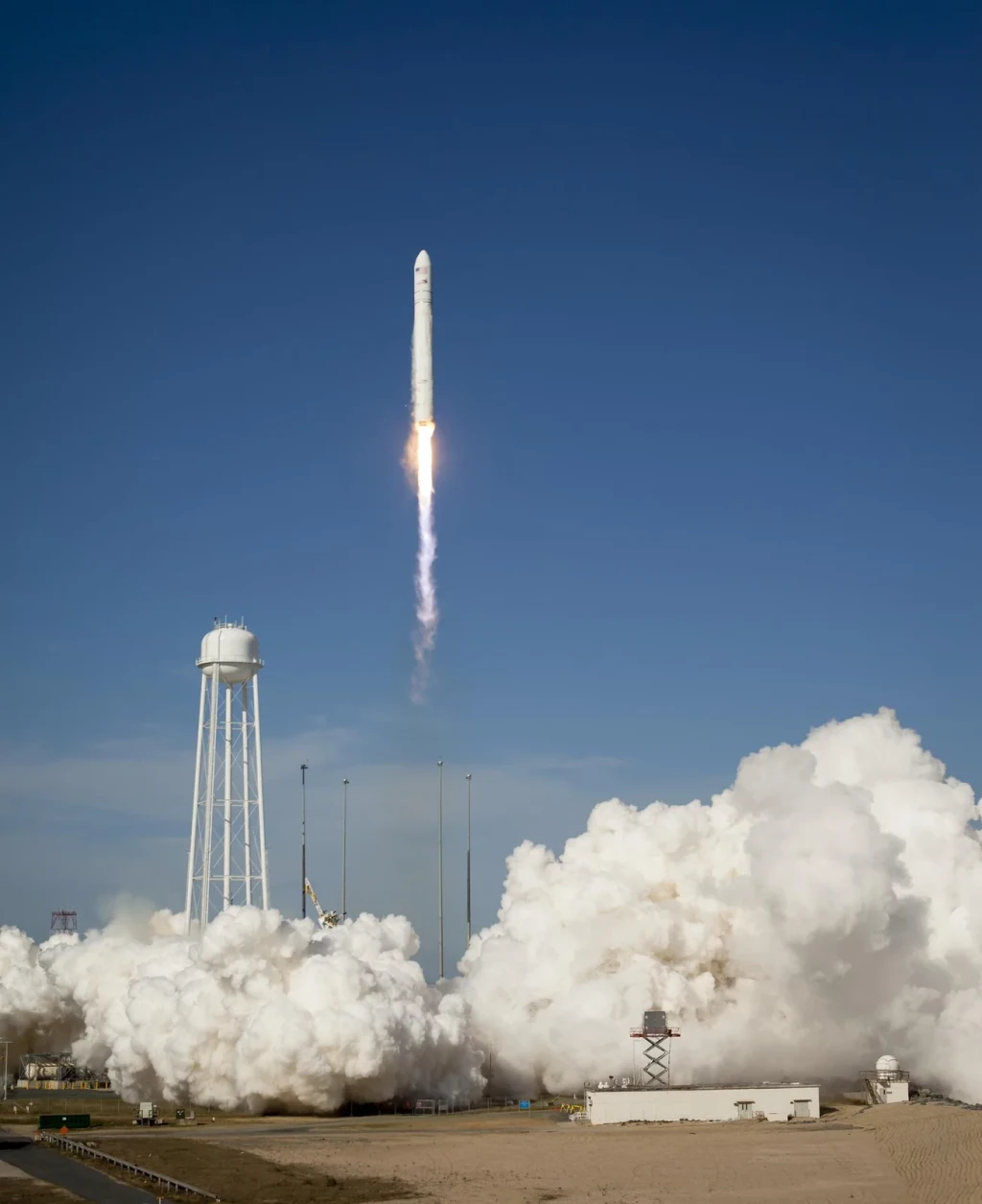
The Orbital Sciences Corporation Antares rocket is seen as it launches from Pad-0A of the Mid-Atlantic Regional Spaceport (MARS) at the NASA Wallops Flight Facility in Virginia, Sunday, April 21, 2013.
The test launch marked the first flight of Antares and the first rocket launch from Pad-0A. The Antares rocket delivered the equivalent mass of a spacecraft, a so-called mass simulated payload, into Earth's orbit.
NASA · HQ · 2013-04-21 · Antares (rocket) on Wikipedia
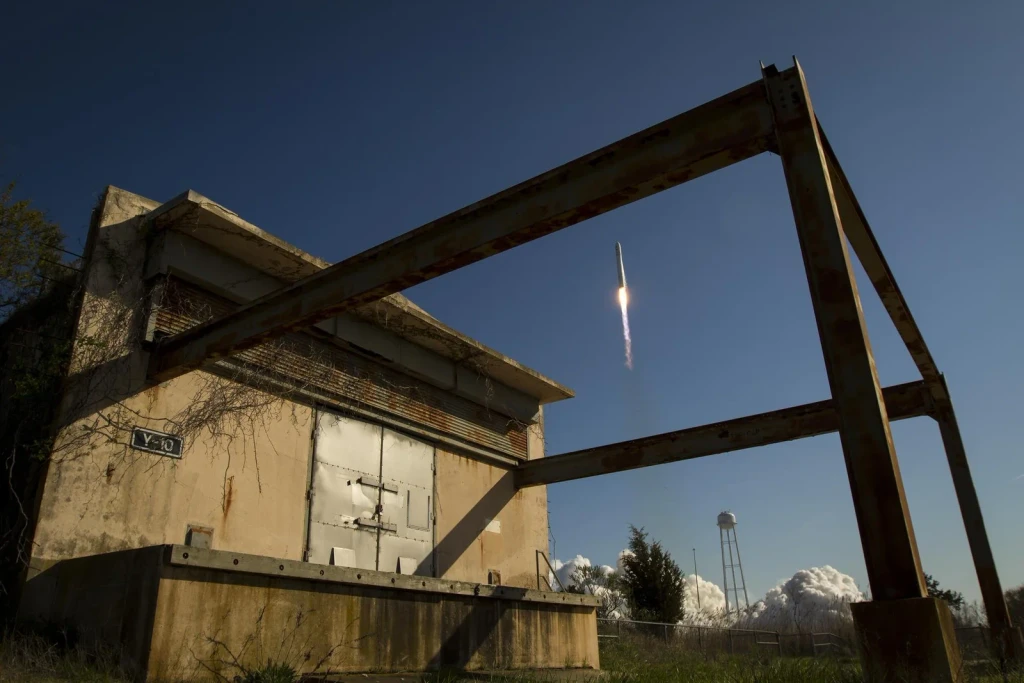
The Orbital Sciences Corporation Antares rocket is seen as it launches from Pad-0A of the Mid-Atlantic Regional Spaceport (MARS) at the NASA Wallops Flight Facility in Virginia, Sunday, April 21, 2013.
The test launch marked the first flight of Antares and the first rocket launch from Pad-0A. The Antares rocket delivered the equivalent mass of a spacecraft, a so-called mass simulated payload, into Earth's orbit.
NASA · HQ · 2013-04-21 · Antares (rocket) on Wikipedia
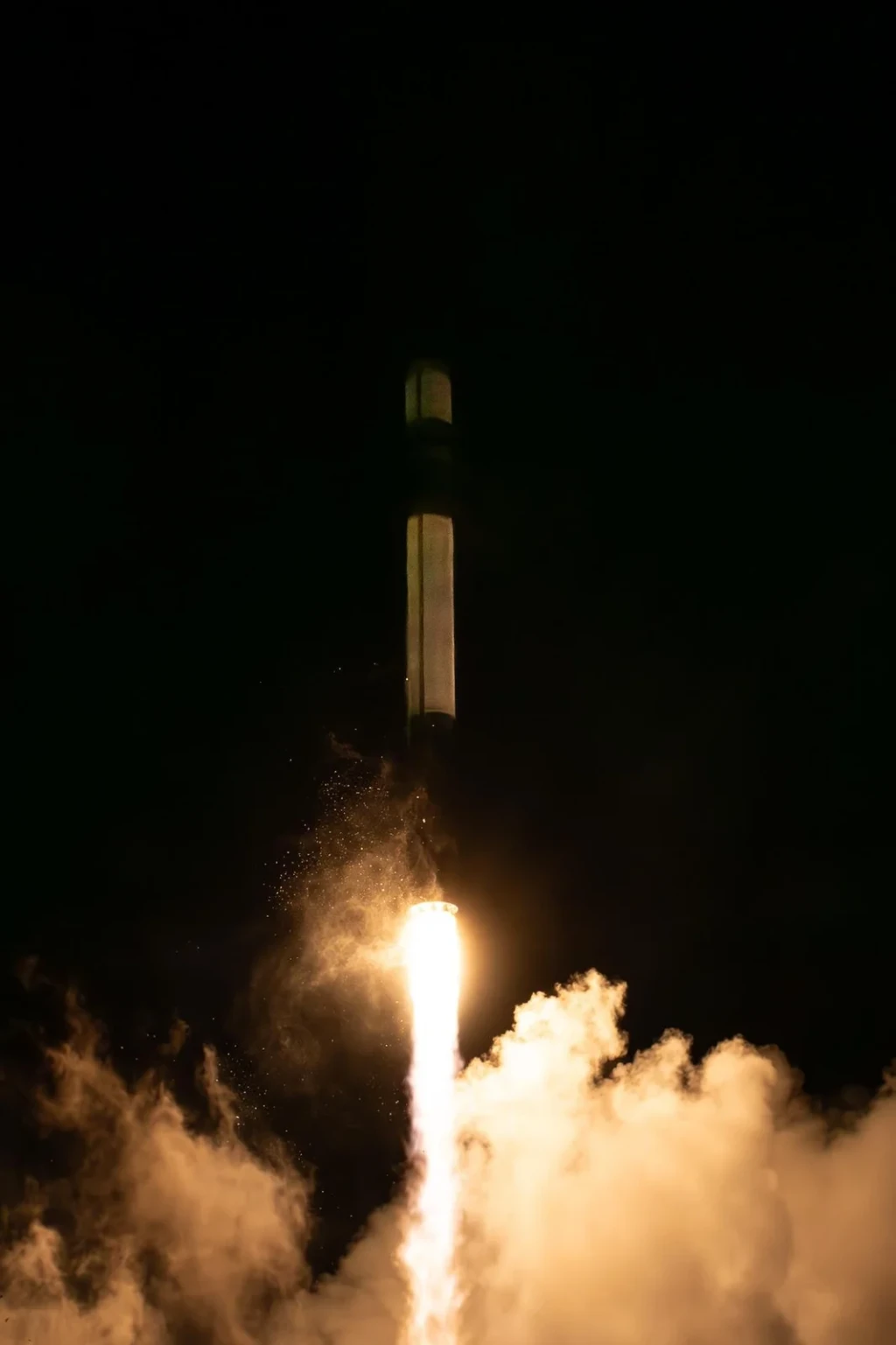
A Rocket Lab Electron rocket lifts off from Launch Complex 1 in Māhia, New Zealand at 7:41 p.m. NZST (3:41 a.m. EDT) Saturday, May 25, 2024, on the first of two launches which Rocket Lab named “Ready, Aim, PREFIRE,” for NASA’s PREFIRE (Polar Radiant Energy in the Far-InfraRed Experiment) mission. The PREFIRE mission, expected to last at least 10 months, consists of sending two CubeSats to asynchronous, near-polar orbits, to help close a gap in our understanding of how much of Earth’s heat is lost to space from the Arctic and Antarctica.
NASA · KSC · 2024-05-25 · Rocket Lab Electron on Wikipedia
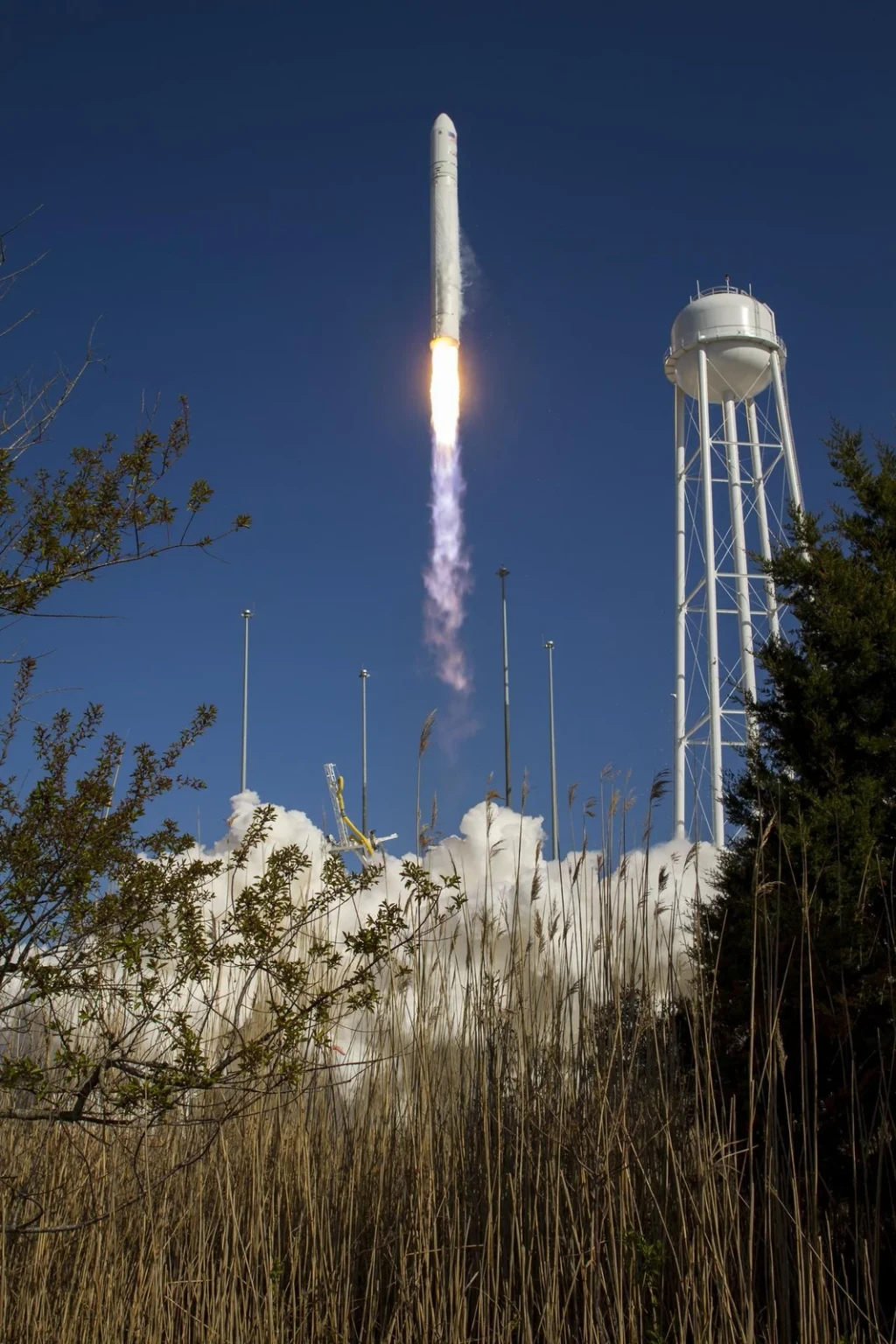
The Orbital Sciences Corporation Antares rocket is seen as it launches from Pad-0A of the Mid-Atlantic Regional Spaceport (MARS) at the NASA Wallops Flight Facility in Virginia, Sunday, April 21, 2013.
The test launch marked the first flight of Antares and the first rocket launch from Pad-0A. The Antares rocket delivered the equivalent mass of a spacecraft, a so-called mass simulated payload, into Earth's orbit.
NASA · HQ · 2013-04-21 · Antares (rocket) on Wikipedia
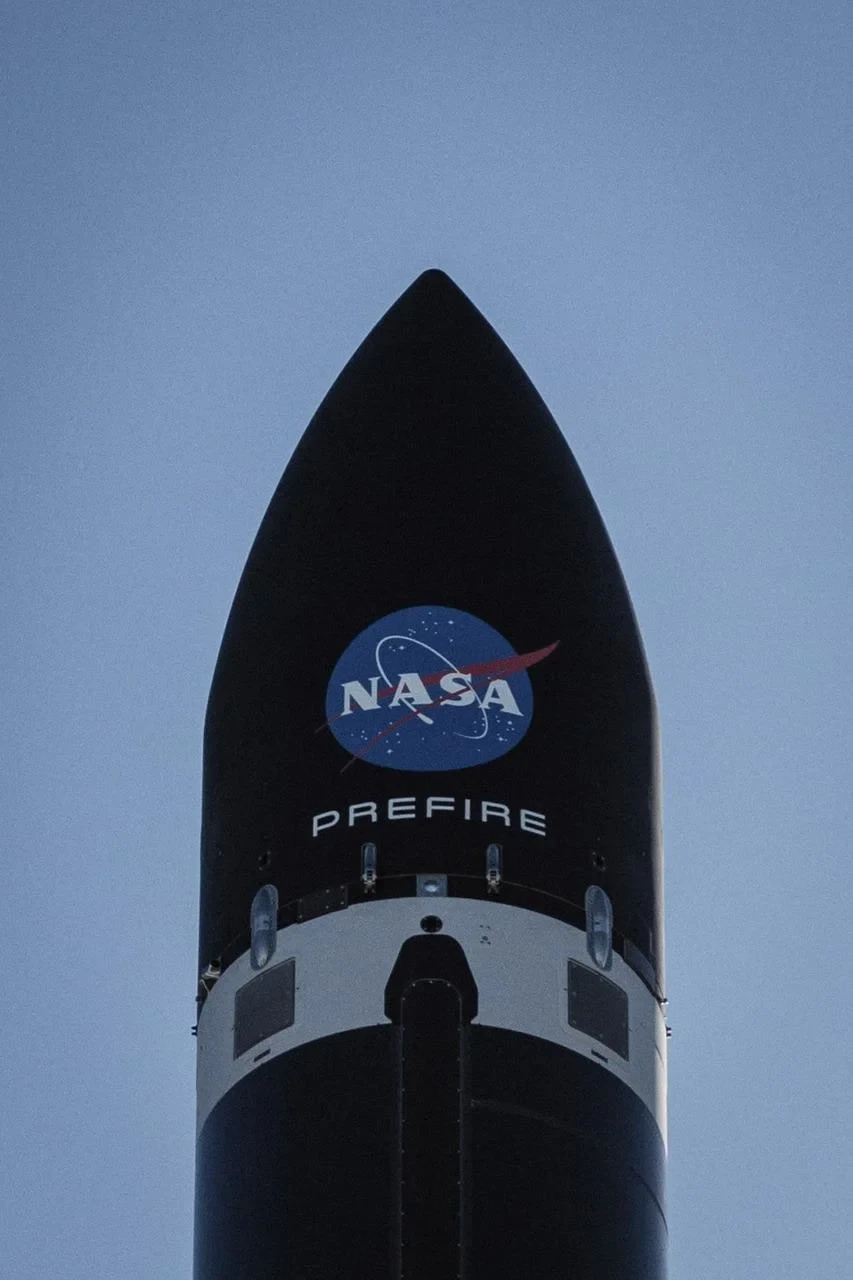
Rocket Lab’s Electron rocket is vertical on the pad Saturday, May 25, 2024, at Launch Complex 1 in Mahia, New Zealand, loaded with the first of two identical 6U CubeSats for NASA’s PREFIRE (Polar Radiant Energy in the Far-InfraRed Experiment) mission to help close a gap in our understanding of how much of Earth’s heat is lost to space from the Arctic and Antarctica. Liftoff of the first CubeSat launch, which Rocket Lab named “Ready, Aim, PREFIRE,” occurred at 7:41 p.m. NZST (3:41 a.m. EDT).
NASA · KSC · 2024-05-25 · Rocket Lab Electron on Wikipedia
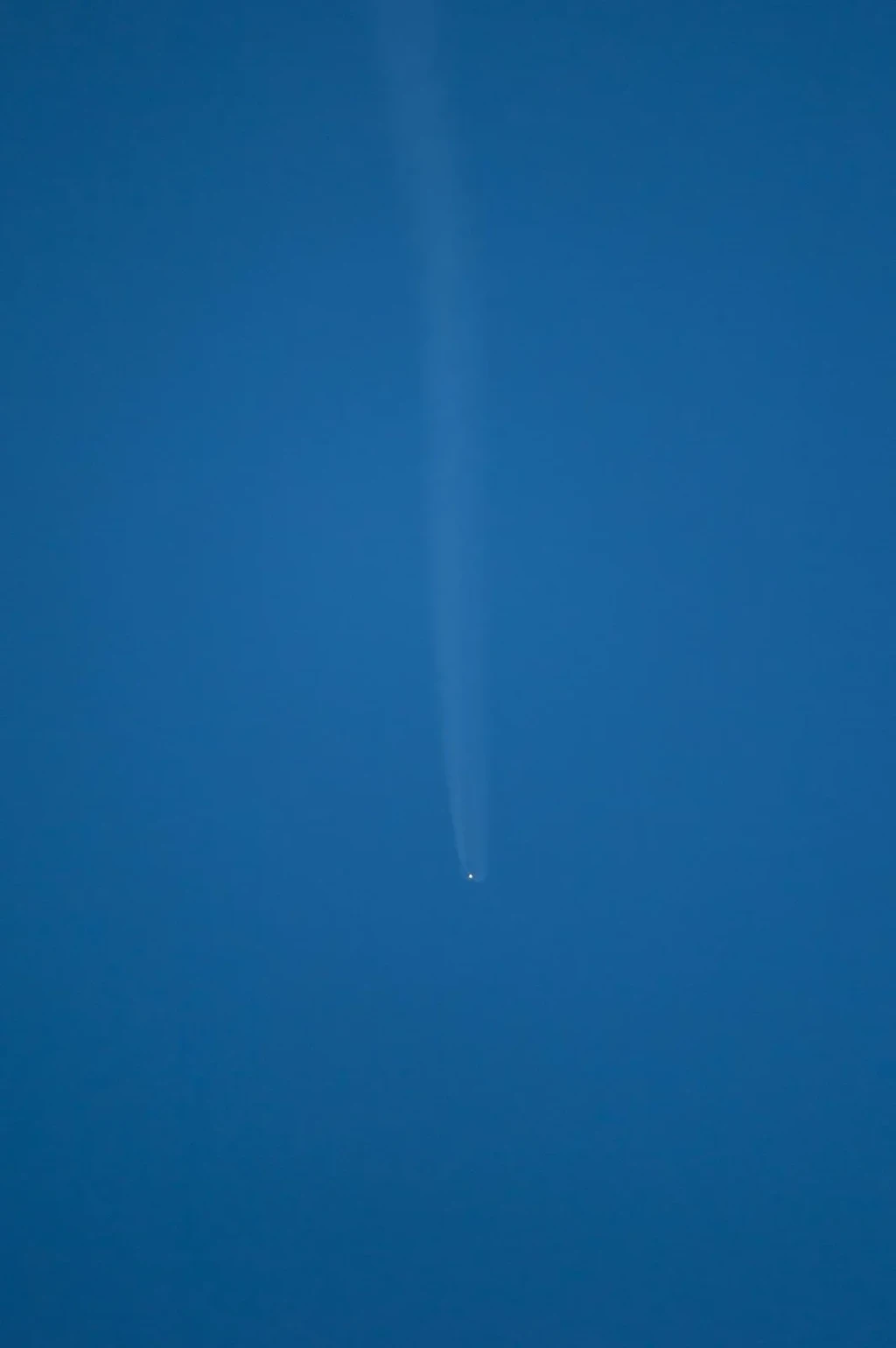
The Orbital Sciences Corporation Antares rocket is seen as it launches from Pad-0A of the Mid-Atlantic Regional Spaceport (MARS) at the NASA Wallops Flight Facility in Virginia, Sunday, April 21, 2013.
The test launch marked the first flight of Antares and the first rocket launch from Pad-0A. The Antares rocket delivered the equivalent mass of a spacecraft, a so-called mass simulated payload, into Earth's orbit.
NASA · HQ · 2013-04-21 · Antares (rocket) on Wikipedia
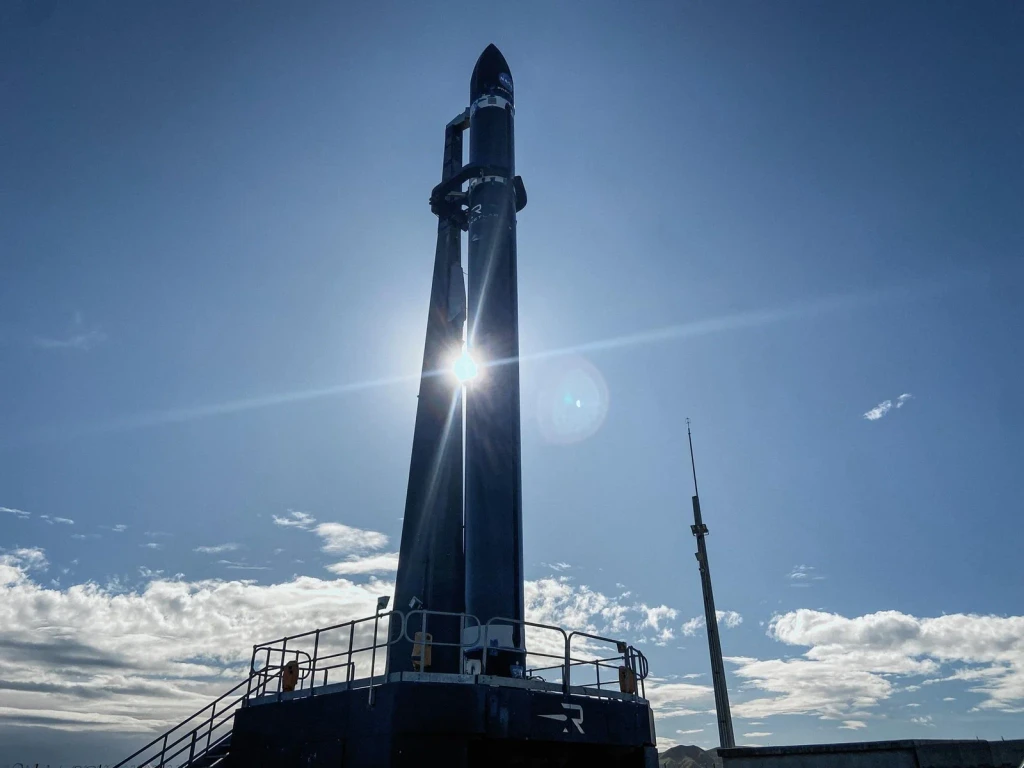
Rocket Lab’s Electron rocket is vertical on the pad at Launch Complex 1 in Mahia, New Zealand, loaded with the second of two identical 6U CubeSats for NASA’s PREFIRE (Polar Radiant Energy in the Far-InfraRed Experiment) mission to help close a gap in our understanding of how much of Earth’s heat is lost to space from the Arctic and Antarctica. Liftoff of the second CubeSat launch, which Rocket Lab named “PREFIRE and Ice” was targeted for Saturday, June 1, 2024, but was scrubbed for the day.
NASA · KSC · 2024-05-30
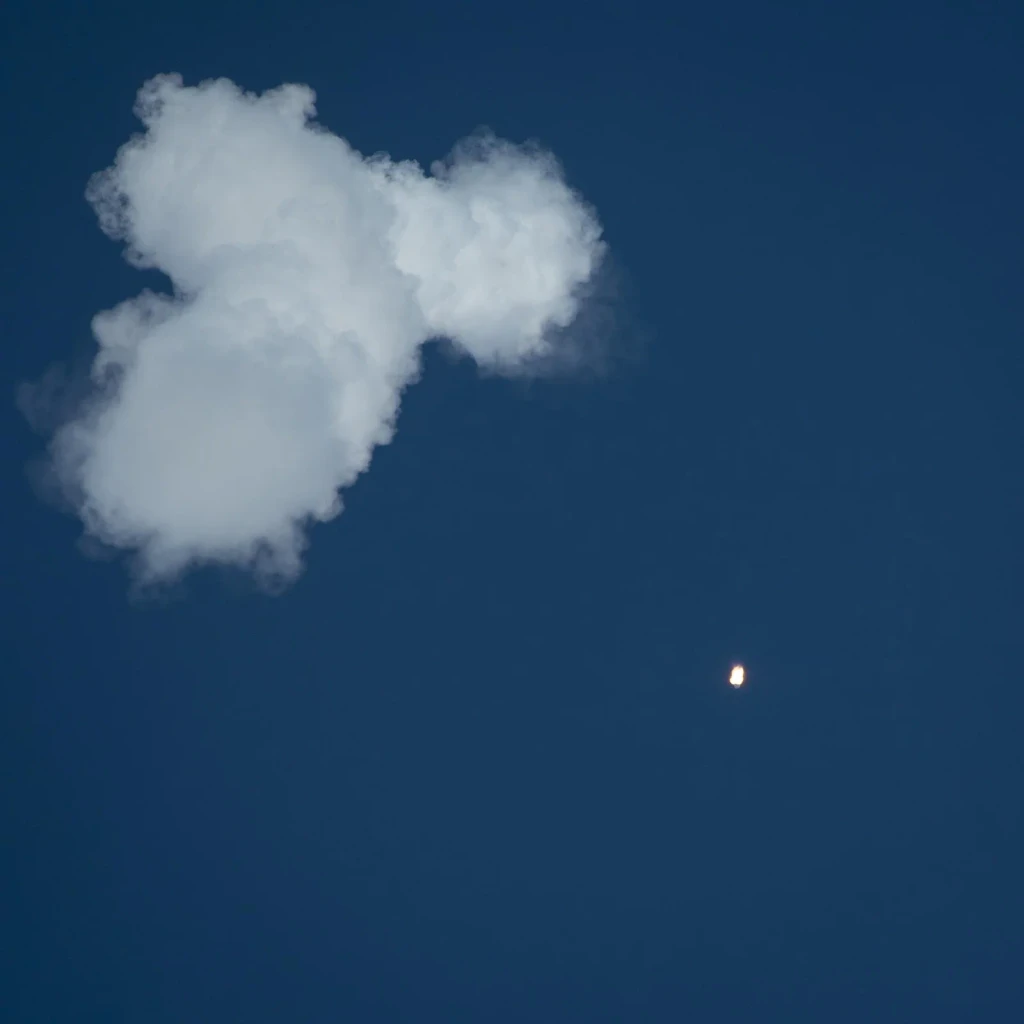
The Orbital Sciences Corporation Antares rocket is seen as it launches from Pad-0A of the Mid-Atlantic Regional Spaceport (MARS) at the NASA Wallops Flight Facility in Virginia, Sunday, April 21, 2013. The test launch marked the first flight of Antares and the first rocket launch from Pad-0A.
The Antares rocket delivered the equivalent mass of a spacecraft, a so-called mass simulated payload, into Earth's orbit.
NASA · HQ · 2013-04-21 · Antares (rocket) on Wikipedia
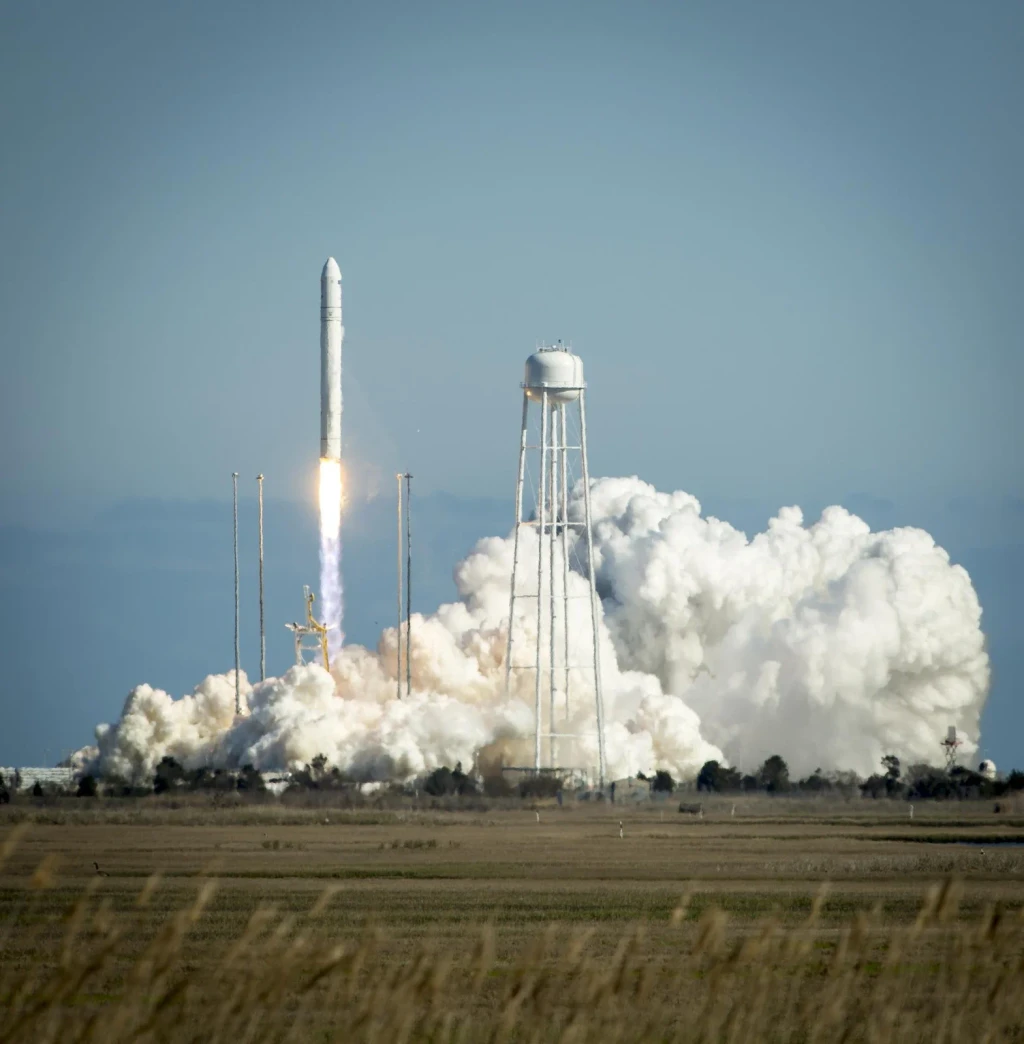
The Orbital Sciences Corporation Antares rocket is seen as it launches from Pad-0A of the Mid-Atlantic Regional Spaceport (MARS) at the NASA Wallops Flight Facility in Virginia, Sunday, April 21, 2013.
The test launch marked the first flight of Antares and the first rocket launch from Pad-0A. The Antares rocket delivered the equivalent mass of a spacecraft, a so-called mass simulated payload, into Earth's orbit.
NASA · HQ · 2013-04-21 · Antares (rocket) on Wikipedia
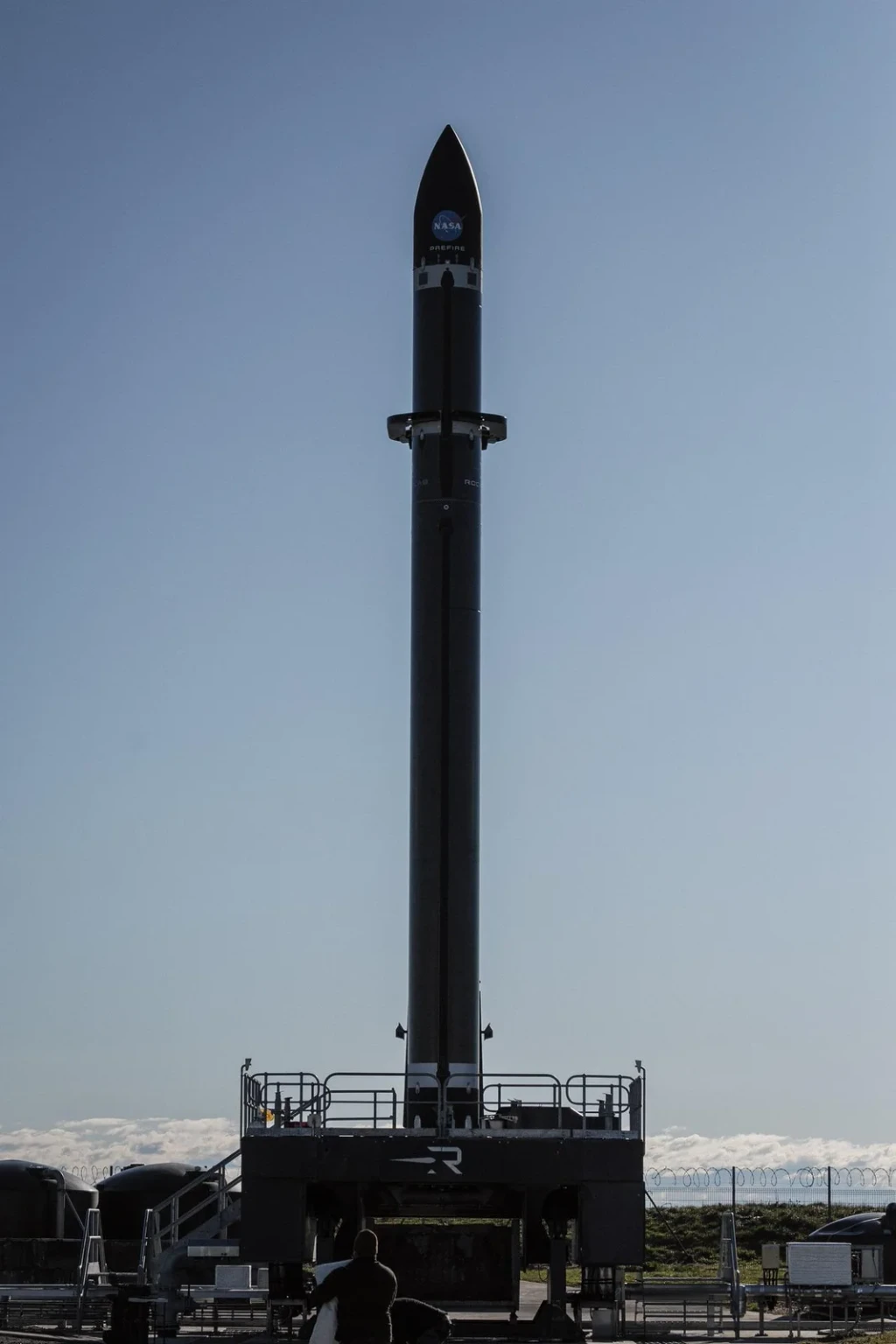
Rocket Lab’s Electron rocket is vertical on the pad Saturday, May 25, 2024, at Launch Complex 1 in Mahia, New Zealand, loaded with the first of two identical 6U CubeSats for NASA’s PREFIRE (Polar Radiant Energy in the Far-InfraRed Experiment) mission to help close a gap in our understanding of how much of Earth’s heat is lost to space from the Arctic and Antarctica. Liftoff of the first CubeSat launch, which Rocket Lab named “Ready, Aim, PREFIRE,” occurred at 7:41 p.m. NZST (3:41 a.m. EDT).
NASA · KSC · 2024-05-25 · Rocket Lab Electron on Wikipedia
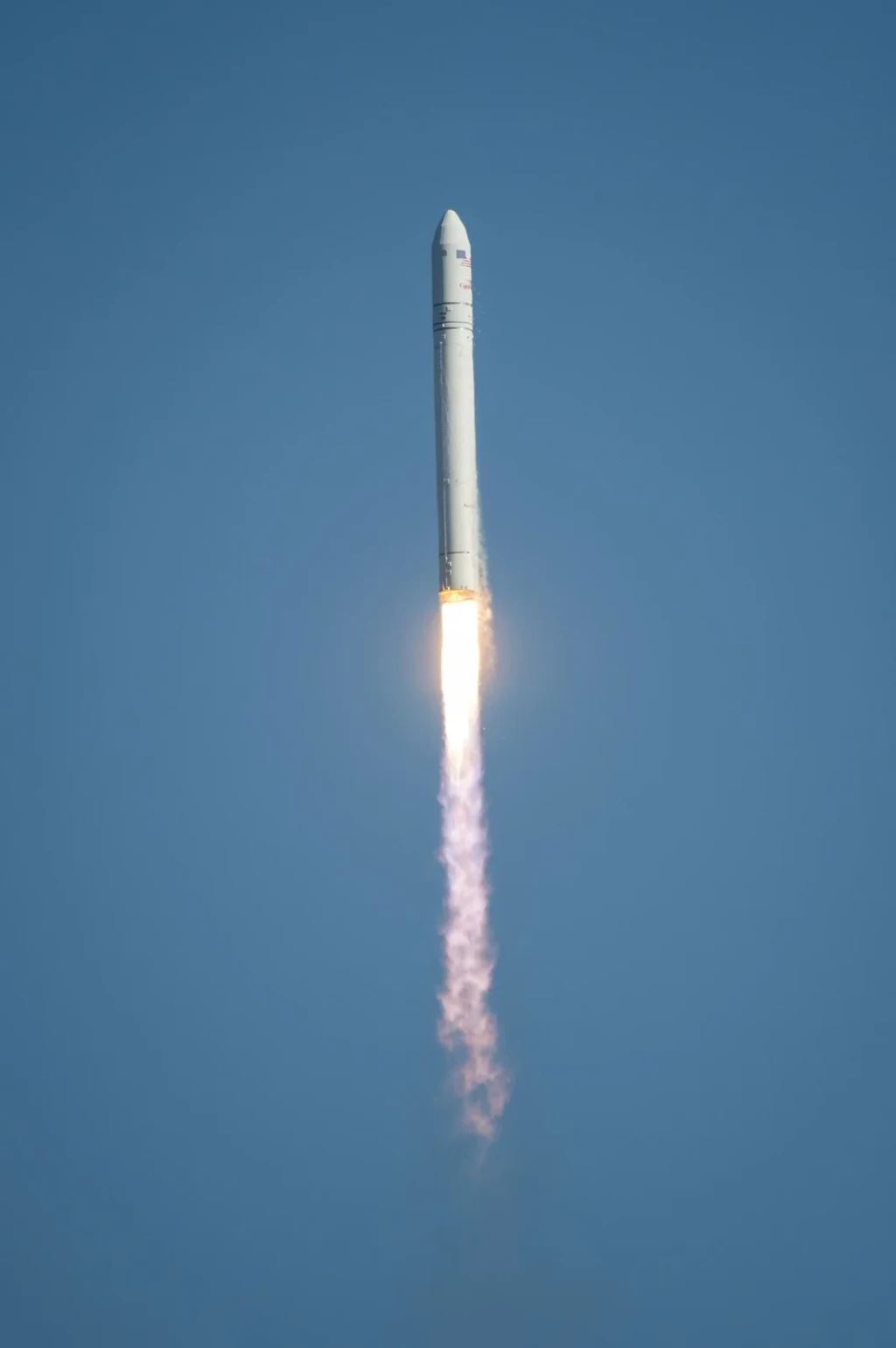
The Orbital Sciences Corporation Antares rocket is seen as it launches from Pad-0A of the Mid-Atlantic Regional Spaceport (MARS) at the NASA Wallops Flight Facility in Virginia, Sunday, April 21, 2013. The test launch marked the first flight of Antares and the first rocket launch from Pad-0A.
The Antares rocket delivered the equivalent mass of a spacecraft, a so-called mass simulated payload, into Earth's orbit.
NASA · HQ · 2013-04-21 · Antares (rocket) on Wikipedia
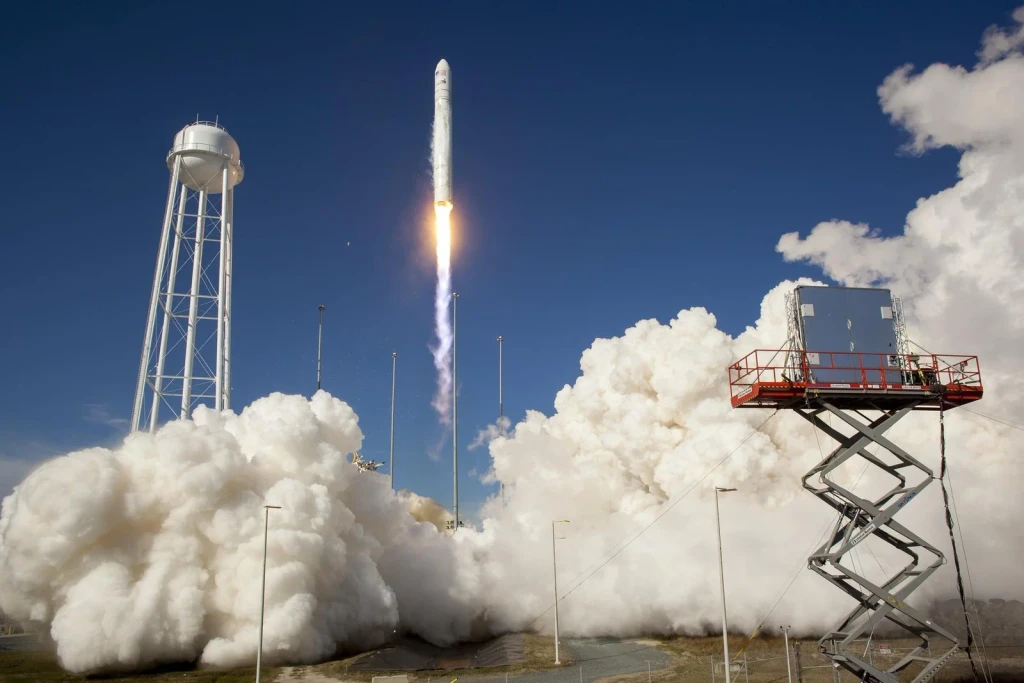
The Orbital Sciences Corporation Antares rocket is seen as it launches from Pad-0A of the Mid-Atlantic Regional Spaceport (MARS) at the NASA Wallops Flight Facility in Virginia, Sunday, April 21, 2013.
The test launch marked the first flight of Antares and the first rocket launch from Pad-0A. The Antares rocket delivered the equivalent mass of a spacecraft, a so-called mass simulated payload, into Earth's orbit.
NASA · HQ · 2013-04-21 · Antares (rocket) on Wikipedia
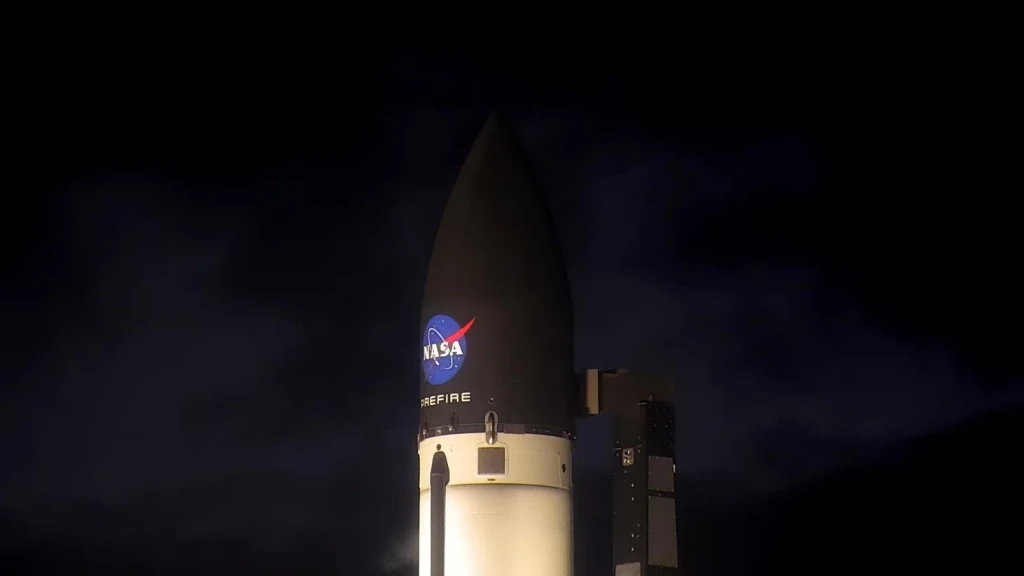
Rocket Lab’s Electron rocket is vertical on the pad Saturday, May 25, 2024, at Launch Complex 1 in Mahia, New Zealand, loaded with the first of two identical 6U CubeSats for NASA’s PREFIRE (Polar Radiant Energy in the Far-InfraRed Experiment) mission to help close a gap in our understanding of how much of Earth’s heat is lost to space from the Arctic and Antarctica. Liftoff of the first CubeSat launch, which Rocket Lab named “Ready, Aim, PREFIRE,” occurred at 7:41 p.m. NZST (3:41 a.m. EDT).
NASA · KSC · 2024-05-25 · Rocket Lab Electron on Wikipedia
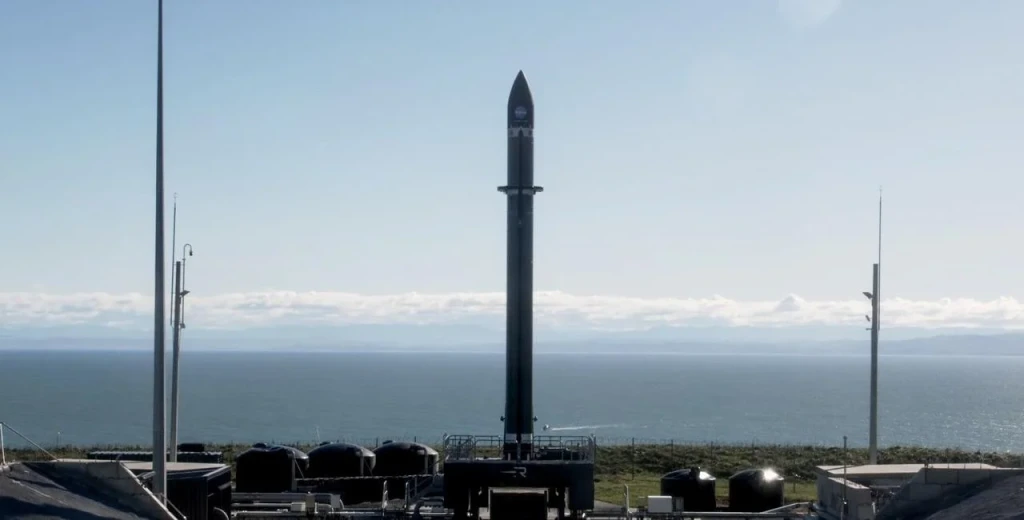
Rocket Lab’s Electron rocket is vertical on the pad Saturday, May 25, 2024, at Launch Complex 1 in Mahia, New Zealand, loaded with the first of two identical 6U CubeSats for NASA’s PREFIRE (Polar Radiant Energy in the Far-InfraRed Experiment) mission to help close a gap in our understanding of how much of Earth’s heat is lost to space from the Arctic and Antarctica. Liftoff of the first CubeSat launch, which Rocket Lab named “Ready, Aim, PREFIRE,” occurred at 7:41 p.m. NZST (3:41 a.m. EDT).
NASA · KSC · 2024-05-25 · Rocket Lab Electron on Wikipedia
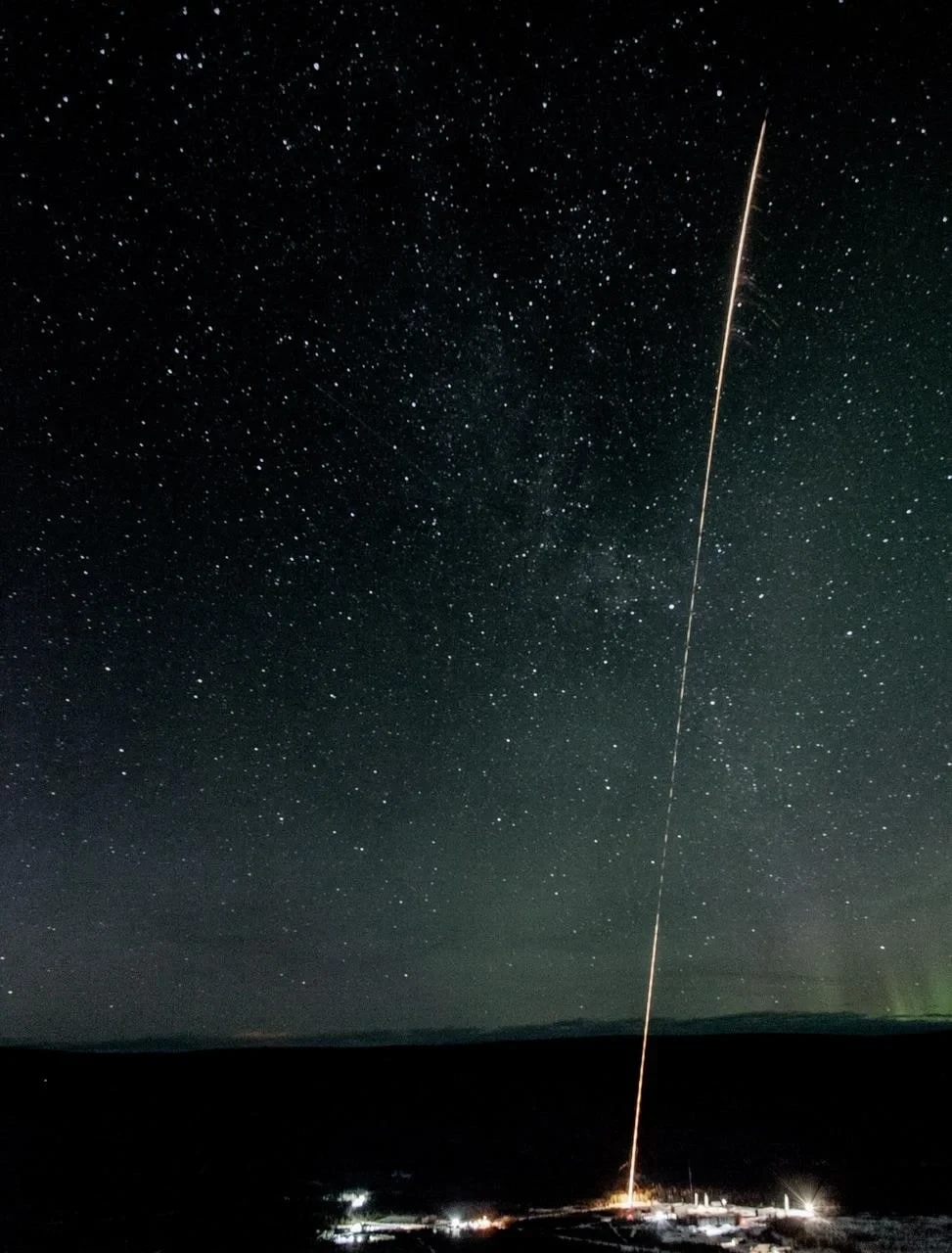
A test rocket is launched the night of Feb. 17 from the Poker Flat Research Range in Alaska. Test rockets are launched as part of the countdown to test out the radar tracking systems.
NASA is launching five sounding rockets from the Poker Range into active auroras to explore the Earth's magnetic environment and its impact on Earth's upper atmosphere and ionosphere. The launch window for the four remaining rockets runs through March 3.
NASA · GSFC · 2017-12-08 · Poker Flat Research Range on Wikipedia
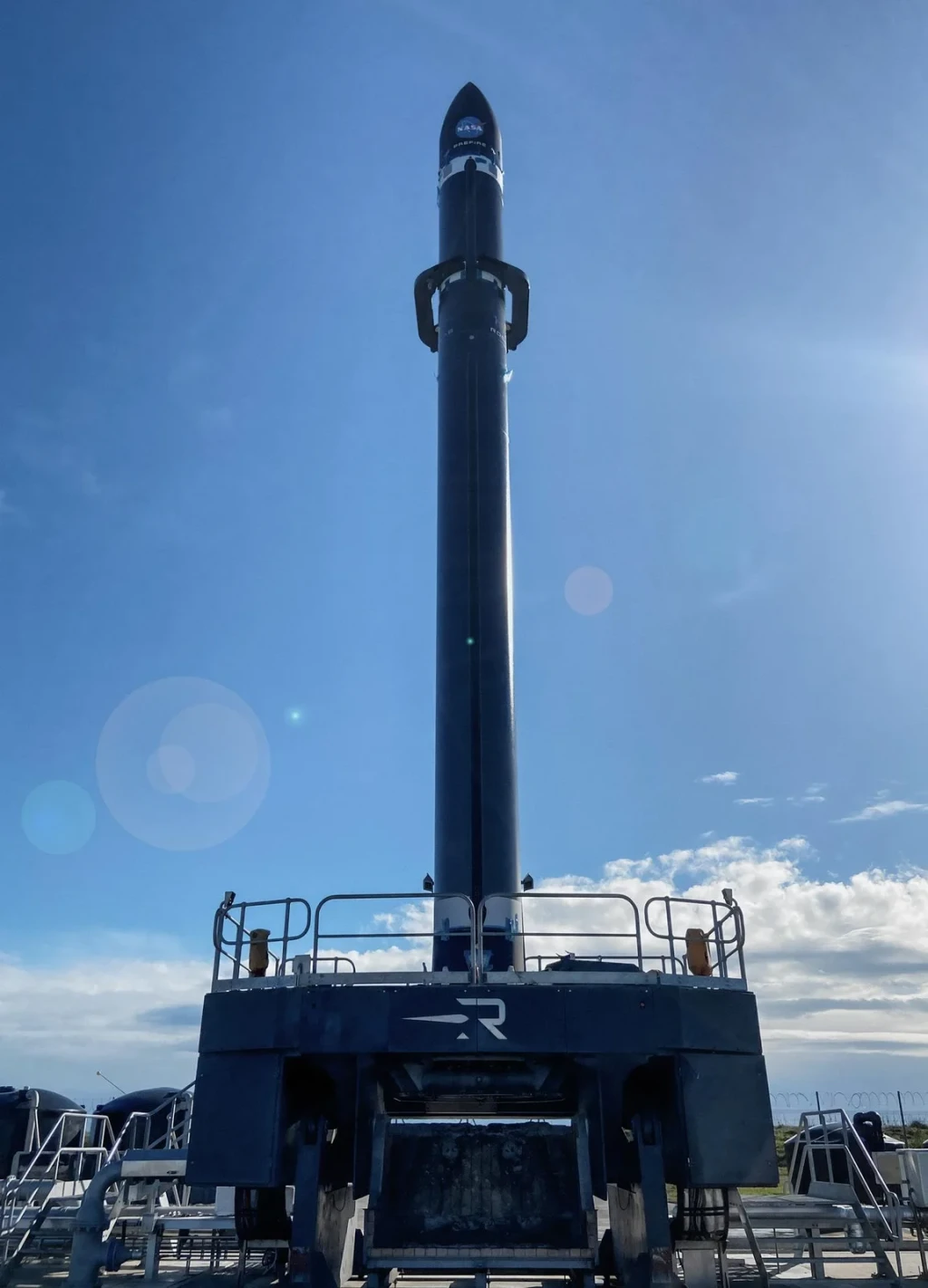
Rocket Lab’s Electron rocket is vertical on the pad at Launch Complex 1 in Mahia, New Zealand, loaded with the second of two identical 6U CubeSats for NASA’s PREFIRE (Polar Radiant Energy in the Far-InfraRed Experiment) mission to help close a gap in our understanding of how much of Earth’s heat is lost to space from the Arctic and Antarctica. Liftoff of the second CubeSat launch, which Rocket Lab named “PREFIRE and Ice” was targeted for Saturday, June 1, 2024, but was scrubbed for the day.
NASA · KSC · 2024-05-30
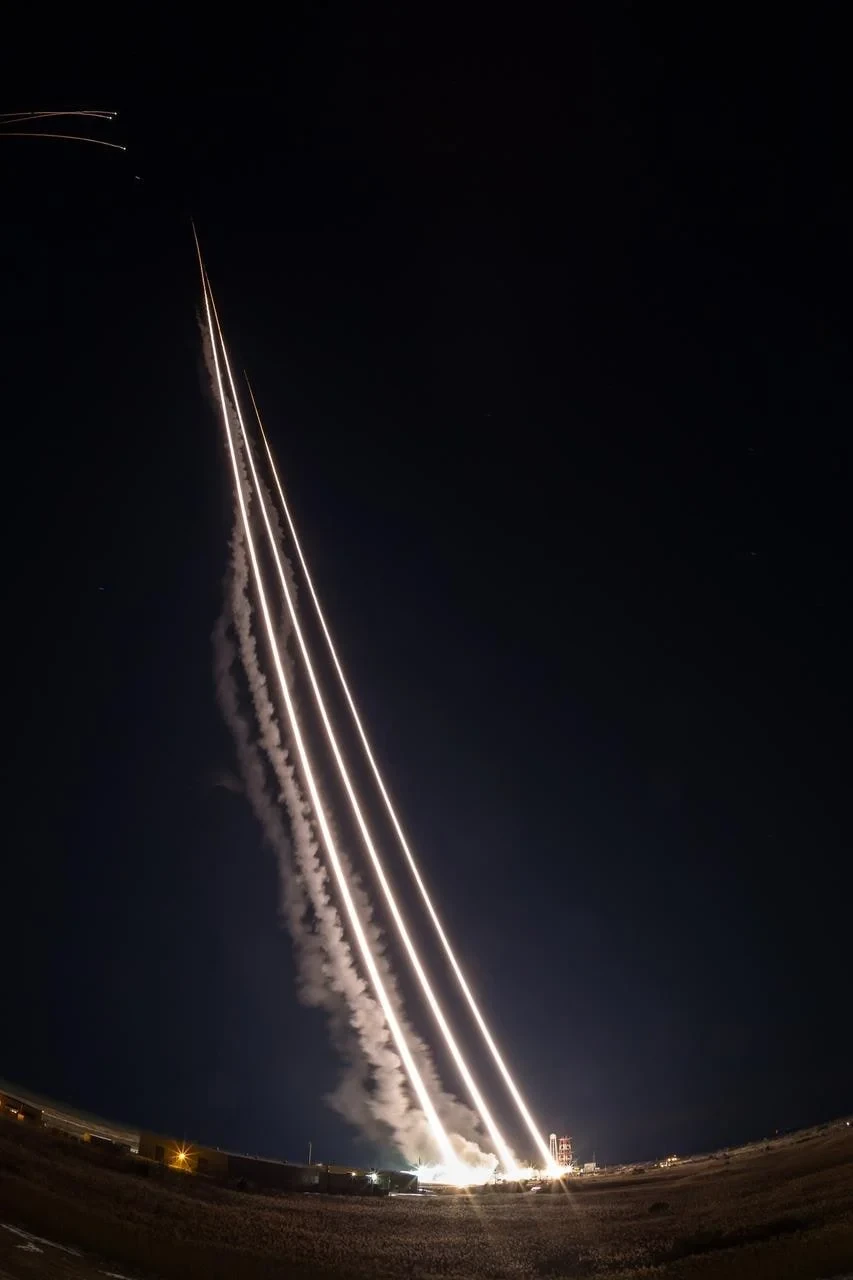
NASA’s Wallops Flight Facility supported the successful launch of three Terrier-Oriole suborbital rockets for the Department of Defense between 2:30 and 2:31 a.m. today, Feb. 24, from NASA’s launch range on the Eastern Shore of Virginia. The next launch from the Wallops Flight Facility is a NASA Terrier-Improved Malemute suborbital sounding rocket between 6 and 9 a.m. on March 27. The rocket will be carrying the Rocksat-X payload carrying university student developed experiments.
NASA · GSFC · 2017-12-08 · Wallops Flight Facility on Wikipedia
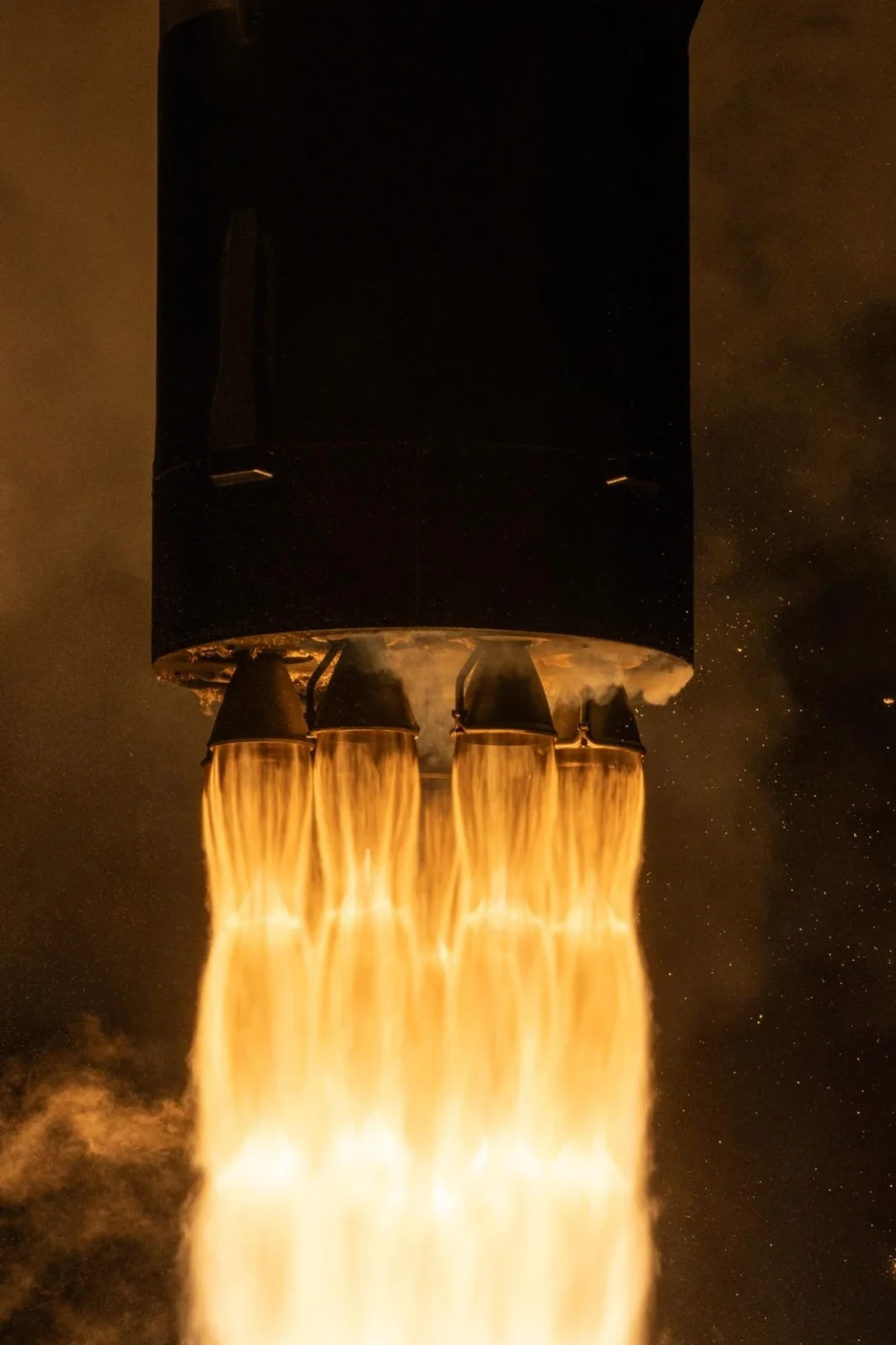
A Rocket Lab Electron rocket lifts off from Launch Complex 1 in Māhia, New Zealand at 7:41 p.m. NZST (3:41 a.m. EDT) Saturday, May 25, 2024, on the first of two launches which Rocket Lab named “Ready, Aim, PREFIRE,” for NASA’s PREFIRE (Polar Radiant Energy in the Far-InfraRed Experiment) mission. The PREFIRE mission, expected to last at least 10 months, consists of sending two CubeSats to asynchronous, near-polar orbits, to help close a gap in our understanding of how much of Earth’s heat is lost to space from the Arctic and Antarctica.
NASA · KSC · 2024-05-25 · Rocket Lab Electron on Wikipedia
