3D Gallery
The Impact of Ethical Fashion
Enter gallery
The Impact of Ethical Fashion is a 3D virtual gallery on MyGallery3D, a walkable online exhibition of 12 works. Step inside and explore it in your browser: no app, no headset.
Welcome to a 3D virtual gallery you can walk through in your browser, exploring the real cost of the clothes we wear. The fashion industry is valued at three trillion dollars, yet workers producing its garments can earn as little as four cents per item.
Consumption has reached 62 million tonnes of clothing a year and is projected to hit 102 million by 2030. Around 85% of clothes consumed in the United States end up in landfill. This exhibition asks what ethical fashion truly demands.
Slow fashion, a term coined by Kate Fletcher, challenges mass production with durable materials and seasonless design. People Tree became the first company to receive the World Fair Trade Organization product label in 2013. Resale platforms like Depop and The RealReal have drawn Gen Z shoppers toward circular fashion. Less than one percent of clothing is currently recycled into new garments.
The textile industry is the second greatest polluter of local freshwater worldwide. A single domestic laundry load can shed up to 700,000 microfibers into waterways. Around 35% of microplastics in marine ecosystems come from synthetic textiles. Cotton is no simple alternative: growing it consumes 25% of the world's insecticides and up to 16% of all pesticides.
Fast fashion now accounts for 36% of clothing purchases worldwide. Shein alone produces over six million tons of greenhouse gases annually from polyester textiles. Workers in its factories reportedly endure 18 hour days with one day off per month. In 2013, the Rana Plaza collapse in Bangladesh, the deadliest garment accident in history, exposed the human cost of cheap clothing.
This beige fabric's intricate patterns show how design lives in the details. Small choices shape what we wear.
Photograph by Eva Bronzini, via Pexels.
A close-up of diagonal texture in turquoise fabric. The structured pattern suggests the technical precision involved in textile production.
Photograph by Diana ✨, via Pexels.
This close-up reveals the intricate construction beneath fabric surfaces. Every garment depends on deliberate, detailed work.
Photograph by Eva Bronzini, via Pexels.
Intricate weaving patterns emerge in this beige textile. The craftsmanship visible here reflects labor and intention in fabric creation.
Photograph by www.kaboompics.com, via Pexels.
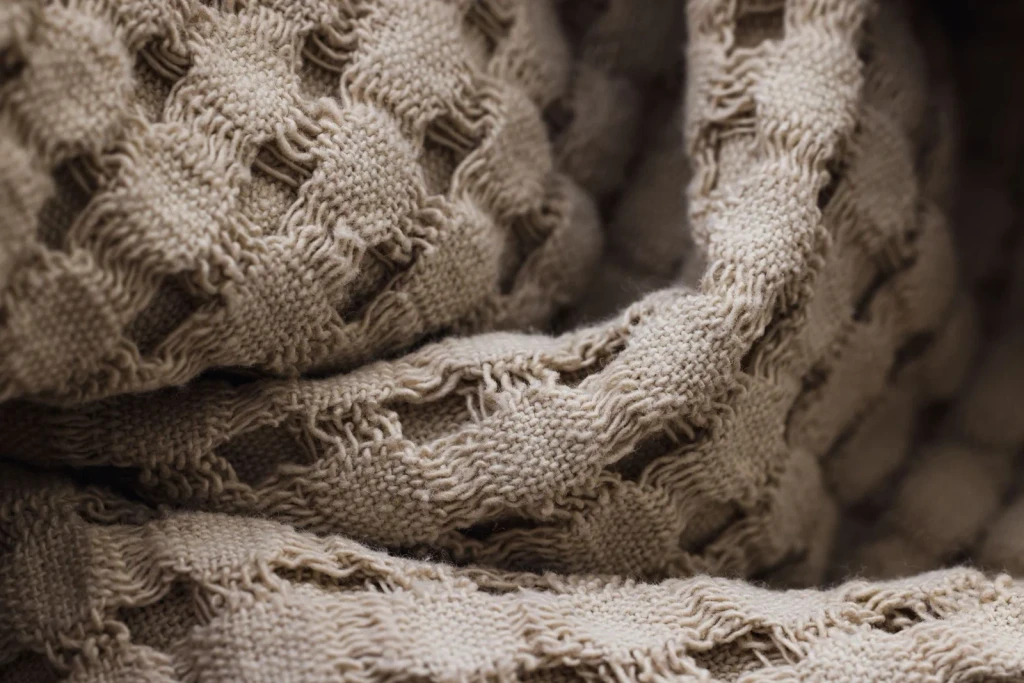
Intricate woven patterns create depth in this tan fabric. The detail reveals the skilled labor embedded in everyday textiles.
Photograph by Engin Akyurt, via Pexels.
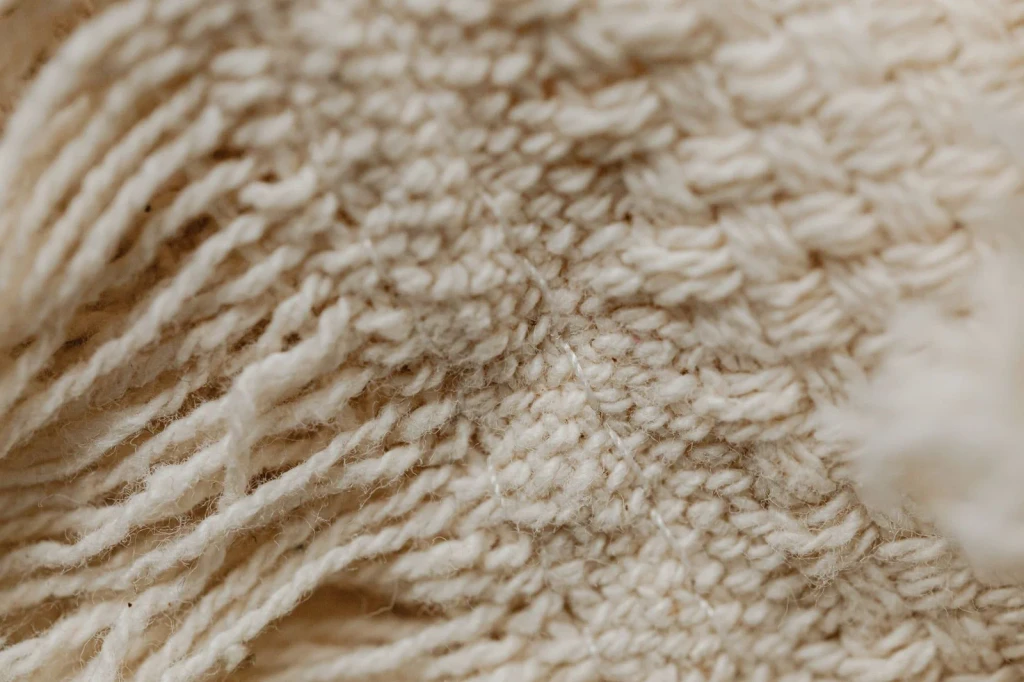
Woven texture and pattern are the focus here. These details matter in understanding the craft and care fashion requires.
Photograph by www.kaboompics.com, via Pexels.
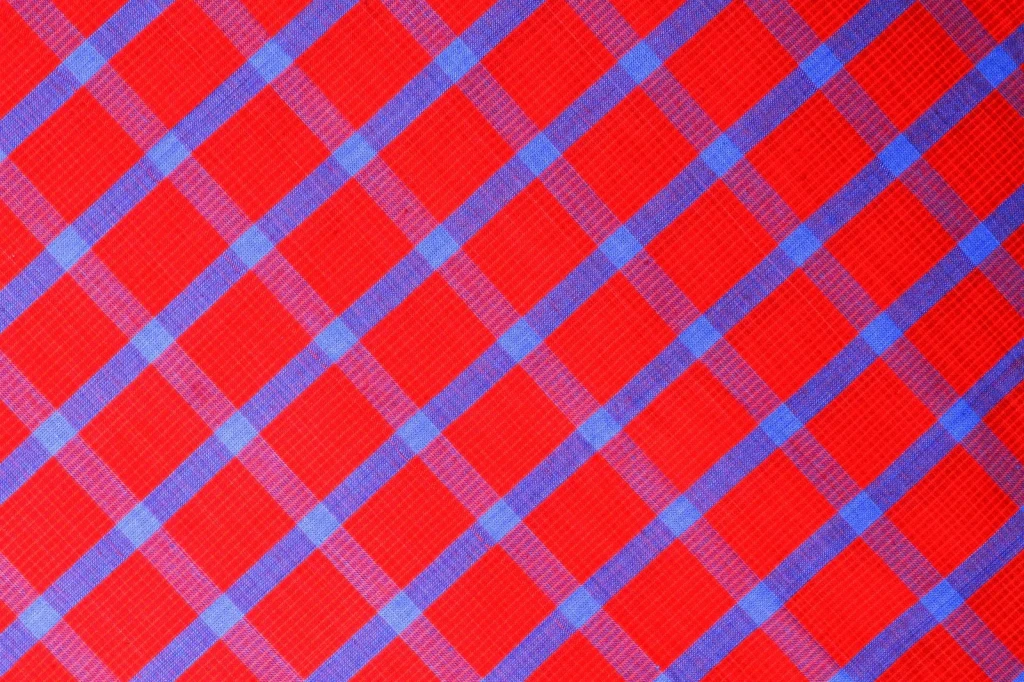
A vibrant checkered pattern in red and blue. Bold color and structure speak to intentional design in fashion production.
Photograph by Tamanna Rumee, via Pexels.
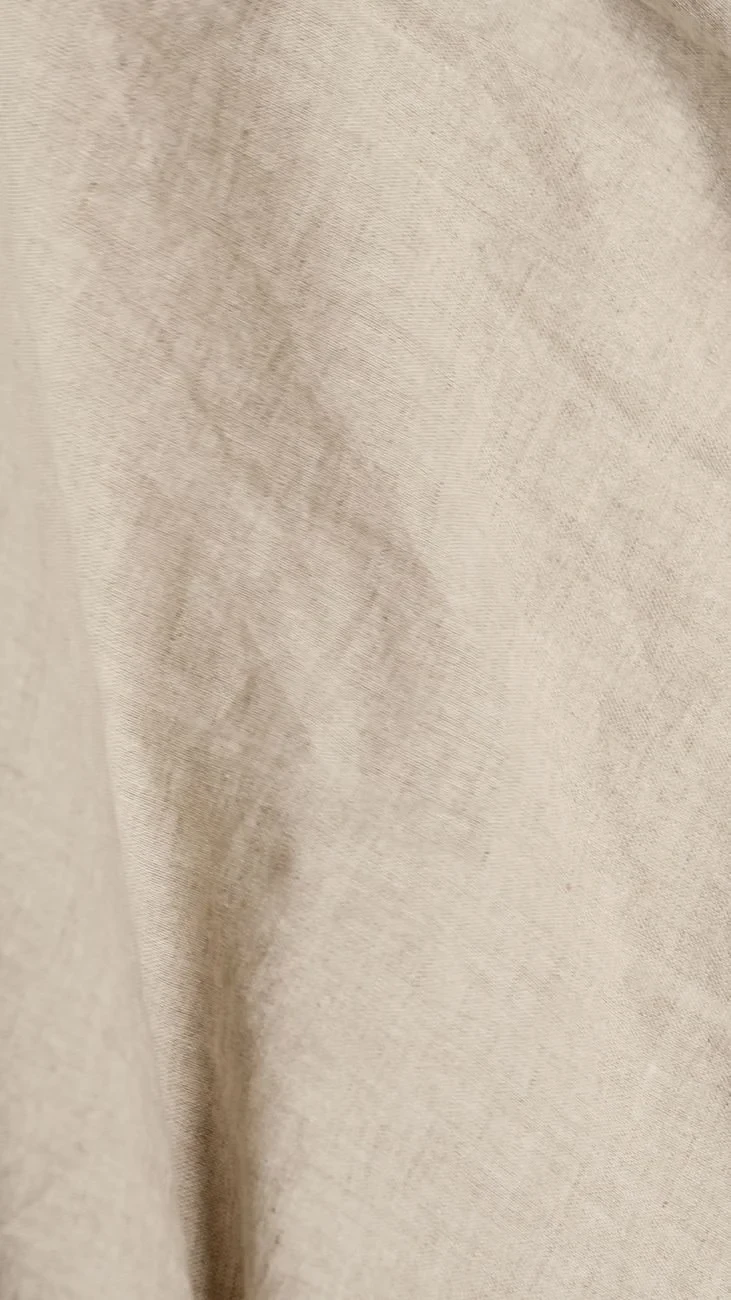
Beige linen shows texture and fold. The natural qualities hint at what sustainability in fabric production might look like.
Photograph by Artem Podrez, via Pexels.
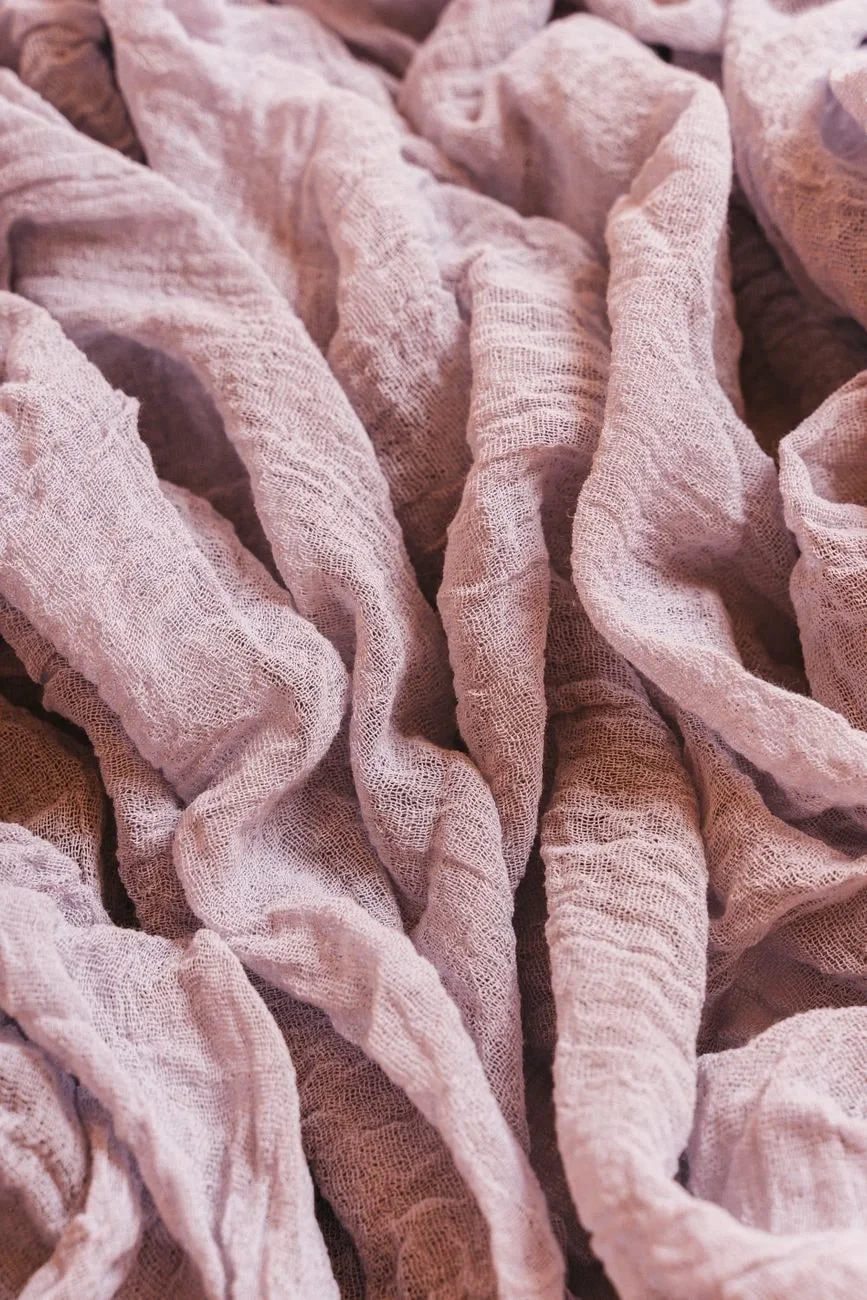
Texture and movement animate this crinkled linen. Natural fabrics age and change with use and time.
Photograph by AI25.Studio Studio, via Pexels.
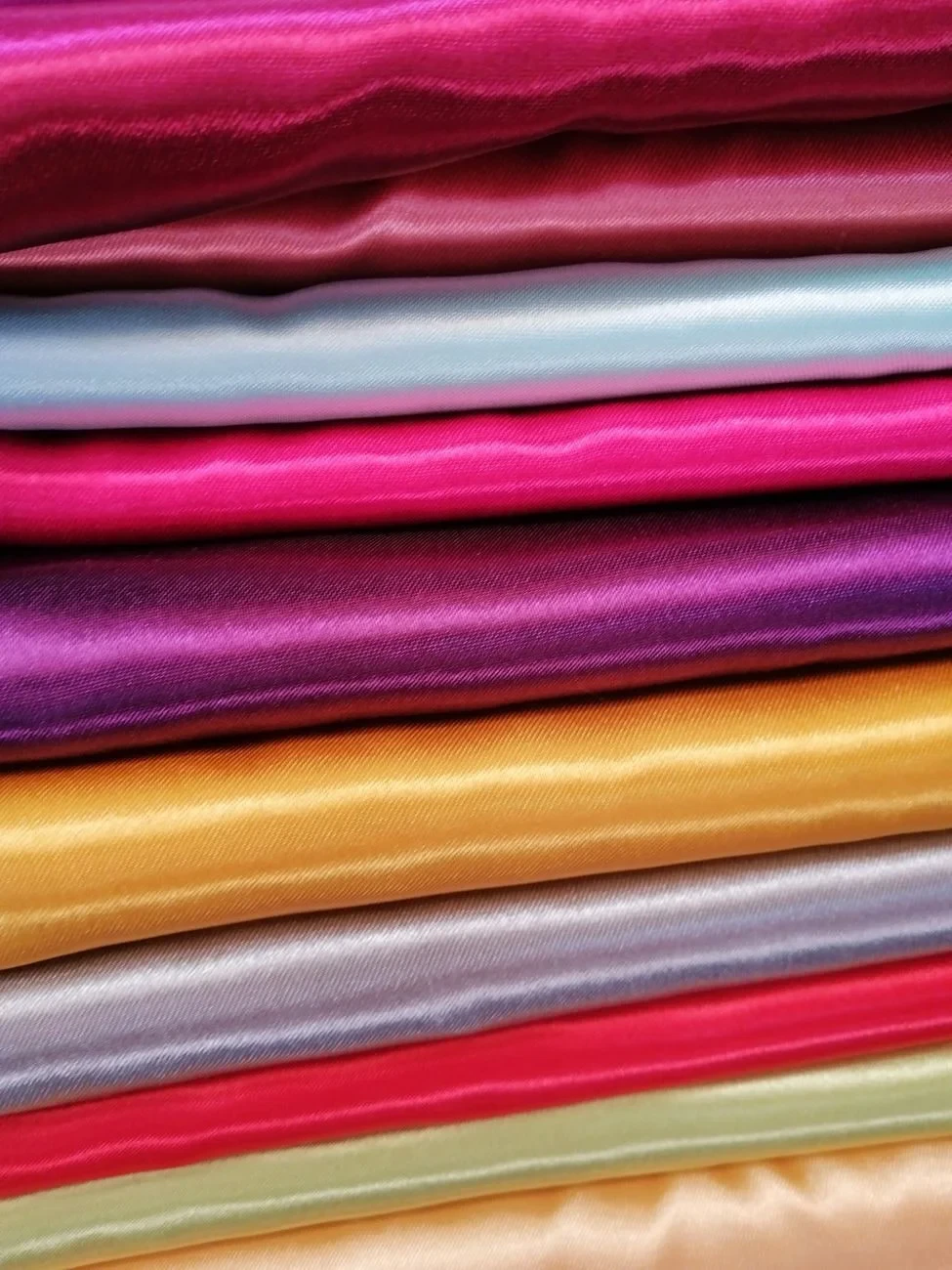
A vibrant vertical arrangement of textiles suggests variety and choice. What we wear comes from many sources and possibilities.
Photograph by mohmed mahmoud, via Pexels.
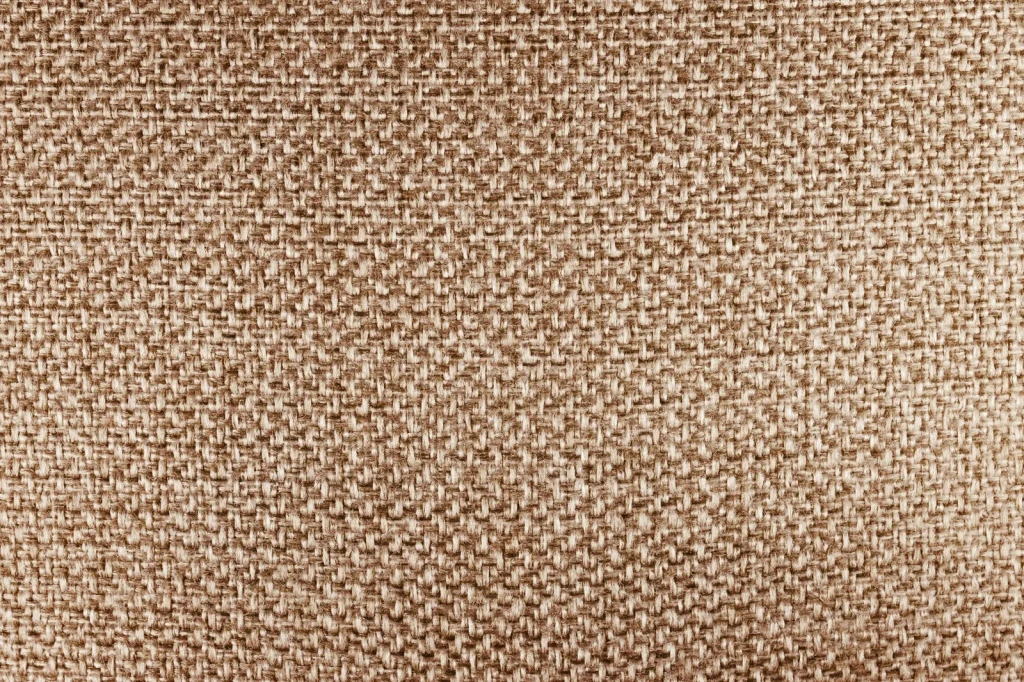
This beige fabric reveals the intricate patterns created through weaving. Each thread represents labor and material choice.
Photograph by Jonathan Borba, via Pexels.
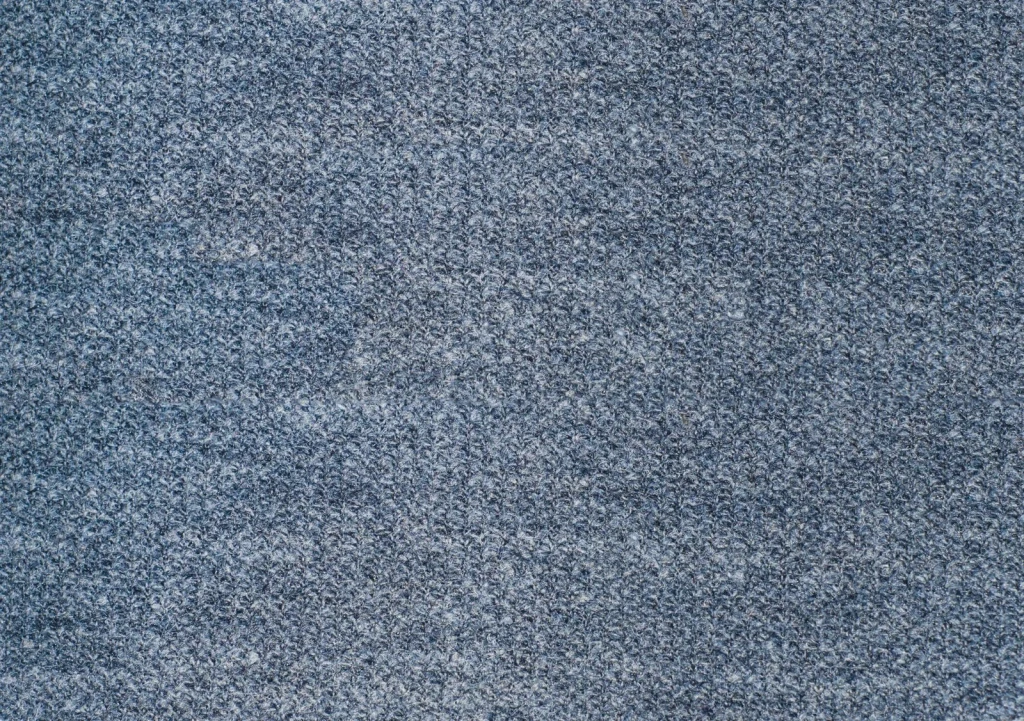
A textured close-up explores the visual depth of fabric. Even basic materials reveal complexity when examined closely.
Photograph by Lana Kravchenko, via Pexels.
