3D Gallery
The Sun
Enter gallery
The Sun is a 3D virtual gallery on MyGallery3D, a walkable online exhibition of 16 works. Step inside and explore it in your browser: no app, no headset.
A 3D virtual gallery of our star. Solar flares, coronal loops and sunspots, captured in wavelengths the human eye cannot see, by spacecraft built to stare at the one thing you must never look at.
Every image in this online exhibition was made by NASA and is in the public domain. Each label carries the mission or observatory that captured it, the date, and a link to read more.
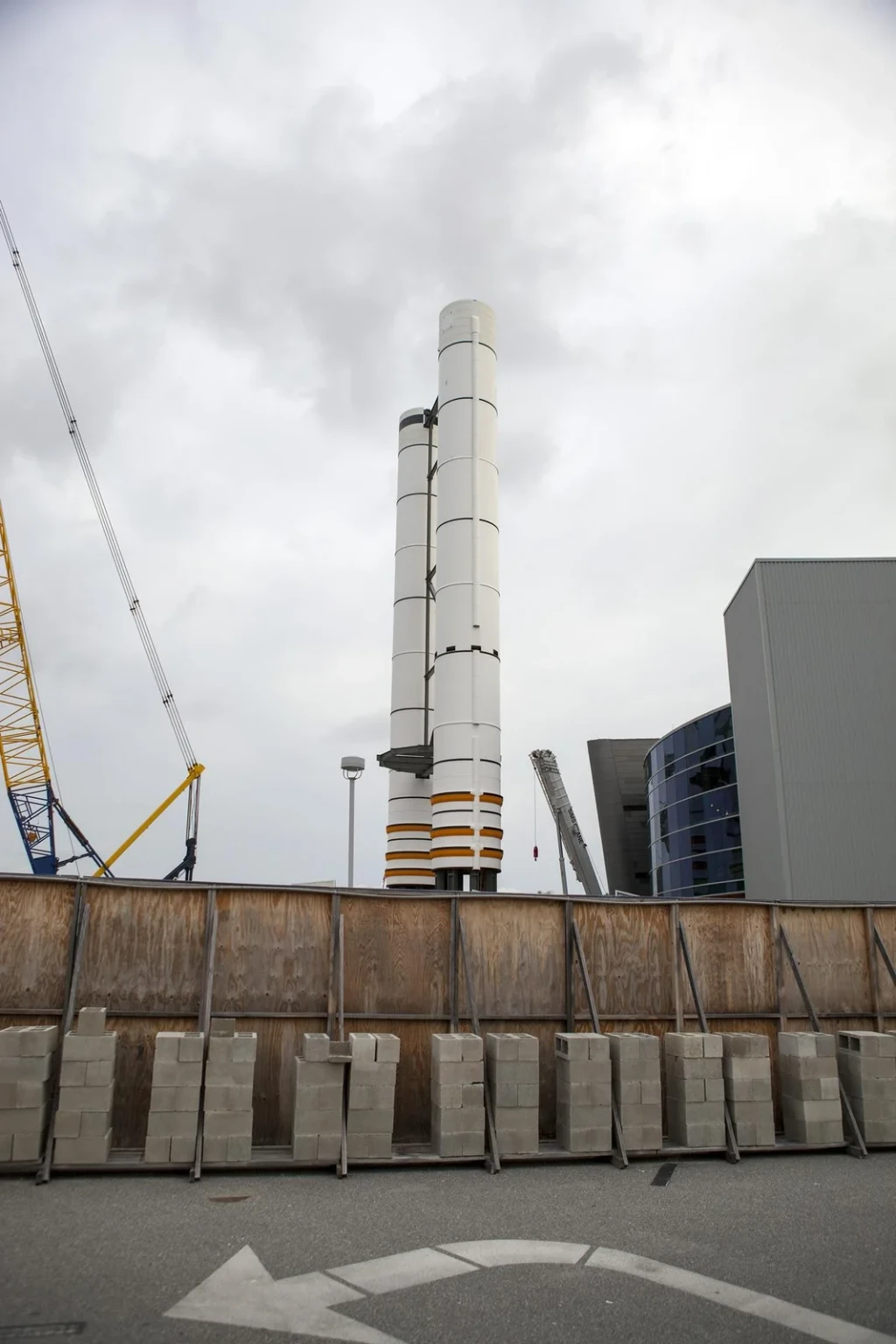
A pair of replica space shuttle solid rocket boosters stand at the entry of the space shuttle Atlantis attraction under construction at the Kennedy Space Center Visitor Complex. Workers will use cranes to place the nose cones atop each of the model boosters. The building at right houses the actual shuttle Atlantis.
NASA · KSC · 2013-05-01 · Space Shuttle Atlantis on Wikipedia
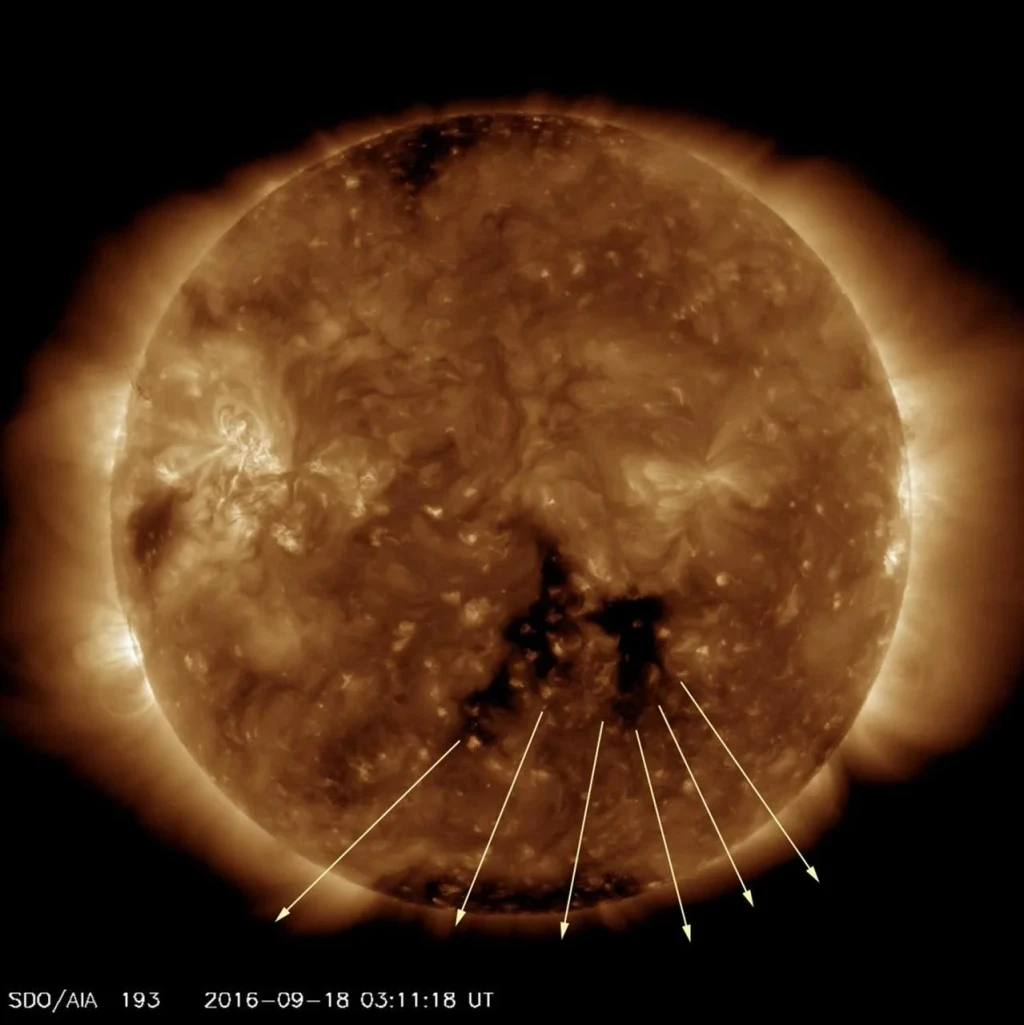
A dark coronal hole that was facing towards Earth for several days spewed streams of solar wind in our direction, Sept. 18, 21, 2016. A coronal hole is a magnetically open region. The magnetic fields have opened up allowing solar wind, comprised of charged particles, to stream into space.
Gusts of solar wind can generate beautiful aurora when they reach Earth. The video clip shows the sun in a wavelength of extreme ultraviolet light.
NASA · JPL · 2016-09-21 · Coronal hole on Wikipedia
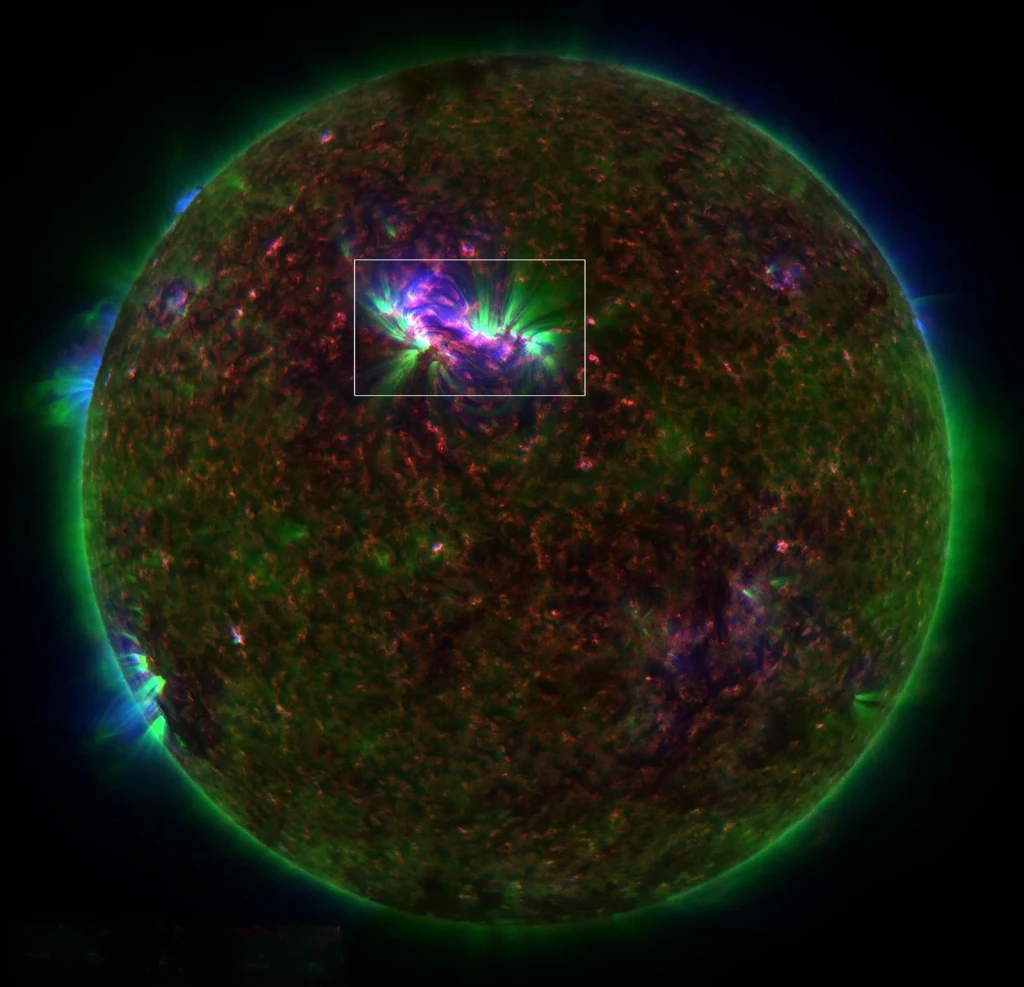
These jets, known as spicules, were captured in an SDO image on April 25, 2010. Combined with the energy from ripples in the magnetic field, they may contain enough energy to power the solar wind that streams from the sun toward Earth at 1.5 million miles per hour.
NASA · GSFC · 2017-12-08 · Solar spicule on Wikipedia
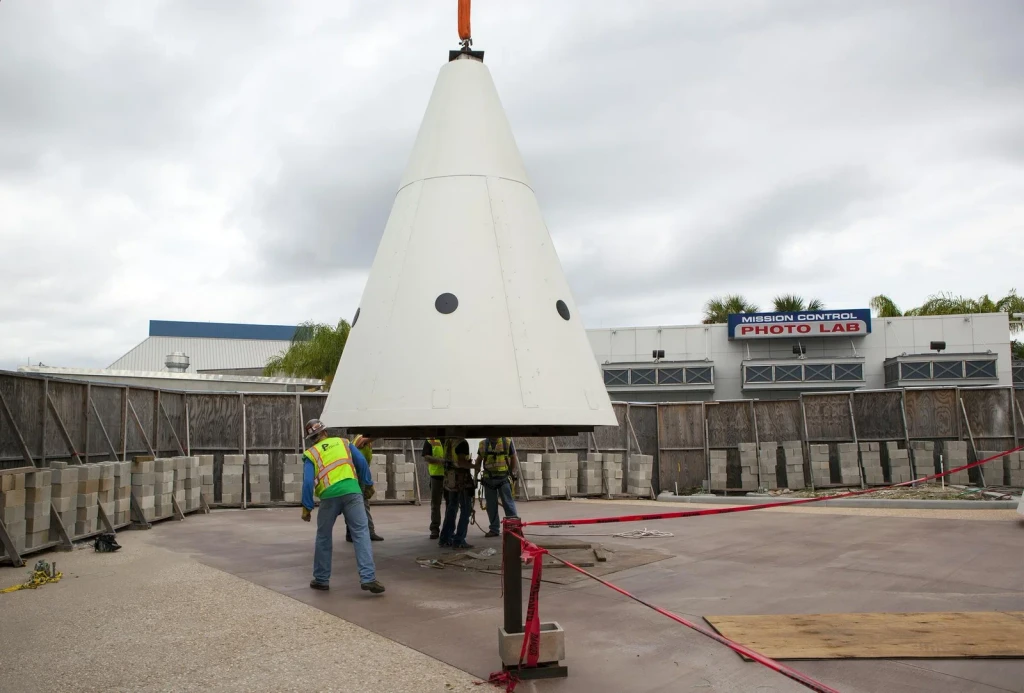
Workers prepare to lift a nose cone to top out one of a pair of replica space shuttle solid rocket boosters at the entry of the space shuttle Atlantis attraction under construction at the Kennedy Space Center Visitor Complex. Workers will use cranes to place the nose cones atop each of the model boosters. The building at right houses the actual shuttle Atlantis.
NASA · KSC · 2013-05-01 · Space Shuttle Atlantis on Wikipedia
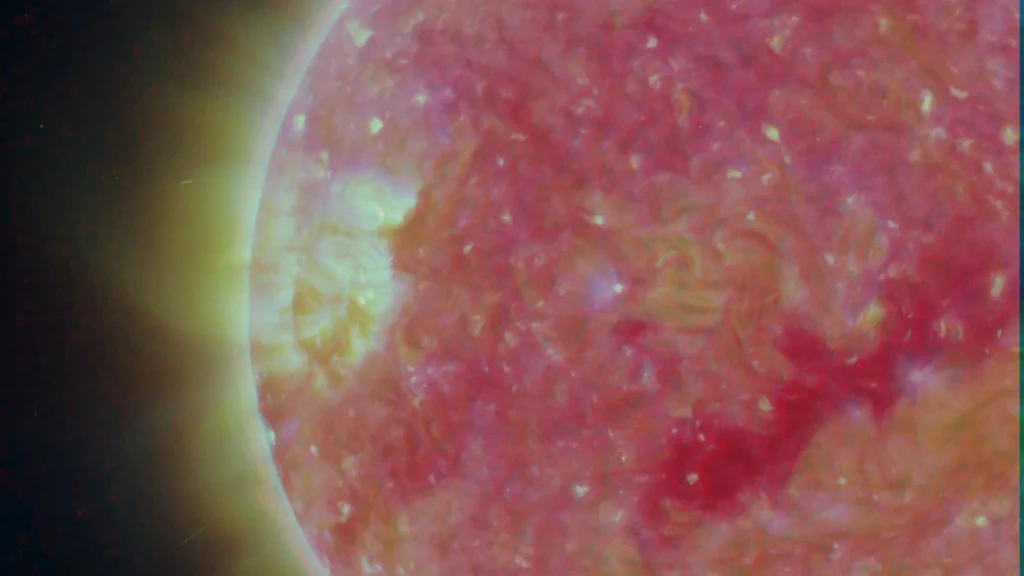
STEREO satellites have provided the first three-dimensional images of the Sun. The structure of the corona shows well in this image.
NASA · JPL · 2007-04-27 · STEREO on Wikipedia
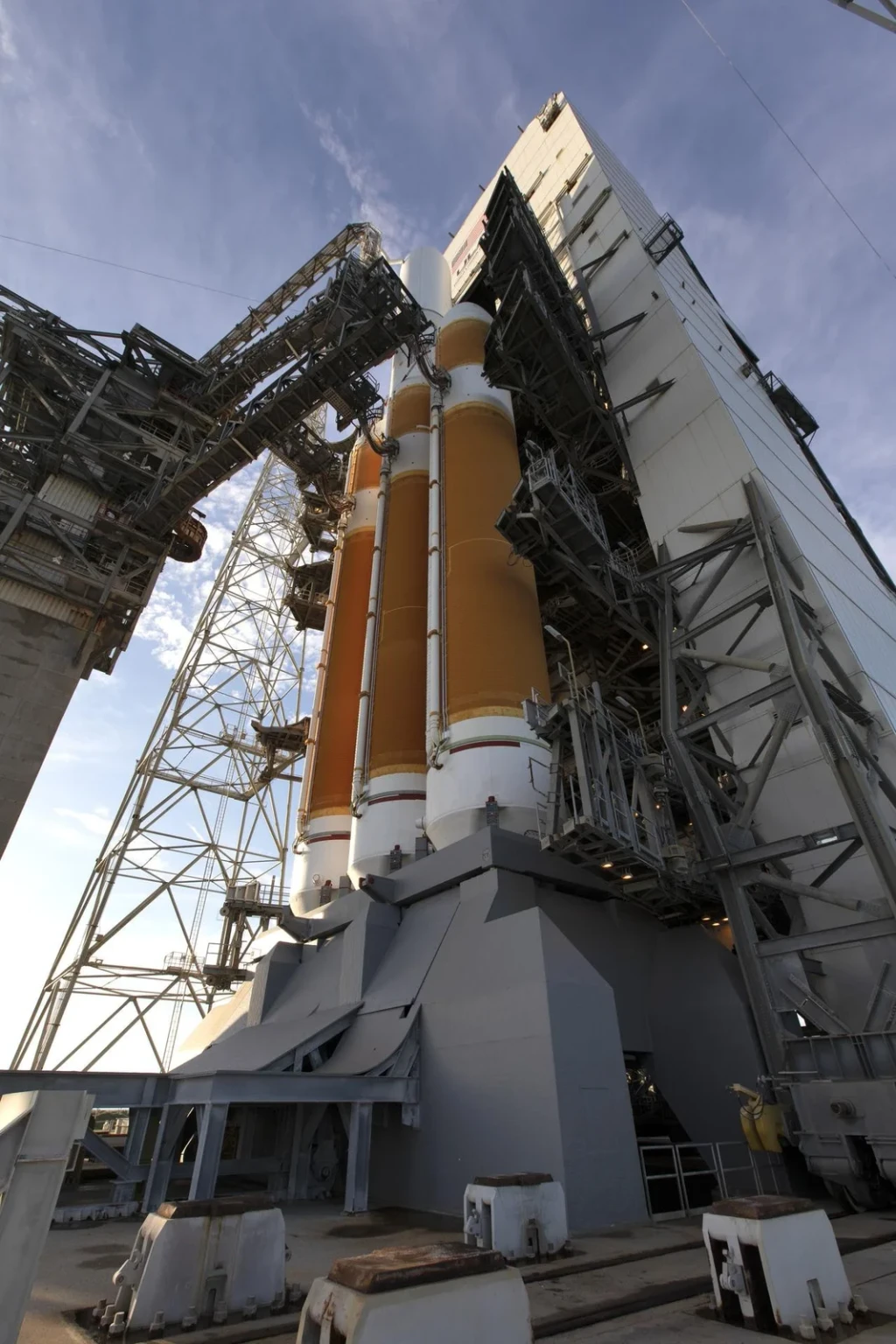
On Friday, Aug. 10, 2018, at Cape Canaveral Air Force Station in Florida, the Mobile Service Tower gantry at Space Launch Complex 37 rolls away from the United Launch Alliance Delta IV Heavy rocket waiting to boost NASA's Parker Solar Probe on a mission to study the Sun.
Parker Solar Probe will perform the closest-ever observations of a star when it travels through the Sun's atmosphere, called the corona. The probe will rely on measurements and imaging to revolutionize our understanding of the corona and the Sun-Earth connection.
NASA · KSC · 2018-08-10 · Parker Solar Probe on Wikipedia
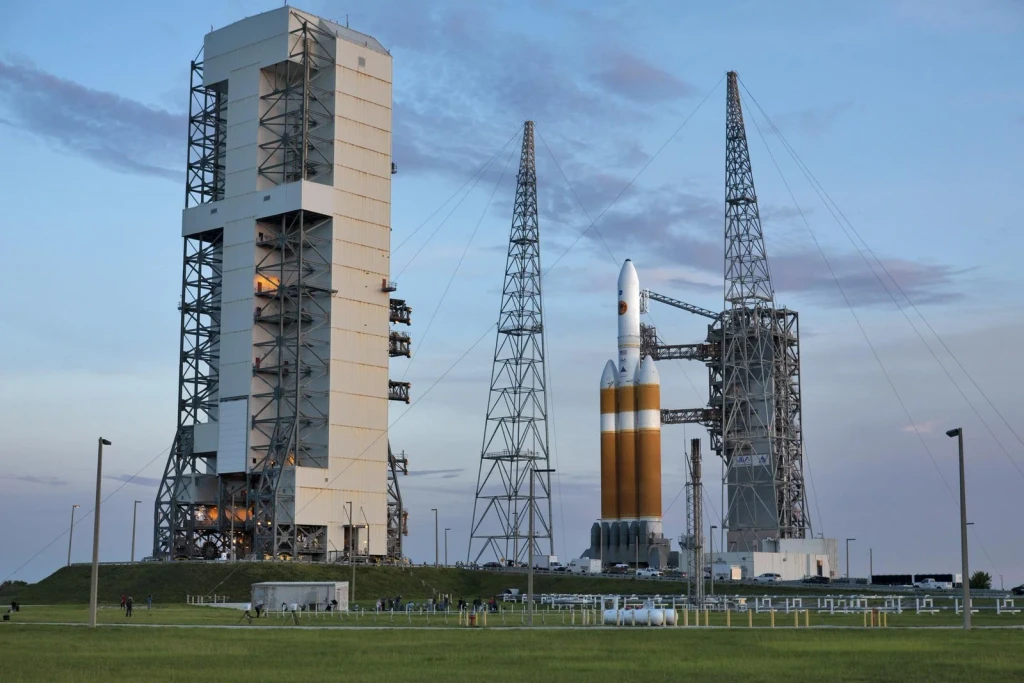
On Friday, Aug. 10, 2018, at Cape Canaveral Air Force Station in Florida, the United Launch Alliance Delta IV Heavy rocket stands ready to boost NASA's Parker Solar Probe on a mission to study the Sun following rollback of the Mobile Service Tower gantry at Space Launch Complex 37.
Parker Solar Probe will perform the closest-ever observations of a star when it travels through the Sun's atmosphere, called the corona. The probe will rely on measurements and imaging to revolutionize our understanding of the corona and the Sun-Earth connection.
NASA · KSC · 2018-08-10 · Parker Solar Probe on Wikipedia
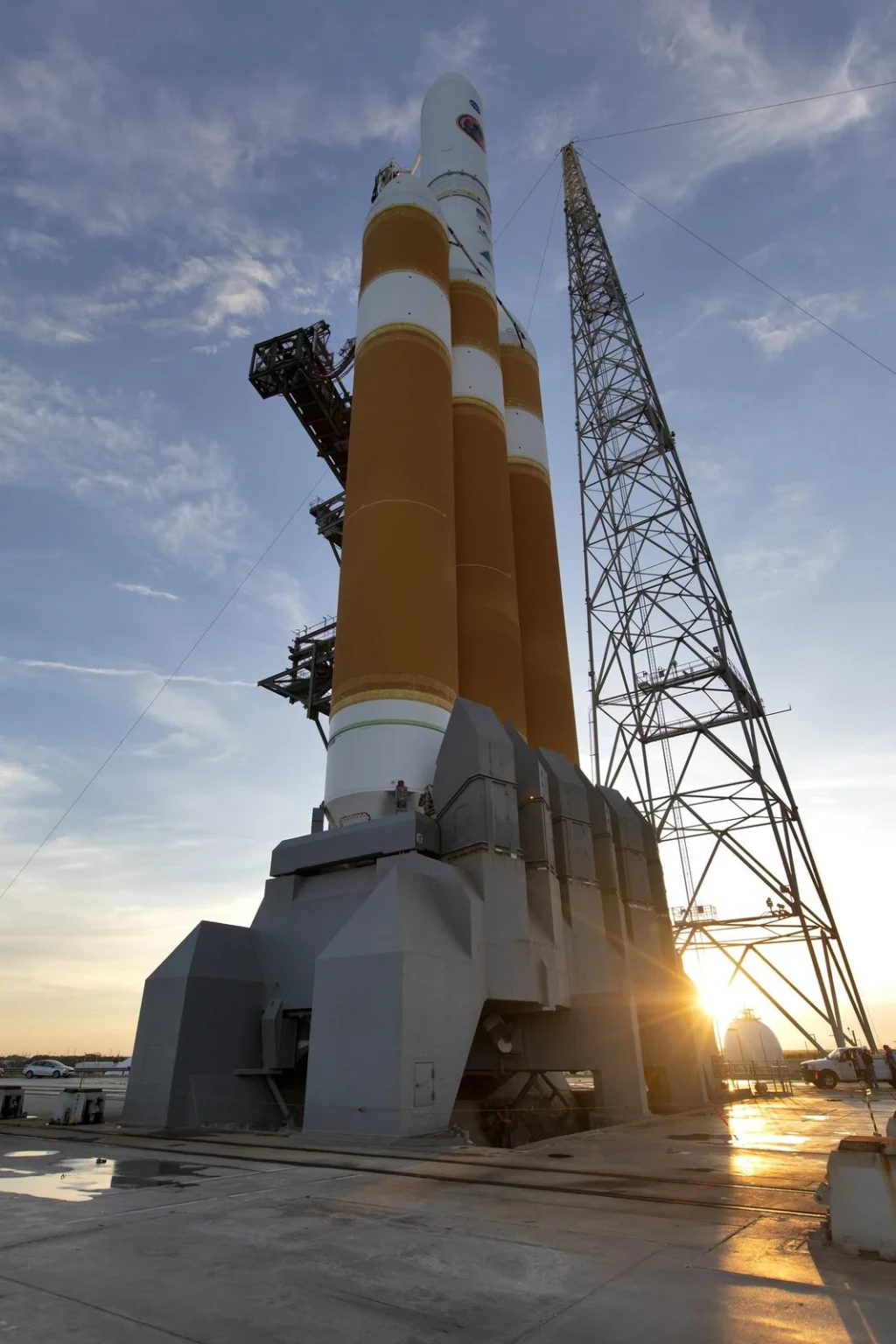
On Friday, Aug. 10, 2018, at Cape Canaveral Air Force Station in Florida, the United Launch Alliance Delta IV Heavy rocket stands ready to boost NASA's Parker Solar Probe on a mission to study the Sun following rollback of the Mobile Service Tower gantry at Space Launch Complex 37.
Parker Solar Probe will perform the closest-ever observations of a star when it travels through the Sun's atmosphere, called the corona. The probe will rely on measurements and imaging to revolutionize our understanding of the corona and the Sun-Earth connection.
NASA · KSC · 2018-08-10 · Parker Solar Probe on Wikipedia
![SDO Spots Extra Energy in the Sun's Corona [detail], from The Sun](https://auth.mygallery3d.com/storage/v1/object/public/gallery-snapshots/the-sun/4d8613d80e323ca9957f7d2043d9cb559af0b3be.webp)
These jets, known as spicules, were captured in an SDO image on April 25, 2010. Combined with the energy from ripples in the magnetic field, they may contain enough energy to power the solar wind that streams from the sun toward Earth at 1.5 million miles per hour.
NASA · GSFC · 2017-12-08 · Solar spicule on Wikipedia
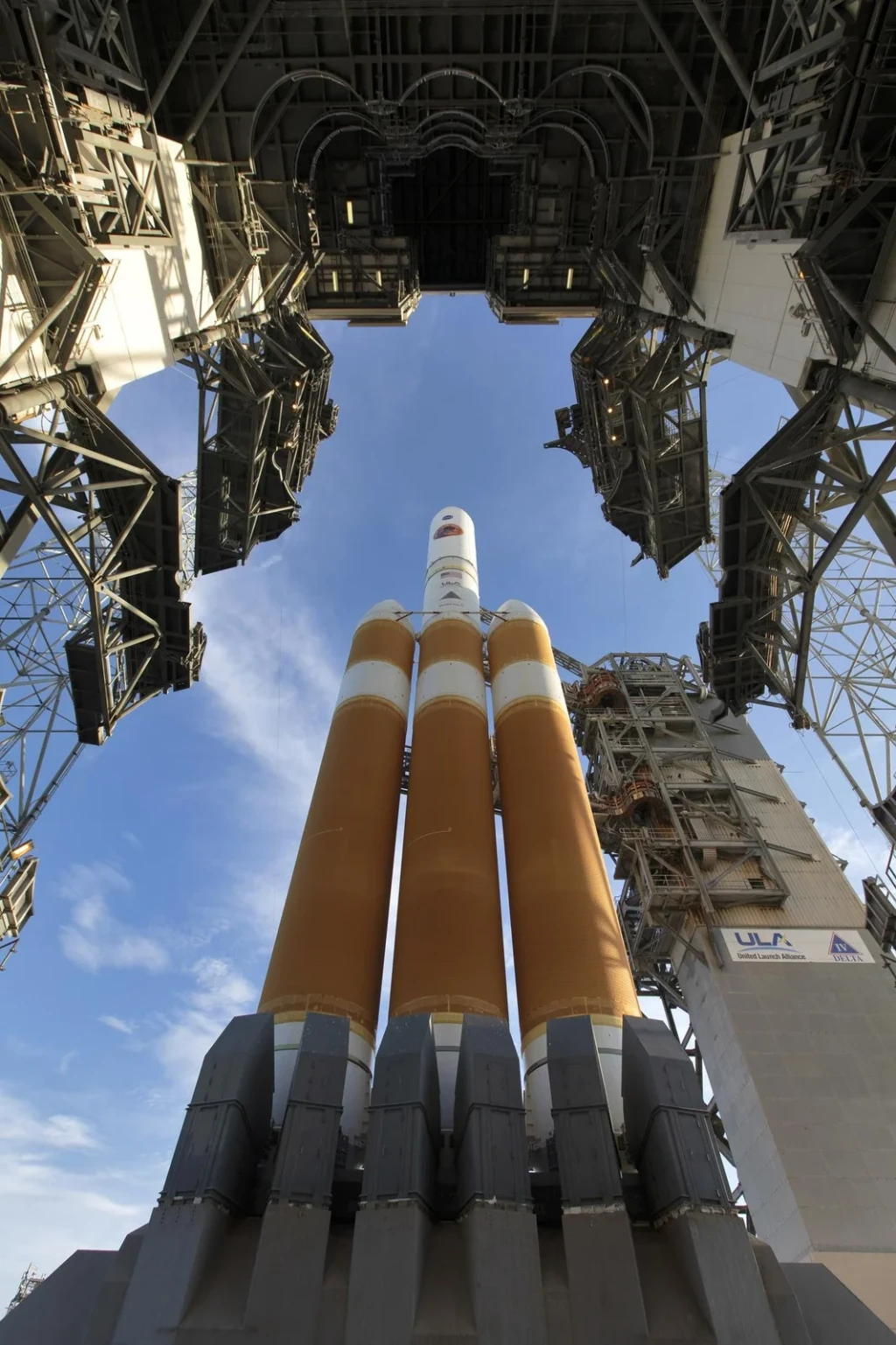
The United Launch Alliance Delta IV Heavy rocket that will launch NASA’s Parker Solar Probe on a mission to study to Sun is seen as the Mobile Service Tower gantry at Space Launch Complex 37 rolls back on Friday, Aug. 10, 2018, at Cape Canaveral Air Force Station in Florida. Parker Solar Probe will perform the closest-ever observations of a star when it travels through the Sun's atmosphere, called the corona. The probe will rely on measurements and imaging to revolutionize our understanding of the corona and the Sun-Earth connection.
NASA · KSC · 2018-08-10 · Parker Solar Probe on Wikipedia
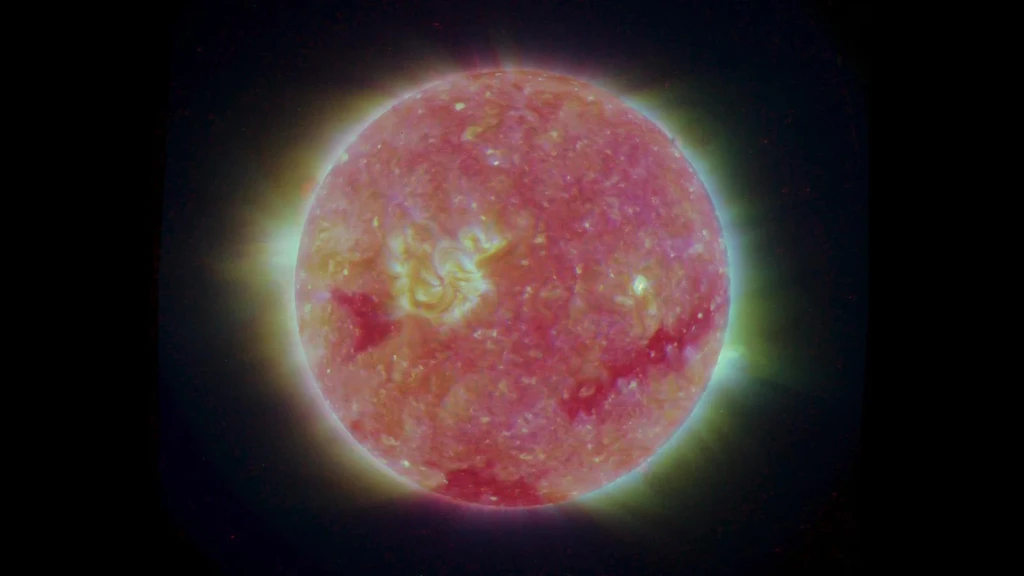
STEREO satellites have provided the first three-dimensional images of the Sun. The structure of the corona shows well in this image.
NASA · JPL · 2007-04-27 · STEREO on Wikipedia
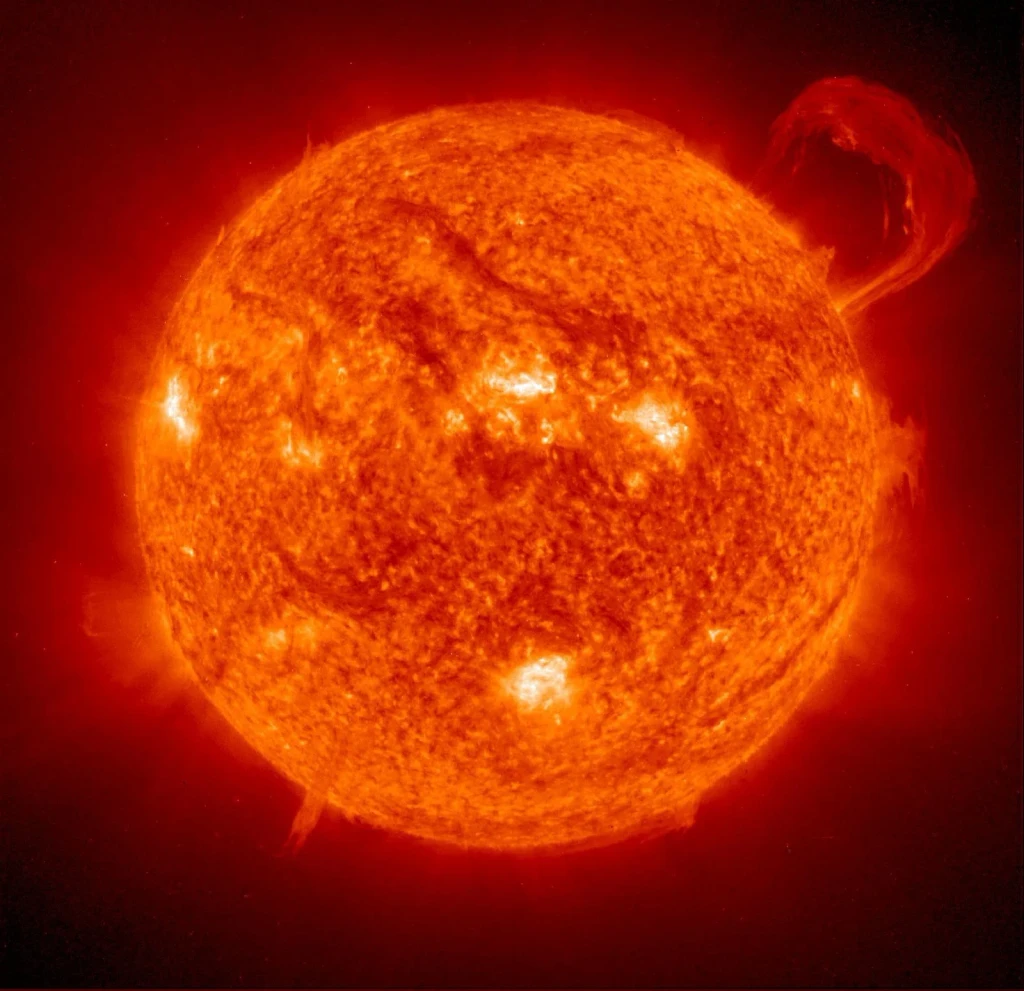
NASA Extreme Ultraviolet Imaging Telescope aboard ESA’s SOHO spacecraft took this image of a huge, handle-shaped prominence in 1999. Prominences are huge clouds of relatively cool dense plasma suspended in the Sun hot, thin corona.
NASA · JPL · 2001-02-17 · Solar prominence on Wikipedia
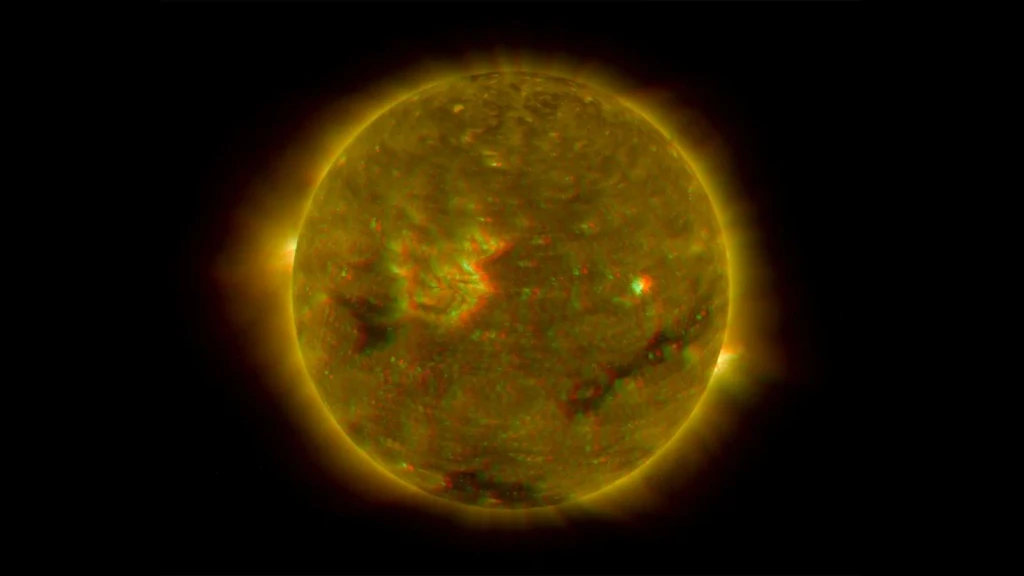
STEREO satellites have provided the first three-dimensional images of the Sun. The structure of the corona shows well in this image. 3D glasses are necessary to view this image.
NASA · JPL · 2007-04-27 · Anaglyph 3D on Wikipedia
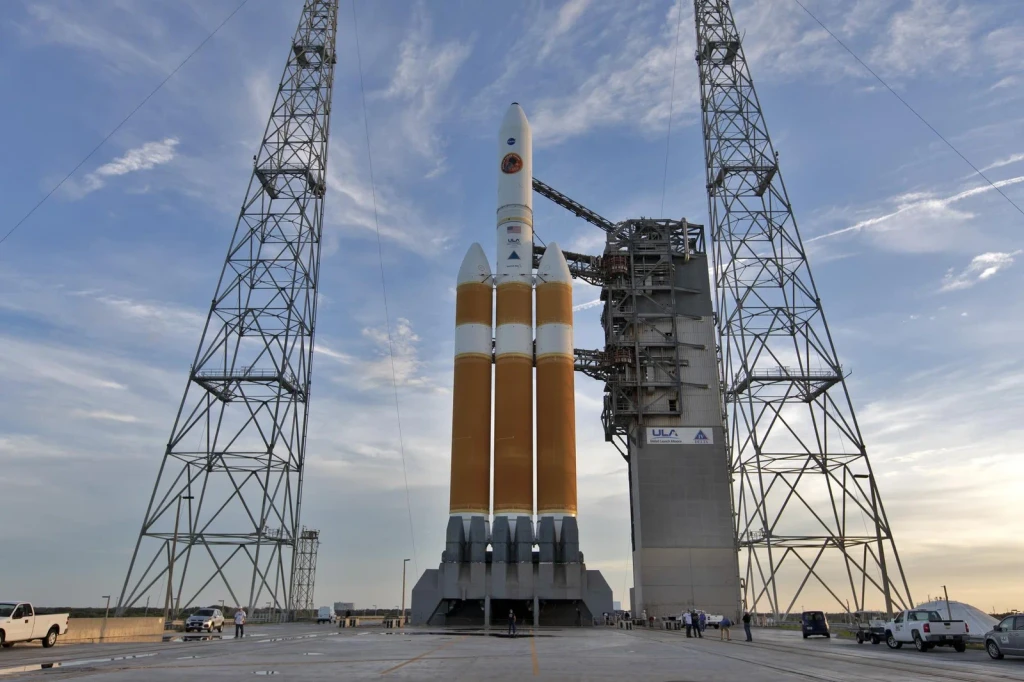
On Friday, Aug. 10, 2018, at Cape Canaveral Air Force Station in Florida, the United Launch Alliance Delta IV Heavy rocket stands ready to boost NASA's Parker Solar Probe on a mission to study the Sun following rollback of the Mobile Service Tower gantry at Space Launch Complex 37.
Parker Solar Probe will perform the closest-ever observations of a star when it travels through the Sun's atmosphere, called the corona. The probe will rely on measurements and imaging to revolutionize our understanding of the corona and the Sun-Earth connection.
NASA · KSC · 2018-08-10 · Parker Solar Probe on Wikipedia
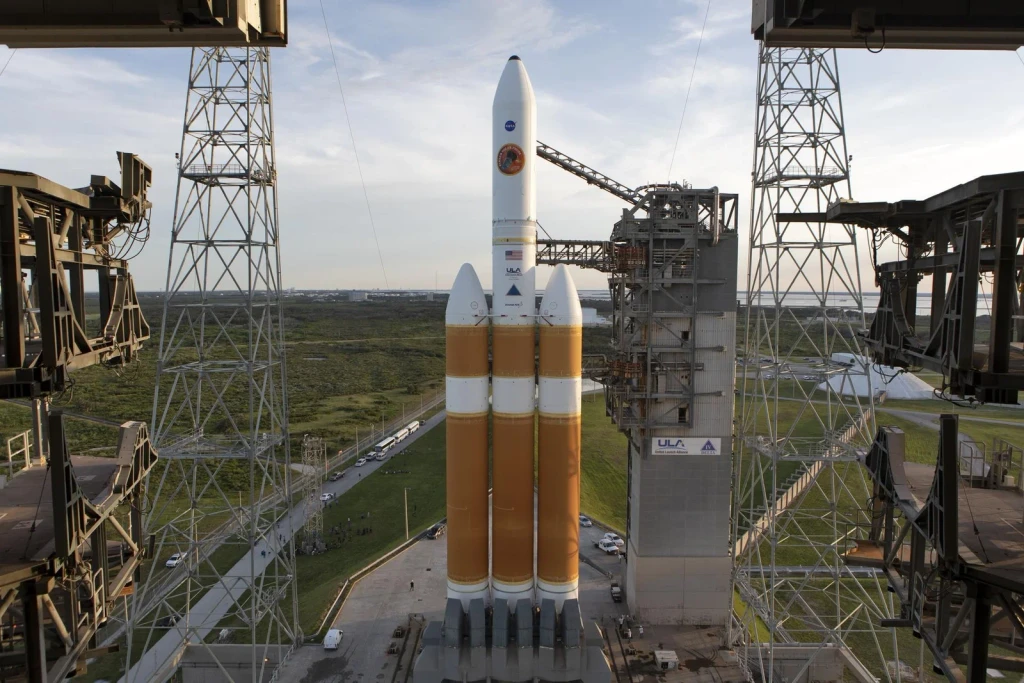
The United Launch Alliance Delta IV Heavy rocket that will launch NASA’s Parker Solar Probe on a mission to study to Sun is seen as the Mobile Service Tower gantry at Space Launch Complex 37 rolls back on Friday, Aug. 10, 2018, at Cape Canaveral Air Force Station in Florida. Parker Solar Probe will perform the closest-ever observations of a star when it travels through the Sun's atmosphere, called the corona. The probe will rely on measurements and imaging to revolutionize our understanding of the corona and the Sun-Earth connection.
NASA · KSC · 2018-08-10 · Parker Solar Probe on Wikipedia
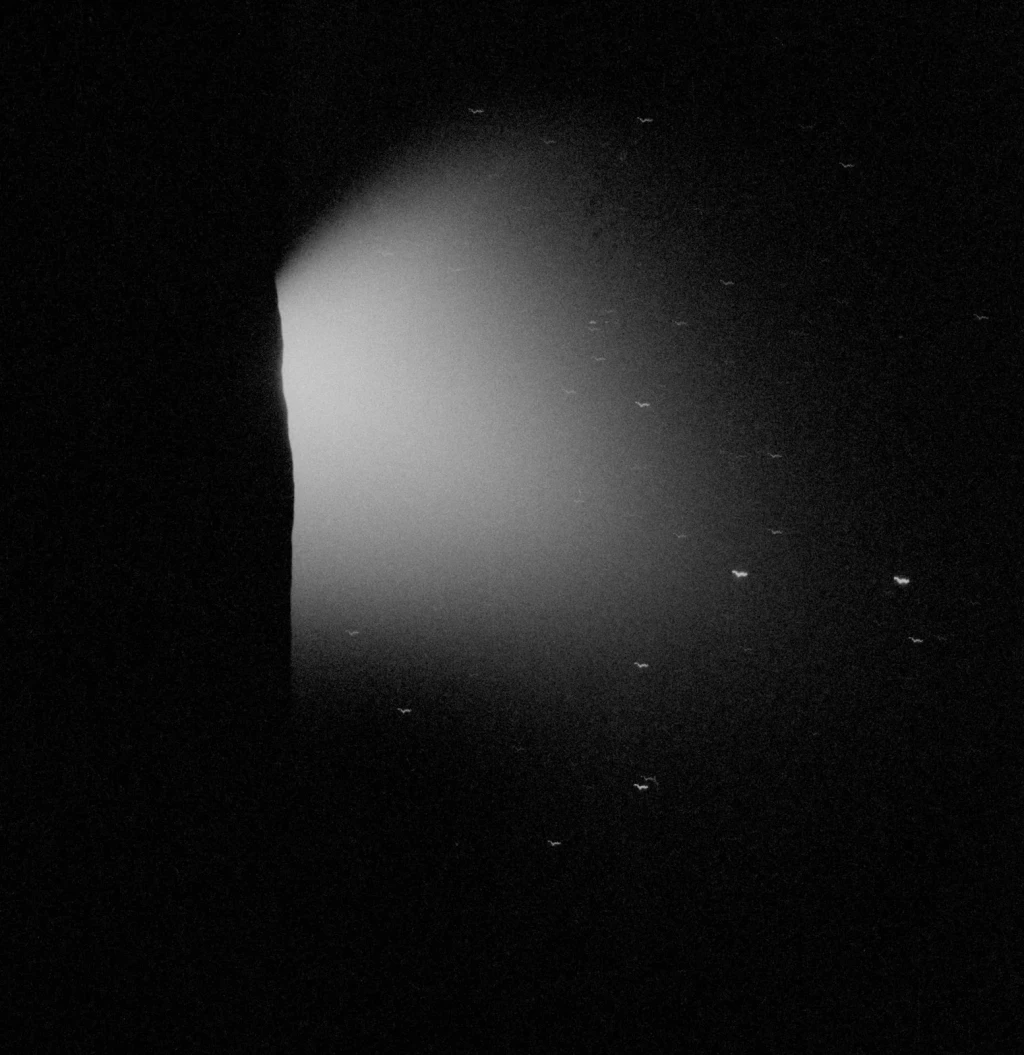
The solar corona, as photographed from the Apollo 15 spacecraft about one minute prior to sunrise on July 31, 1971, is seen just beyond the lunar horizon. The bright object on the opposite side of the frame is the planet Mercury. The bright star near the frame center is Regulus, and the lesser stars form the head of the constellation Leo. Mercury is approximately 28 degrees from the center of the sun.
The solar coronal streamers, therefore, appear to extend about eight degrees from the sun's center. This solar corona photograph was the second in a series of seven. Three such series were obtained by astronaut Alfred M. Worden, command module pilot, during the solo part of his lunar orbital flight. They represent man's first view of this part of the sun's light.
NASA · JSC · 1971-07-31 · Apollo 15 on Wikipedia
