3D Gallery
Ukiyo-e: Pictures of the Floating World
Enter gallery
Ukiyo-e: Pictures of the Floating World is a 3D virtual gallery on MyGallery3D, a walkable online exhibition of 18 works. Step inside and explore it in your browser: no app, no headset.
Welcome to a 3D virtual gallery you can walk through in your browser, exploring ukiyo-e, the woodblock prints and paintings that defined Japanese visual culture for two centuries.
By the 1760s, a single print required ten or more carved woodblocks, each inked by hand and pressed onto paper one colour at a time. The artists never carved their own blocks. Production was split between designer, carver, printer, and publisher, a system that turned images into objects nearly anyone in Edo could afford to hang at home.
Early prints were black ink only, sometimes hand-tinted with orange. By 1744, printers carved separate blocks for each colour, starting with pink and green. Suzuki Harunobu's nishiki-e, or "brocade pictures," from 1765 used up to twelve blocks per image, achieving complex half-tones. Water-based inks gave vivid colours and translucent glazes impossible with oil-based methods. Demand for limited-palette prints collapsed almost overnight.
Hokusai's Great Wave off Kanagawa and Hiroshige's Fifty-three Stations of the Tōkaidō became the most recognised Japanese images in the world. From the 1870s, their landscapes triggered Japonisme across Europe. Monet collected them. Van Gogh painted direct copies of Hiroshige. After both masters died, ukiyo-e declined sharply, but the 20th-century shin-hanga movement revived woodblock printmaking by fusing traditional methods with Western composition.
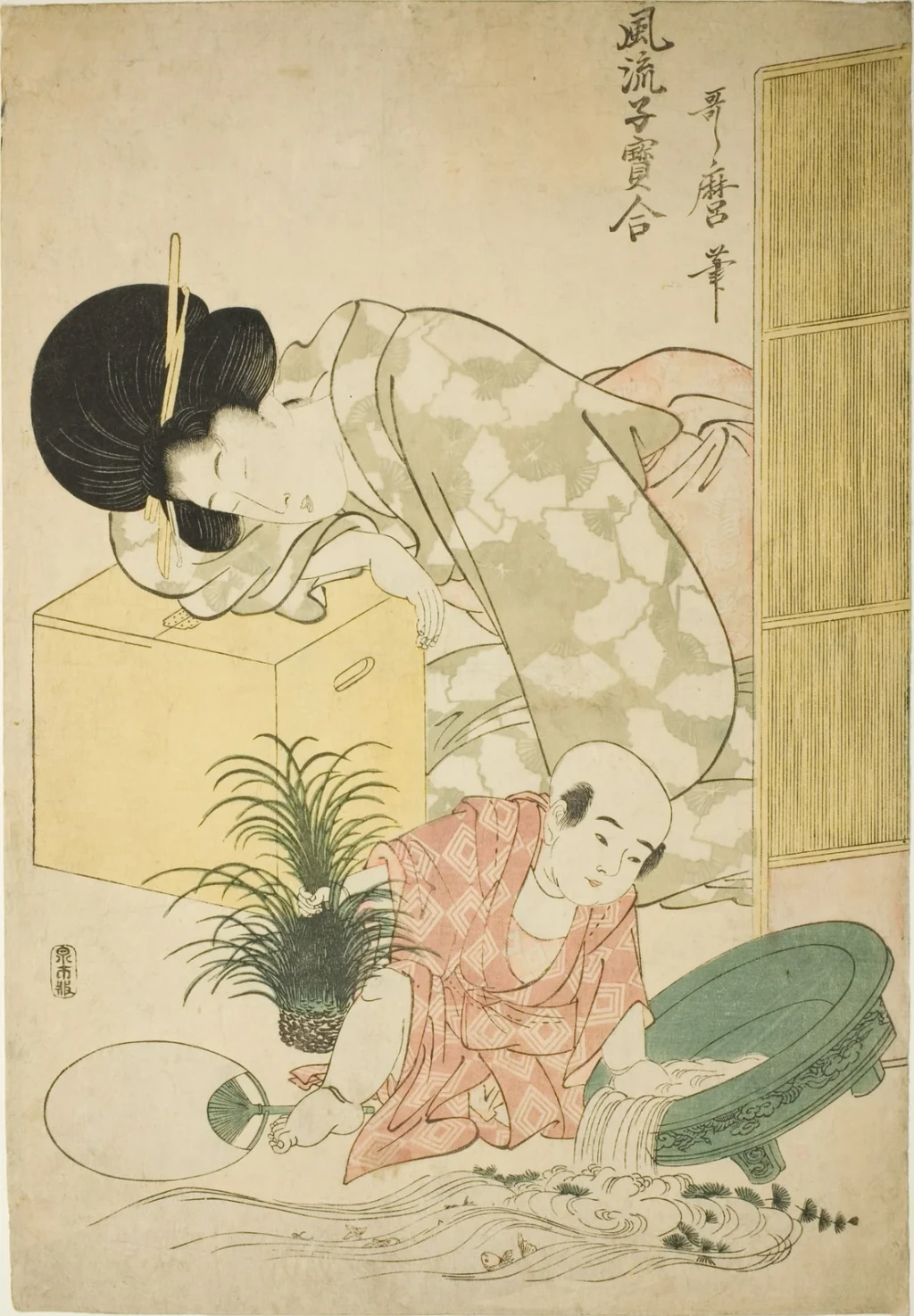
Kitagawa Utamaro, c. 1802
Color woodblock print; oban · Japan
Gift of Chester W. Wright · Utamaro on Wikipedia
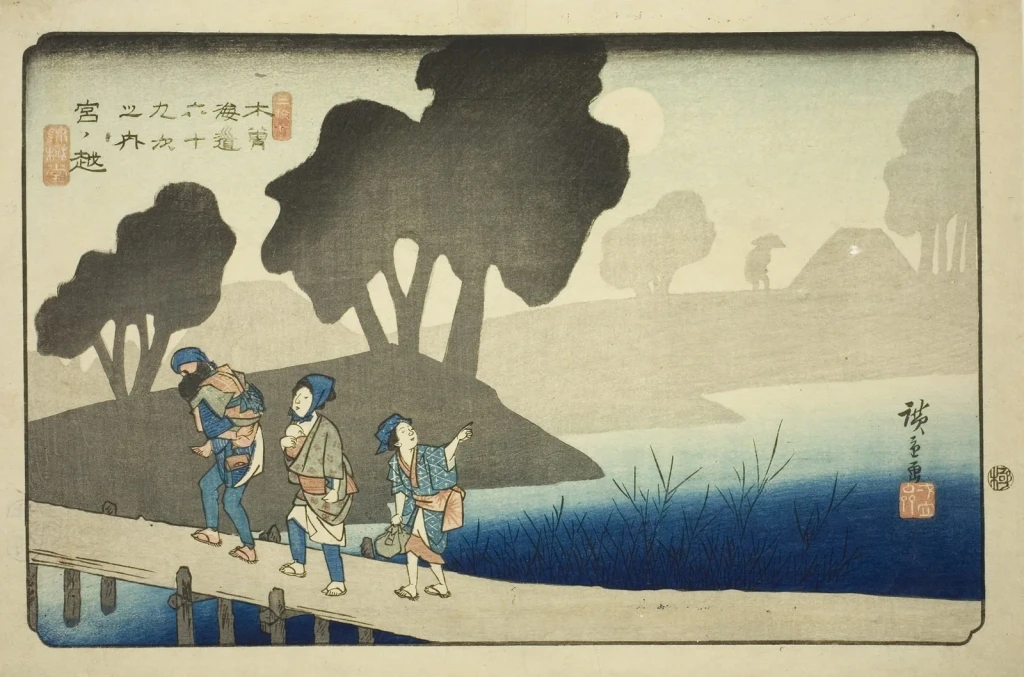
Utagawa Hiroshige, c. 1835/38
Color woodblock print; oban · Japan
Gift of H. R. Warner · Hiroshige on Wikipedia
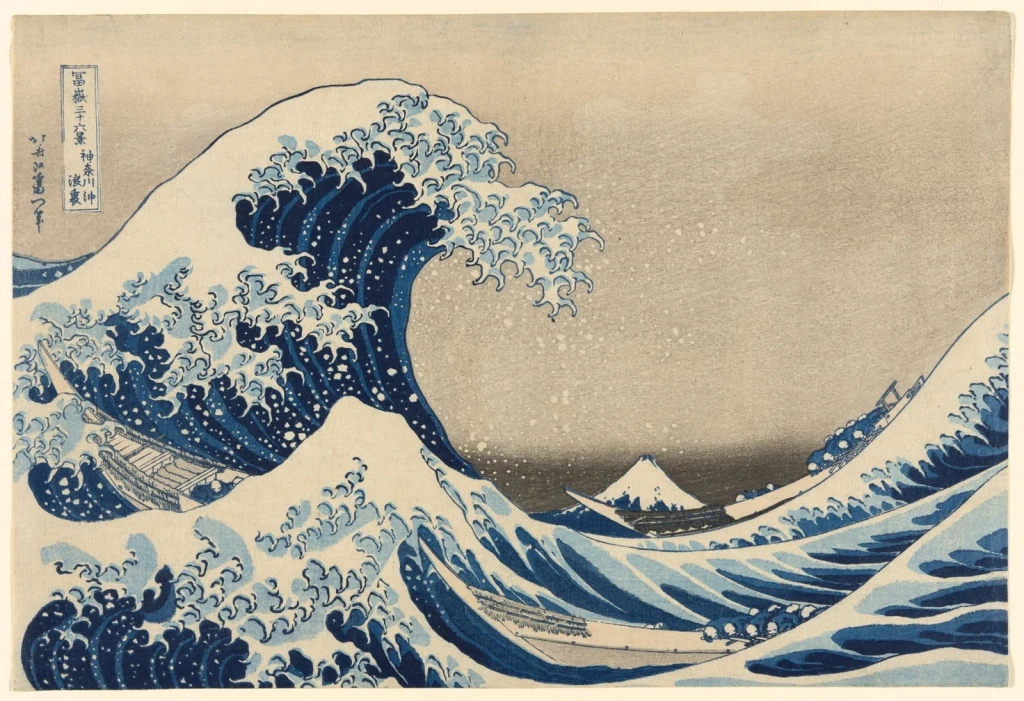
Katsushika Hokusai, 1830/33
Color woodblock print; oban · Japan
Clarence Buckingham Collection · Hokusai on Wikipedia
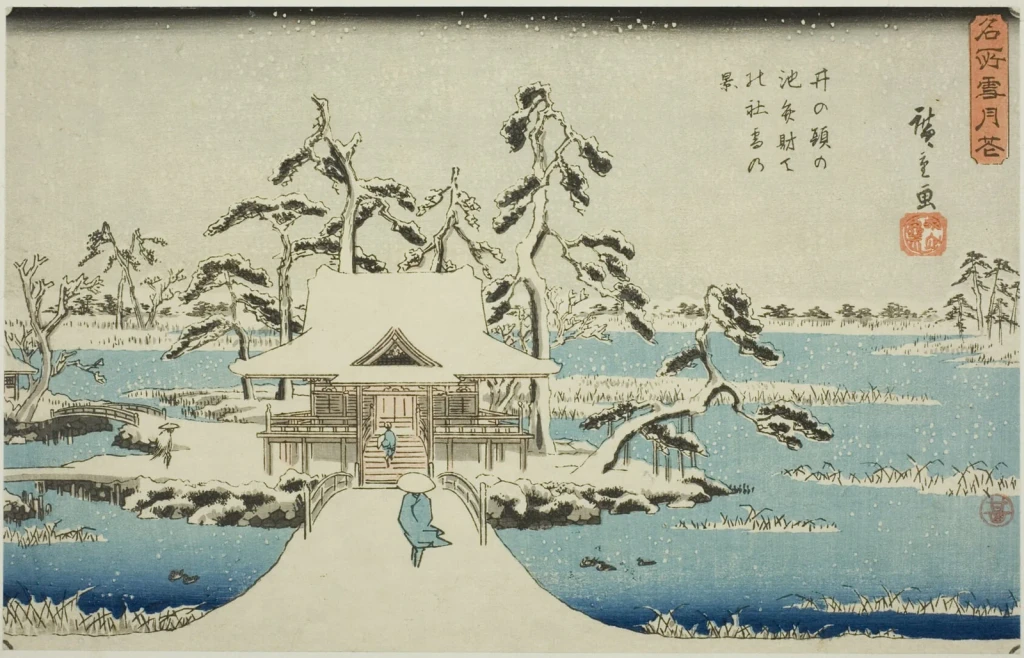
Utagawa Hiroshige, c. 1844/45
Color woodblock print; oban · Japan
Clarence Buckingham Collection · Hiroshige on Wikipedia
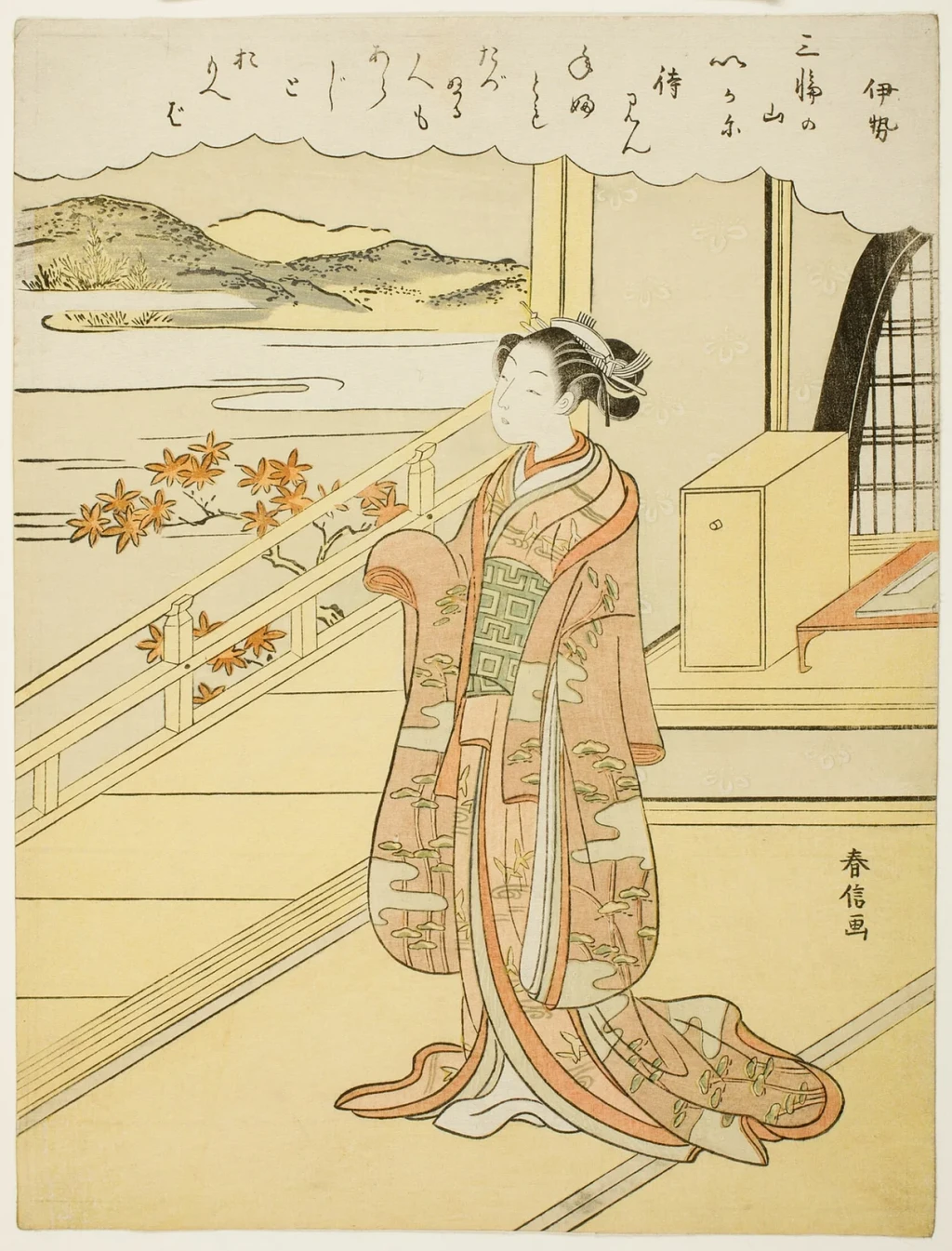
Suzuki Harunobu, c. 1767/68
Color woodblock print; chuban · Japan
Clarence Buckingham Collection · Suzuki Harunobu on Wikipedia
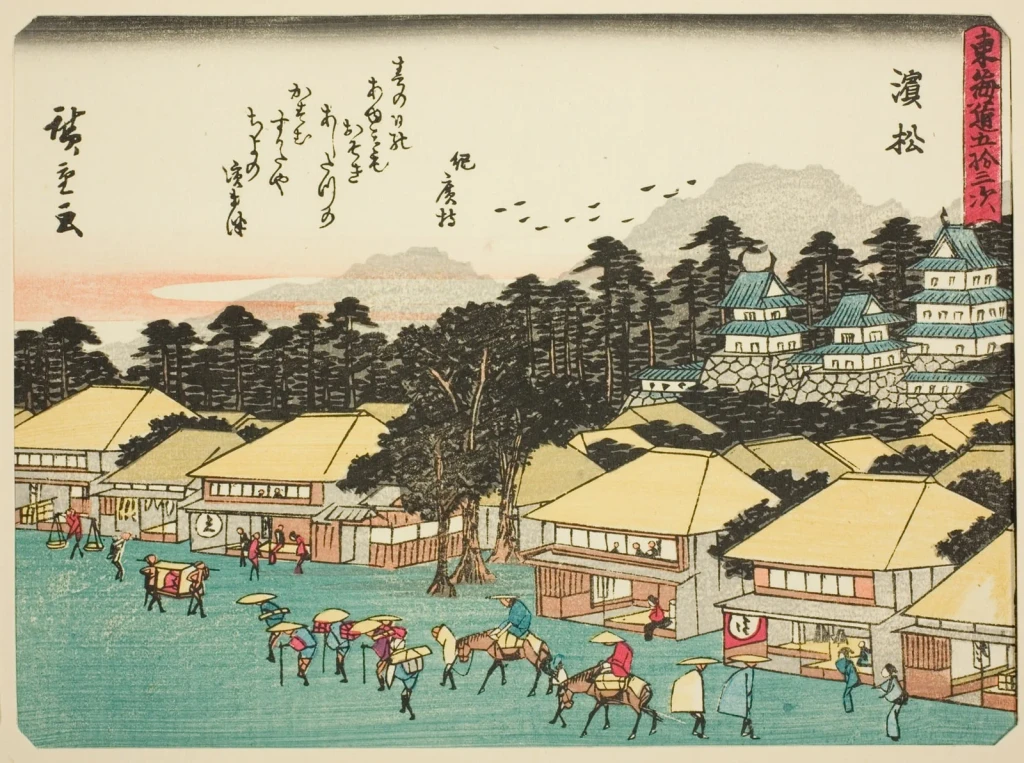
Utagawa Hiroshige, c. 1837/42
Color woodblock print; chuban · Japan
Clarence Buckingham Collection · Hiroshige on Wikipedia
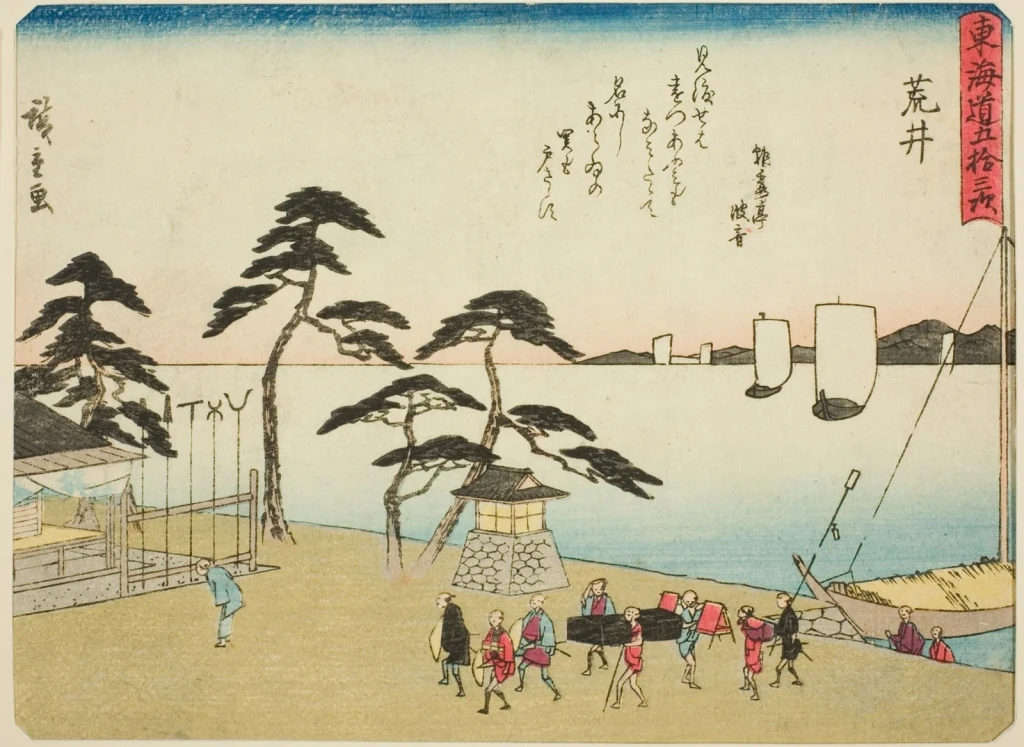
Utagawa Hiroshige, c. 1837/42
Color woodblock print; chuban · Japan
Clarence Buckingham Collection · Hiroshige on Wikipedia
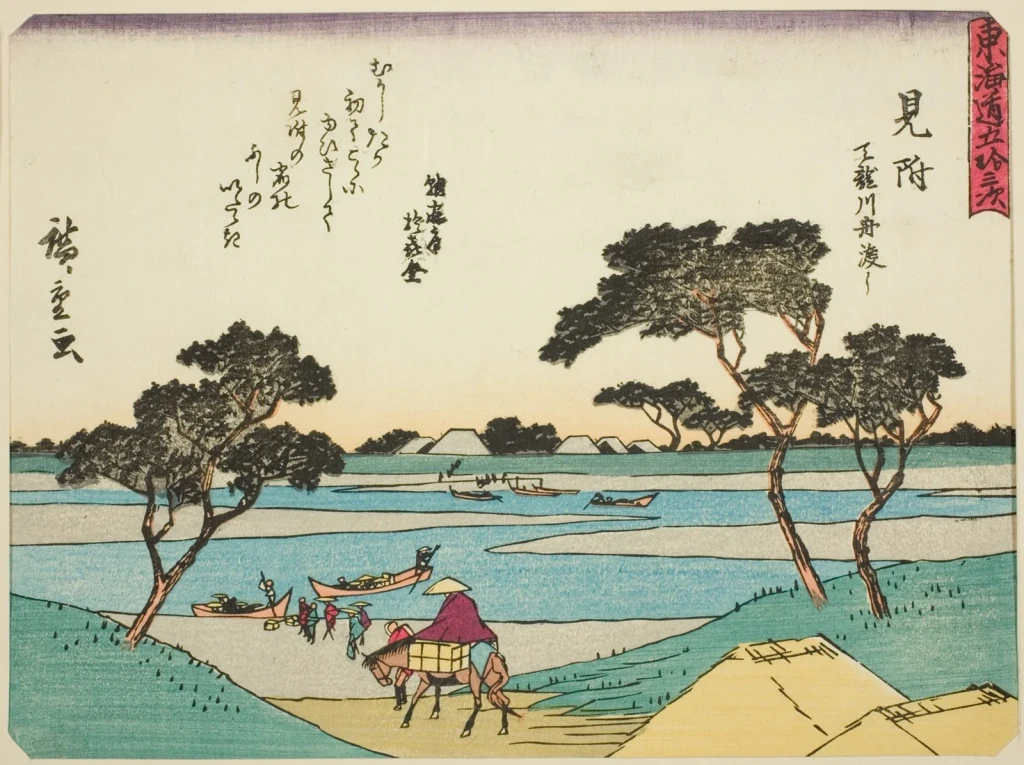
Utagawa Hiroshige, c. 1837/42
Color woodblock print; chuban · Japan
Clarence Buckingham Collection · Hiroshige on Wikipedia
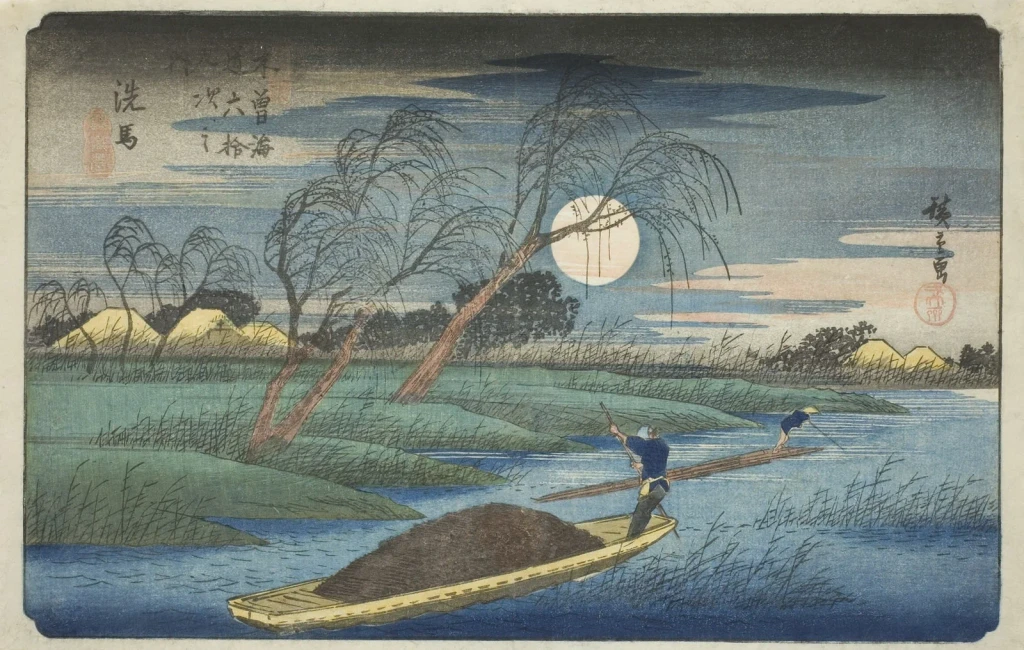
Utagawa Hiroshige, c. 1835/38
Color woodblock print; oban · Japan
Gift of H. R. Warner · Hiroshige on Wikipedia
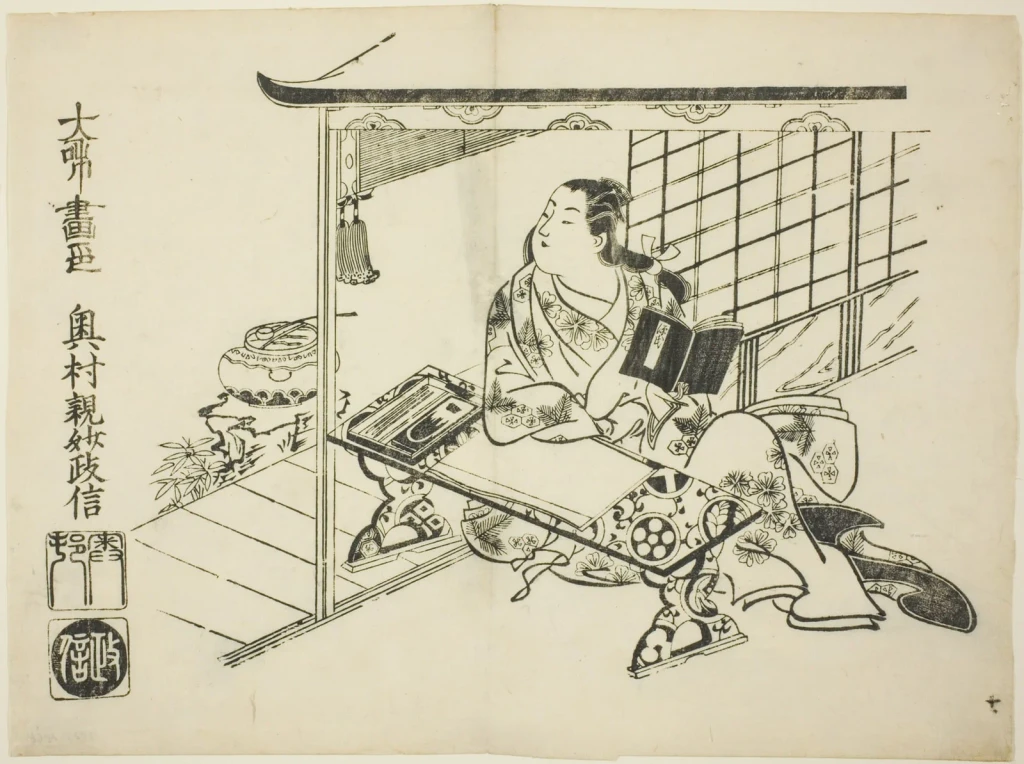
Okumura Masanobu, Edo period (1615, 1868), about 1710
Woodblock print; oban · Japan
Clarence Buckingham Collection · Okumura Masanobu on Wikipedia
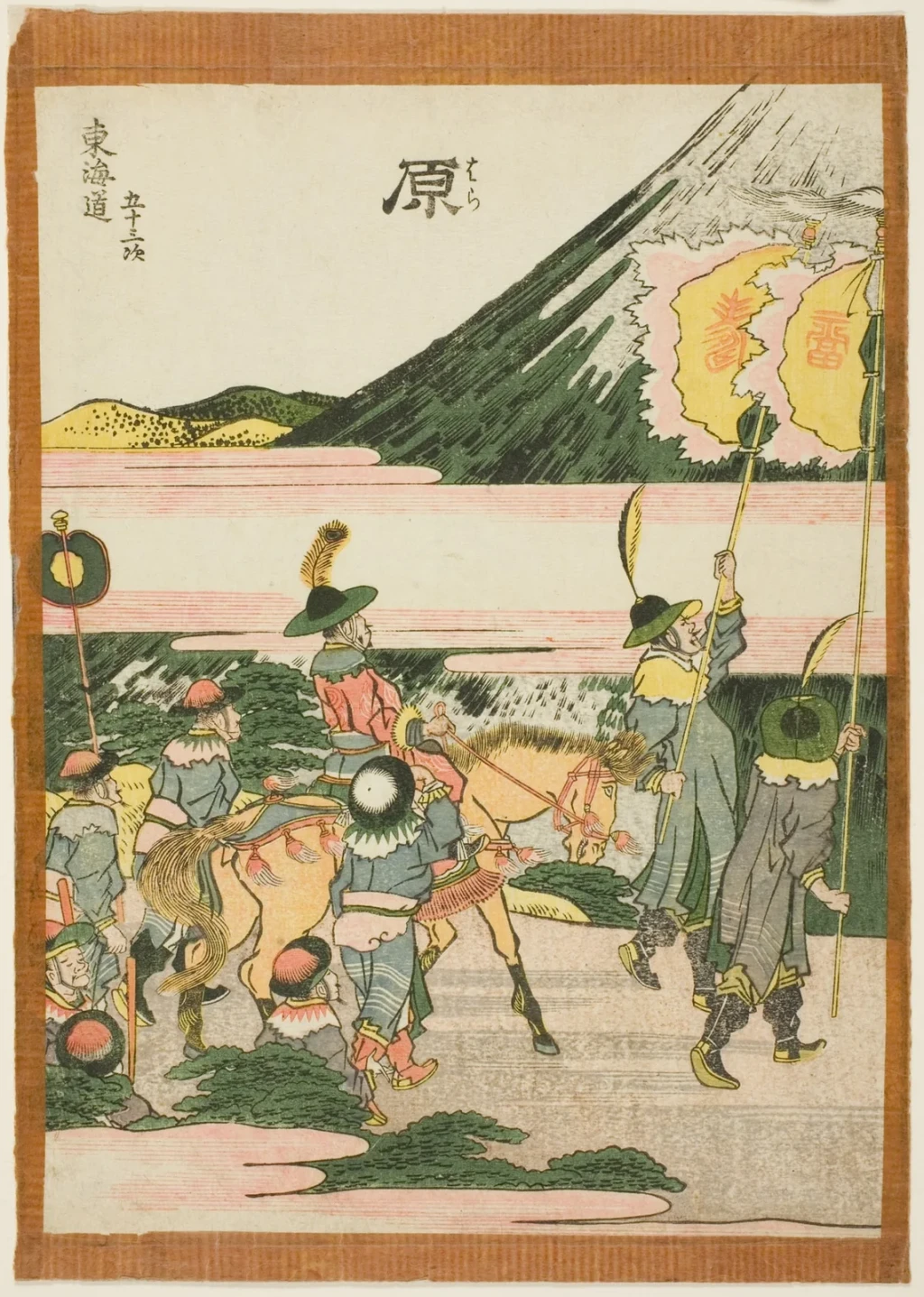
Katsushika Hokusai, c. 1806
Color woodblock print; chuban · Japan
Clarence Buckingham Collection · Hokusai on Wikipedia
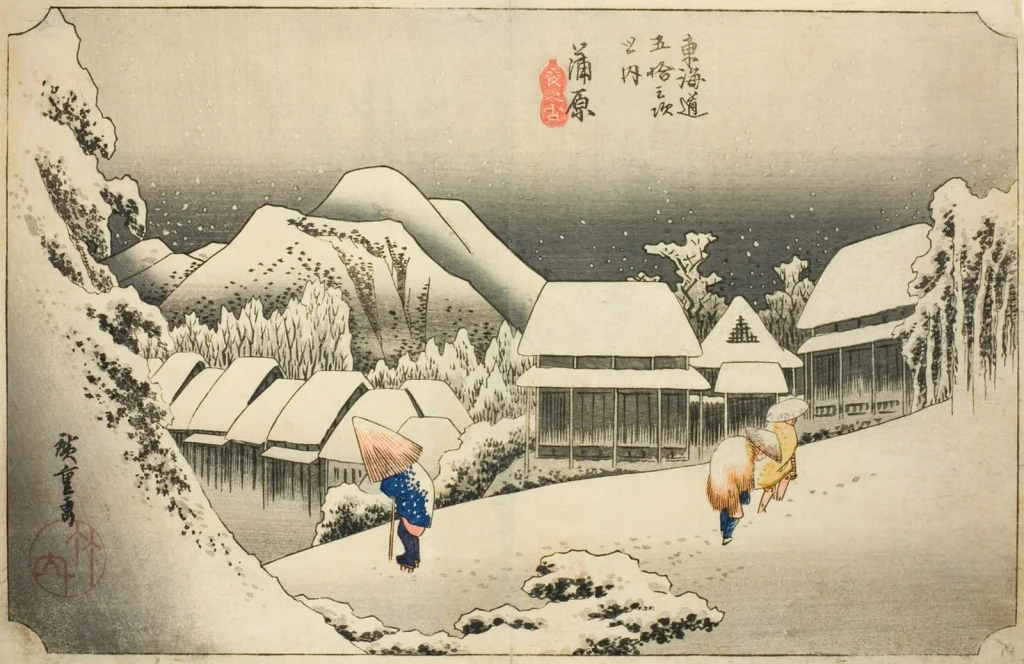
Utagawa Hiroshige, c. 1833/34
Color woodblock print; oban · Japan
Clarence Buckingham Collection · Hiroshige on Wikipedia
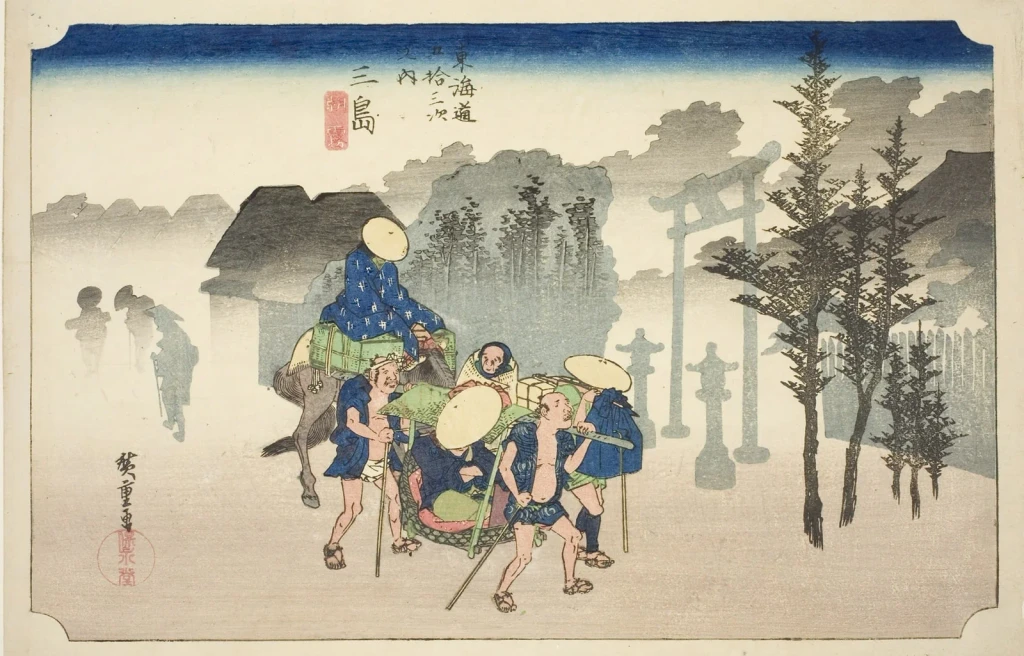
Utagawa Hiroshige, c. 1833/34
Color woodblock print; oban · Japan
Gift of H. R. Warner · Hiroshige on Wikipedia
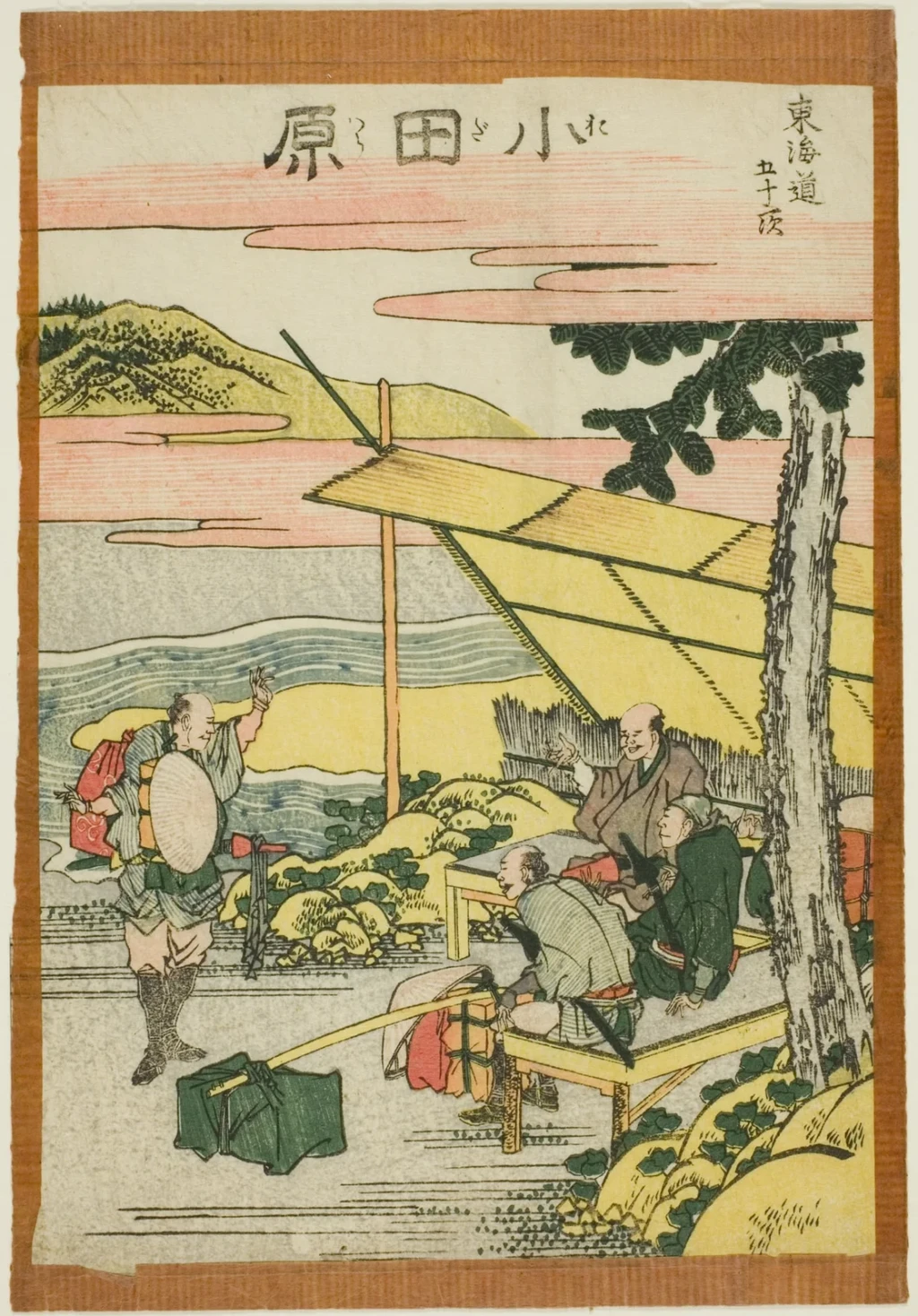
Katsushika Hokusai, c. 1806
Color woodblock print; chuban · Japan
Clarence Buckingham Collection · Hokusai on Wikipedia
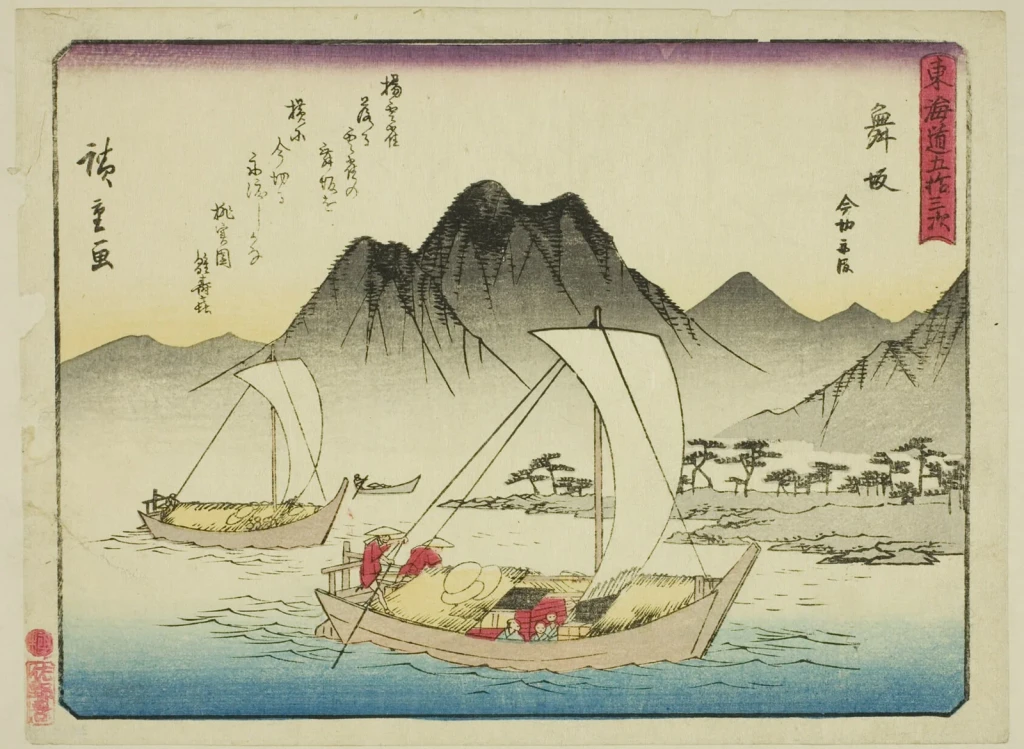
Utagawa Hiroshige, c. 1837/42
Color woodblock print; chuban · Japan
Clarence Buckingham Collection · Hiroshige on Wikipedia
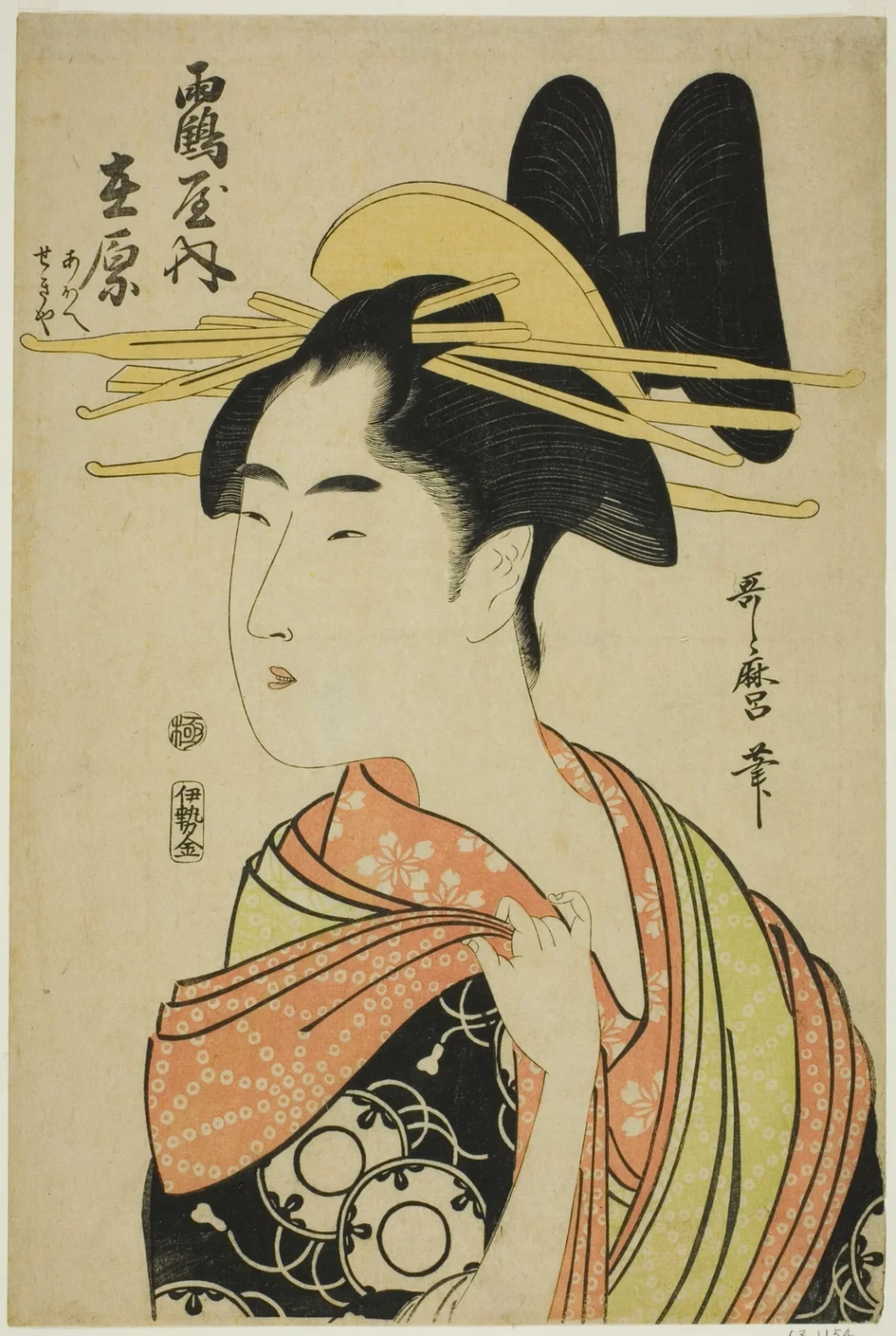
Kitagawa Utamaro, c. 1797
Color woodblcok print; aiban · Japan
Purchased with funds provided by Mary Diamond Stein · Utamaro on Wikipedia
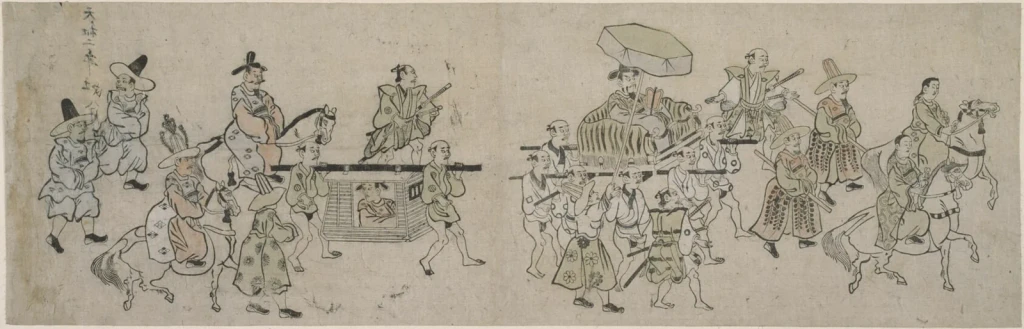
Hishikawa Moronobu, 1682
Hand-colored woodblock prints; makimono-e · Japan
Clarence Buckingham Collection · Hishikawa Moronobu on Wikipedia
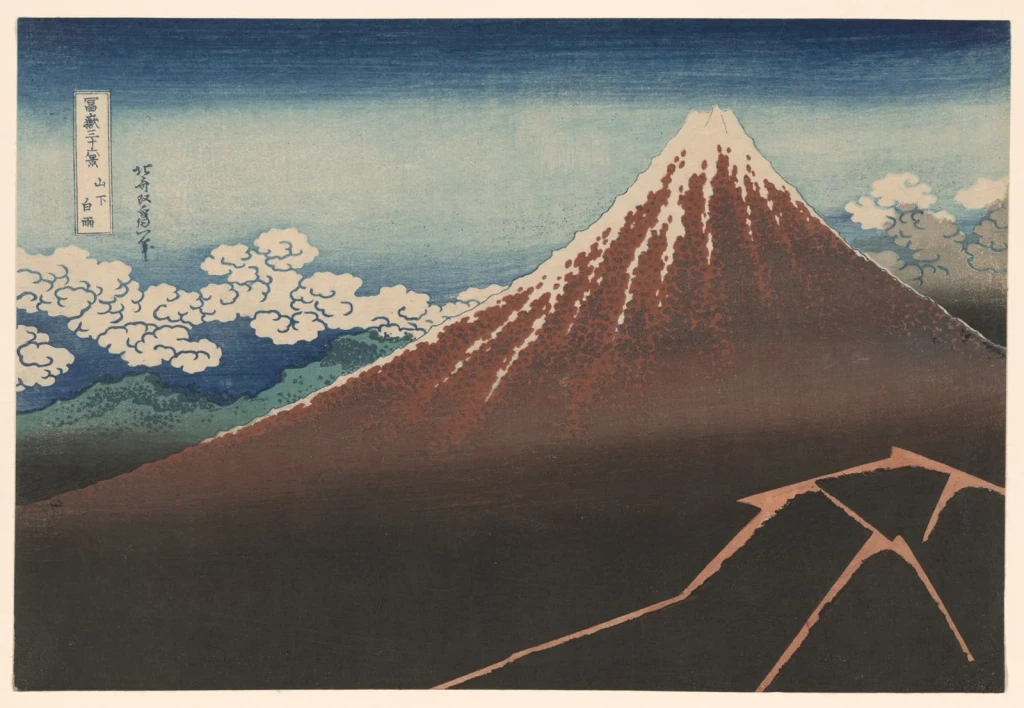
Katsushika Hokusai, c. 1830/33
Color woodblock print, oban · Japan
Clarence Buckingham Collection · Hokusai on Wikipedia
