3D Gallery
Who Kept Silk Secret?
Enter gallery
Who Kept Silk Secret? is a 3D virtual gallery on MyGallery3D, a walkable online exhibition of 14 works. Step inside and explore it in your browser: no app, no headset.
Welcome to a 3D virtual gallery you can walk through in your browser, exploring how silk was kept secret for millennia.
For over three thousand years, China held a virtual monopoly on silk production. Emperors enforced secrecy so strictly that knowledge of sericulture leaked out only in fragments: to Korea around 200 BC, to Khotan by AD 50, to India by AD 140. When silkworm eggs were finally smuggled to the Byzantine Empire in the 6th century, the secret was out for good.
In the 6th century, silkworm eggs were smuggled into the Byzantine Empire, establishing silk production across the Mediterranean. For centuries Byzantium held its own monopoly. Then in 1147, Roger II of Sicily raided Corinth and Thebes, captured Byzantine silk weavers and their equipment, and relocated them to Palermo and Calabria, spreading the industry into Western Europe.
China's monopoly was no accident. The emperors strictly controlled sericulture knowledge while using silk as currency, diplomatic gifts, and military pay. Soldiers on the Great Wall were paid in bundles of plain silk, which they traded with nomads for horses and furs. Silk even became a written radical in Chinese script, so deeply was it embedded in the culture.
Legend holds that silk escaped China hidden in a royal headdress. A princess promised to the prince of Khotan refused to go without her beloved fabric. She smuggled silkworm eggs out, breaking the imperial export ban. Meanwhile, Romans believed silk grew on trees. Seneca and Virgil affirmed this. Only Pliny the Elder correctly identified the silk moth as the source.
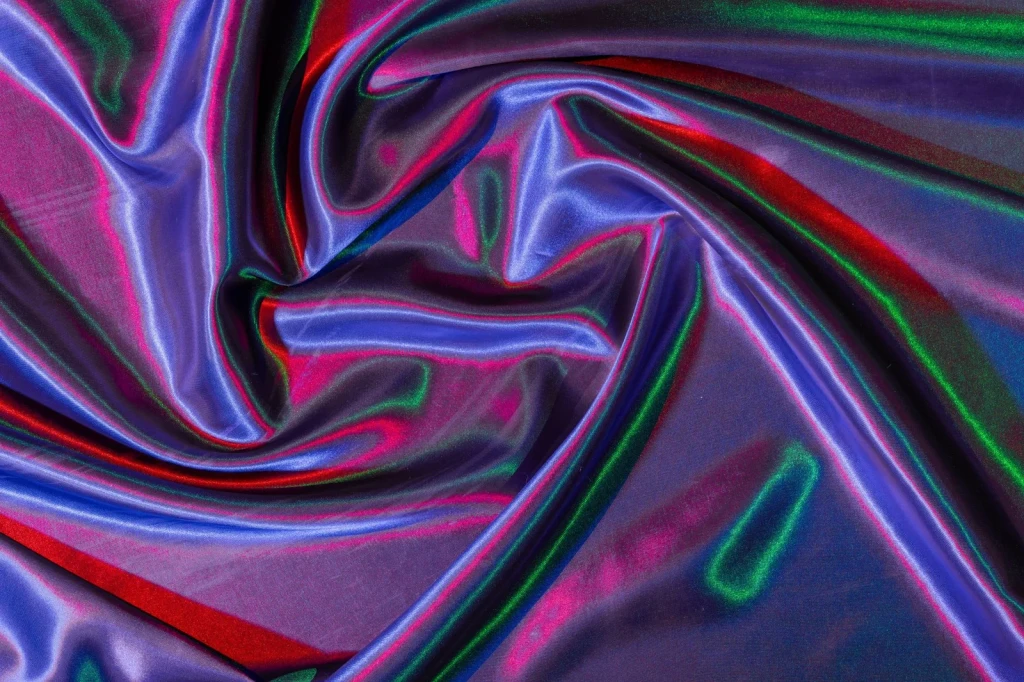
Colorful and iridescent, this satin catches light in multiple directions. Its flowing folds hint at the jealously guarded techniques that made such fabrics so precious and rare.
Photograph by Rafael Minguet Delgado, via Pexels.
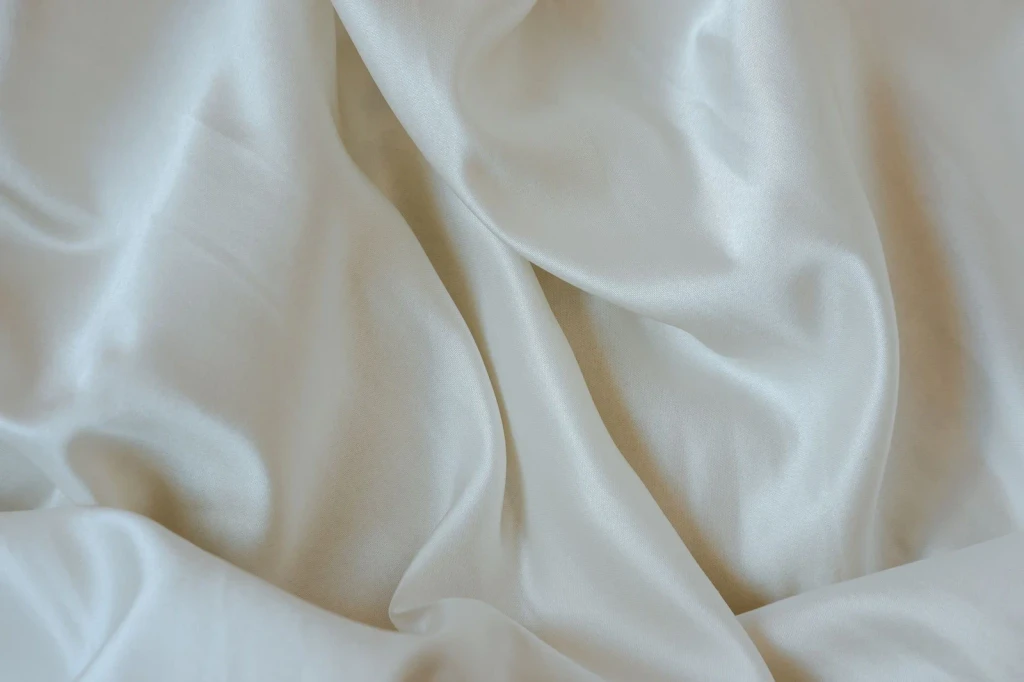
Soft white silk gathers in gentle folds. The fabric's understated elegance suggests why it was so carefully guarded and controlled.
Photograph by Beyzaa Yurtkuran, via Pexels.
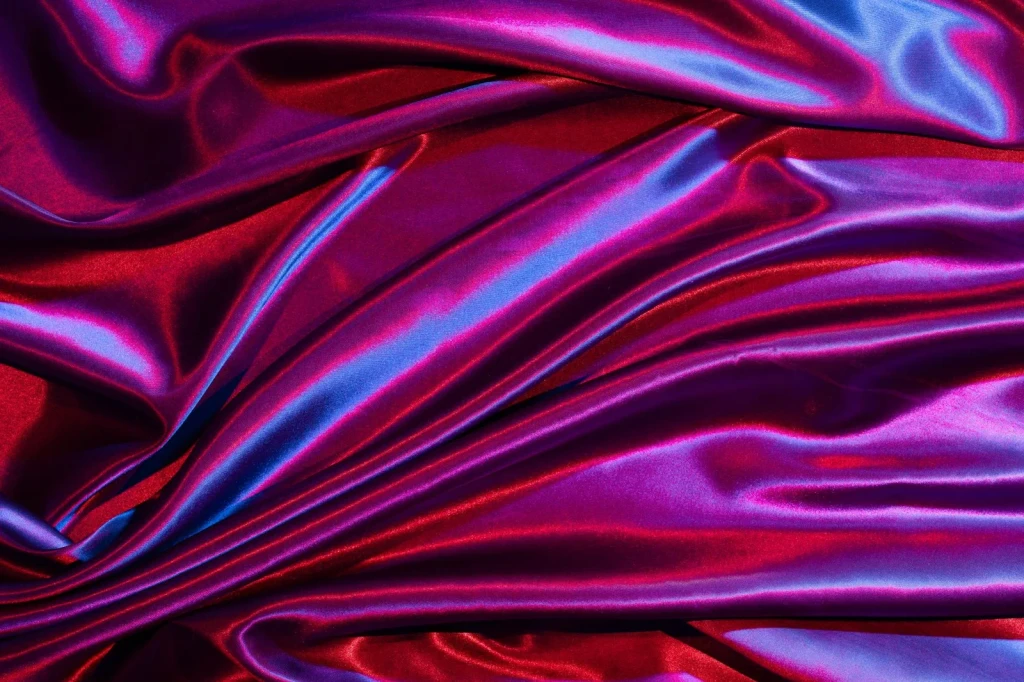
Luxurious satin in deep reds and purples catches vibrant light. The glossy texture demonstrates the material's inherent visual power and appeal.
Photograph by Rafael Minguet Delgado, via Pexels.
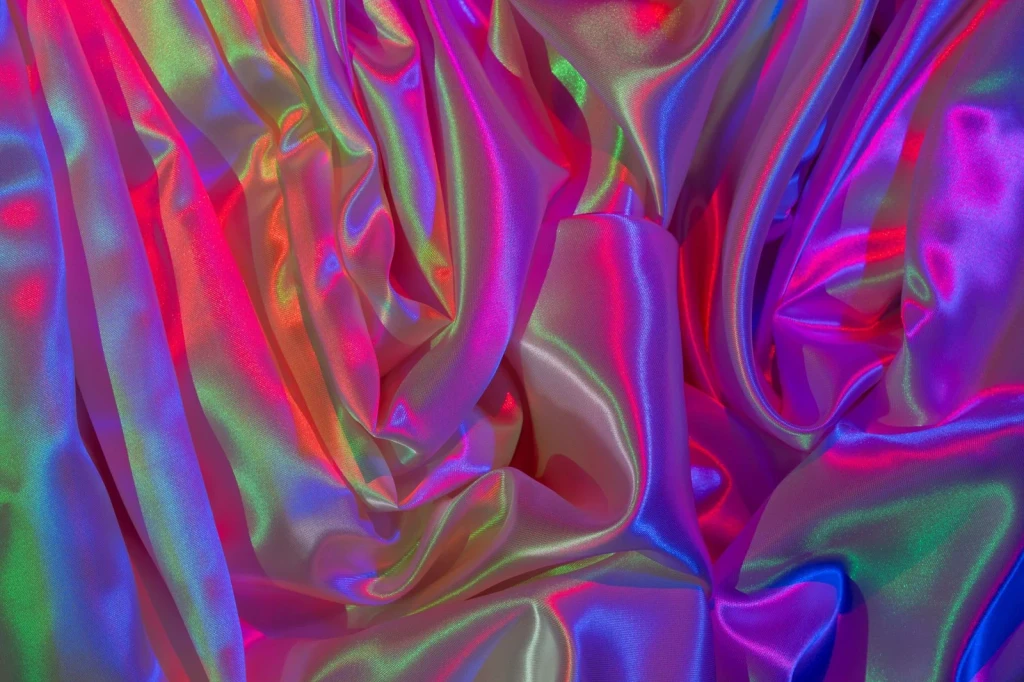
Glowing iridescent patterns emerge across colorful satin. The shifting light reveals why this fabric's appearance inspired centuries of trade and protection.
Photograph by Rafael Minguet Delgado, via Pexels.

A close-up of silver satin reveals soft, undulating textures. The fabric's luminous surface suggests both the luxury and the secrecy that surrounded silk's production for centuries.
Photograph by Hanna Pad, via Pexels.
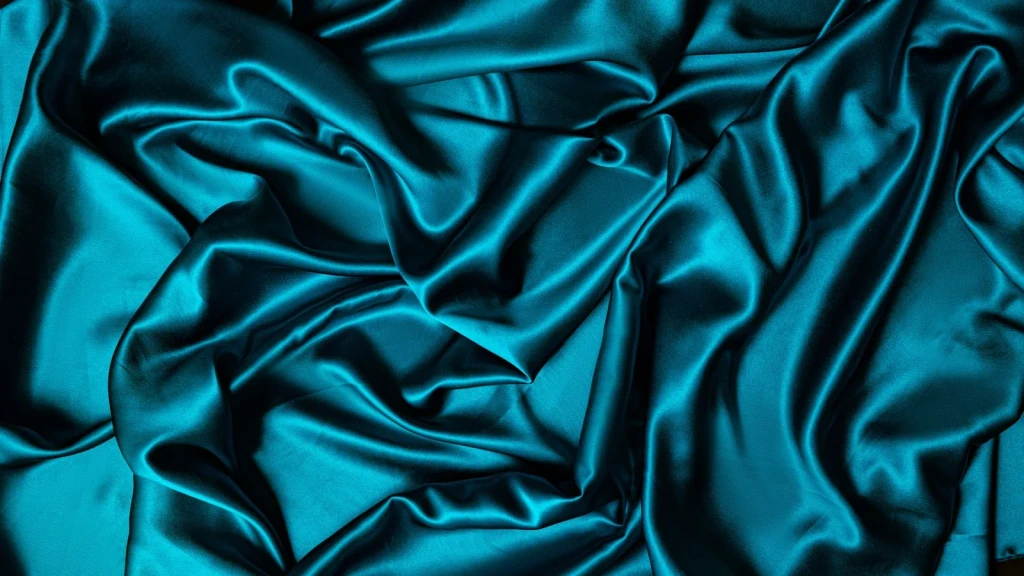
Crumpled turquoise satin catches the light. Its smooth, shiny surface speaks to the material luxury that was worth keeping secret.
Photograph by Mikhail Nilov, via Pexels.
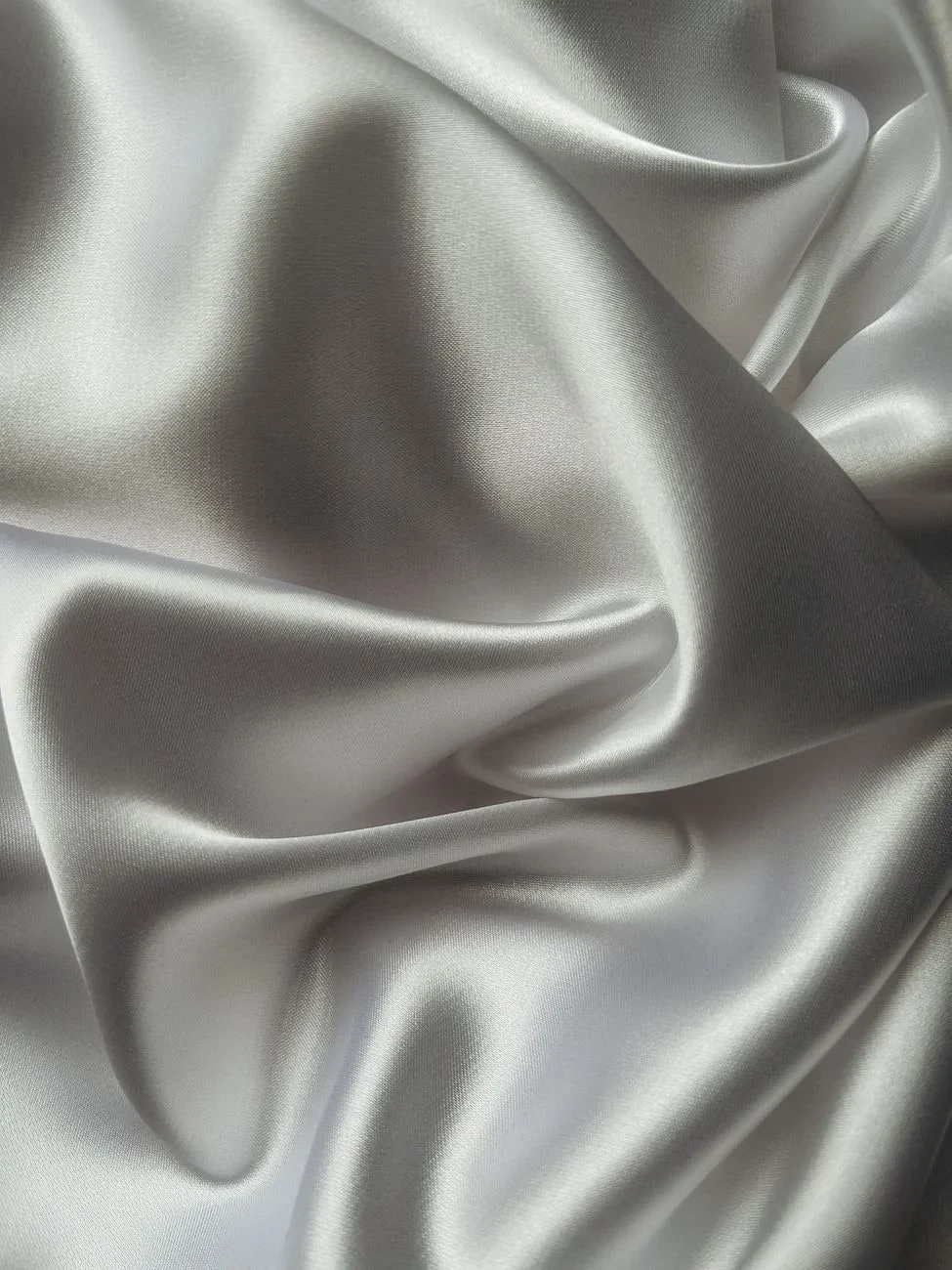
Smooth and flowing white fabric. The texture catches light to reveal the material's elegant surface, raising questions about what makes silk worth keeping secret.
Photograph by Anna Danilina, via Pexels.

Shimmering patterns of purple and blue dance across the surface. The fabric's modern luminescence speaks to enduring desire.
Photograph by Anni Roenkae, via Pexels.
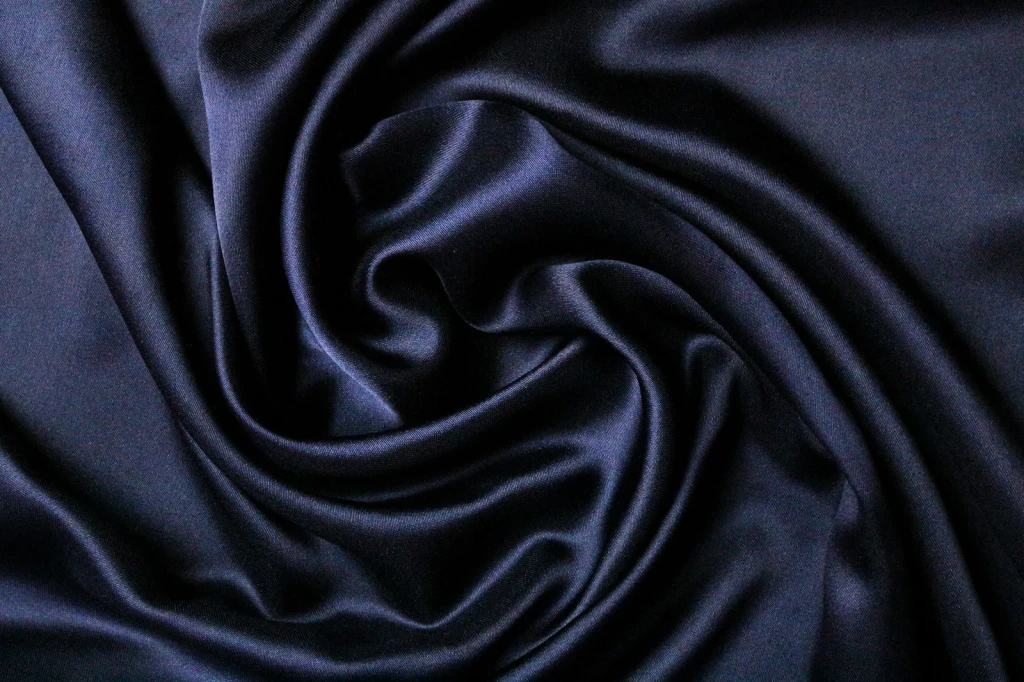
Black satin draped in careful folds. The luxurious surface shows what made this material worth protecting as a trade secret.
Photograph by Tamanna Rumee, via Pexels.
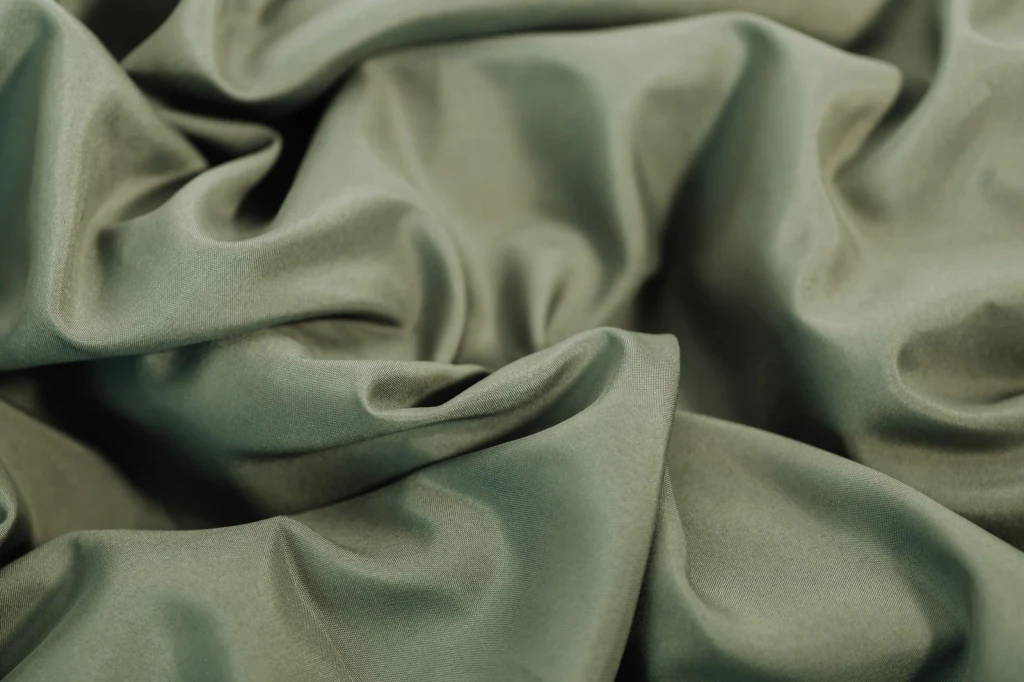
Rippled green fabric in close detail. The textured surface shows the tactile quality that made silk a prized material worth guarding.
Photograph by www.kaboompics.com, via Pexels.

A delicate mesh glows against warm light. This intricate weave hints at the technical knowledge that remained hidden for centuries.
Photograph by www.kaboompics.com, via Pexels.
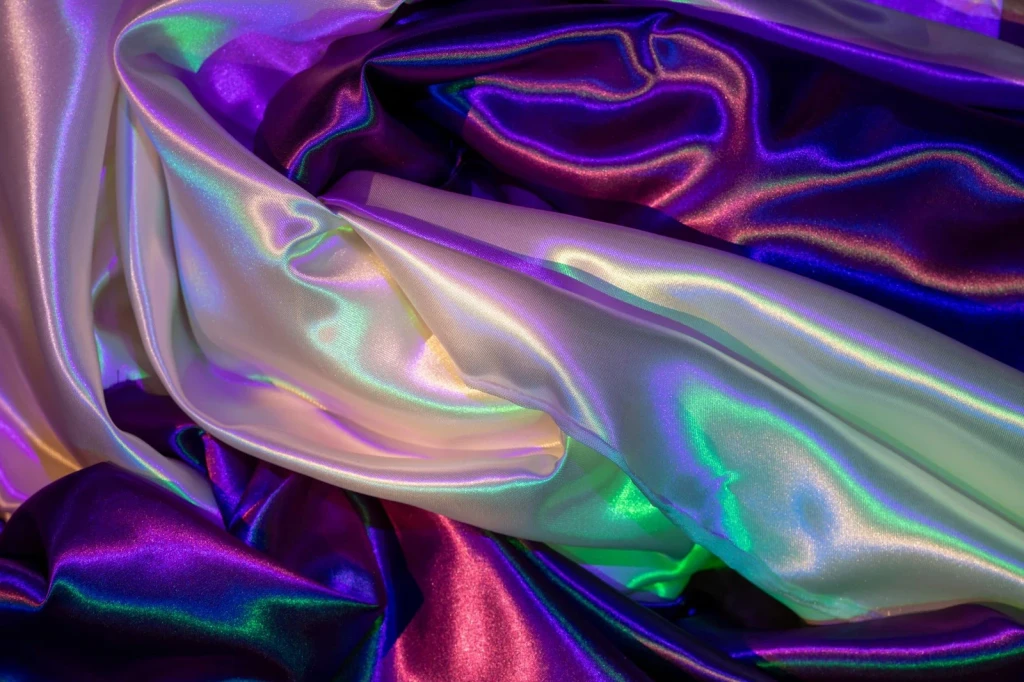
Colorful lighting transforms satin into an artistic abstract pattern. The interplay of fabric and light suggests why controlling silk production held such value.
Photograph by Rafael Minguet Delgado, via Pexels.
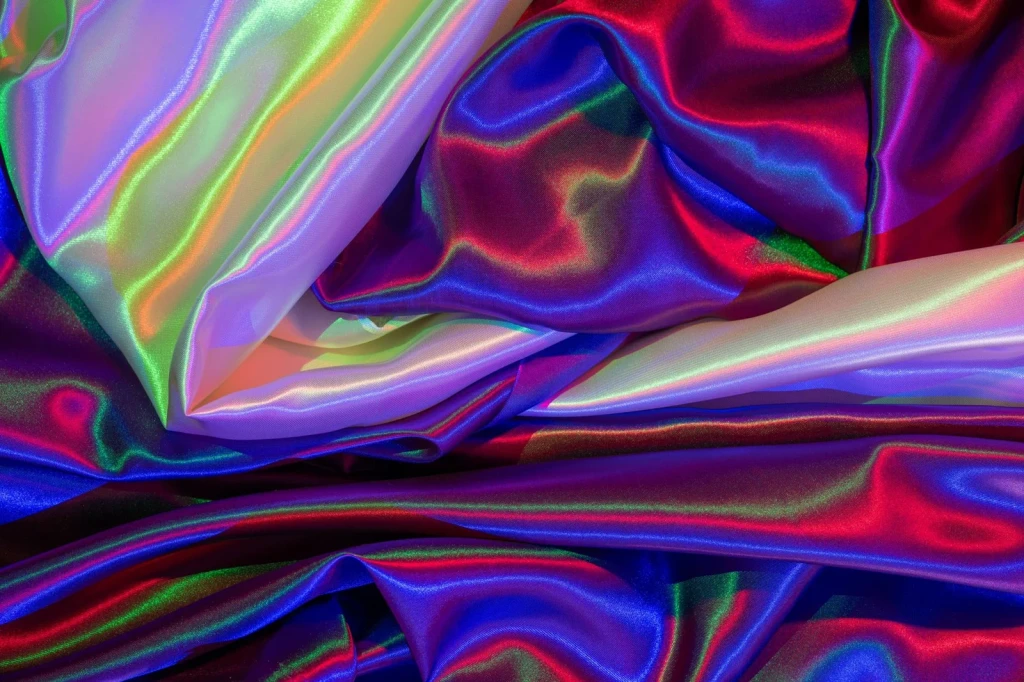
Satin fabric folded into dynamic abstract patterns. Vibrant colors shift across the ripples, suggesting the visual richness that drove historical demand for silk.
Photograph by Rafael Minguet Delgado, via Pexels.
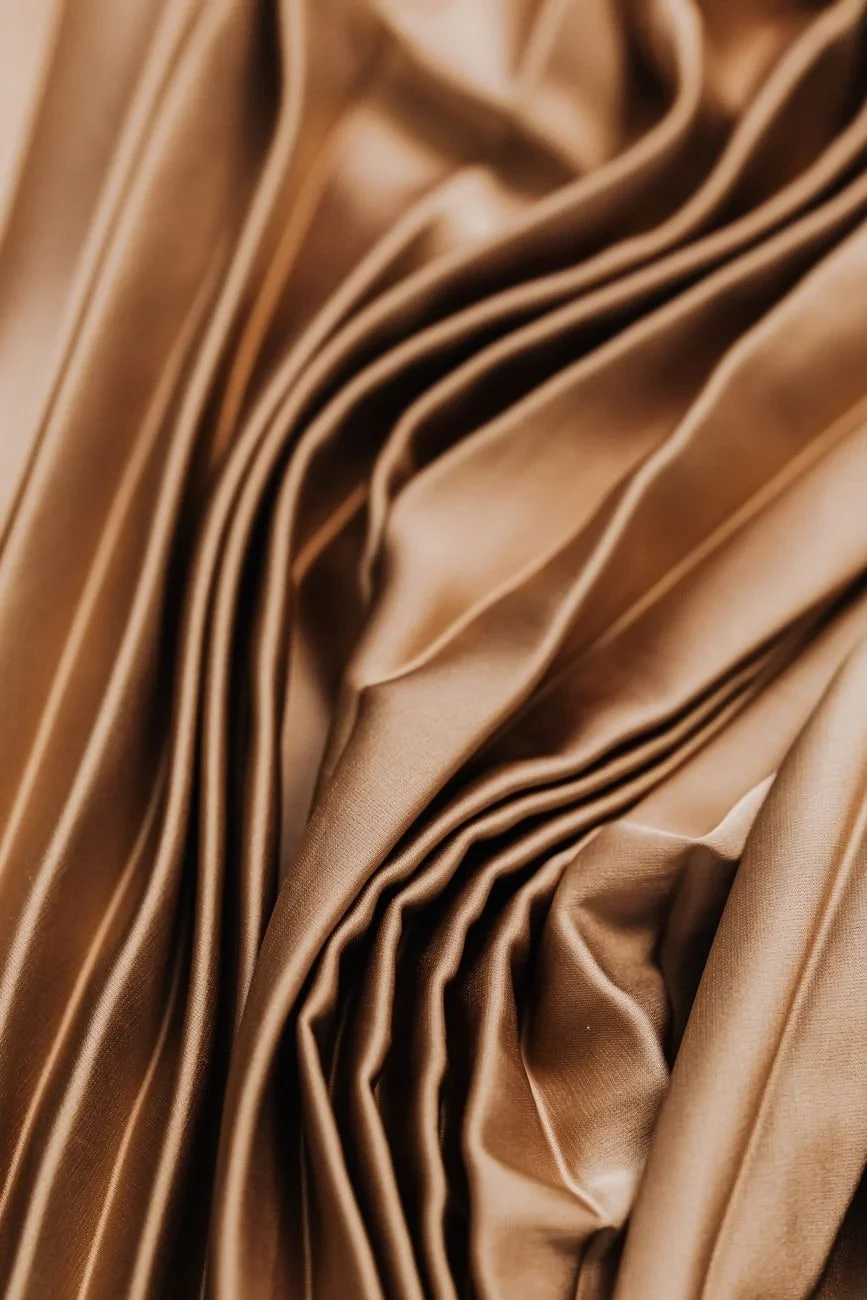
Deep brown satin folds reveal complex textures. The fabric's richness demonstrates why control of production was so fiercely maintained.
Photograph by www.kaboompics.com, via Pexels.
