3D Gallery
Wine Is Patient Chemistry
Enter gallery
Wine Is Patient Chemistry is a 3D virtual gallery on MyGallery3D, a walkable online exhibition of 12 works. Step inside and explore it in your browser: no app, no headset.
Welcome to a 3D virtual gallery you can walk through in your browser, exploring eight thousand years of wine. Wine is an alcoholic drink made from fermented grape juice, and its chemistry is governed by patience: the yeast converts sugars into alcohol over weeks, then the liquid may age for decades.
The earliest traces of wine date to about 6000 BCE near Tbilisi, Georgia. When phylloxera devastated European vineyards in the 19th century, nearly every vine on the continent had to be grafted onto American rootstock. Most still are.
The ancient Greeks worshipped Dionysus as god of wine. Medieval monks established vineyards across Europe to produce wine for the Eucharist. Colonists planted vines in Mexico by 1530, South Africa by 1655, and Australia by 1788. Then in the late 19th century, the aphid phylloxera arrived from America and nearly destroyed every European vine. Grafting onto resistant American rootstock saved the industry, a practice that continues today.
Wine grapes grow mainly between 30 and 50 degrees latitude. The concept of terroir encompasses elevation, slope, soil chemistry, and climate. Hillside vines receive more direct sunlight and better drainage than those on flat ground. Vines need roughly 1300 to 1500 hours of sunshine during the growing season. Each year's weather produces unique sugar and acid levels, which is why vintages vary even within a single vineyard.
After harvest, grapes are crushed to release juice. Yeast consumes the sugars and converts them into alcohol, heat, and carbon dioxide. Red wines ferment with their skins still in the liquid, extracting colour and tannins through maceration. A secondary, malolactic fermentation may follow, converting harsh malic acid into softer lactic acid. Only about 10% of red wines and 5% of whites improve after five years of ageing.
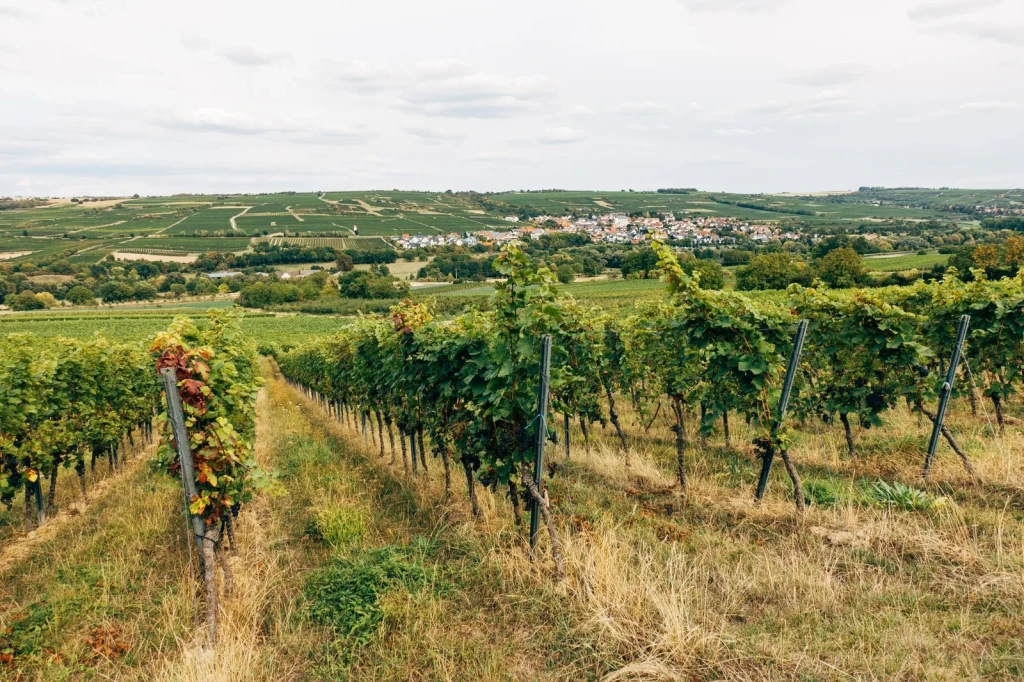
Lush grapevines frame a scenic countryside vista. This image captures the connection between the vineyard and the wider landscape it inhabits.
Photograph by Markus Winkler, via Pexels.
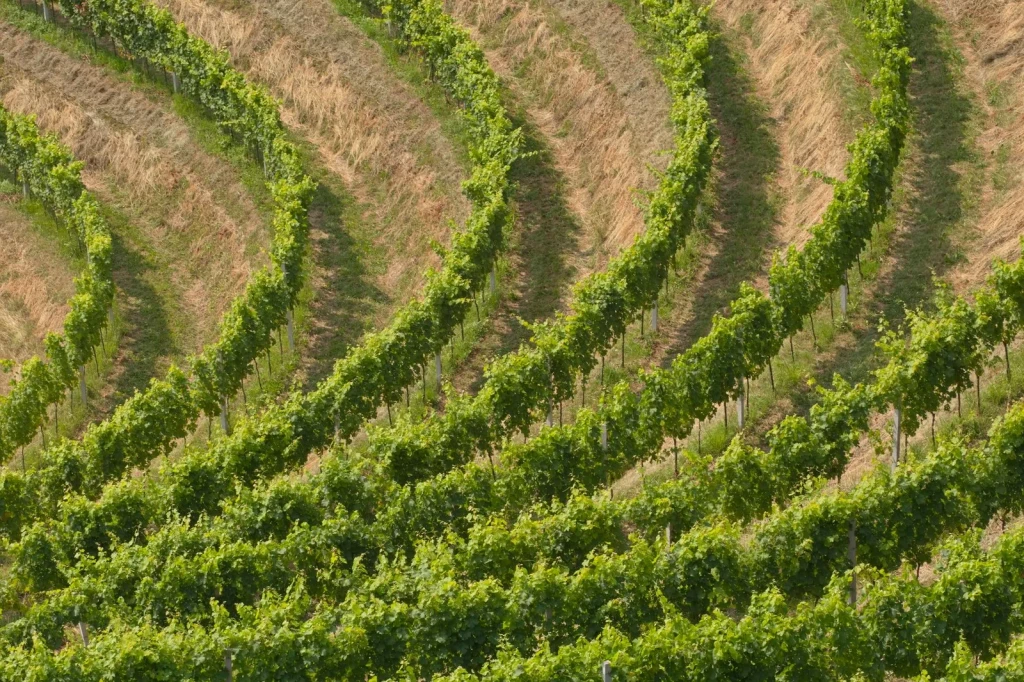
From above, vineyard rows create striking geometric patterns across the rural landscape. The image shows how grapevines are organized for cultivation and growth.
Photograph by Damir Mijailovic, via Pexels.
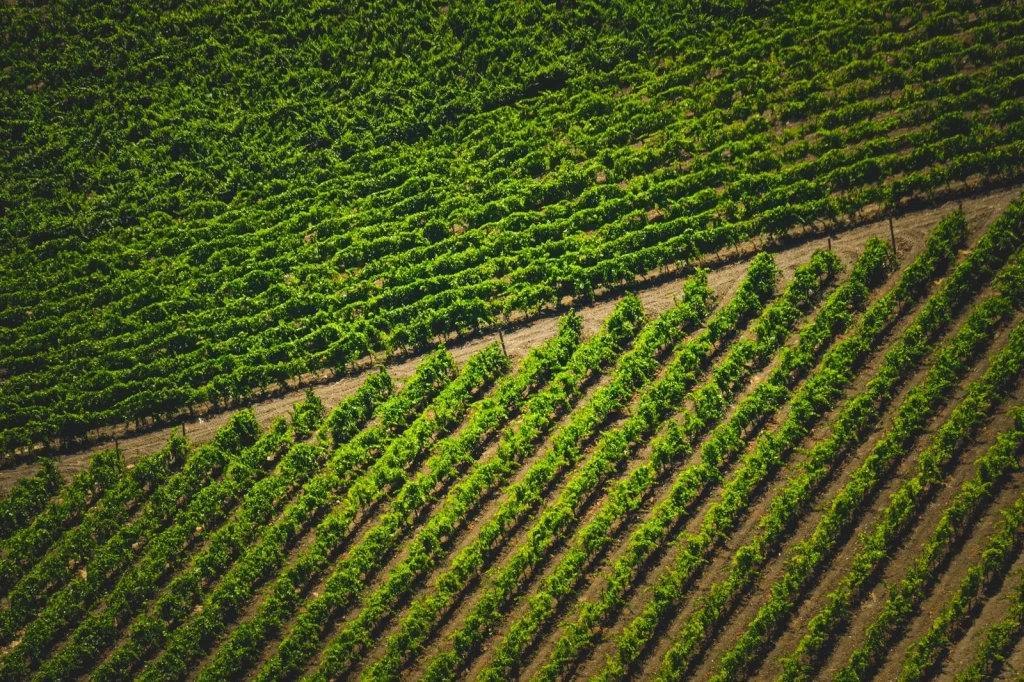
Sunlit rows of green vines stretch across the frame in orderly formation. The aerial view emphasizes the scale and organization of vineyard work.
Photograph by Francesco Ungaro, via Pexels.
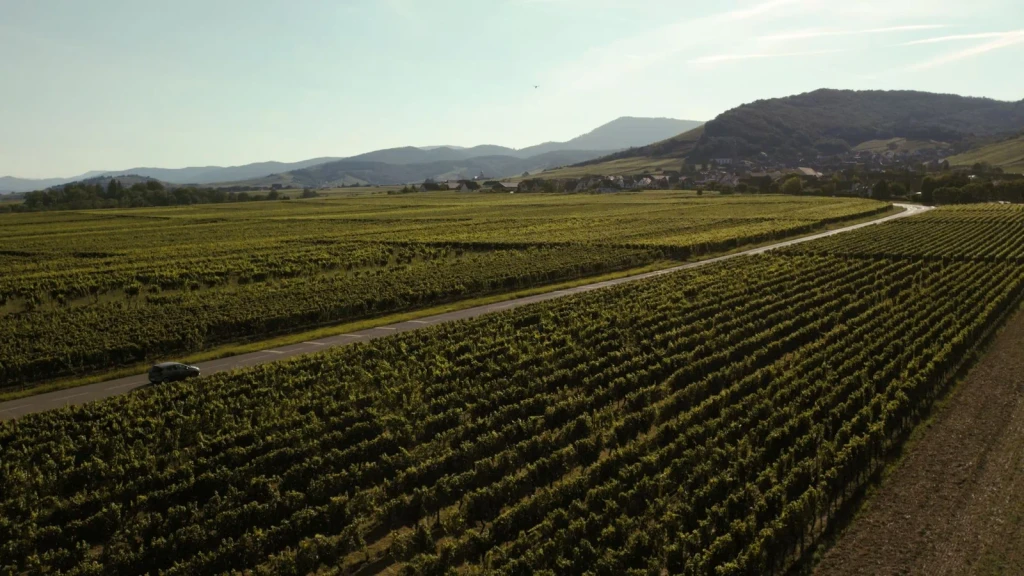
From above, a winding road cuts through vineyard terrain, revealing how these agricultural spaces are threaded into the natural landscape and its hills.
Photograph by Julien Goettelmann, via Pexels.
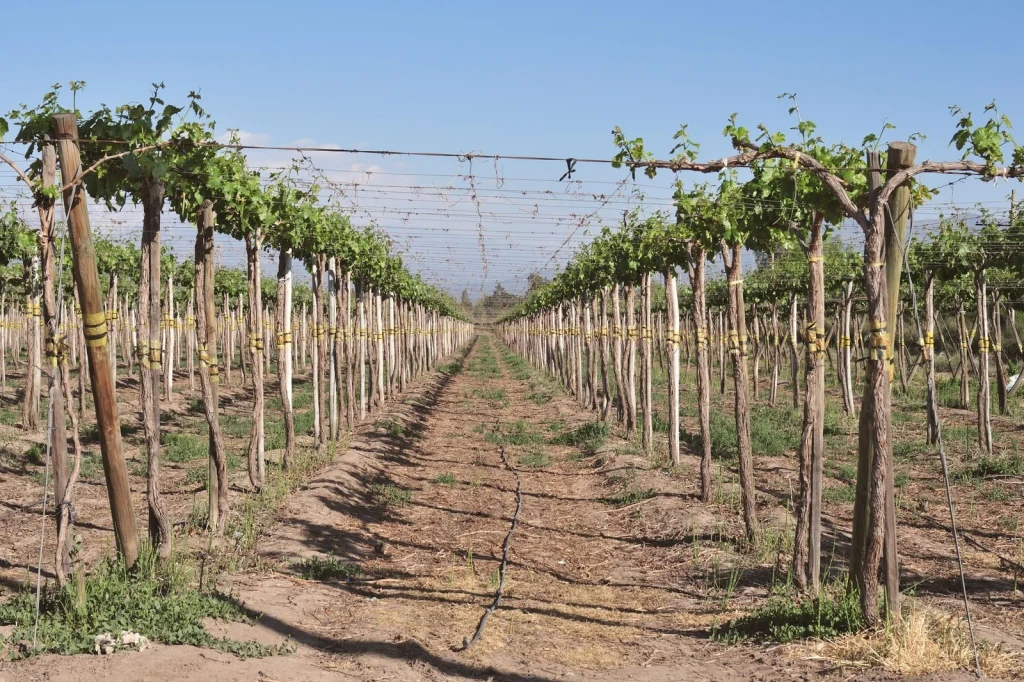
Vineyard rows stretch across a landscape bathed in bright sunshine. The photograph documents how light shapes the appearance of growing grapevines.
Photograph by DΛVΞ GΛRCIΛ, via Pexels.
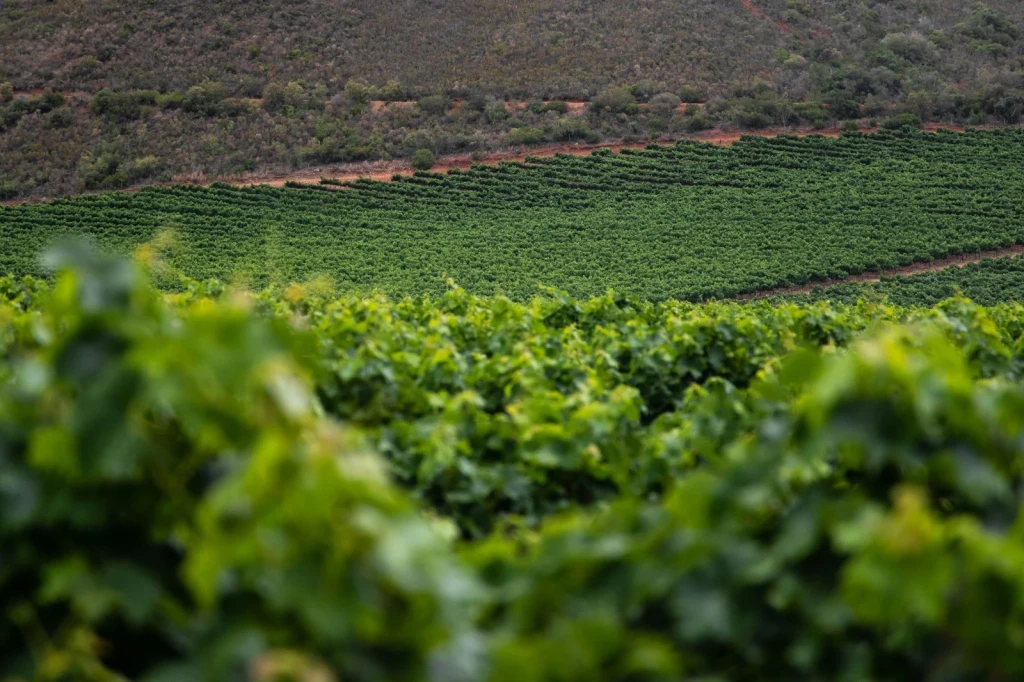
Soft morning light falls across lush grapevines stretched in neat rows. The peaceful moment captures the quietness before the day's work begins.
Photograph by Magda Ehlers, via Pexels.
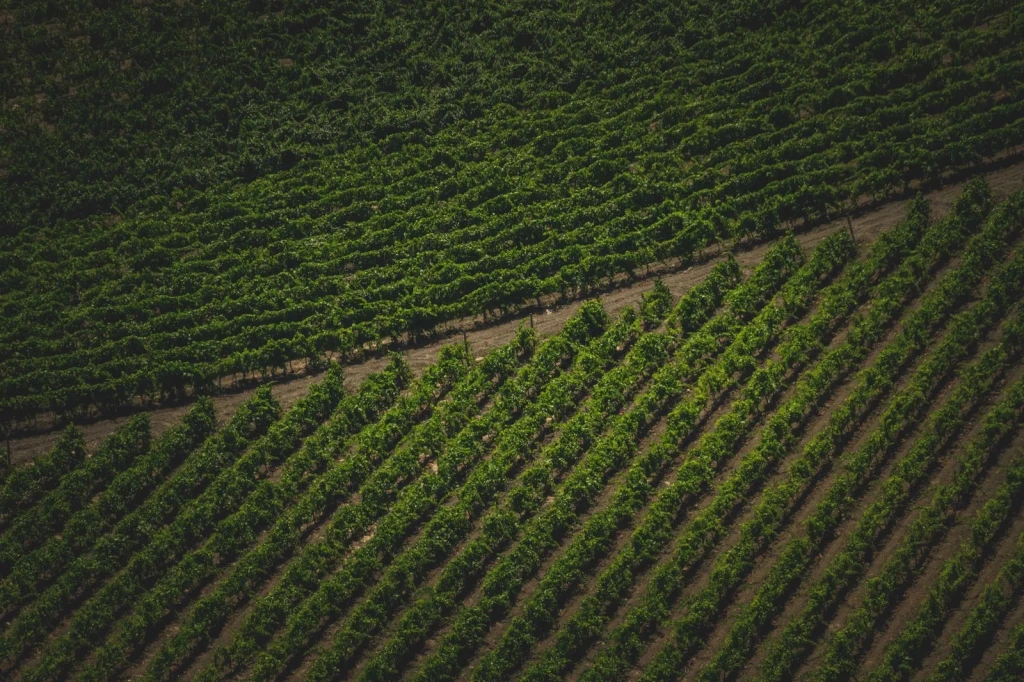
An aerial perspective reveals the geometric precision of vineyard cultivation. Sunlight illuminates the well-maintained rows, emphasizing the careful planning that shapes these agricultural landscapes.
Photograph by Francesco Ungaro, via Pexels.
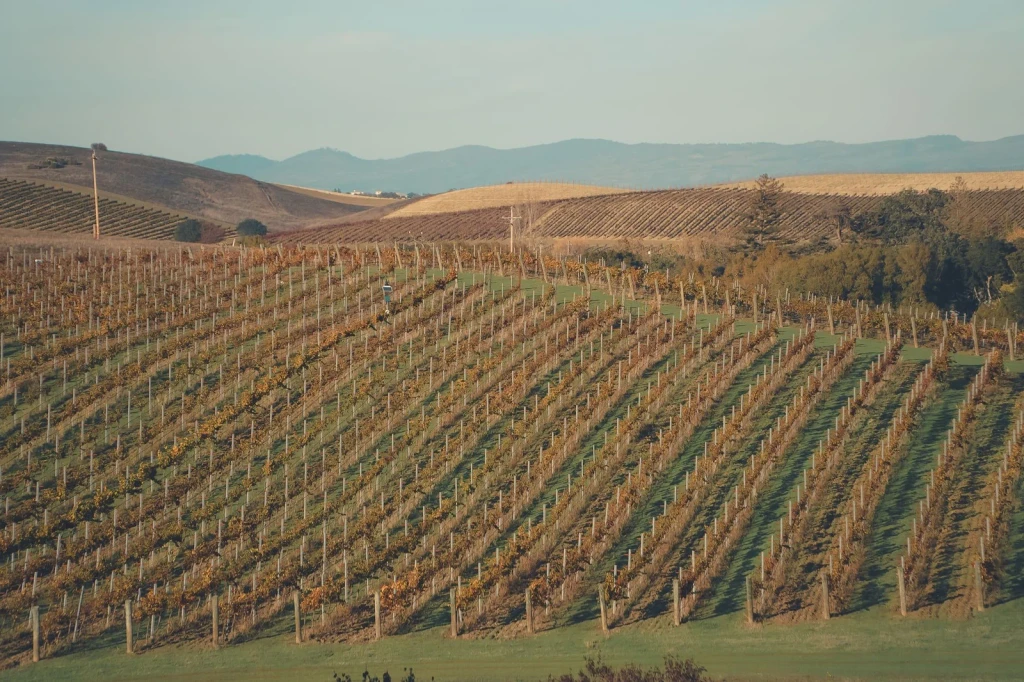
Seasonal change transforms the vineyard canopy. Vibrant colors signal the shift toward harvest in this sun-filled landscape.
Photograph by Vanessa Sezini, via Pexels.
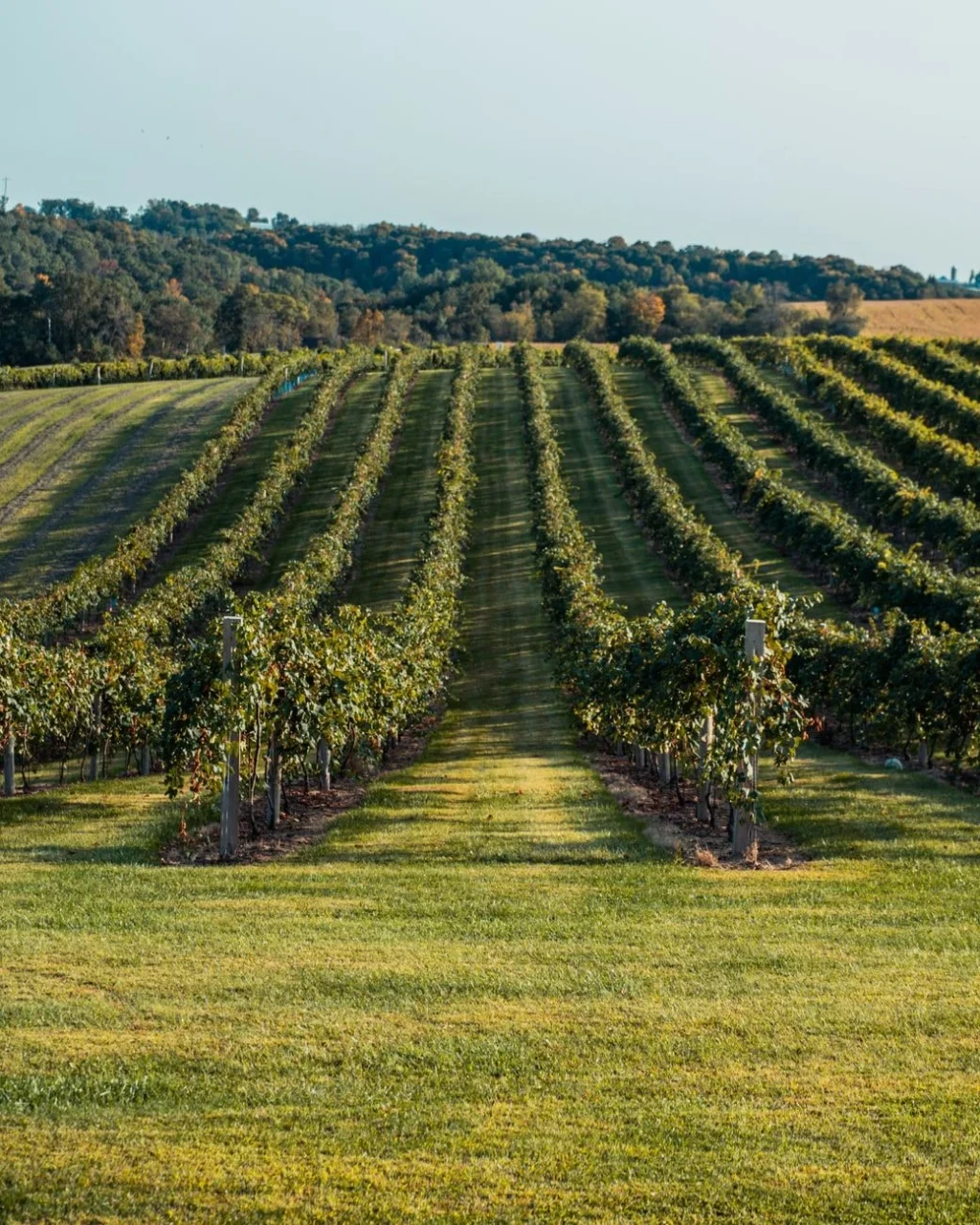
Neatly aligned grapevine rows create visual order beneath a clear blue sky. The image conveys the careful arrangement essential to vineyard management.
Photograph by Connor Martin, via Pexels.
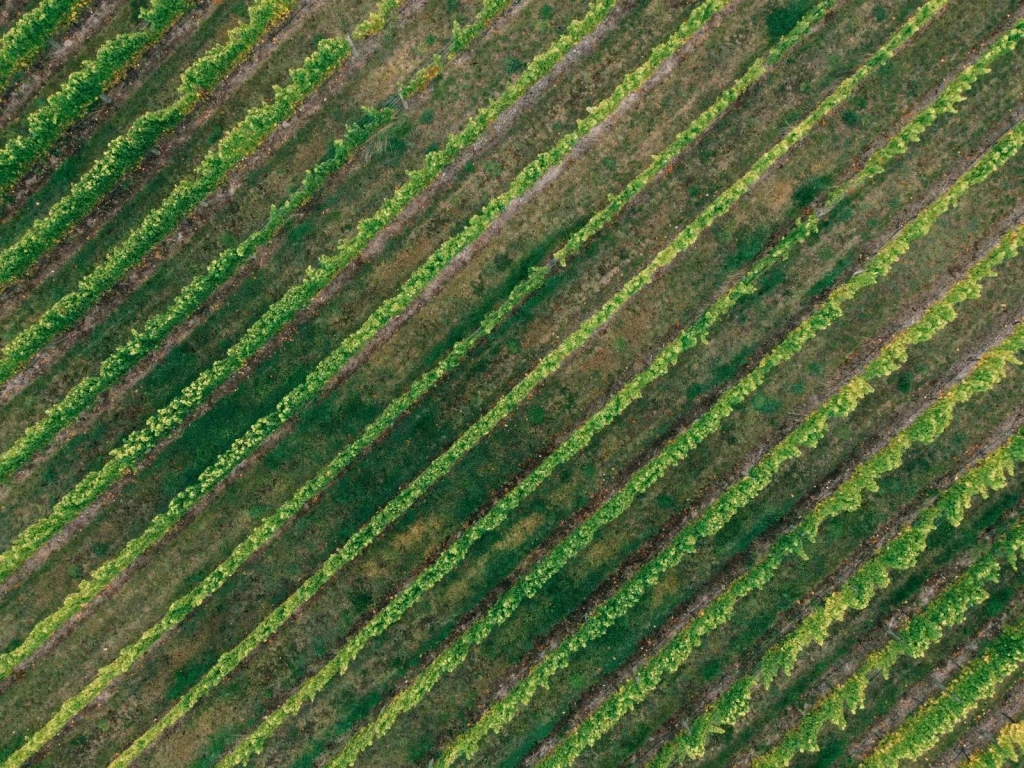
An aerial perspective reveals diagonal rows of lush vineyards during fall. The photograph captures how seasonal change marks the vineyard landscape.
Photograph by Ben Young, via Pexels.
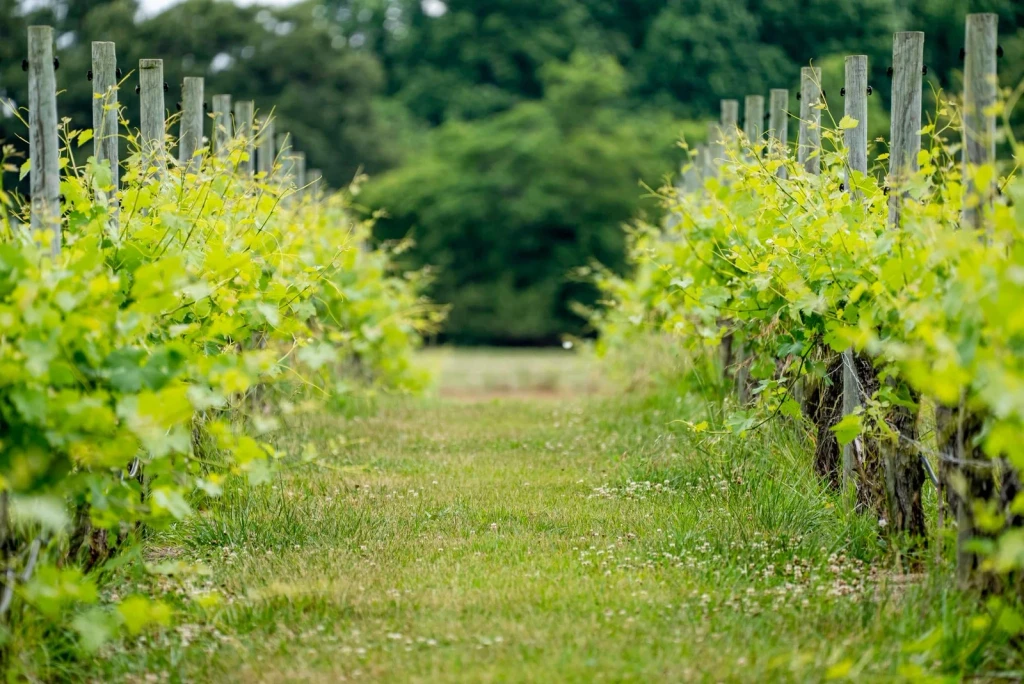
Vibrant green grapevines flourish during summer months. The photograph captures the lush density of vineyard growth at a key point in the growing season.
Photograph by Mark Stebnicki, via Pexels.
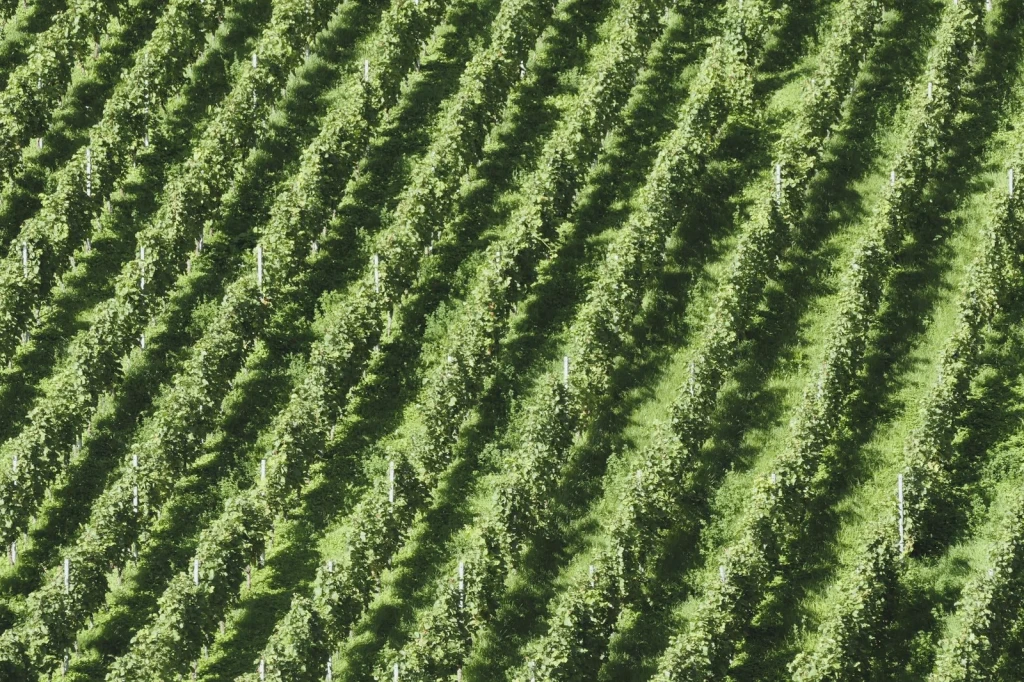
An aerial view captures the geometric precision of vineyard rows. The vibrant green grapevines reveal the careful planning that shapes wine production from above.
Photograph by Michaela St, via Pexels.
