3D Gallery
Winter Survival
Enter gallery
Winter Survival is a 3D virtual gallery on MyGallery3D, a walkable online exhibition of 12 works. Step inside and explore it in your browser: no app, no headset.
Welcome to a 3D virtual gallery you can walk through in your browser, exploring how life endures the coldest season on Earth.
Hibernating Arctic ground squirrels drop their body temperature to −2.9 °C, maintaining sub-zero abdominal temperatures for over three weeks. Bears recycle their own urine and proteins for months without eating, drinking, or losing bone mass. Mice burrow beneath snow that insulates like a blanket. Plants harden. Birds flee whole continents. Winter is not merely survived. It is engineered around.
Hibernation is not sleep. It is active metabolic suppression: slower breathing, lower heart rate, cooled body. Bears drop only 3 to 5 °C yet stop eating, drinking, and urinating for months, recycling proteins and urea to prevent muscle wasting. The fat-tailed dwarf lemur of Madagascar hibernates for seven months in tree holes, even when outside temperatures exceed 30 °C. Survival depends not on cold, but on energy conservation.
Animals that stay active must change. The Arctic fox, rock ptarmigan, and mountain hare turn white to match the snow. Fur-bearing mammals grow heavier coats to retain heat, then shed them in spring. Migratory birds and some butterflies leave entirely. Squirrels, beavers, and raccoons cache food rather than hibernate. Each strategy trades one cost for another: energy spent moving, growing, or storing.
Snow is not just a hazard. Its trapped air creates insulation that shields life from killing cold above. Mice and voles live beneath the snow layer, active all winter. Many perennial plants survive only because snow buries and protects them. Deciduous trees go dormant above ground, but their roots stay alive under the snowpack. Some annual plants actually require winter cold, a process called vernalization, to complete their life cycle.
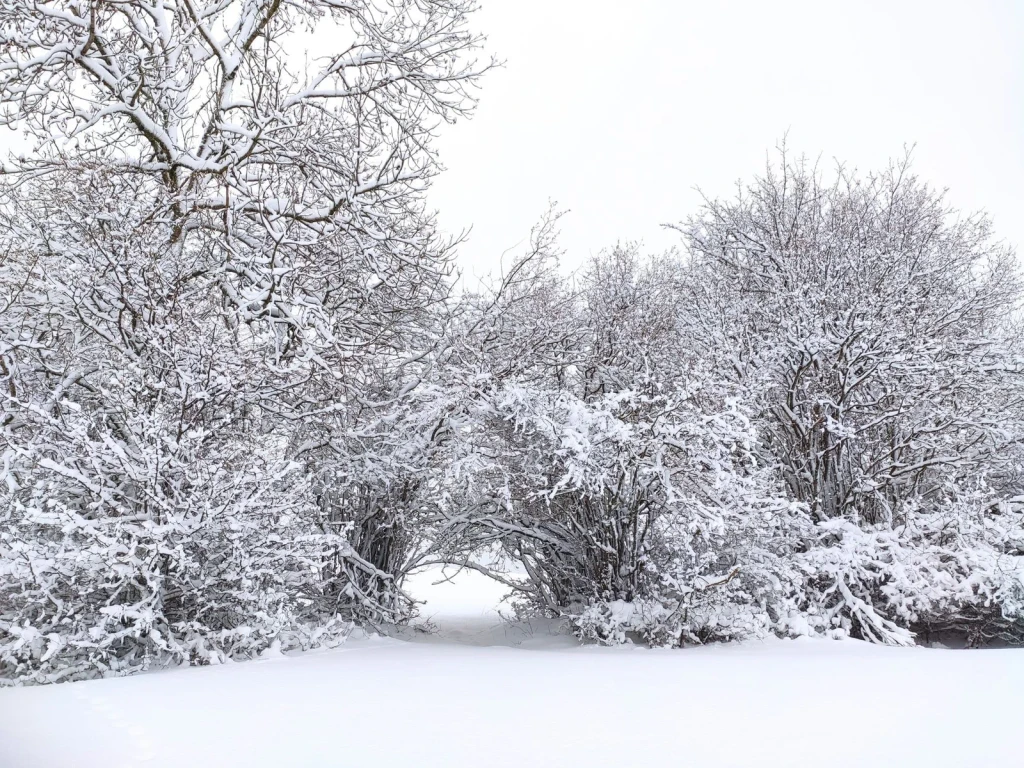
Snow-laden trees form a natural arch overhead in this forest landscape. Winter's weight reshapes the forest into an unexpected frame.
Photograph by SAMUEL BOURGEOT, via Pexels.
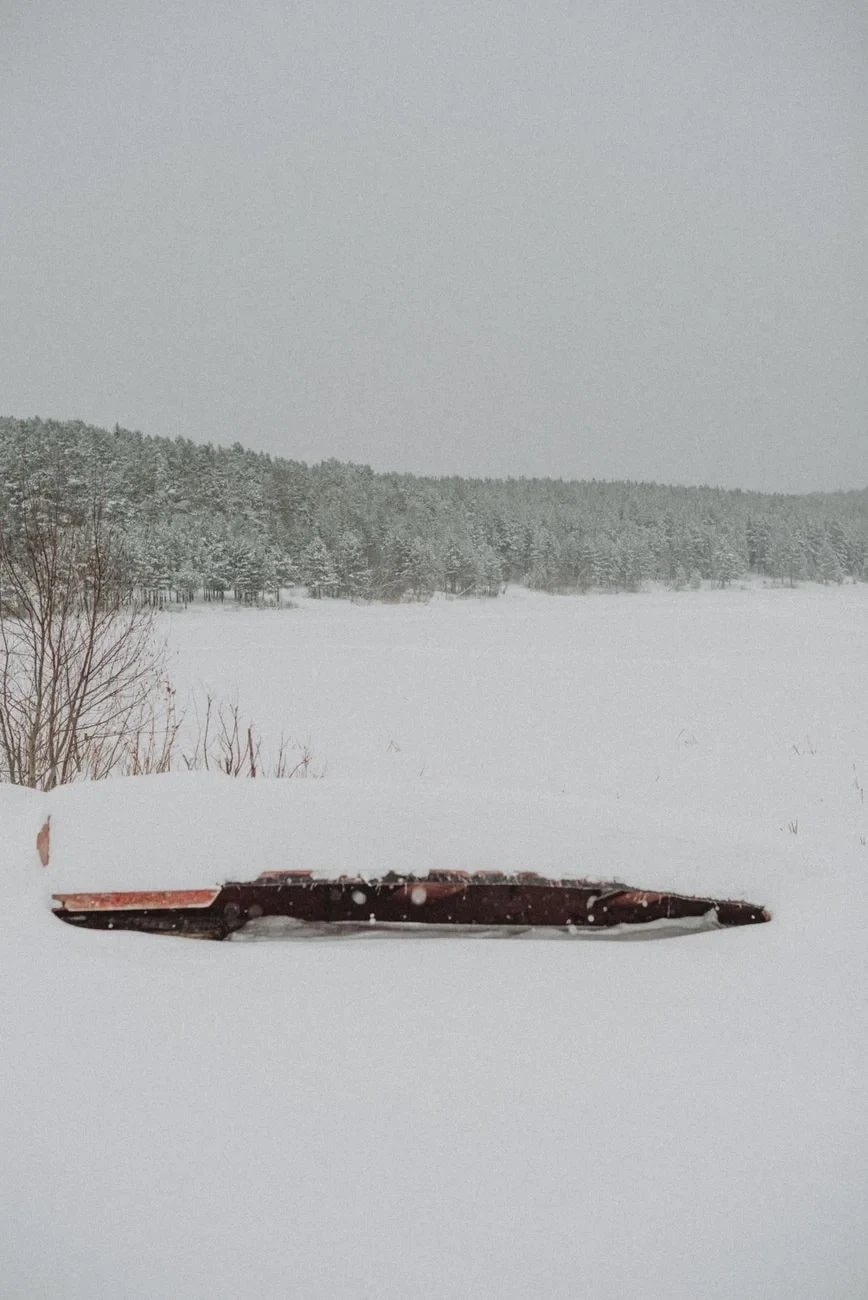
A single snow-covered log rests in a quiet forest. Winter distills a landscape to its essential, still forms.
Photograph by Евгения Егорова, via Pexels.
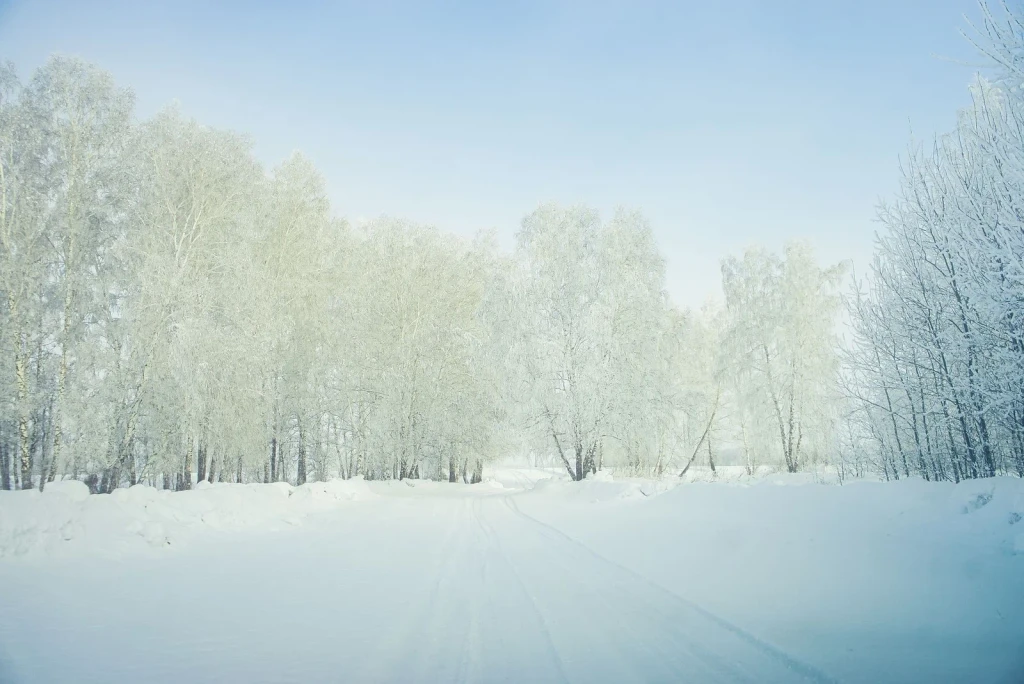
A tranquil route winds through a winter forest, trees encased in frost on either side. The scene captures how winter transforms a simple path into something hushed and still.
Photograph by Lena Sova, via Pexels.
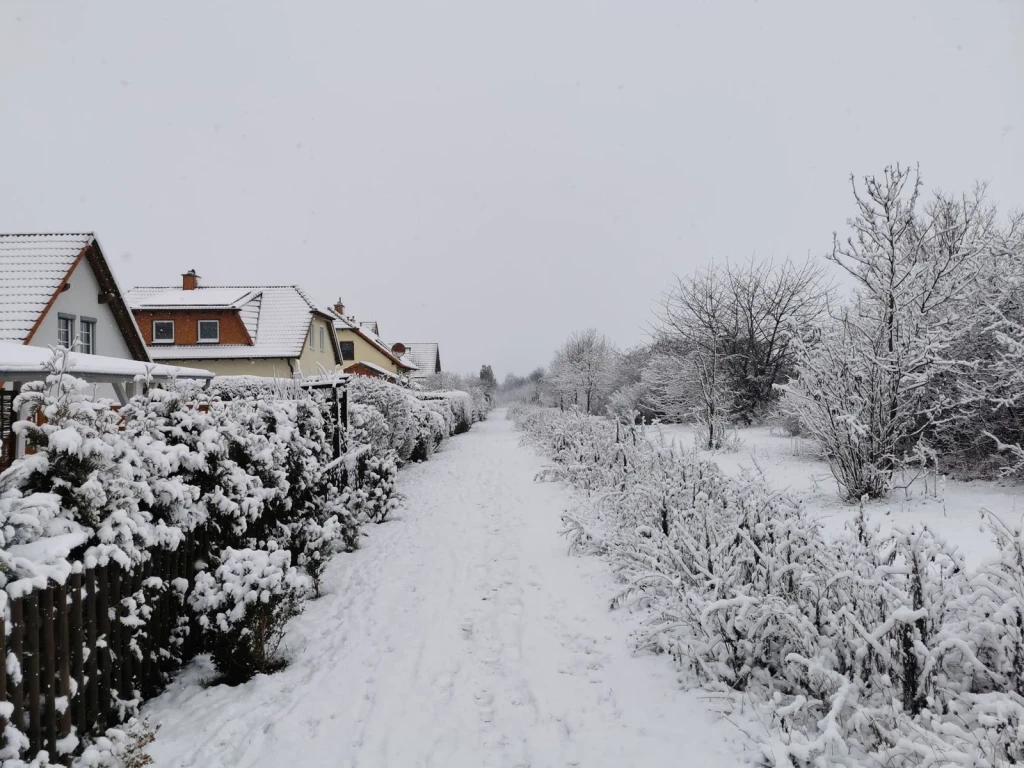
Snow settles on houses and the pathway between them. Winter domesticated: the familiar landscape remade by cold and snow.
Photograph by Chris Boenig, via Pexels.
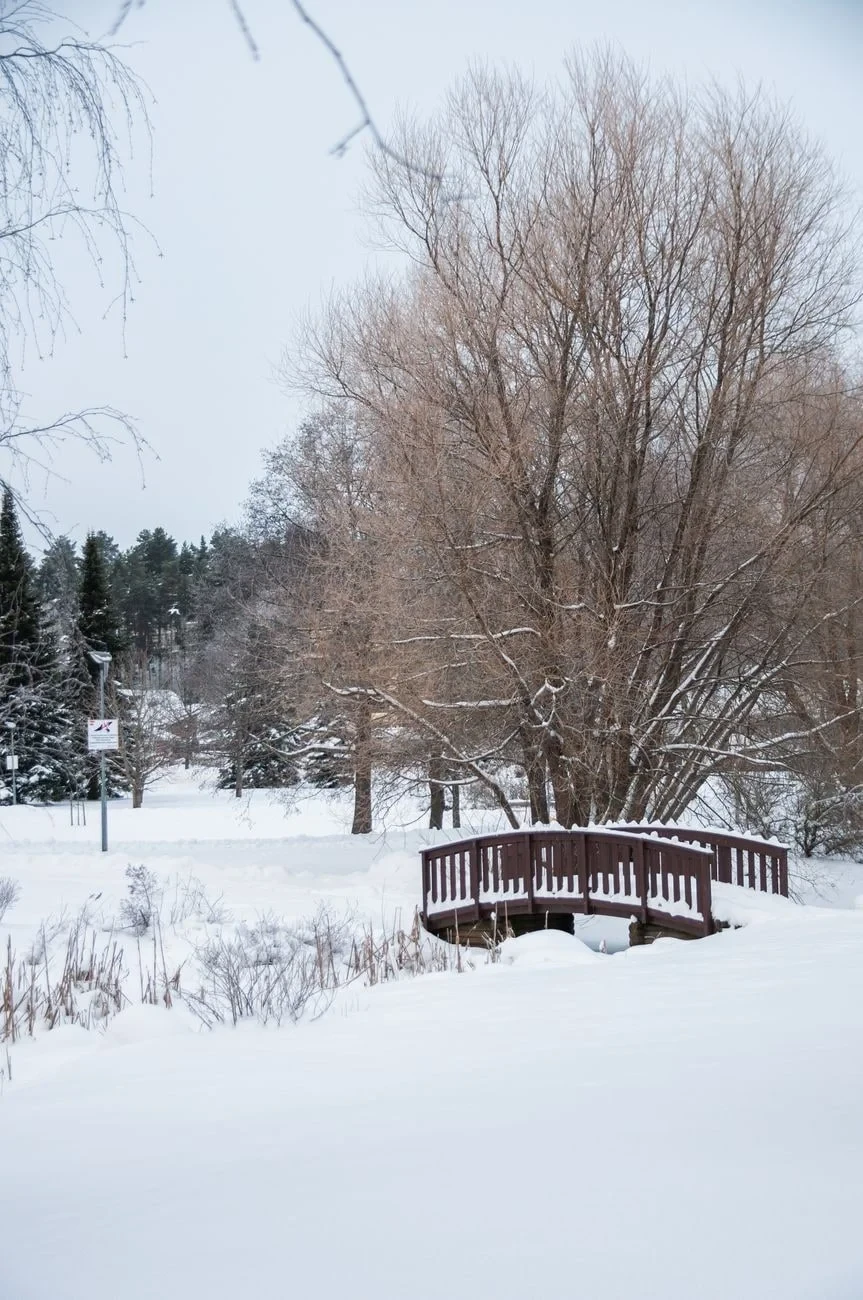
A snow-covered bridge crosses through winter landscape. The path through cold becomes a quiet focal point.
Photograph by Hert Niks, via Pexels.
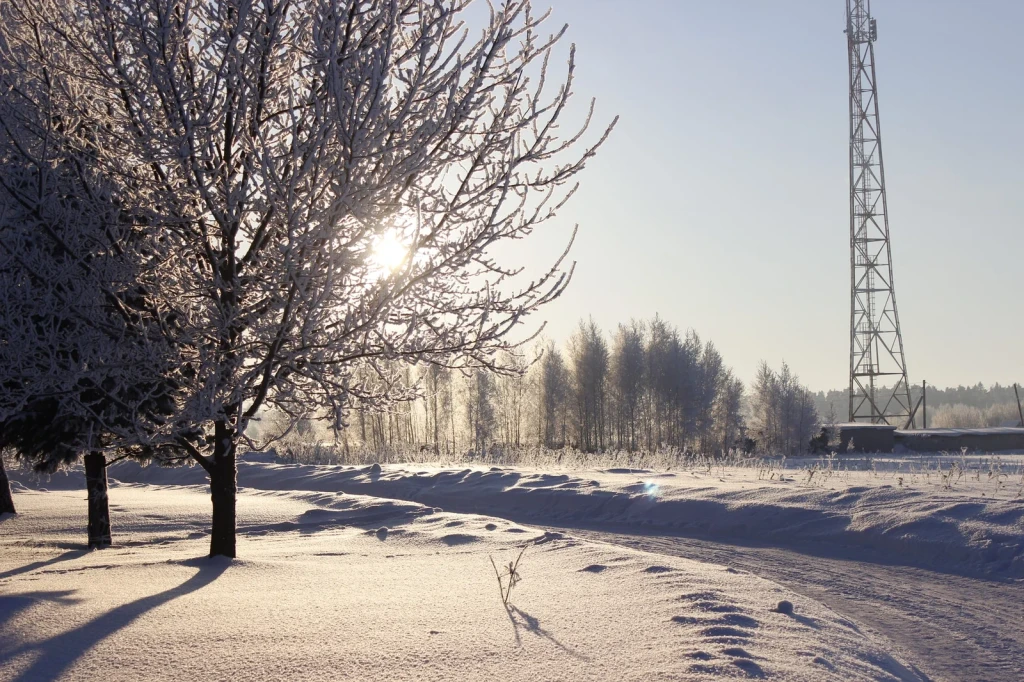
Sunlight catches snow-covered trees and illuminates a transmission tower beyond. Winter renders the ordinary landscape striking and strange.
Photograph by Nikita Korolkov, via Pexels.
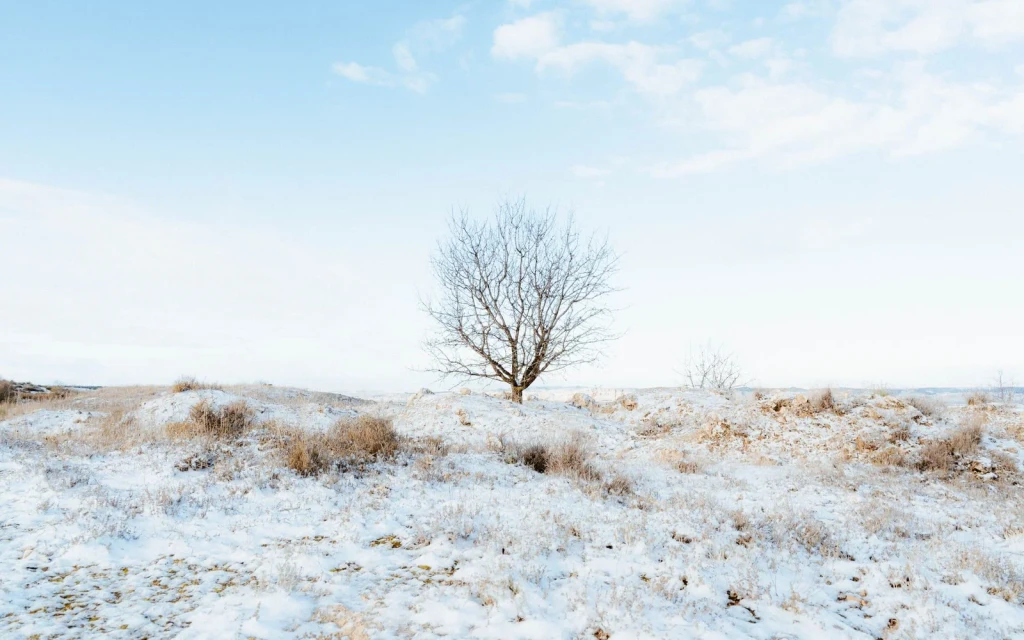
One barren tree stands alone in a snow field under clear sky. Winter strips the land to geometry and silence.
Photograph by Altamart, via Pexels.
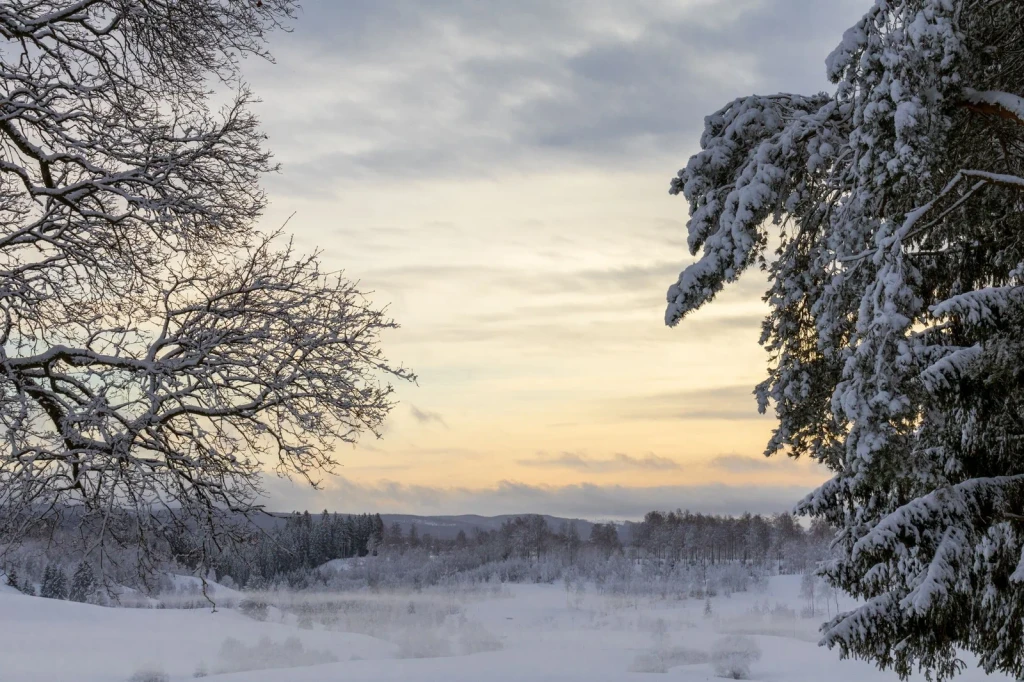
Snow-covered trees glow in fading light. Winter's day ends in serene, golden transition.
Photograph by Surdu Horia, via Pexels.
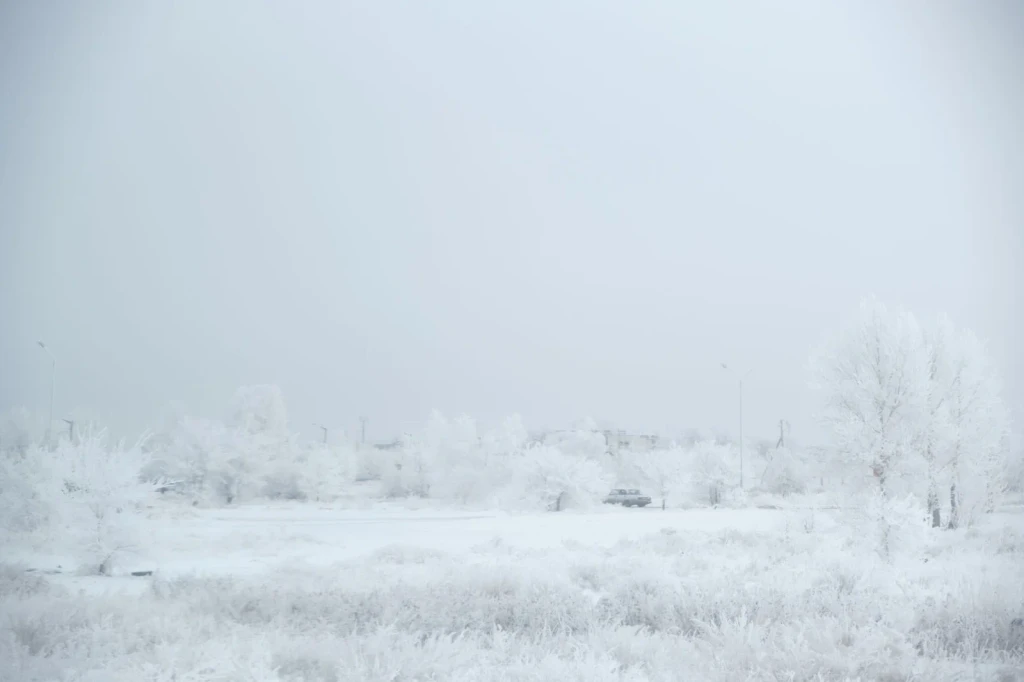
Frost covers the trees while a car sits small and distant under gray skies. The scene emphasizes how winter creates isolation and scale.
Photograph by Ruslan Alekso, via Pexels.
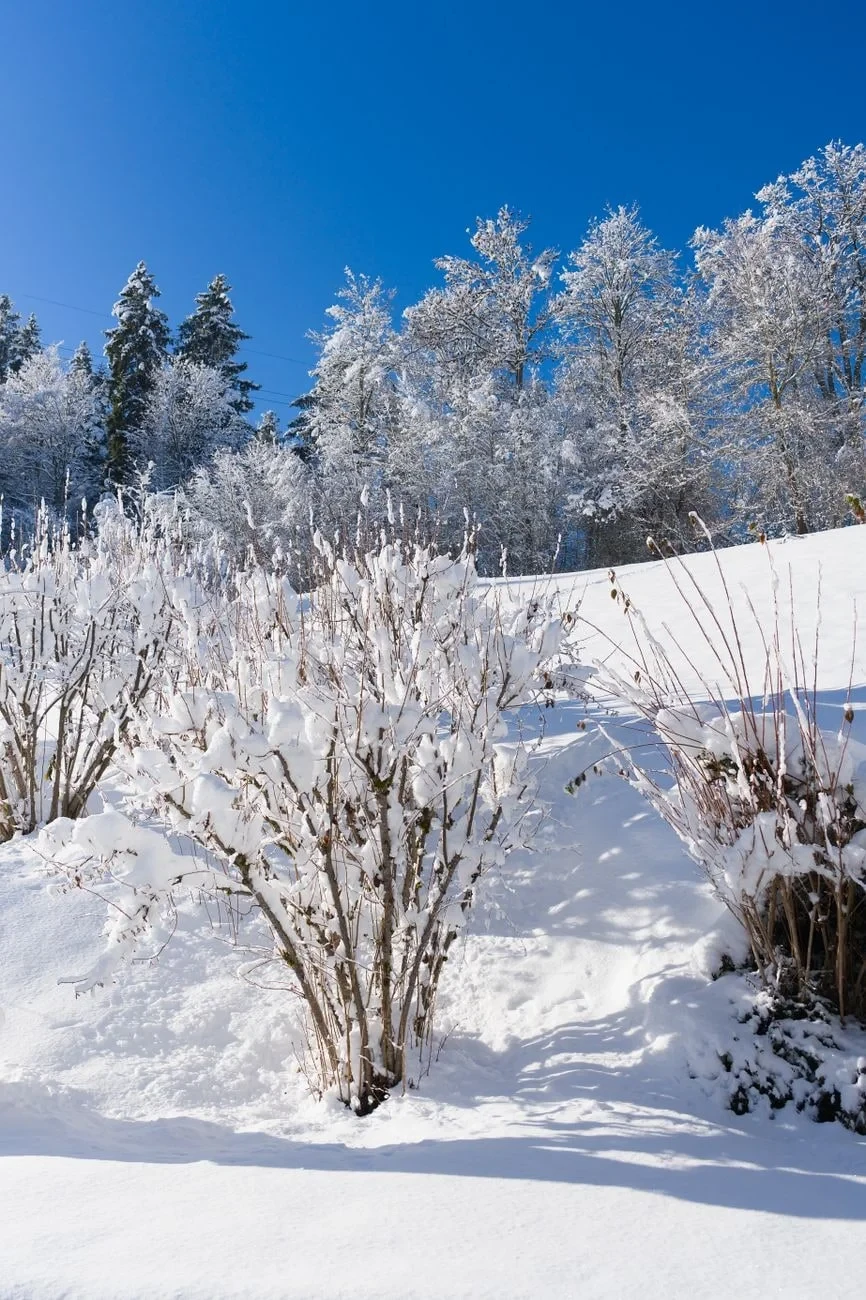
Snow-laden trees stand beneath clear blue sky. Winter's weight and light exist in stark, beautiful contrast.
Photograph by Jean-Paul Wettstein, via Pexels.
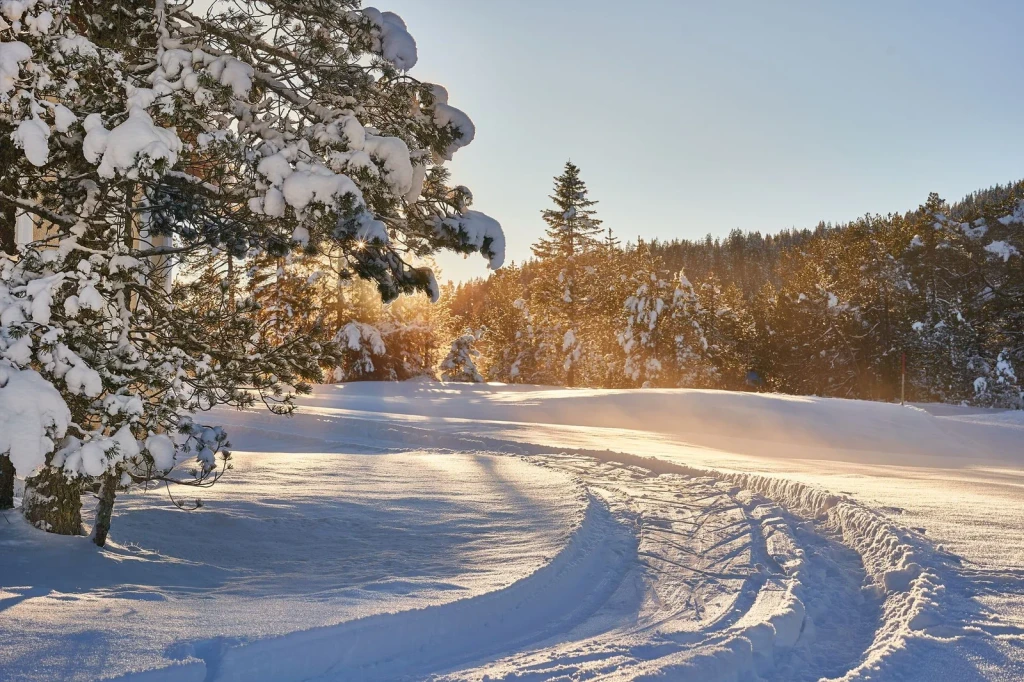
Snow blankets the trees under a blue sky at sunrise. The light marks a moment of quiet beginning in the depths of winter.
Photograph by Tobias Eicher, via Pexels.
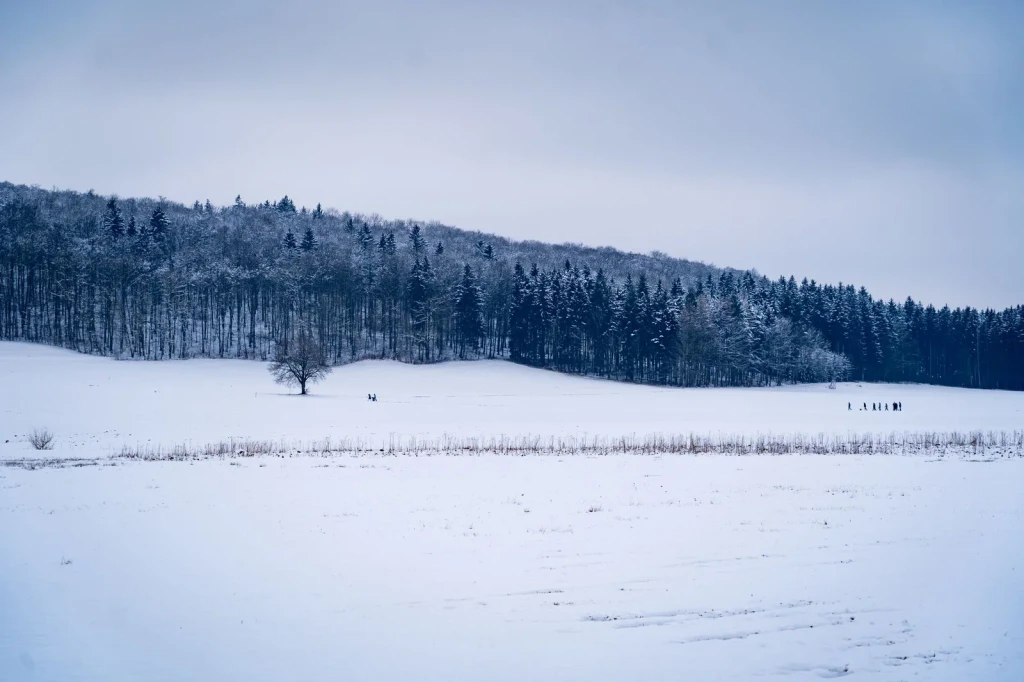
A snow-covered landscape with hikers visible in the distance. The vastness of winter unfolds through scale and solitude.
Photograph by Mustafa Mašetić, via Pexels.
