3D Gallery
Butterflies: The Geometry of Metamorphosis
Enter gallery
Butterflies: The Geometry of Metamorphosis is a 3D virtual gallery on MyGallery3D, a walkable online exhibition of 15 works. Step inside and explore it in your browser: no app, no headset.
This is a 3D virtual museum of butterflies and metamorphosis, and you can walk through the whole life cycle in your browser.
A monarch caterpillar hangs upside down in the shape of a letter J for 12 to 16 hours, then splits its skin. Inside the chrysalis the body is taken apart by programmed cell death, autophagy and apoptosis, and rebuilt over 8 to 15 days. Something survives the demolition: research from 2008 found that an adult Manduca sexta still retains behavior it learned as a caterpillar.
Metamorphosis runs on a hormone clock. The brain secretes prothoracicotropic hormone, which activates the prothoracic glands to release ecdysone and force the insect to shed its skin. A second hormone, juvenile hormone, decides what it becomes next. Molts between larval instars happen with juvenile hormone high. The molt to the pupal stage happens when it is low. The final molt, into the adult, happens with none present at all.
No single individual completes the great migrations. The British painted lady makes a 9,000-mile round trip from tropical Africa to the Arctic Circle in a series of steps, spread across up to six successive generations, almost double the length of the monarch journeys it is famous for. Butterflies navigate using a time-compensated sun compass, and because they see polarised light they can hold a course through cloud.
A monarch egg is about 1.2 mm by 0.9 mm and weighs less than 0.5 mg, roughly one thousandth of the mass of the female who lays it. She may lay up to her own mass in eggs, and the count can reach 1,180. The arithmetic is brutal rather than generous: commonly fewer than 10% of monarch eggs and caterpillars survive.
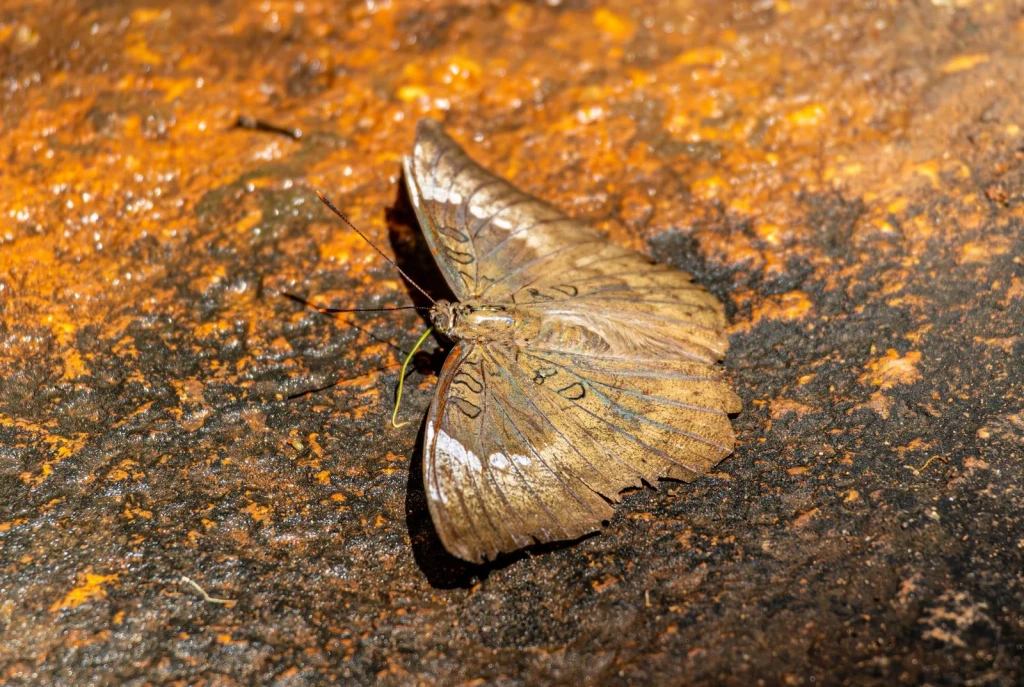
A brown butterfly on weathered stone shows textured contrast. The image pairs the butterfly's geometric form with the grain of its temporary perch.
Photograph by Regan Dsouza, via Pexels.
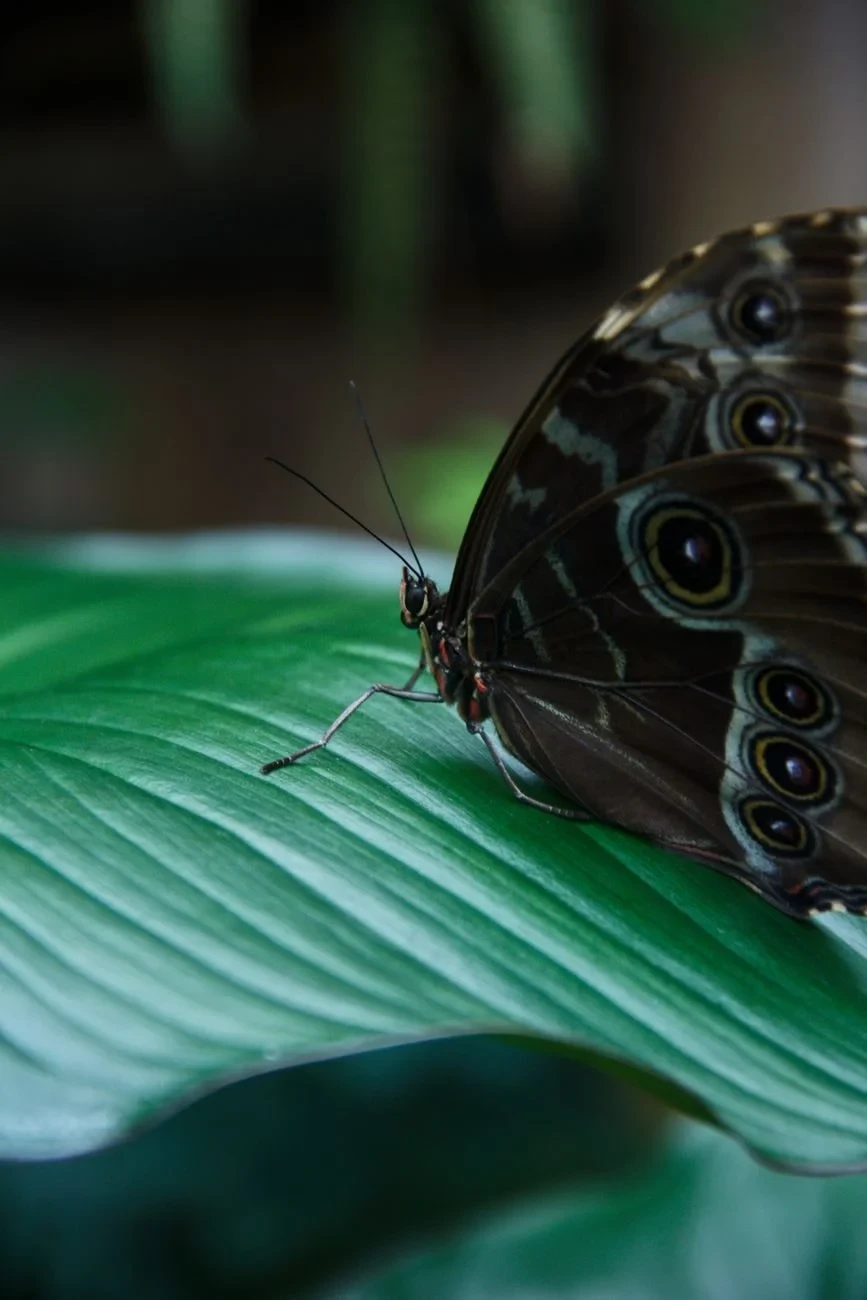
A butterfly settles on a leaf, its intricate patterns revealed in detail. The photograph captures the geometry of wings against living texture.
Photograph by Sümeyye Candan, via Pexels.
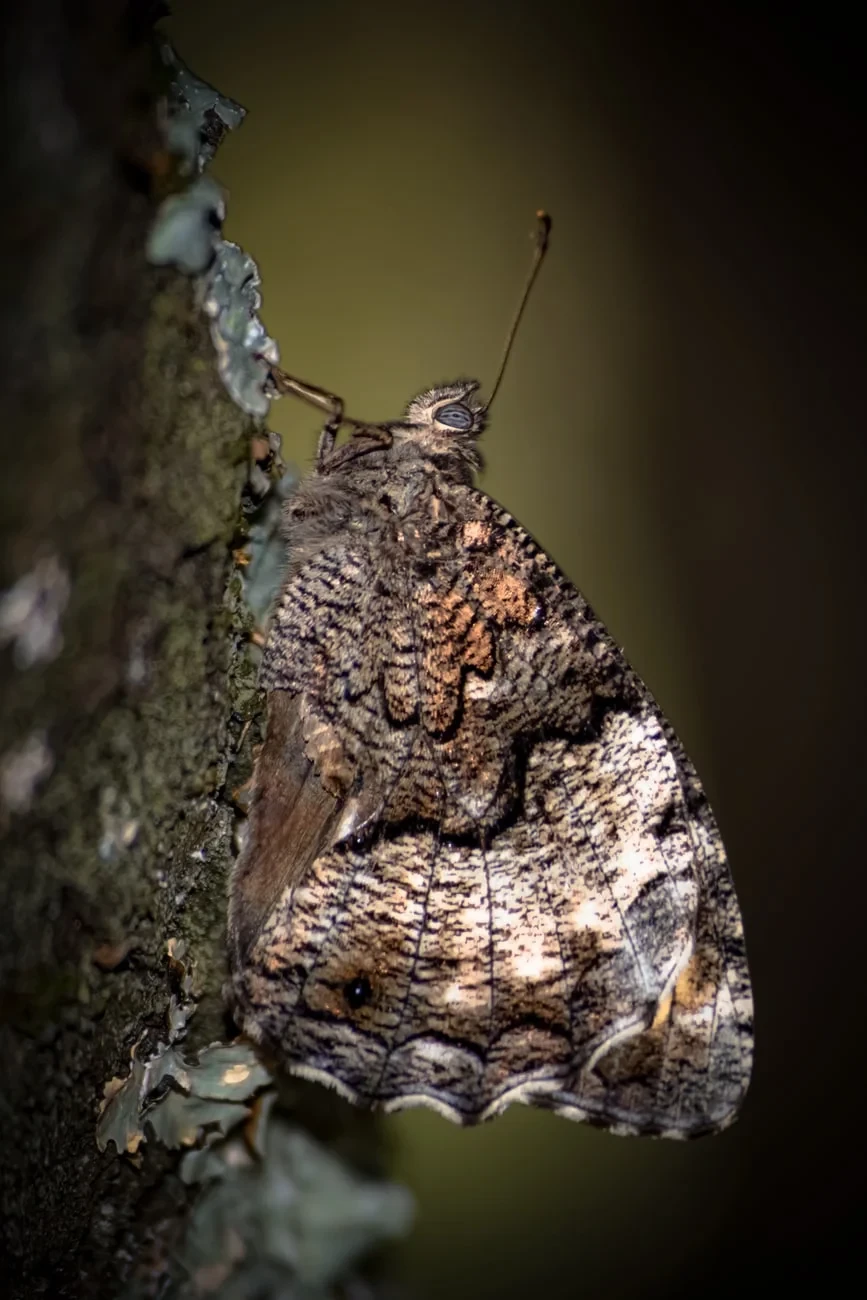
A butterfly blends into tree bark in this macro study. The image reveals how metamorphosis produces wings shaped by the geometry of survival.
Photograph by Valérie boisprovence, via Pexels.
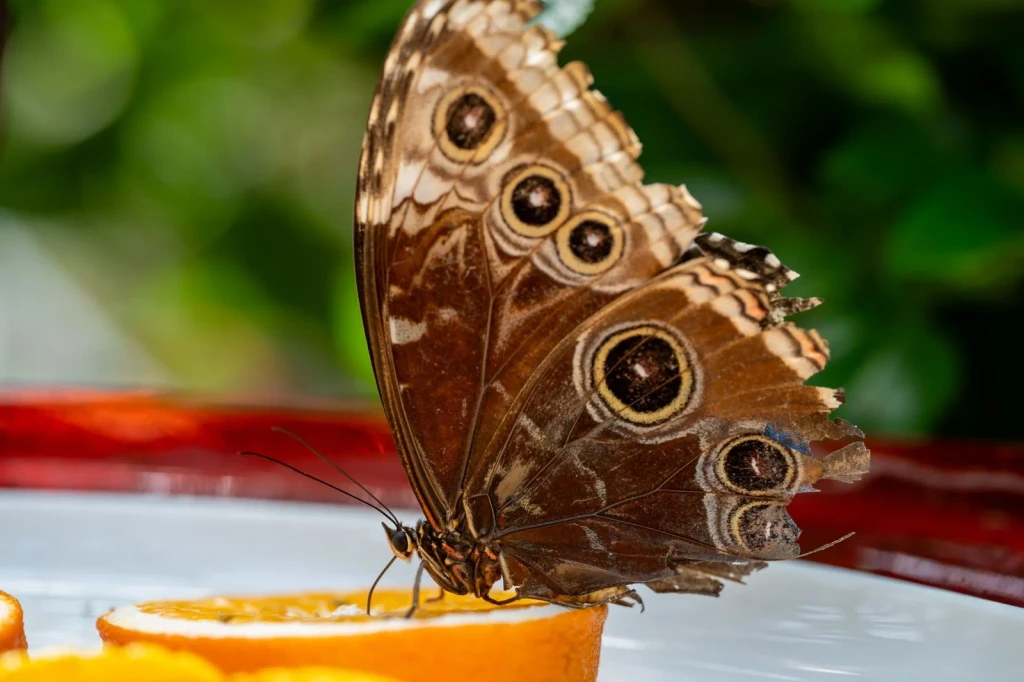
A brown butterfly feeds on orange fruit against green growth. The photograph captures a moment of metamorphosis interrupted by appetite.
Photograph by Chris F, via Pexels.
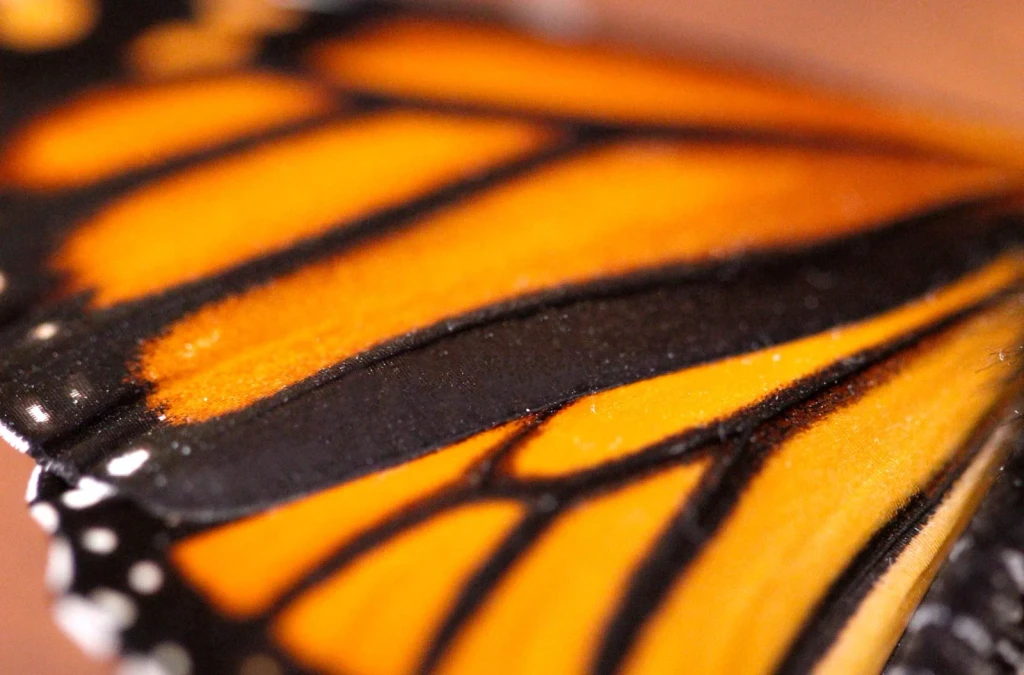
A Monarch's wing fills the frame with vibrant patterns. Close examination shows the geometric precision underlying the butterfly's transformation.
Photograph by Sephina Cornwall, via Pexels.
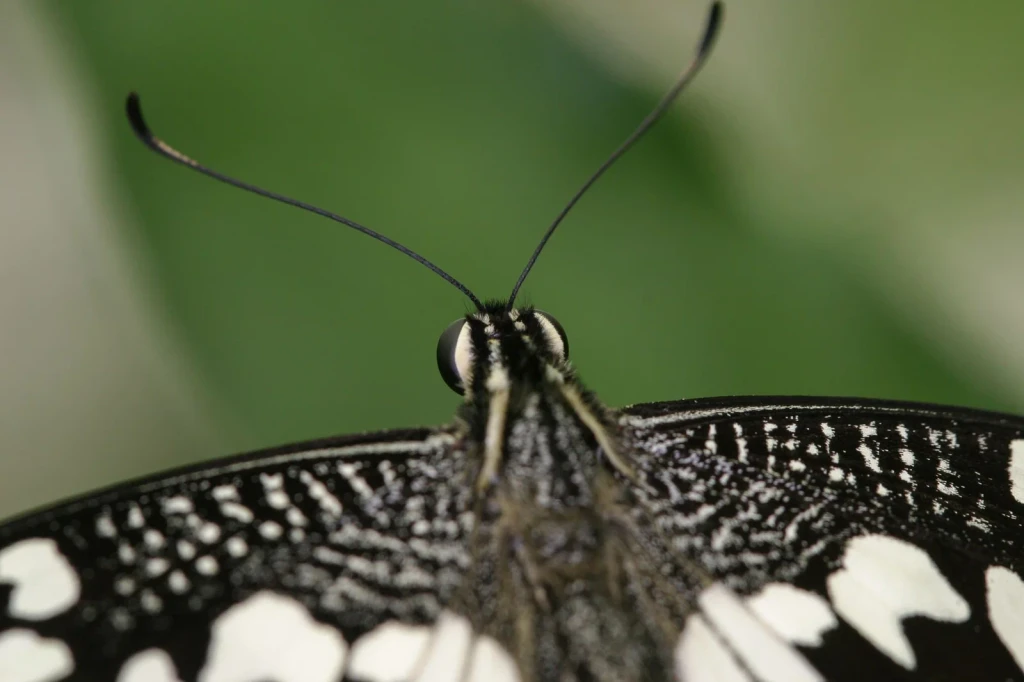
A macro study of intricate patterns and textures across wings and antennae. The photograph reveals the precise geometry underlying butterfly form.
Photograph by Wolfgang Wendefeuer, via Pexels.
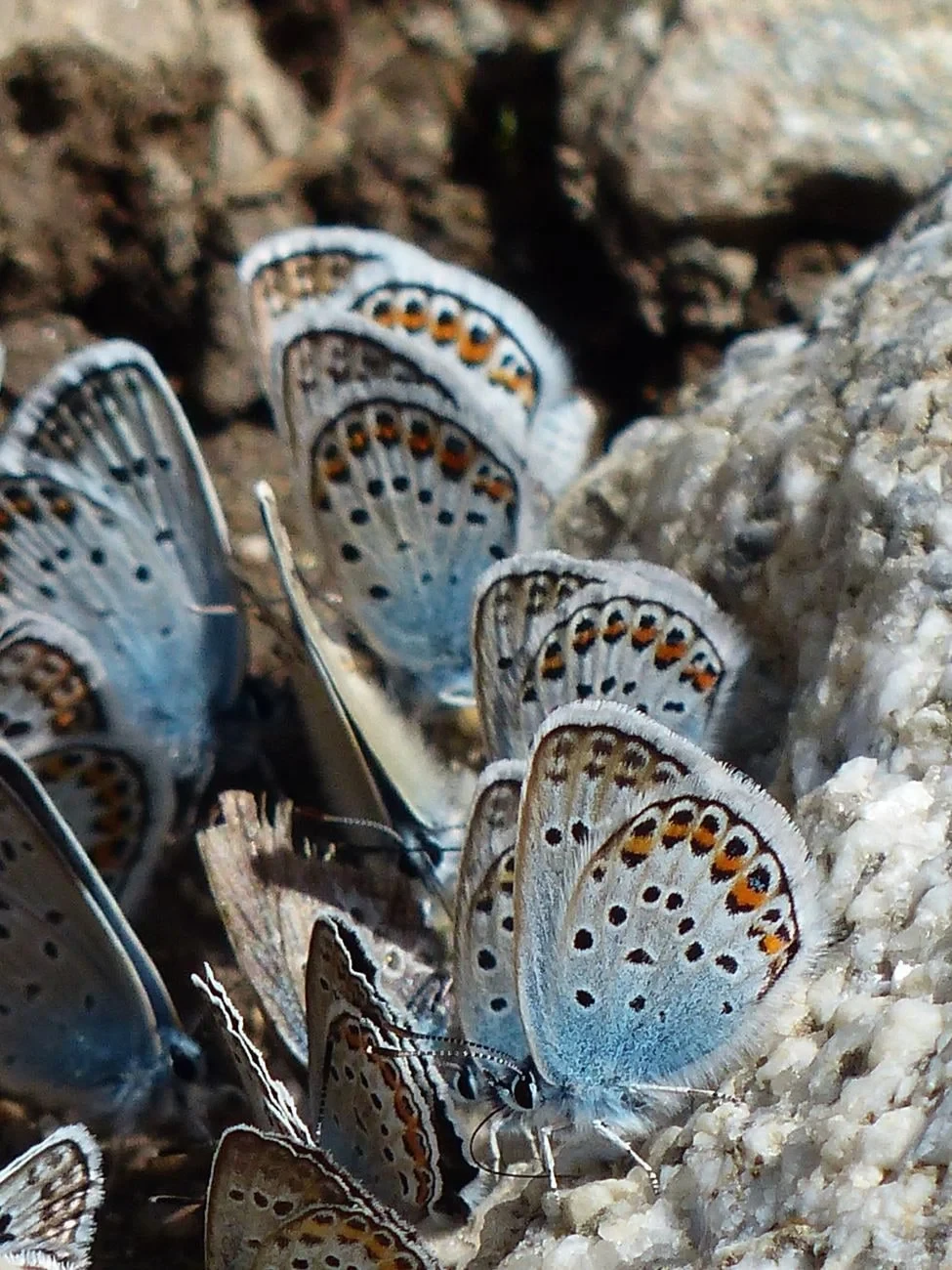
Multiple blue butterflies gathered on rocky ground. Their vibrant wings create a composition of collective geometry and color.
Photograph by Pixabay, via Pexels.
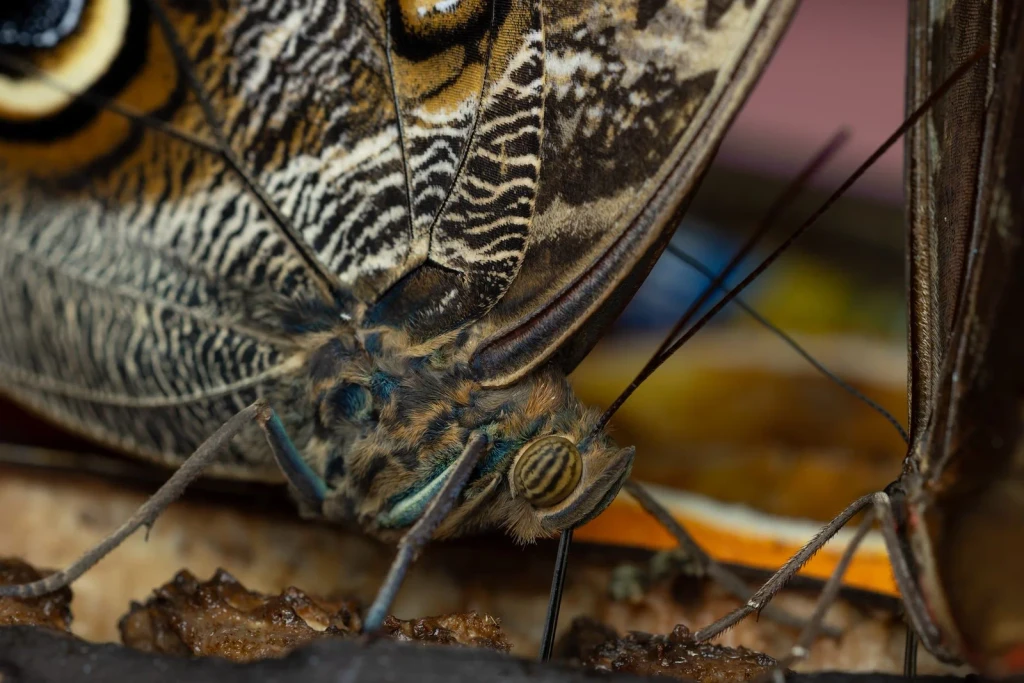
An owl butterfly species at rest on fruit, its patterned wings on full display. Intimate detail of survival and sustenance.
Photograph by Pi Pi, via Pexels.
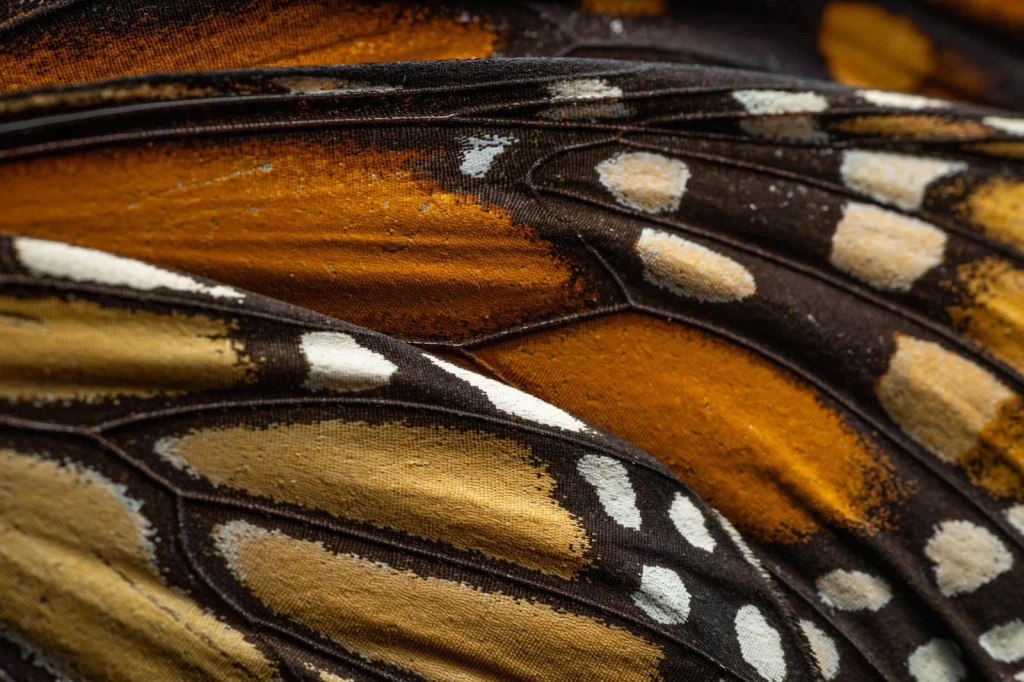
A macro view isolates the monarch's wing patterns. Symmetry and colour emerge in precise, geometric arrangement.
Photograph by Ignacio Vazquez, via Pexels.
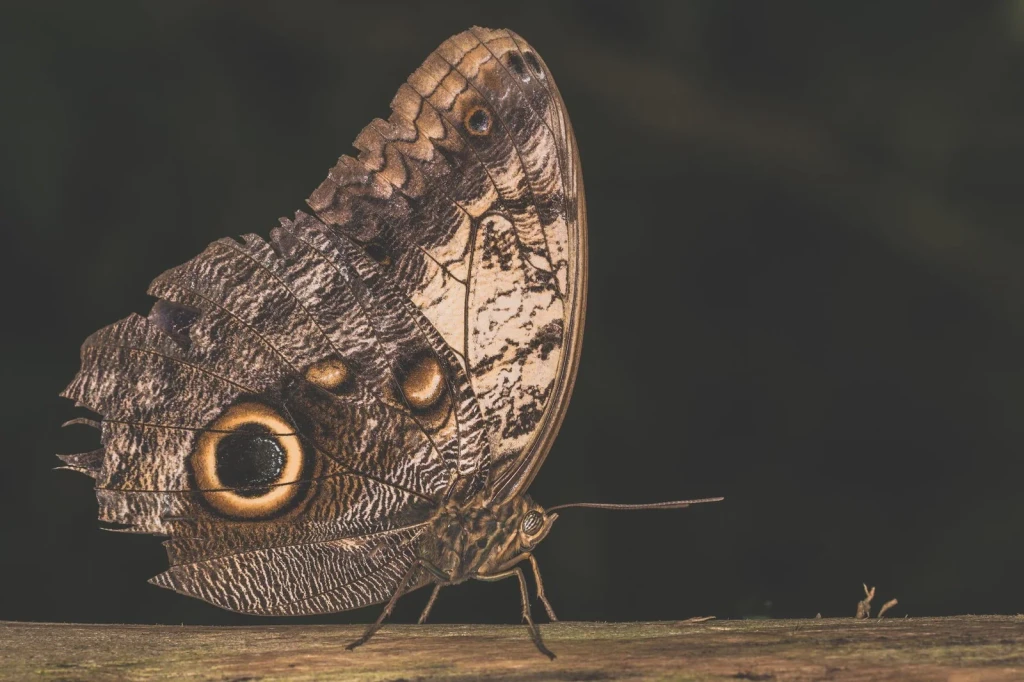
An owl butterfly displays the intricate symmetry of its wing patterns. Nature's design becomes visible in the precise arrangement of color and form.
Photograph by Ylanite Koppens, via Pexels.
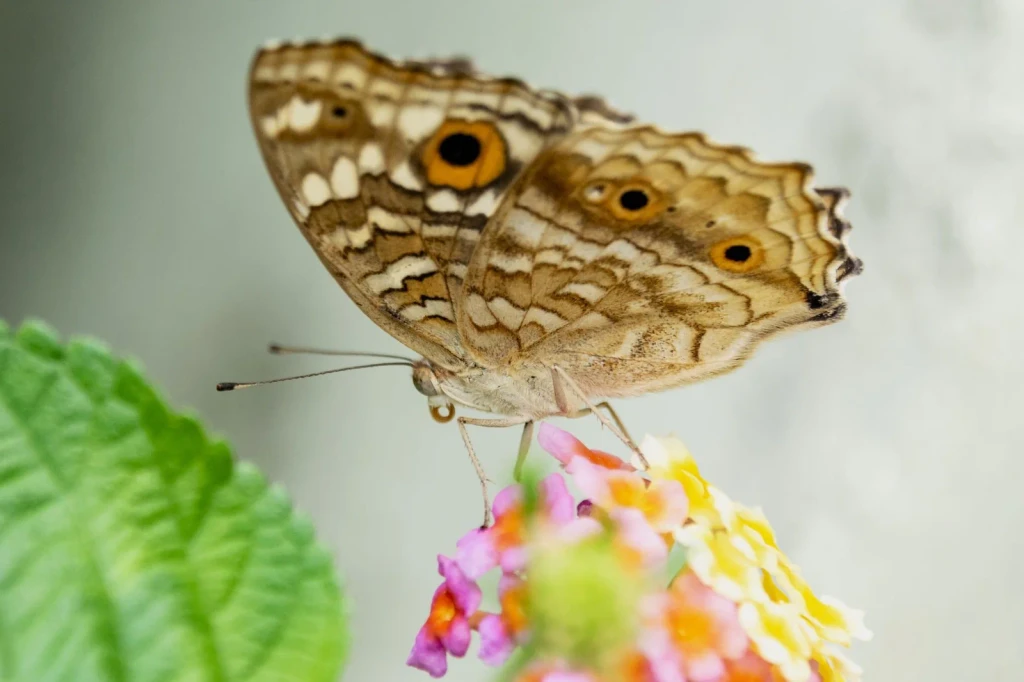
A butterfly rests on a vibrant flower. The image traces how delicate geometry meets nature's own patterns.
Photograph by Rajesh S Balouria, via Pexels.
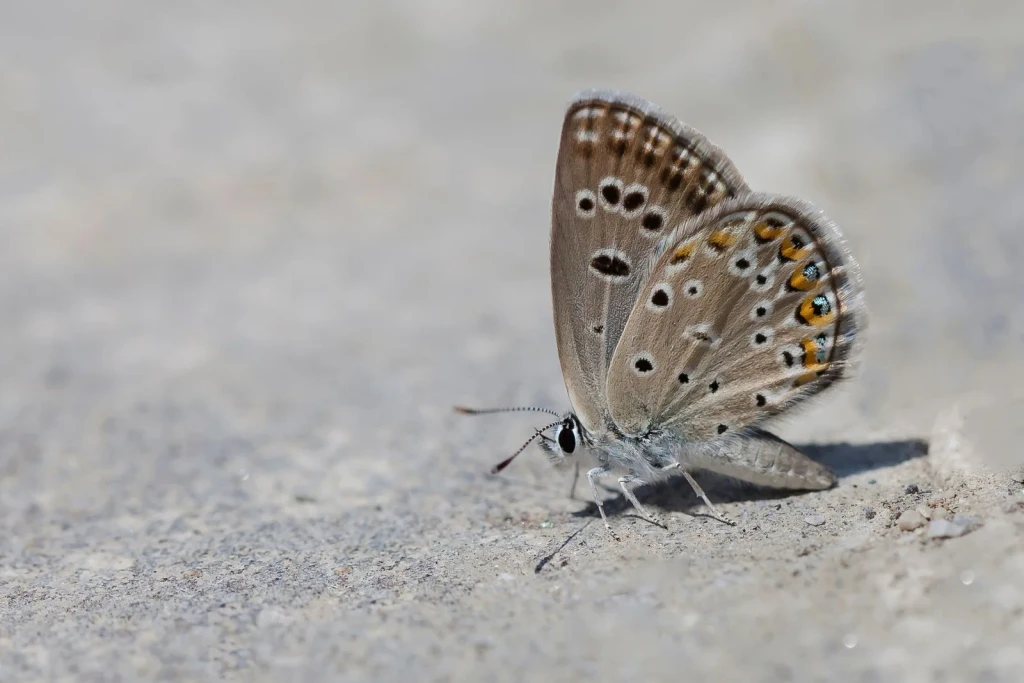
A brown butterfly's intricate wing patterns emerge against stone. Texture and pattern become landscape in this close examination.
Photograph by Abdullah Elgumus, via Pexels.
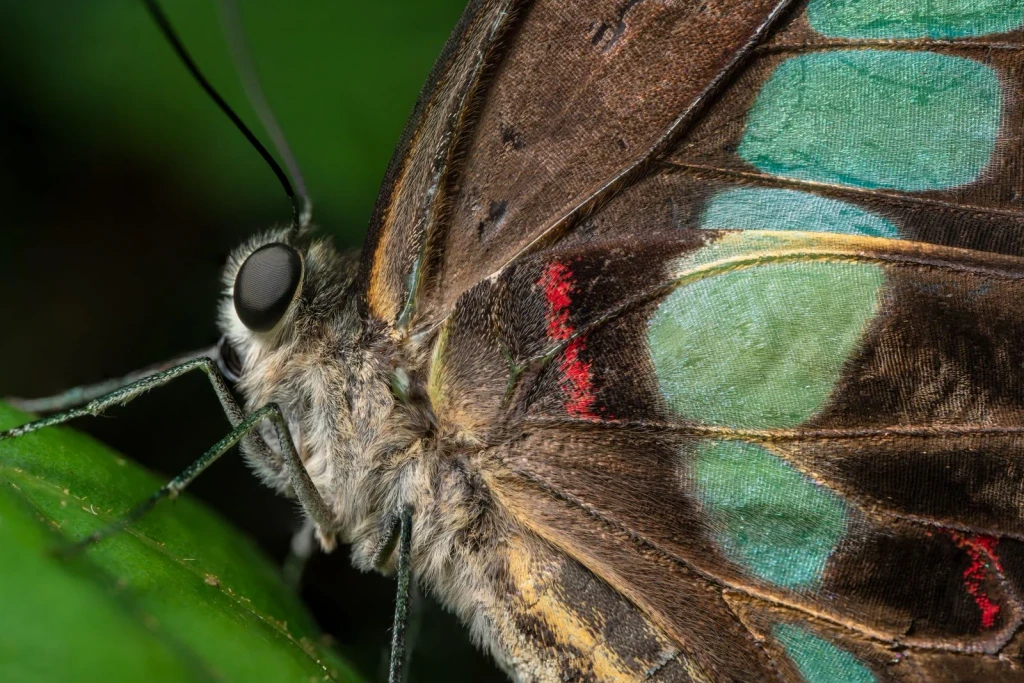
A colorful butterfly settles on foliage, its intricate wing patterns catching light. The image captures geometry at rest after metamorphosis.
Photograph by Jimmy Chan, via Pexels.
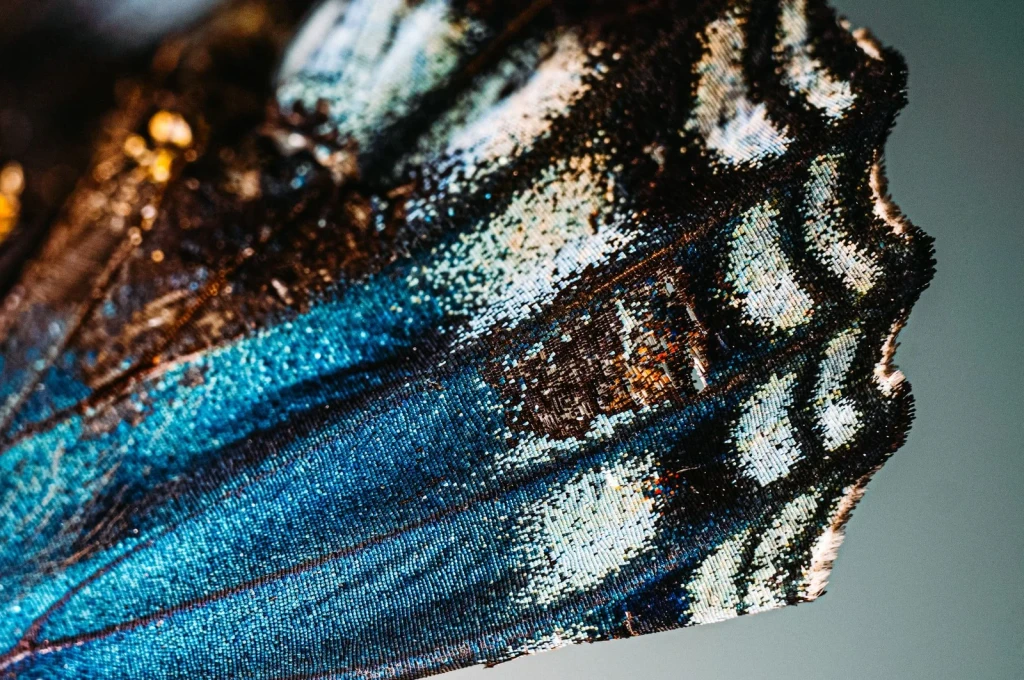
Vibrant colors and patterns fill the frame in this wing close-up. A study in the butterfly's natural palette.
Photograph by Megs Harrison, via Pexels.
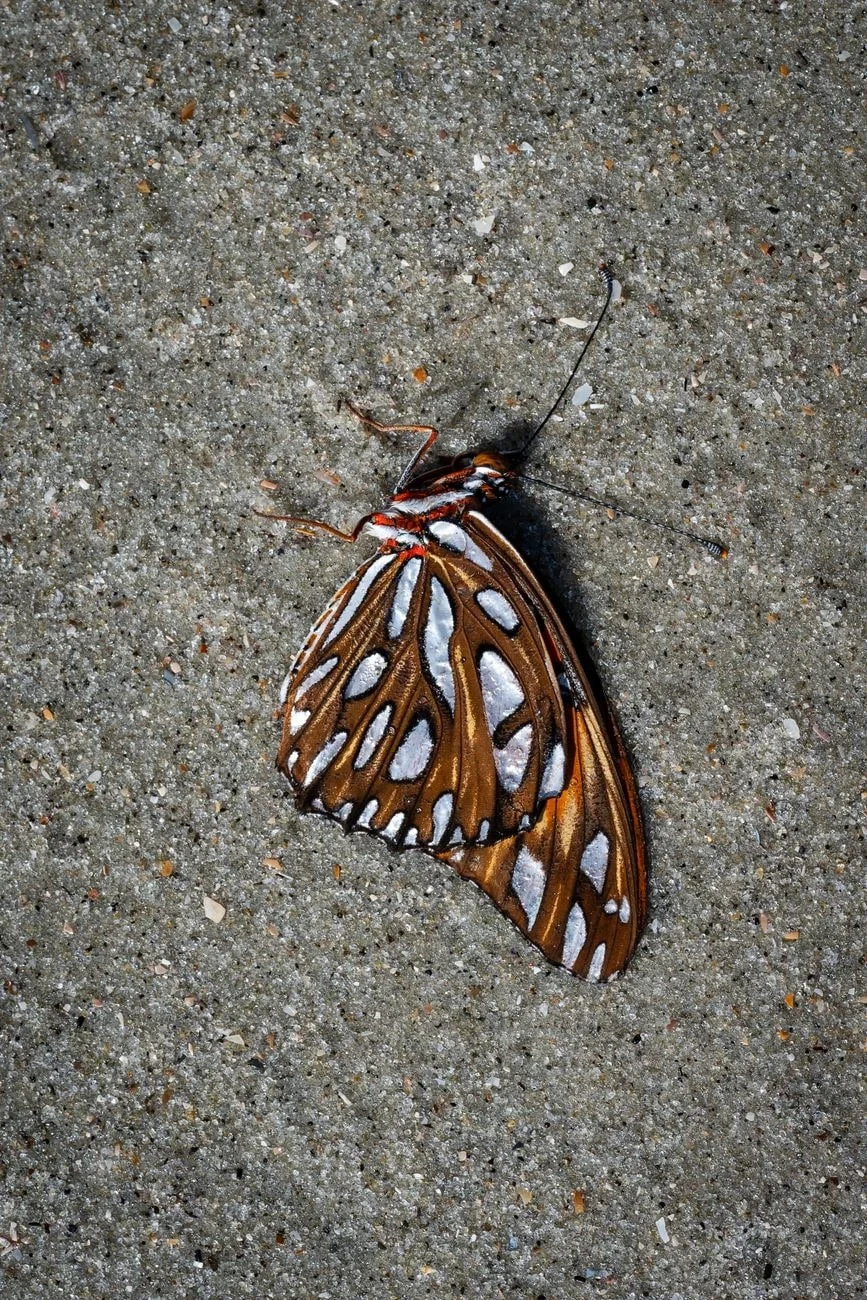
A Monarch rests on concrete, its delicate geometry contrasting with the rough surface below. Metamorphosis produces wings indifferent to where they land.
Photograph by Chris F, via Pexels.
