3D Gallery
Drop Anchor, Build a City
Enter gallery
Drop Anchor, Build a City is a 3D virtual gallery on MyGallery3D, a walkable online exhibition of 16 works. Step inside and explore it in your browser: no app, no headset.
You can walk through this 3D virtual museum of anchors in your browser, and the first thing to unlearn is that an anchor holds by being heavy.
It holds by angle. The strain has to run along the seabed, so the fluke digs in deeper the harder the vessel pulls sideways. The weight that really matters is the chain, which can outweigh the anchor itself and drags the line flat. To break the anchor out again you do the opposite: shorten the rope until the vessel sits directly above it, and pull straight up.
A sea anchor touches nothing. It is a fabric parachute streamed from the bow, and it works purely by dragging through the water, holding the boat bow on so that breaking waves cannot roll it. In a storm the rope should be as much as 10 to 15 times the length of the hull, long enough to stretch and absorb the shock of each wave.
The earliest anchors were rocks. The ancient Greeks weighted their ships with baskets of stones, large sacks filled with sand, and wooden logs filled with lead, holding by sheer weight and friction along the bottom. Teeth came later. Every ship carried several anchors, and the largest was used only in extreme danger. The Greeks called that one sacred: to loose it was to fly to the last refuge.
Nylon mooring line is easy to work with and lasts for years, and it is highly elastic. That is the danger. A stressed nylon line that parts snaps back like a rubber band released between your hands, except that it carries the force of a ship. Snapback can sever limbs. Kevlar and Dyneema stretch far less and are much safer.
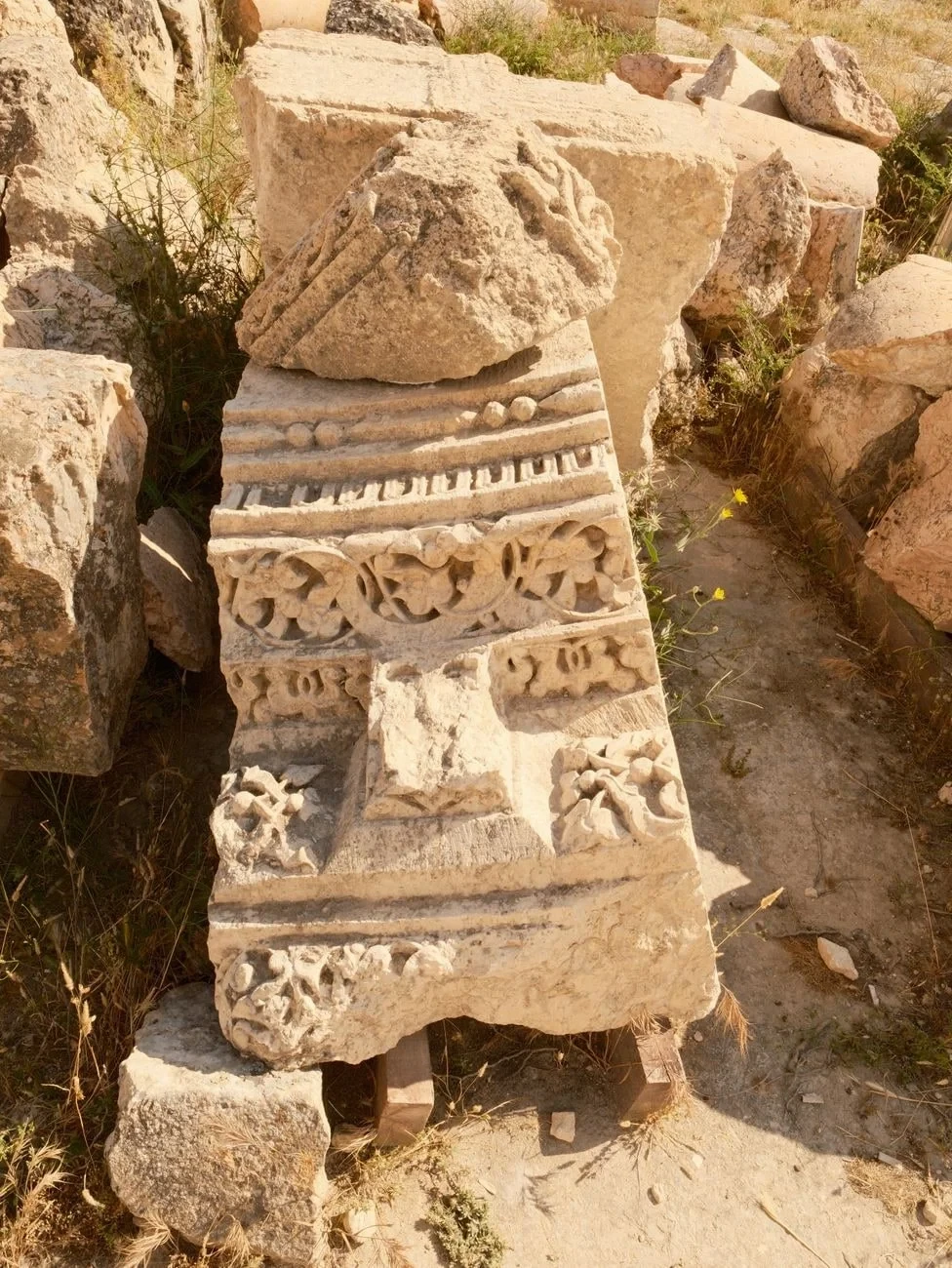
Detailed craftsmanship in ancient stonework reveals deliberate artistry. These decorated surfaces hint at the care ancient builders invested in their structures.
Photograph by Hale Ş, via Pexels.
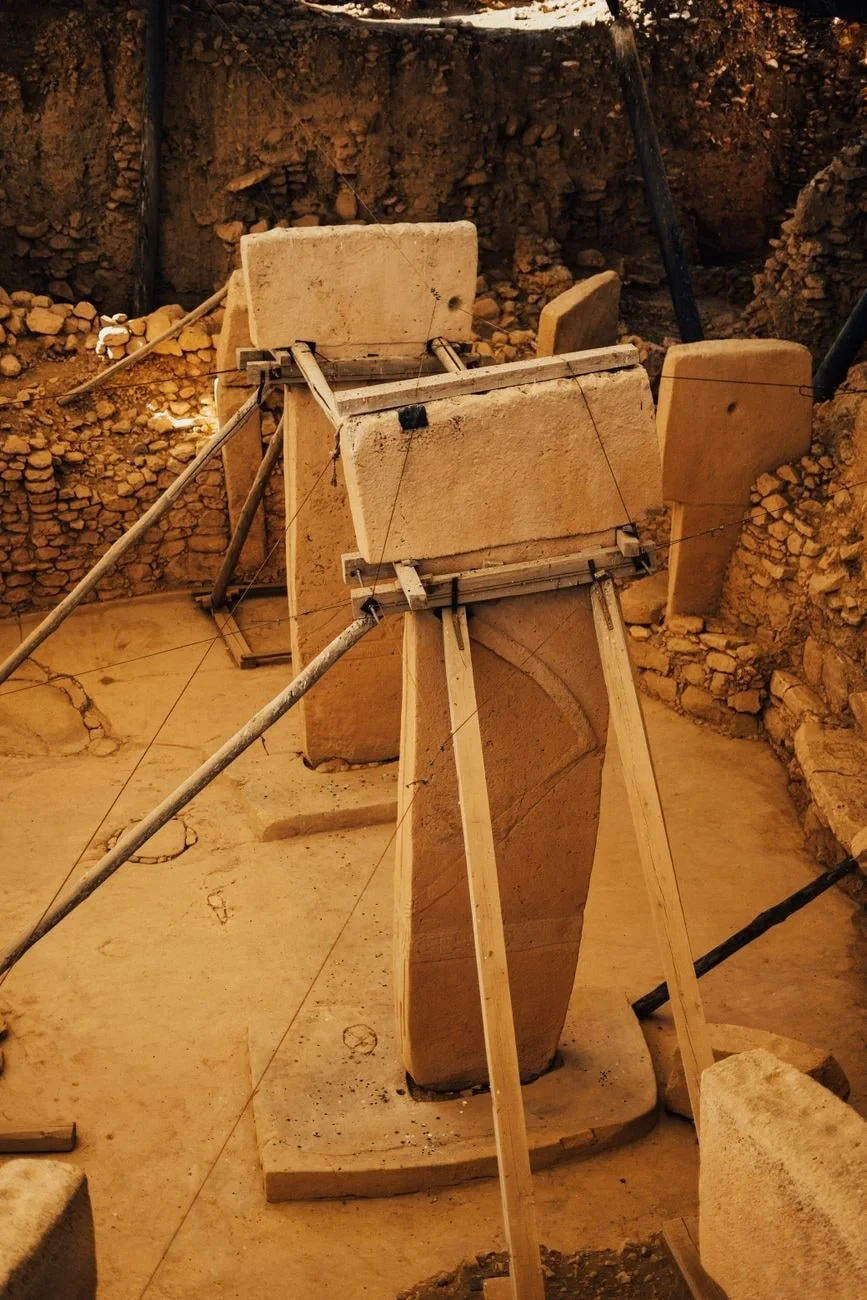
Standing stones mark a significant archaeological site. Built to endure across millennia.
Photograph by Sami Aksu, via Pexels.
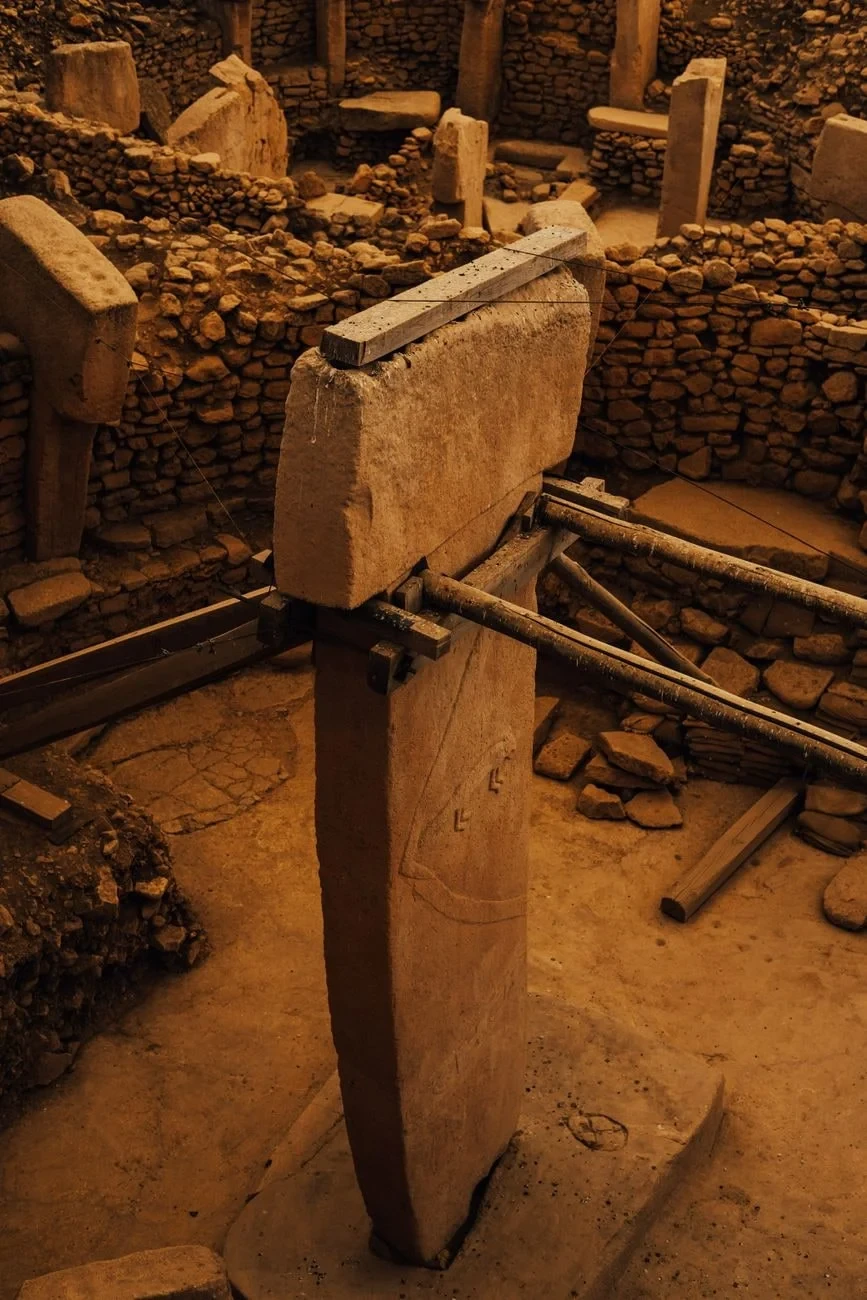
These stone structures are recognized globally for their archaeological significance. They represent early attempts to build and organize space.
Photograph by Sami Aksu, via Pexels.
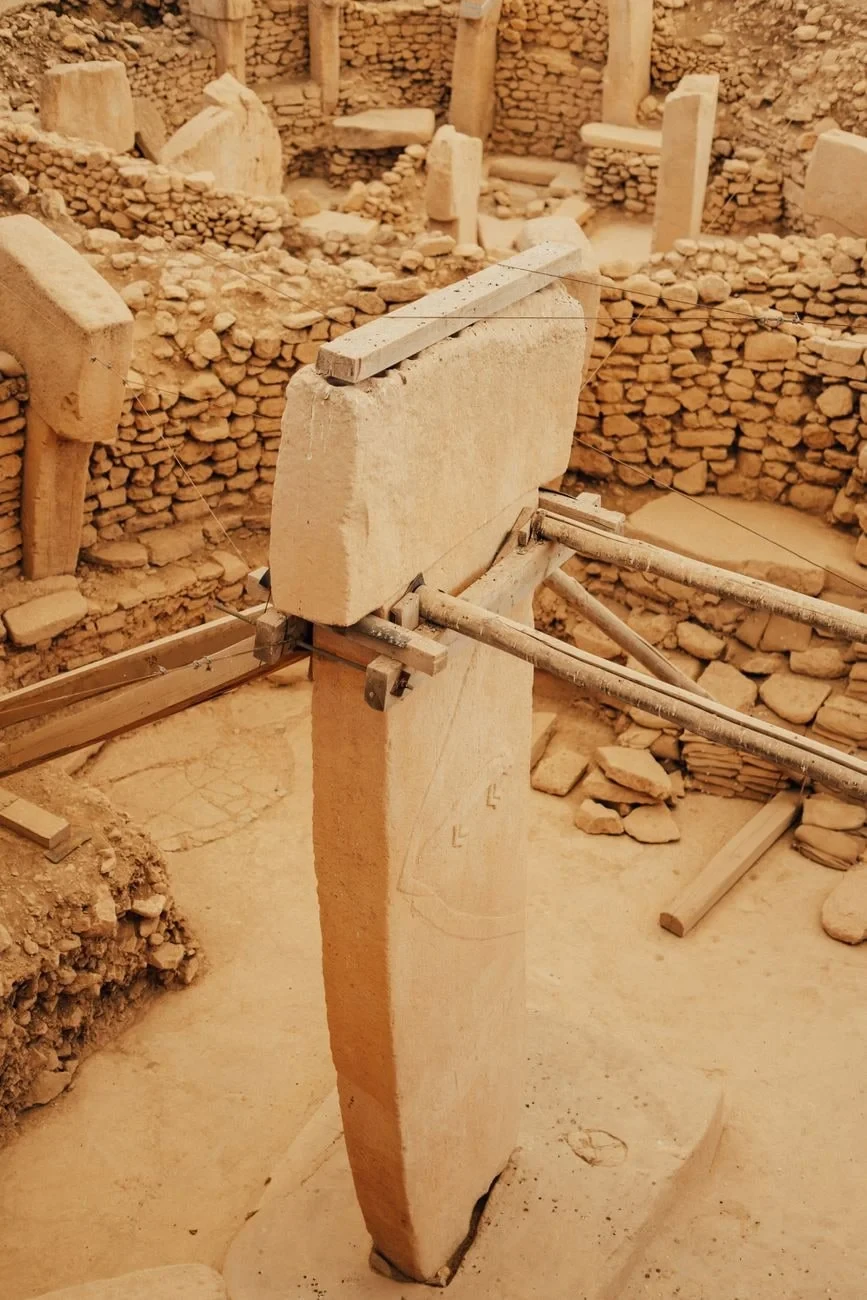
The ancient pillars of Göbeklitepe embody the impulse to create permanent markers. They anchor identity to place.
Photograph by Sami Aksu, via Pexels.
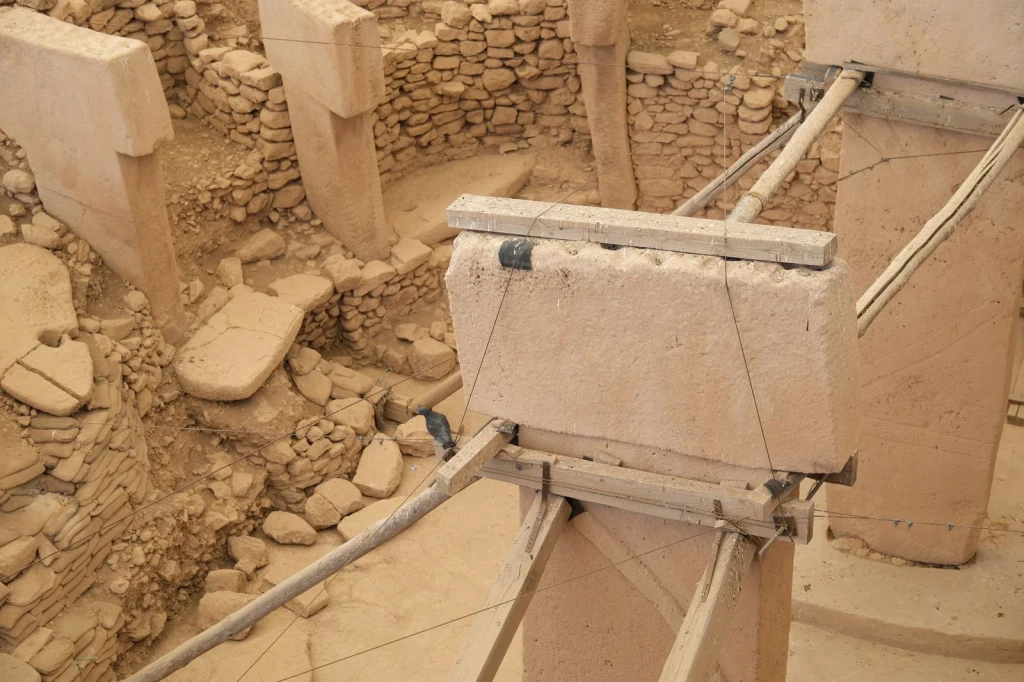
From above, stone structures reveal spatial organization. The arrangement suggests how ancient peoples shaped land into inhabited space.
Photograph by DMN Atölye, via Pexels.
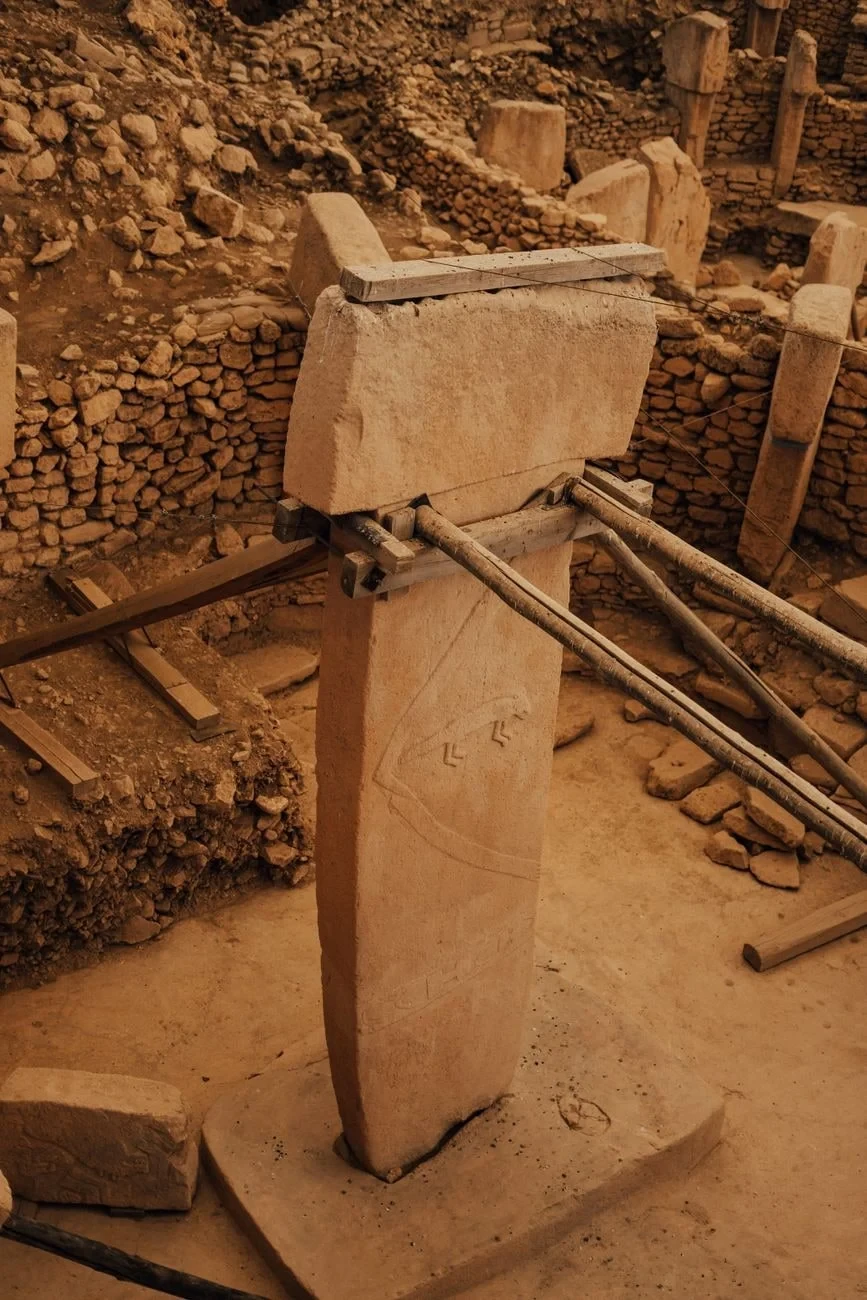
Ancient stone pillars photographed at an archaeological site. Evidence of humans gathering, building, and anchoring their presence.
Photograph by Sami Aksu, via Pexels.
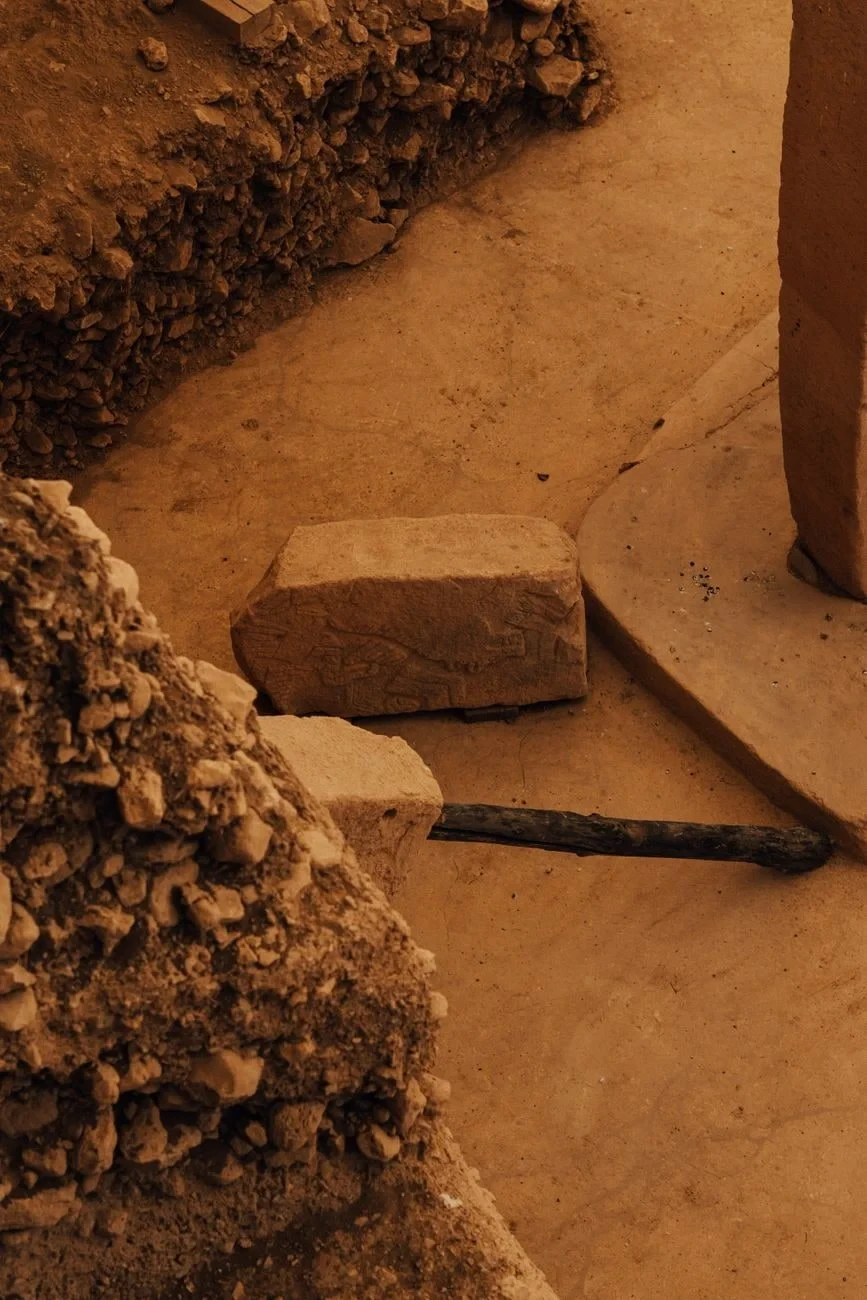
Mysterious ruins suggest how humans have long sought to build lasting structures. This archaeological site speaks to the deep human impulse to create and settle.
Photograph by Sami Aksu, via Pexels.
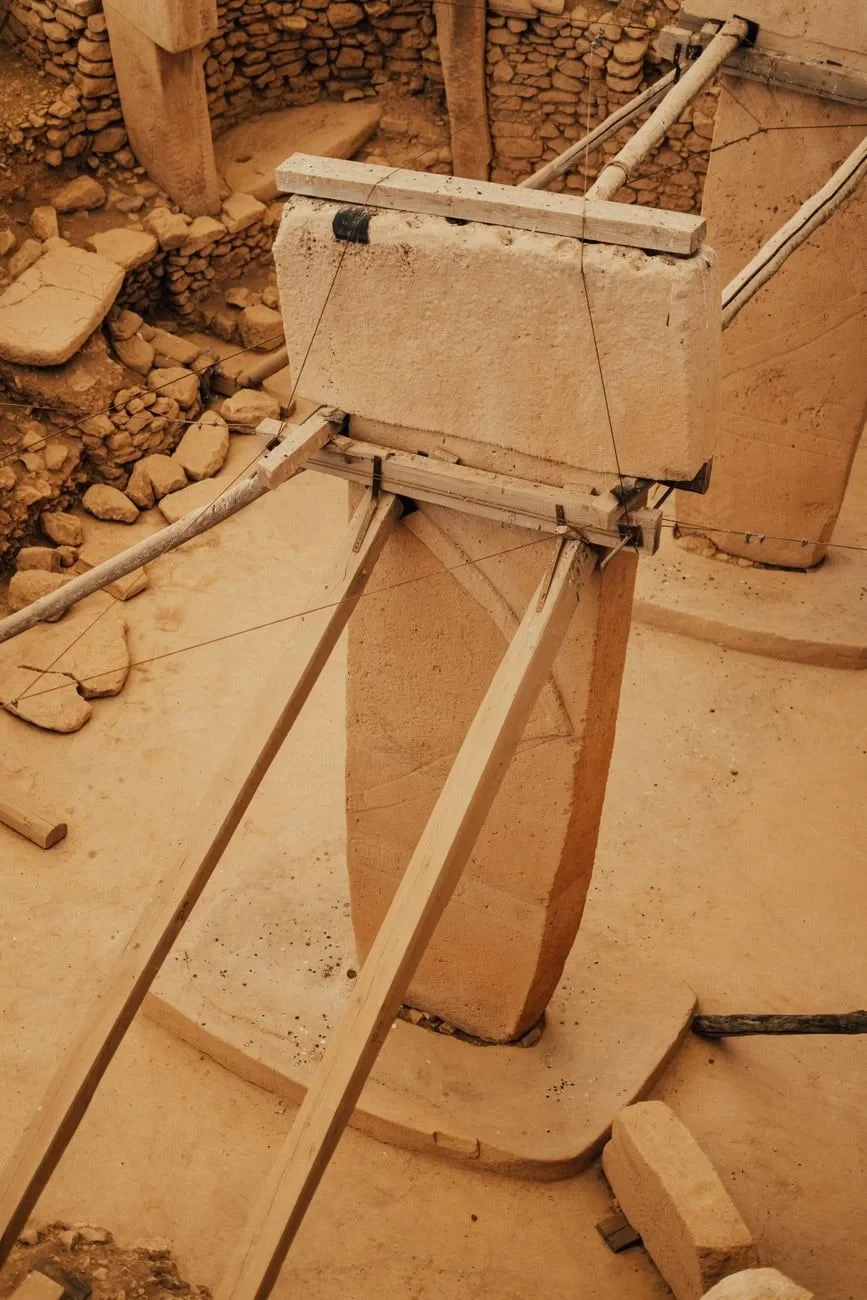
Arranged stone pillars viewed from above show purposeful design. The layout suggests intentional urban or ceremonial planning from prehistory.
Photograph by Sami Aksu, via Pexels.
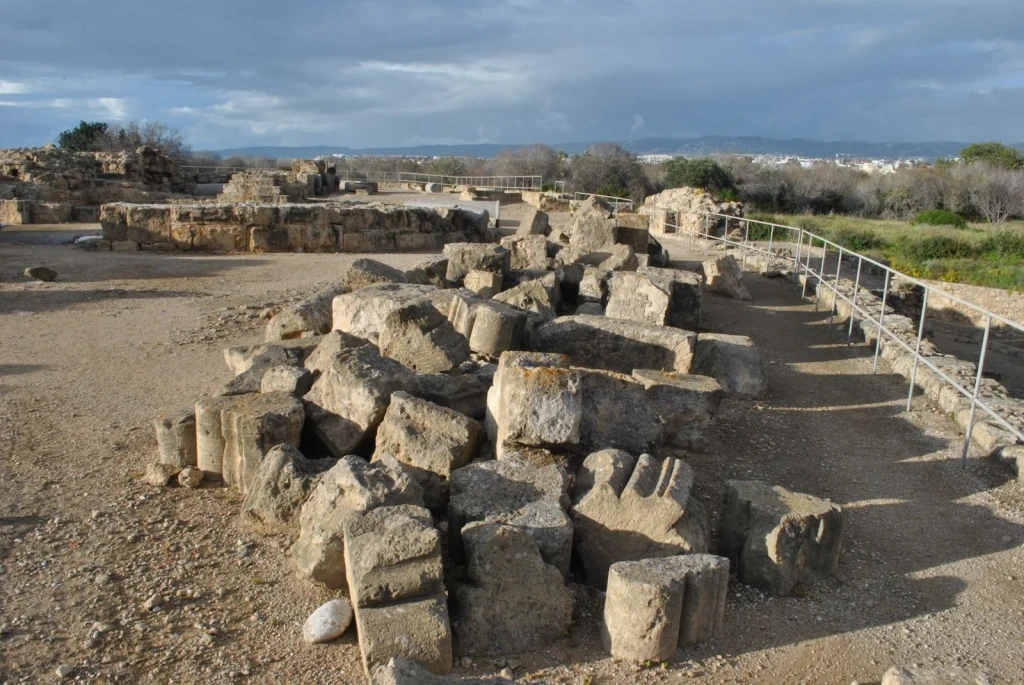
Broken columns and weathered stone remain. These fragments speak to the impermanence of cities and the traces we leave behind.
Photograph by Valeria Drozdova, via Pexels.
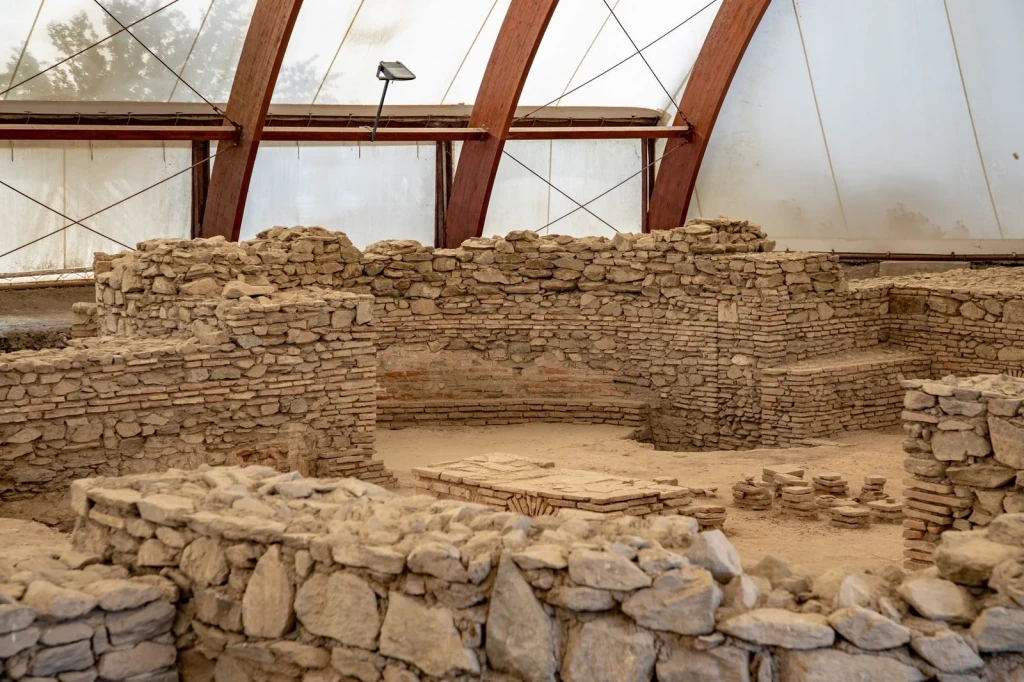
Stone ruins preserved under protective structures. The image frames how we attempt to anchor the past against time's erosion.
Photograph by Boris Hamer, via Pexels.
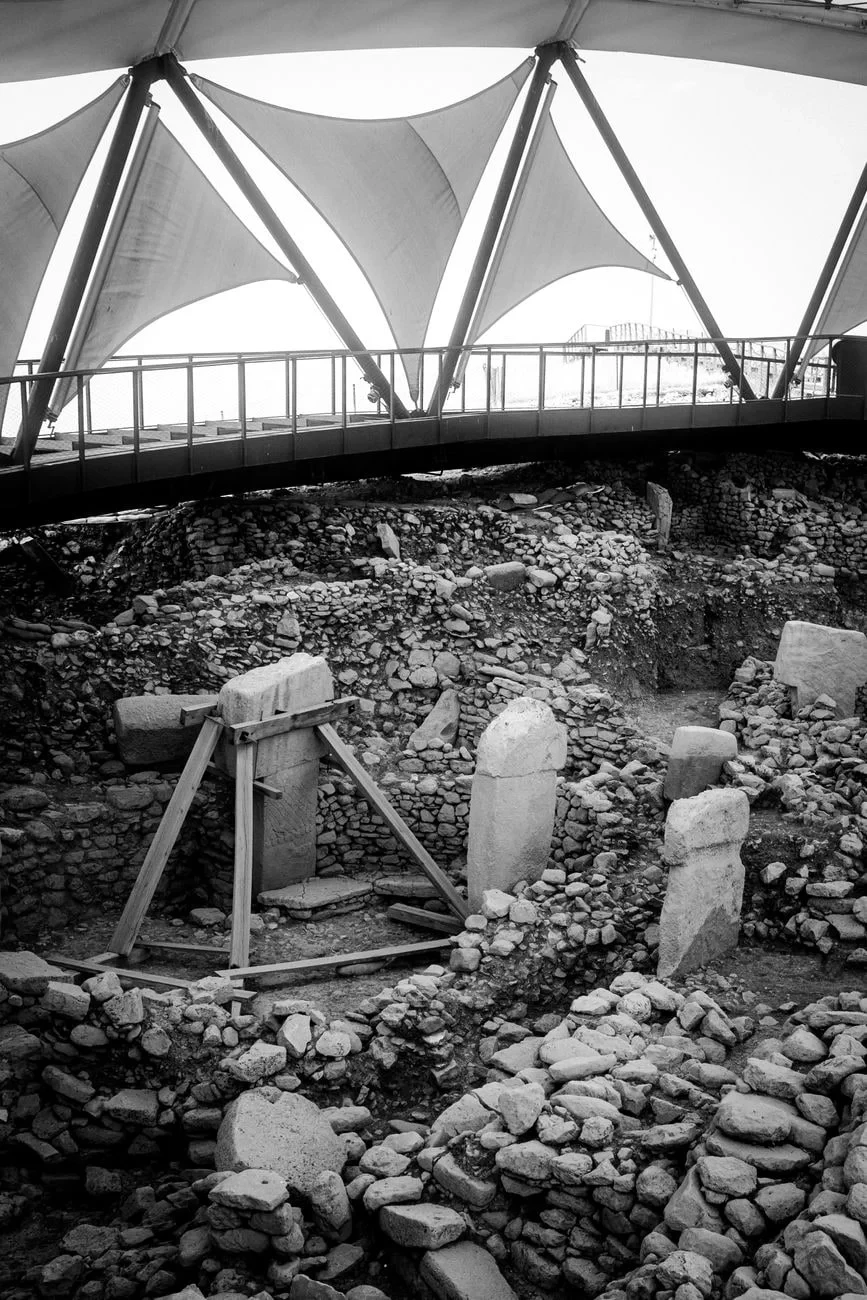
Monochrome photograph of ancient stone pillars and excavation work. The visible layers of archaeological discovery.
Photograph by Ayşegül Aytören, via Pexels.
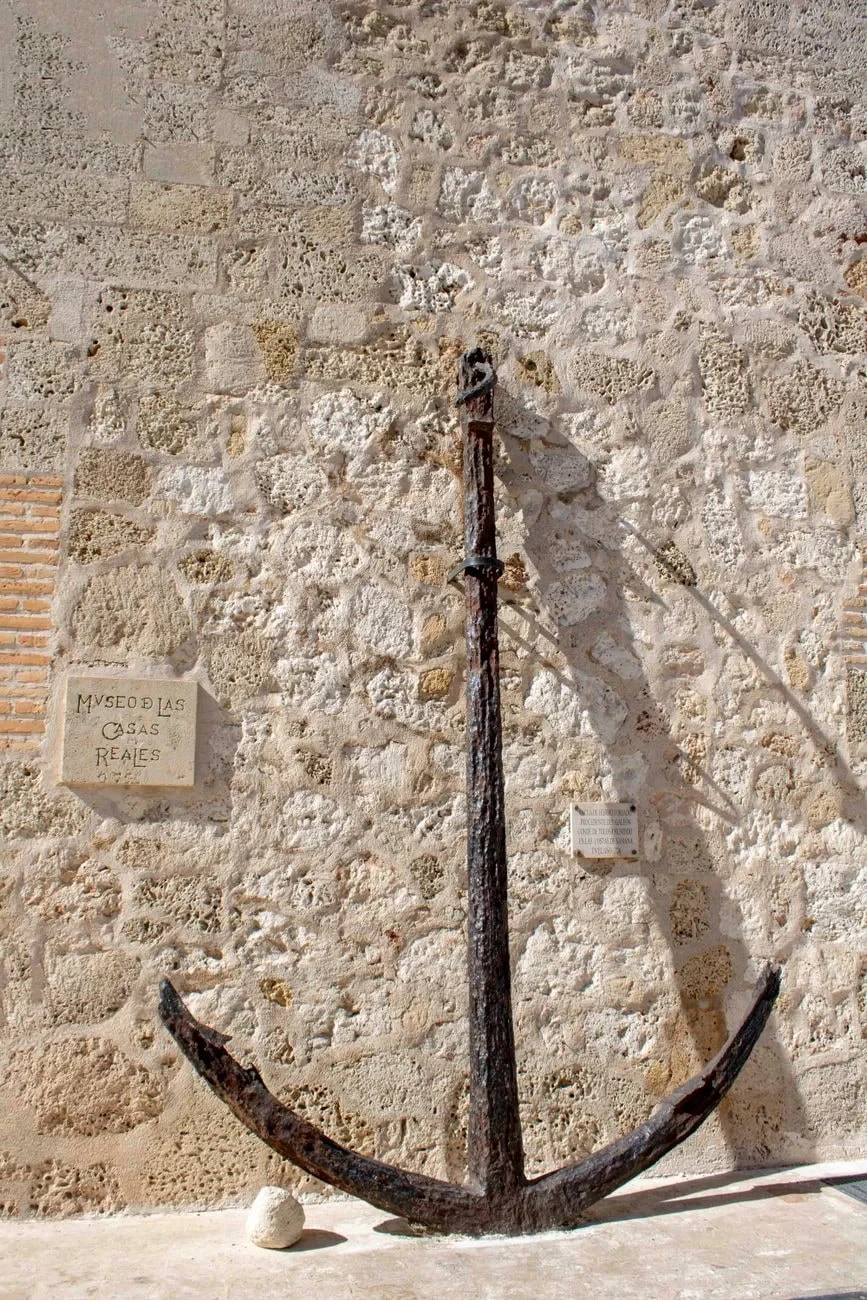
An old anchor rests against textured stone, its shadows marking time. A literal foundation for the exhibition's central metaphor.
Photograph by Alejandra Guzman, via Pexels.
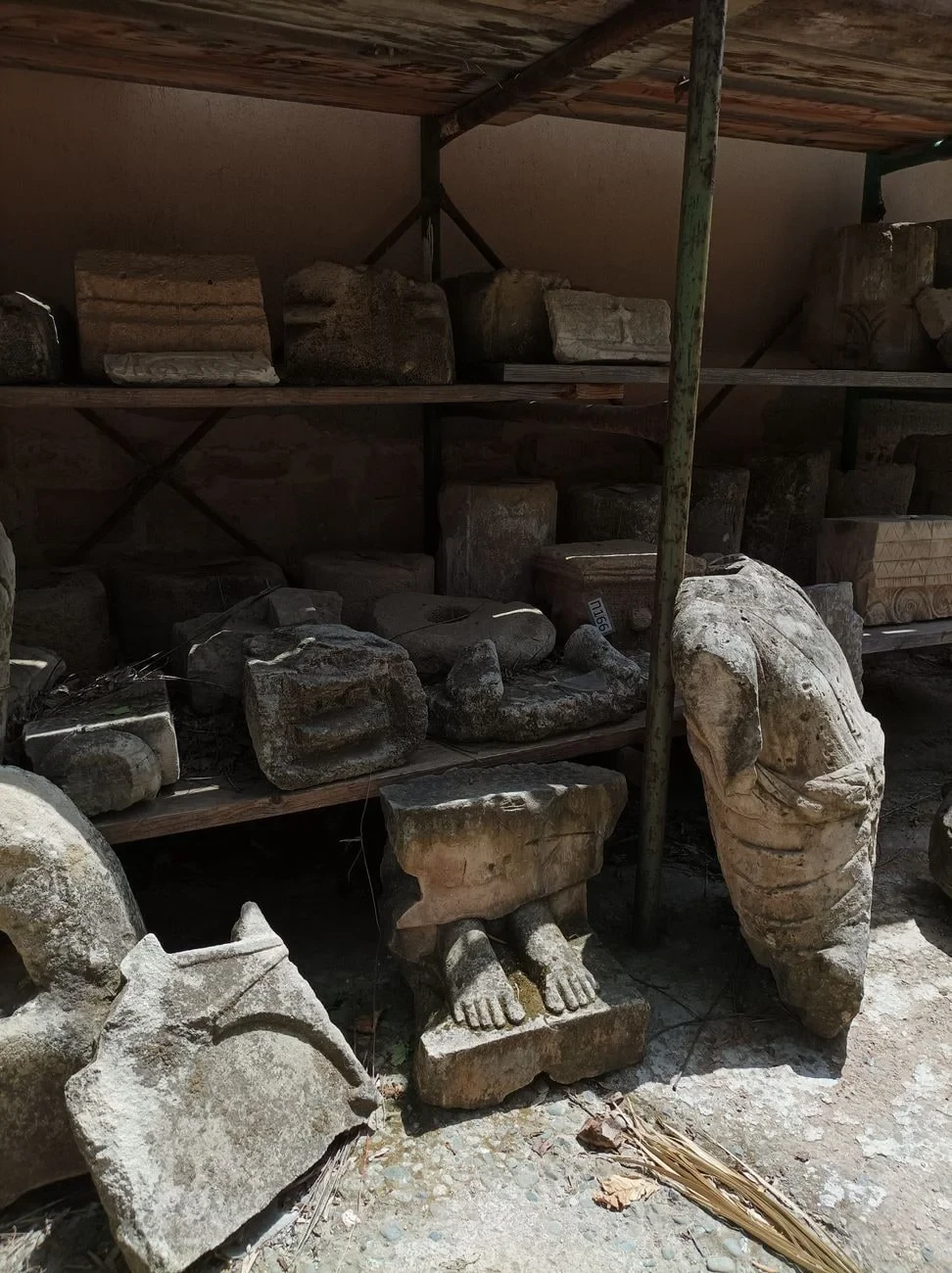
Ancient sculpture pieces collected and preserved. The remnants of human building, waiting to speak.
Photograph by Jose Ángel Ruiz Olivares, via Pexels.
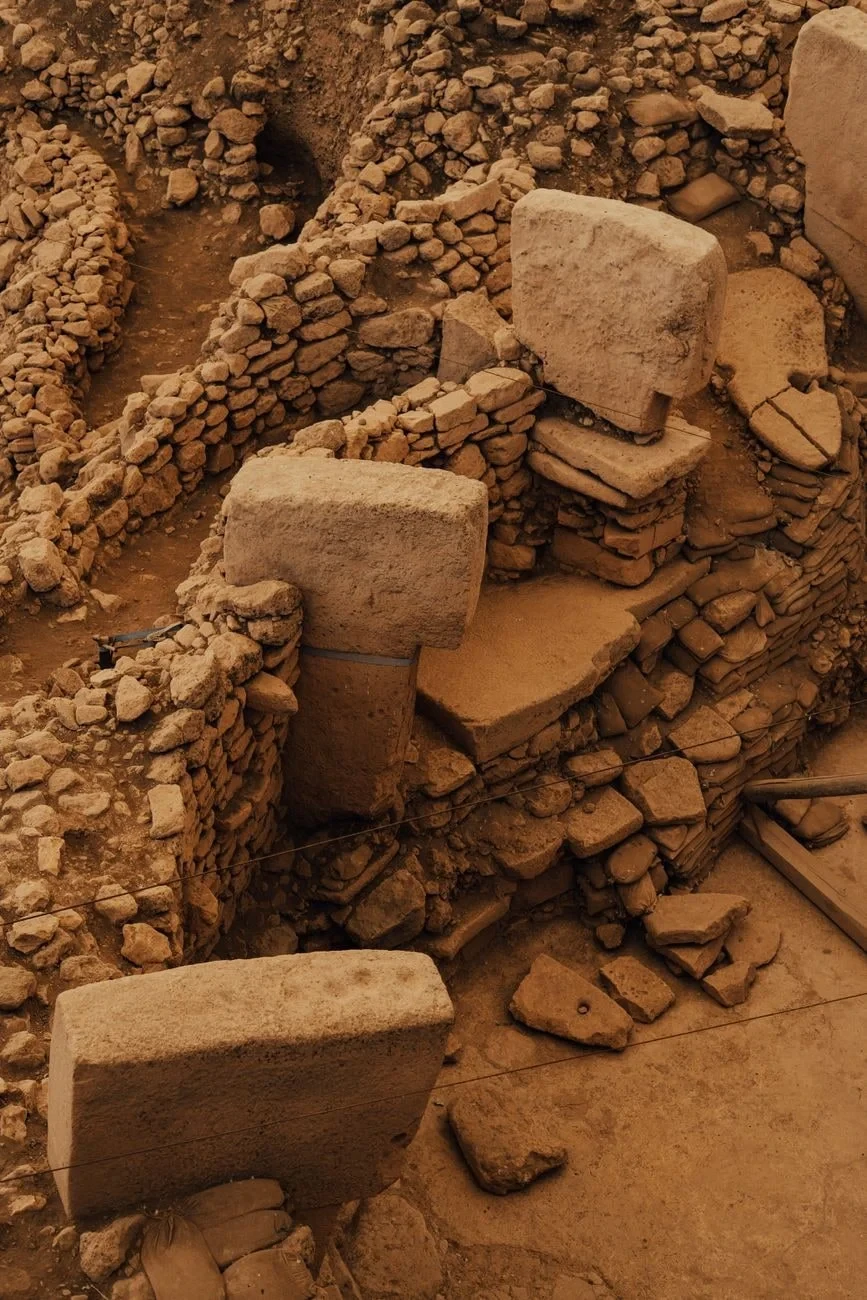
Göbeklitepe's stone architecture stands as evidence of early settlement and permanence. These foundations speak to humanity's shift from nomadic life to building communities.
Photograph by Sami Aksu, via Pexels.
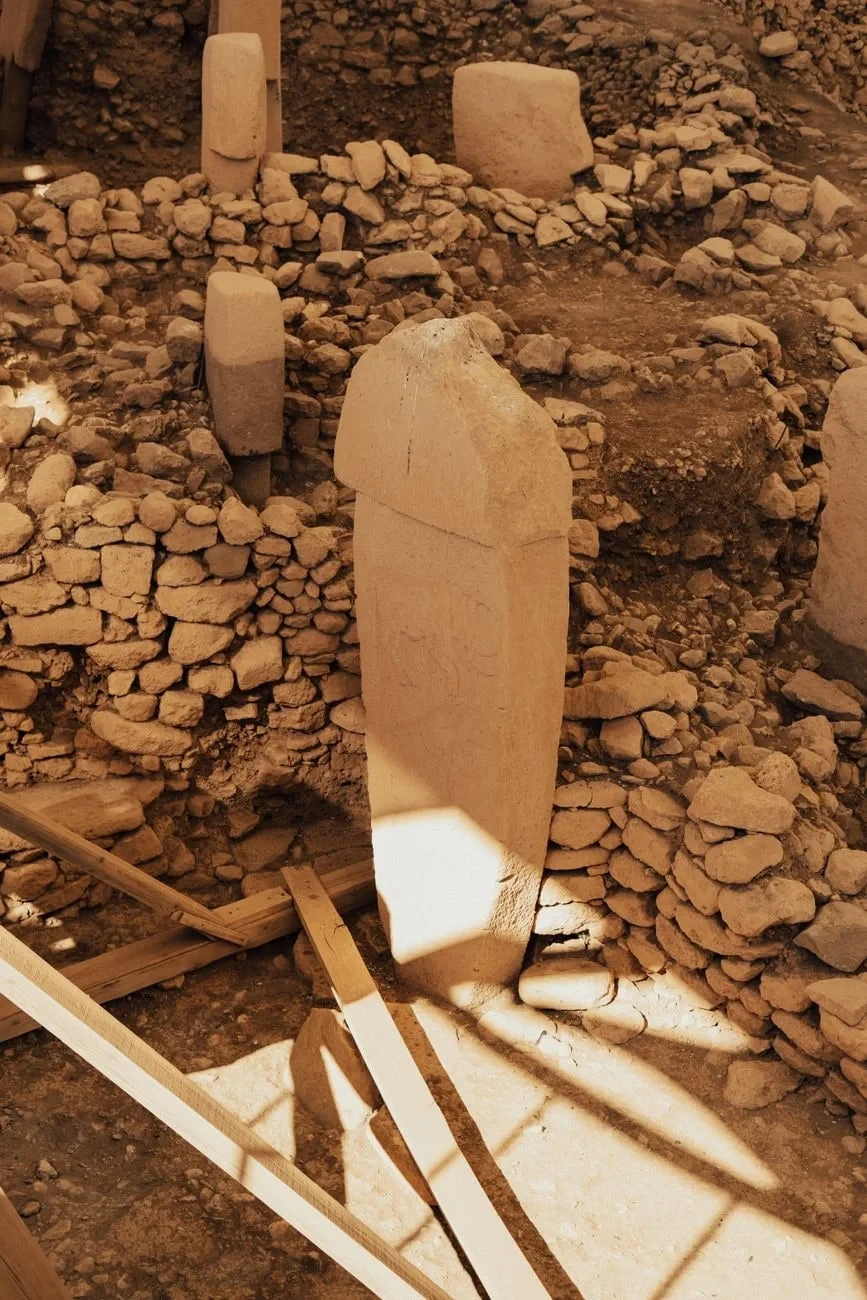
Light reveals the craftsmanship of ancient architecture. Stone work endures across millennia, anchoring memory in the landscape.
Photograph by Sami Aksu, via Pexels.
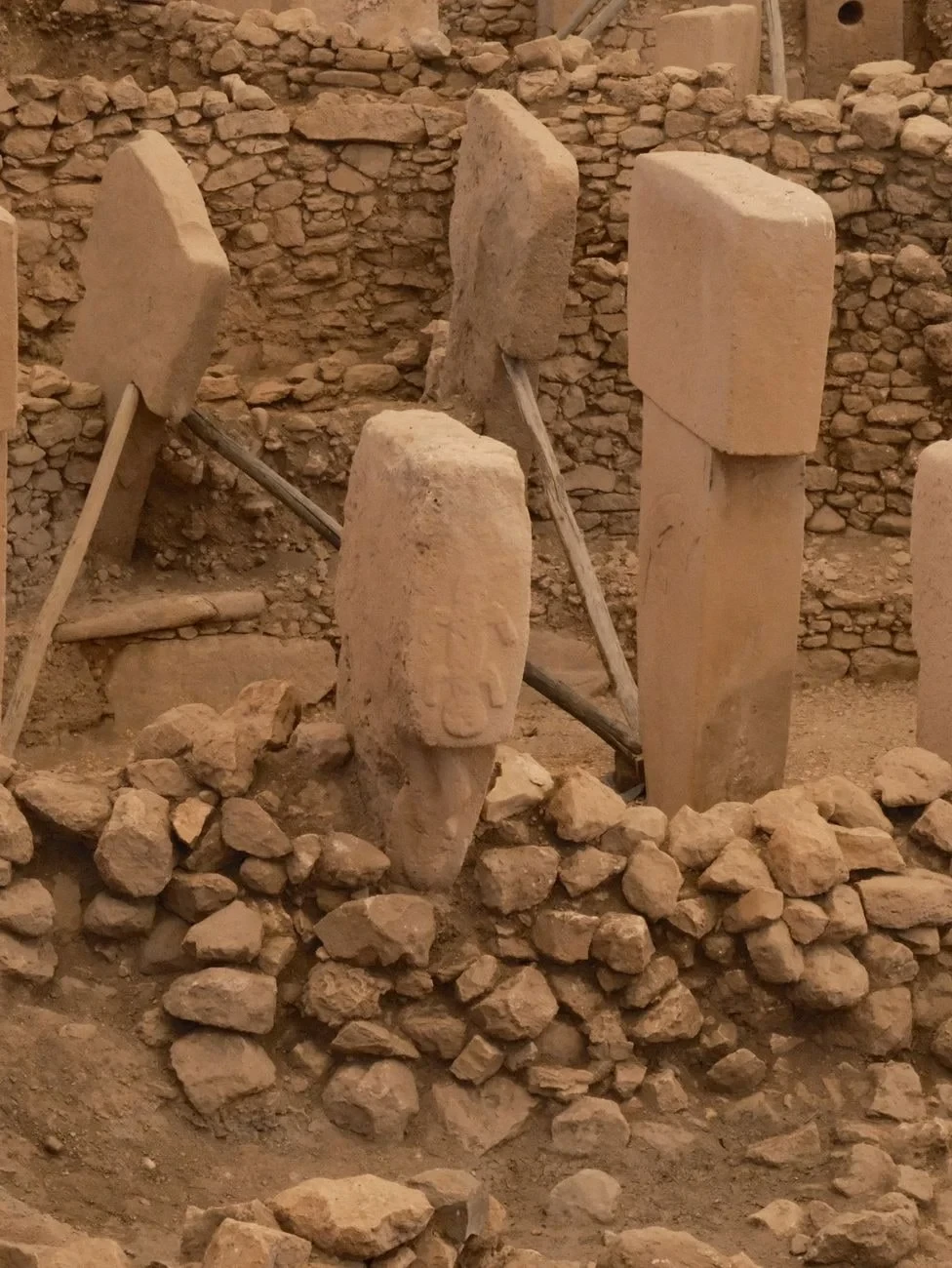
Prehistoric stone structures stand as evidence of early human settlement and collective effort.
Photograph by Hale Ş, via Pexels.
