3D Gallery
Gold: The Metal That Refuses to Decay
Enter gallery
Gold: The Metal That Refuses to Decay is a 3D virtual gallery on MyGallery3D, a walkable online exhibition of 16 works. Step inside and explore it in your browser: no app, no headset.
Step into a 3D virtual gallery of gold and walk, in your browser, around a metal that refuses to rot.
Gold does not react with oxygen at any temperature. It does not rust or tarnish, and it lasts indefinitely, so most of what has ever been dug up is still with us. As of 2020 that came to roughly 201,296 tonnes above ground. Melt the lot into a single cube and each side would measure 21.7 metres. The whole human obsession, from Varna to Johannesburg, fits in one block you could walk around.
Almost every metal is gray or silvery white. Gold is reddish-yellow, and the reason is relativity. In an atom this heavy, atomic number 79, the electrons move fast enough that relativistic effects greatly reduce the 5d-6s band gap, which is thought to account for the color. The tint of every gold ring is a visible consequence of relativistic quantum chemistry. A similar effect gives metallic caesium its golden hue.
Between 10 and 30 million people mine gold on a small scale, and roughly 100 million depend on that work, including 800,000 to 1.5 million artisanal miners in the Democratic Republic of Congo. Where the metal goes is another question. Customs data show the United Arab Emirates imported $15.1 billion of African gold in 2016, 446 tons, much of it never recorded by the states it left.
Gold is the most malleable metal there is. A single gram can be beaten into a sheet of one square meter, and an avoirdupois ounce into 28 square meters. Drawn out, it becomes a wire of single-atom width. Beaten thin enough, gold leaf turns semi-transparent, and light passing through it looks greenish-blue, because the metal reflects the yellow and red away.
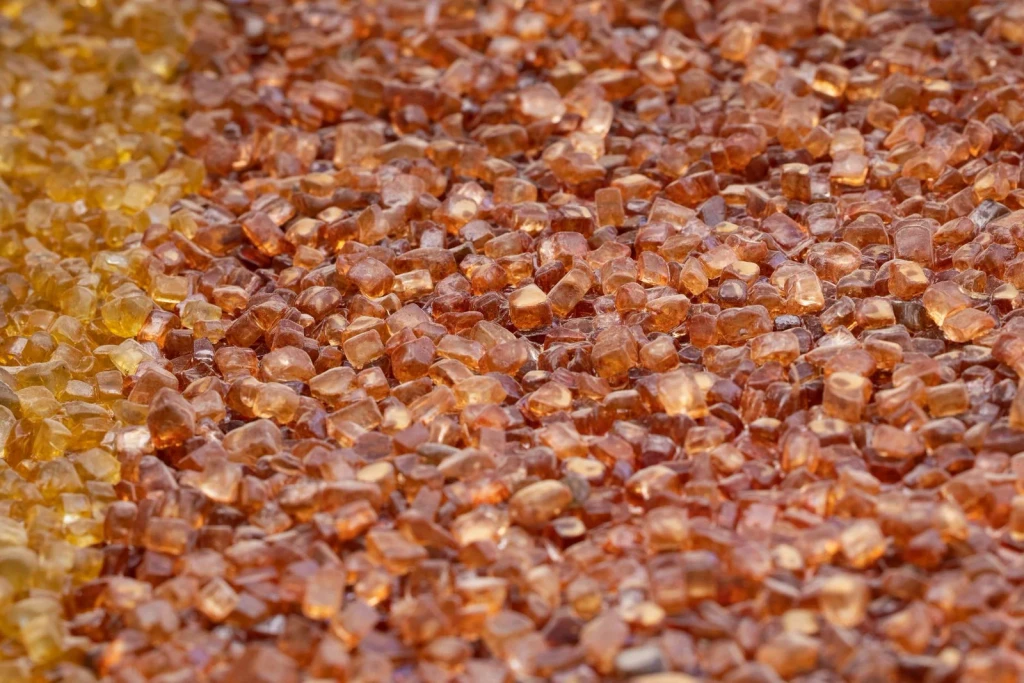
Small brown cubes with yellow hints catch the light. Their crystalline geometry speaks to the ordered structures that can outlast time itself.
Photograph by Engin Akyurt, via Pexels.
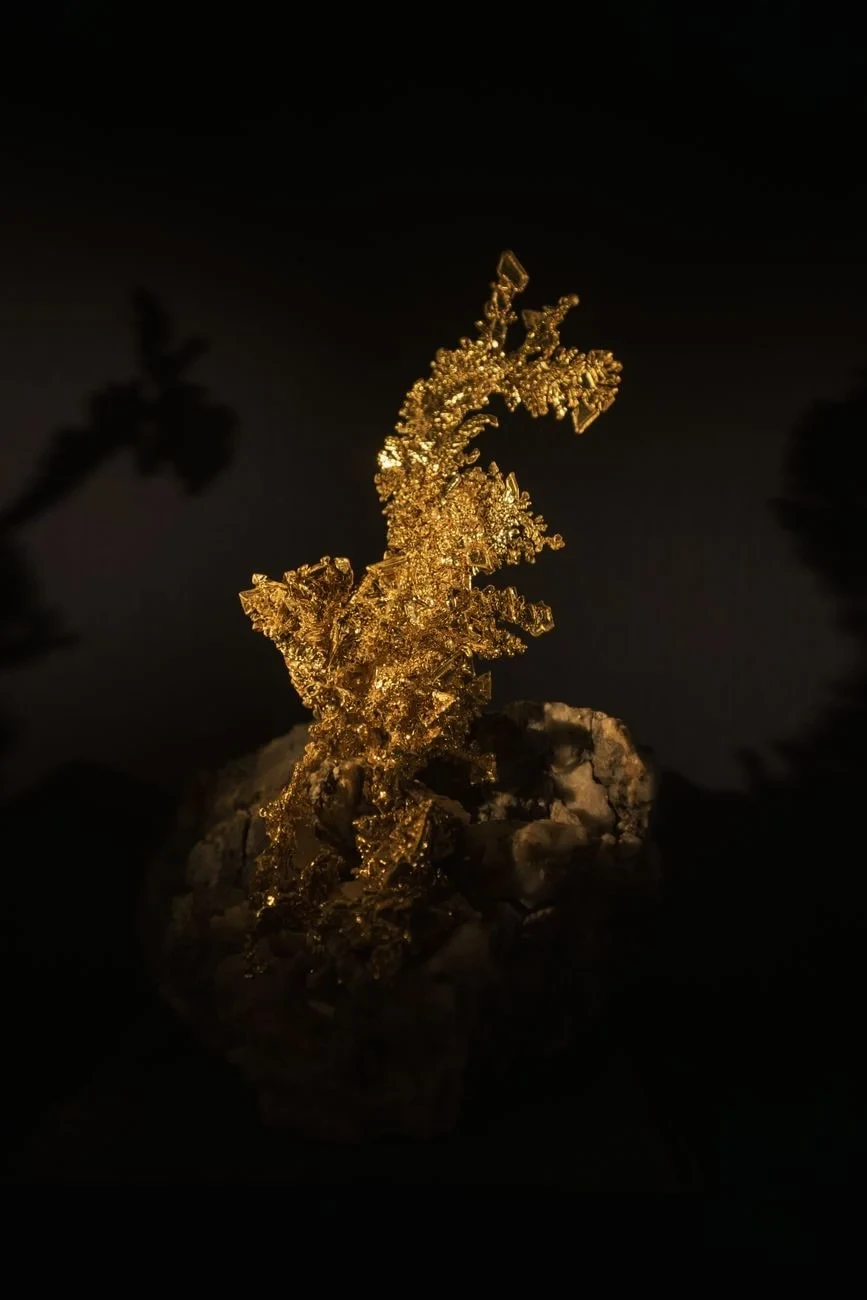
A macro study of gold in its raw form. The photographer captures texture and luster to reveal the metal's natural character. Against darkness, even unworked gold commands attention.
Photograph by Matheus Bertelli, via Pexels.
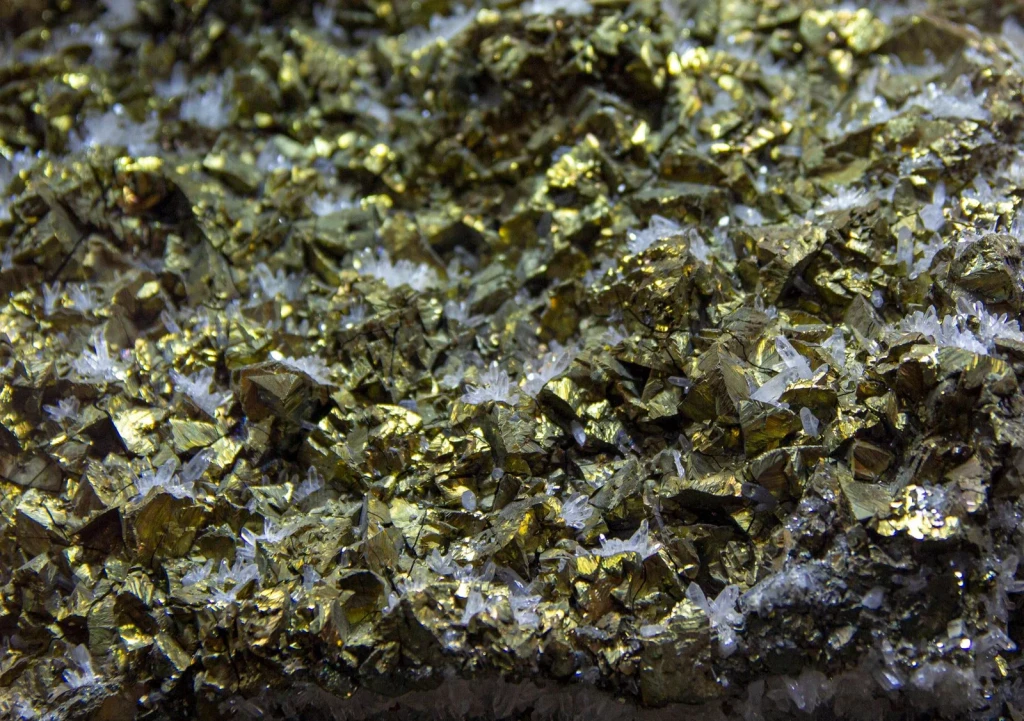
Close-up of pyrite and crystalline structures. The glittery, textured surface demonstrates how some minerals catch and hold light with geometric precision, refusing to dim.
Photograph by Paul Seling, via Pexels.
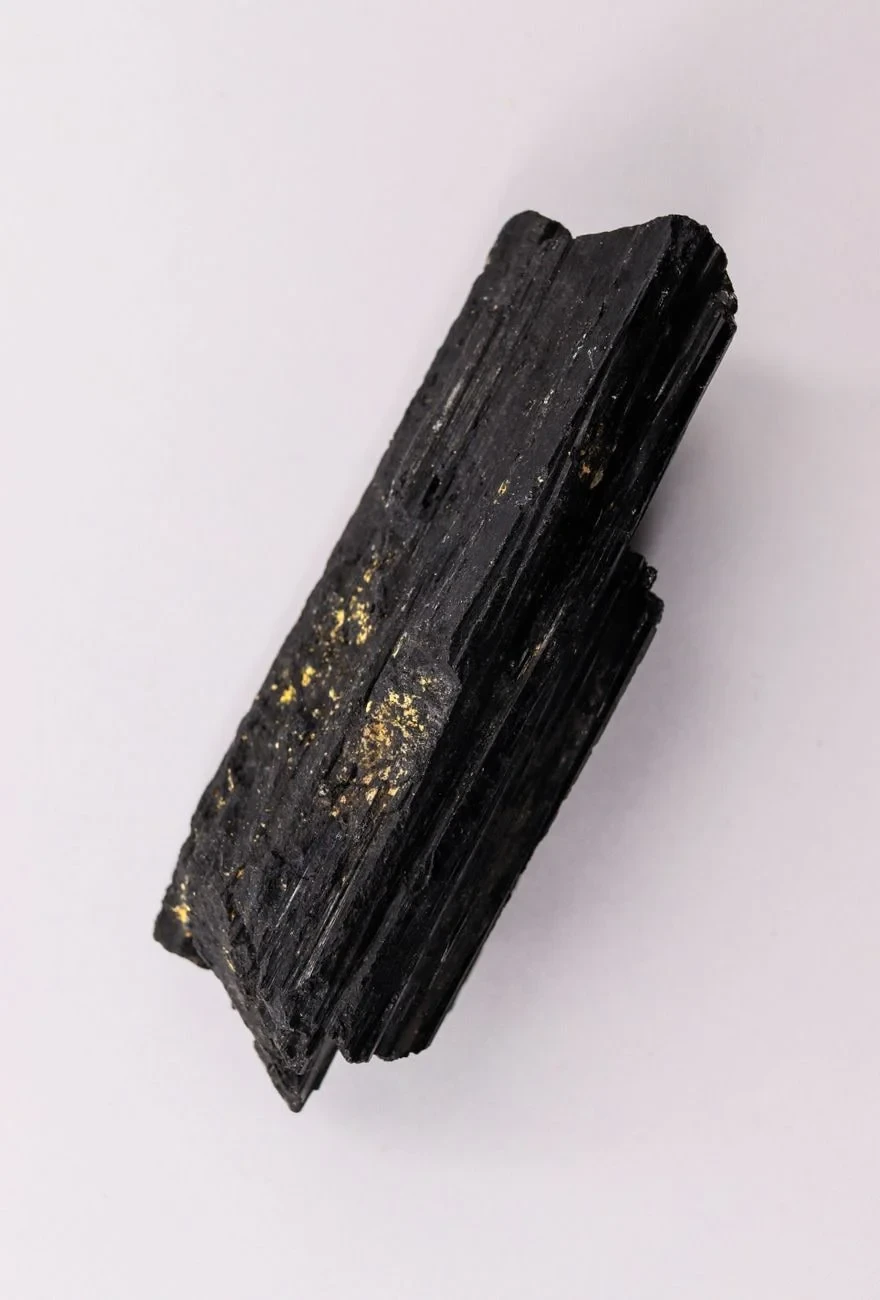
Gold flecks within a black tourmaline crystal. A reminder that gold appears in unexpected places, woven into the fabric of other minerals.
Photograph by Mr. Pugo, via Pexels.
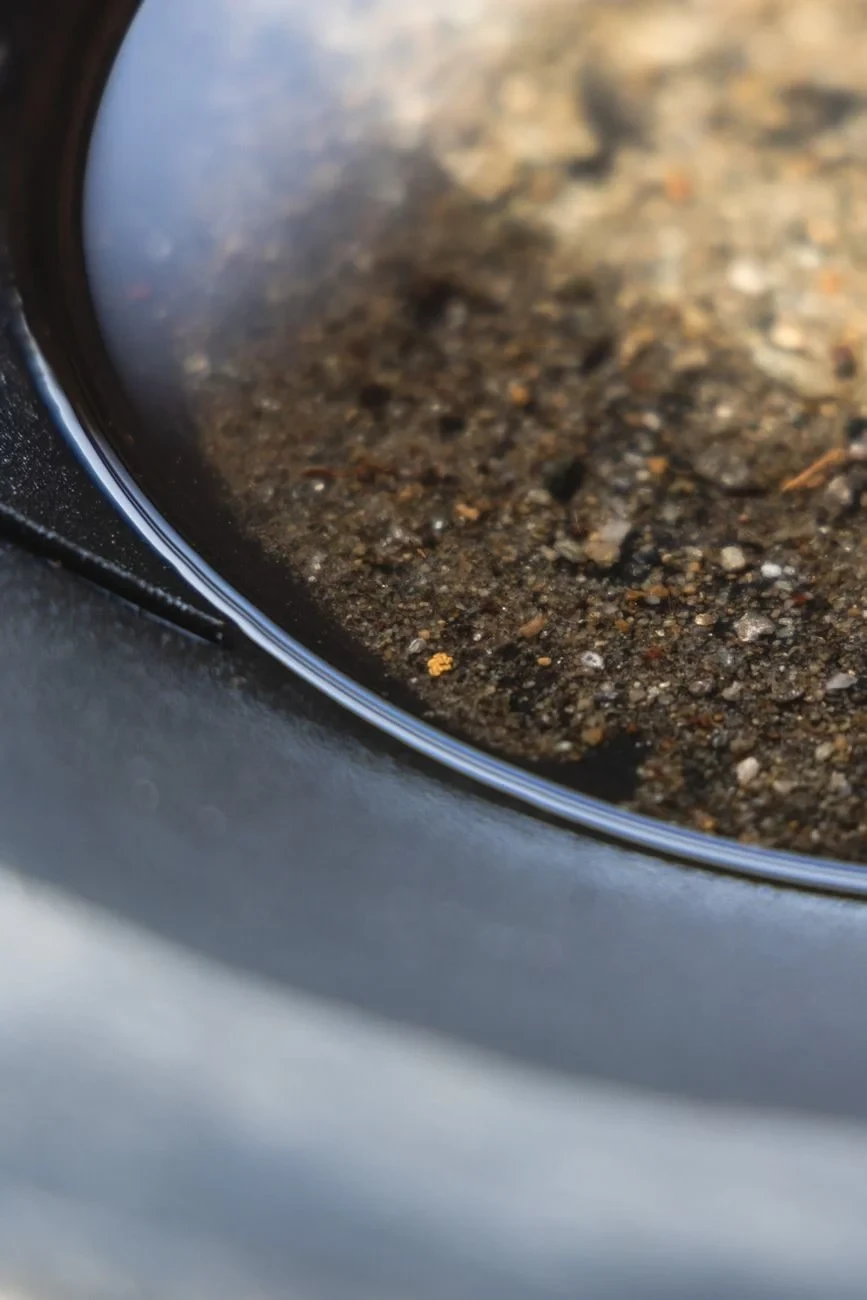
Gold panning in progress: gravel and water caught in light. This image shows the active pursuit of precious metal from raw earth.
Photograph by Tomáš Malík, via Pexels.
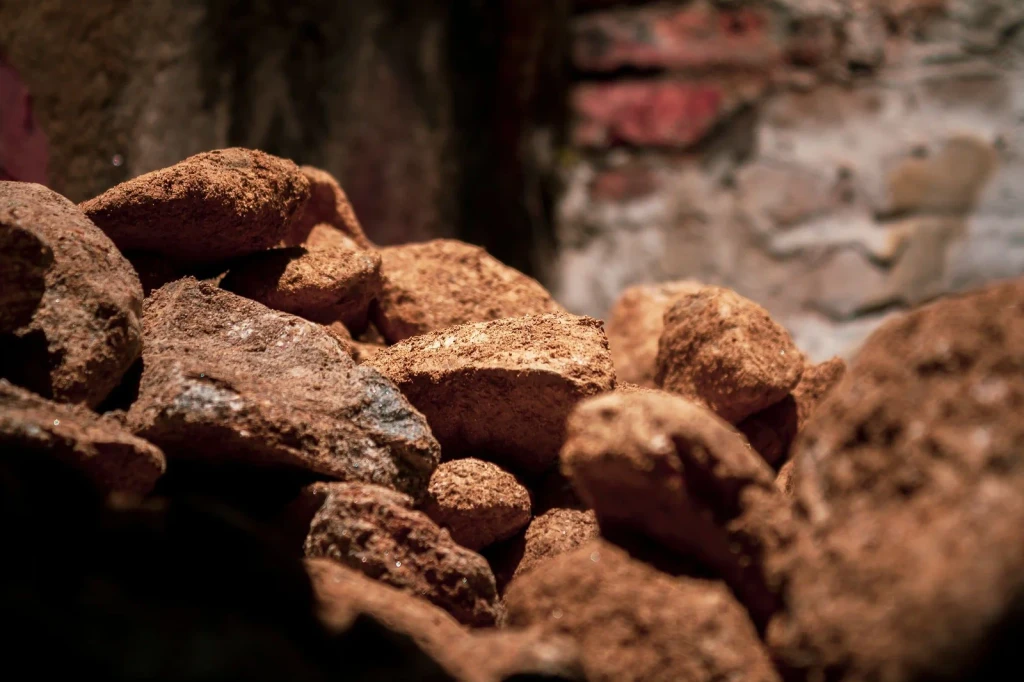
Rugged brown rocks photographed in close detail. Their rough texture endures, suggesting the permanence that inspired this exhibition's inquiry into materials that resist decay.
Photograph by Arturo Añez., via Pexels.
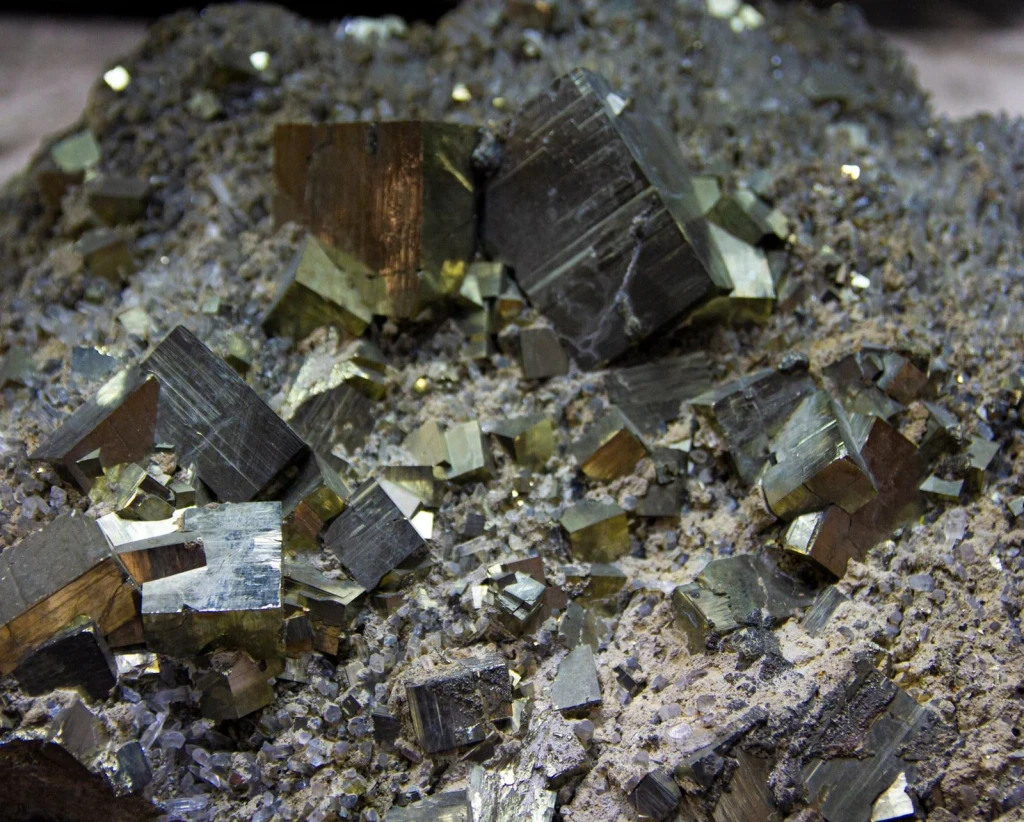
Close-up of pyrite crystals displaying geometric forms in gold and silver tones. The mineral's orderly structure reflects an ancient permanence.
Photograph by Paul Seling, via Pexels.
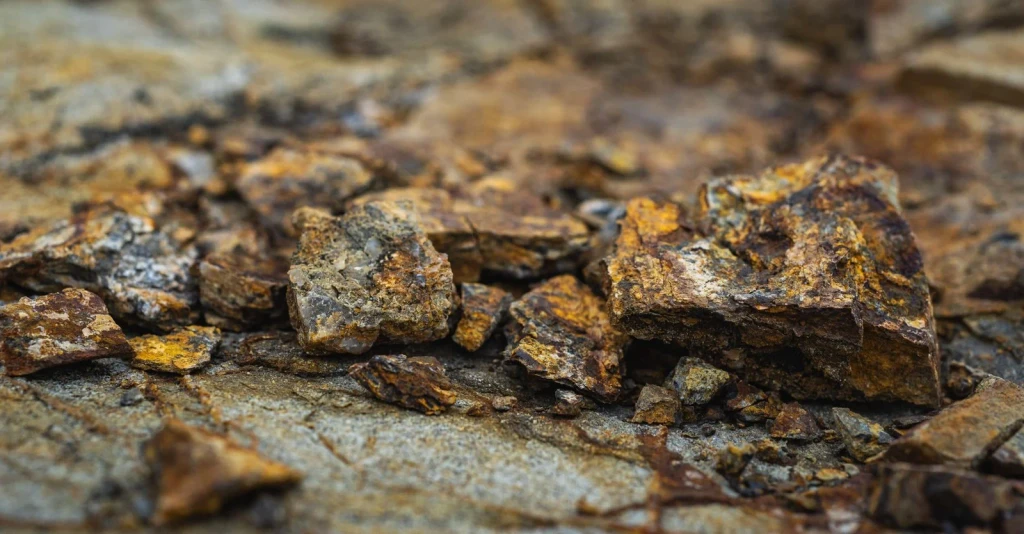
Erosion has worked across these rocks, leaving rich rusty textures. Yet they persist. A study in how some materials age without disappearing.
Photograph by Robert So, via Pexels.
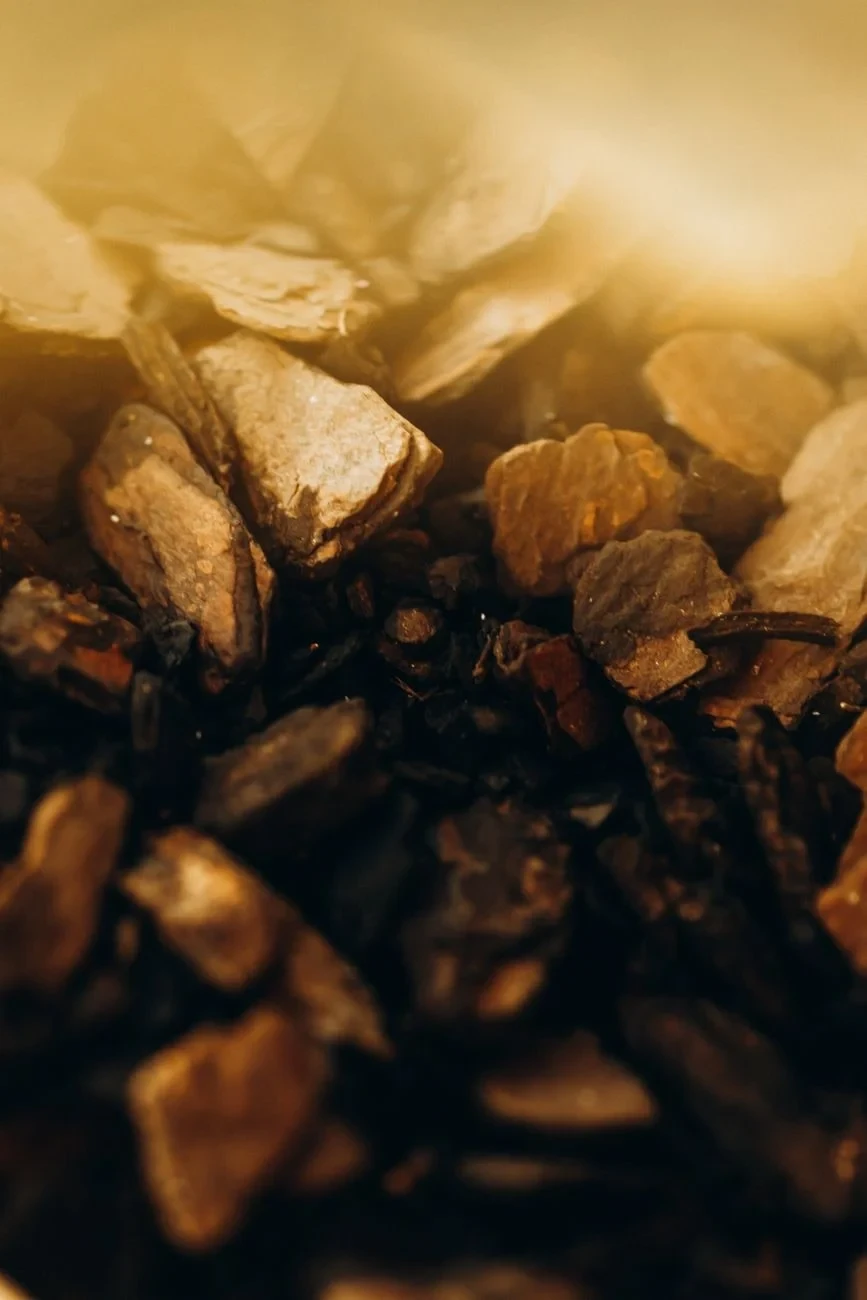
Brown rocky surface bathed in warm golden light. The texture feels tactile and grounded, speaking to earth's slow, steadfast nature.
Photograph by Jonathan Borba, via Pexels.
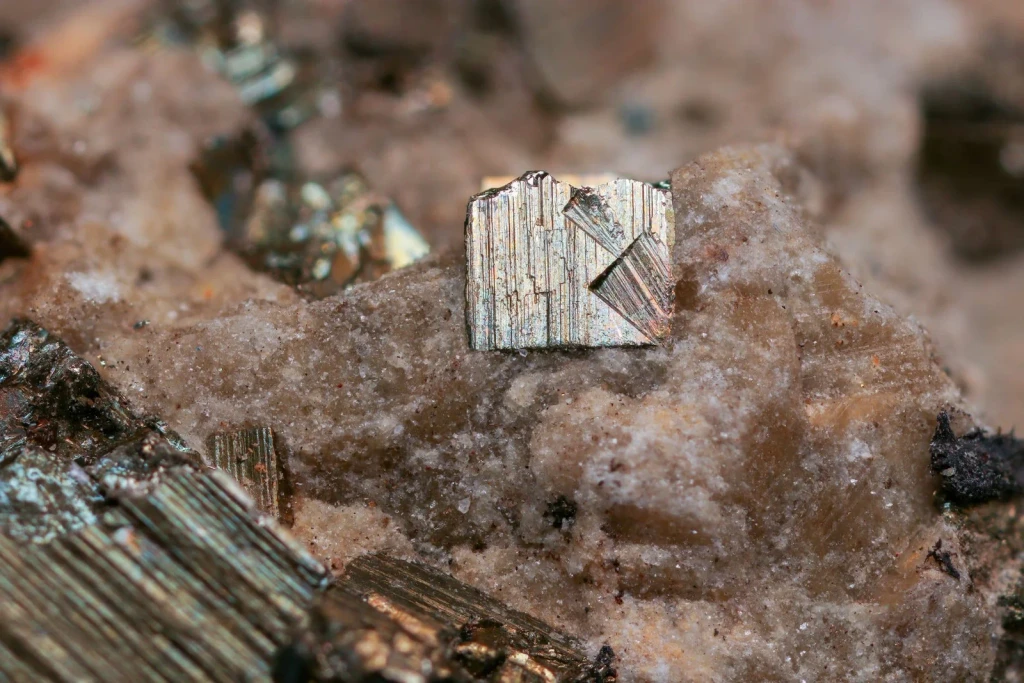
A close examination of pyrite crystal on its rocky surface. Sometimes what glimmers is not gold, yet the texture and beauty remain real.
Photograph by Глеб Коровко, via Pexels.
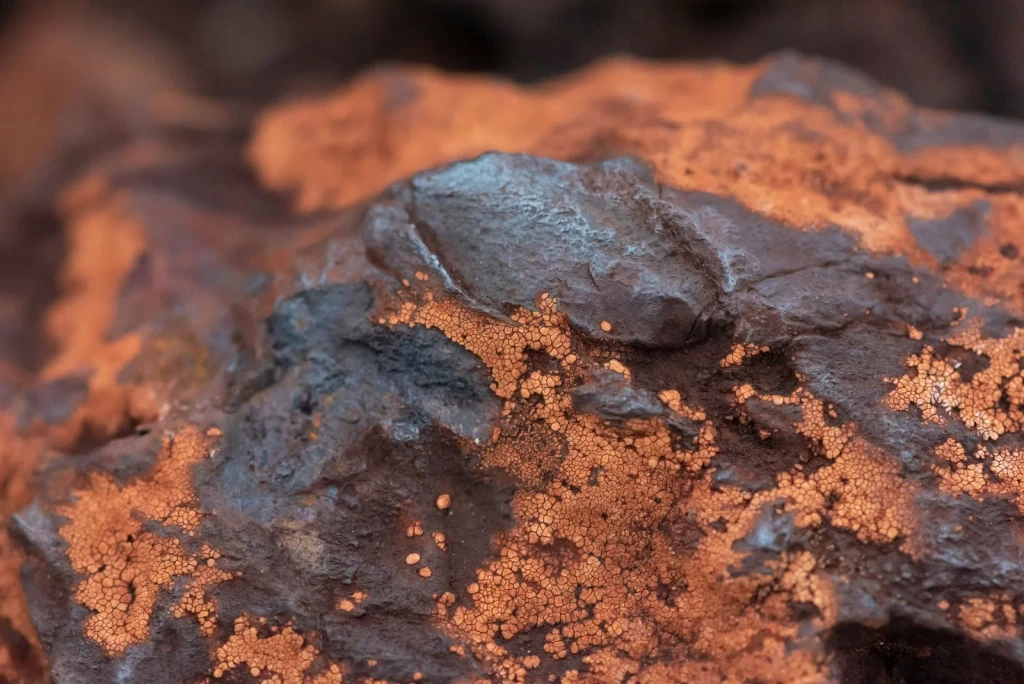
Iron ore rock detail with earthy tones and visible mineral structures. The image emphasizes the layered complexity of stone that persists.
Photograph by Malcoln Oliveira, via Pexels.
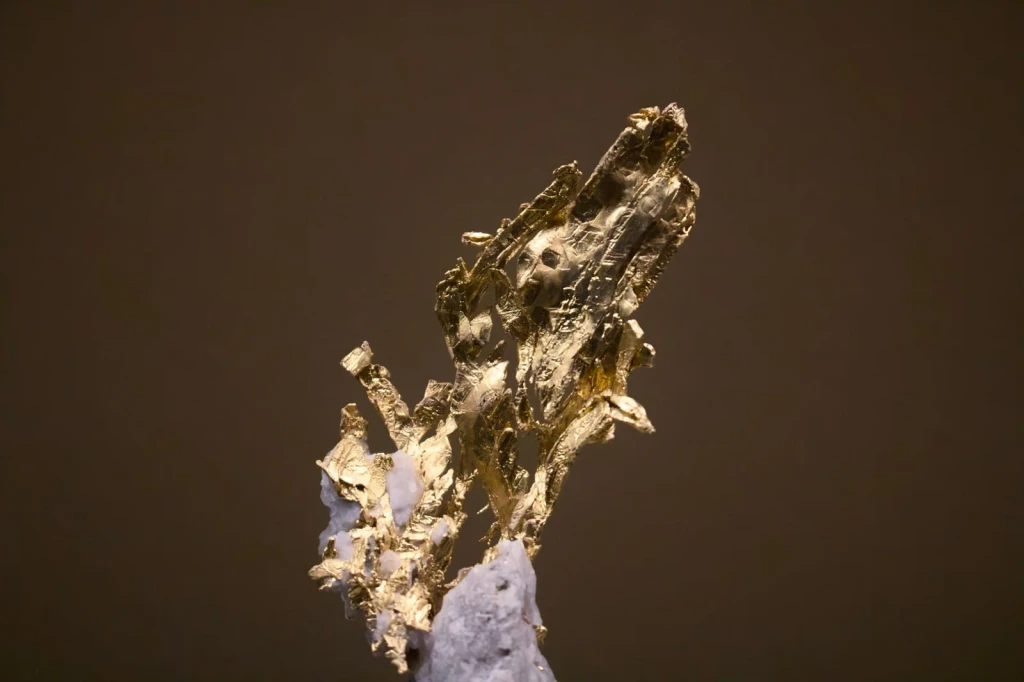
Gold as it appears in nature's own compositions. This close-up isolates a single formation, inviting us to see the metal not as currency but as geology.
Photograph by James Lee, via Pexels.
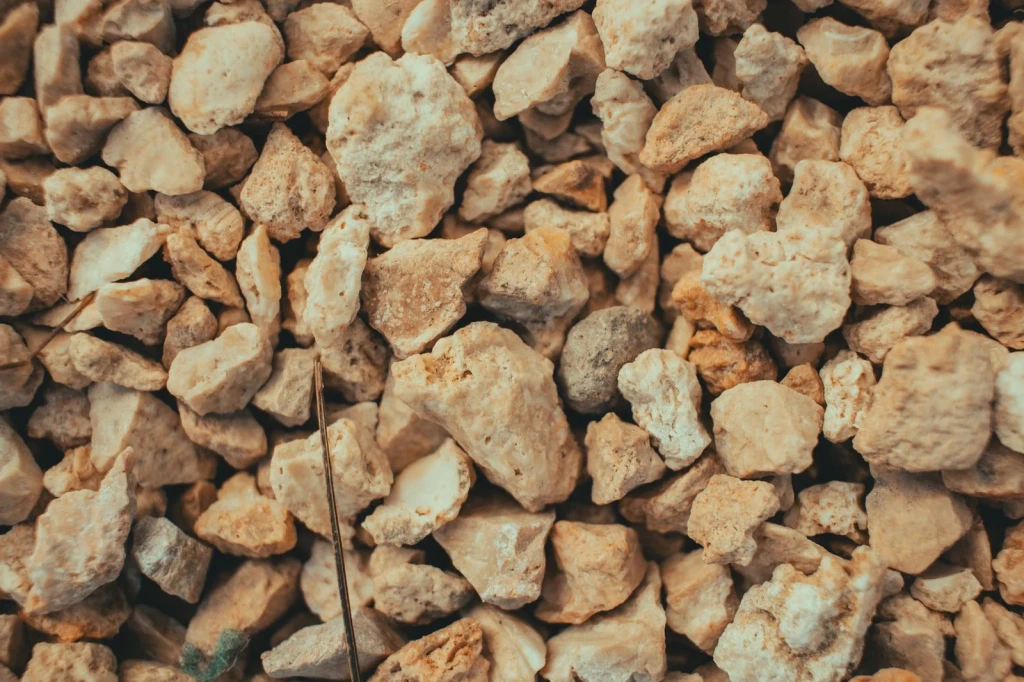
A detailed study of texture and variety in gravel and stones. What lies beneath our feet, waiting.
Photograph by Moises Caro | Photographer, via Pexels.
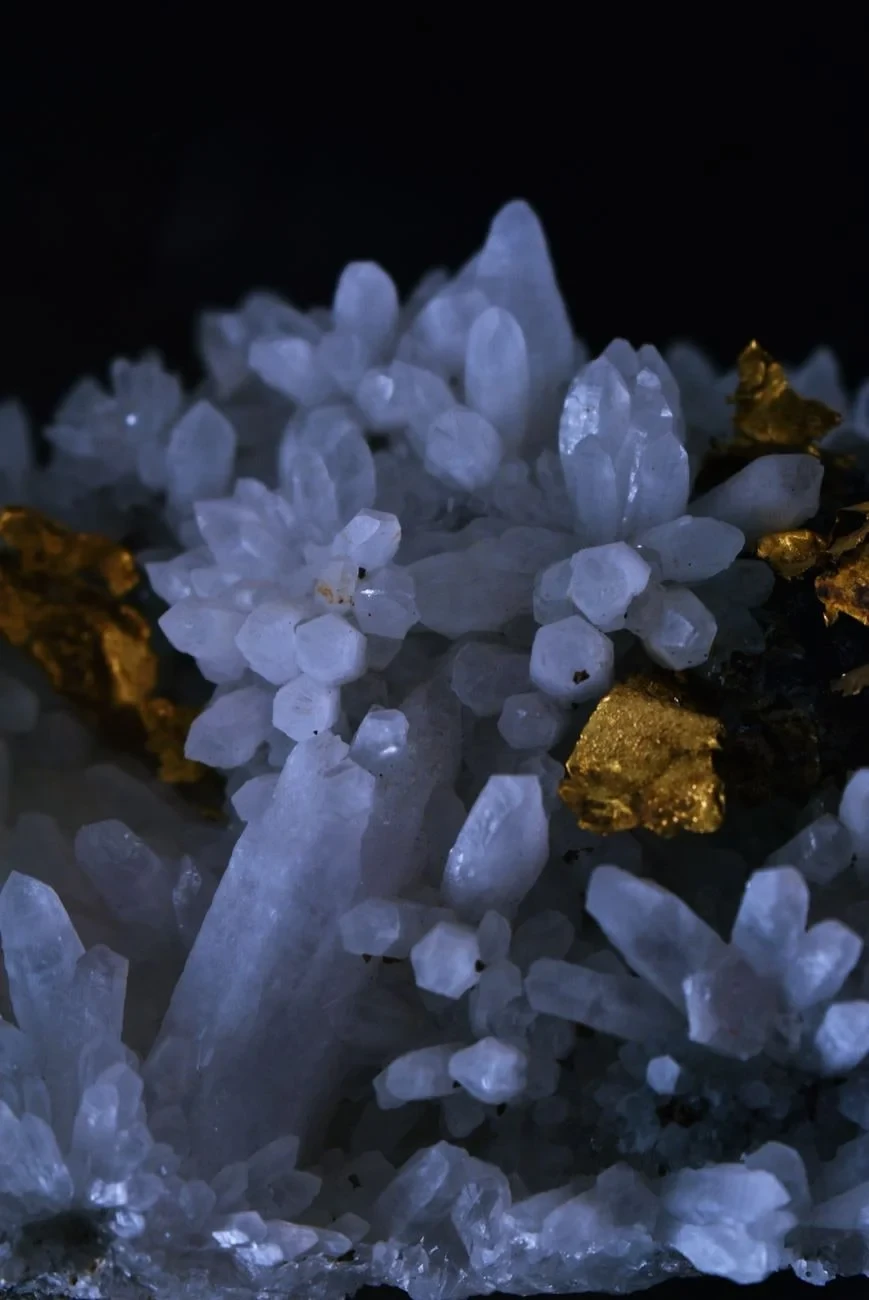
Gold elements within quartz crystals. The photograph shows how this precious metal occurs naturally embedded in stone, part of the earth's mineral story.
Photograph by Diana ✨, via Pexels.
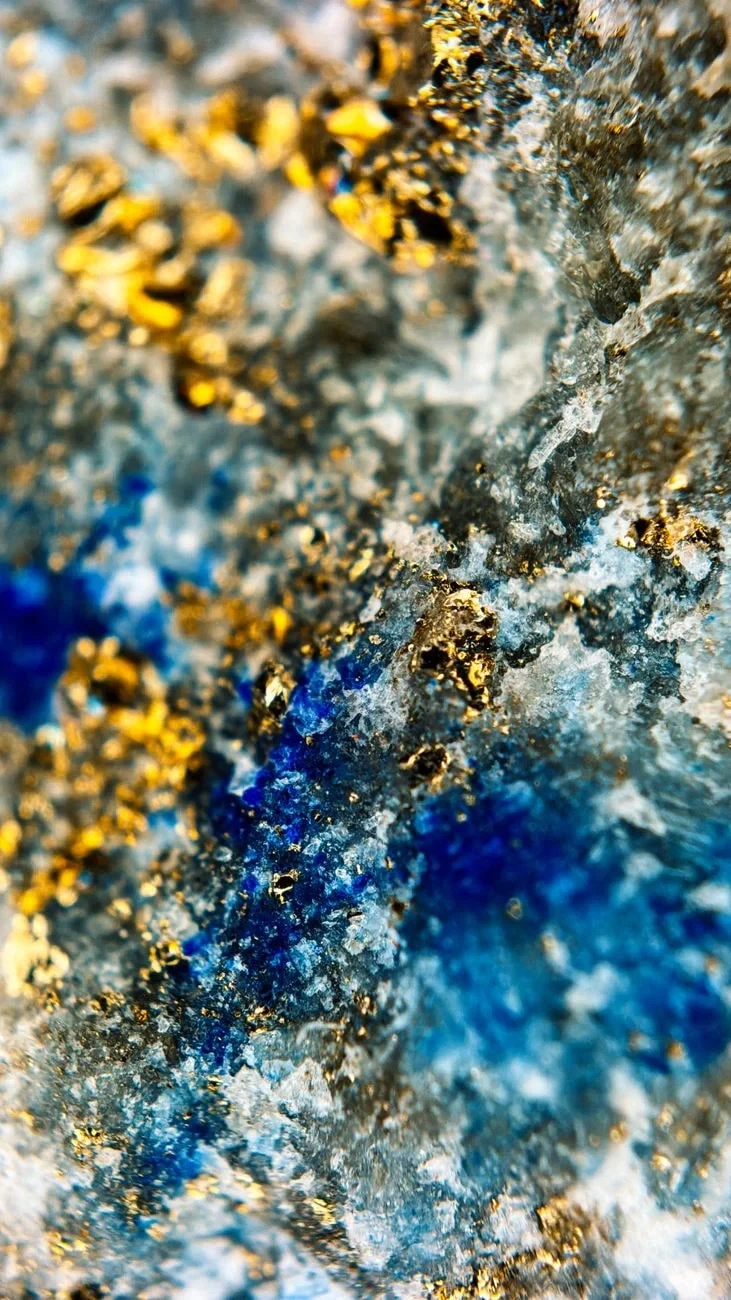
A mineral glows with striking blue and gold. The contrast between these vivid hues suggests richness that refuses to fade or diminish.
Photograph by Валерий Линк, via Pexels.
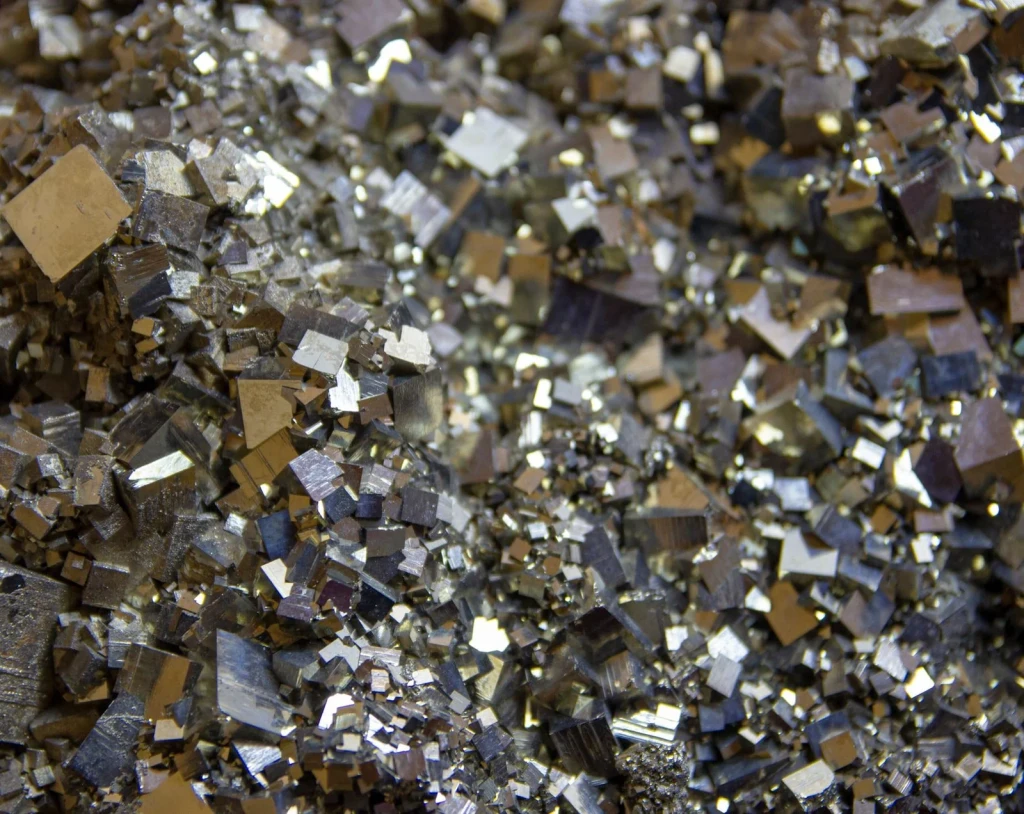
Detailed view of shiny pyrite crystals. Metallic textures and patterns create surfaces that endure, their intricate geometry undiminished by time.
Photograph by Paul Seling, via Pexels.
