3D Gallery
Through the Lens, Further Than the Eye
Enter gallery
Through the Lens, Further Than the Eye is a 3D virtual gallery on MyGallery3D, a walkable online exhibition of 13 works. Step inside and explore it in your browser: no app, no headset.
This 3D virtual gallery of lenses is one you walk through in your browser, so look hard at the object at its centre: a polished piece of glass, named after the lentil it resembles.
Spectacle makers in Venice and Florence ground lenses by trial from the late 13th century, working from what they saw rather than from any optical theory. Out of those workshops came the compound optical microscope around 1595 and the refracting telescope in 1608. Glass cut to fix failing eyesight had opened the sky and the invisible world at once.
Antonie van Leeuwenhoek reached up to 300 times magnification with a single lens. He sandwiched a very small glass ball between the holes in two riveted metal plates and mounted the specimen on a screw-adjusted needle. With it he re-discovered red blood cells and spermatozoa, and on 9 October 1676 he reported the discovery of micro-organisms.
A light microscope stops at about 1,250 times magnification, held there by the wavelength of light itself: a resolution limit near 250 nanometres. To see smaller, you must change the wave. In 1931 Ernst Ruska and Max Knoll built a microscope that fired electrons instead of light and used electromagnets in the place of glass lenses. The lens survived, made of magnetism.
Through the 17th and early 18th centuries opticians could not make colours meet. They kept reshaping curves, assuming the fault lay in the spherical figure of the surfaces. It did not: no single element lens can bring all colours to a focus. The answer was the compound achromatic lens, from Chester Moore Hall in England in 1733, claimed again in John Dollond's 1758 patent.
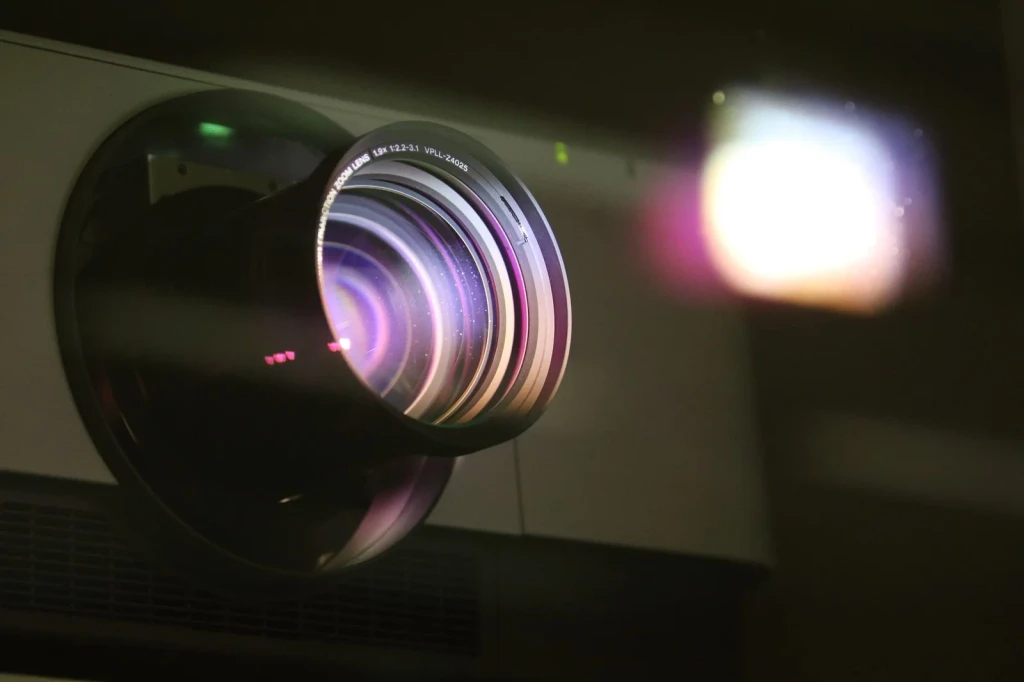
A projector lens emits light, showing the technology that extends vision beyond the room. The photograph documents optical machinery itself.
Photograph by Ann H, via Pexels.
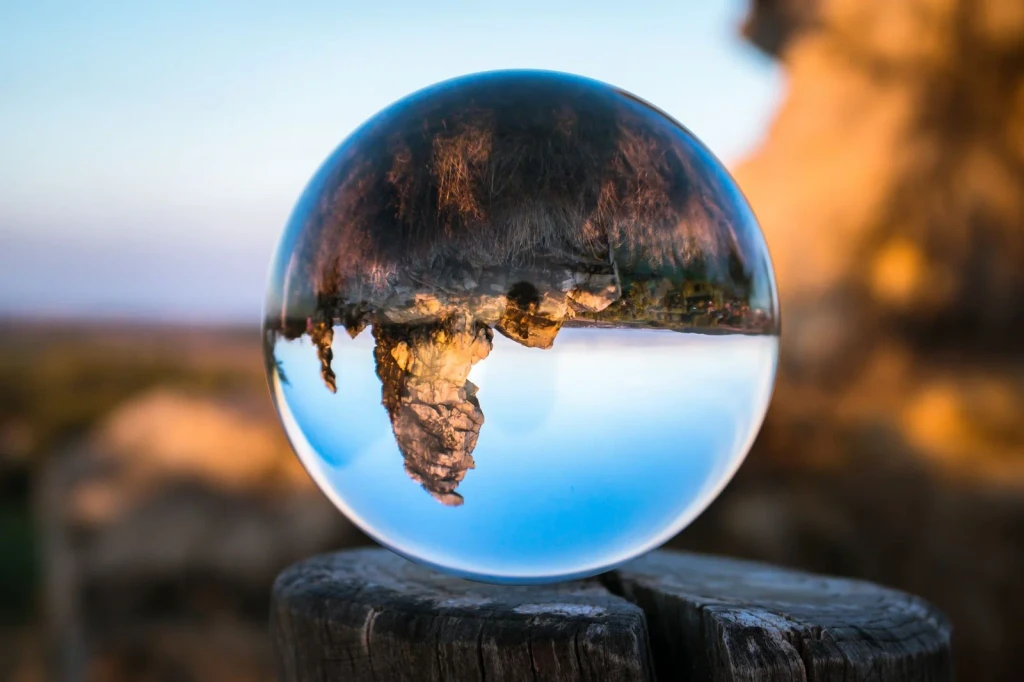
A crystal ball captures an inverted landscape on wood in daylight. The sphere bends and reverses what the eye sees naturally.
Photograph by Pixabay, via Pexels.
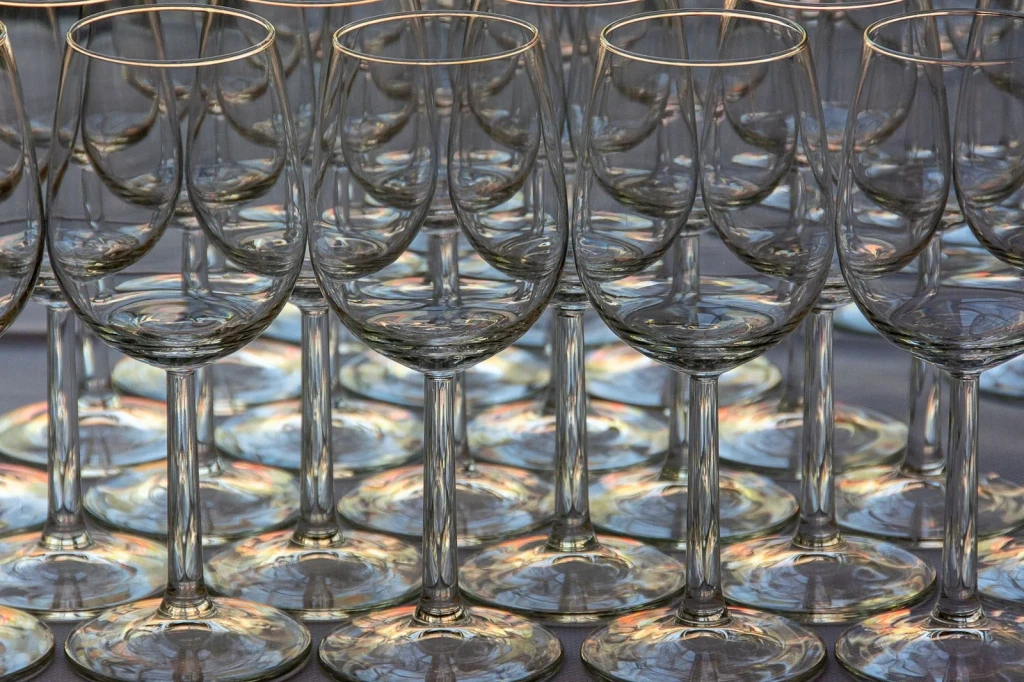
Empty wine glasses arranged to create a kaleidoscopic pattern. The composition transforms ordinary objects into something that reveals hidden geometry.
Photograph by Jan van der Wolf, via Pexels.
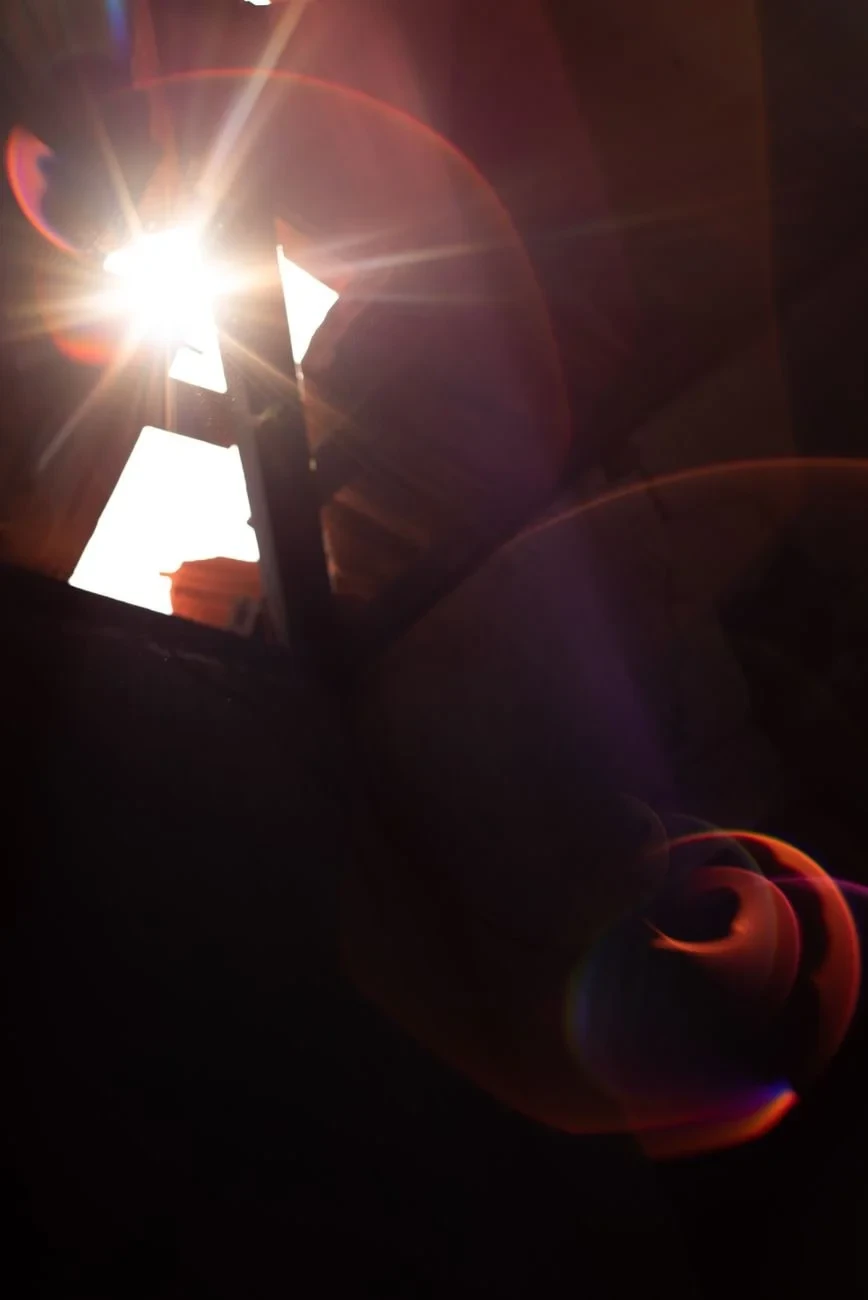
Sunlight creates lens flare against a dark interior, transforming ordinary window light into something seen only through a camera. The photograph shows what the eye might miss.
Photograph by Jessika Arraes, via Pexels.
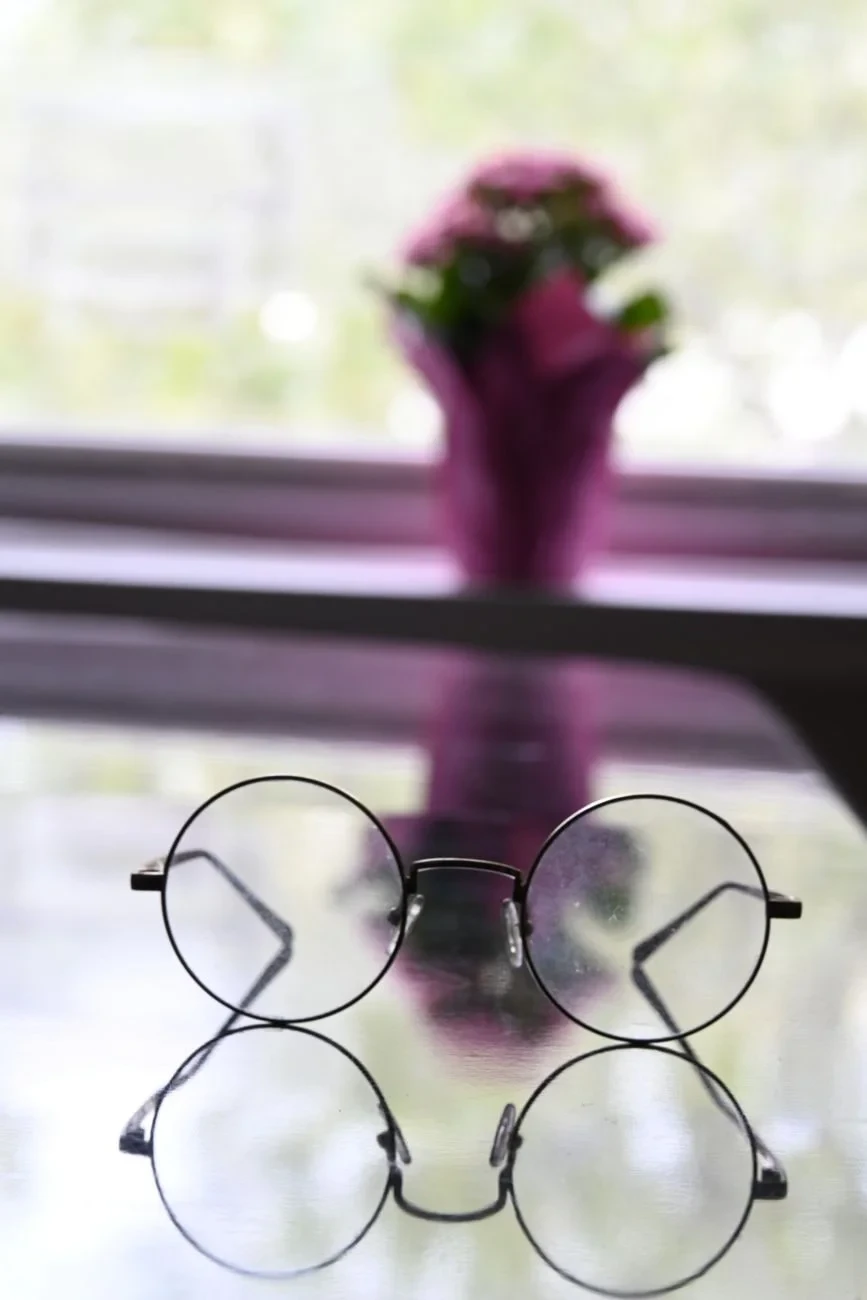
Round glasses rest against soft flowers, their frames capturing reflected light. A study in how optical surfaces reveal what lies beyond them.
Photograph by Mikael Varosyan, via Pexels.
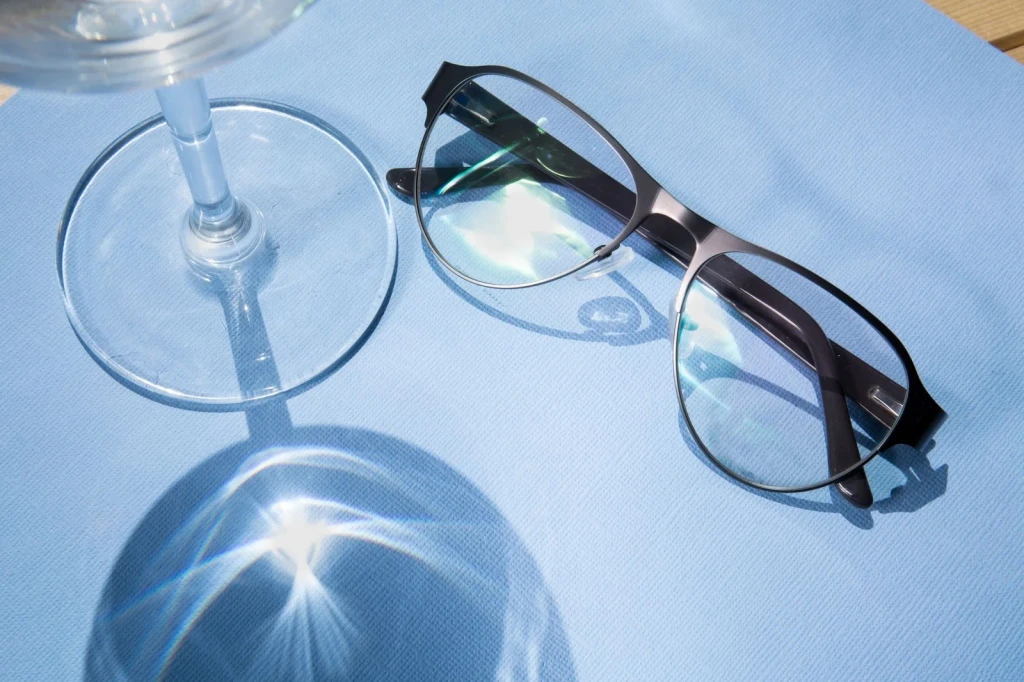
Eyeglasses and wine glass share a blue surface, their reflections and shadows creating depth. Each transparent form interacts with light differently.
Photograph by Kristina Polianskaia, via Pexels.
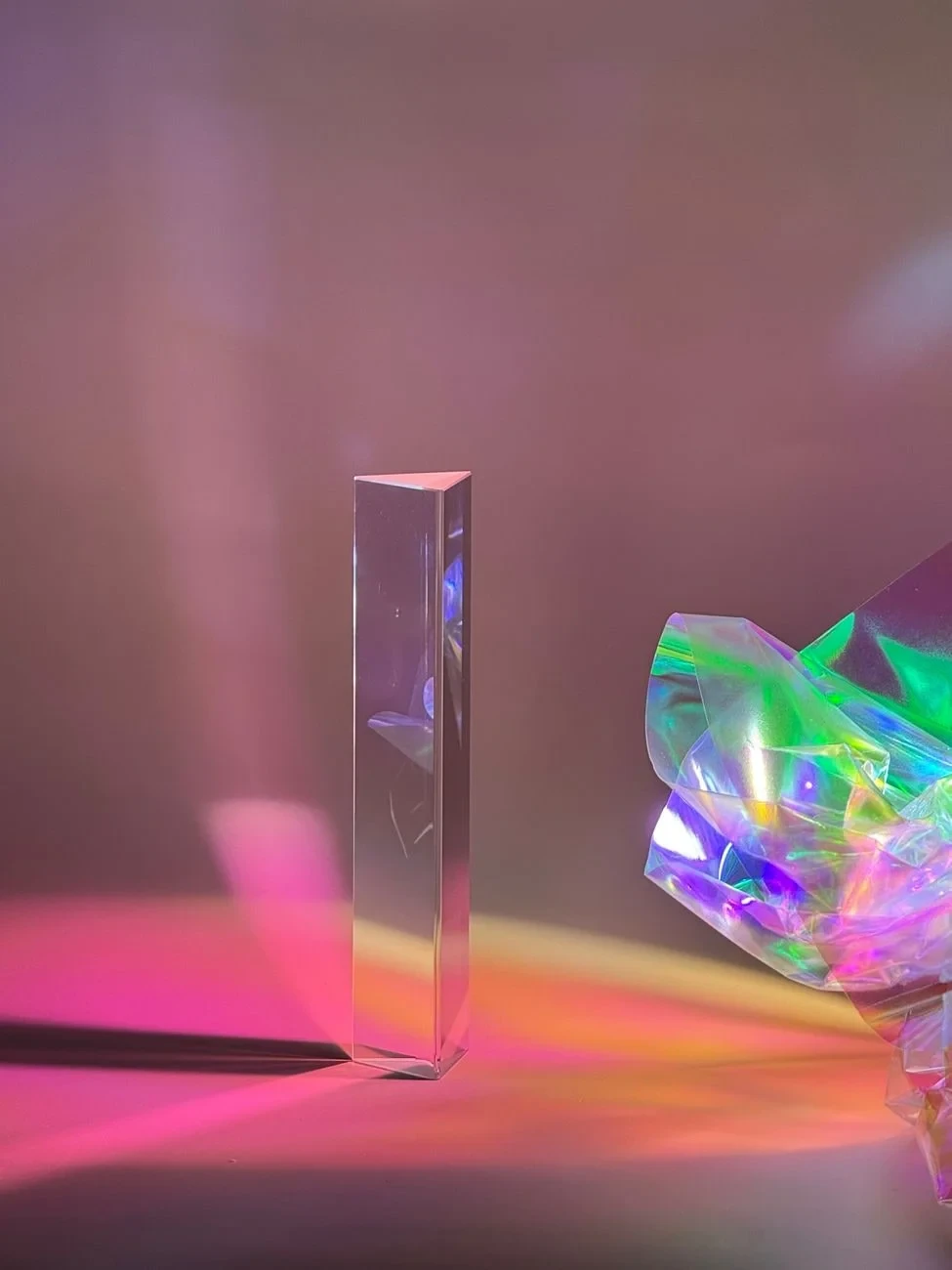
A prism scatters white light into color across its surroundings. It demonstrates how transparent objects reveal the spectrum hidden in ordinary light.
Photograph by Evgeniya Koniukhova, via Pexels.
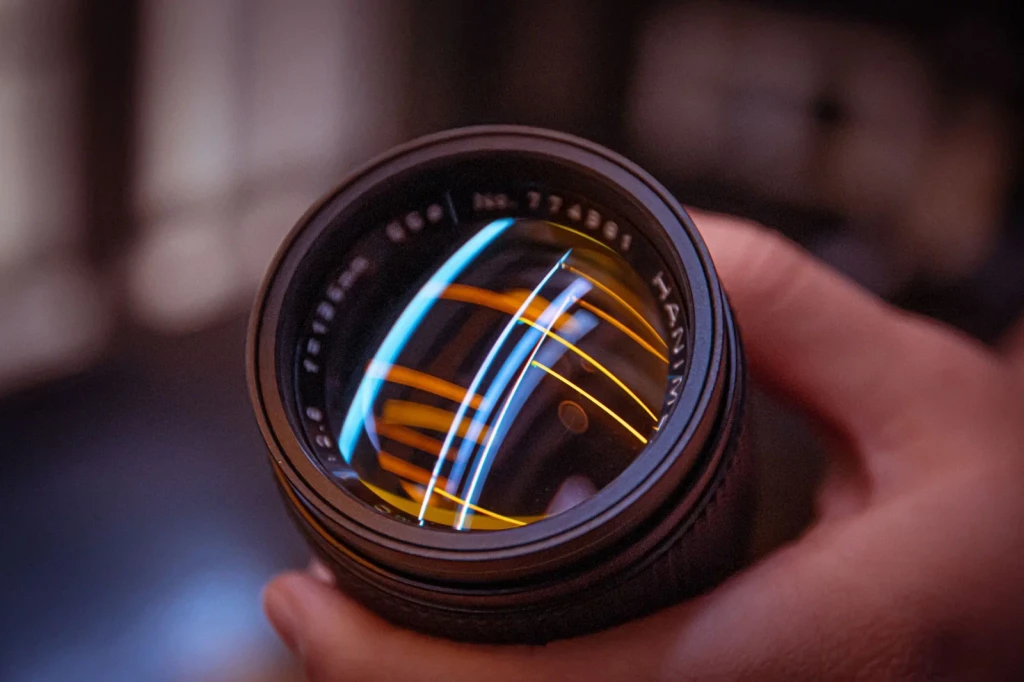
Colorful light reflections play across a camera lens held by hand. Here, the tool of photography becomes its own subject.
Photograph by Leon, via Pexels.
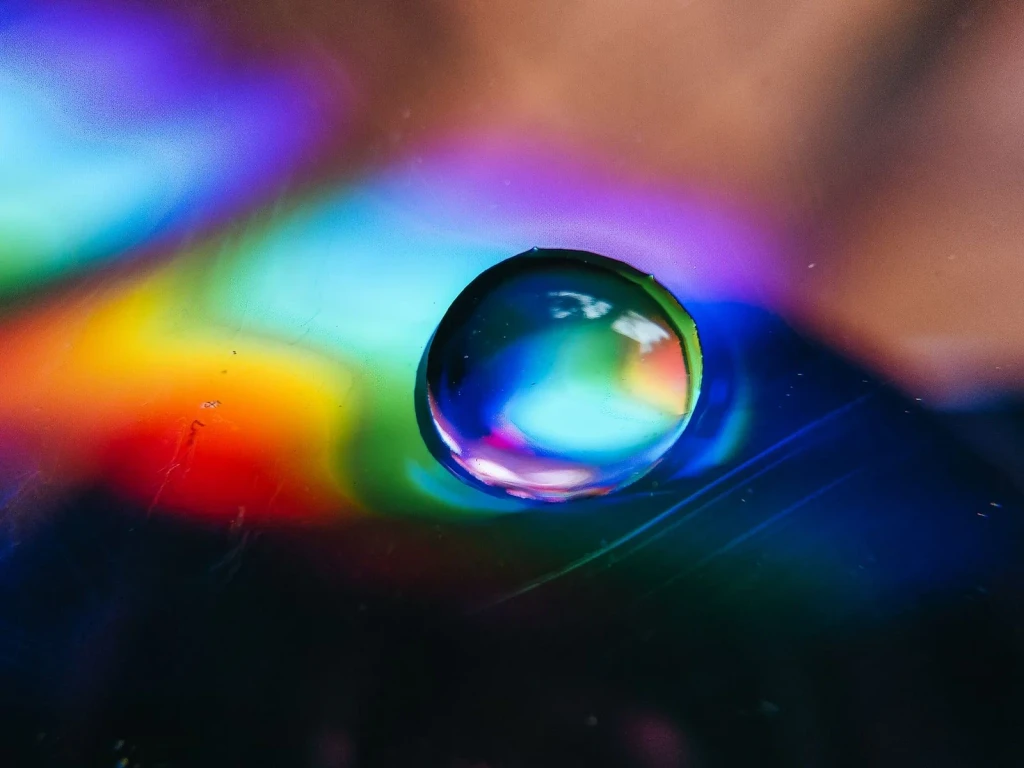
Water holds rainbow refraction in miniature. A macro view reveals how the smallest objects can split and bend light into full color.
Photograph by Ravi Kant, via Pexels.
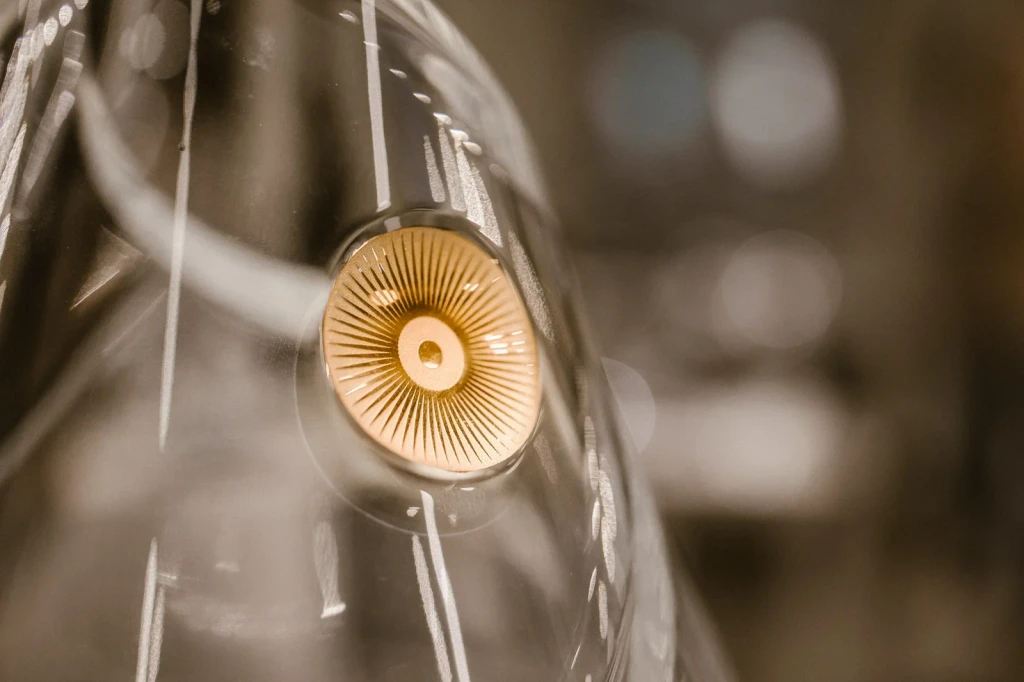
A close-up of glass reveals intricate patterns invisible at a glance. The lens reveals detail hidden in the everyday.
Photograph by João Jesus, via Pexels.
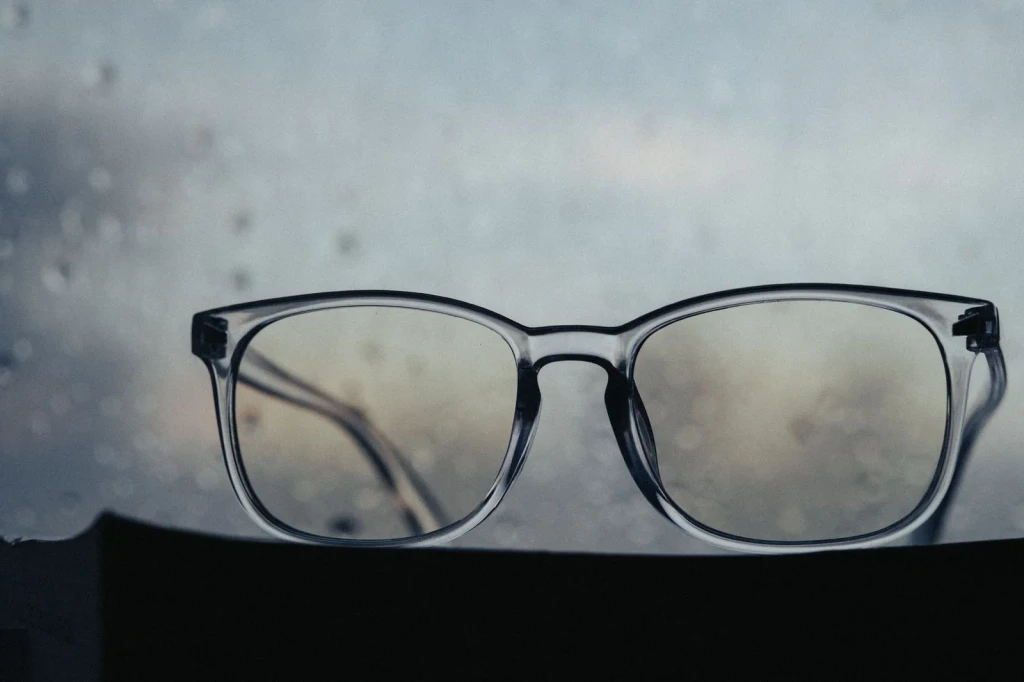
Glasses with a raindrop background create a serene minimalist image. Photography finds stillness in small things.
Photograph by Connor Scott McManus, via Pexels.
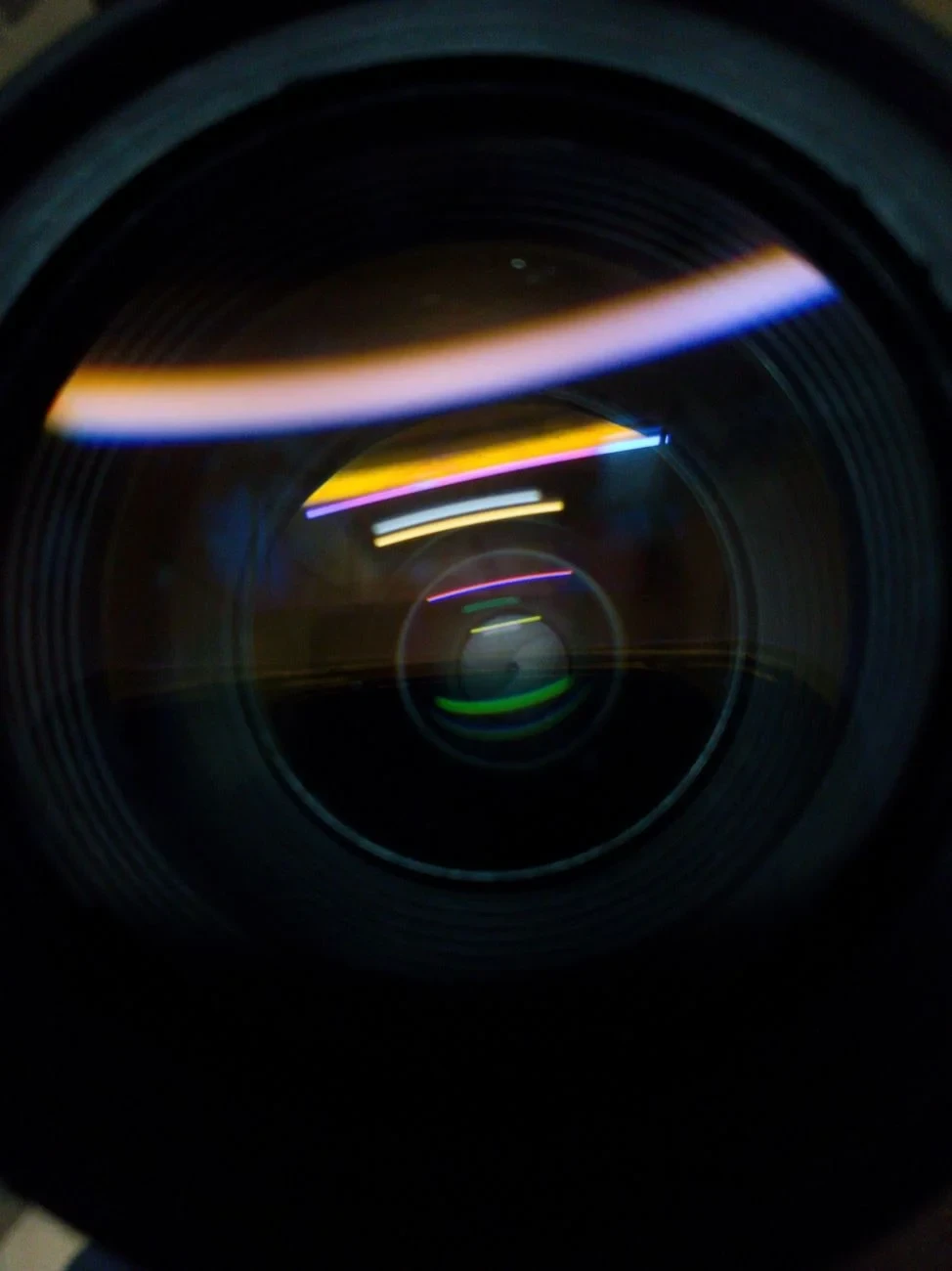
A camera lens becomes its own subject. Its glass and metal surfaces demonstrate the intricate patterns that enable vision itself.
Photograph by Piyush Karpe, via Pexels.
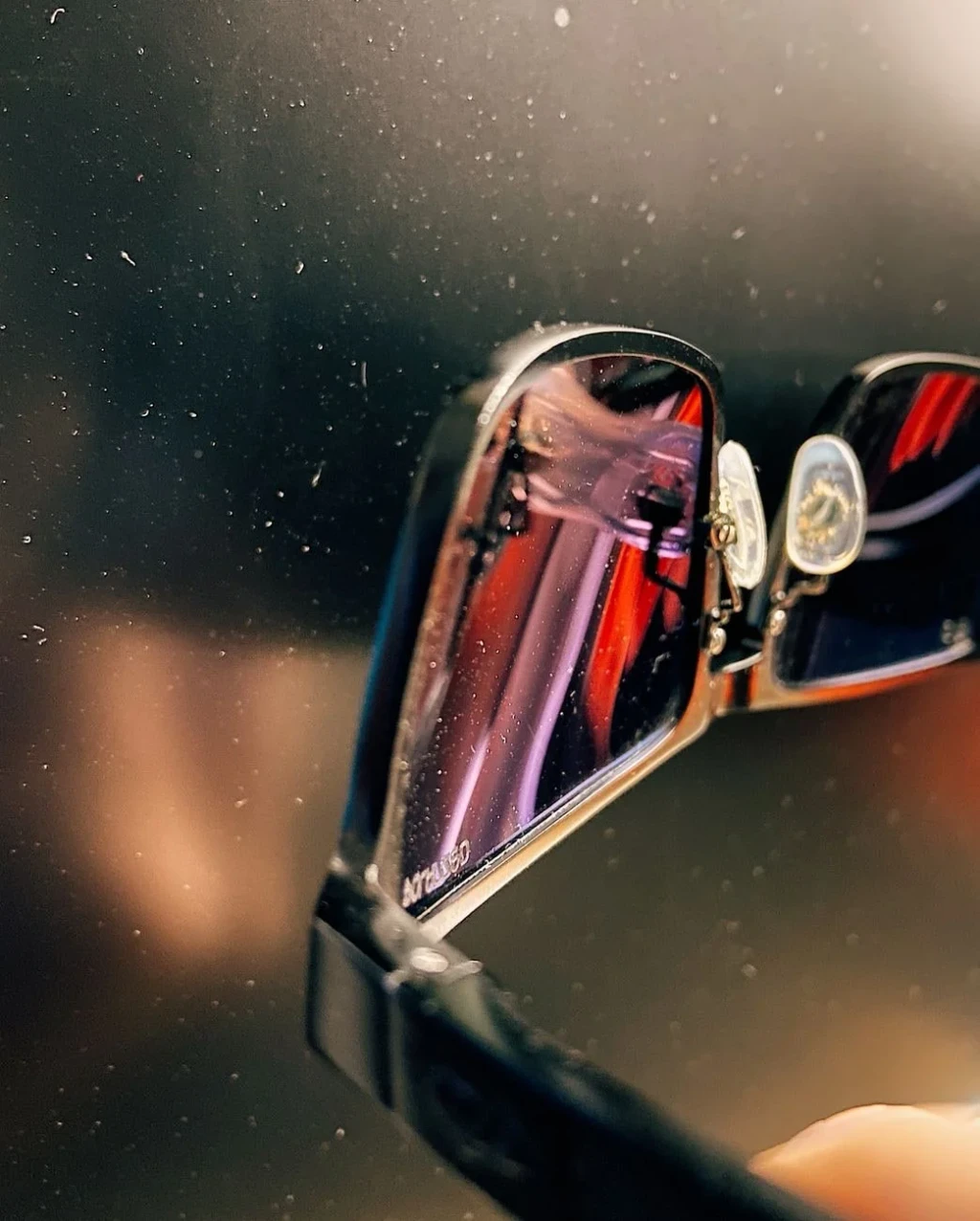
Sunglasses hold light on their surface. The photograph shows how reflective objects transform the world into abstraction.
Photograph by Leandro Verolli, via Pexels.
