3D Gallery
Aqueducts: The Slope You Cannot See
Enter gallery
Aqueducts: The Slope You Cannot See is a 3D virtual gallery on MyGallery3D, a walkable online exhibition of 16 works. Step inside and explore it in your browser: no app, no headset.
Walk this 3D virtual museum of aqueducts in your browser, and stand under the arches with the water above your head.
Nothing pumps. Roman aqueducts moved water by gravity alone, which means the entire achievement is a slope held steady over tens of kilometres. The Pont du Gard drops 2.5 cm across its 456 m span, a gradient of 1 in 18,241, and one stretch of the same line required a fall of just 7 millimetres per 100 metres. Water took nearly 27 hours to reach Nîmes, about 40,000 cubic metres a day.
Rome's first aqueduct, the Aqua Appia, was built in 312 BC and fed a fountain at the cattle market. By the late 3rd century AD the city had eleven, with a combined conduit length estimated between 780 and 800 km, of which only about 47 km ran above ground on arches. They supplied a population of a million, and most of that water went to the public baths.
The Pont du Gard was built almost without mortar. Around 50,400 tons of limestone, some blocks weighing 6 tons, were cut to fit by friction and gravity alone, and many were numbered and marked fronte dextra or fronte sinistra to tell builders where they went. Émile Espérandieu estimated the aqueduct's cost at over 30 million sesterces: 50 years' pay for 500 new recruits in a Roman legion.
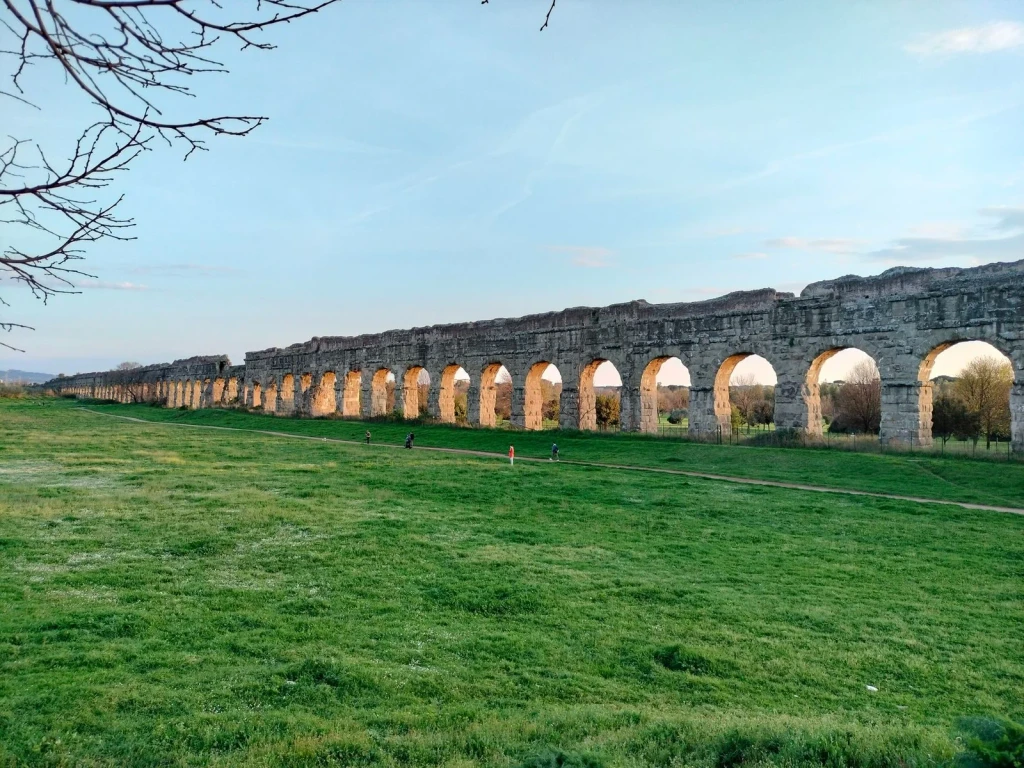
An ancient Roman aqueduct rests in a lush landscape as light fades. We see the structure itself, but not the slope that makes it function.
Photograph by lorenzo marino, via Pexels.
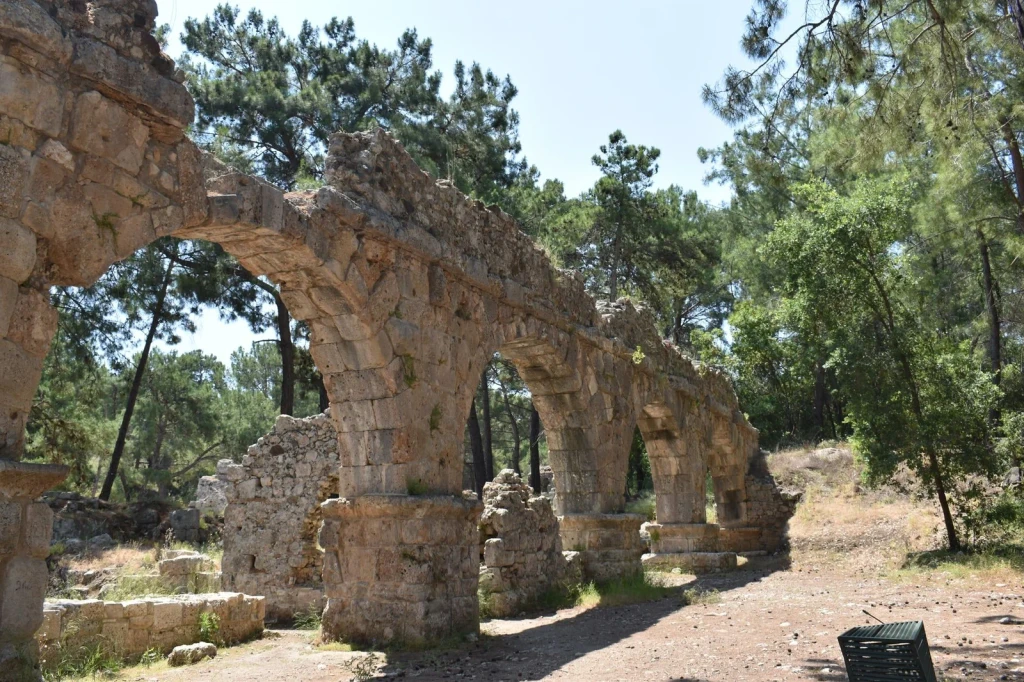
Stone arches rise among greenery in clear conditions. The aqueduct's engineering is visible in its structure, but not in the precise slope of its path.
Photograph by Gokhan Erkaya, via Pexels.
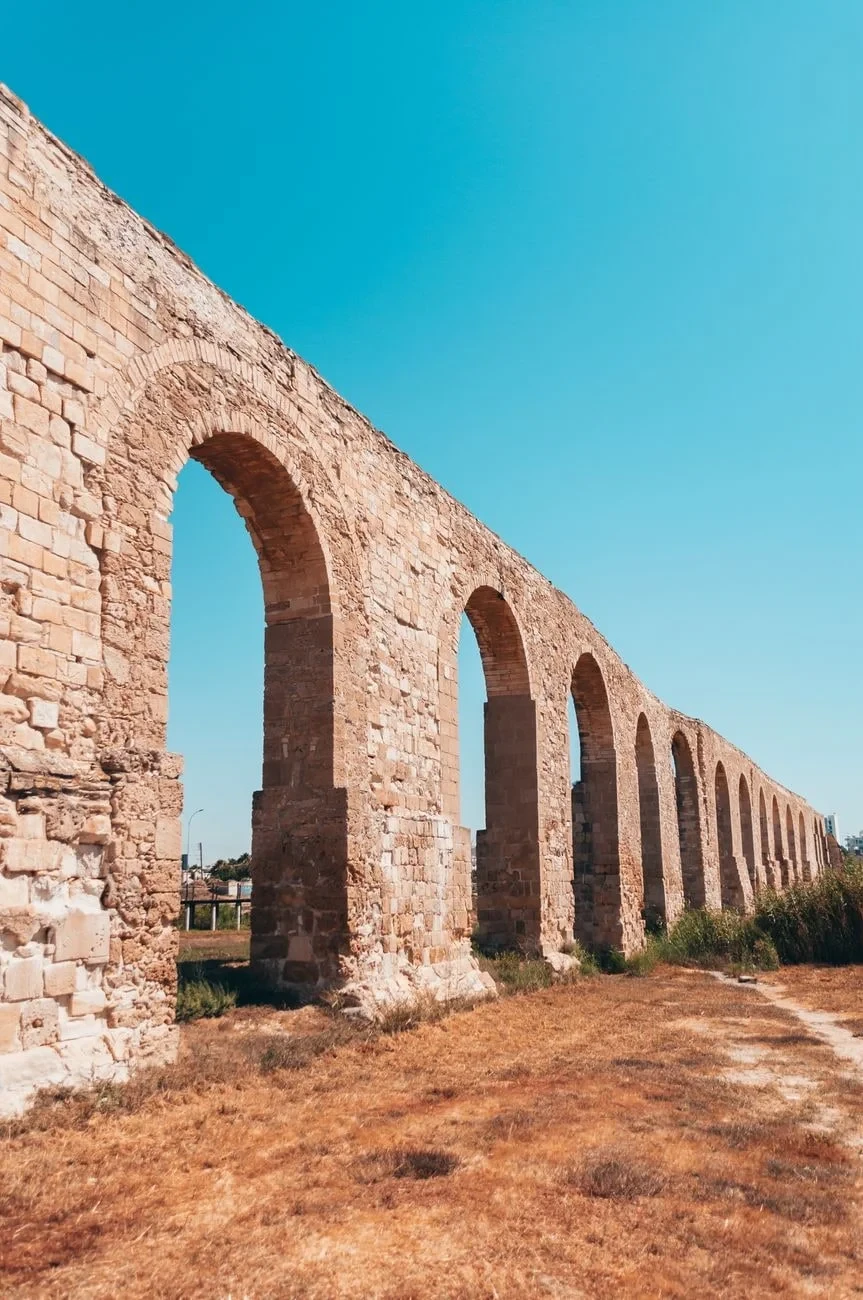
Ancient arches frame a bright blue sky. Architectural beauty remains, but the slope that was everything to Roman engineers stays unseen.
Photograph by Hert Niks, via Pexels.
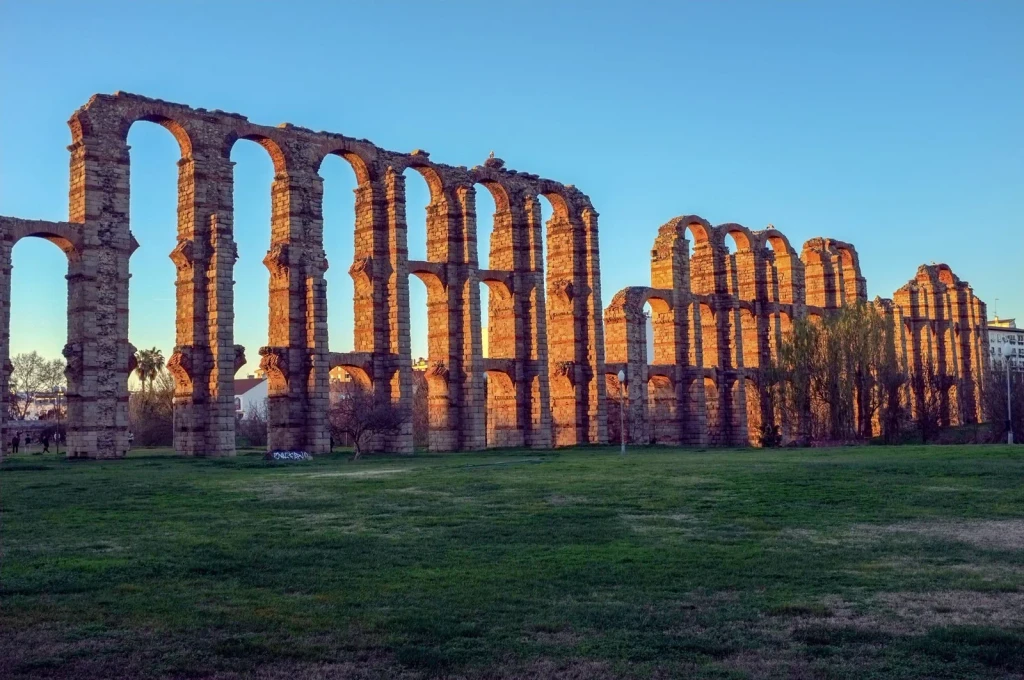
Golden light catches an ancient aqueduct in peaceful surroundings. The photograph reveals the monument's presence, not the hidden gradient essential to its purpose.
Photograph by Margen Cero, via Pexels.
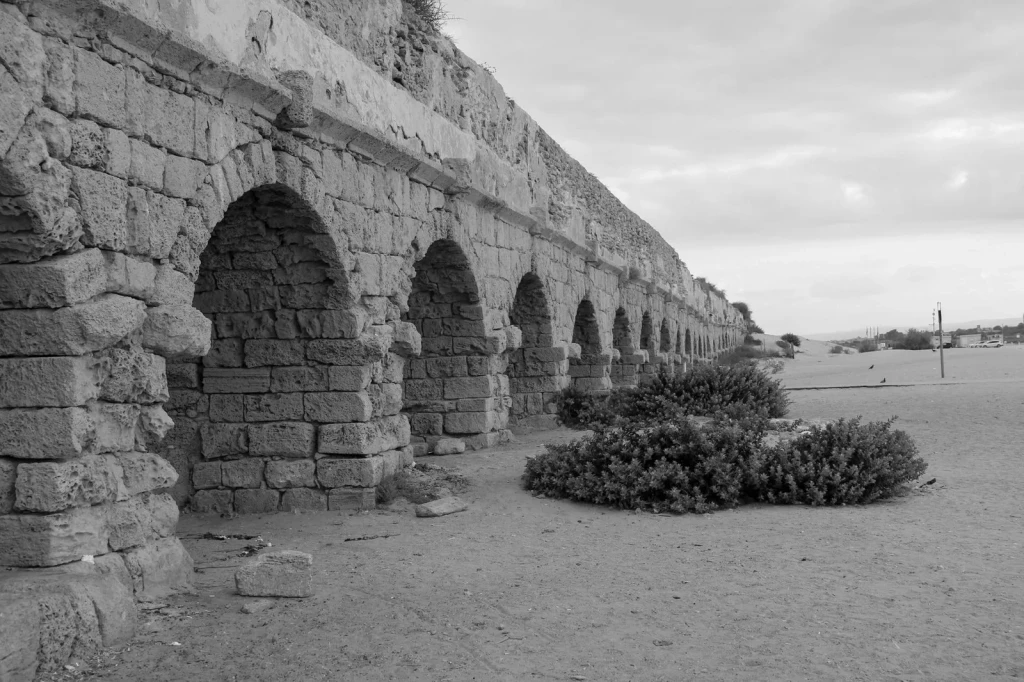
Ancient Roman arches stand on sandy ground in black and white. Even in ruins by the shore, the structure's slope remains invisible to the eye.
Photograph by Lio Voo, via Pexels.
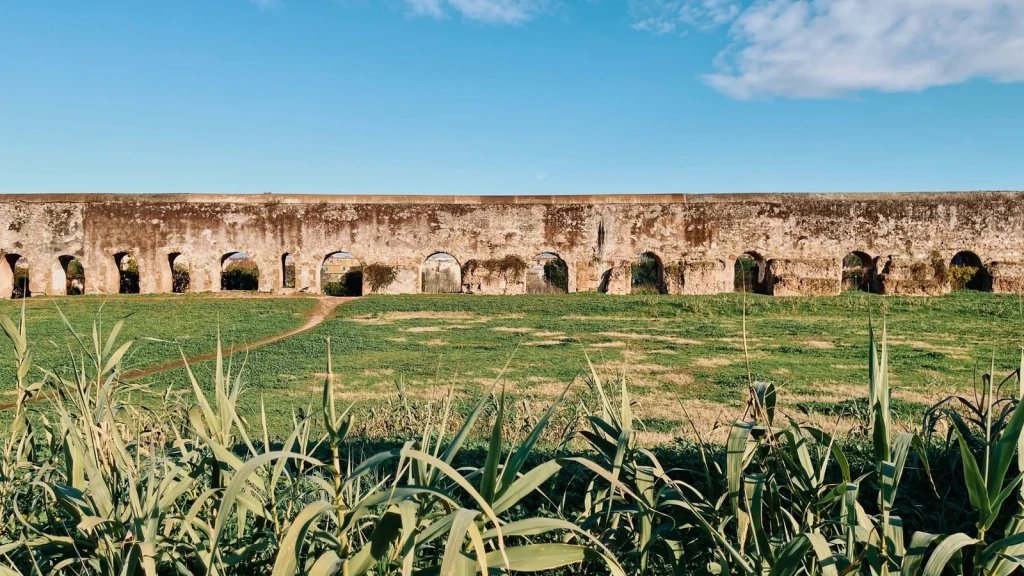
A Roman aqueduct sits well-preserved in lush green countryside. The invisible gradient that defined its purpose endures beneath the visible stone.
Photograph by Truong Giang Nguyen, via Pexels.
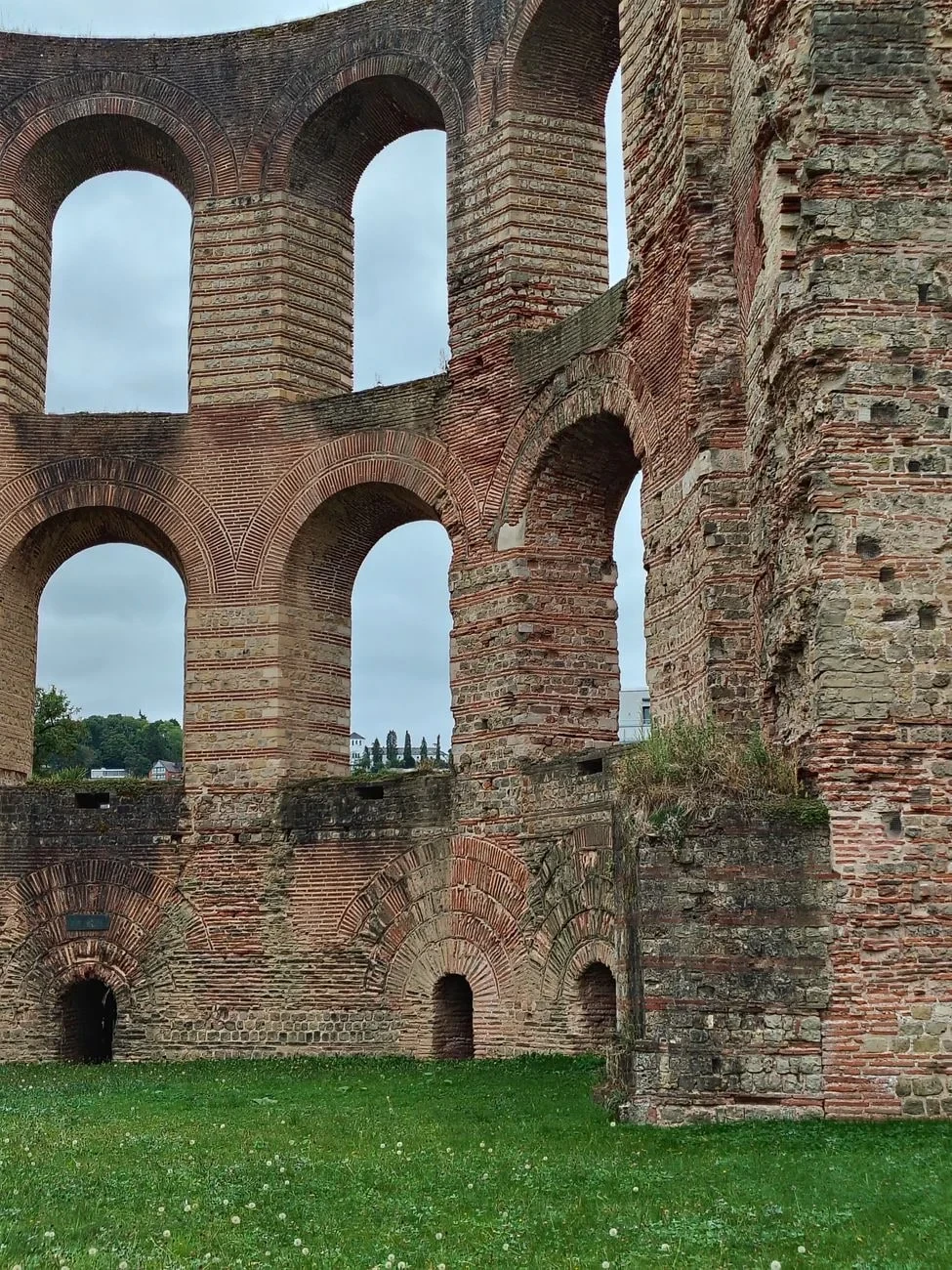
Roman brick arches rise before us. The engineering is visible, but the invisible slope that defined their purpose remains.
Photograph by Anna S, via Pexels.
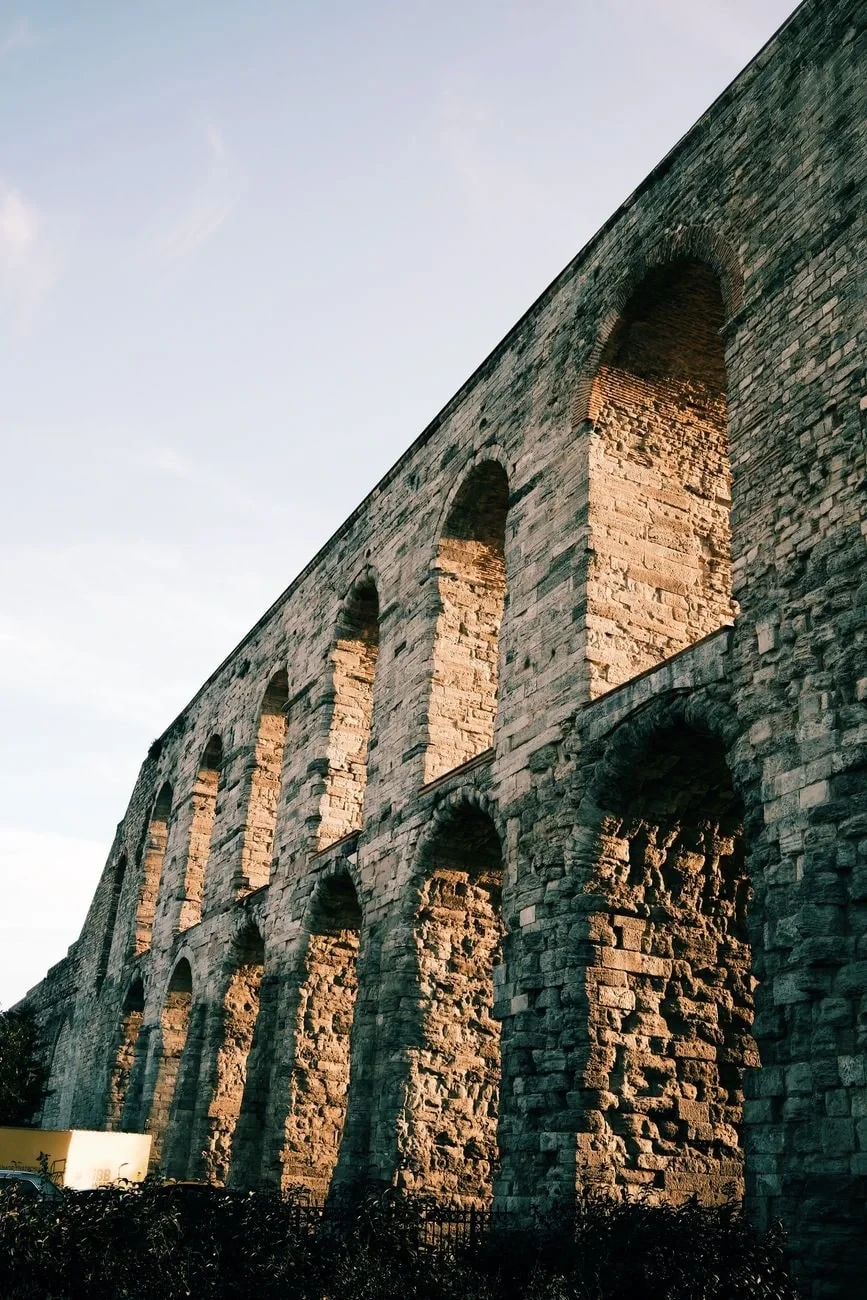
Stone arches rise under clear sky. Dramatic lighting reveals the aqueduct's form, yet its essential gradient stays hidden from view.
Photograph by Sami TÜRK, via Pexels.
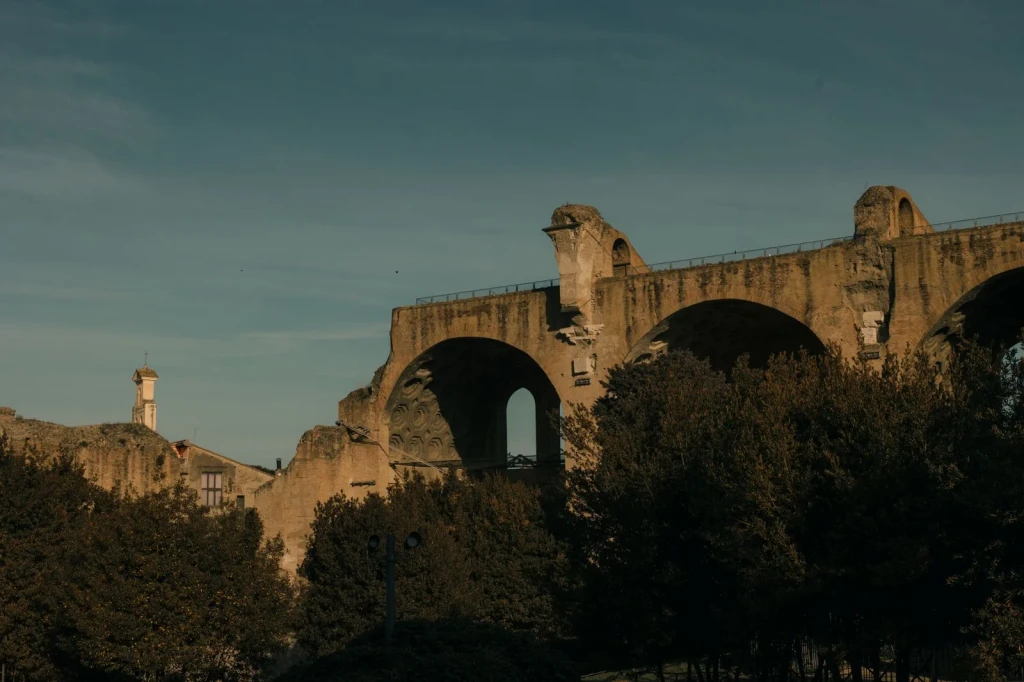
An ancient Roman aqueduct glows in golden sunlight among green surroundings. The slope that moved water downward remains unseen.
Photograph by Ludovic Delot, via Pexels.
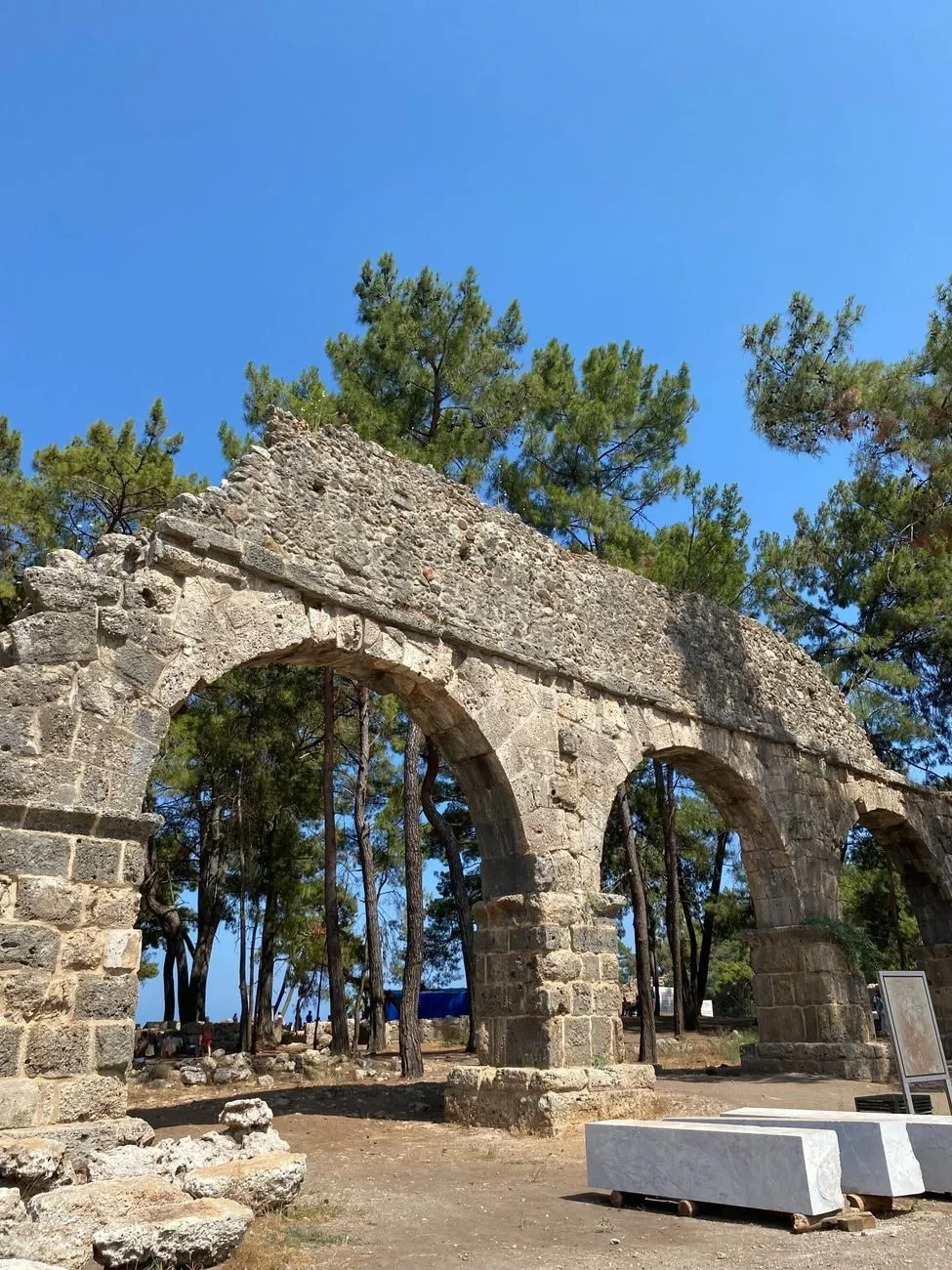
Ancient stone arches stand beneath clear skies. The slope that carries water remains invisible, yet these arches were built to achieve it.
Photograph by Gülüzar Topal, via Pexels.
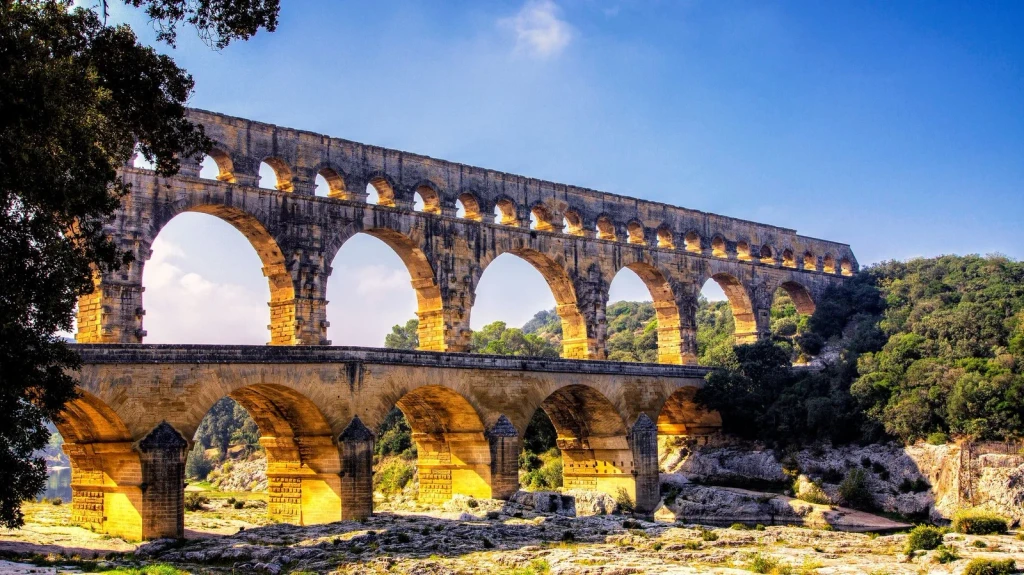
This photograph captures a renowned ancient Roman aqueduct. Its hidden slope governs every arch, though the eye cannot perceive it.
Photograph by Carsten Ruthemann, via Pexels.
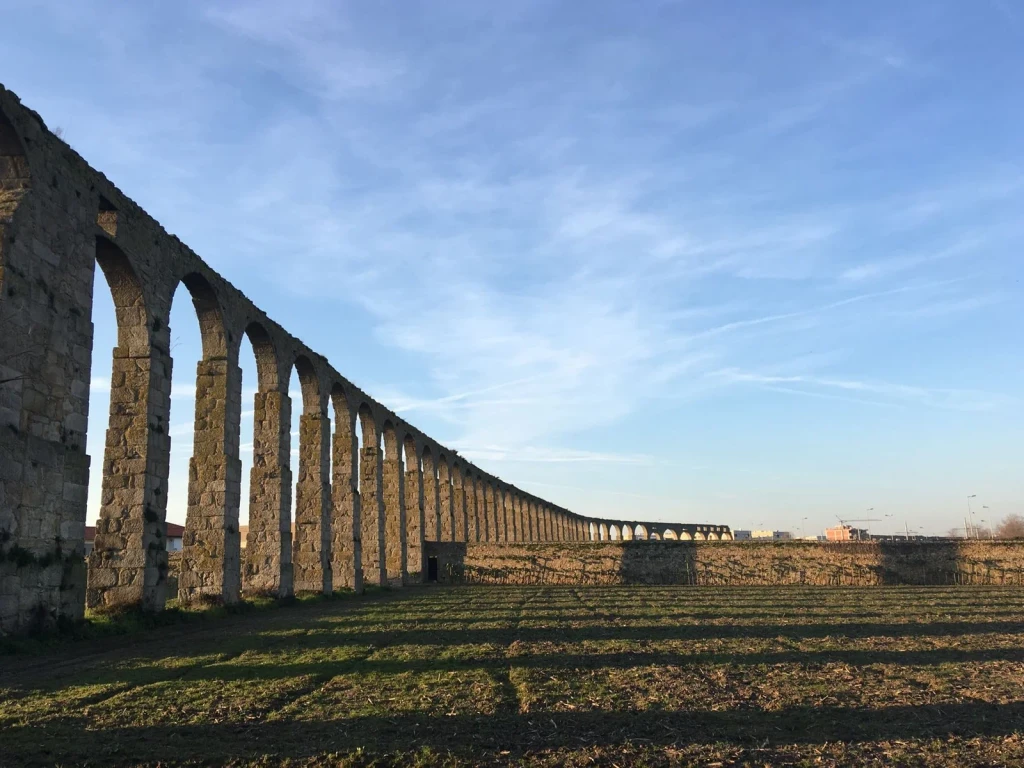
A long stone aqueduct stretches beneath open sky. Its form is evident, yet the barely perceptible decline that delivered water lies beyond what we can see.
Photograph by Sergei Gussev, via Pexels.
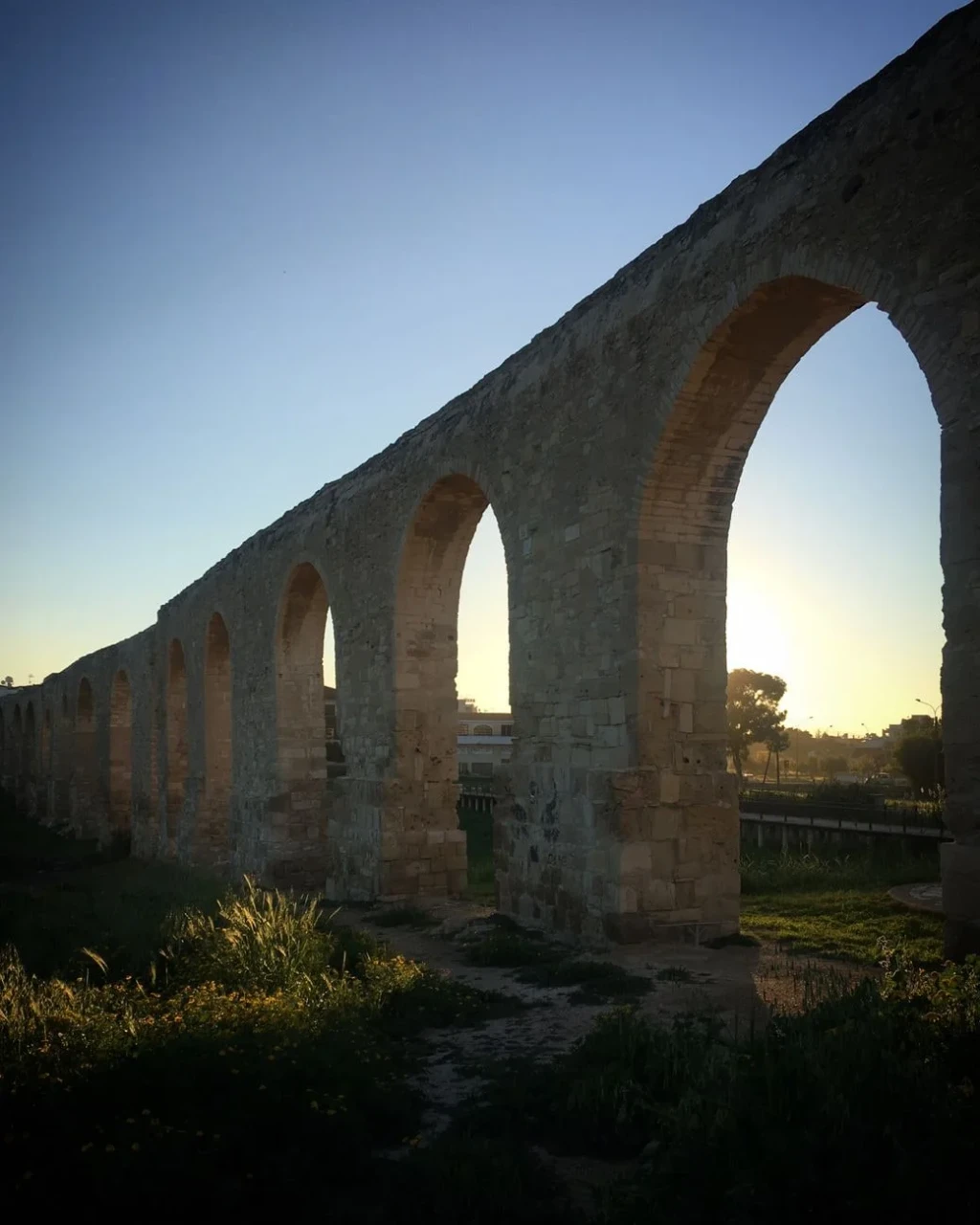
Ancient stone arches stand distinct at sunset. The image shows us what remains visible, but the critical slope that defined this structure's function stays invisible.
Photograph by Sergei Gussev, via Pexels.
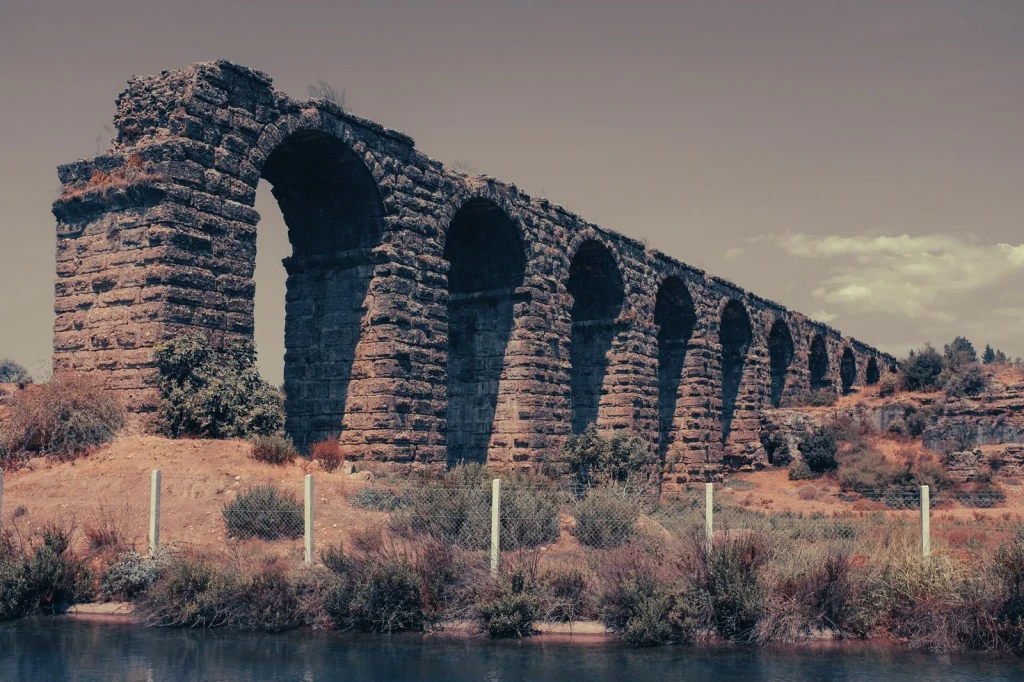
Historic Roman arches frame a view of natural surroundings. The photograph captures beauty, yet the invisible gradient that moved water remains unseen.
Photograph by Ayşegül Aytören, via Pexels.
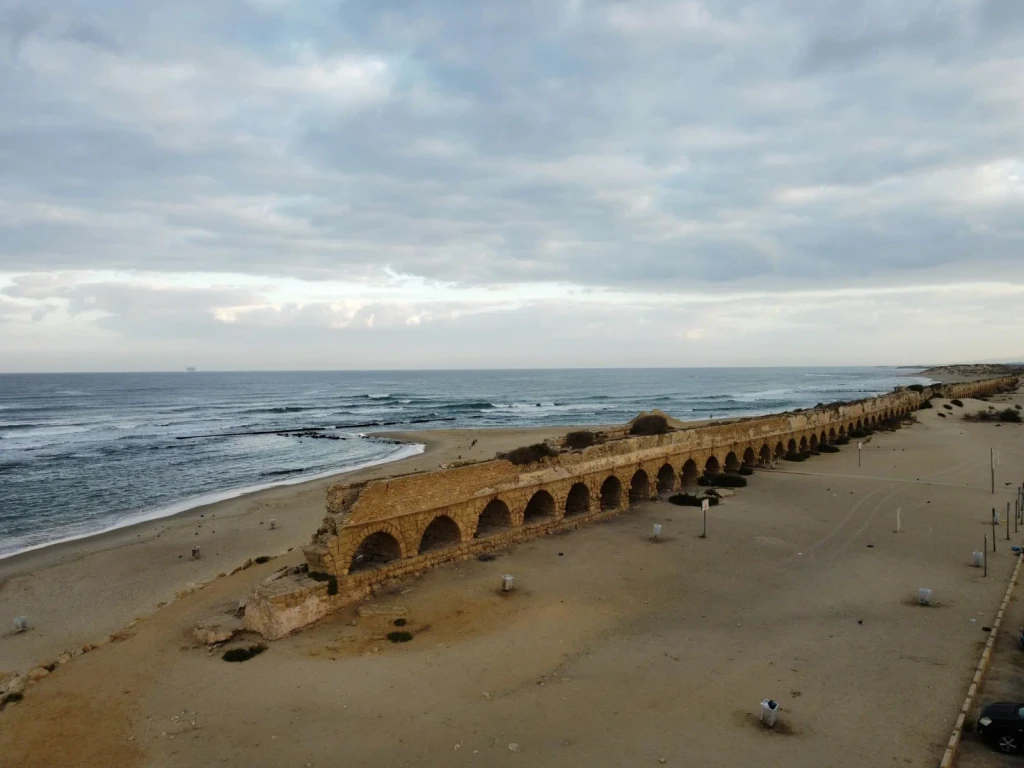
A historic Roman aqueduct meets the coast. Cloud cover hints at the weather that ancient engineers had to account for in their gradient calculations.
Photograph by Lio Voo, via Pexels.
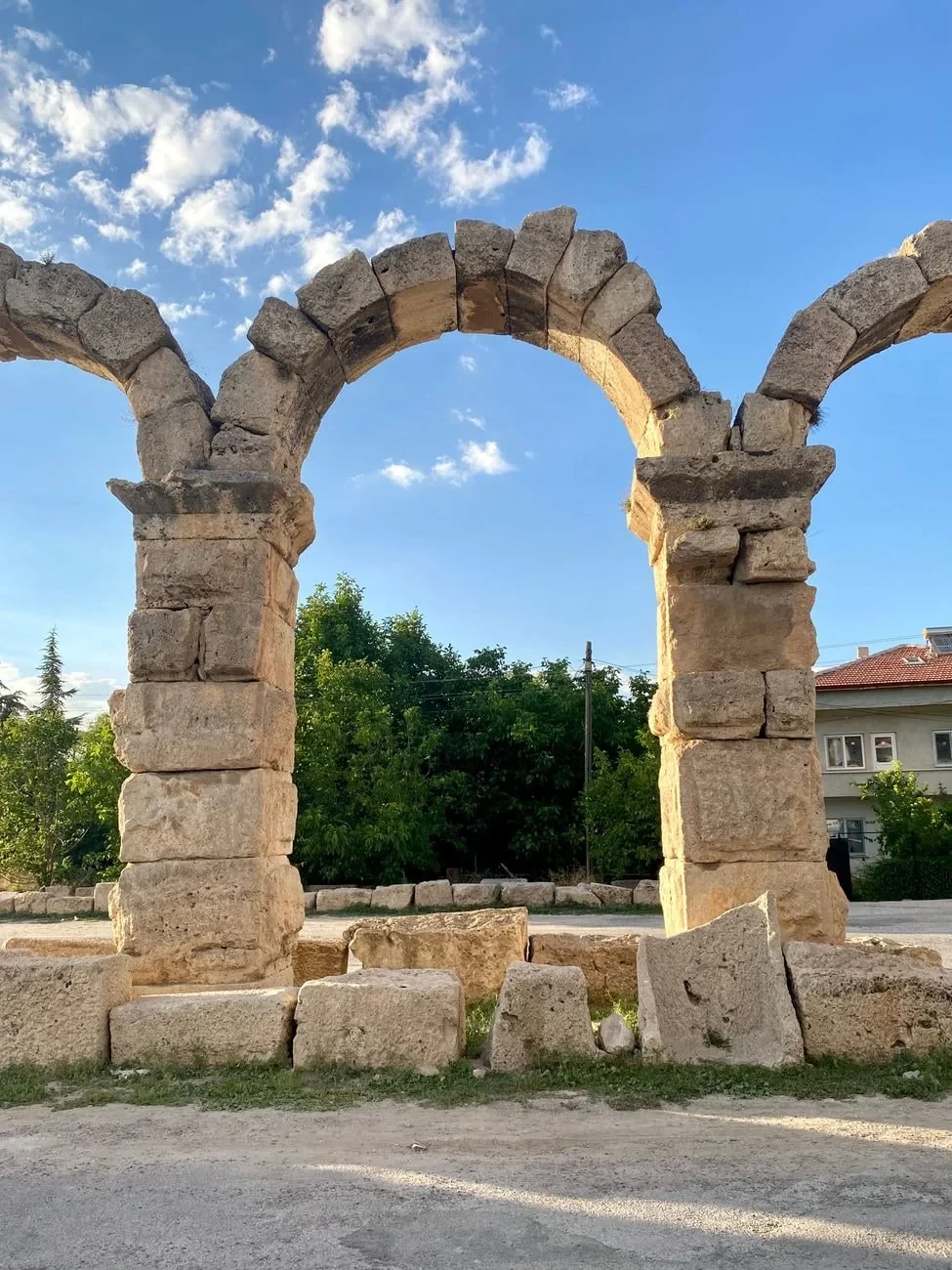
Historic stone arches frame the sky. This structure was engineered to move water imperceptibly downward across vast distances.
Photograph by Berna Ekinci, via Pexels.
