3D Gallery
Calendars: How We Carved Time into Days
Enter gallery
Calendars: How We Carved Time into Days is a 3D virtual gallery on MyGallery3D, a walkable online exhibition of 16 works. Step inside and explore it in your browser: no app, no headset.
Welcome to a 3D virtual museum of calendars, which you can walk through in your browser at your own pace.
Every calendar is an argument with the sky, and the sky wins. A solar year is 365.2422 days, which is not a whole number, so a calendar has to cheat. The Julian year of 365.25 days ran fast by about three days every 400 years. By 1582 the drift had reached 10 days, and Pope Gregory XIII simply deleted them: Thursday 4 October was followed by Friday 15 October.
The repair was arithmetic, not astronomy. Every year divisible by four is a leap year, unless it divides by 100, unless it also divides by 400. So 1800 and 1900 were ordinary years, while 1600 and 2000 were not. That leaves 97 leap days in 400 years, a mean year of 365.2425 days, and a cycle that repeats exactly every 146,097 days.
The Hijri calendar runs on twelve lunar months, 354 or 355 days. It does not intercalate, a practice forbidden in the farewell sermon of Muhammad, so it makes no attempt to track the seasons. Its months arrive about eleven days earlier each year, and the twelve of them regress through the whole cycle of seasons over roughly 33 years.
The Maya kept several counts turning at once. A sacred 260-day round, twenty day names against thirteen numbers, meshed with a 365-day year of eighteen months of twenty days plus five nameless days, when the boundary to the underworld was thought to dissolve. The two counts realigned only every 18,980 days, about 52 years, so a Long Count of days was kept as well.
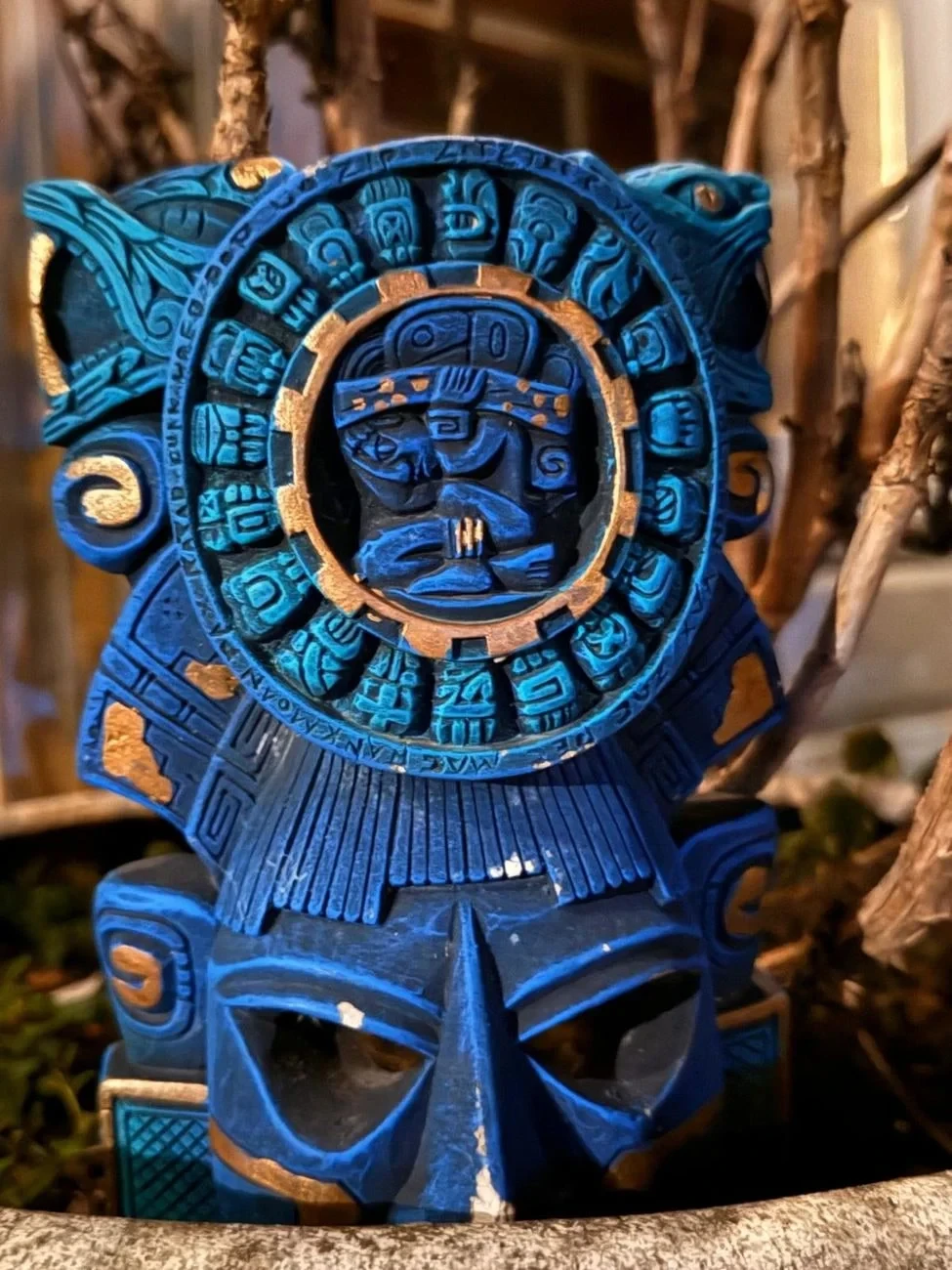
An Aztec calendar statue in blue and gold tones. The sculptural form shows how calendar systems become artistic objects.
Photograph by Himanish Goel, via Pexels.
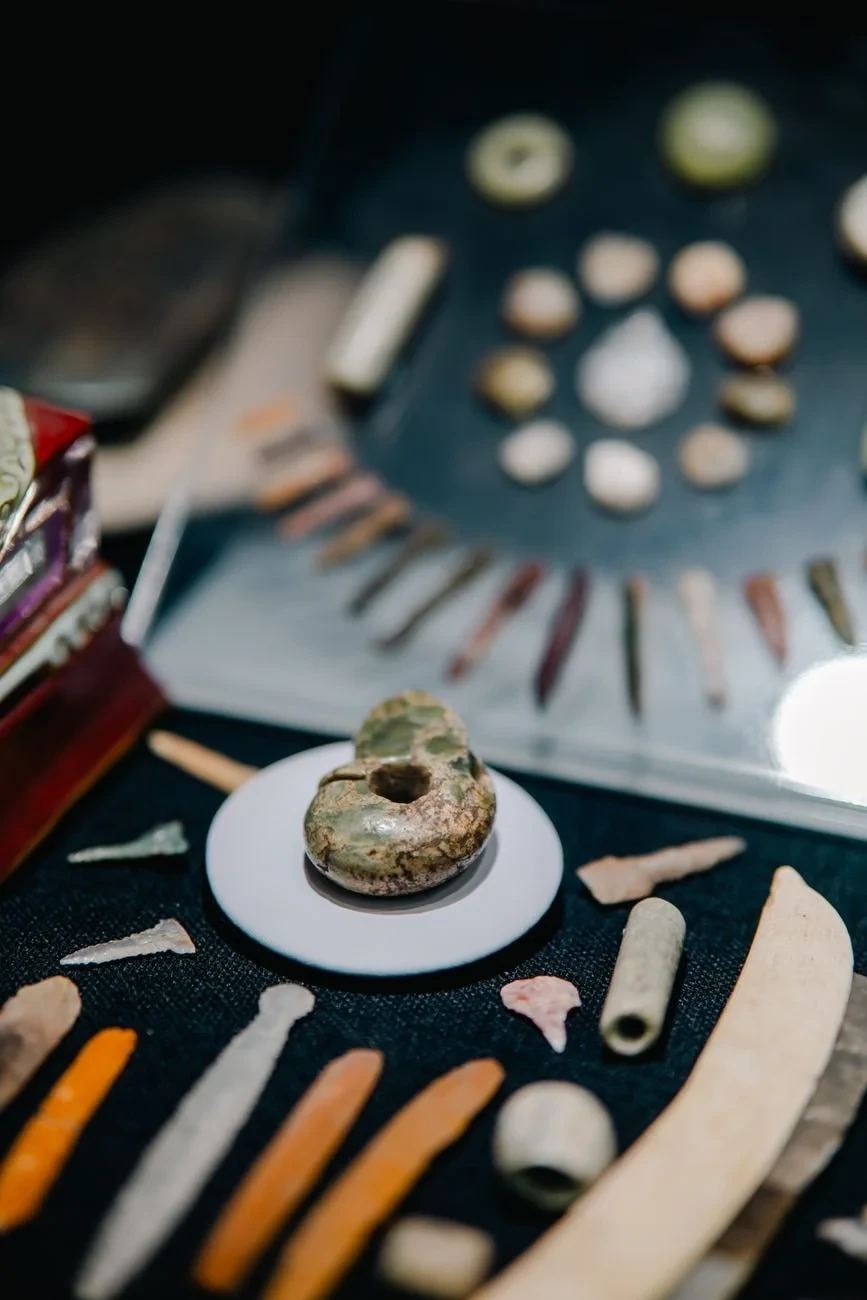
Various ancient artifacts including tools and stone pieces displayed together. The assemblage shows different ways early peoples engaged with materials to organize and track time.
Photograph by 晓鸟 蓝, via Pexels.
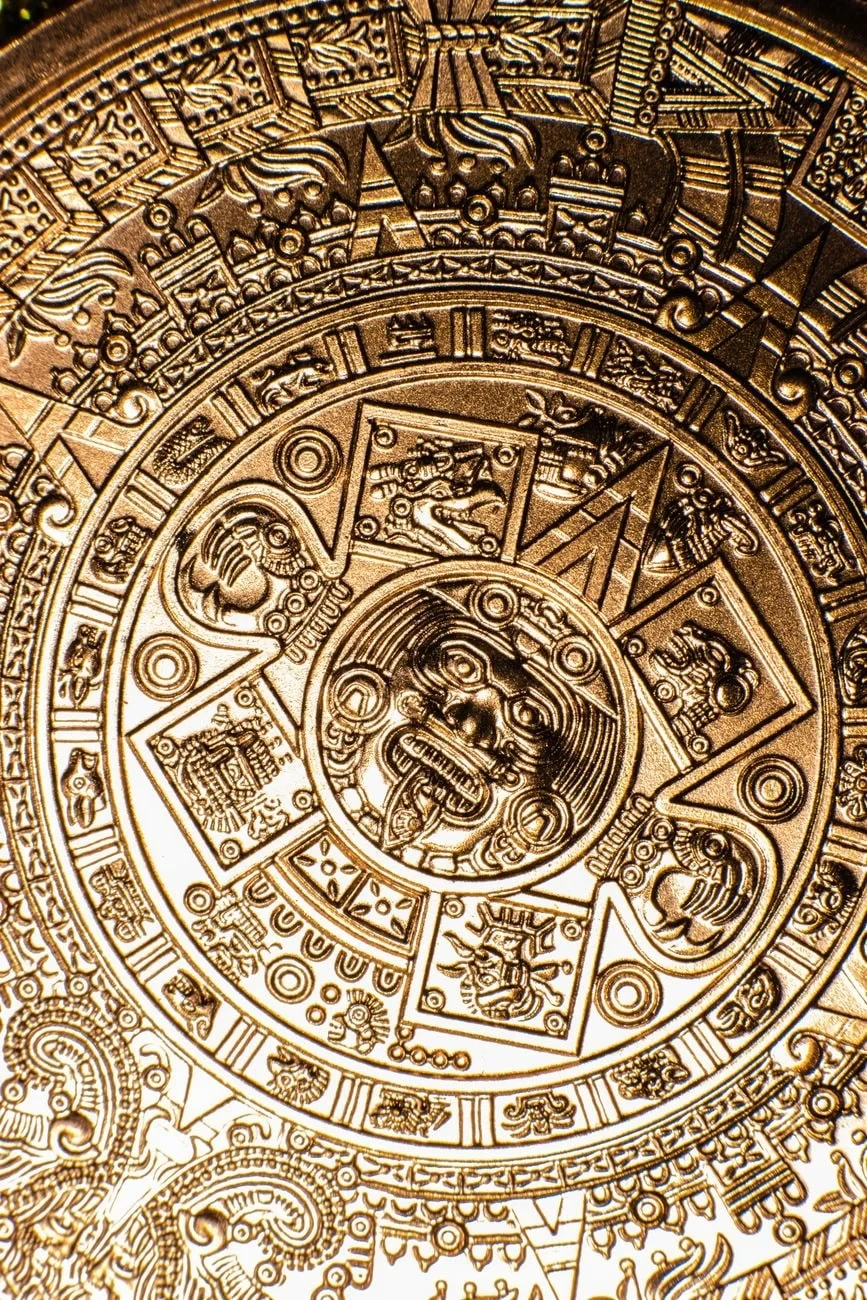
A copper Aztec calendar rendered in fine detail. The material choice transforms ancient calendar concepts into tactile, reflective surfaces.
Photograph by Mika Mark, via Pexels.
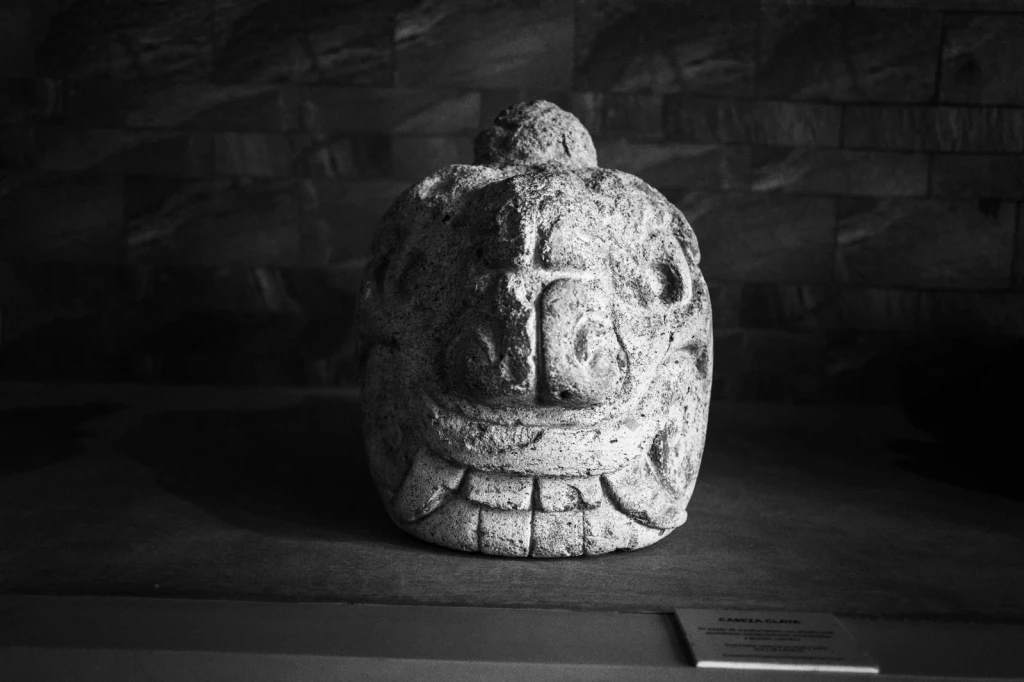
A black and white photograph of an ancient stone sculpture. The image documents how sculptural forms were used to mark and measure temporal cycles.
Photograph by Joshuan Barboza, via Pexels.
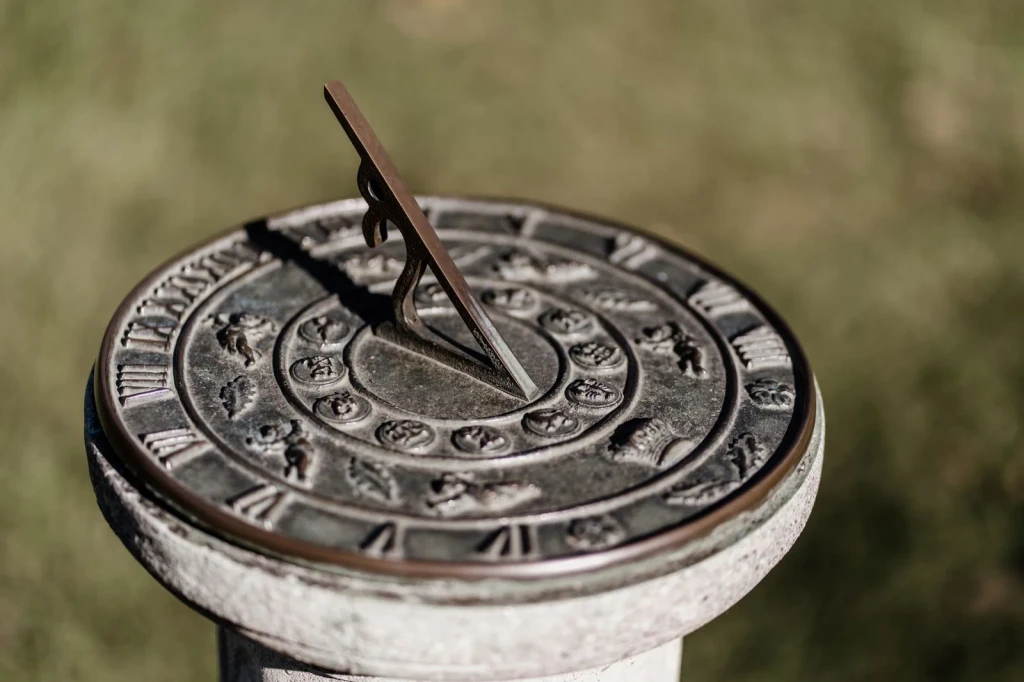
A classic sundial decorated with Roman numerals and zodiac imagery. The design reveals how celestial patterns were translated into tools for marking hours and seasons.
Photograph by Joel Zar, via Pexels.
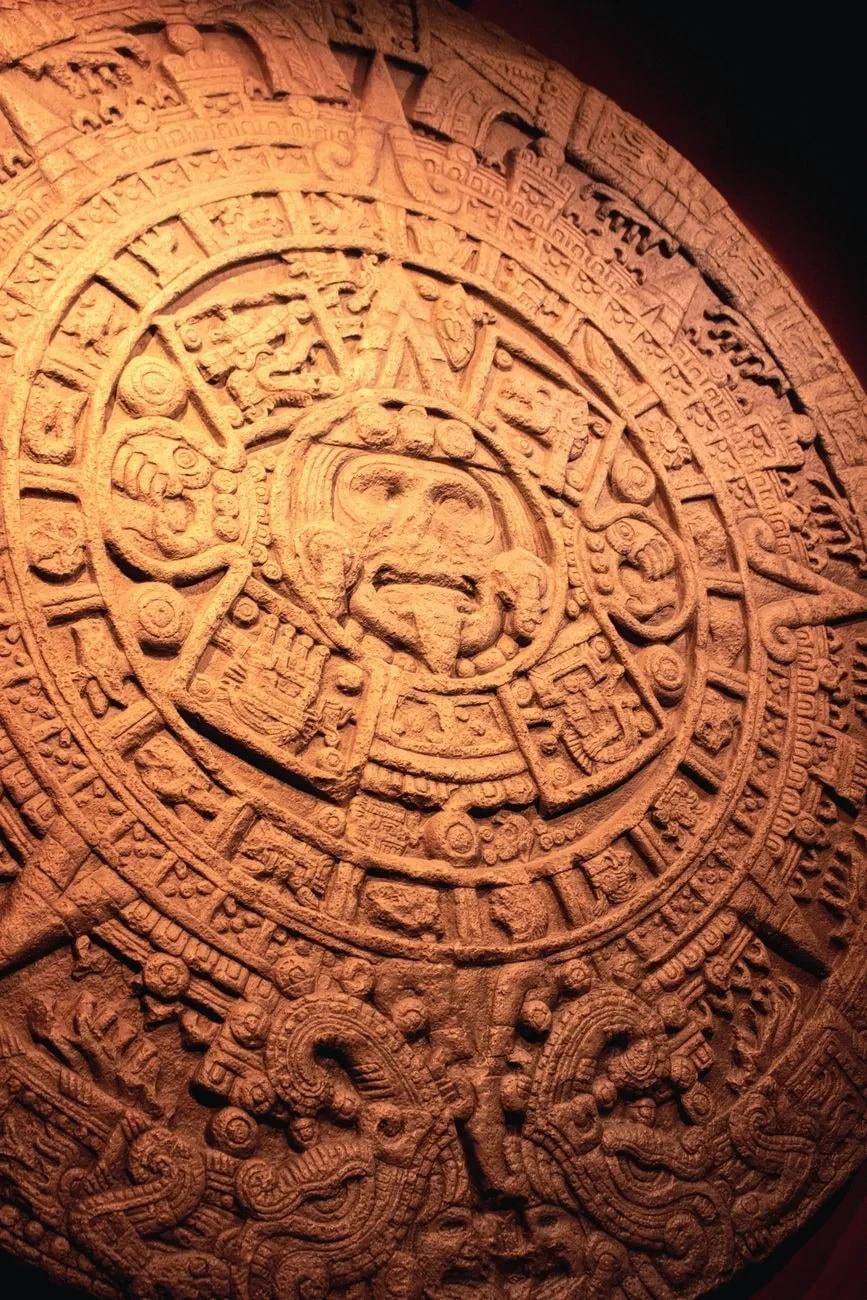
An intricately carved stone surface displays symbols and patterns. The detailed work suggests how ancient peoples inscribed their understanding of time into permanent materials.
Photograph by Lavdrim Mustafi, via Pexels.
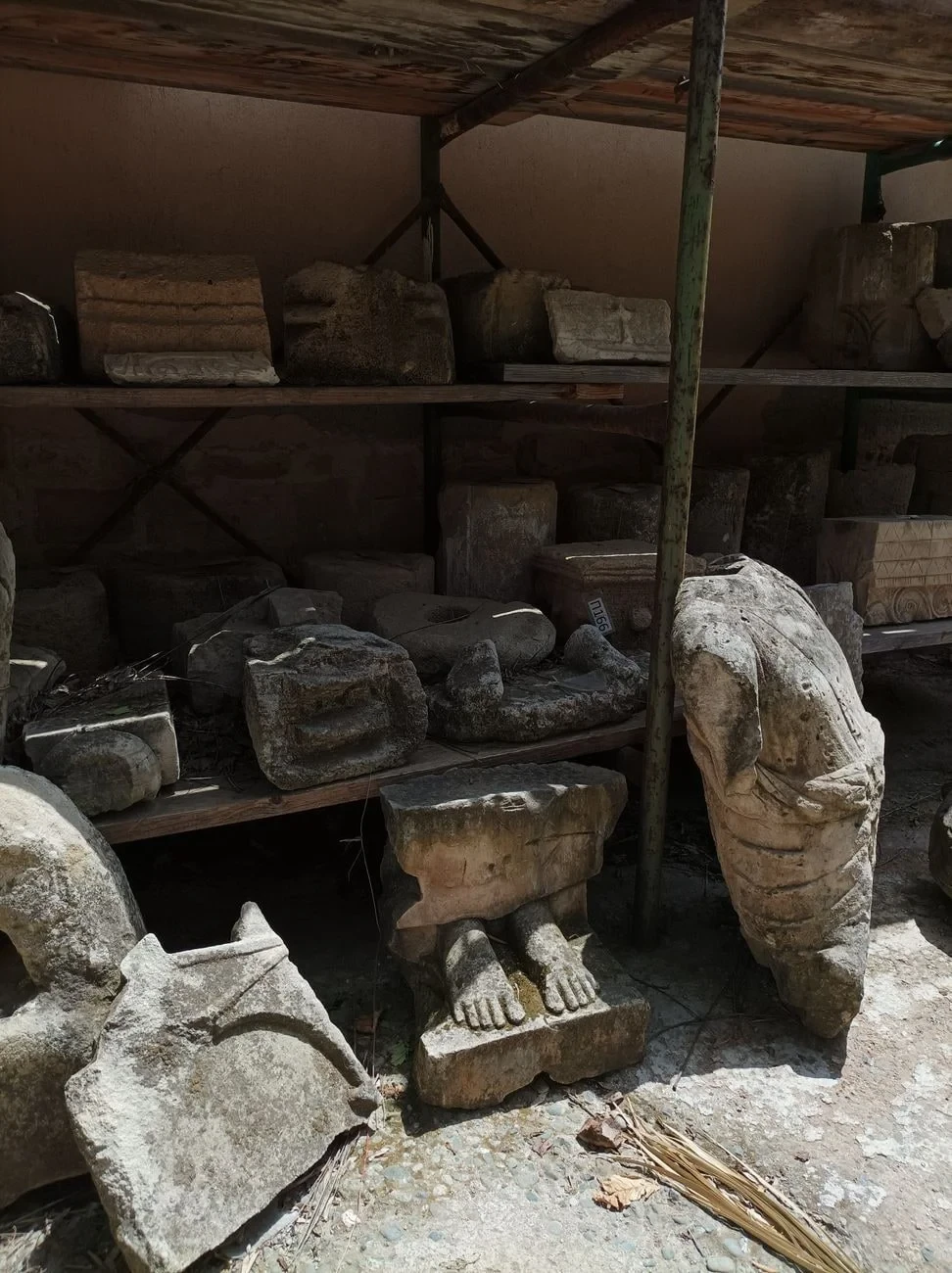
A collection of ancient sculpture fragments preserved indoors. These pieces hint at larger systems of timekeeping, now incomplete but still legible.
Photograph by Jose Ángel Ruiz Olivares, via Pexels.
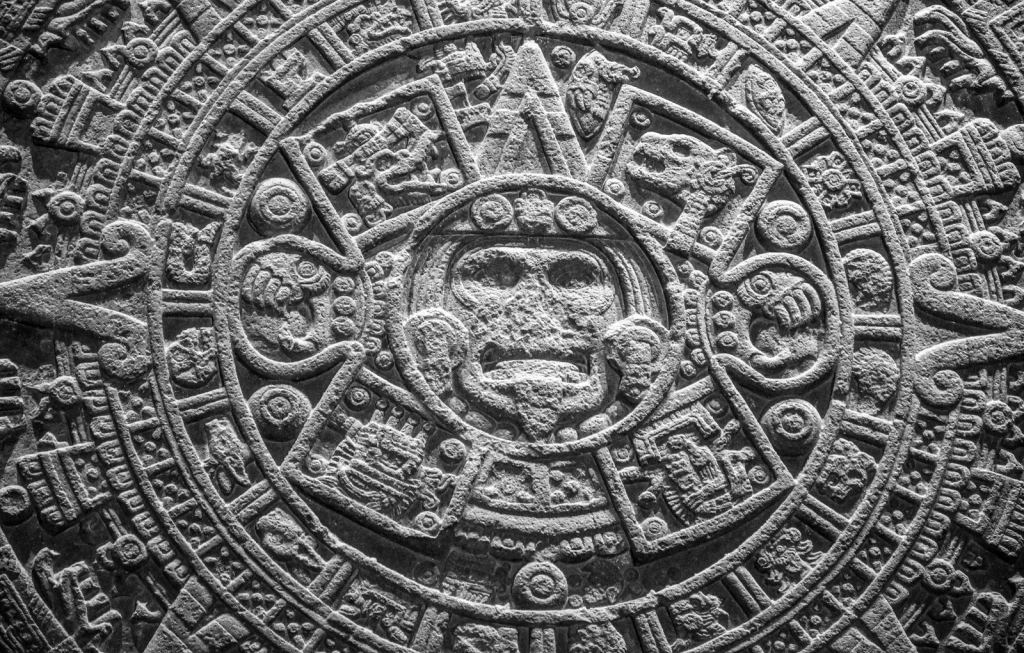
A close view of an Aztec calendar stone reveals carved precision. The photograph emphasizes the craftsmanship required to sculpt time.
Photograph by Enzo Renz, via Pexels.
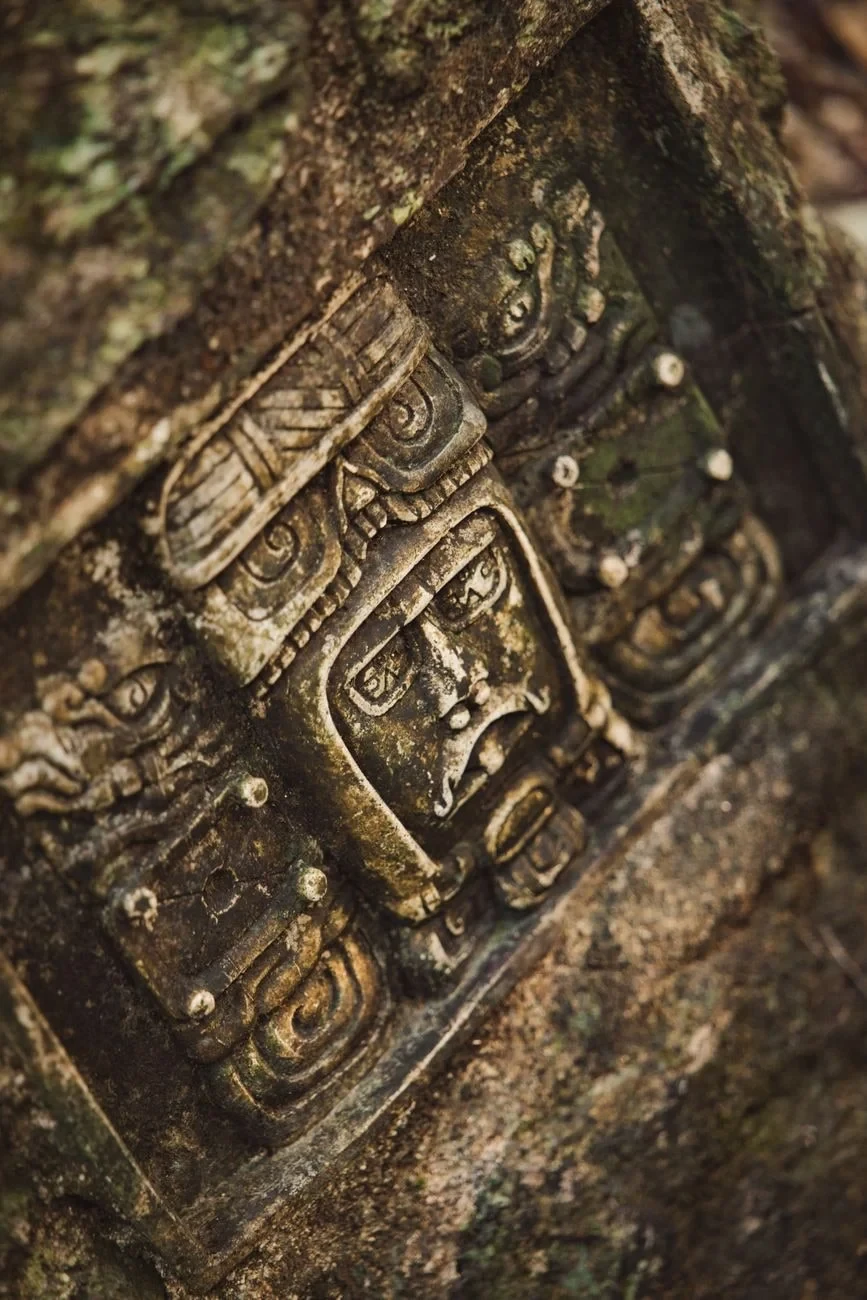
A detailed carved surface shows the marks of age and exposure. Even worn, it testifies to human effort to make meaning last.
Photograph by Fernando Cortes, via Pexels.
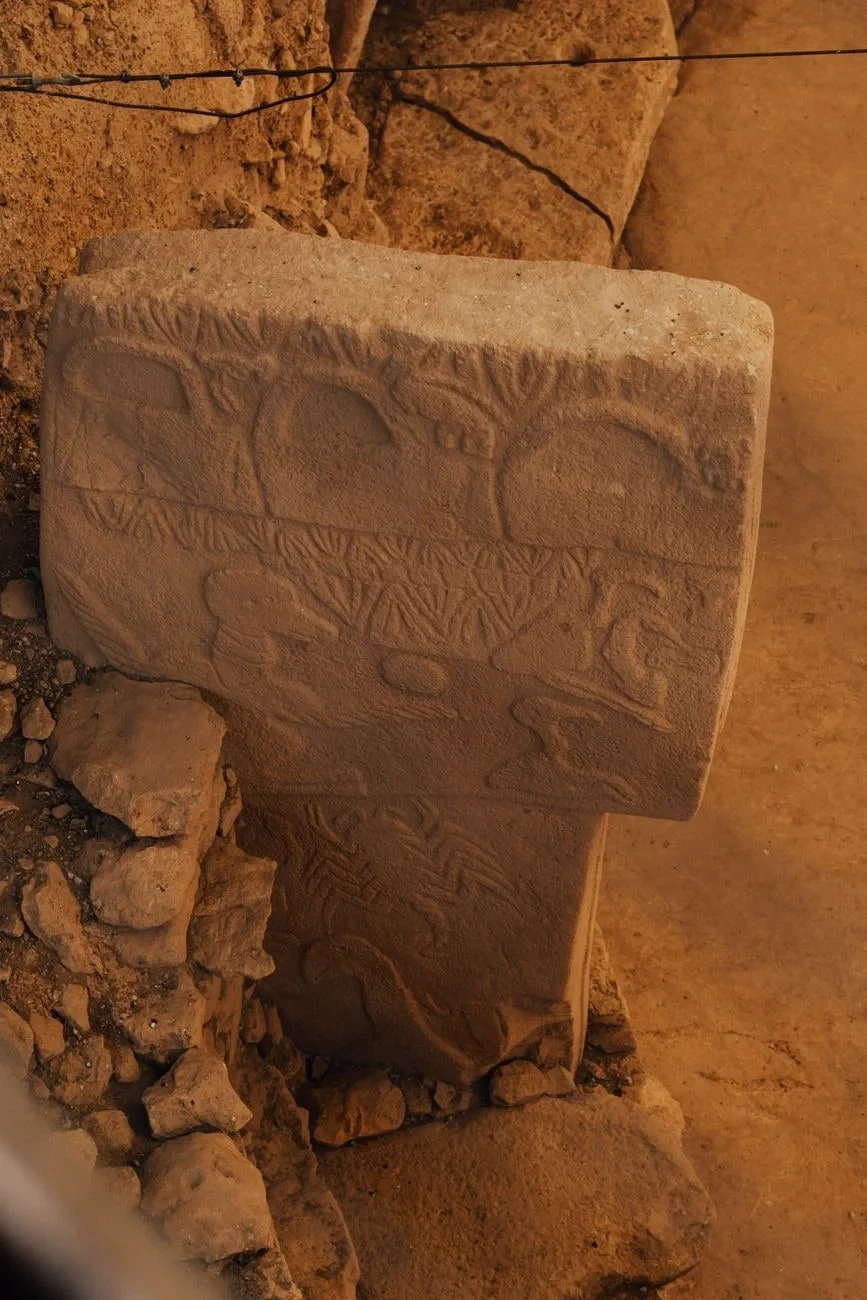
An intricately carved stone pillar demonstrates how ancient cultures used permanent materials to preserve their artistic vision and cultural knowledge across generations.
Photograph by Sami Aksu, via Pexels.
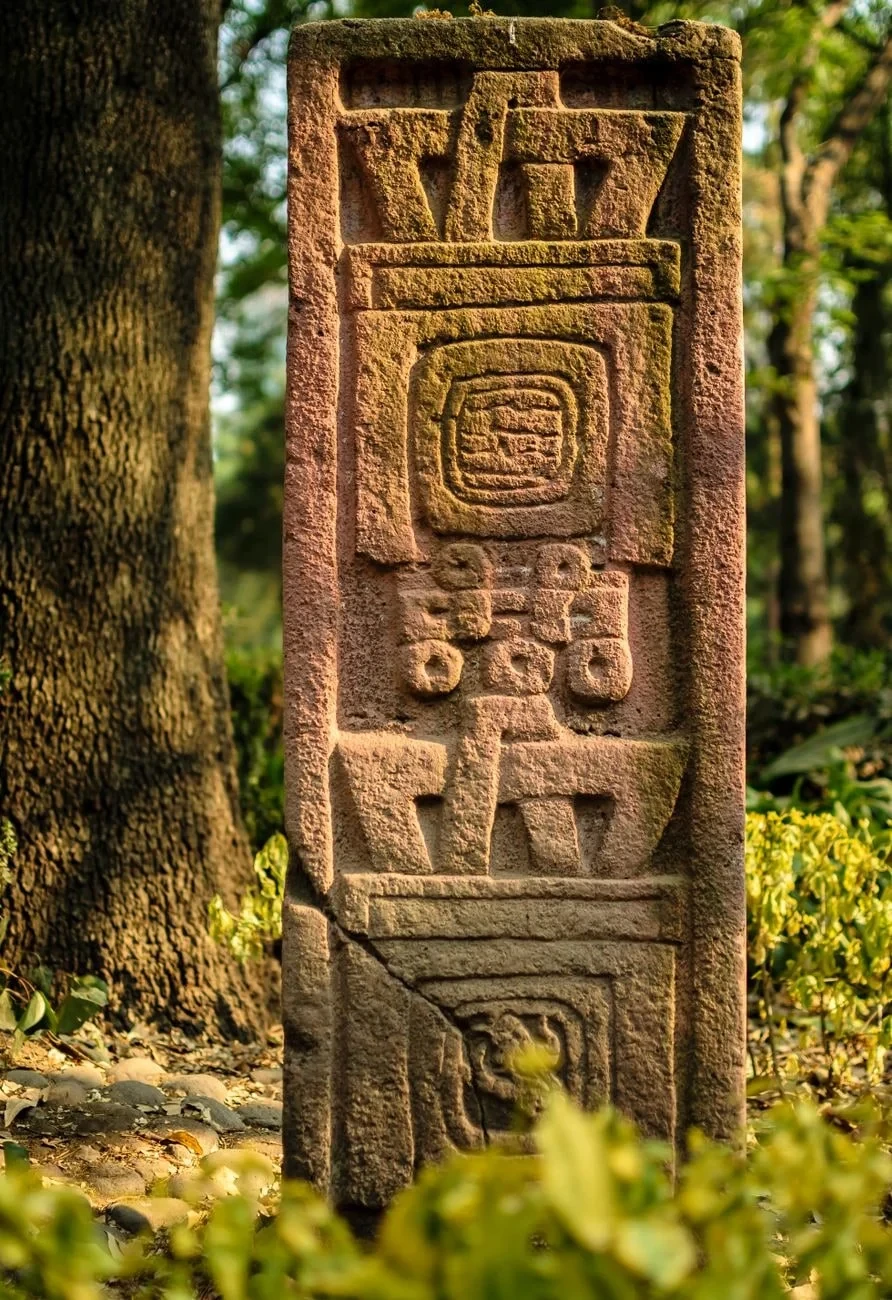
A carved stone monument weathered by time and nature. Its presence among living growth suggests how humans marked time through structures meant to endure.
Photograph by Irving Aguilar, via Pexels.
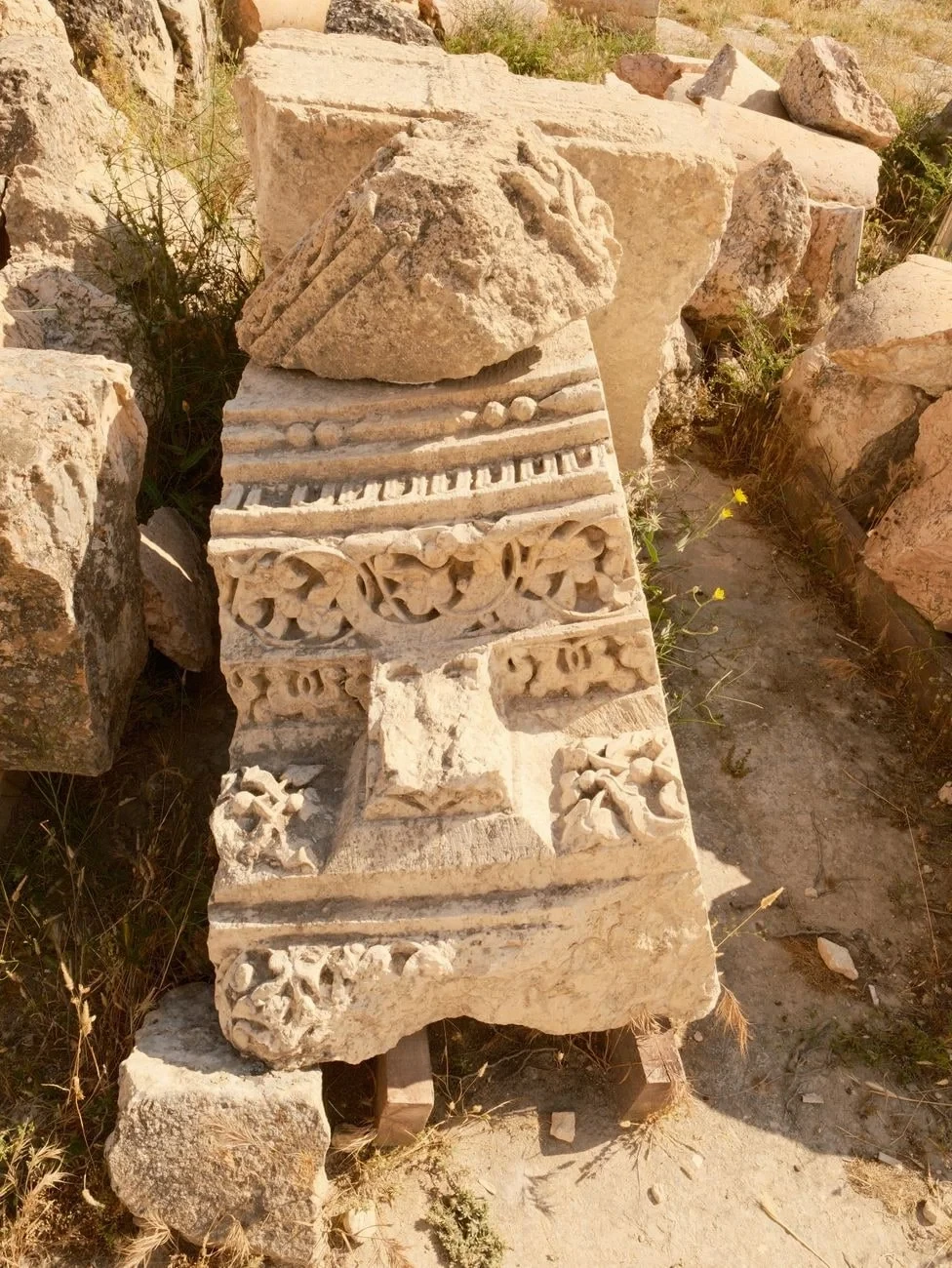
A close-up view of ornate ancient stones showing intricate carving. The detailed surface suggests deliberate effort to create enduring records of time.
Photograph by Hale Ş, via Pexels.
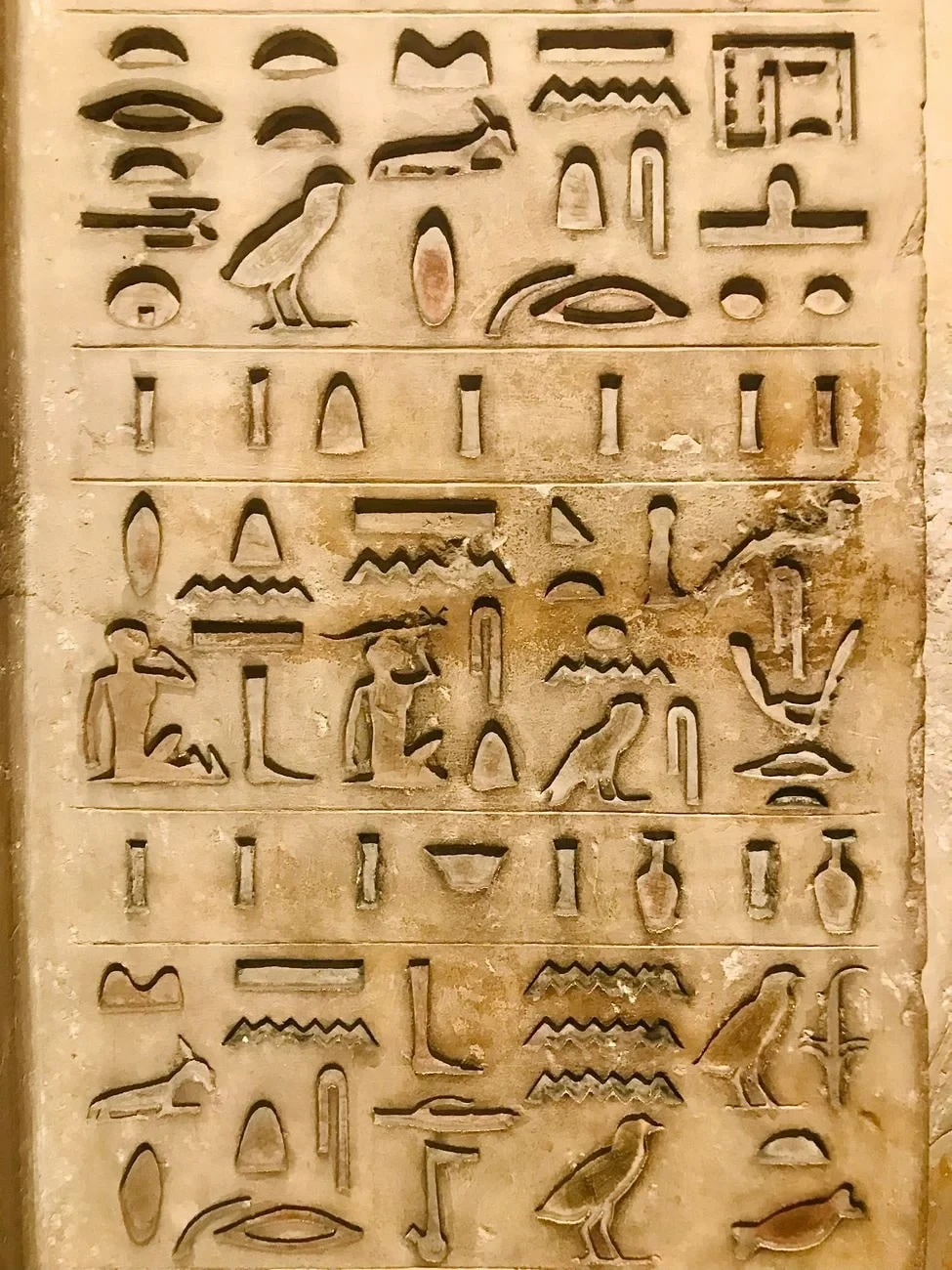
Ancient carvings preserve a written language on stone. Such detailed inscriptions were how cultures documented time, events, and knowledge for those who came after.
Photograph by Alyana Galyana, via Pexels.
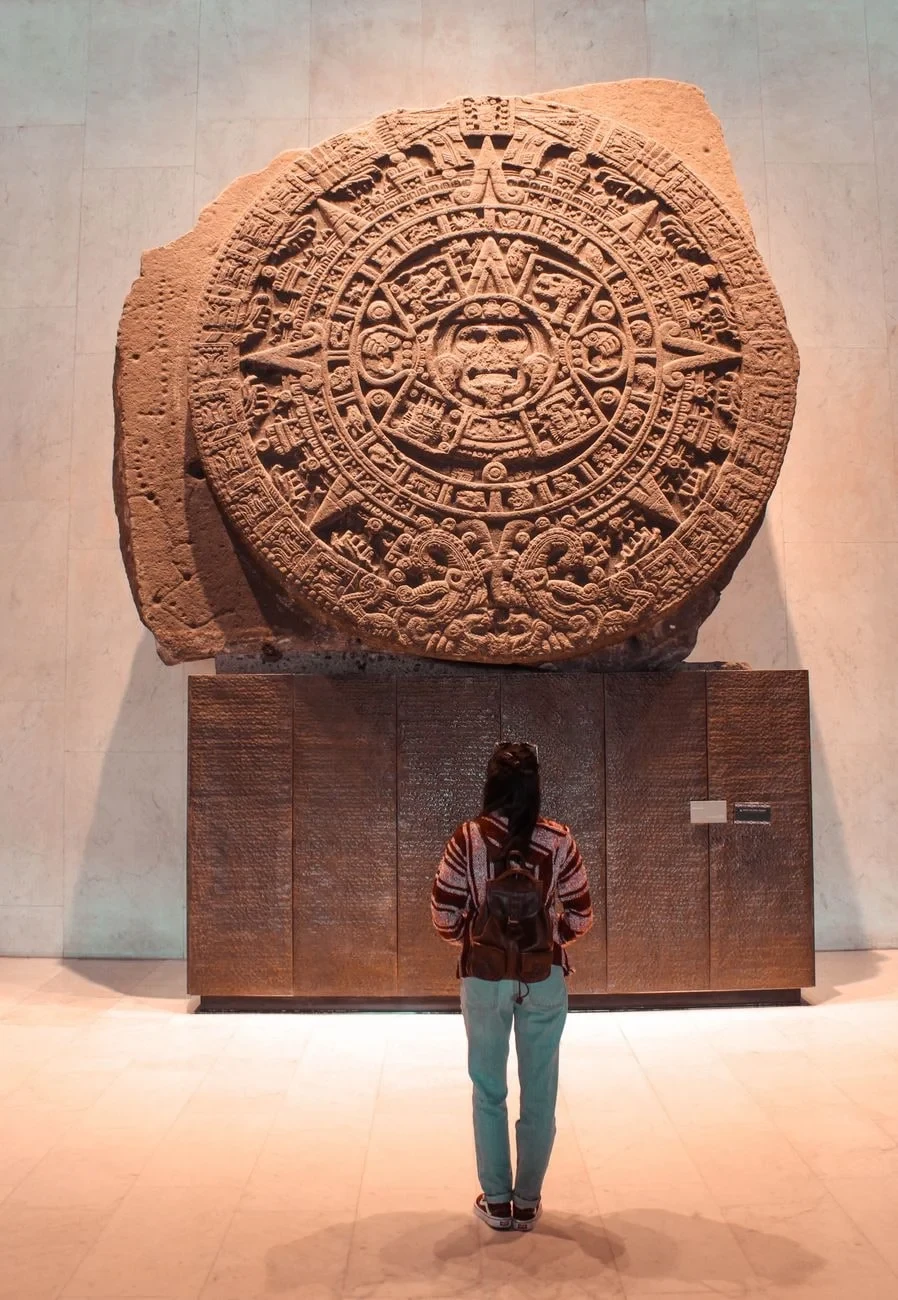
A visitor views an ancient Aztec Sun Stone in a museum. The image documents a moment of witnessing cultural timekeeping across centuries.
Photograph by Fer Martinez Gonzalez, via Pexels.
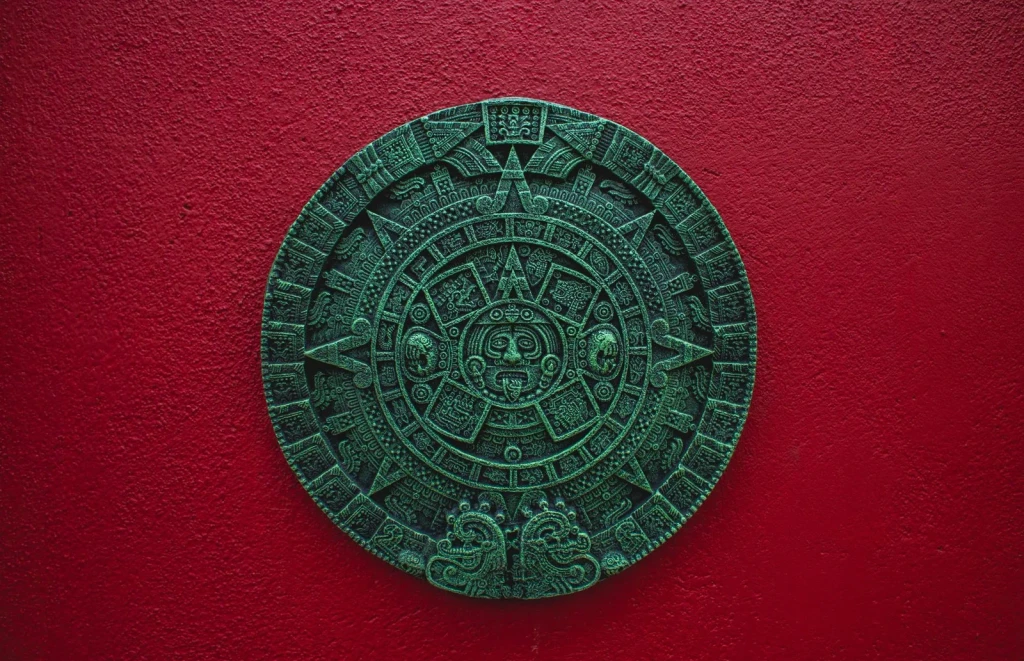
Mayan calendar imagery on a vibrant red surface. The photograph captures how these ancient systems persist in contemporary decoration.
Photograph by Nairod Reyes, via Pexels.
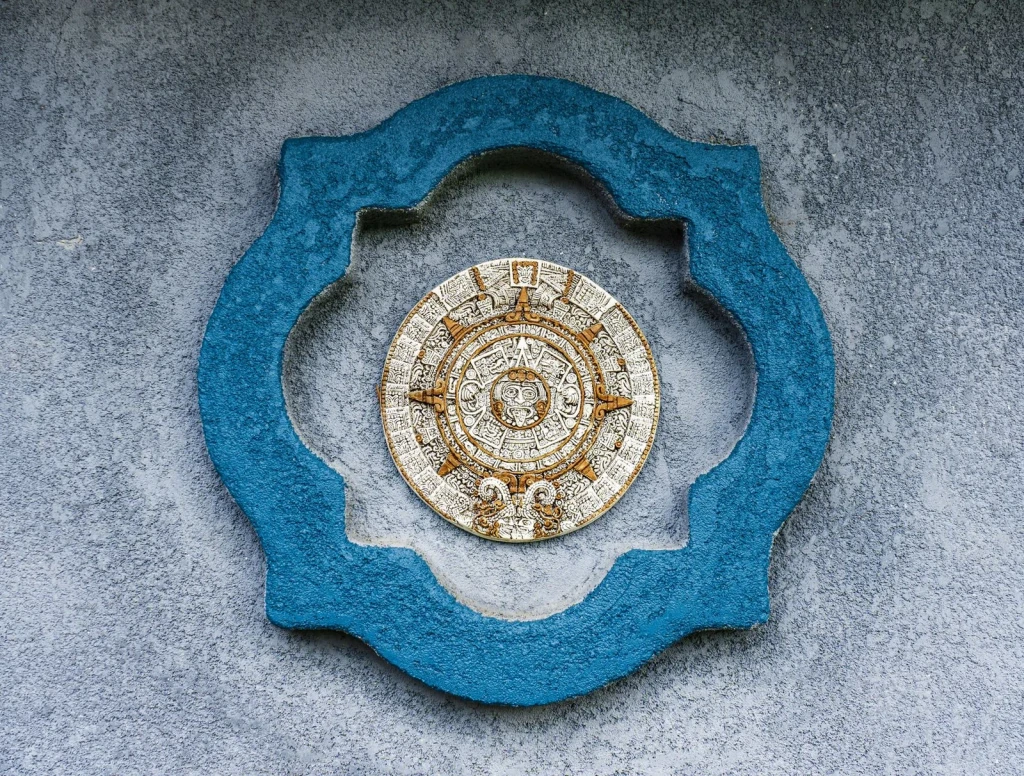
A patterned Aztec calendar adorns a blue and gray wall. Its intricate design demonstrates one way cultures have visually organized time.
Photograph by ERod Photos, via Pexels.
