3D Gallery
Clay Tablets: The First Hard Drives
Enter gallery
Clay Tablets: The First Hard Drives is a 3D virtual gallery on MyGallery3D, a walkable online exhibition of 16 works. Step inside and explore it in your browser: no app, no headset.
Step inside a 3D virtual gallery of clay tablets and walk the archive in your browser.
These survive because someone set fire to them. Unfired clay stays soft, and a tablet could be soaked in water and recycled into a clean new one. Most of what we have was baked hard by accident, in buildings that burned. When a coalition of Babylonians, Scythians and Medes destroyed Nineveh in 612 BCE, the blaze that took the palace partially baked the library of Ashurbanipal, which is why you can still read it.
Ashurbanipal was a literate king and a cruel one, and he used both. He wrote to cities across Mesopotamia instructing them to send copies of everything written there, sent scribes into every region of the Neo-Assyrian Empire, and used war loot and threats to take tablets from Babylonia. The result, roughly 30,000 tablets and fragments, includes the Epic of Gilgamesh.
A stylus pushed into wet clay leaves a wedge, and mature cuneiform is composed of only five of them: horizontal, vertical, two diagonals and the Winkelhaken. The script ran for more than three millennia, from the 31st century BC, and was adapted to write Akkadian, Hittite, Elamite and more. The latest firmly dateable tablet, an astronomical almanac from Uruk, is from 79/80 AD.
Nobody invented writing to tell a story. It grew out of clay tokens used to count sheep, grain and bread loaves, then sealed inside hollow clay balls called bullae. The bulla was flattened into a tablet, the tokens became signs, and the earliest texts from Uruk are administrative: goods entering and leaving the stores, and the offices involved. Literature came later.
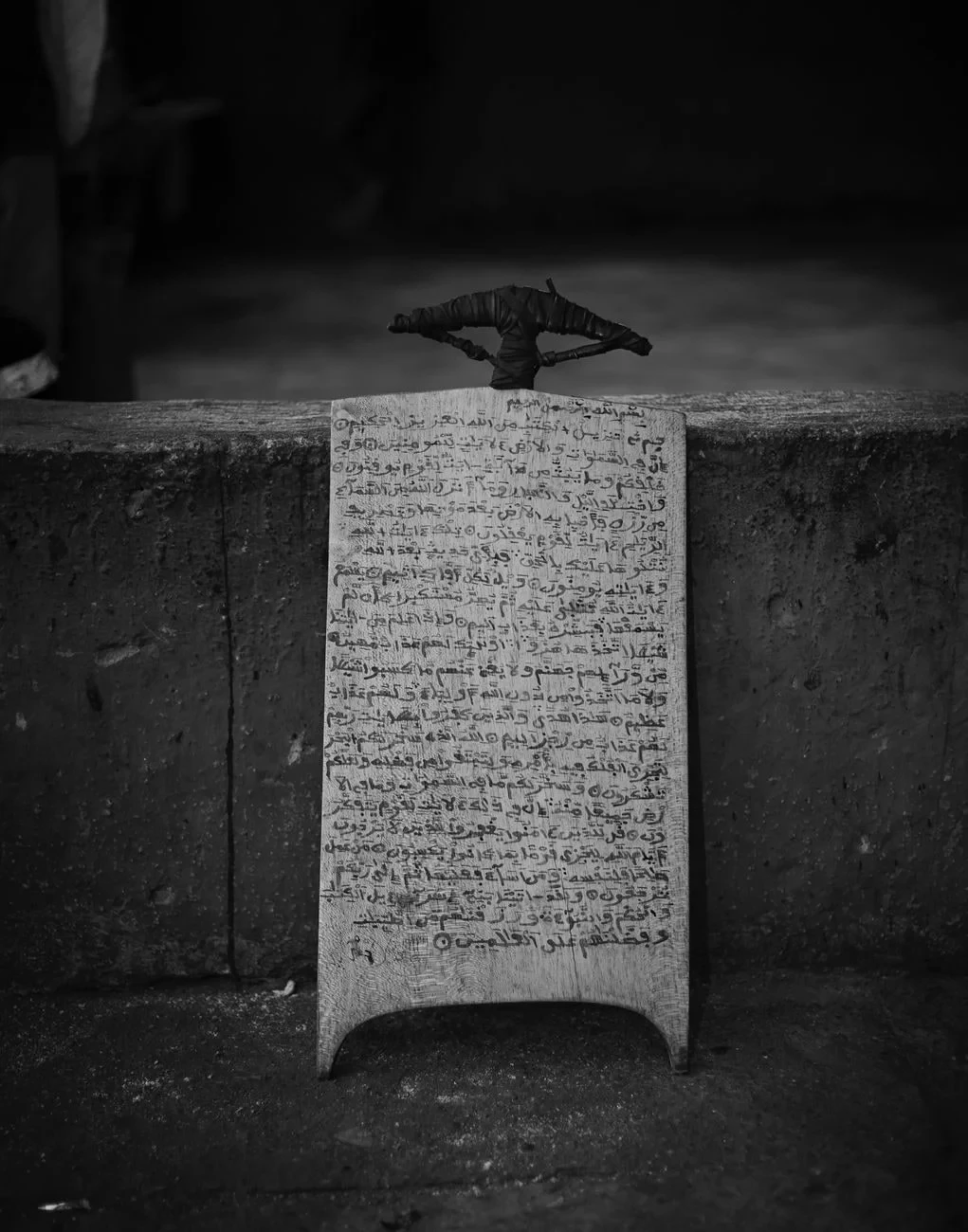
A tablet bearing script captured in monochrome. The intricate markings show how ancient peoples used clay to preserve information across time.
Photograph by Ezeguna_graphy Sulaiman muhammad, via Pexels.
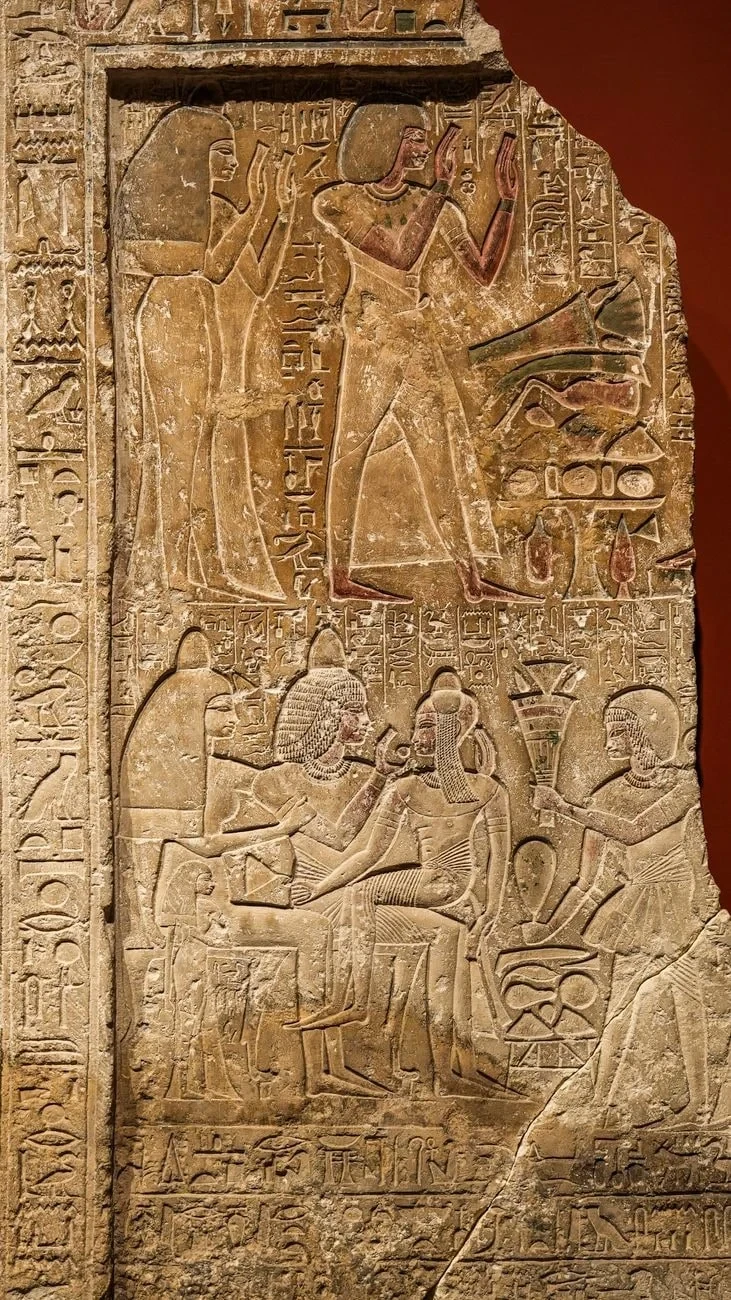
A detailed stone relief combining hieroglyphics and carved figures. Image and text work together to encode meaning in durable material.
Photograph by Fatih Dağlı, via Pexels.
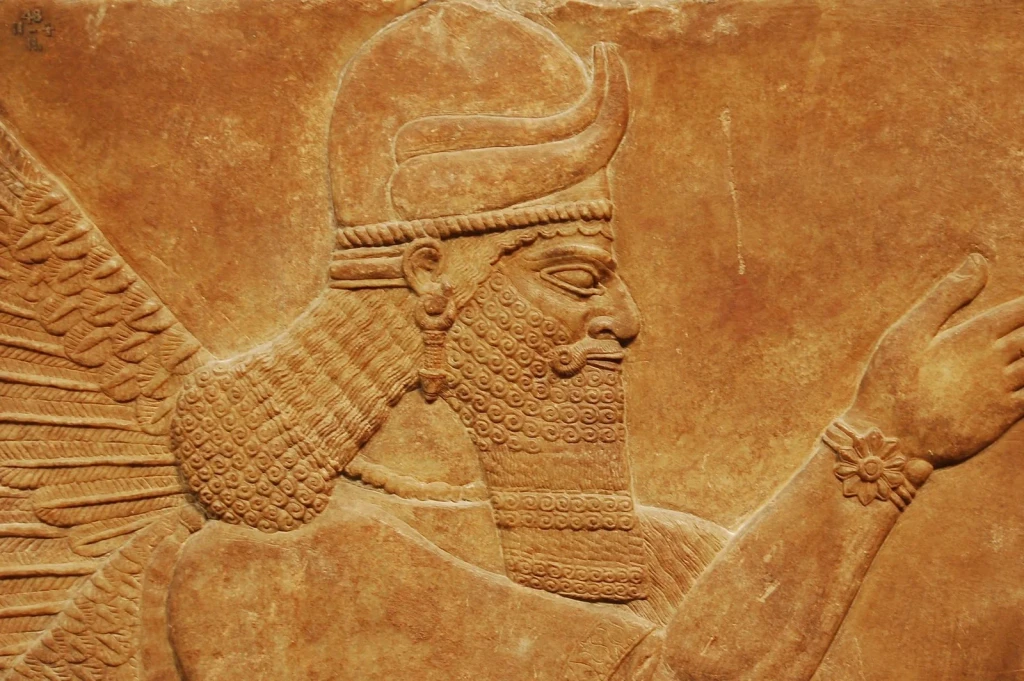
An ancient stone relief with intricate patterns. The precision of these carvings shows deliberate design in encoding information.
Photograph by Alejandro Quintanar, via Pexels.
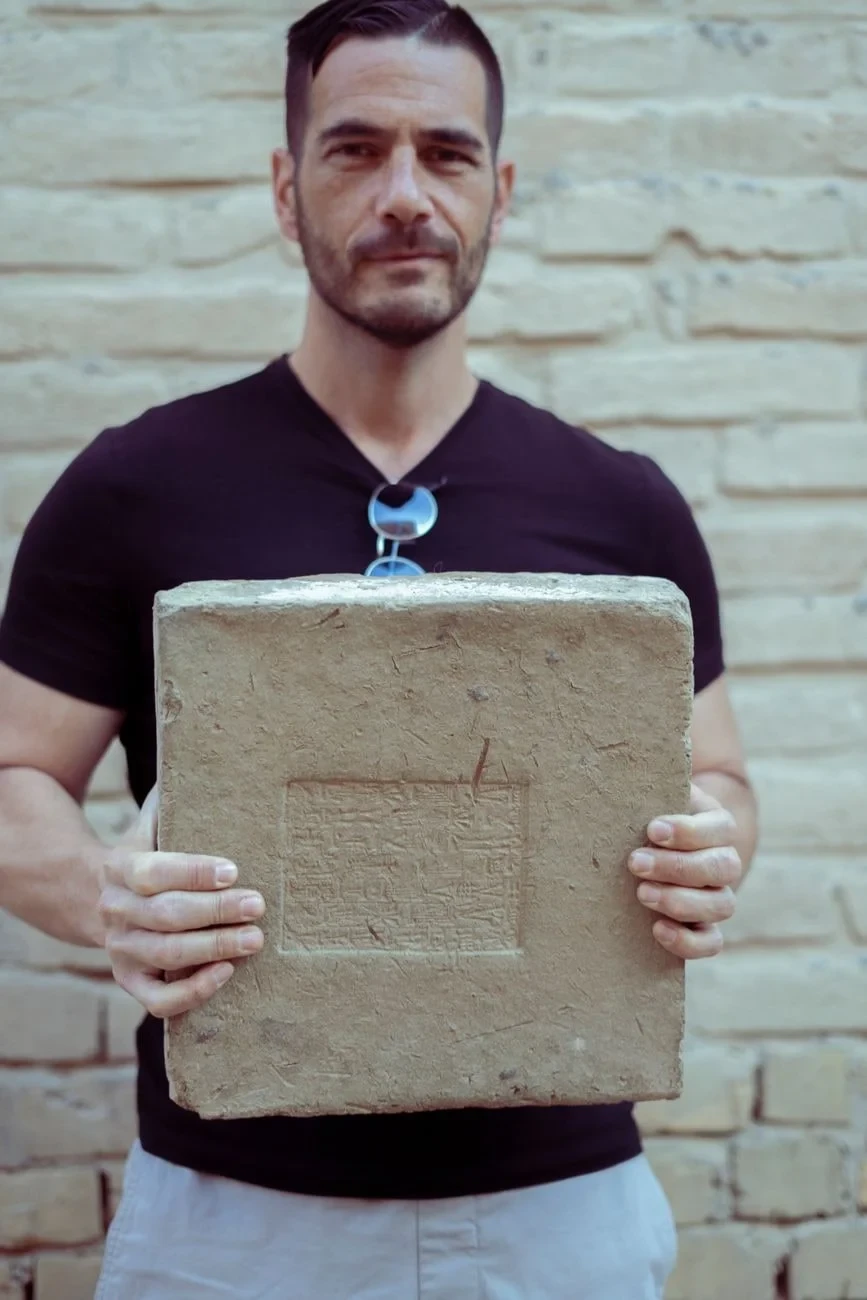
A photograph showing someone holding an ancient tablet. The image documents the act of engaging directly with historical clay records.
Photograph by khezez | خزاز, via Pexels.
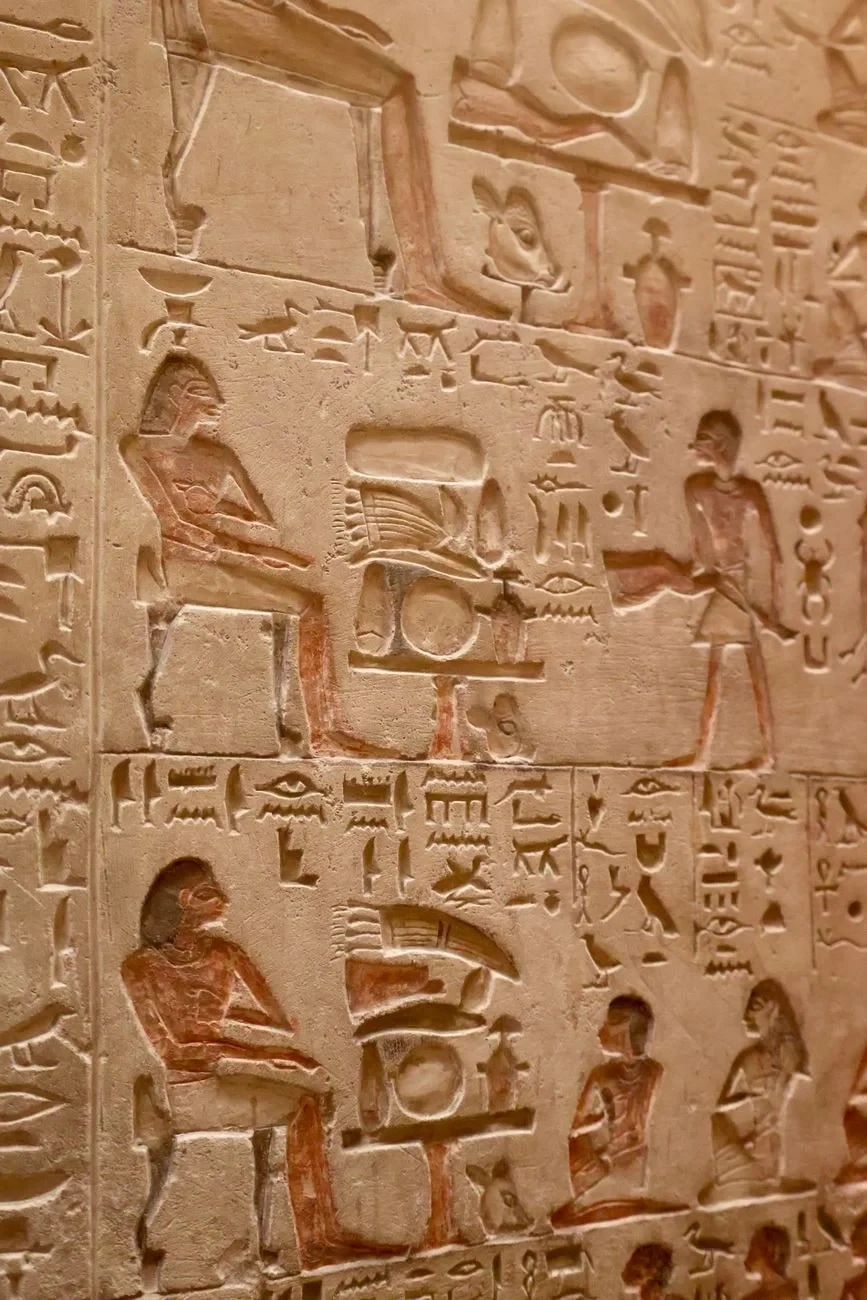
Hieroglyphs etched into stone show deliberate effort to make information permanent. The technique mirrors how clay tablets functioned as durable storage media.
Photograph by Yannick, via Pexels.
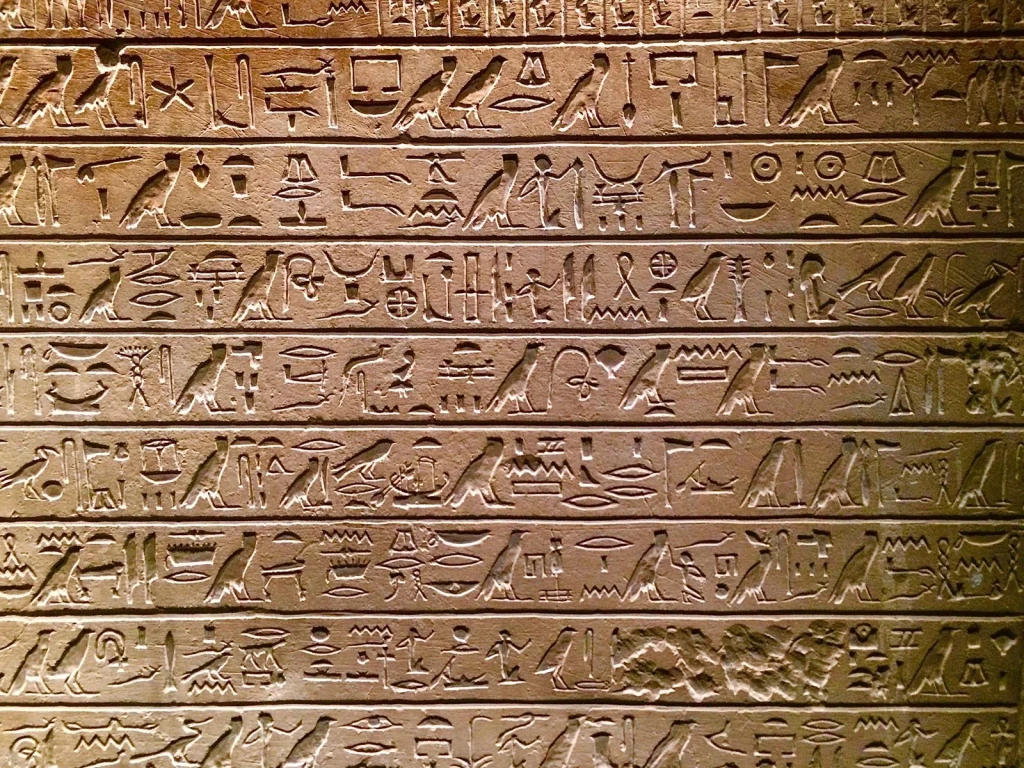
Hieroglyphic script etched into a stone wall. These marks demonstrate how civilizations inscribed knowledge into surfaces built to last.
Photograph by Alejandro Quintanar, via Pexels.
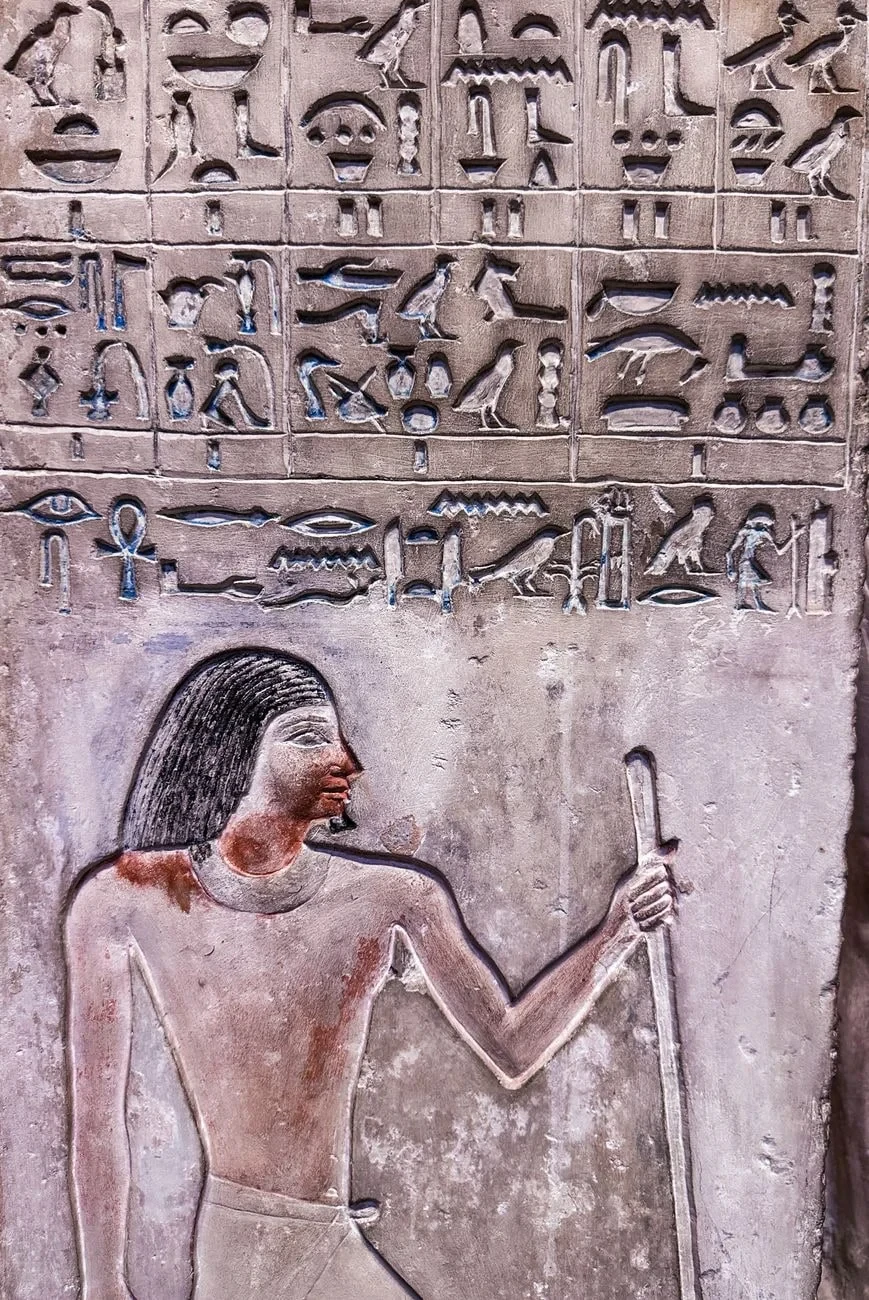
A stone wall relief combining hieroglyphic script with carved imagery. Text and visual representation merge to preserve knowledge.
Photograph by hayriyenur ., via Pexels.
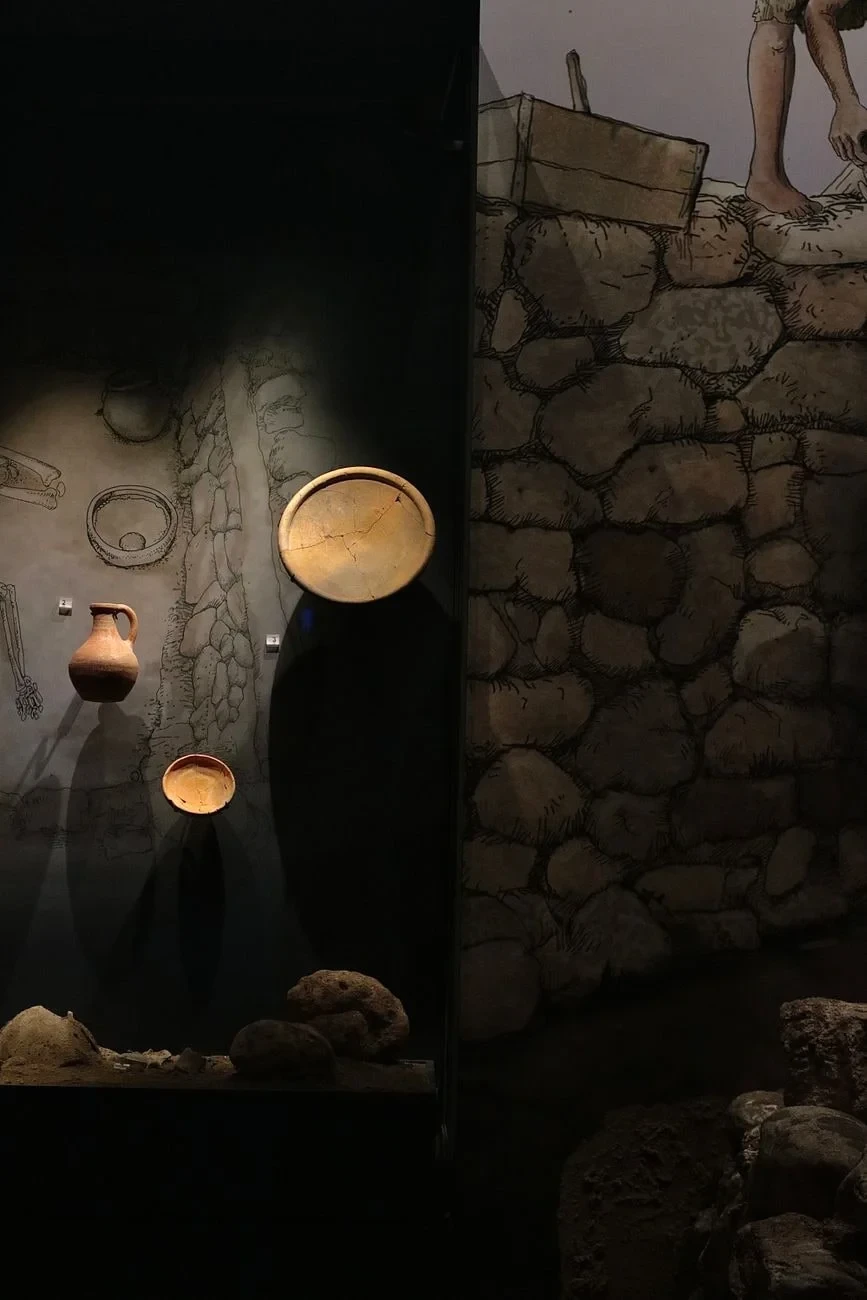
Ancient pottery and artifacts arranged in museum lighting evoke the weight of preserved objects. Each piece once held meaning someone decided was worth recording.
Photograph by Yusra Mizgin Günay, via Pexels.
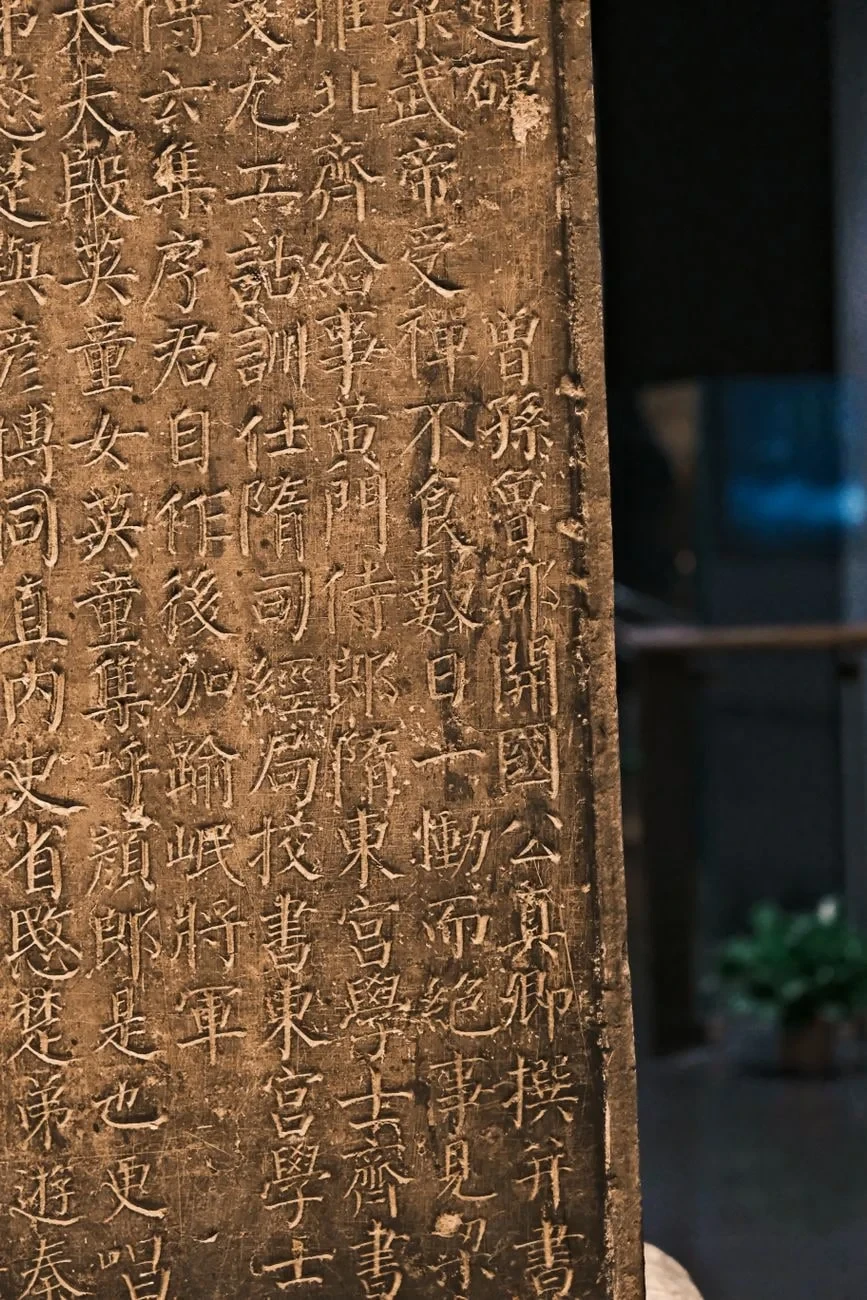
Traditional inscriptions on stone document cultural knowledge. This photograph shows one of many writing systems that used durable surfaces to transmit information.
Photograph by Lily Lili, via Pexels.
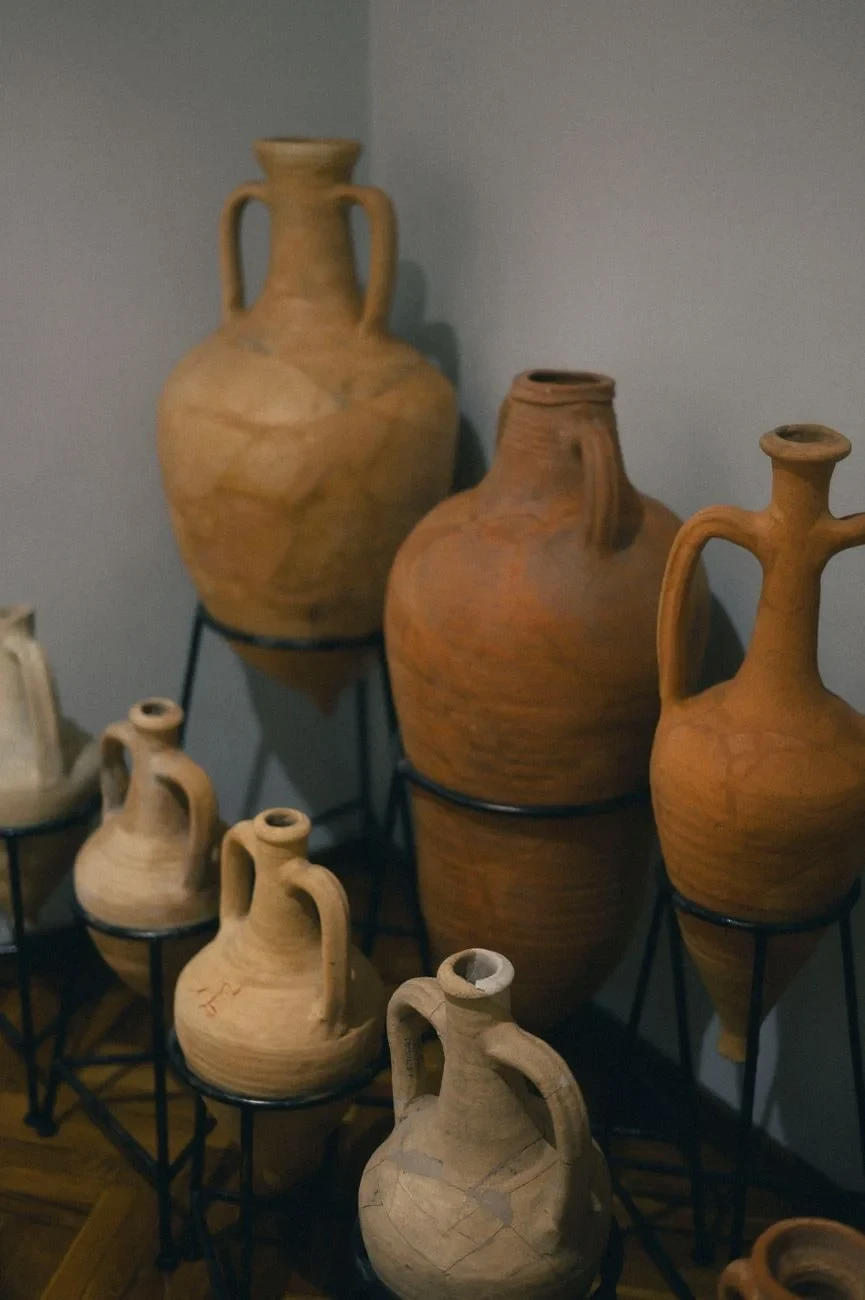
Multiple amphoras of varying sizes arranged together. These containers speak to standardized storage solutions in the ancient world.
Photograph by Diana ✨, via Pexels.
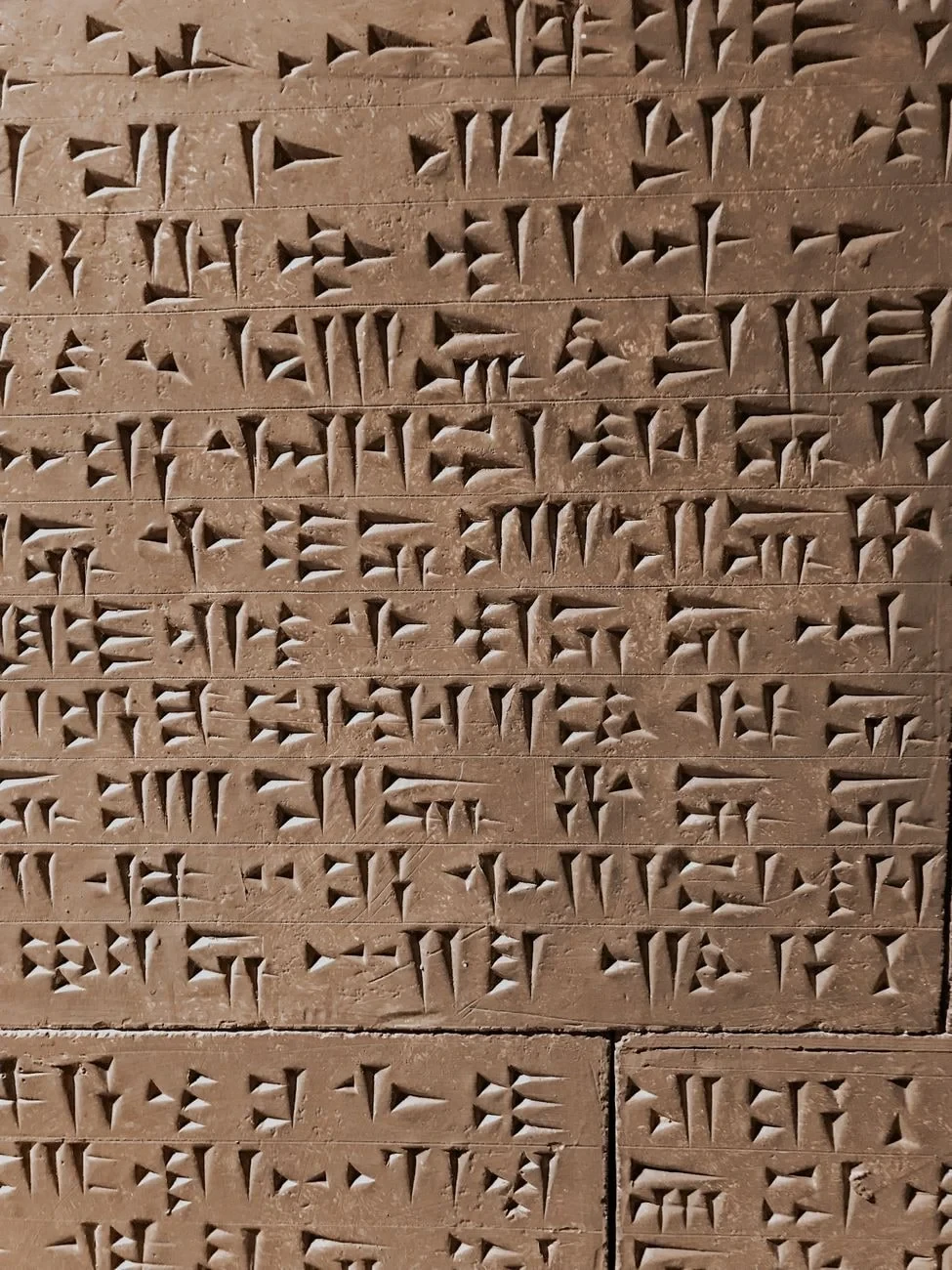
A close-up of ancient cuneiform marks carved into stone. Each impression represents an early attempt to make information permanent and retrievable.
Photograph by Bilge Şeyma Kütükoğlu, via Pexels.
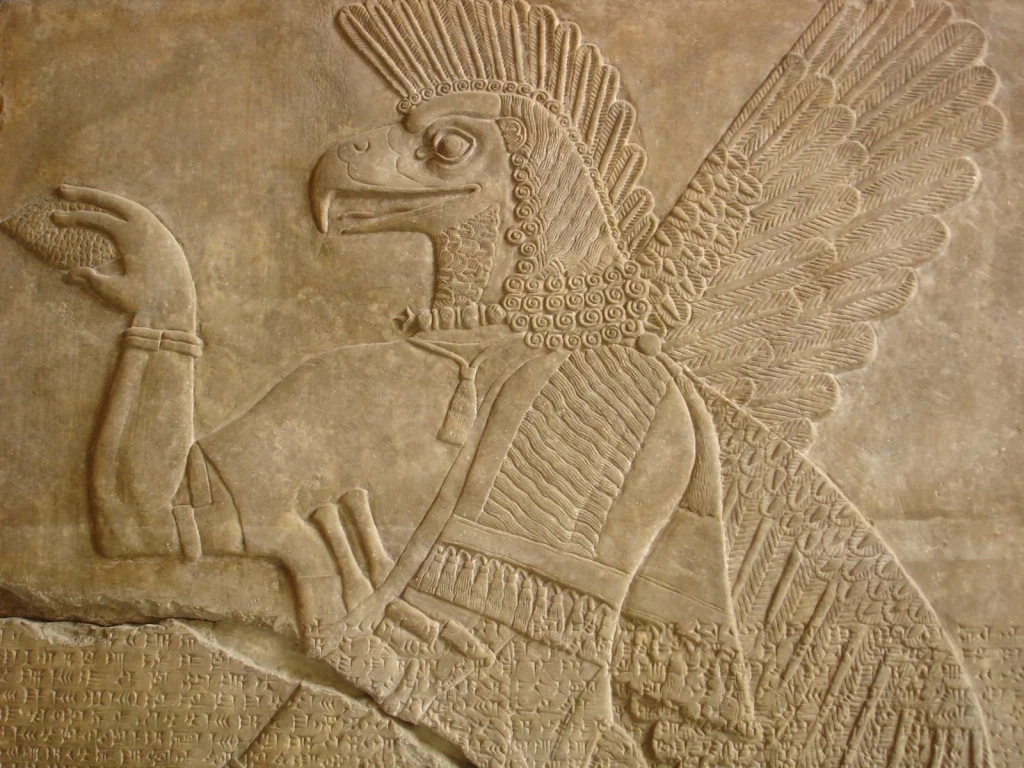
A detailed stone relief depicting a mythological figure. Stories and images were carved into rock as a form of lasting record.
Photograph by JP Nunes, via Pexels.
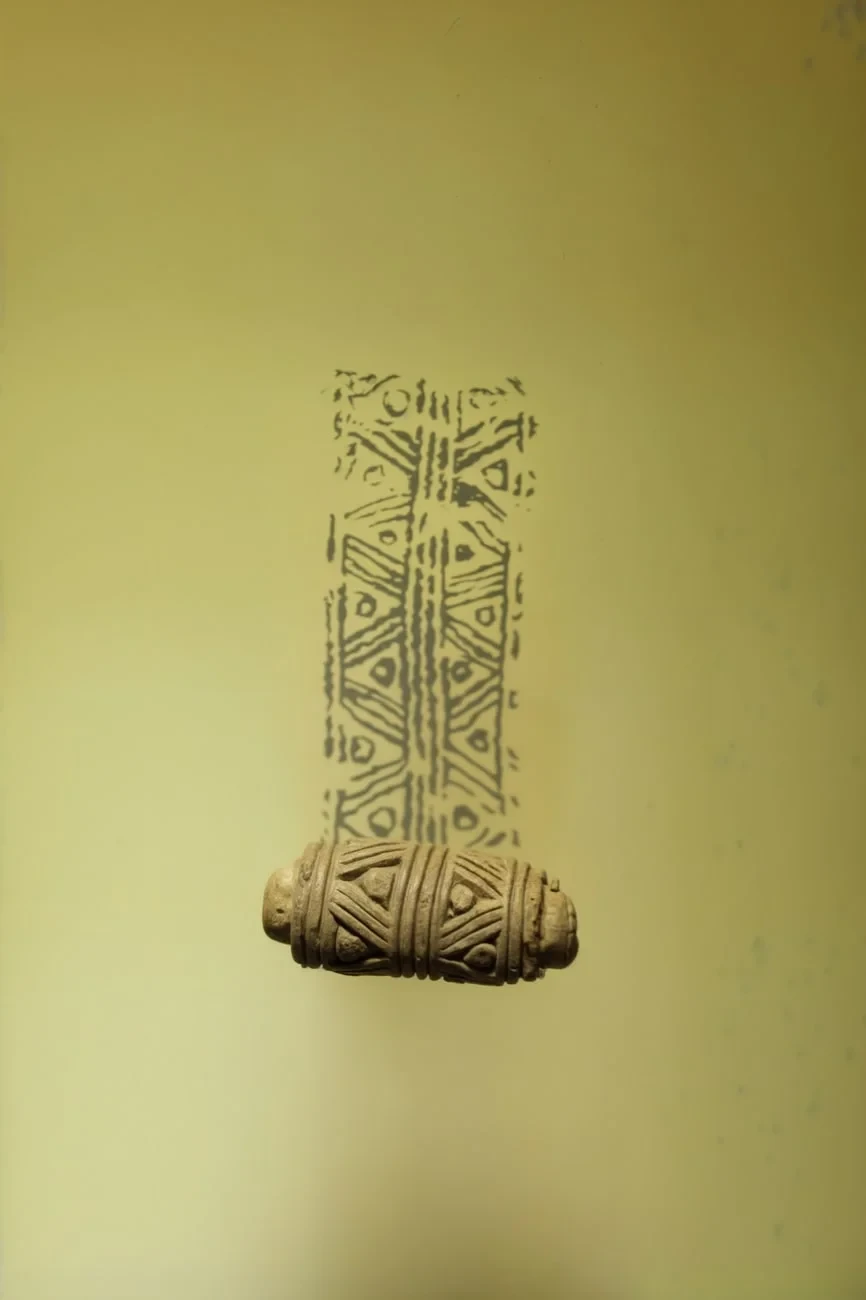
A ceramic stamp bears geometric patterns, pressed into clay as a tool for marking and recording. Before writing systems, such stamps may have served as early data storage.
Photograph by Juan Camilo Trujillo Botero 🇨🇴📸, via Pexels.
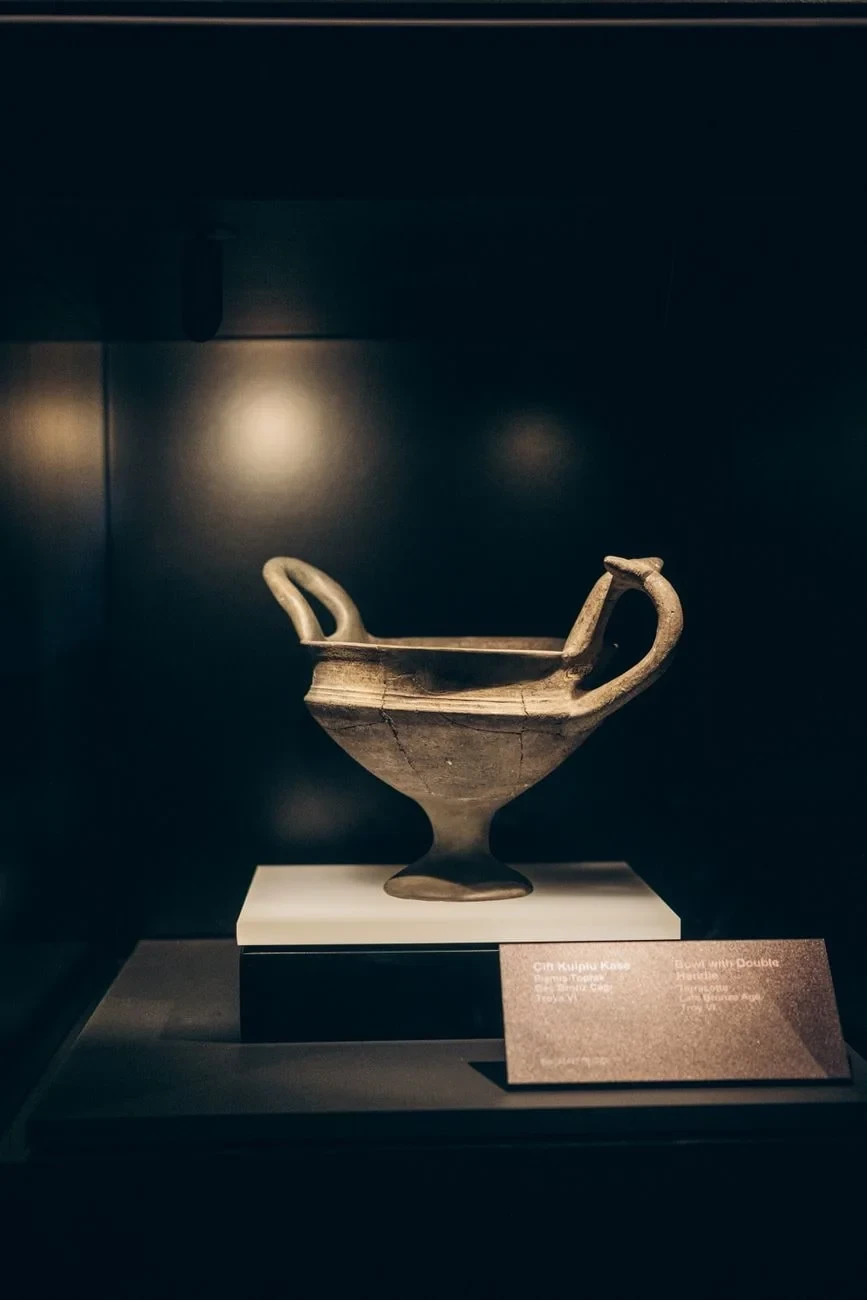
Ancient pottery on display. These handled vessels represent early attempts to create durable, portable containers for storage and transport.
Photograph by Lokman Sevim, via Pexels.
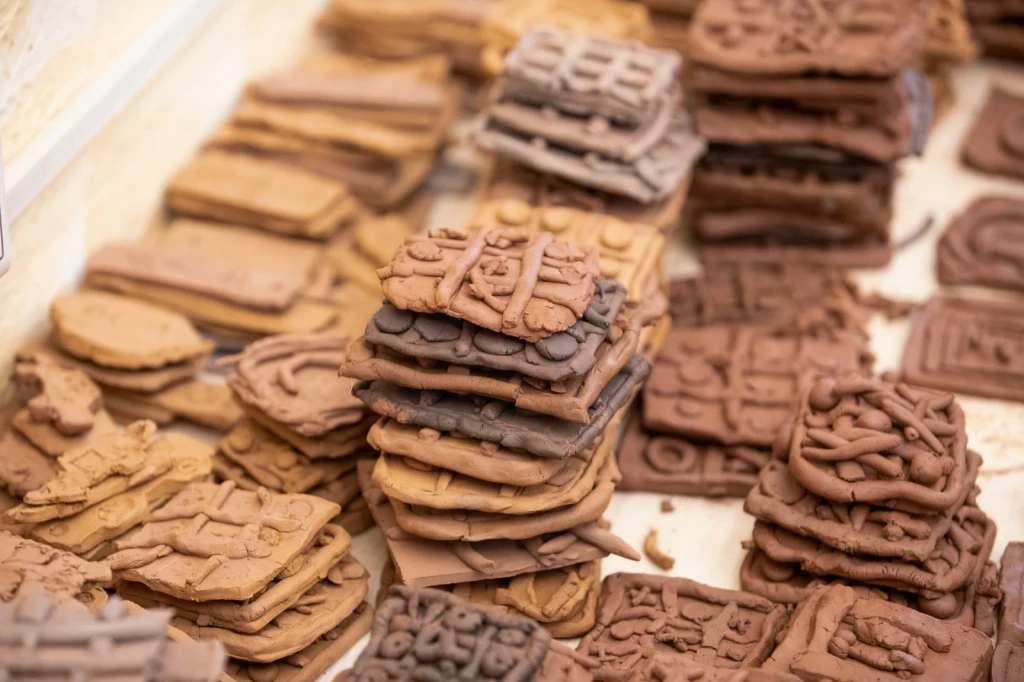
Multiple clay tablets stacked together suggest accumulated records. These objects demonstrate how information was layered and organized in physical form.
Photograph by Anil Sharma, via Pexels.
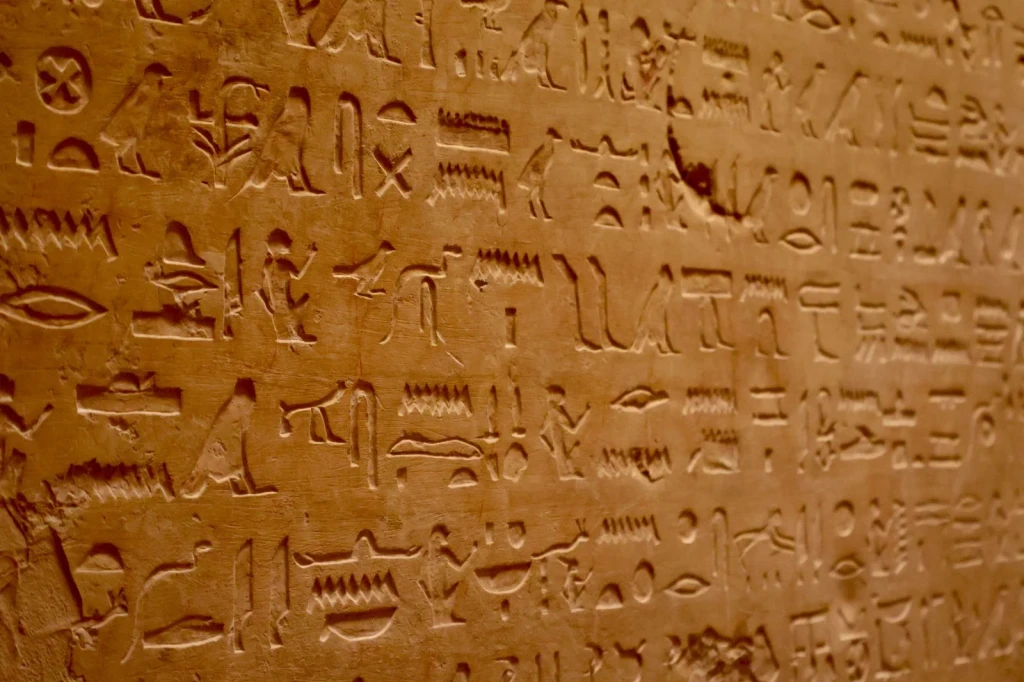
Carved hieroglyphs on sandstone preserve information in permanent form. Like clay tablets, stone inscriptions were a technology for storing knowledge across time.
Photograph by Yannick, via Pexels.
