3D Gallery
Spices That Launched Armadas
Enter gallery
Spices That Launched Armadas is a 3D virtual gallery on MyGallery3D, a walkable online exhibition of 16 works. Step inside and explore it in your browser: no app, no headset.
This 3D virtual gallery of spices is one you walk through in your browser, past the dried seeds and bark that redrew the map of the world.
The Crown of Castile organized the expedition of Christopher Columbus to compete with Portugal for the spice trade with Asia. He landed on Hispaniola instead. Spain then sent Ferdinand Magellan west; his ships crossed the Strait of Magellan in 1520, reached the Spice Islands, and one of them, the Victoria, came home in 1522. The Americas were a wrong turn on the way to the nutmeg.
Saffron is expensive because of arithmetic. A kilogram needs some 440,000 hand-picked stigmas, taken from about 150,000 crocus flowers, and picking 150,000 flowers takes forty hours of labour. One freshly picked flower yields 30 mg of fresh saffron, 7 mg once dried. The plant cannot even breed itself: the saffron crocus is male sterile, and all propagation is by hand.
Black pepper was the engine of the trade. The Roman cookbook Apicius uses it in a majority of its recipes, when it was a seasoning only the rich could buy. As supply into Europe rose the price fell, and pepper became an everyday seasoning for people of average means. It still accounts for one-fifth of the world's spice trade: 855,105 tonnes of peppercorns were produced in 2023.
Nutmeg came from the Banda Islands and nowhere else, and the location was a secret held by the traders who profited from it. In 1511 Afonso de Albuquerque took Malacca for Portugal, learned where Banda was, and sent António de Abreu, who reached it in early 1512 as the first European there. The tree is slow: first harvest 7 to 9 years after planting, full production after 20.
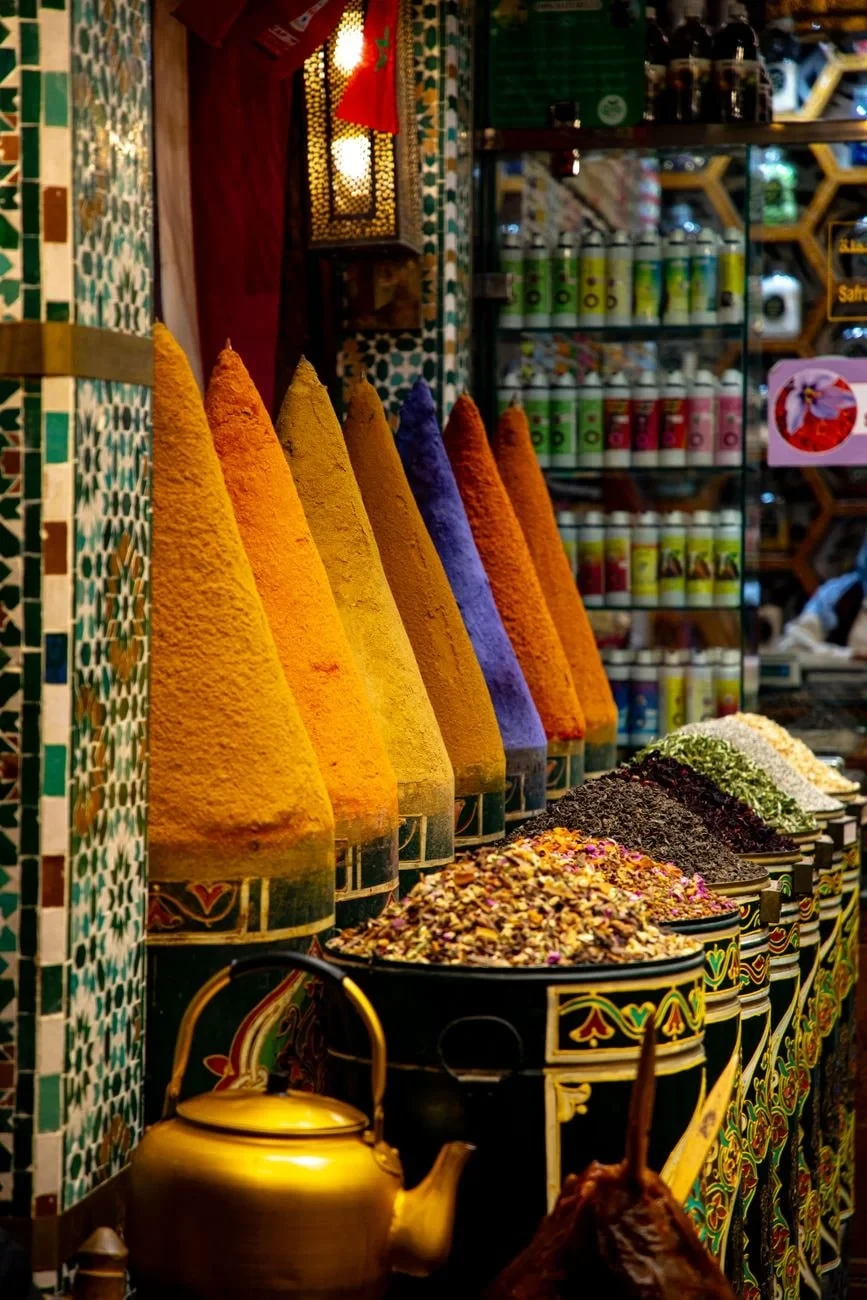
Colorful spices at a bustling market in Morocco. A window into the living trade routes that continue to connect distant places.
Photograph by Tony Zohari, via Pexels.
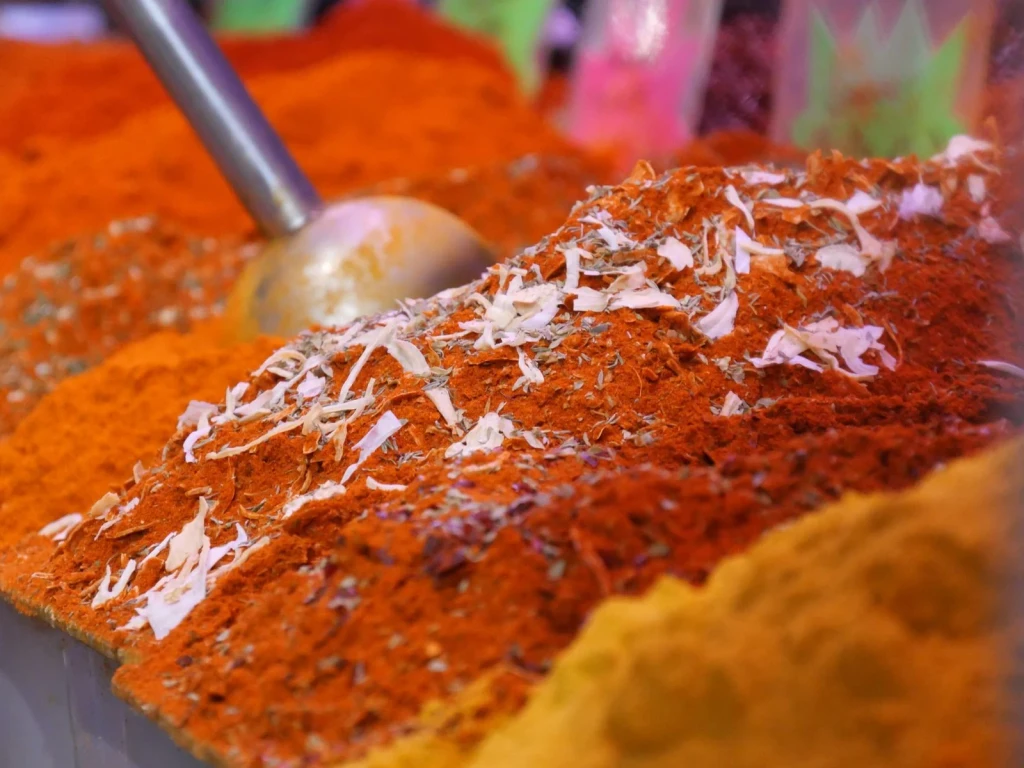
An exotic marketplace full of aromatic and flavorful ingredients. This photograph shows the concentrated wealth of flavor and commerce that motivated global trade routes.
Photograph by Dirk Pothen, via Pexels.
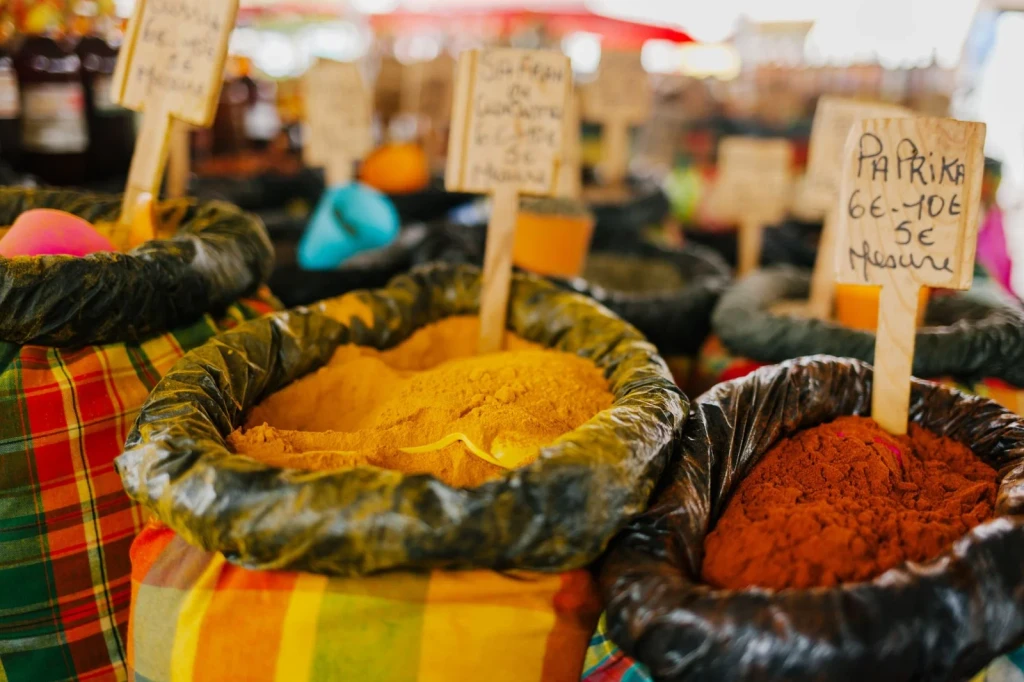
An outdoor market showcases paprika and other assorted seasonings in vibrant colors. The abundance on display reflects the global hunger that once drove exploration and commerce.
Photograph by Julia Volk, via Pexels.
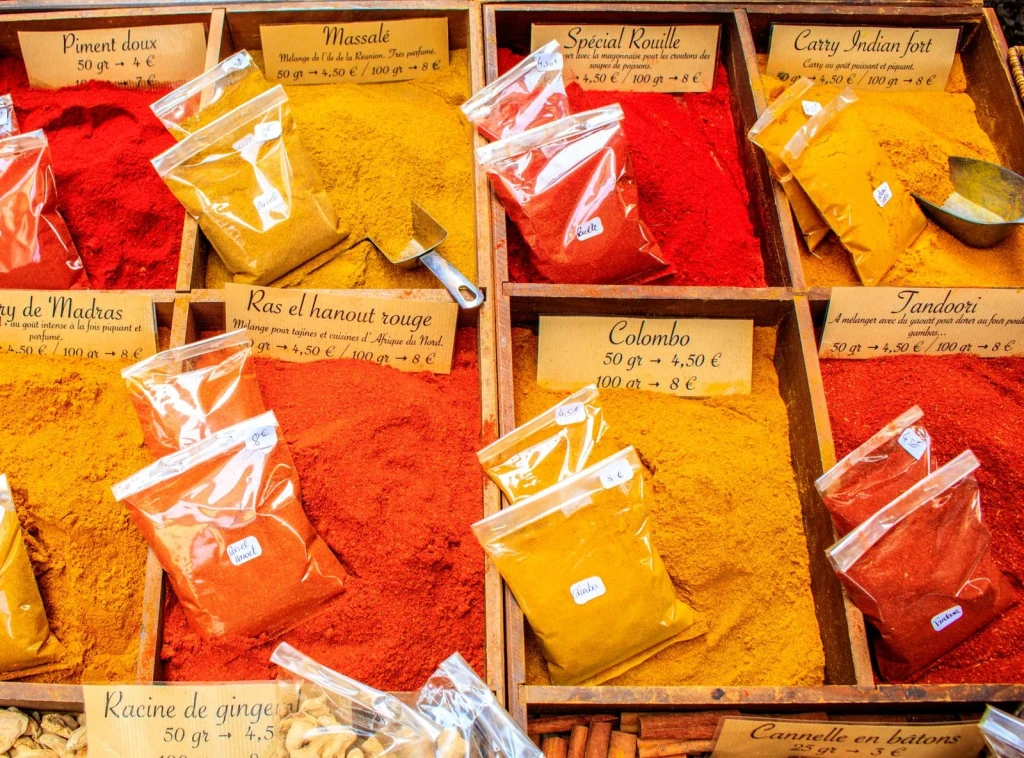
Various spices including curry and paprika arranged in a vibrant display. Each color represents ingredients that once drove global exploration.
Photograph by Edoardo Colombo, via Pexels.
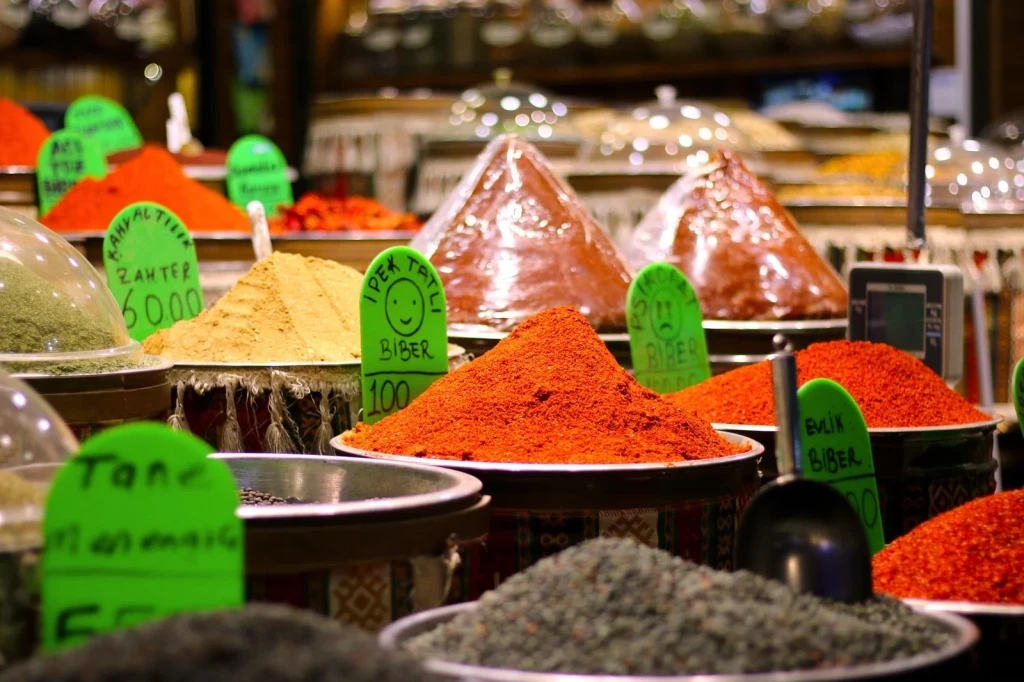
Colorful chili powders and seasonings displayed at a market. A glimpse into the regional spice trade that has shaped cuisines and commerce.
Photograph by Hasan Hüseyin TURAN, via Pexels.
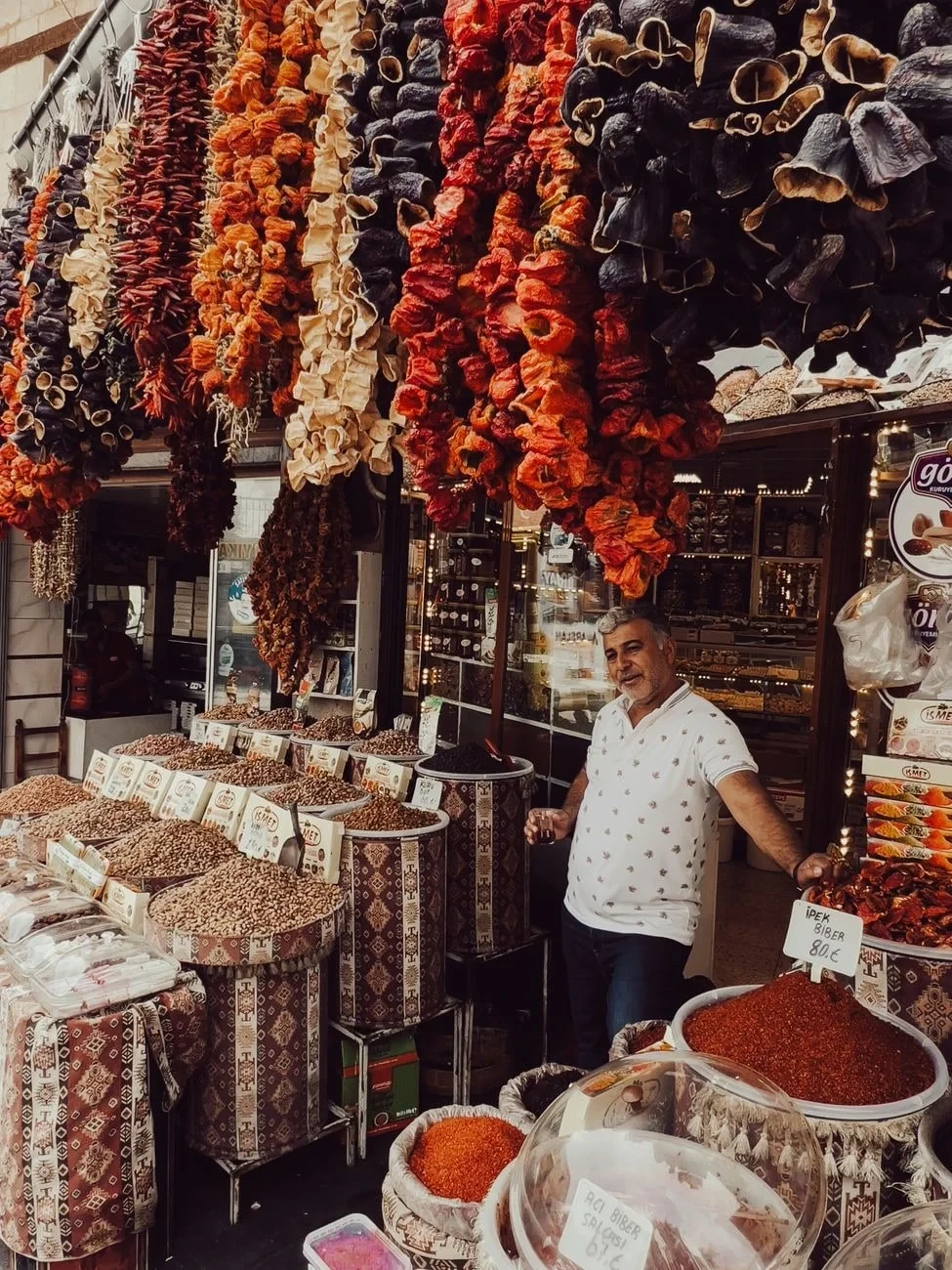
A colorful spice market displays herbs and spices suspended for sale. The arrangement speaks to centuries of traditional trade networks that moved these valuable goods across continents.
Photograph by Mehmet Turgut Kirkgoz, via Pexels.
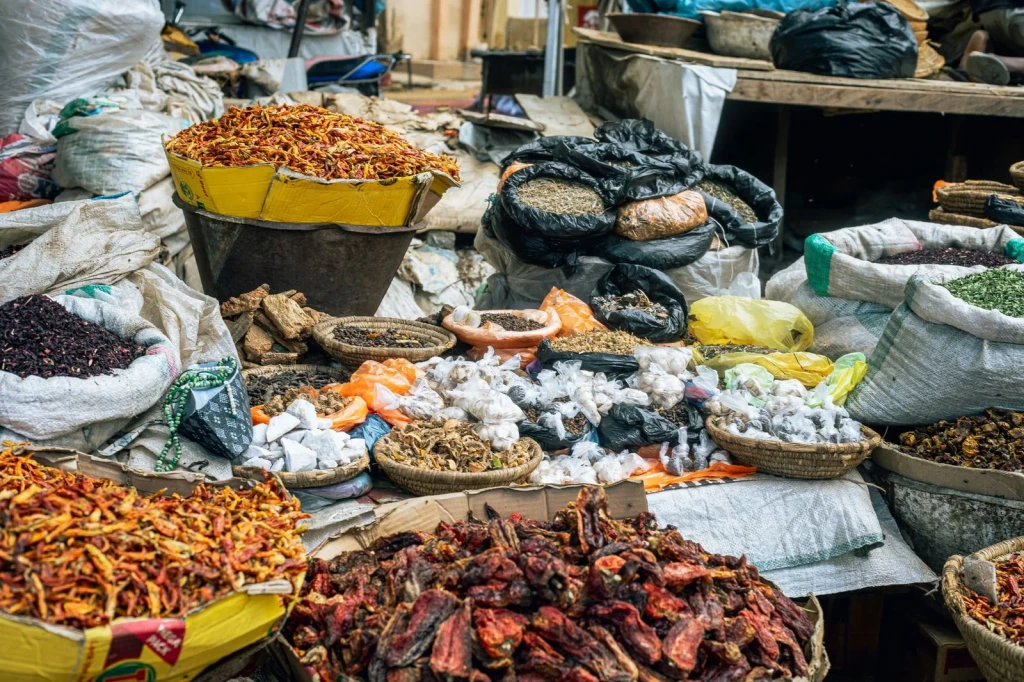
Diverse spices and herbs displayed at an outdoor market. This photograph documents the kind of abundance that drew merchants and adventurers across oceans.
Photograph by Kings Studio, via Pexels.
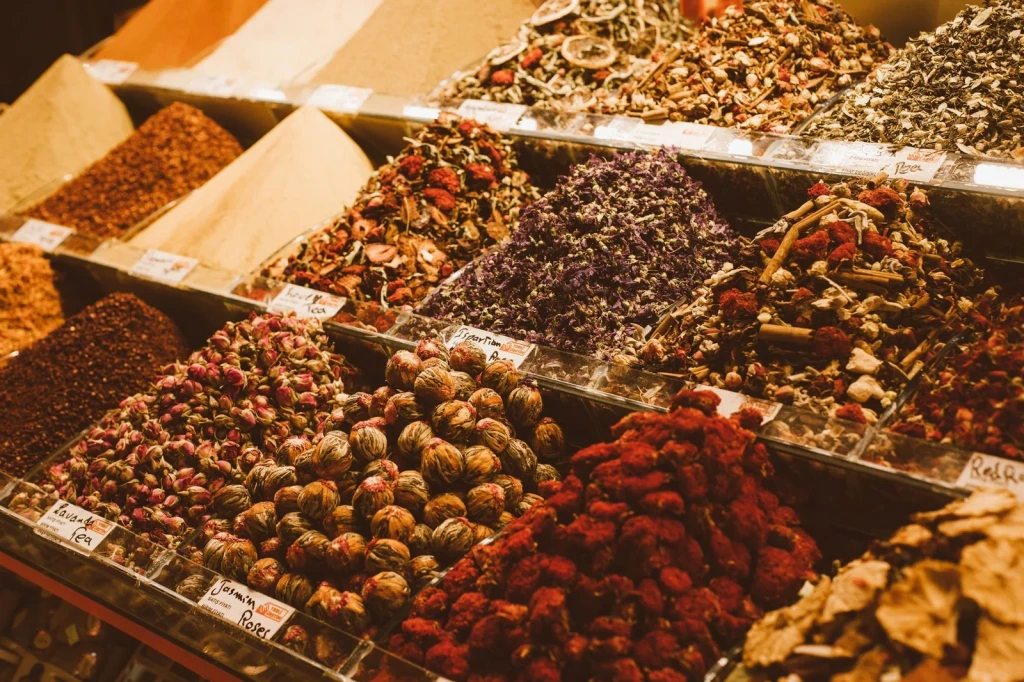
A detailed arrangement of colorful spices, teas, and herbs fills a market stall. The variety represents the exotic goods that once compelled merchants and explorers to cross oceans.
Photograph by ROMAN ODINTSOV, via Pexels.
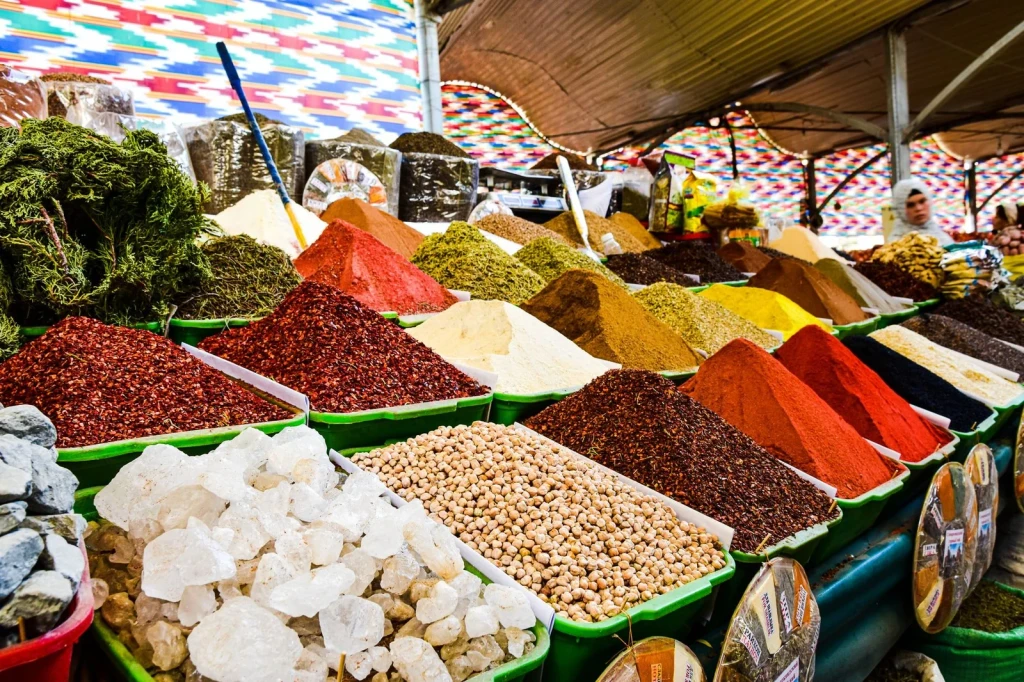
A vibrant arrangement of spices showcasing their remarkable range. The variety on display speaks to why these ingredients became objects of such fierce global competition.
Photograph by AXP Photography, via Pexels.
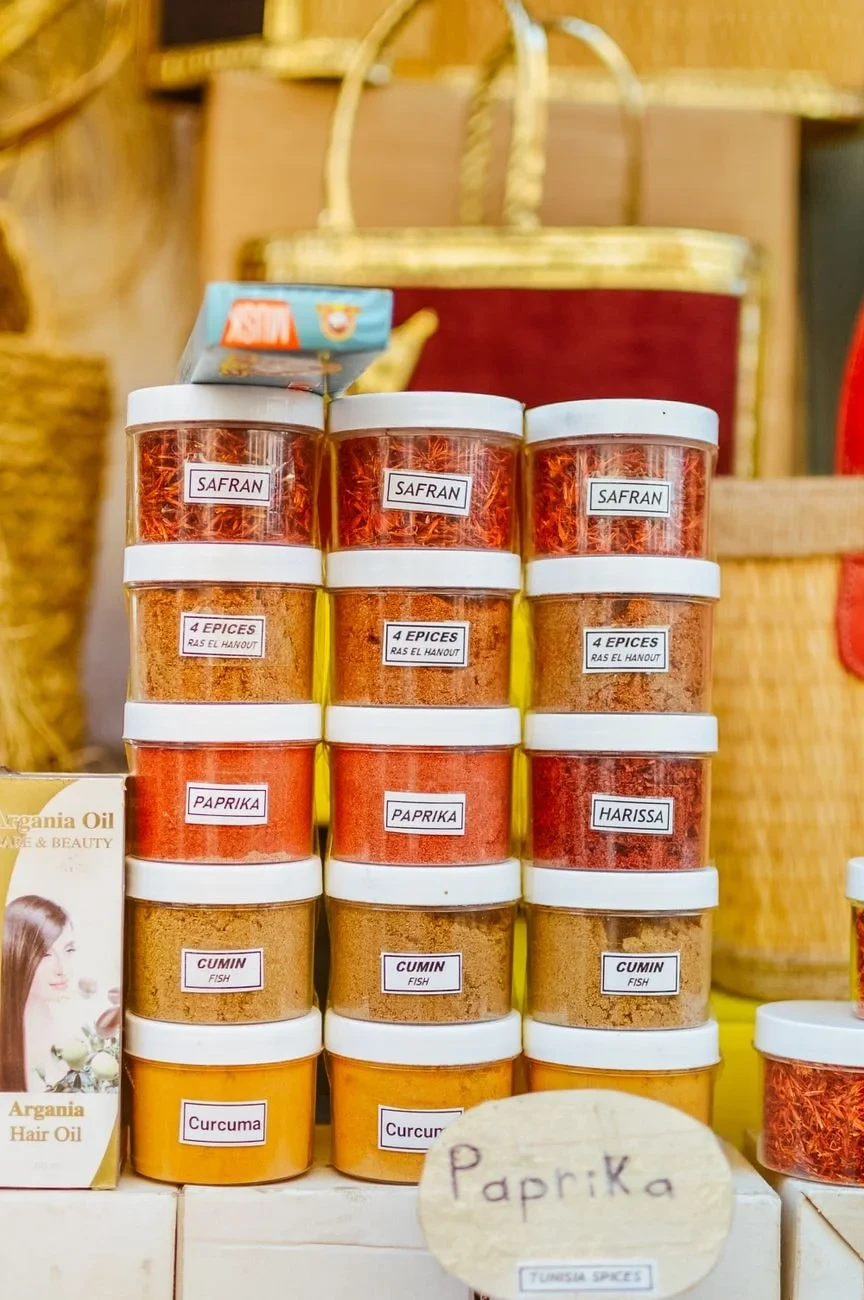
Colorful jars line a market stall, each holding a different spice. These orderly displays represent the commercial infrastructure that made the spice trade possible.
Photograph by Chermiti Mohamed, via Pexels.
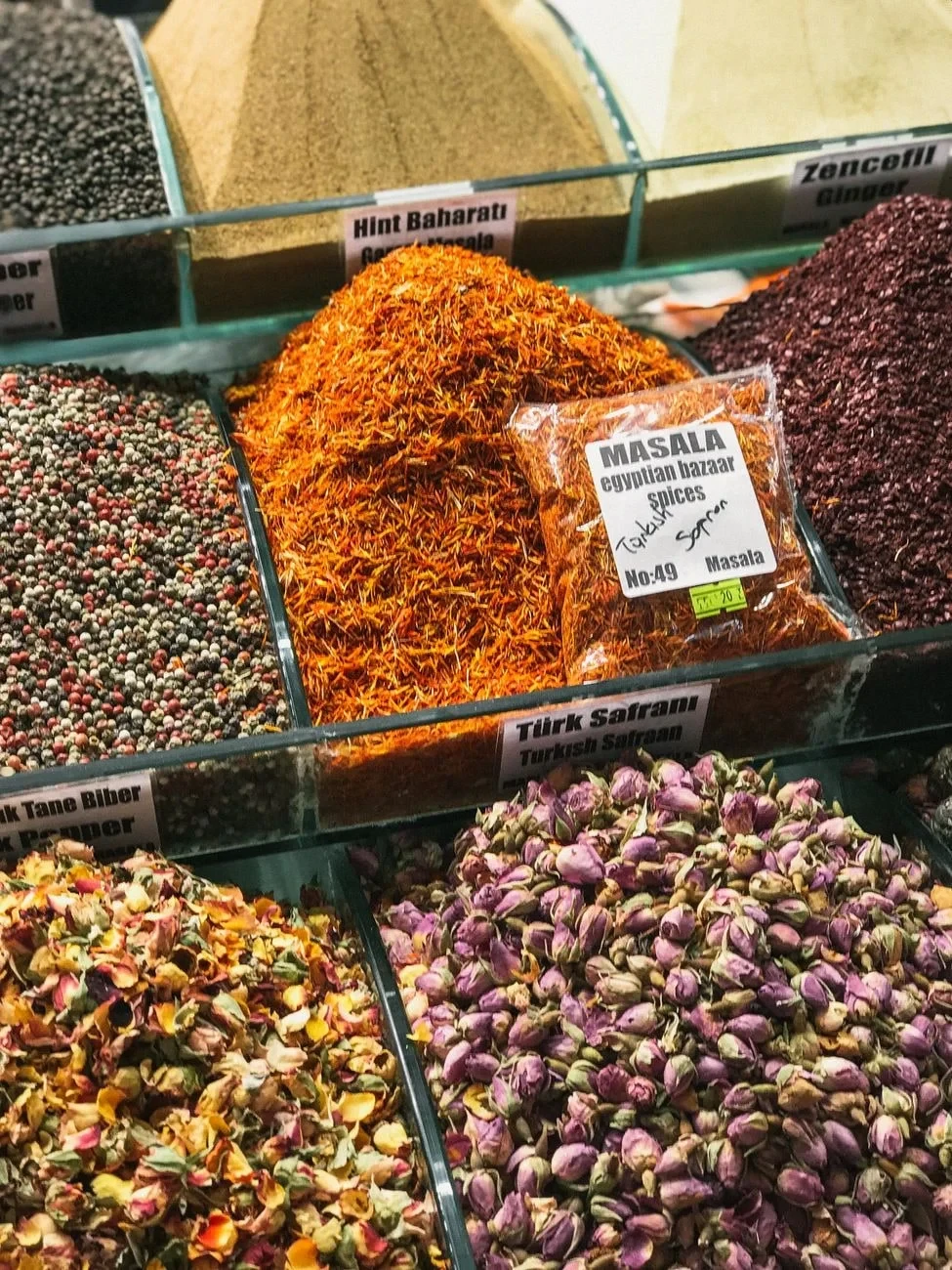
A vibrant assortment of spices and herbs. The photograph captures how markets serve as gathering points for the world's flavors and cultures.
Photograph by Dmitry Zvolskiy, via Pexels.
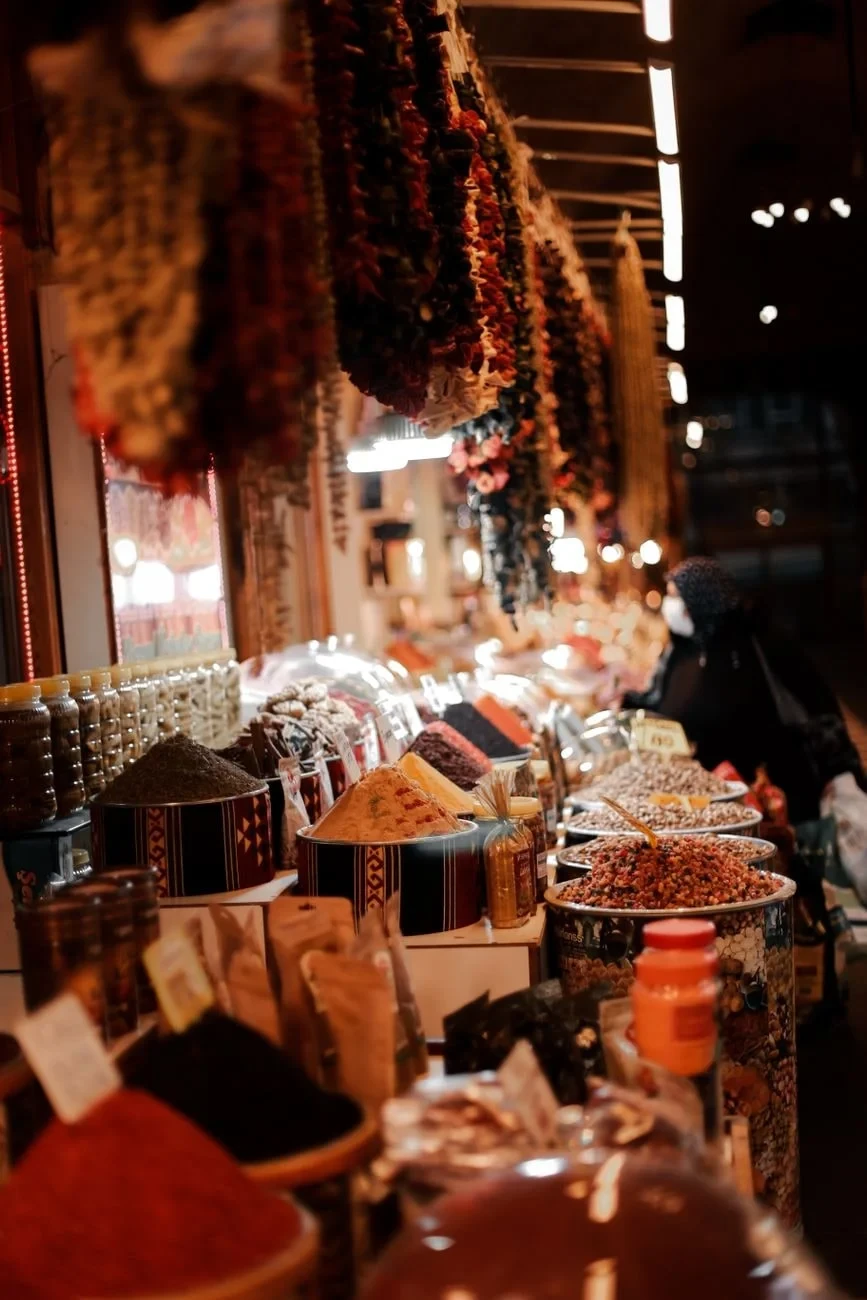
Rich textures and scents converge in this indoor market display. The visual and sensory density captured here reveals why these commodities were once worth their weight in gold.
Photograph by Amine, via Pexels.
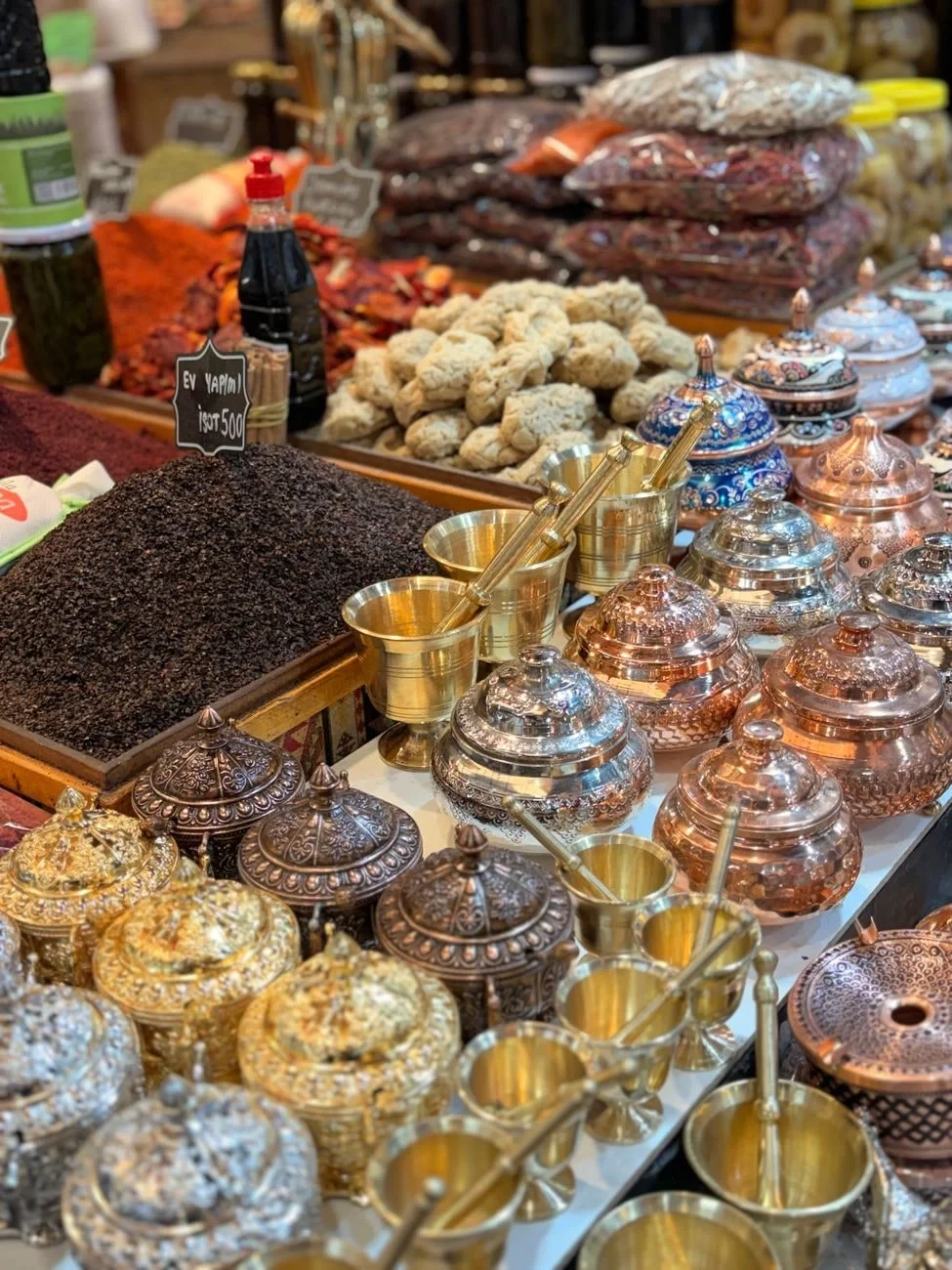
A vibrant display pairs spices with traditional copperware at a market. Together they evoke the historical trade routes and the craftsmanship that accompanied spice commerce.
Photograph by Onur, via Pexels.
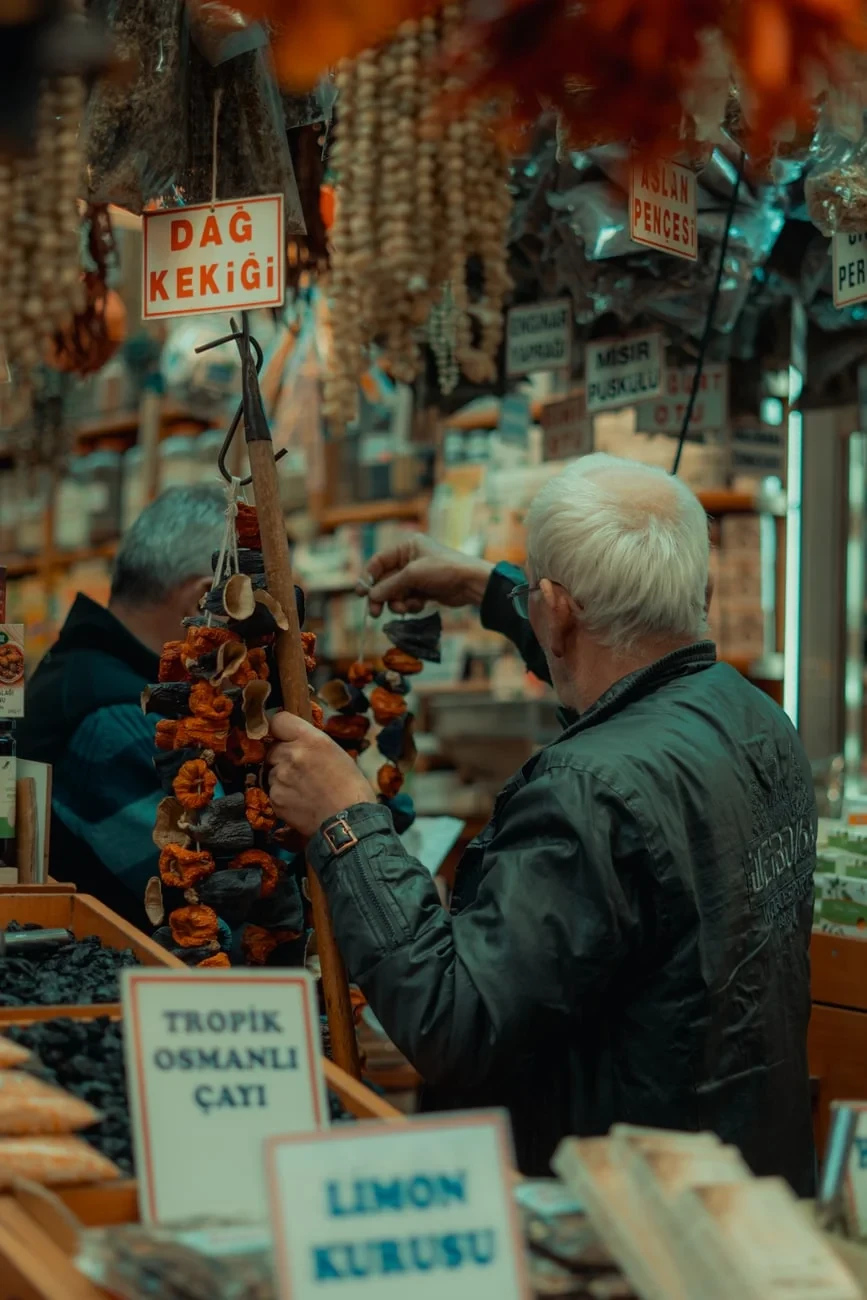
Senior visitors examine spices and herbs in an ambient-lit indoor market. The scene captures how these commodities continue to draw people seeking flavor and tradition.
Photograph by khaled damlakhi, via Pexels.
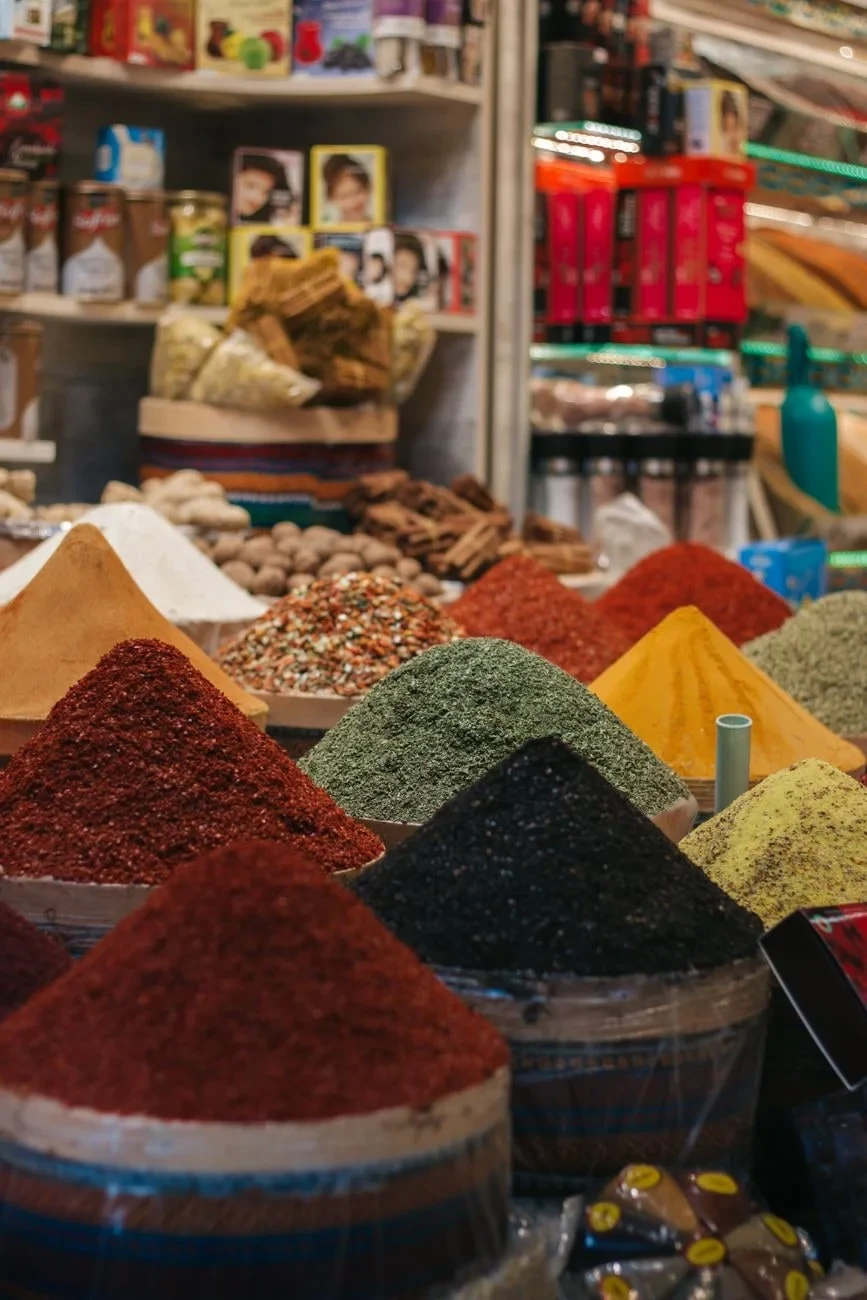
Vibrant powders and aromatic herbs densely packed in a market. The sheer abundance here hints at the scale of the spice trade that shaped centuries of exploration.
Photograph by Ahmed , via Pexels.
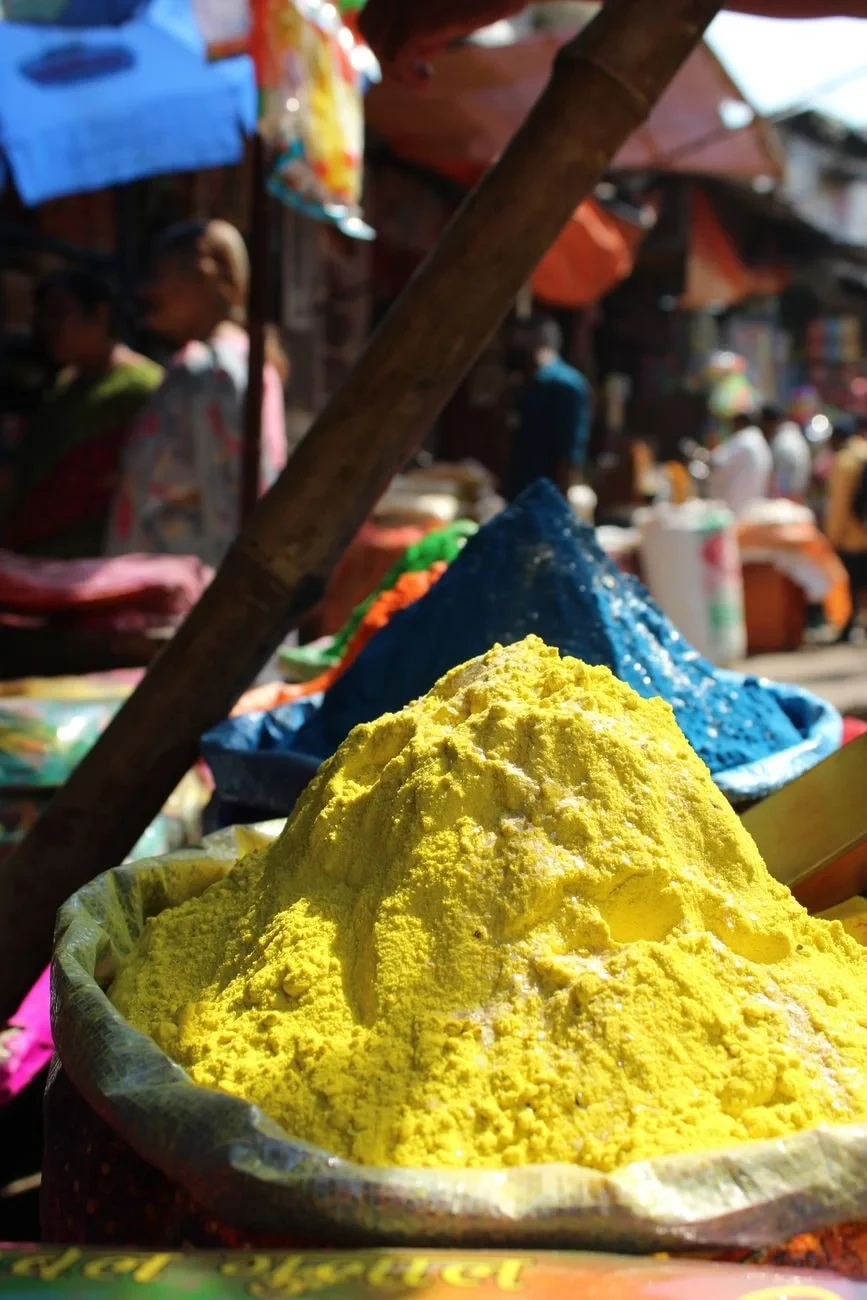
Colorful spices arranged in a bustling market setting. This photograph captures the visual richness that made these commodities so valuable to traders and explorers throughout history.
Photograph by Sunannya Das, via Pexels.
