3D Gallery
Cotton Changed Labour Forever
Enter gallery
Cotton Changed Labour Forever is a 3D virtual gallery on MyGallery3D, a walkable online exhibition of 13 works. Step inside and explore it in your browser: no app, no headset.
Walk through this 3D virtual museum of cotton in your browser, and follow the fibre to what it cost.
Eli Whitney built his cotton gin in 1793 hoping to reduce the labour cotton needed. Cleaning the seed had been the bottleneck: one worker needed about ten hours to strip a single pound of fibre. The gin removed that limit, and picking, still done by hand, became the new one. Production rose from 750,000 bales in 1830 to 2.85 million in 1850. The number of enslaved people rose with it, from around 700,000 in 1790 to around 3.2 million.
Herodotus wrote that trees in India grew wool, so northern Europe assumed cotton came from a tree, not a shrub. German still calls it Baumwolle, tree wool. John Mandeville, writing in 1350, reported a tree bearing tiny lambs on its branches, which bent down to let them feed. Cotton reached Europe through the Muslim conquest of the Iberian Peninsula and Sicily.
Indian cotton textiles were the most important manufactured goods in world trade in the 18th century. Cheap calicoes from Kozhikode found a mass market among the British poor, and by 1721 Parliament passed the Calico Act, banning calicoes for clothing or domestic use. The ban was repealed in 1774, once British machines could finally compete. India had held a 25% share of the global textile trade.
Cotton was domesticated independently in the Old World and the New. Bolls from a cave near Tehuacán, Mexico, date to as early as 5500 BC. Mineralised cotton thread survives in a string of eight copper beads at Mehrgarh in Pakistan, from the sixth millennium BC. Four species were domesticated in antiquity; one of them, upland cotton, is now 90% of world production.
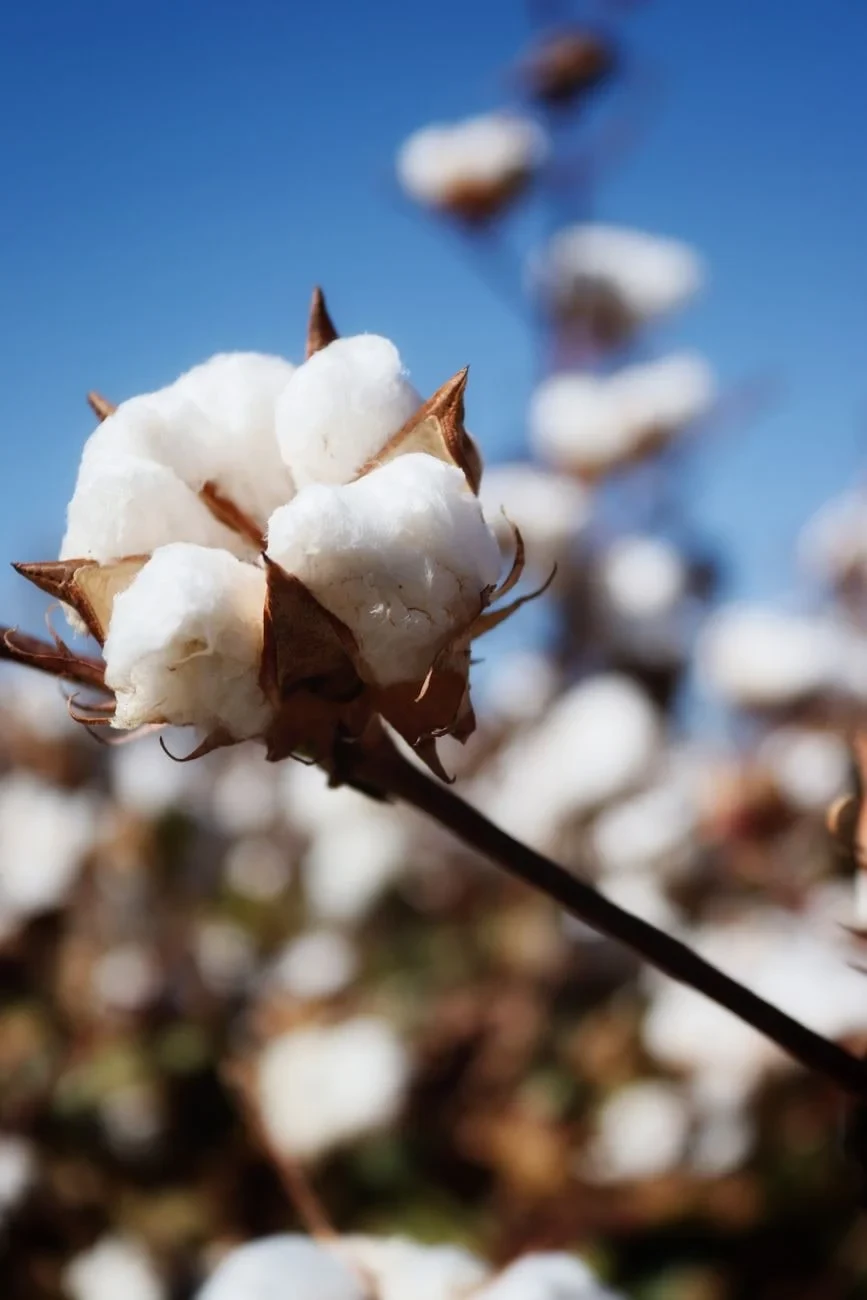
A close view of fluffy bolls against clear sky. The image shows cotton at its most recognizable form. ready to shape the labour systems that would follow.
Photograph by zahara, via Pexels.

A cotton boll at peak ripeness, its texture and color rendered in sunlight. This is the crop itself, before the labour of harvesting begins.
Photograph by Mark Stebnicki, via Pexels.
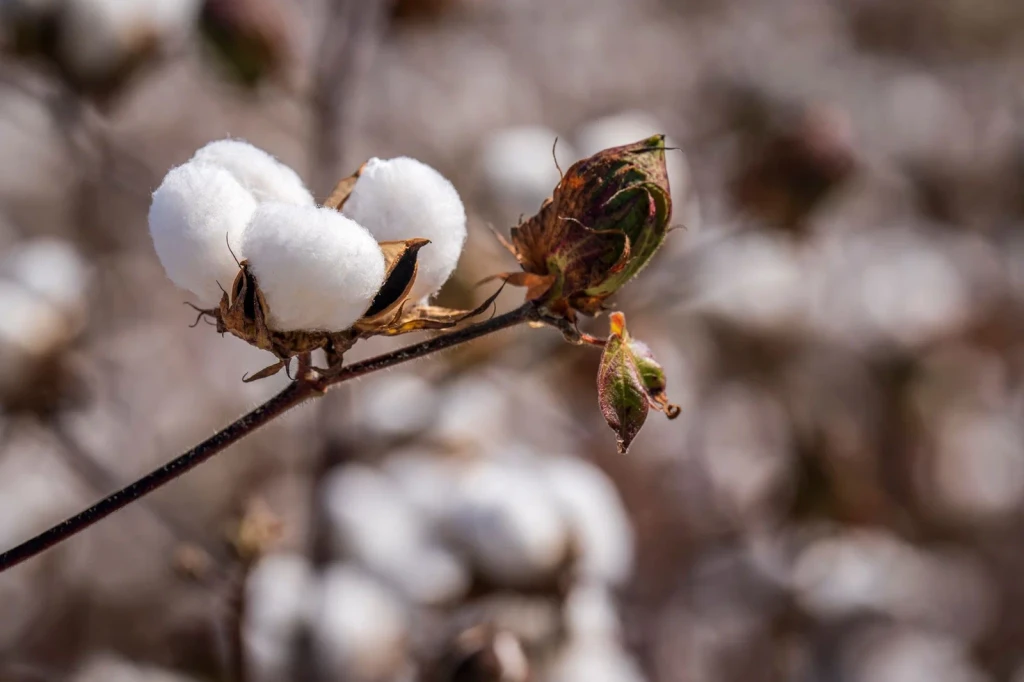
A single boll photographed close, with field blurred beyond. This intimate view contrasts with the vast scale of industrial harvesting visible elsewhere.
Photograph by Mark Stebnicki, via Pexels.
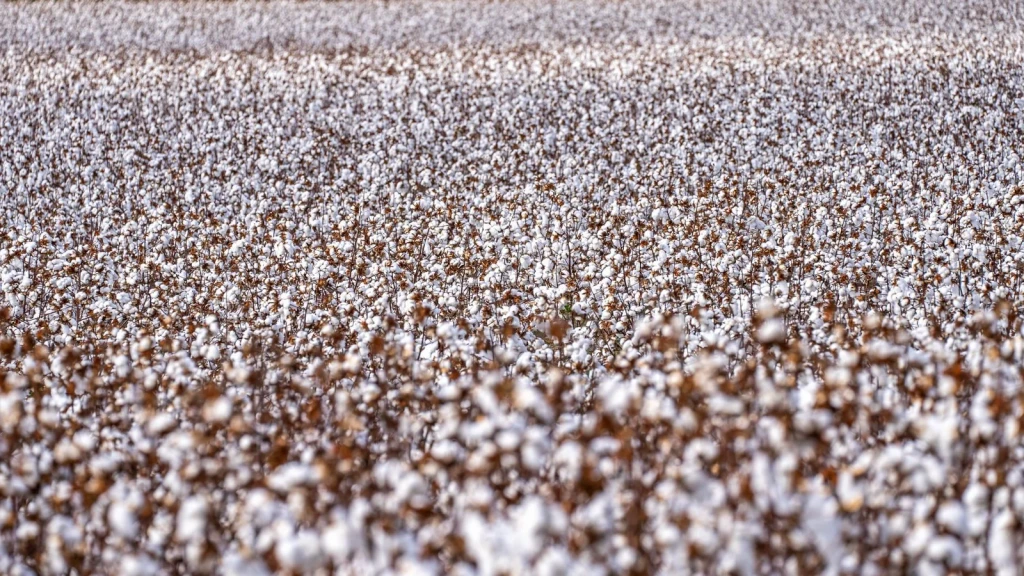
A vast expanse of cotton bolls prepared for gathering. The scale suggests the industrial demands that shaped modern agricultural labour.
Photograph by Mark Stebnicki, via Pexels.
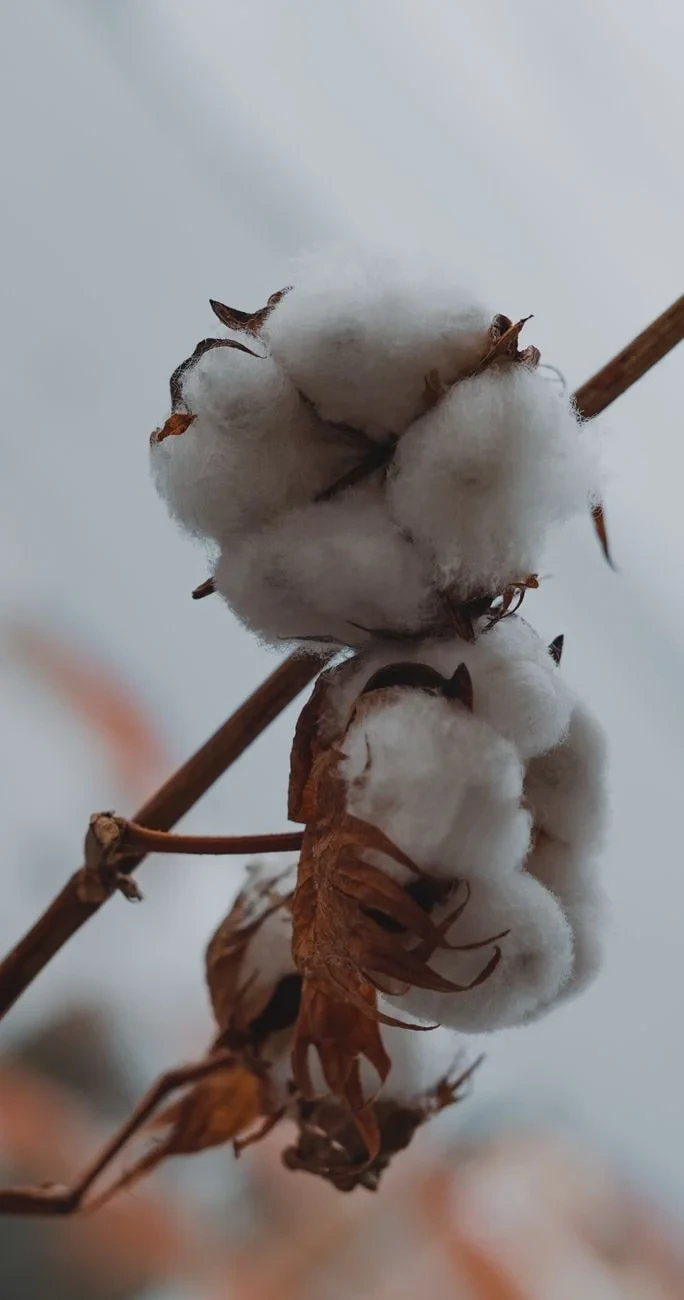
Fluffy bolls on branch, symbolizing growth. The plant itself is innocent. What follows is not.
Photograph by Viktoria Vlasova, via Pexels.
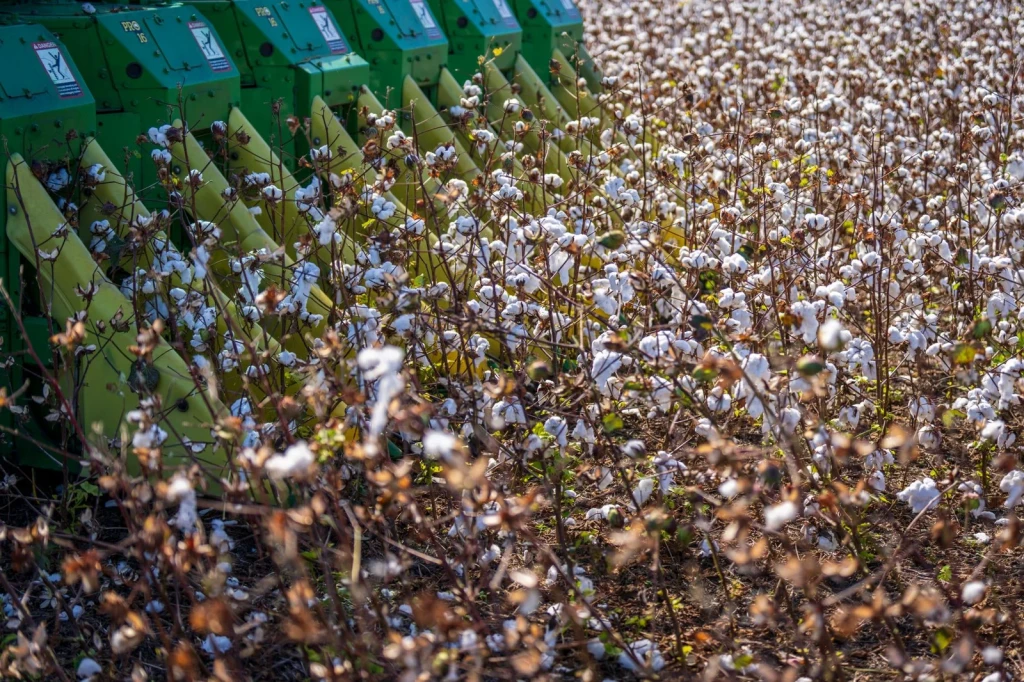
A green harvesting machine at work in the field. The photograph shows mechanized labour in action. replacing hand-picking practices of earlier eras.
Photograph by Mark Stebnicki, via Pexels.
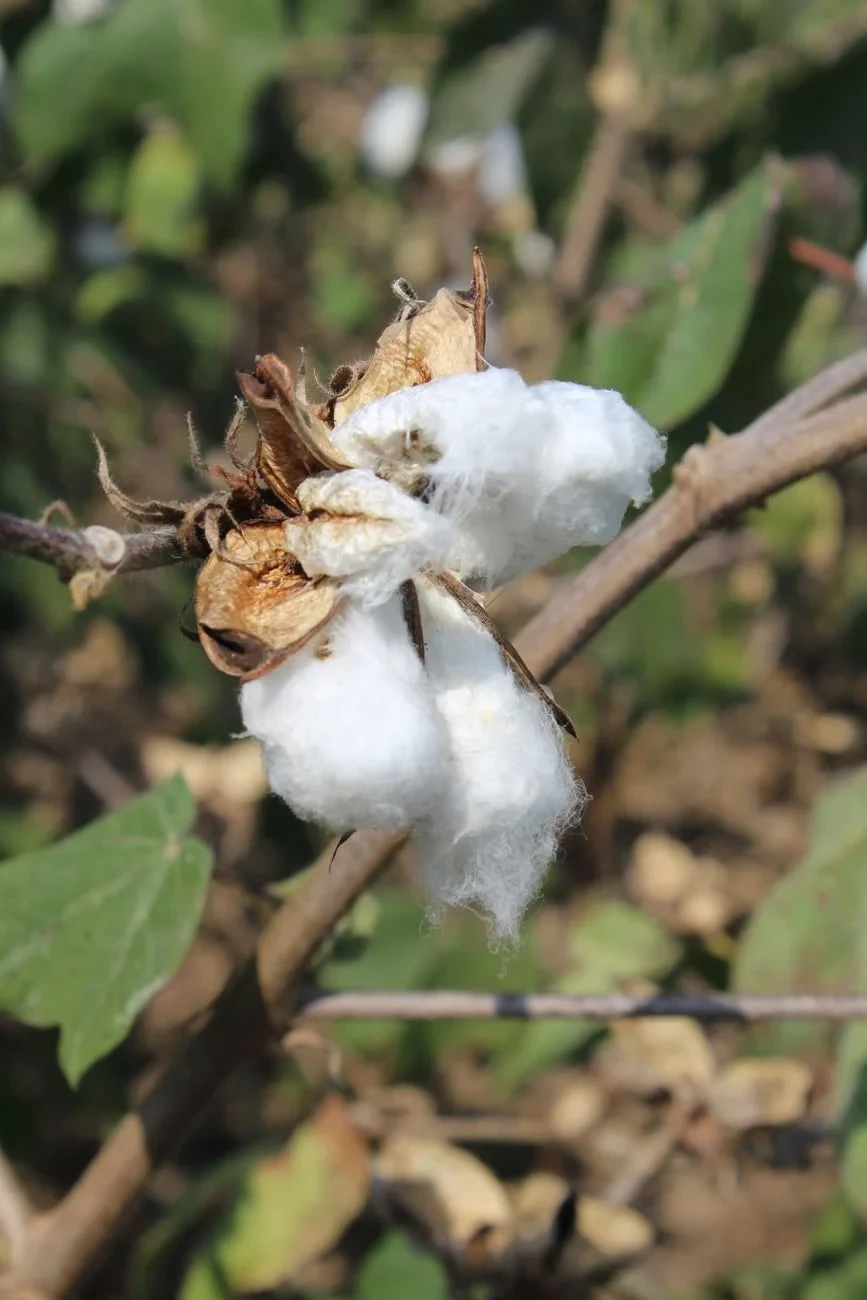
A single cotton boll in its natural state. The photograph isolates one moment in the plant's cycle. before the mechanization that would transform how this crop is gathered.
Photograph by Shree_clips B, via Pexels.
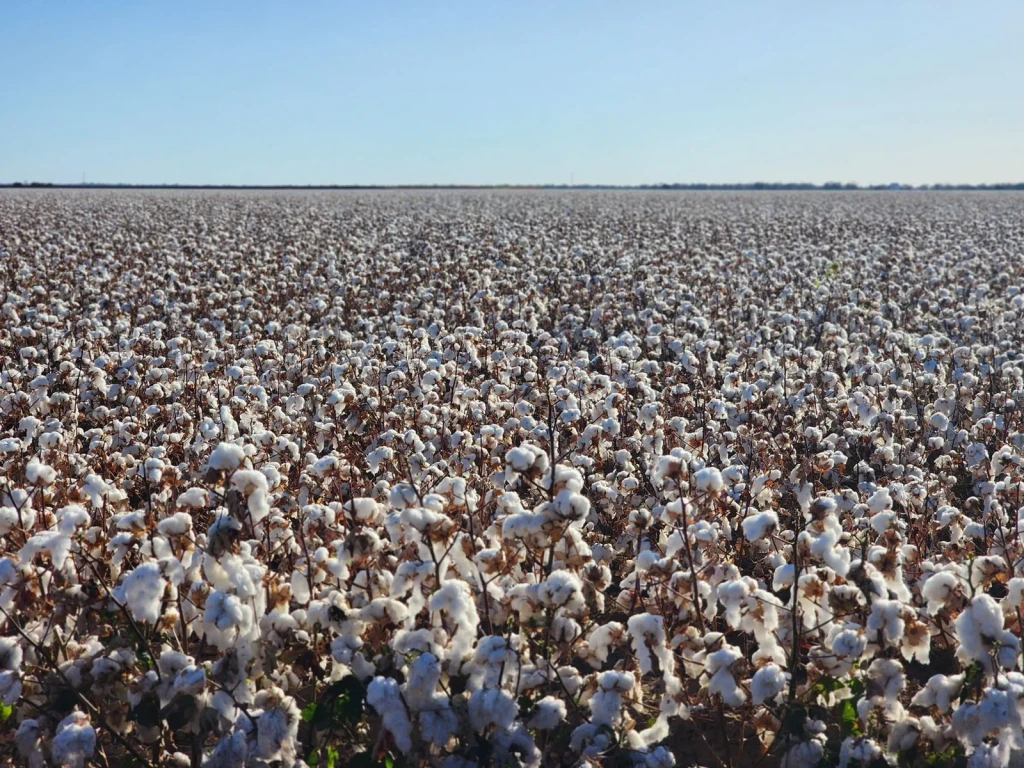
Sunlit cotton field at full growth. The image emphasizes natural yield and agricultural potential. independent of the human cost that brought it here.
Photograph by Karen Laårk Boshoff, via Pexels.
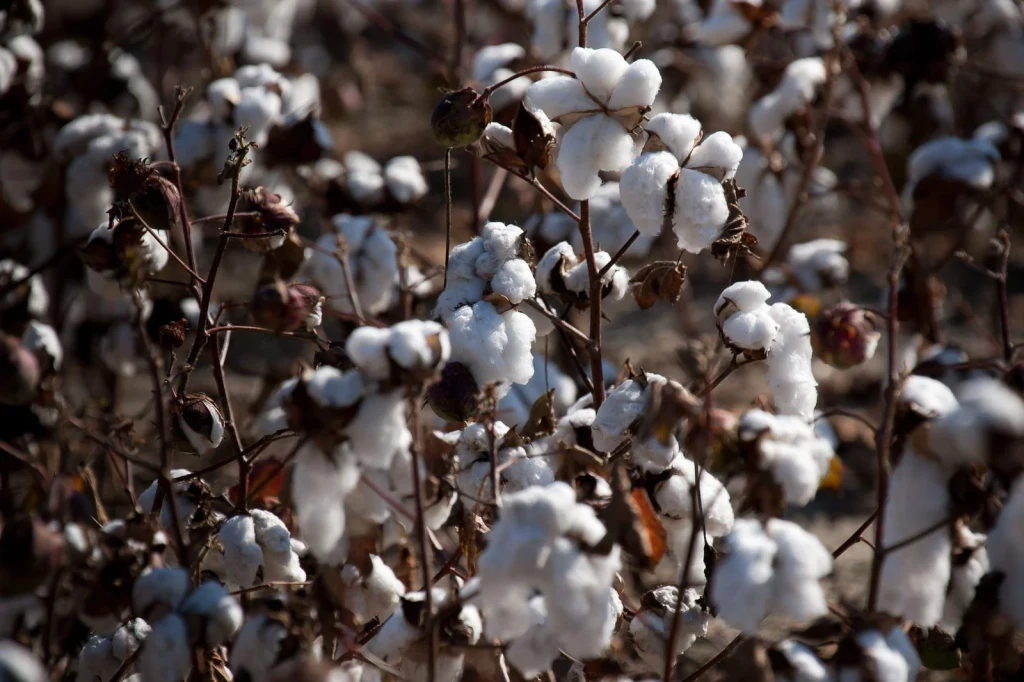
Cotton plants prepared for picking. The moment before human hands enter the field. The moment before labour becomes urgent.
Photograph by Mark Stebnicki, via Pexels.
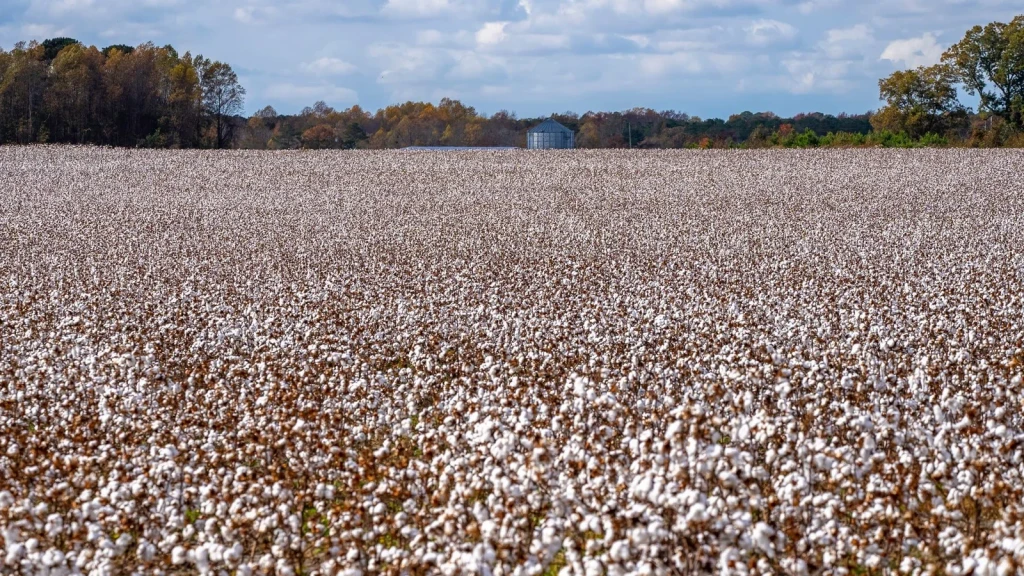
A cotton field stretches across the landscape under clear sky. The photograph captures agricultural scale. but reveals little about the labour required to reach this point.
Photograph by Mark Stebnicki, via Pexels.
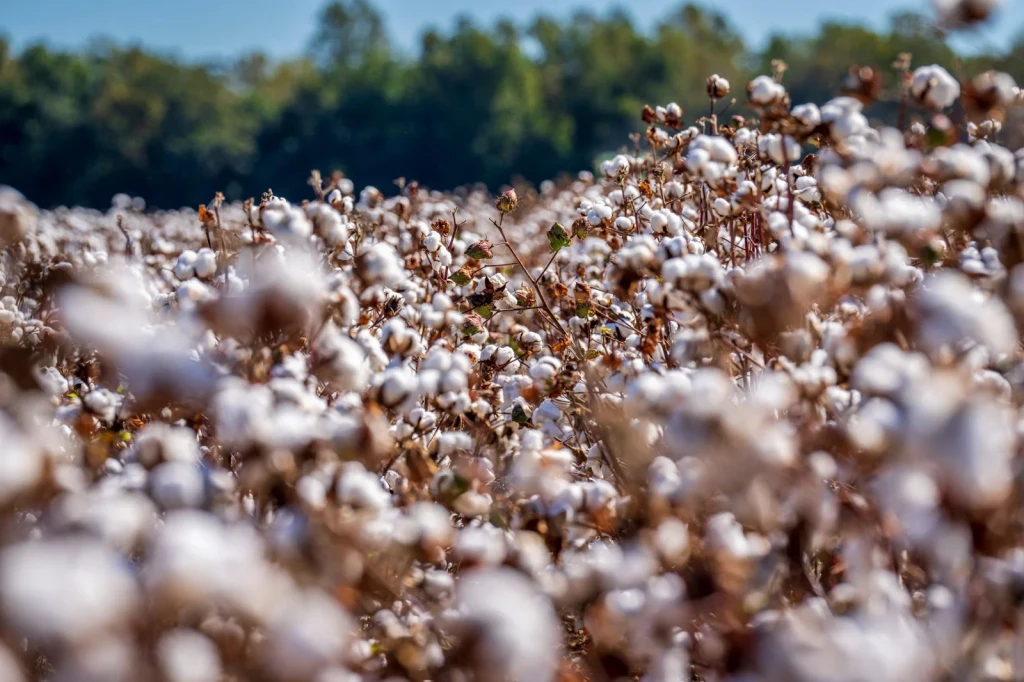
A lush cotton field stretches across the frame under clear sky. Abundance visible. Yet this fertility would demand extraordinary human labour to transform into cloth.
Photograph by Mark Stebnicki, via Pexels.
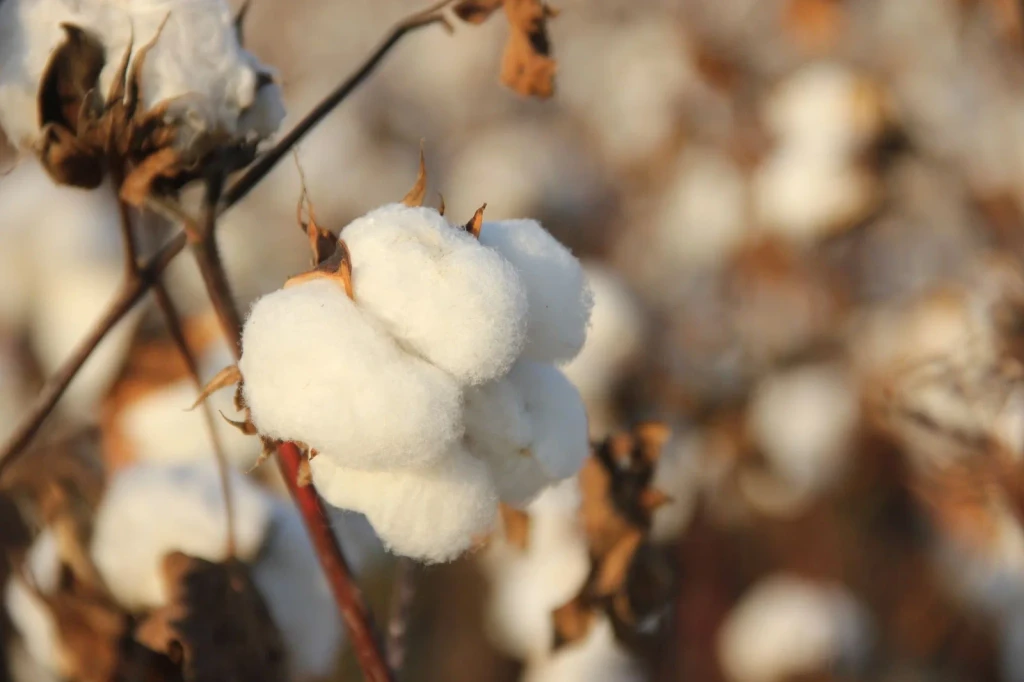
One cotton boll in selective focus, isolated in a sunny field. A moment before harvest, before the work begins.
Photograph by Marcelo Solis, via Pexels.
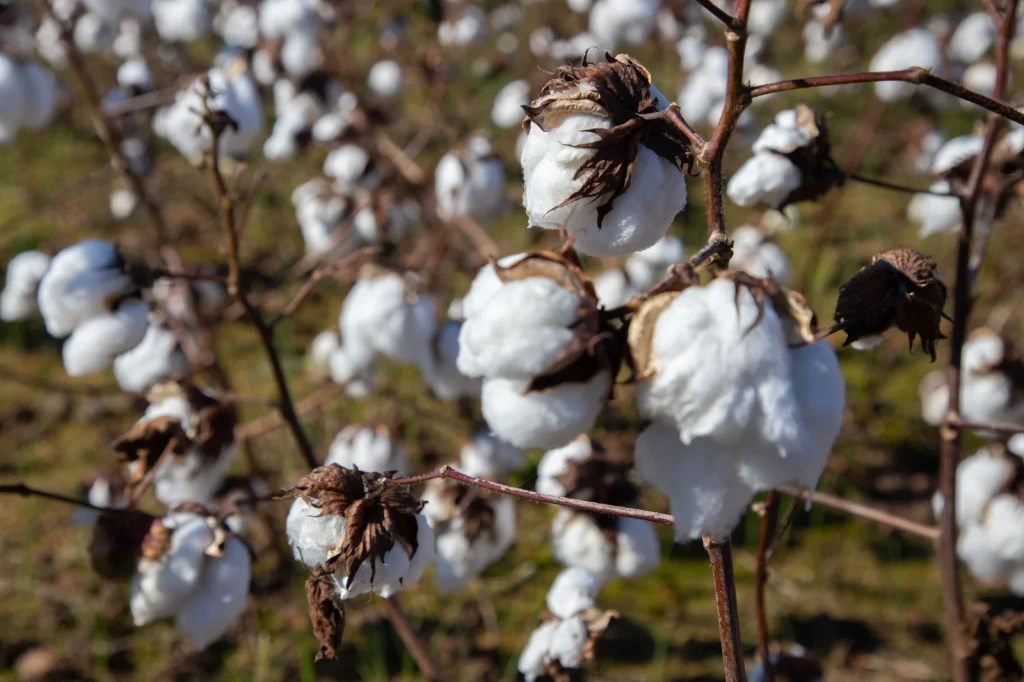
Cotton plants in sunlit rows. A regional landscape where labour systems took root and shaped communities for centuries.
Photograph by Mark Stebnicki, via Pexels.
