3D Gallery
When Cars Were Beautiful
Enter gallery
When Cars Were Beautiful is a 3D virtual gallery on MyGallery3D, a walkable online exhibition of 12 works. Step inside and explore it in your browser: no app, no headset.
Welcome to a 3D virtual gallery you can walk through in your browser, exploring the era when automobiles were shaped by visionary artists, not committees. Between 1915 and 1948, the Classic Car Club of America counts exactly 1,366,843 American Classics built, each judged on fine design, superior workmanship, and high engineering standards.
After World War II, the old craft vanished almost overnight. Cars lost their removable fenders, separate headlights, and upright grilles. The envelope body became standard, and an entire tradition of coachbuilding disappeared.
In the 1930s, Chrysler launched the radical Airflow, using aerodynamics in production cars. Consumers rejected its advanced appearance, and the industry learned that bold design carried high risk. After the war, Harley Earl at General Motors introduced tailfins and the concept car. Virgil Exner used wind tunnel testing to justify rocket-inspired shapes. Annual model-year changes, pioneered by Alfred Sloan, made styling a sales weapon.
Most pre-1960s classics lack seat belts, crumple zones, and rollover protection. A crash test broadcast in 2009 struck a 1959 Chevrolet Bel Air against a 2009 Malibu. The older car's passenger compartment collapsed catastrophically. Retrofitting belts is difficult because original bodies have no reinforced mounting points. Some owners resist the modification entirely, and cars have even lost points at shows for having seat belts installed.
No universal standard exists. The CCCA restricts the term to fine or distinctive automobiles from 1915 to 1948, distinguished by engine displacement, custom coachwork, and luxury features like power brakes and automatic lubrication. The Antique Automobile Club of America draws its line differently: any vehicle 25 years or older, built in a factory for public roads. One person's old car is another's classic.
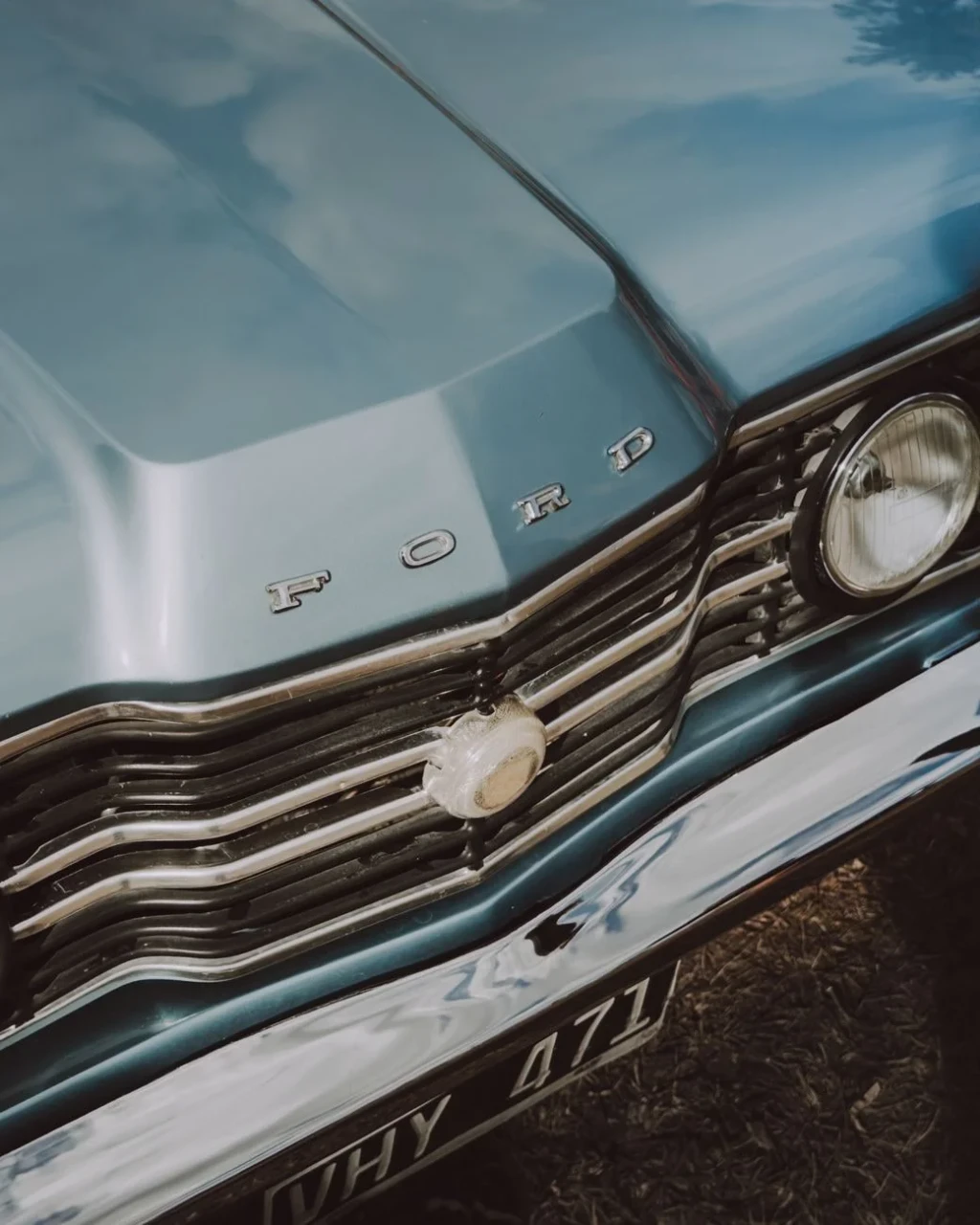
Close-up of a vintage Ford car's front grill capturing classic design elements.
Photograph by Luis Muñoz, via Pexels.
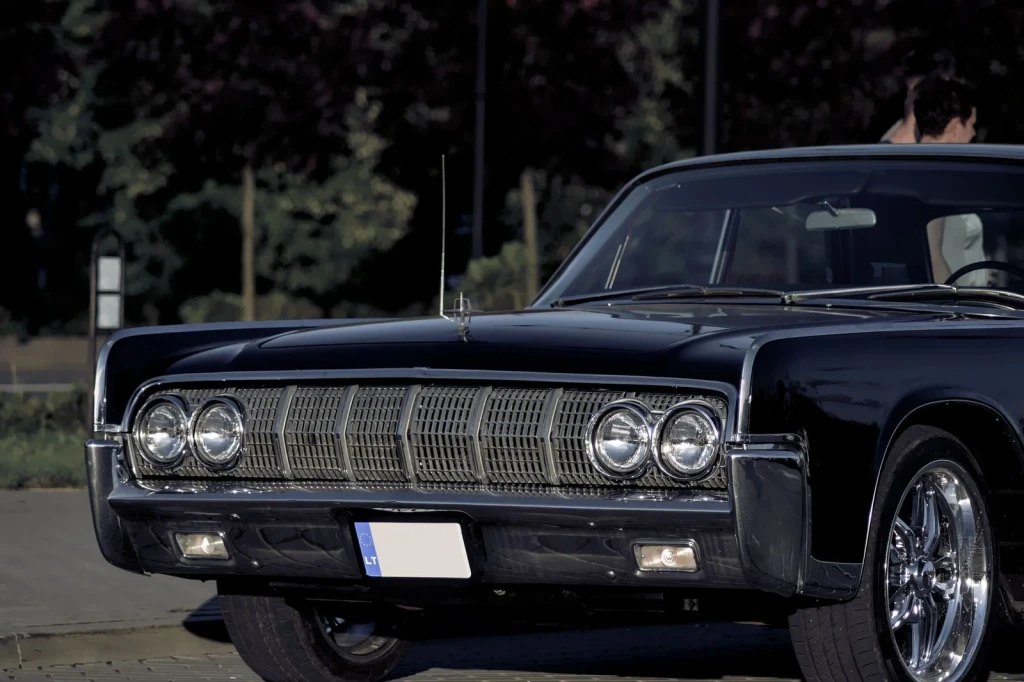
A chrome detail on a classic car parked on a sidewalk. The reflective surfaces showcase the polished elegance of vintage automotive design.
Photograph by Karolis Samuolis, via Pexels.
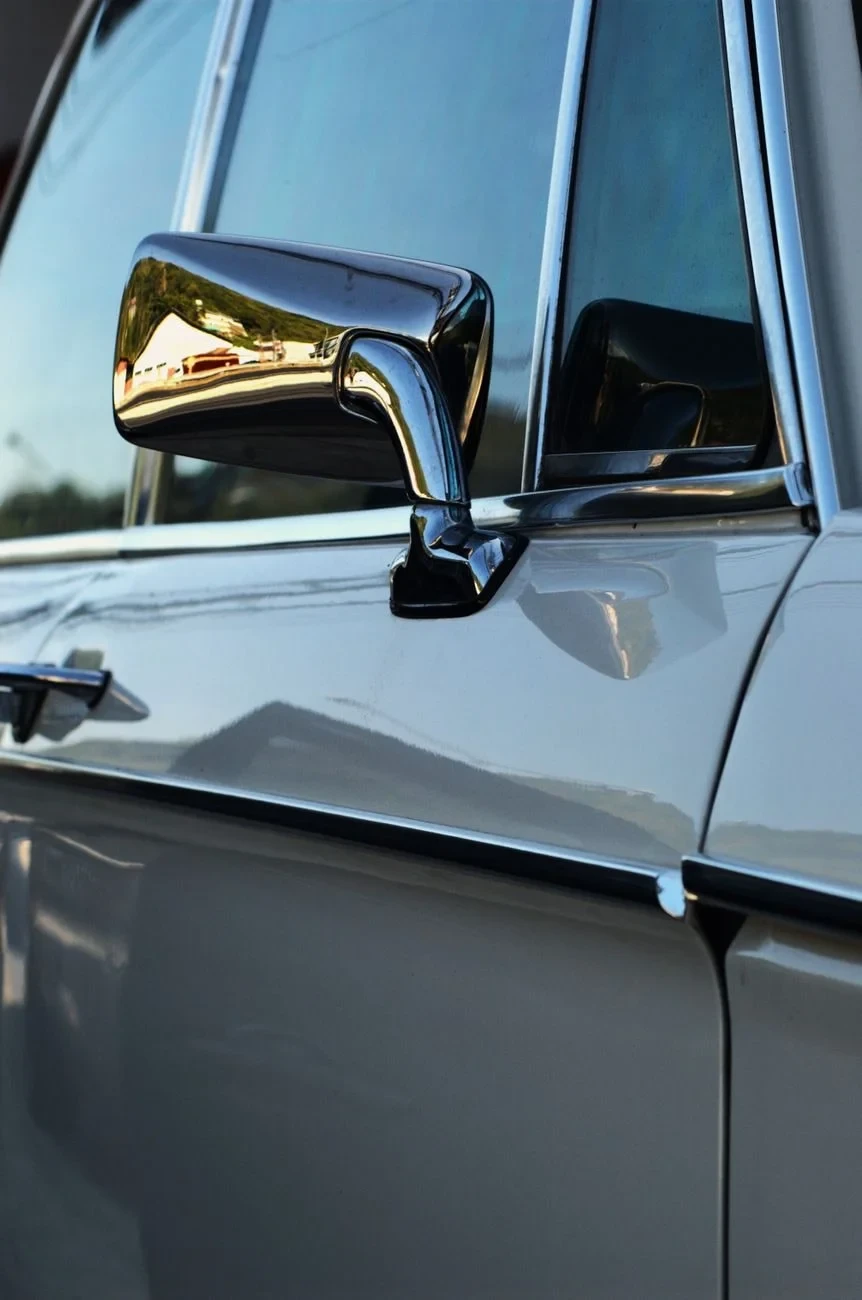
A chrome side mirror on a classic car. This small detail reveals the sleek, purposeful design that characterizes vintage automobiles.
Photograph by chatchawarn loetsupan, via Pexels.
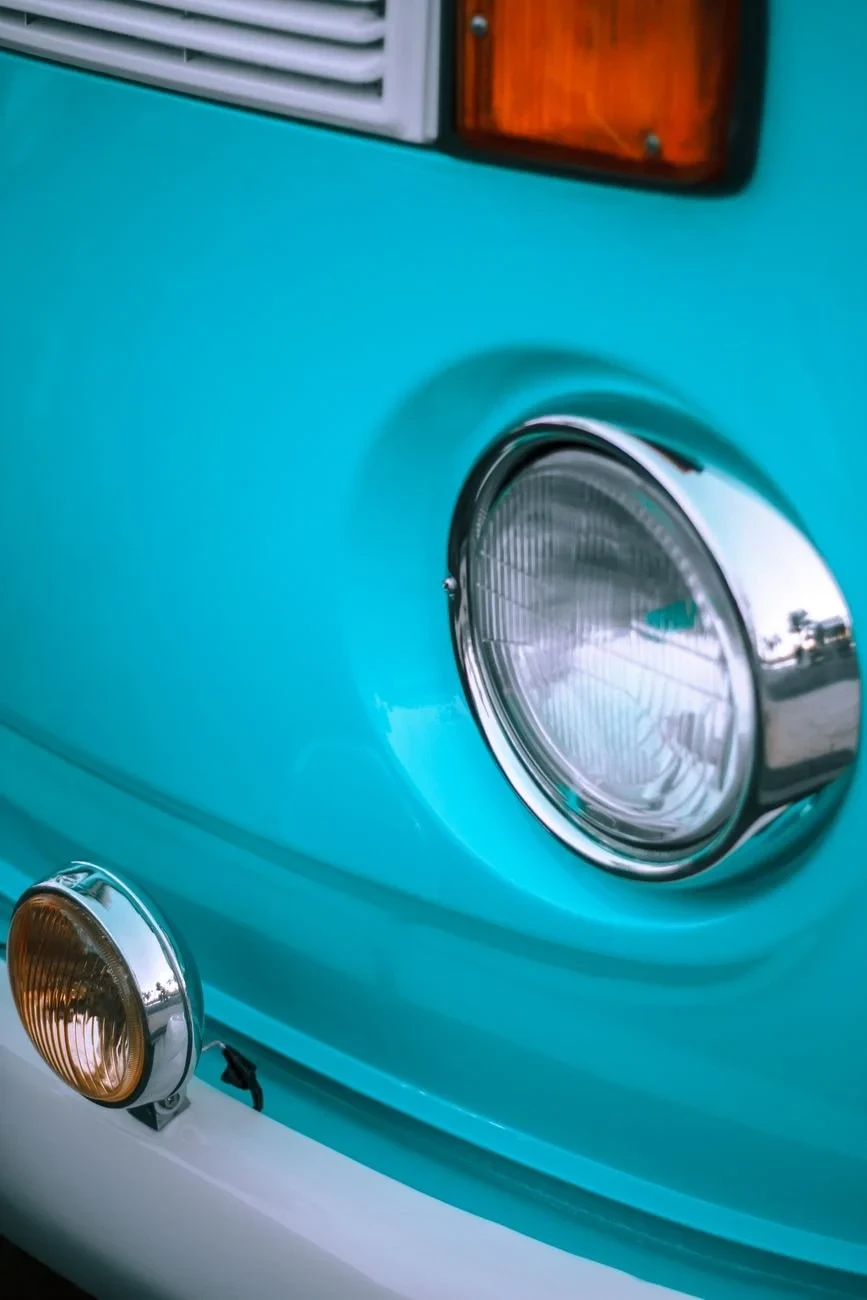
A teal vintage headlight catches the light. Chrome detailing reveals the craftsmanship that defined classic automotive design.
Photograph by Enzo Varsi, via Pexels.
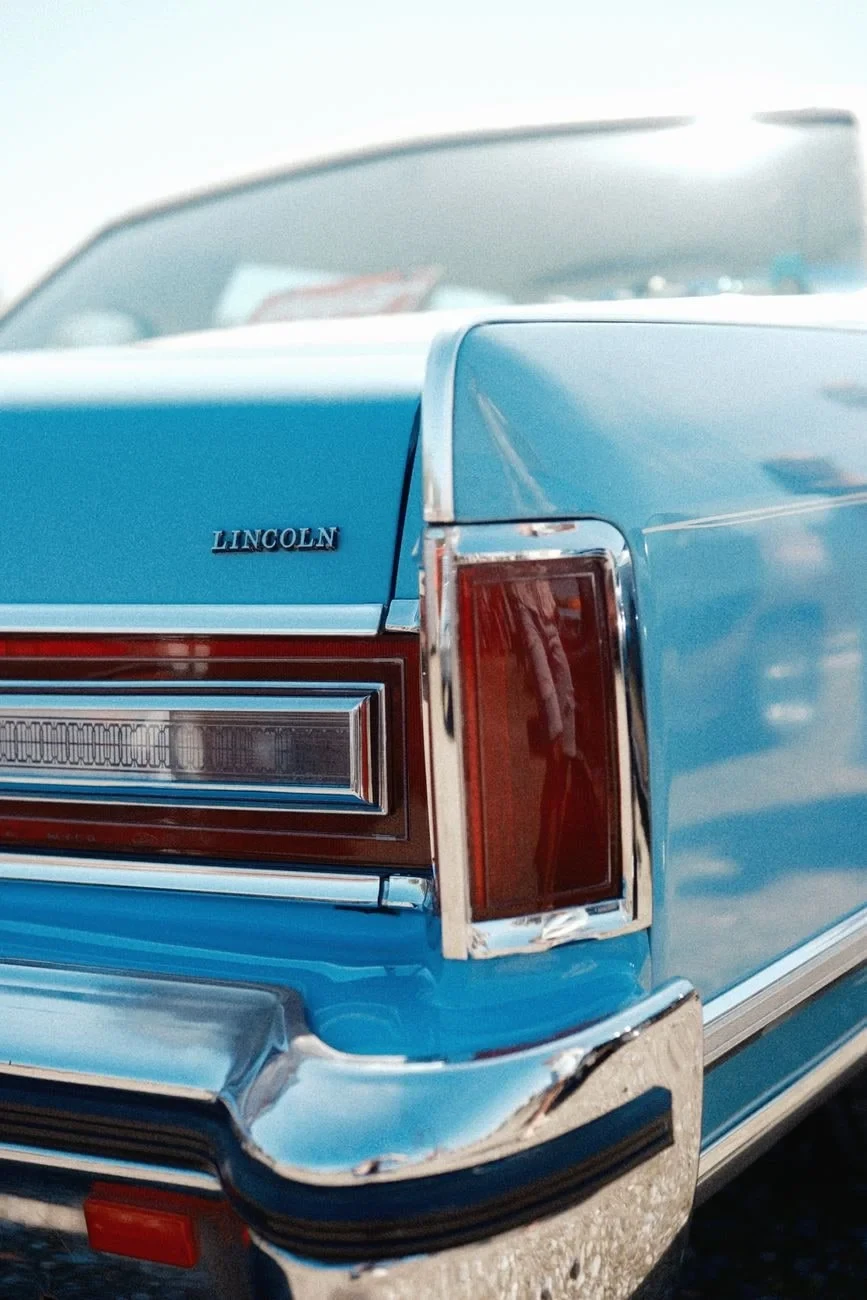
The rear end of a Lincoln car glows with period chrome detailing. These components reveal how design extended to every corner of the vehicle.
Photograph by Michael Obstoj, via Pexels.
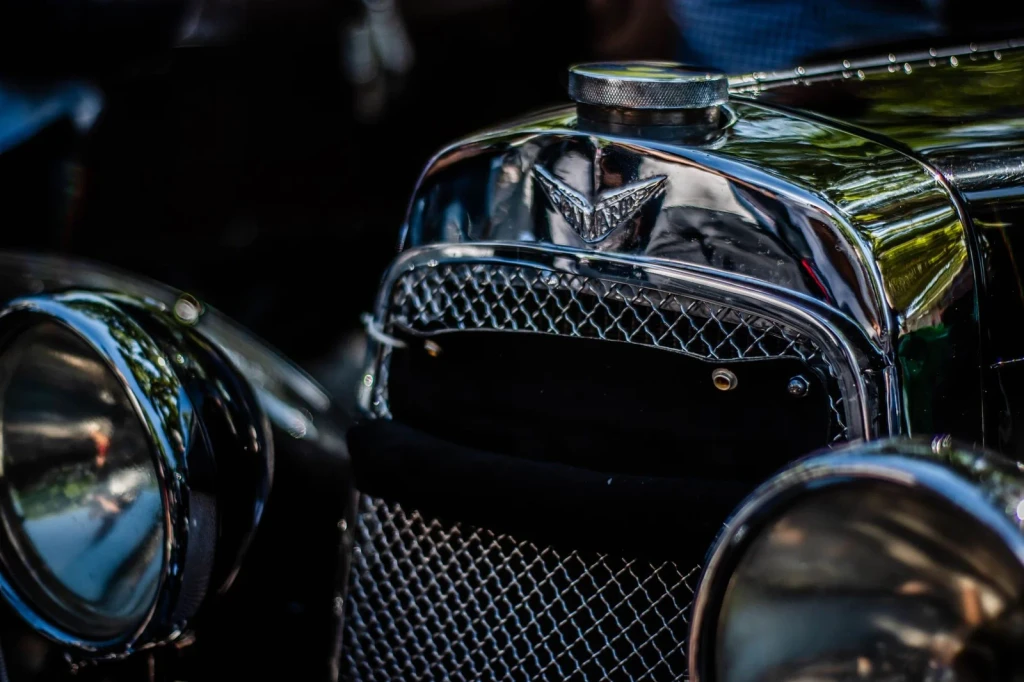
A distinctive emblem marks the identity of this black classic car. The reflective grille showcases the precision of vintage manufacturing.
Photograph by Franco Monsalvo, via Pexels.
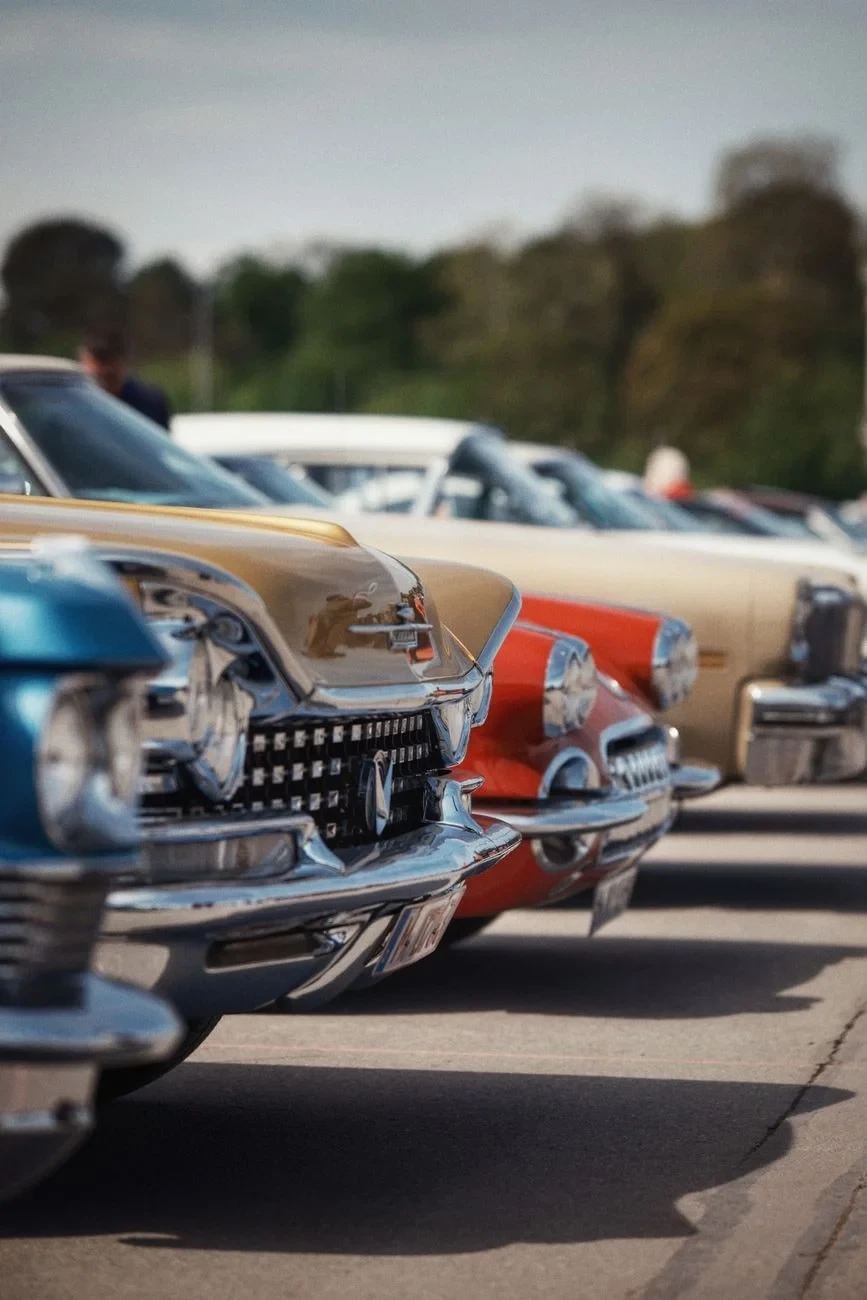
Multiple colorful classics gather at an outdoor show. The assembled collection reflects a continued appreciation for these vehicles.
Photograph by Michael Obstoj, via Pexels.
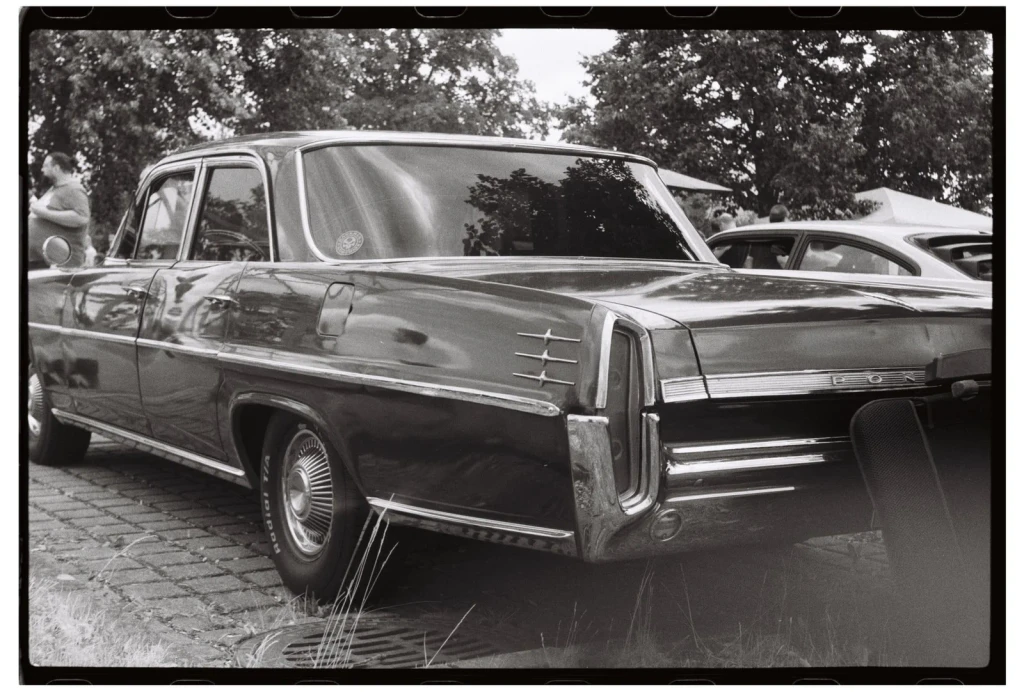
A black and white photograph capturing a classic car displayed outdoors. The monochrome format emphasizes the vehicle's timeless form.
Photograph by TheVilas_, via Pexels.
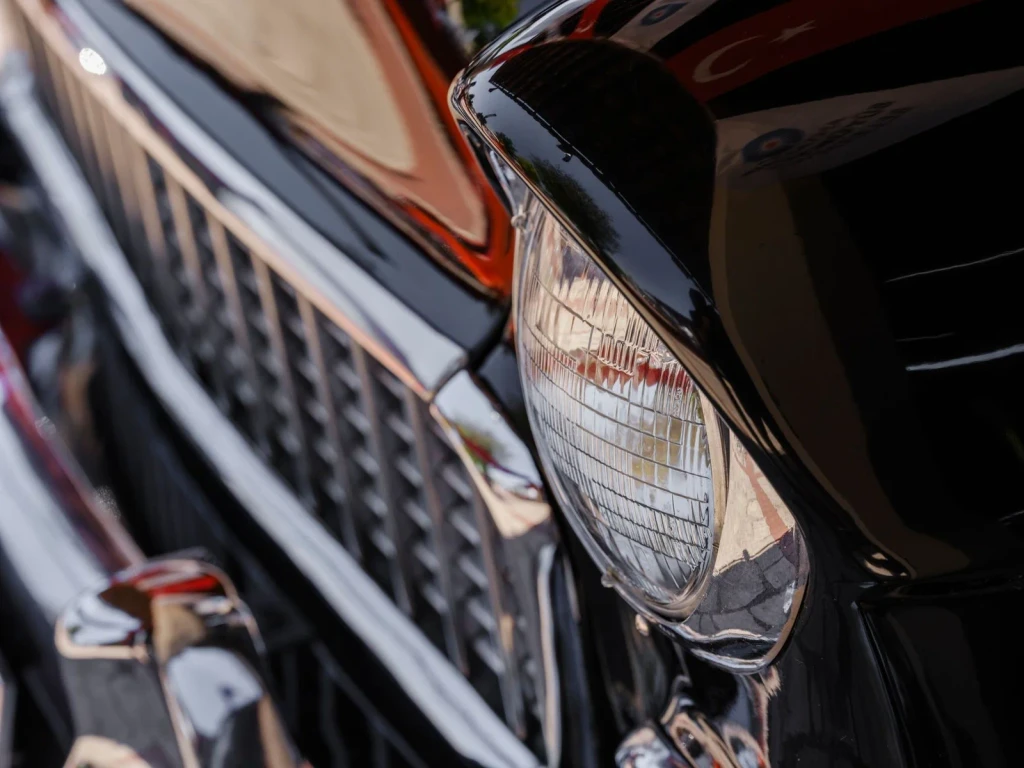
A close-up study of a vintage car's front end. The shiny surfaces and detailed metalwork show the craftsmanship that defines classic automotive design.
Photograph by Engin Akyurt, via Pexels.

The polished surfaces of a vintage blue car reflect a commitment to detail. Every chrome accent speaks to an era of deliberate styling.
Photograph by Adam Sokoloski, via Pexels.
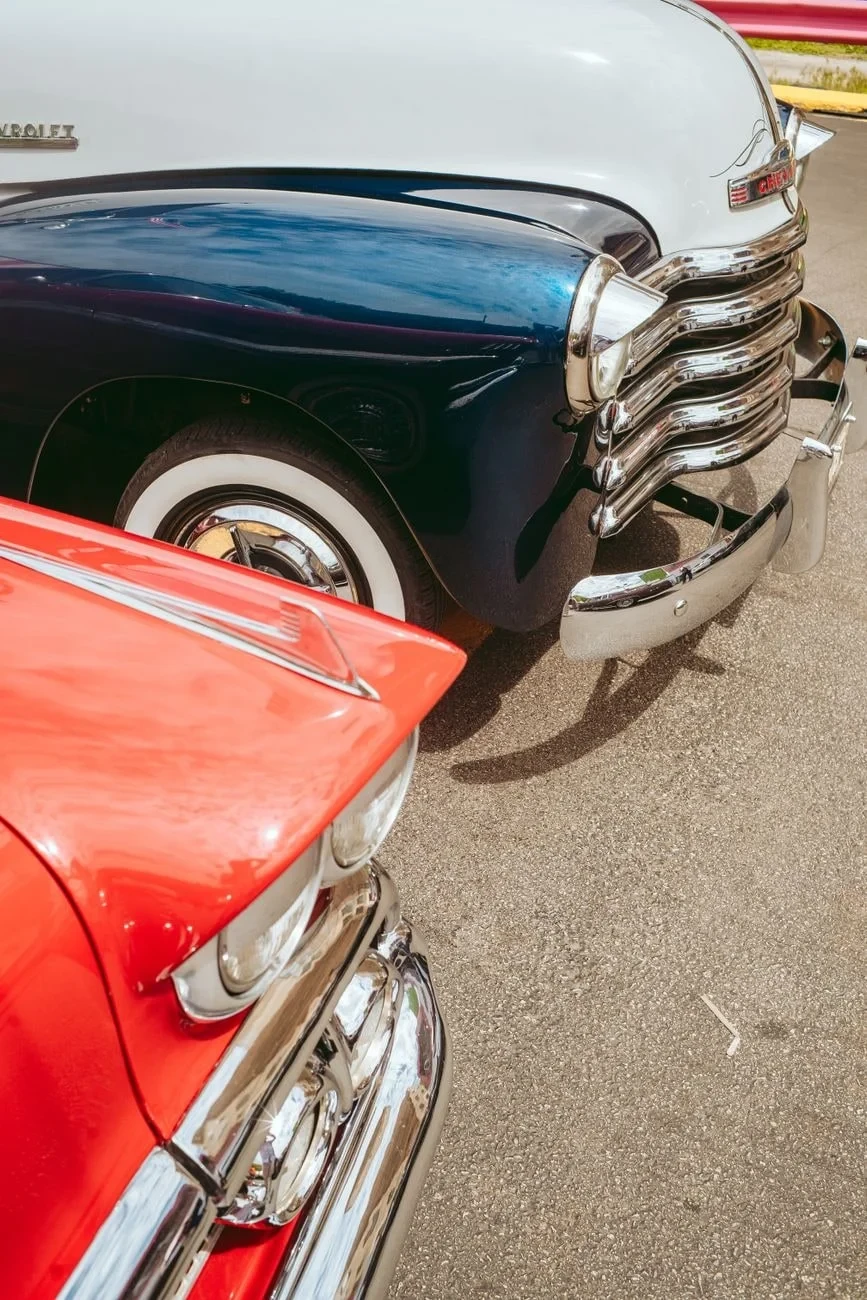
Chrome details on classic cars gathered at an outdoor automotive show. The close framing highlights the meticulous craftsmanship of these vehicles.
Photograph by Alex Grajeda, via Pexels.
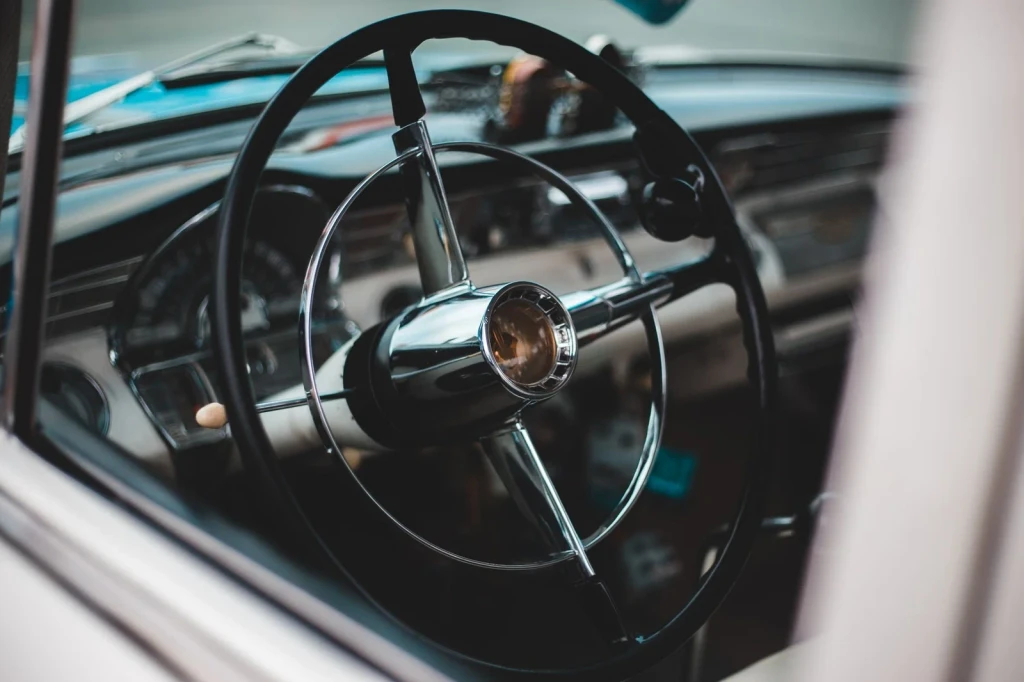
The steering wheel and dashboard of a vintage car show the driver's domain. Materials and form speak to an older approach to comfort and control.
Photograph by Erik Mclean, via Pexels.
