3D Gallery
Earthquakes: When the Ground Forgets
Enter gallery
Earthquakes: When the Ground Forgets is a 3D virtual gallery on MyGallery3D, a walkable online exhibition of 15 works. Step inside and explore it in your browser: no app, no headset.
Enter a 3D virtual museum of earthquakes: walk from wall to wall in your browser while the ground, for once, holds still.
An earthquake is not really an event. It is a debt. Two plates lock, strain builds for decades or centuries, and the rock finally breaks through the sticking point and repays everything at once. Only about 10 percent of that energy escapes as the waves we feel. An 8.6-magnitude earthquake releases as much energy as 10,000 atomic bombs of the size used in World War II.
Not every fault can make a great earthquake. Magnitude follows the area that ruptures, and the width available varies by a factor of 20. Strike-slip faults stand near vertical, so they are confined to roughly 10 km of brittle crust and to about magnitude 8. Where plates converge, the rupture plane dips shallowly and can span 50 to 100 km. Megathrusts release about 90% of the world's seismic moment.
The San Andreas Fault runs 750 miles through California. The Pacific plate grinds past the North American plate at about 33 to 37 millimetres a year, and the southern section has not ruptured in at least 300 years. A 2006 study found the fault already carries enough stress for a magnitude above 7.0. That segment is capable of an 8.1-magnitude earthquake, and it passes 35 miles from Los Angeles.
In AD 132, Zhang Heng built a bronze vessel about 2 meters across, ringed with dragon heads holding balls. A tremor dropped one ball into a toad below, and the direction was read from which dragon let go. Instruments now do stranger work: because S waves cannot cross liquid, the shadow they cast on the far side of the planet proved the outer core is molten.
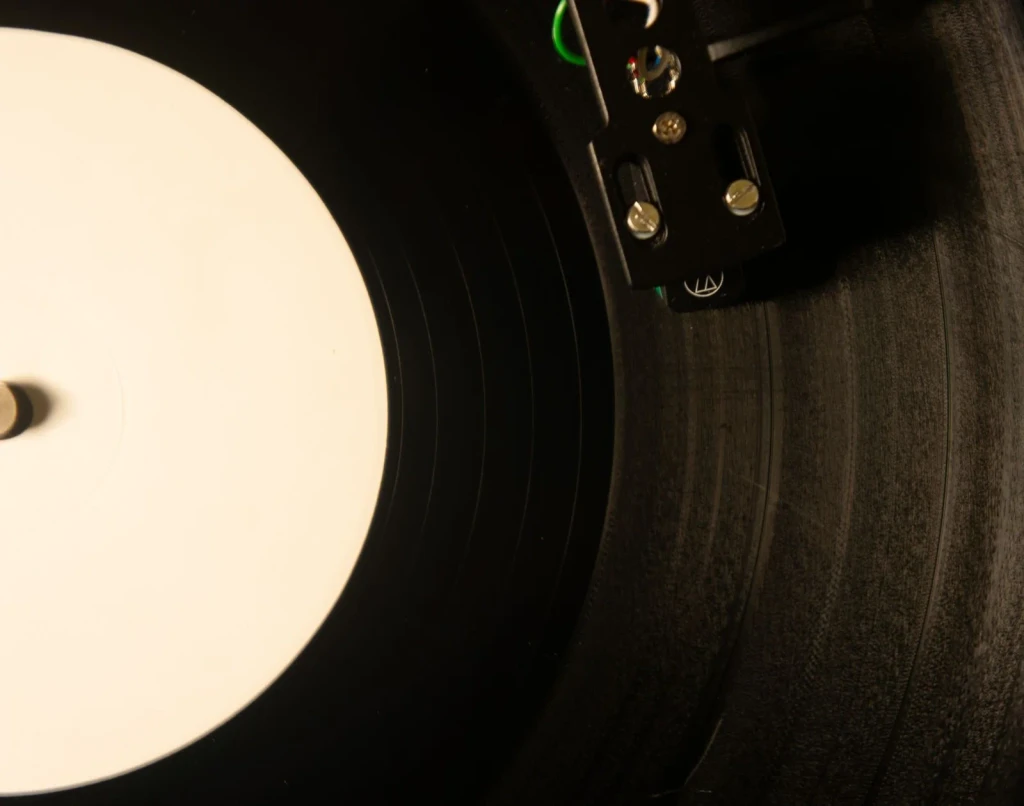
A gramophone needle meeting vinyl in close focus. The image documents the precise point where memory is read, moment by moment.
Photograph by Nathan Neve, via Pexels.

A vinyl record in motion on a turntable. The photograph captures a moment of sound frozen in place, suggesting how memory itself might skip or repeat.
Photograph by Miguel Á. Padriñán, via Pexels.

A vinyl record spinning in close detail. The image captures a single instant of continuous motion, like ground attempting to remember its shape.
Photograph by Sena Aykut, via Pexels.

A spinning vinyl record captured in close-up. The rotation itself suggests constant motion, the ground never quite still.
Photograph by Miguel Á. Padriñán, via Pexels.

A vintage turntable in sharp detail, stylus poised above the platter. The equipment stands ready to translate surface movement into sound.
Photograph by Markus Spiske, via Pexels.
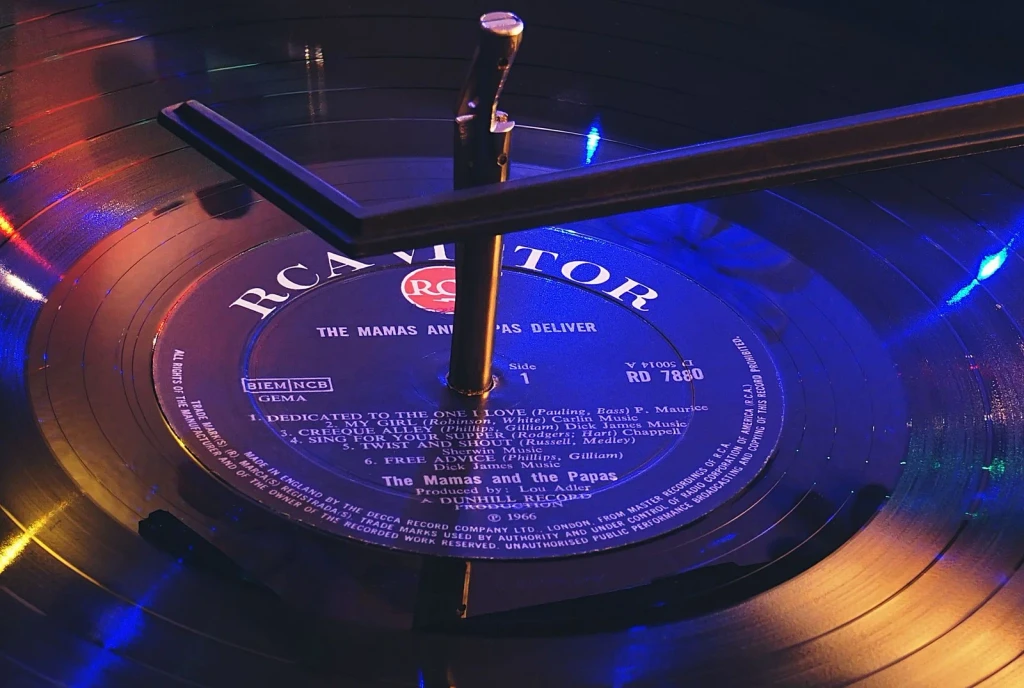
An RCA Victor record under vibrant light on a turntable. Color and proximity draw us into a familiar ritual of sound and memory.
Photograph by Suzy Hazelwood, via Pexels.
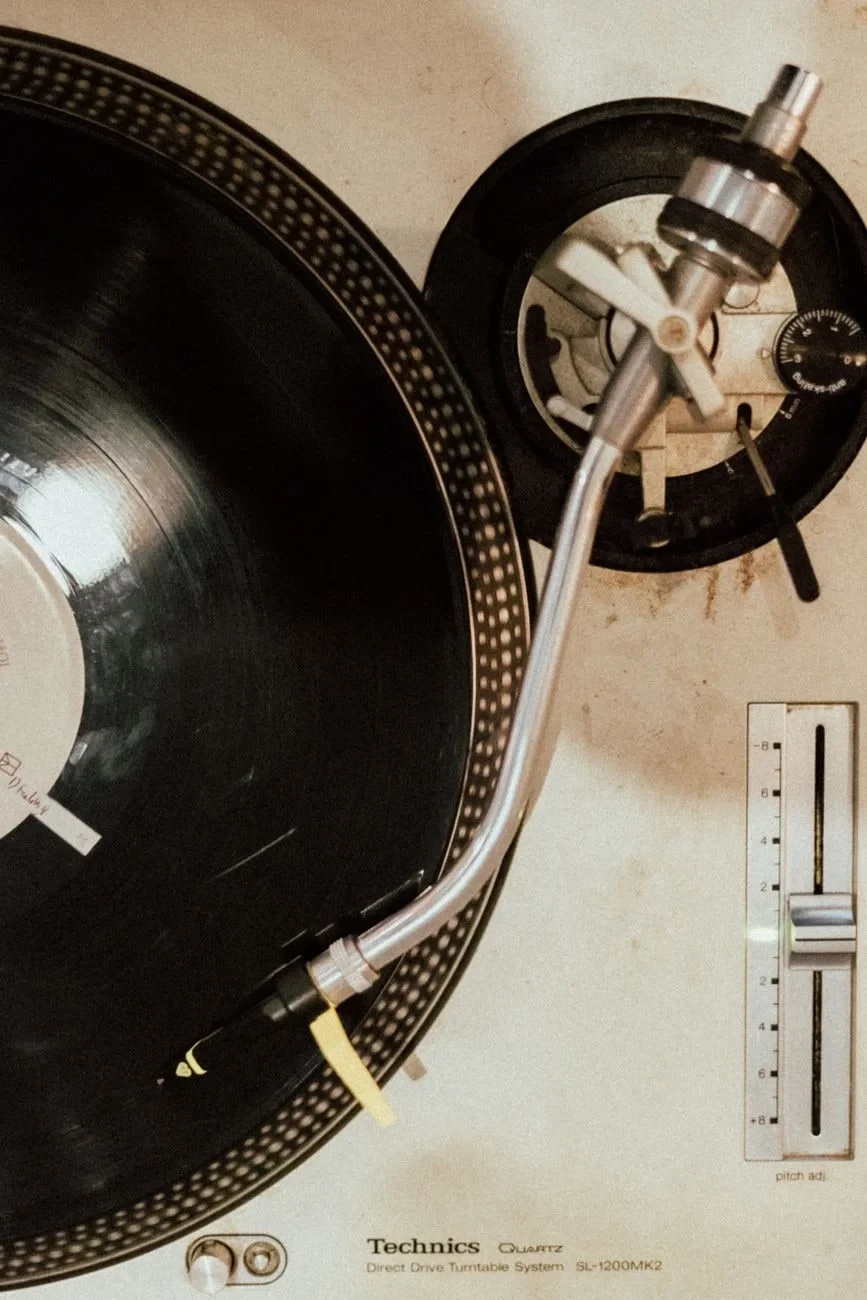
A close view of a vintage turntable playing. The photograph holds onto a nostalgic moment, echoing how we preserve what trembles away.
Photograph by Josh Withers, via Pexels.
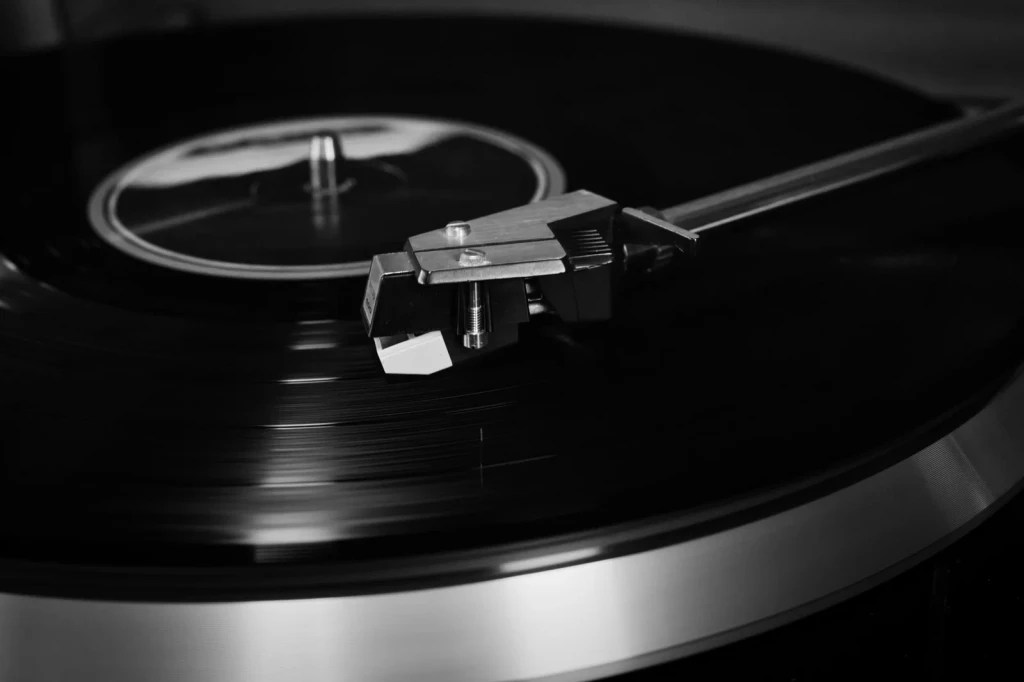
A record player in monochrome, caught mid-play. Absence of color strips the scene to essentials. what remains is the simple fact of motion.
Photograph by Ruben Boekeloo, via Pexels.
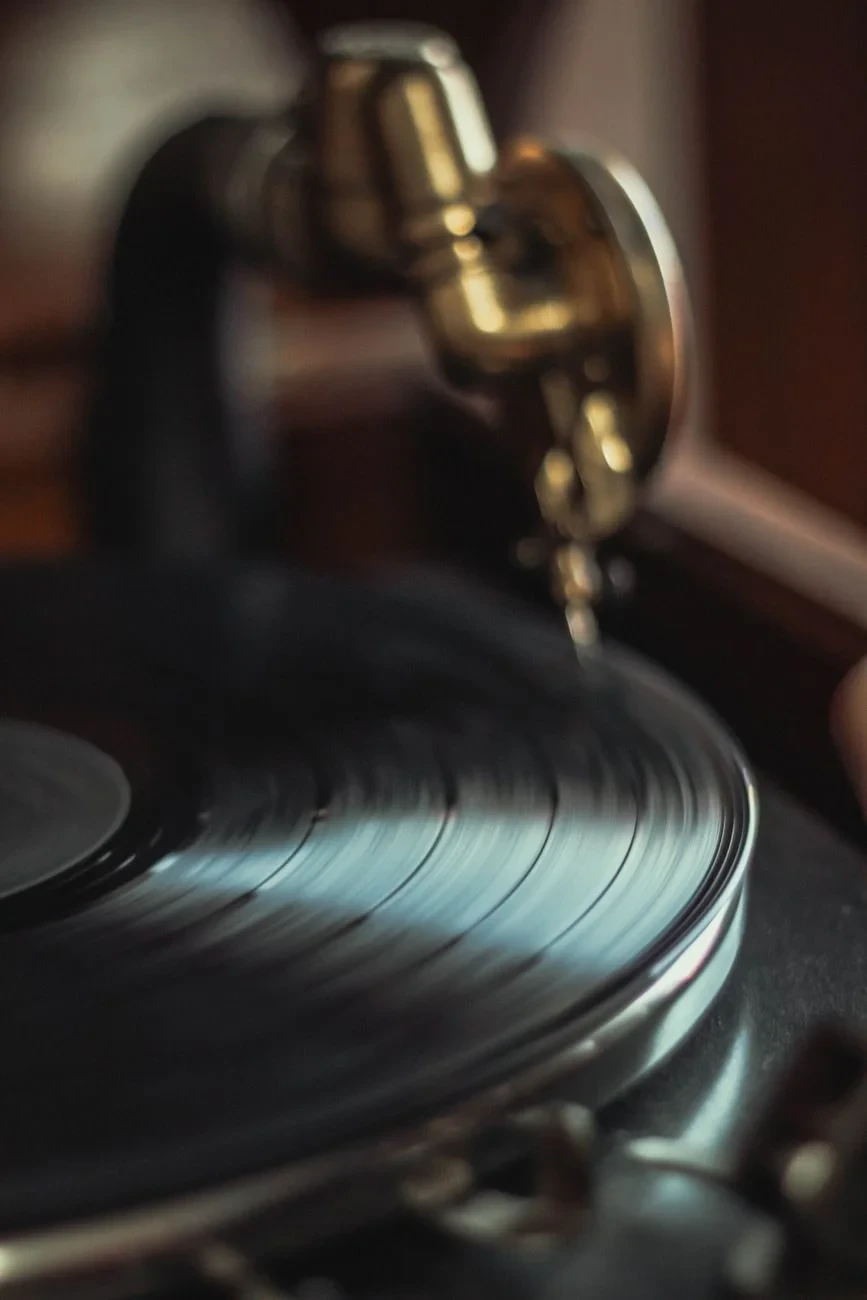
A classic gramophone plays its record. Nostalgia hangs in the frame. old machines hum with memory of steadier times.
Photograph by Kaan Tapucu, via Pexels.
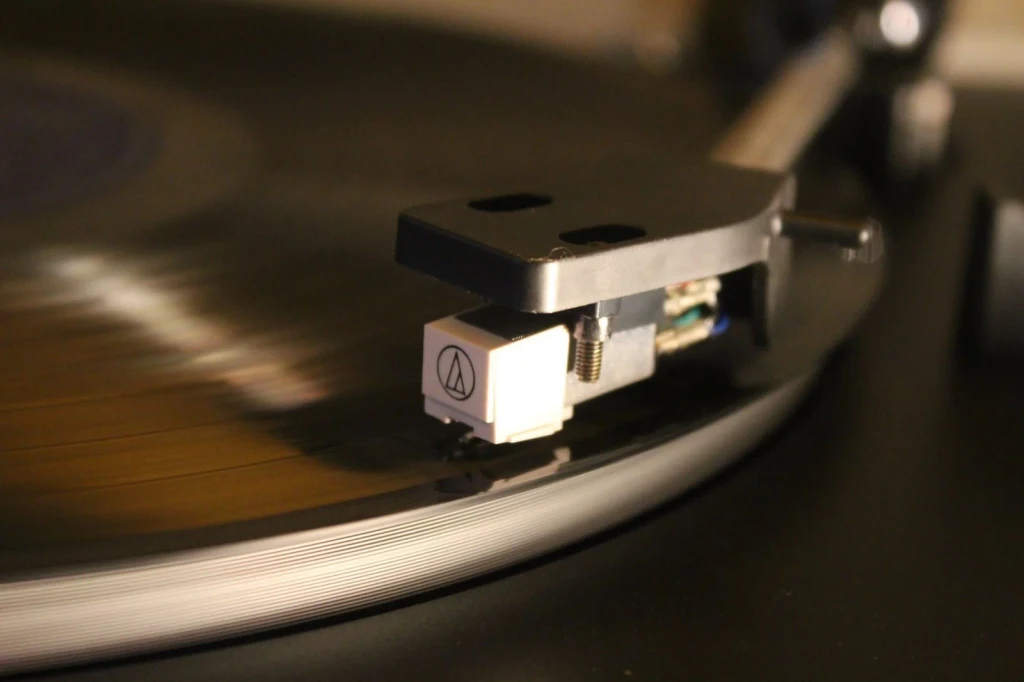
A close detail of a turntable needle meeting vinyl. The needle becomes a seismograph of sorts, reading vibrations from the surface beneath it.
Photograph by Stefan, via Pexels.
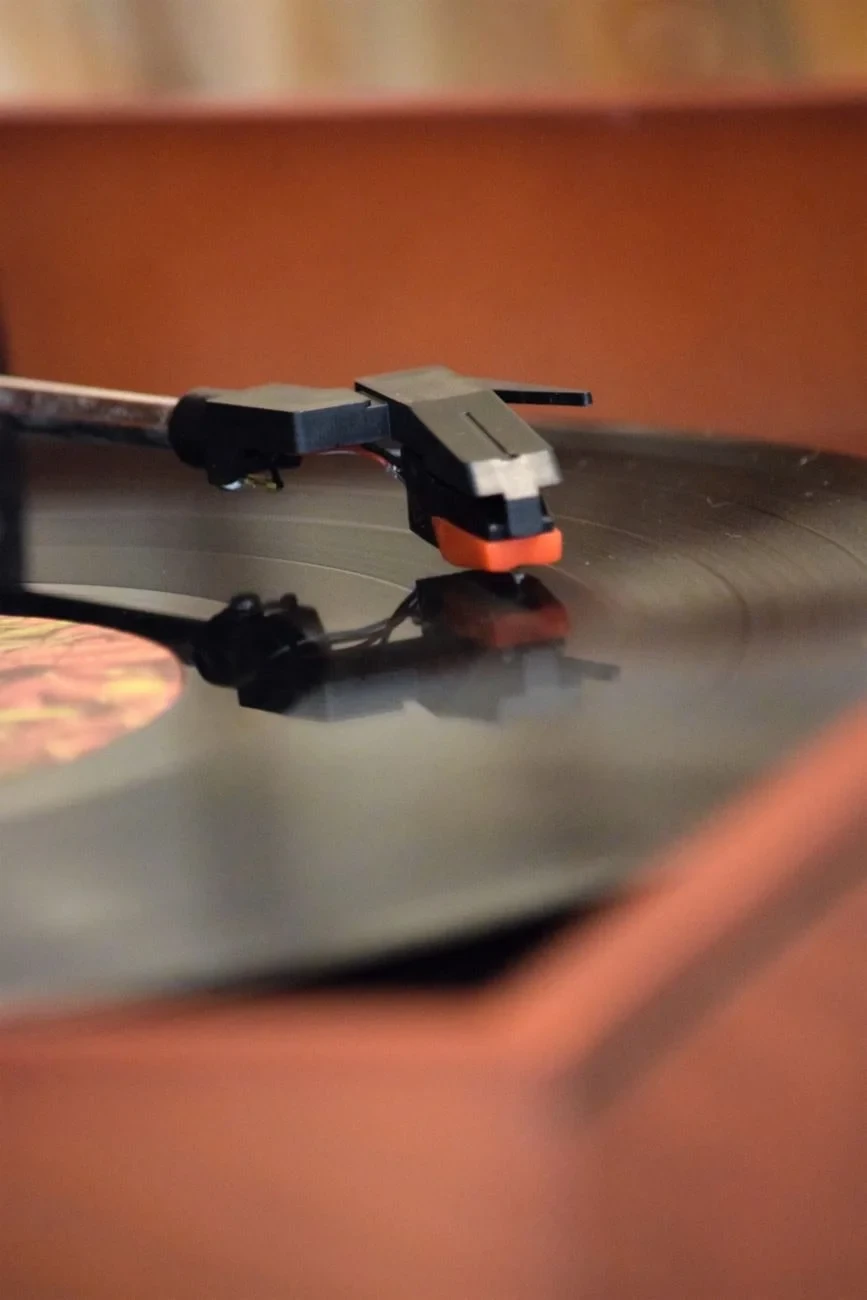
A tonearm and needle sit poised on vinyl. The photograph emphasizes the point of contact. where needle meets record, vibration becomes sound.
Photograph by Magali Guimarães, via Pexels.
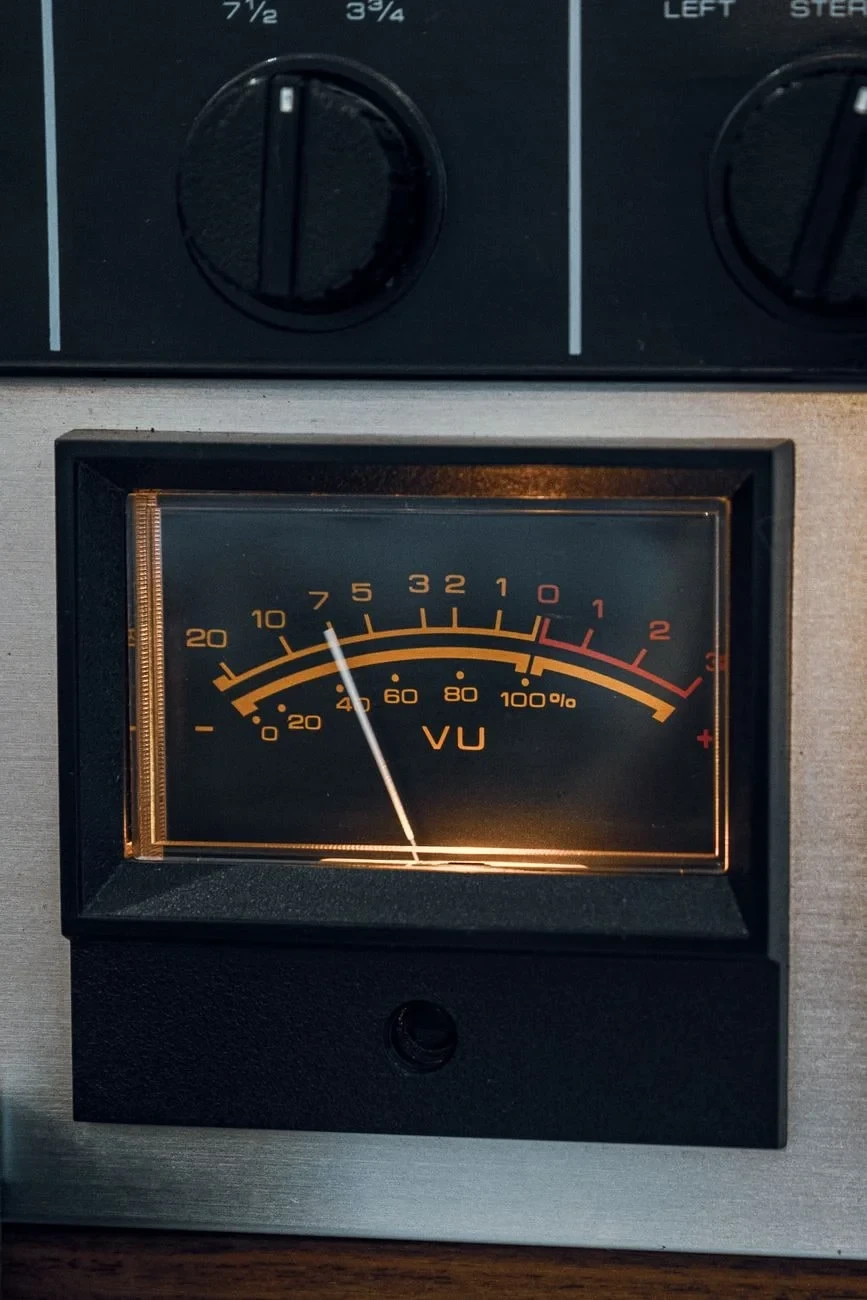
A vintage VU meter displays its calibrations in retro style. The device measures what it can register. some forces exceed what instruments are built to show.
Photograph by Javier Zari U., via Pexels.
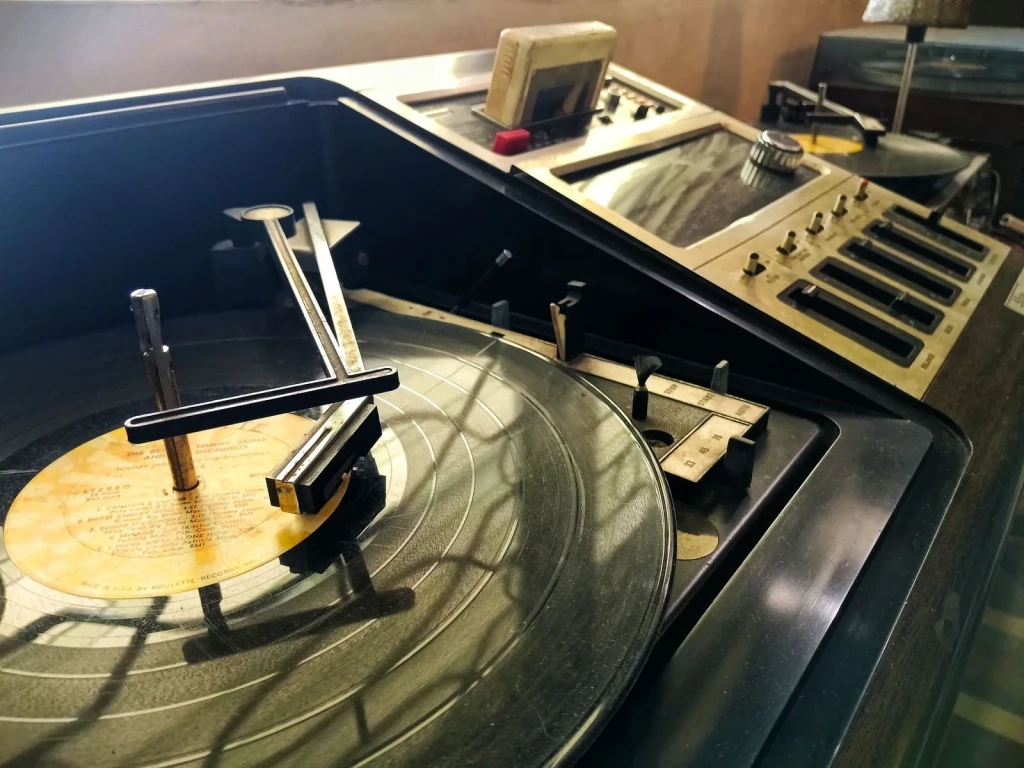
Sunlight touches a turntable and its controls. Nostalgia settles over the scene. we remember what worked, what held steady.
Photograph by Jeniffer (J.M.) Rosario, via Pexels.
A blurry vinyl record catches the needle mid-play. The photograph captures movement itself. what once was stable becomes fluid, much like ground that shifts beneath us.
Photograph by Miguel Cuenca, via Pexels.

Black and white rendering of a turntable and vinyl record. The stillness of monochrome contrasts with the implied movement of the spinning disc.
Photograph by Ruben Boekeloo, via Pexels.
