3D Gallery
Oases: The Green Rooms in the Desert
Enter gallery
Oases: The Green Rooms in the Desert is a 3D virtual gallery on MyGallery3D, a walkable online exhibition of 16 works. Step inside and explore it in your browser: no app, no headset.
This 3D virtual museum of oases is one you walk through in your browser, and the first thing to know is that almost none of them are natural.
An oasis is a machine. Water is necessary but not sufficient: wells and canals must be dug and kept, and greedy plants pulled out, or the desert takes the ground back. Where the work is done, three layers of planting, date palms over fruit trees over vegetables, cut potential evapotranspiration inside the oasis by 30 to 50 percent. Roughly 10 million people live on about 1,000,000 hectares of it.
The date palm is the top layer and the point of the whole system. It is dioecious, male and female on separate plants, and in oasis horticulture it is entirely hand-pollinated: skilled labourers on ladders, or in Iraq a climber strapped to the trunk. One male can serve up to 100 females, so the males are pruned away. A mature palm gives 70 to 140 kilograms a season.
The machine is failing. Five historic oases in Egypt's Western Desert, Kharga, Dakhla, Farafra, Baharyia and Siwa, once had flowing springs and wells; groundwater was drawn down for land reclamation and those sources are gone. Morocco has lost two-thirds of its oasis habitat in the last 100 years. Modern pumps disrupt the old management schemes, and the knowledge behind them is fading.
To move water without losing it to the air, ancient Iranians dug qanats: gently sloping tunnels tapping an aquifer, reached by vertical shafts sunk every 20 to 35 metres. Some run 70 km near Kerman. In Khorasan, shafts have been recorded 275 m deep. Crews of three or four muqannīs dug them by hand, and from the air the shaft mouths look like a string of bomb craters.
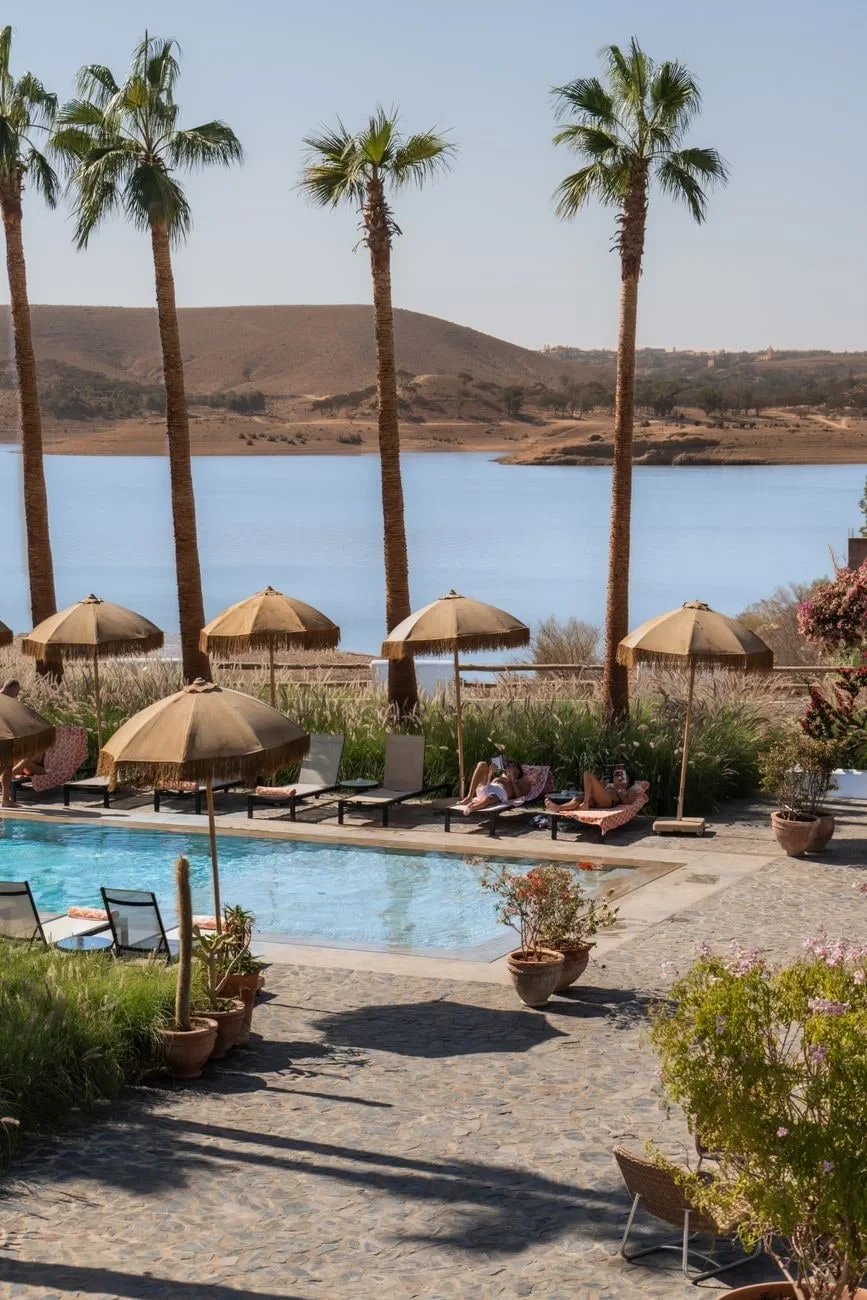
Palm trees and tranquil water dominate this sun-lit scene. The photograph depicts leisure framed by the oasis environment.
Photograph by Pure house On the lake, via Pexels.
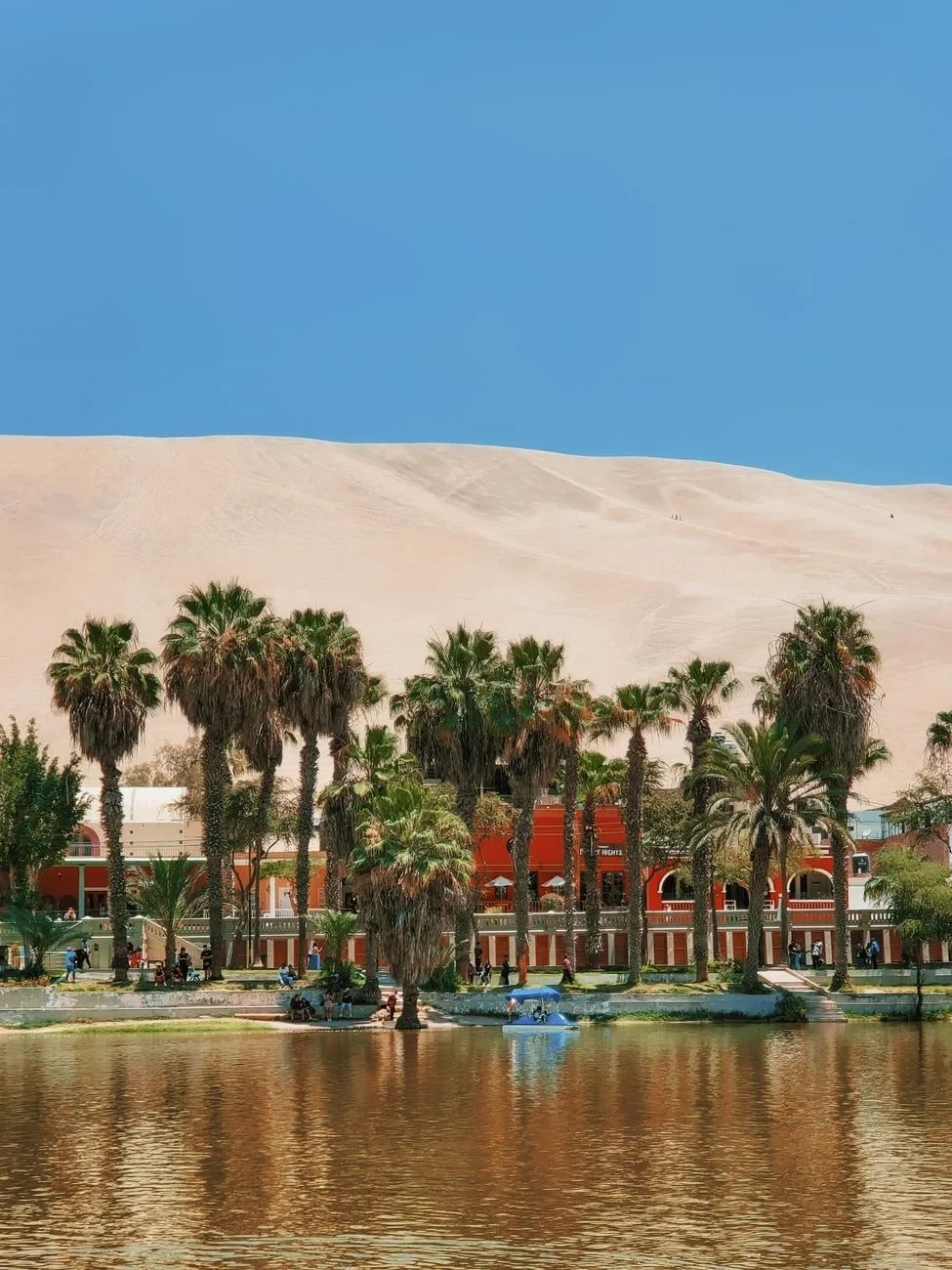
A manicured oasis of palms surrounds a resort setting. The image suggests how these green spaces function as destinations and respites within harsh landscapes.
Photograph by Axel Sandoval, via Pexels.
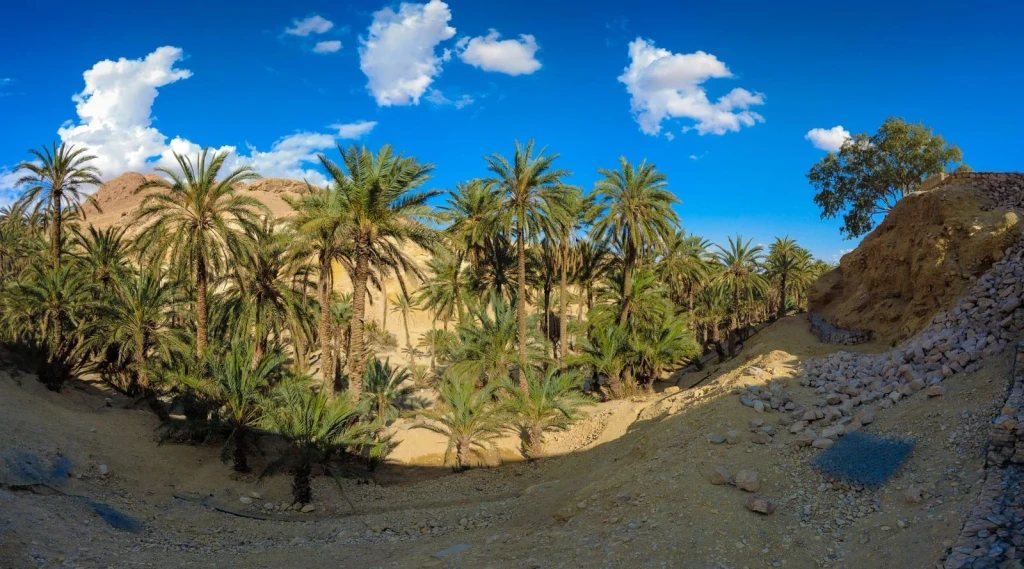
A panoramic sweep of palms stretches across the frame beneath clear blue sky. The scale of these green spaces becomes apparent.
Photograph by Orlin Ratchev, via Pexels.
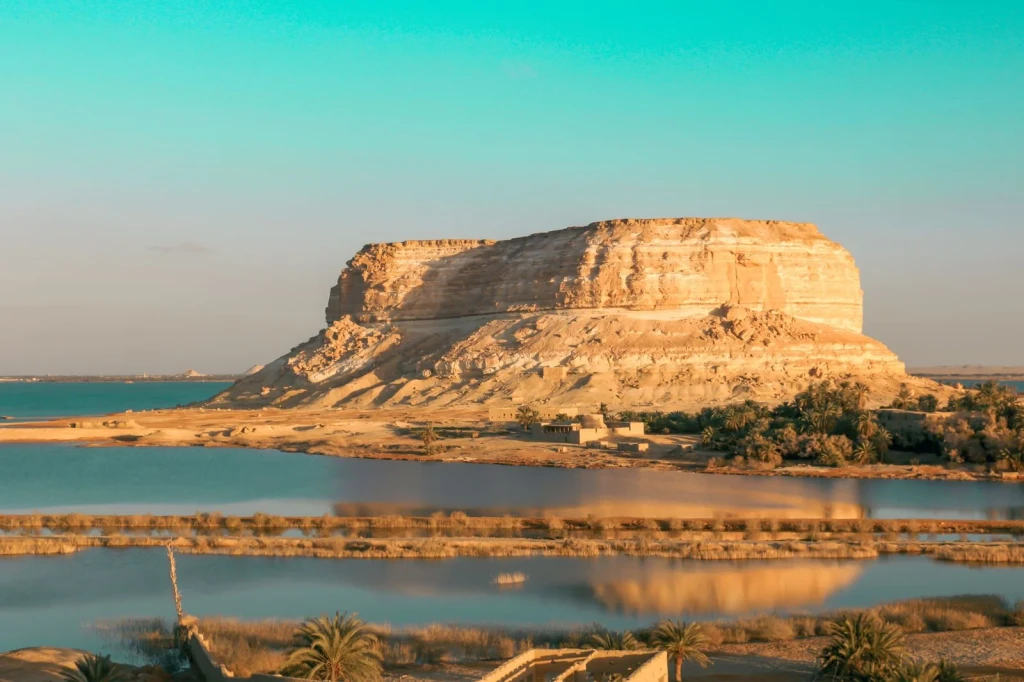
Eroded rock meets a tranquil desert lake. The landscape speaks to time and the precious presence of water in arid terrain.
Photograph by Yassmeen Abdelaziz, via Pexels.
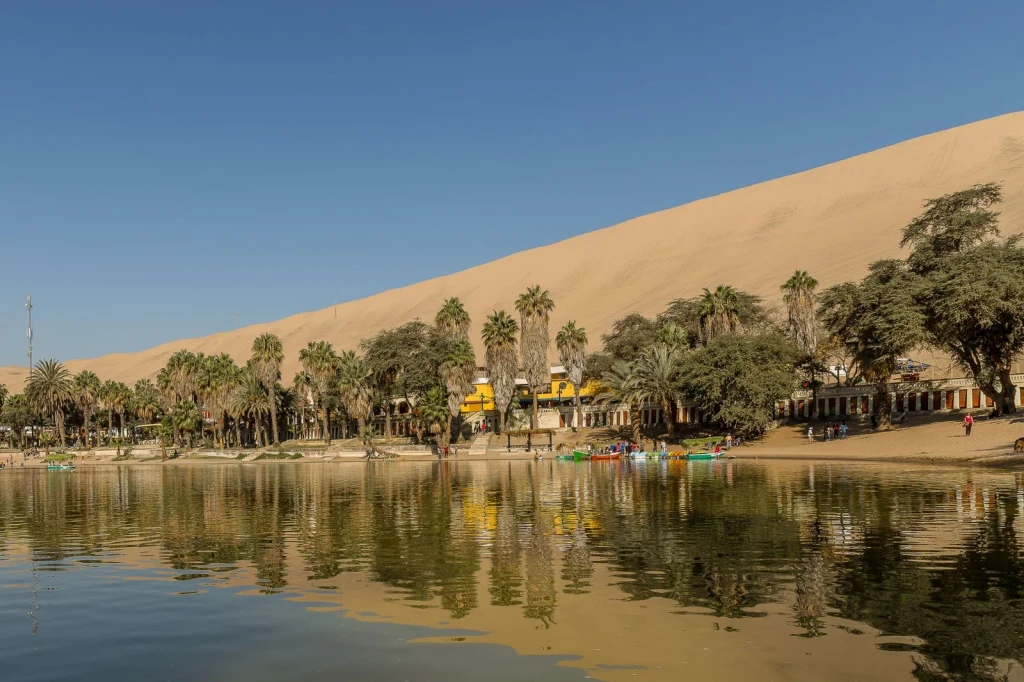
Lush palms rise against expansive sand dunes under clear sky. A study in contrast: verdant growth and barren landscape coexisting in the same frame.
Photograph by Mike van Schoonderwalt, via Pexels.
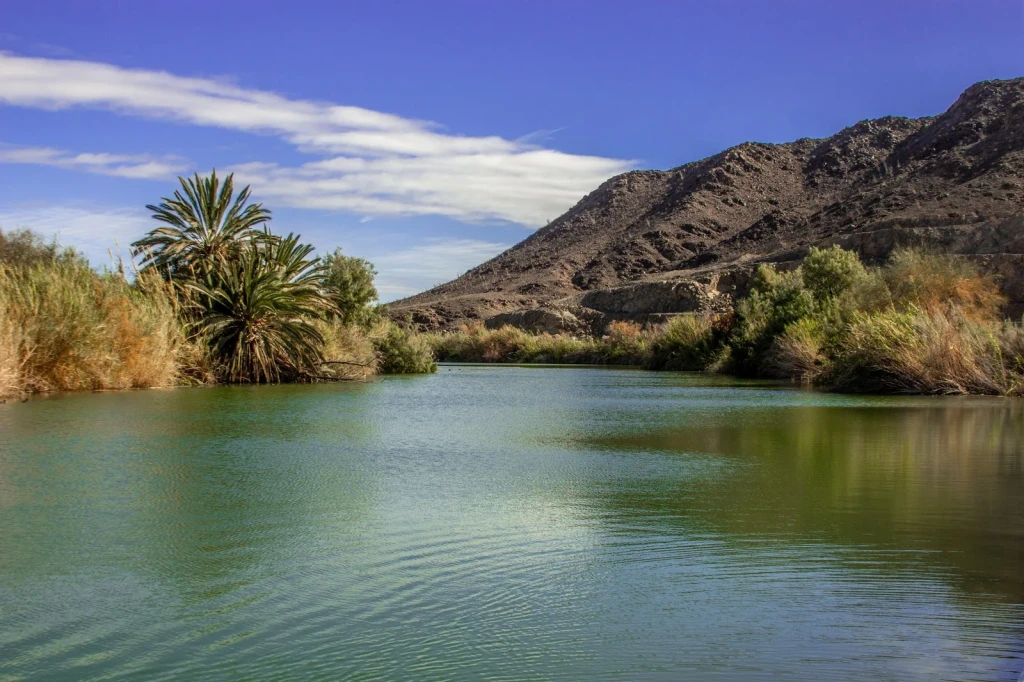
Palms cluster beside water, surrounded by rolling hills under sunlight. A sheltered green space nested within larger landscape.
Photograph by Clay Elliot, via Pexels.
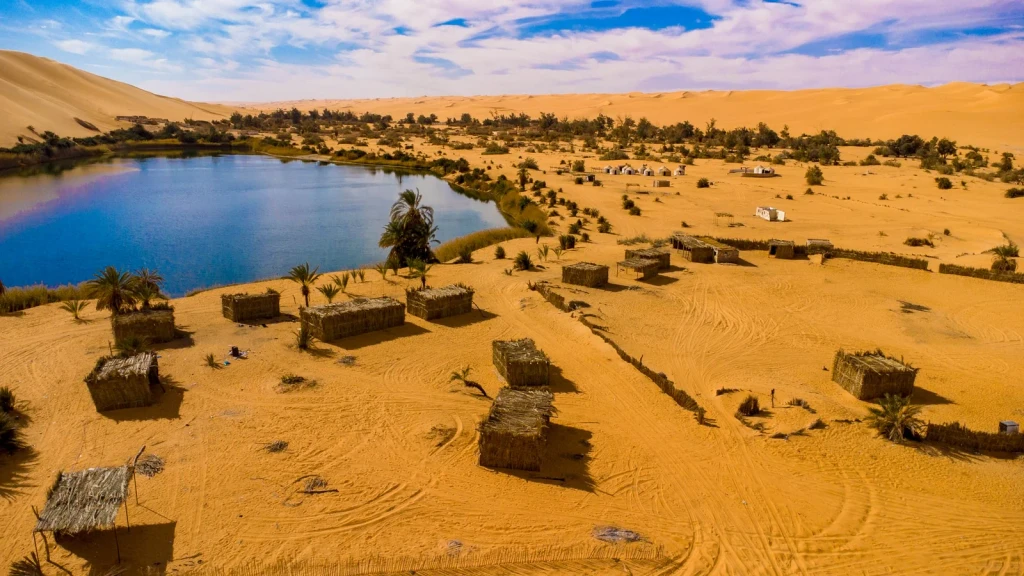
From above, a tranquil oasis emerges from Saharan dunes, ringed by rustic structures. The image captures how human habitation clusters around these precious green spaces in arid terrain.
Photograph by محمد النائلي - Mohammed Alnaily, via Pexels.
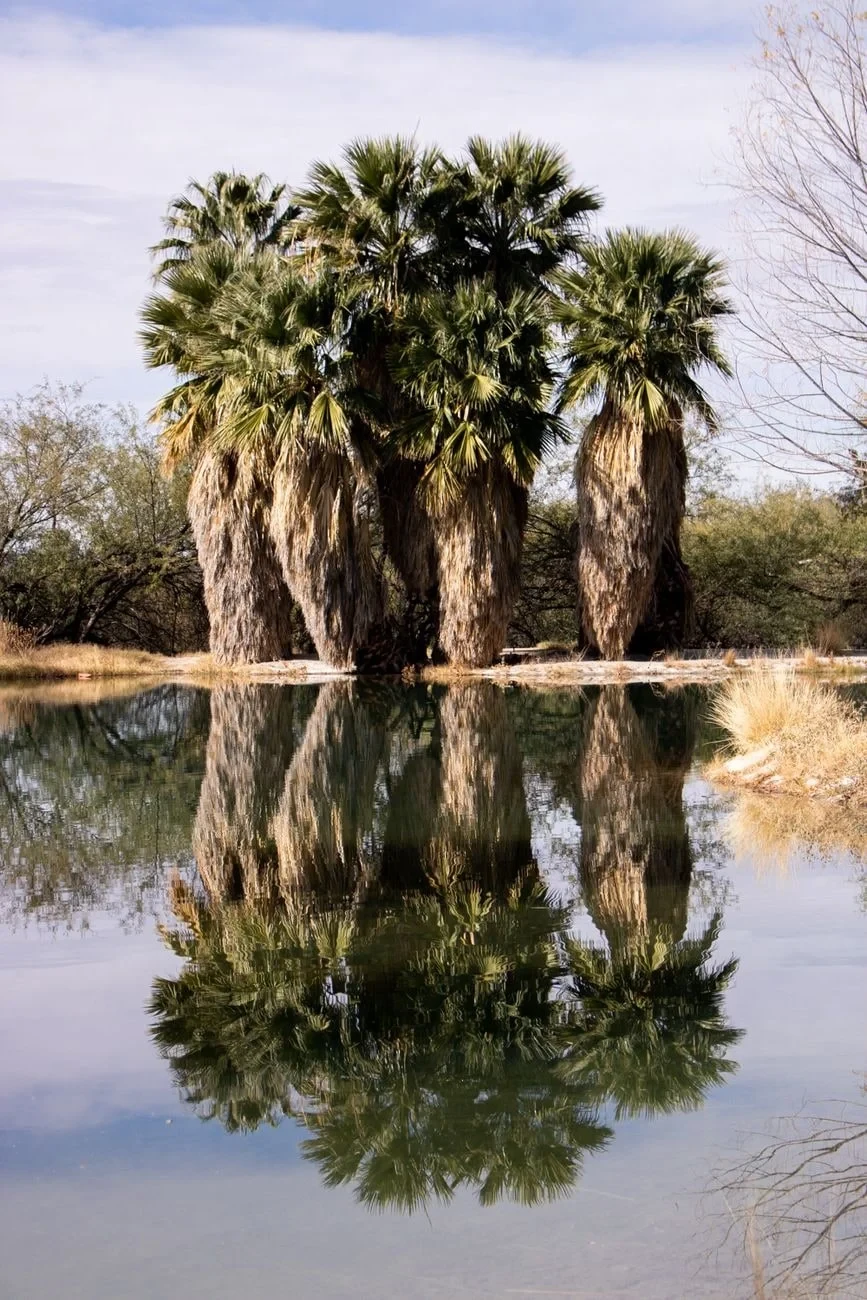
Tall palms create a perfect reflection in still water. This image captures the oasis as a place of symmetry and calm. stillness.
Photograph by Bethany Hicks, via Pexels.
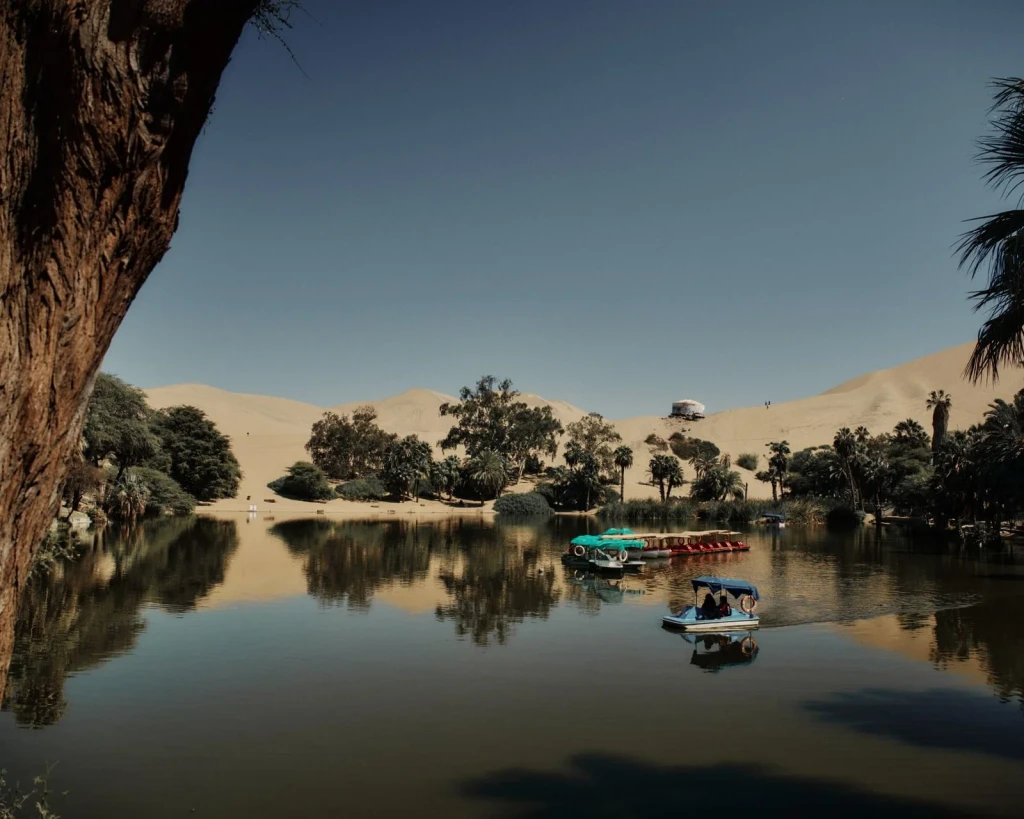
Boats sit in clear water beneath open sky. A quiet reminder that oases are places of arrival and rest within the vast emptiness.
Photograph by Romero Gonzales Miocid King Piero, via Pexels.
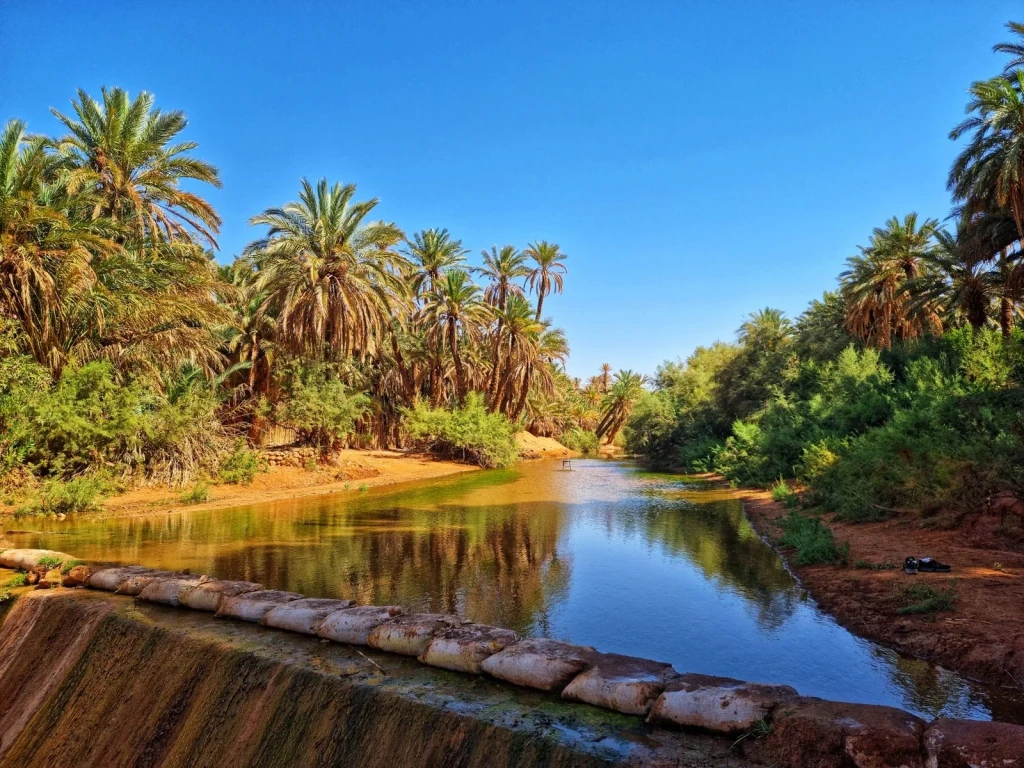
Clear water reflects sky and vegetation in a lush oasis. The composition emphasizes the clarity and vitality that define these desert refuges.
Photograph by Vjanodic WERSOV, via Pexels.
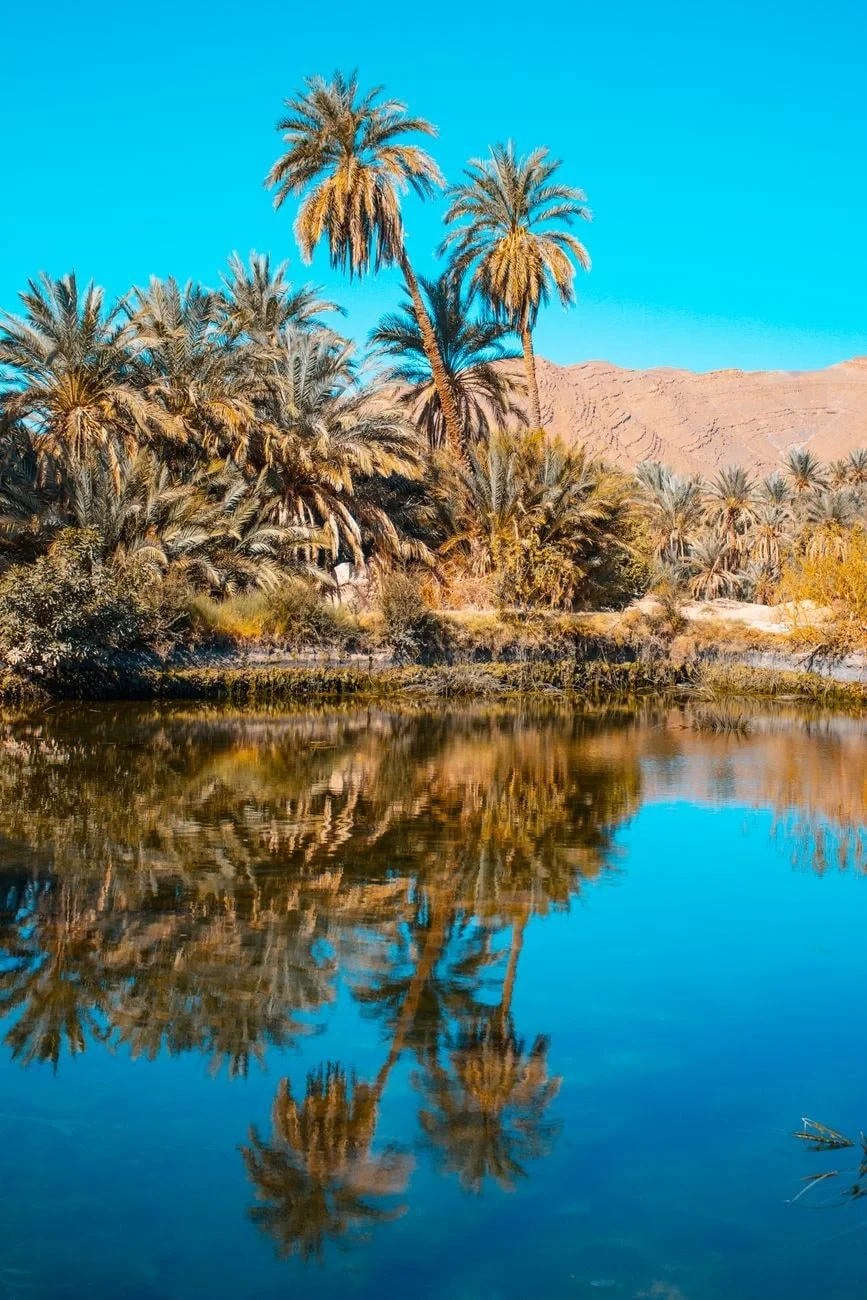
Still water becomes a mirror, doubling the oasis. The reflection transforms a moment of calm into something almost doubled, deepening the sense of refuge.
Photograph by Abdelkarim Achtaou, via Pexels.
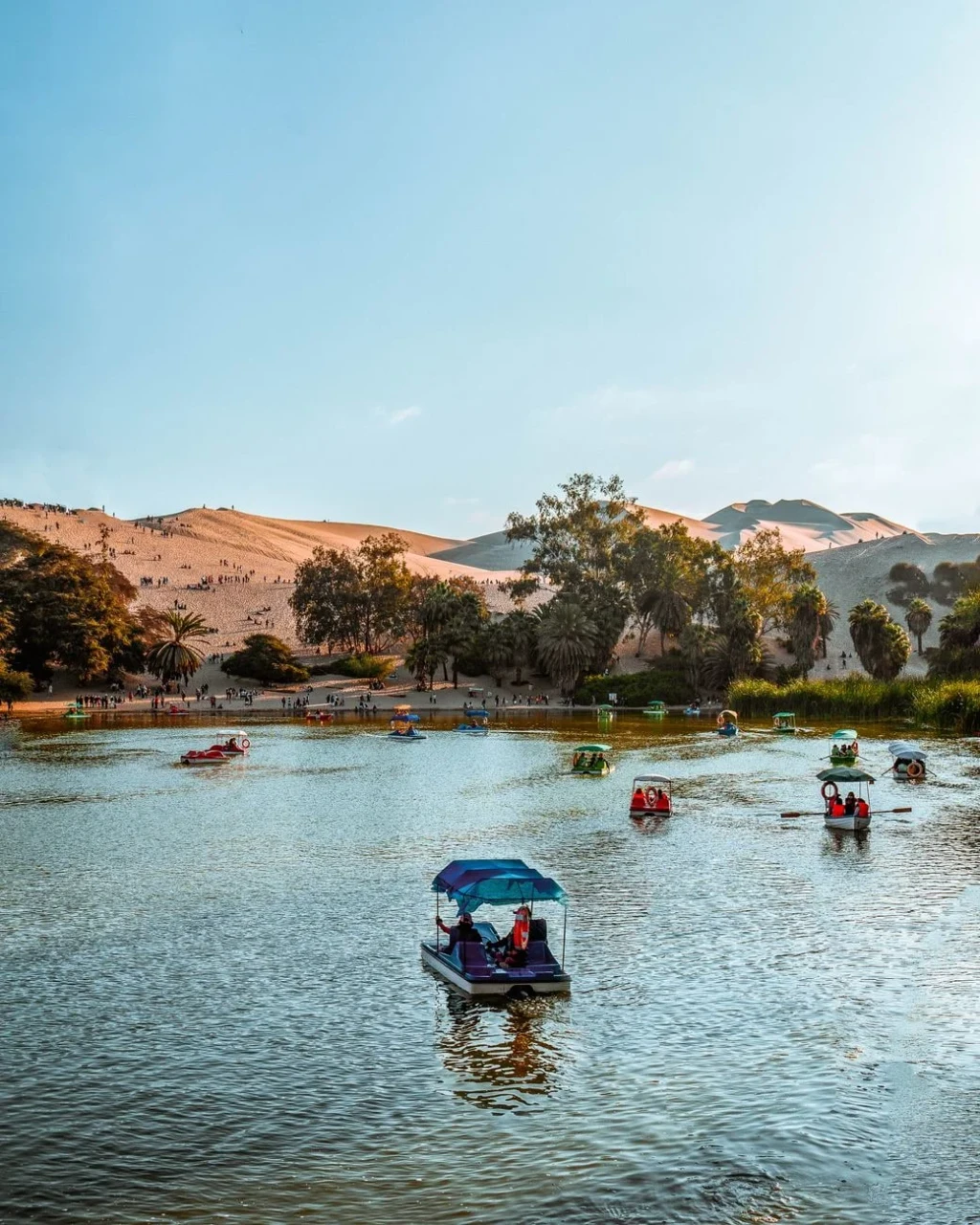
Boats rest on tranquil water, surrounded by desert dunes under open sky. A glimpse of human presence within the green refuge.
Photograph by Cristian S, via Pexels.
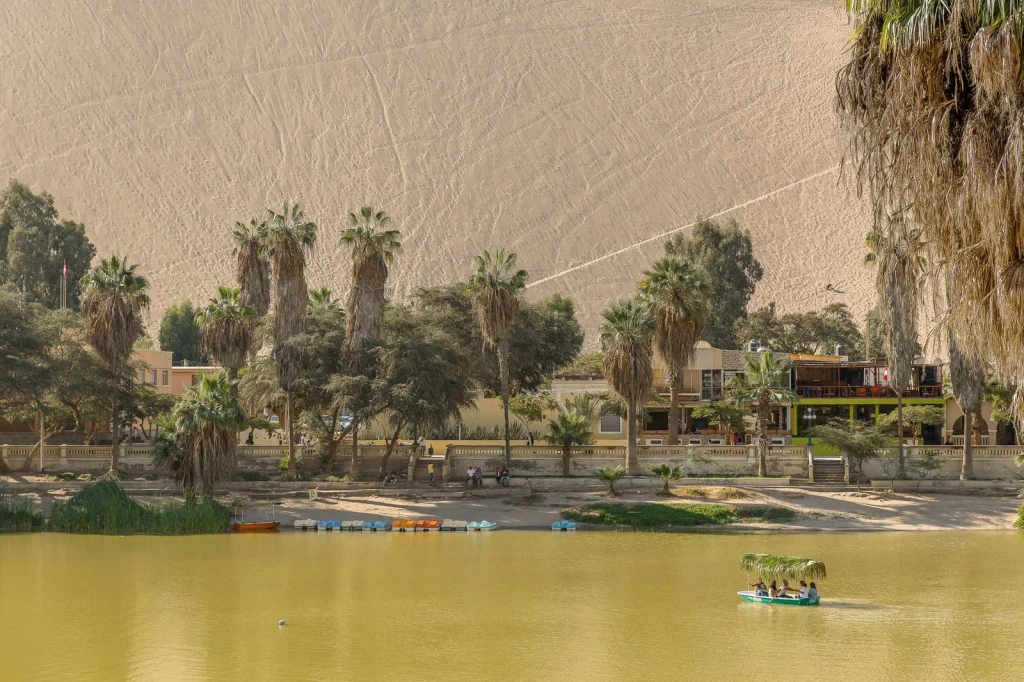
Palm trees anchor the frame, sand dunes receding beyond. The oasis offers a serene pocket of life, inviting pause and repose.
Photograph by Mike van Schoonderwalt, via Pexels.
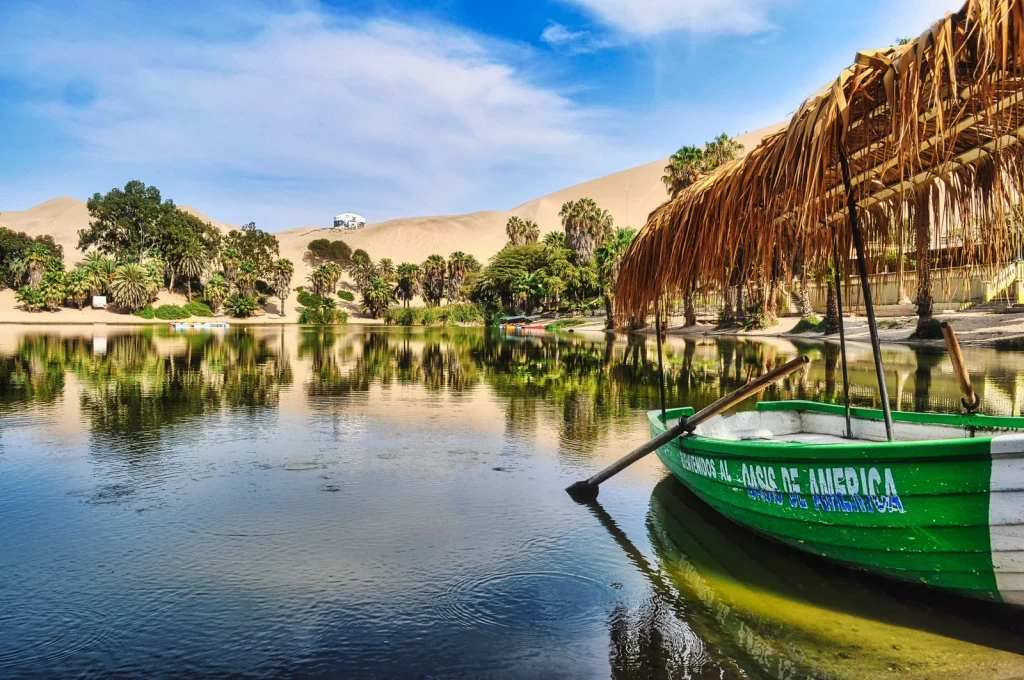
Water reflects sky, palms, and sand in serene symmetry. This image captures the visual poetry of Huacachina's landscape, where reflection doubles the oasis's presence.
Photograph by Viajante Dibujero, via Pexels.
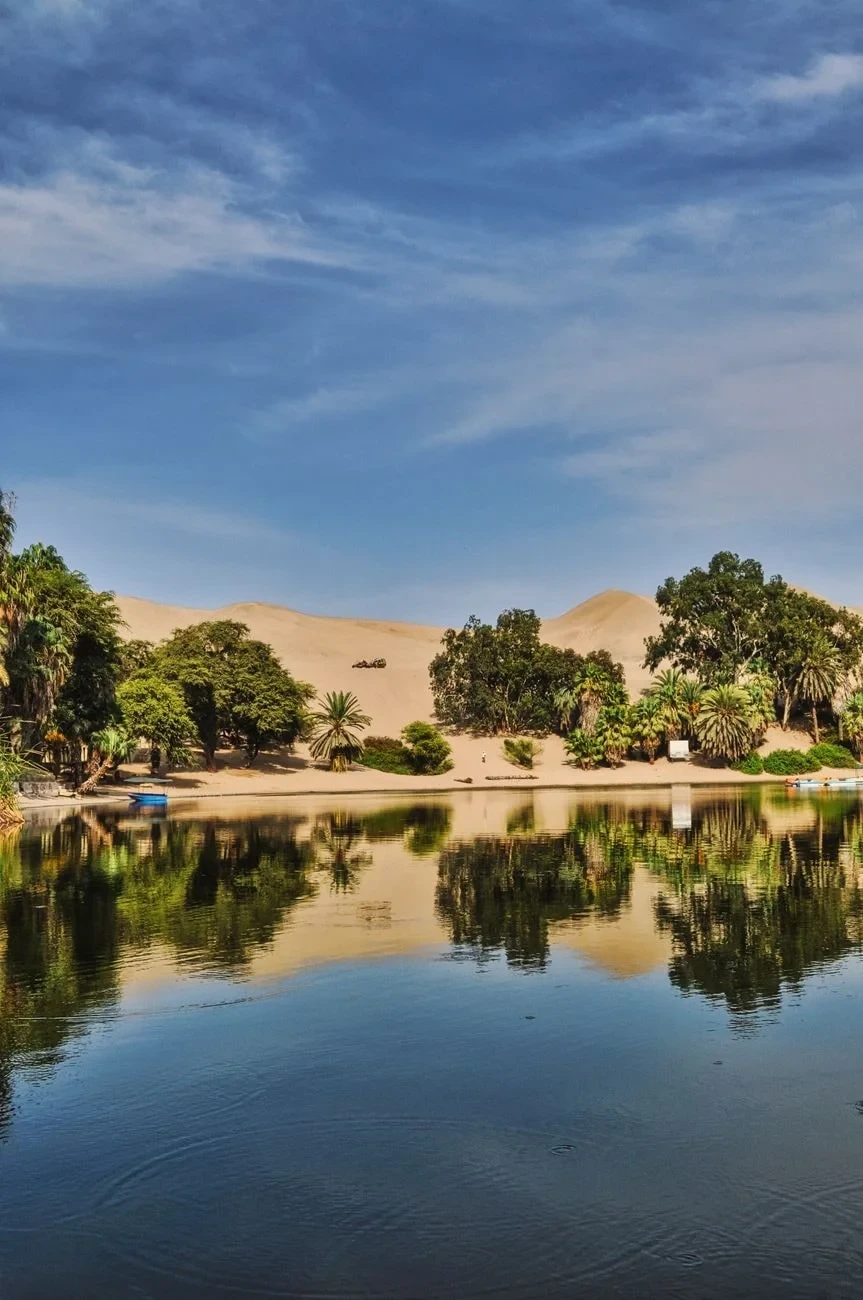
Palm-filled oasis reflected in water, framed by dunes and a vibrant sky. Water becomes the boundary between earth and atmosphere.
Photograph by Viajante Dibujero, via Pexels.
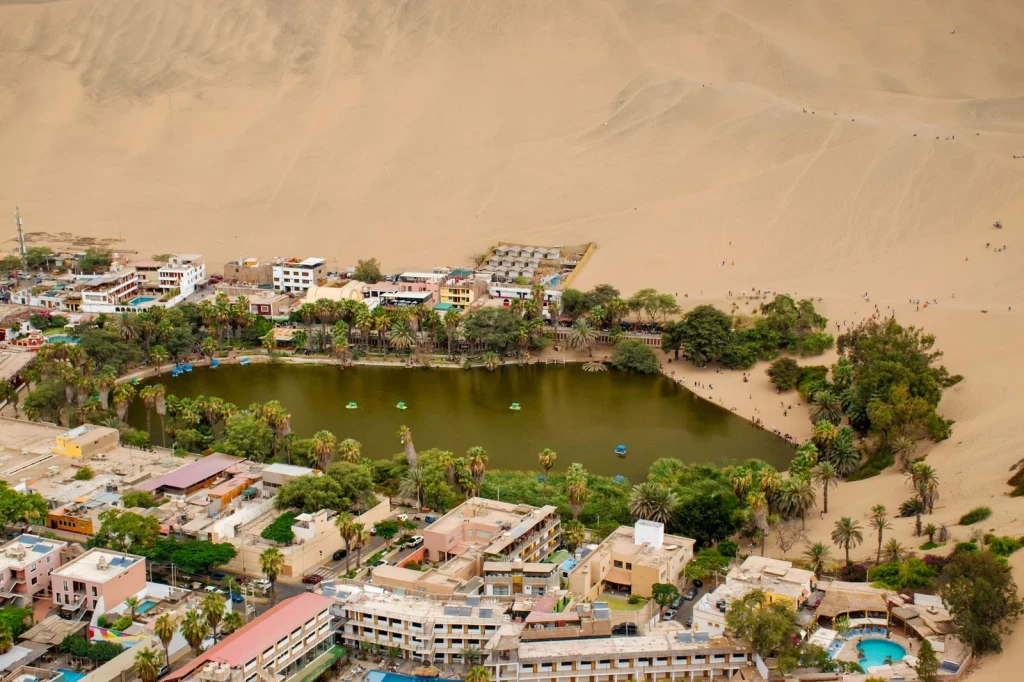
An aerial perspective reveals how a small oasis punctuates vast desert landscape. Huacachina's concentric pattern of water, vegetation, and sand dunes demonstrates the striking contrast at the heart of this exhibition's theme.
Photograph by Gilmer Diaz Estela, via Pexels.
