3D Gallery
Olive Oil: Liquid Gold of the Mediterranean
Enter gallery
Olive Oil: Liquid Gold of the Mediterranean is a 3D virtual gallery on MyGallery3D, a walkable online exhibition of 16 works. Step inside and explore it in your browser: no app, no headset.
Walk through this 3D virtual museum of olive oil in your browser and start with the word itself.
Raw olives are extremely bitter and close to inedible, and for thousands of years the tree was grown for lamp oil rather than for food. Curing and fermentation came later. Around 80% of the world's harvested olives still go straight into oil, and in both Latin and Greek the word for oil simply meant the thing pressed from this fruit.
In Jewish law, olive oil was the only fuel permitted for the menorah, and the Hanukkah story turns on a single cruse of it burning for eight days. Churches consecrate it as chrism, used to anoint priests, bishops and monarchs. Athens took its name from Athena, whose gift of an olive tree was judged more precious than Poseidon's rival gift of a salt spring.
Olive oil is separated by physics alone, with no chemical solvent. The olives are crushed to paste, stirred for 20 to 30 minutes so the microscopic droplets find each other, then pressed at up to 400 atm or spun in a decanter at about 3,000 rpm. Heat costs quality: to be sold as cold extraction in the EU, the paste must stay under 27 °C.
The olive spread by ship. From the 16th century BC the Phoenicians carried it across the Mediterranean, to Crete and then the Greek mainland. It reached Spain by 1050 BC and Marseille around 600 BC, and from there it moved through Gaul. Rome planted it in ever more marginal ground. It now grows across 66 countries and 28.6 million acres.
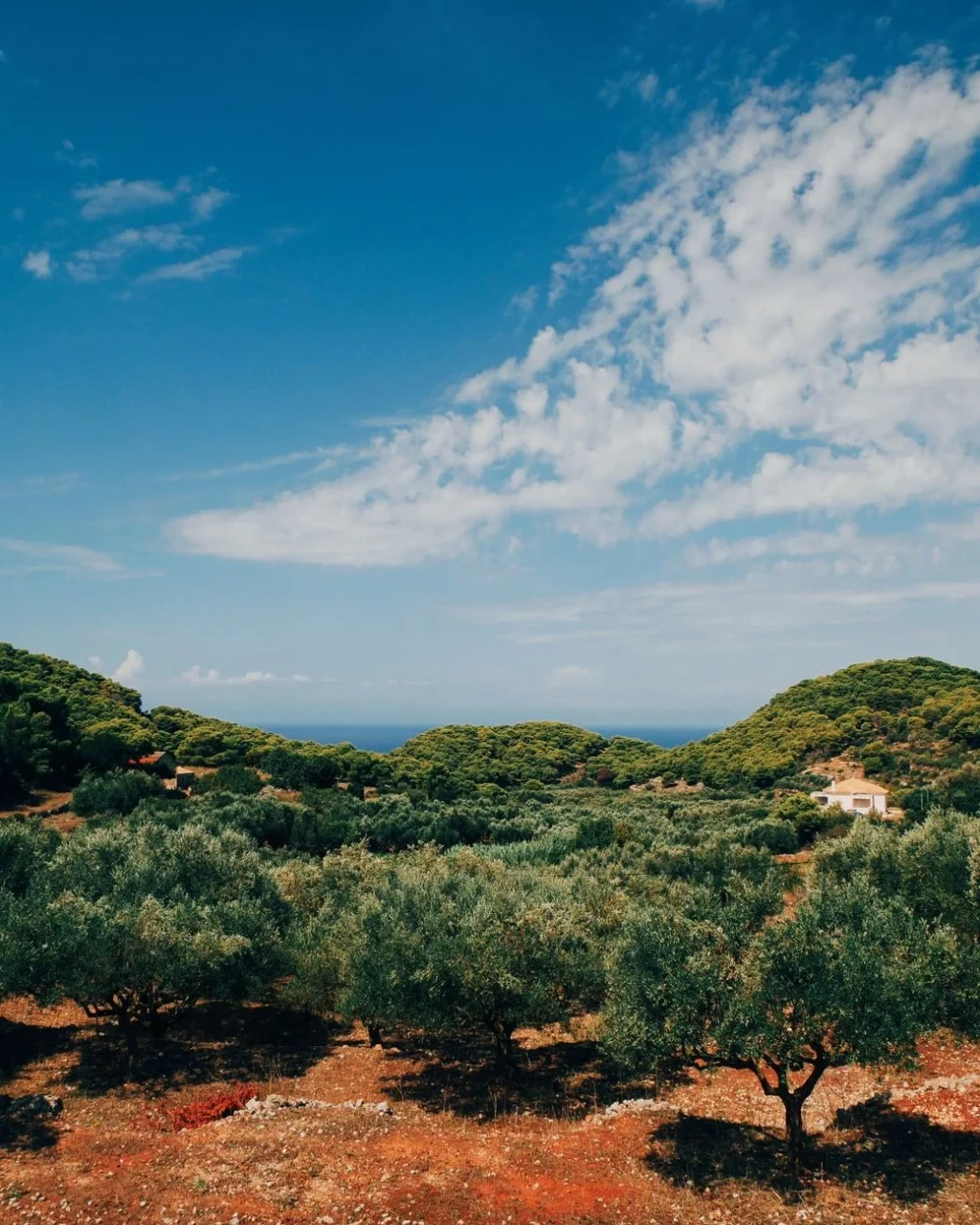
An olive grove spreads across the landscape under clear blue sky. Sunlight and clarity define this Mediterranean scene.
Photograph by Minsu B, via Pexels.
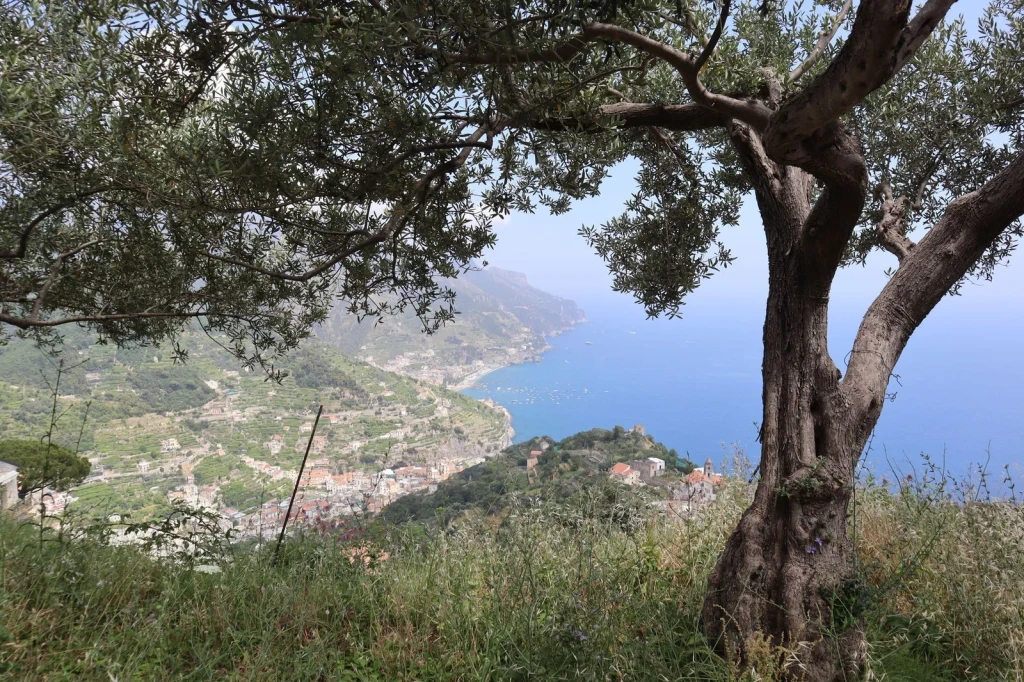
Olive trees frame a view of dramatic coastal terrain. The photograph captures where olive cultivation meets the Mediterranean shoreline.
Photograph by Mihaela Claudia Puscas, via Pexels.
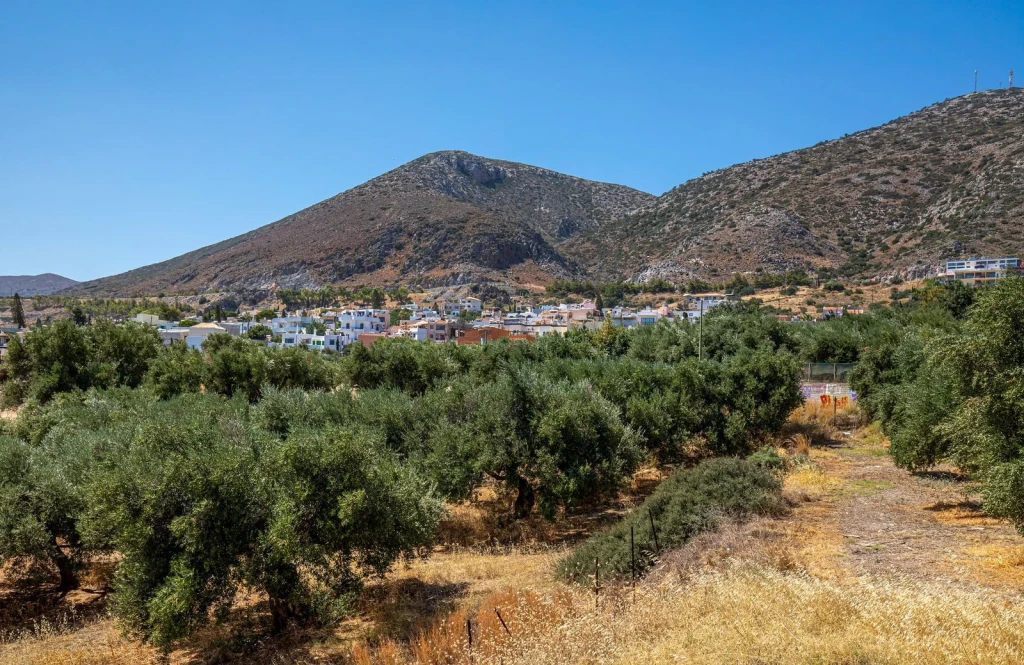
A rural town sits nestled between olive groves and rolling hills. Architecture and agriculture intertwine in the cleared landscape.
Photograph by Erik Karits, via Pexels.
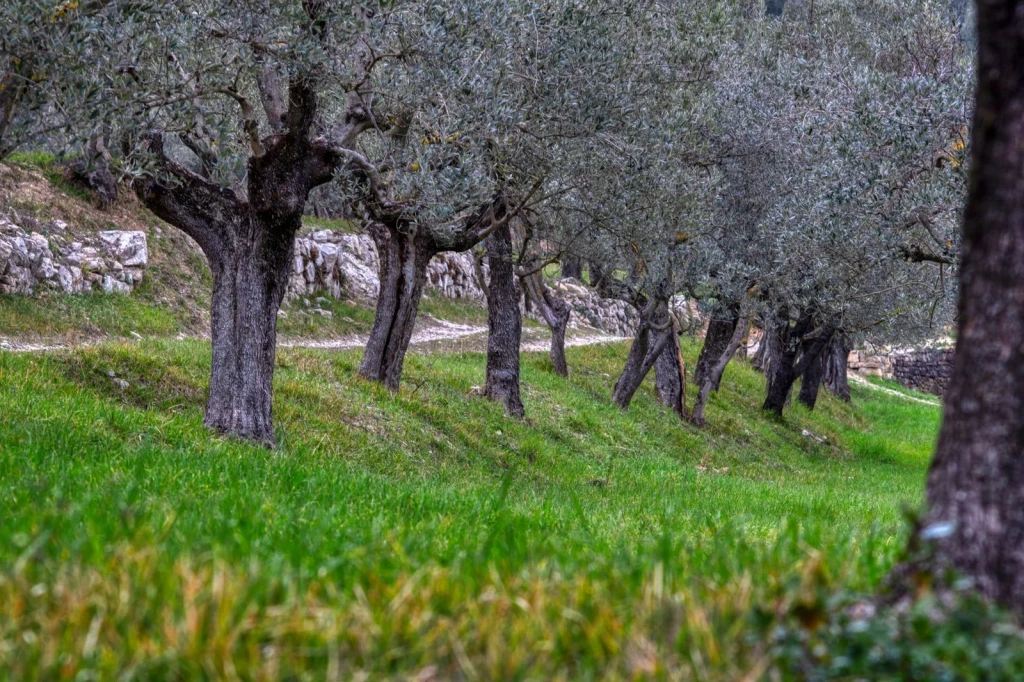
An peaceful olive grove with rustic stone walls and green grass. The photograph conveys the enduring relationship between land, stone structures, and cultivation.
Photograph by Andrea barsali, via Pexels.
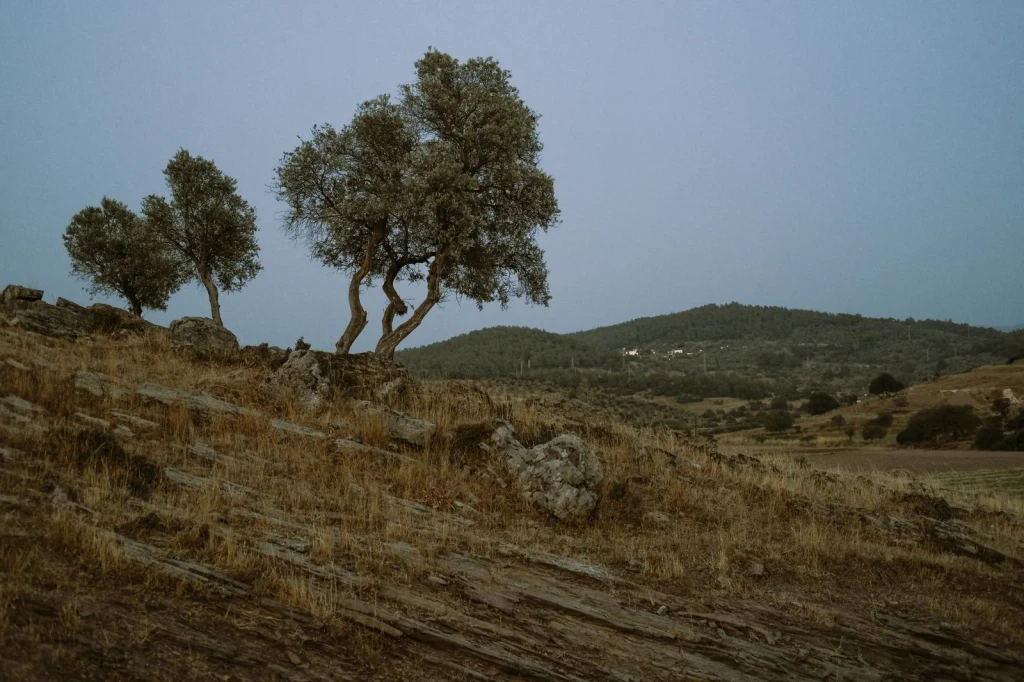
Olive groves settle into soft evening light. A moment of rural tranquility captured in the fading day.
Photograph by Sami Aksu, via Pexels.
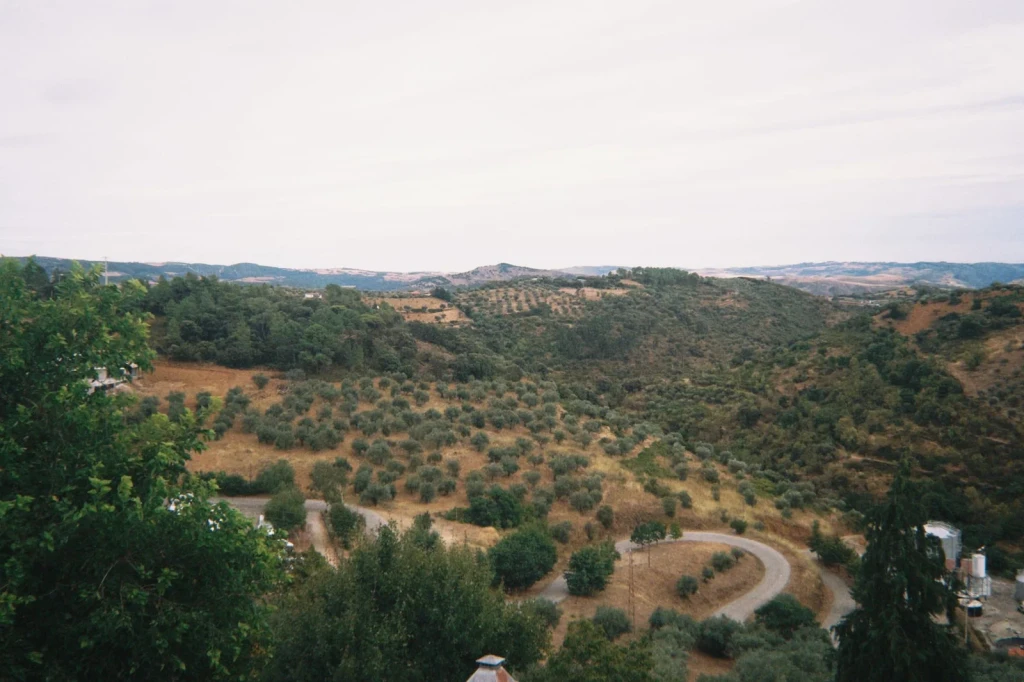
Olive trees sweep across rolling hills in a Mediterranean climate. The image conveys the scale and continuity of olive cultivation in the region.
Photograph by David Lago Rodríguez, via Pexels.
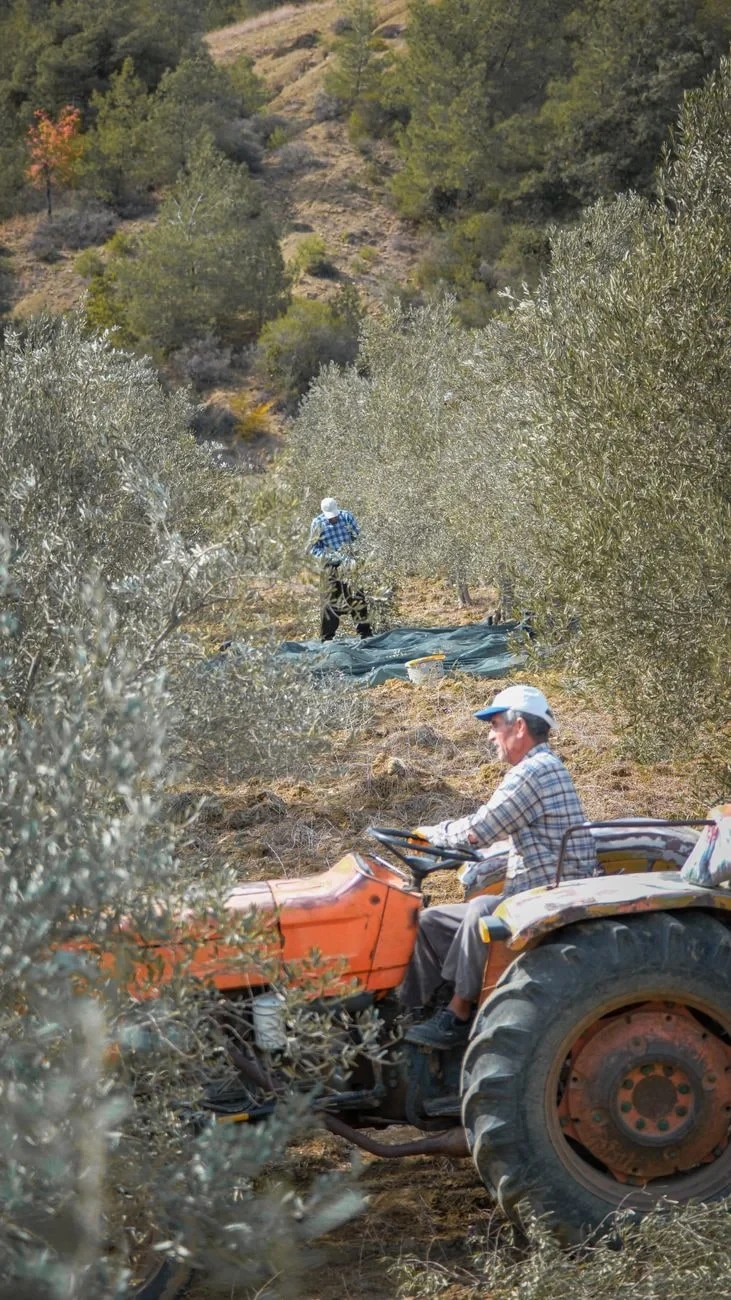
Farmers with nets and machinery move through a lush orchard during harvest season. The image documents the practical, labor-intensive work behind liquid gold production.
Photograph by İbrahim Yazgan, via Pexels.
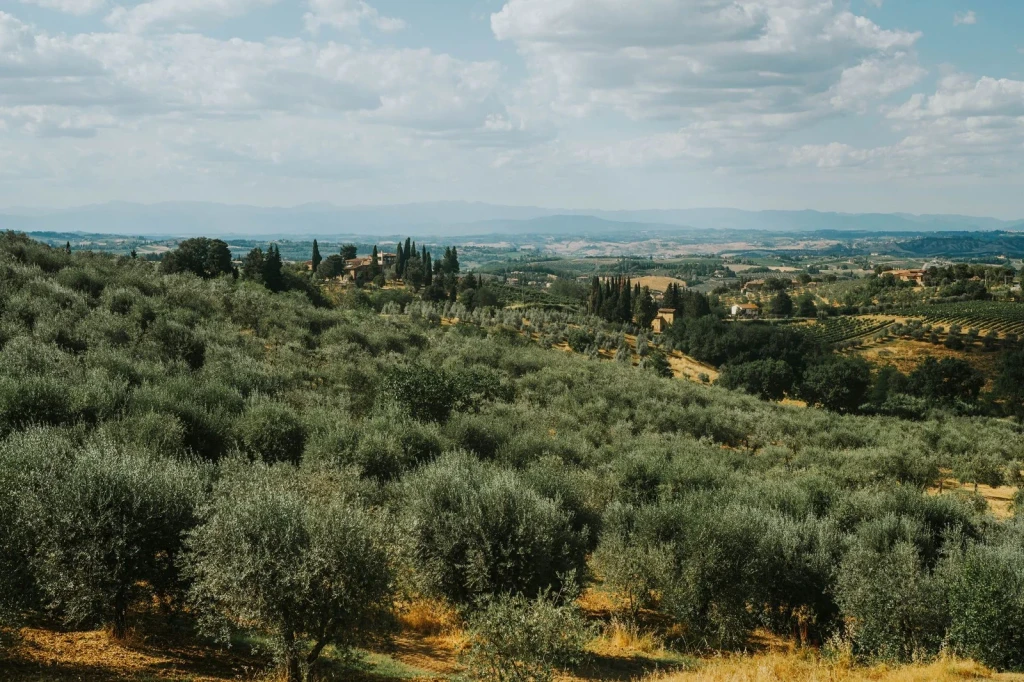
An aerial perspective reveals the ordered geometry of olive groves across the Tuscan terrain. Scale and organization become visible from this vantage point.
Photograph by Helena Jankovičová Kováčová, via Pexels.
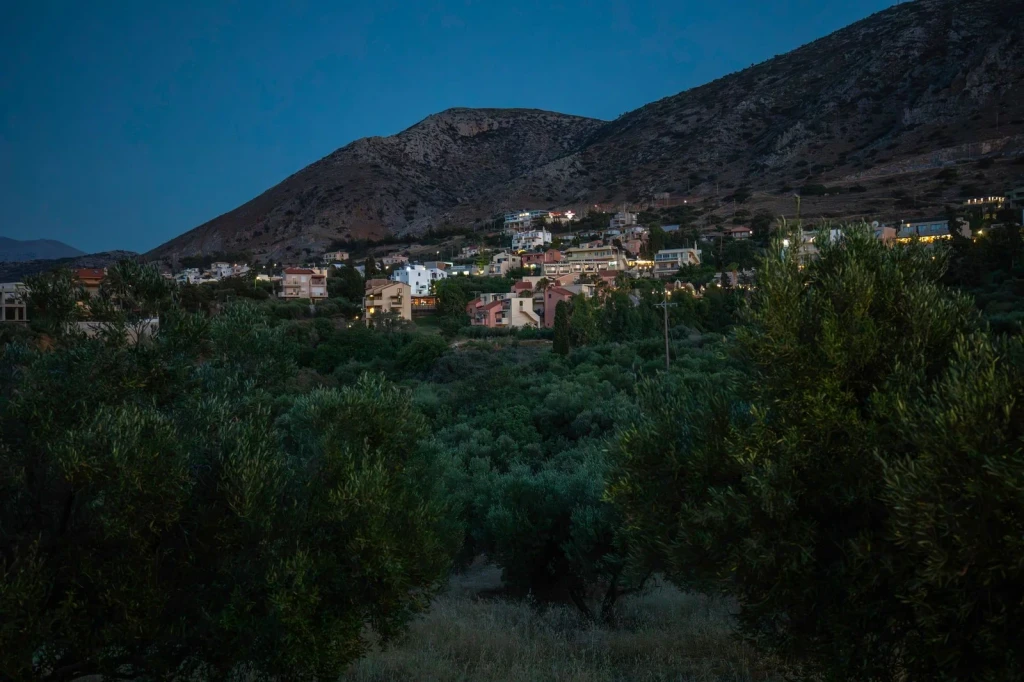
A village rests among surrounding olive groves at twilight. The photograph shows how settlement and cultivation shape each other.
Photograph by Erik Karits, via Pexels.
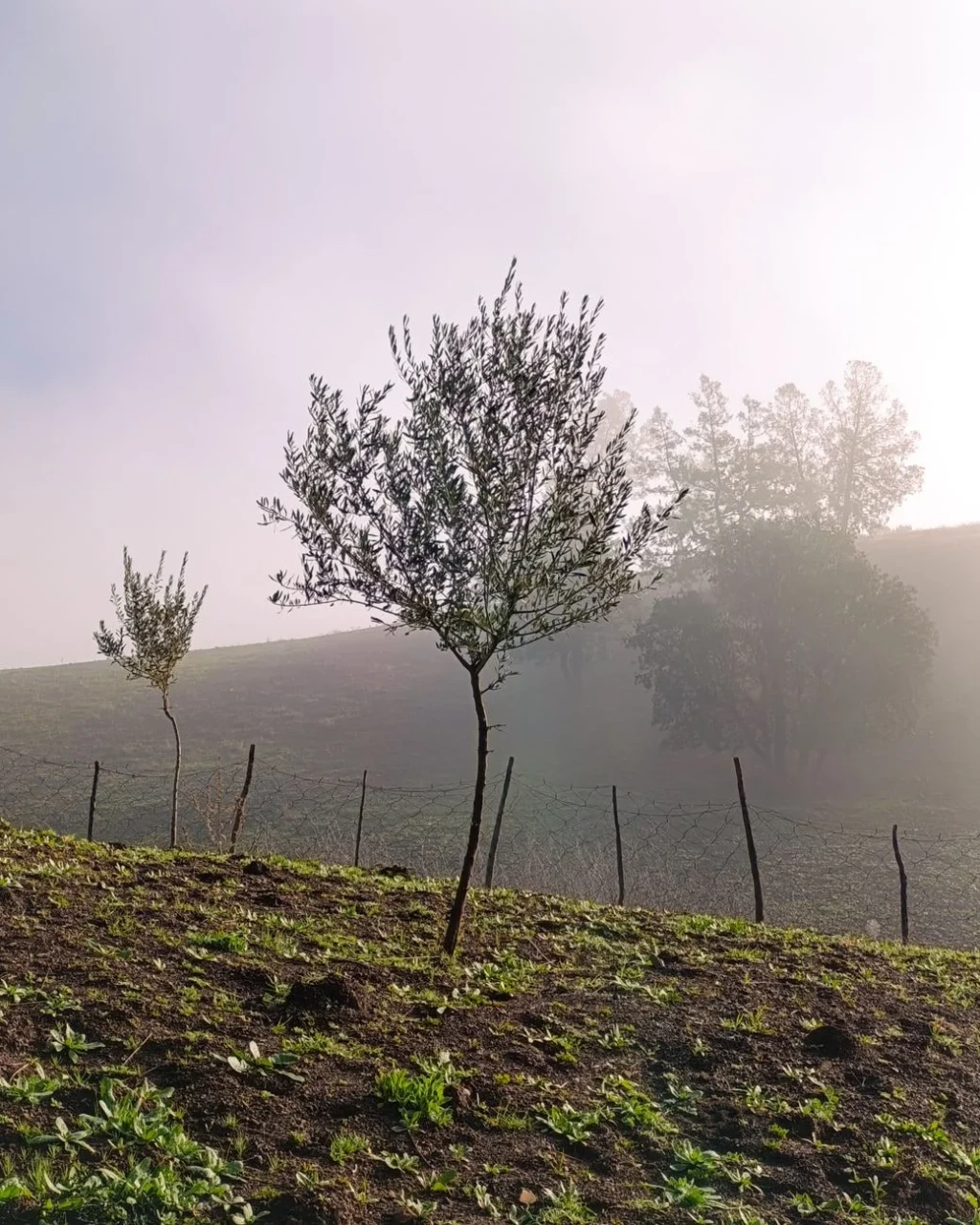
Olive trees emerge from morning fog on a hillside, their forms softened and dreamlike. The image captures the quiet, tranquil character of Mediterranean groves at dawn.
Photograph by Hamza Boute, via Pexels.
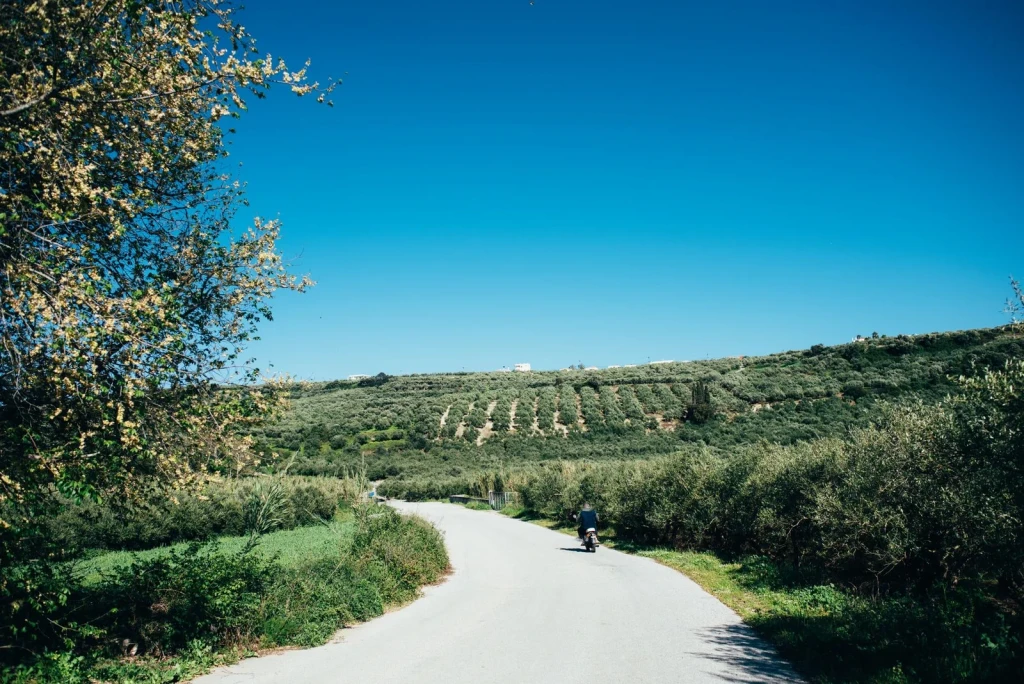
A rural road cuts through olive groves under clear sky. The image captures the everyday landscape that sustains Mediterranean olive production.
Photograph by Laura Stanley, via Pexels.
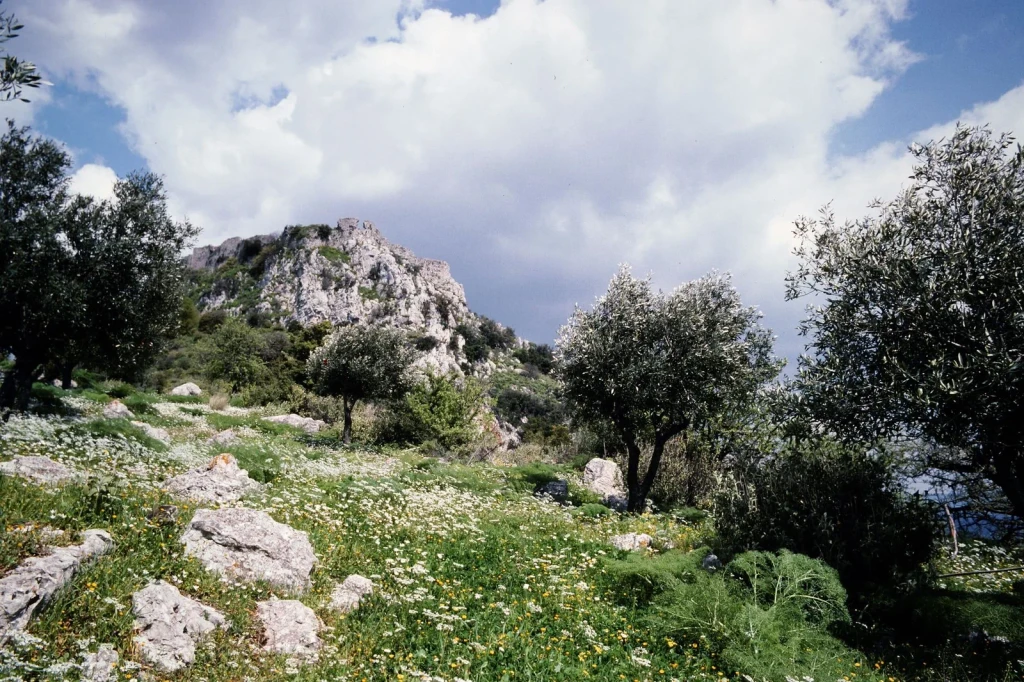
A vibrant landscape of olive trees, wildflowers, and rocky terrain beneath a cloudy sky. The composition shows the varied terrain where olives thrive across the Mediterranean.
Photograph by pierre matile, via Pexels.
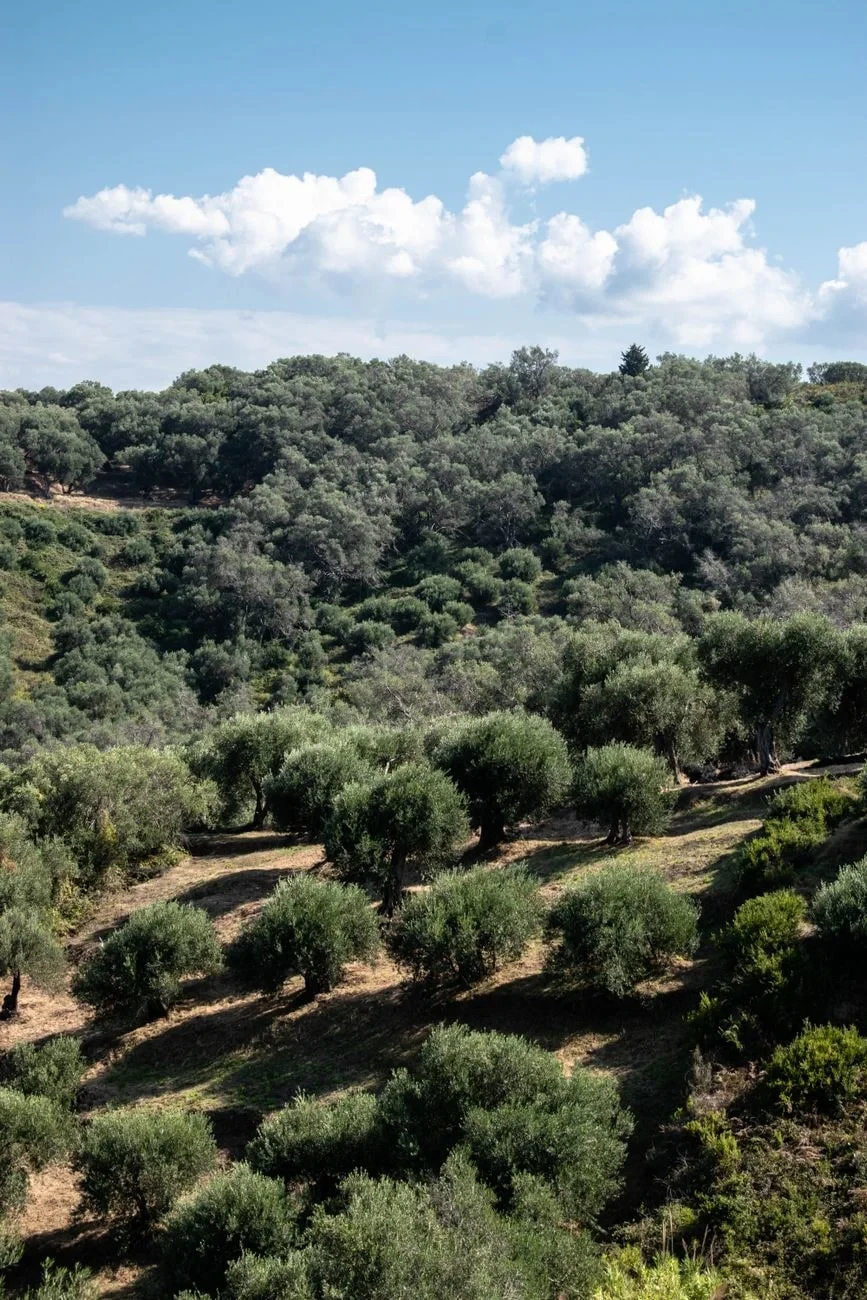
Lush olive trees blanket a hill beneath bright sky. The idyllic landscape embodies the Mediterranean's generous growing conditions.
Photograph by Karolina, via Pexels.
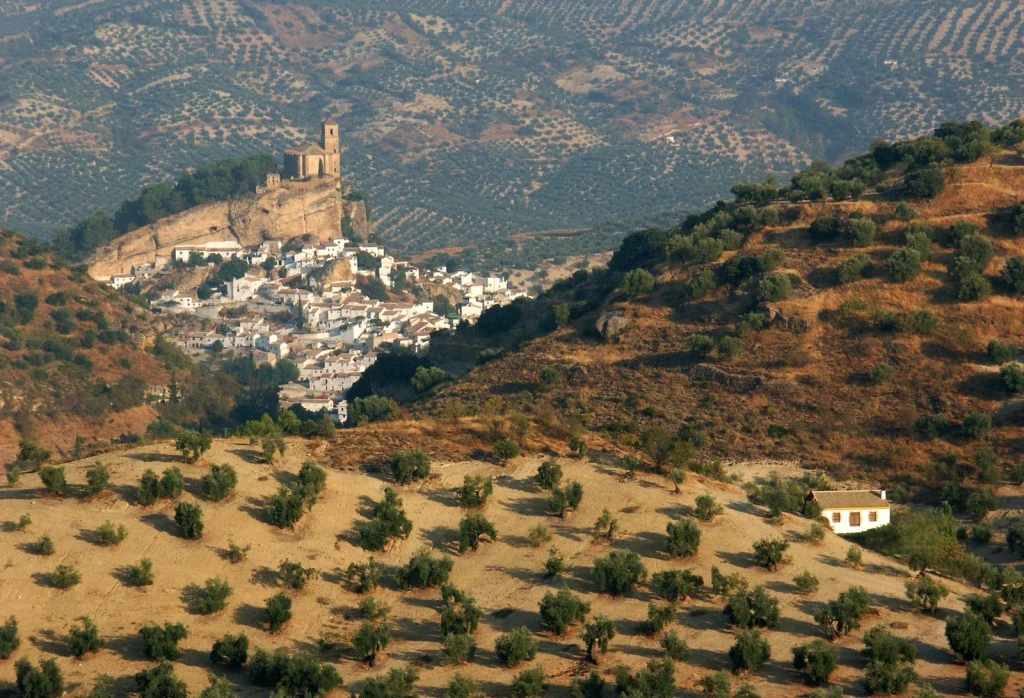
A village rises above surrounding olive groves. The image shows how olive cultivation shapes both the landscape and human settlement patterns.
Photograph by Luc AVE, via Pexels.
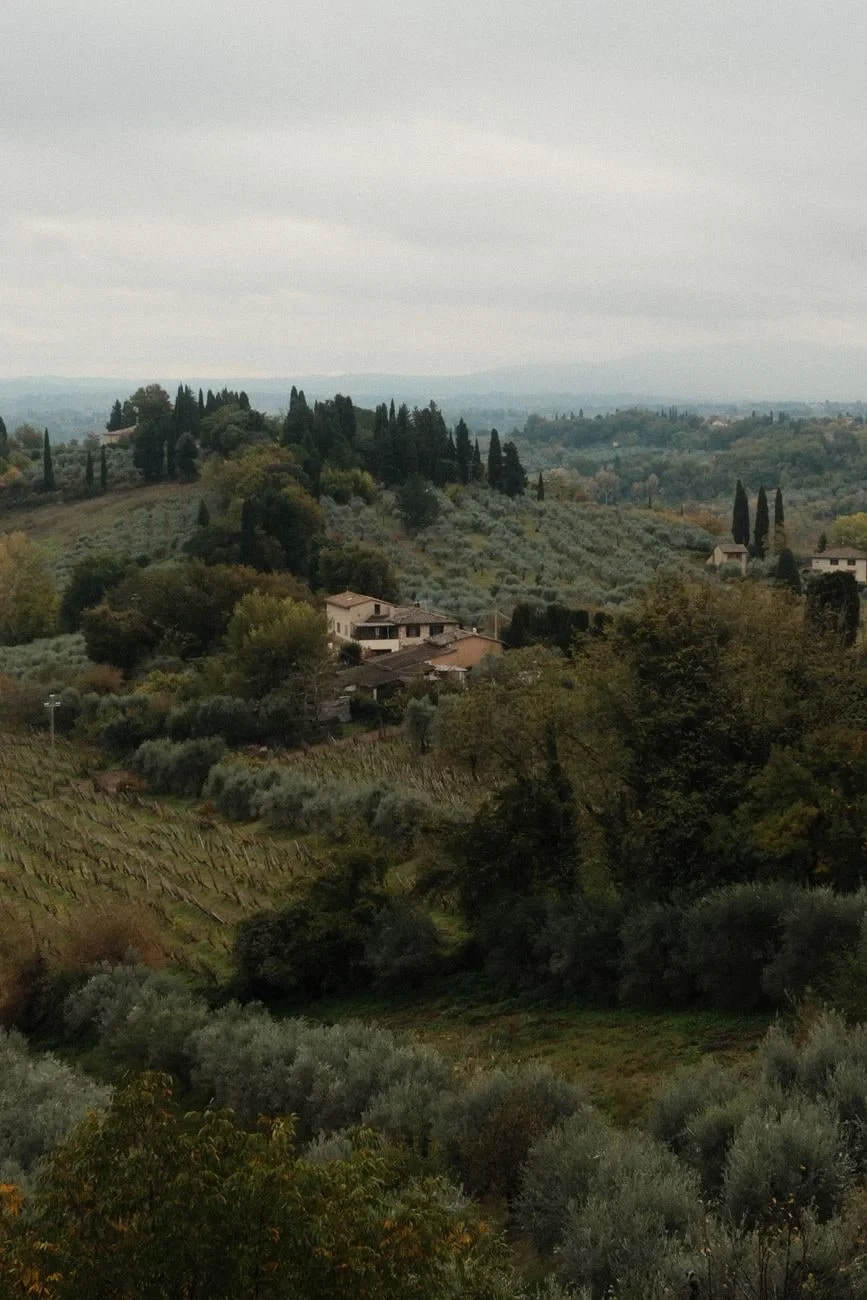
Olive trees and cypress stand together in an autumn landscape. The photograph captures seasonal texture and form in cultivation.
Photograph by Çağla Sara, via Pexels.
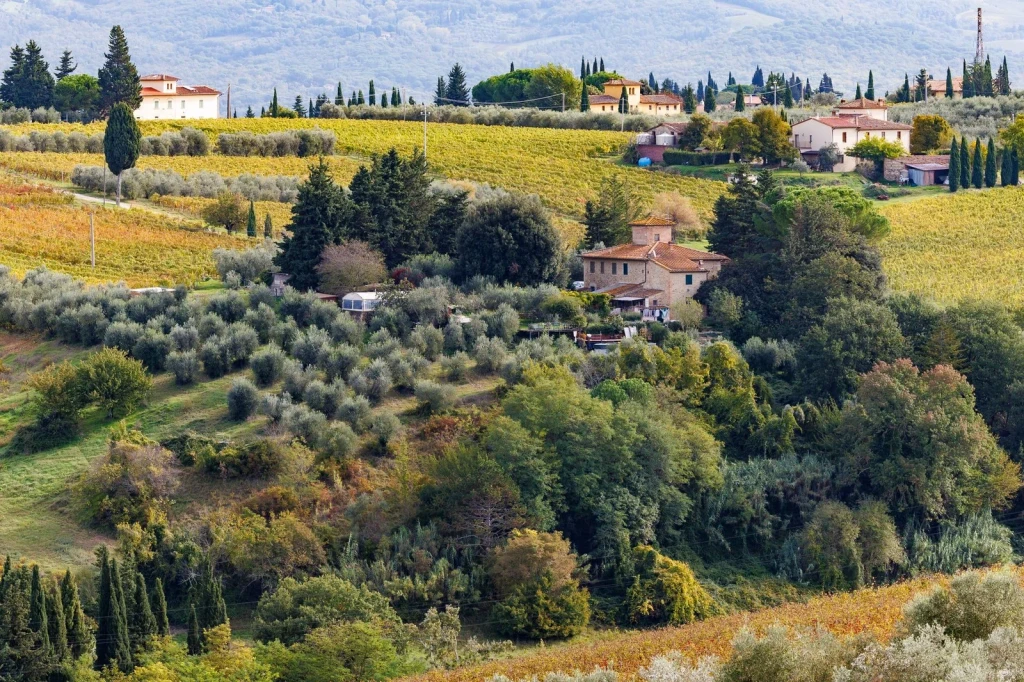
Rolling hills dotted with olive groves define this Tuscan landscape. The undulating terrain has long supported Mediterranean agriculture.
Photograph by Toni Seyfert, via Pexels.
