3D Gallery
The Bicycle Asked Nothing of Anyone
Enter gallery
The Bicycle Asked Nothing of Anyone is a 3D virtual gallery on MyGallery3D, a walkable online exhibition of 16 works. Step inside and explore it in your browser: no app, no headset.
This is a 3D virtual museum of the bicycle, and you can walk through it in your browser. Start with the horses.
In 1815 the volcano Tambora erupted. The next year, the Year Without a Summer, crops failed and horses starved. Karl von Drais wanted a machine that did not need feeding. In 1817 he rode his wooden Laufmaschine, 22 kg of it, 13 km out of Mannheim in under an hour. Every one of the billion bicycles now on Earth descends from that.
Up to 99% of the energy a rider puts into the pedals is transmitted to the wheels. Nothing else a human can power comes close. At 16 to 24 km/h, cycling costs only the power required to walk. What finally stops you is not the machine but the air: sitting upright, your own body creates about 75% of the total drag.
The penny-farthing sat the rider above the front axle, on a wheel that could reach 5 feet across. Strike a rut or brake hard and you were pitched forward, head first. Headers were relatively common and sometimes fatal. Riders coasting downhill lifted their feet off the pedals and hooked them over the handlebars, so that a crash would throw them clear feet first.
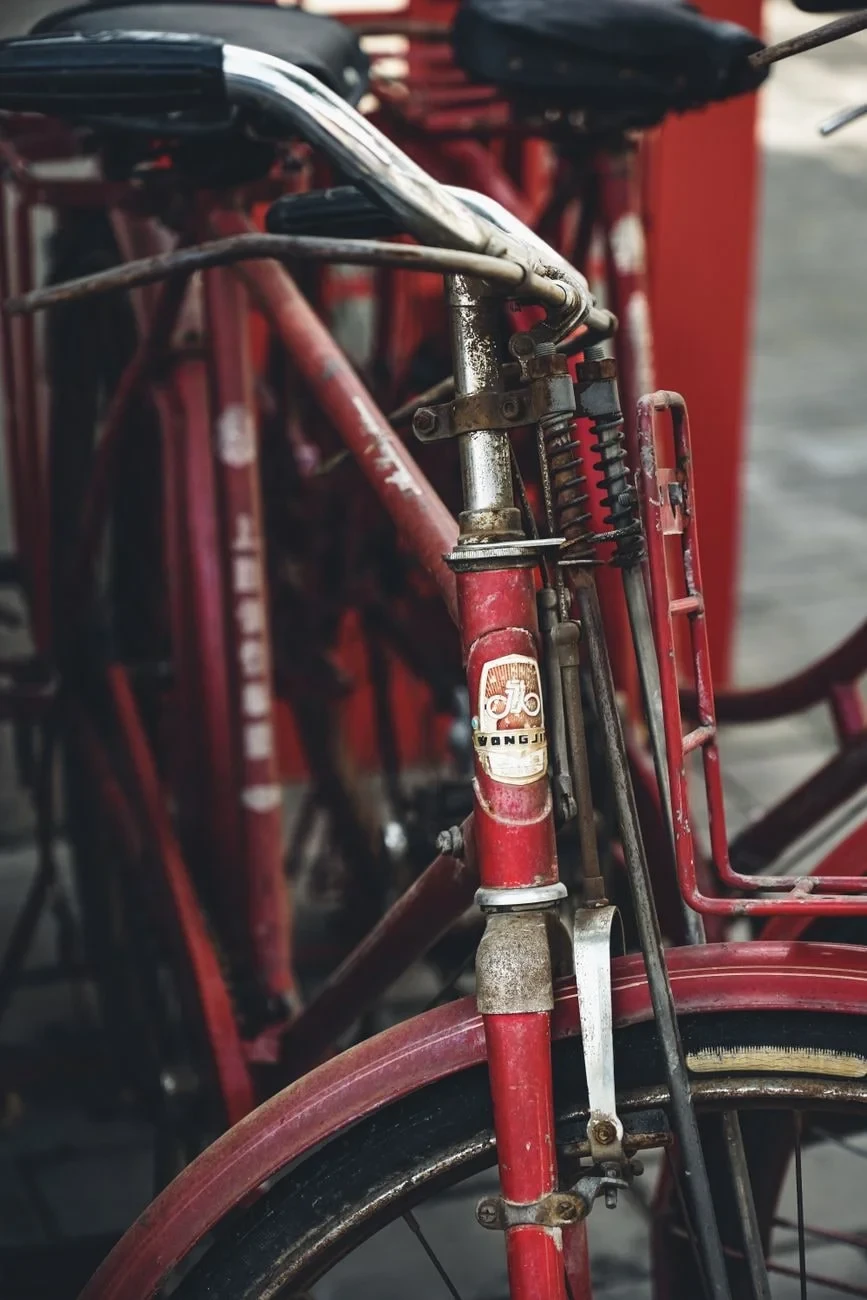
Close-up of vintage red bicycles parked outdoors. Their retro design persists quietly in urban space.
Photograph by Wang Qihang, via Pexels.
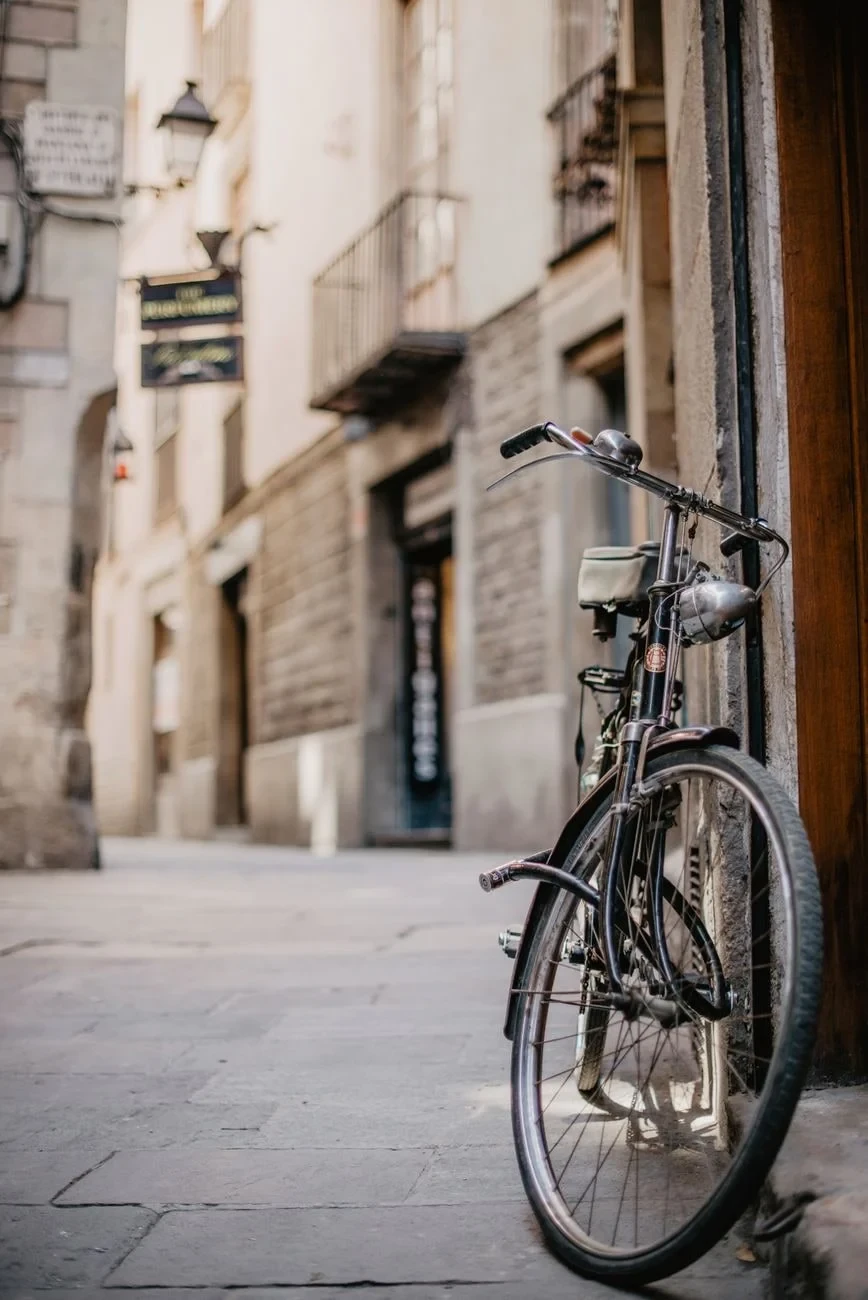
A vintage bicycle rests against rustic walls in a European alley. It belongs to the landscape without demanding attention.
Photograph by Nadin Romanova, via Pexels.
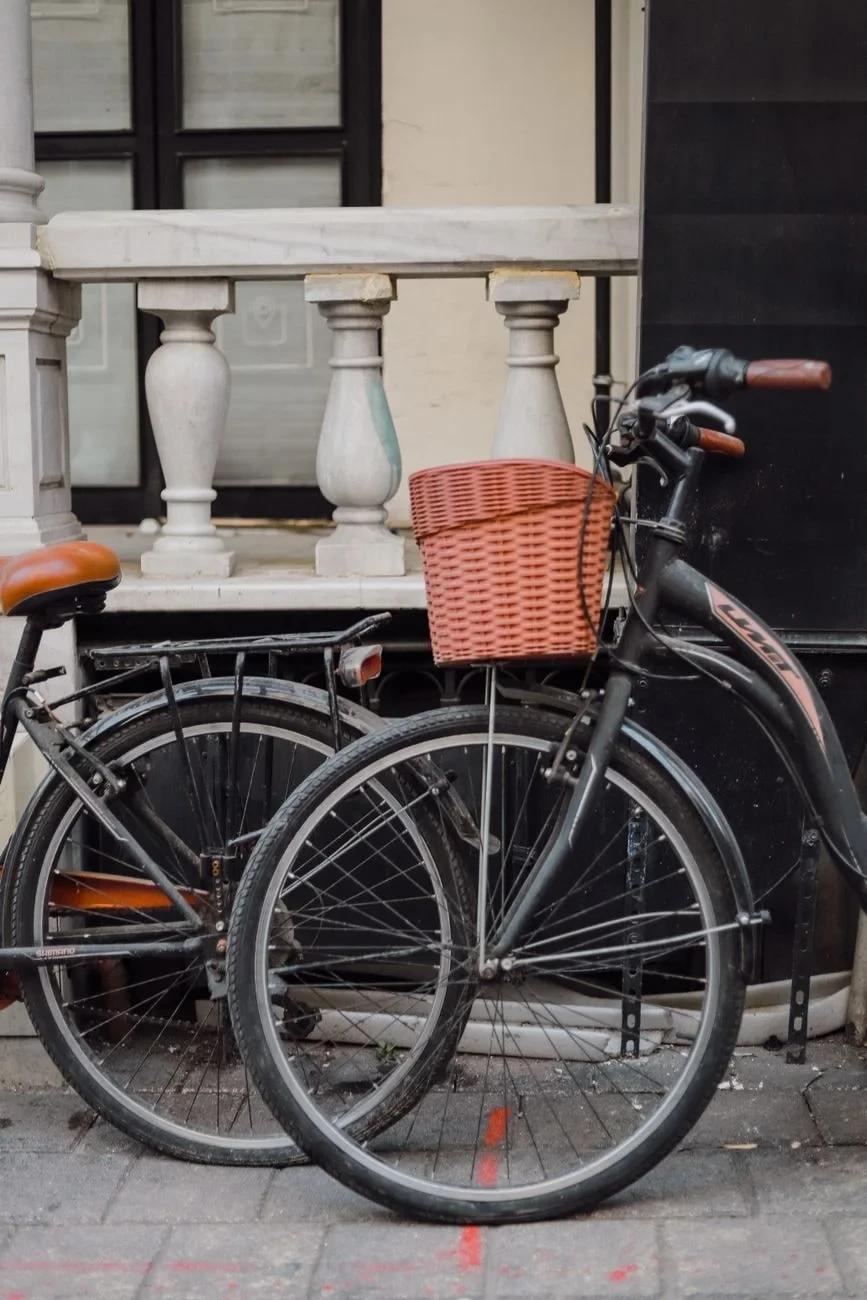
A bicycle rests by ornate railings in an urban street. Stillness and time converge where the bike asks nothing, simply occupies space.
Photograph by fotokirisci, via Pexels.
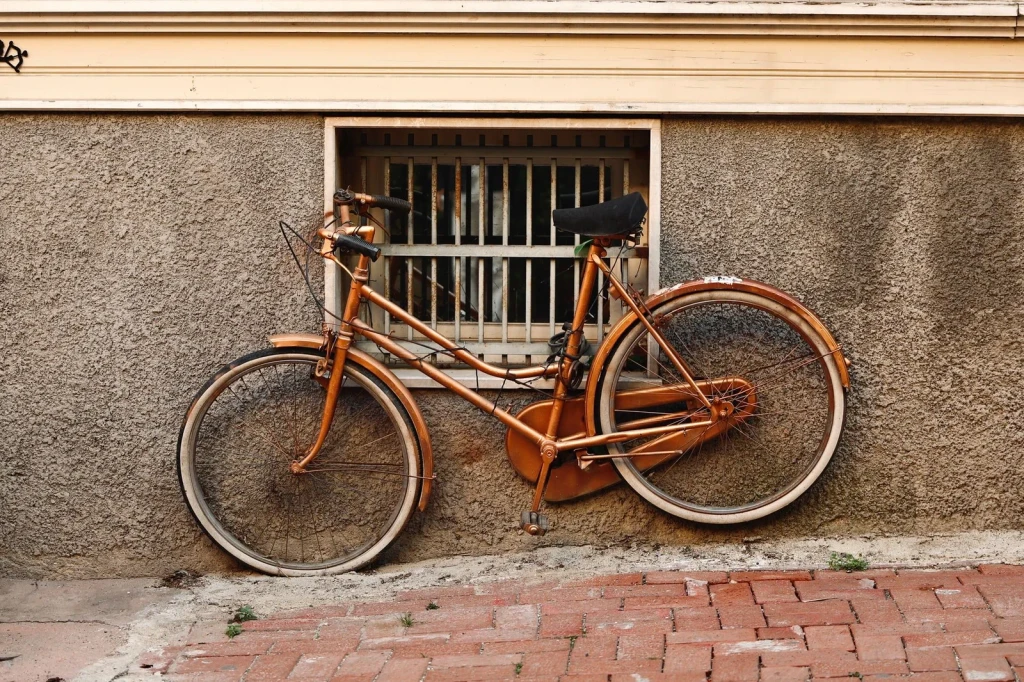
An old bicycle stands by a barred window. Rust and resilience mark a bike that endures, asking nothing of the city around it.
Photograph by Bayram Yalçın, via Pexels.
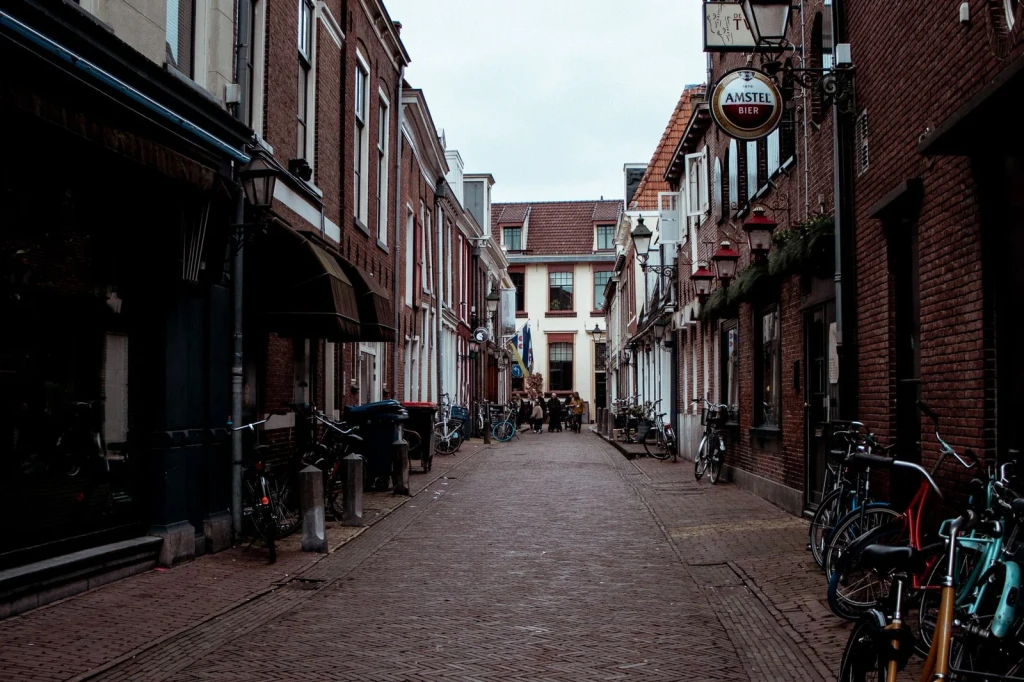
Bicycles rest among historic architecture in a picturesque street. They sit casually, asking nothing, simply part of the everyday.
Photograph by Bryan Dijkhuizen, via Pexels.
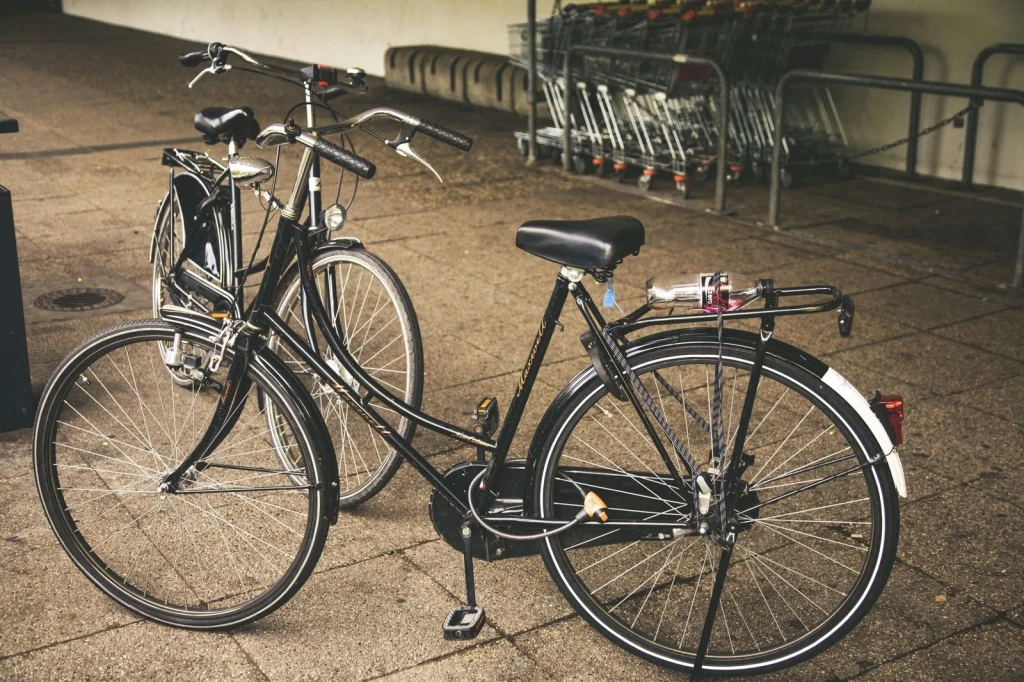
Two classic bicycles parked together on a city street. They offer a shared moment without demanding anything in return.
Photograph by Markus Spiske, via Pexels.
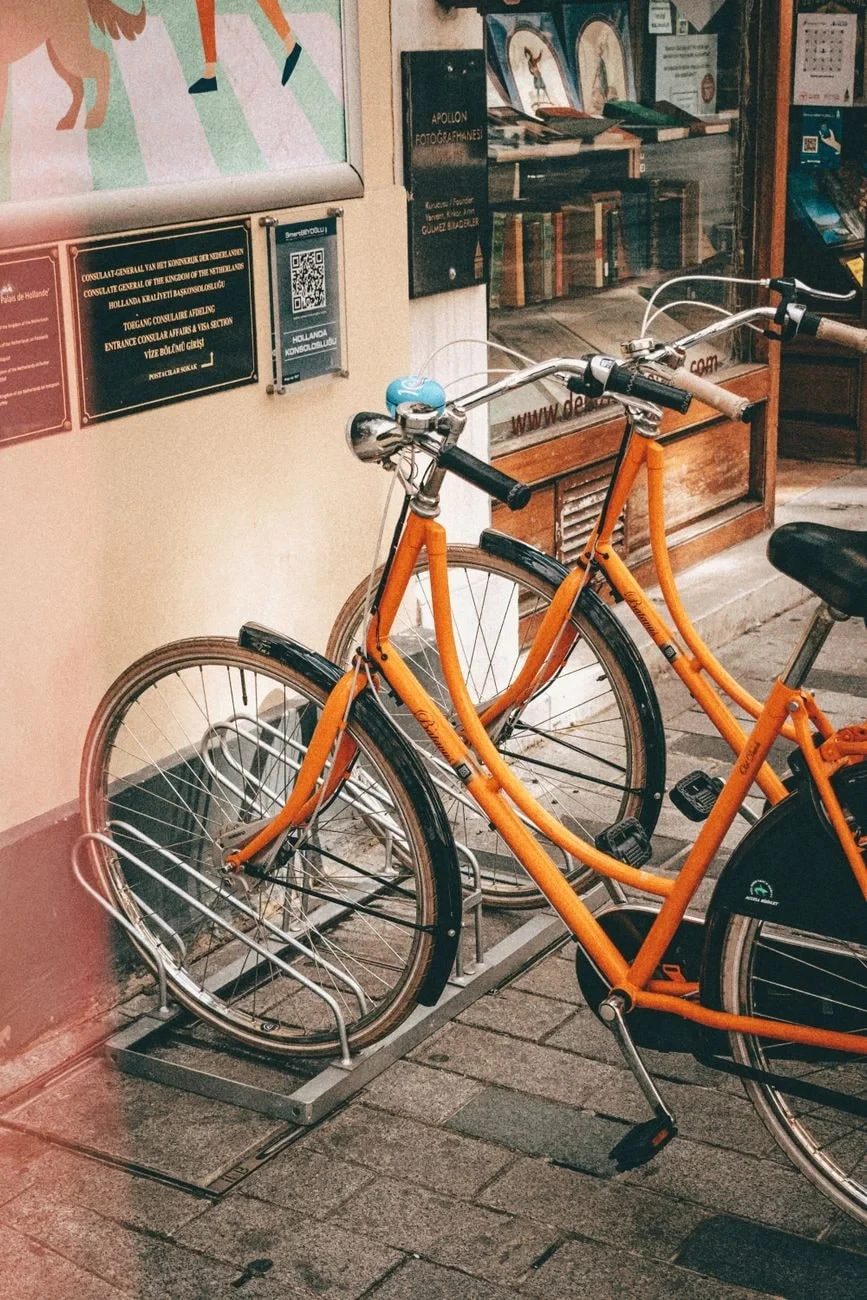
Paired vintage bikes add color to the street. Their simple presence brightens the urban landscape without demanding anything in return.
Photograph by Civan D., via Pexels.
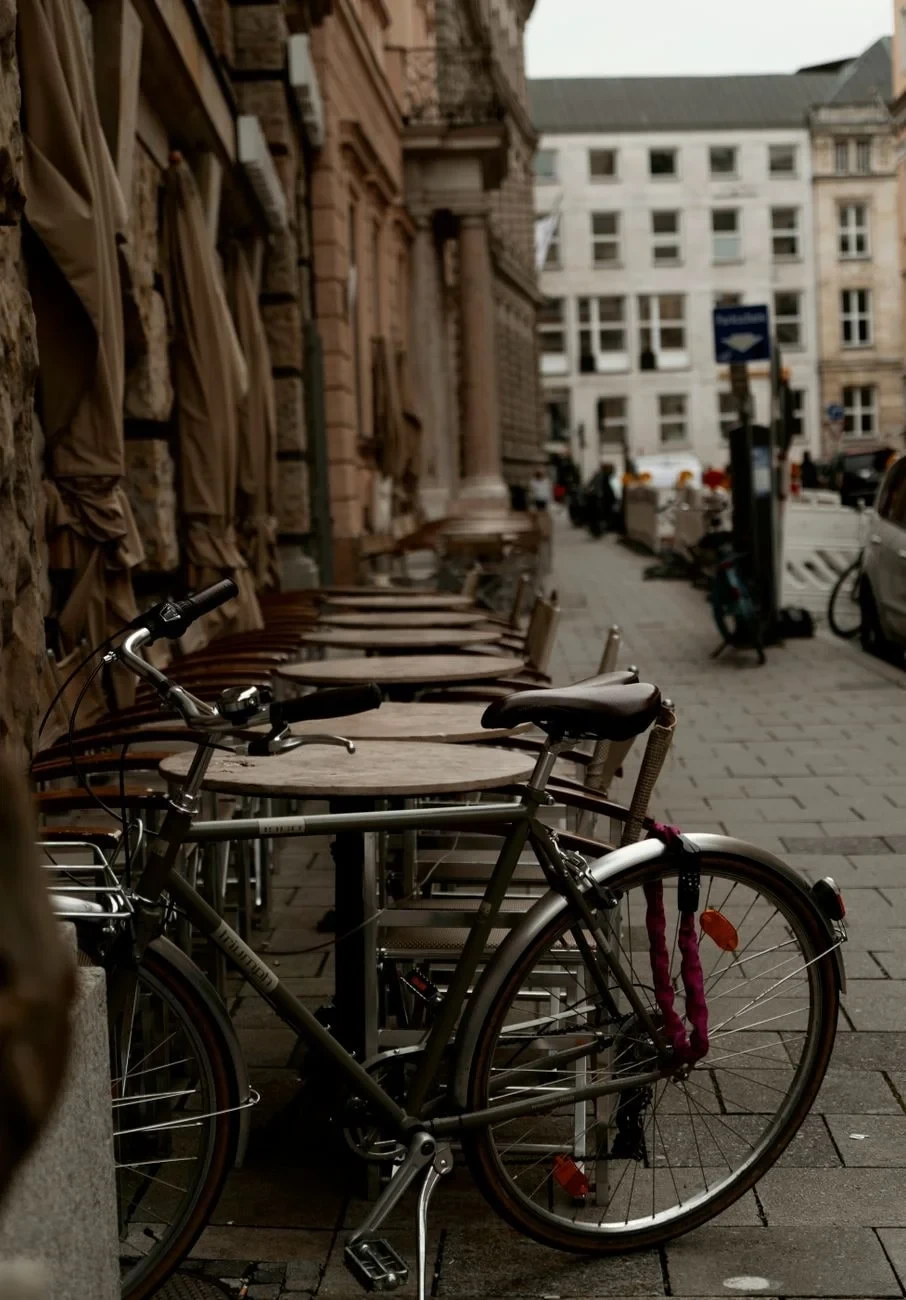
Vintage bicycles parked by a café in an urban setting. They wait patiently, integrated into the rhythm of city life.
Photograph by Spolyakov, via Pexels.
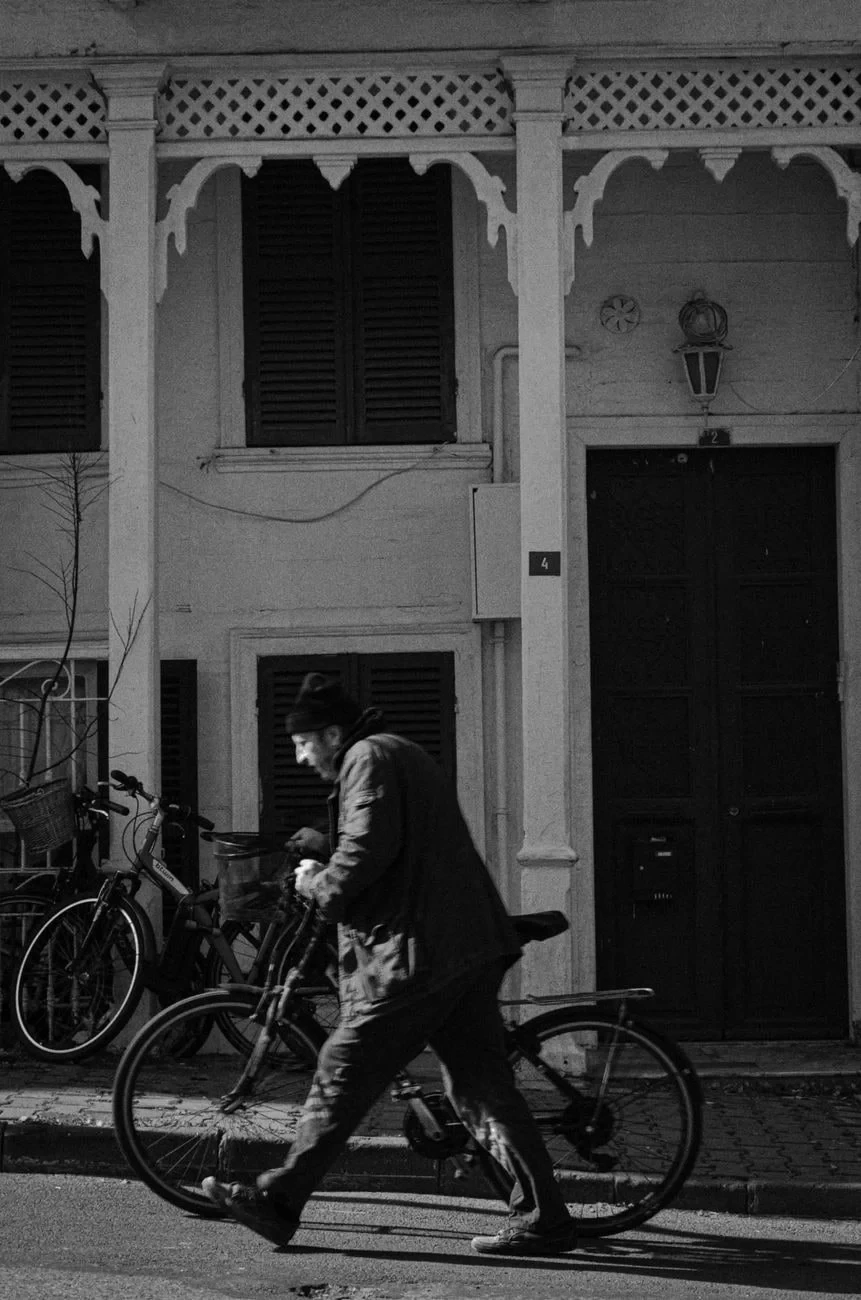
A man and his bicycle move through the city together. The bike remains present whether in motion or at rest.
Photograph by Yusuf Emir Han, via Pexels.
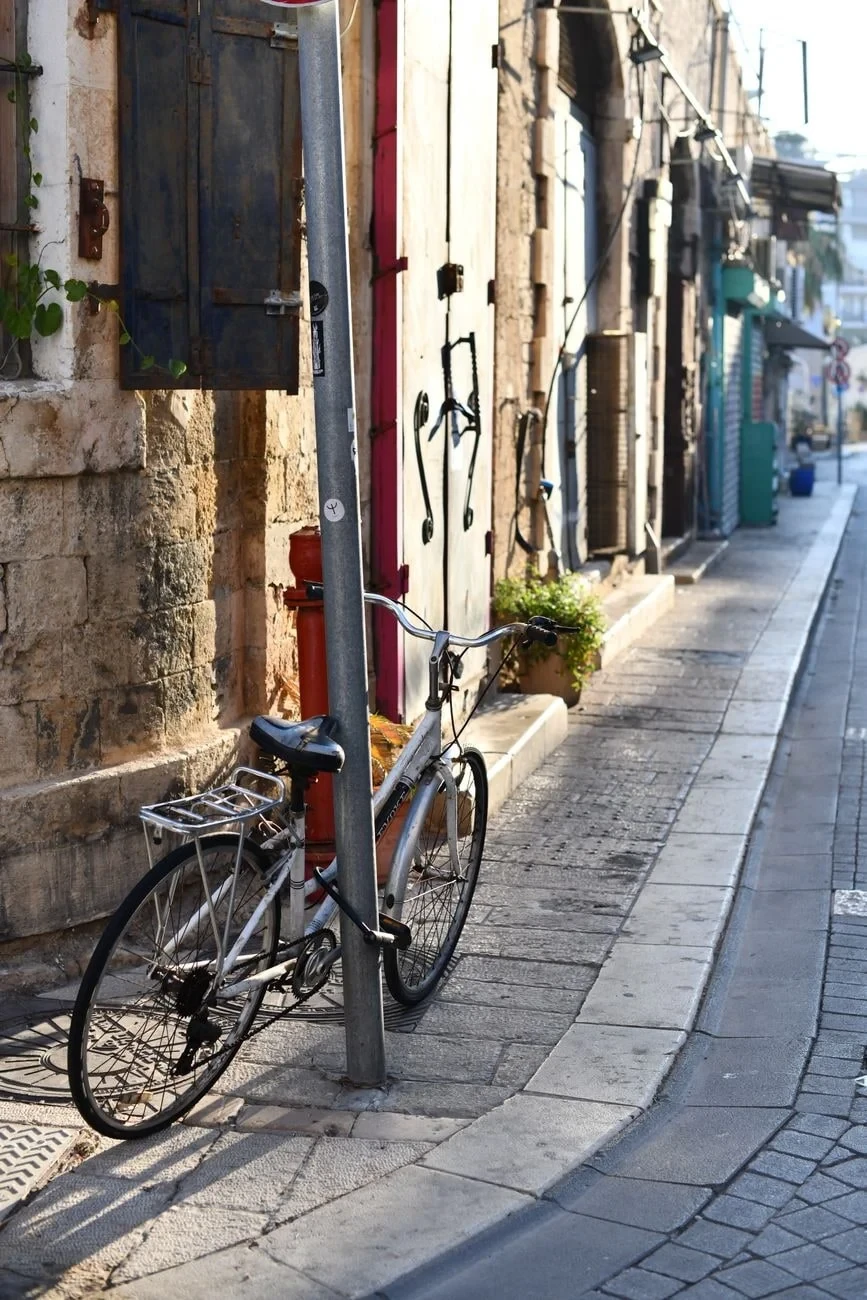
One bicycle stands alone beside a textured wall on a narrow street. It occupies its space with simple presence.
Photograph by Rosa Stone, via Pexels.
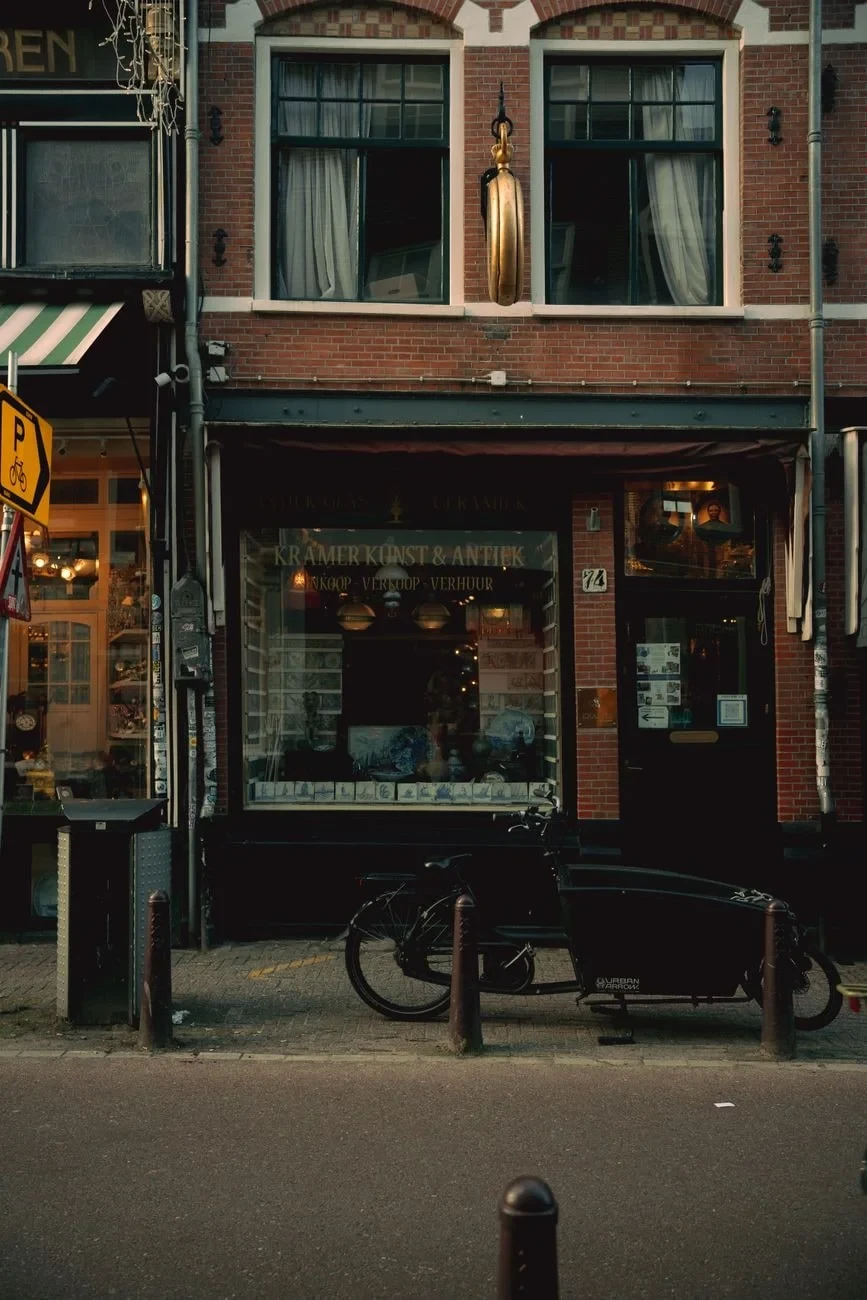
Bicycles lean outside a shop on a classic urban street. They're ordinary objects in ordinary places, unremarkable and essential.
Photograph by Gizem Çelebi, via Pexels.
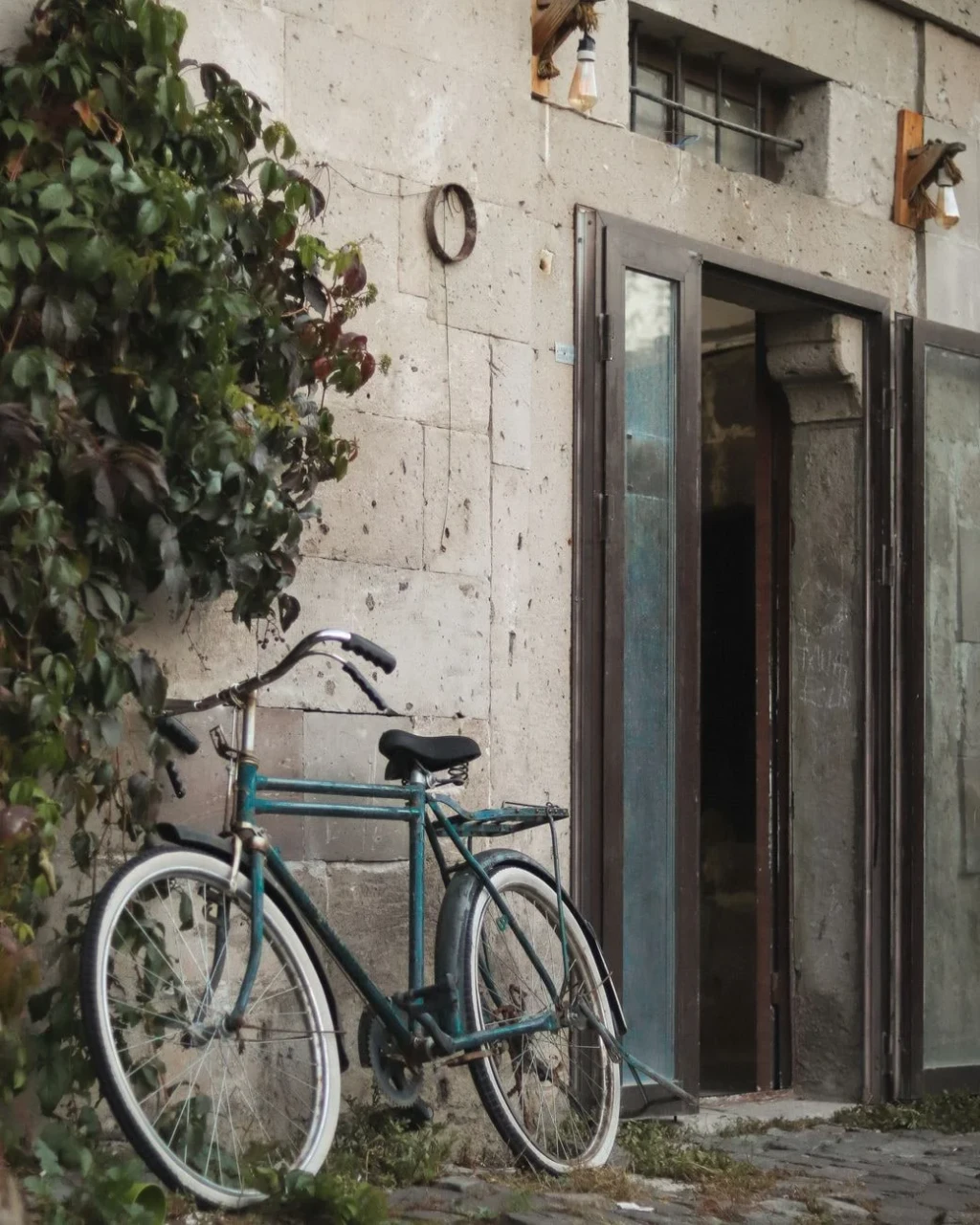
A vintage bicycle rests by a stone entrance. The bike asks nothing of this place, simply occupying space with quiet presence.
Photograph by halilibrahimxq, via Pexels.
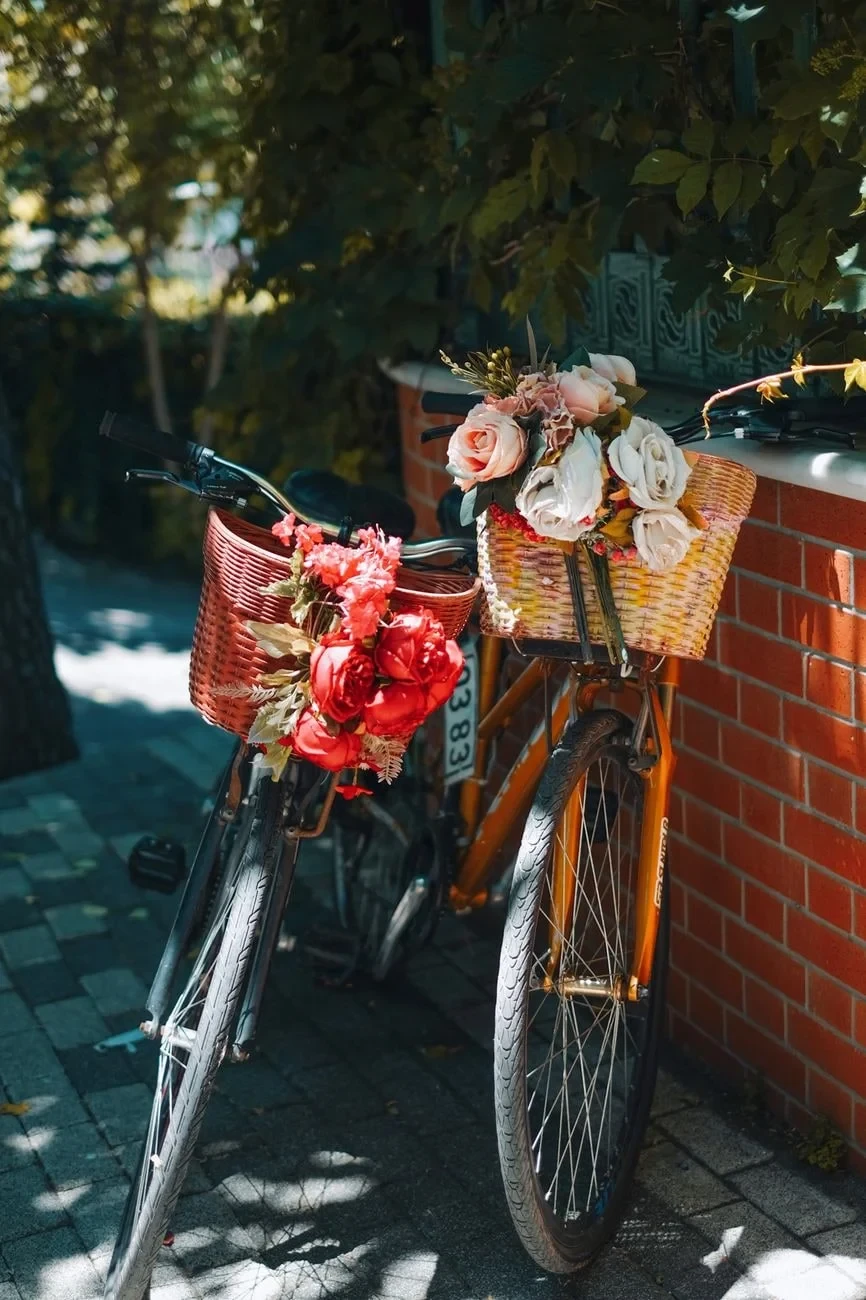
Two bicycles with decorated flower baskets lean against brick. They carry beauty without asking for recognition.
Photograph by Zeynep M., via Pexels.
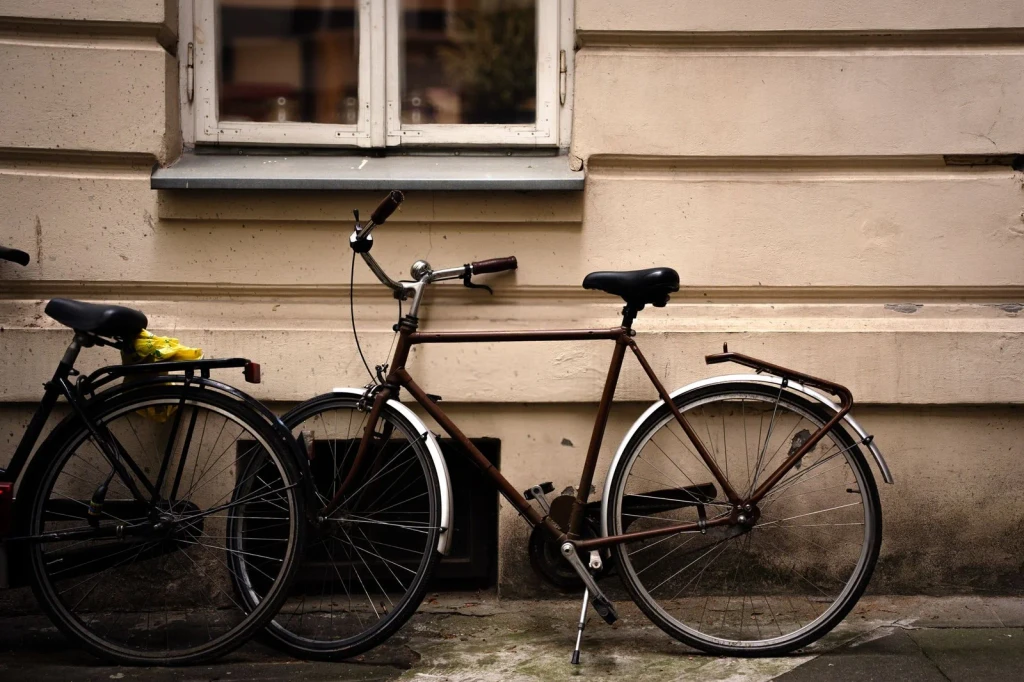
Two bicycles lean together against weathered stone. Companionship and age create a nostalgic urban portrait.
Photograph by Sebastian Tyszka, via Pexels.
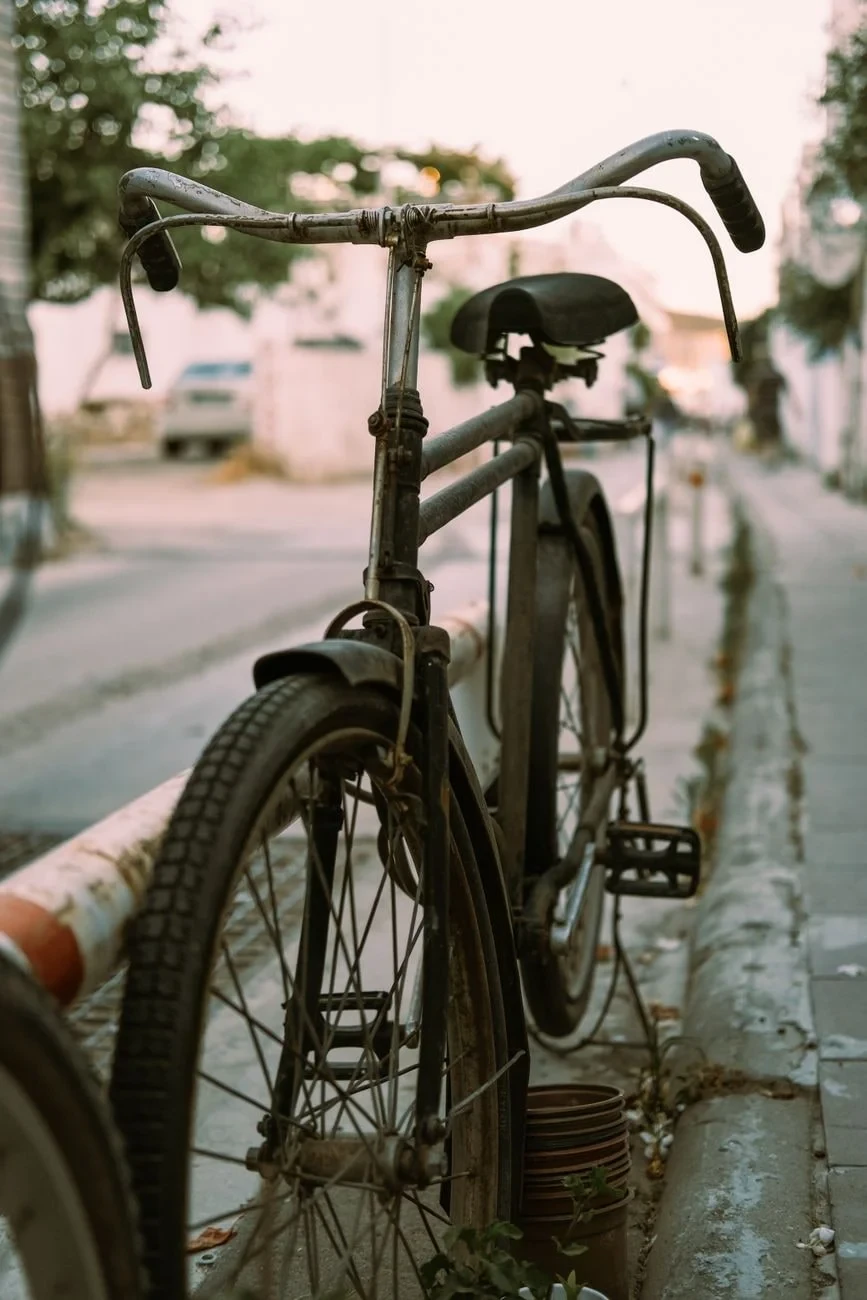
A rustic bicycle paused on a city sidewalk. It occupies its moment without fanfare.
Photograph by Sami Aksu, via Pexels.
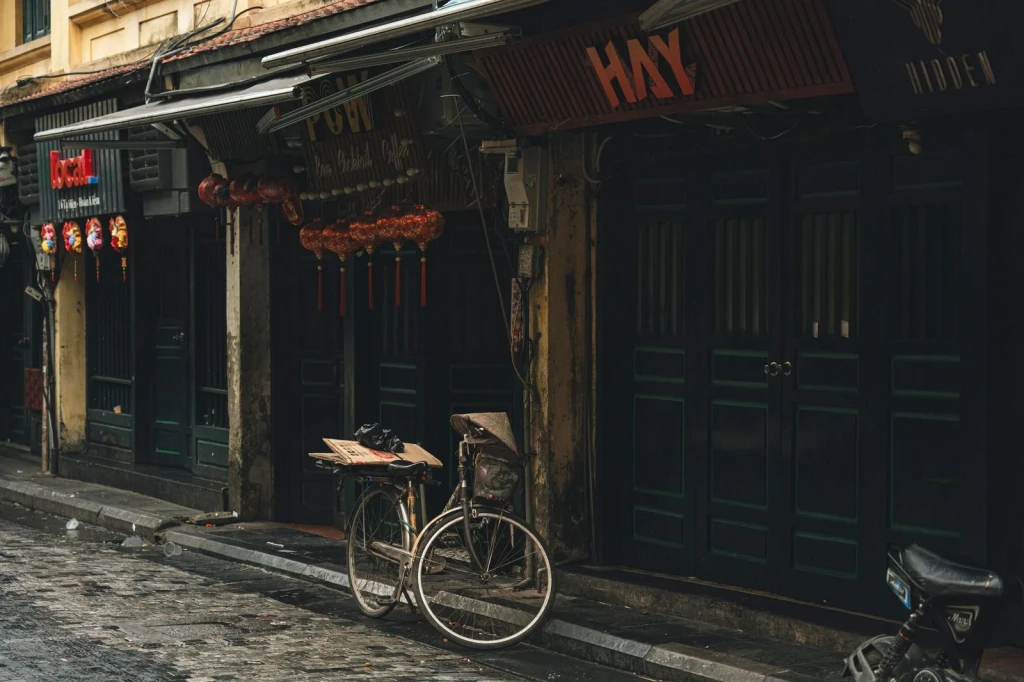
An old bicycle waits on a wet street. Solitude and weathering mark this quiet urban moment.
Photograph by Hiếu Phạm Đức, via Pexels.
