3D Gallery
Coral Reefs Are Cities
Enter gallery
Coral Reefs Are Cities is a 3D virtual gallery on MyGallery3D, a walkable online exhibition of 13 works. Step inside and explore it in your browser: no app, no headset.
This is a 3D virtual museum of coral reefs: walk through it in your browser and stand inside a city built by animals a few millimeters wide.
Coral reefs cover less than 0.1% of the world's ocean area, about half the area of France. They shelter at least 25% of all marine species. Every one of those species is housed by colonies of polyps, each a sac of tissue a few millimeters across, cementing calcium carbonate beneath itself for thousands of years. Shallow tropical reefs have declined by 50% since 1950.
Bleaching is not a stain, it is an eviction. Heat stresses the coral, the polyps expel their zooxanthellae, and with the pigment gone the white calcium carbonate skeleton shows through. The coral is alive but starving. If the heat persists it dies, algae take over the skeleton, and regrowth is blocked. In 2016, bleaching killed 29 to 50 percent of the Great Barrier Reef's coral.
Reefs are load-bearing infrastructure. Reef crests dissipate an average of 86% of wave energy, and counting the reef flats, up to 97%. Remove them and the storm reaches the beach at full strength. Estimates of the annual global economic value of coral reefs run as high as US$9.9 trillion, and the losses fall disproportionately on developing countries in Southeast Asia and around the Indian Ocean.
Most corals do not feed themselves. Inside their tissues live single-celled dinoflagellates of the genus Symbiodinium, known as zooxanthellae, which photosynthesise and hand over up to 90 percent of the coral's energy. The coral returns carbon dioxide and ammonium. That trade is why reefs thrive in tropical water so nutrient-poor it should be a desert, and why sunlight sets their depth limit.
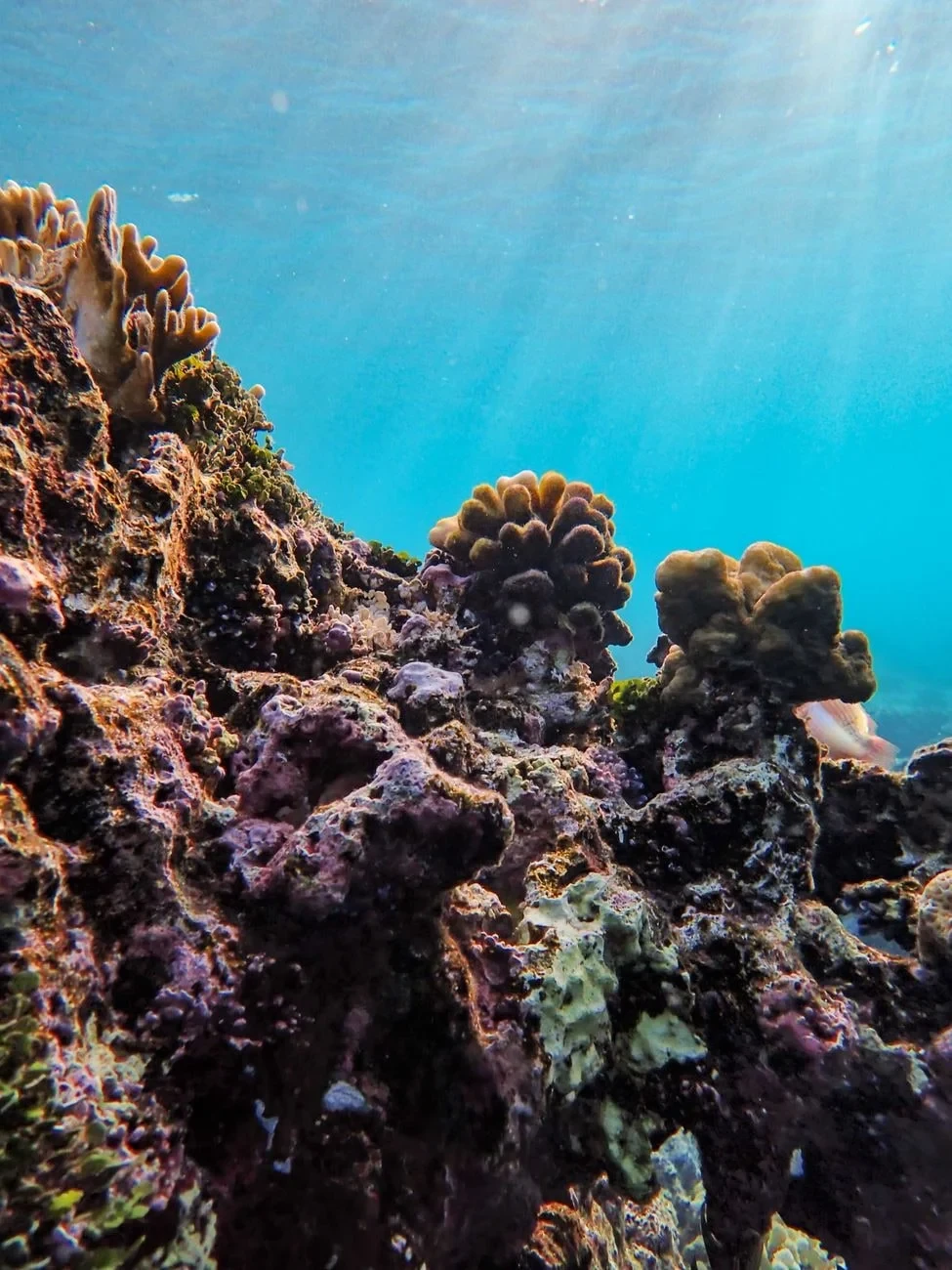
Light penetrates clear water to illuminate a thriving coral reef. This image captures the energy that powers an entire underwater city.
Photograph by Francesco Ungaro, via Pexels.
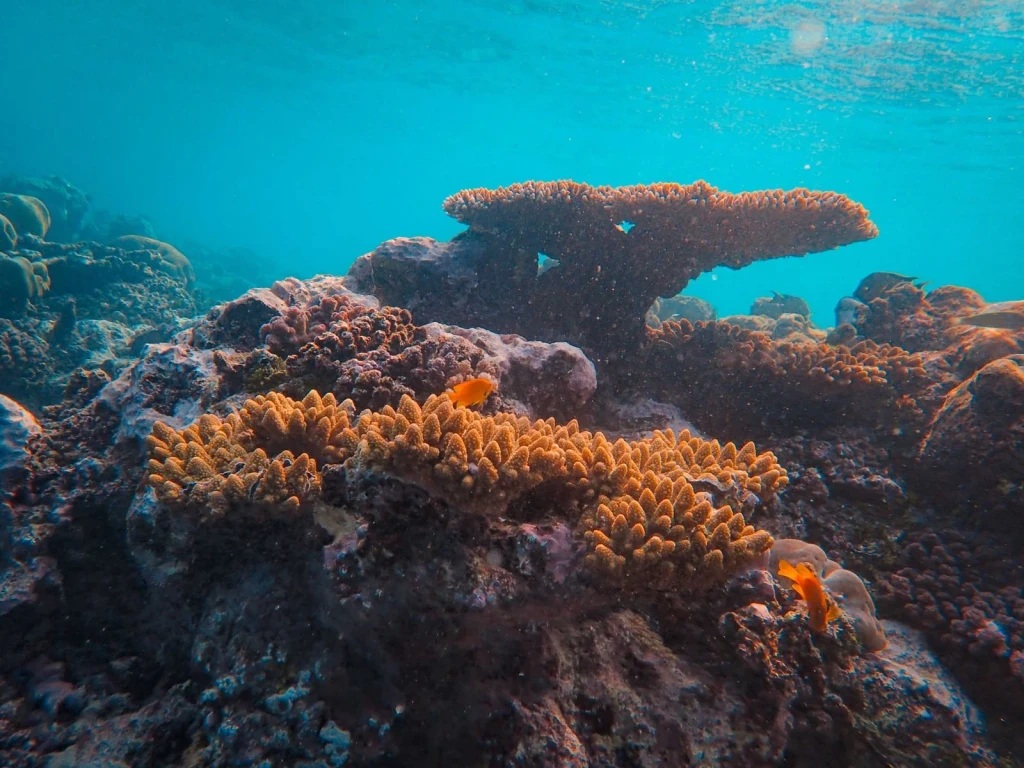
A colorful coral reef surrounded by clear blue ocean. The image shows diverse marine life coexisting within a defined architectural structure.
Photograph by Francesco Ungaro, via Pexels.
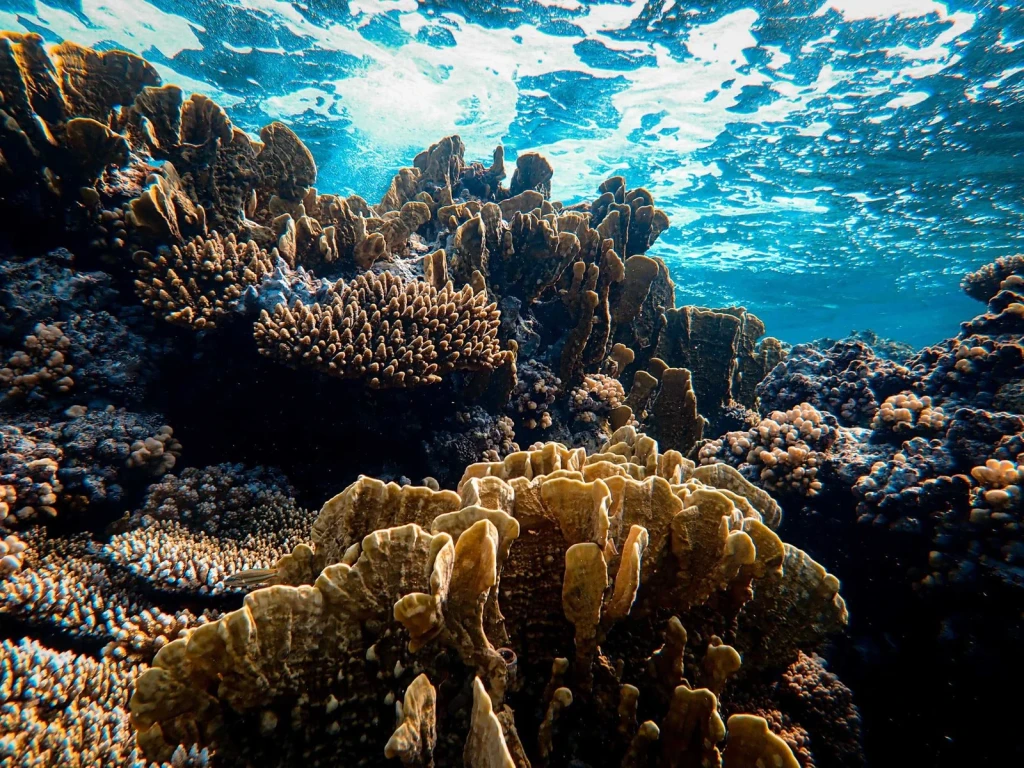
An underwater view where sunlight highlights a vibrant coral reef. The image captures the reef as a showcase of marine diversity and environmental richness.
Photograph by Francesco Ungaro, via Pexels.
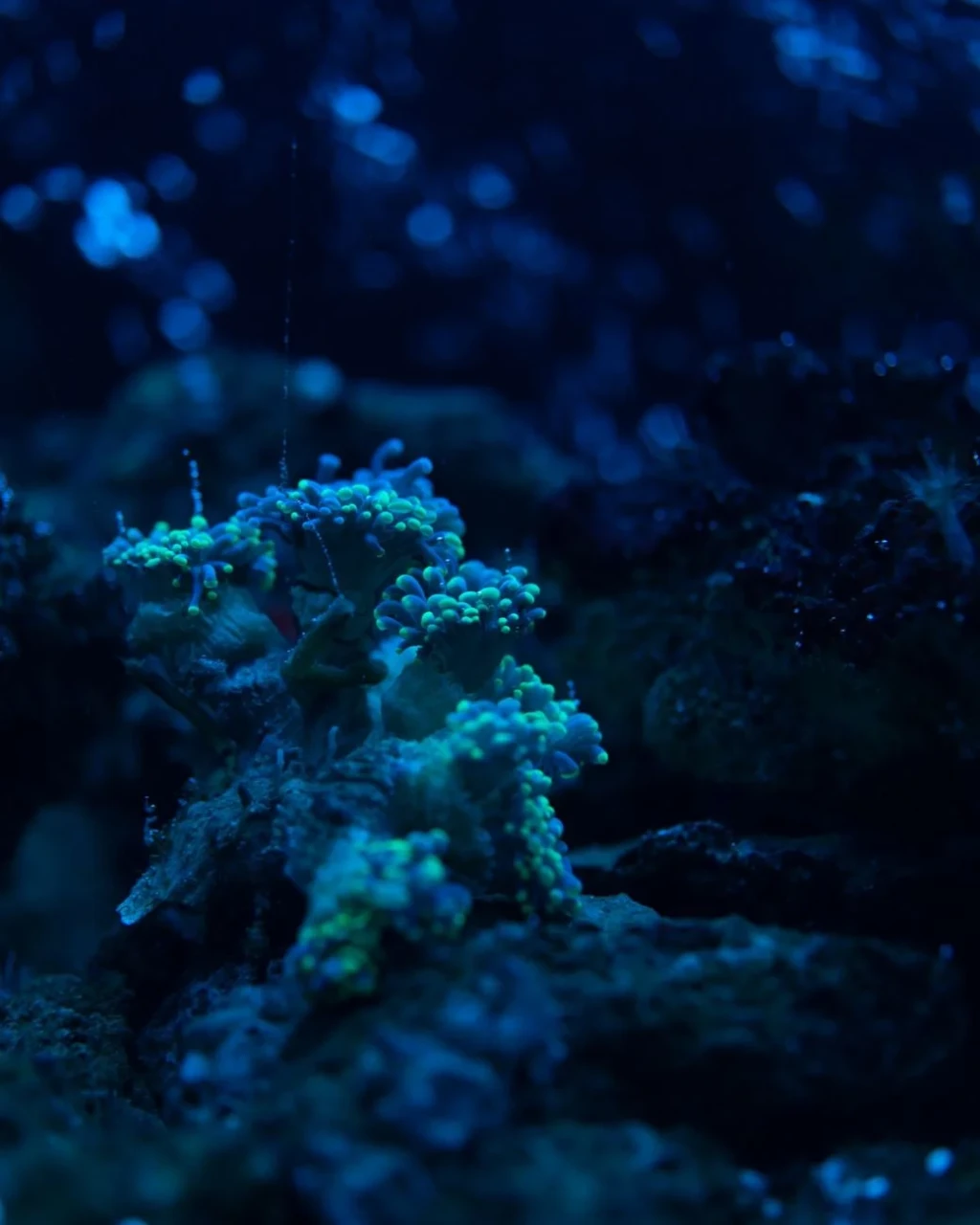
Colorful coral glows against dark waters. This close-up shows how individual organisms create the complexity we call a reef.
Photograph by Guillaume Meurice, via Pexels.
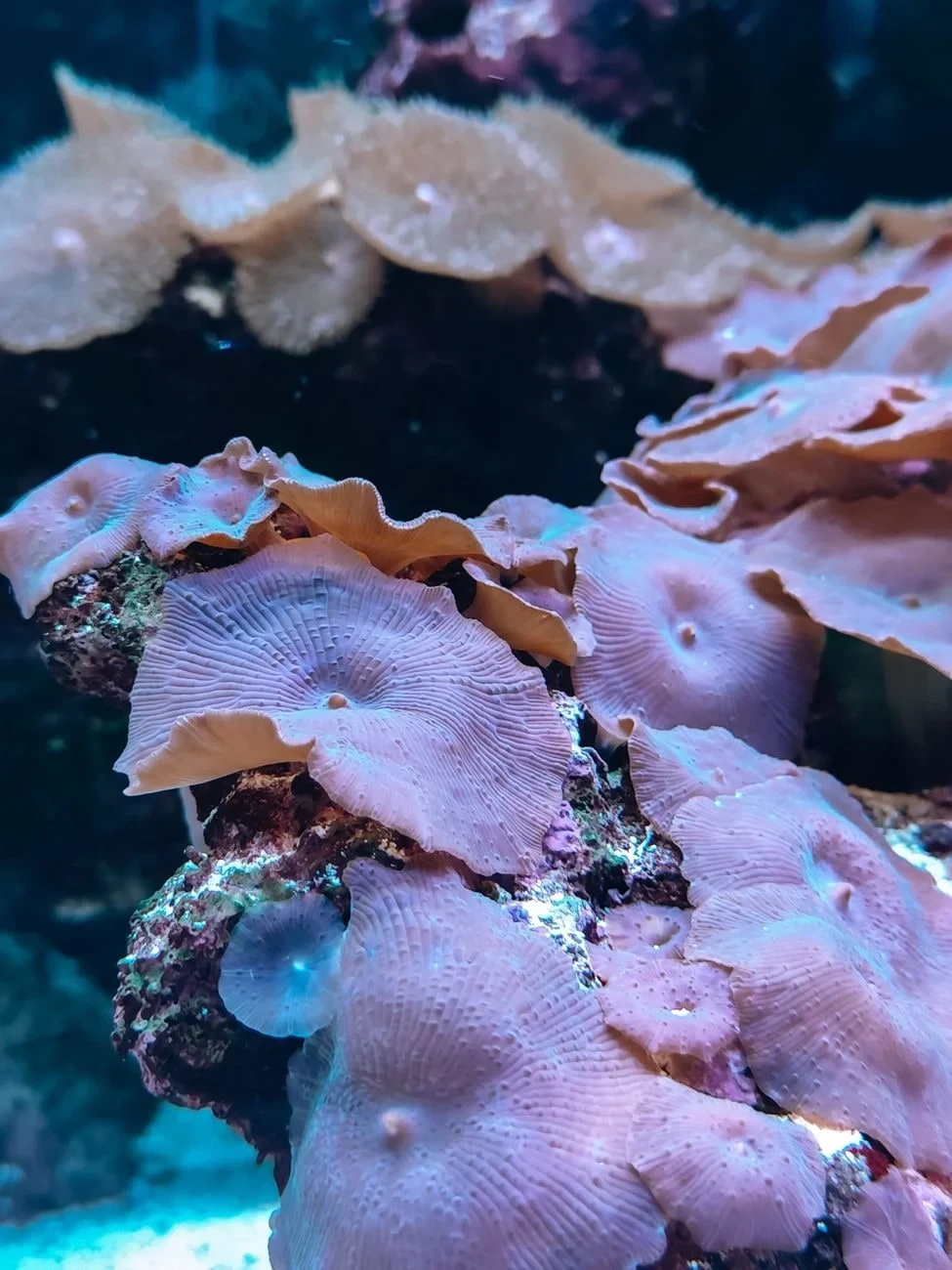
A intimate view of vibrant pink corals reveals the delicate architecture of reef life. These structures form the foundation of underwater cities.
Photograph by Iryna Ellesionarios, via Pexels.
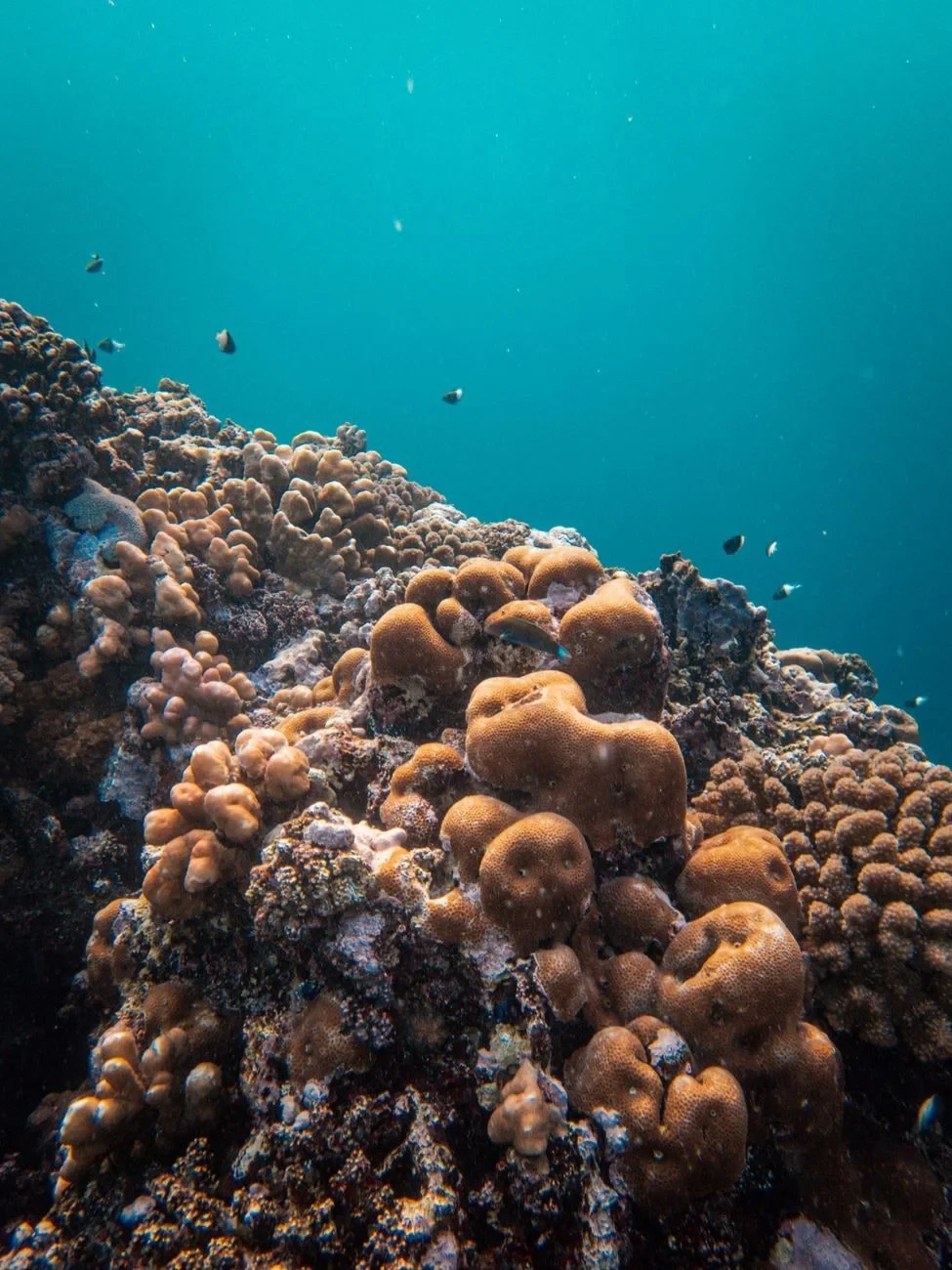
Vibrant corals and diverse marine life fill this underwater scene. Sunlight illuminates the reef as a living, dynamic place of activity and exchange.
Photograph by Francesco Ungaro, via Pexels.
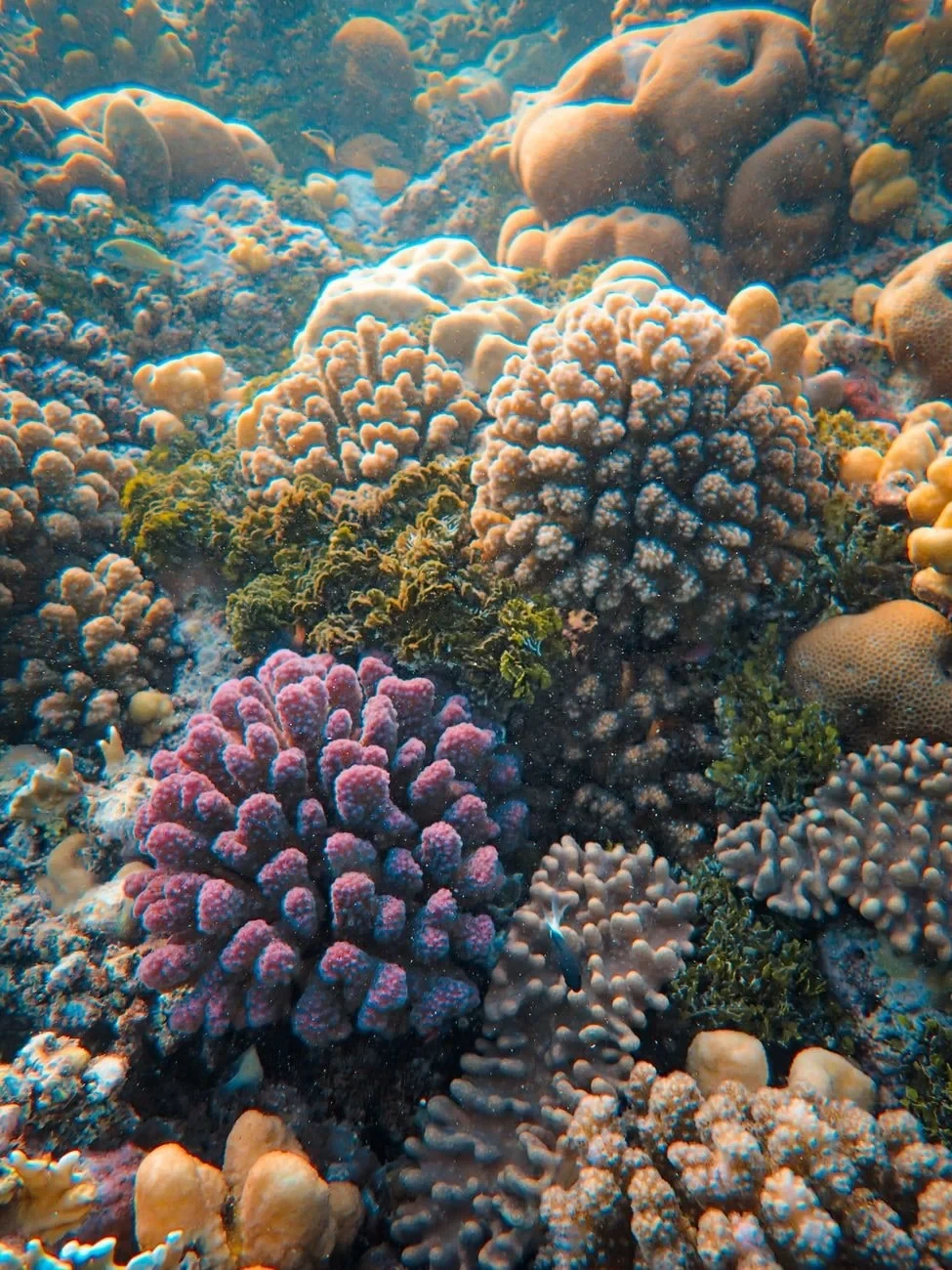
Every surface tells a story of interdependence. Intricate textures and colorful inhabitants create the layered structure of a functioning reef community.
Photograph by Francesco Ungaro, via Pexels.
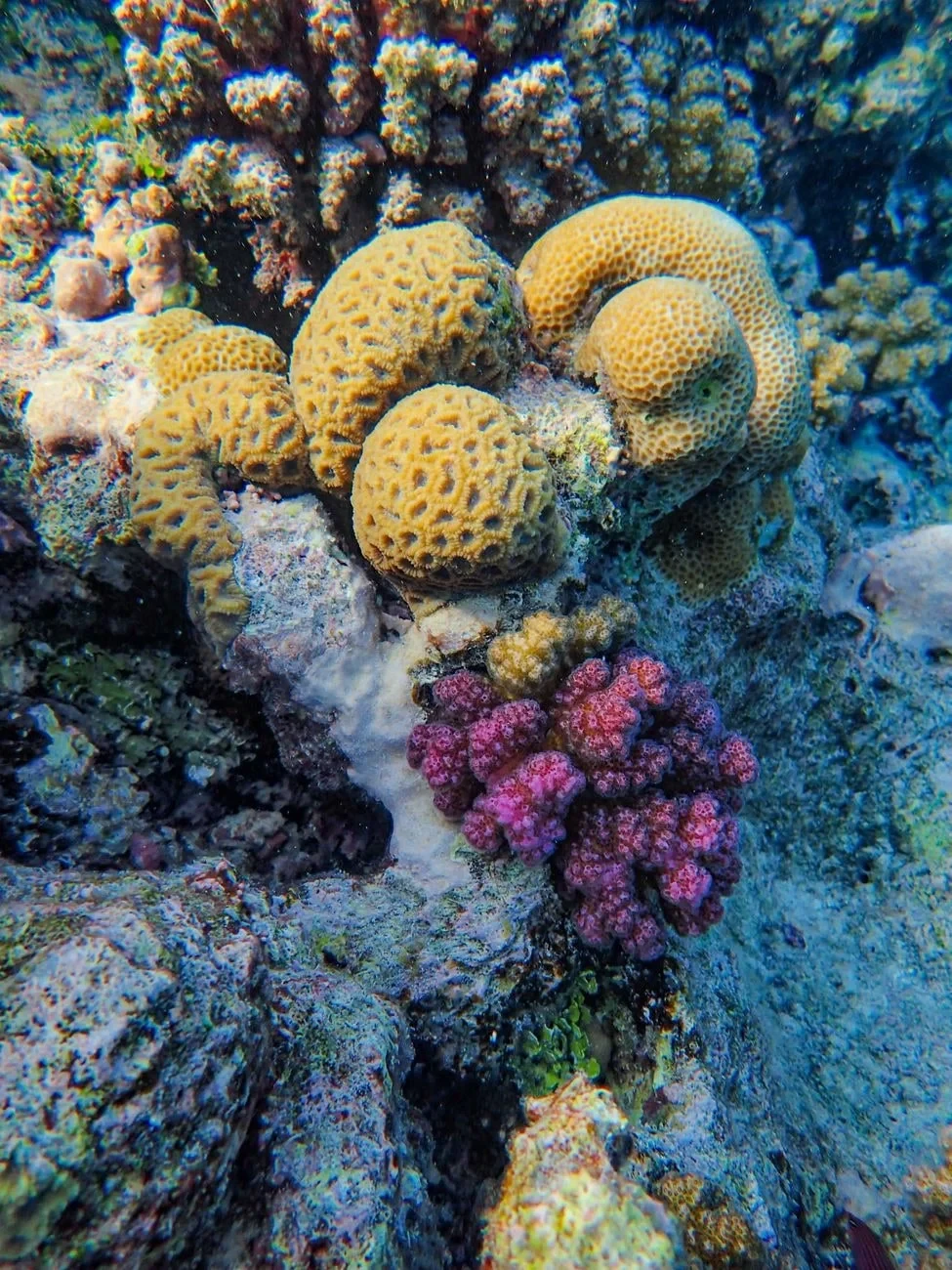
A dense clustering of colorful corals. Like any city, a reef's vibrancy comes from how many lives press together in one place.
Photograph by Francesco Ungaro, via Pexels.
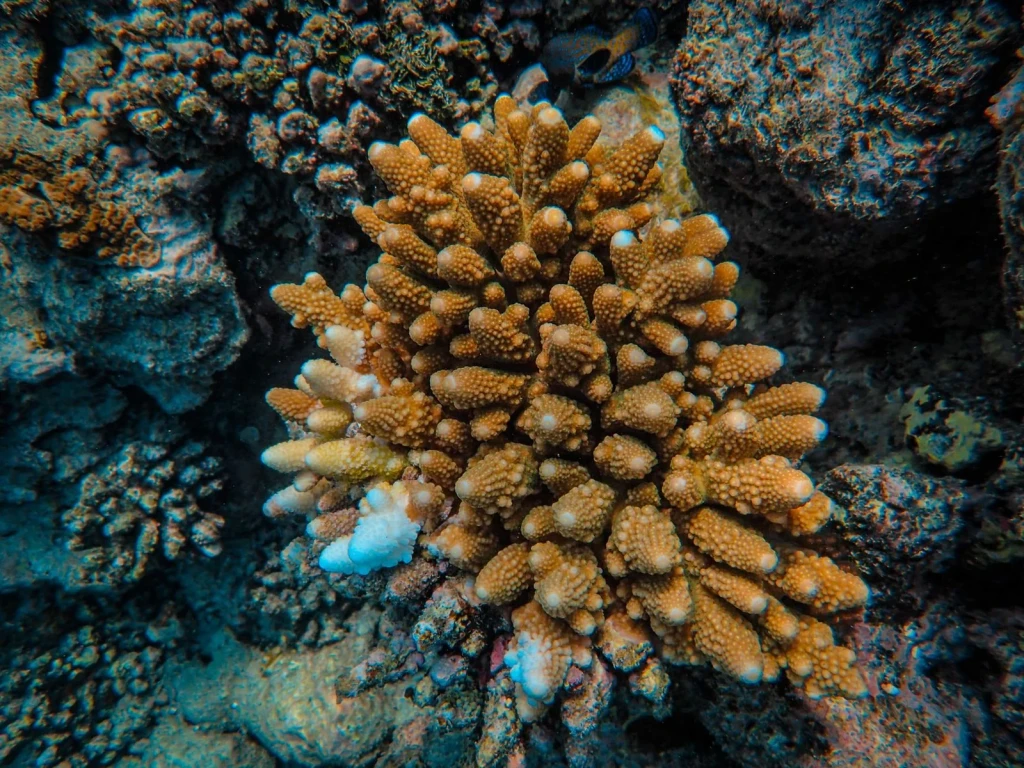
This detailed close-up shows the intricate arrangement of colorful corals. The image suggests reef ecosystems as layered, interdependent communities.
Photograph by Francesco Ungaro, via Pexels.
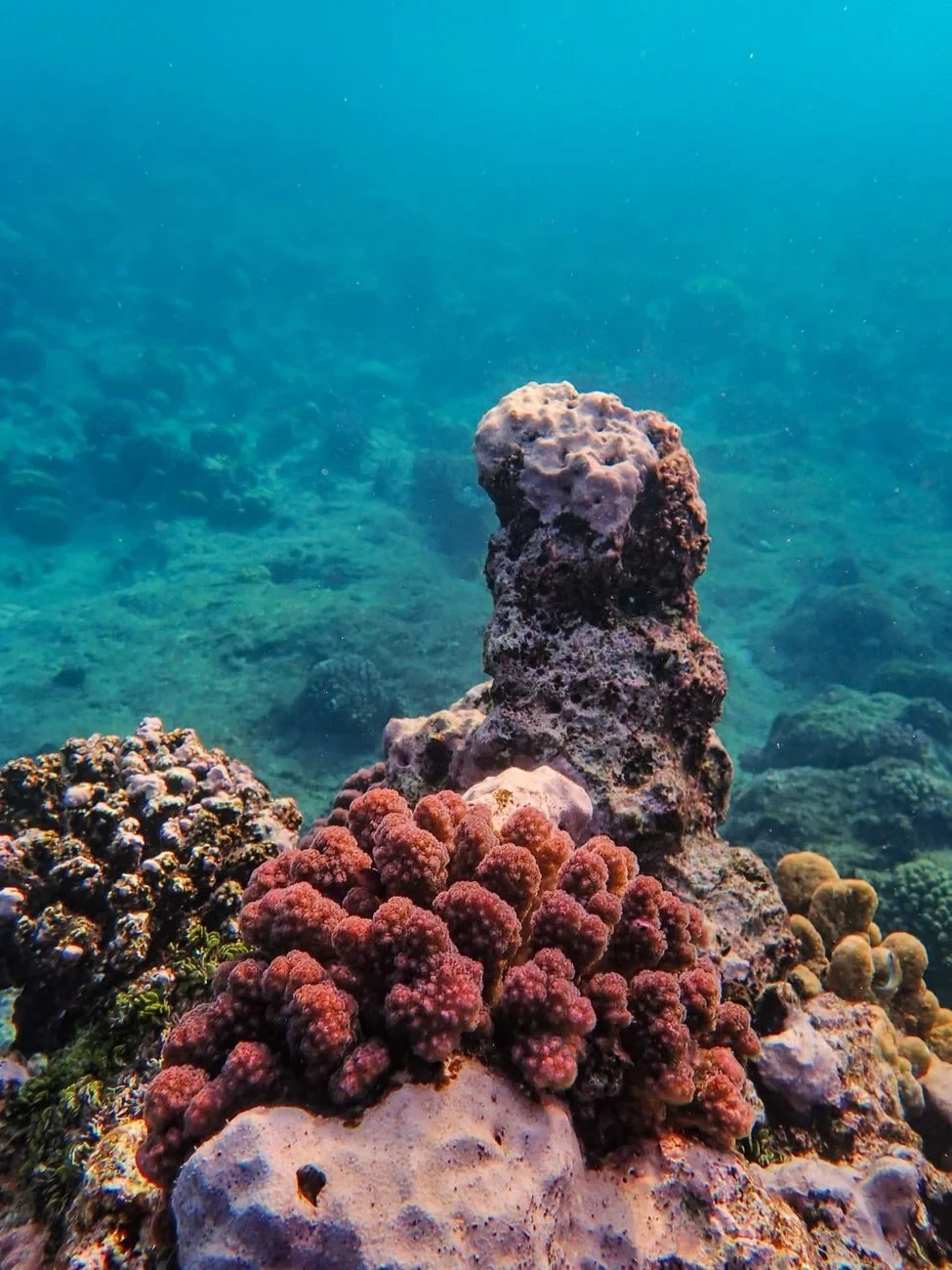
A close-up view reveals the complexity within a coral reef. Diverse marine life occupies the same space, suggesting how these structures function as densely populated urban environments.
Photograph by Francesco Ungaro, via Pexels.
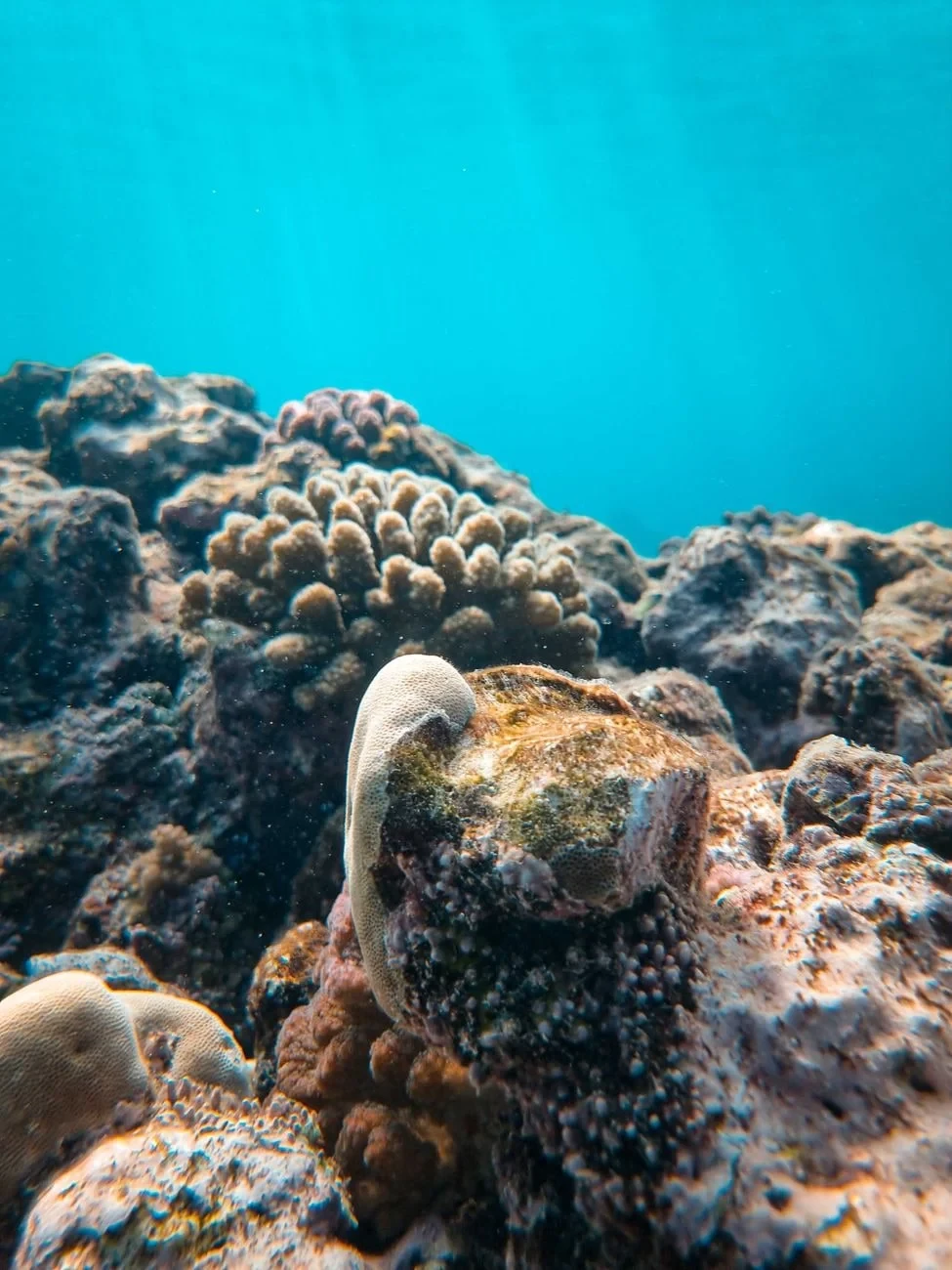
A stunning close-up of coral structures underwater. The scale of detail invites us to see reefs as organized, inhabitable spaces.
Photograph by Francesco Ungaro, via Pexels.
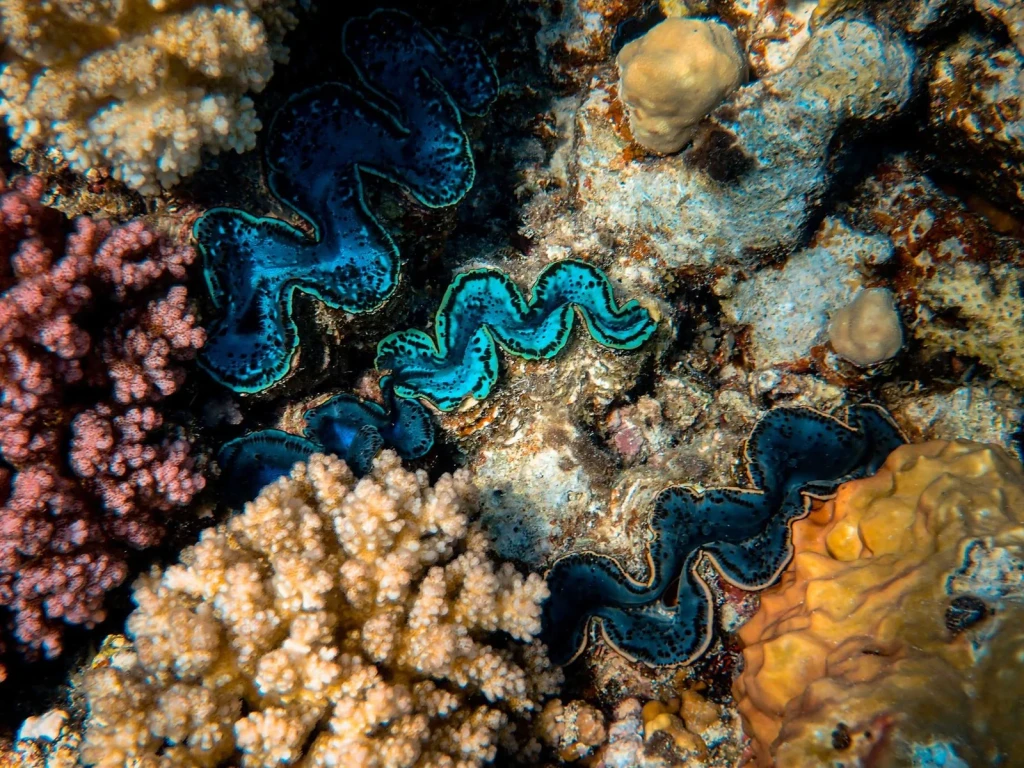
Bright colors and intricate patterns mark where countless organisms live together. This close view reveals the detail within a reef's crowded neighborhoods.
Photograph by Francesco Ungaro, via Pexels.
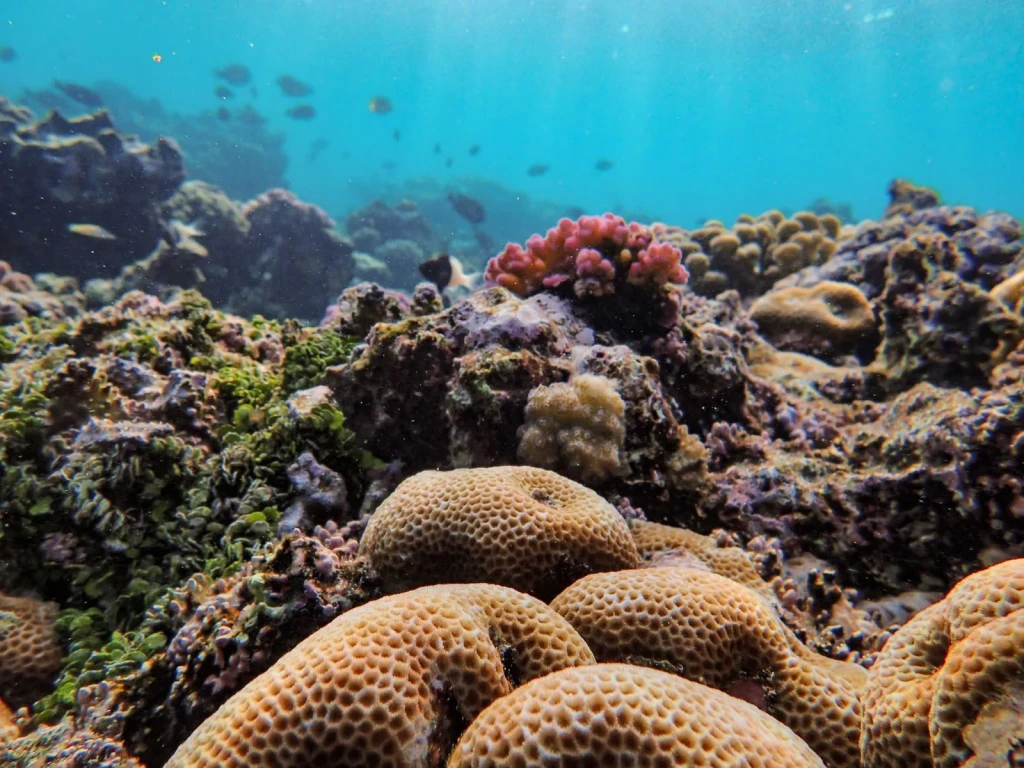
A vibrant reef pulses with diverse marine life. The tangle of colors and forms demonstrates why reefs function like densely populated urban centers.
Photograph by Francesco Ungaro, via Pexels.
