3D Gallery
Ink Under the Skin: A History of Tattoos
Enter gallery
Ink Under the Skin: A History of Tattoos is a 3D virtual gallery on MyGallery3D, a walkable online exhibition of 14 works. Step inside and explore it in your browser: no app, no headset.
Step into this 3D virtual museum of tattoos, a gallery you walk through in your browser, and begin with the oldest tattooed body we have.
Ötzi, frozen in the Alps and dated to 3250 BC, carries 61 tattoos: 19 groups of short black lines, inked with fireplace ash or soot. They are not pictures. X-rays of his bones show wear and degeneration under many of the marked areas, in the lumbar spine, the knee, the ankle. The word itself comes from the Samoan tatau, meaning to strike.
Tā moko was not pricked into Māori skin, it was carved. Tohunga-tā-moko drove uhi, chisels made from albatross bone, with a mallet, leaving grooves rather than a smooth surface. Pigment came from burnt timbers and the soot of kauri gum. Men whose mouths swelled are believed to have been fed through a funnel, the kōrere.
For most of recorded history the tattoo was something done to you. The Roman Empire tattooed exported slaves with the words "tax paid" and marked FUG, for fugitive, on the foreheads of runaways. Constantine I banned facial tattooing around AD 330. In Edo Japan the punishment was tattooed by crime: thieves on the arm, murderers on the head.
The tattoo machine descends from Thomas Edison's electric pen, patented in Newark, New Jersey in 1876 as a duplicating device. In 1891 Samuel O'Reilly saw that it could push ink into skin instead of paper. Twenty days after O'Reilly filed, Thomas Riley of London patented an electromagnetic version: a modified doorbell assembly in a brass box. That is still, essentially, the machine.
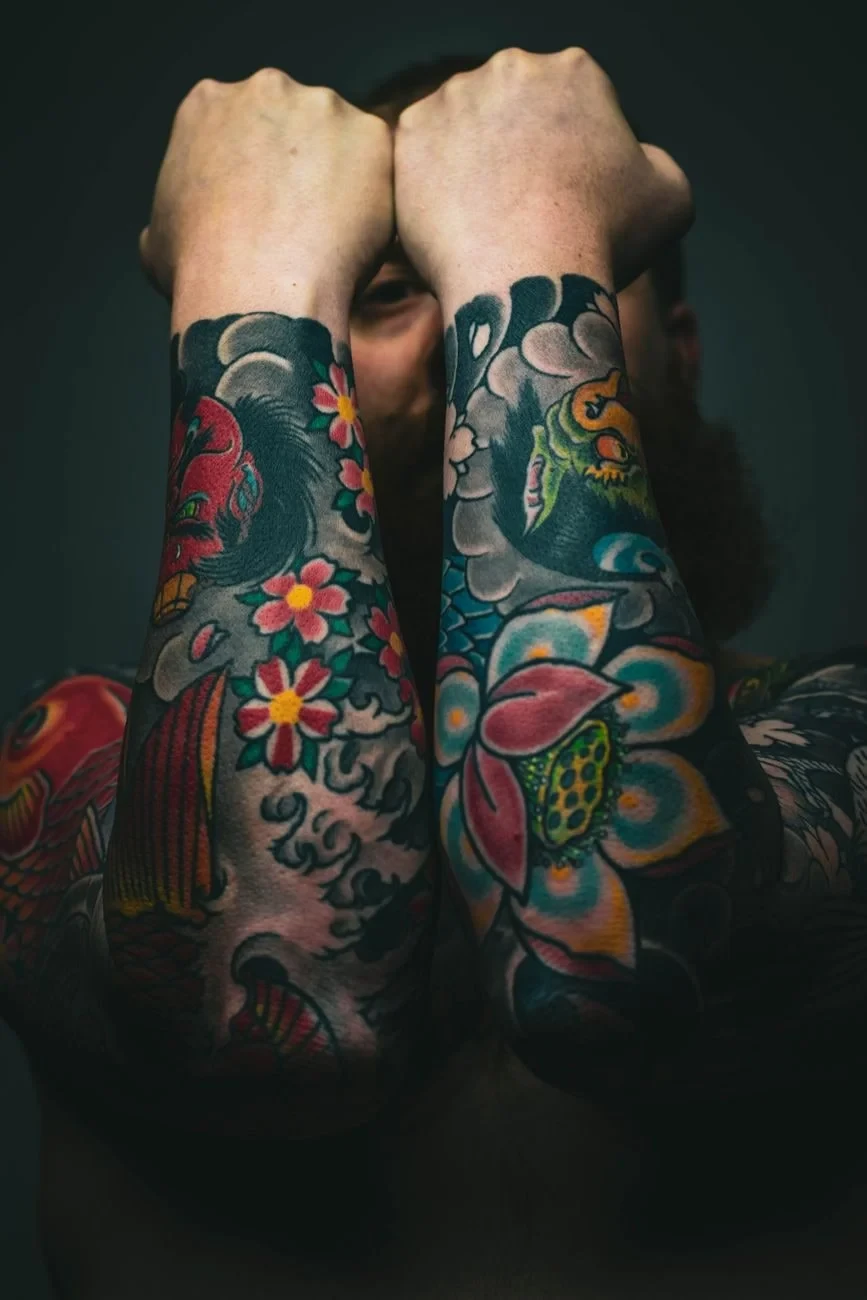
An artistic pose showcases forearm tattoos combining flowers and koi fish in vibrant color. The composition treats the skin as a deliberate space for visual storytelling.
Photograph by Kevin Bidwell, via Pexels.
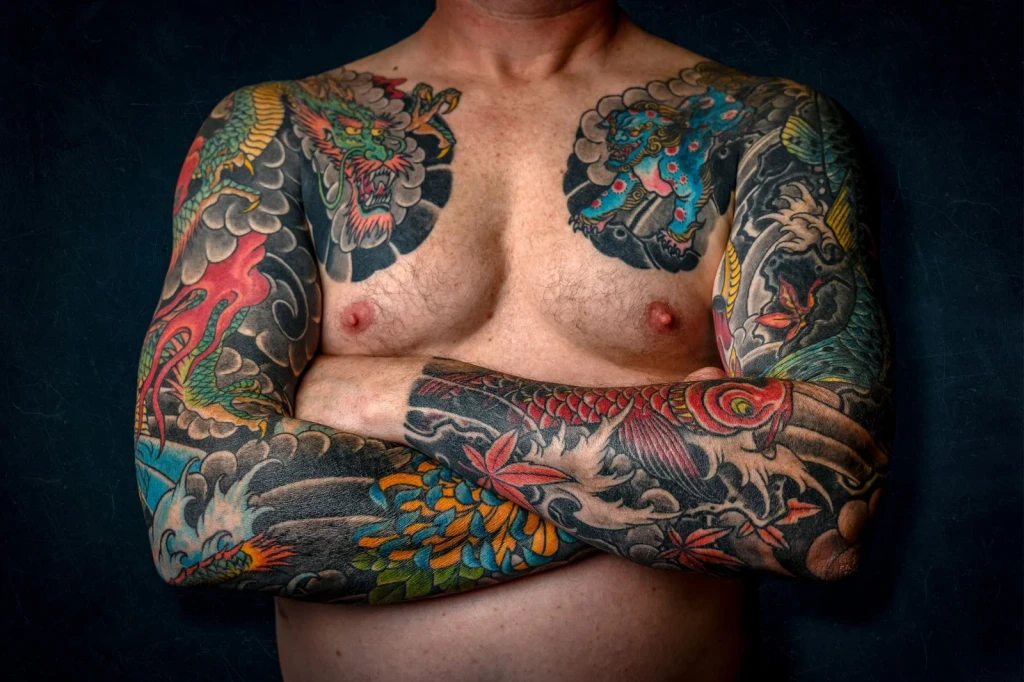
Close-up of a shirtless man with colorful sleeve tattoos and chest art.
Photograph by Brett Sayles, via Pexels.
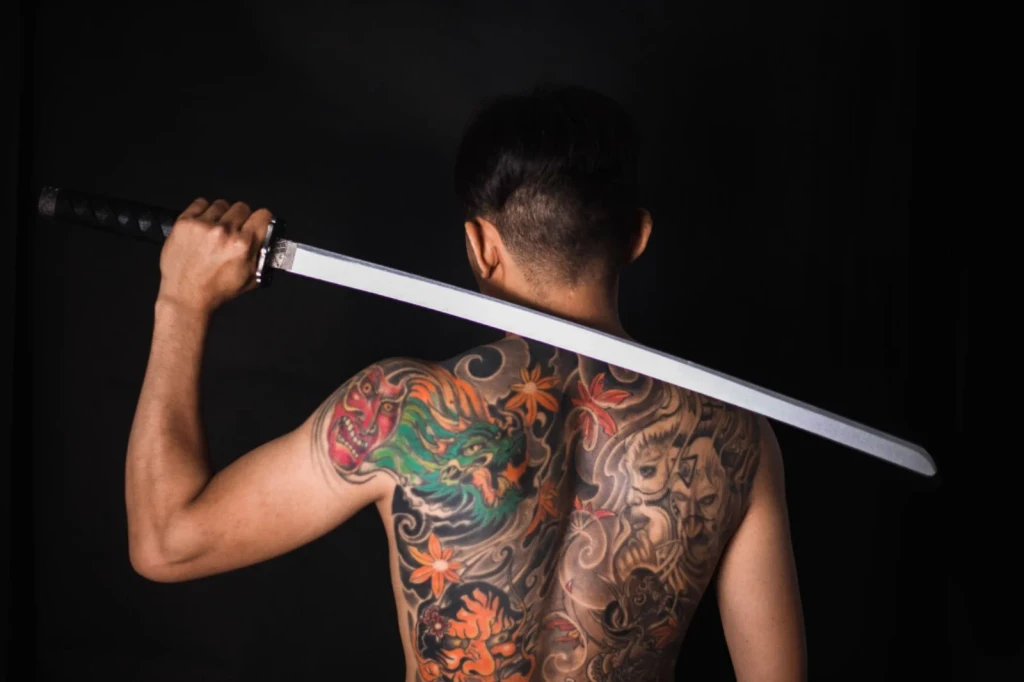
A back view emphasizes the canvas itself. Against a dark background, the tattoos emerge as the subject of study.
Photograph by TH Team, via Pexels.
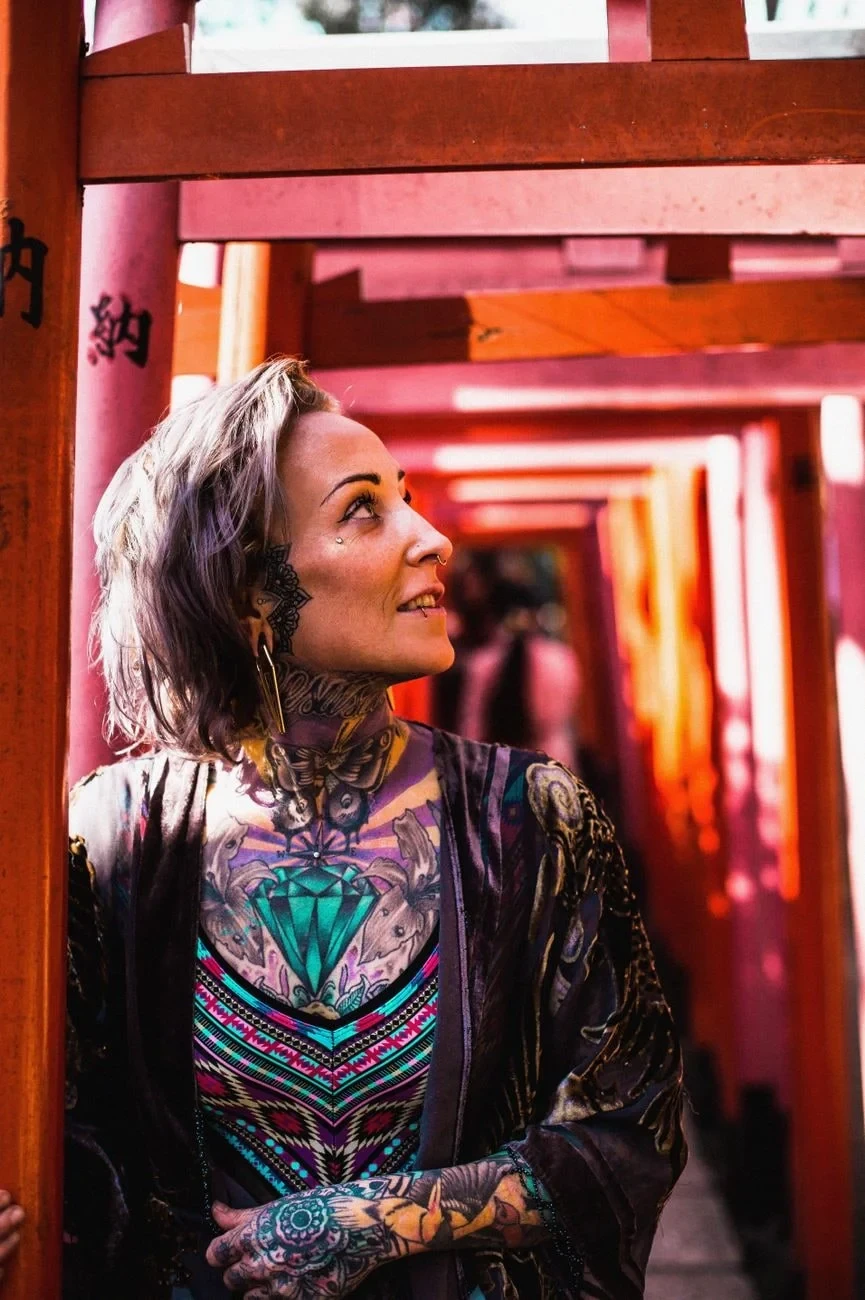
A tattooed woman stands beneath torii gates, where body art and spiritual architecture meet. The image explores how tattoos exist within cultural and religious contexts.
Photograph by Mavluda Tashbaeva, via Pexels.
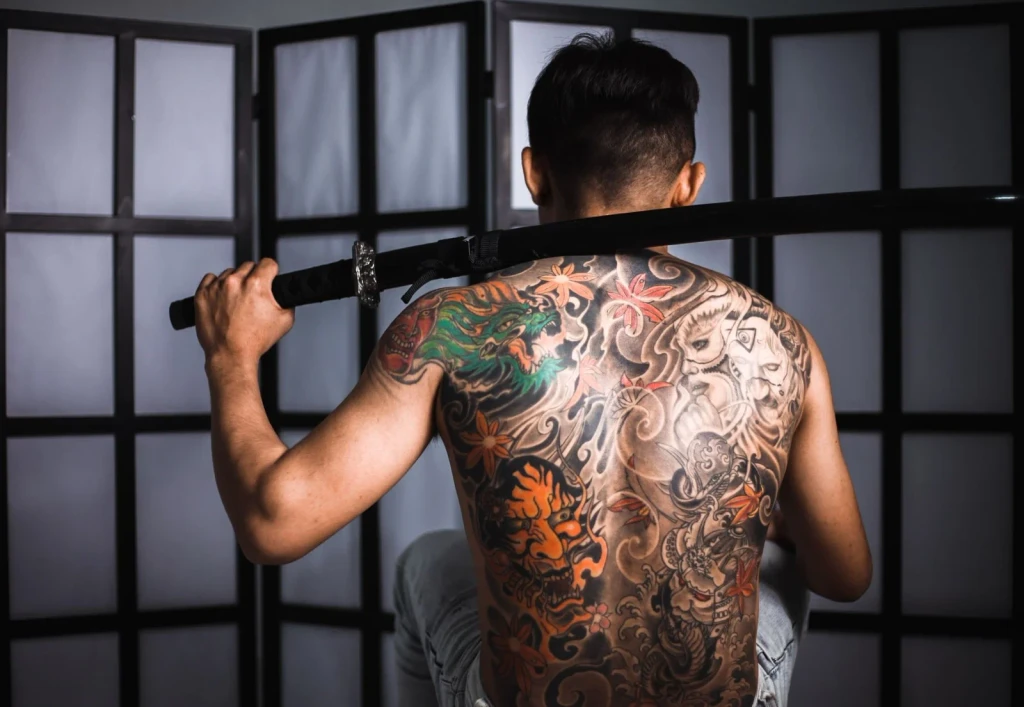
A figure holds a katana while displaying tattooed skin. The composition suggests a relationship between body marking and narrative identity.
Photograph by TH Team, via Pexels.
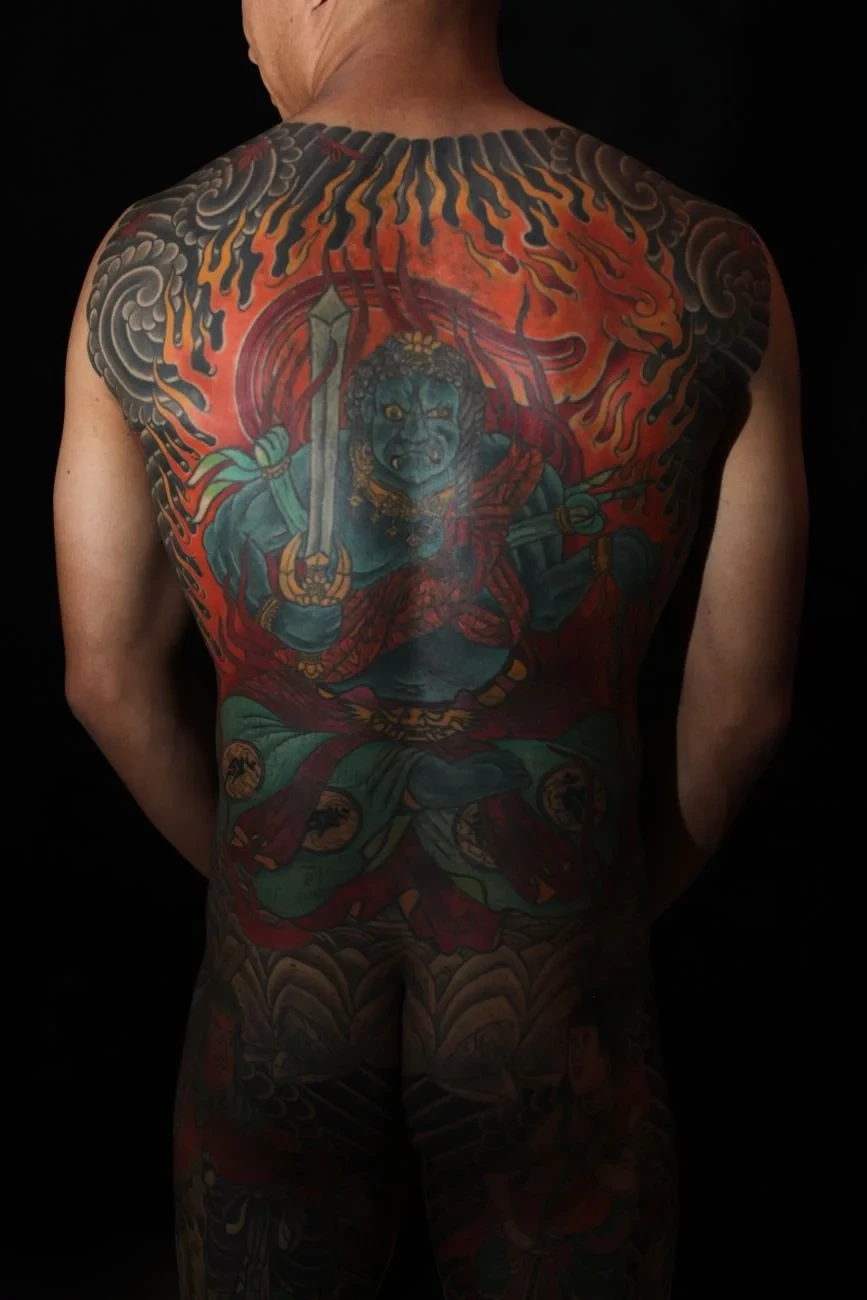
A back study in traditional Japanese tattooing, captured in Tokyo. The photograph documents the scale and intricacy of this regional practice.
Photograph by Toshio Shimada, via Pexels.
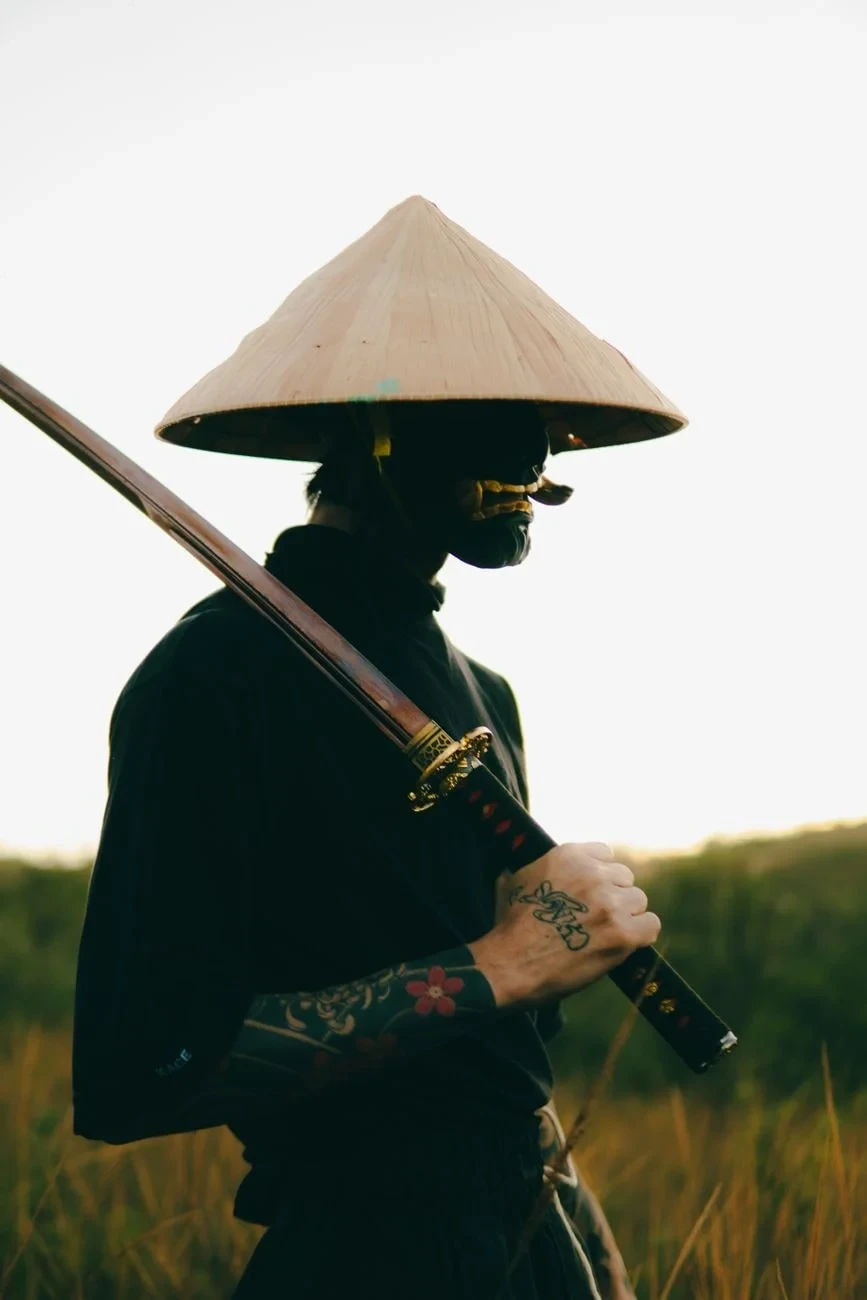
A figure in samurai-style dress holds a katana in an open field. The photograph raises questions about how tattoo culture intersects with historical aesthetic.
Photograph by Daniel's Richard, via Pexels.
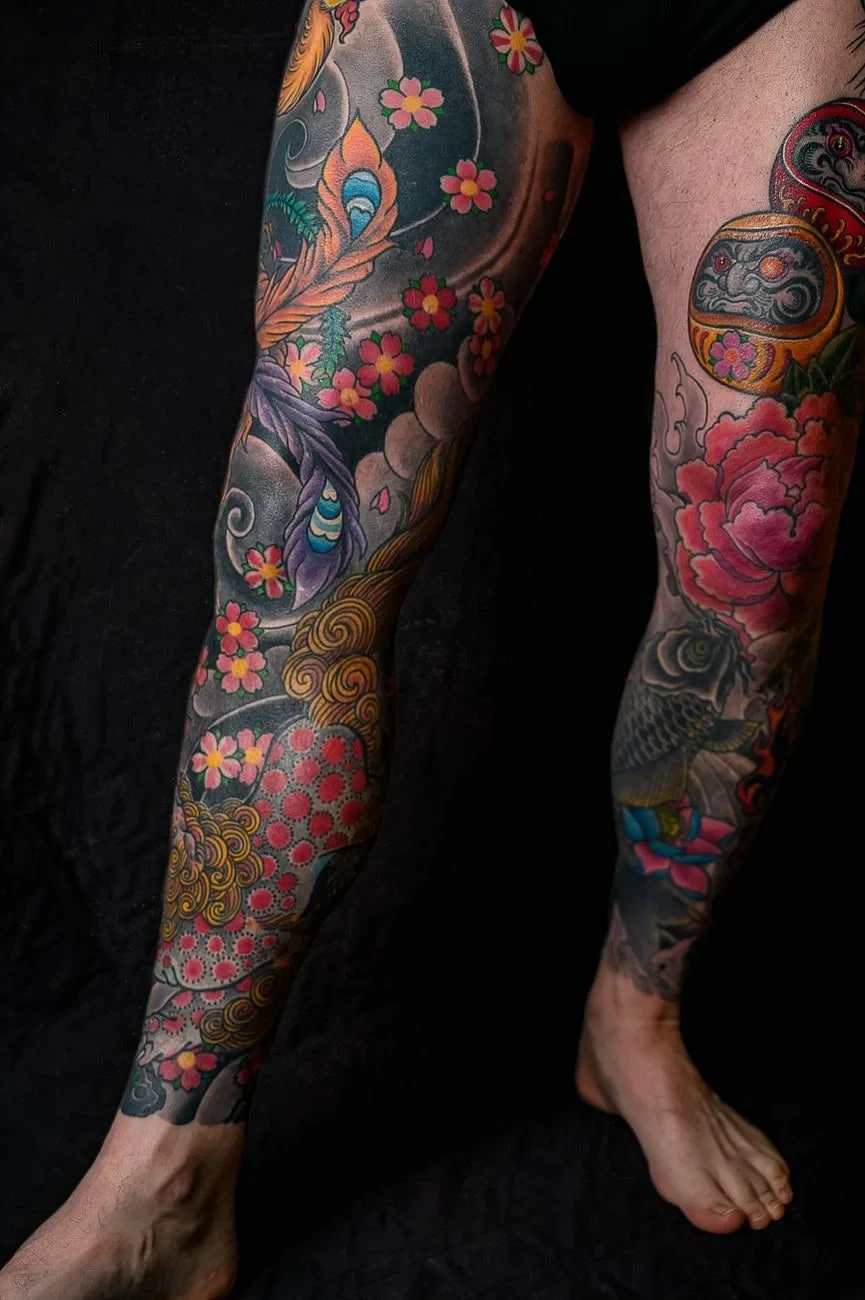
Intricate floral designs across the legs show how tattoos transform the body into a unified artistic composition.
Photograph by Brett Sayles, via Pexels.

A posed portrait merges tattoo and setting. Cherry blossoms and traditional fan suggest cultural meaning layered onto the inked body.
Photograph by Apri Yanti, via Pexels.
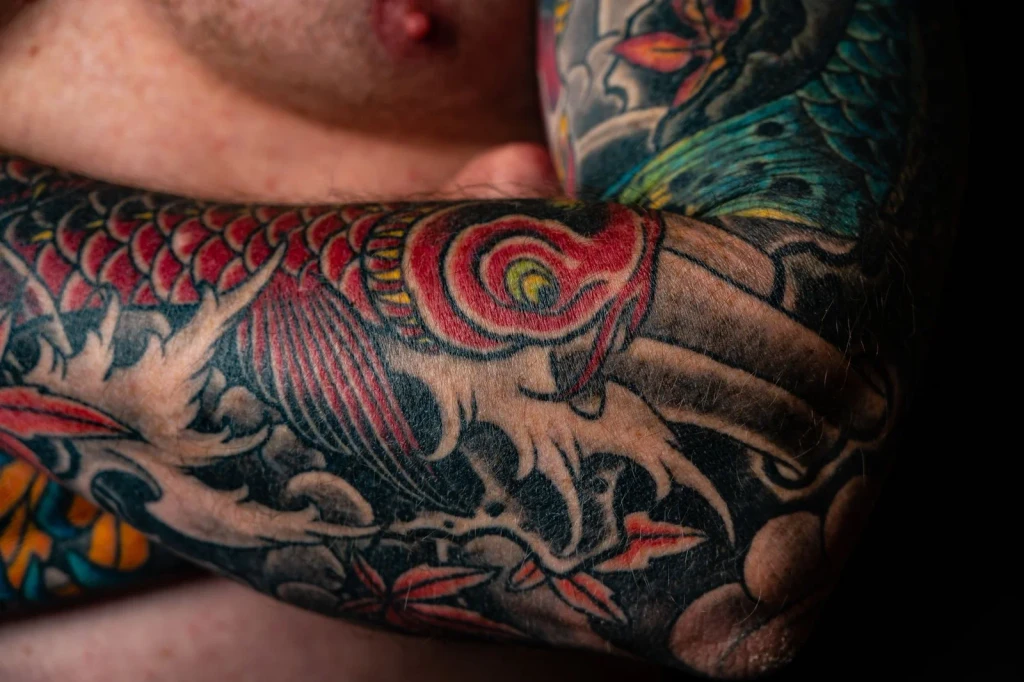
A close study of a Japanese-style tattoo featuring dragons in vibrant color. The design demonstrates the influence of established artistic traditions on modern tattooing.
Photograph by Brett Sayles, via Pexels.
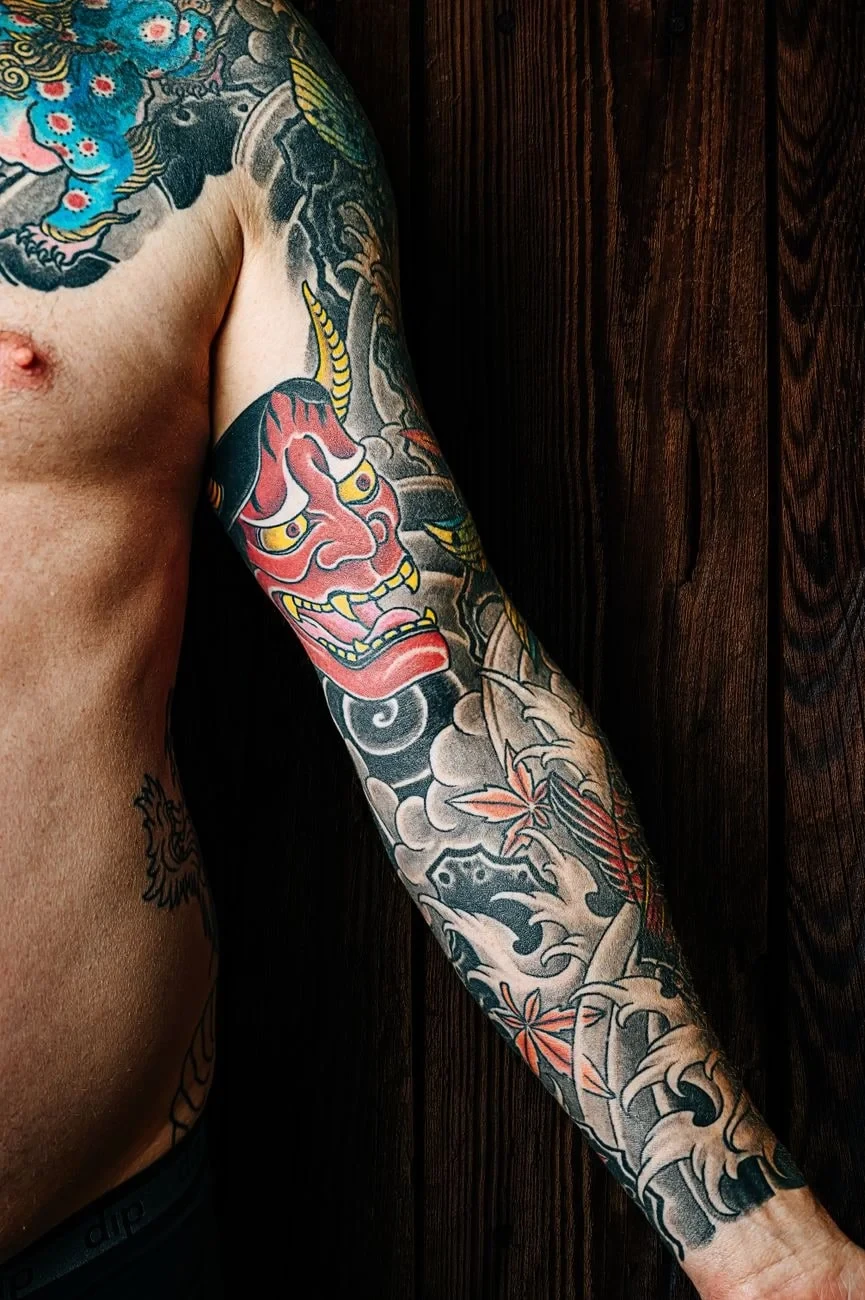
A colorful sleeve wraps the arm against a natural wooden backdrop. The photograph frames tattoos as deliberate visual compositions.
Photograph by Brett Sayles, via Pexels.
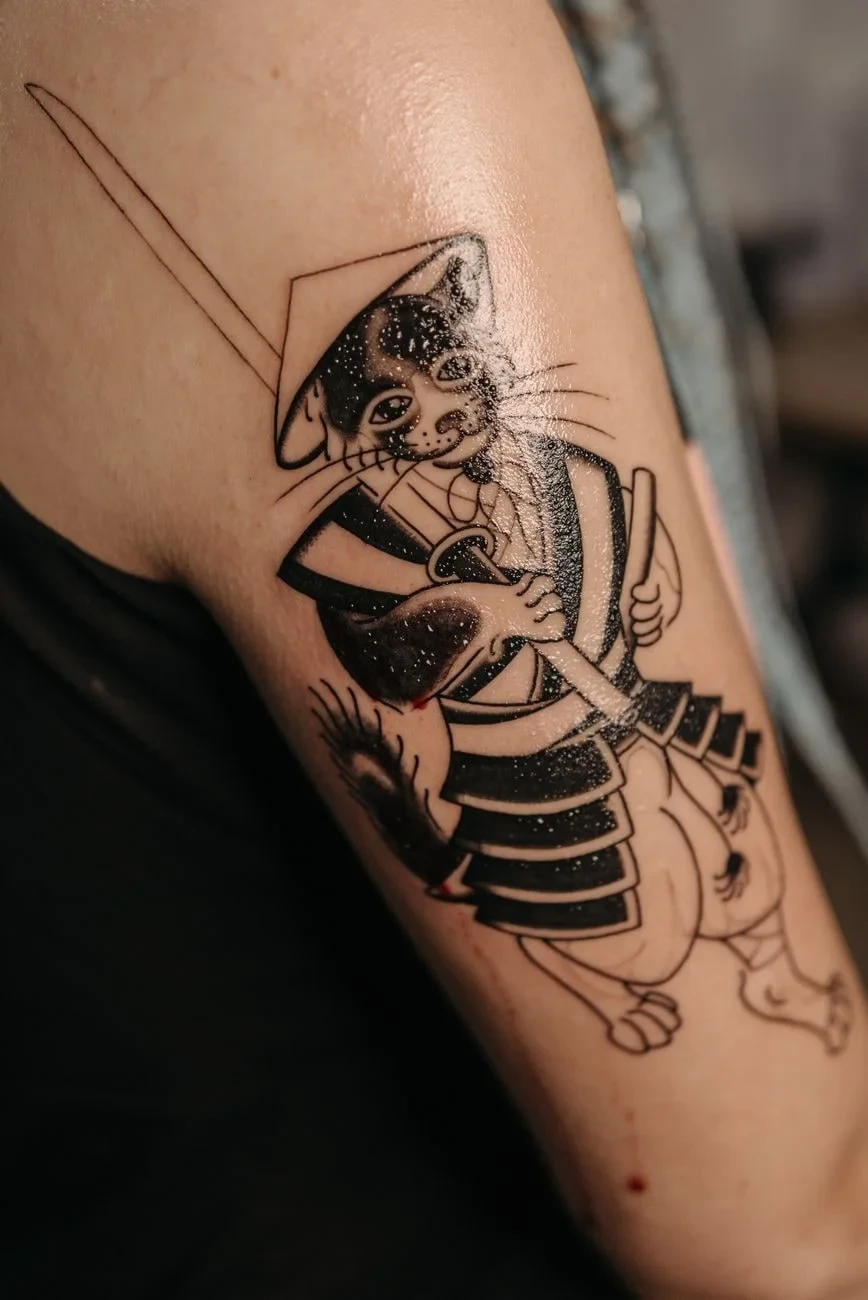
A close-up reveals the precision required in detailed tattoo work. The subject combines cultural imagery with personal expression on skin.
Photograph by Pavel Danilyuk, via Pexels.
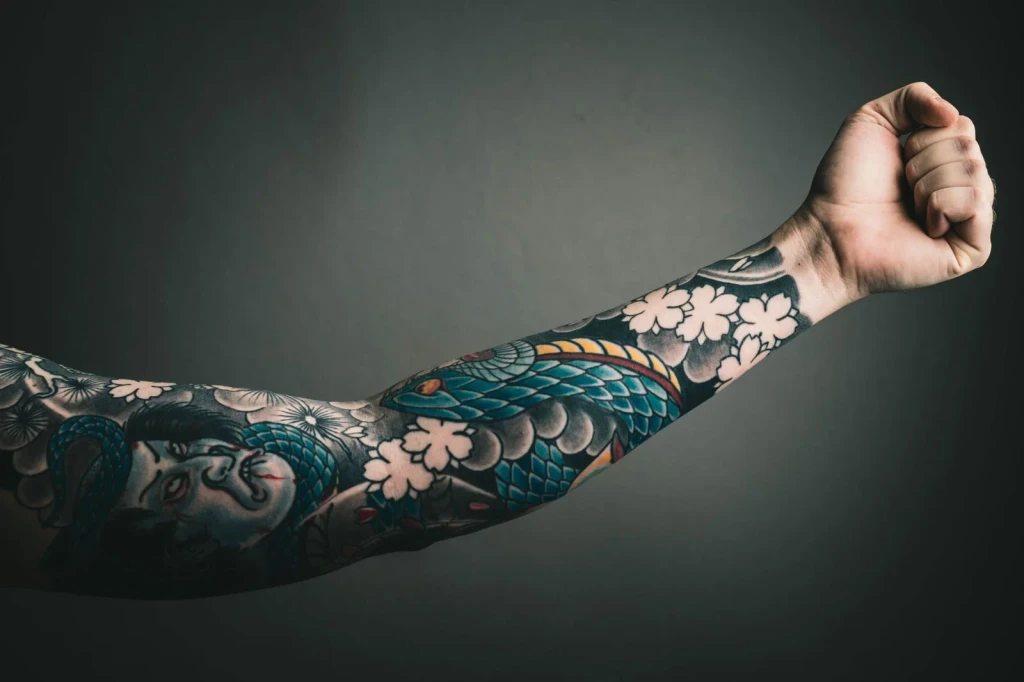
A colorful sleeve spanning the arm combines floral and artistic elements. Close observation reveals the layered detail tattoists achieve when composing designs across the body's surface.
Photograph by Kevin Bidwell, via Pexels.
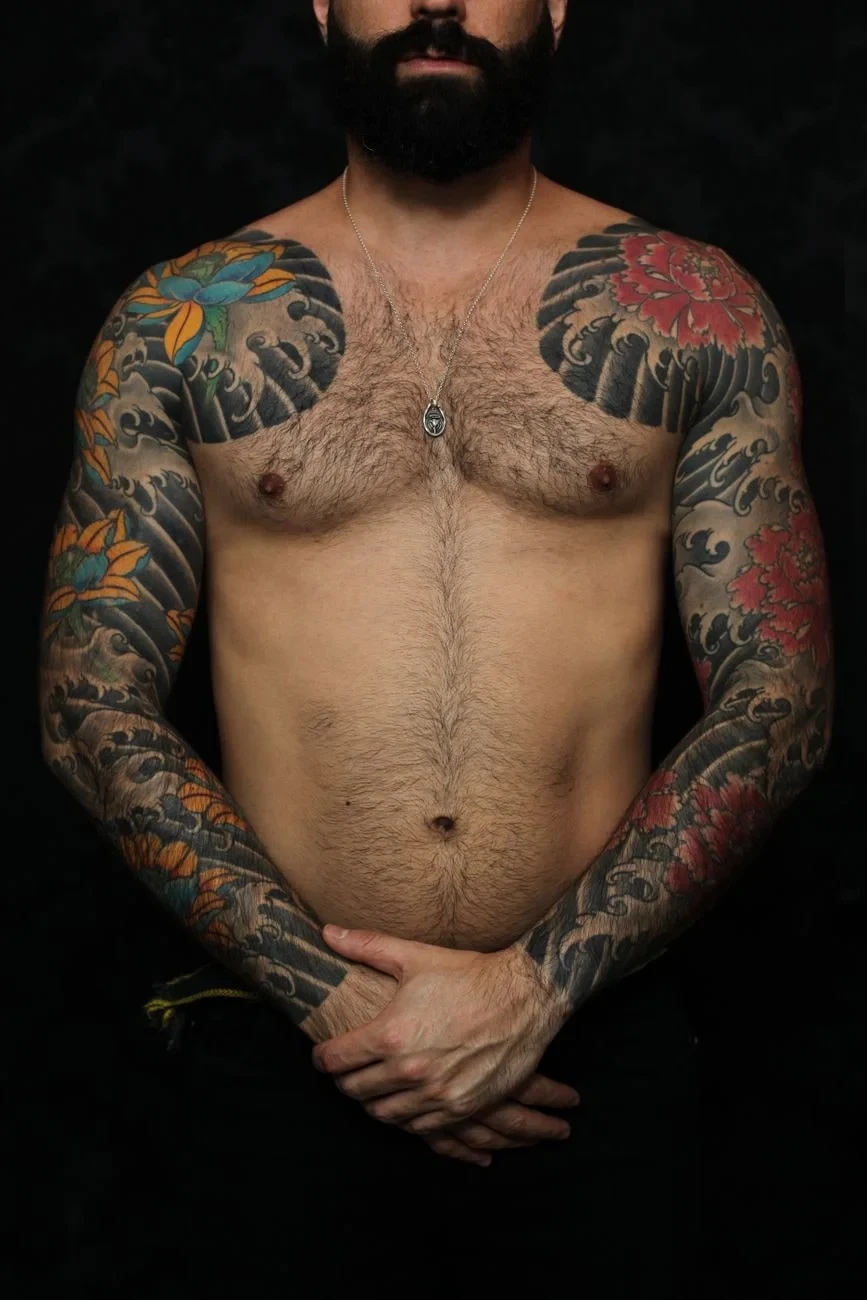
A bearded man poses in controlled studio lighting, his body art the subject of formal documentation. The setting treats tattooing as worthy of serious artistic attention.
Photograph by Toshio Shimada, via Pexels.
