3D Gallery
Perfume: An Argument in a Bottle
Enter gallery
Perfume: An Argument in a Bottle is a 3D virtual gallery on MyGallery3D, a walkable online exhibition of 14 works. Step inside and explore it in your browser: no app, no headset.
Welcome to a 3D virtual museum of perfume, which you can walk through in your browser.
The world's first recorded chemist was a perfumer. Tapputi, named on a cuneiform tablet from Babylonian Mesopotamia, distilled flowers, oil and calamus with other aromatics, filtered them, and put them back in the still, again and again. She was overseer of the Royal Palace. The 1939 Nobel laureate Leopold Ružička said perfumes have substantially contributed to the development of organic chemistry.
The perfume capital of the world started as a leather town. Grasse tanned hides from the twelfth century, and the leather smelled bad, which did not please the glove wearing nobility. Jean de Galimard, a tanner, came up with scented leather gloves and offered a pair to Catherine de' Medici. She was seduced by the gift, the court followed, and the countryside filled with flowers.
Strength is a percentage. Parfum runs 15 to 30% aromatic compounds, eau de toilette 5 to 15%, eau de cologne 2 to 3%. The rest is mostly ethanol and water. Which compounds is another matter: in the United States the law regulating cosmetics protects trade secrets, so the formula stays off the label. A 2019 study found 45% of moisturizers sold as fragrance-free contained fragrance.
In 1905, six hundred tons of flowers were harvested at Grasse. By the 1940s it was five thousand tons a year. A century later, production had fallen below 30 tons for all flowers combined. Synthetics arrived, large groups bought up the local family factories, and production was often relocated overseas. Food flavourings now account for over half of output.
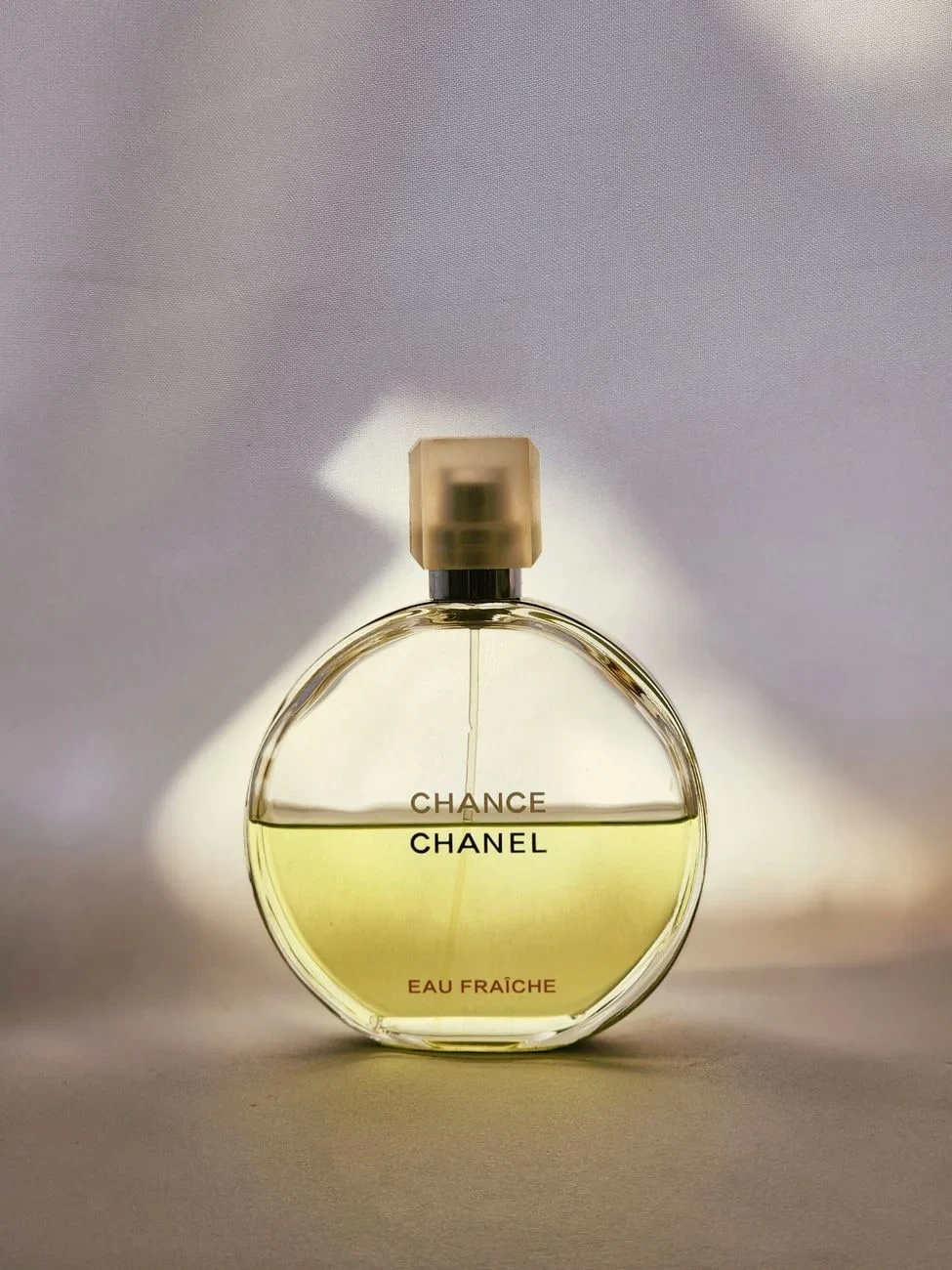
A recognizable luxury brand bottle on a considered background. The photograph treats a commercial product as a subject for beauty.
Photograph by Lala Jafarova, via Pexels.
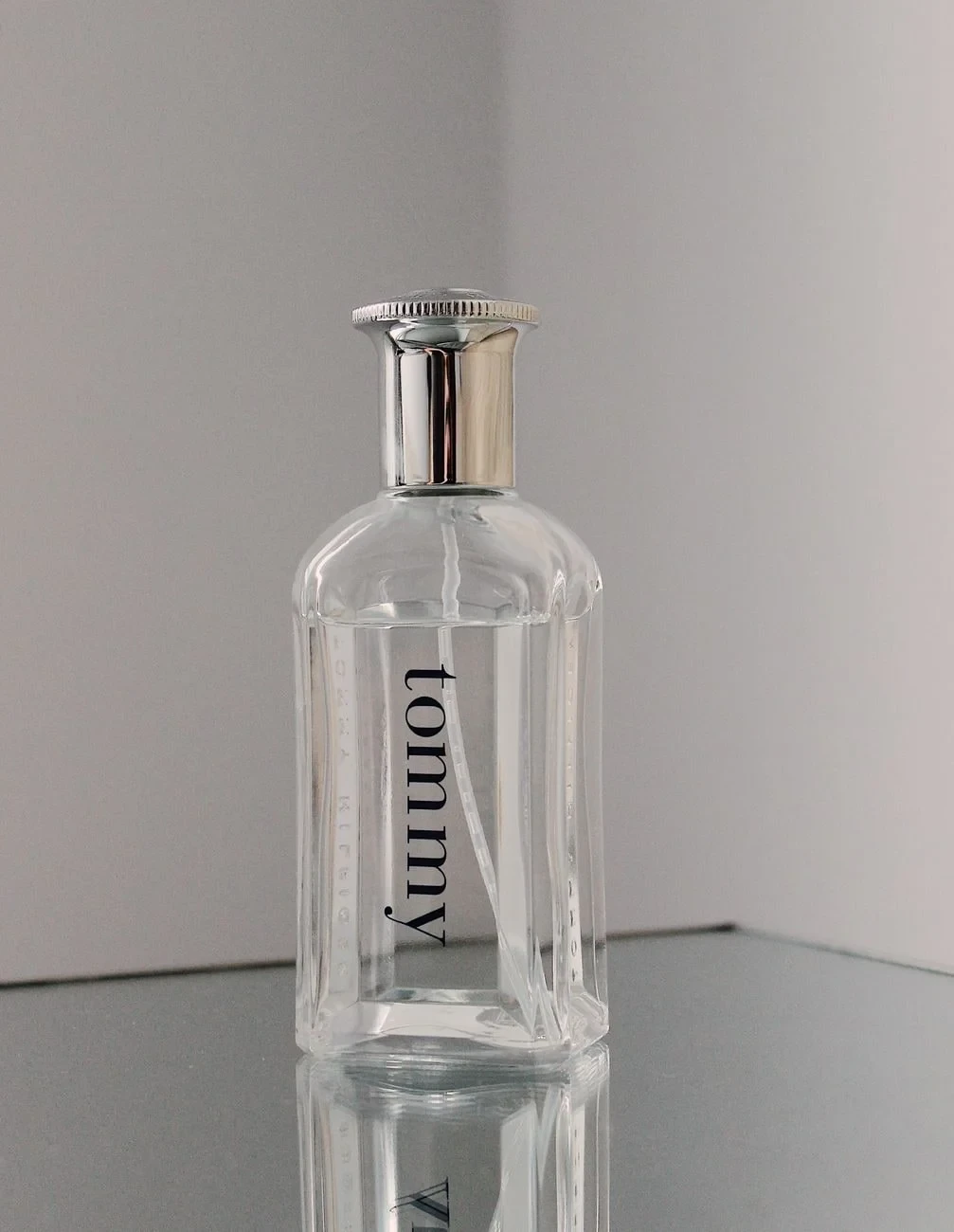
A perfume bottle stripped to essentials. Reflective surfaces and neutral tones let the object speak for itself.
Photograph by Kateryna Naidenko, via Pexels.
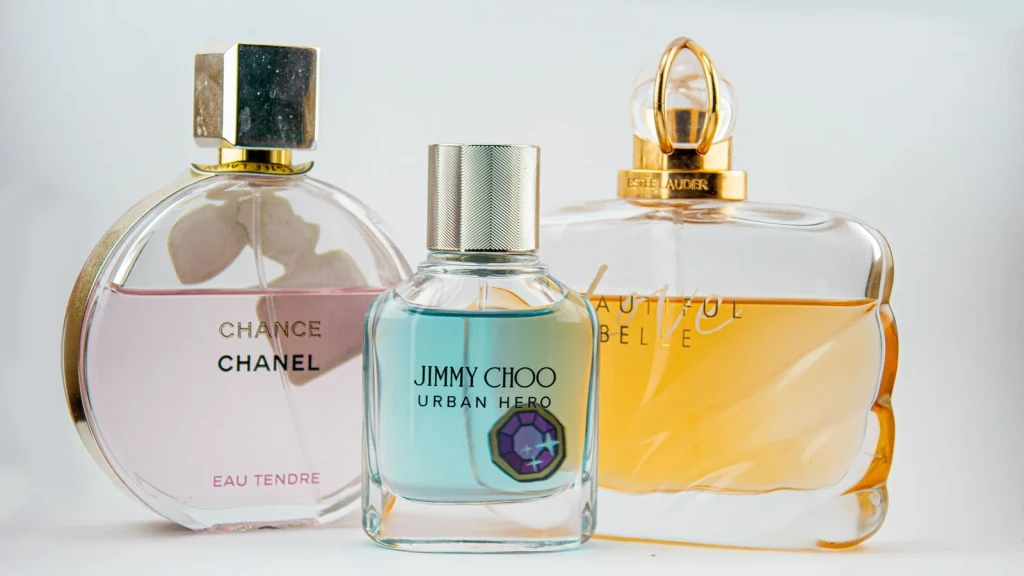
Perfume bottles bearing recognizable brand names. Each label is a kind of argument about luxury, identity, and what we're willing to buy.
Photograph by FILMASPER ., via Pexels.
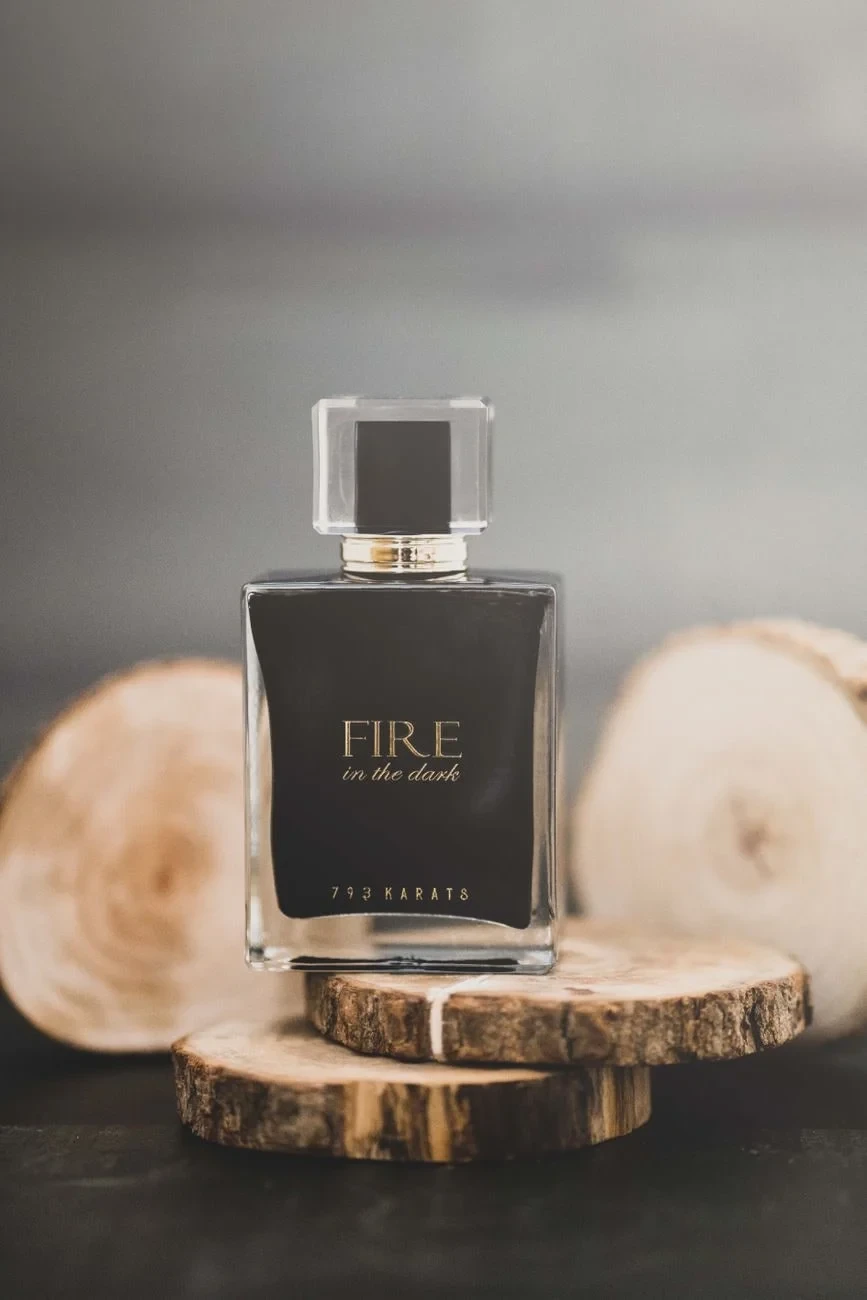
A single luxurious bottle on rough wood. The contrast raises a question. what does elegance actually mean.
Photograph by Dhally Romy, via Pexels.
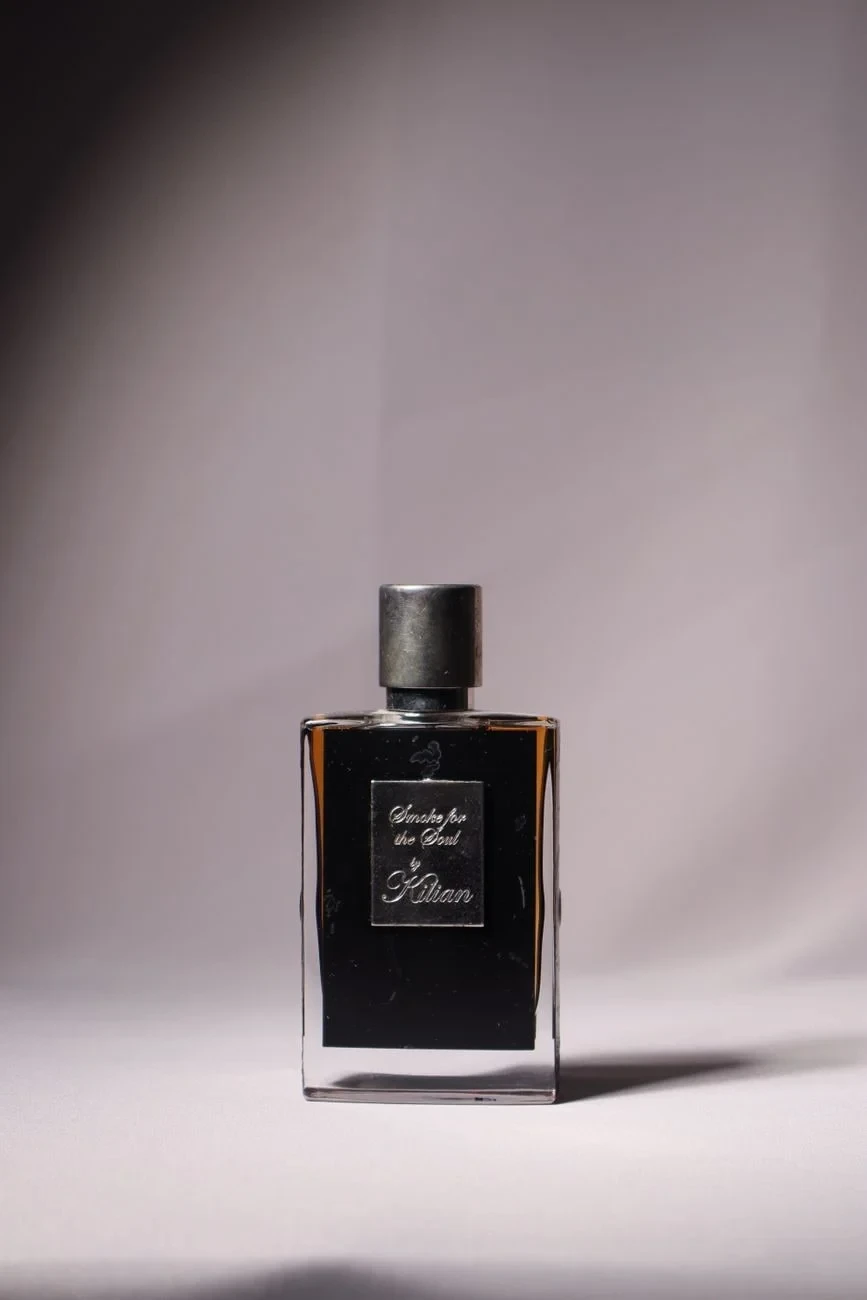
A perfume bottle lit to emphasize its form and materials. Elegance and fragrance appeal become synonymous in this composed image.
Photograph by Fashion Needles, via Pexels.
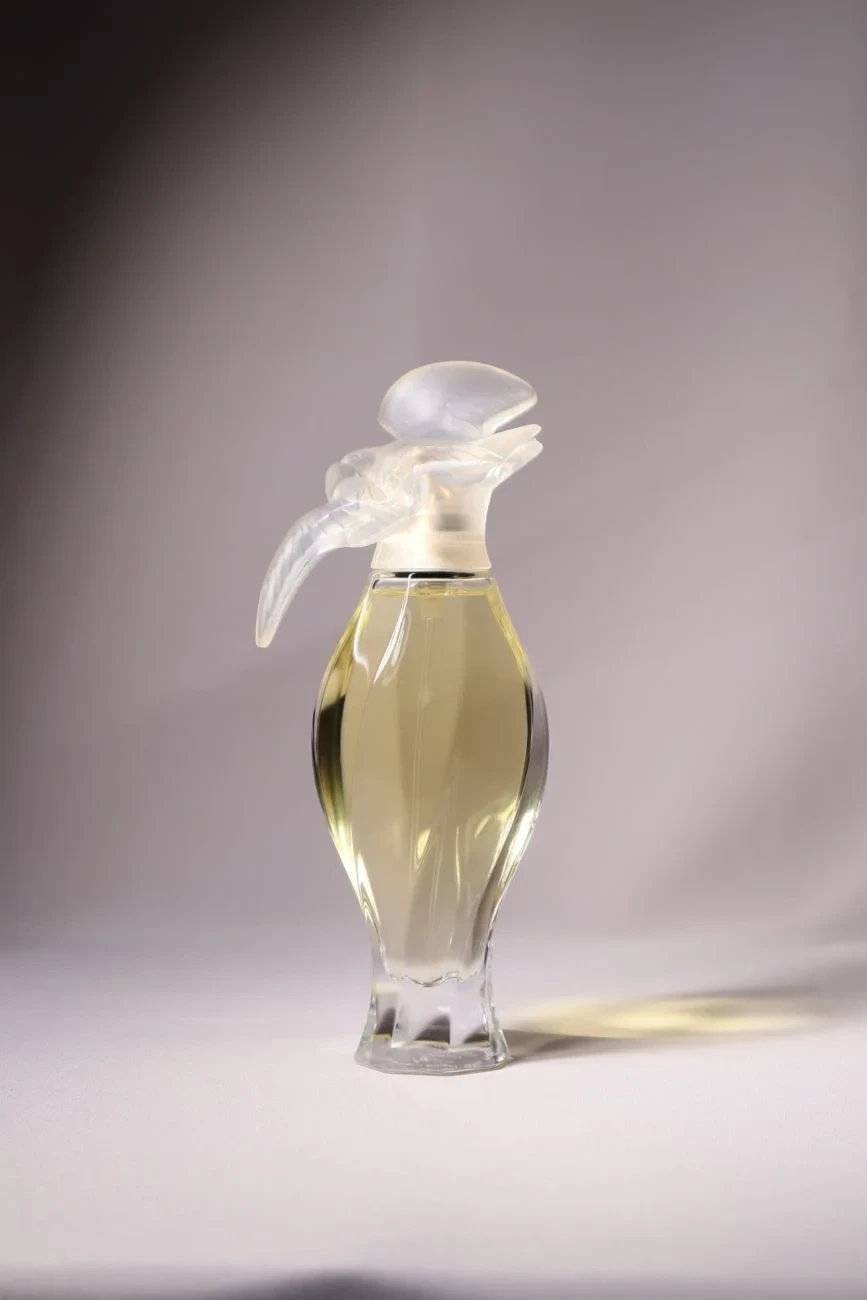
A glass perfume bottle presented as an object of aesthetic refinement. The photograph frames fragrance as something worthy of artistic attention.
Photograph by Fashion Needles, via Pexels.
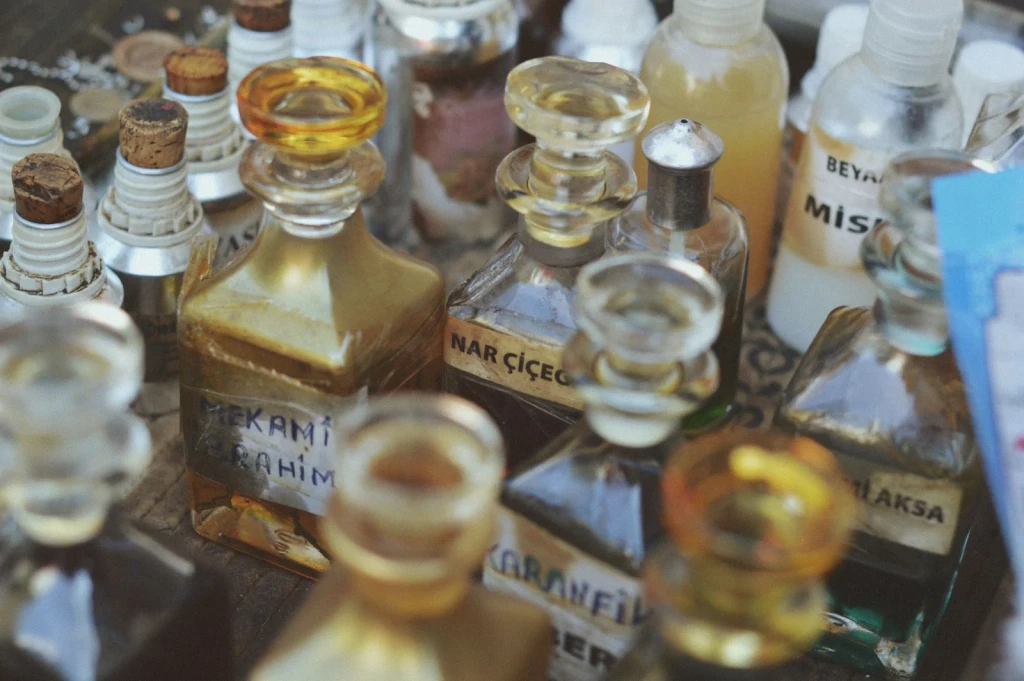
A collection of glass perfume bottles from an earlier era. The labels themselves become part of the argument. what did these bottles promise their owners.
Photograph by Sara Er, via Pexels.
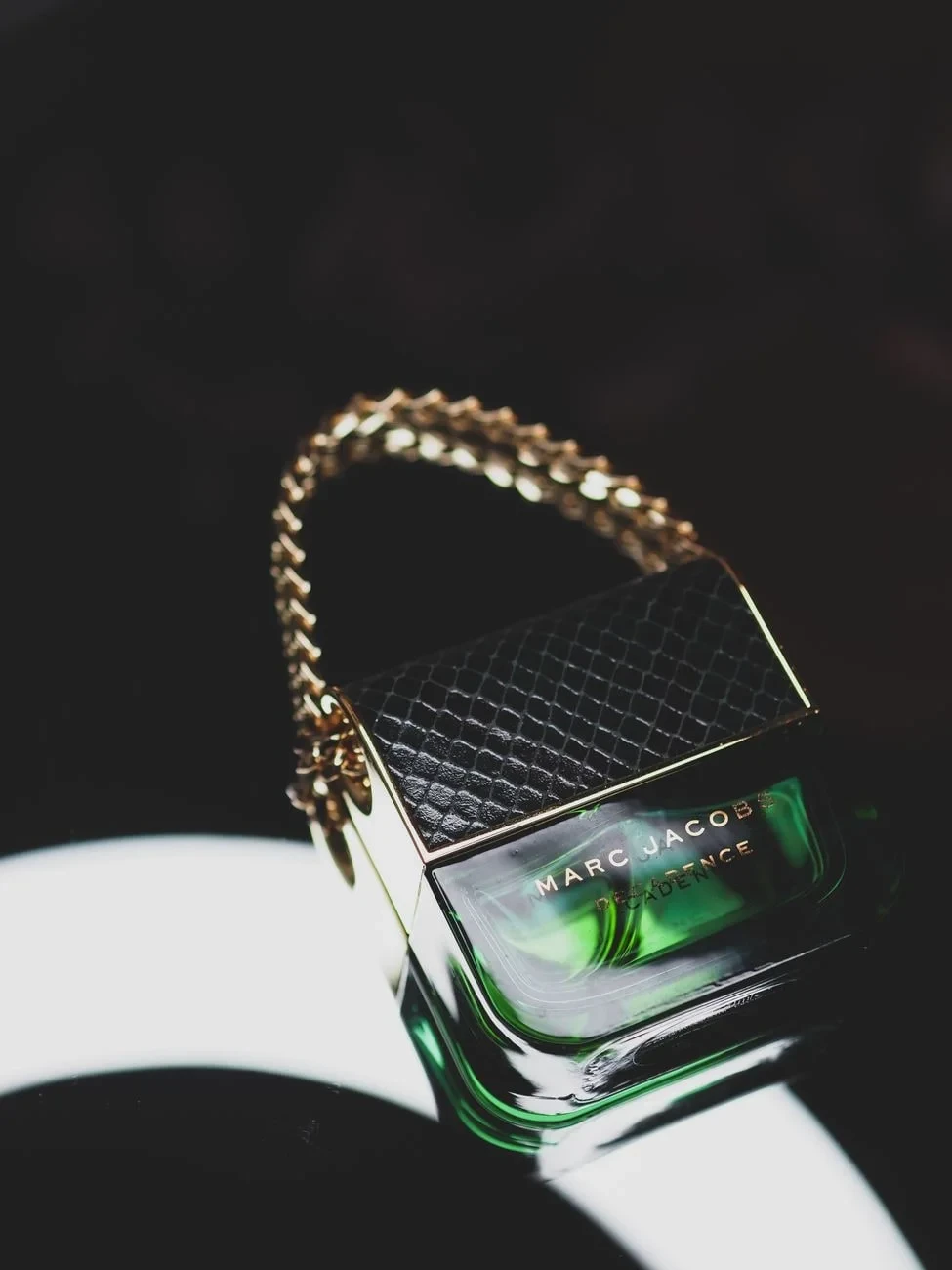
A perfume bottle adorned with a chain detail. Fashion and fragrance merge on a sleek black surface.
Photograph by Laura Chouette, via Pexels.
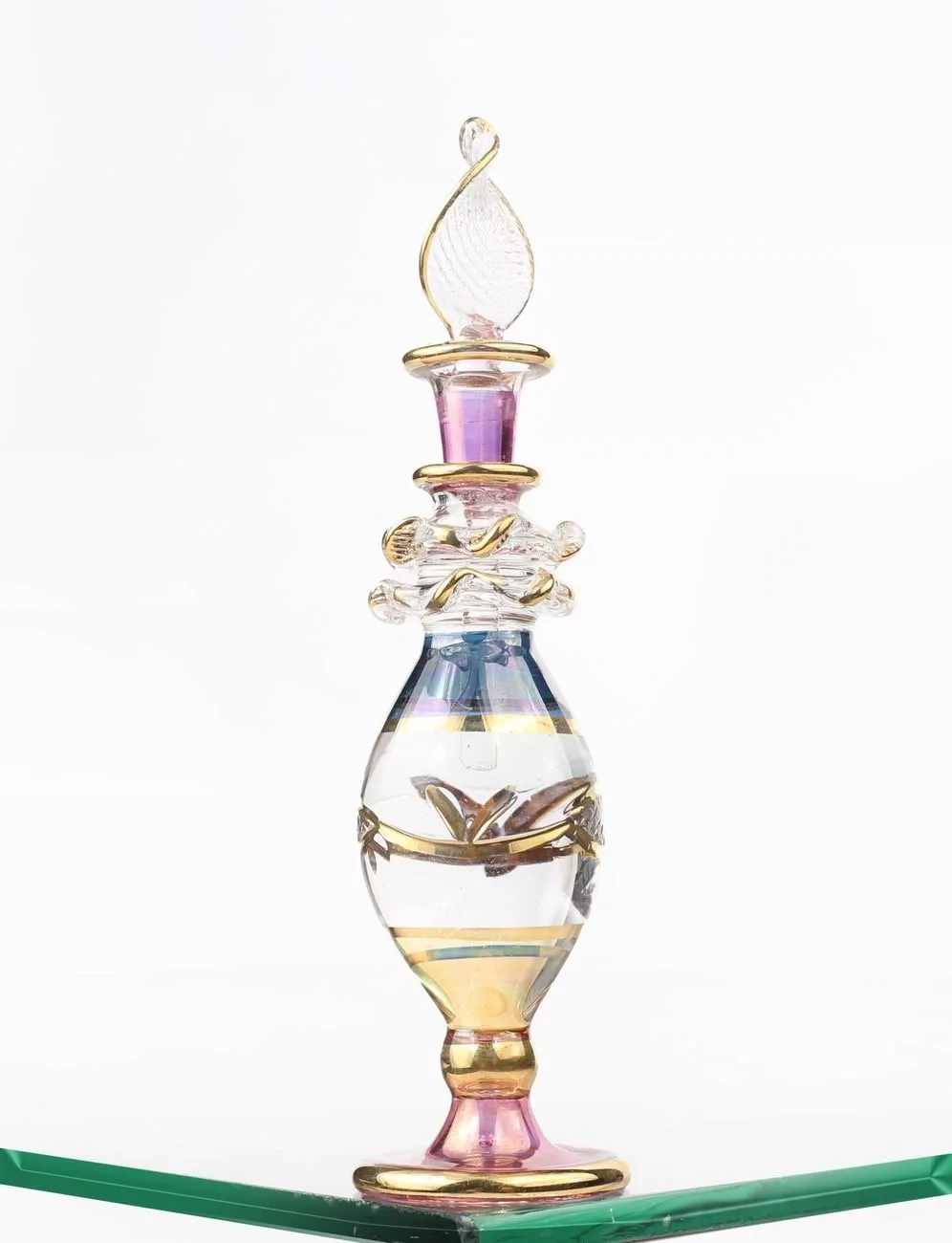
An ornate bottle catches the light. The materials chosen to hold fragrance speak volumes about how we value invisible things.
Photograph by Visuals Creative studio, via Pexels.
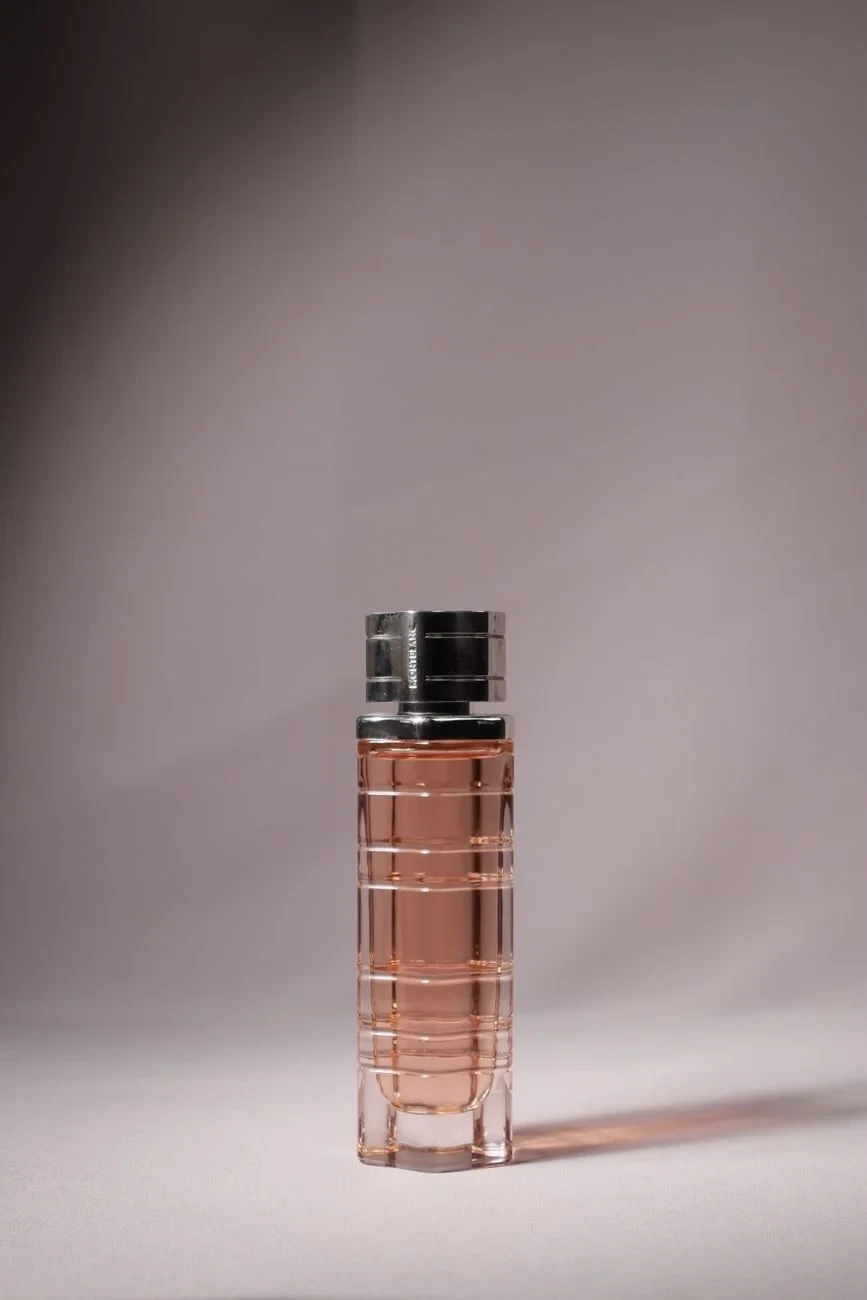
A sleek glass bottle holds colored liquid. The neutral backdrop isolates the object, letting its form and contents speak without distraction.
Photograph by Fashion Needles, via Pexels.
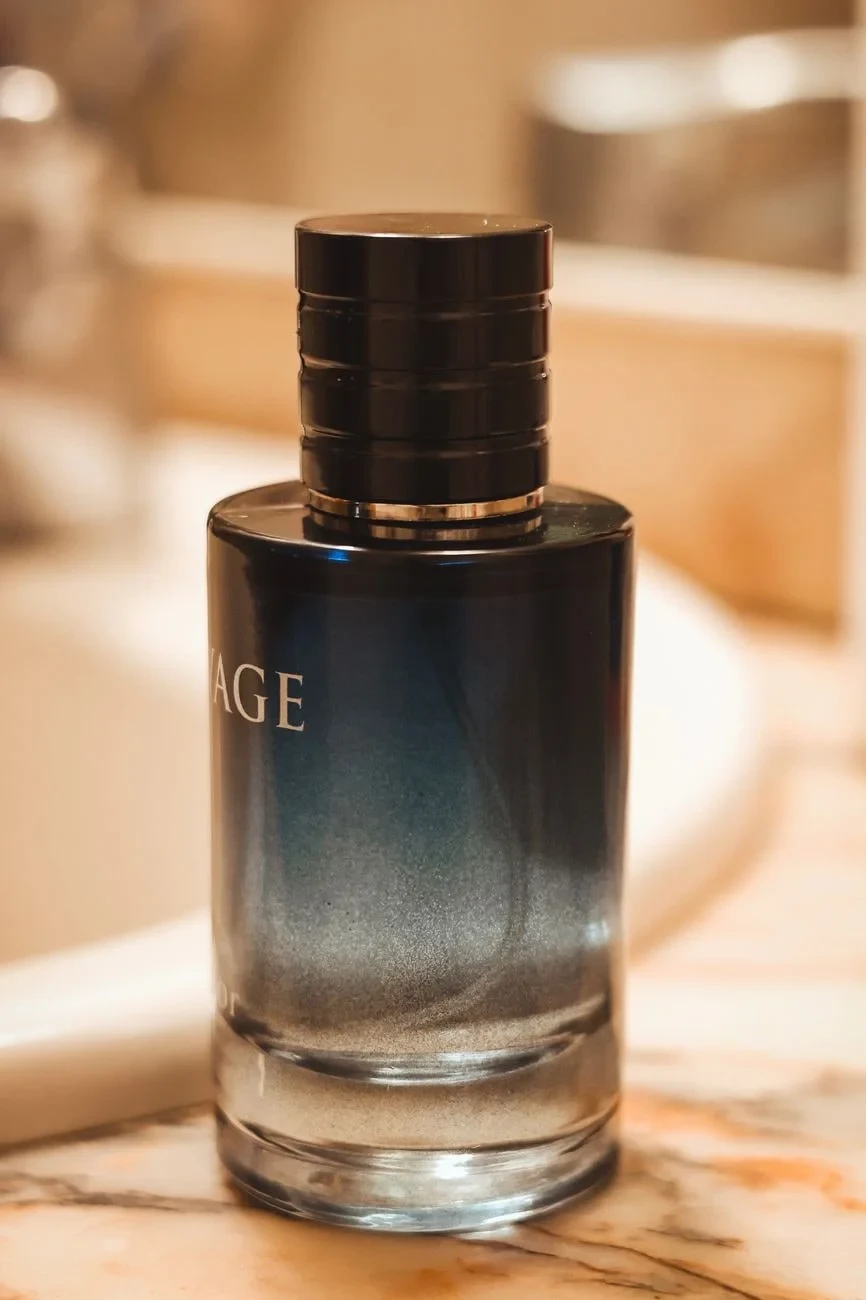
A perfume bottle commands attention on marble. The composition suggests luxury as something composed, arranged, and presented for admiration.
Photograph by Ivan Georgiev, via Pexels.
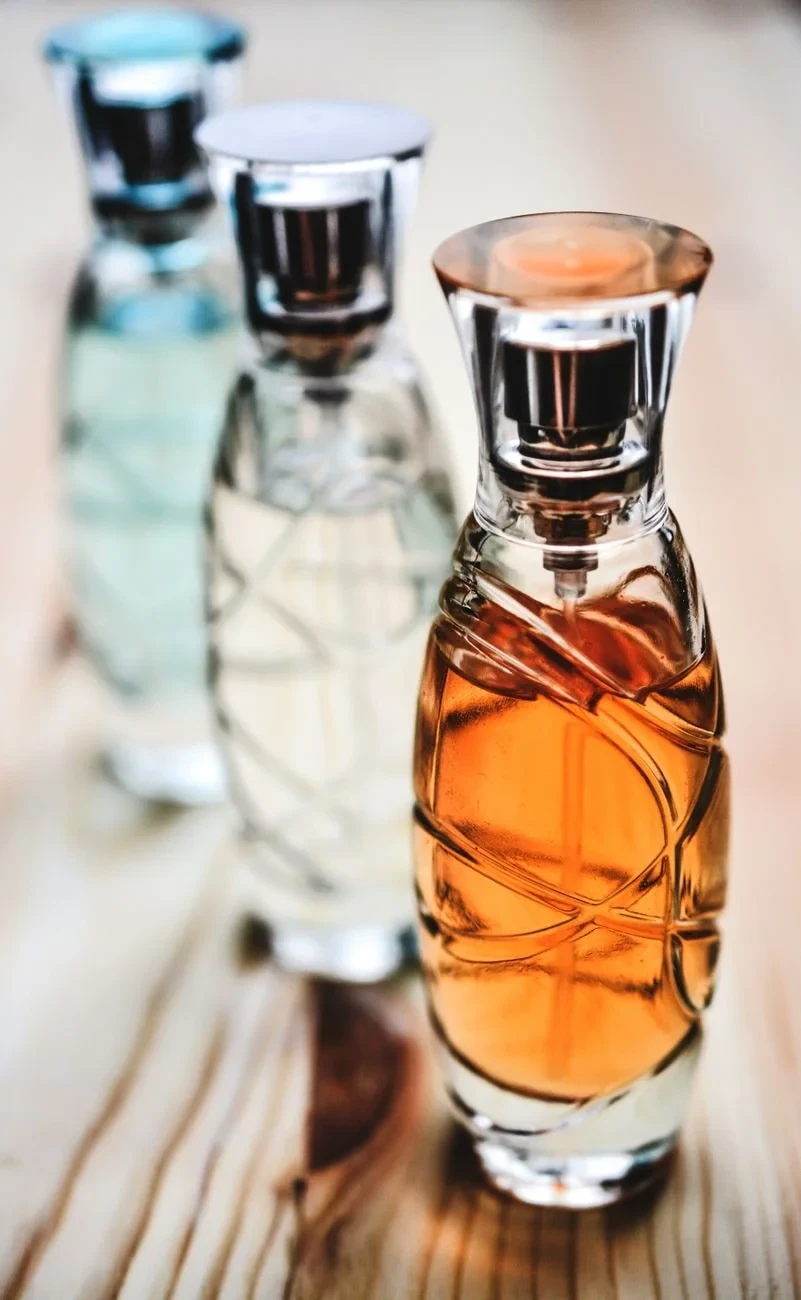
Different fragrances arranged on natural wood. The display itself becomes part of how perfume makes its argument to us.
Photograph by Pixabay, via Pexels.
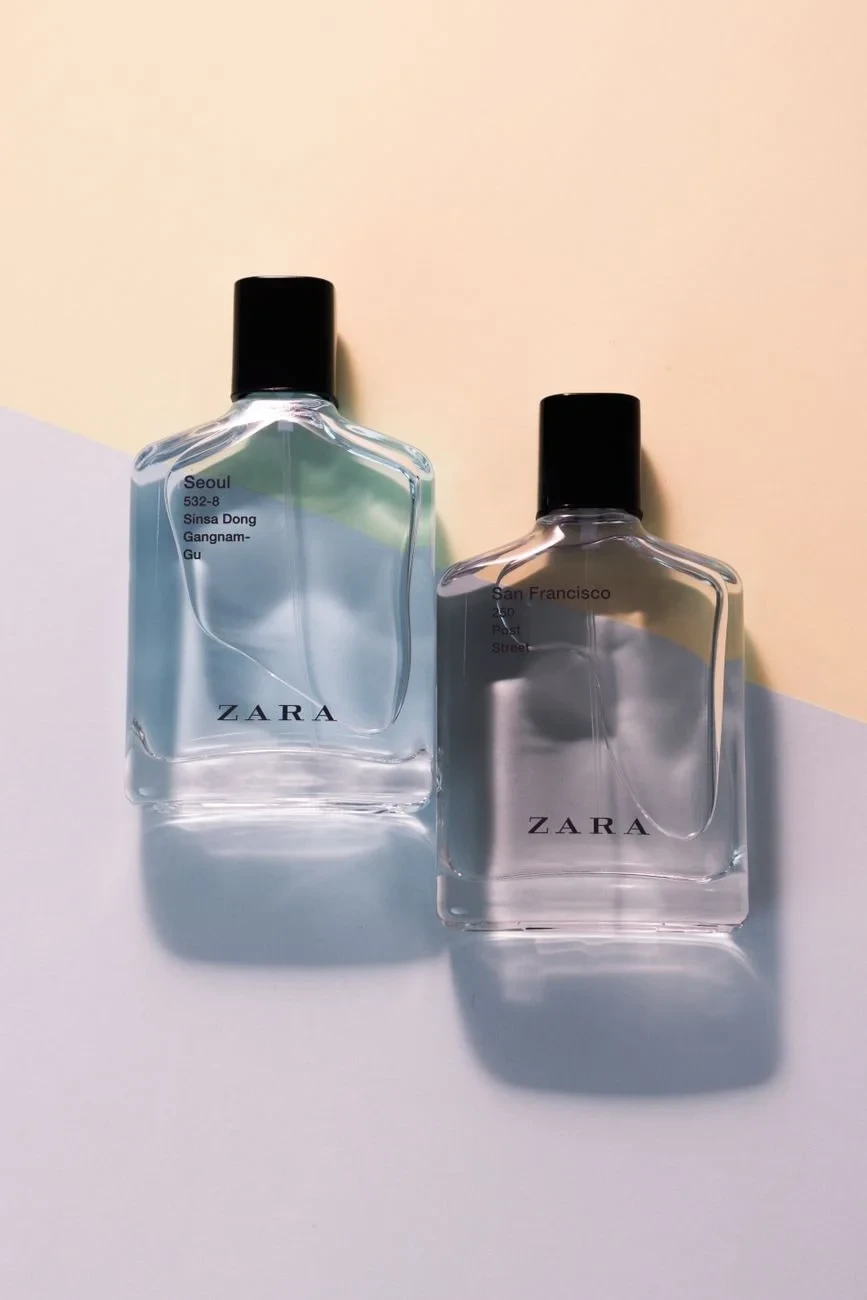
Zara bottles on a pastel backdrop. Even fragrance branding has adopted the language of restraint. what argument does simplicity make.
Photograph by Yoendry Prieto, via Pexels.
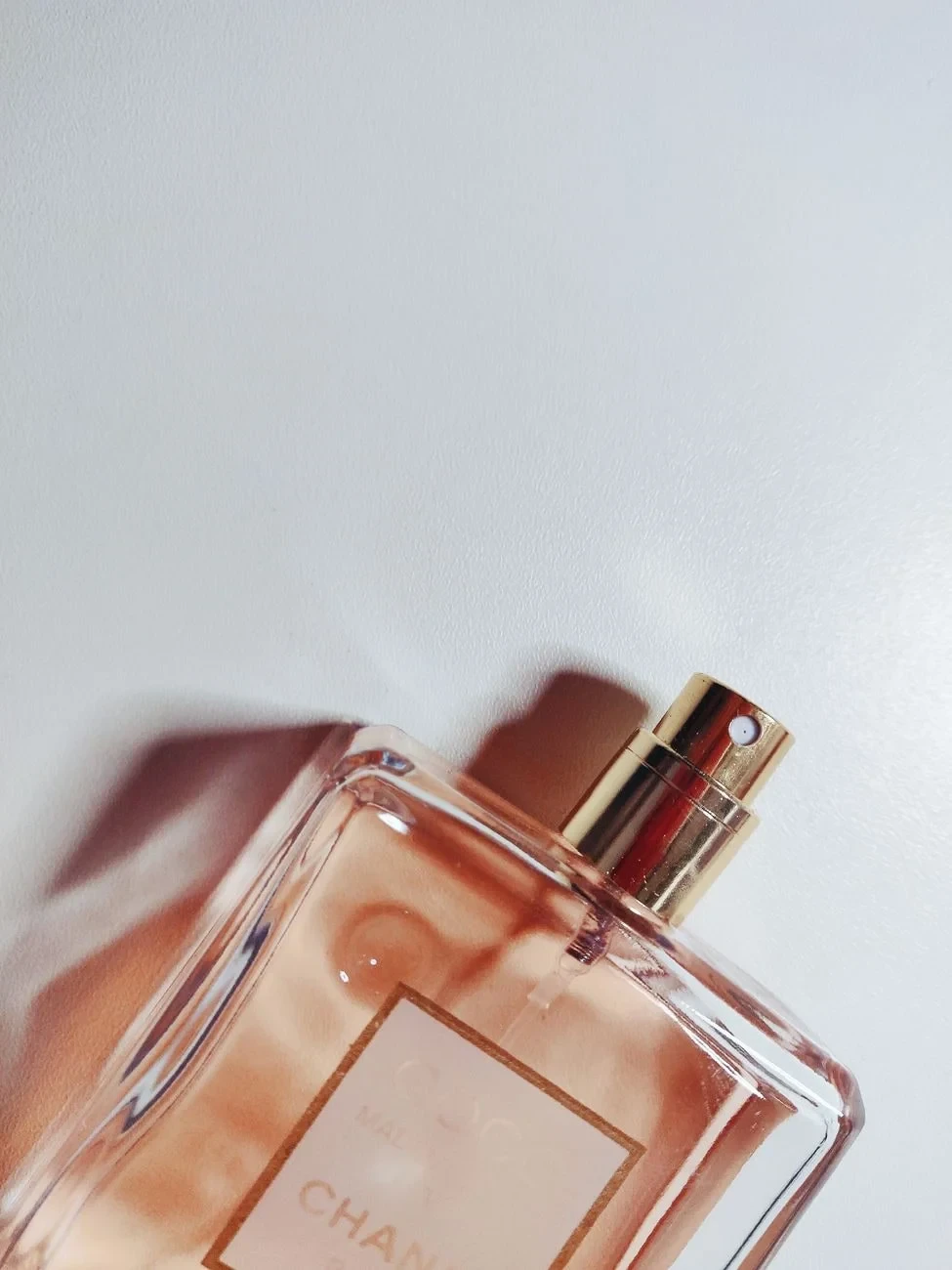
A perfume bottle defined by its shadows. Light and absence together create the composition, suggesting fragrance itself is invisible.
Photograph by Diana ✨, via Pexels.
