3D Gallery
Murals: The Walls That Spoke to Everyone
Enter gallery
Murals: The Walls That Spoke to Everyone is a 3D virtual gallery on MyGallery3D, a walkable online exhibition of 14 works. Step inside and explore it in your browser: no app, no headset.
This is a 3D virtual gallery of murals, and you walk through it in your browser the way you would walk past the walls themselves.
Paint on a wall belongs to whoever walks past it, and that is what makes it dangerous. When Diego Rivera put Vladimir Lenin into Man at the Crossroads at Rockefeller Center in 1933 and refused to paint him out, the work was destroyed and Rivera was ordered to leave the United States. Almost 2,000 political murals have been documented in Northern Ireland since the 1970s.
Wall painting is older than nearly any other art we have. Cave murals at Lubang Jeriji Saléh in Borneo are dated 40,000 to 52,000 years before present, and Chauvet Cave in France around 32,000. The Maya murals at San Bartolo in Guatemala date to 300 BC. In Pompeii, buried under 4 to 6 metres of ash in 79 AD, frescoes survive on walls whose owners did not.
After the Mexican Revolution, the government paid artists to turn public buildings into history lessons. José Vasconcelos, Minister of Public Education, backed the project; Diego Rivera, José Clemente Orozco and David Alfaro Siqueiros led it. The movement was strongest from the 1920s to the 1950s, while Mexico was still mostly rural and mostly illiterate. The point was not decoration. It was an argument about who the nation belonged to.
In buon fresco, pigment mixed with water is brushed into wet lime plaster. No binder is needed: as the plaster sets, it becomes the medium holding the colour. A layer dries in ten to twelve hours, leaving seven to nine hours of work, and unpainted plaster must be cut away before the next day. Each day's patch is a giornata; five centuries on, the seams show from the ground.
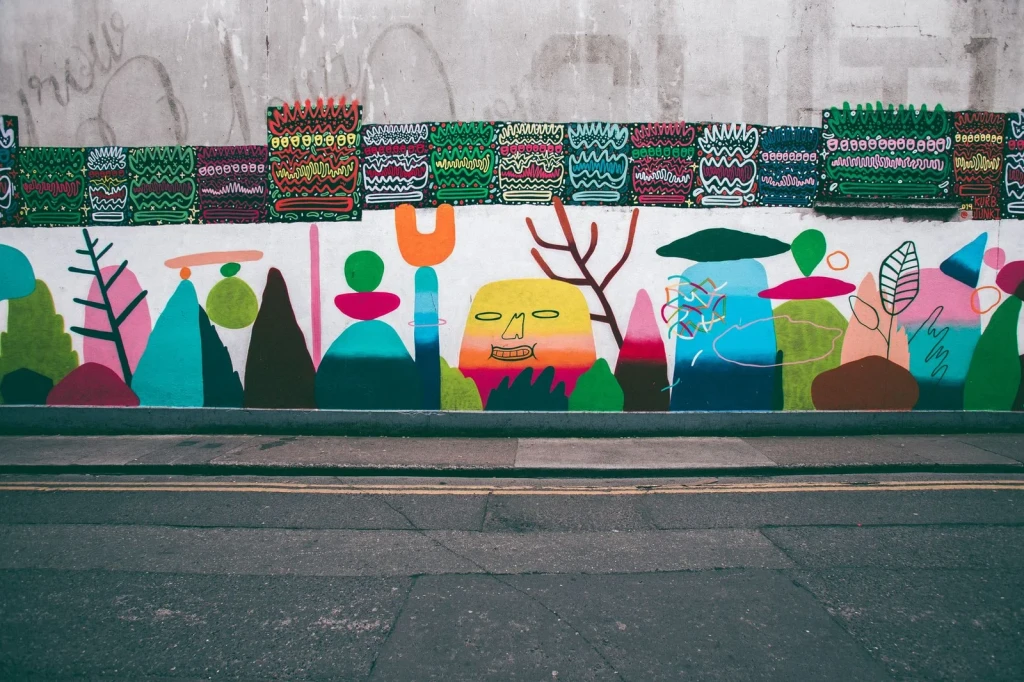
A colorful mural demonstrates how street art transforms urban spaces into galleries. This photograph captures artistic expression claiming public walls as its canvas.
Photograph by Javon Swaby, via Pexels.
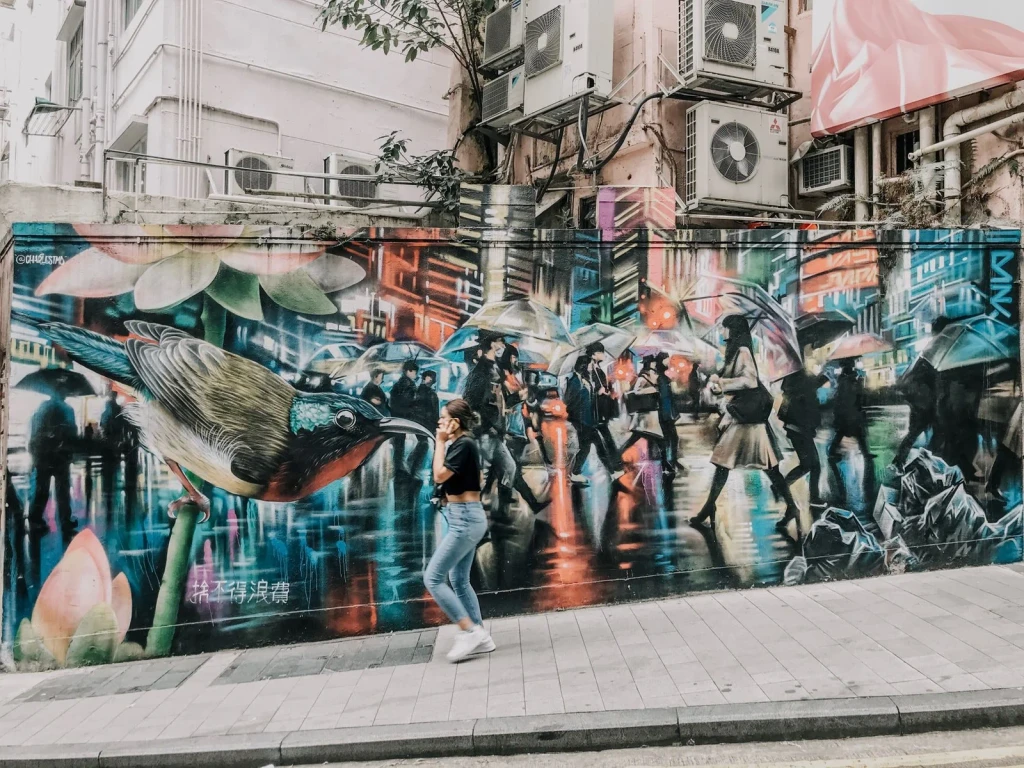
Vibrant street art surrounds everyday life as a woman walks past. The mural shows how murals integrate into the rhythm of city living.
Photograph by Tiff Ng, via Pexels.
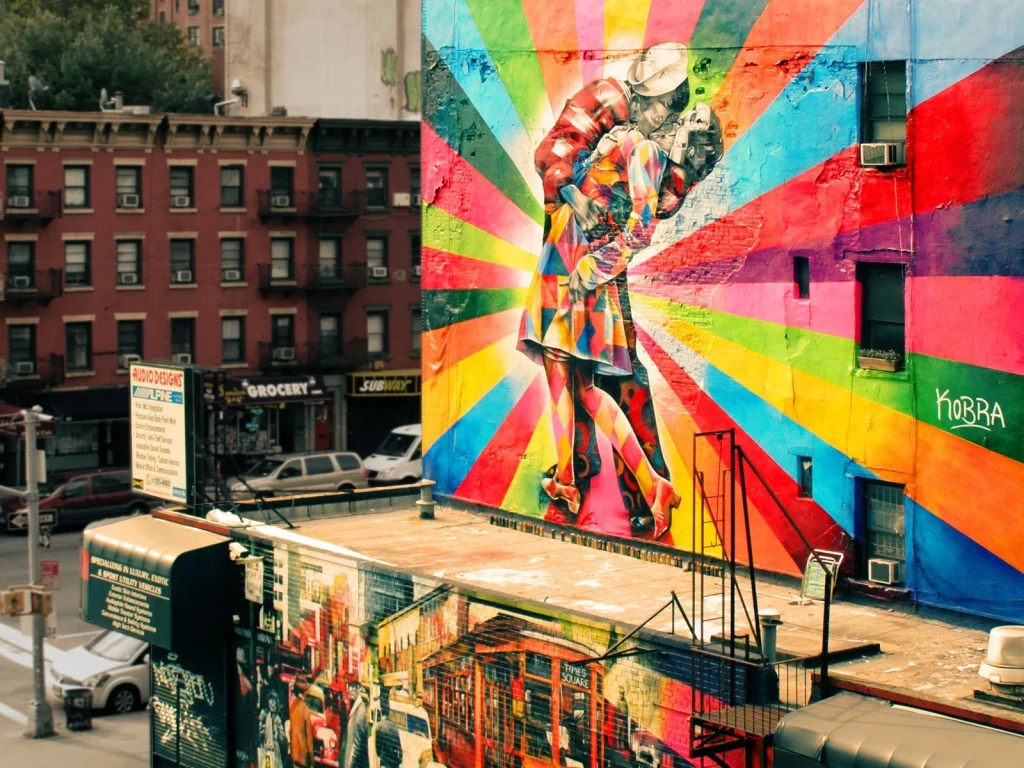
A classic embrace rendered in vibrant street art. This moment of human connection speaks directly to how murals create intimate touchstones in urban spaces.
Photograph by Snapwire, via Pexels.
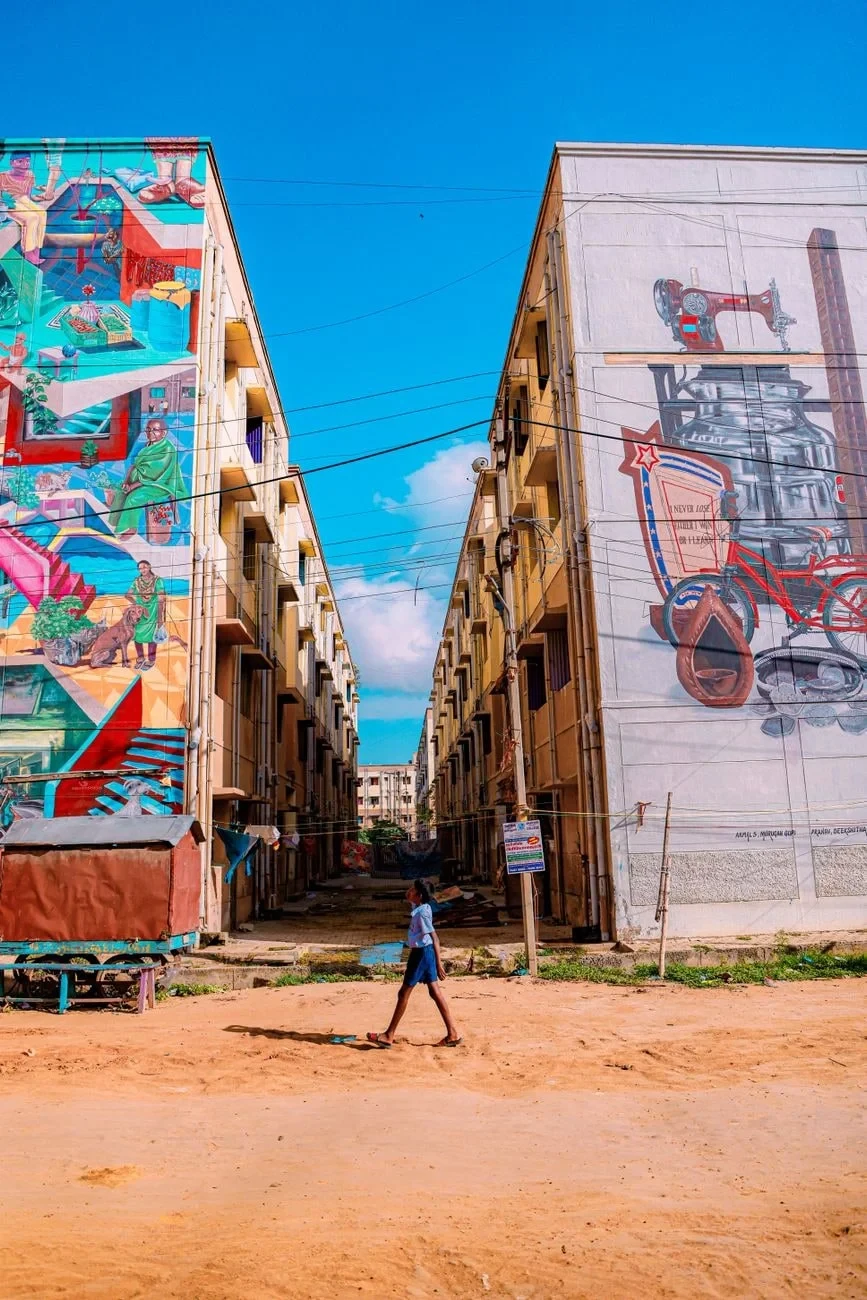
Colorful street art animates city buildings with urban energy. These murals show how public walls carry the character of their communities.
Photograph by Alex Jaison, via Pexels.
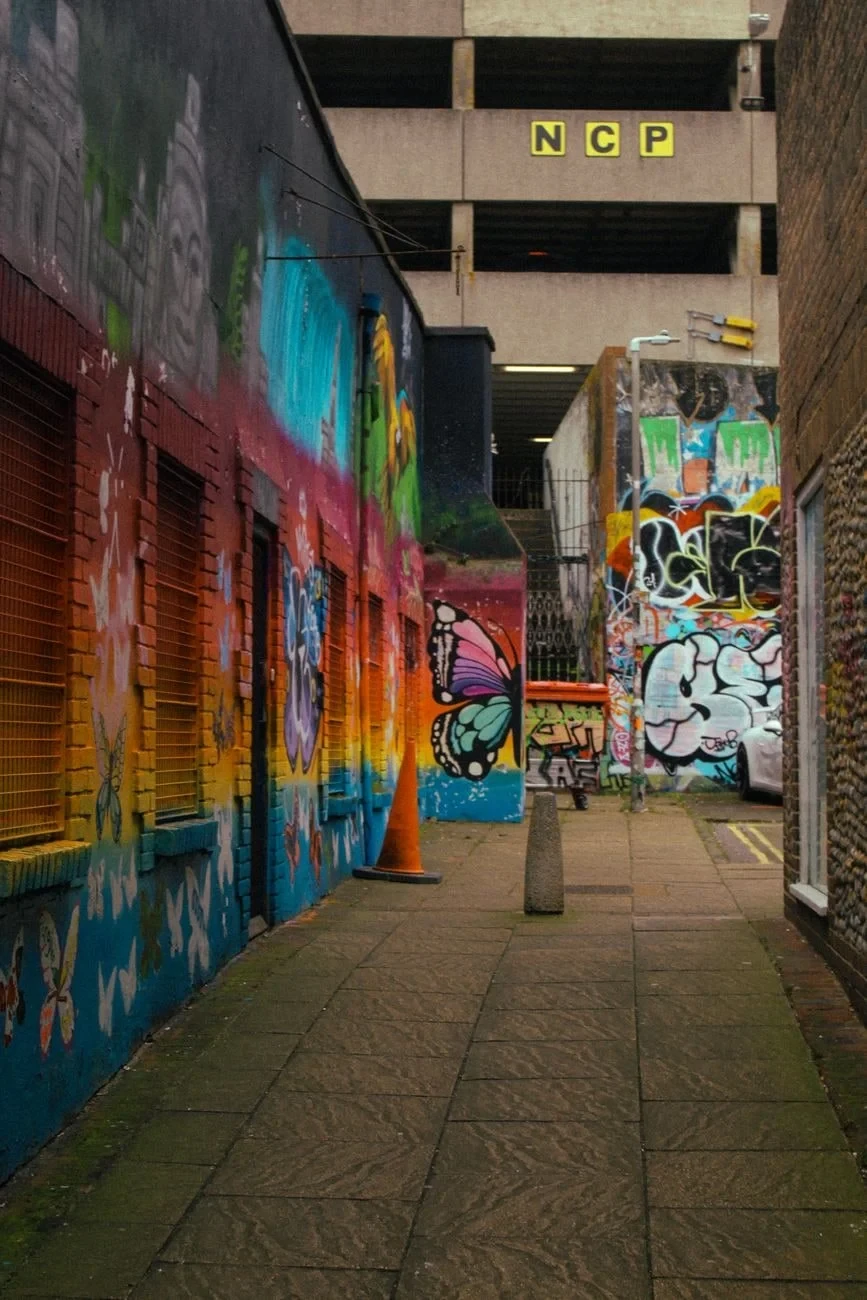
A narrow alley becomes a gallery of diverse styles through layered murals. The photograph shows how street art fills and activates tight urban spaces.
Photograph by Gaspar Liddle, via Pexels.
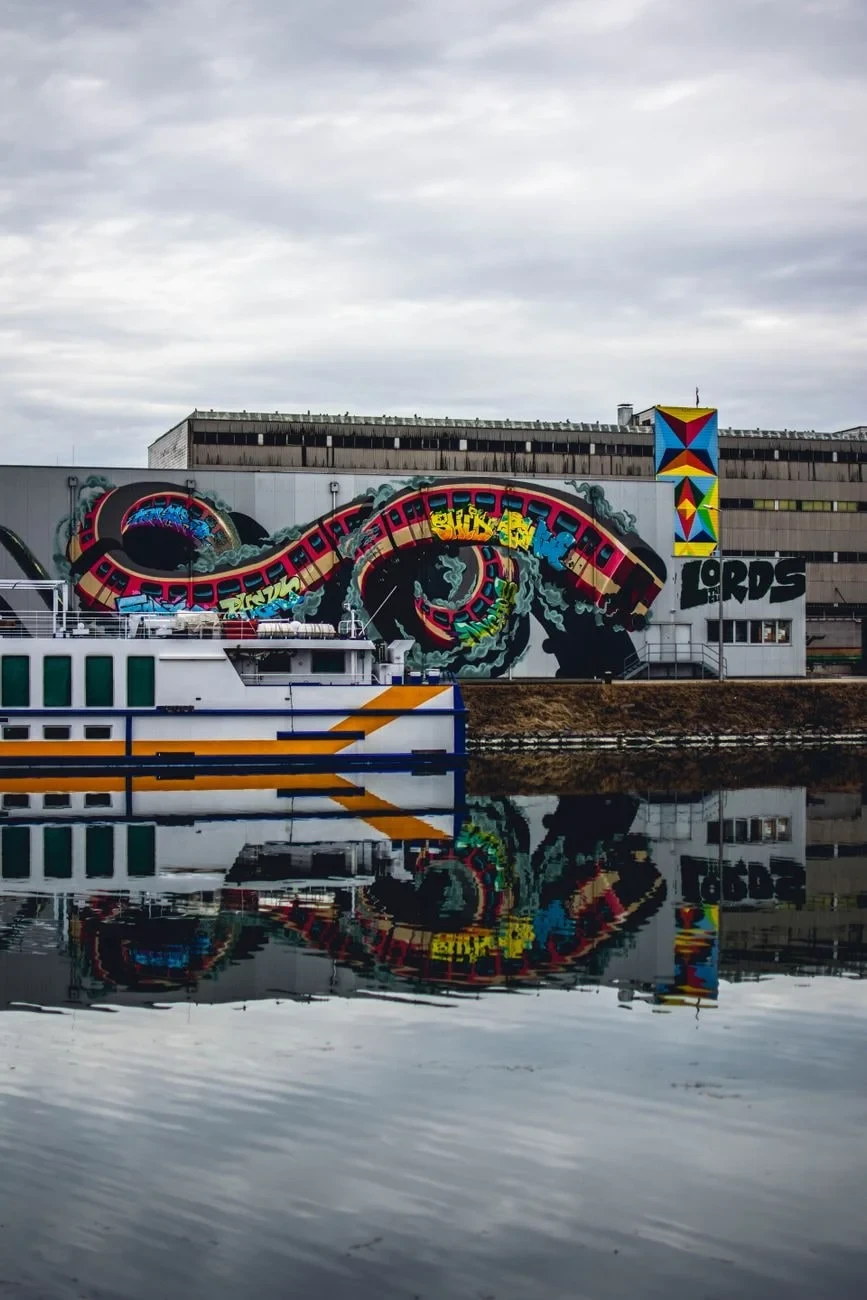
A vibrant mural anchors this waterfront building, surrounded by layers of graffiti. The composition shows how street art transforms public spaces into places of visual dialogue.
Photograph by lil artsy, via Pexels.
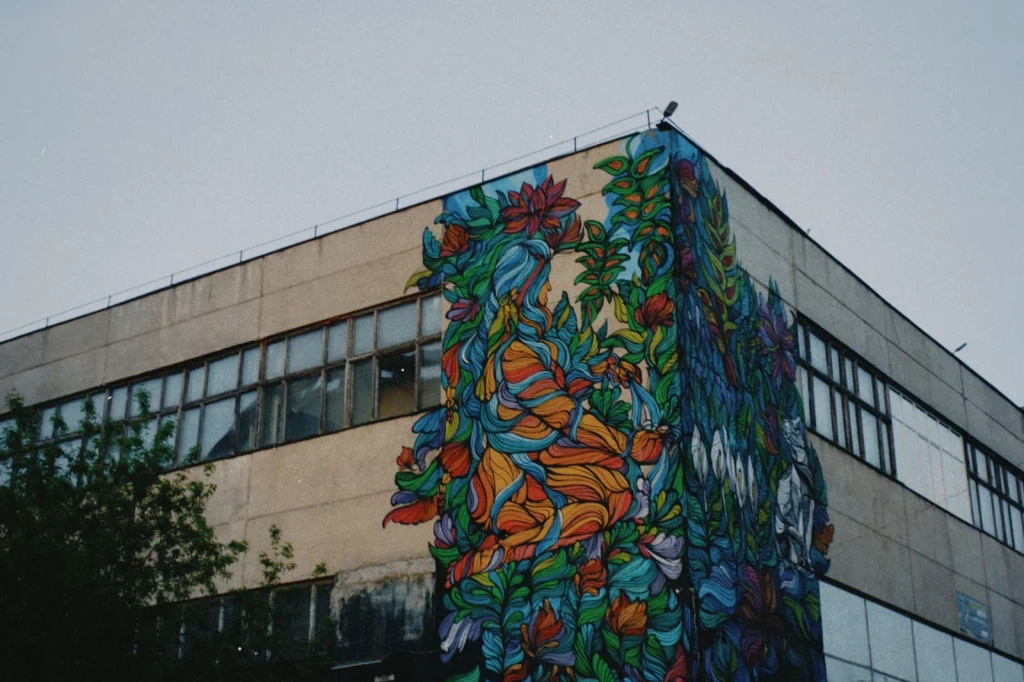
Vibrant color claims an industrial facade, transforming utilitarian architecture. The mural speaks to how street art reimagines the built environment.
Photograph by Margarita, via Pexels.
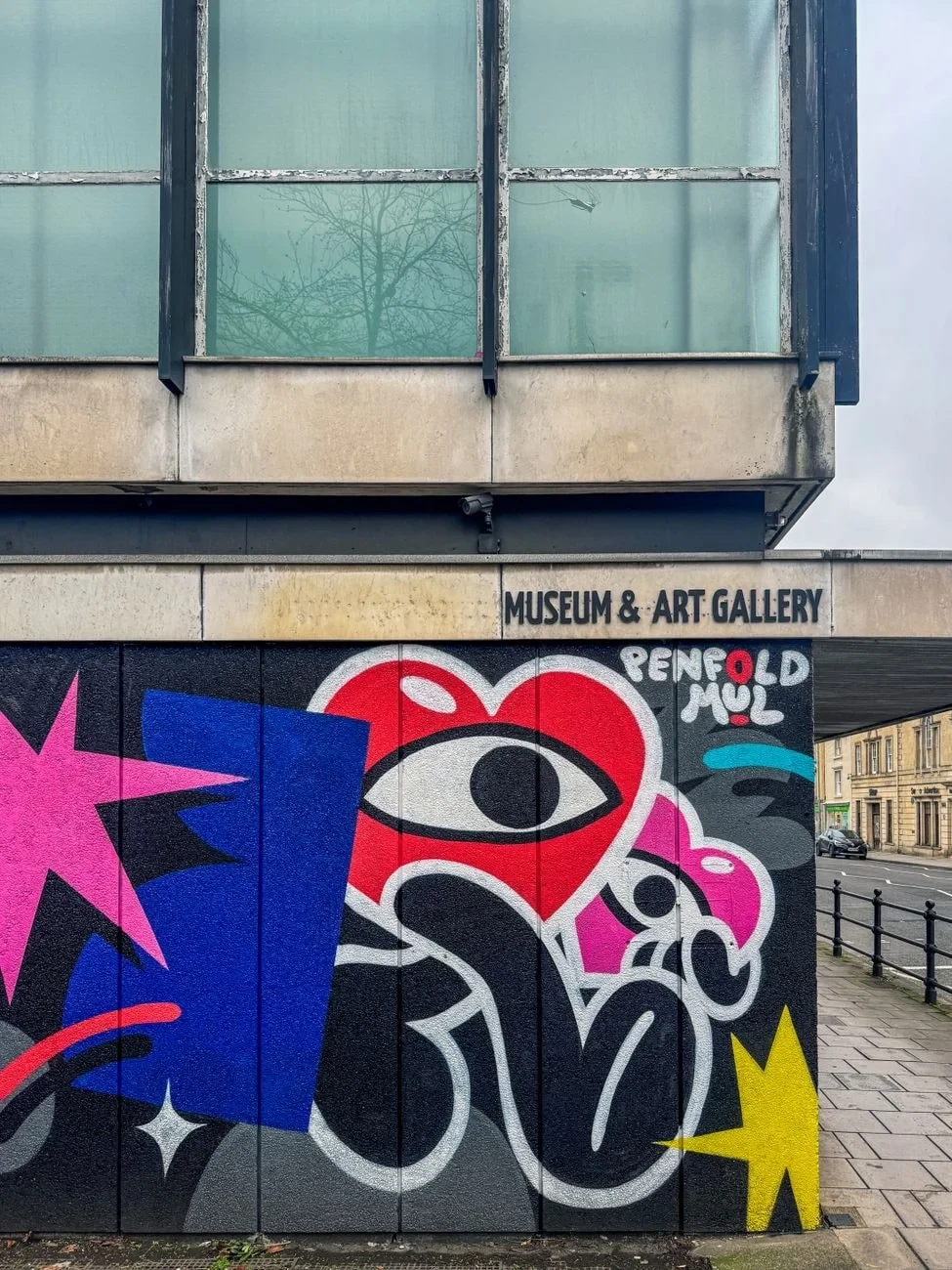
Graffiti and street art blur institutional boundaries on a museum wall. The mural refuses to stay in one category or context.
Photograph by Ben Prater, via Pexels.
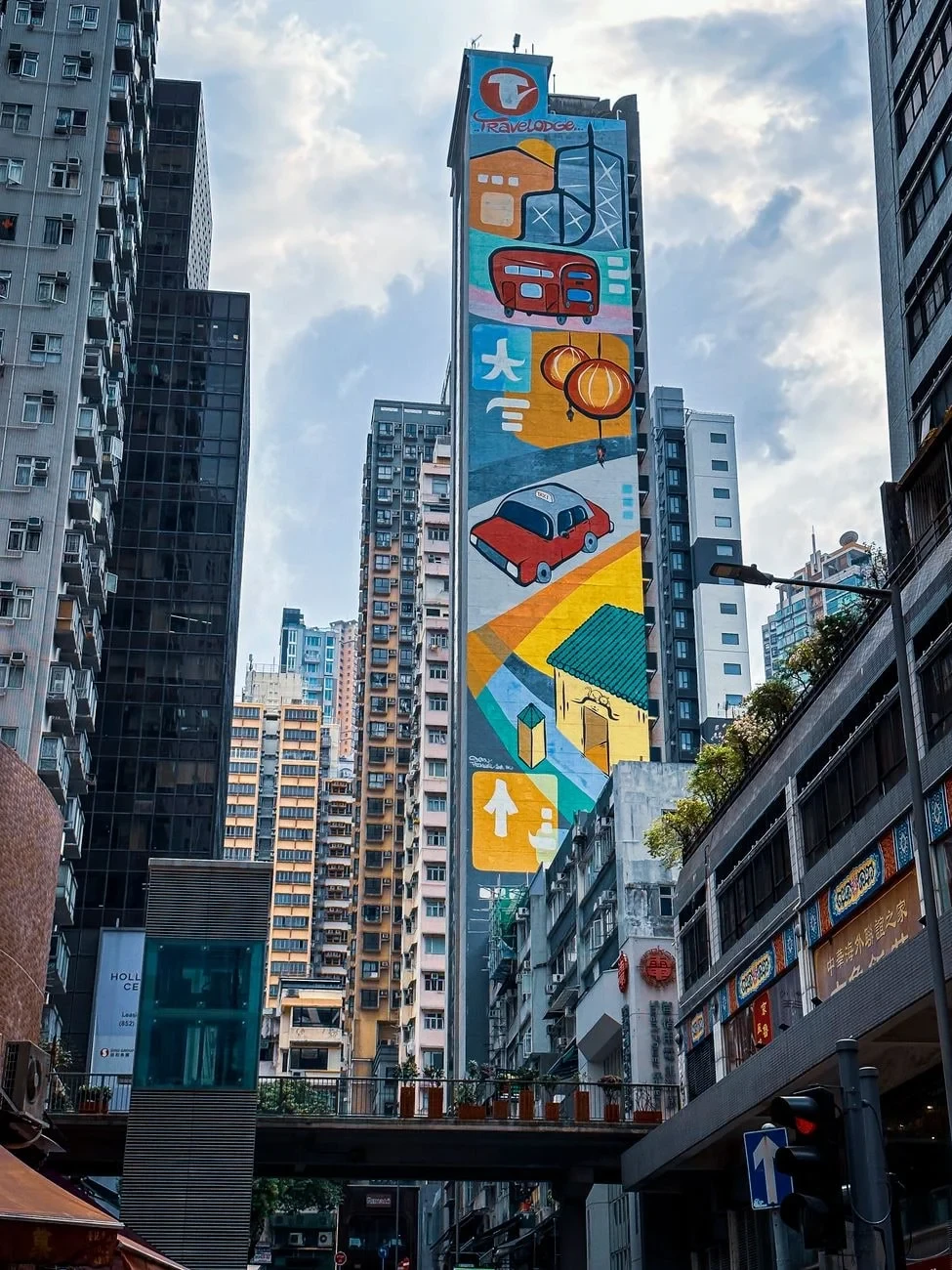
A colorful mural claims a skyscraper face. This work demonstrates how murals reshape the scale and meaning of city life itself.
Photograph by Ben Traveling, via Pexels.
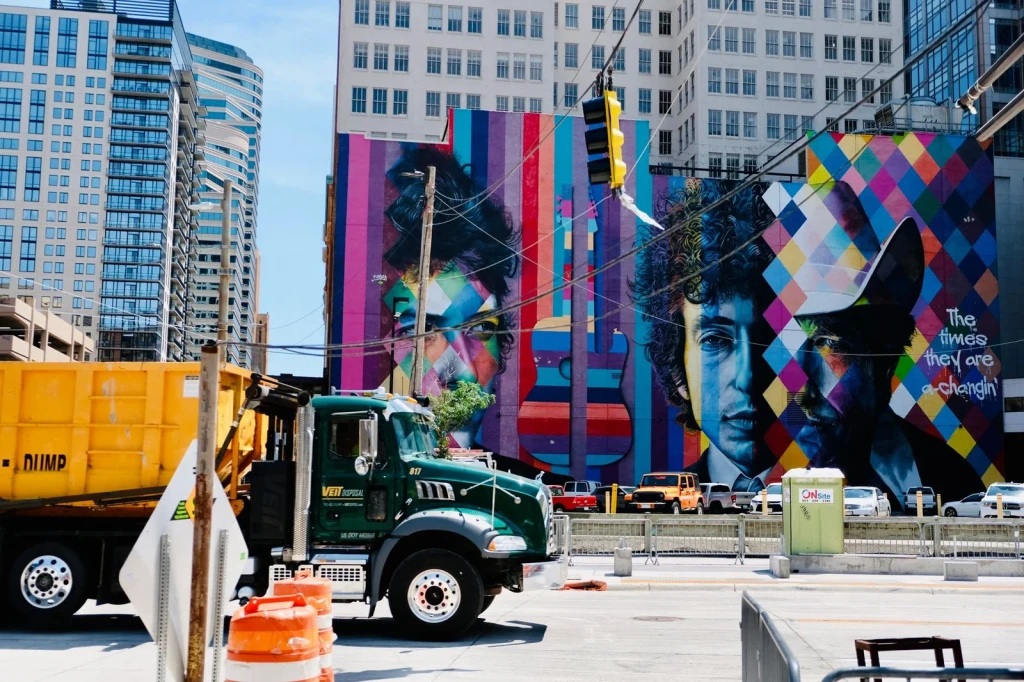
A vibrant mural honors a figure in downtown space. The wall becomes a platform for cultural conversation that reaches everyone passing by.
Photograph by Alper Çakır, via Pexels.
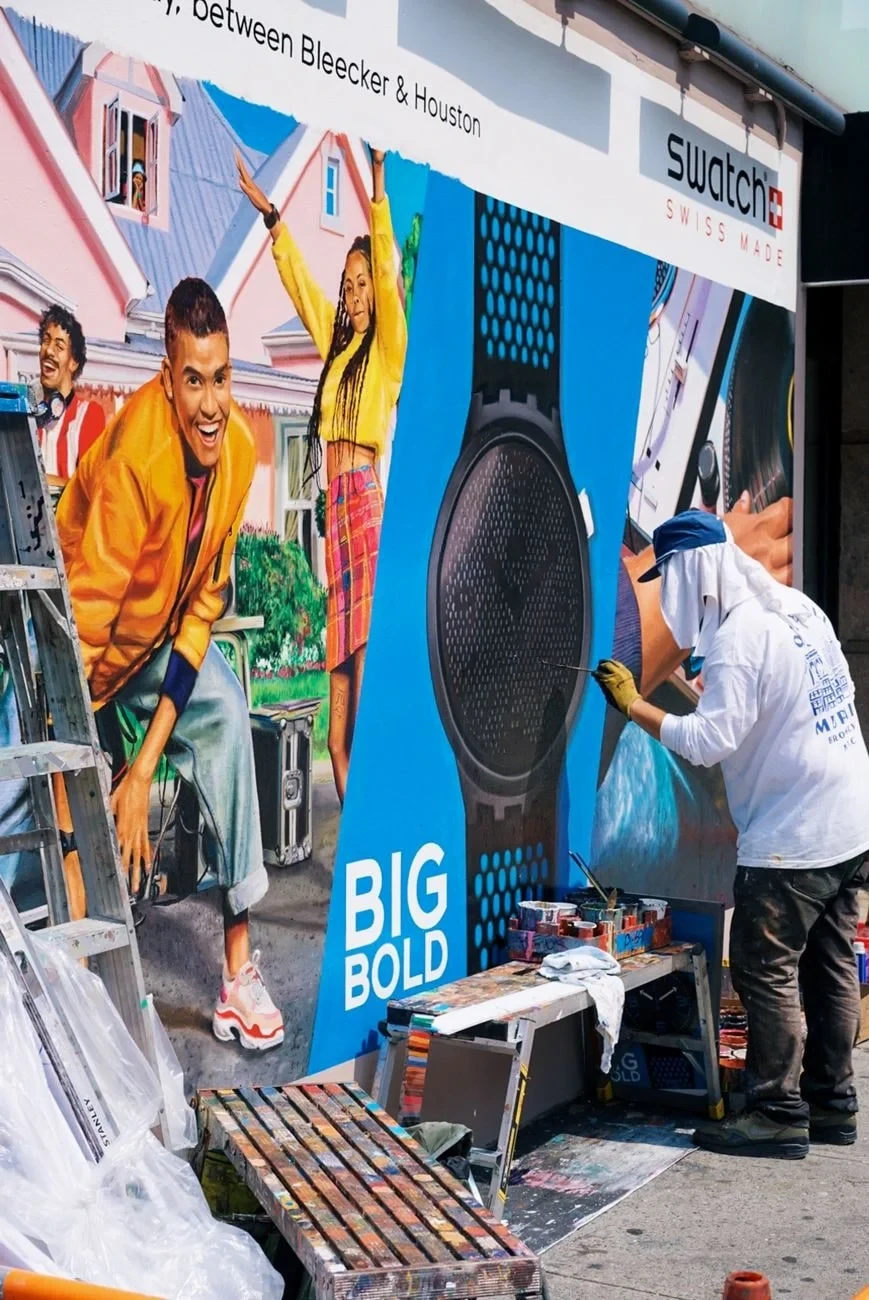
A street artist at work reveals murals as living practice, not finished objects. The photograph documents art emerging within the urban landscape.
Photograph by Megan (Markham) Bucknall, via Pexels.
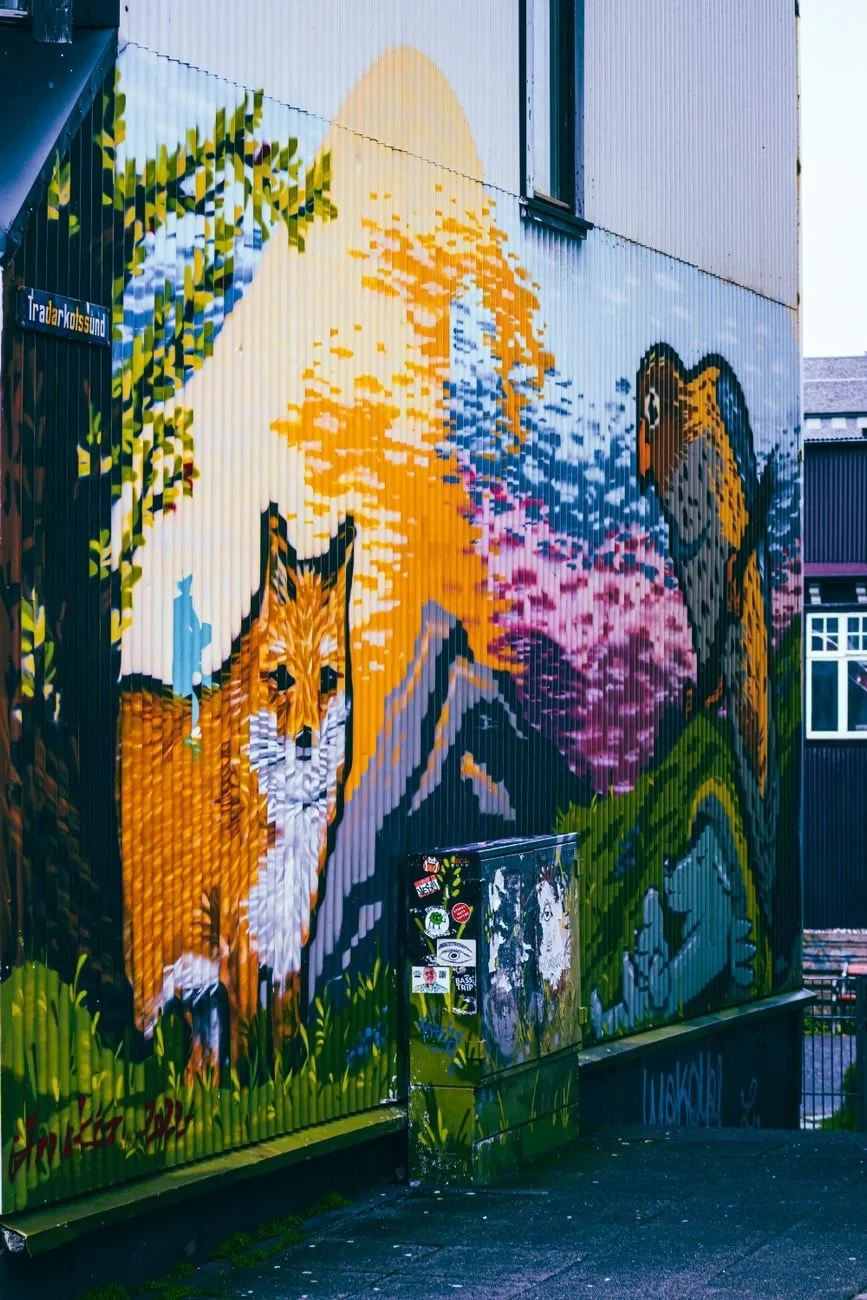
Wildlife imagery brings nature into an urban alleyway. The mural suggests how street art speaks to concerns that matter to communities.
Photograph by Patrick Bate, via Pexels.
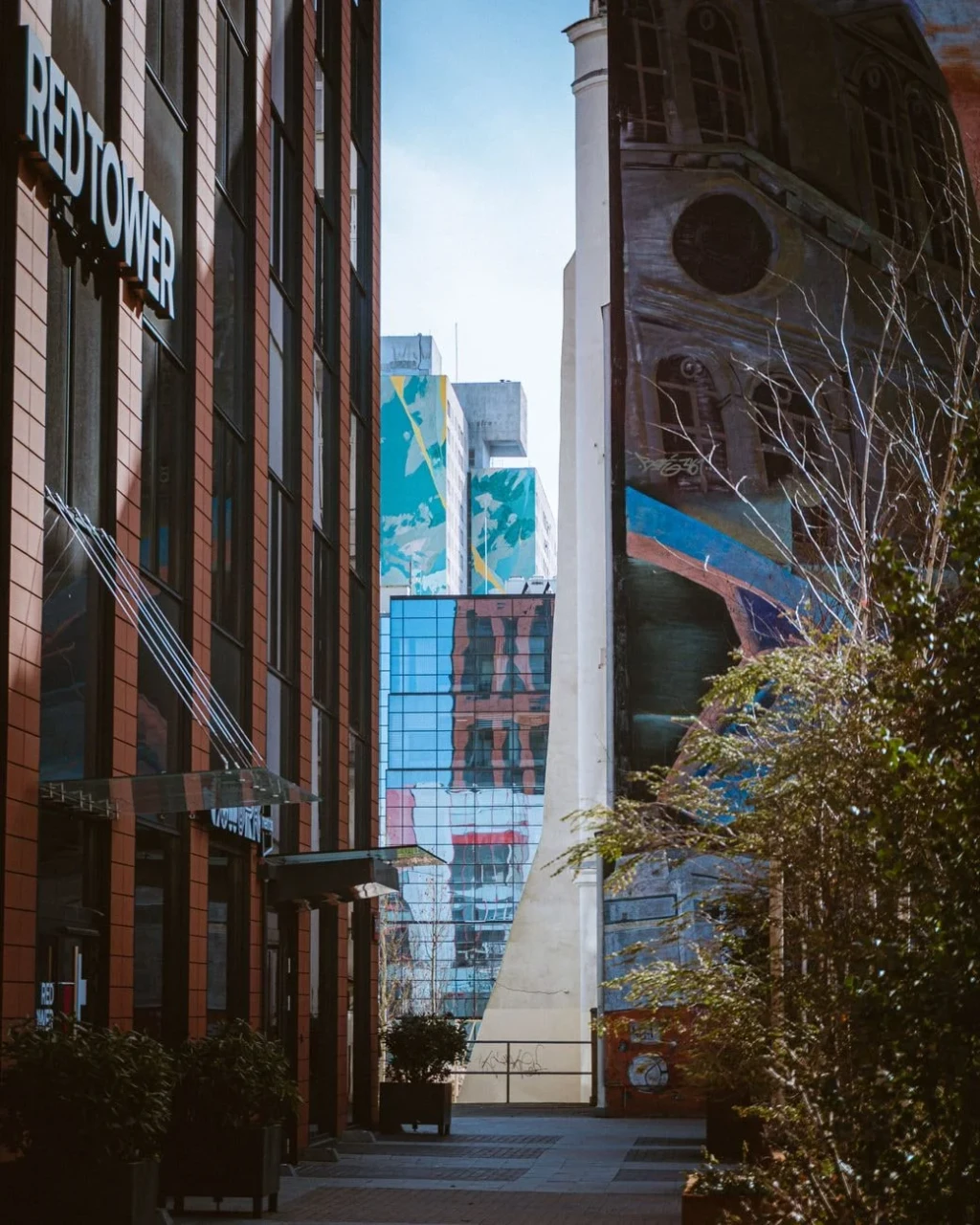
Street murals transform a narrow alley into a gallery. These works prove that public art thrives wherever walls exist, not just in grand spaces.
Photograph by Filip Chmielecki, via Pexels.
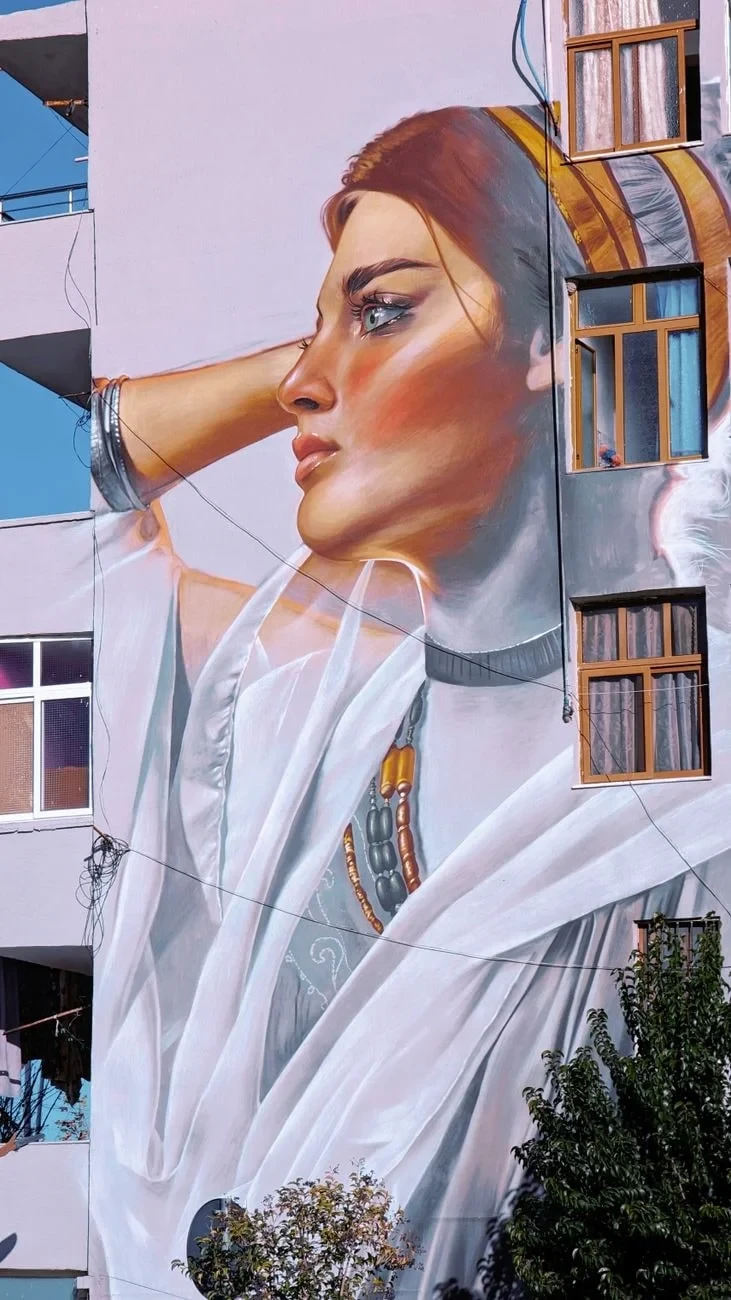
A colorful portrait of a woman commands the building wall. Street art that celebrates faces reminds us these murals speak directly to everyone who passes by.
Photograph by Ardit Mbrati, via Pexels.
