3D Gallery
Obsidian Cut Before Metal Existed
Enter gallery
Obsidian Cut Before Metal Existed is a 3D virtual gallery on MyGallery3D, a walkable online exhibition of 15 works. Step inside and explore it in your browser: no app, no headset.
Step into a 3D virtual gallery of obsidian, the volcanic glass people cut with before anyone had metal, and walk the room in your browser.
Obsidian is not a metal and not really a mineral. It is lava cooled too fast to crystallise, and it breaks into edges only about three nanometers thick. Under an electron microscope a steel scalpel looks jagged and an obsidian blade still looks smooth. Its widespread use may be part of why Mesoamerica never developed metallurgy: there was nothing sharper to invent.
Obsidian is felsic lava cooled so fast that crystals never form. High silica makes the lava thick, atoms cannot diffuse, nucleation stalls, and what sets is a natural glass, usually 70% silicon dioxide or more. It is also unstable at the surface: over time it takes up groundwater and devitrifies into fine crystals, which is why obsidian older than the Miocene is rare.
Each volcano leaves a distinct chemical fingerprint in its glass, so a single flake can be traced to the mountain it came from. That turns waste chips into a map of ancient trade. Obsidian from the Yellowstone region has been found at Hopewell sites in Ohio, over 1500 miles away. In Chile, tools from Chaitén Volcano reached Chan-Chan, 400 km north.
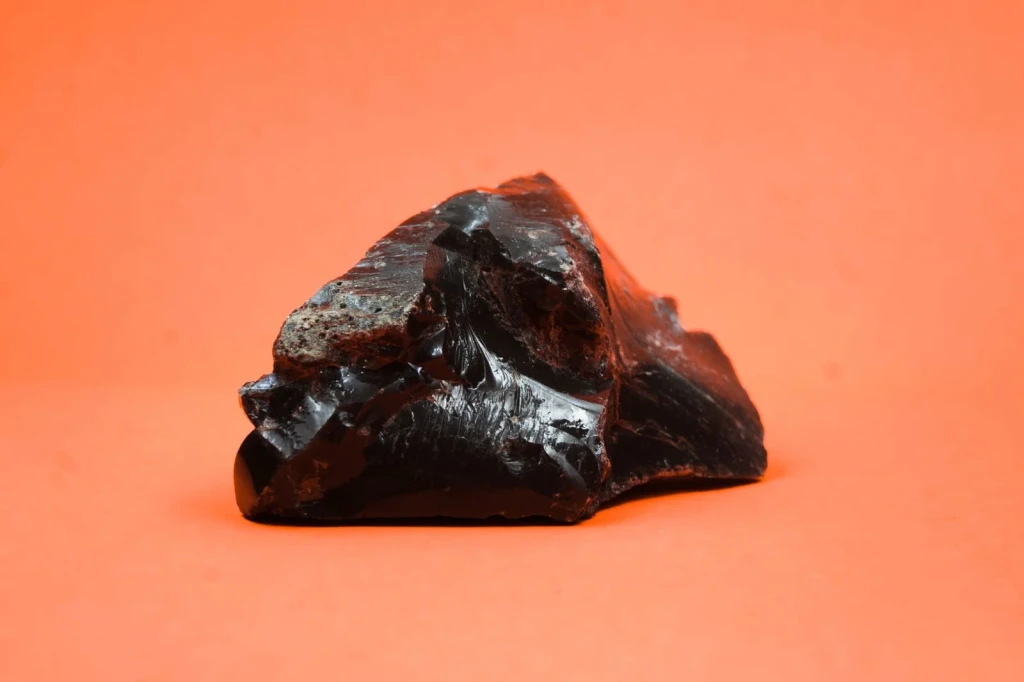
Black obsidian on orange ground. Its gloss and texture speak to the stone's natural capacity to fracture into cutting edges, long before metalworking began.
Photograph by Samiran Biswas, via Pexels.
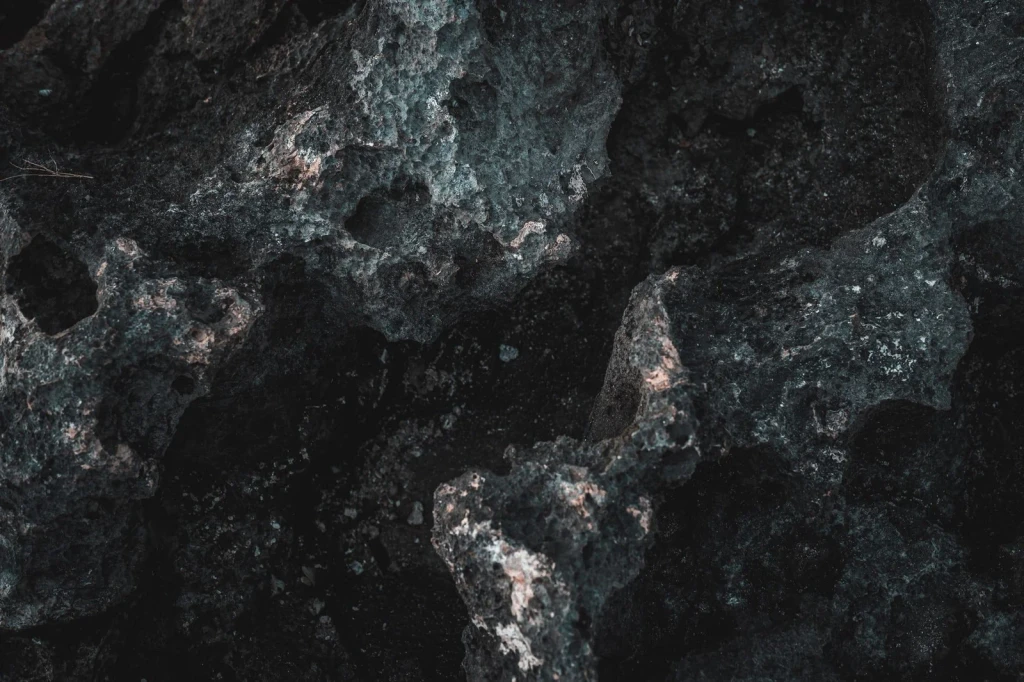
A rugged rock surface reveals the texture of volcanic formation. Nature's own carving, created by forces that predate any metalworking.
Photograph by Alfo Medeiros, via Pexels.
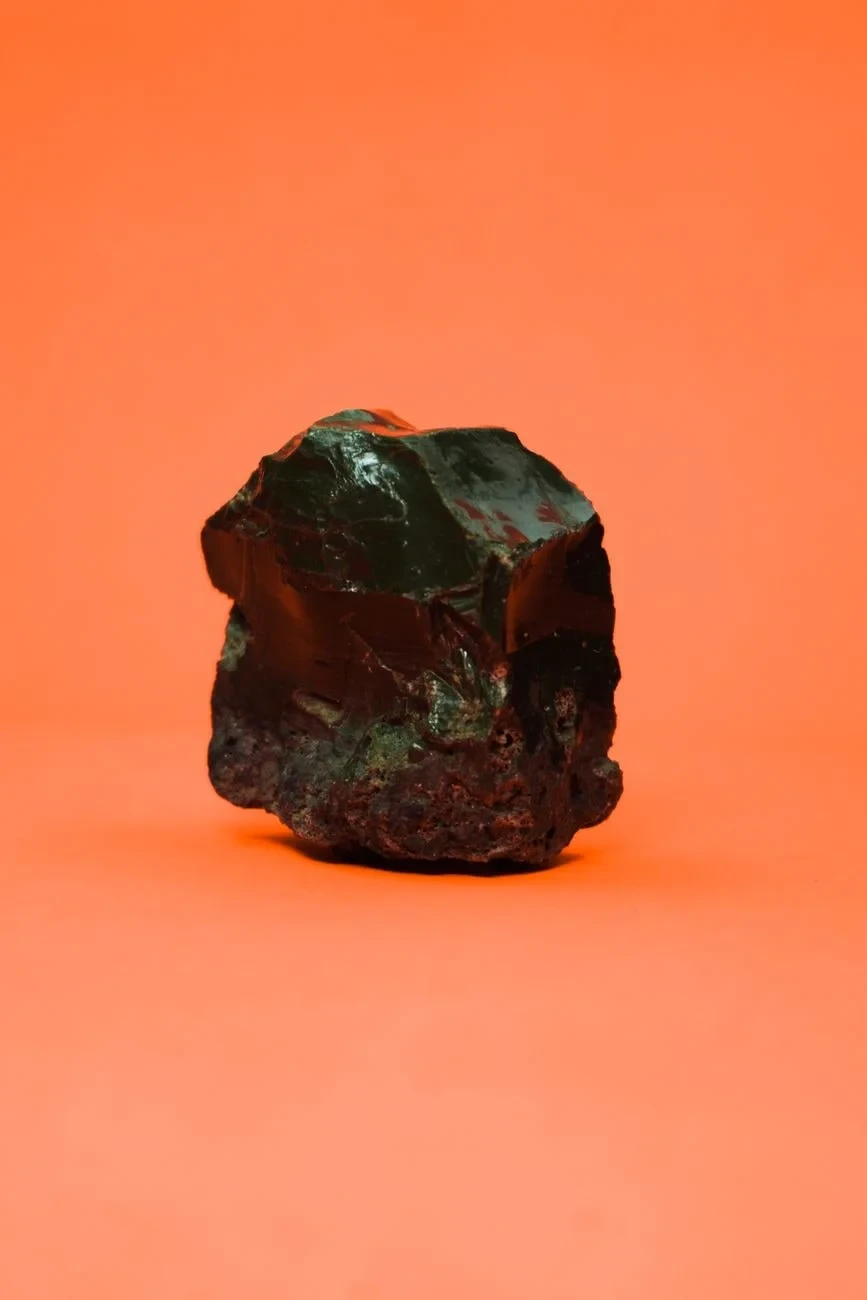
A glossy obsidian fragment displayed simply. The visible texture hints at how this stone naturally breaks into the sharp forms humans once relied upon.
Photograph by Samiran Biswas, via Pexels.
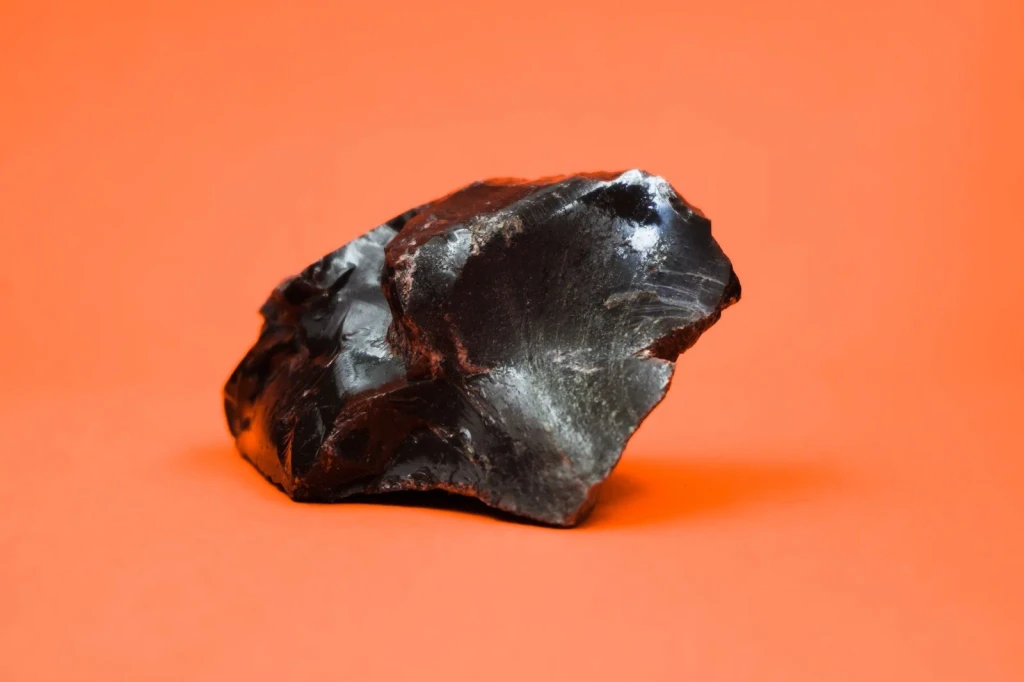
A glossy obsidian stone catches light against vibrant orange. The sharp texture visible here required no metal tools to achieve. Nature's blade, preserved.
Photograph by Samiran Biswas, via Pexels.
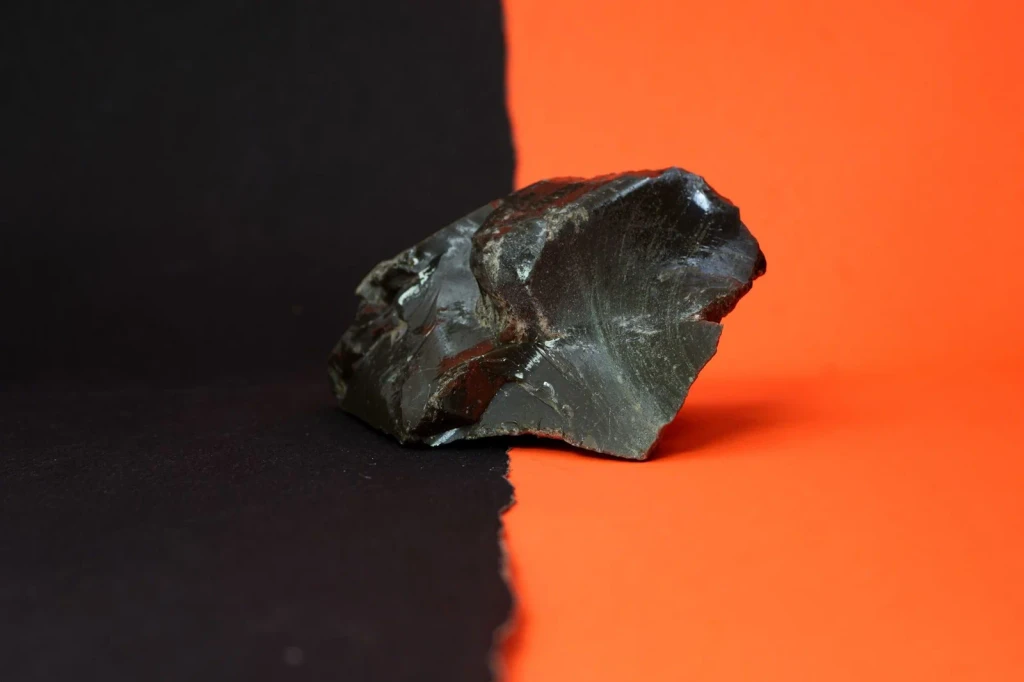
Texture and sheen make obsidian's natural properties unmistakable. This stone needed no refinement to become a tool. Orange and black ground emphasizes its clarity.
Photograph by Samiran Biswas, via Pexels.
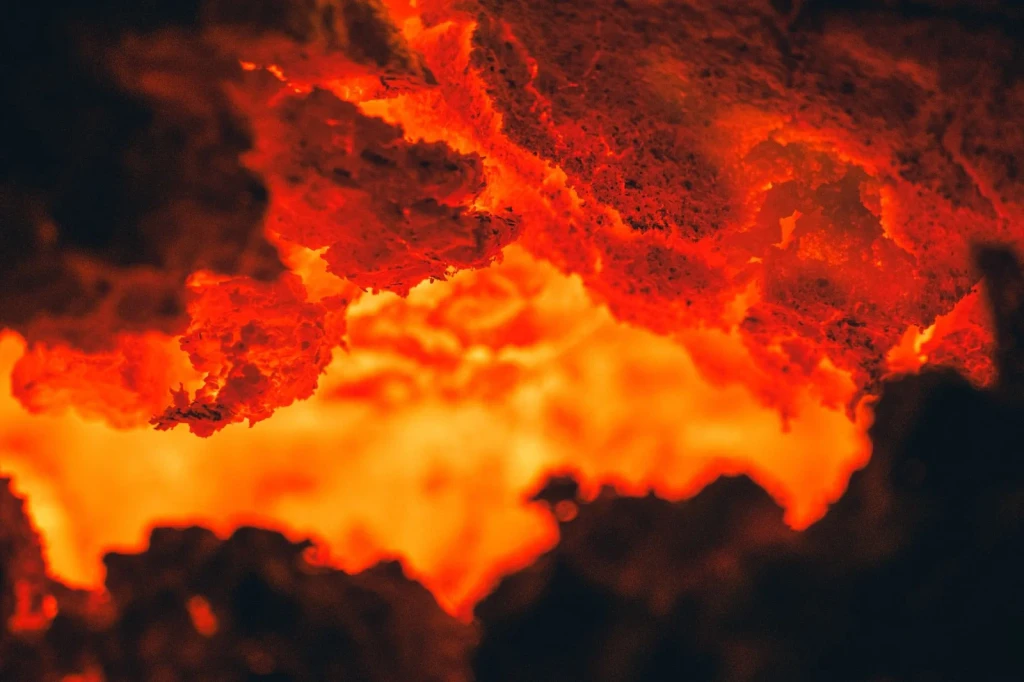
Bright, glowing lava captured in close detail. The photograph presents heat and light as they existed long before human tools could shape stone.
Photograph by Atlantic Opus, via Pexels.
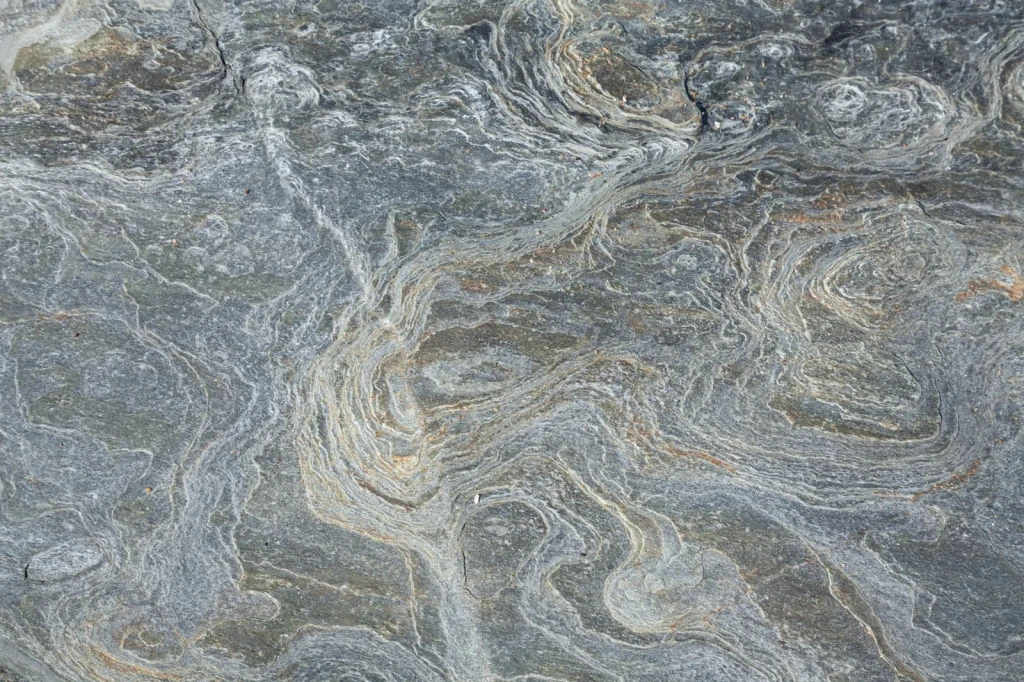
Gray obsidian quartzite displays swirling patterns formed by geological time. The natural texture speaks to stone's role before metallurgy.
Photograph by PHILIPPE SERRAND, via Pexels.
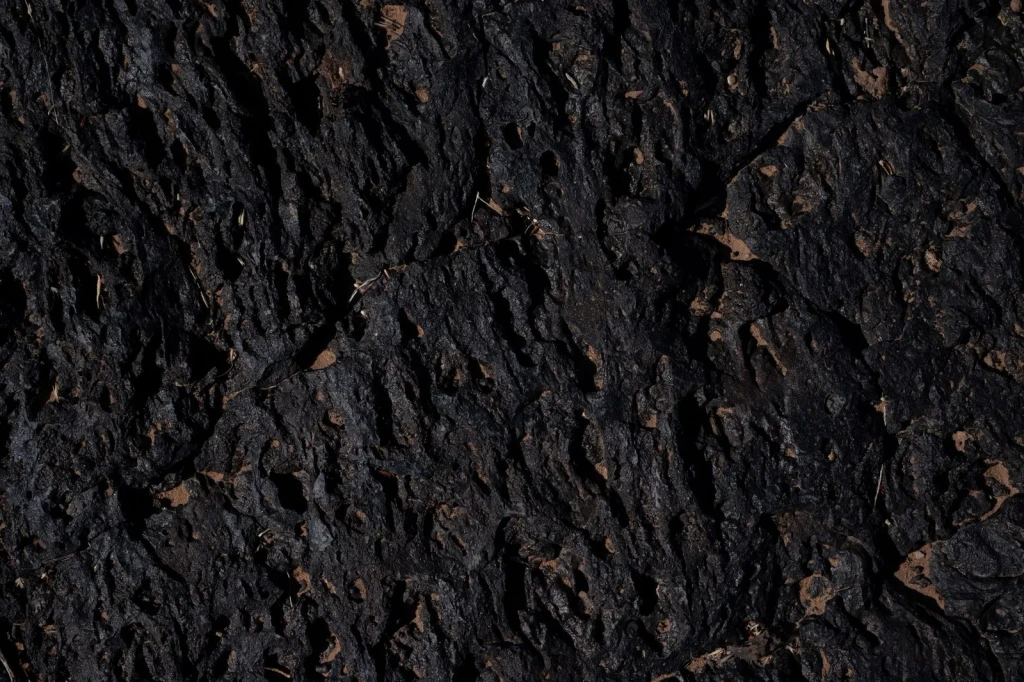
An eroded volcanic rock surface in dark hues. Erosion reveals the textured depths beneath, much as ancient hands shaped stone through use.
Photograph by Alfo Medeiros, via Pexels.
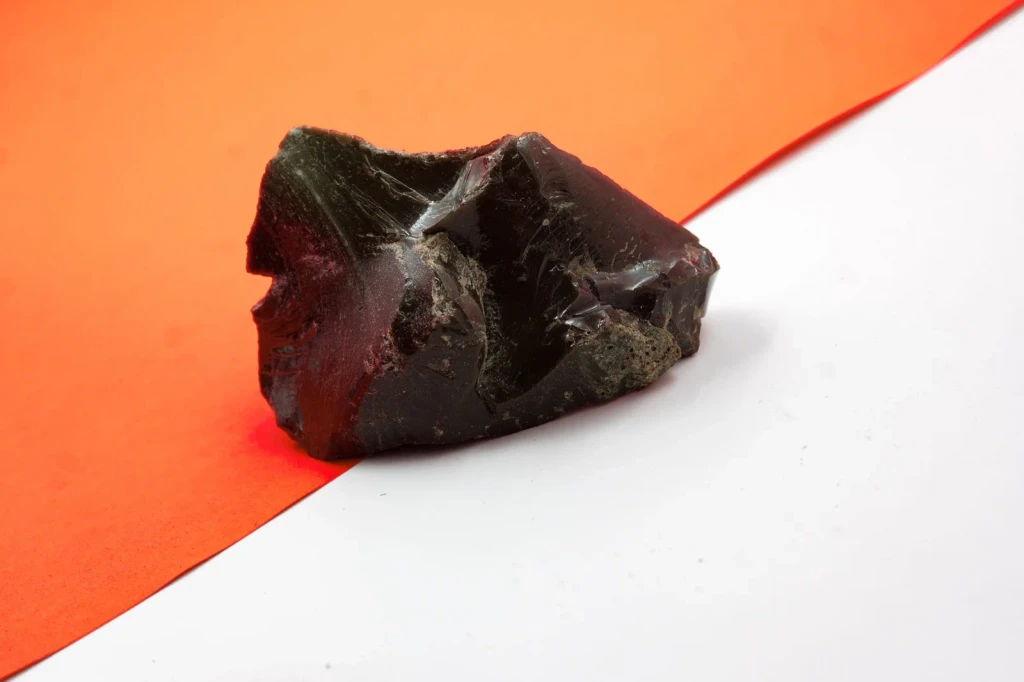
Raw obsidian set against torn paper in black and orange. A visual echo: two materials that fracture sharply and hold an edge.
Photograph by Samiran Biswas, via Pexels.
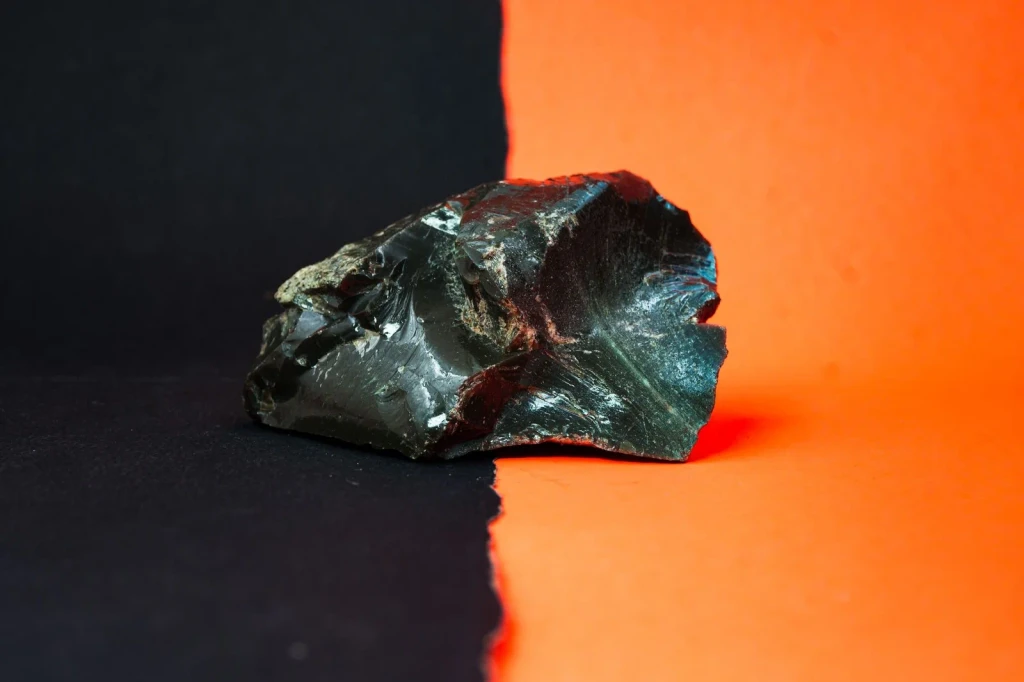
Obsidian on contrasting black and white. The raw stone's glossy surface speaks to its role as humanity's first cutting edge, before metal's invention.
Photograph by Samiran Biswas, via Pexels.
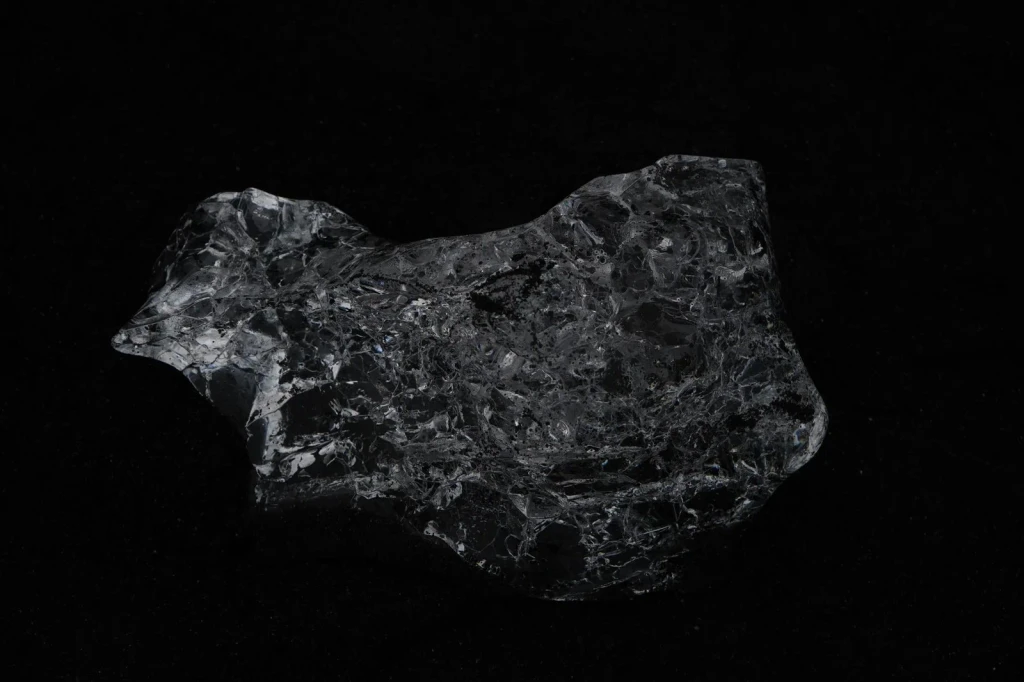
A dark glimmering mineral stone against black background. Before metal tools existed, such stones were the only sharp objects available to human hands.
Photograph by Swapnil Sharma, via Pexels.
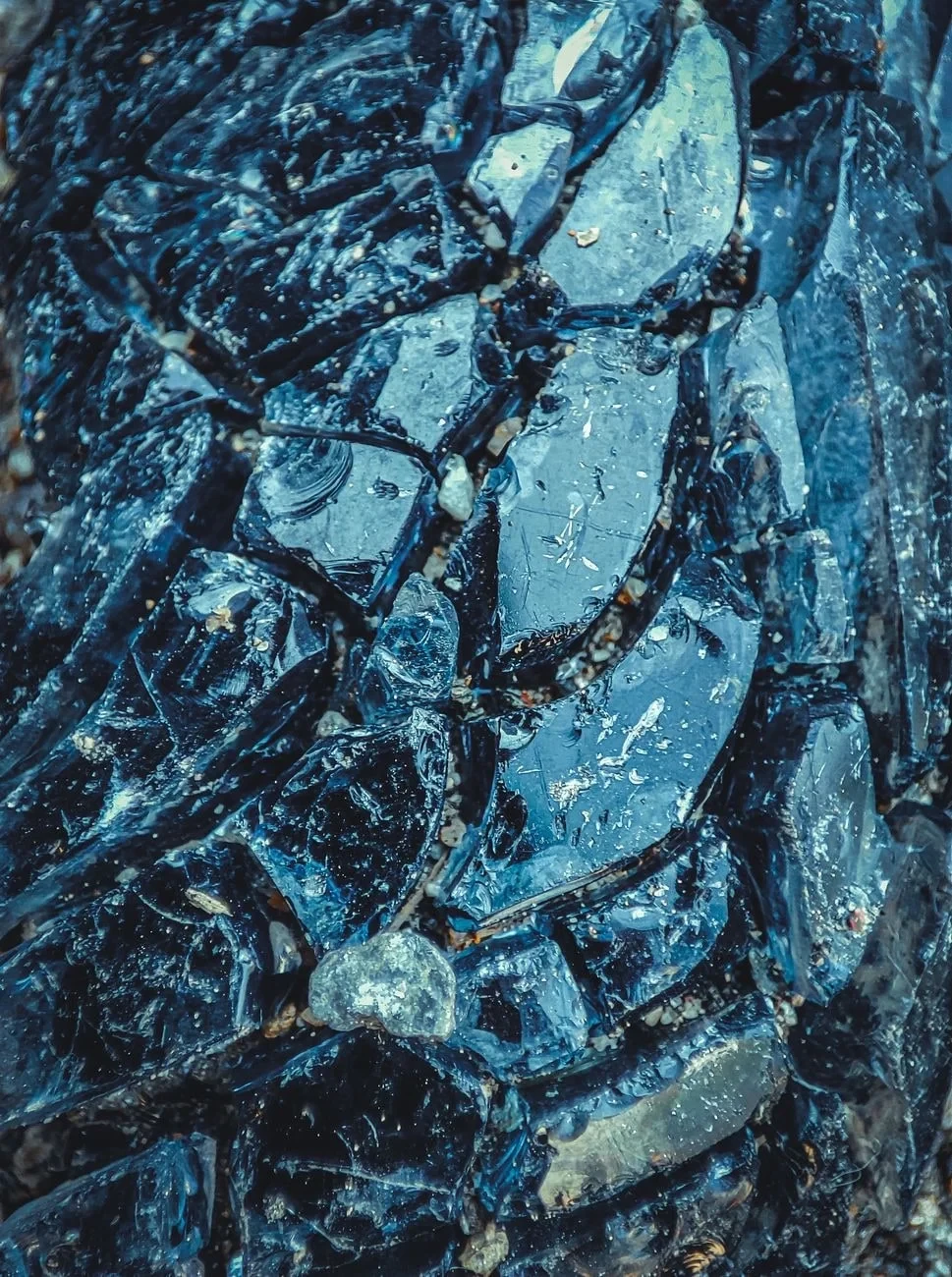
Black glass texture with fractures and reflections. This fractured quality echoes obsidian's natural breaking patterns, prized by ancient toolmakers.
Photograph by Dima К., via Pexels.
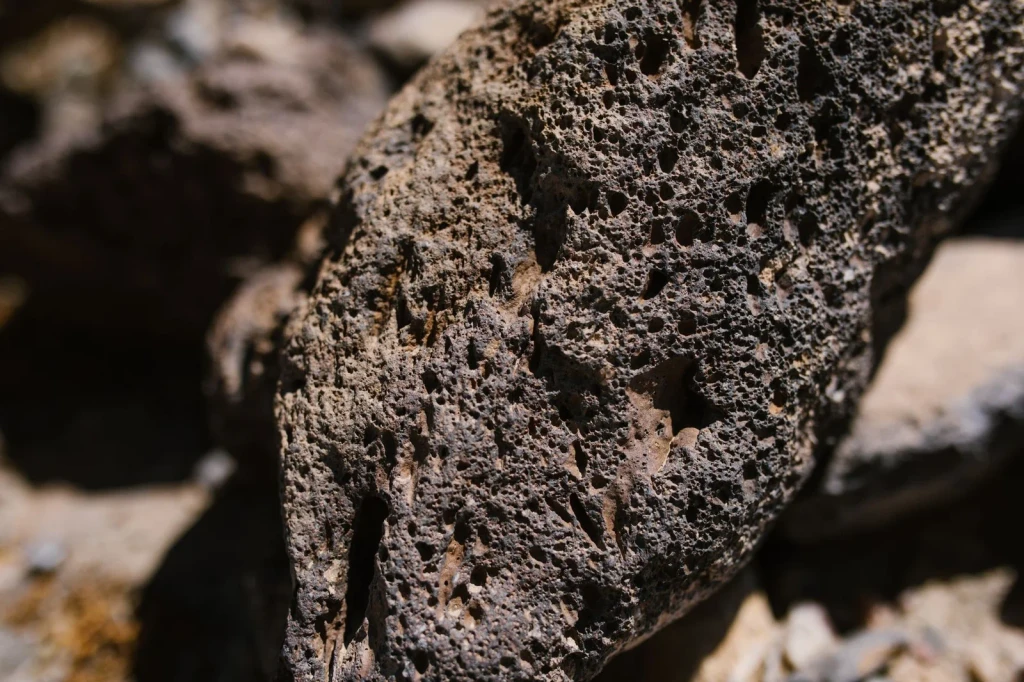
A porous rock surface catches sunlight in its cavities. The texture speaks to stone's variability and the hand's search for workable edges.
Photograph by RDNE Stock project, via Pexels.
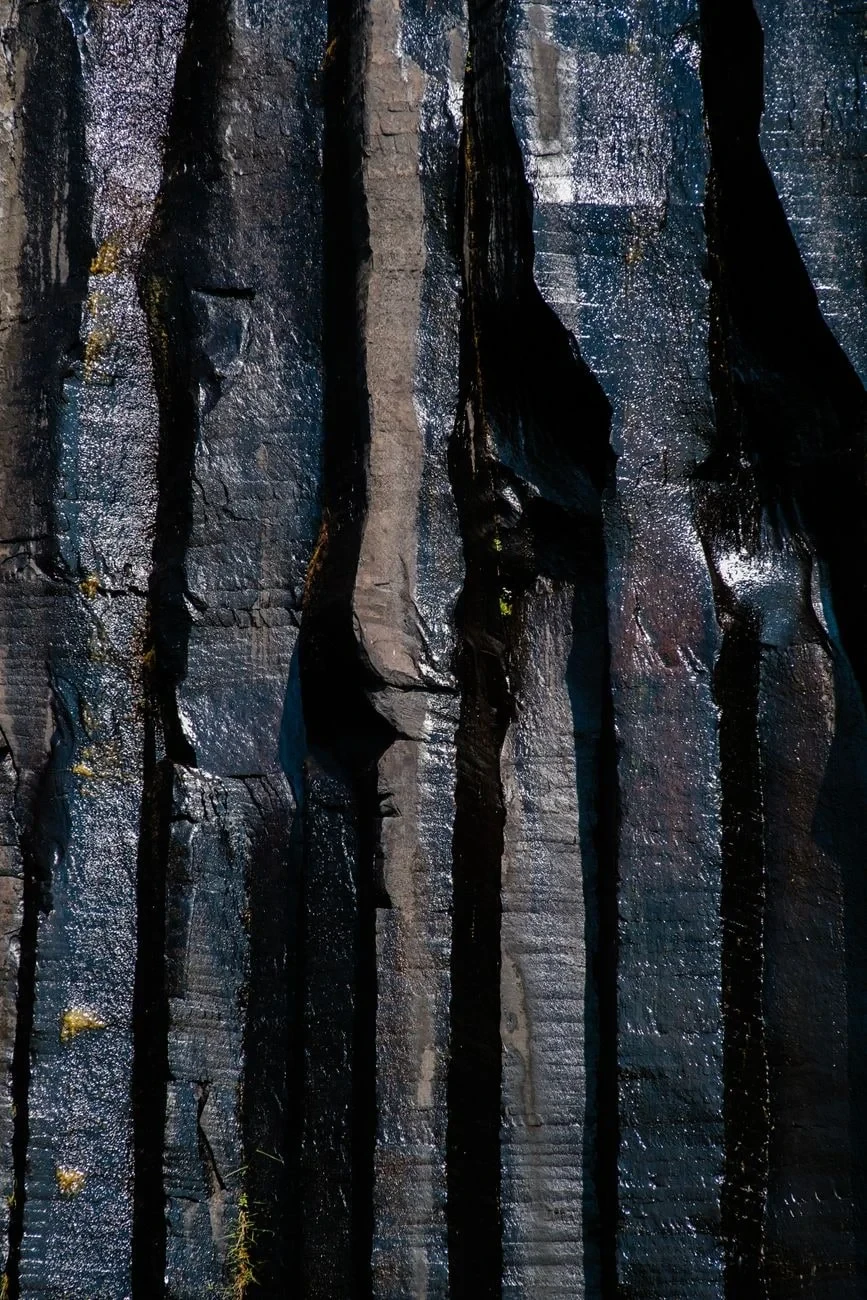
Dark basalt with vertical cracks and stone textures. These natural divisions suggest where stone might split cleanly under pressure or impact.
Photograph by Laura Paredis, via Pexels.
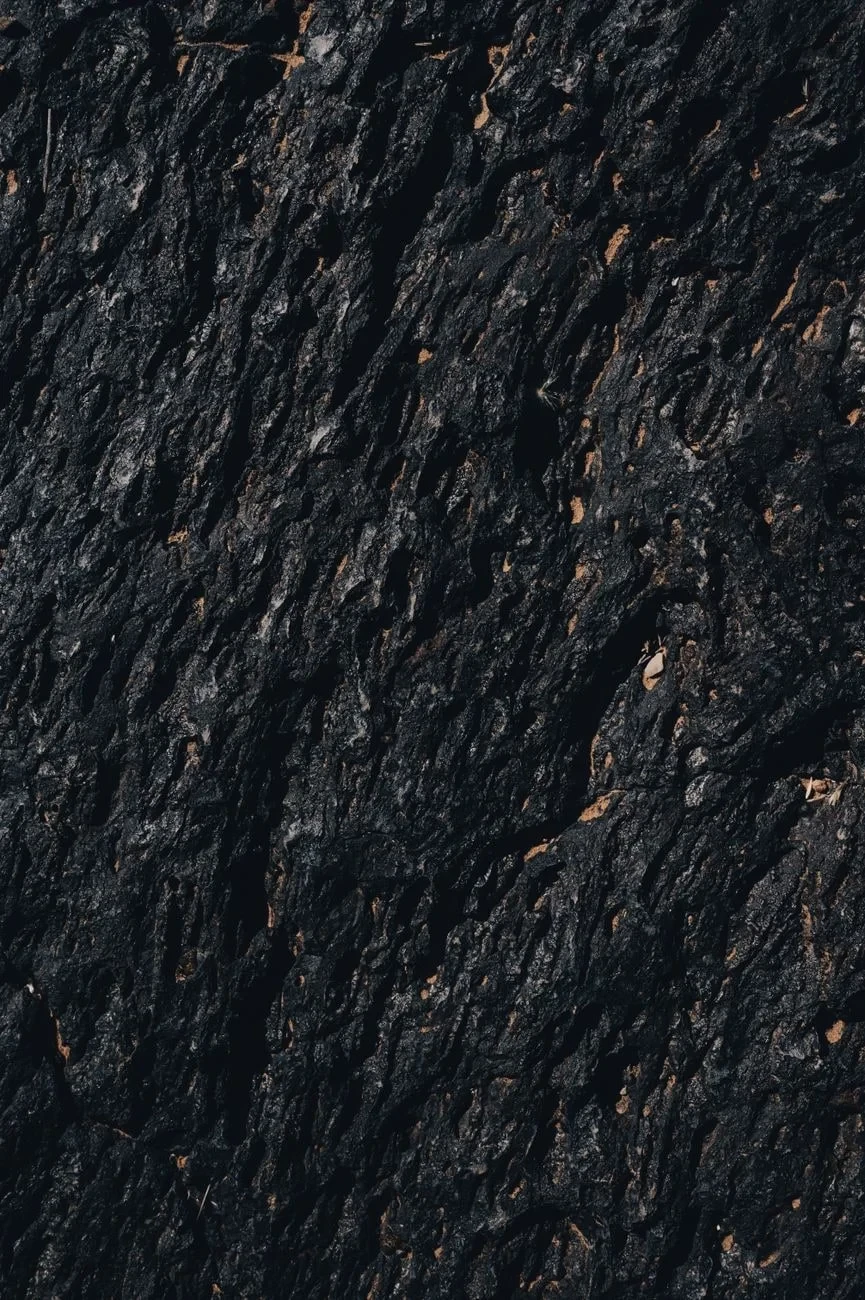
Volcanic rock displays intricate natural patterns in close view. These formations showcase geology's own capacity for detailed, complex design.
Photograph by Alfo Medeiros, via Pexels.
