3D Gallery
Stone: The Material Beneath Every Civilisation
Enter gallery
Stone: The Material Beneath Every Civilisation is a 3D virtual gallery on MyGallery3D, a walkable online exhibition of 14 works. Step inside and explore it in your browser: no app, no headset.
This is a 3D virtual museum of stone, and you can walk through the whole of it in your browser.
Humans and earlier hominids have used rock for at least 2.5 million years, which makes it the oldest technology we still live inside. It is also stronger than it looks: quartzite has a tensile strength above 300 MPa, against roughly 350 MPa for structural steel. Soft sedimentary rock was quarried for construction in Egypt as early as 4000 BCE, and stone fortifications went up in Inner Mongolia by 2800 BCE.
Marble is limestone that heat and pressure have recrystallised. What makes it the sculptor's stone is optical: light sinks a short distance into the surface before it refracts back out, a subsurface scattering comparable to that of human skin. That is why a marble figure seems to have depth beneath it. Freshly quarried the stone is soft and easy to work, and it hardens as it ages.
Dry stone walls use no mortar at all. They stand because each stone is chosen to lock against its neighbours, with tie-stones spanning both faces of the wall and capstones weighting the top. The island of Baljenac in Croatia carries 23 kilometres of them across just 14 hectares. At Machu Picchu, blocks are fitted so tightly that not even a knife fits between the stones.
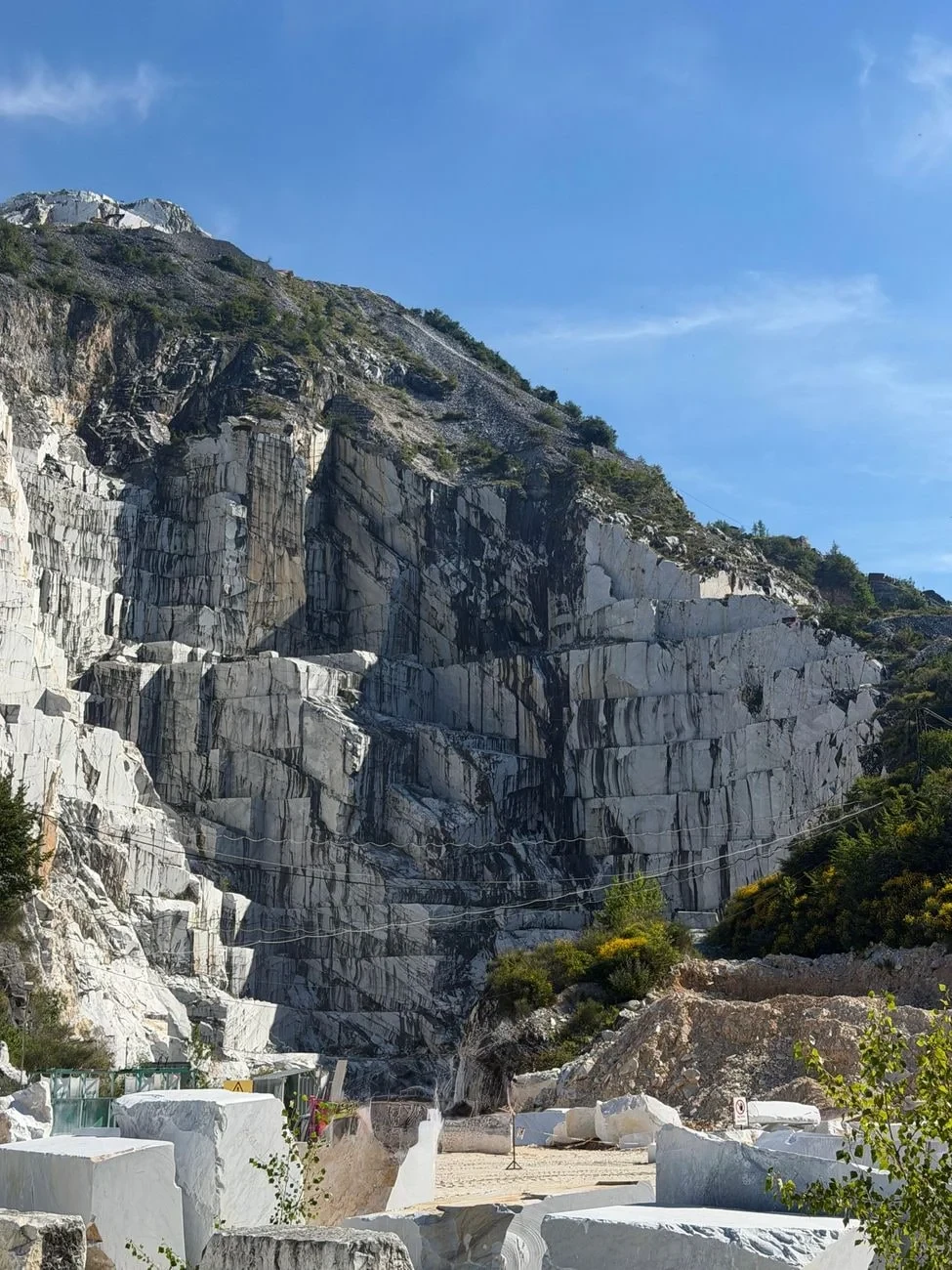
A vast excavation beneath clear sky. The image captures stone extraction at scale, revealing how civilisation's materials emerge from the earth.
Photograph by Barbara Light, via Pexels.
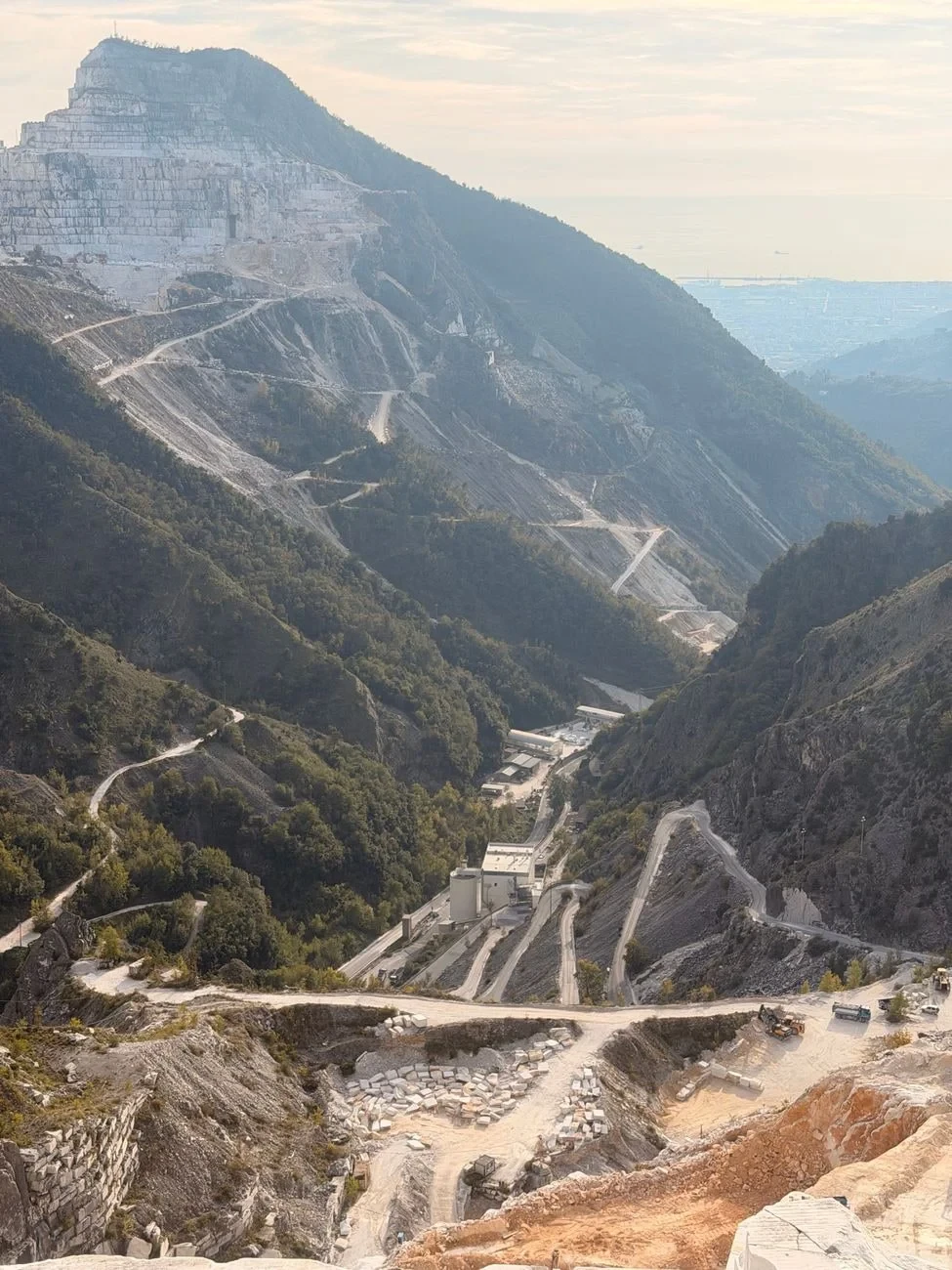
An aerial perspective of the renowned quarries in Tuscany. The bird's-eye view shows the immense geographical footprint of stone extraction.
Photograph by Rady, via Pexels.
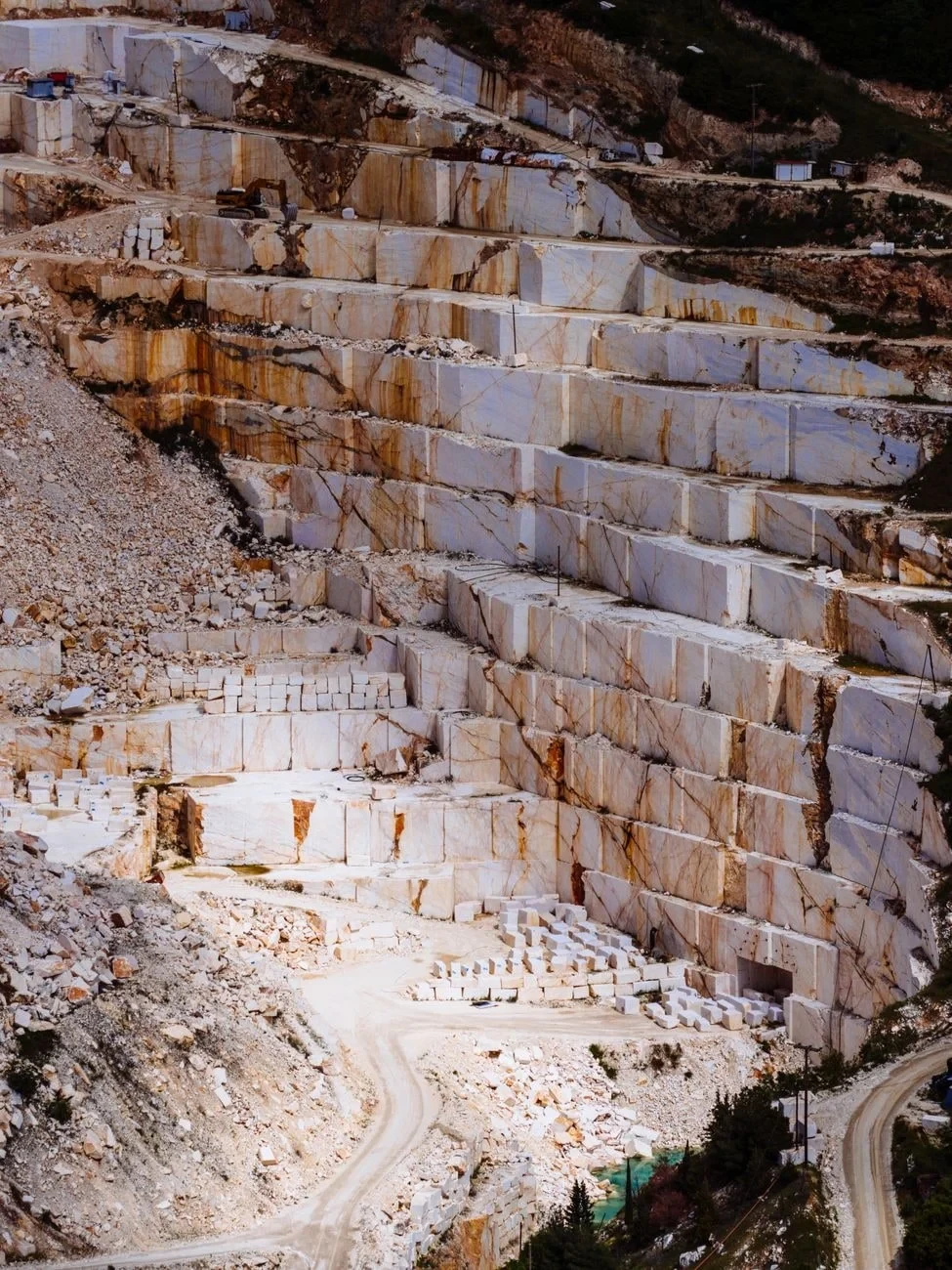
Marble quarry with natural layers exposed. The image shows how industrial extraction reveals the stone's own history and structure.
Photograph by K, via Pexels.
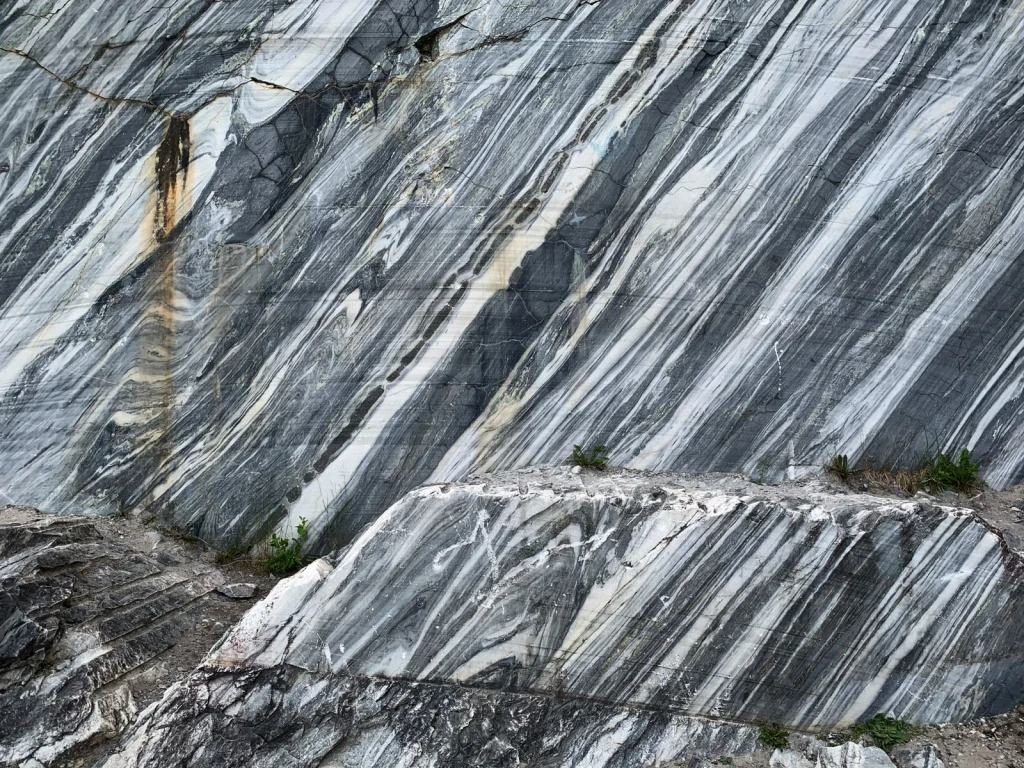
A close examination of textured marble reveals the natural patterns and weathering within the stone itself. Small details speak to material character.
Photograph by Sergei Gussev, via Pexels.
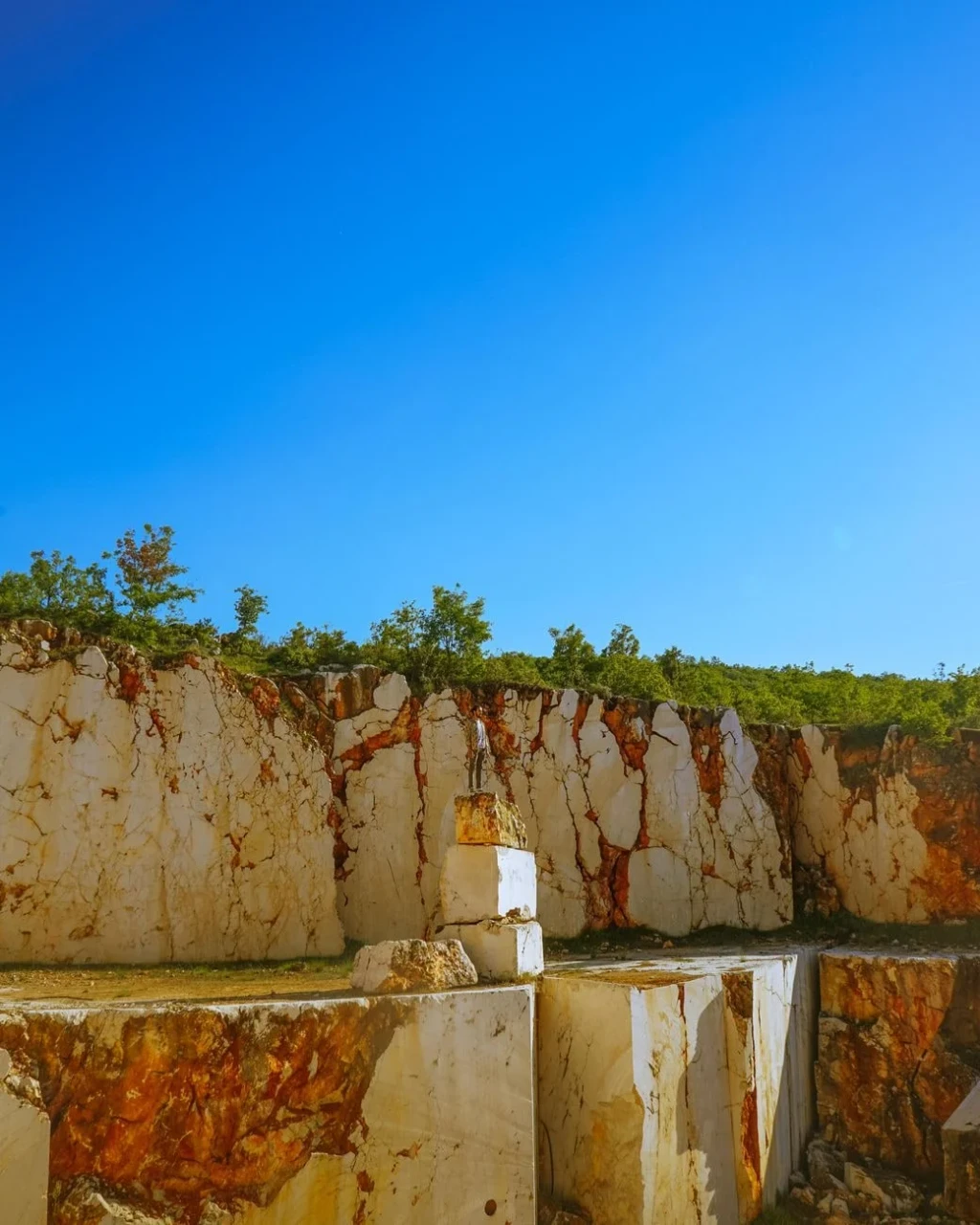
A quarry with natural stone walls under vivid sky. The vertical cuts expose the material's scale and colour, fundamental to building civilisation.
Photograph by Efdal YILDIZ, via Pexels.
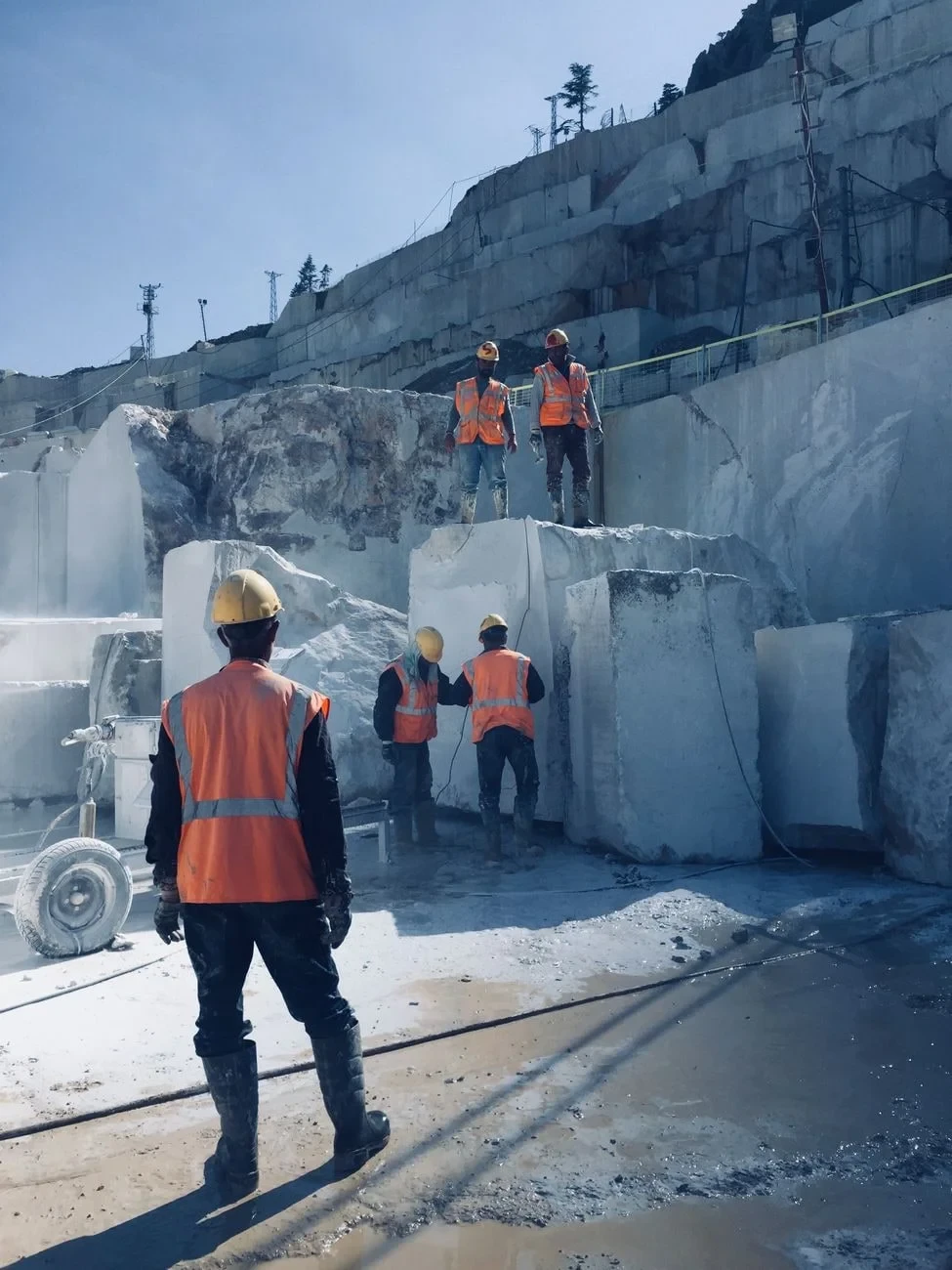
Workers in protective gear are visible at a quarry site. The image shows the human presence in industrial stone extraction.
Photograph by Emre Baykara, via Pexels.
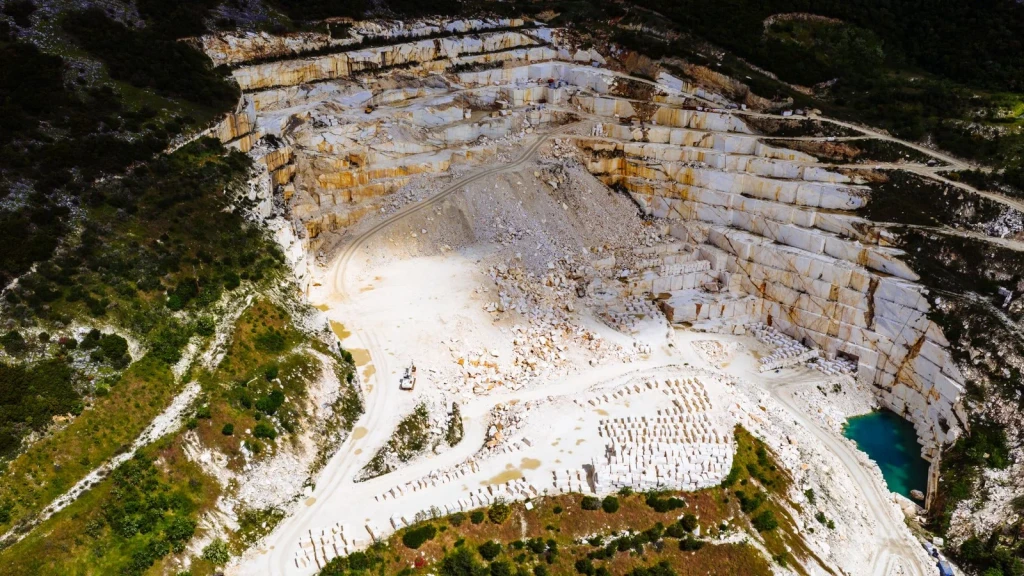
An aerial view shows marble extraction set within a verdant landscape. The photograph documents the physical scale of stone removal from the earth.
Photograph by K, via Pexels.
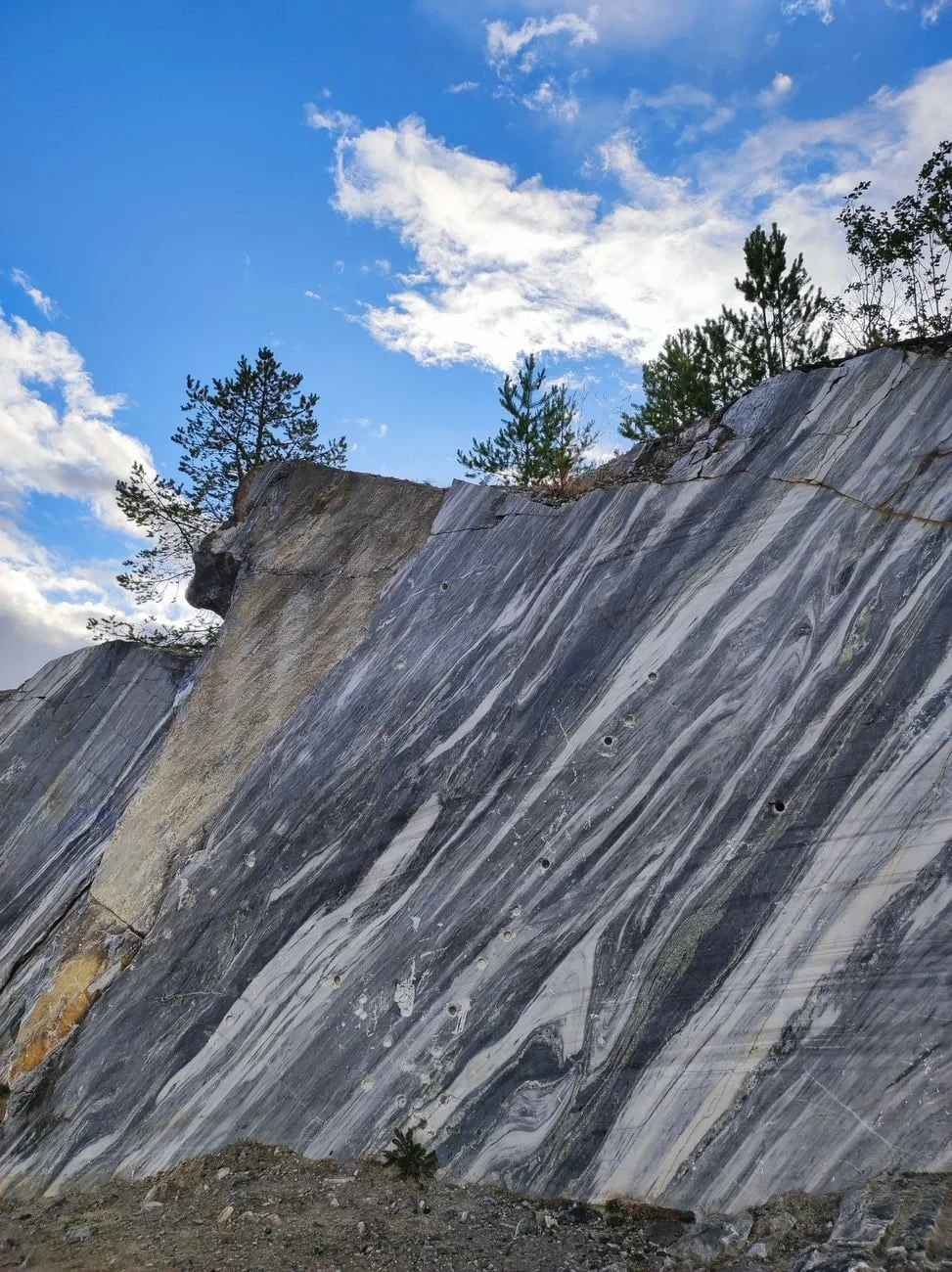
A natural marble formation rises against blue sky, trees anchoring the scene. Stone appears here not as extracted resource, but as living landscape.
Photograph by Sun452, via Pexels.
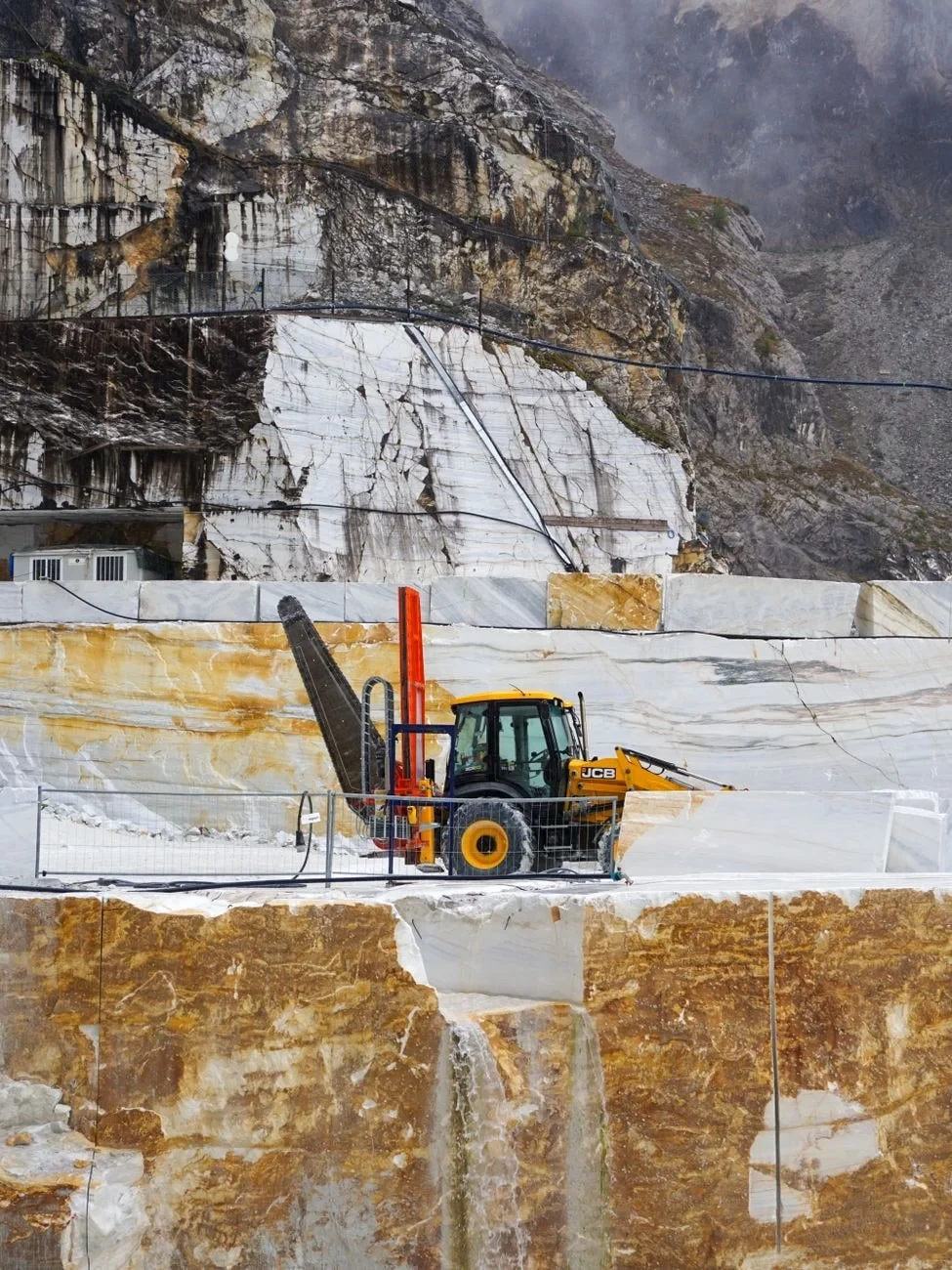
Heavy machinery dominates this quarry scene, illustrating the industrial apparatus required to remove raw stone from the ground at scale.
Photograph by Stone Dimensions, via Pexels.
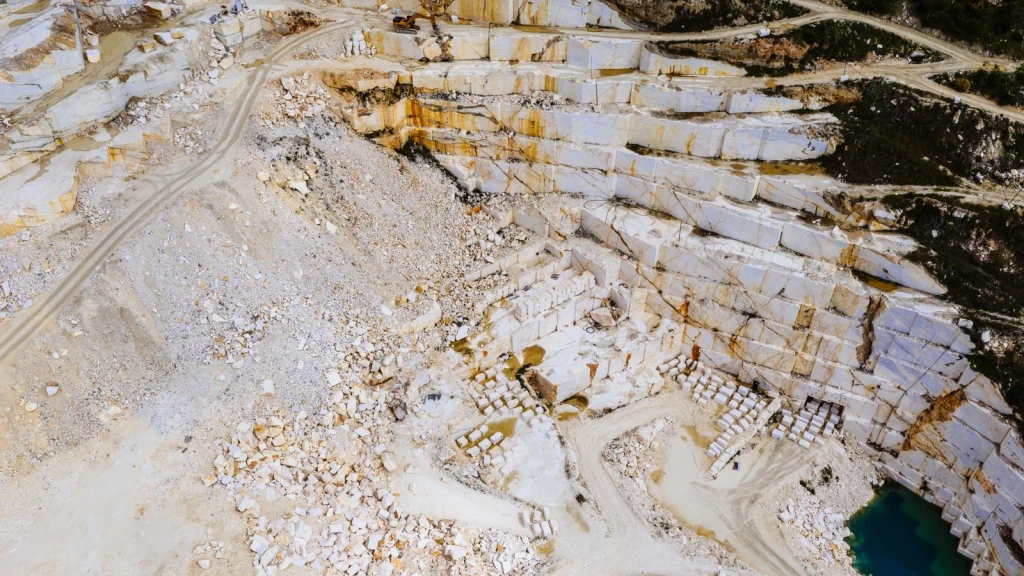
A quarry revealing intricate patterns and colors in marble. The aerial view exposes the geological layers that create variation within a single material.
Photograph by K, via Pexels.
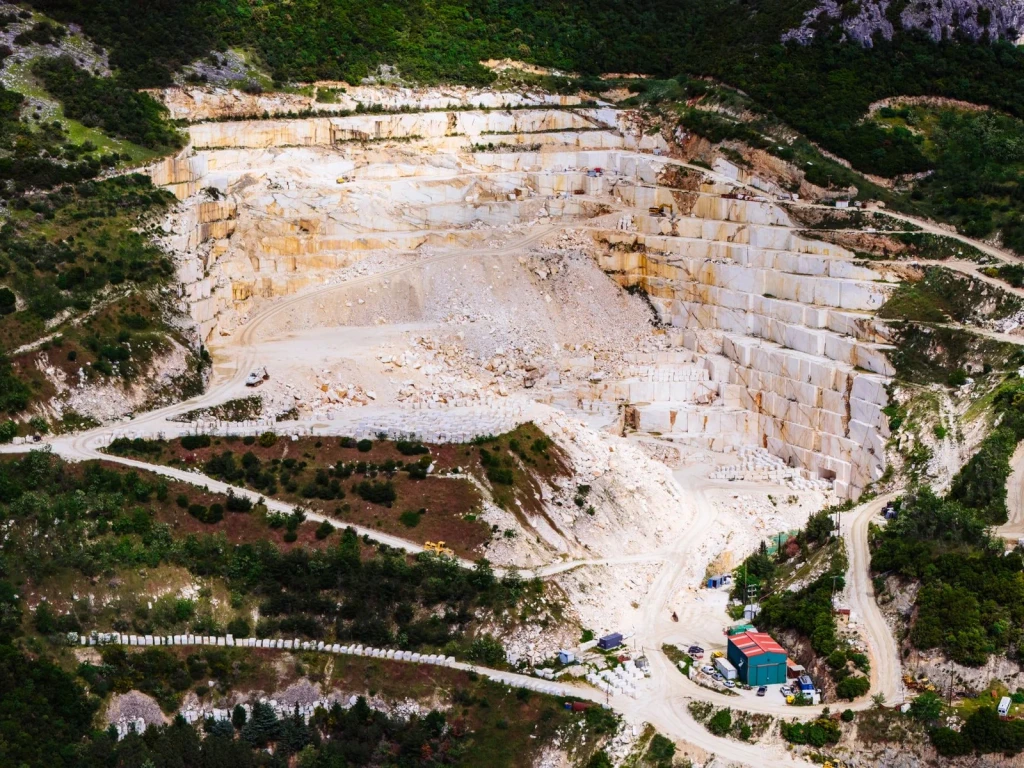
An aerial perspective reveals the extracted stone amid surrounding greenery. The image captures the spatial relationship between quarrying operations and the natural landscape.
Photograph by K, via Pexels.
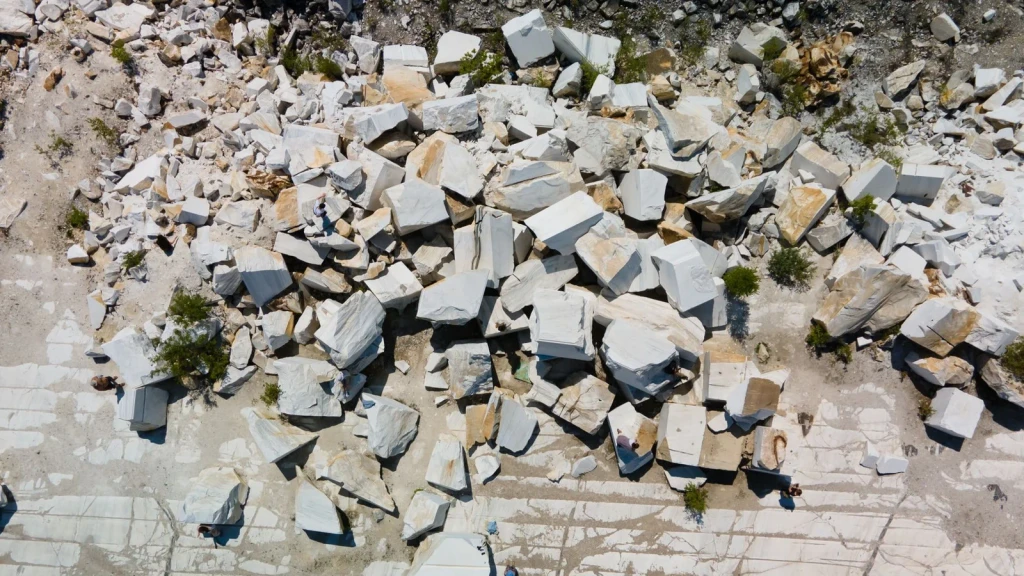
High angle view of a quarry with large blocks removed from the earth. The ordered stone suggests both raw material and human intervention.
Photograph by Nadezhda Moryak, via Pexels.
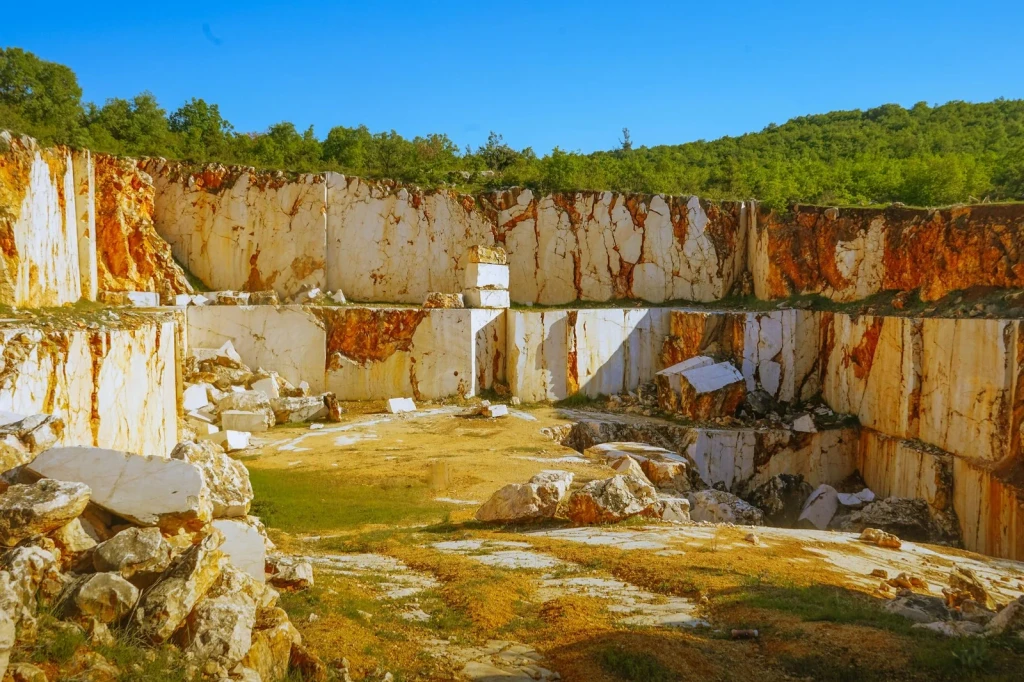
Rock formations dominate a working quarry. The image captures stone mid-transformation: from geological formation to the material that builds civilisation.
Photograph by Efdal YILDIZ, via Pexels.
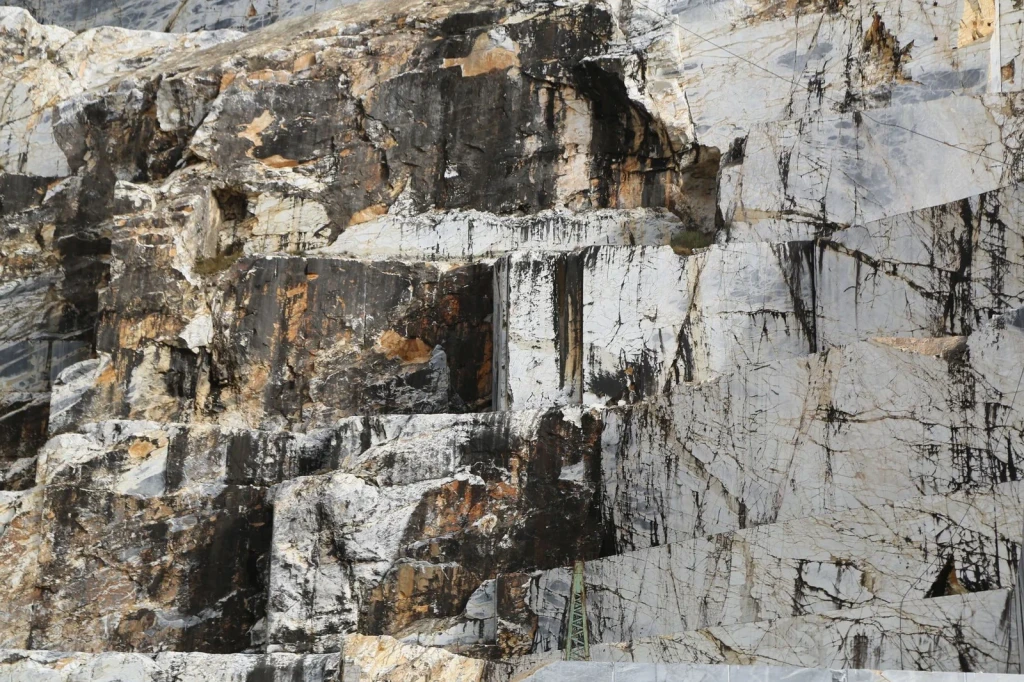
This close view captures the textures and patterns inherent in quarried marble. The photograph examines stone as material.
Photograph by laura parenti, via Pexels.
