3D Gallery
The Economy That Grew from Wool
Enter gallery
The Economy That Grew from Wool is a 3D virtual gallery on MyGallery3D, a walkable online exhibition of 15 works. Step inside and explore it in your browser: no app, no headset.
This 3D virtual museum of wool lets you walk through the fibre in your browser, from the sheep's back to the machines it forced into existence.
Wool built economies before it built anything else. Knossos, Europe's oldest city, drew its wealth from the sheep wool industry, and the largest group of Linear B tablets is an archive chiefly of shearing records. Much later the arithmetic turned brutal: on the eve of the Industrial Revolution it took at least five spinners to keep one weaver supplied. That gap is what the spinning machines were built to close.
Wool is keratin, closer to silk than to cotton. Each fibre carries a wave, the crimp: Merino can hold up to 40 crimps per centimetre, karakul only one or two per inch. The crimp traps air, which traps heat. Wool absorbs almost one third of its own weight in water, and it will not melt or drip in a fire, so it is specified for carpets in trains and aircraft.
Wool felts because the scales on each fibre hook together under heat, water and agitation. From the mid seventeenth century, hatters made fine felt by carroting: rabbit, hare or beaver skins soaked in a dilute solution of mercuric nitrate, dried until the fur turned carrot orange, then shaved off and rolled. The mercury vapour caused widespread poisoning among hatters. The phrase is not a joke.
A gun shearer strips a whole fleece in two to three minutes without marking the animal, and under two minutes in competition. Anything past 200 sheep in a day earns the title. Before shears existed, probably an Iron Age invention, wool was plucked by hand or with bronze combs. Some Shetland sheep still shed naturally in spring, and the fleece is simply pulled off: rooing.
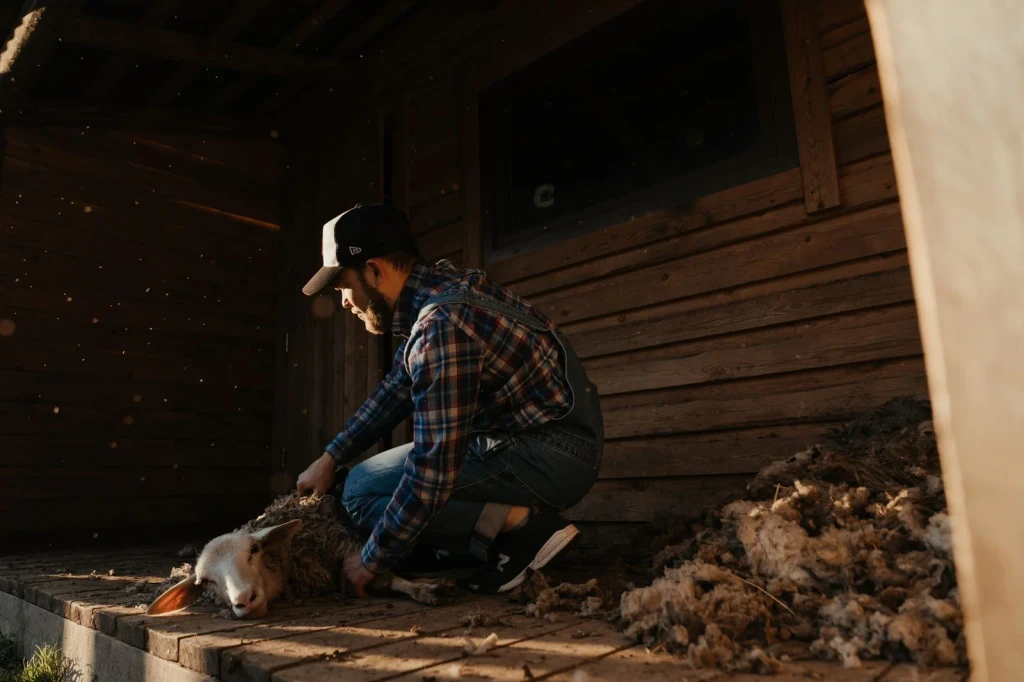
A farmer shears a sheep in a rustic barnyard. The scene documents farming traditions tied to wool production.
Photograph by cottonbro studio, via Pexels.
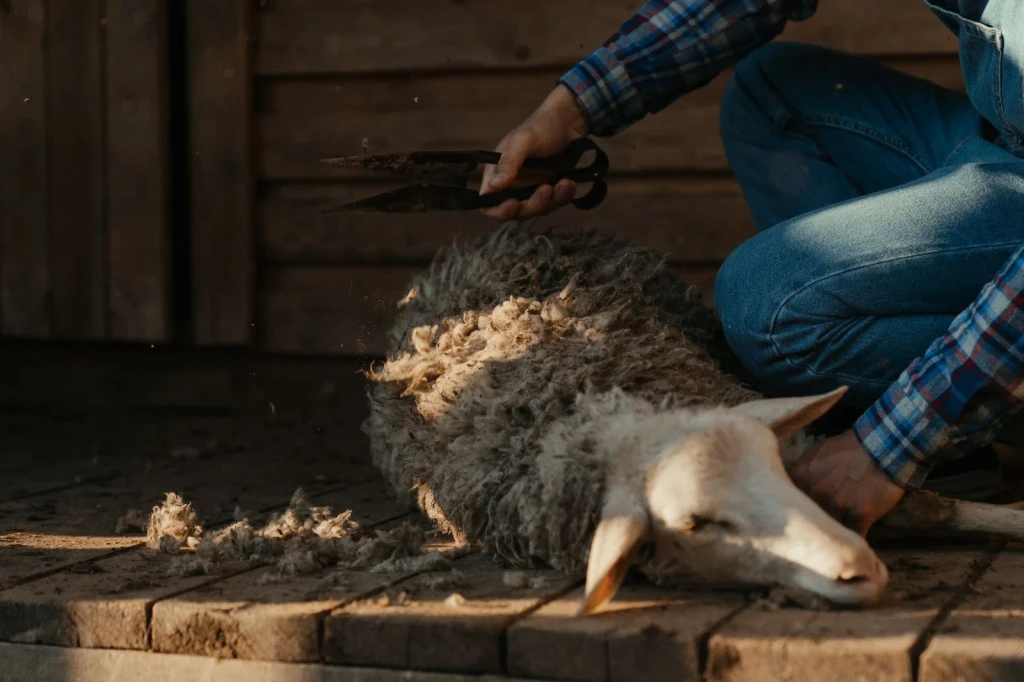
A farmer shears a sheep outdoors, showing the sustainable practices central to wool farming and rural life.
Photograph by cottonbro studio, via Pexels.
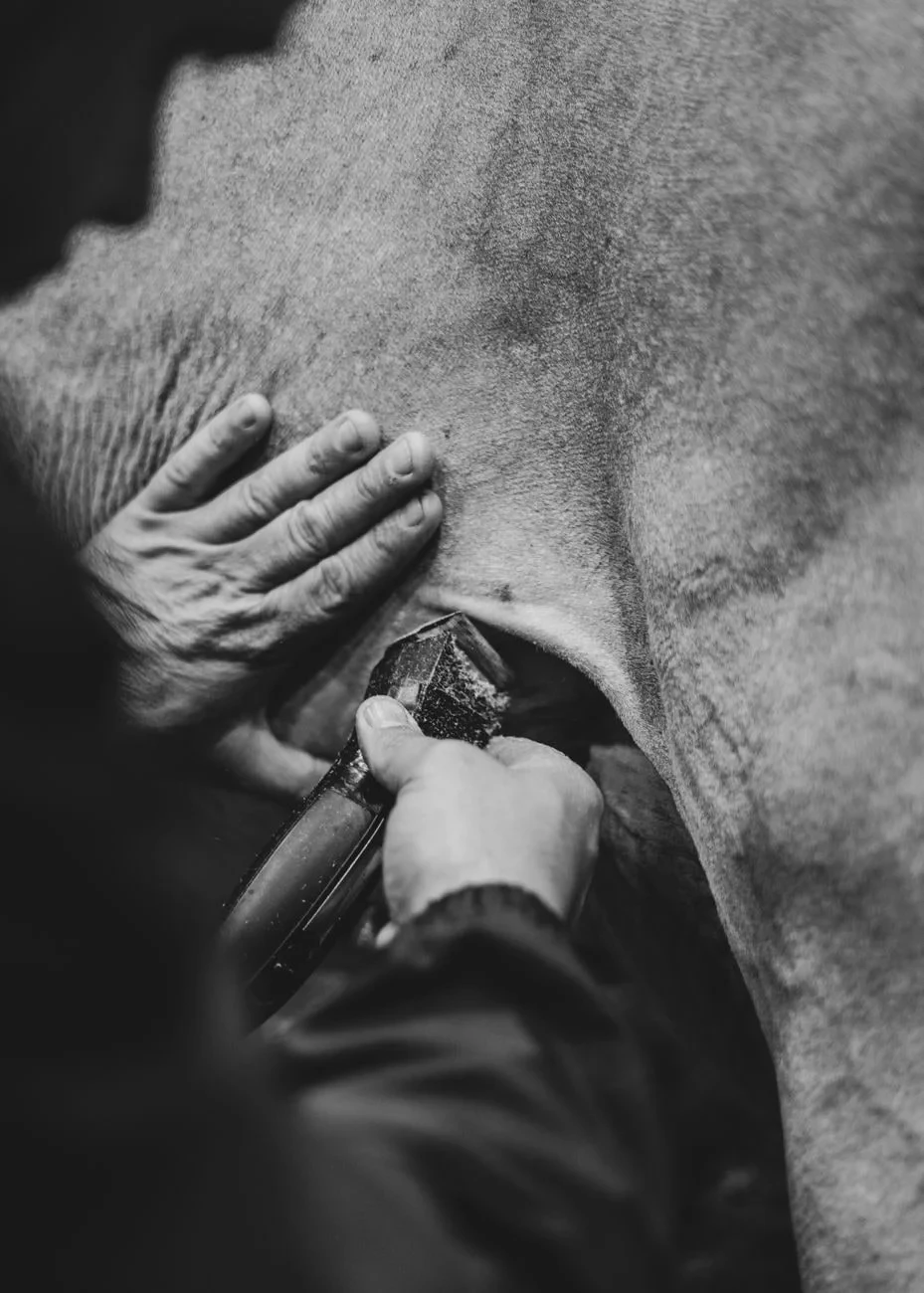
Hands work close to a farm animal's body, harvesting wool through shearing. This labor, repeated across generations and continents, transformed fleece into commerce.
Photograph by Giulia Botan, via Pexels.
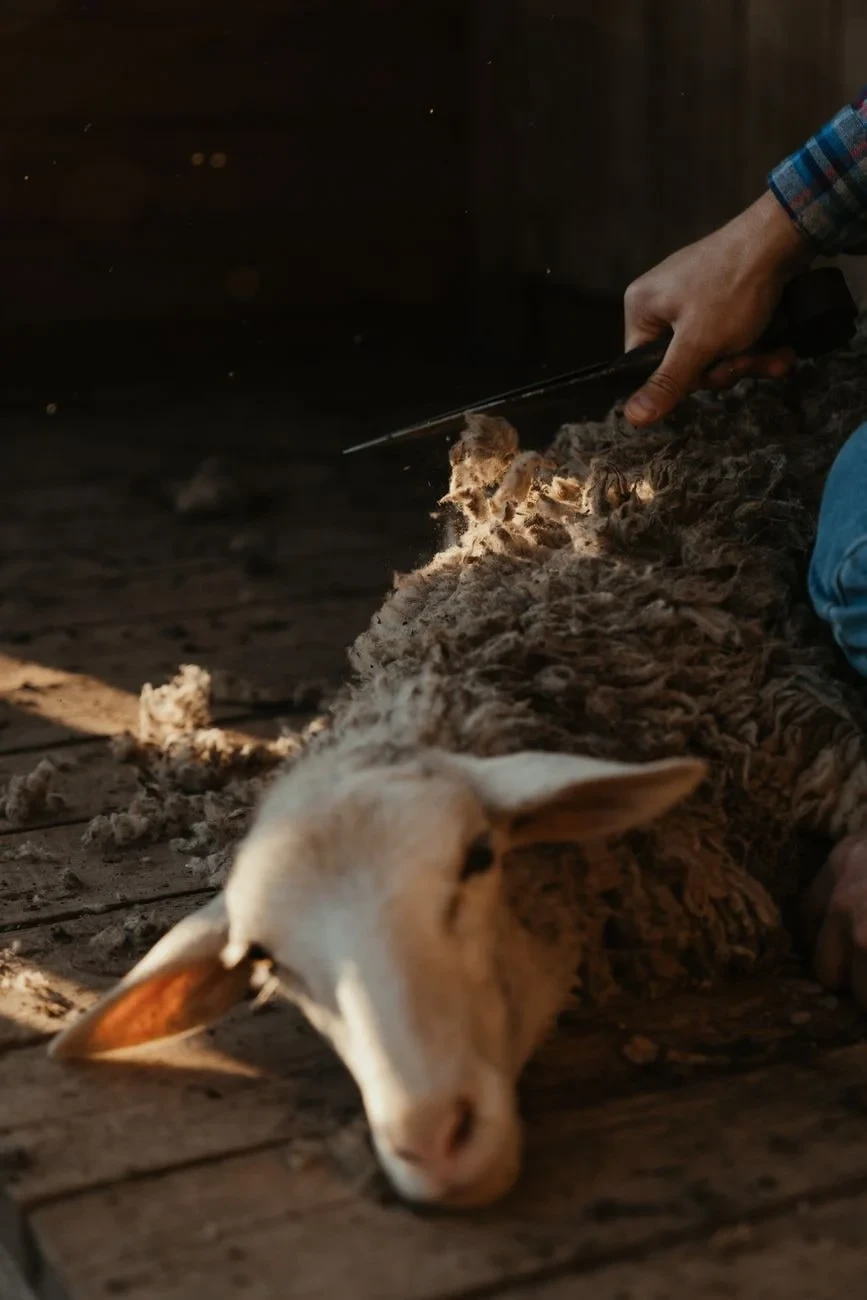
A farmer shears a sheep's fleece in a rustic barn. The image captures the direct labor that sustained economies built on wool production.
Photograph by cottonbro studio, via Pexels.
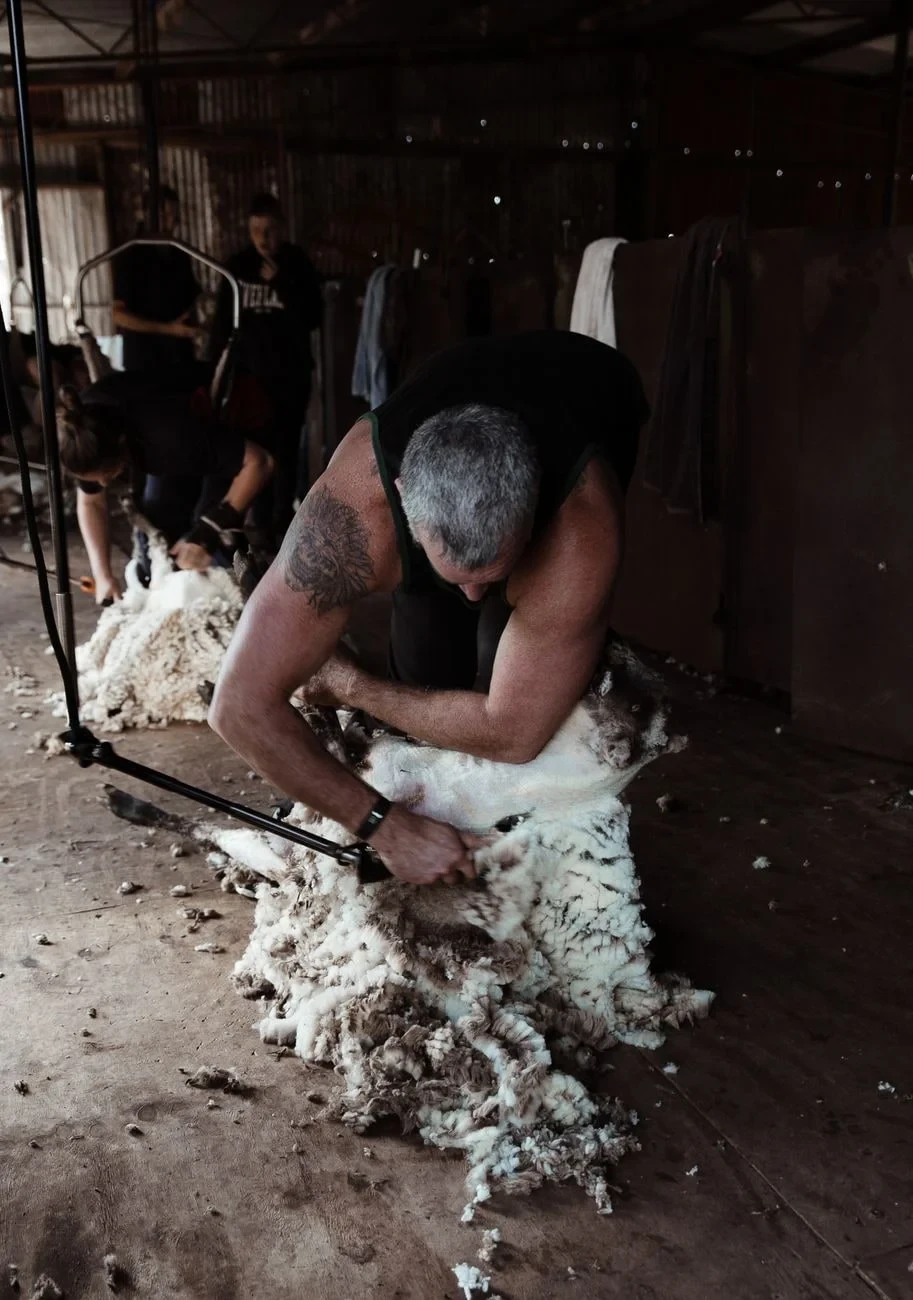
A farmer cuts the fleece from a domestic sheep in a barn. This essential task represents the human labor that drove the wool economy.
Photograph by Rachel Claire, via Pexels.
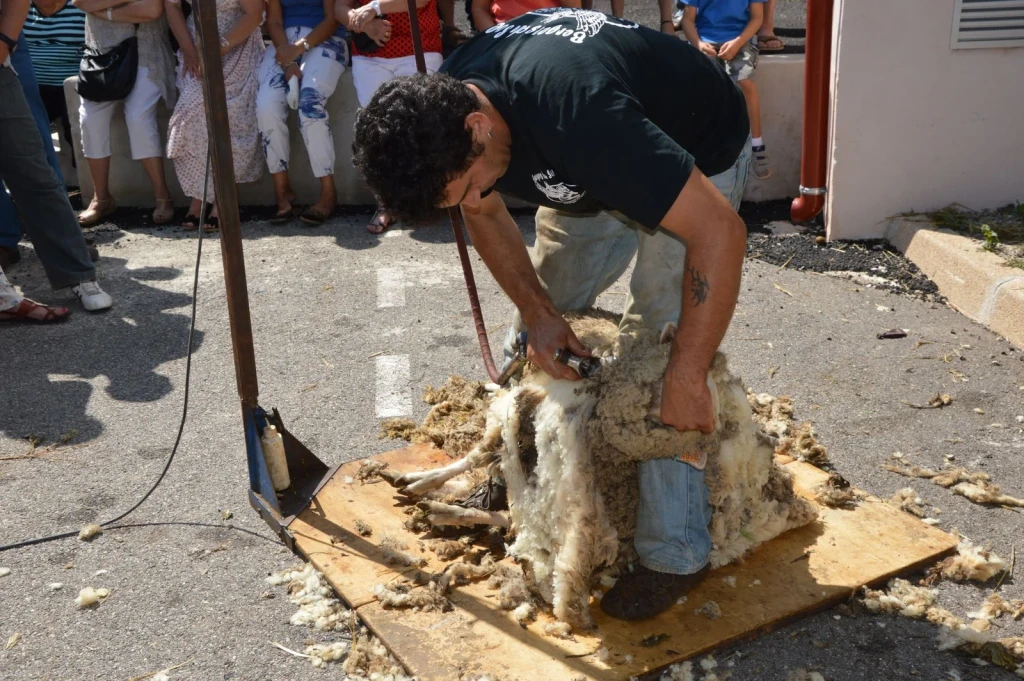
A man shears a sheep outdoors at a rural livestock event with spectators watching. Shearing was both working practice and public demonstration.
Photograph by Ulrick Trappschuh, via Pexels.
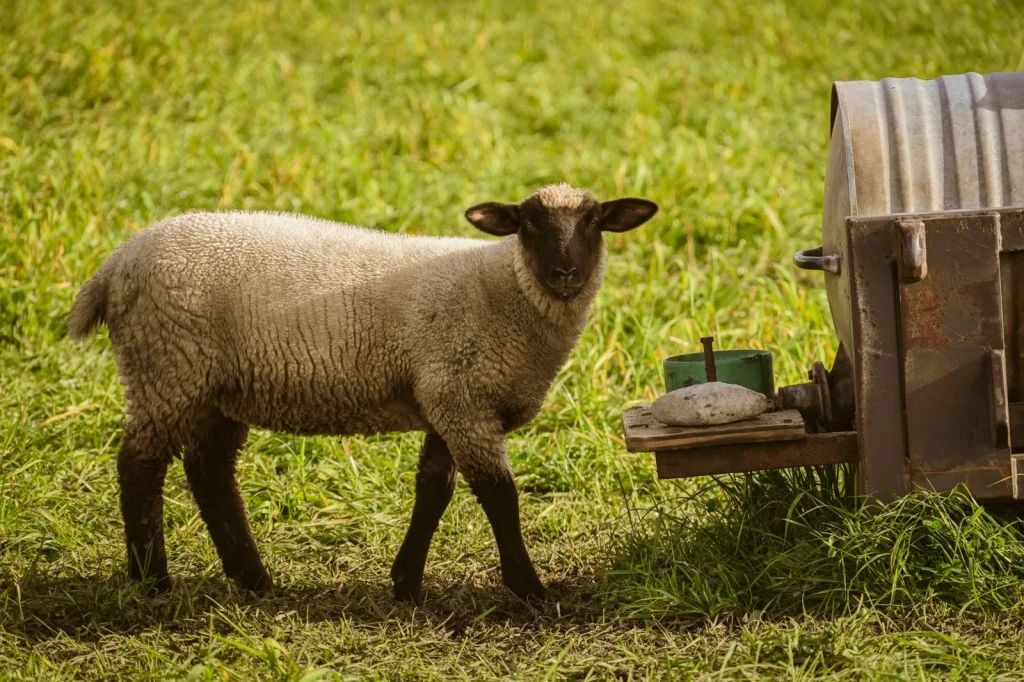
A young sheep grazes beside a metal farming tool under bright sun. The photograph shows the agricultural tools essential to wool farming and rural life.
Photograph by Alexas Fotos, via Pexels.
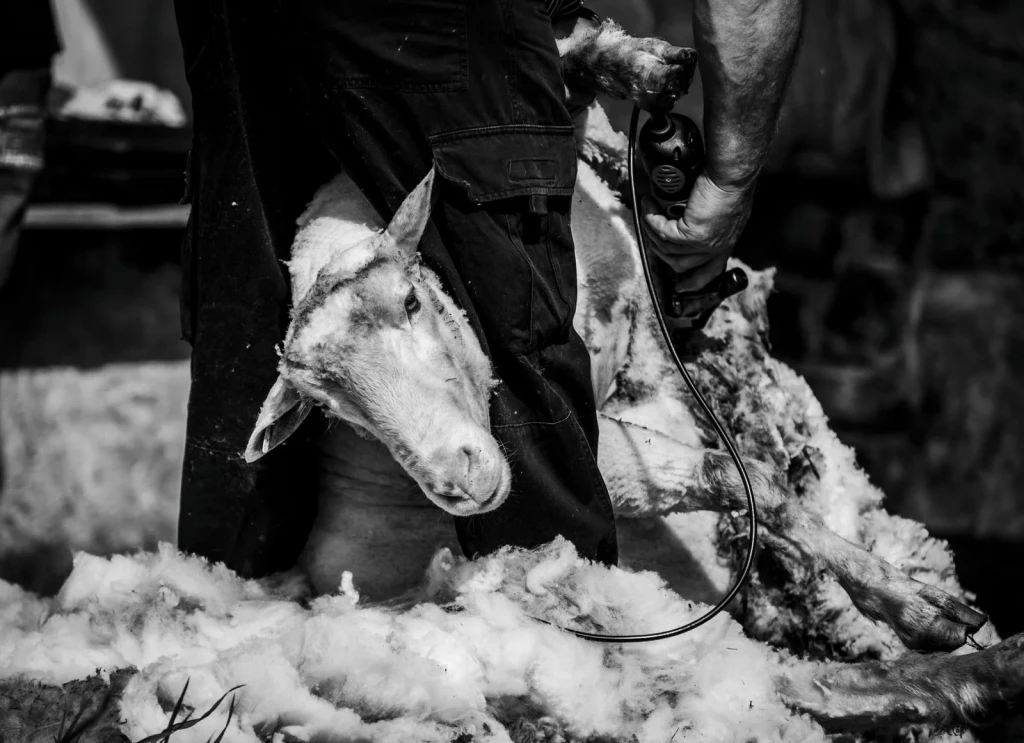
A sheep being sheared in this black and white portrait. The image documents traditional farming methods at the heart of wool economies.
Photograph by David Bartus, via Pexels.
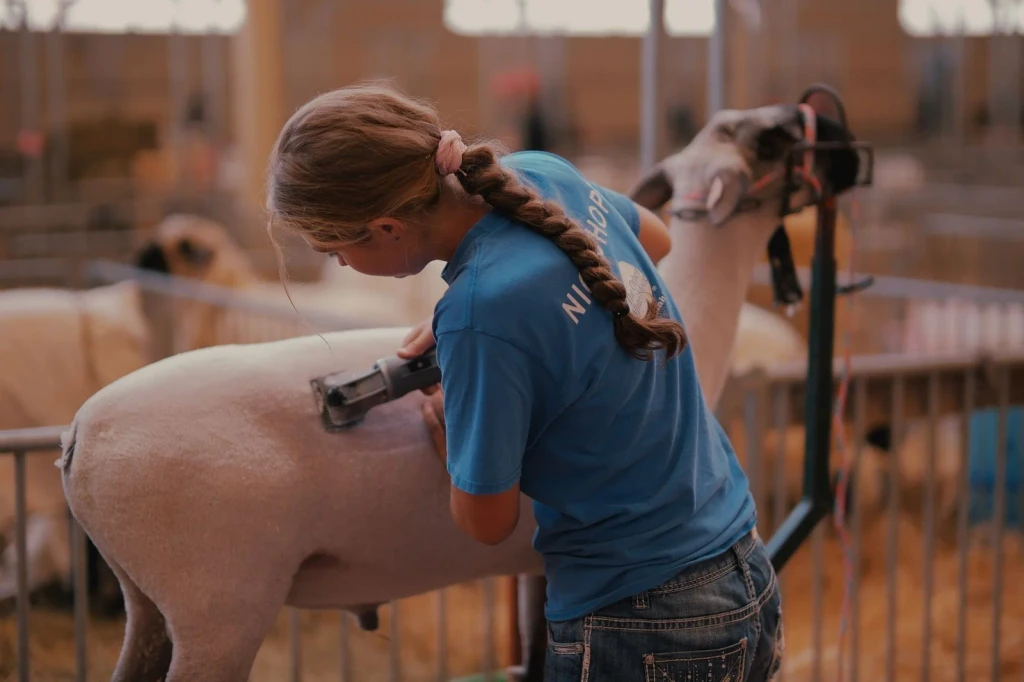
A woman shears a sheep inside a livestock barn. This essential task of animal husbandry sits at the heart of wool production.
Photograph by Đào Thân, via Pexels.
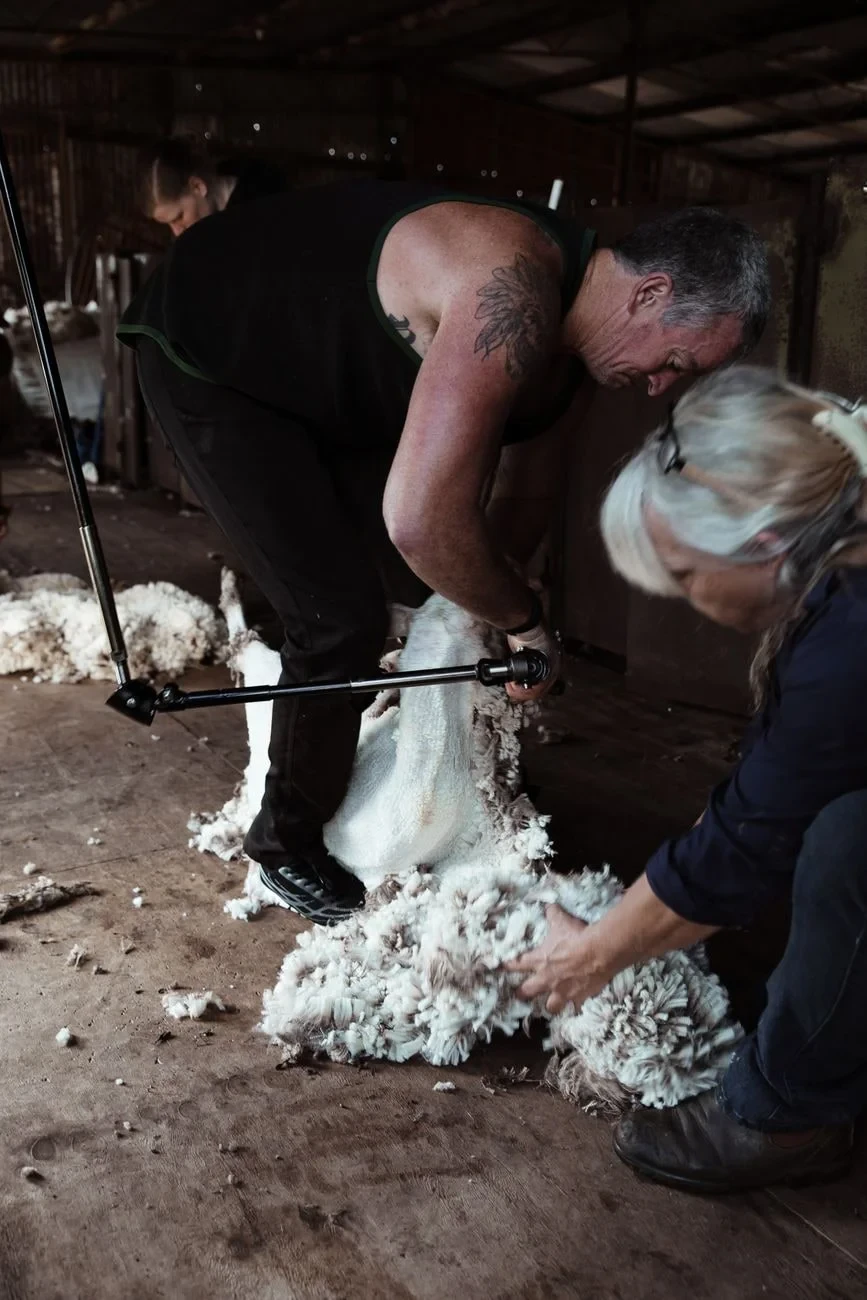
Shearers remove the fluffy fleece from domestic sheep in a rural barn. The focused work of multiple hands shaped economies built on wool.
Photograph by Rachel Claire, via Pexels.
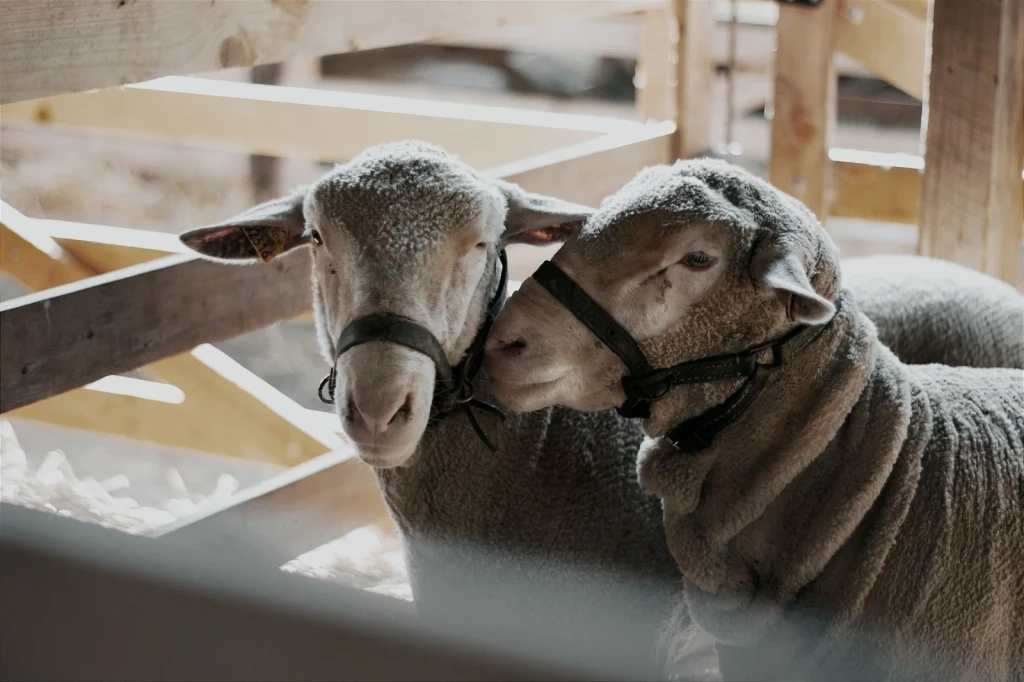
Two sheep rest together in a barn. A moment of calm within the cycle of husbandry and wool production.
Photograph by Molnár Tamás Photography™, via Pexels.
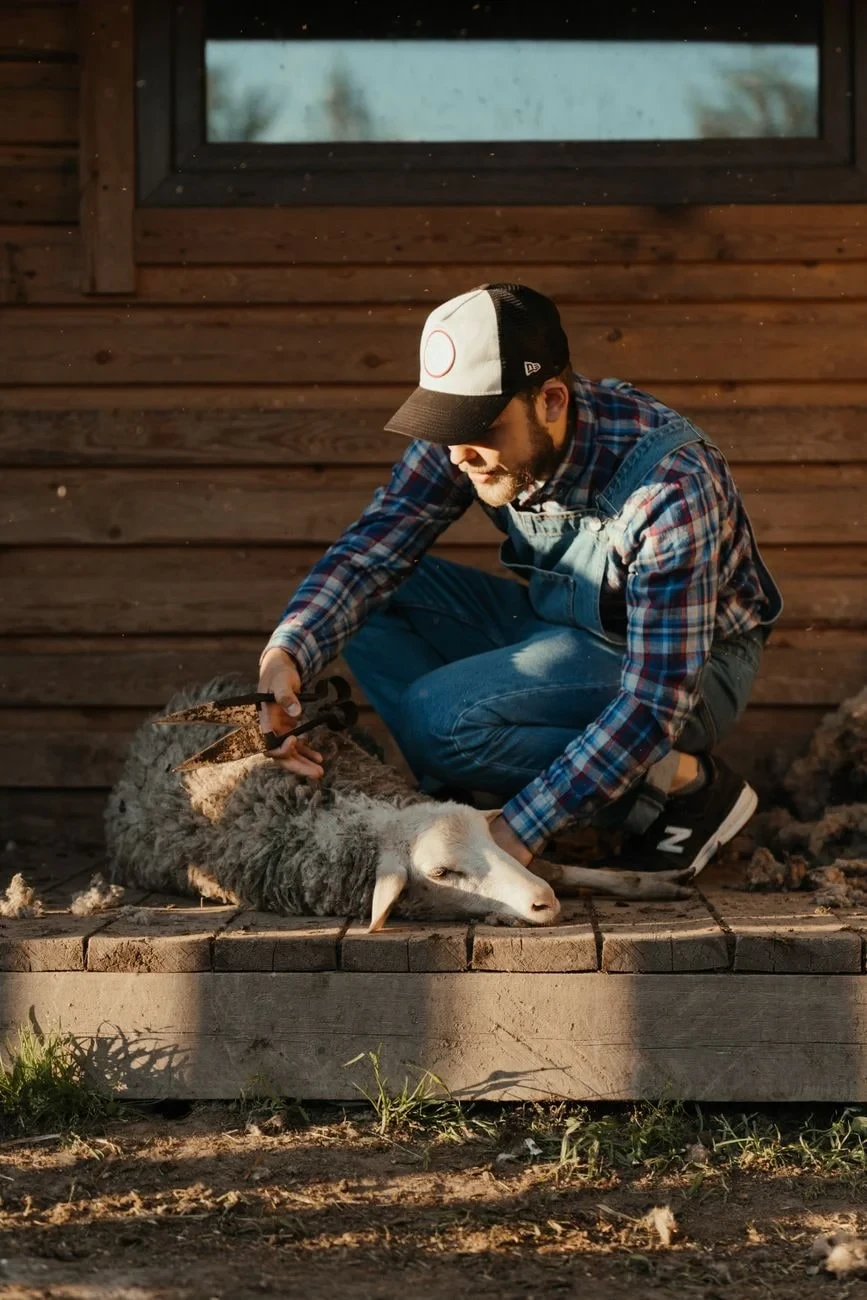
A farmer shears a sheep outside a rustic barn. This image captures traditional agricultural practices central to wool farming.
Photograph by cottonbro studio, via Pexels.
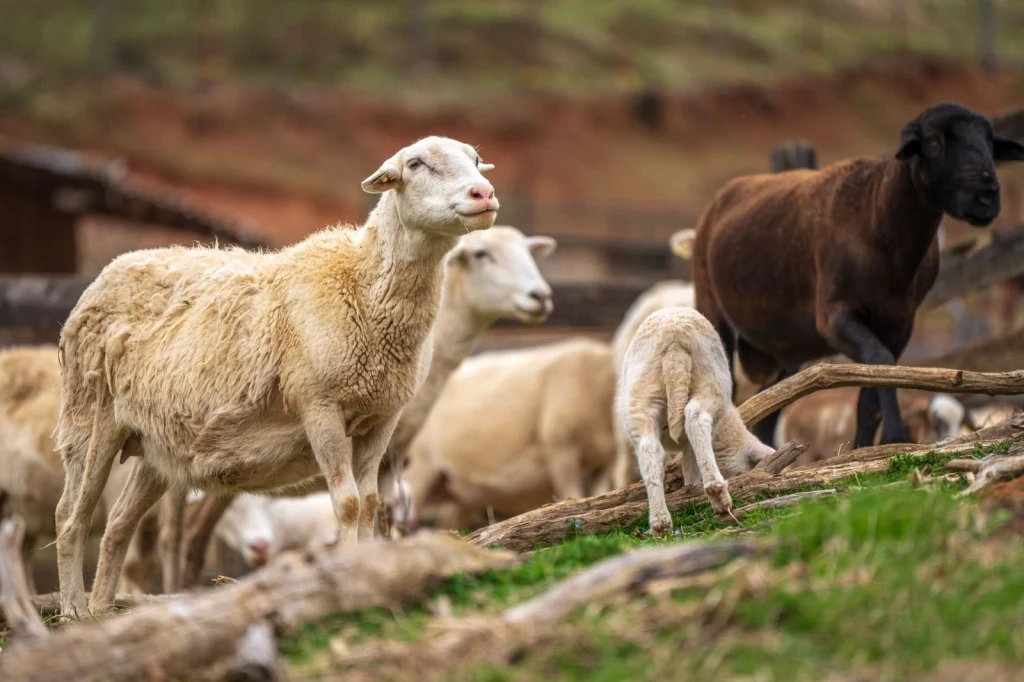
Sheep and lambs graze across a rural countryside landscape. The foundation of wool production shown in its natural setting.
Photograph by Mark Stebnicki, via Pexels.
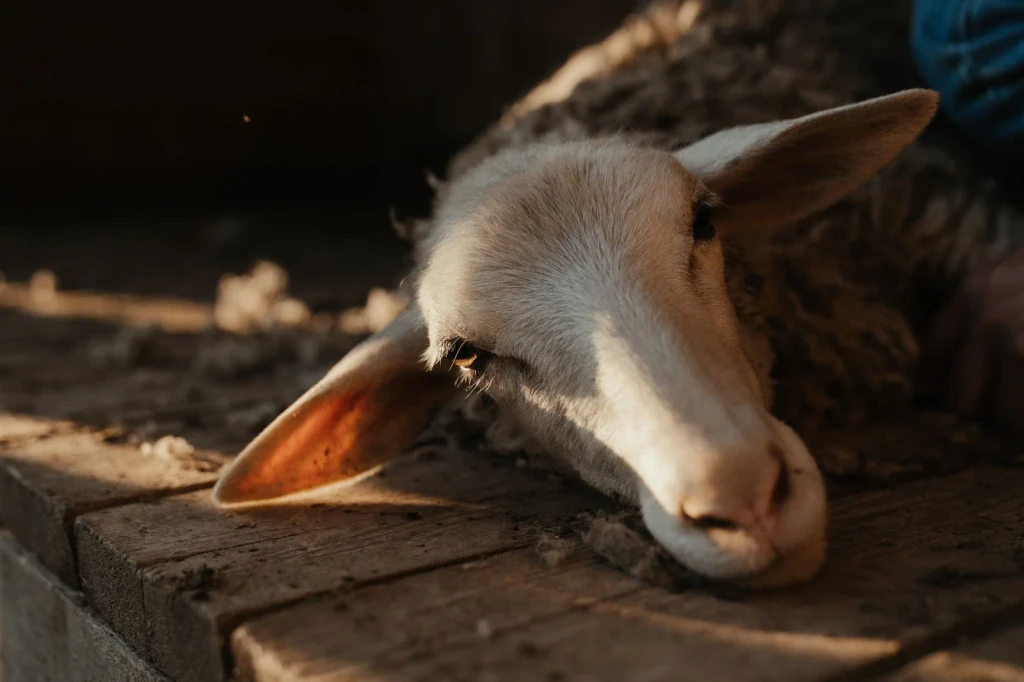
A close-up view of a sheep's woolly fleece at rest indoors. The raw material that built an economy, captured in quiet detail.
Photograph by cottonbro studio, via Pexels.
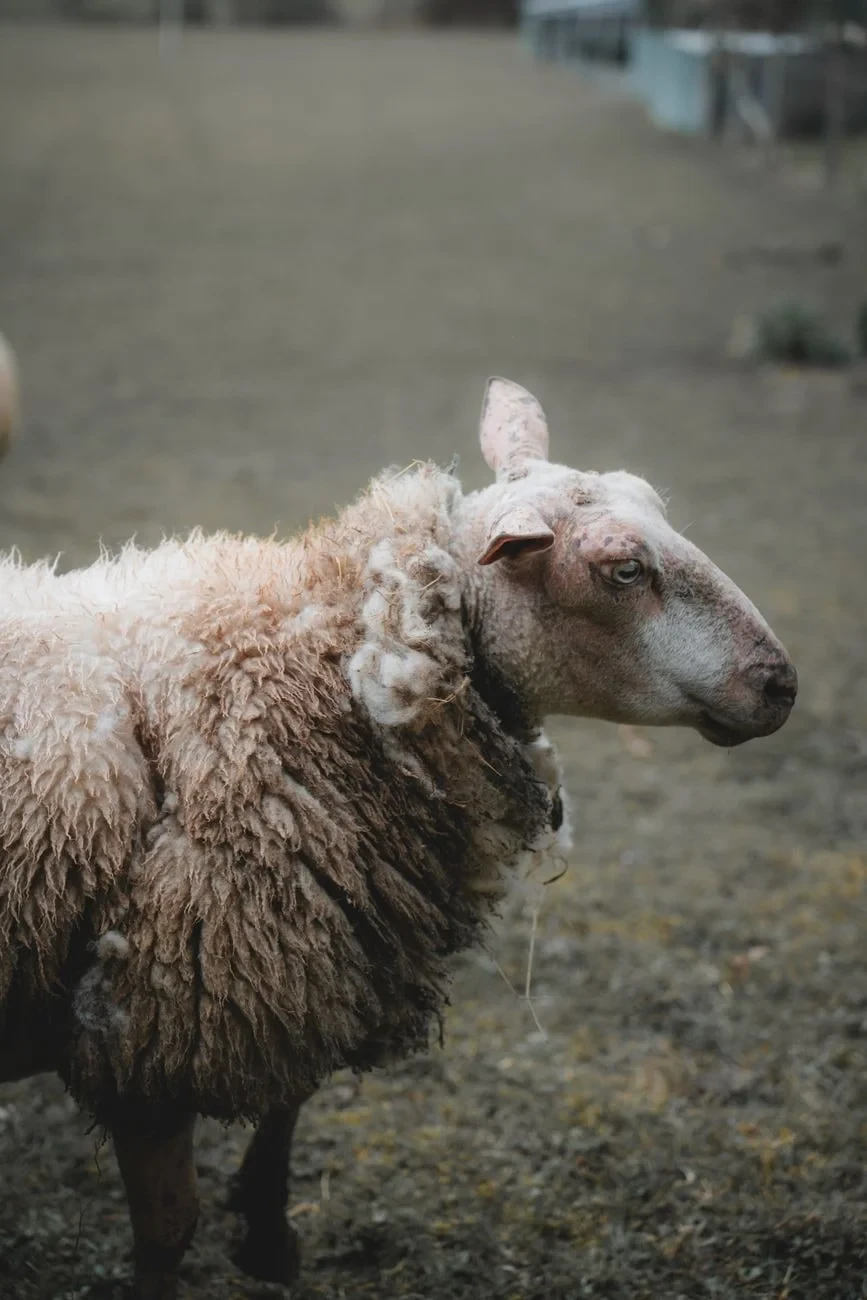
A partially shorn sheep stands in grassland under overcast skies. The image captures the animal mid-cycle in the wool production that sustained economies for centuries.
Photograph by Clément Proust, via Pexels.
