3D Gallery
How Windmills Turned Air into Bread
Enter gallery
How Windmills Turned Air into Bread is a 3D virtual gallery on MyGallery3D, a walkable online exhibition of 13 works. Step inside and explore it in your browser: no app, no headset.
Walk through this 3D virtual museum of windmills in your browser and learn to read the sails.
In the Netherlands, a stopped mill is a message. Sails halted in a plus sign mean the mill is open for business; an X means it is closed. Tilt the top blade to 1 o'clock and the village knows a healthy baby has been born. Set them to 11-2-5-8 and it is mourning, or a warning: that position was used during Nazi operations in World War II, such as searches for Jews.
The horizontal windmill appeared in Persia in the 9th century: six to 12 sails of reed matting or cloth turning around a vertical shaft, built first to pump water and later modified to grind grain. The geographer Estakhri reported mills working in Khorasan by then. The vertical windmill, the shape everyone pictures, is a separate 12th century invention from northern France, eastern England and Flanders.
Much of the Netherlands lies below sea level, and windpumps drained it, hollow-post mills driving scoop wheels from the early 15th century onwards. Simon Stevin patented slower wheels and better gear teeth in 1586, tripling their efficiency. Europe peaked at an estimated 200,000 wind-powered mills around 1850. Of the 10,000 then turning in the Netherlands, about 1,000 are still standing.
In north-western Europe the wind direction is variable, so the earliest European mill, the post mill, balanced its entire body, machinery and all, on one upright post and swung it to face the weather. The first ones were sunk into an earth mound to stop them blowing over. Tower mills later moved only the cap, which let the building grow taller and the sails grow longer.
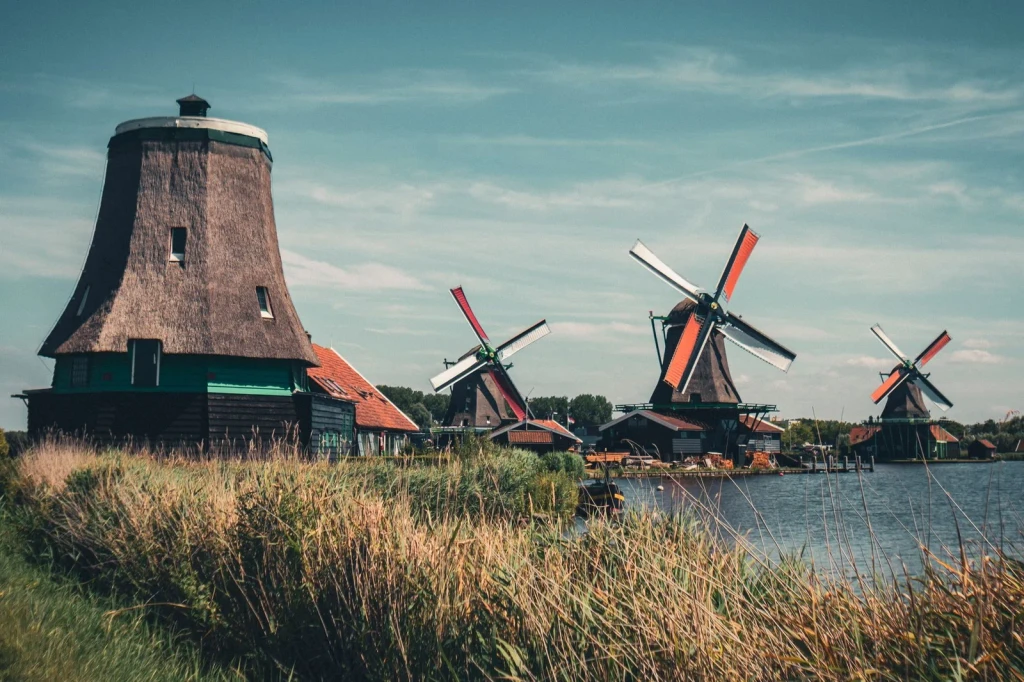
Traditional windmills stand as architectural landmarks of Dutch heritage. Their presence speaks to generations of engineering skill devoted to harnessing wind.
Photograph by Vinicius A. Nascimento, via Pexels.
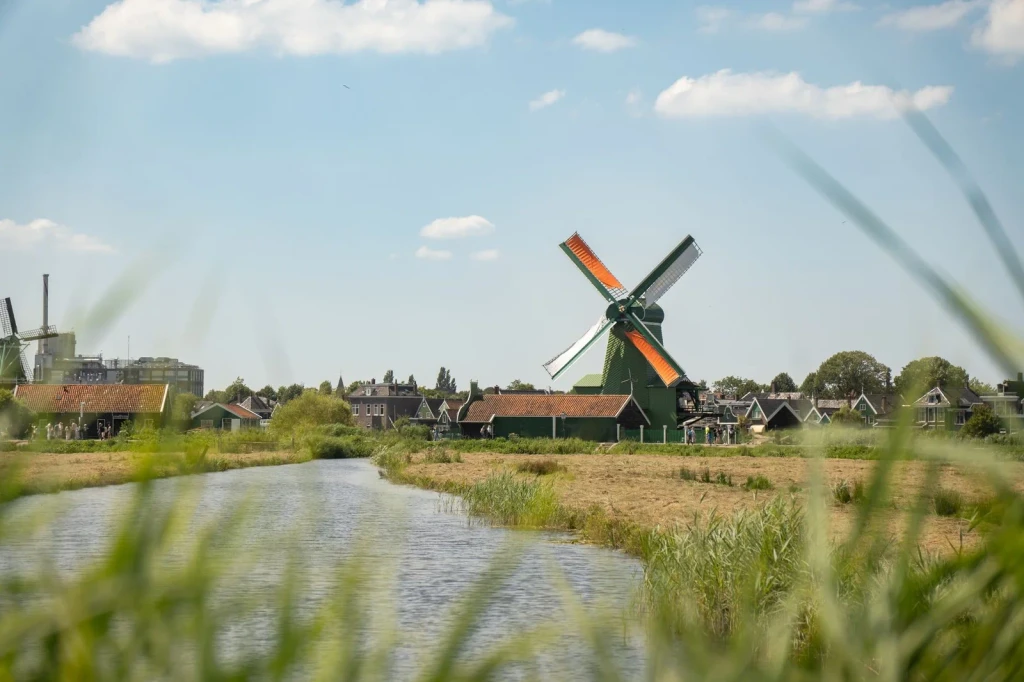
A traditional windmill stands near water in Zaandam, Netherlands. The scenic setting shows how these structures were positioned to harness wind and water for grain processing.
Photograph by David Ruh, via Pexels.
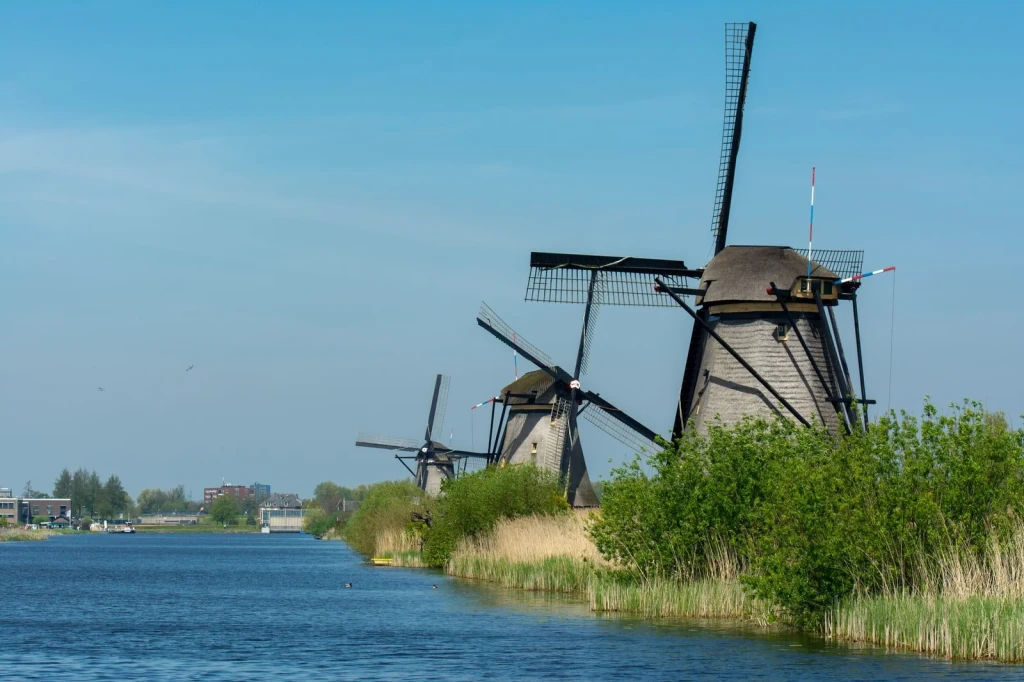
Traditional windmills line a canal, connected to the water systems that sustained them. Their arrangement reveals how mills clustered along routes of grain and commerce.
Photograph by Jan van der Wolf, via Pexels.
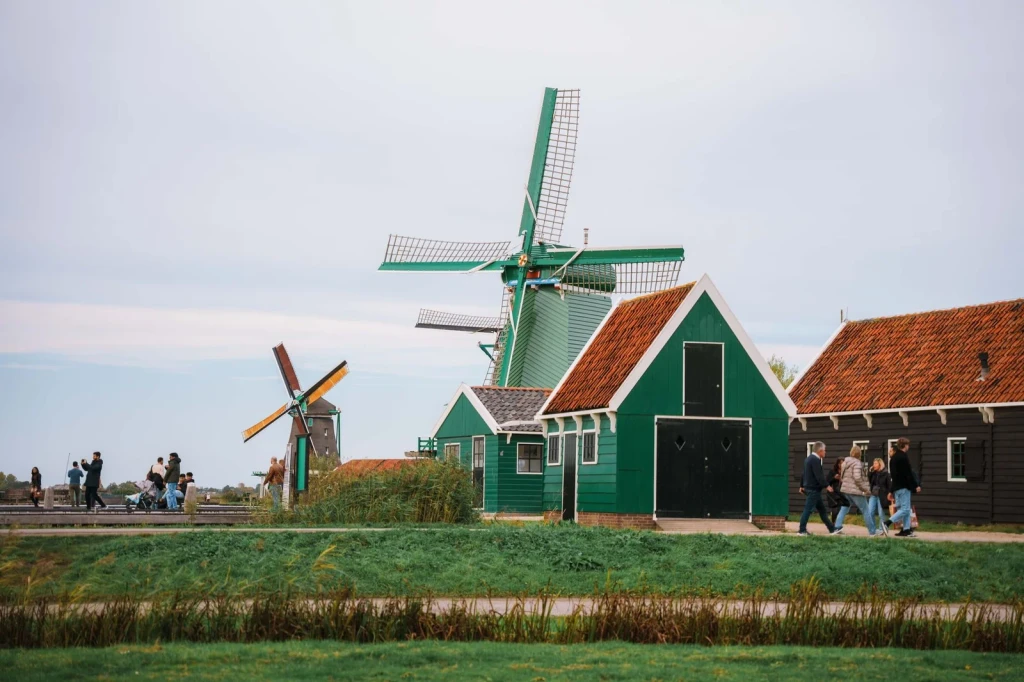
A rural scene where windmills stand among people and landscape. The photograph captures windmills as structures integral to everyday life and movement through the countryside.
Photograph by Ali Alcántara, via Pexels.
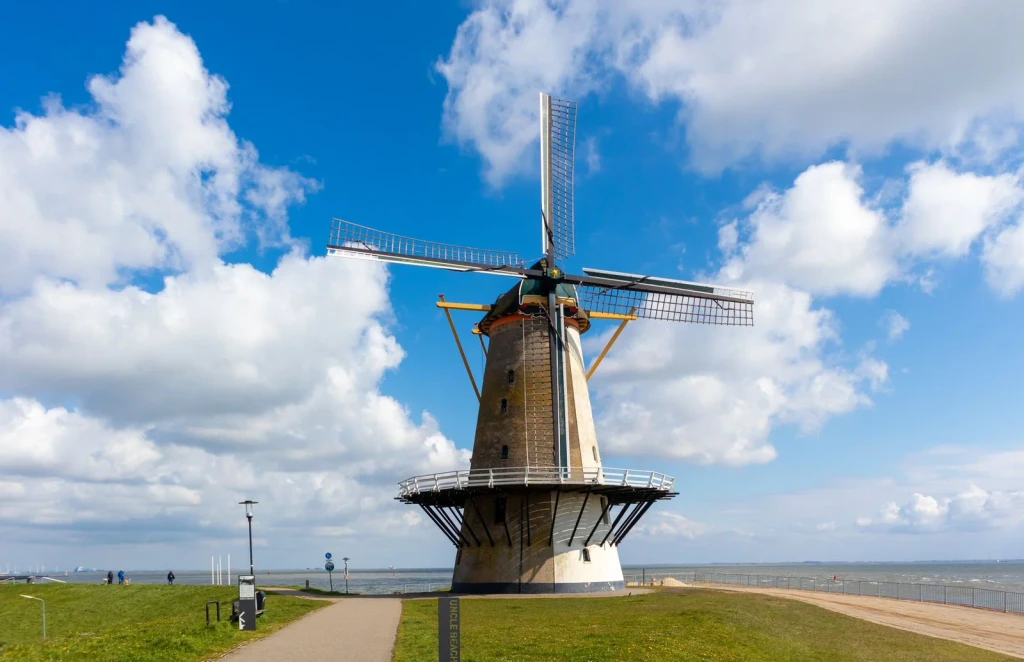
A classic windmill catches sunlight near the sea. Built close to coastal breezes, such mills turned wind into the grain work of daily life.
Photograph by Igor Passchier, via Pexels.
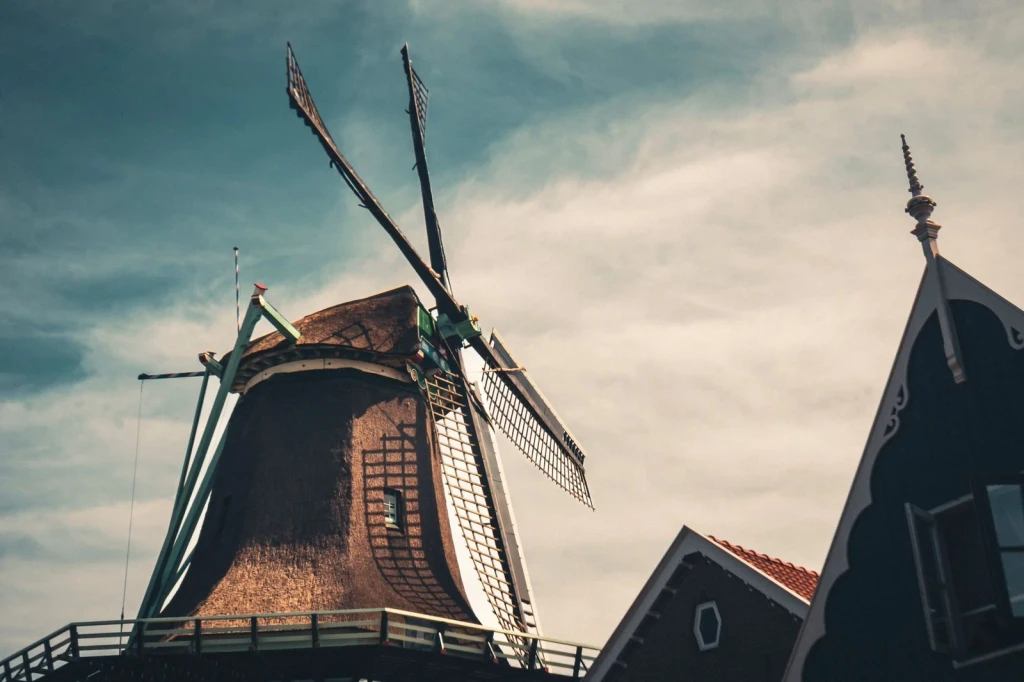
Charming view of a traditional windmill against the sky in Zaanse Schans, Holland.
Photograph by Vinicius A. Nascimento, via Pexels.
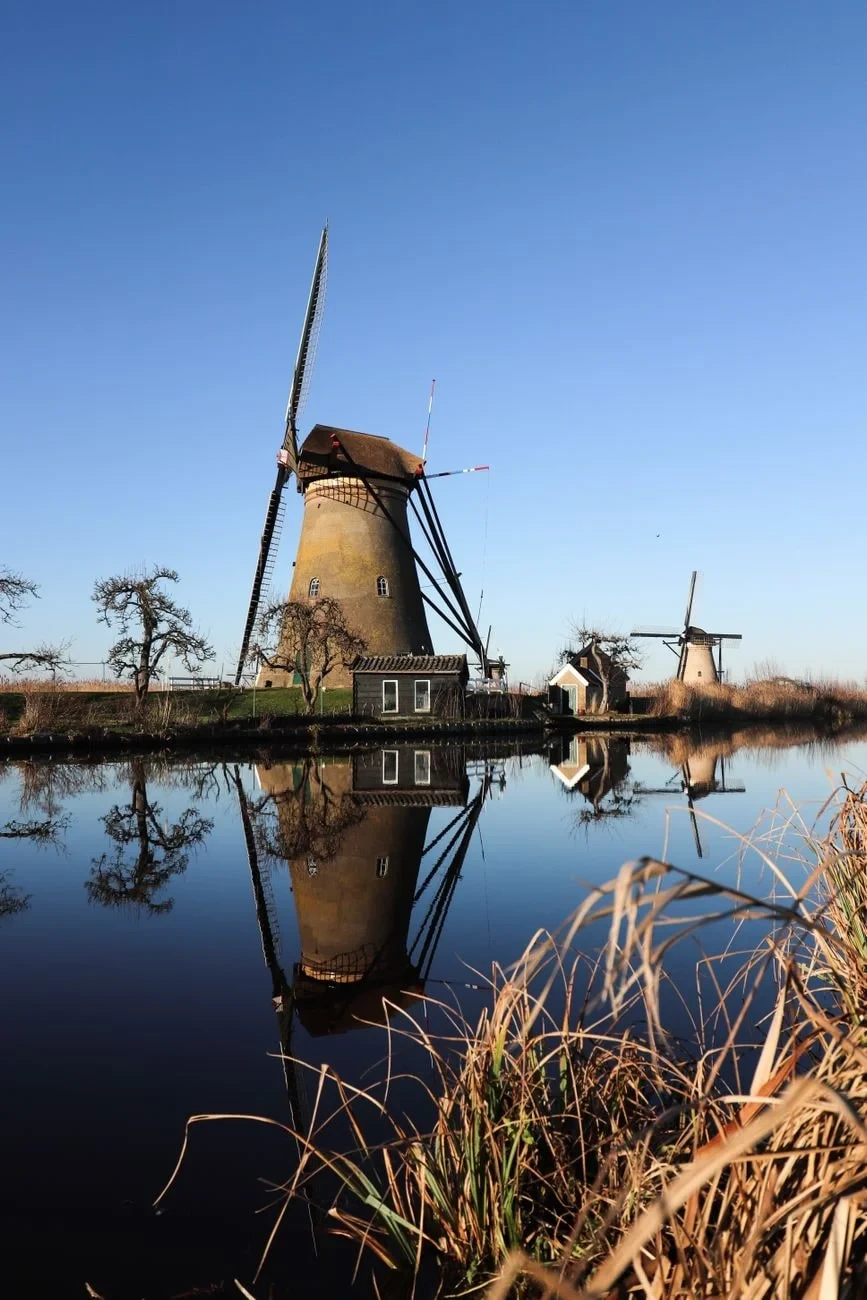
Multiple windmills create a mirrored image in still water. The reflection doubles their presence, suggesting how integral these mills were to the landscape.
Photograph by Patrick Gamelkoorn, via Pexels.
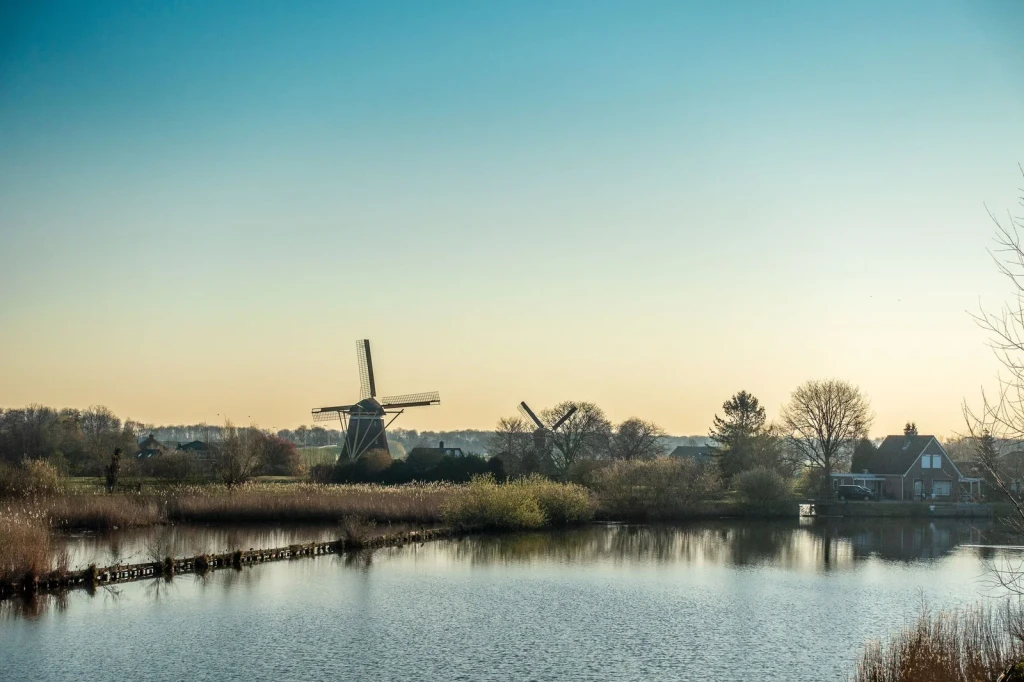
Classic windmills line a quiet river under clear sky. This arrangement shows how multiple mills were positioned to work the landscape's natural resources.
Photograph by Mike van Schoonderwalt, via Pexels.
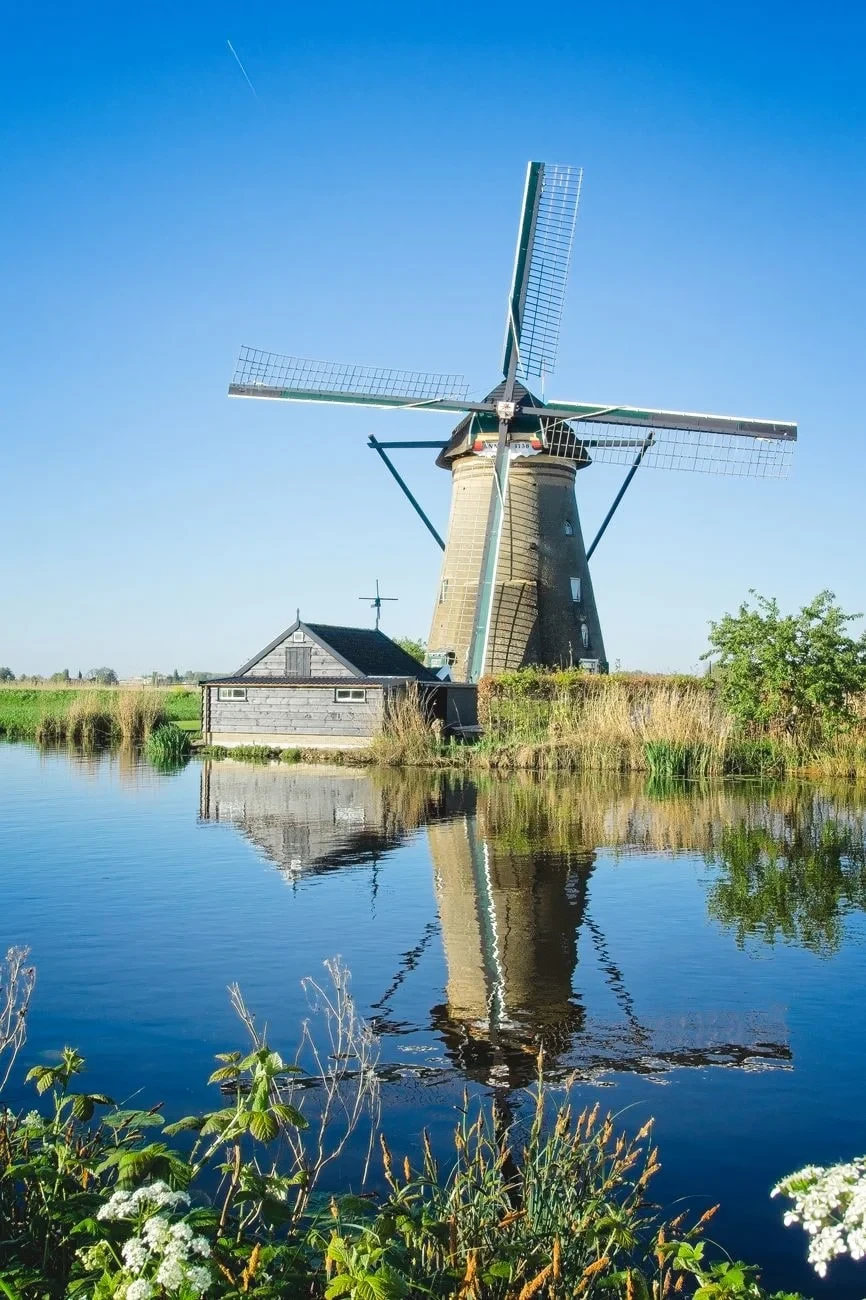
A traditional Dutch windmill mirrors itself in still canal water. The reflection emphasizes how water and wind worked together in the milling process.
Photograph by gary, via Pexels.
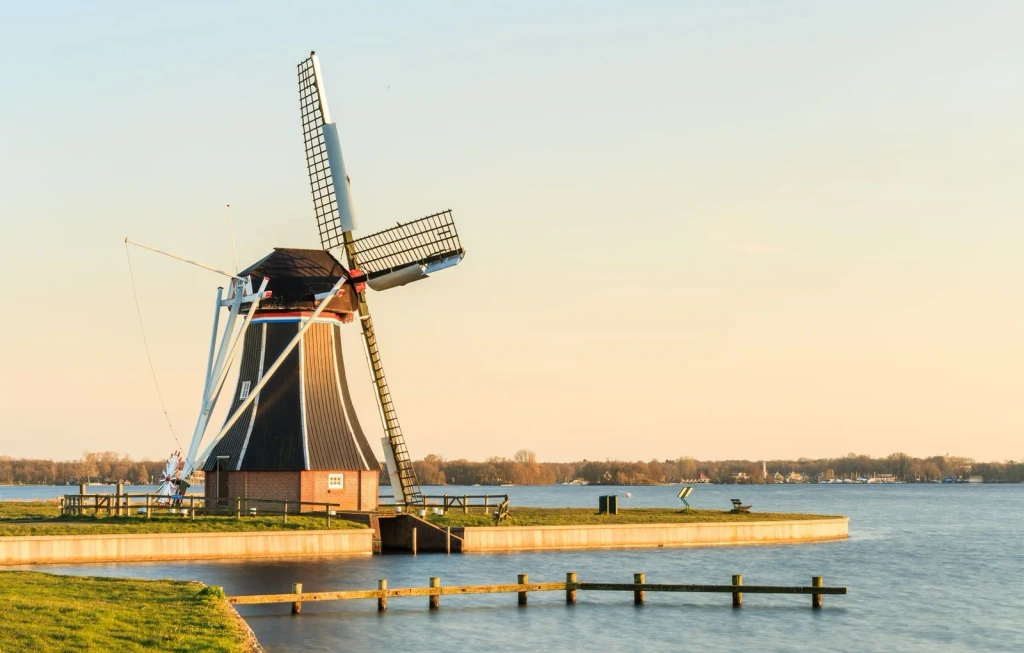
A windmill sits peacefully on a lake's edge at sunset. The tranquil moment contrasts with the mechanical work these structures performed daily.
Photograph by Wopke Lamberst, via Pexels.
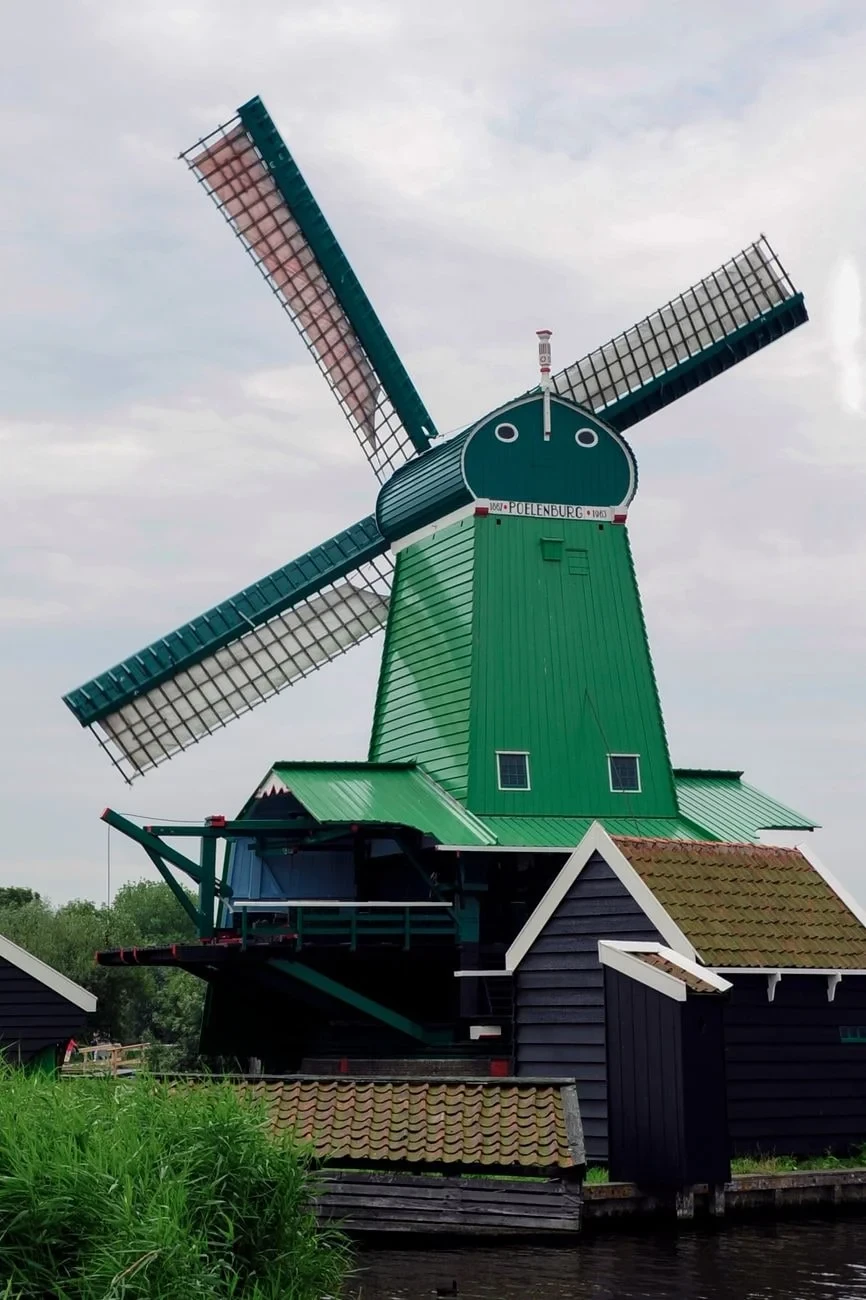
A historic green windmill stands as a preserved example of traditional milling. Its enduring presence shows how these structures became landmarks of their communities.
Photograph by MINEIA MARTINS, via Pexels.
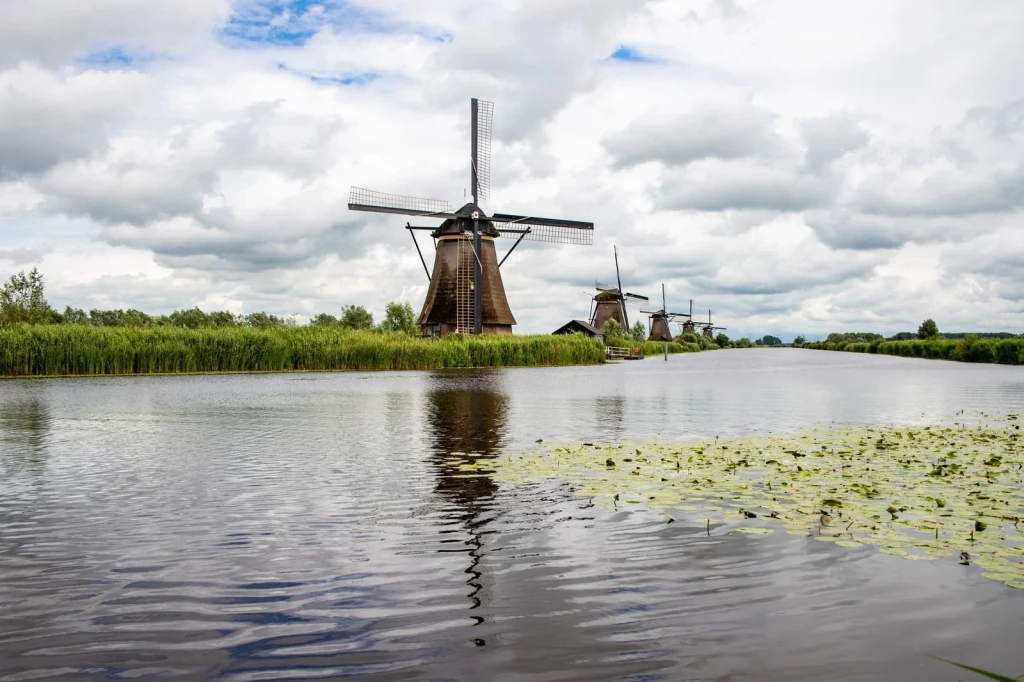
Historic windmills positioned along a river demonstrate how mills were built near water sources. The peaceful setting shows the landscape these structures shaped.
Photograph by Dick Scholten, via Pexels.
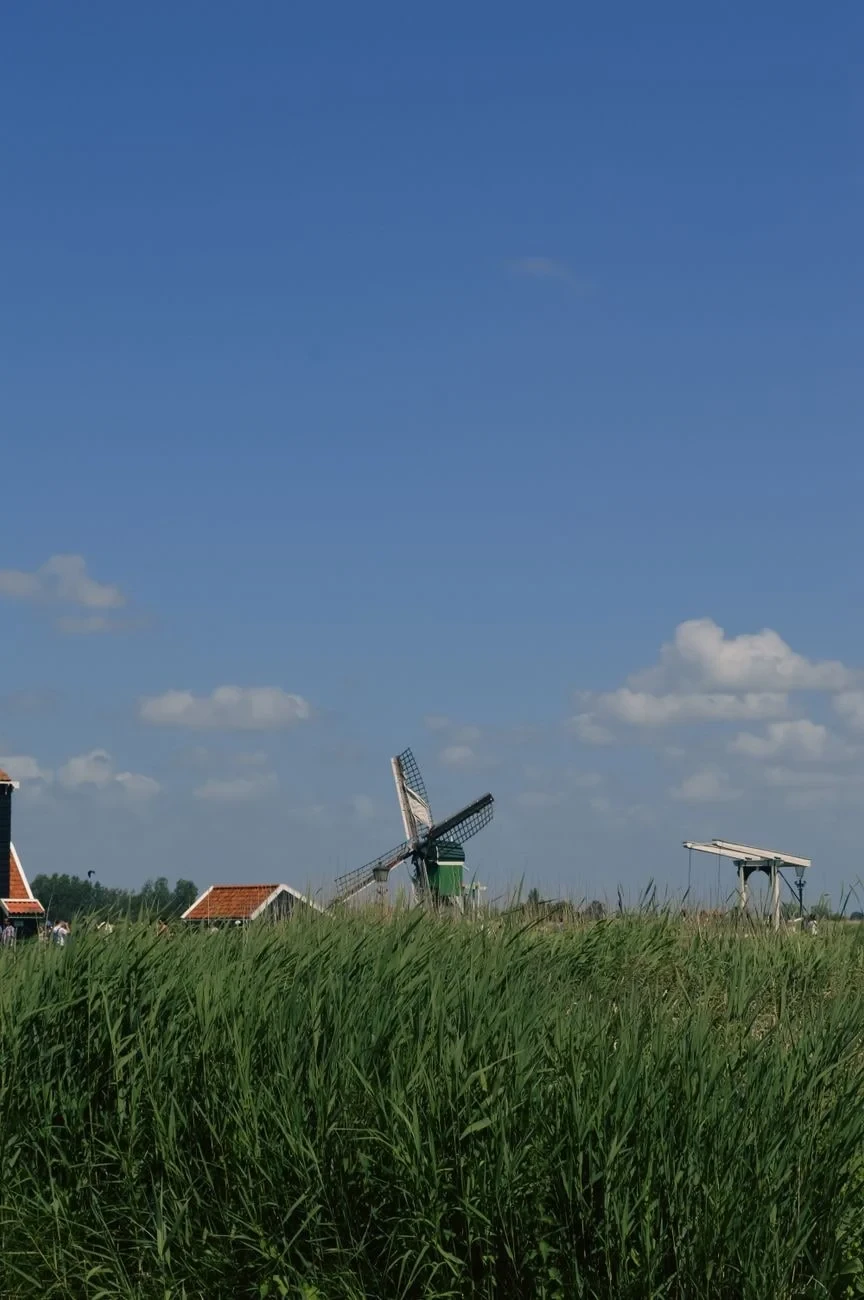
Multiple traditional windmills dot the Dutch countryside alongside green fields. This landscape captures the scale of windmill infrastructure needed to turn air into bread across the region.
Photograph by Neda Kekil, via Pexels.
