3D Gallery
Musical Instruments: How We Shaped Sound
Enter gallery
Musical Instruments: How We Shaped Sound is a 3D virtual gallery on MyGallery3D, a walkable online exhibition of 12 works. Step inside and explore it in your browser: no app, no headset.
Walk through this 3D virtual gallery of musical instruments in your browser and start with what an instrument actually is.
In principle any object that produces sound can be a musical instrument. It is purpose that makes it one. The oldest object scholars accept as an instrument is a simple flute, dated back 50,000 to 60,000 years, and almost everything older is lost: early instruments were built from animal skins, bone and wood, which do not survive. What we have is the durable fraction of a much longer story.
A modern grand piano is a machine holding itself together. Total string tension can exceed 20 tons, which is why it needs a massive cast iron frame. Bartolomeo Cristofori's instruments around 1700 had thin strings and were much quieter. What he solved was subtler: a hammer that strikes the string and immediately falls away, so the note can ring, and be repeated.
Drums are the world's oldest and most ubiquitous musical instruments, and the basic design has remained virtually unchanged for thousands of years. They were rarely just music. In Burundi the karyenda was a symbol of the power of the king. The Wahinda, an East African tribe, believed the drum so holy that seeing one would be fatal to any person other than the sultan.
Blind experiments from 1817 to 2014 have never found a difference in sound between a Stradivari and a good violin by another maker. In a 2009 test, Matthew Trusler played his 1711 Stradivarius against four new violins by Michael Rhonheimer. One of Rhonheimer's, made with wood treated with fungi, took 90 of 180 votes for best tone. The Stradivarius came second with 39.
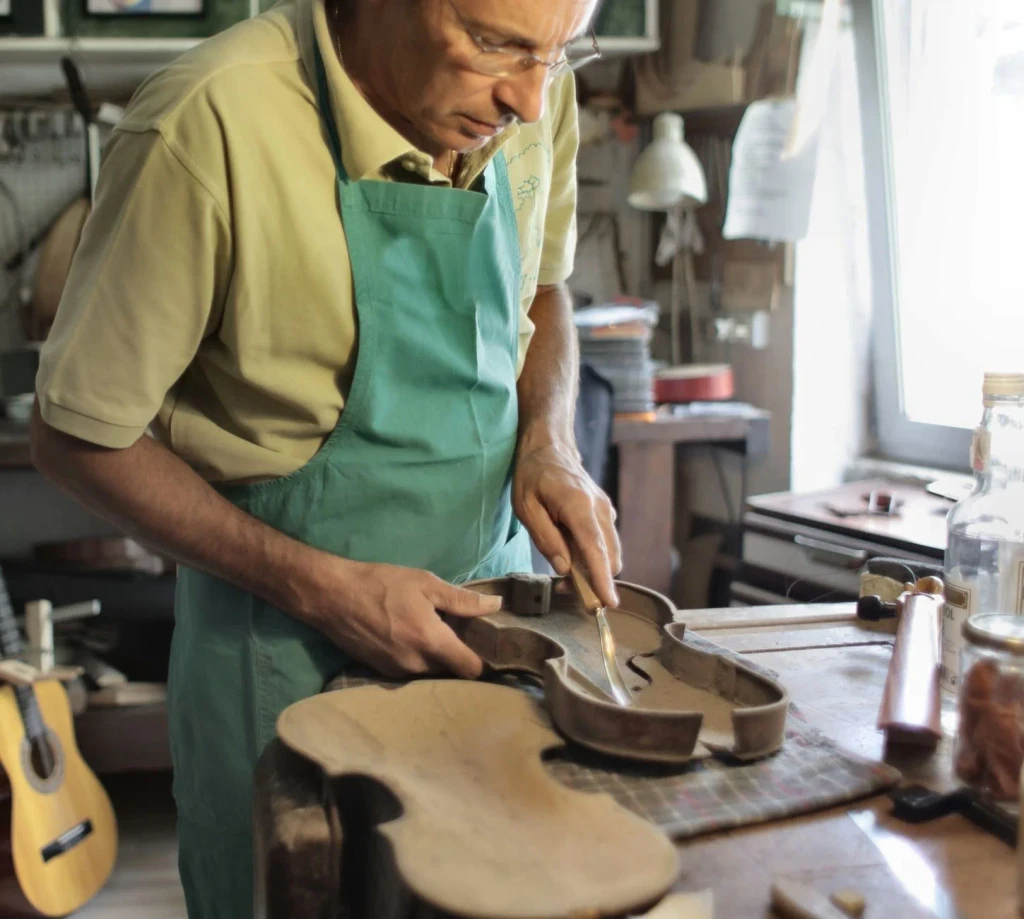
An elderly carpenter focuses intently on building a musical instrument. His workshop setting shows how sound-making has always required skilled hands and dedicated space.
Photograph by Andrea Piacquadio, via Pexels.
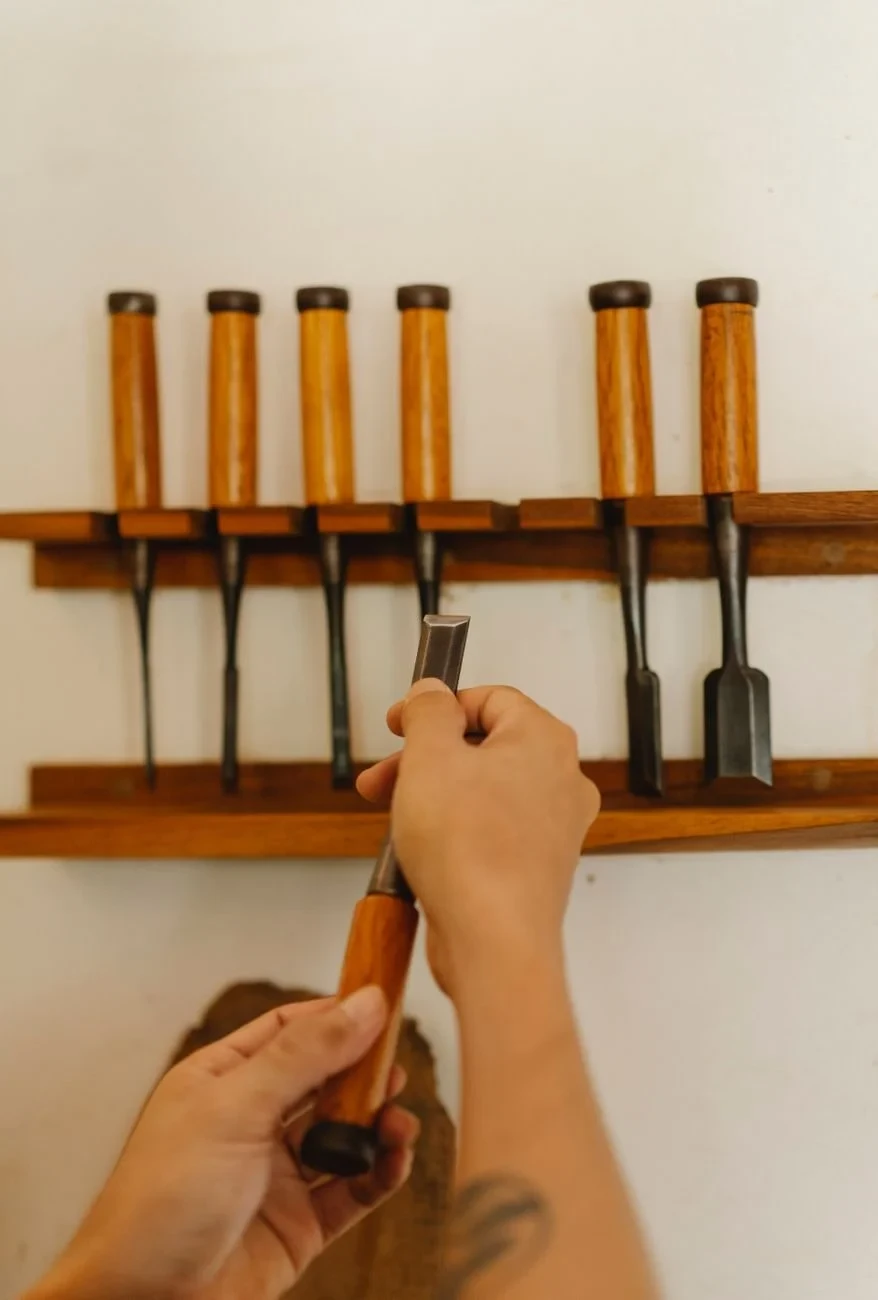
A woodworker selects chisels for carving work. Choosing the right tool is essential to transforming raw material into playable instruments.
Photograph by Ono Kosuki, via Pexels.
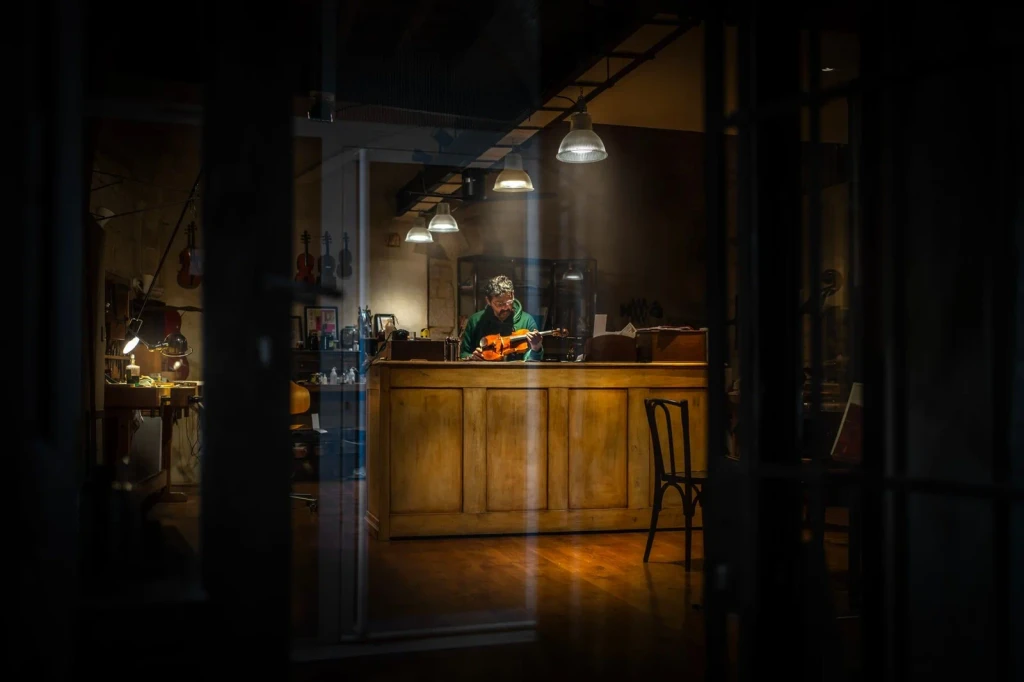
A violin maker focuses intently in dim workshop light. The concentration required for repair work shows how sound-shaping happens at the smallest scales.
Photograph by Thomas balabaud, via Pexels.
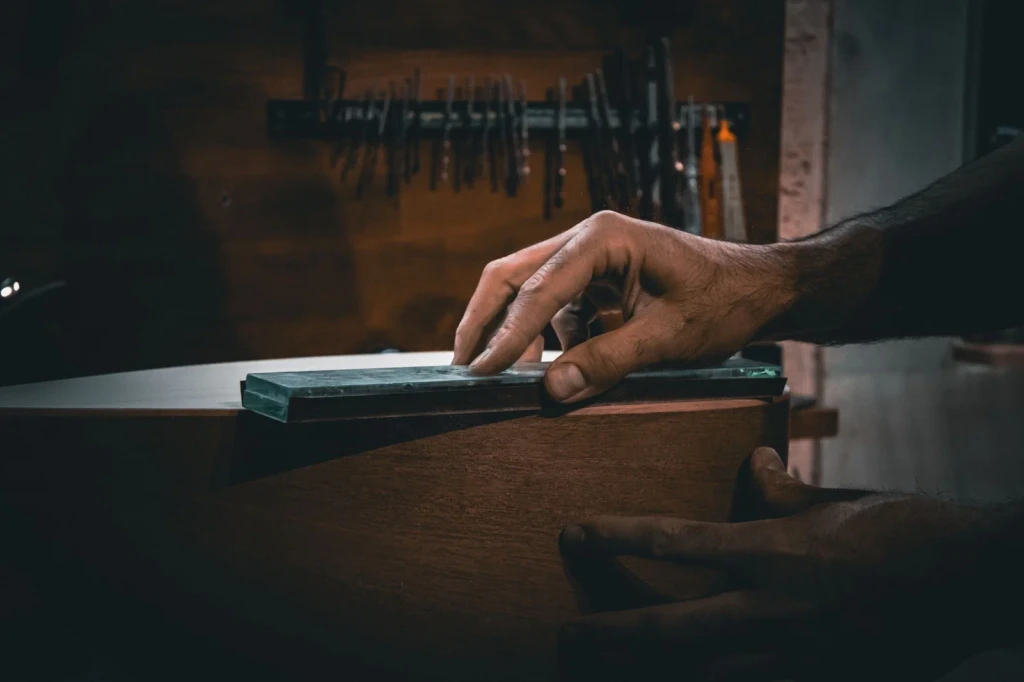
A craftsman sharpens a tool with careful attention. Keeping instruments in working condition requires the same skilled handwork that built them.
Photograph by Gizem toprak, via Pexels.
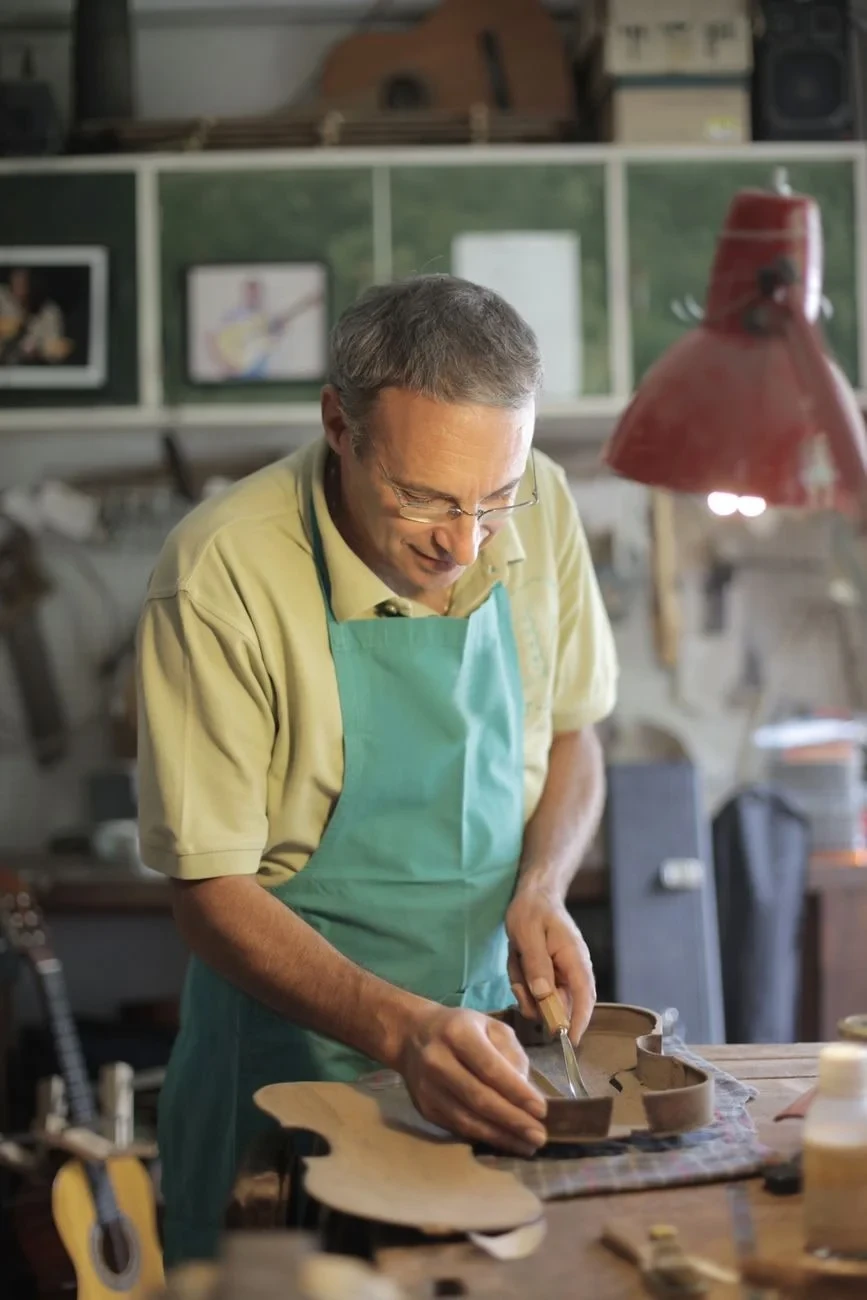
A craftsman shapes wooden violin parts with a chisel at his worktable. Each gesture contributes to how the finished instrument will resonate and sing.
Photograph by Andrea Piacquadio, via Pexels.
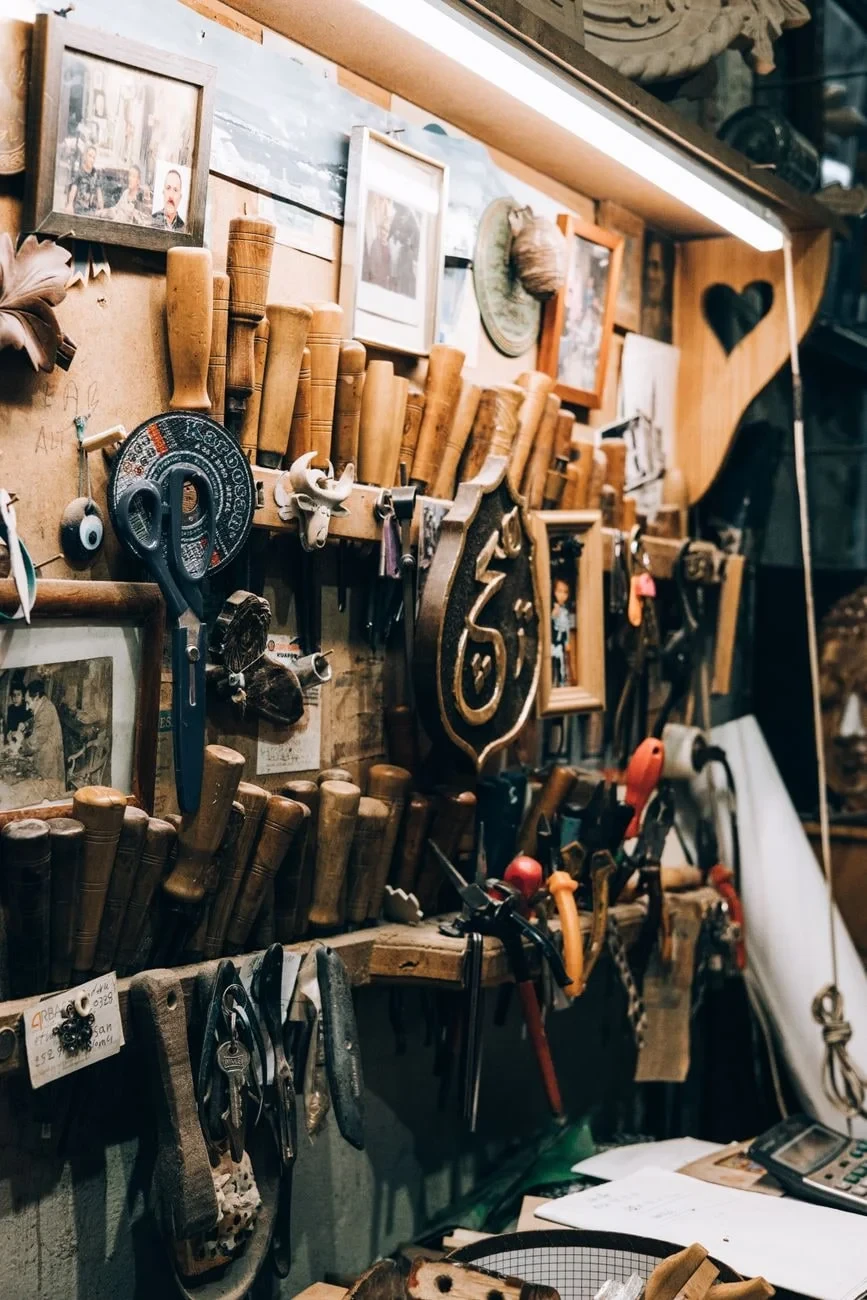
Hand tools and frames line a workshop wall. These implements represent the physical toolkit makers have used to craft instruments across generations.
Photograph by Lokman Sevim, via Pexels.
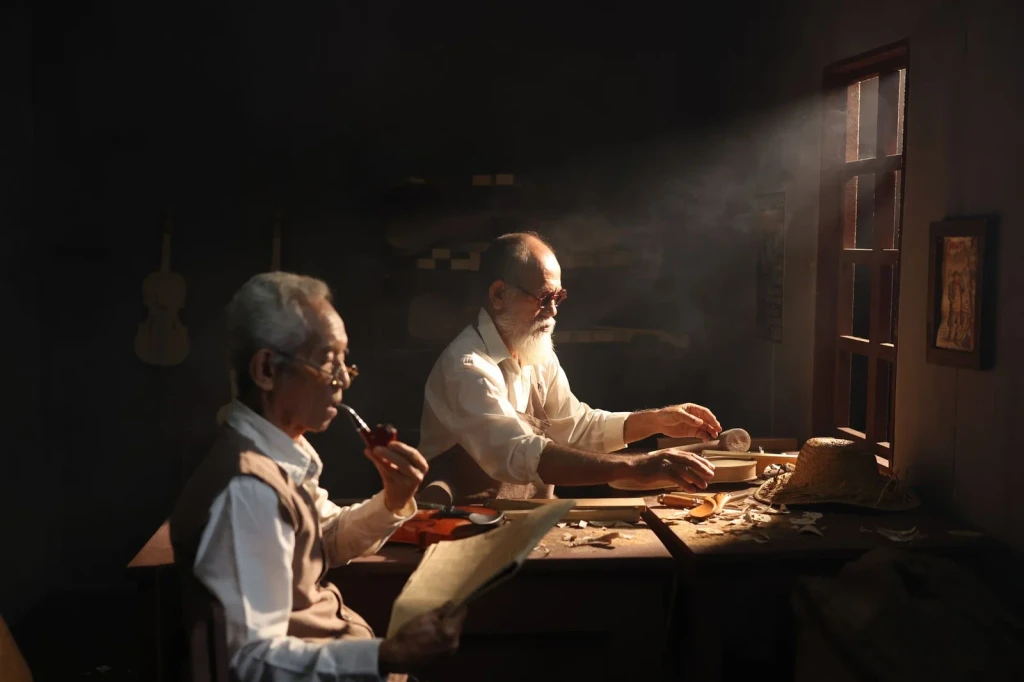
Artisans craft violins using natural light in a traditional setting. Daylight work and shared space reflect one approach to shaping instruments by hand.
Photograph by Dwi Setyo, via Pexels.
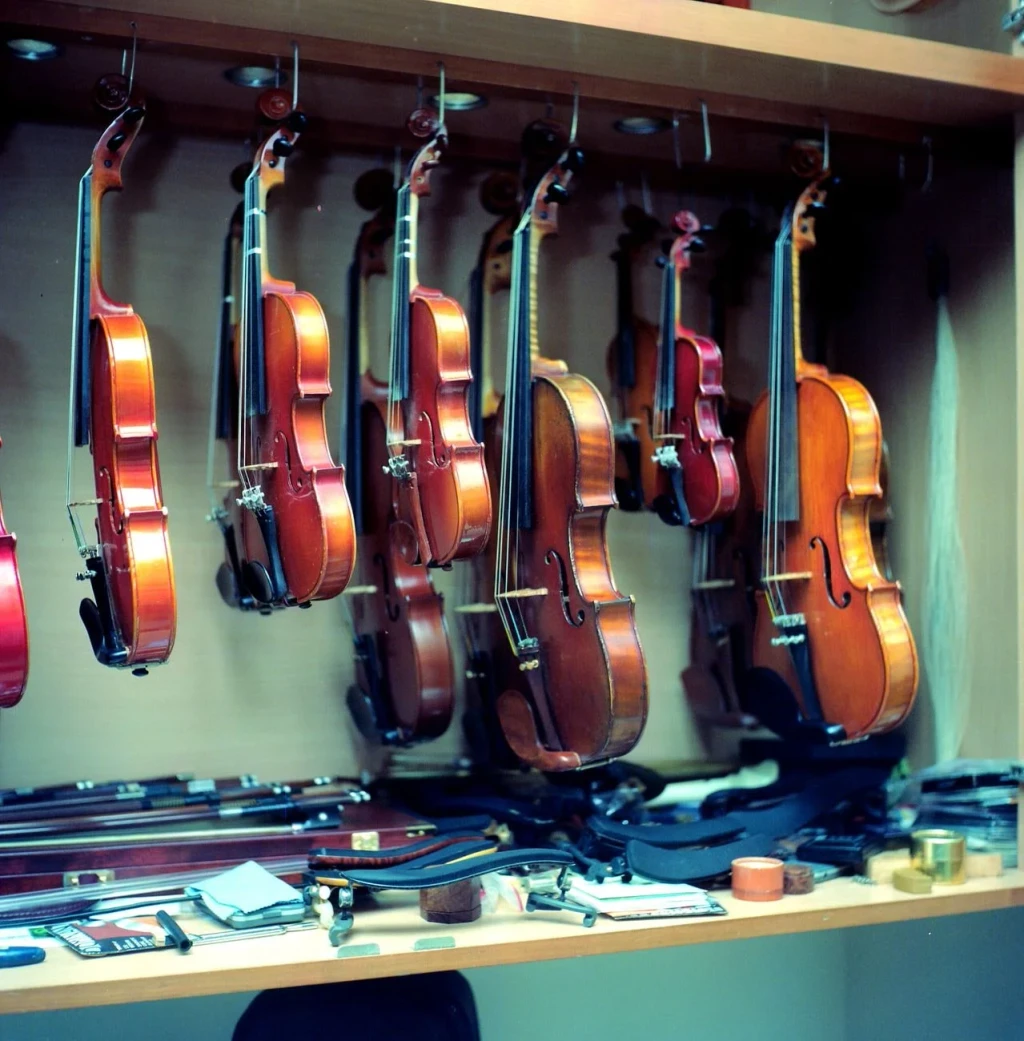
Multiple violins hang together in a workshop space. The display reveals how craftspeople build and refine instruments through repeated, careful practice.
Photograph by Alan Wang, via Pexels.
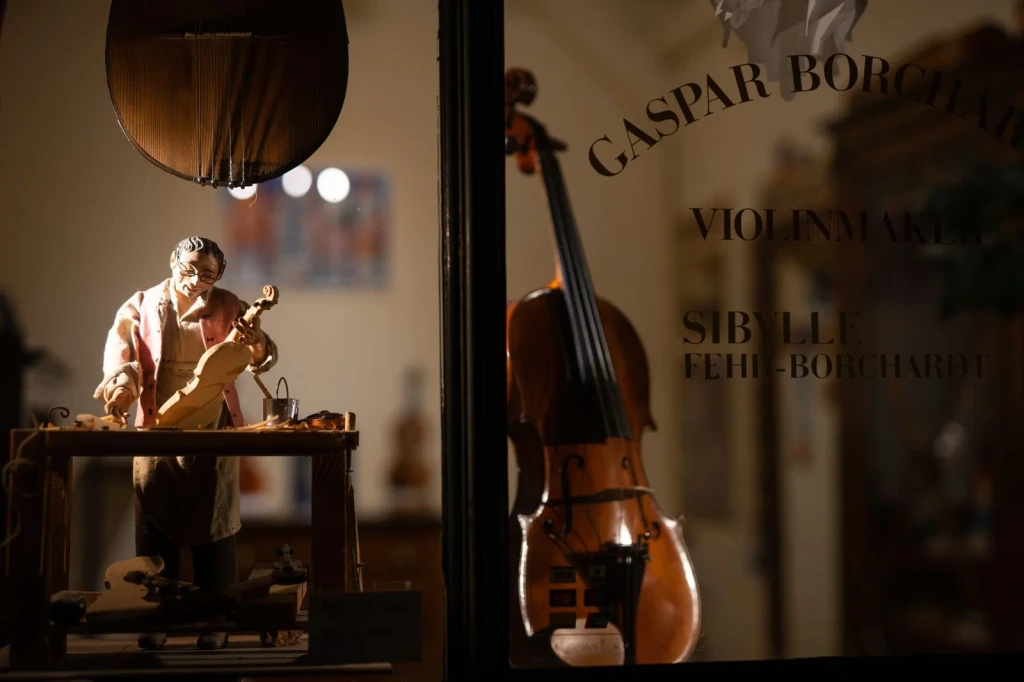
A violinmaker's workshop holds figurines and instruments close together. The environment shows where decisions about sound are made and tested.
Photograph by Catalin Buescu, via Pexels.
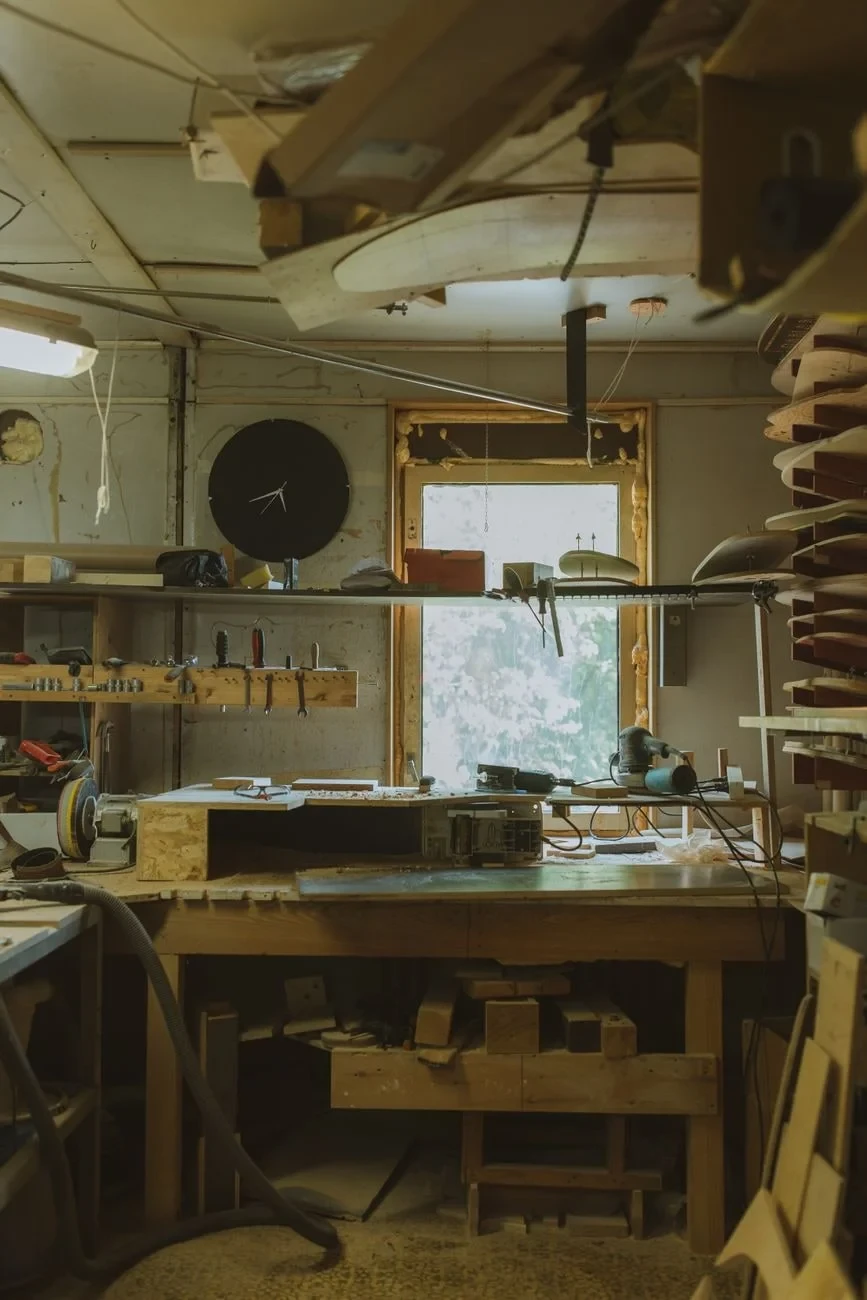
A woodworking workshop holds an array of tools and materials. This environment is where the craft of instrument-making takes place.
Photograph by Yaroslav Shuraev, via Pexels.
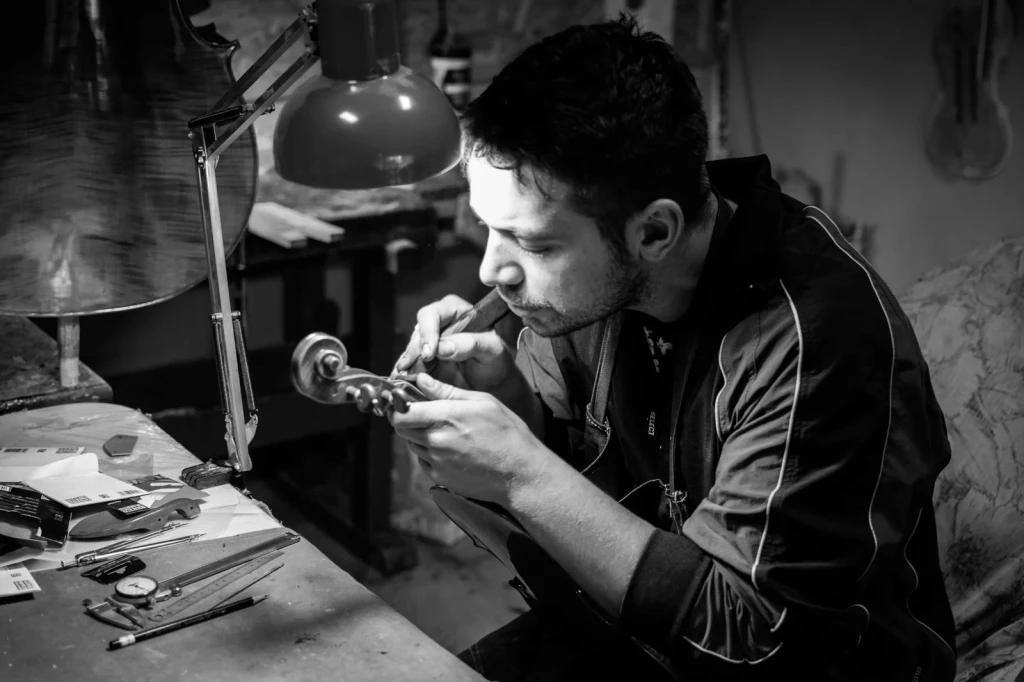
A craftsman works carefully on a violin in a workshop setting. The image captures the precision required to shape an instrument that will carry sound.
Photograph by Stefan Donchev, via Pexels.
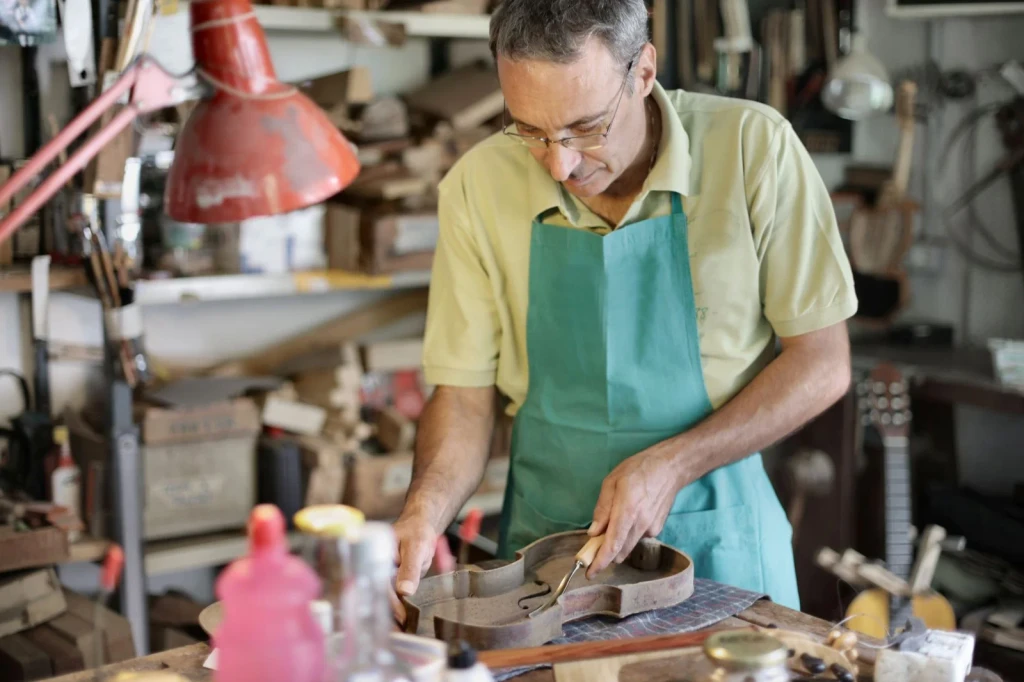
An experienced craftsman uses a chisel to shape wooden details for a violin. Handwork like this transforms raw material into an instrument capable of producing sound.
Photograph by Andrea Piacquadio, via Pexels.
