3D Gallery
Canoes: The Boats That Settled the Pacific
Enter gallery
Canoes: The Boats That Settled the Pacific is a 3D virtual gallery on MyGallery3D, a walkable online exhibition of 13 works. Step inside and explore it in your browser: no app, no headset.
Walk through this 3D virtual museum of the Pacific voyaging canoe in your browser. Begin with the float lashed to its side.
A single hull rolls. Lash a float alongside, or a second hull, and stability comes from the distance between the hulls, not the shape of either. The hulls can then be long, narrow and fast. These were the first true ocean-going ships. On them Austronesian speakers left Taiwan around 3000 BC and reached Madagascar, Easter Island and New Zealand. Before the colonial era theirs was the most widespread language family in the world.
There were no instruments aboard. Navigators held a memorised sequence of stars for each route, and some star compasses name as many as 150 of them. When cloud hid the sky they steered on the swell, which holds a straight line for days. Close to land they read seabirds, and the faint green that a shallow lagoon throws onto the clouds above Anaa atoll.
By 1975, no living Hawaiian knew how to sail blue water without instruments. The Polynesian Voyaging Society went looking and found Mau Piailug, a master navigator from Satawal. As many as six Micronesian navigators still held the knowledge; only Mau was willing to share it. He guided Hōkūleʻa from Hawaii to Tahiti in 1976 with no instruments, and trained those who followed.
The canoes did not sail empty. Austronesian voyagers carried rice, bananas, coconuts, breadfruit, taro, yams, paper mulberry, chickens, pigs and dogs, so that an island could be lived on and not merely reached. The Lapita took their pottery 6,000 km east of the Bismarck Archipelago between about 1300 and 900 BC, until clay ran short and the pots stopped.
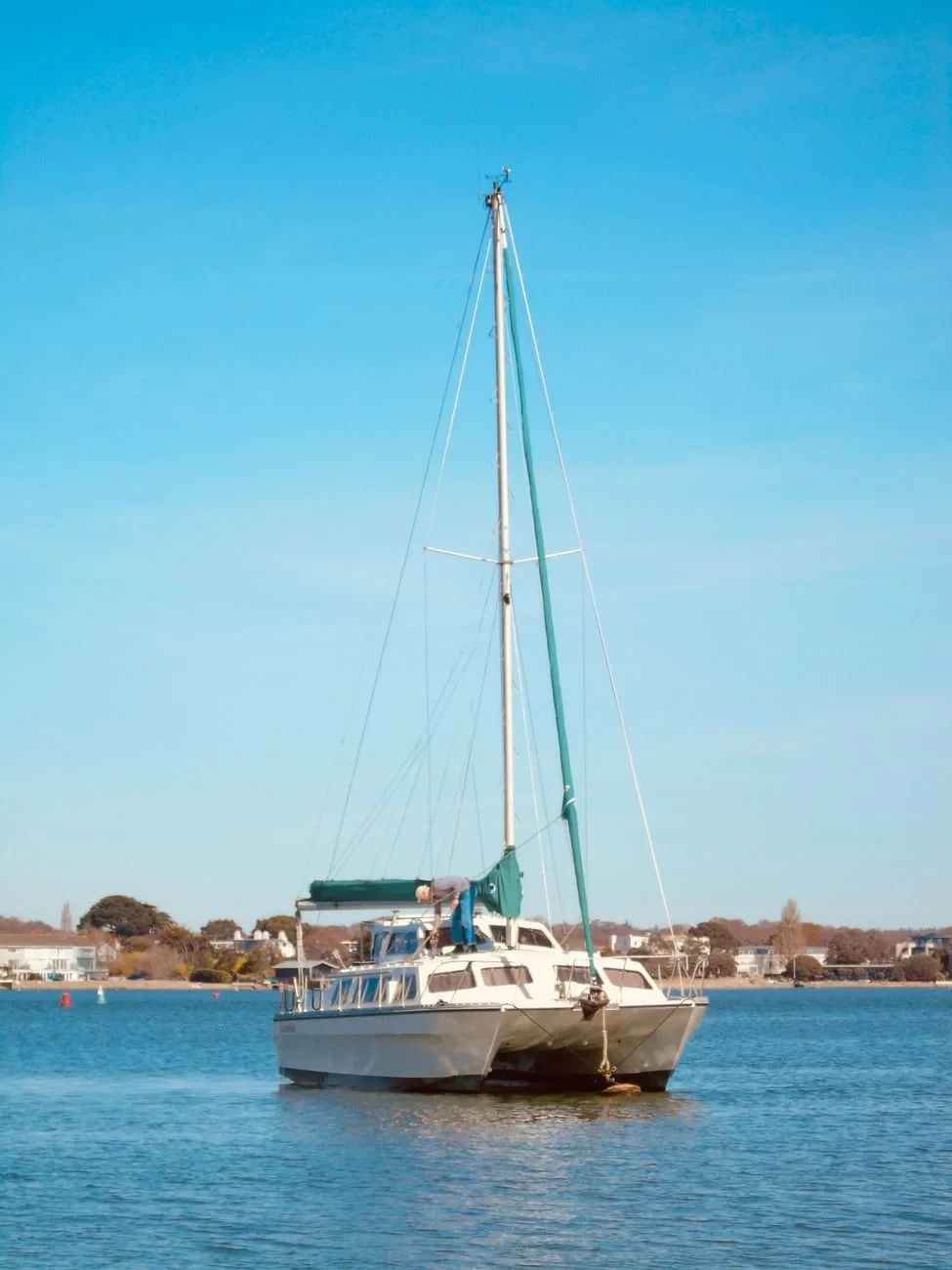
A sailboat floats peacefully in clear conditions. The image shows the tranquility possible before departure, a moment of readiness.
Photograph by Anne-marie _, via Pexels.
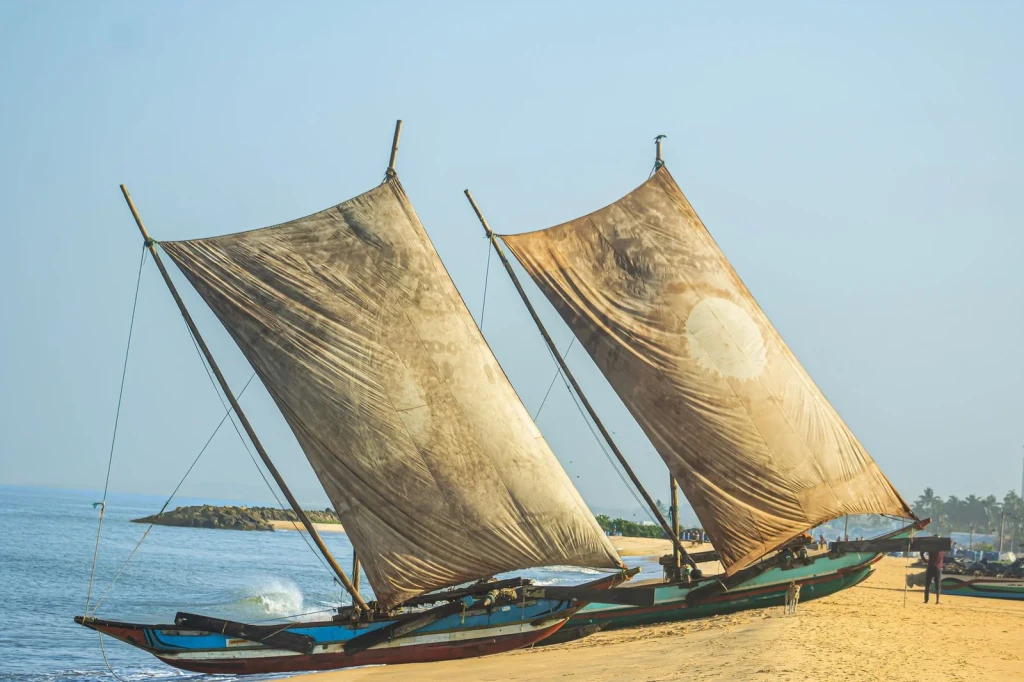
Traditional boats with large sails rest on a tropical beach. These vessels represent regional maritime heritage distinct from the canoe traditions explored here.
Photograph by Amod S Pallemulla, via Pexels.
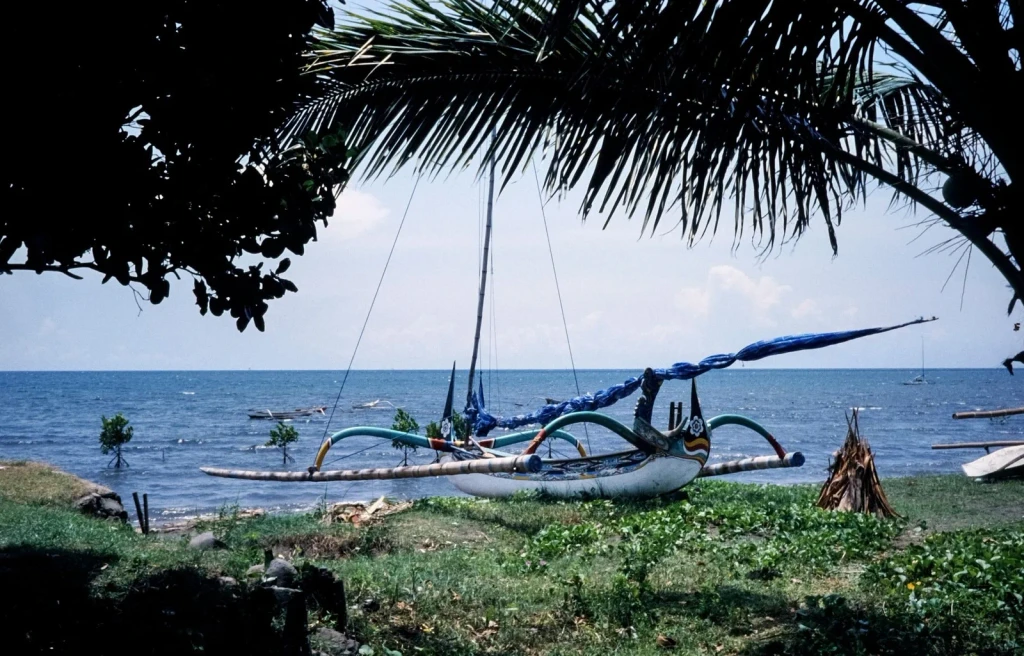
A colorful traditional canoe rests on sand beside the ocean. The vessel waits between journeys, a reminder of human movement across water.
Photograph by pierre matile, via Pexels.
A sailboat near an urban waterfront. This image does not relate to the exhibition's focus on canoes or Pacific settlement.
Photograph by Ben Chanas, via Pexels.
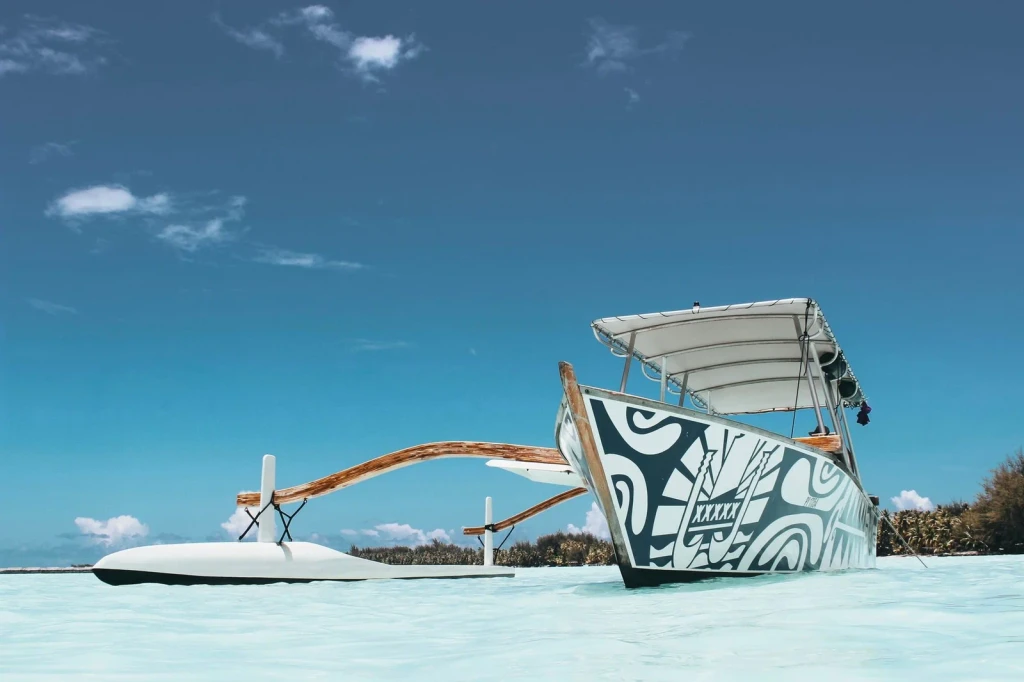
A traditional boat rests in turquoise waters. The image captures the kind of vessel that enabled ocean settlement across the Pacific.
Photograph by Vincent Gerbouin, via Pexels.
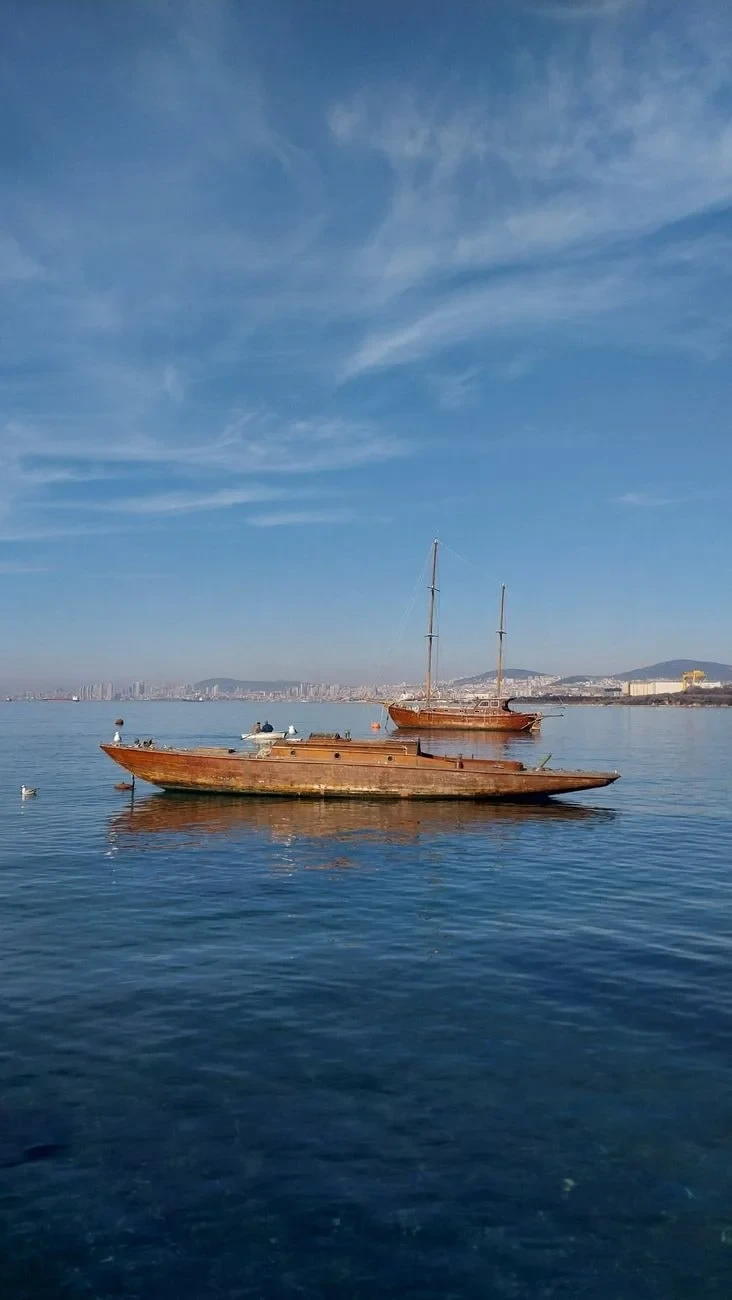
Two wooden boats sit quietly on blue water. A simple moment that speaks to the everyday presence of watercraft in maritime cultures.
Photograph by Çiğdem Gökçe, via Pexels.
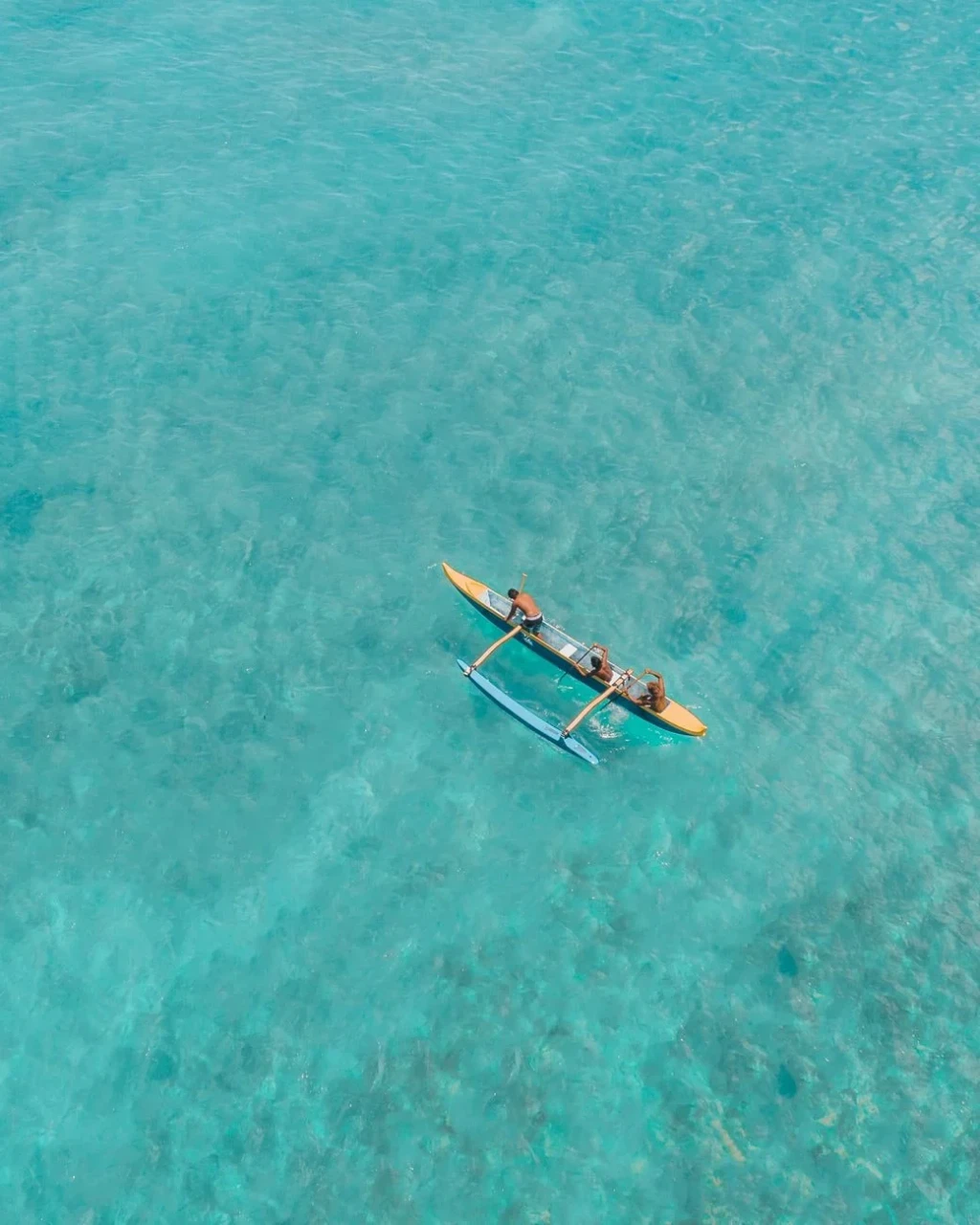
Three paddlers navigate clear turquoise waters. The image captures canoes in their modern leisure context, far from the epic voyages that once crossed the Pacific.
Photograph by Jess Loiterton, via Pexels.
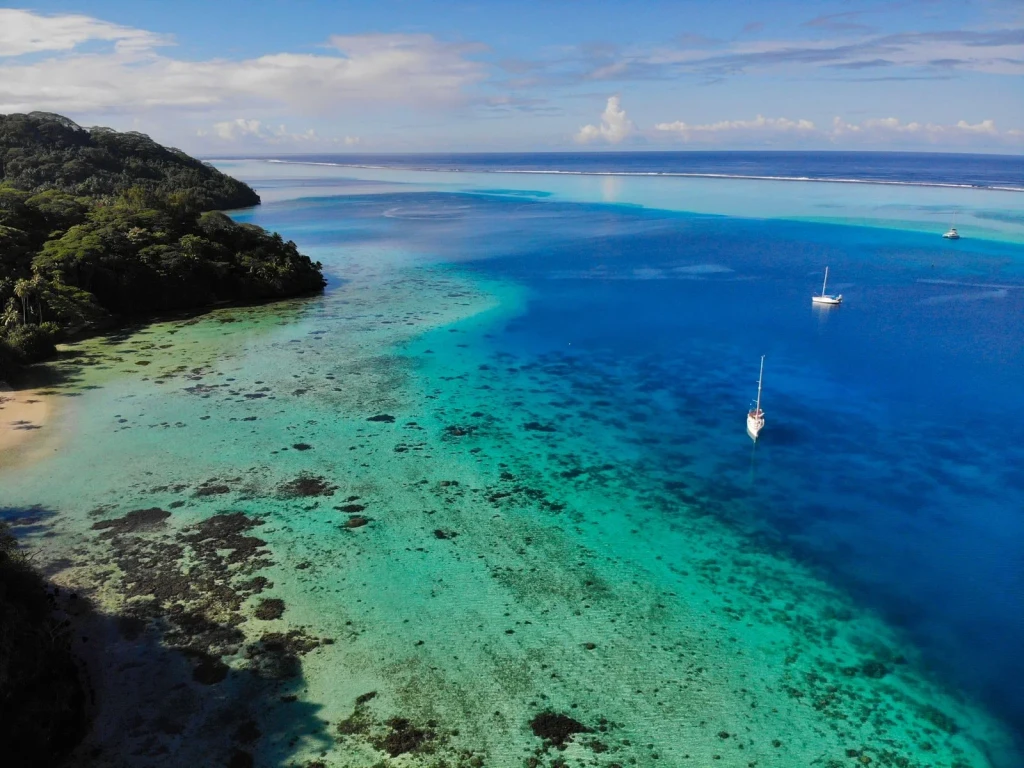
An aerial view of vibrant waters and coastline in French Polynesia. The lush islands hint at the Pacific destinations canoes reached.
Photograph by Eliza Ross, via Pexels.
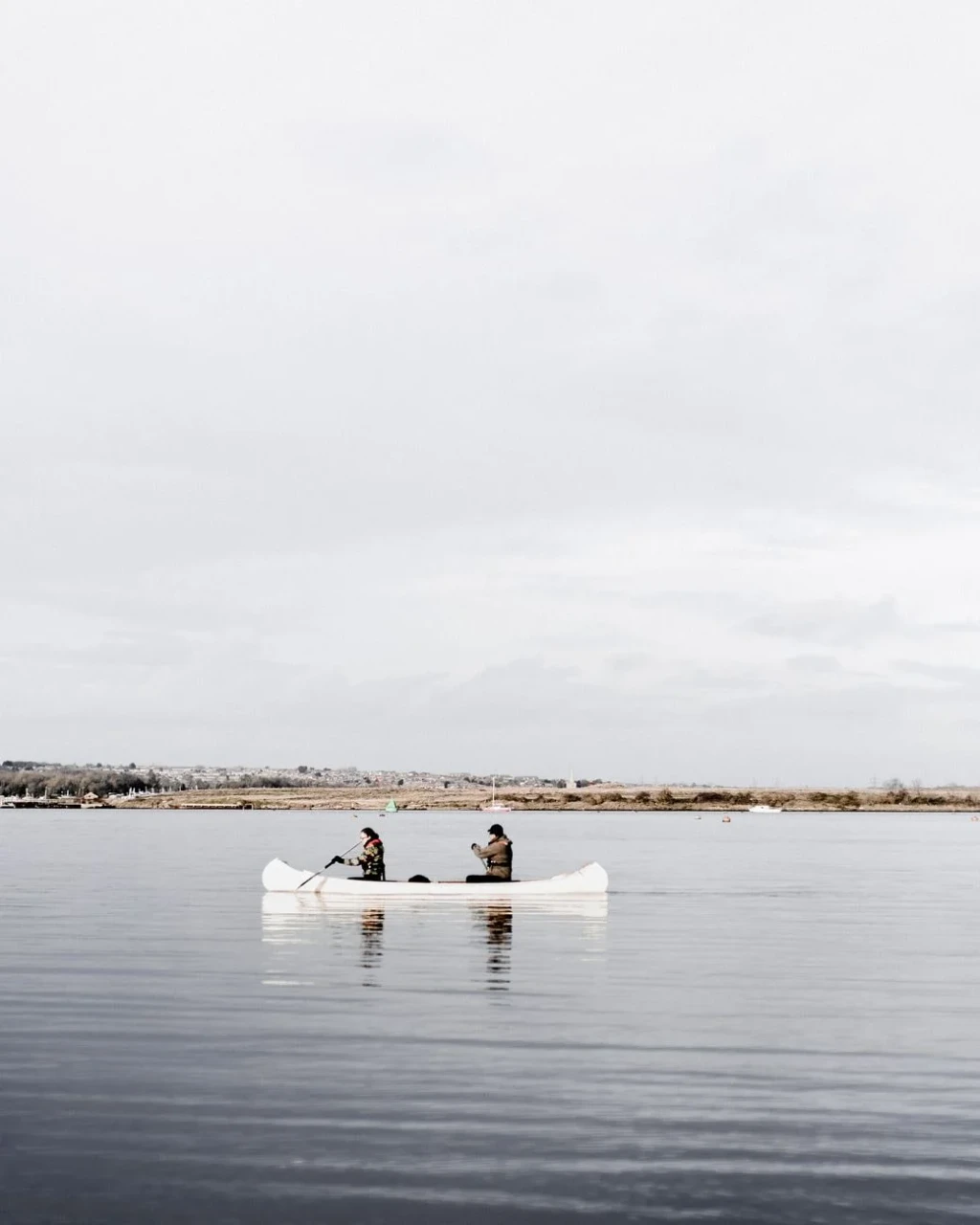
Two people paddle on still water beneath cloudy skies. A quiet moment that echoes the patience required for long-distance canoe travel.
Photograph by Chika Amogu, via Pexels.
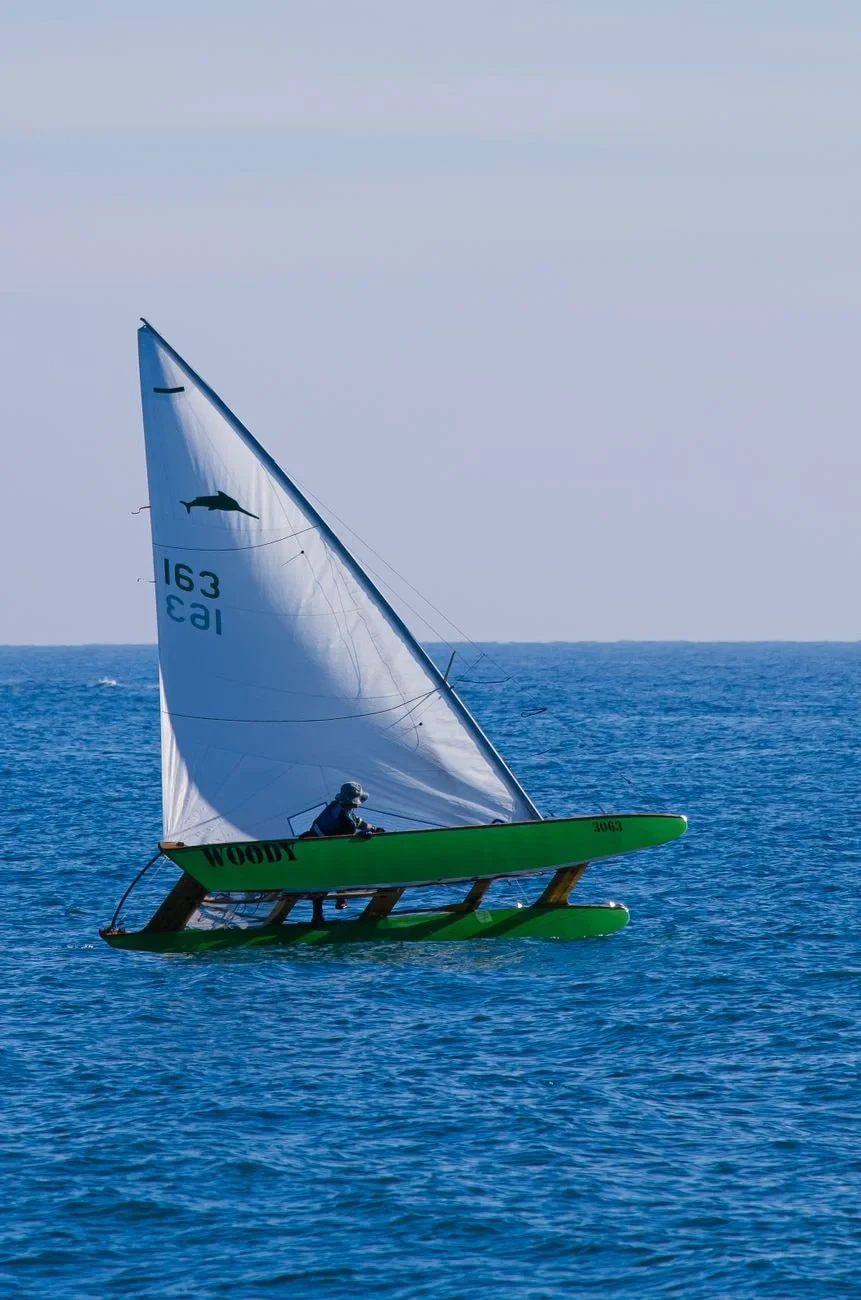
One sailor navigates open sea in a sailboat. A portrait of individual skill and the small-scale maritime practices that sustained Pacific voyages.
Photograph by Elias Gulias, via Pexels.
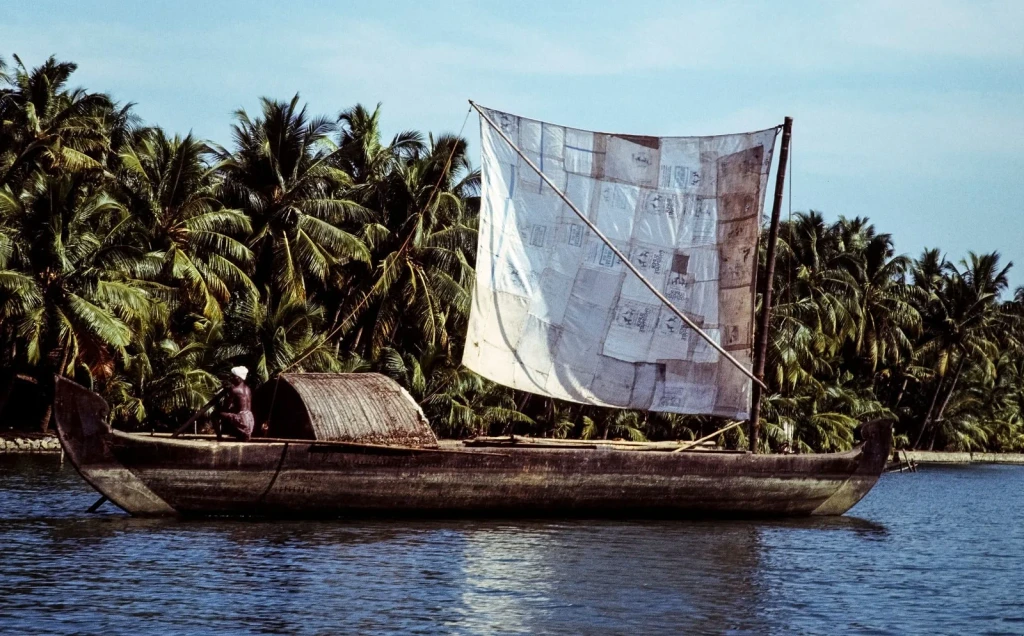
A traditional canoe with sail floats on calm inland waters. Different waters, same ingenuity: paddled and sailed vessels adapted to local geography.
Photograph by pierre matile, via Pexels.
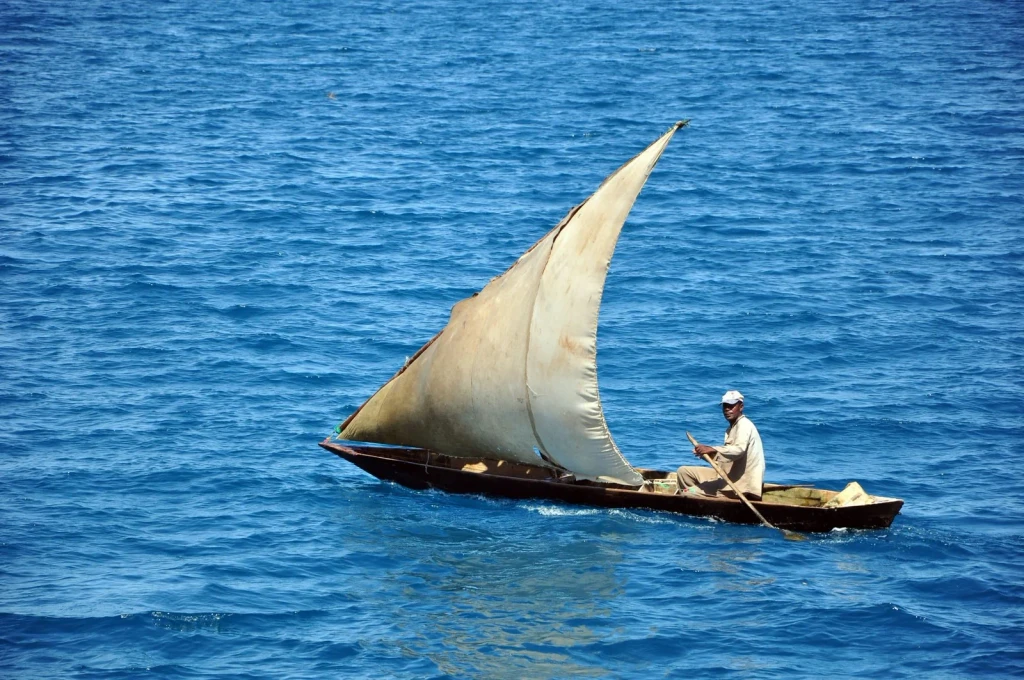
A lone sailor steers a wooden vessel across blue ocean. A solitary journey that speaks to the courage navigation once demanded.
Photograph by Jurie Maree, via Pexels.
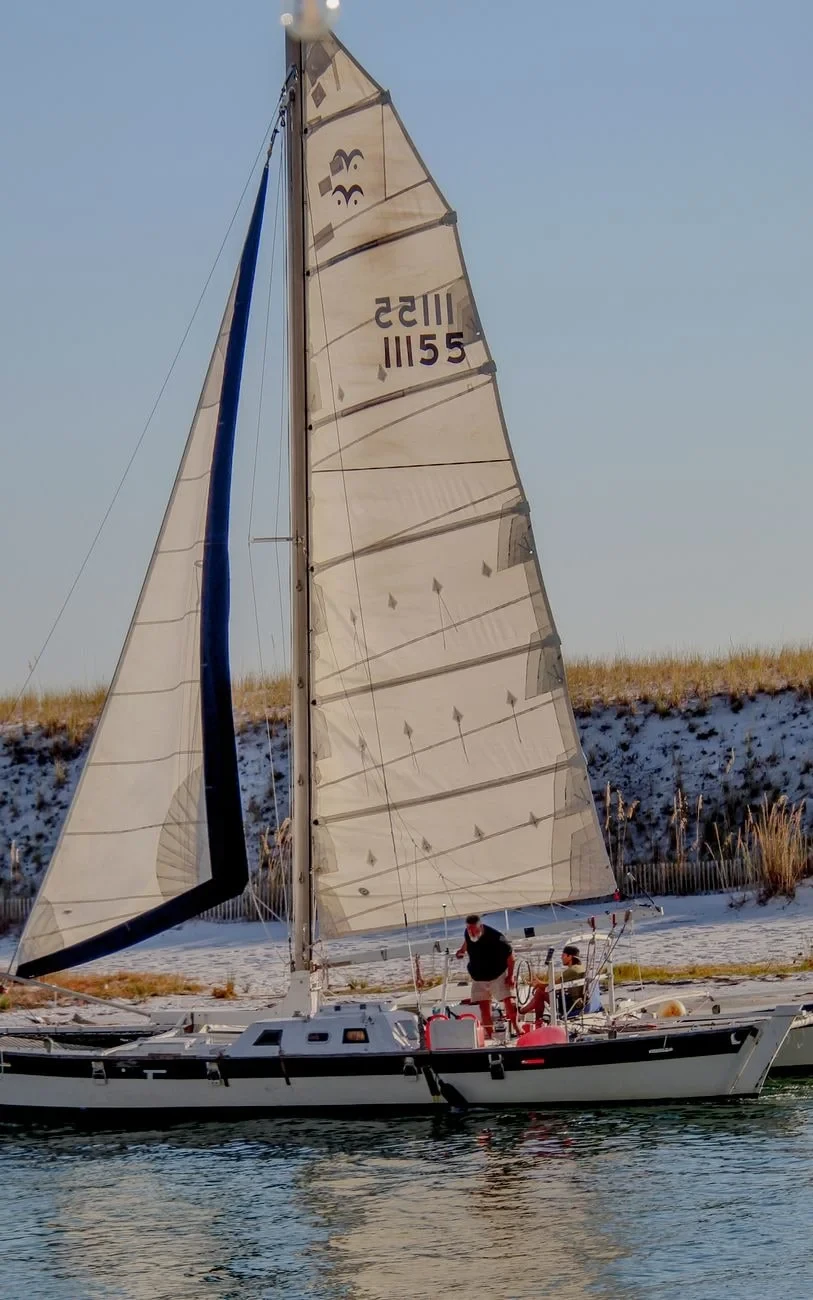
A sailboat moves through snowy waters, suggesting how seafaring vessels adapted to diverse environments and climates across ocean voyages.
Photograph by Karen F, via Pexels.
