3D Gallery
How Soap Became the World's Greatest Lifesaver
Enter gallery
How Soap Became the World's Greatest Lifesaver is a 3D virtual gallery on MyGallery3D, a walkable online exhibition of 15 works. Step inside and explore it in your browser: no app, no headset.
Walk through a 3D virtual museum of soap in your browser, and take the bar seriously.
According to UNICEF, turning handwashing with soap into an ingrained habit can save more lives than any single vaccine or medical intervention, cutting deaths from diarrhea by almost half and deaths from acute respiratory infections by one quarter. Pneumonia alone takes an estimated 1.8 million children per year. Yet a study of hand washing in 54 countries in 2015 found that on average only 38.7% of households washed their hands with soap.
In Aleppo, olive oil, water and lye boil in an in-ground vat over an underground fire for three days. The laurel oil is added at the end. The green mass is poured onto waxed paper, and workers with planks strapped to their feet walk it flat. Cut into cubes, it ages in a subterranean chamber for six months to a year, pale gold outside and still green within.
A Sumerian clay tablet from around 2500 BC gives a formula for a soap-like substance: heat a mixture of oil and wood ash. That is the earliest recorded chemical reaction, and it was written down in order to wash woolen clothing. Evidence for soap-like materials in ancient Babylon reaches back to about 2800 BC. Pliny the Elder later described soap as an invention of the Gauls.
Soap molecules carry a water-attracting group at one end and a fat-attracting pocket at the other. In water they gather into micelles, tiny spheres that turn the hydrophilic groups outward and trap oil and grime inside. The dirt becomes soluble and rinses away. Soap also kills microorganisms, disorganizing their membrane lipid bilayer and denaturing their proteins. Friction matters too: the CDC says scrub for at least 20 seconds.
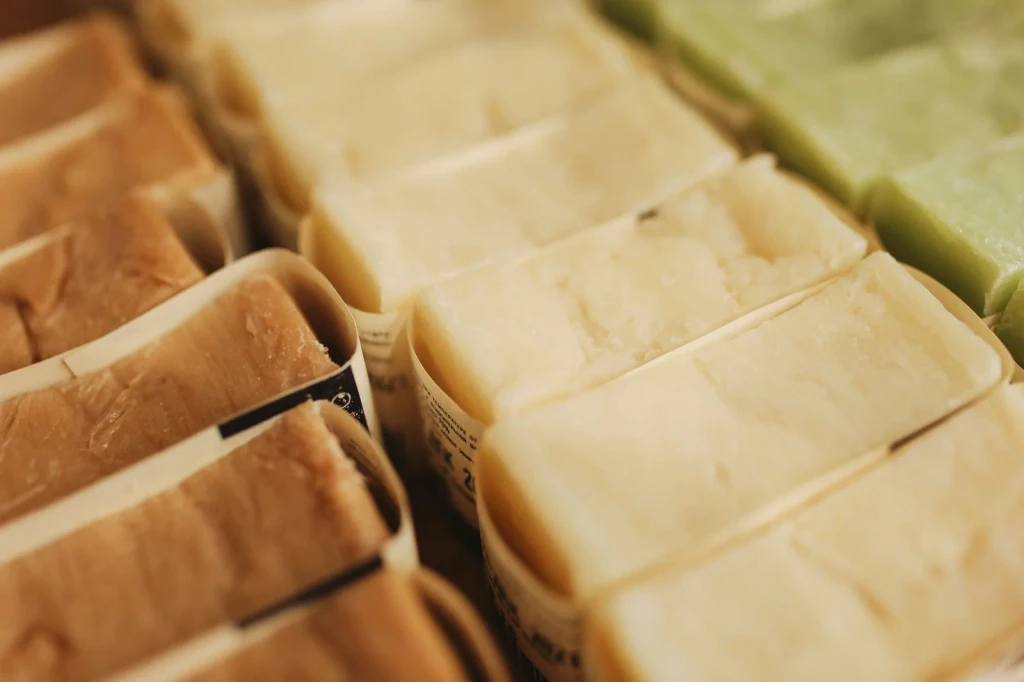
Natural bar soaps organized to display their range. These eco-friendly alternatives speak to how soap connects personal care with broader wellness.
Photograph by Polina Tankilevitch, via Pexels.
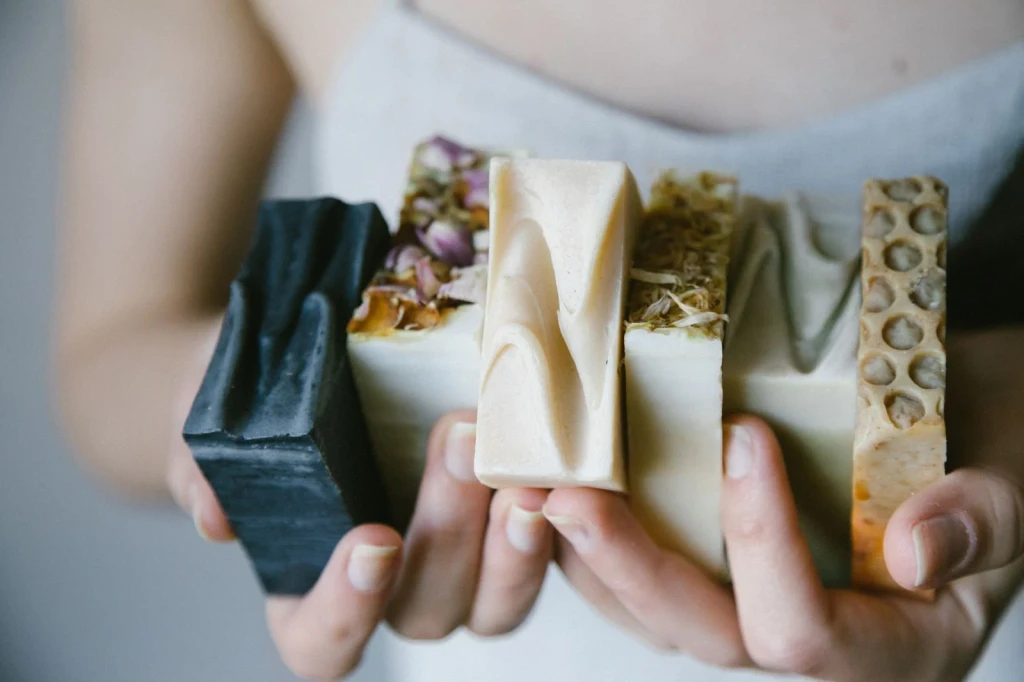
A variety of handcrafted soaps held and presented. The gesture of holding emphasizes soap's intimate role in personal care and hygiene.
Photograph by Meruyert Gonullu, via Pexels.
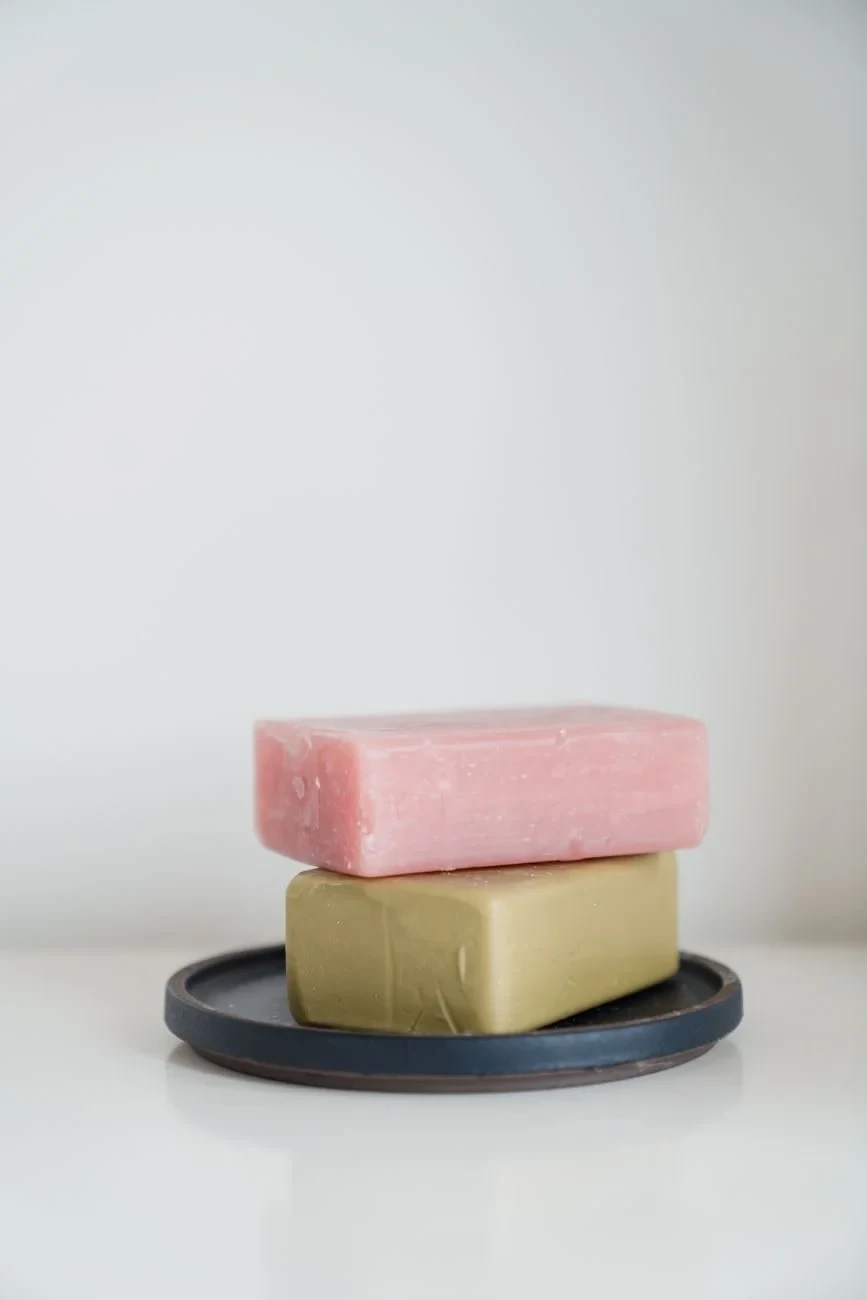
Two soap bars stacked on a tray against white. This spare composition isolates soap as subject, emphasizing its fundamental form.
Photograph by Greta Hoffman, via Pexels.
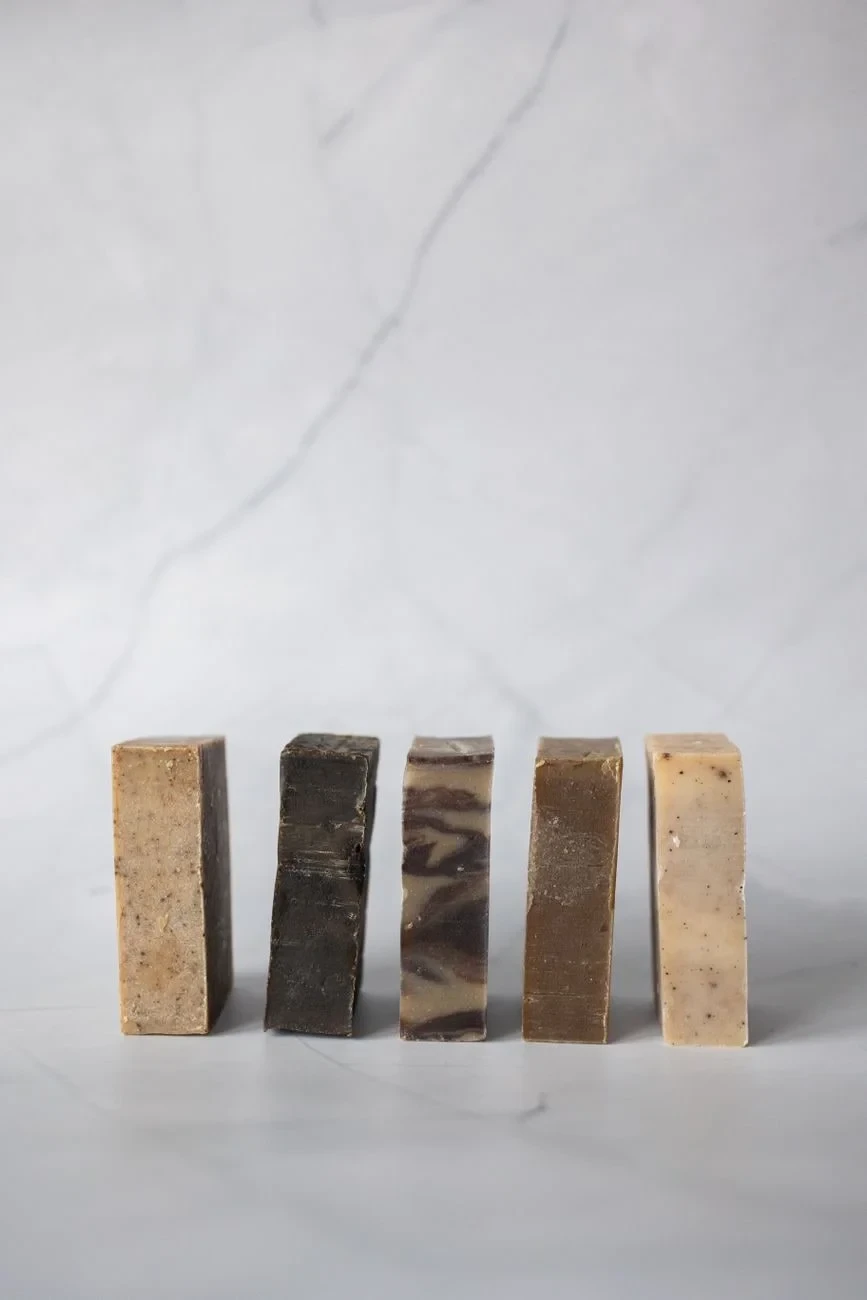
Handmade soaps arranged in a formal row against marble. The composed presentation speaks to soap's transformation from necessity to craft.
Photograph by Monstera Production, via Pexels.
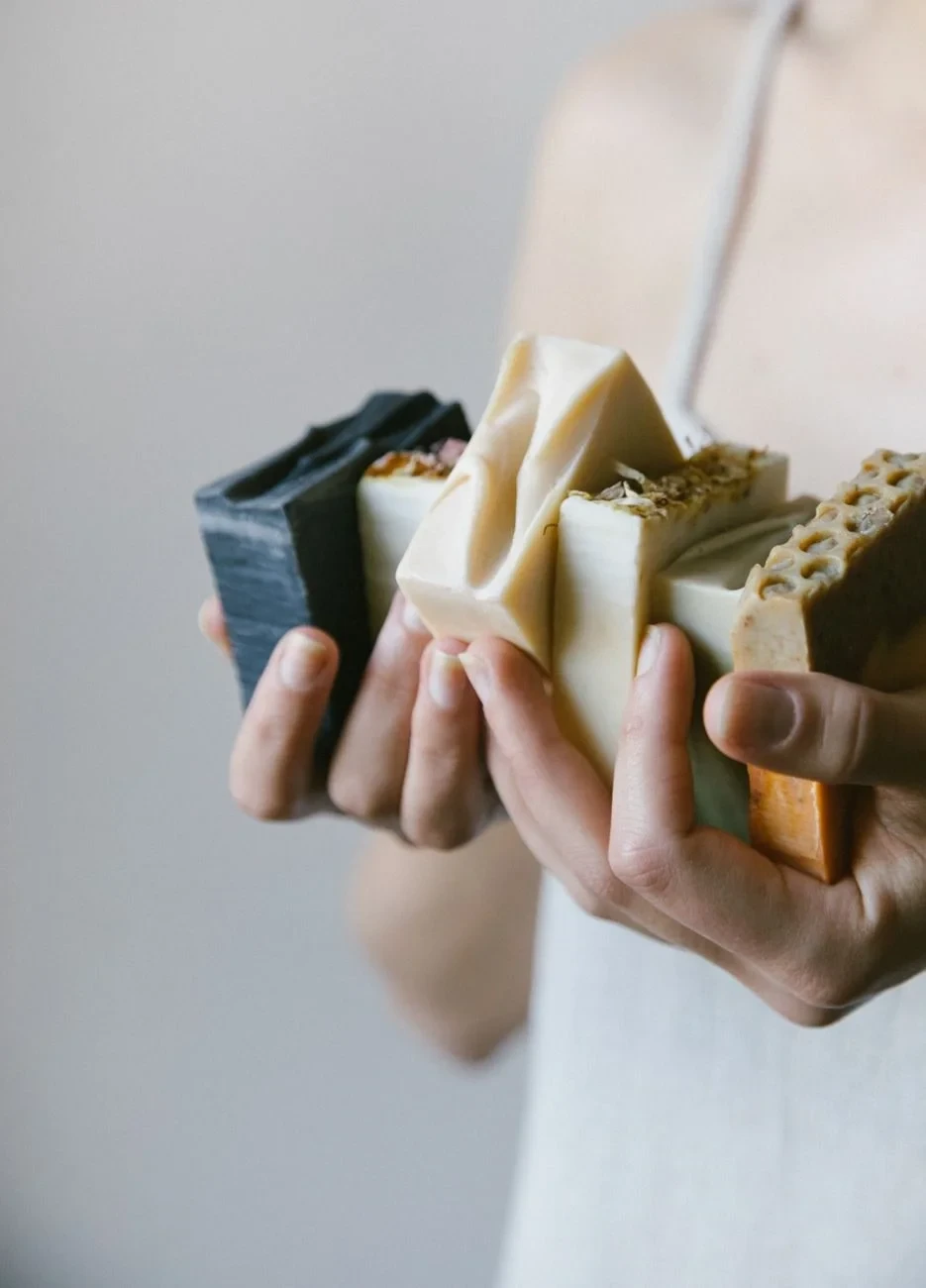
Hands holding diverse organic soaps in a delicate gesture. The image emphasizes the personal and protective nature of soap's purpose.
Photograph by Meruyert Gonullu, via Pexels.
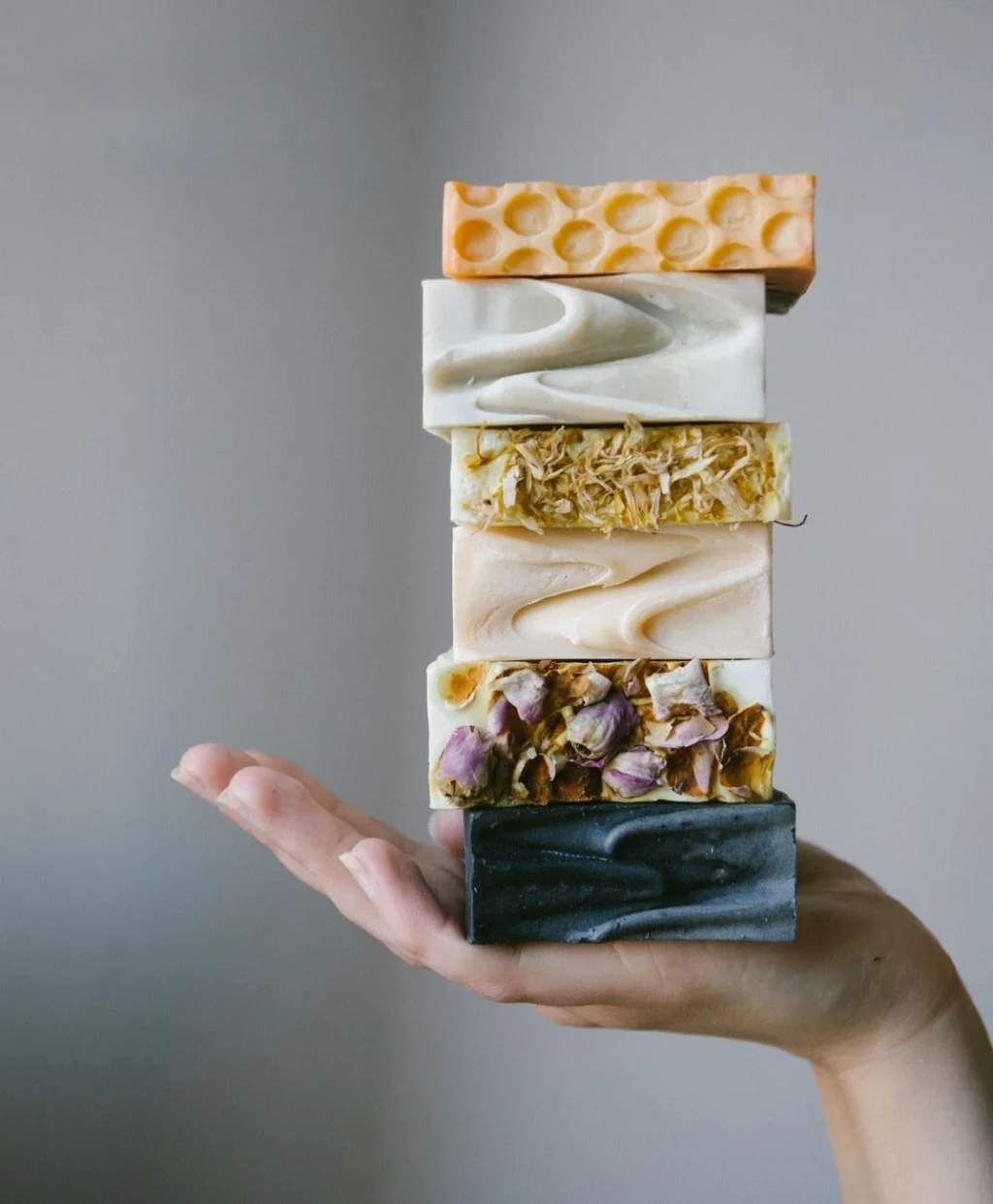
A stack of artisanal soaps cradled in a hand. The physical contact illustrates soap's essential role in daily care and protection.
Photograph by Meruyert Gonullu, via Pexels.
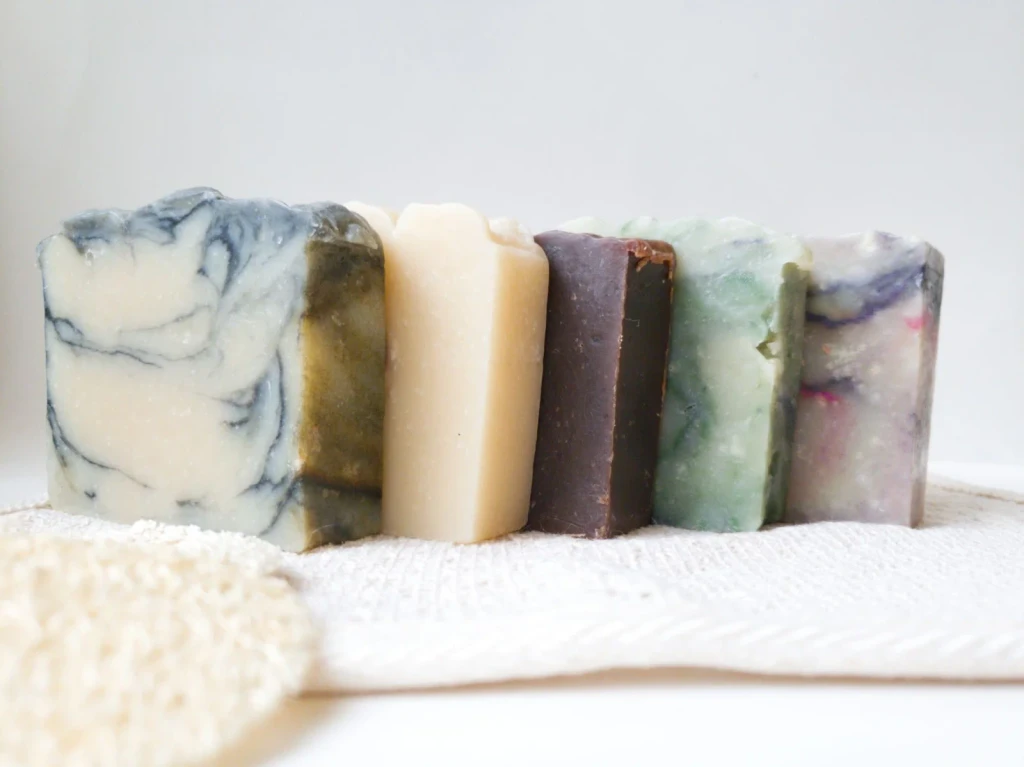
Close-up of diverse soaps on fabric, revealing natural textures and ingredients. The detail draws attention to what makes soap work.
Photograph by Sydnee More, via Pexels.
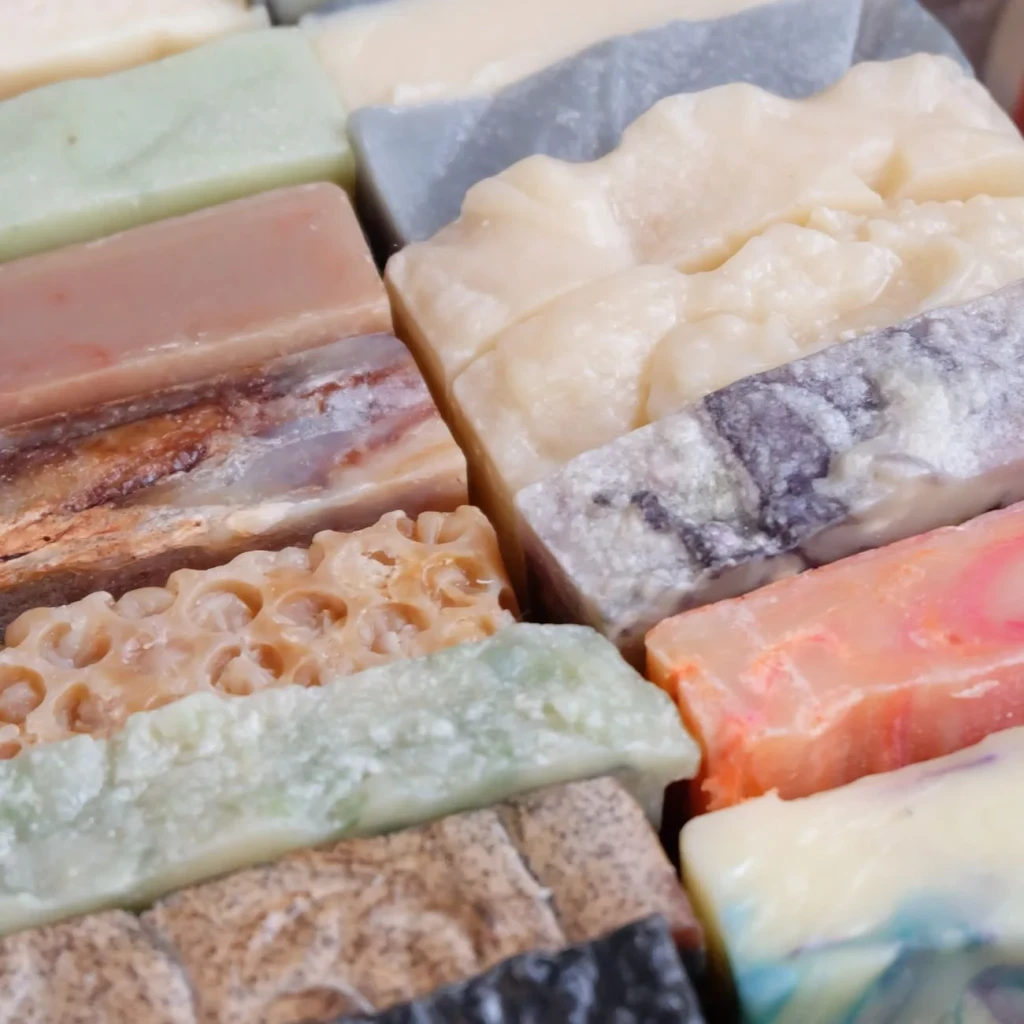
An array of handmade soaps in vibrant colors and natural textures. The diversity of form suggests soap's role as both practical necessity and crafted care.
Photograph by Sydnee More, via Pexels.
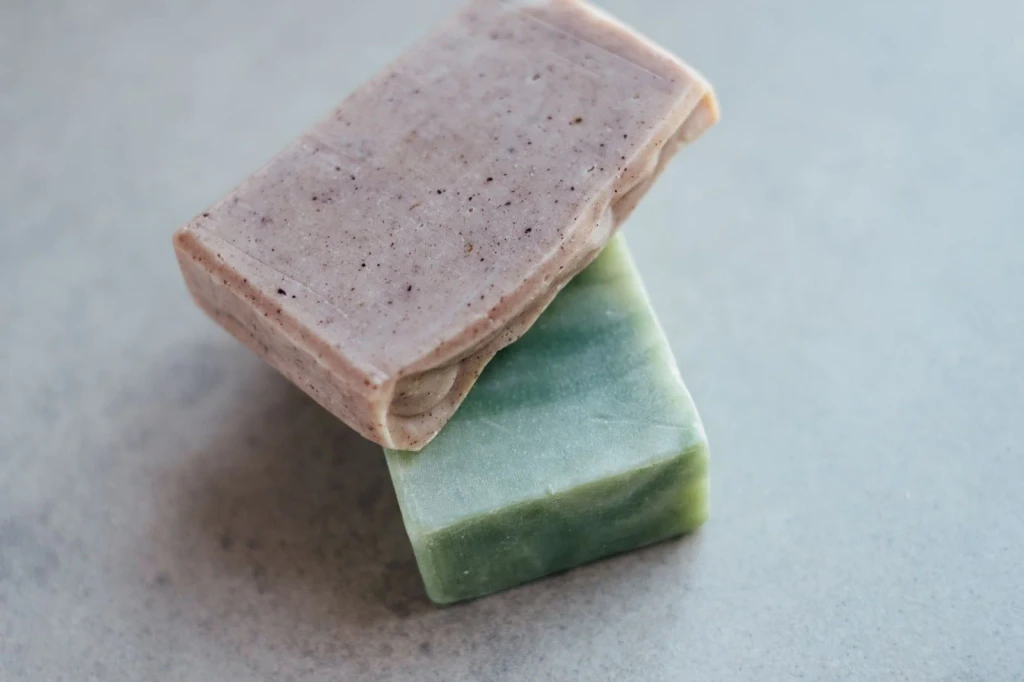
Two organic soaps show natural variation in their surfaces. Handmade production emphasizes craft and intention in creating this essential tool.
Photograph by freestocks.org, via Pexels.
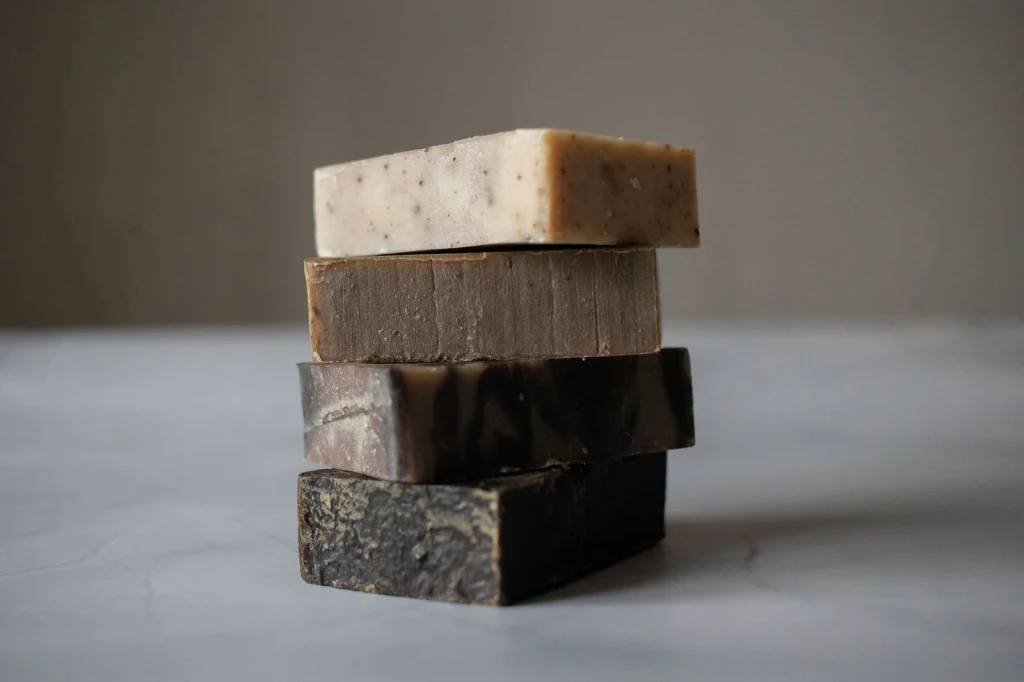
A stack of aromatic soaps arranged on a neutral surface. The careful presentation suggests how soap has been valued and displayed as a precious commodity.
Photograph by Monstera Production, via Pexels.
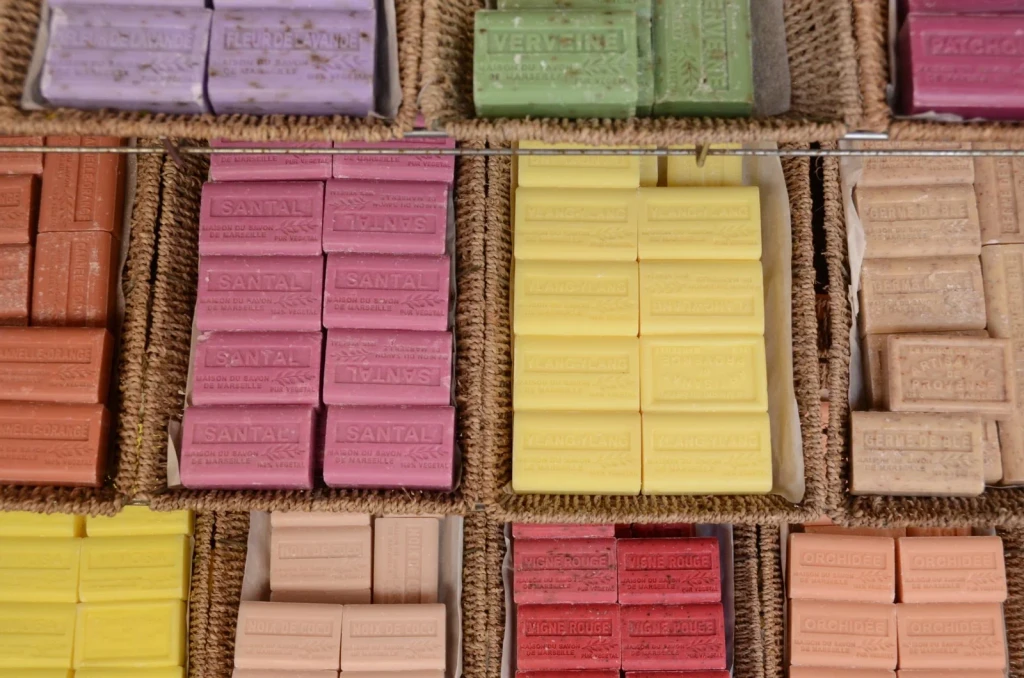
A vibrant market scene of handmade soaps in various colors and scents. Soap's presence in commerce reflects its value as an everyday essential.
Photograph by Jan van der Wolf, via Pexels.
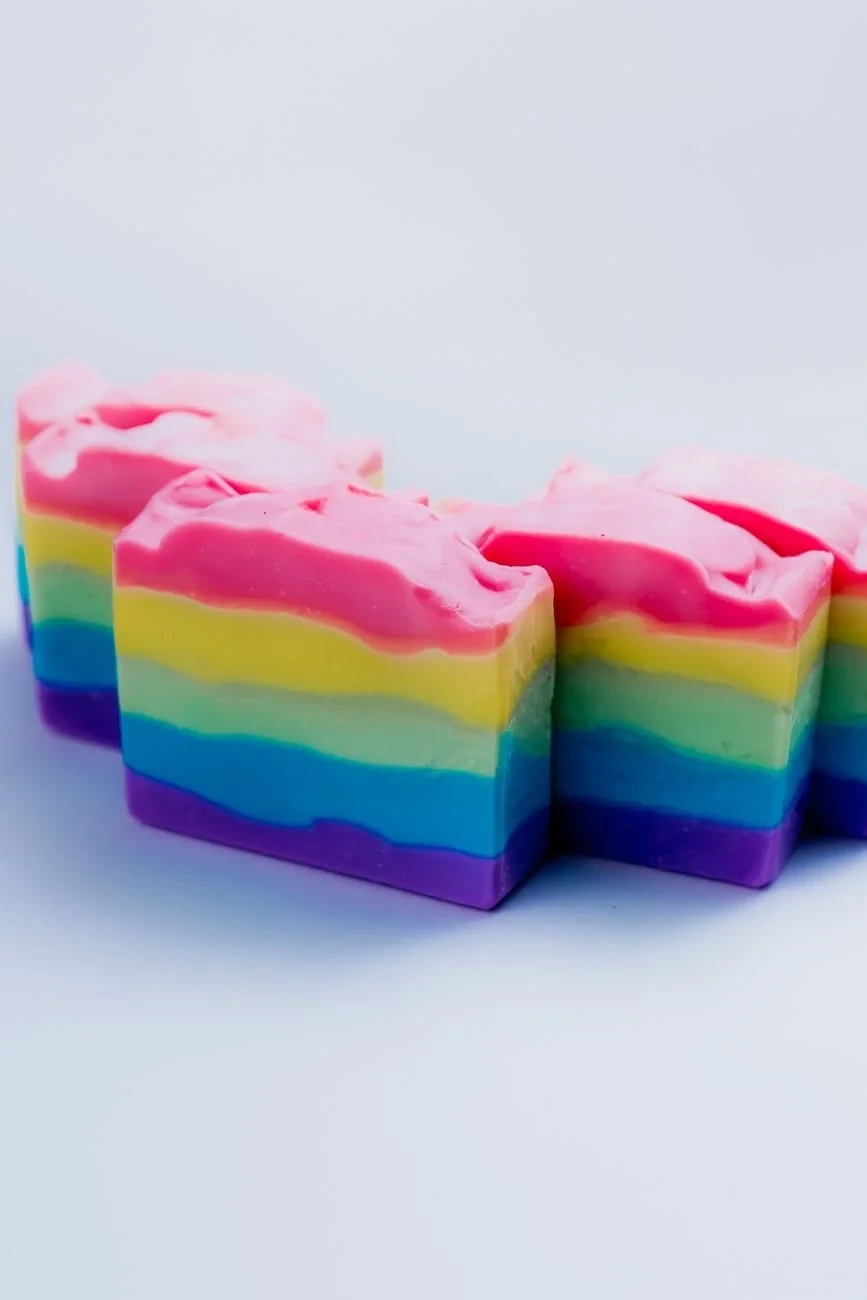
Vibrant soap bars arranged against white. The variety of colors suggests the diverse ways soap addresses different needs and preferences in daily life.
Photograph by Luis Quintero, via Pexels.
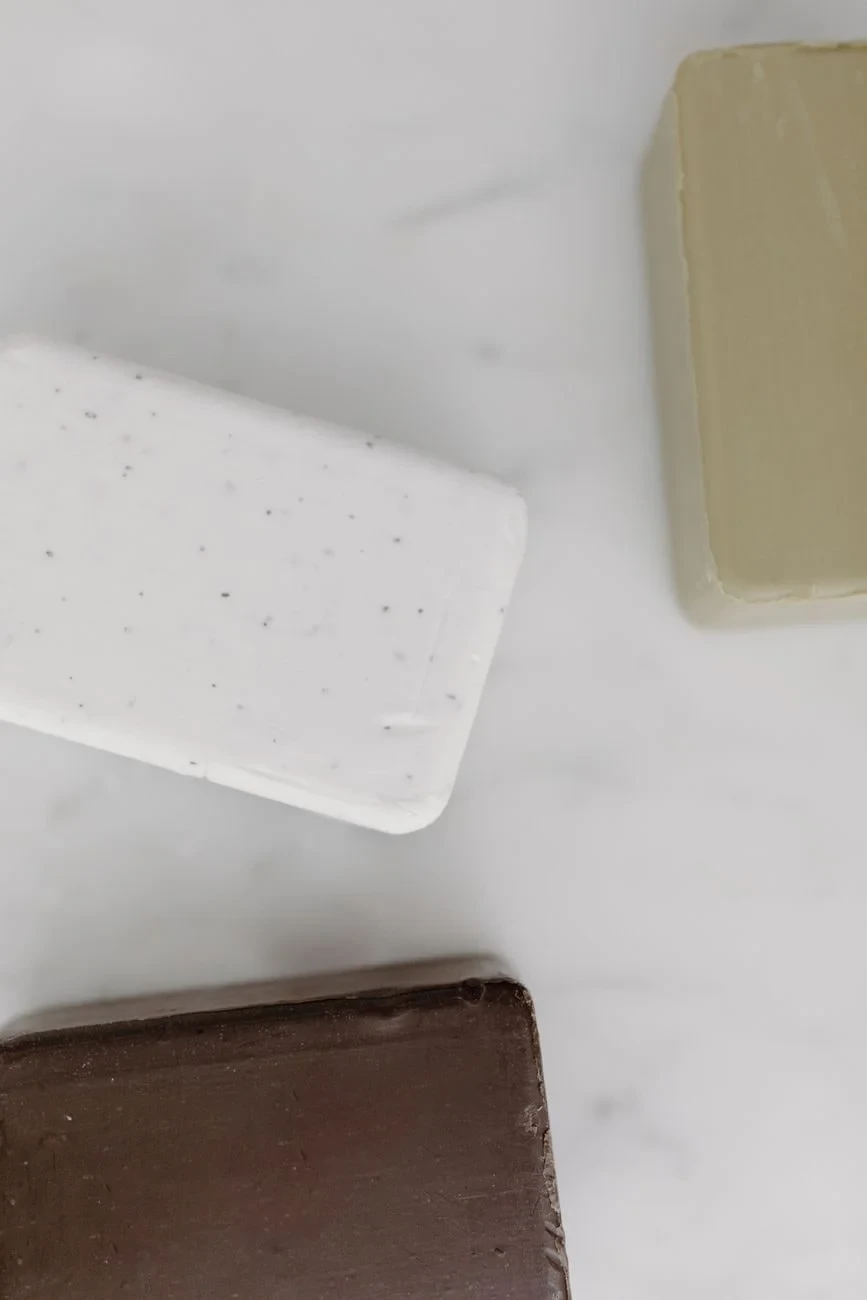
Assorted natural bar soaps arranged on a light background. Their varied colors and textures suggest soap's dual nature as practical tool and crafted product.
Photograph by Tara Winstead, via Pexels.
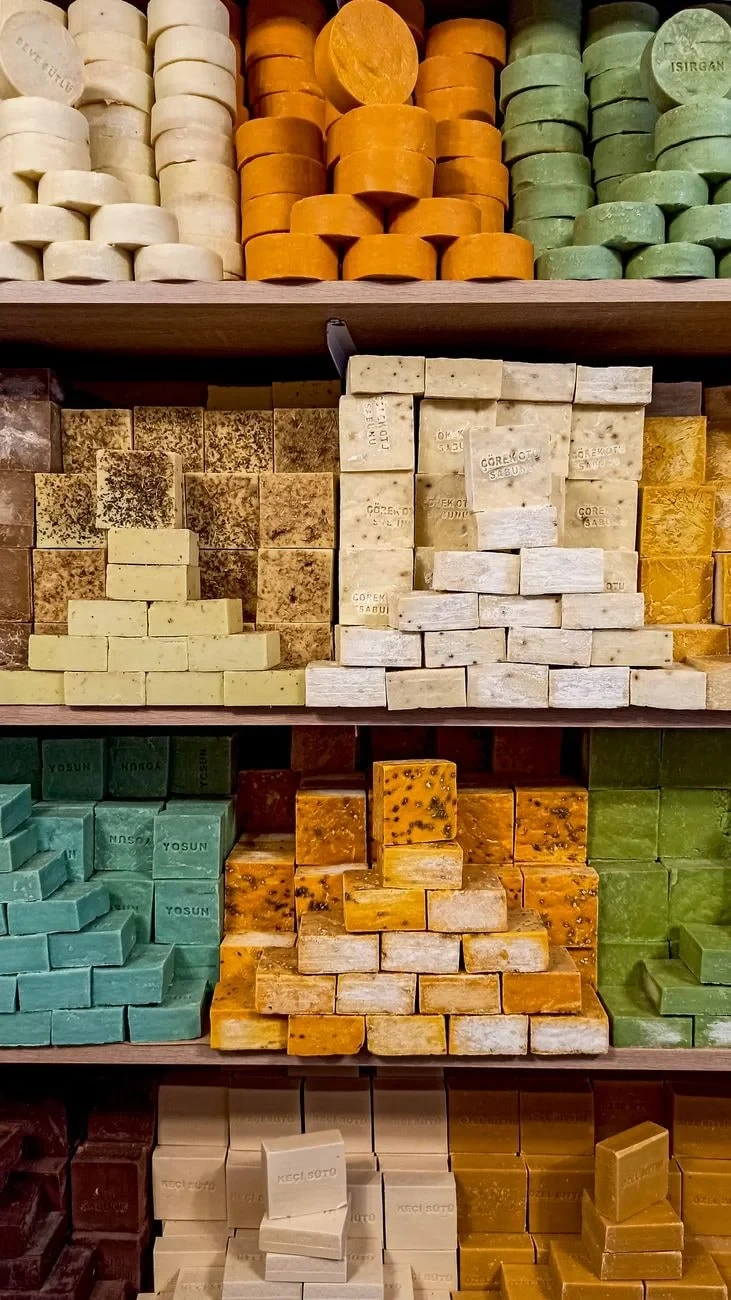
Soaps neatly arranged on shelves in a market setting. The organized display shows how soap remains central to local commerce and daily life.
Photograph by Numan Gilgil, via Pexels.
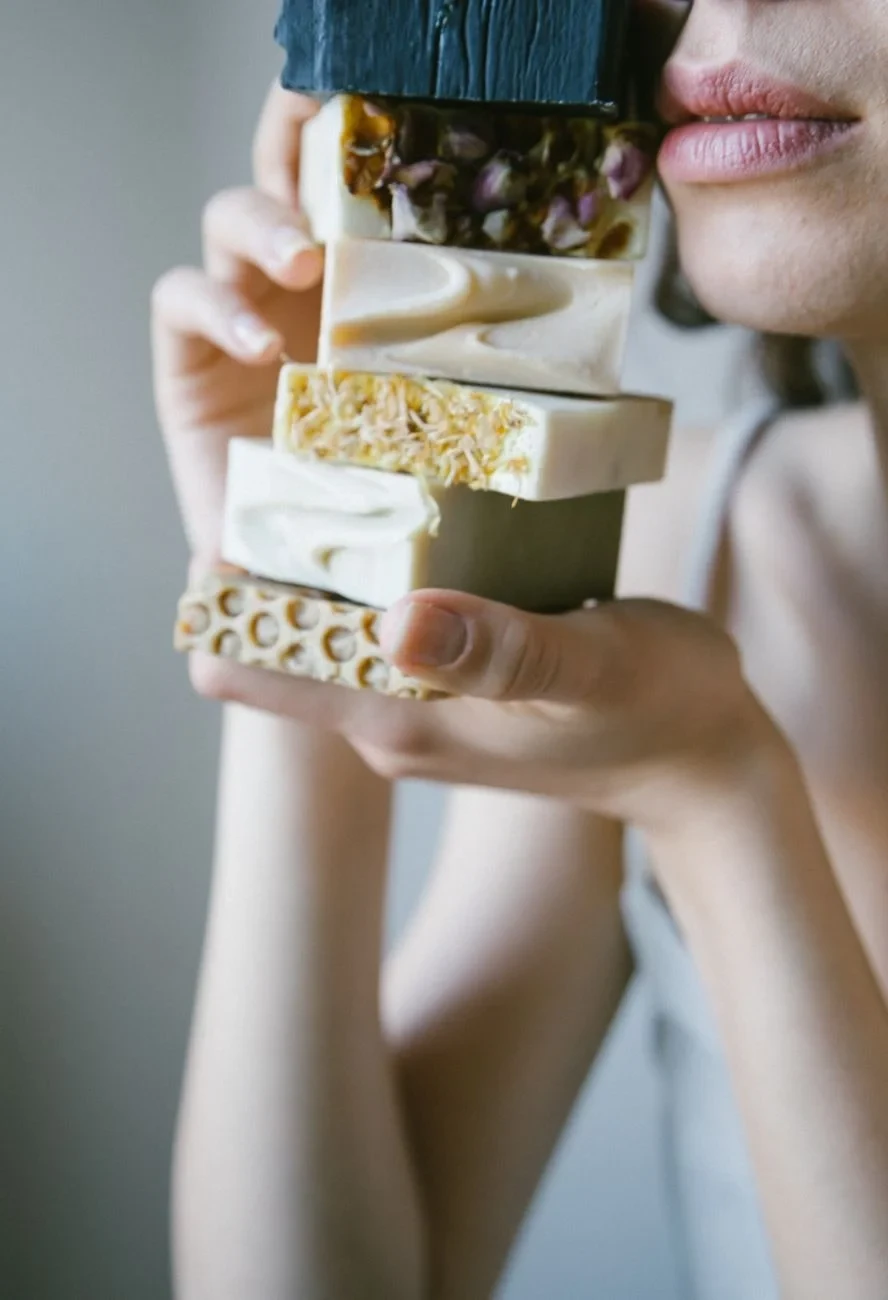
A person holds stacked artisanal bars, displaying texture and form. The gesture suggests soap as a tangible object we trust with our bodies.
Photograph by Meruyert Gonullu, via Pexels.
